SPRING FEVER SALE'S FINAL FLIGHT 🐥 ENDS TONIGHT! Land 30% off before the thaw is over. SHOP THE SALE


SPRING FEVER SALE'S FINAL FLIGHT 🐥 ENDS TONIGHT! Land 30% off before the thaw is over. SHOP THE SALE
| To | Service | Estimated Delivery | Fee |
|---|---|---|---|
| 🌎 | Intl. Air | 6-20 business days | $29.95 |
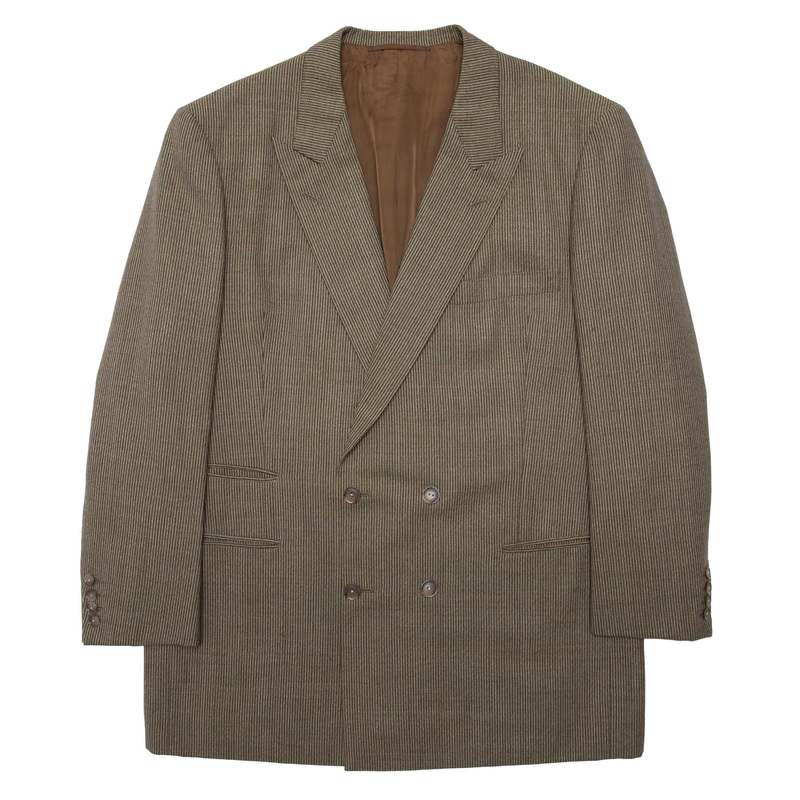
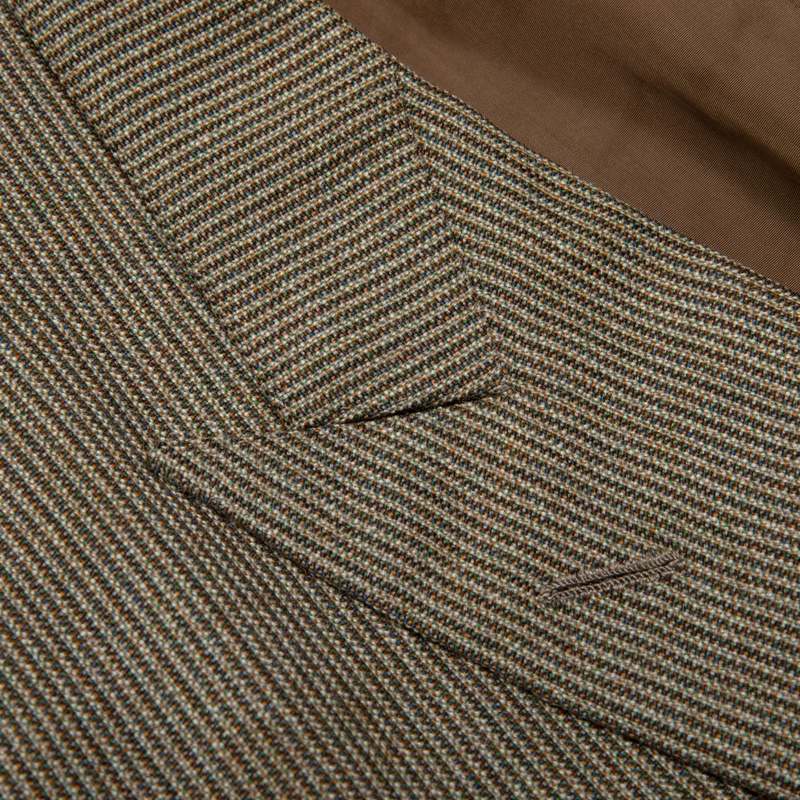
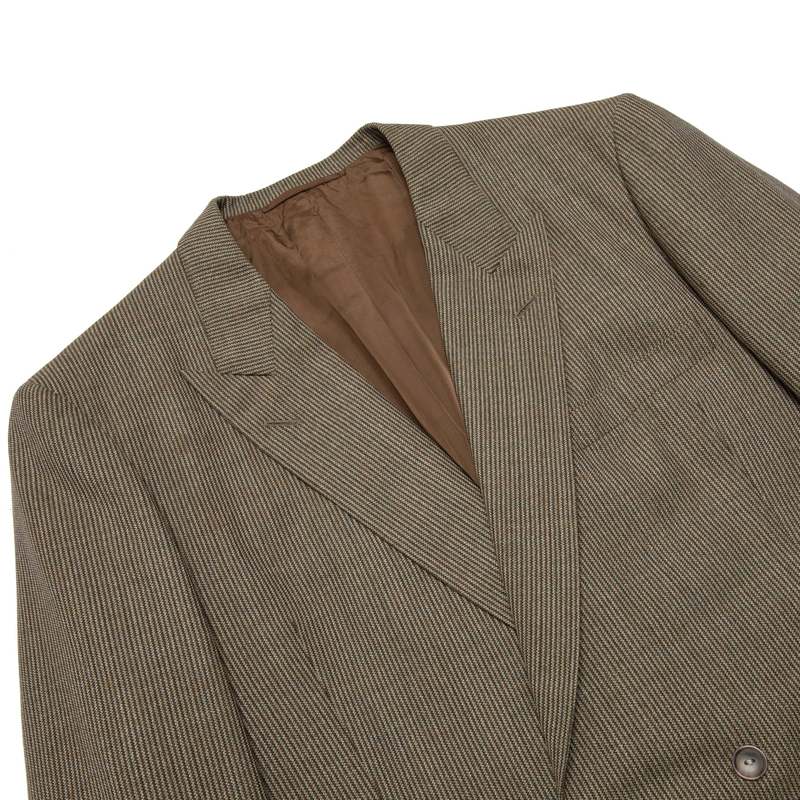
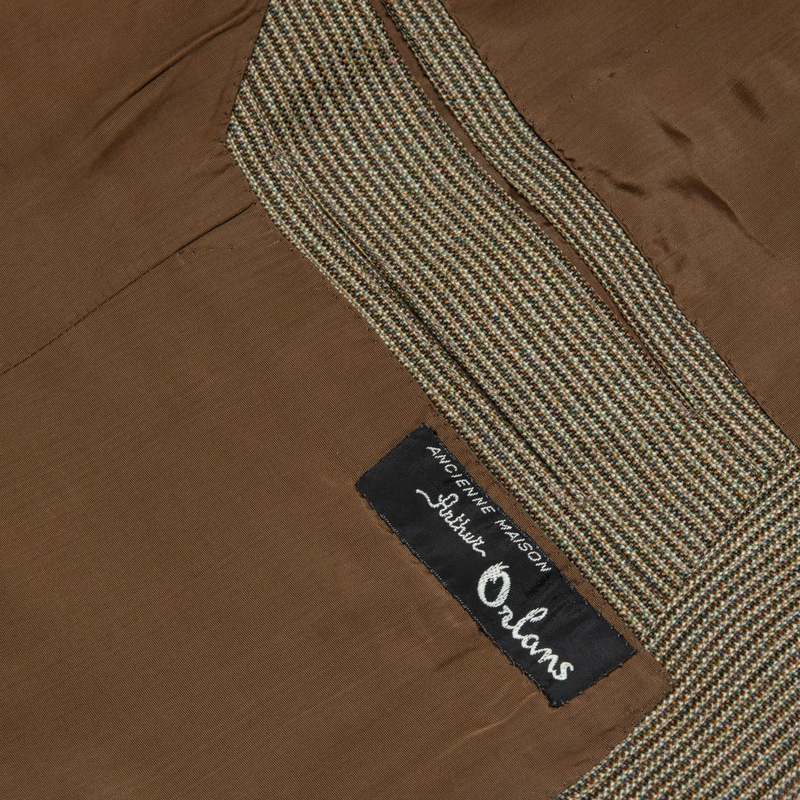
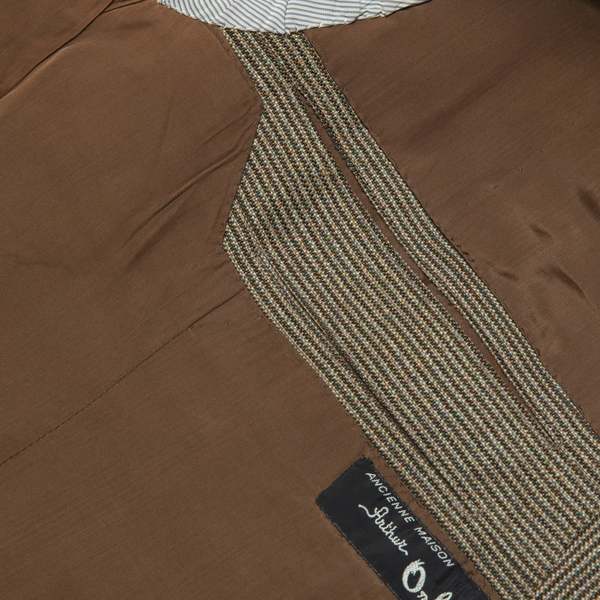
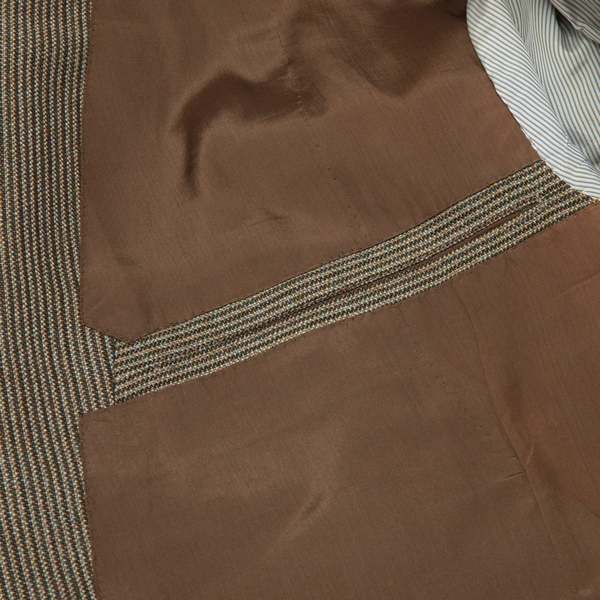
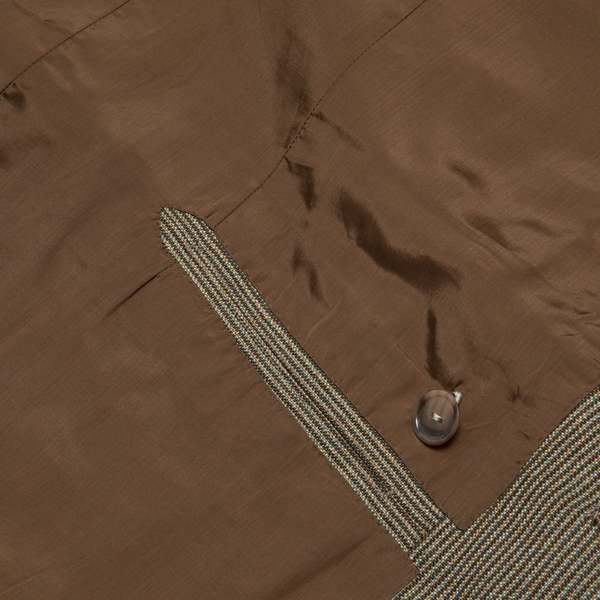
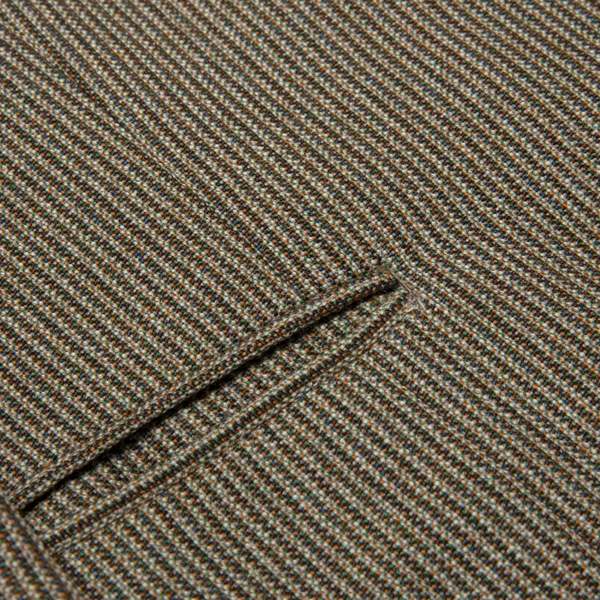
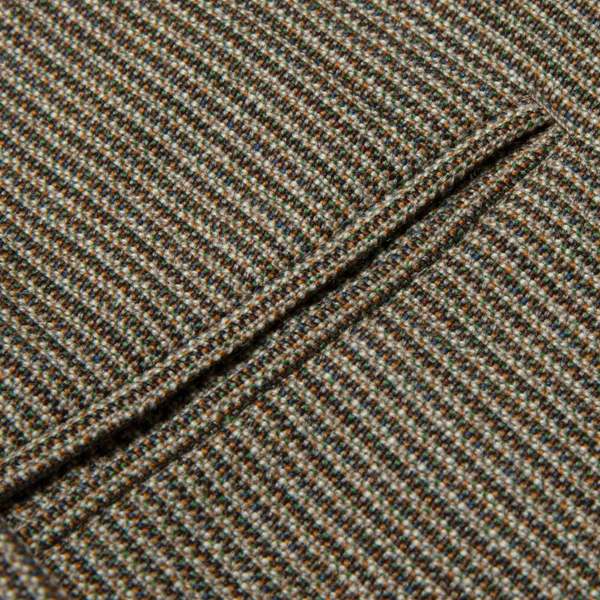
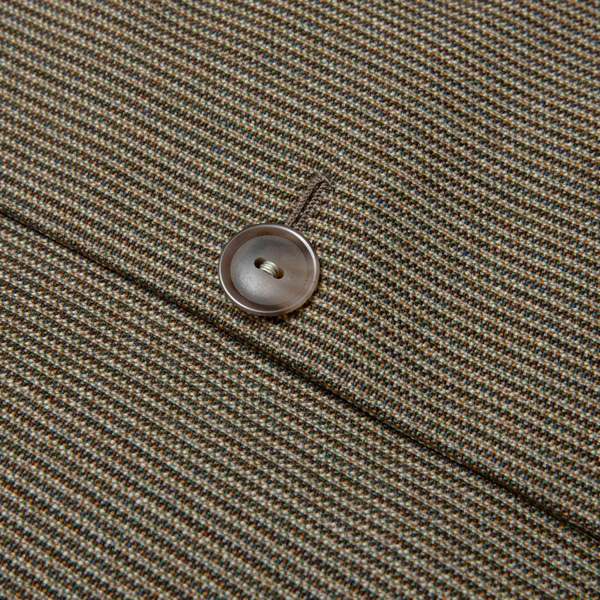
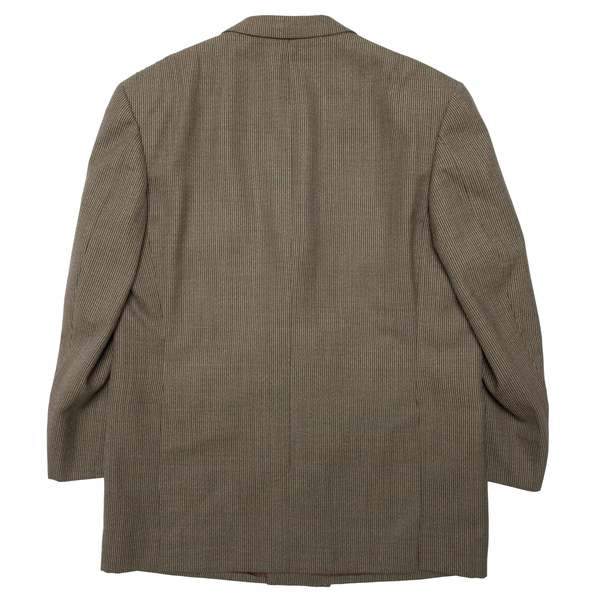
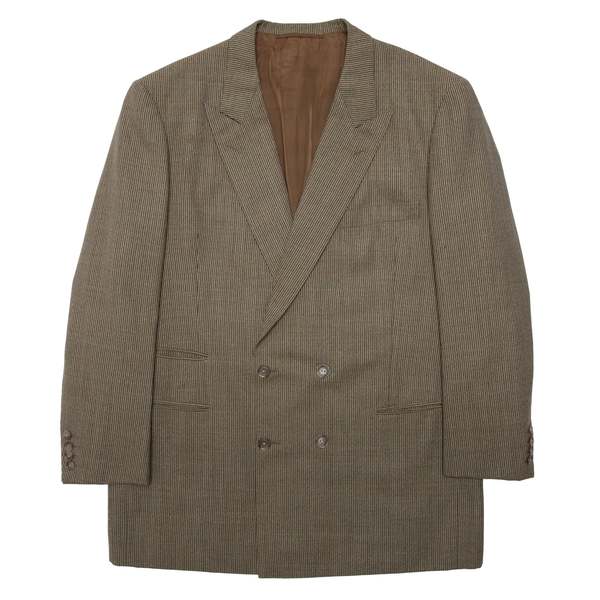
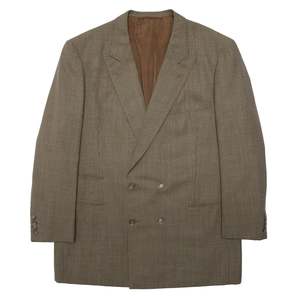
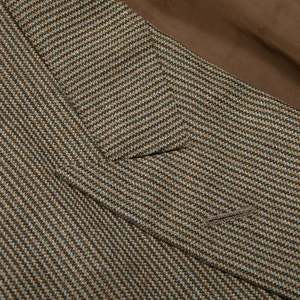
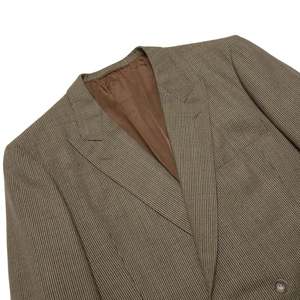
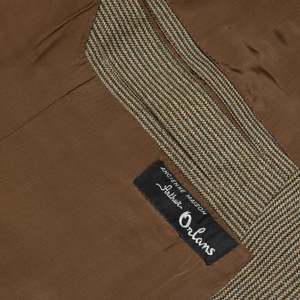
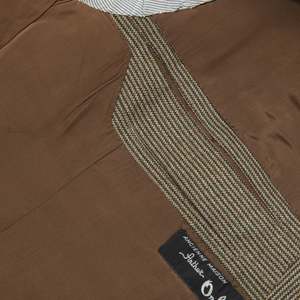
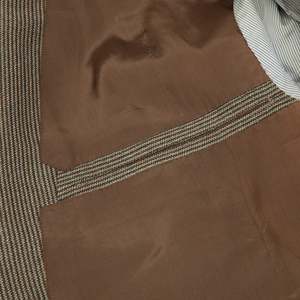
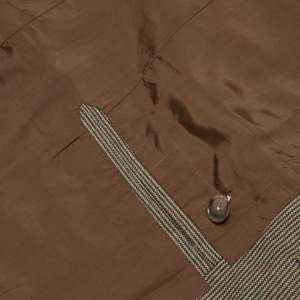
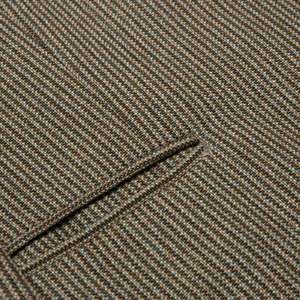
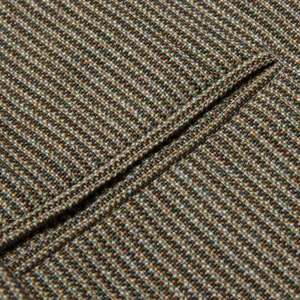
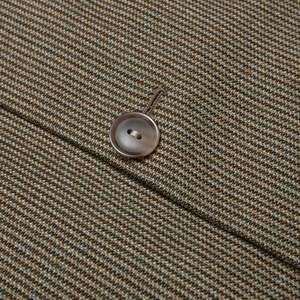
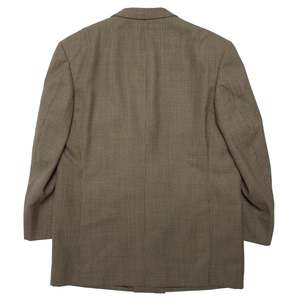
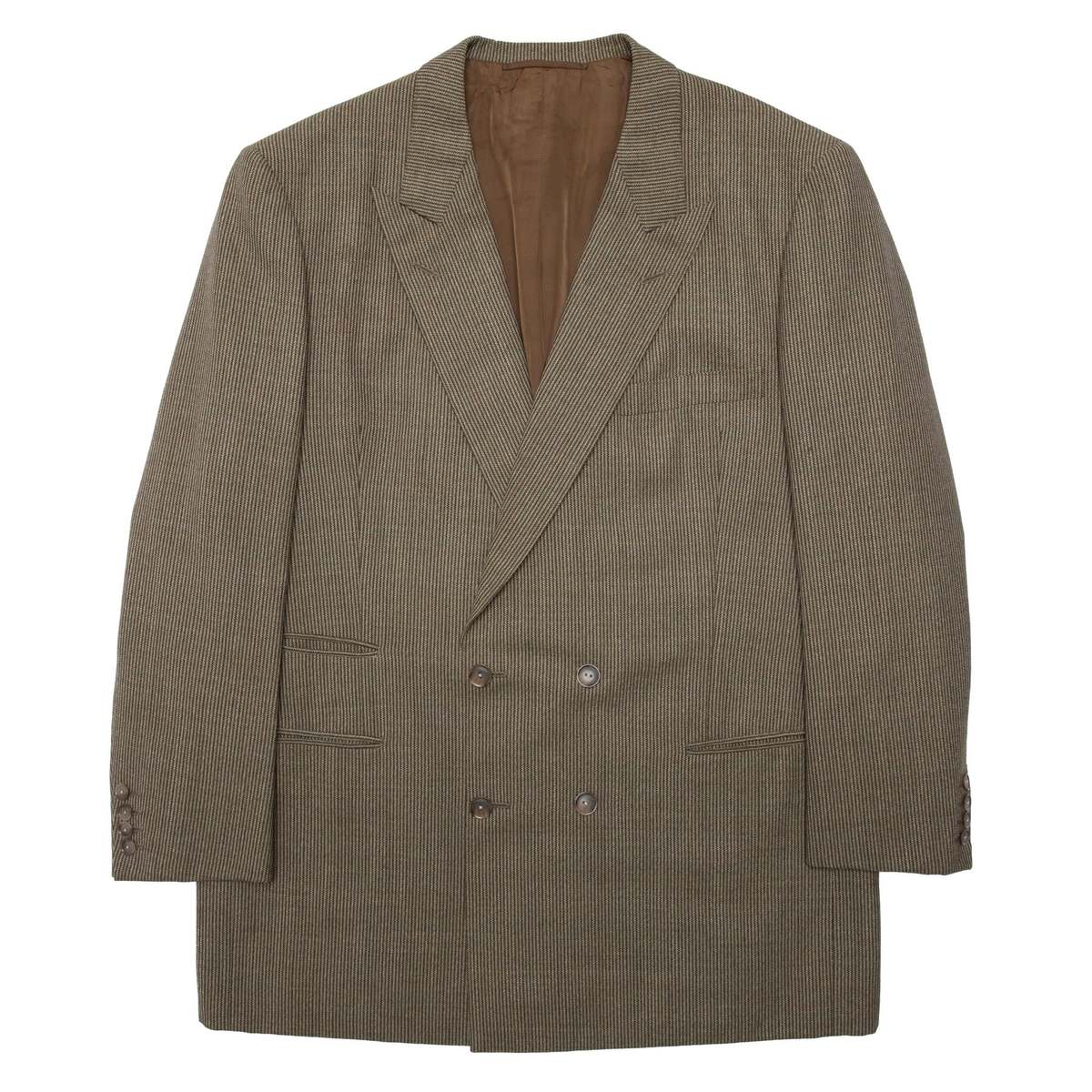
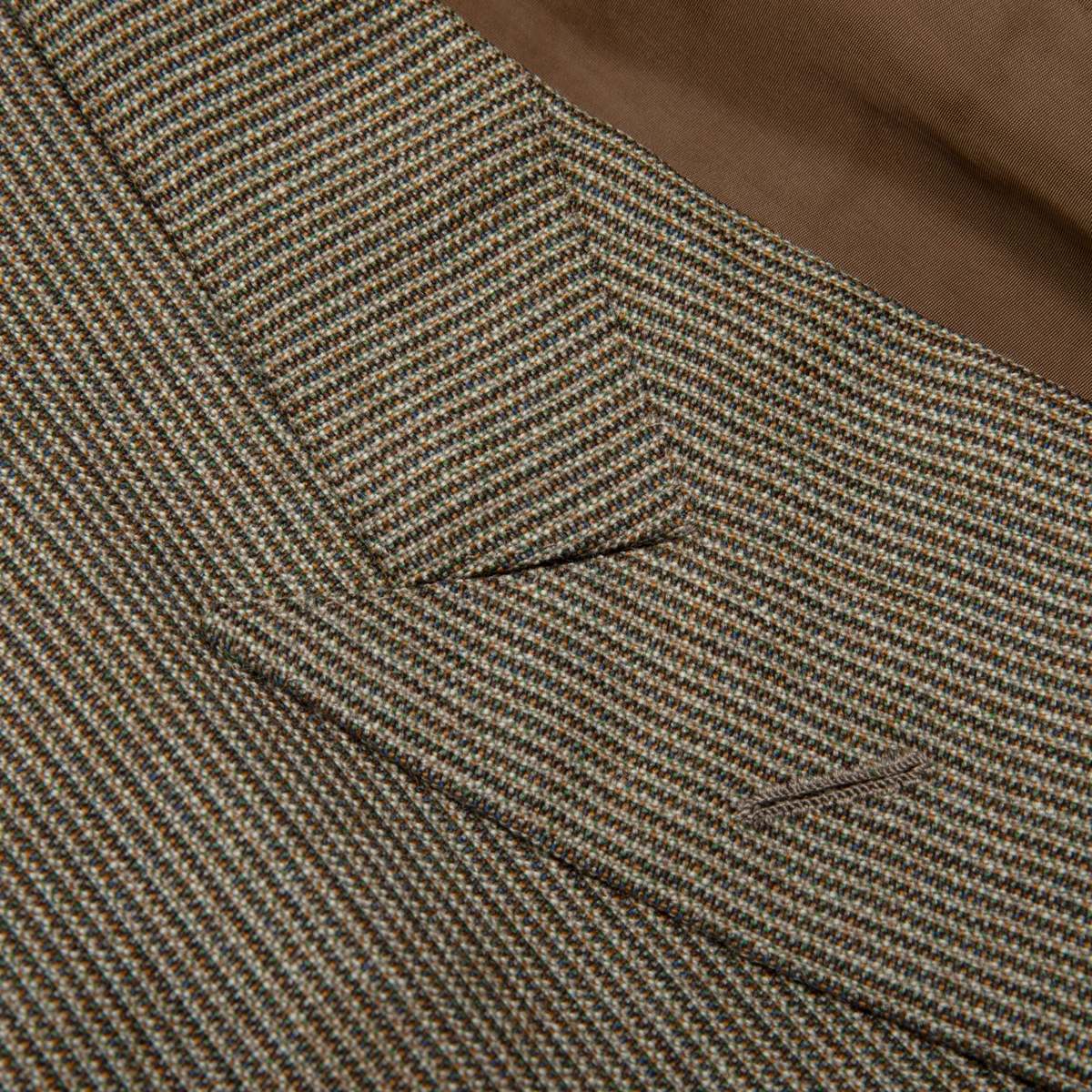
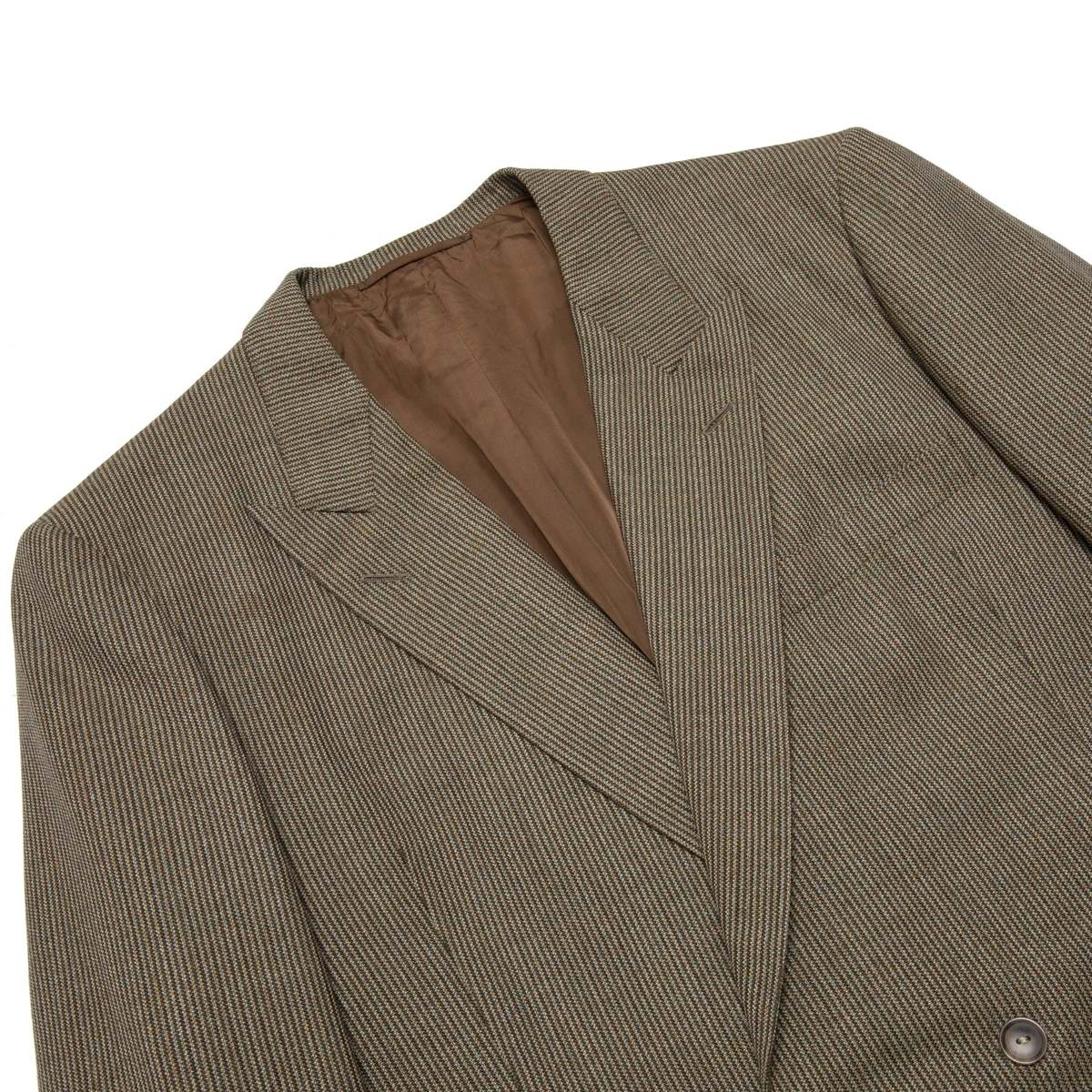
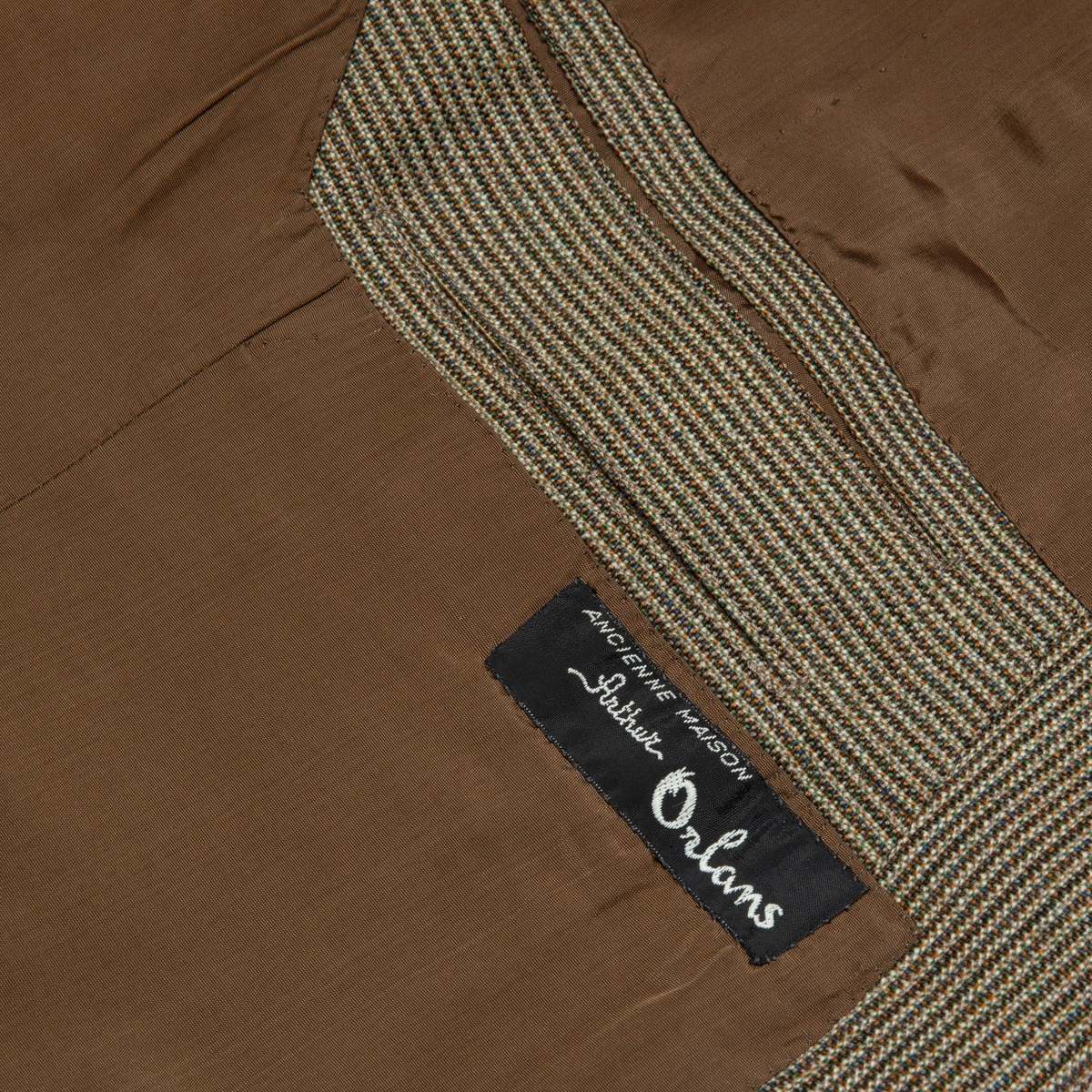
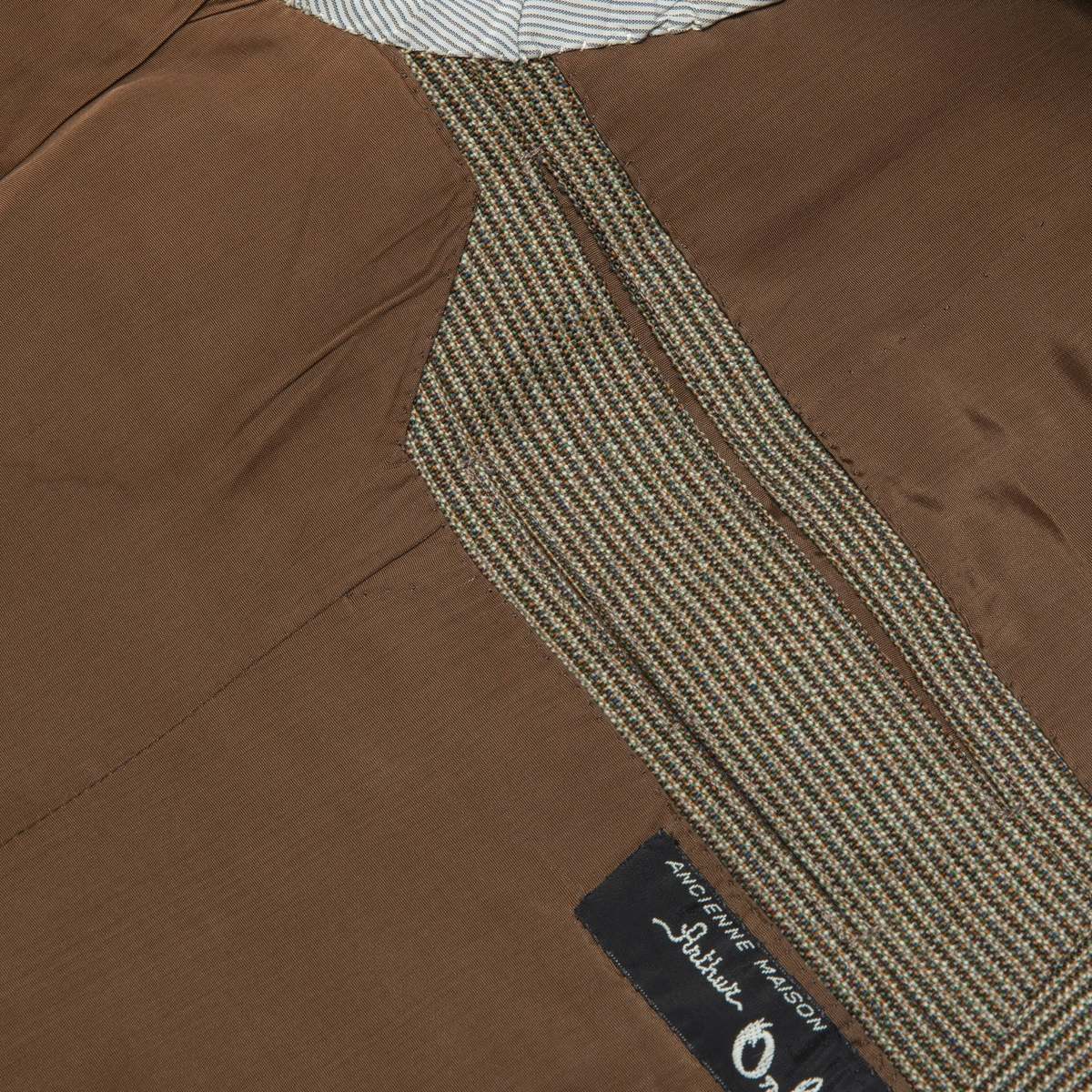
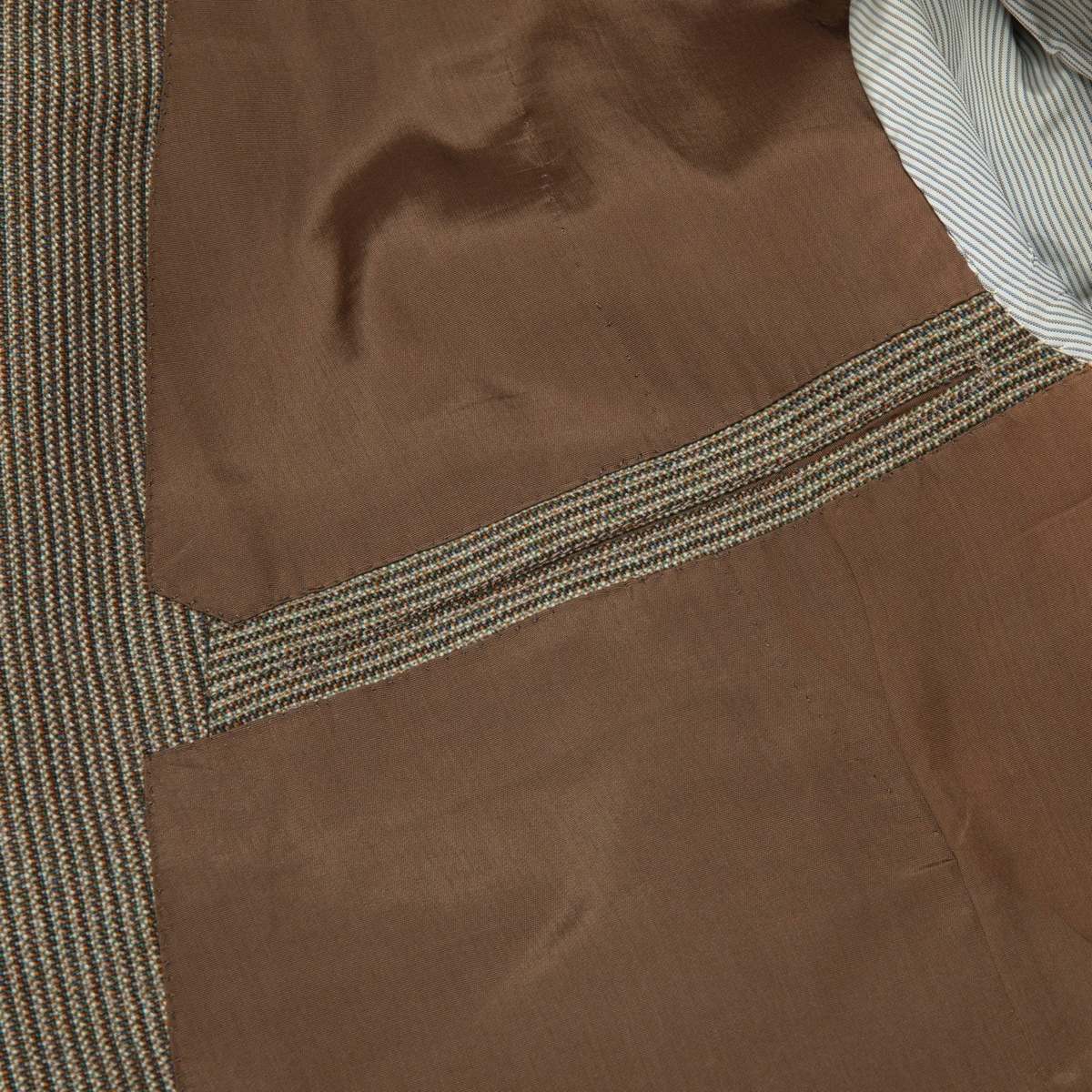
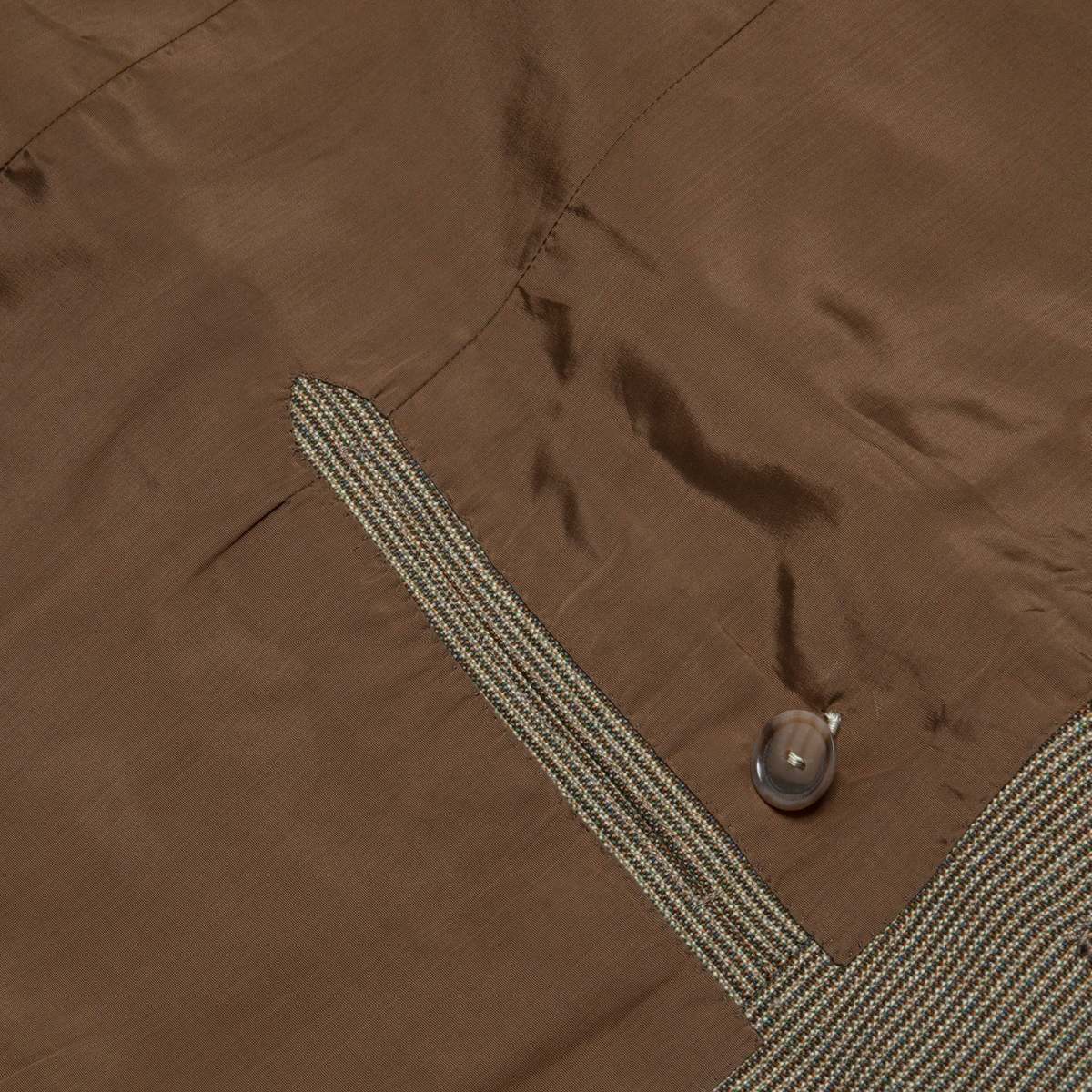
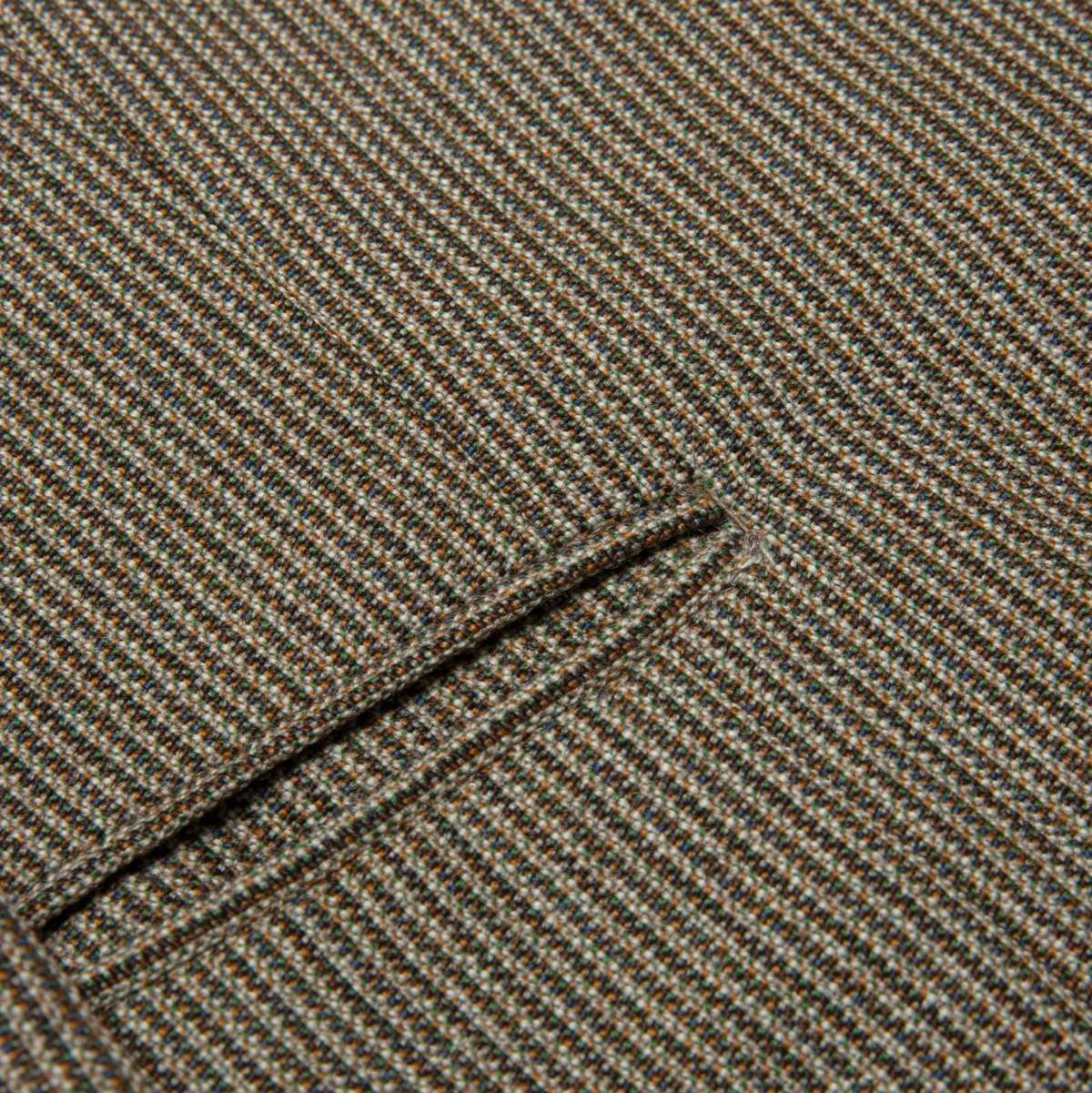
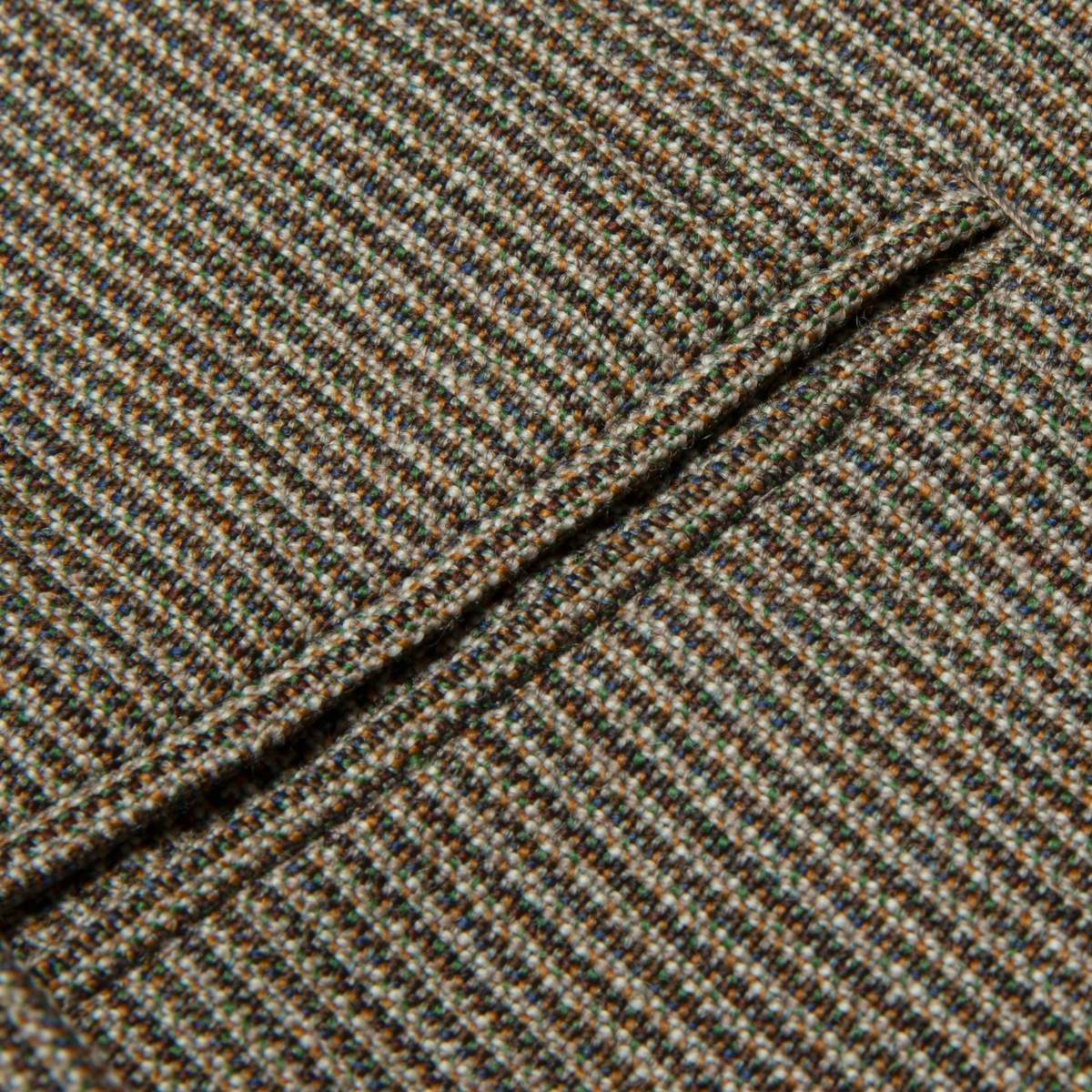
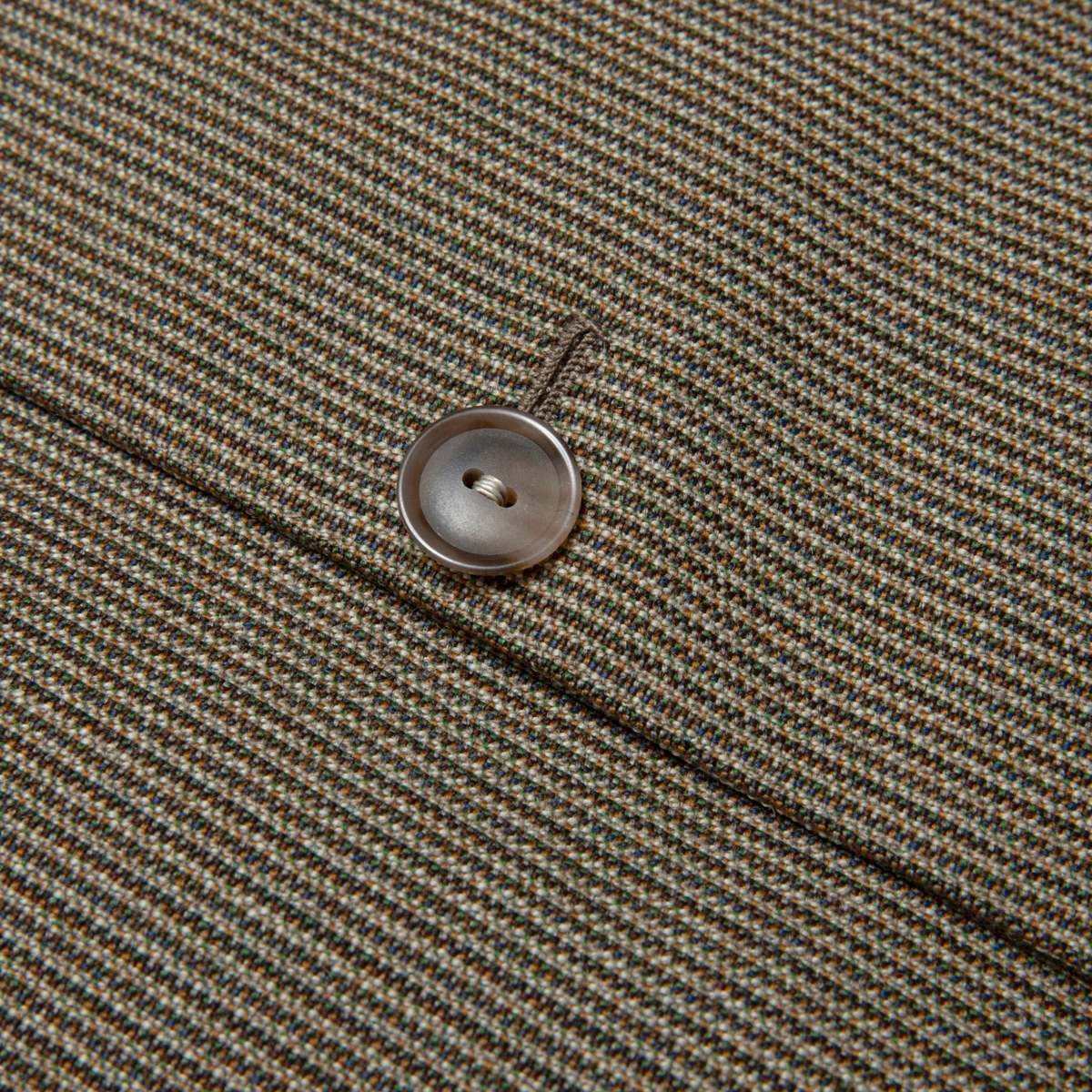
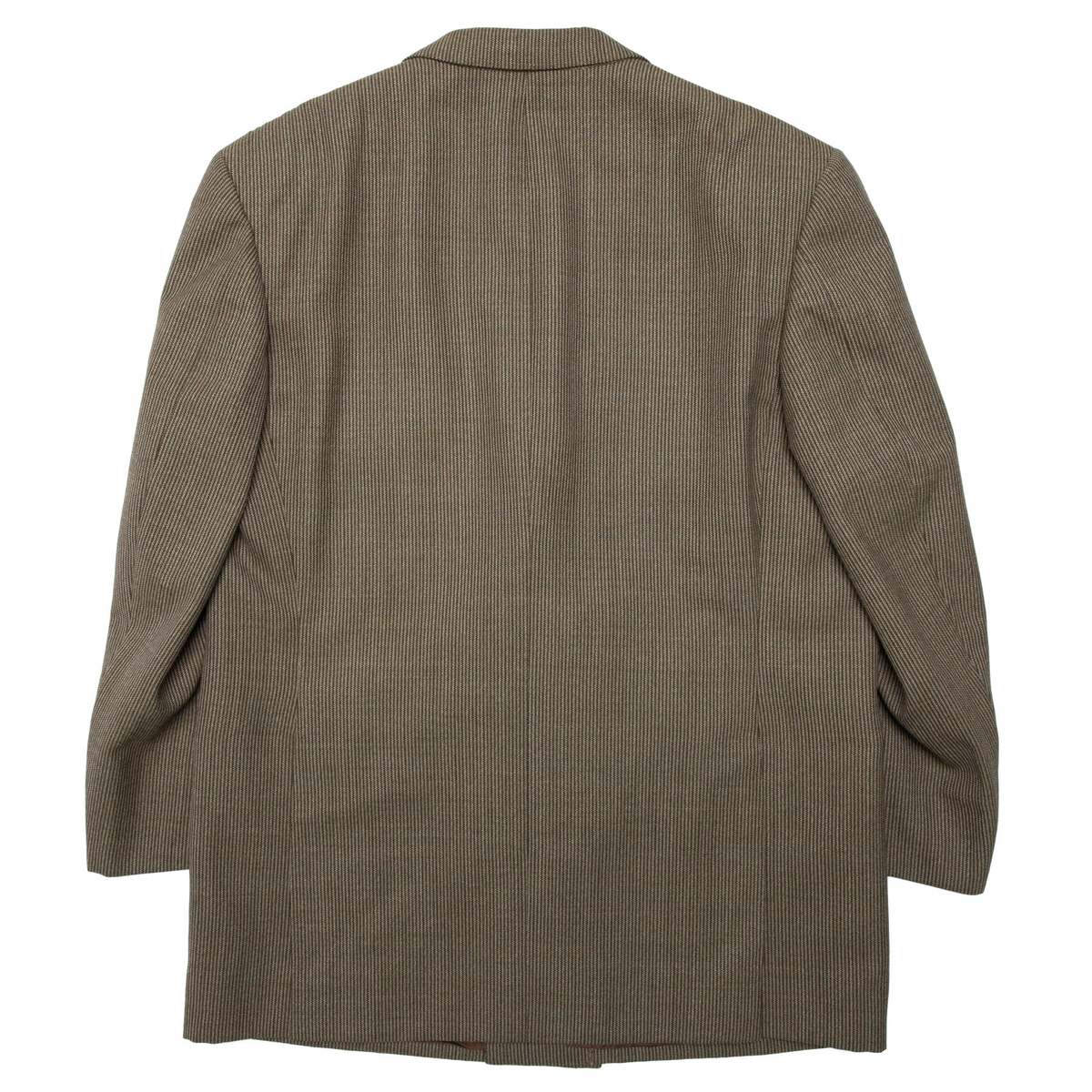
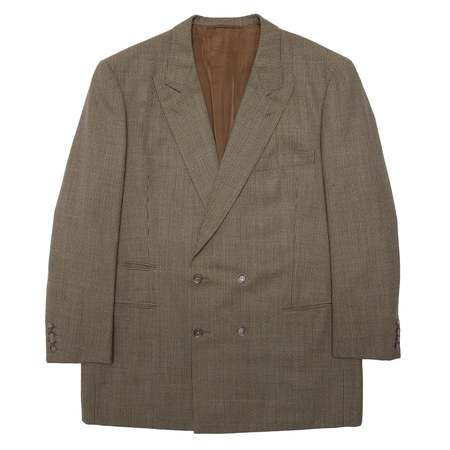
A 4x2 double-breasted silhouette cut for quiet commandthe French blazer melds anatomical tailoring with postwar civic dignity and formal restraint. The Arthur Orlans double-breasted jacket stands as a paragon of mid-century French tailoringa garment that communicates intellectual gravitas and professional command without resorting to theatricality. Constructed by a maison bearing the Ancienne designation, the piece originates from a tailoring tradition steeped in discretion, internal craftsmanship, and anatomical shaping, distinct from the ostentatious rigidity of British suiting or the expressive nonchalance of Italian sprezzatura. The houses approach is evident in every aspect of this garments architecture: high-gorged peak lapels shaped through pad stitching and canvas interfacing, micro-patterned wool executed in a finely tuned twill weave, and an overall silhouette that imposes quiet authority through proportion rather than embellishment. With a structured 6x2 double-breasted closure, padded shoulders, and full canvas interlining, the jacket embodies the constructional codes of French formalwear during the transitional period from the 1970s into the early 1980s. It is neither a relic of the 1950s nor a forerunner of the Wall Street exaggerations that followedit is instead a synthesis of restraint and form. The pattern structure features an elongated body block with modest waist suppression, carefully balanced with extended peak lapels whose visual sharpness is softened through French drafting logic. The sleeve, a two-piece construction shaped to accommodate natural elbow curvature, is set with sleeve head wadding for a soft but sculpted cap, while the back panelingtriple-paneled with a clean center ventensures symmetrical drape and controlled volume across the shoulder blades. Internally, the jacket reveals its atelier origins through technical decisions that privilege longevity and precision. Bias-bound shoulder seams in shell-matching fabric, hand-set canvas in the chest and lapels, and a fully bagged viscose lining contribute to both structural coherence and comfort. Pick-stitching along the lapel confirms pad-stitch reinforcement, while bar tacks at the vent base and mitered hem corners solidify stress zones without visual disruption. Welt pocketsflapless, angled, and meticulously aligned across the micro-houndstooth stripeshowcase advanced tailoring calibration, where plaid matching and internal stabilization with cotton tape or fusible interfacing produce a pocket that functions without deforming. Sleeve buttonholes, possibly functional, are non-kissing and subtly machine-executed, consistent with French professional suiting norms. The fabrican exquisitely woven micro-houndstooth in worsted wool, possibly with minimal synthetic inclusionrepresents the apex of visual discretion in suiting textiles. Rendered in muted tones of taupe, olive, brown, and off-black, the pattern achieves optical depth without overt contrast. Structurally, the weave is a 2x2 reversed twill, offering a granular tessellation that reads as a solid from a distance but reveals its complexity upon close inspection. The combed yarns and high-twist construction impart a dry hand, strong resilience, and crisp drape ideal for cool-season formalwear. Comparable textiles are found in the archives of Hardy Minnis, Lovat Mill, Tessitura Monti, and Drago Lanificiomills that specialize in intricate tonal weaves with tailoring responsiveness and long-wear durability. The jackets design intention is psychological as much as sartorial: it seeks to convey competence, institutional authority, and intellectual precision. The double-breasted stance widens the chest and anchors the body visually, while the slightly blunted peak lapels diffuse machismo in favor of cultivated composure. The garment belongs to a postwar French tradition where suiting was not merely personal but civic, worn by notaries, academics, and executives whose cultural capital was communicated through silhouette discipline and material sobriety. This is tailoring for men whose presence was meant to be felt quietlythrough symmetry, restraint, and permanence. Every construction detail upholds that philosophy. The sleeve pitch is expertly set, with no puckering or torque, and the lining darts mirror exterior seam placements with surgical precision. The collars low gorge and convex edge curvature reflect French preferences for sculptural tailoringwhere geometry flows from the bodys own lines rather than cutting across them. The hem is blind-stitched through the lining, neckline facings are reinforced with crossbar tacks, and the internal button stays are secured with thread shanksdecisions made not for spectacle but for garment integrity. Historically, this piece situates itself during a moment when French tailoring was negotiating tradition and modernity. The garment eschews both the rigidity of interwar formality and the flamboyance of 1980s American power suits, opting instead for proportion, material intelligence, and formal equilibrium. Its elongated silhouette and micro-check textile link it to executive wardrobes of the late 1970s, while the restrained lapel structure and technical inner work speak to an older artisanal lineage preserved by houses operating outside fashions commercial theater. In todays context, this blazer would resonate profoundly within the worlds of archival fashion, editorial menswear, and slow tailoring. Its structure, finish, and fabric engineering far exceed those of many contemporary mid-tier brands, offering an object lesson in garment permanence. It aligns aesthetically with the formal minimalism of early Jil Sander or the architectural tailoring of Christophe Lemaire, while culturally it could be styled alongside Wales Bonner or Our Legacy to explore new masculinities built on visual economy and intellectual rigor. This Arthur Orlans blazer is not simply a jacket; it is an artifact of precision tailoring. It expresses confidence through contour, history through weave, and craftsmanship through restraint. Technically formidable and stylistically enduring, it occupies the rarefied space where functional design, cultural resonance, and structural mastery converge into one cohesive, timeless form. Its authority is not shoutedit is structured. The double-breasted blazer operates as a study in silhouette sovereigntyits extended line, assertive peak lapel, and ventless structure transcending traditional tailoring categories in favor of spatial command and optical discipline. Within this framework, Yohji Yamamotos reverence for proportion and gravity-defiant volumes reverberates through the coats downward drag and architectural stance, not as exaggeration but as a quiet refusal of trend obedience. Jil Sanders minimalist rigour is echoed in the garments absence of ornament, where fabric grain becomes the primary visual syntax and precision supplants flourish. Auralees commitment to material elevation is felt in the blazers textile choice: a high-twist, matte gabardine or tropical suiting that resists wrinkling and absorbs light with a dry, painterly subtlety. Dhenze, a master of tailored futurism, channels this same balance of historical structure and urban abstractionhis angular lapels, narrowed waists, and textural mutedness mirror the blazers sculptural purity. Nomenklatura Studio shares in this grammatical restraint, often constructing garments as spatial frameworks rather than decorative shellsits tailoring language rooted in quiet strength and material fidelity. Peter Do emerges through the blazers spatial rigidity and linear discipline; his garments share the same graphic solemnity, clean architectural breaks, and an almost monastic devotion to the language of tailoring as sculpture. Christophe Lemaire encapsulates the philosophical posture of the blazerhis design ethos rooted in a calm, assertive silhouette where economy of line produces emotive claritys. The fabrica densely woven fine stripe alternating subtly in toneproduces a low-contrast pinstripe illusion, a visual tactic that rejects theatrical contrast in favor of optical depth and textural modulation. Rendered in a high-twist wool gabardine or finely milled tropical suiting, the cloth features a dry, matte surface with a combed finish, embodying the kind of fine-grain textile rigor long favored by ateliers such as Edward Sexton and The Armoury. These are cloths built not for fluidity but for definition, anchoring the garments shape in tensile resilience and tailored intent. The blazers silhouette is commanding and unapologetically masculine, grounded in an extended shoulder line constructed with assertive padding and reinforced structure. The pronounced peak lapels widen the visual plane of the chest, while the elongated bodyfurther emphasized by the absence of a rear ventdraws the silhouette downward in a continuous line of sartorial control. The dual-button stance and suppressed waist intensify this vertical architecture, channeling the refined severity of Chittleborough & Morgans equestrian-inspired cut and the signature streamlined form of Sartorio Napoli. The lapel roll is crisp and tightly managed, pointing toward a heavily canvassed chest and structured placketelements consistent with the techniques employed by Richard James and Ede & Ravenscroft, where tailoring is a discipline, not a flourish. Internal construction is likely hand-padded, with the stability and articulation of the chest piece suggesting a confluence of artisanal and industrial precisionan ethos mirrored in the technical ateliers of Scabal and Officine Gnrale. The garments engineered shoulders and sculpted torso recall the late-century British-American tailoring hybrid seen in Brook Taverner and Paul Stuart, where formality is executed with unyielding discipline but filtered through a pragmatic wearability. Yet the blazer resists any strict historicism. Its minimal exteriorstripped of flap pockets, devoid of pick-stitching, and fastened with austere, unadorned buttonssignals a deliberate aesthetic redaction. This reductionist approach pulls the garment out of the purely sartorial and into the conceptual, drawing a line toward the austere handcraft of Geoffrey B. Small and the engineering-led modularity of Label Under Construction. In this space, tailoring becomes a study in tensionbetween claritys and complexity, between structure and silence. The angularity and proportional elongation suggest a spectral quality found in the tailoring of Julius and Takahiro Miyashita, whose garments often operate on the edge of wearable form and emotive abstraction. Raf Simons intellectual discipline is embedded in the blazers exacting control of line and volume, while Rei Kawakubos sculptural restraint and Vivienne Westwoods subversion of period tailoring resonate through the pieces bold silhouette and historical undertones. Though devoid of overt embellishment, the blazers form communicates a dense lineageone that both honors and dismantles precedent. Hedi Slimanes imprint is visible not in styling but in architecture: the narrow waist, compressed lapel gorge, and compact chest form a rigorously modernist silhouette rooted in his early menswear revolutions. Kiko Kostadinovs influence emerges in the spatial thinking behind the cut, where panels are constructed not merely to fit, but to create motionless shape. Maison Margielas presence is felt not in deconstruction per se, but in the garments meta-tailoringits calculated divergence from menswears inherited rules, reconstructed with surgical coherence. This blazer is not an homage, nor a reproduction. It is a formal propositionone that speaks to the politics of silhouette, the semantics of fit, and the symbolic weight of tailoring in the contemporary menswear lexicon. It functions not simply as a garment but as an edit of sartorial grammar: removing, redefining, refining. Situated between bespoke tradition and conceptual minimalism, it appeals to wearers for whom clothing is an exercise in spatial rhetorica form of rigorous expression, where every millimeter of cloth, angle of lapel, and curvature of seam is imbued with intentionality. This is menswear at its most cerebral: form as ideology, structure as statement, and silence as language. Measurements (cm) Chest: 59 Length: 82 Shoulder: 50 Sleeve: 59 Size Conversion (approximate) US Mens Size: XL US Womens Size: XXL EU Mens Size: 52 EU Womens Size: 46 SKU: 005157
Garmentory is a curated marketplace of independent boutiques and emerging designers from around the world.
Fashion With Intention
Aw yeah!
We love making new friends so while we're popping bottles, continue shopping to apply your $10 credit.
We've got a dedicated site "garmentory.co" just for our Indian customers! Shop with local currency, faster shipping, and exclusive products.
We cannot add this item to your bag because it’s already at max capacity. But don’t worry, we’ve saved it to your wish list.
Earn Replica Belts credits when you shop, wishlist, and inspire others.

Have a question about the size or something else? We're here to help!