Spring fever is here 🌡️☀️ Prep early for those not too hot and not too cold days by finding something you love ON SALE. SHOP THE SALE


Spring fever is here 🌡️☀️ Prep early for those not too hot and not too cold days by finding something you love ON SALE. SHOP THE SALE
| To | Service | Estimated Delivery | Fee |
|---|---|---|---|
| 🌎 | Intl. Air | 6-20 business days | $29.95 |
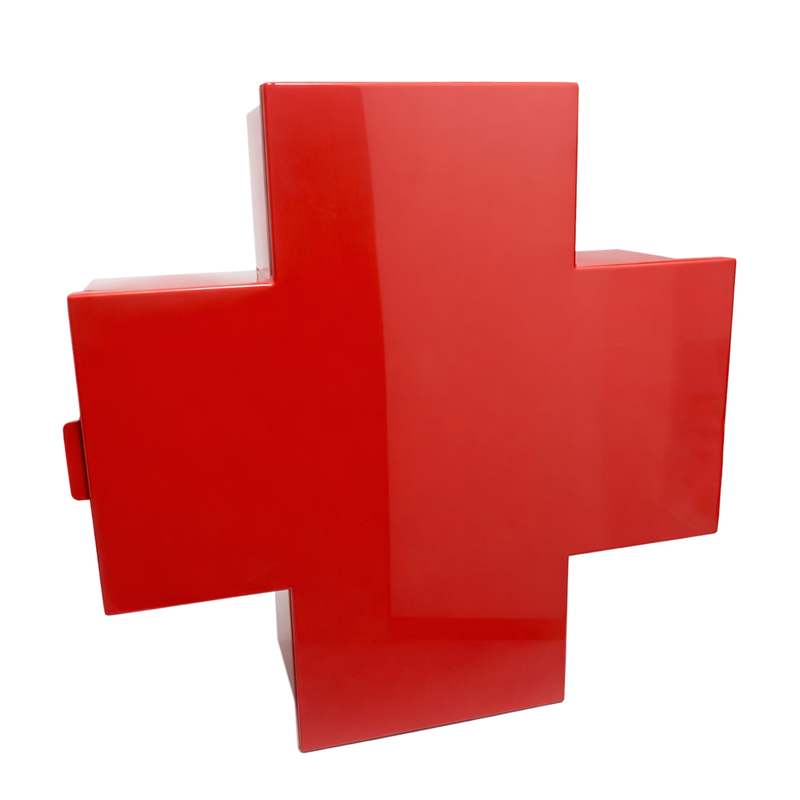
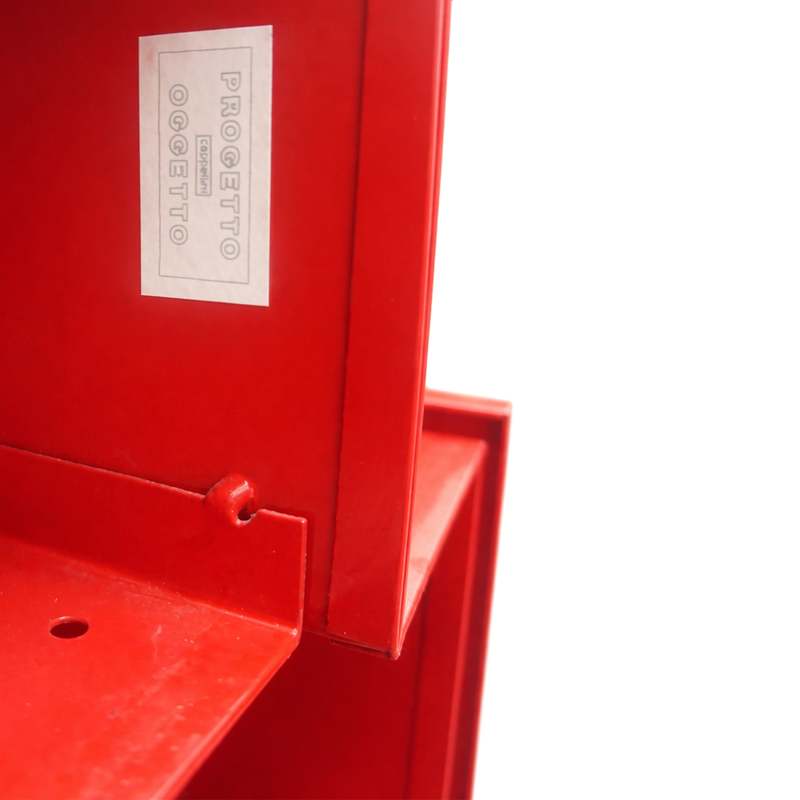
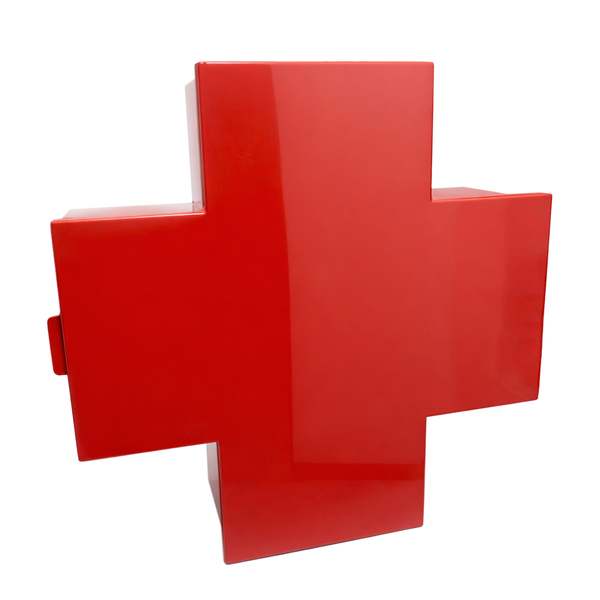
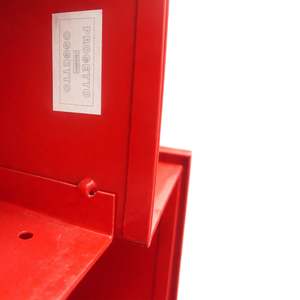
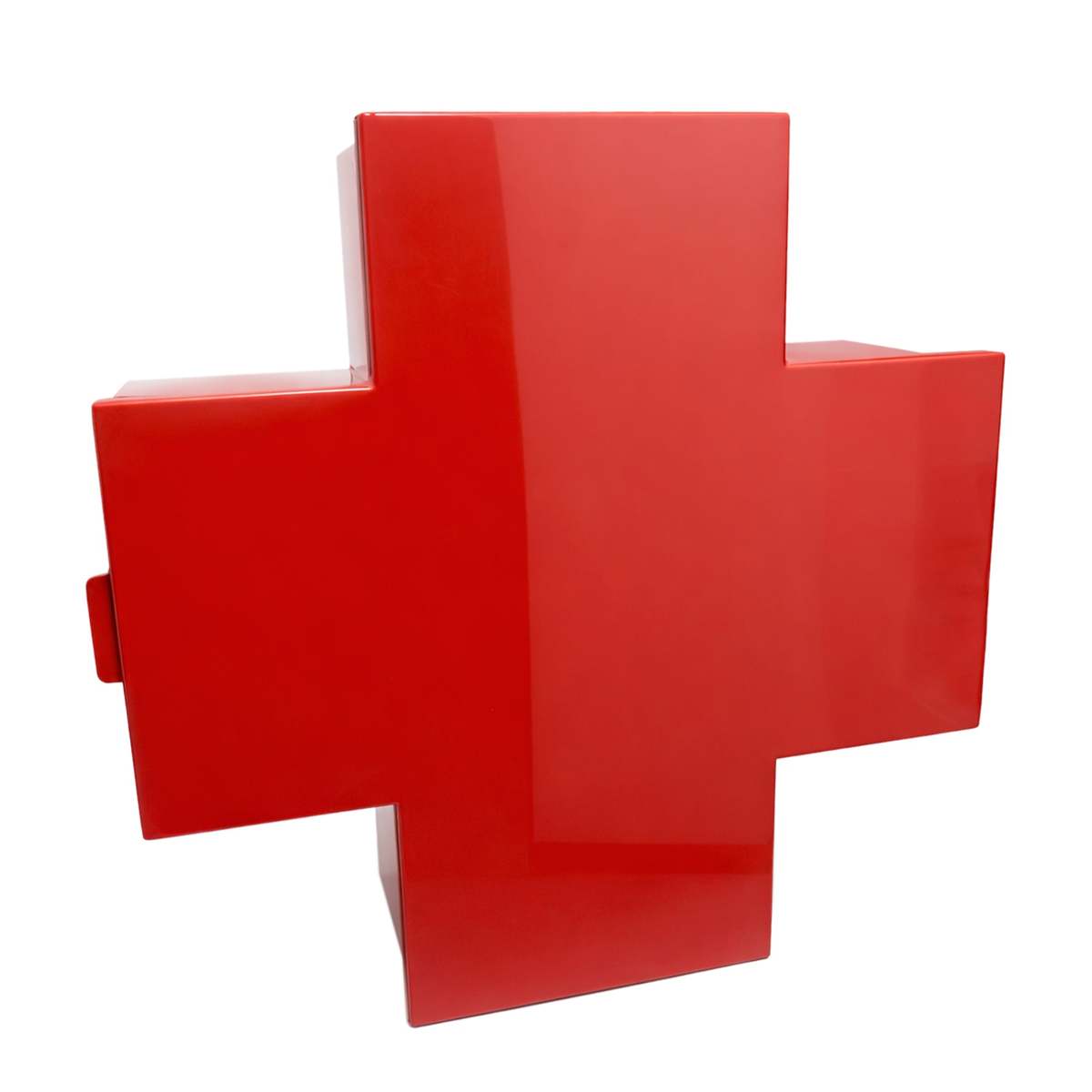
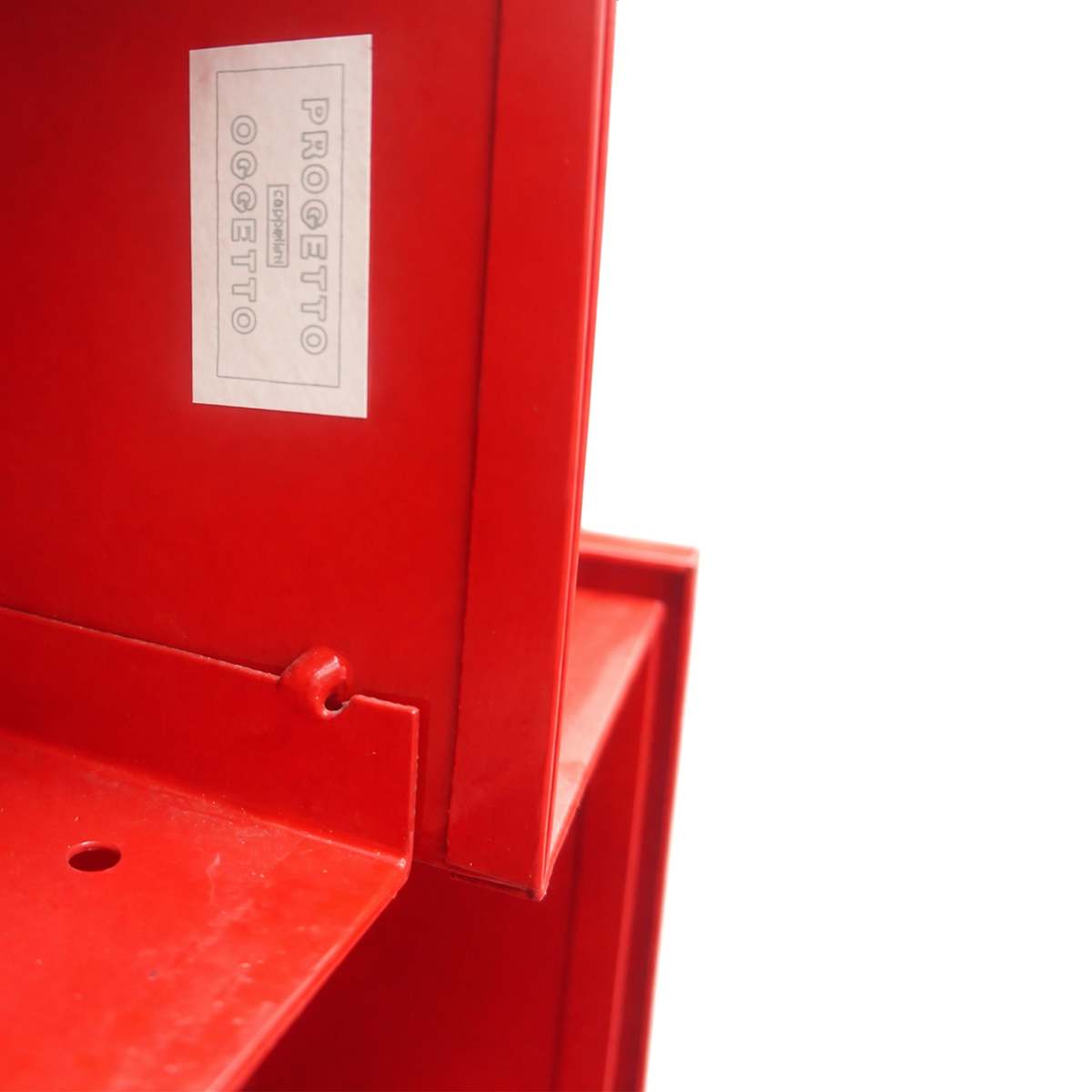
We are currently operating in a pre-scaling phase, during which the scope of our vintage archive has expanded beyond what can be listed at human speed. Only a token fraction of the inventory is visible online, not for lack of supply, but because an inconvenient commitment to perfectionism. The practical solution is to request access to our Google Drive. There is, incidentally, an upside to this arrangement: direct access, special attention, preferred pricing, and quantity-based considerations. New drops are added to the Drive on a daily basis, ensuring ample selection. All that is required is a reference to the image IDs. From there, we provide an elevated level of service: photos edited to approximate reality, additional images, and, where applicable, preferred pricing with quantity-based concessions. Bundles are where the value appears; the more pieces, the more flexible the pricing. After a half-decade sabbatical from fashion, I'm cautiously resurfacing & I felt it was time to reconnect. I moved to Europe a few years ago & began collectsing vintage with the field discipline of an anthropologist & the denial of a high-functioning hoarder. I currently have over 100,000 pieces sitting in a warehouse, because moderation has never been my strong suit. What began as compulsion is now a side project. I'm firmly in the pre-revenue chapter of the memoir - 1,000 sales, & high morale. The broader archive skews larger, stranger, & more historically pointed-East & West German rarities, bureaucratic glamour, Soviet institutional wear, industrial archaeology-rich in Trevira, Diolen, Terylene & mid-century state textile programs, & an elegy in garments from the DACH region & beyond. The collectsion is mostly a Cold War capsule wardrobe, institutional tailoring, state-issued, regional cooperatives & rural ateliers, white labels from the department store era, exceptional knitwear, socialist leathers, the zenith of Parisian fur craft, selectively preserved tweed skirts, rare 1960s mod, exaggerated '70s collars, German-cut blouses, unusually constructed denim, essentially the entirety of the 1970s, when even institutional garments had the decency to be well made. If integrity were woven, you'd find more of it in a 1978 poly-wool blend than in most of today's designer runways. Eventually, this evolves into a full-scale operation-complete with the token NYC storefront for aesthetic credibility. Given that about 70% of you are ordering from New York, it seems reasonable to ship our 50 pallets there & open a labyrinth of "true vintage" to get lost in. Scaling, of course, requires capital. I'm well aware that most of you don't have any, but statistically speaking, out of the millions who drift through here, it is statistically probable that one of you possesses both interest & solvency. Type us into Google. Everything is there, including a contact form. SUNDAZED & OUTSIDE SOCIETY Wall-mounted medicine cabinet in a cruciform plan, designed by Thomas Eriksson for Cappellini. Production period is consistent with mid-1990s Italian contract design manufacturing. The cabinet is fabricated from laser-cut sheet steel panels, folded and mechanically assembled, and finished in a high-gloss red coating. It incorporates a hinged door with concealed magnetic closure and an internal perforated shelf system. The piece reflects small-batch industrial production emphasizing geometric identity over ornamental detailing, positioned within the design-furniture market rather than utilitarian medical supply channels. I. Primary Materials & Structural Integrity The primary material is mild steel sheet of moderate gauge, typical for wall-mounted storage units designed to balance rigidity and weight. The cruciform body is formed from folded planar panels, creating a hollow monocoque volume with structural stiffness derived from right-angle returns and edge flanges. The internal shelf is perforated sheet steel, adding stiffness while reducing mass. Hinges and fasteners are steel. There is no evidence of structural distortion, oil-canning, or panel warping; corners remain square. Cosmetic surface abrasion is visible but does not indicate material fatigue or compromised load-bearing capacity. II. Fabrication Method & Assembly Panels are laser-cut to profile, then press-brake folded to achieve orthogonal returns. The body appears assembled through concealed fasteners and possibly spot welds at internal seams. The door is a separately fabricated folded steel box section, aligned via surface-mounted hinges secured with machine screws. The internal perforated shelf is removable or seated on formed supports integrated into the side panels. Hole spacing in the shelf is consistent with CNC-controlled perforation. Tolerances at door margins are even, indicating controlled batch production. III. Functional Architecture The cabinet is intended for wall mounting, transferring load through rear panel attachment points into masonry or stud anchoring systems. The cruciform projection distributes mass symmetrically around a central vertical axis, reducing torsional imbalance when mounted. The door load transfers through hinge knuckles into the side wall panel, and the internal shelf spans laterally between side supports, bearing distributed load from stored contents. There is no evidence of hinge sag, elongation of screw holes, or racking at the door frame. IV. Surface Treatment & Finish The exterior and interior surfaces carry a high-gloss pigmented coating, likely a factory-applied powder coat or catalyzed lacquer over properly prepared steel. The uniform gloss and edge coverage indicate original finish rather than later refinishing. Corners and folded returns show consistent film thickness without burn-through. Minor surface scuffs are consistent with handling and cleaning. There is no evidence of corrosion bleed-through, blistering, or under-film oxidation. The finish remains stable and intact. V. Hardware & Closure Hinges are surface-mounted steel butt hinges, mechanically fastened with machine screws. Screw heads are consistent in type and finish, indicating original hardware. The magnetic closure system is integrated within the door frame, eliminating protruding latch hardware. Contact geometry between door and cabinet frame shows even reveal and uniform compression at closure. Fastener threading appears metric, consistent with Italian manufacture. No mixed-metal corrosion is evident at hinge interfaces. VI. Production Context This cabinet originates from Cappellinis design-furniture production, positioned within the upper-tier contemporary interior market rather than institutional medical supply. Production scale is industrial but not mass commodity. The use of laser cutting and powder coating reflects late 20th-century European contract manufacturing capabilities. The piece participates in a postmodern reduction of the medical cross motif into planar geometry for domestic and design-oriented commercial interiors. This example is consistent with early production from the initial mid-1990s manufacturing run, situating it close to the original release context and pre-revision fabrication specifications. VII. Preservation State Structural joints remain tight, and hinges operate without visible deformation. The finish shows no evidence of stripping, repainting, or overcoating; gloss consistency supports original factory application. There are no visible weld repairs, patching, or re-threading. The perforated shelf remains planar without sagging, and the magnetic closure appears intact and properly aligned. Oxidation is absent, indicating stable interior storage conditions. The cabinet is suitable for continued wall-mounted use within normal load parameters. Early production cruciform cabinet by Thomas Eriksson for Cappellini in high-gloss red steel. Mid-1990s Italian design icon with magnetic door and perforated shelf. One minor clarification seems necessary: "Vintage" tends to imply garments that have endured a meaningful span of wear and tear. To eliminate any potential ambiguity, I'm adding an explicit disclaimer that the majority of these items are, in fact, new, unworn deadstock. This contextual cue should help orient users who are accustomed to encountering authentically fatigued clothes. One additional clarification seems necessary, given the ongoing confusion around U.S. orders from Europe under Trump's tariffs: it's the Europeans taking the hit here, not the Americans. So, to answer the recurring question about U.S. import fees: we've already covered the tariffs through our postal carrier. Your parcel arrives fully cleared; any bureaucratic bloodletting has already been performed on our side of the Atlantic.
Garmentory is a curated marketplace of independent boutiques and emerging designers from around the world.
Fashion With Intention
Aw yeah!
We love making new friends so while we're popping bottles, continue shopping to apply your $10 credit.
We've got a dedicated site "garmentory.co" just for our Indian customers! Shop with local currency, faster shipping, and exclusive products.
We cannot add this item to your bag because it’s already at max capacity. But don’t worry, we’ve saved it to your wish list.
Earn Replica Belts credits when you shop, wishlist, and inspire others.

Have a question about the size or something else? We're here to help!