Spring fever is here 🌡️☀️ Prep early for those not too hot and not too cold days by finding something you love ON SALE. SHOP THE SALE


Spring fever is here 🌡️☀️ Prep early for those not too hot and not too cold days by finding something you love ON SALE. SHOP THE SALE
| To | Service | Estimated Delivery | Fee |
|---|---|---|---|
| 🌎 | Intl. Air | 6-20 business days | $29.95 |
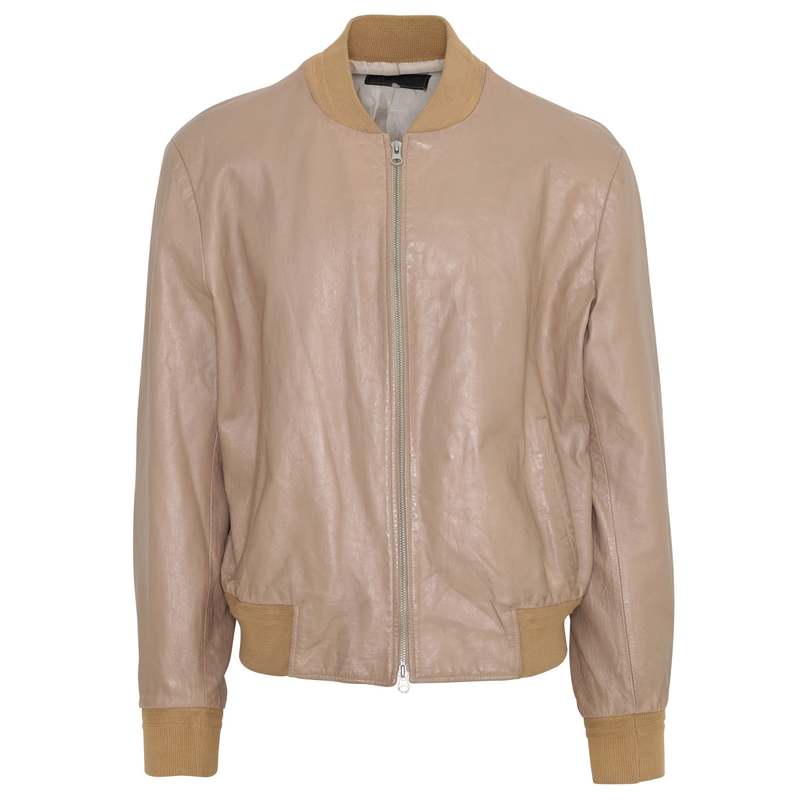
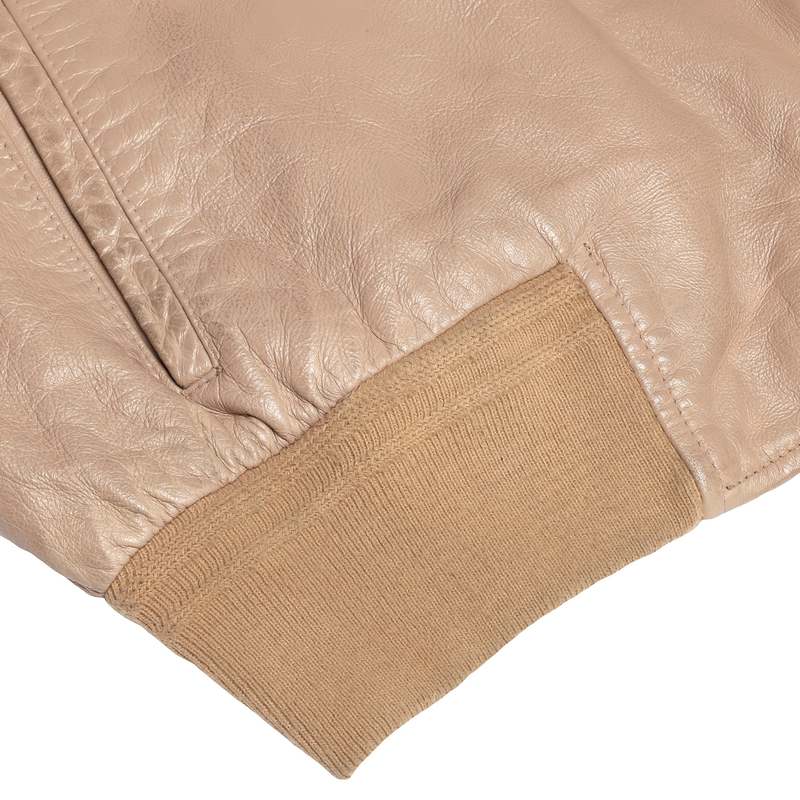
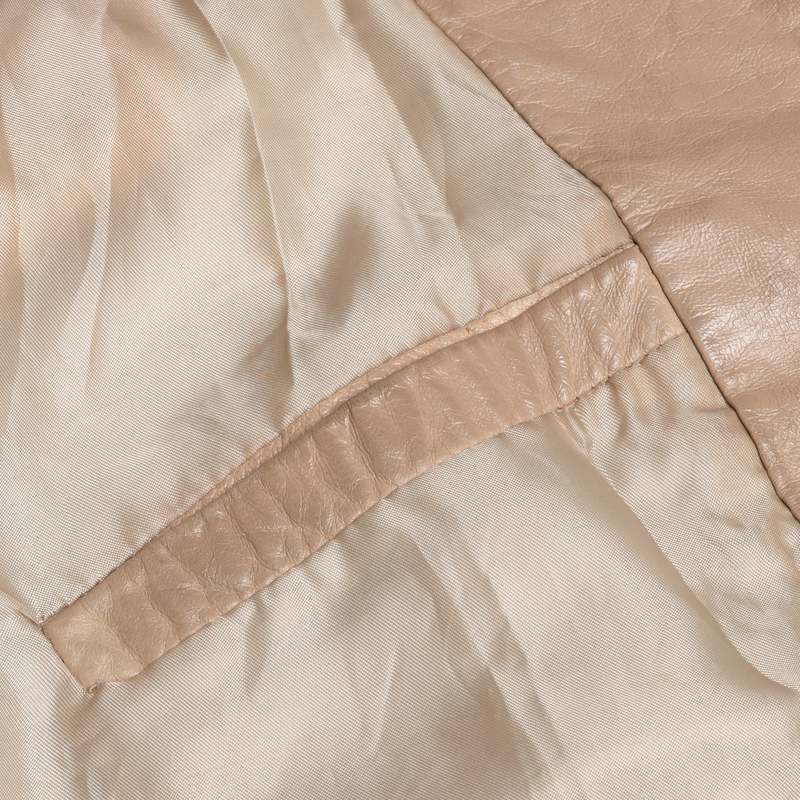
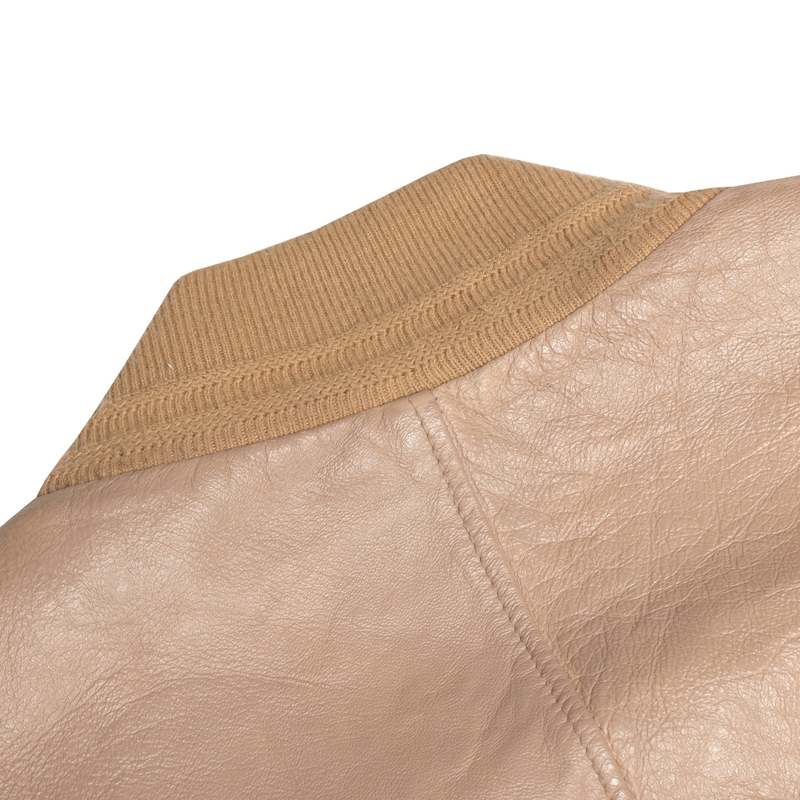
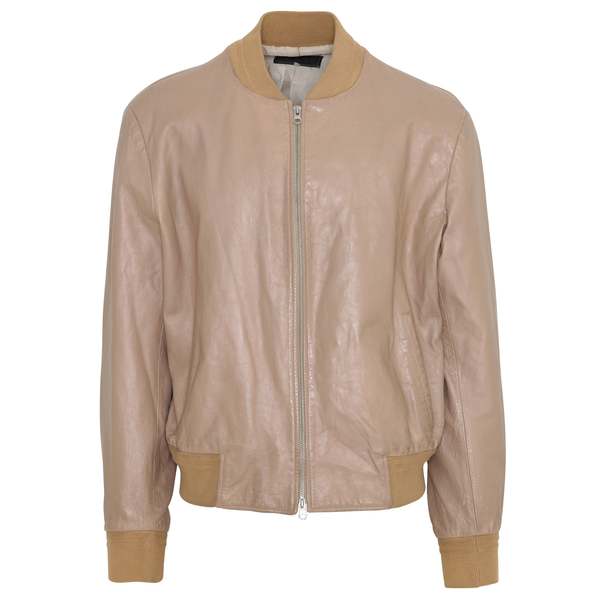
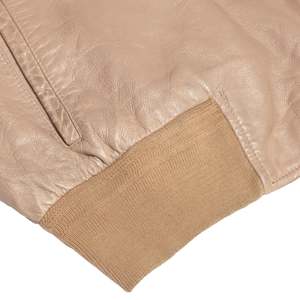
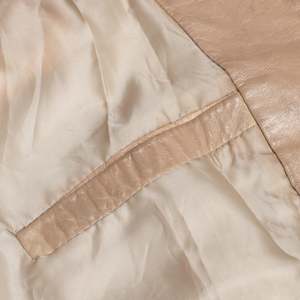
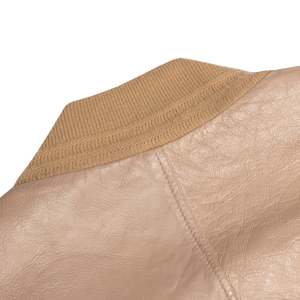
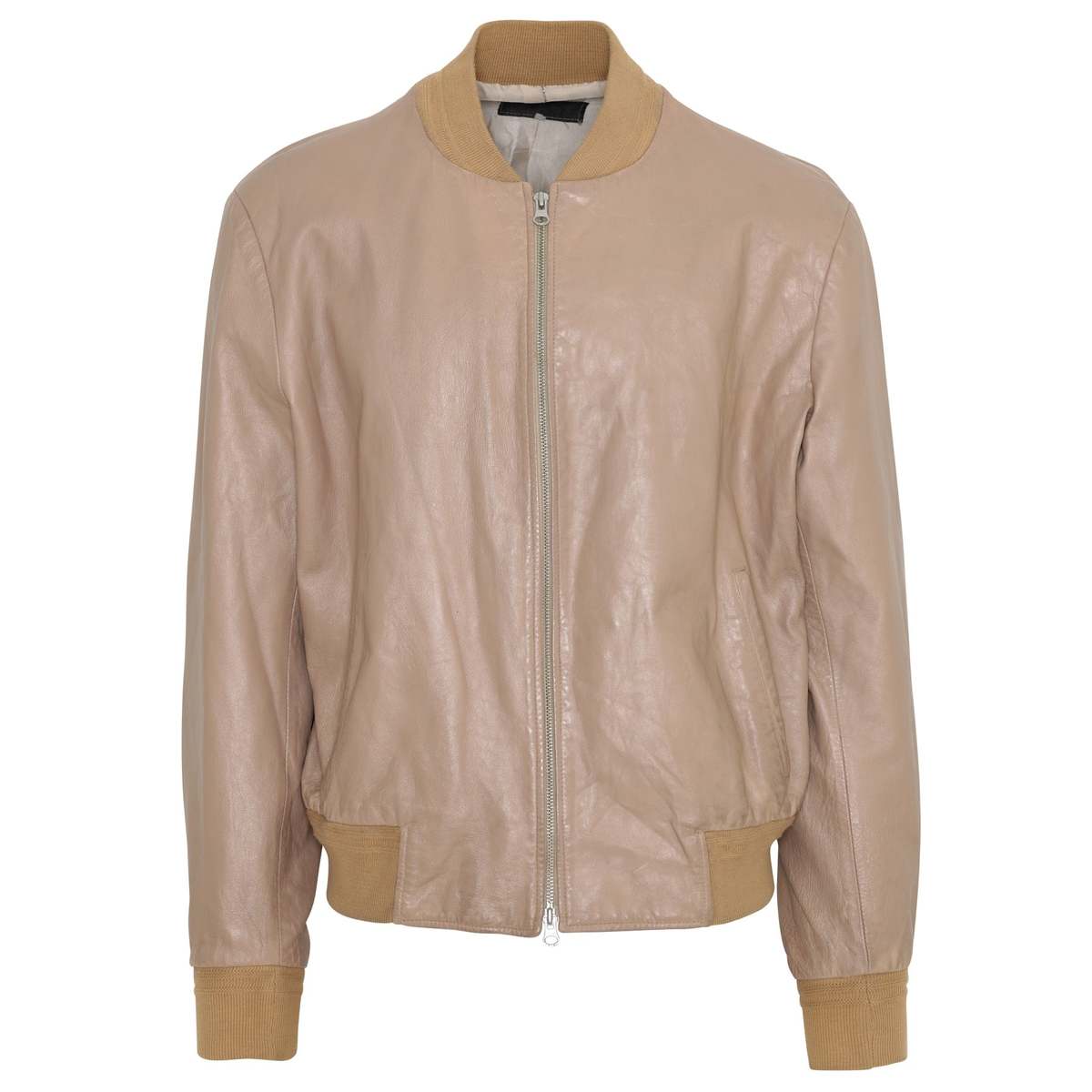
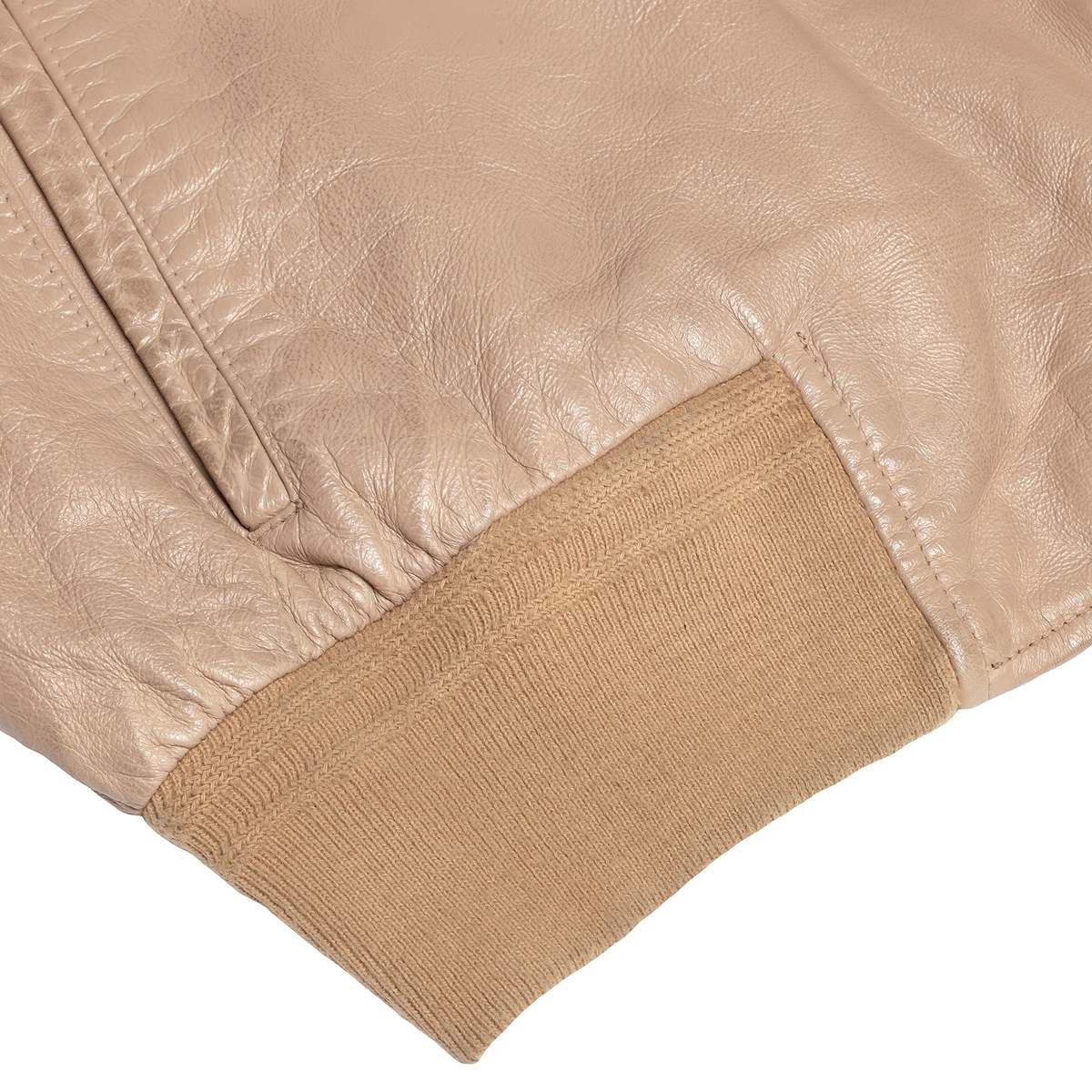
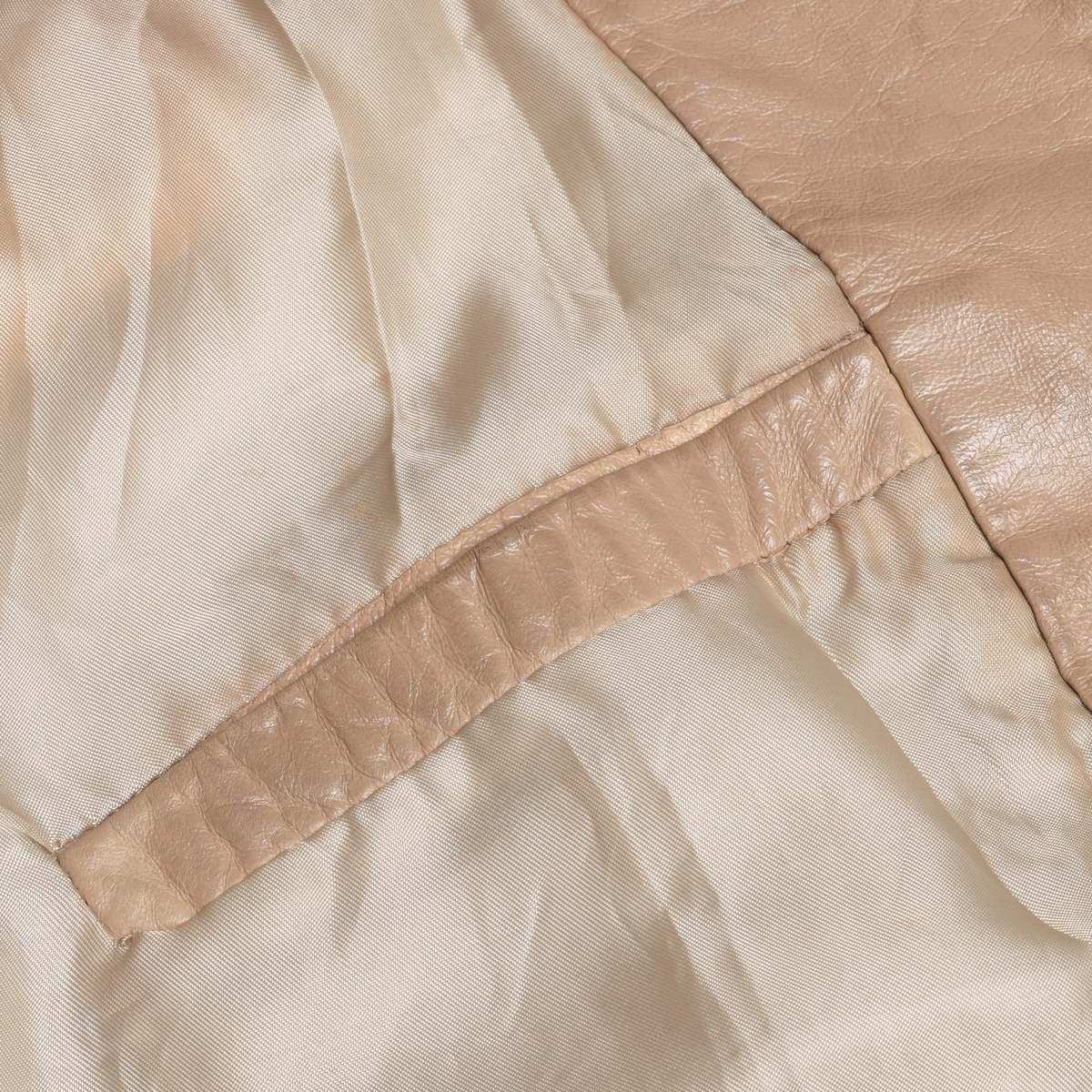
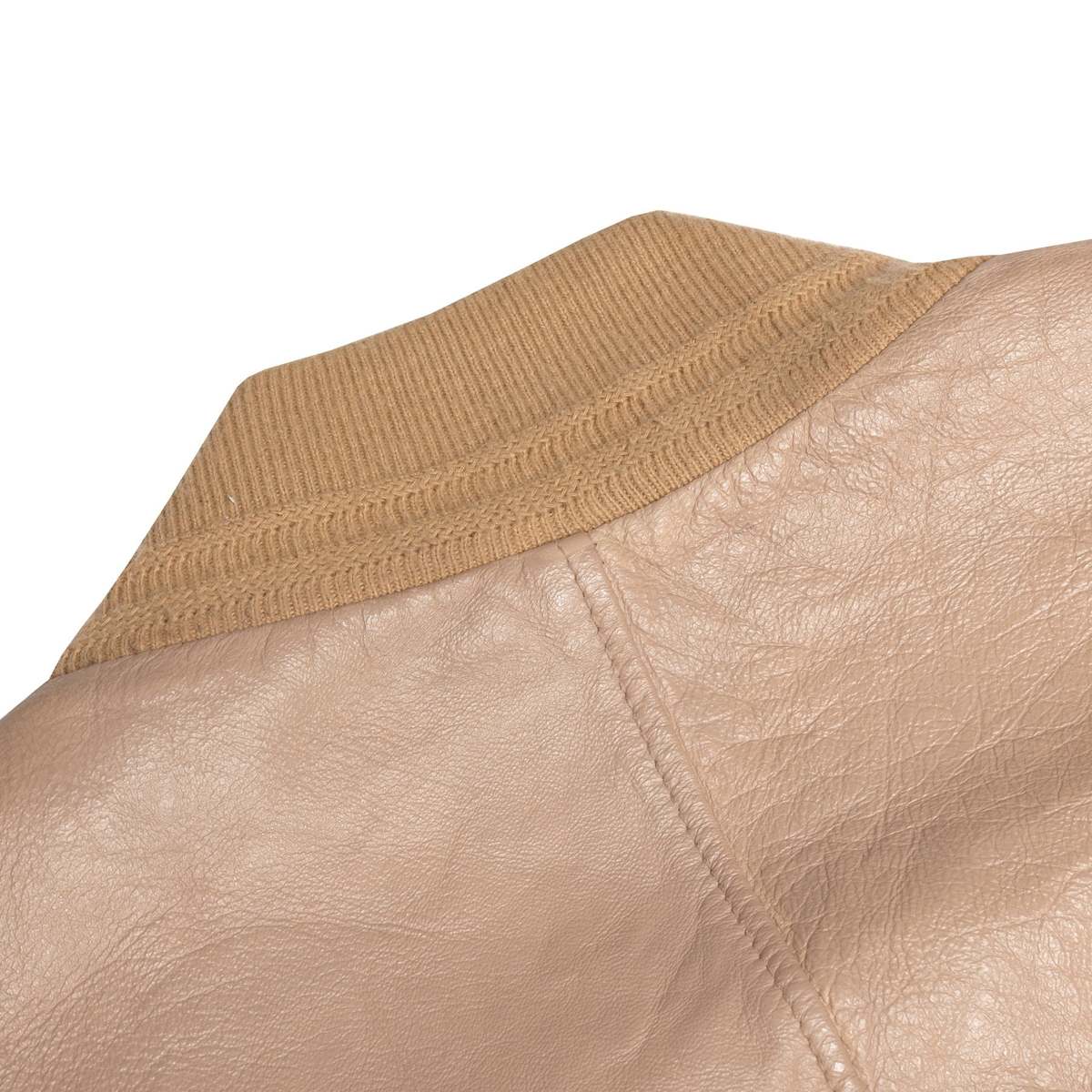
Italian bomber in painted leather blends MA-1 lineage with soft tailoring traditions from Emilia-Romagna, Veneto, or Tuscany, c. 19751985. The bomber jacket, though absent of overt branding and marked only by a faded Made in Italy tag, presents unmistakable indicators of upper-mid-tier domestic menswear manufacture, likely originating from the industrial heartlands of Emilia-Romagna, Veneto, or Tuscany. These regions, with longstanding traditions in leatherworking and precision garment production, were instrumental in shaping the evolution of postwar Italian menswearbalancing industrial capability with artisan inheritance. The jackets design language, construction discipline, and material choices place it within the trajectory of 1970s to early 1980s soft tailoring, reflecting a moment in Italian fashion when civilian outerwear began integrating military silhouettes with a new typology of everyday luxurysubtle, tactile, and technically elevated. Drawing on the ergonomic lineage of the MA-1 flight jacket while deliberately discarding its militaristic excess, the piece substitutes insignia, epaulets, and utilitarian detailing with controlled shaping and material emphasis. The garments core construction relies on a painted leather shellmost likely chrome-tanned cowhide, finished with an opaque pigmented polyurethane layer to mask irregularities and unify texture. The finish suppresses natural grain while maintaining faint wrinkling near stress points, offering moderate sheen and reduced permeability. This surface treatment, characteristic of 1970s1980s transitional outerwear in both Italian and East German civilian-military hybrids, emphasizes longevity and visual consistency, albeit at the expense of suppleness. The interior is fully bagged with a satin-weave synthetic lining, likely acetate or polyester, ensuring ease of wear and minimal friction. All seams are turned and taped or concealed within the lining, reflecting a high level of technical execution. Rib-knit elements at the collar, cuffs, and waistband are constructed from a cotton-synthetic blend in a 1x1 or 2x2 rib configuration, machine-linked into double-layered tubular bands for increased elasticity and structural resilience. These sections are precisely tensioned and inserted using either a flatlock or lockstitch seam, supported with coverstitch at the collar junction to accommodate stretch without distorting the leather interface. The ribs camel tone is tonally matched to the shellwhether by pre-dyeing or piece-dyeingsuggesting cohesive color strategy. Stitch integrity across all rib-leather transitions is clean, with no skipped stitches or misalignments, indicating both industrial-grade machinery and technician expertise. Paneling is architected to balance minimal seam count with ergonomic flow. The front body comprises two symmetrical panels without vertical darts, allowing the leathers natural drape to sculpt the silhouette. Sleeves are cut in two pieces with eased crown shaping, producing a softly rolled armhole that supports motion while avoiding visual bulk. A single-piece back panel extends into shoulder shaping seams, joining at the ribbed collar base and underarm in a raglan-inspired construction. Welt pockets are side-entry and cleanly integrated into the shells side seams, topstitched for reinforcement and backed with lightweight lining-grade cotton bags anchored at the waist seam to prevent sagging. The front closure features a two-way metal zipper, inset between leather plackets with folded edges and narrow topstitching. Zipper application reveals excellent seam control: consistent insertion depth, flat seam behavior with no puckering, and flawless transition into the ribbed collar. These detailsoften points of failure in leather outerwearsignal specialist craftsmanship and calibrated seam tensioning. Stitch-per-inch (SPI) remains tight and consistent throughout, especially along curved seams and high-stress areas such as the hem and collar junction, suggesting use of compound-feed walking foot machines optimized for leatherwork. Interior finishing upholds this level of technical precision. A bagged lining construction conceals all internal seams, with edges pulled through and hand-closed via sleeve inversion. The hemline joins seamlessly with the ribbed waistband, stabilized at the zipper base with accurate bar-tacking or interfacing. While no back yoke is immediately visible, the clean vertical fall of the lining implies either hidden reinforcement or tack anchoring to maintain structural integrity. Inside the chest area, a discreet reinforcement strip connects the lining to the shell at the shoulder junction, bolstering stability without adding perceptible bulk. From a historical-material perspective, the use of painted leather situates this jacket among utilitarian leatherwear traditions prevalent in Europe during the Cold War era. Comparable approaches were seen in East German state-subsidized garments, Finnish commuter jackets, and American aviation coats where pigment-finishing offered weather resistance and manufacturing consistency. The knit components, while executed with higher aesthetic intent here, are reminiscent of ribbed trim innovations from firms like Orneule (Finland) and Bleyle (Germany), and conceptually parallel the reinforcement trim fabrics produced by Filpucci or Pontetorto in contemporary luxury knitwear. What distinguishes this piece is not avant-garde experimentation or ostentatious detailing, but its exacting material orchestration and subdued transformation of military typologies into civilian metropolitan utility. Its beige tone further abstracts the bomber from its combative roots, softening its affect and recasting it as a cosmopolitan object of tactile engagement. It signals a visual and psychological shiftoffering quiet assertion rather than dominance, sensuality rather than severity. The garments constructionspecifically the integration of leather with high-recovery rib knit, the precision of its flat seams, and the clean transitions between collar, zipper, and sleevedemonstrates not just mechanical expertise but conceptual restraint calibrated to the needs of transitional outerwear. It is functionwear rendered in the vocabulary of tailored minimalism, engaging with the same design logics explored by Raf Simons-era Jil Sander, early Prada Uomo, and Malo Uomos leather collectsions, though executed without overt signature. Chronologically, the jackets pattern logic, textile behavior, and construction idioms strongly indicate production between 1975 and 1985, a period when Italian menswear accelerated its export-oriented industrial base while cultivating pared-down material sophistication. Its likely distribution channel would have been through upper-mid-tier department stores in Italy and Germany or private-label export lines targeting Japans appetite for anonymous luxury. In todays vintage market, this jacket would occupy a position of high collectsibility, particularly among connoisseurs of unbranded Italian leatherwear. It aligns closely with contemporary outputs from Valstar, Brunello Cucinelli, Aspesi, Barena, and even post-normcore Bottega Veneta or COS Studio, which echo its subdued material focus and architectural economy. It prefigures modern fashions post-brand era by emphasizing process, fabrication, and silhouette over logo2soffering continuity between past and present in the evolution of utilitarian elegance. As an archival object, this jacket has value across retail, study, and design reference. It embodies the convergence of Italian soft tailoring, leather construction, and transitional design logic within a civilian-military hybrid lineage. Its precision, conceptual cohesion, and understated confidence mark it not merely as a product of its time but as a lasting testament to the material intelligence of late 20th-century Italian garment design. Measurements (cm): Chest: 64 Length: 64 Shoulder: 50 Sleeve: 68 Size Conversion (approximate) US Mens Size: L EU Mens Size: 50 SKU: 015099
Garmentory is a curated marketplace of independent boutiques and emerging designers from around the world.
Fashion With Intention
Aw yeah!
We love making new friends so while we're popping bottles, continue shopping to apply your $10 credit.
We've got a dedicated site "garmentory.co" just for our Indian customers! Shop with local currency, faster shipping, and exclusive products.
We cannot add this item to your bag because it’s already at max capacity. But don’t worry, we’ve saved it to your wish list.
Earn Replica Belts credits when you shop, wishlist, and inspire others.

Have a question about the size or something else? We're here to help!