Spring fever is here 🌡️☀️ Prep early for those not too hot and not too cold days by finding something you love ON SALE. SHOP THE SALE


Spring fever is here 🌡️☀️ Prep early for those not too hot and not too cold days by finding something you love ON SALE. SHOP THE SALE
| To | Service | Estimated Delivery | Fee |
|---|---|---|---|
| 🌎 | Intl. Air | 6-20 business days | $29.95 |
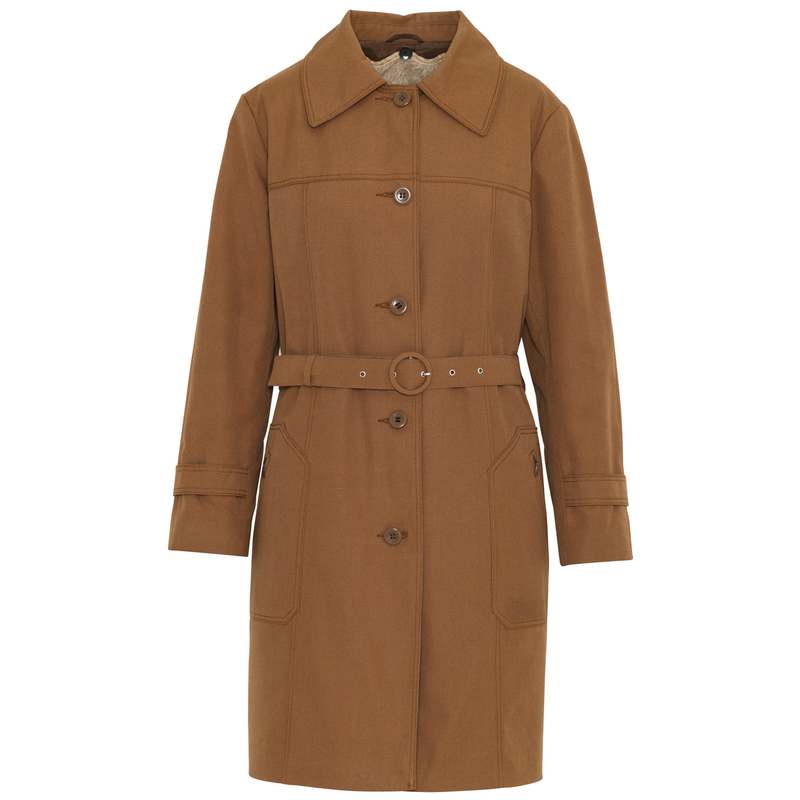
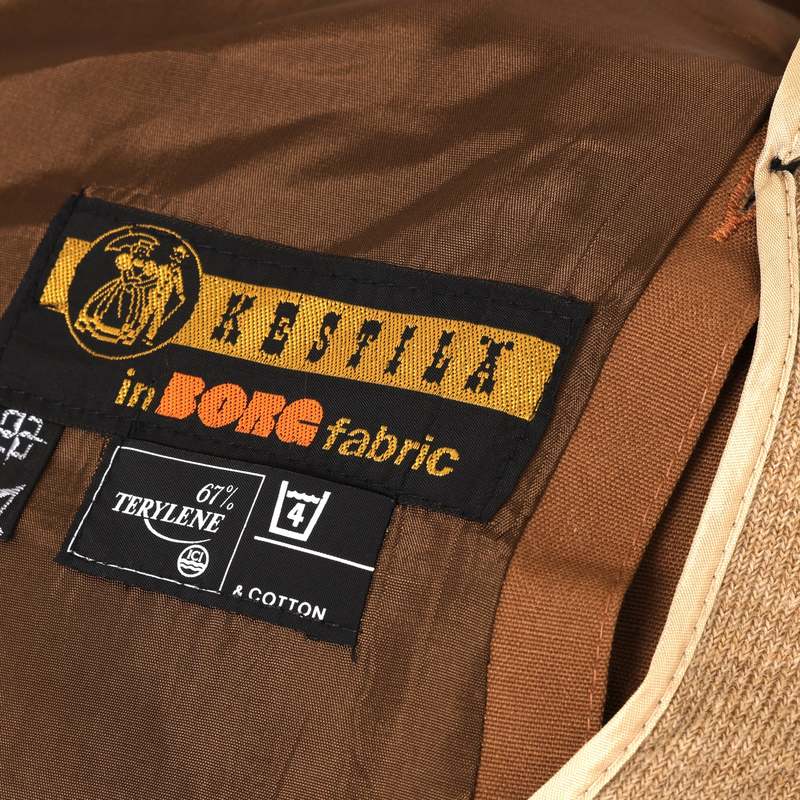
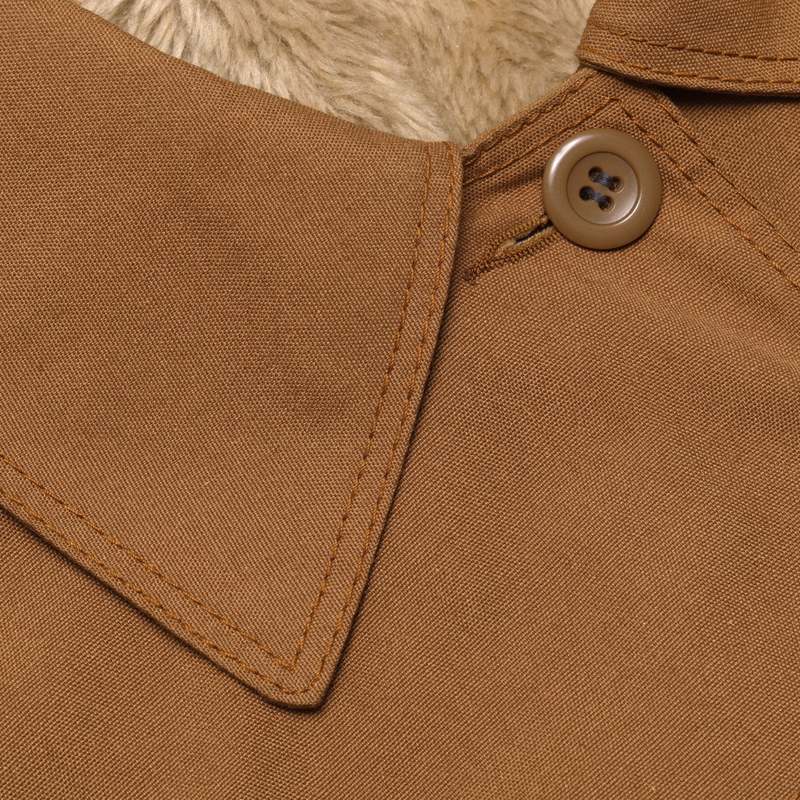
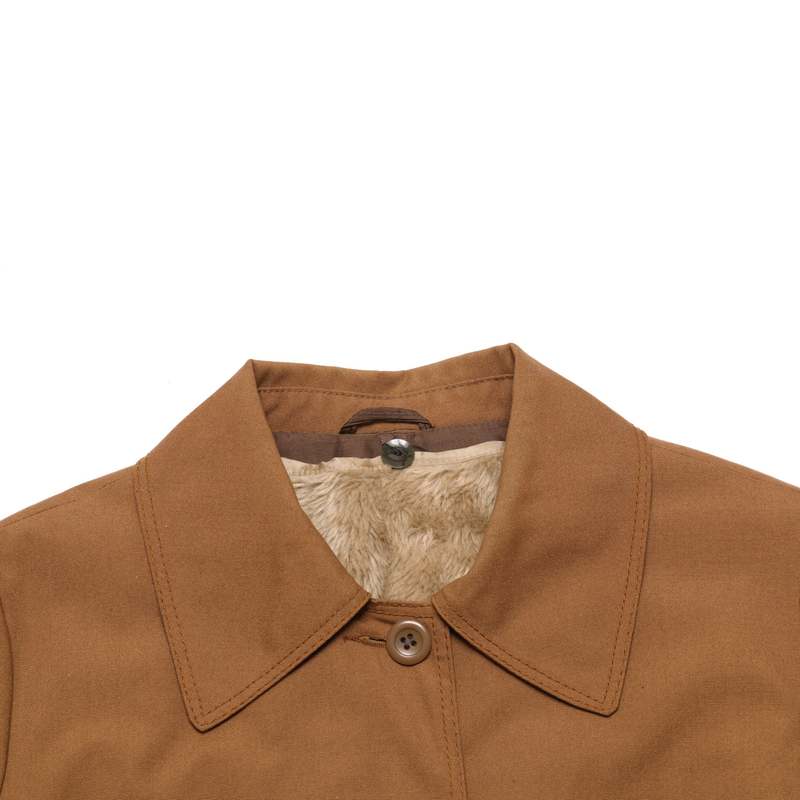
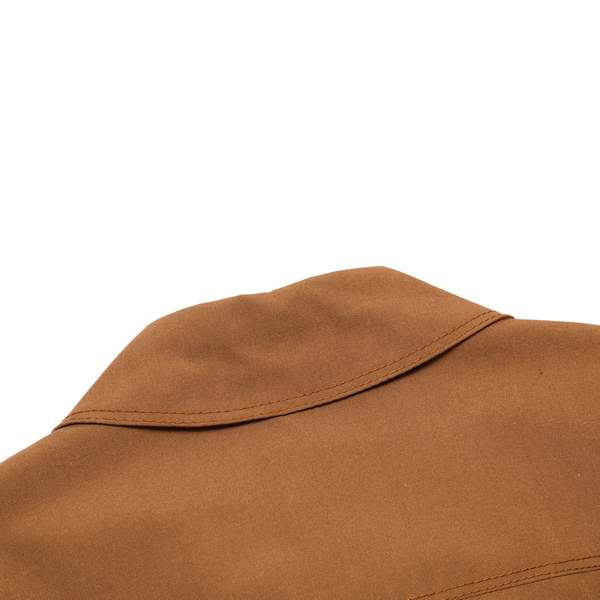
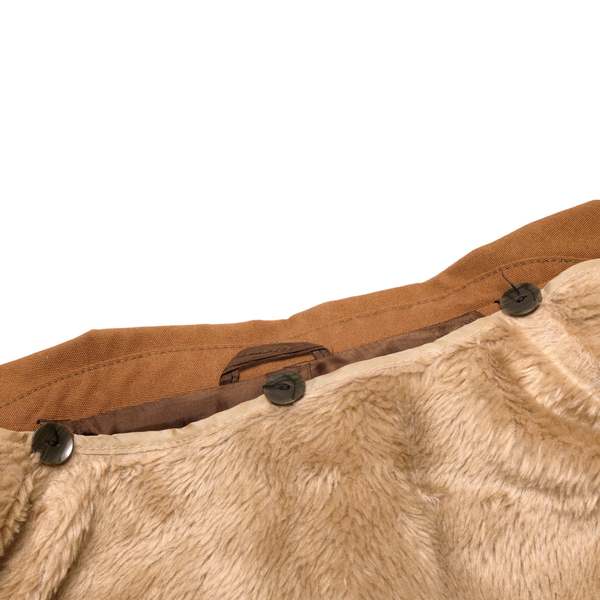
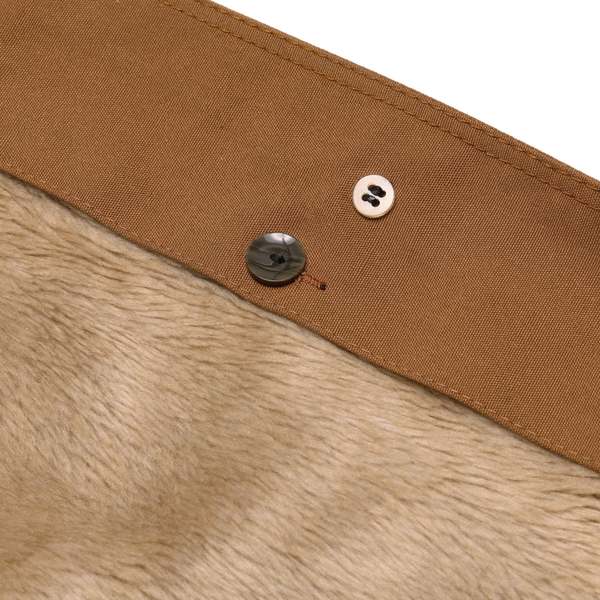
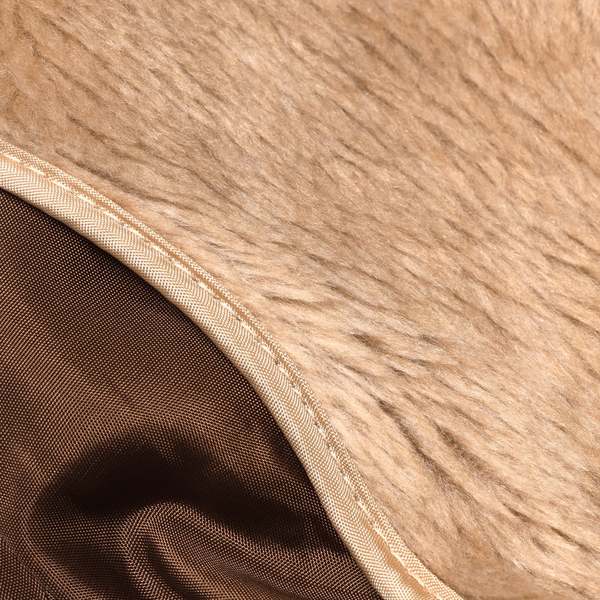
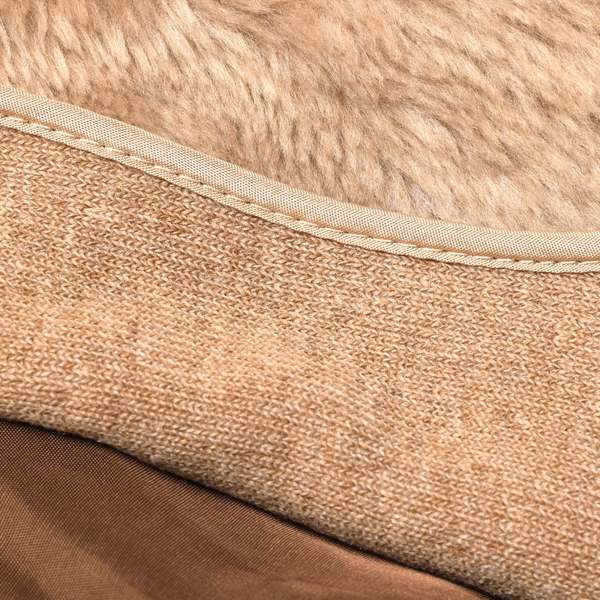
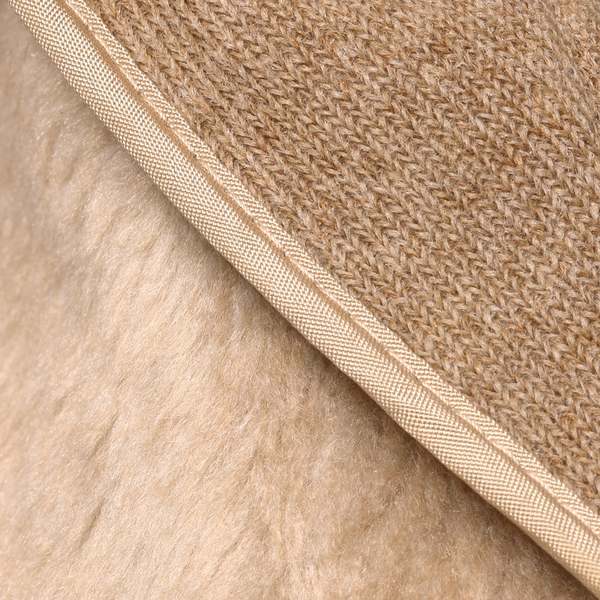
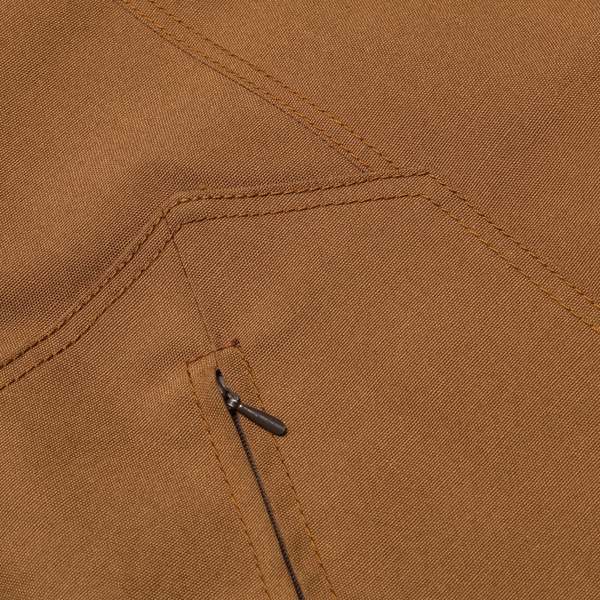
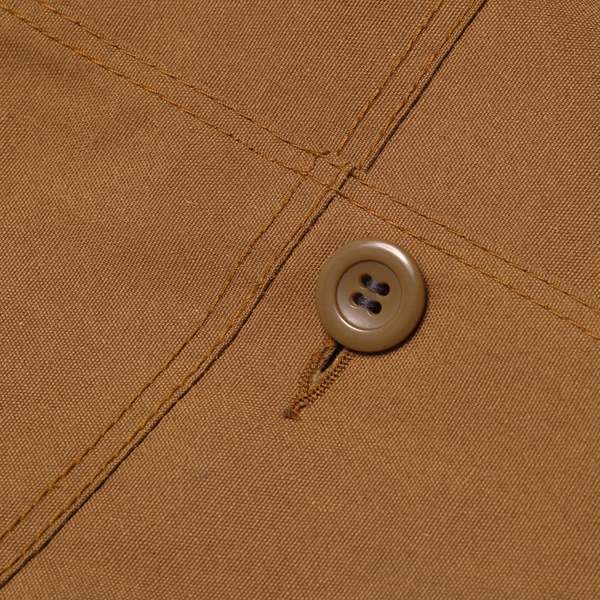
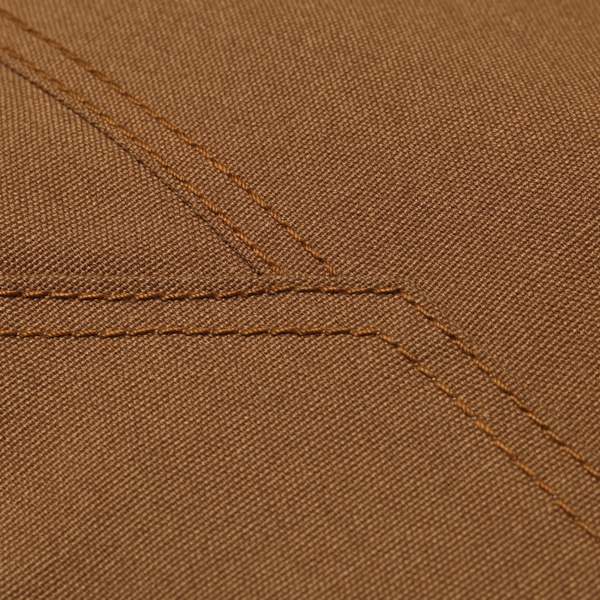
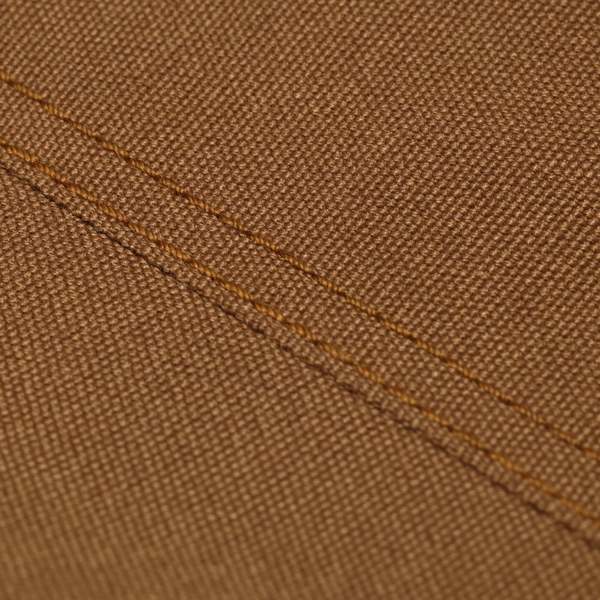
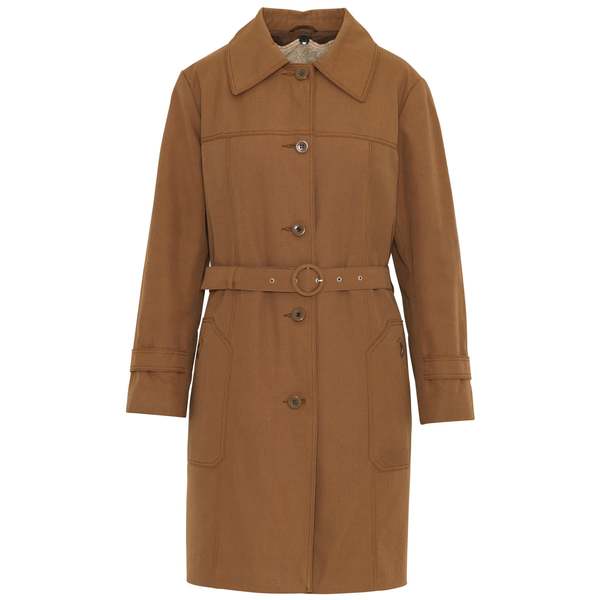
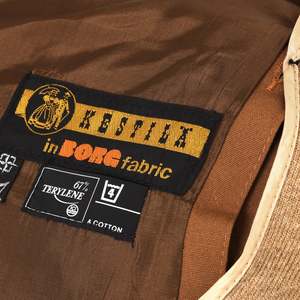
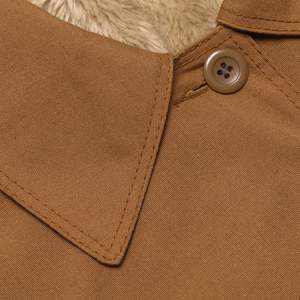
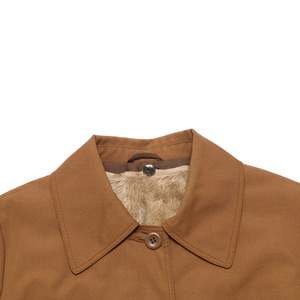
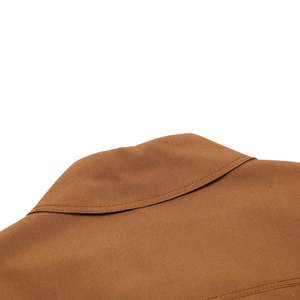
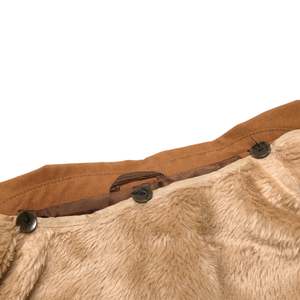
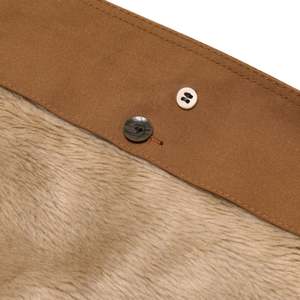
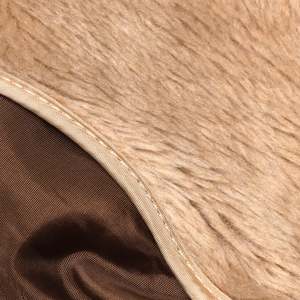
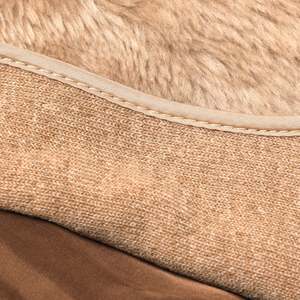
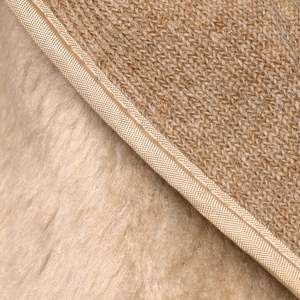
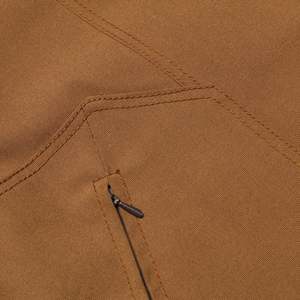
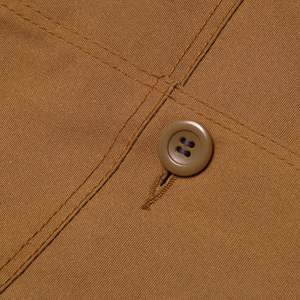
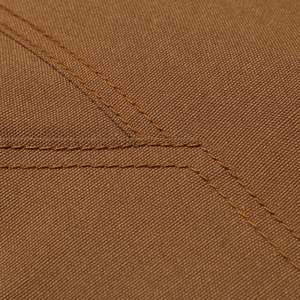
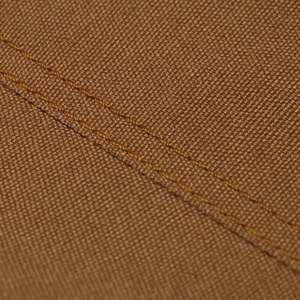
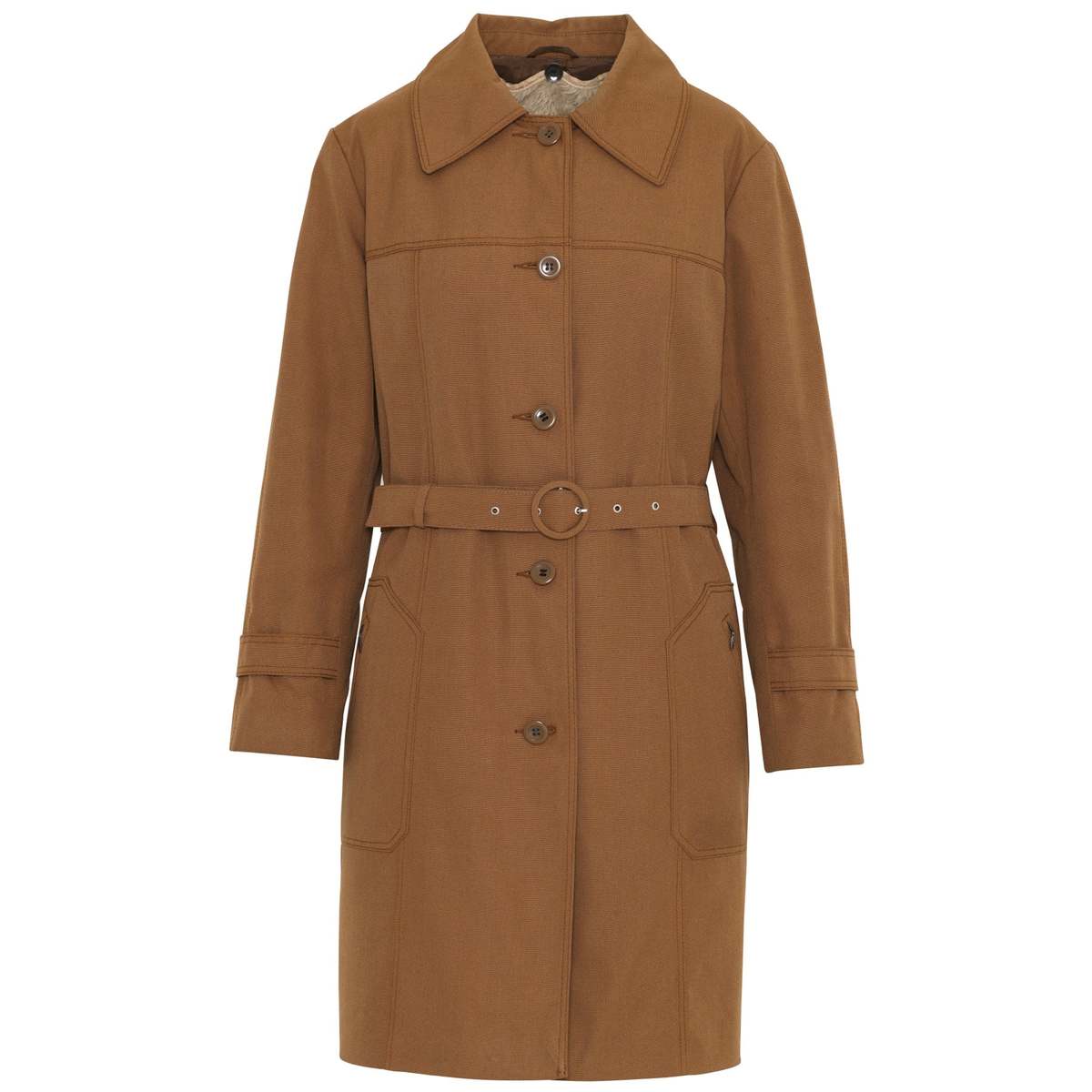
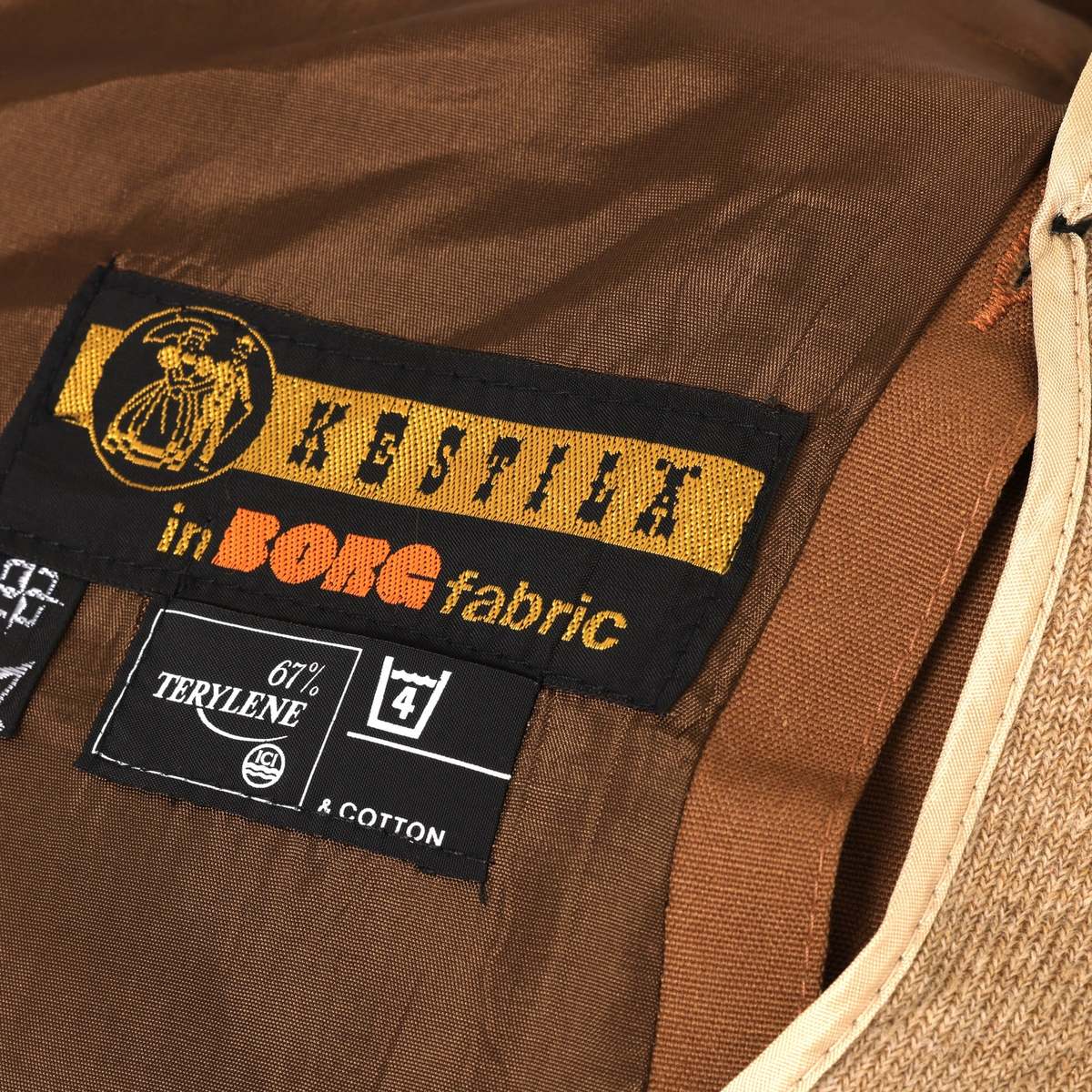
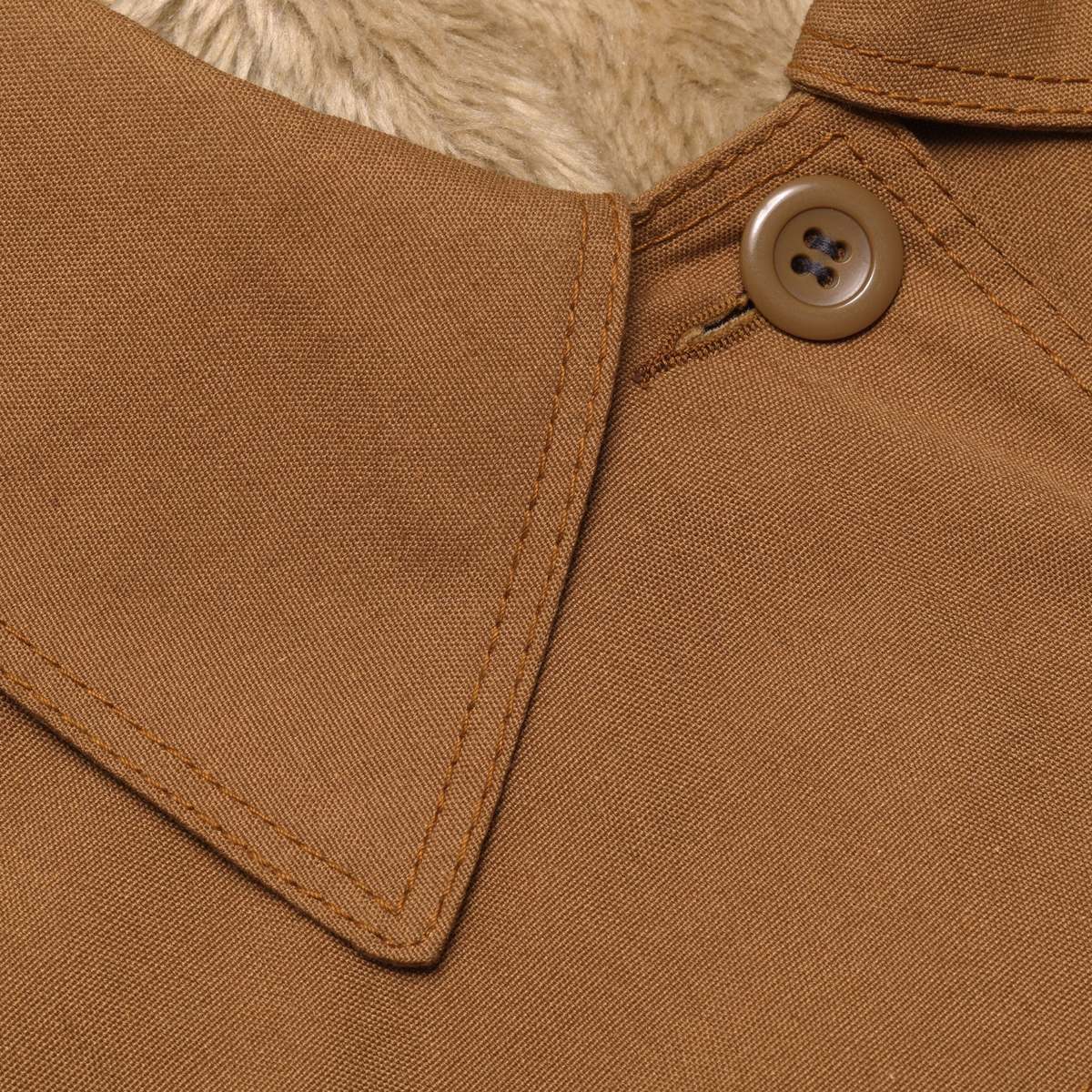
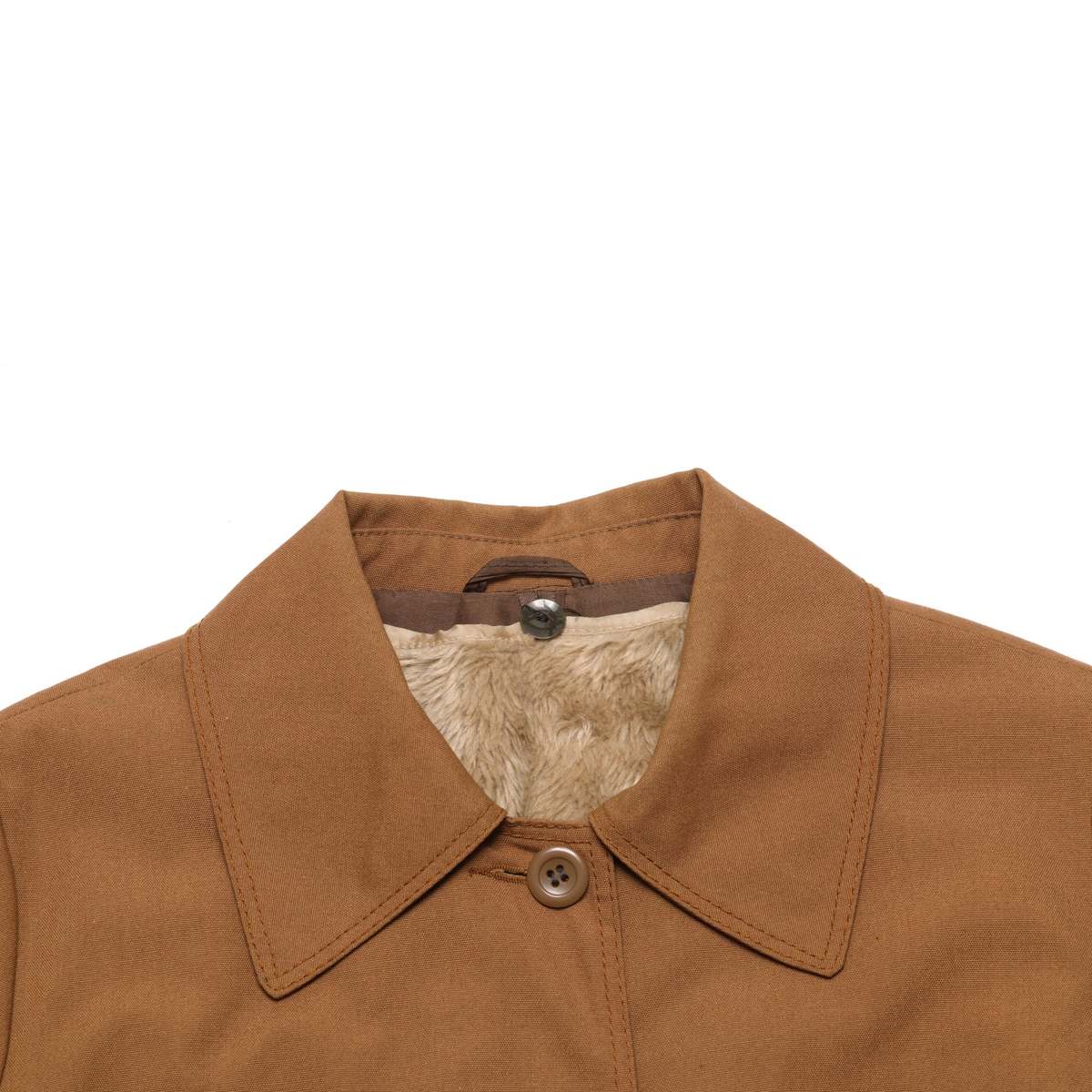
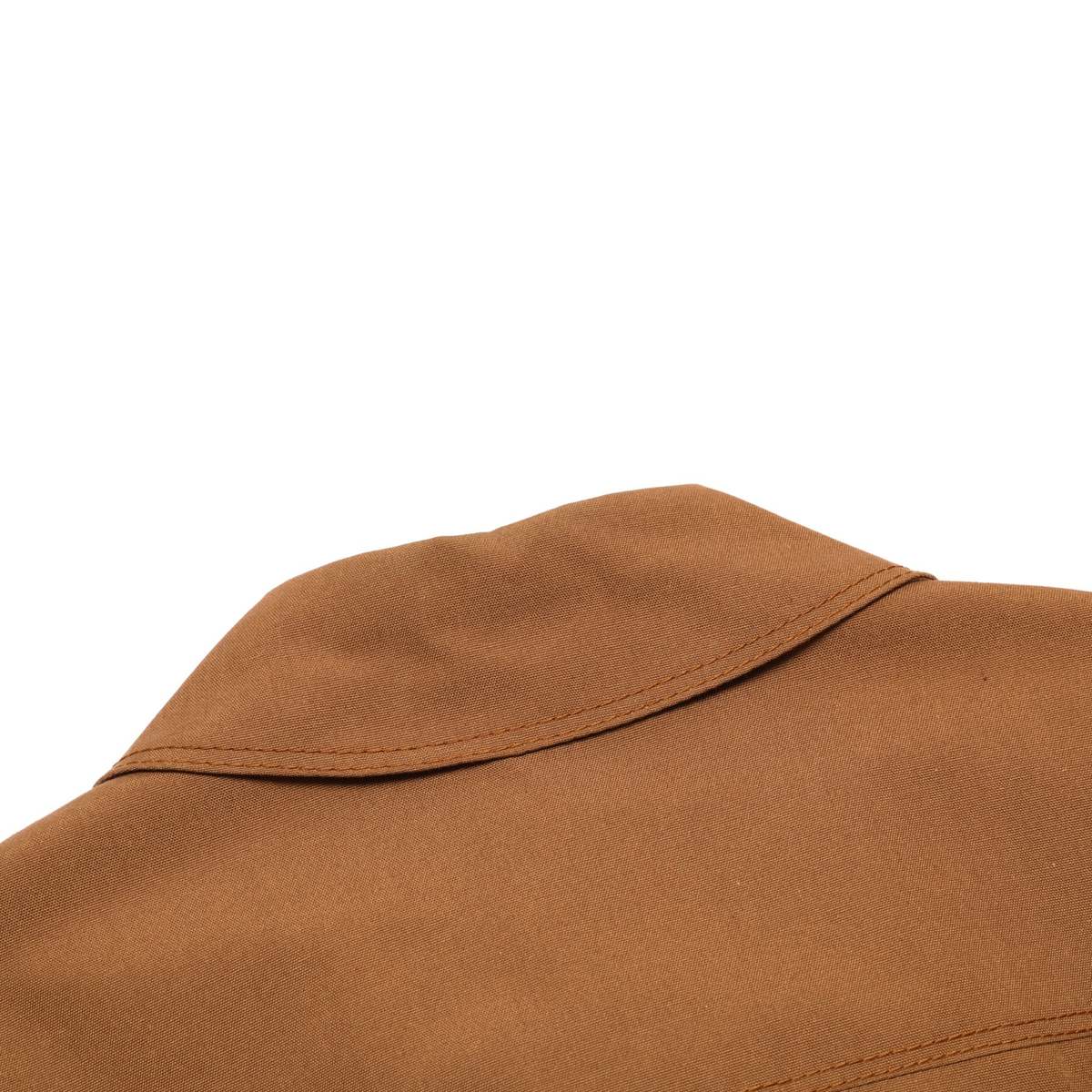
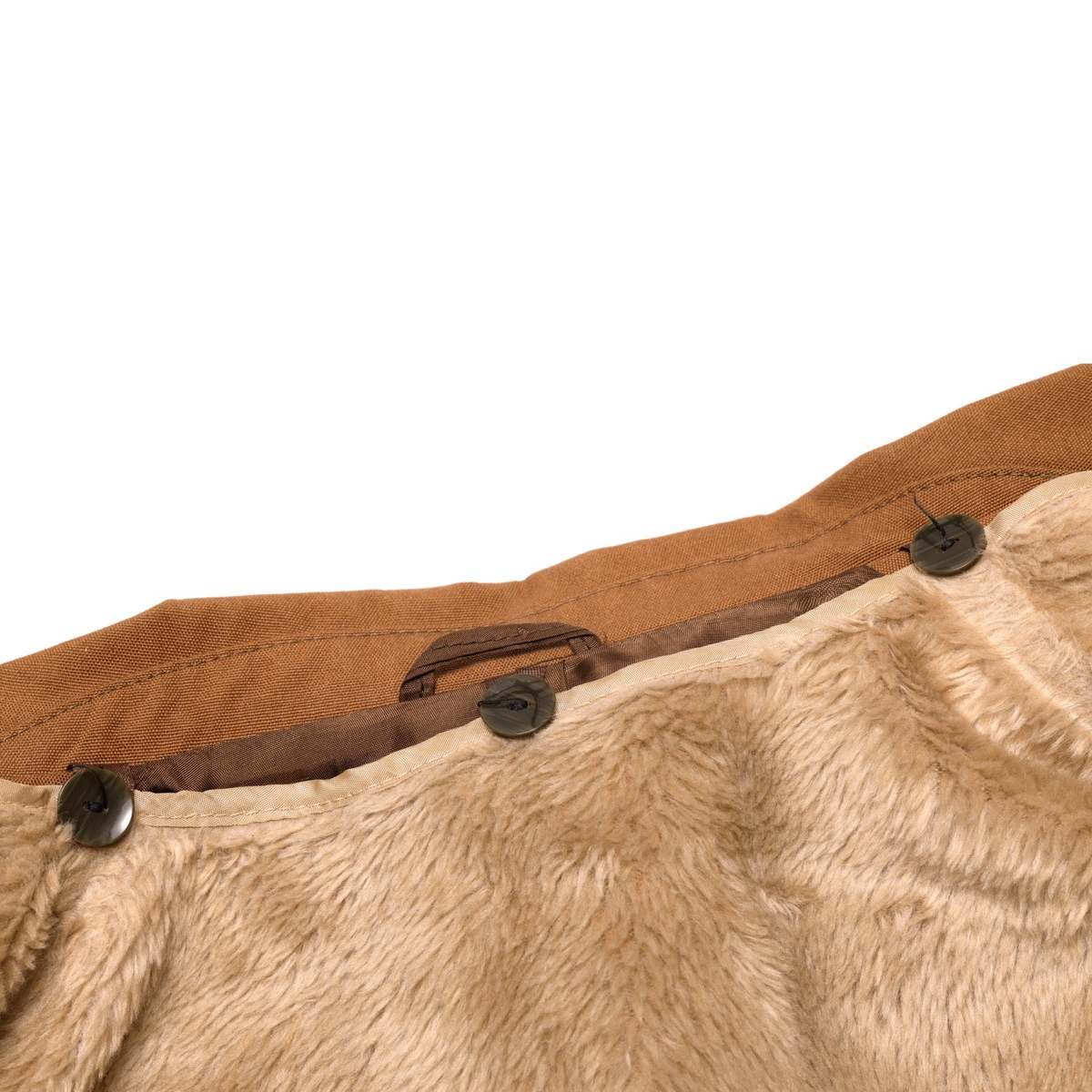
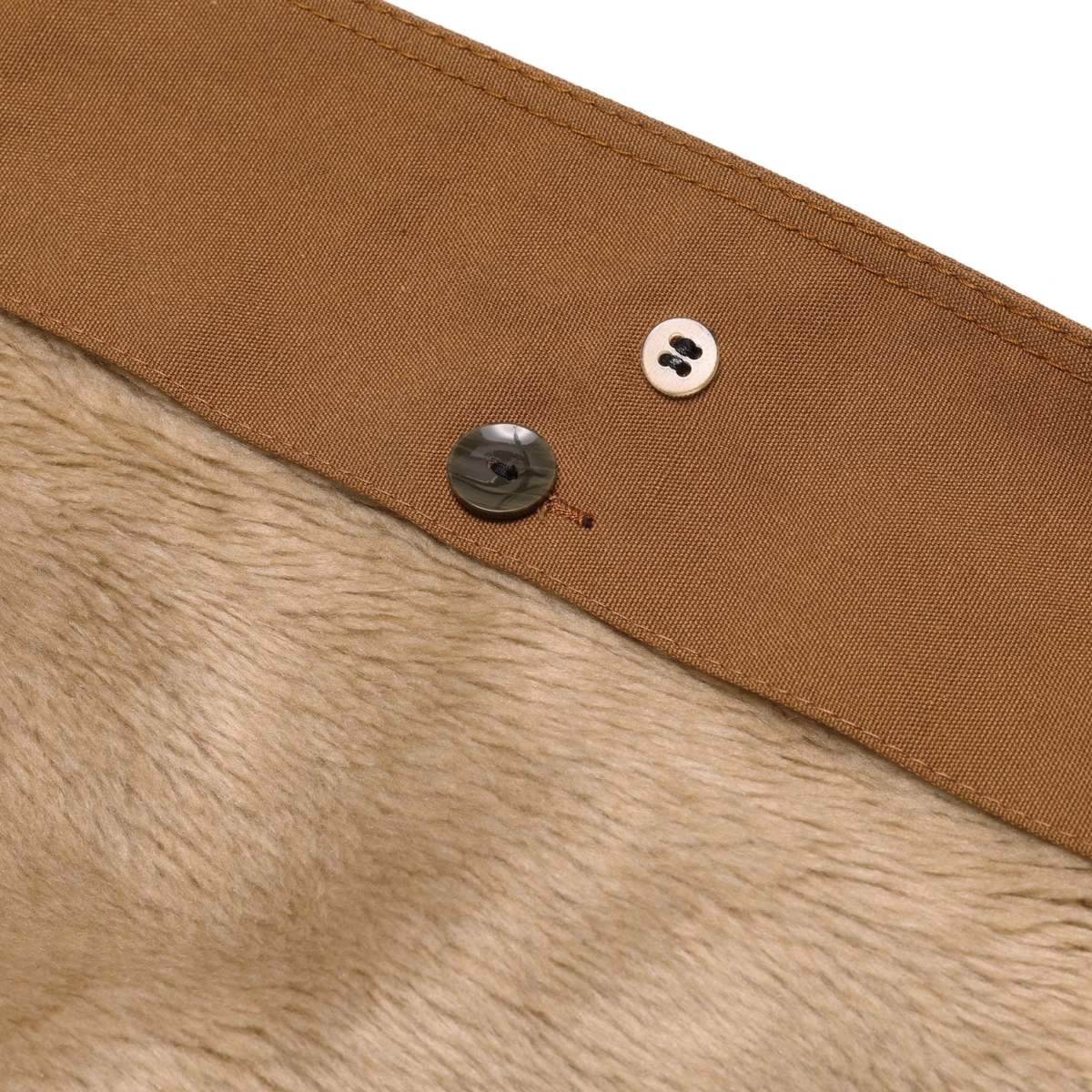
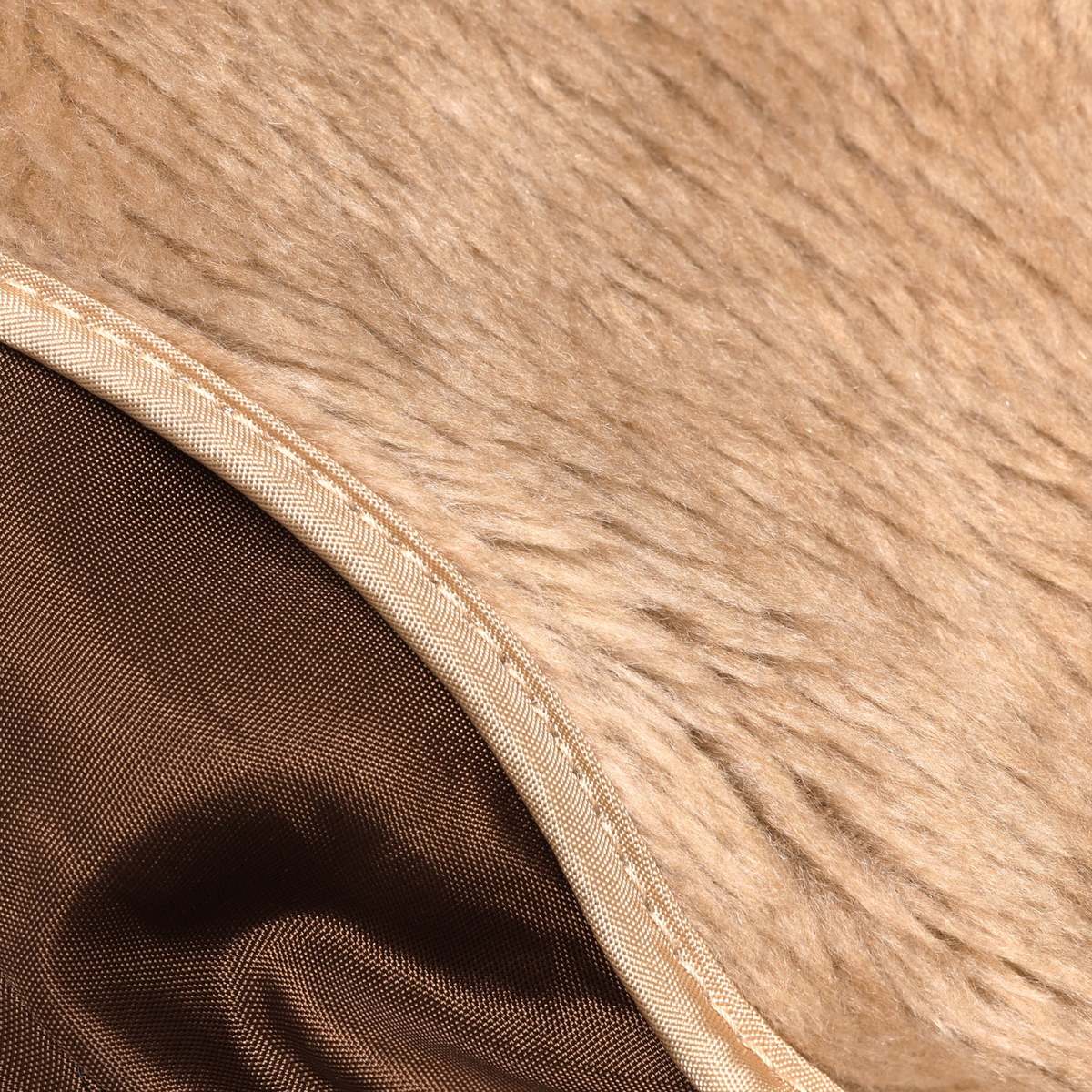
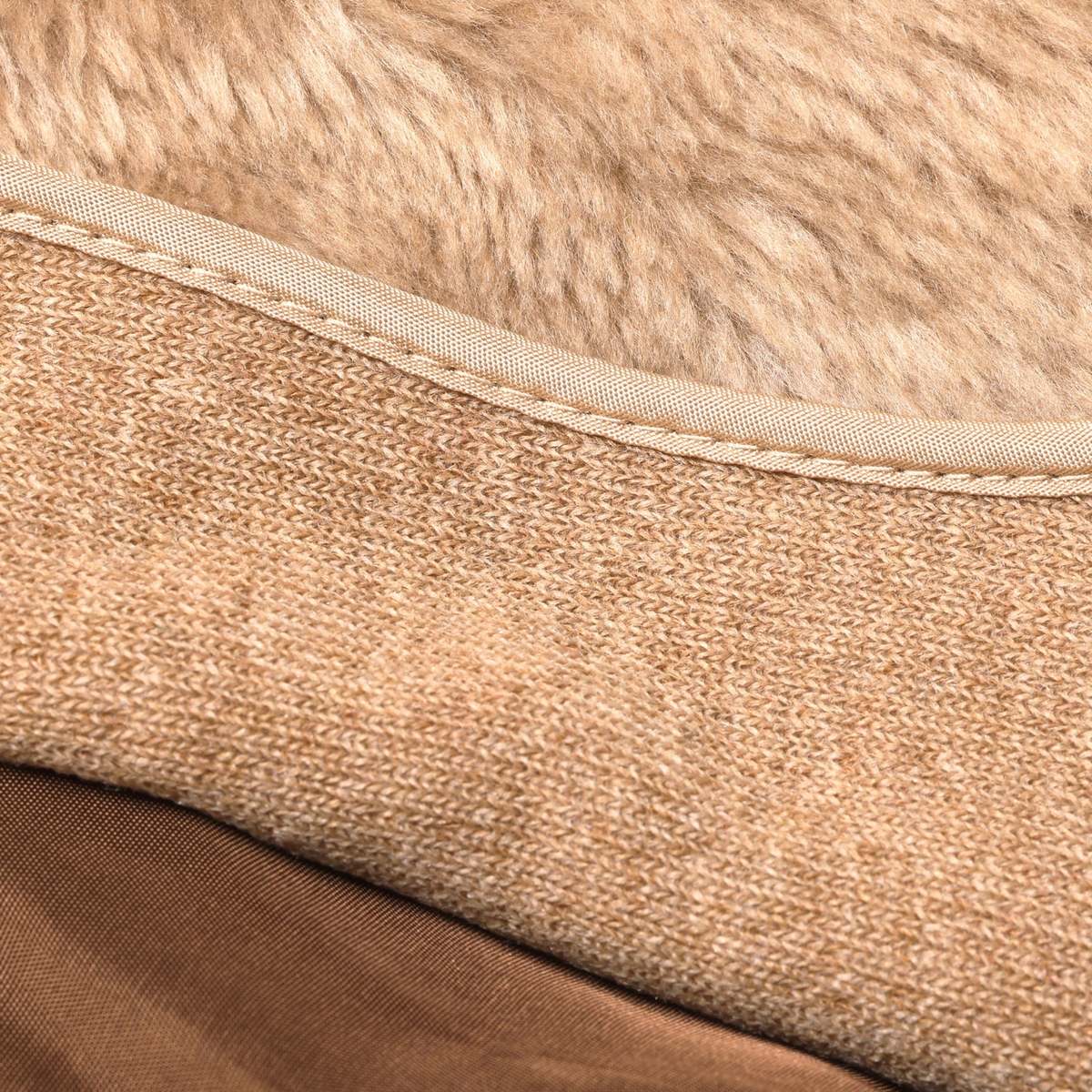
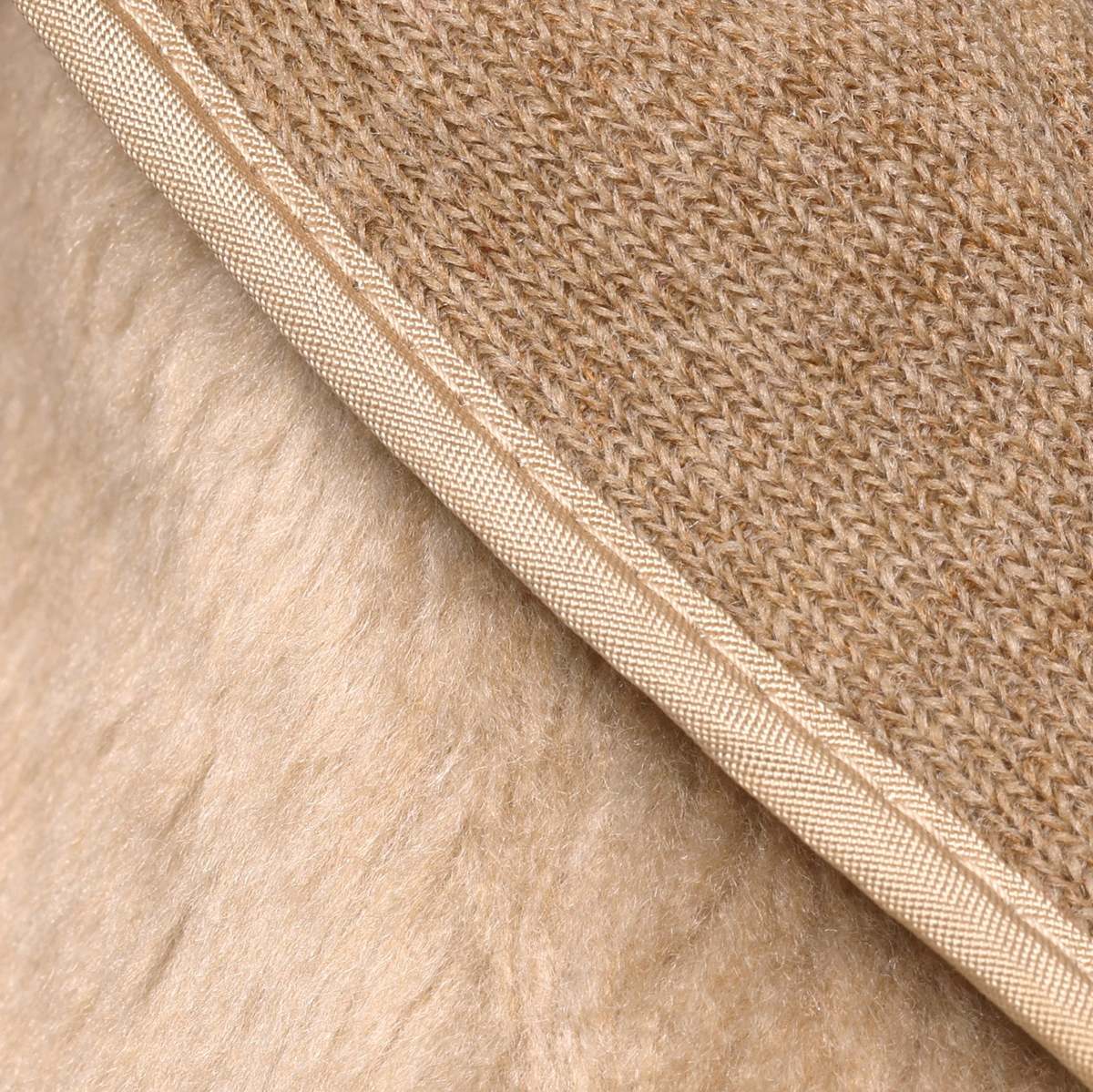
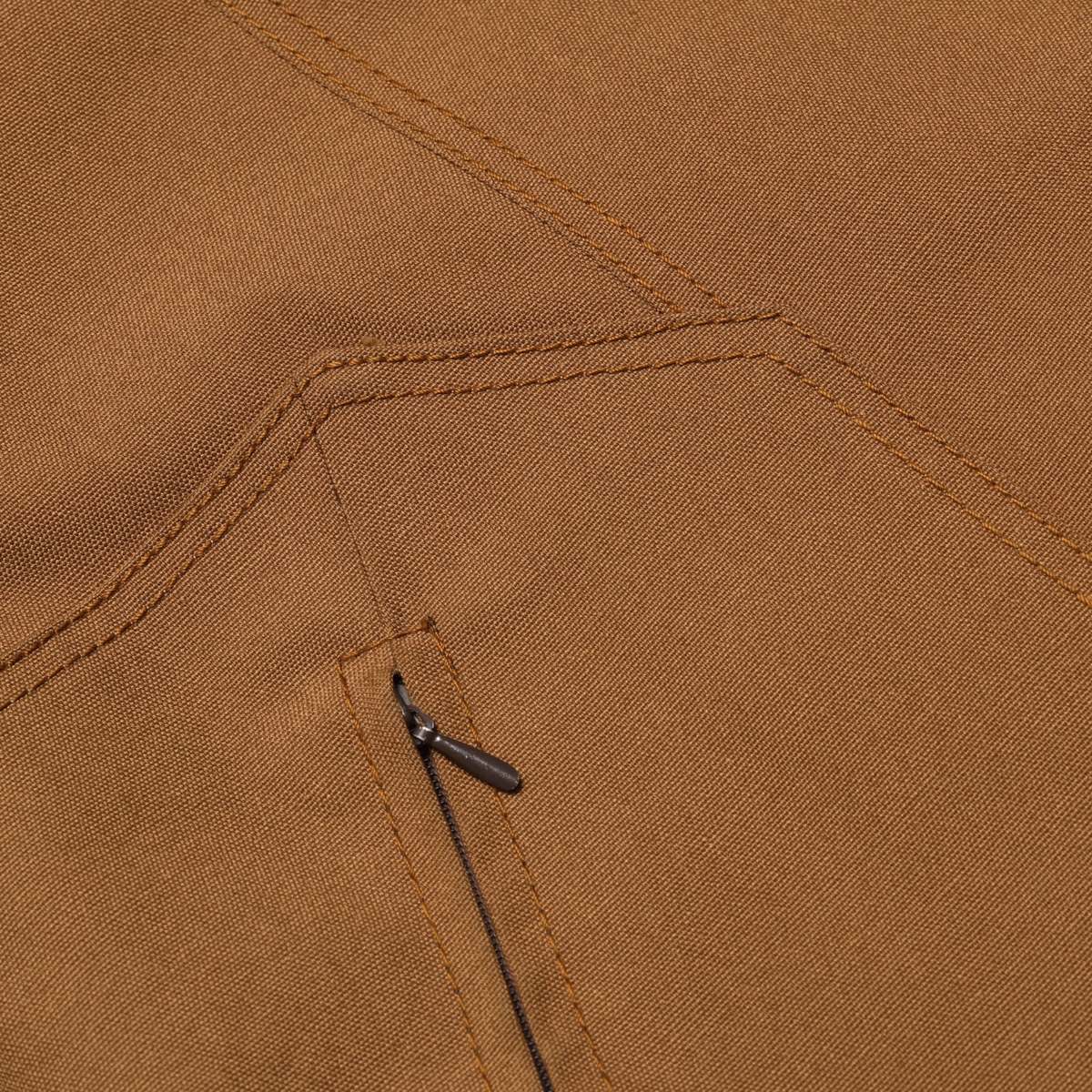
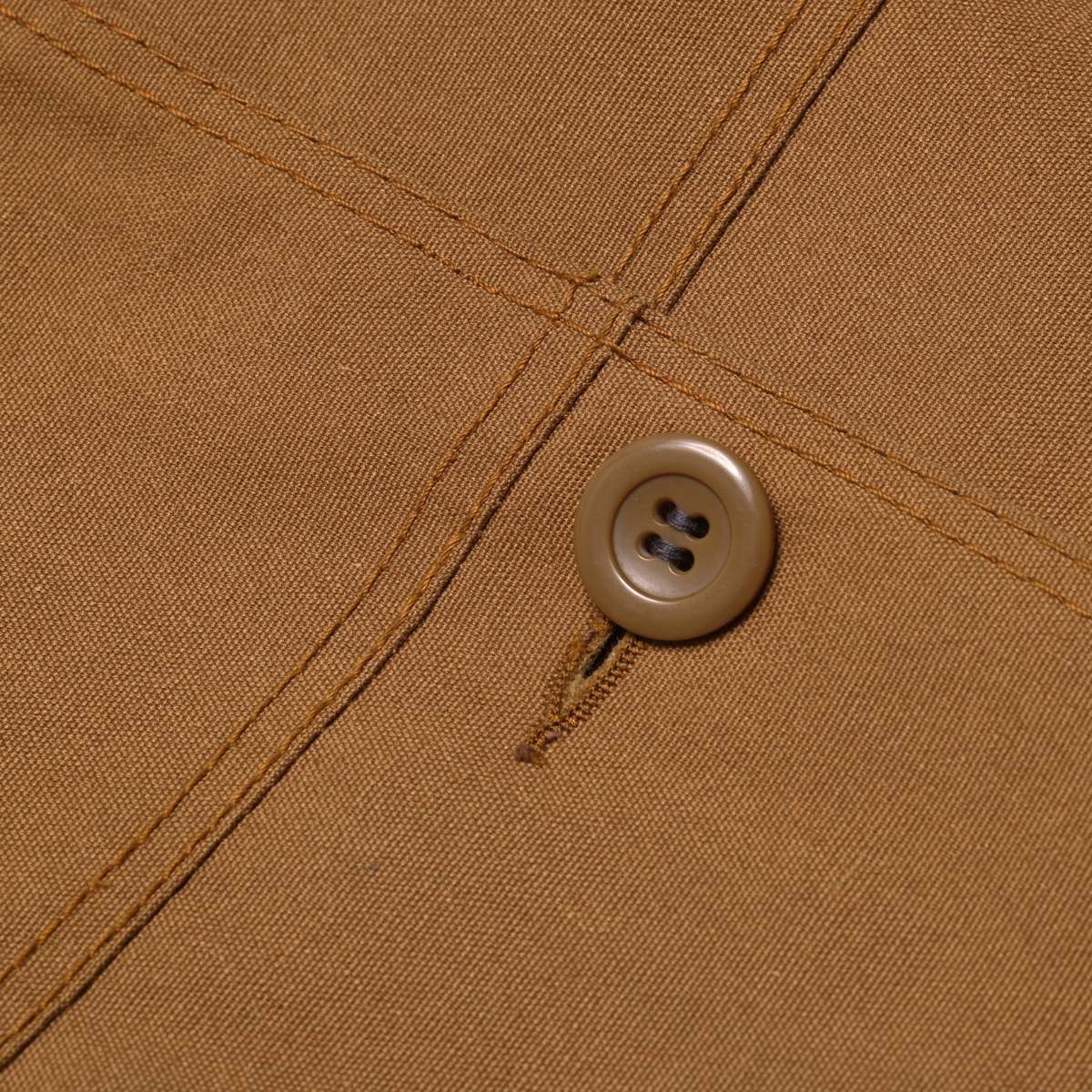
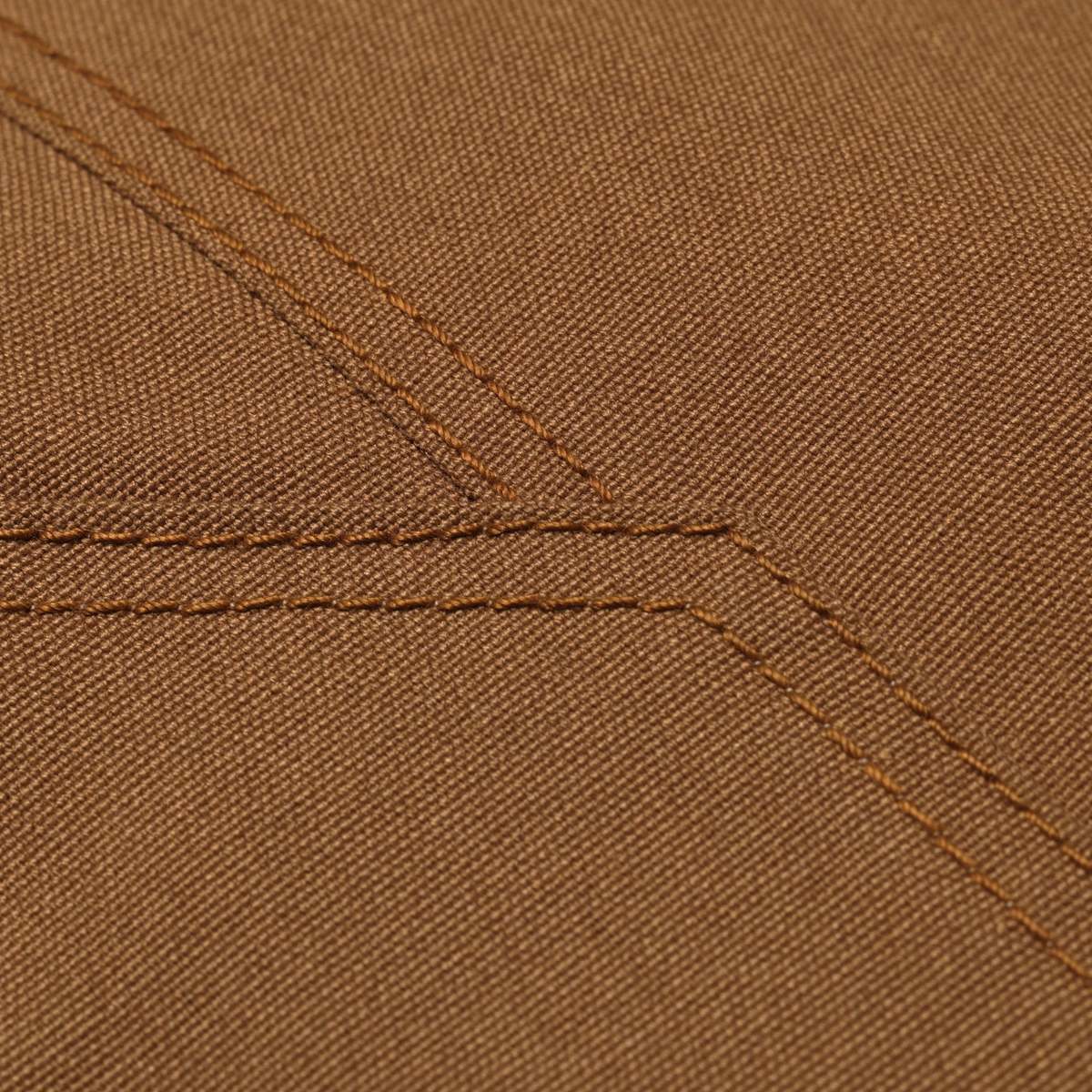
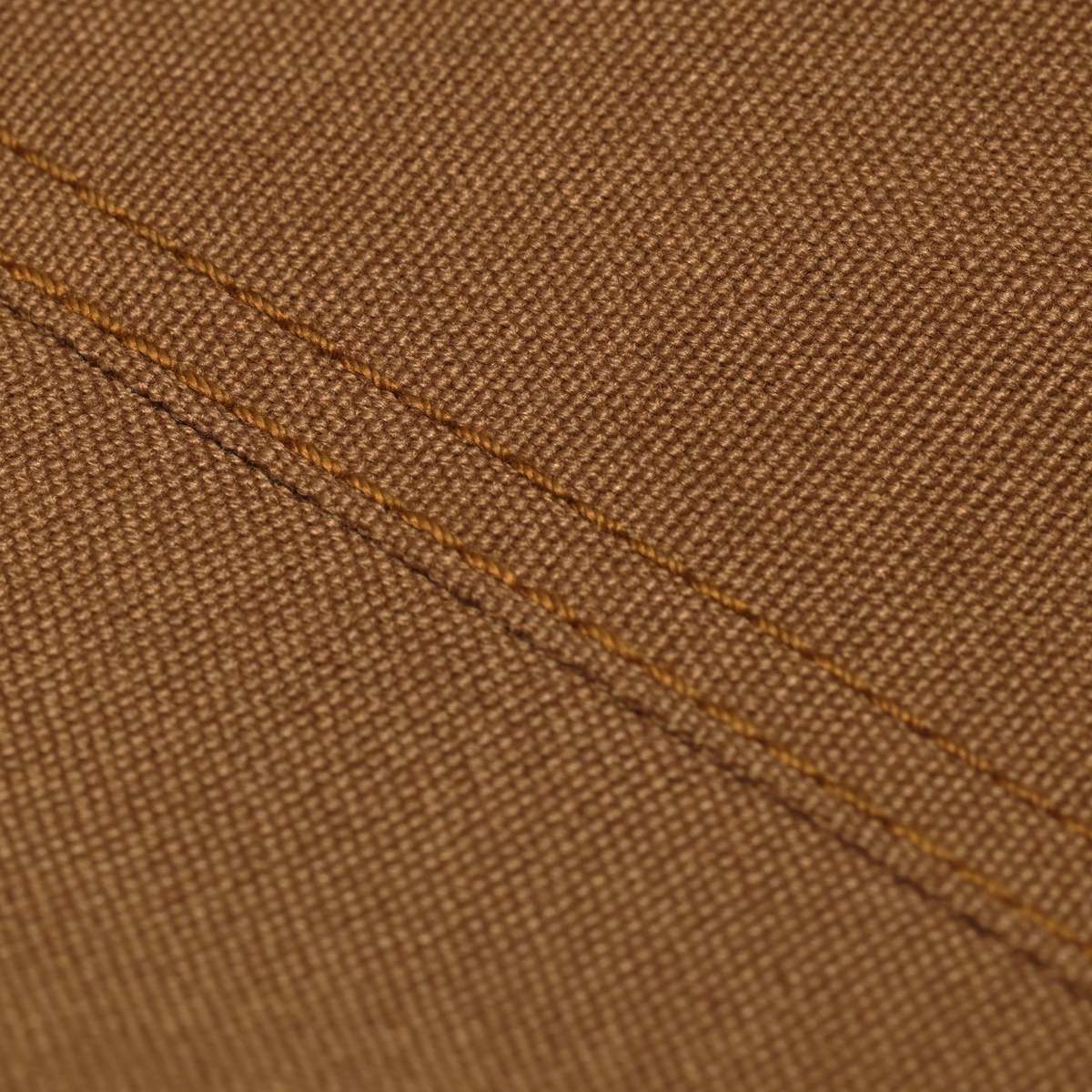
Cut in camel-toned Borg fabric, its polycotton shell balances breathability, shape retention, and abrasion resistance for Nordic winters. The Kestil womens belted overcoat stands as a paradigmatic artifact of Finnish postwar functionalist garment engineering, merging gendered utility with climate-responsive construction. Rooted in the Nordic outerwear lineage of the mid-to-late 20th century, Kestil operated at the intersection of industrial textile innovation and pragmatic tailoring, producing garments not for runway display but for everyday endurance in one of Europes harshest climates. With a design ethos grounded in the functionalist traditions of Northern Europe, the brand favored material integrity, structural claritys, and utilitarian modularity over decorative excessexemplified in this coats deliberate synthesis of synthetic fiber technology, ergonomic paneling, and minimal surface treatment. Conceived as a womens cold-weather commuting coat, this piece reflects the mid-century evolution of feminine utilitywear, where postwar femininity was articulated not through fragility but through adjustable shaping within resilient frameworks. Designed to straddle urban mobility and domestic practicality, the coats belted A-line silhouette, reinforced seams, and removable synthetic fur lining were engineered to accommodate layered dressing while preserving dignity, warmth, and visual continuity. Its silhouette prioritizes modular layeringcut to allow both freedom of movement and body insulationwhile the belt asserts autonomy over shape, enabling the wearer to cinch or release volume as dictated by function or form. The construction methodology reveals an industrial-grade logic embedded within a civilian tailoring framework. The shell is composed of Borg fabrica 67% Terylene, 33% cotton blendexecuted in a tight plain weave that balances abrasion resistance, shape retention, and breathability. With a GSM range between 280320, the shell exhibits crisp pliability and weather-resistant qualities without the rigidity of coated synthetics. The coats interior is fitted with a detachable synthetic shearling lining, likely acrylic-based, affixed via an internal hidden button tape for seasonal modularity. This lining simulates the thermal performance of shearling while remaining lightweight, washable, and ethically unobtrusivea solution aligned with Finlands postwar textile engineering agenda and the broader Northern European movement toward synthetic-natural fiber hybridity. Constructionally, the garment is executed with visible double-needle topstitching throughout the shellmost notably at the yoke, princess seams, collar base, and pocketsoffering both structural integrity and a subtle surface articulation. Flat-felled and faux-felled seams ensure tensile strength in high-stress areas, while interior facings are clean-finished with beige herringbone bias tape, indicative of advanced production techniques despite the garments utilitarian positioning. The panel drafting is both economical and ergonomic, built from modular blocks that facilitate efficient cutting while accommodating body curvature. Front princess seams and a back yoke deliver shaping and structural reinforcement; angled pockets are inset with diagonal zipper closures for ease of access and secure storage; sleeve heads are cut as single-piece, straight-set forms without articulated crowns, prioritizing ease of construction and mobility over precision tailoring. The collar is a wide spread-point design with a clean bevel, drafted to stand or lay flat depending on environmental need. Its structure is stabilized via internal interfacing, essential in a polycotton shell prone to collapse without reinforcement. Cuffs are finished with folded shell bands, and the straight hem is double-turned and blind-stitched for durability. The front placket, cut with wide overlap and reinforced machine bartack buttonholes, offers wind resistance and structural flatness. Button attachment is technically clean: four-hole thermoplastic buttons, tone-matched to the shell, are zigzag-stitched with machine precision and shanked for both clearance and durability. The belt, a fabric-matched strip with a stitched buttonhole at its end, loops through a reinforced waist channel and metal ring closure, introducing adjustability without disrupting the coats visual integrity. The detachable lining is engineered with claritys. Constructed from a high-loft synthetic pile, the lining integrates seamlessly through internal button tapeseach button reinforced and evenly spaced along the facing seam to accommodate easy removal or attachment. The use of plush synthetic fur in this context is both practical and psychological: it delivers thermal insulation while conveying domestic warmth and postwar material comfort, replacing traditional animal-based linings with industrial alternatives more in line with emerging ecological and maintenance-conscious ideals. From a textile typology perspective, Borg fabric aligns closely with other mid-century European polycotton developments. Its plain weave and performance properties position it adjacent to military-adapted poplins and canvasessuch as the US OG-107 uniform cloththough Borg presents a smoother surface and warmer chromatic palette, indicative of civilian tailoring intentions. Comparatively, it mirrors fabrics used in Nordic rainwear, Soviet industrial coats, and French utilitywear from Rhodiaceta and other synthetic fiber pioneers. Likely sourced from Finnish or Scandinavian mills such as Finlayson, Klippan, or Borg-based producers, the textile encapsulates the regional commitment to form-conscious, low-maintenance fabrics tailored for temperate volatility. Panel configuration supports structural integrity while maintaining economic pattern repeatability. The coat is composed of curved body panels, a back yoke, and two-piece straight sleeves. Curved seams and princess shaping establish an anatomical silhouette without relying on heavy darts or inner structure. The lack of articulated sleeve heads and unvented hem further reflect a production logic attuned to simplified efficiency without compromising utility. Internally, the coats seams are cleanly bias-taped, reinforcing the shell while protecting the linings shearling pile from wear at stress points. The historical context places the coat in the late 1960s to early 1970s, a pivotal era in Finlands textile industrialization and in womens shifting public roles. The rise of modular, washable, climate-robust outerwear reflected a social climate in which women were increasingly mobile, economically active, and expected to navigate both labor and domestic spheres without aesthetic concession. Kestils garments responded not with feminized flourishes but with utility, structure, and climate fluencymaking their coats essential markers of Nordic gendered pragmatism. Aesthetically, the coat aligns with Scandinavian modernism in its visual austerity, clean paneling, and chromatic warmth. The camel-toned shell, minimal embellishment, and functional geometry echo Finnish mid-century design valuesseen in both the rationalist architecture of Alvar Aalto and the textile pragmatism of Vuokko Nurmesniemi. Though devoid of graphic print or ornamental hardware, the coat delivers visual sophistication through its material modulation, surface integrity, and engineered silhouette. Replica Shoes relevance for this piece is significant. It interfaces with todays archival workwear revival, modular garment interest, and slow-fashion ethos, aligning conceptually with brands like Toogood, Studio Nicholson, and Lemairewhere textile specificity and structure-first design foreground understated elegance. Its appeal spans fashion historians, stylists, and collectsors invested in mid-century Scandinavian utilitywear and the evolution of gendered performance dress. In final analysis, the Kestil womens overcoat represents a masterclass in material-informed design. Its technical executiondurable seams, modular insulation, ergonomic panelingcoupled with its synthetic-natural fiber synthesis and psychological claritys, positions it as a culturally and functionally rich object. This garment is not only a product of its time but a blueprint for climate-adapted, gender-intelligent designresilient, rational, and quietly authoritative. It remains a touchstone for archival curation and a viable reference point for contemporary reinterpretation in both fashion and industrial design spheres. Measurements (cm): Chest: 54 Length: 93 Shoulder: 44 Sleeve: 58 Size Conversion (approximate) US Womens Size: L EU Womens Size: 42 SKU: 015004
Garmentory is a curated marketplace of independent boutiques and emerging designers from around the world.
Fashion With Intention
Aw yeah!
We love making new friends so while we're popping bottles, continue shopping to apply your $10 credit.
We've got a dedicated site "garmentory.co" just for our Indian customers! Shop with local currency, faster shipping, and exclusive products.
We cannot add this item to your bag because it’s already at max capacity. But don’t worry, we’ve saved it to your wish list.
Earn Replica Belts credits when you shop, wishlist, and inspire others.

Have a question about the size or something else? We're here to help!