Spring fever is here 🌡️☀️ Prep early for those not too hot and not too cold days by finding something you love ON SALE. SHOP THE SALE


Spring fever is here 🌡️☀️ Prep early for those not too hot and not too cold days by finding something you love ON SALE. SHOP THE SALE
| To | Service | Estimated Delivery | Fee |
|---|---|---|---|
| 🌎 | Intl. Air | 6-20 business days | $29.95 |
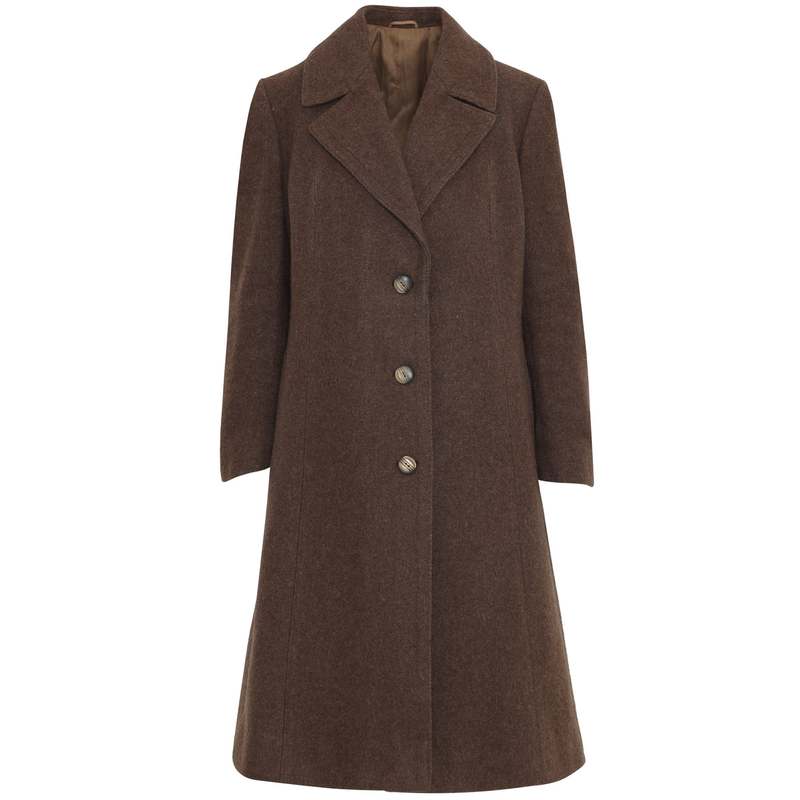
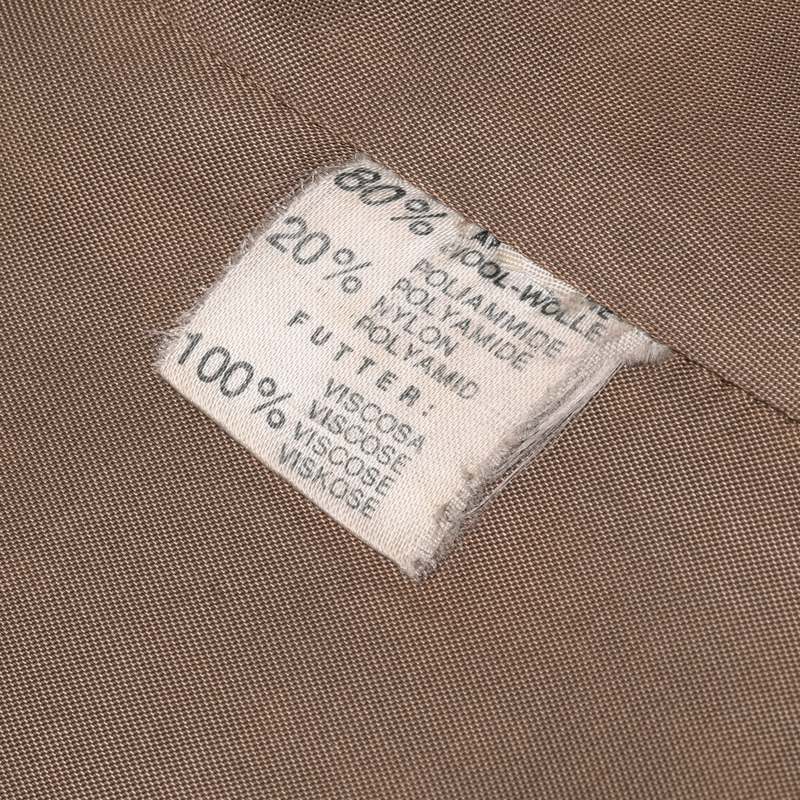
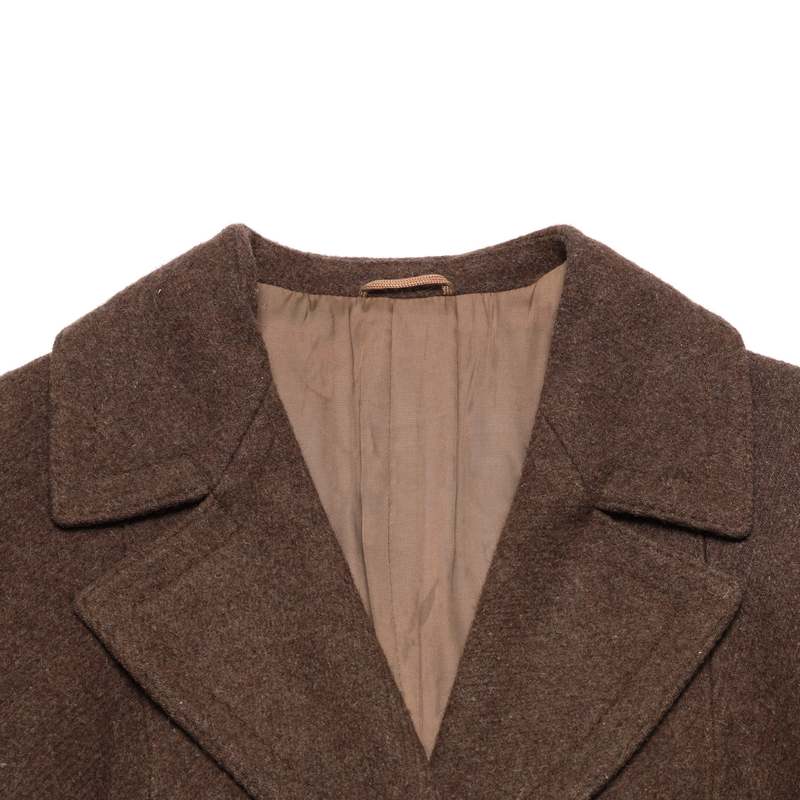
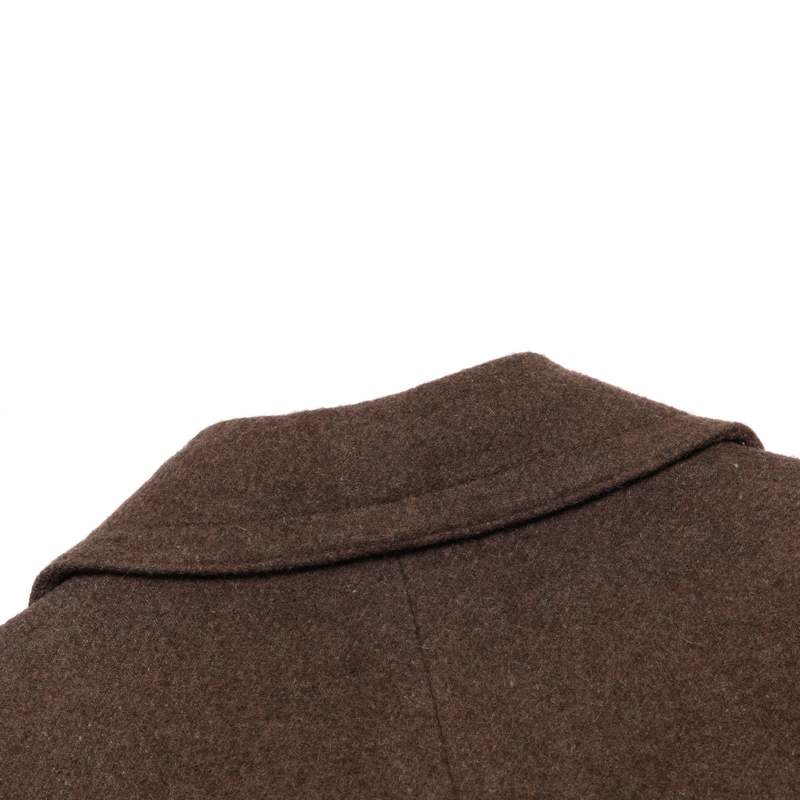
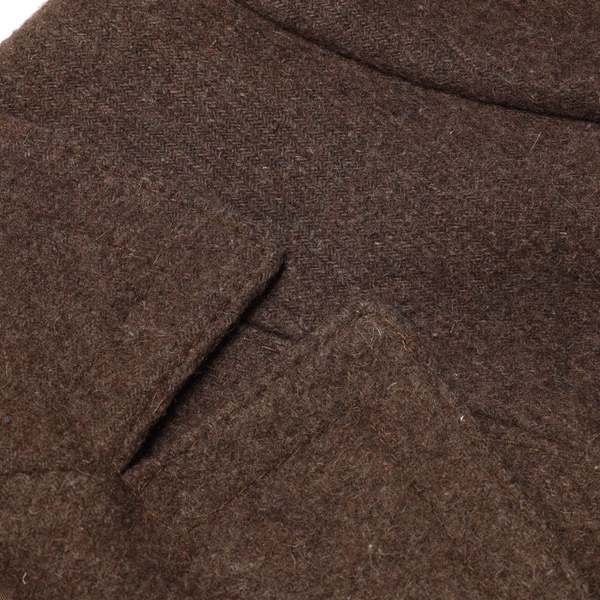
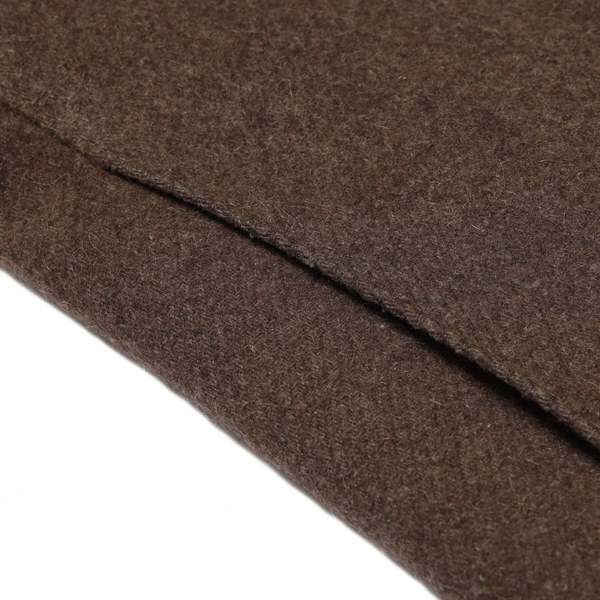
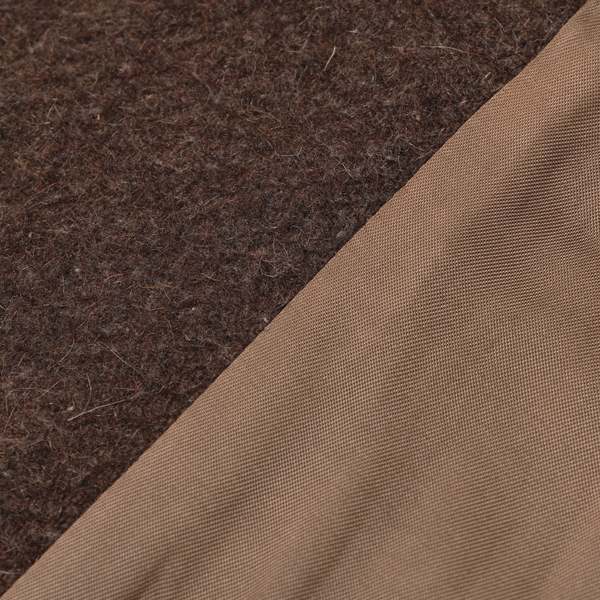
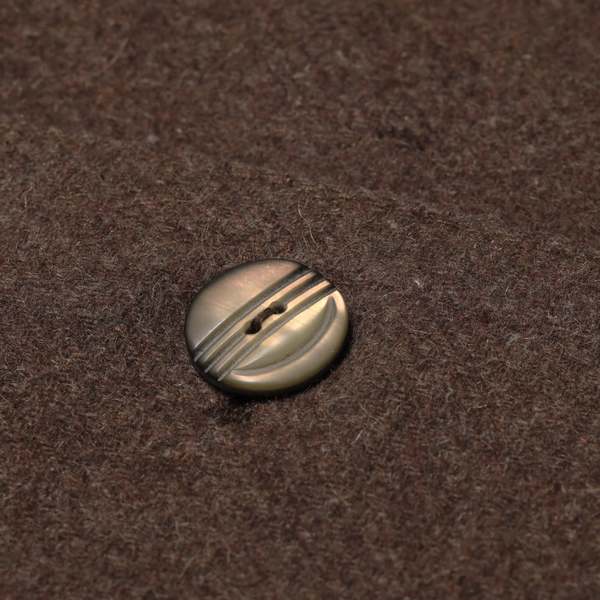
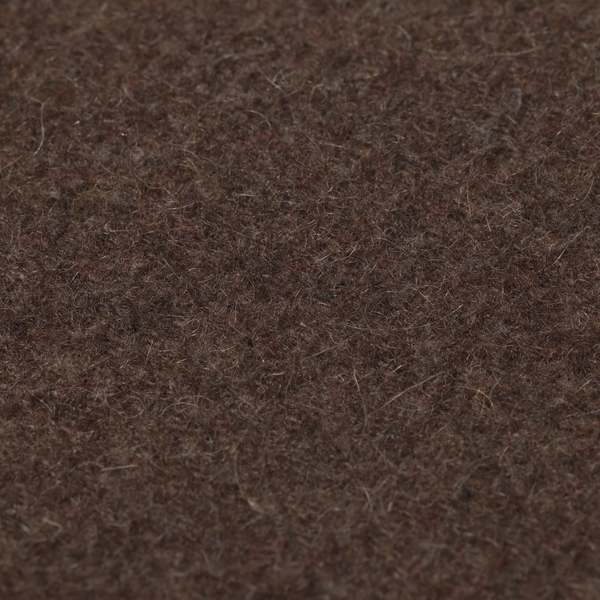
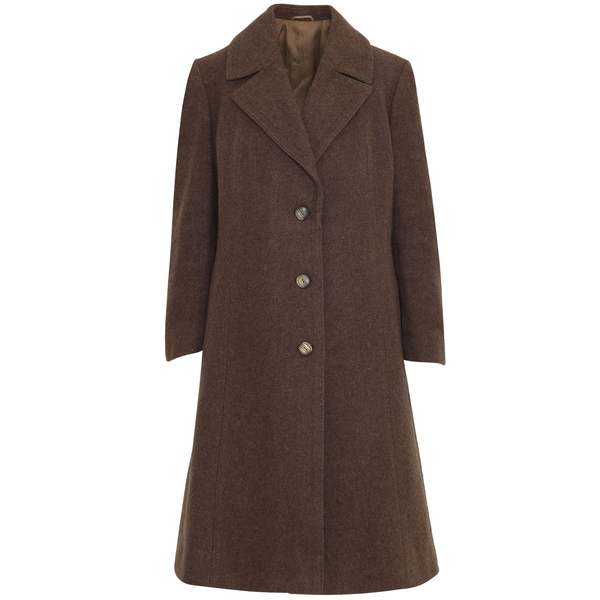
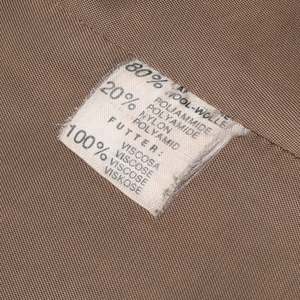
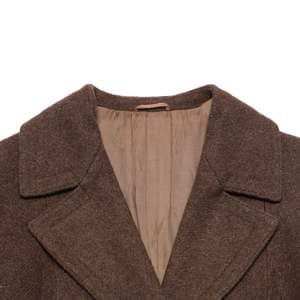
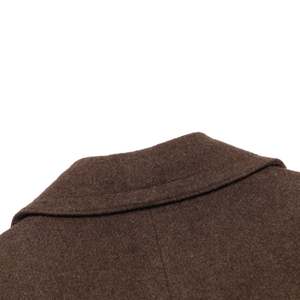
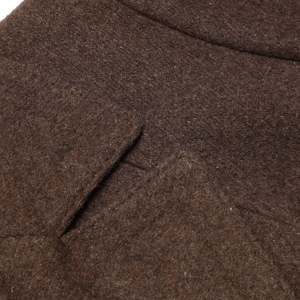
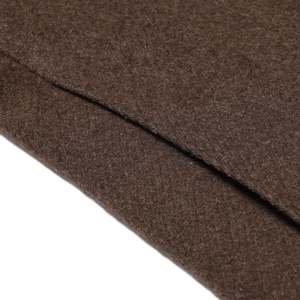
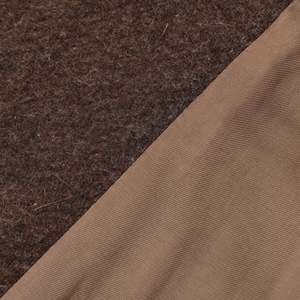
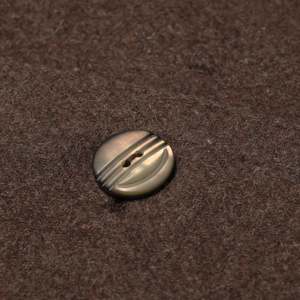
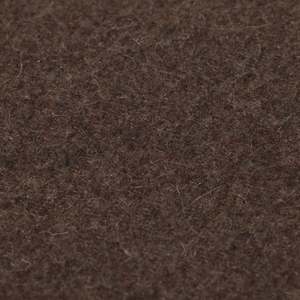
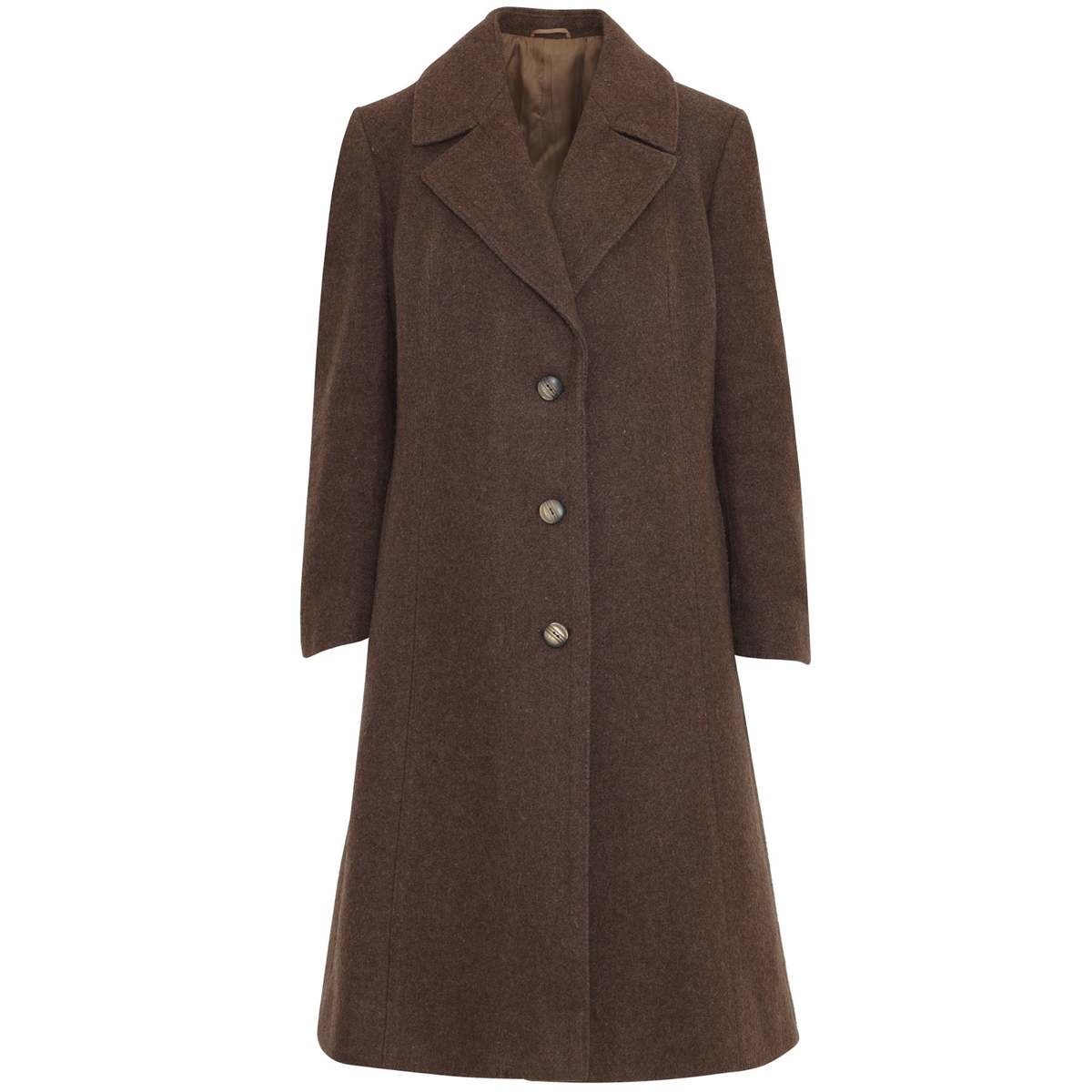
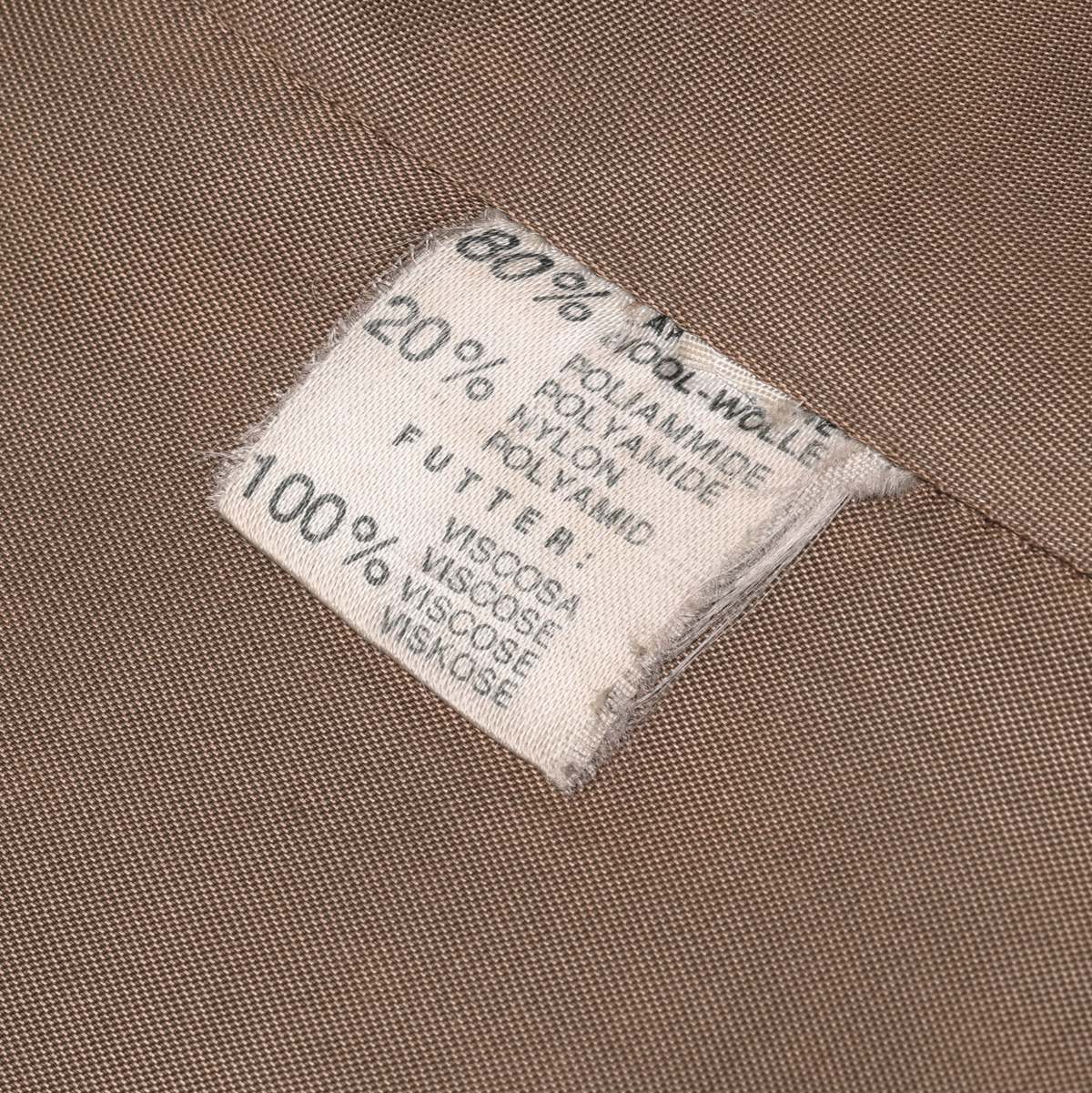
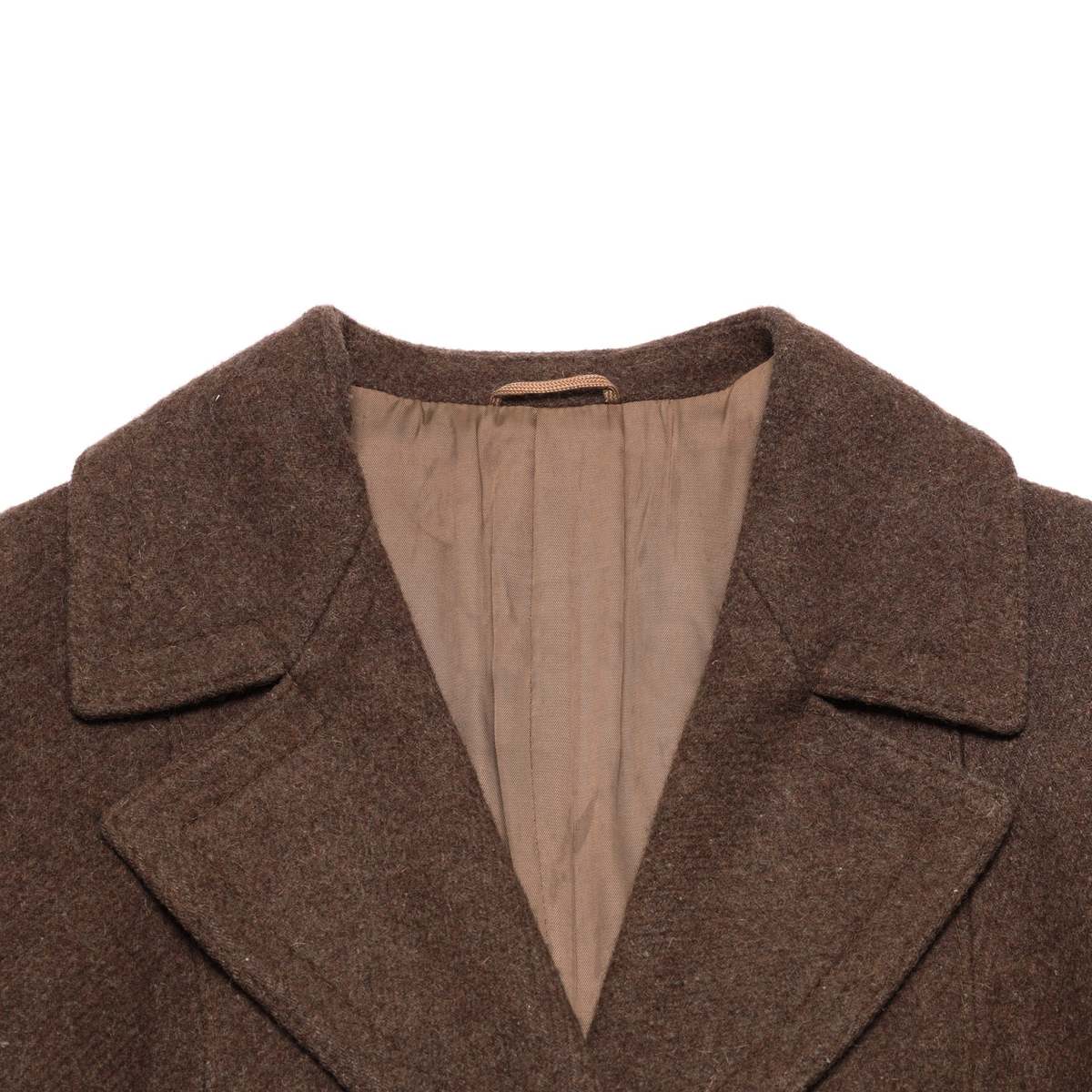
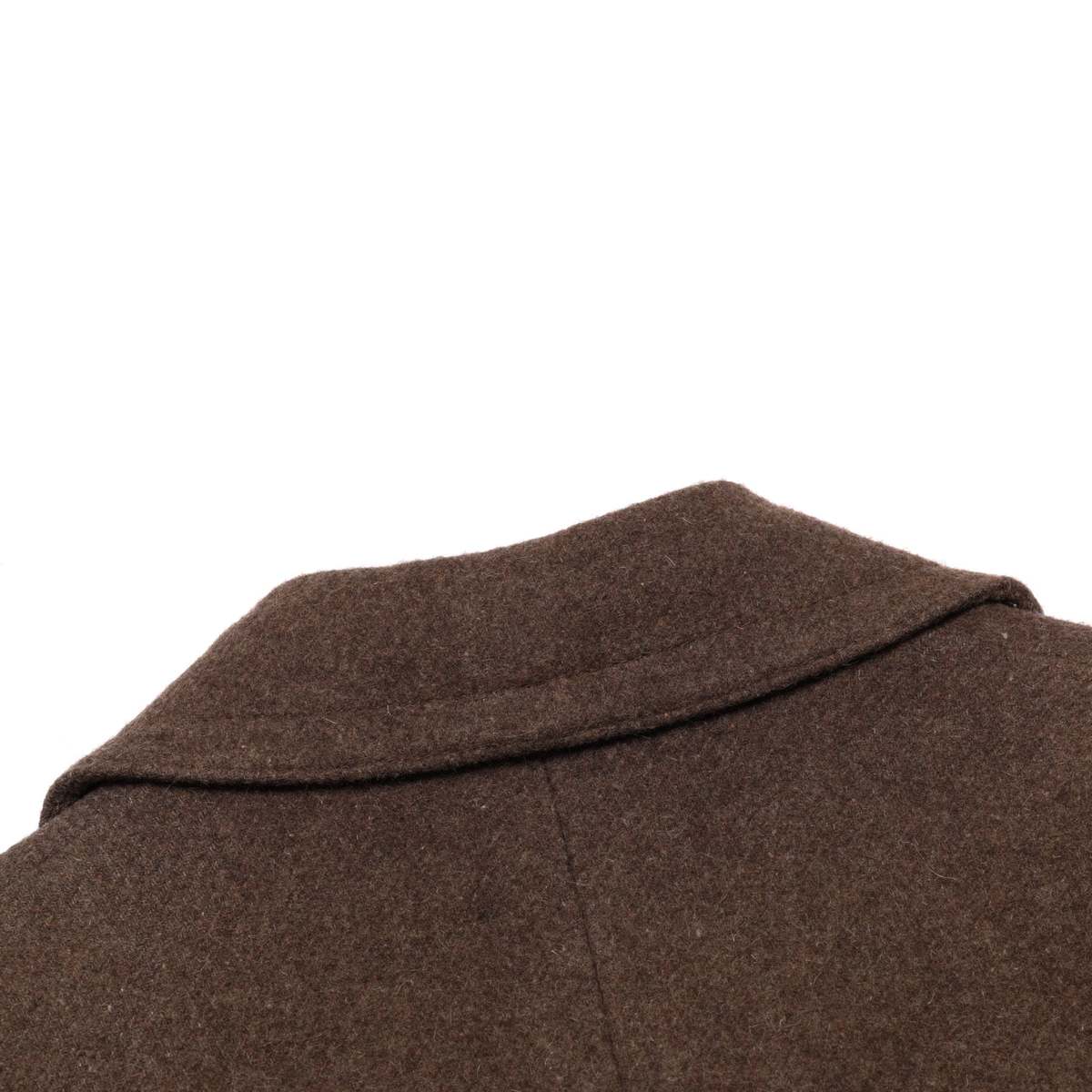
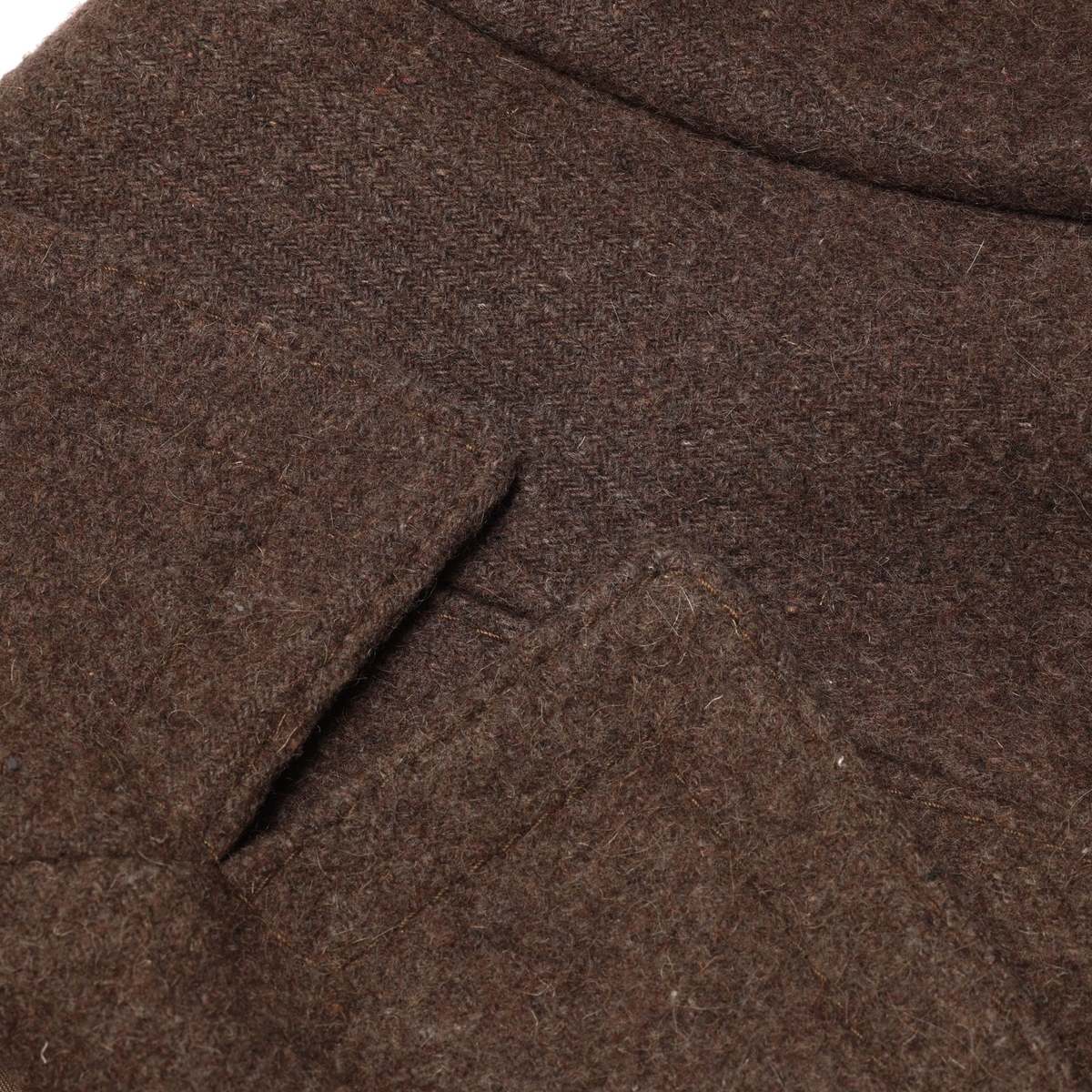
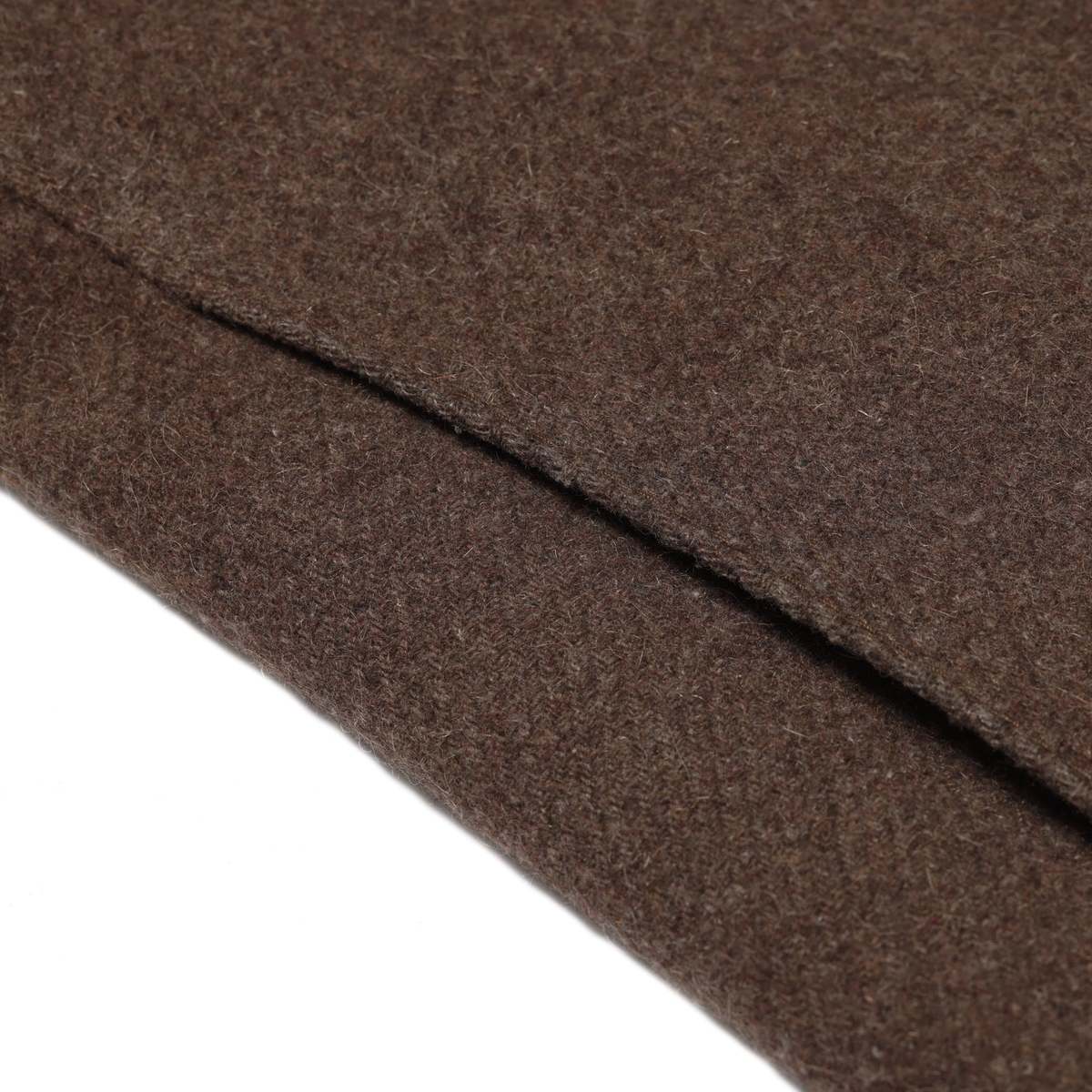
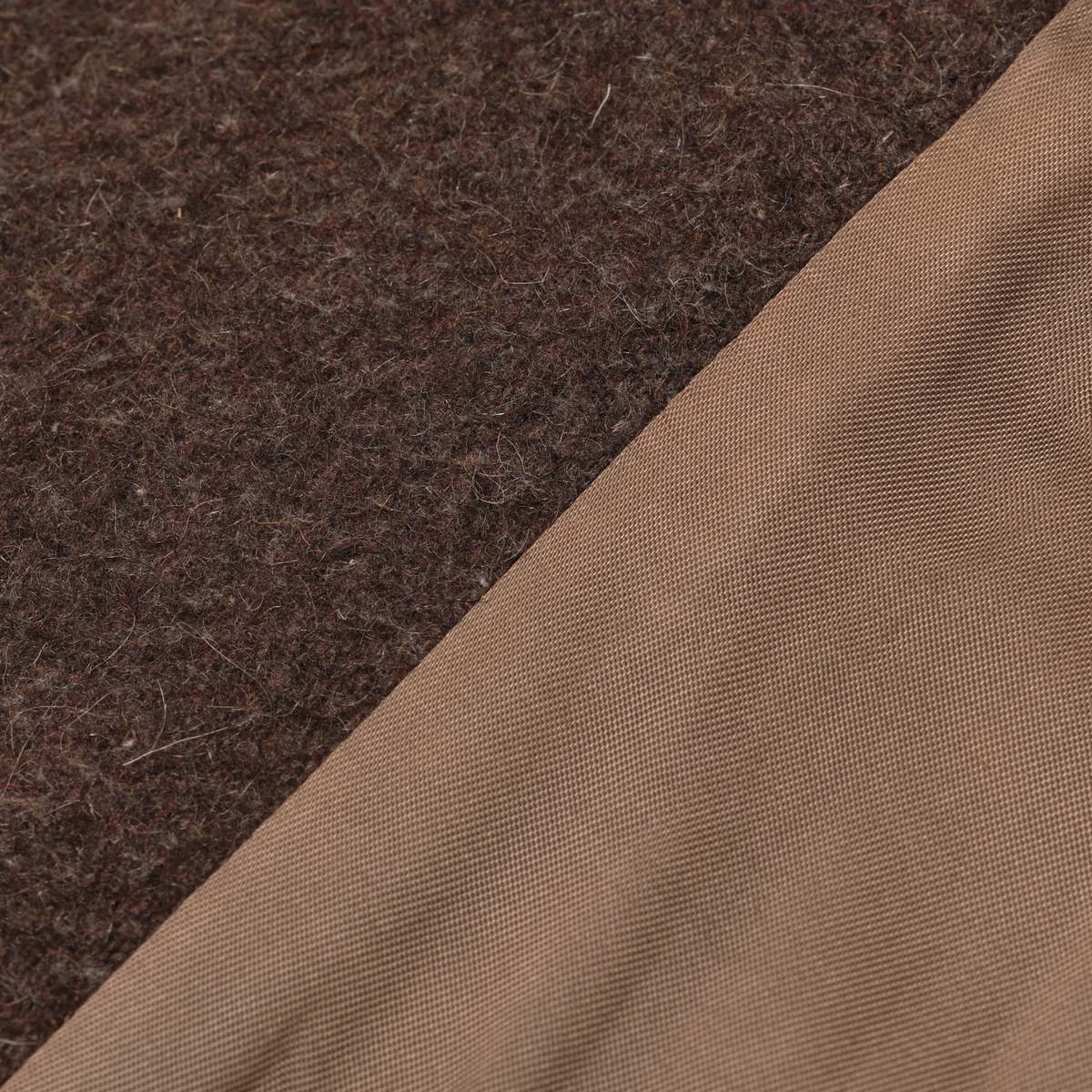
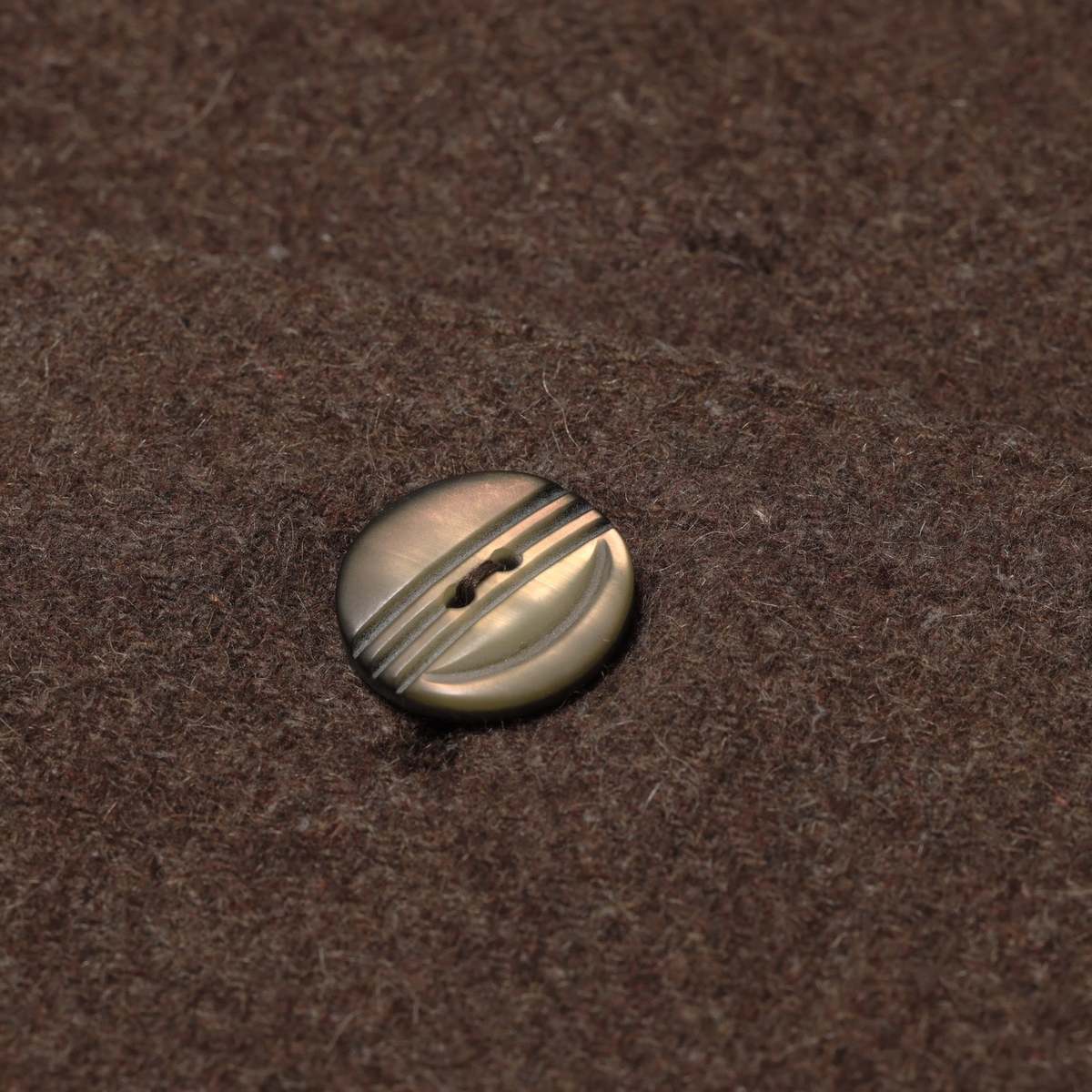
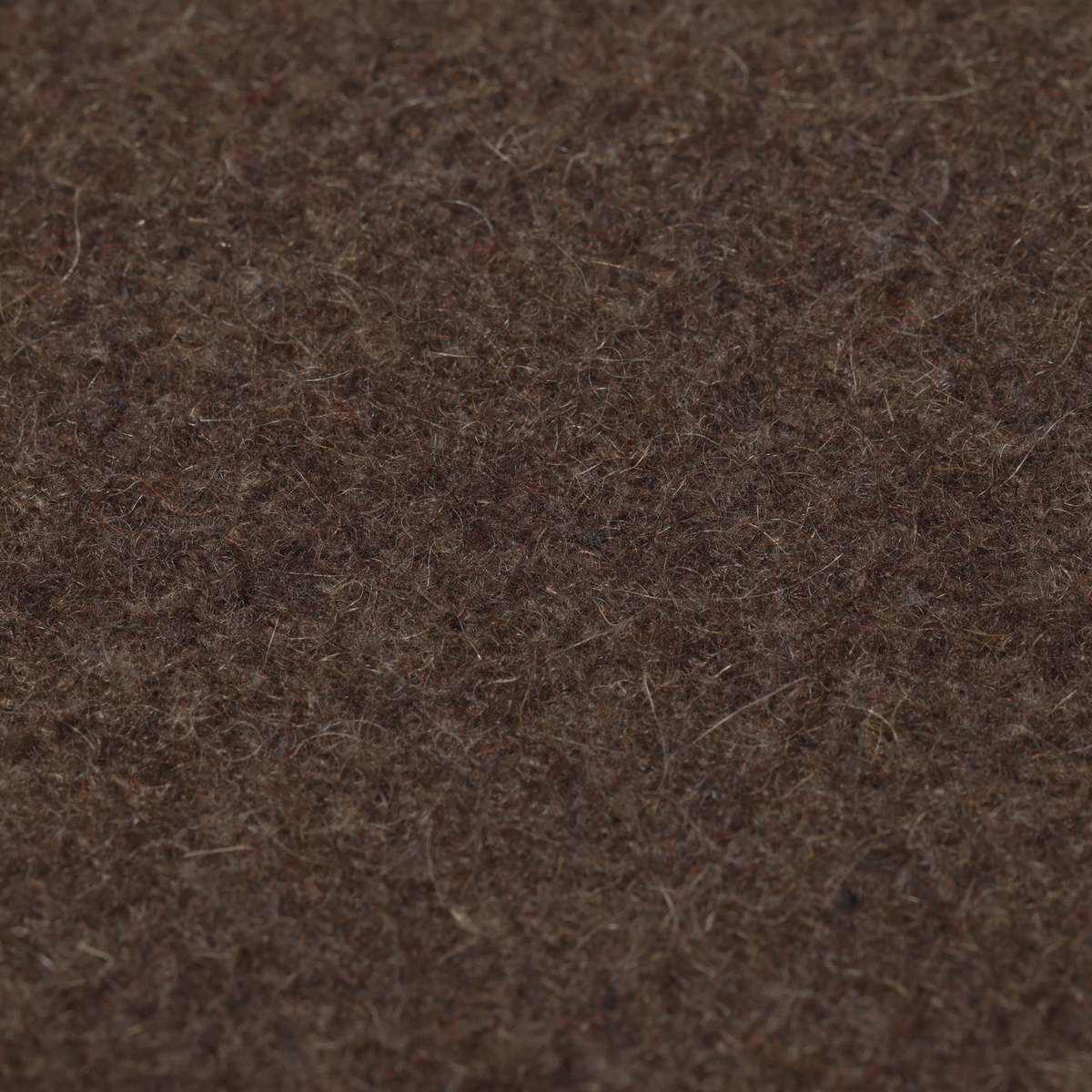
A 1960s70s wool-polyamide coat shaped by princess seams and melton density, built for thermal precision and civic femininity. The unbranded overcoat exemplifies the archetypal structure and textile philosophy of mid-20th-century Southern European outerwearlikely dating from the 1960s to 1970swhen regional ateliers and cooperative garment factories prioritized domestic utility, material integrity, and formal pragmatism over export branding or couture flourish. Its design codes reflect a confluence of bourgeois tailoring traditions and postwar functional modernism, engineered for daily urban winter use in climates demanding warmth without ostentation. The garments compositional and structural choicesranging from textile selection to pattern architectureunderscore a garment built for longevity, modest elegance, and anatomical coherence, projecting a quietly assured presence without decorative superfluity. Classified as a full-length, tailored winter overcoat for women, the silhouette follows a softly sculpted A-line, structured through princess seams rather than conventional side shaping. This allows for uninterrupted curvature from bust to hem, efficiently distributing volume and weight across a thick wool melton textile. The shoulder line is built with a mild drop, the sleeves gently pitched forward, and the two-piece sleeve configuration offers tailored anatomical curvature while minimizing seam bulk. High cap sleeve heads, subtly eased into the armscye and likely supported by felt roll or fleece inserts, provide dimension and fit across the deltoid without draglines or puckering. Shoulder and collar interfacinglikely woven fusible or canvasmaintains the upper frames integrity and supports a structured, medium-width notched collar. This collar demonstrates calibrated roll line formation, with pad-stitching visible in the controlled curvature and angular balance at the break point, ensuring precise neckline tension and flat laying undercollar mechanics. The front closure features four shank-mounted geometric buttonslikely bakelite or early molded plasticwith a ridged mid-century motif informed by Art Deco modernism. These are machine-stitched for structural efficiency, and the likely presence of keyhole or hand-finished buttonholes with reinforced gimping accommodates the textiles density. The shanks elevate the closure plane to prevent distortion in the thick fabric layers, maintaining a clean, unbroken front line. The main shell fabric is a heavyweight wool-polyamide blendestimated at 400450 GSMcrafted in a tight herringbone weave and finished with heavy fulling or double-pressing. This construction echoes melton traditions, yielding a smooth, brushed surface with high fiber entanglement for wind resistance, minimized pilling, and thermal retention. The 20% polyamide serves as a structural stabilizer, enhancing abrasion resistance, dimensional longevity, and deterring felting distortion while preserving wools natural insulation and breathability. The color, a brown heathered mlange, reveals subtle tonal variation from blended fleece batches, offering visual depth without surface noisean intentional chromatic strategy aligned with subdued winterwear aesthetics. The interior is fully lined in plain-weave viscose, selected for its antistatic behavior, drape fluidity, and indoor comfort. The lining is most likely assembled using bagging techniques, with clean inner neckline and hem transitions. The bottom hem is blind-finishedpossibly by hand or via blind hem machineand reinforced with fusible interfacing or hem tape to stabilize weight without adding bulk. Seam allowances throughout the coat are pressed open, with edge finishing likely involving pinking or narrow binding, depending on the makers tooling and regional standards. No serging is visible, which suggests self-bound or turned-under seam managementespecially along exposed areas such as facings and lapel interiors. The back panel configuration comprises a central seam and lateral shaping seams, eschewing pleats or vents to preserve both thermal insulation and visual continuity. While this may restrict stride length slightly, the omission of a vent reinforces the coats formalwear classification and thermal focus. The garments textile aligns with several historical wool coating traditions: British naval melton in structure and density; Alpine loden cloth in warmth and fiber compactness (albeit without directional nap); Nordic 1950s70s wool-blend coating in its use of polyamide; and Italian pressed Casentino in its sheared, fulled refinementthough without surface curl. Mills such as Pontos Textilwerke (Germany), Lanificio Becagli (Italy), Norwool (Norway), and Mosilana (Czech Republic) produced similar textiles in the postwar period, optimized for female winter outerwear through mechanical fulling, synthetic admixture, and carded yarn uniformity. The fabrics napped hand remains pliable yet structuredcapable of sustaining tailored shapes across the lapel, hem, and skirt flare, without losing ergonomic softness. Technically, the garment exemplifies mid-century tailoring principles applied to dense outerwear textiles, with precision in princess seam shaping, two-piece sleeve drafting, eased set-in construction, and collar-lapel engineering. The absence of excessive decorative elements reflects postwar rationalist design philosophy, in which function dictated form and austerity became aesthetic. Every design elementfrom the shank button elevation to the blind-hem treatmentserves both structural and visual claritys. Notably, the princess seam logic substitutes for darts or side seam shaping, allowing full front curvature without textile breakage, while back panel shaping maintains uninterrupted drape and shoulder taper. Conceptually, this coat communicates pragmatic femininityeschewing ornamental overtures in favor of structural claritys, warmth, and civic readiness. The brown melange surface supports psychological readings of groundedness and discretion, while the garments silhouetteneither restrictive nor overtly sculpturalechoes shifting gender roles of the 1960s70s, when womens outerwear had to accommodate both professional entry and domestic responsibility without indulging in couture extravagance. Historically, its features position it firmly within late 1960s to mid-1970s Central or Northern European production, when synthetic-wool blends became industry standard, molded buttons gained traction, and tailored overcoats answered to a burgeoning middle class of working women navigating expanded social spheres in cold climates. Today, this garment carries significant relevance across contemporary vintage, editorial, and minimalist luxury spheres. Its structural integrity, textile specificity, and aesthetic restraint parallel offerings from modern archival-conscious brands such as The Row, Lemaire, and Cristaseyalabels invested in material-led design and tailored formalism without ostentation. With minor refinements such as button material upgrades or micro-adjustments to sleeve tapering, this coat would easily integrate into modern production lines aimed at heirloom-quality womenswear with architectural claritys. As a historical artifact, it embodies the convergence of postwar material pragmatism and tailored elegance; as a contemporary reference point, it offers a template of understated precision in cold-weather outerwearproof that formal domestic utility can transcend eras without dilution. Measurements (cm): Chest: 52 Length: 105 Shoulder: 43 Sleeve: 58 Size Conversion (approximate) US Womens Size: L EU Womens Size: 42 SKU: 015007
Garmentory is a curated marketplace of independent boutiques and emerging designers from around the world.
Fashion With Intention
Aw yeah!
We love making new friends so while we're popping bottles, continue shopping to apply your $10 credit.
We've got a dedicated site "garmentory.co" just for our Indian customers! Shop with local currency, faster shipping, and exclusive products.
We cannot add this item to your bag because it’s already at max capacity. But don’t worry, we’ve saved it to your wish list.
Earn Replica Belts credits when you shop, wishlist, and inspire others.

Have a question about the size or something else? We're here to help!