Spring fever is here 🌡️☀️ Prep early for those not too hot and not too cold days by finding something you love ON SALE. SHOP THE SALE


Spring fever is here 🌡️☀️ Prep early for those not too hot and not too cold days by finding something you love ON SALE. SHOP THE SALE
| To | Service | Estimated Delivery | Fee |
|---|---|---|---|
| 🌎 | Intl. Air | 6-20 business days | $29.95 |
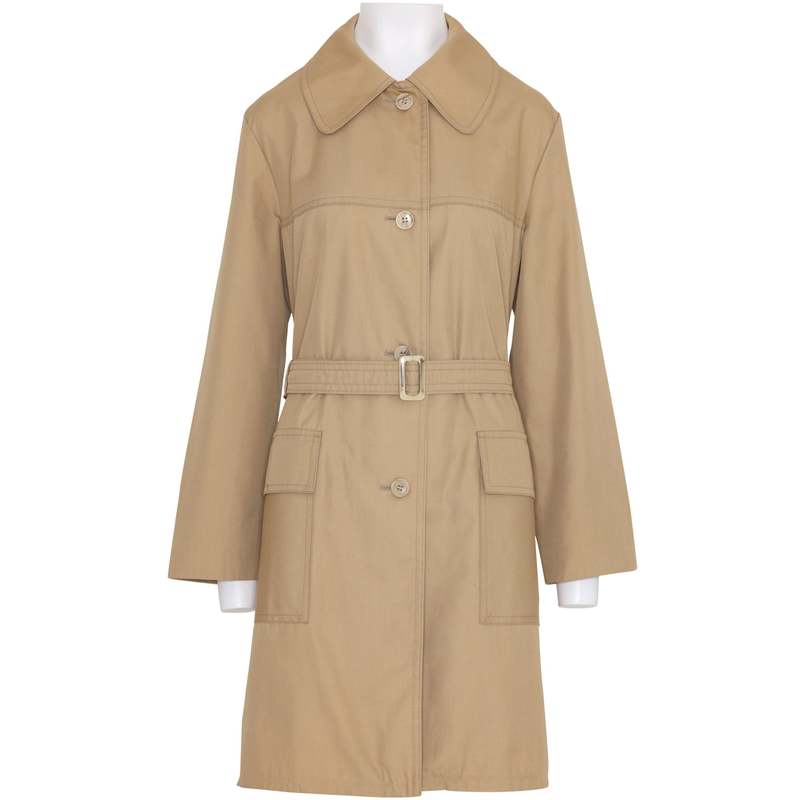
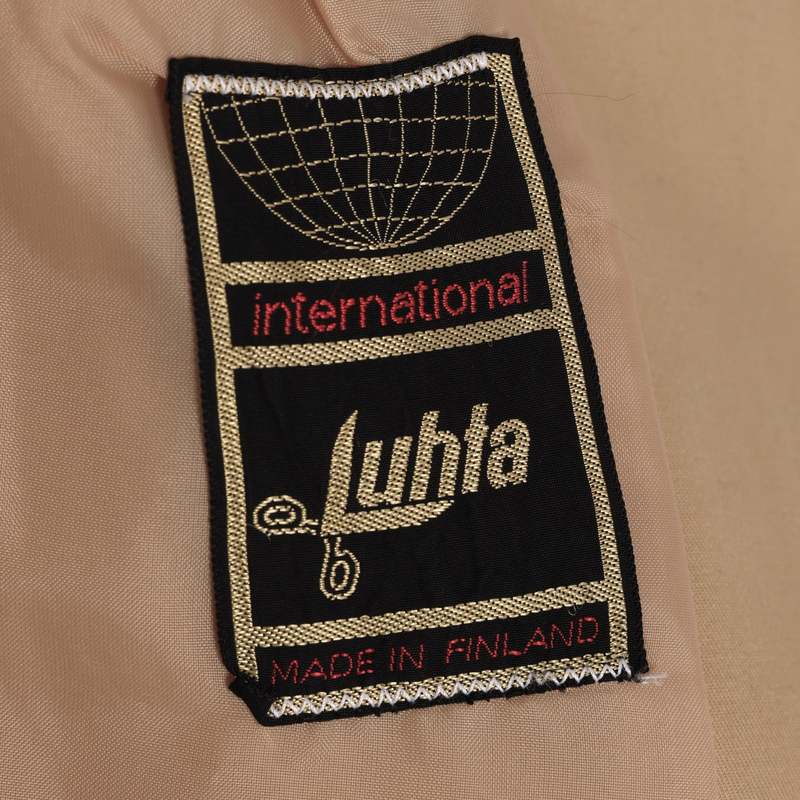
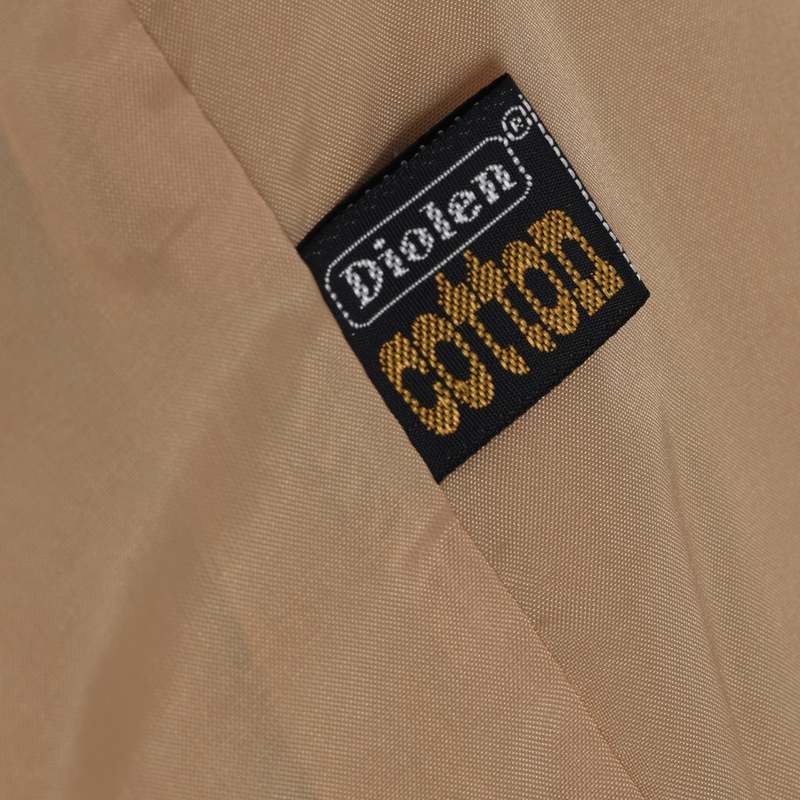
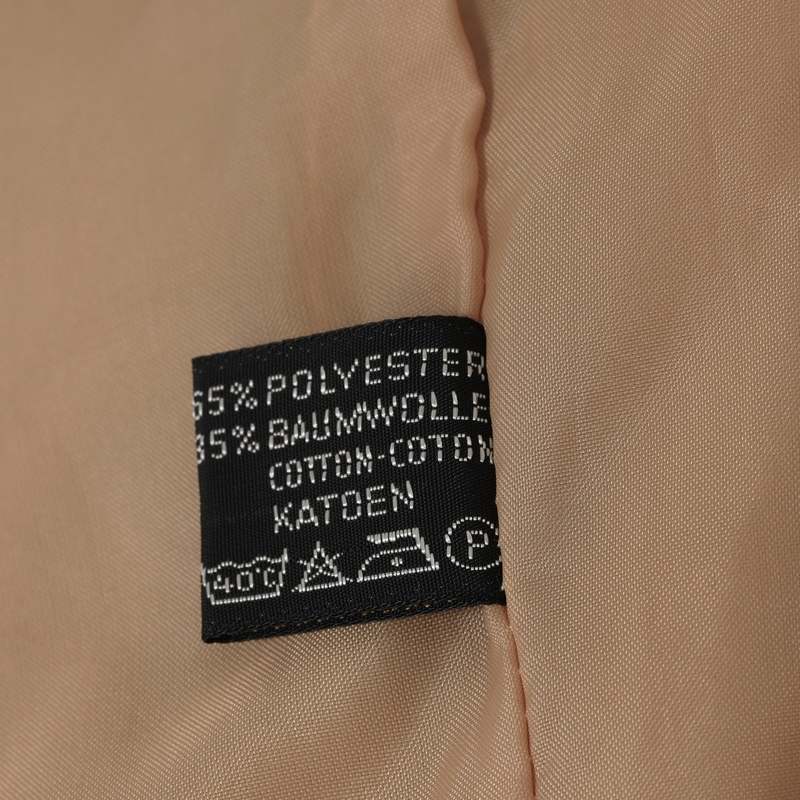
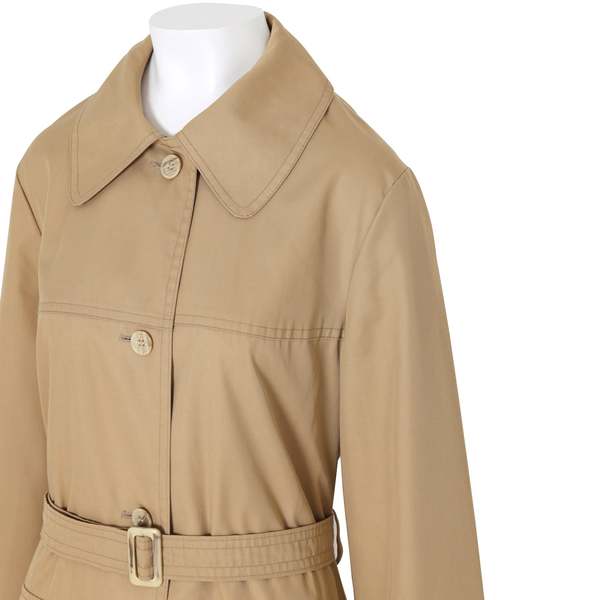
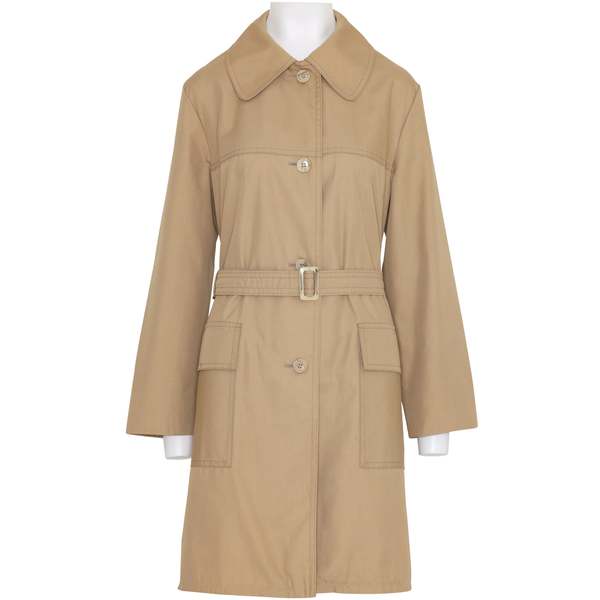
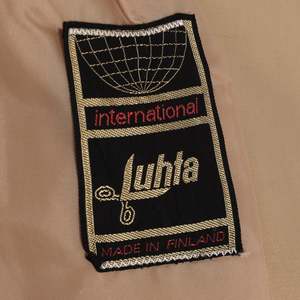
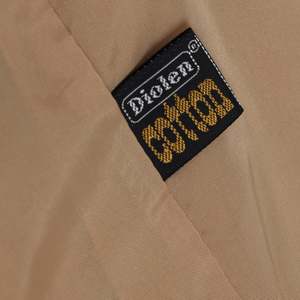
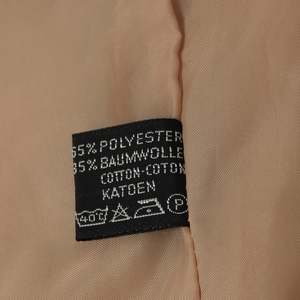
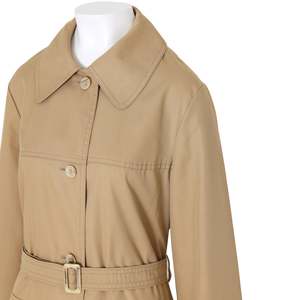
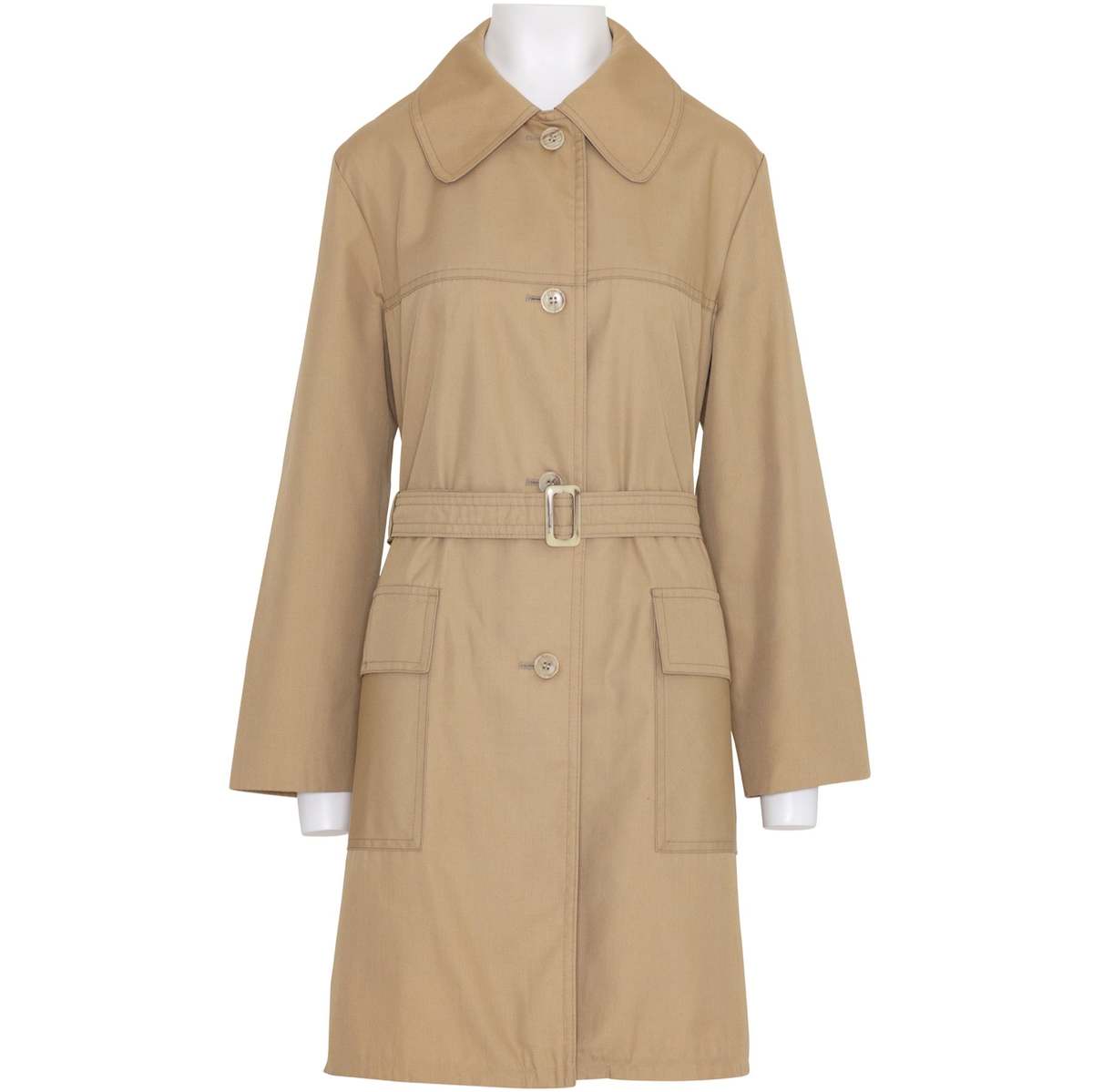
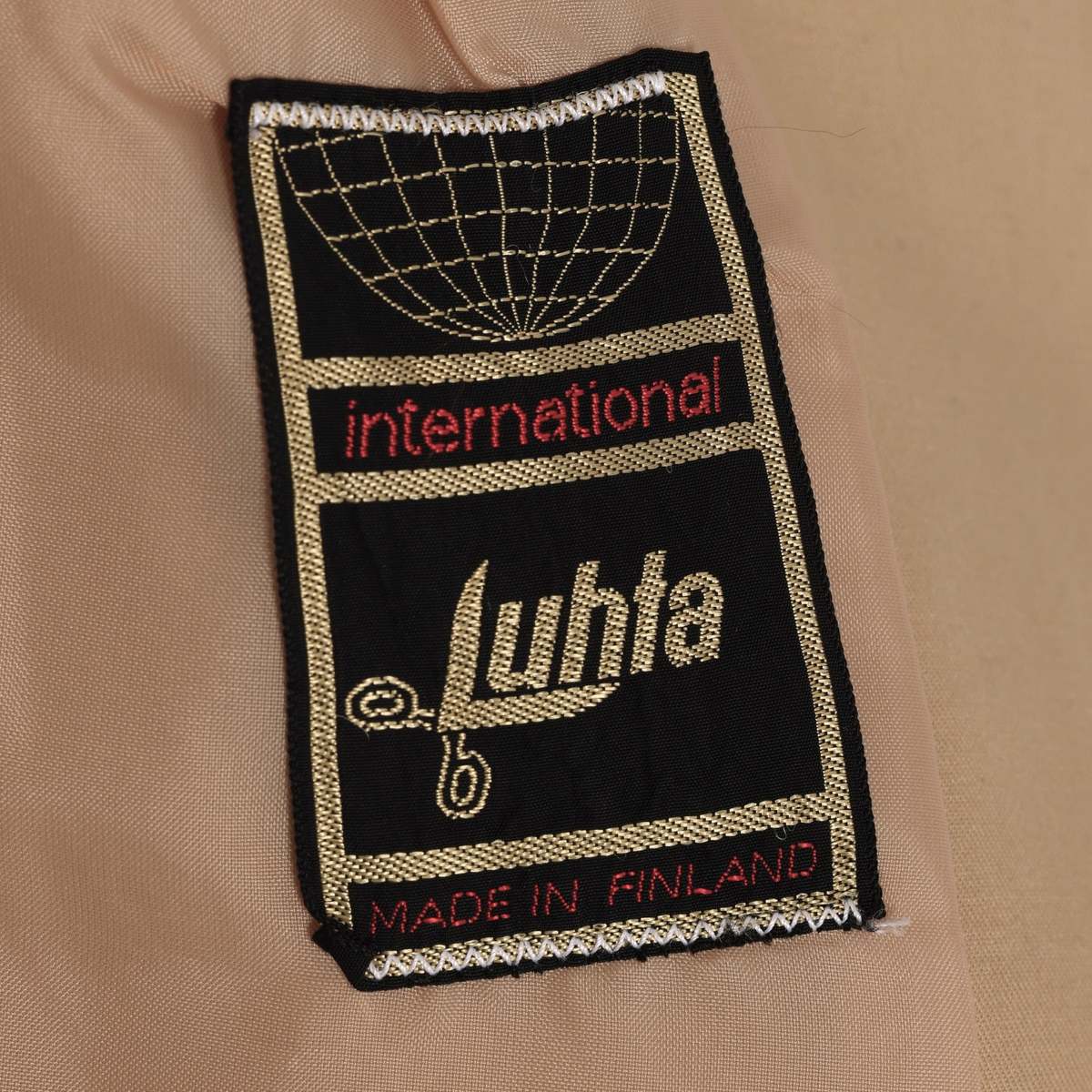
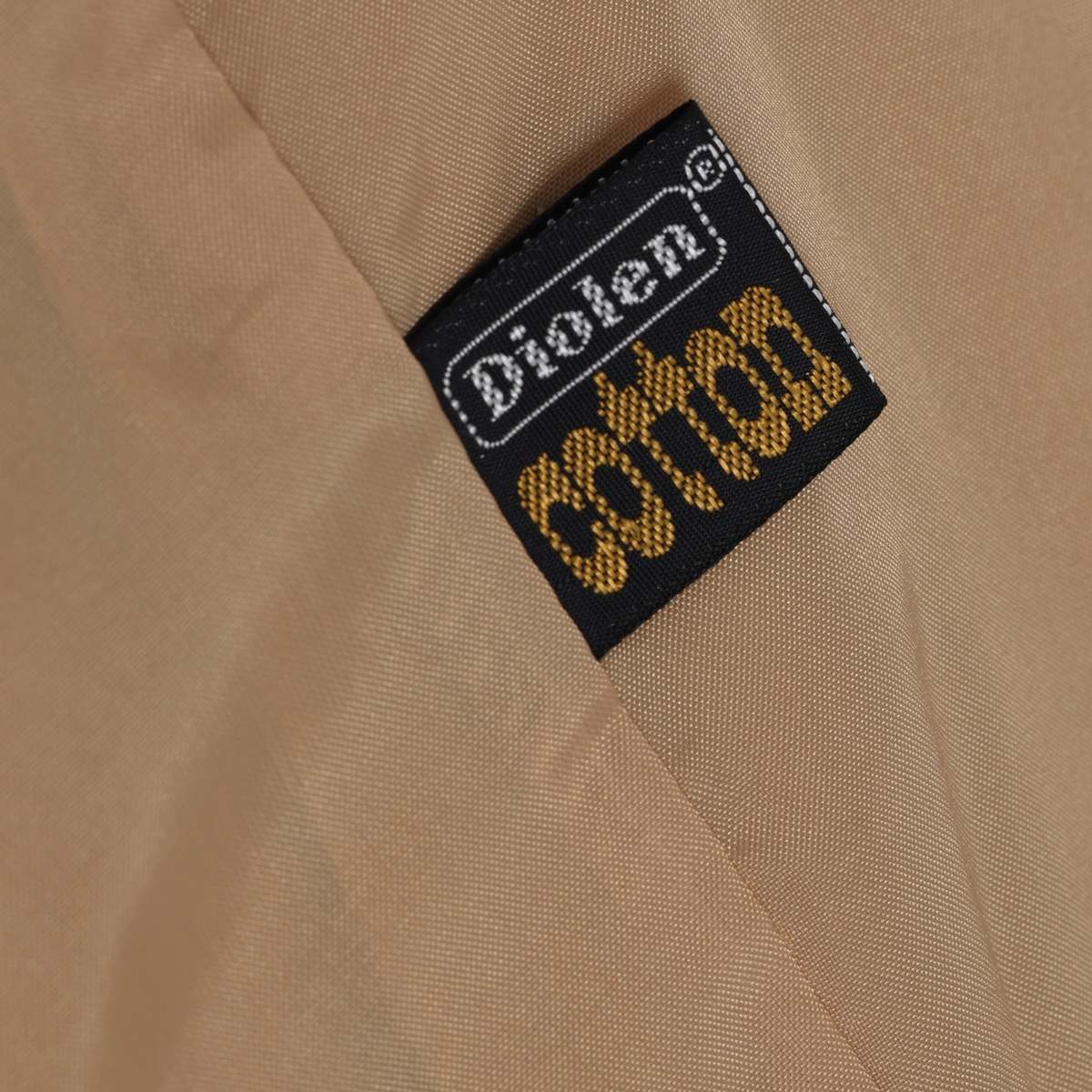
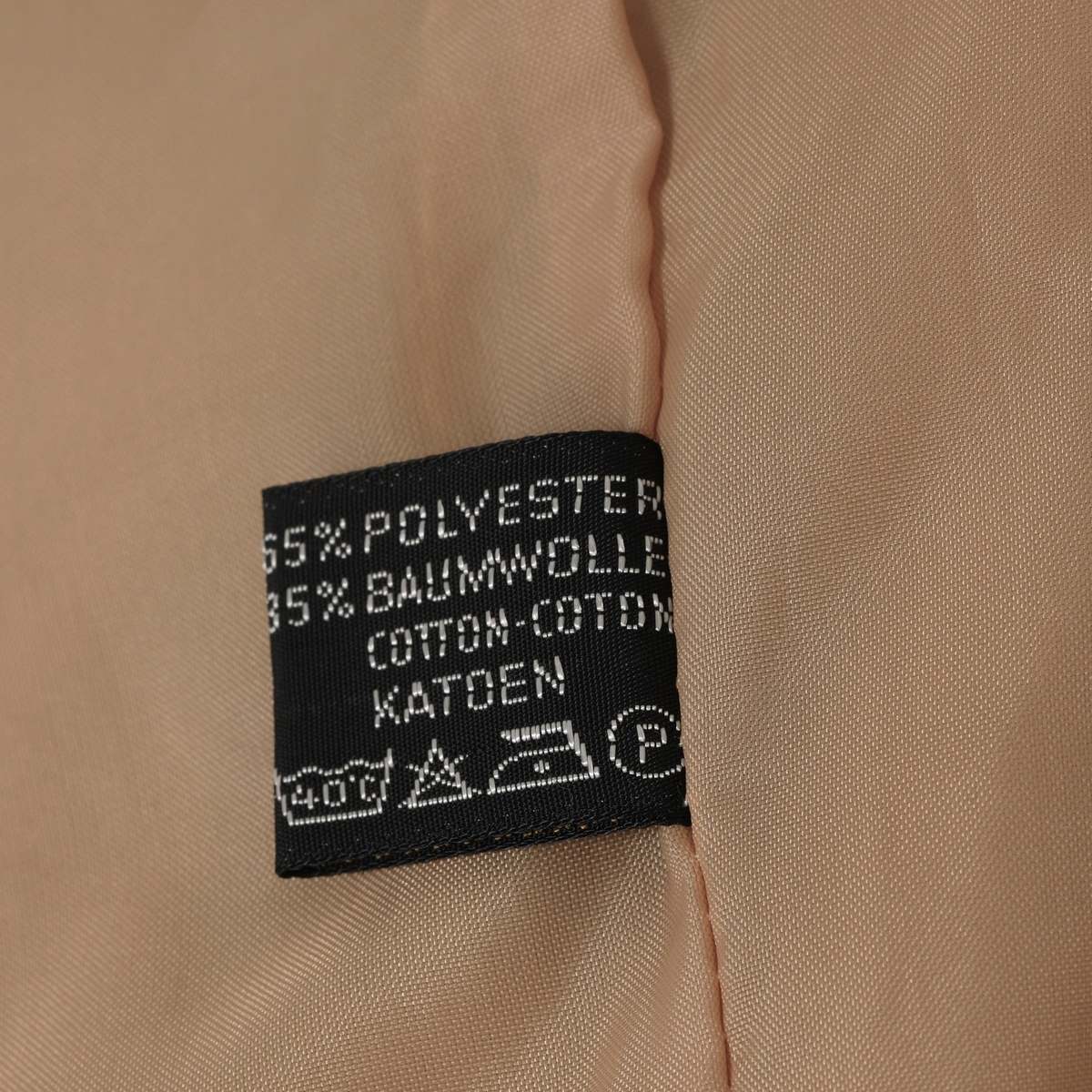
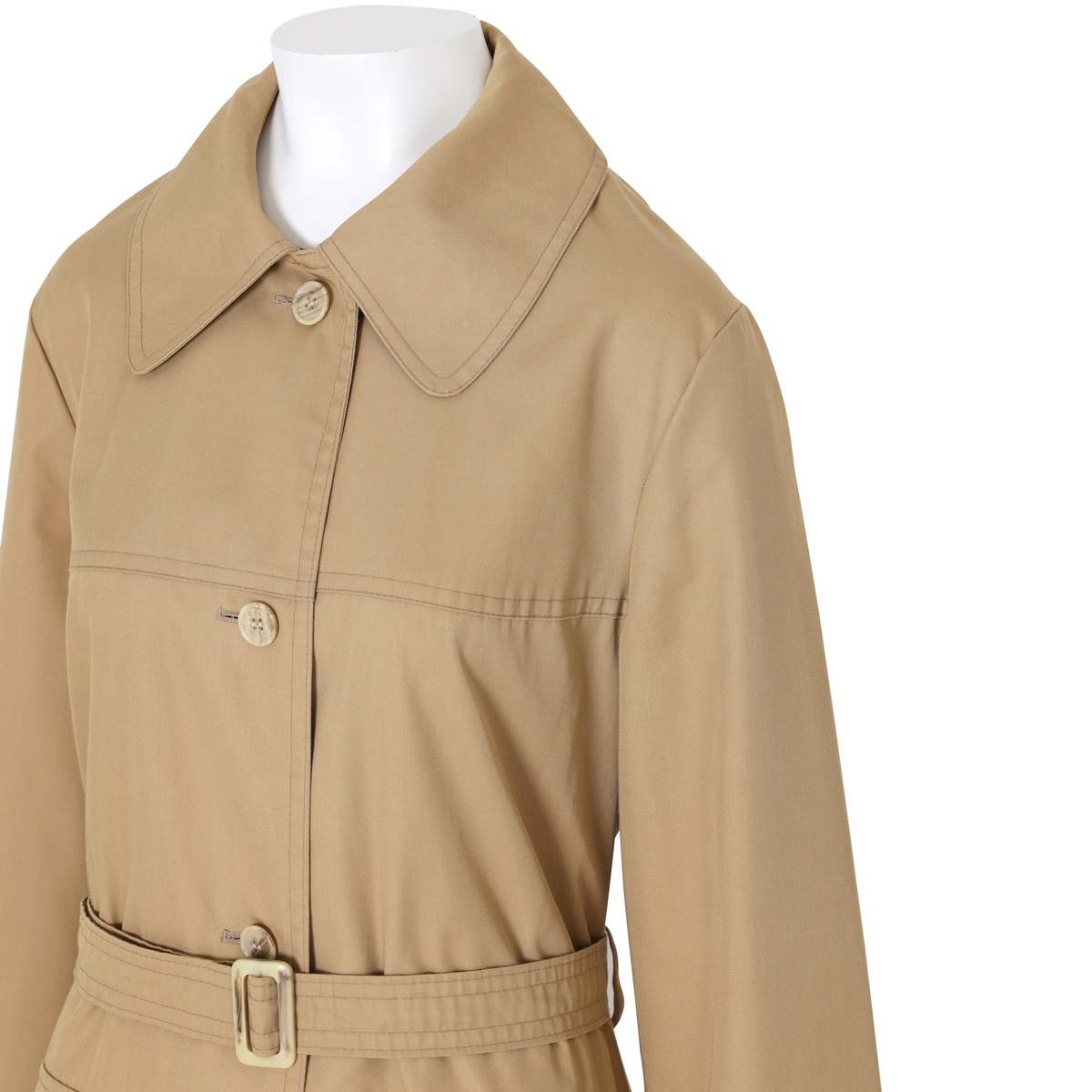
Luhta, founded in 1907, shaped Nordic outerwear through functional design and textile innovation. Luhta, operating under the Luhta Sportswear Company, stands as one of Scandinavias most enduring producers of functionally-oriented outerwear, its design language deeply imprinted with Nordic environmental exigencies and minimalist principles. Originally focused on weather-adapted garments for severe northern climates, Luhta progressively expanded its identity into the performance-lifestyle domain. The Luhta International label signifies its intent as an export model. The brands design ethos interlaces utilitarian priorities, minimalist Scandinavian design sensibilities, and textile innovation, each influencing the structural and material constitution of this coat. Luhtas influence within the international outerwear landscape stems less from fashion-world dominance than from its sophisticated integration of performance and lifestyle. The brand occupies a space adjacent to technical-casual hybrid producers like Helly Hansen and Fjllrven, where its credibility is secured by historical consistency and textile engineering rather than fleeting stylistic pivots. This coat reflects the mid-century European ethos of adaptable utilitywearanchored in functional design yet sufficiently stylized for everyday wear. It communicates with the larger trajectory of 20th-century outerwear, particularly as continental manufacturers transitioned utilitarian garments into urban and exportable forms during the post-war decades. The piece in questiona womens single-breasted, mid-length belted trench coatexemplifies the fusion of practical transitional wear with subdued stylistic articulation. Designed for temperate climates, the coat is appropriate for spring and autumn usage, its lightweight construction tailored for versatility rather than thermal insulation. The neutral khaki colorway, wide patch flap pockets, and adjustable waist belt assert the garments utilitarian lineage, while the shaped silhouette introduces distinctly feminized structuring. This convergence of durability and elegance reflects an evolution of trench-derived design codes, particularly as military garments were civilianized and recontextualized for womens urban wardrobes in the mid-20th century. Constructed from a plain-weave Diolen cotton blend, the shell fabric typifies mid-century rainwear innovation. Diolen, a proprietary polyester fiber, contributes abrasion resistance, dimensional retention, and quick-drying properties, while the cotton component offers breathability and a more refined tactile experience. The weave itself is a tight filament poplin, likely calendared to achieve water resistance without resorting to bulk or laminate coatings. The estimated weight of 160200 GSM places the fabric within the lightweight to midweight category, appropriate for wind- and moisture-repellent applications that do not necessitate insulation. This technical blend, likely treated at the time of manufacture with a durable water repellent (DWR) finish, reflects textile conventions of the late 20th century, when synthetic-natural hybrids were promoted for modern utilitywear. Construction methodology reflects factory-grade precision combined with tailored shaping. The garment is assembled via industrial single-needle stitching, with topstitching reinforcing high-stress zones such as the placket, collar, and pocket areas. Interior seams are likely overlocked or completed with a 5-thread safety stitchstandard for woven outerwearensuring durability without compromising drape. The front body is composed of four panels with bust shaping achieved through vertical seam placement rather than darting. This flat tailoring technique maintains structural simplicity while accommodating anatomical form. The shoulder features a yoke seam, contributing to shaping and structural reinforcement, while the backthough not visibleis presumed to be vertically paneled for tapering. The belt, crafted from self-fabric and secured with a non-metallic rectangular buckle, introduces waist definition without altering the inherent panel geometry, maintaining the integrity of the A-line silhouette. Collar construction comprises a large rounded point collar, likely cut with an extended stand as a single integrated piece. Stitch lines beneath the collar indicate reinforcement, while the overall shape softens the visual language typically associated with military-style trenches. Sleeves are straight-cut and set in, featuring underarm shaping to facilitate mobility without visual distraction. The lack of pleats, vents, or cuffs reiterates the minimalist and functional approach, emphasizing mobility through cut rather than articulation. Cuffs terminate in blind hems, devoid of adjustability, again prioritizing simplified production and visual claritys. Hem finishing follows the same logicclean, straight, double-stitched and likely supported by fused interfacing along plackets and belt loop zones to mitigate distortion over time. Pattern logic adheres to early European womens outerwear drafting ratios, particularly those of mid-century Central and Northern European ateliers. Shaping follows princess-seam principles embedded within vertical panel transitions, offering subtle contouring without overt tailoring features. Collar and yoke relationships maintain a 1:1 draft alignment, indicative of standardized block development typical of factory-produced but technically sound garments. This adherence to proportional drafting and panel symmetry enhances garment balance and wearability, traits often absent in decorative or fashion-forward alternatives. Conceptually, the coat channels a narrative of mid-century pragmatism filtered through the lens of post-war femininity. Its khaki hue, modest shaping, and unembellished faade evoke a psychology of quiet authority, reflective of the changing role of women in professional and public spaces during the 1960s to 1980s. The absence of militaristic tropesepaulettes, storm flaps, or exaggerated lapelsreinforces the coats departure from aggressive connotations, offering instead a garment positioned as accessible, composed, and unobtrusively empowering. In this sense, it bridges practical necessity with understated sophistication. Aesthetic cues are firmly grounded in Scandinavian modernism, where ornamentation is eschewed in favor of functionally expressive form. The coats restrained geometry, material optimization, and performance-fiber branding (Diolen) reflect a Bauhaus-influenced ethic of beauty through utility. Artistic minimalism manifests not through reductionist emptiness but through engineered sufficiencya refusal to decorate where structure alone suffices. The garments visual neutrality grants it extended relevance, allowing its wearer to frame it within various personal or stylistic contexts. Chronologically, this piece likely dates from the late 1970s to mid-1980s. Supporting evidence includes label typography, graphic motifs such as the globe emblem, and the inclusion of branded fiber tags like Diolen Cottonindicative of a specific era when synthetic innovations were actively marketed as modern solutions for everyday apparel. Design elements such as collar proportion, belt application, and overall silhouette further affirm its placement within a Scandinavian and Central European production context that prioritized export readiness and functional elegance. In the contemporary fashion climate, the coats relevance has resurged, particularly within vintage revival and utilitarian minimalism movements. Brands like Stutterheim, COS, and Arket echo similar formal restraint, mining archival silhouettes and technical materials for modern reinterpretation. This coat would be suitably positioned within curated vintage boutiques, Nordic fashion heritage collectsions, or contemporary brands seeking inspiration from the transitional decades of European outerwear design. Evaluated holistically, the garment demonstrates sound technical execution, proportional stability, and material suitability. It does not seek innovation through spectacle but offers a disciplined synthesis of utility and understated femininity. Its engineered fabric blend, symmetrical tailoring, and conceptual claritys make it a viable piece in both vintage markets and contemporary minimalist wardrobes. In retail contexts focused on heritage, performance history, or quiet sophistication, the coat maintains relevance not through trend but through its enduring articulation of function-driven design.
Garmentory is a curated marketplace of independent boutiques and emerging designers from around the world.
Fashion With Intention
Aw yeah!
We love making new friends so while we're popping bottles, continue shopping to apply your $10 credit.
We've got a dedicated site "garmentory.co" just for our Indian customers! Shop with local currency, faster shipping, and exclusive products.
We cannot add this item to your bag because it’s already at max capacity. But don’t worry, we’ve saved it to your wish list.
Earn Replica Belts credits when you shop, wishlist, and inspire others.

Have a question about the size or something else? We're here to help!