Spring fever is here 🌡️☀️ Prep early for those not too hot and not too cold days by finding something you love ON SALE. SHOP THE SALE


Spring fever is here 🌡️☀️ Prep early for those not too hot and not too cold days by finding something you love ON SALE. SHOP THE SALE
| To | Service | Estimated Delivery | Fee |
|---|---|---|---|
| 🌎 | Intl. Air | 6-20 business days | $29.95 |
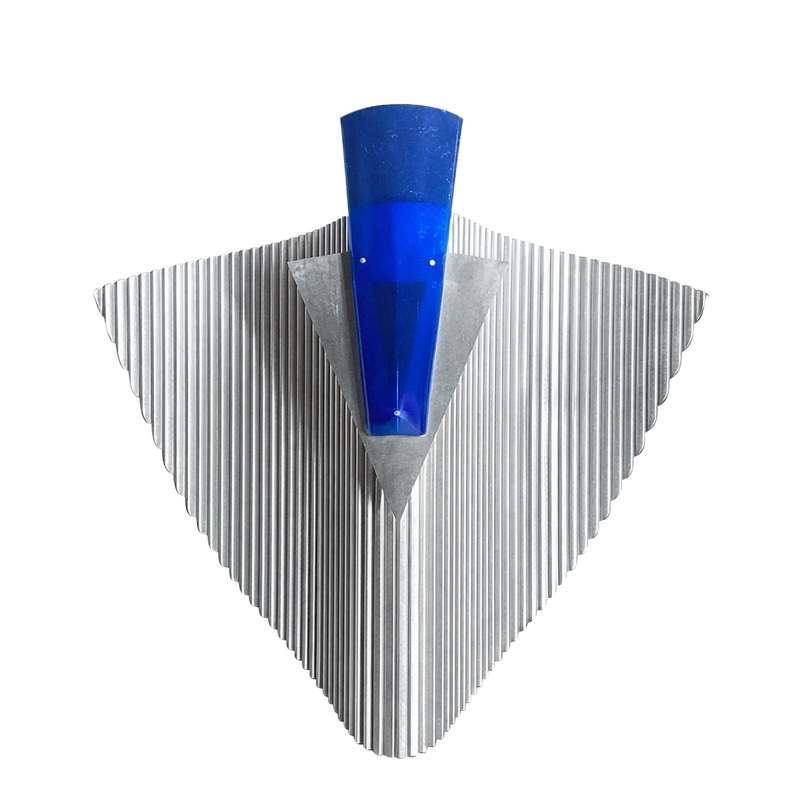
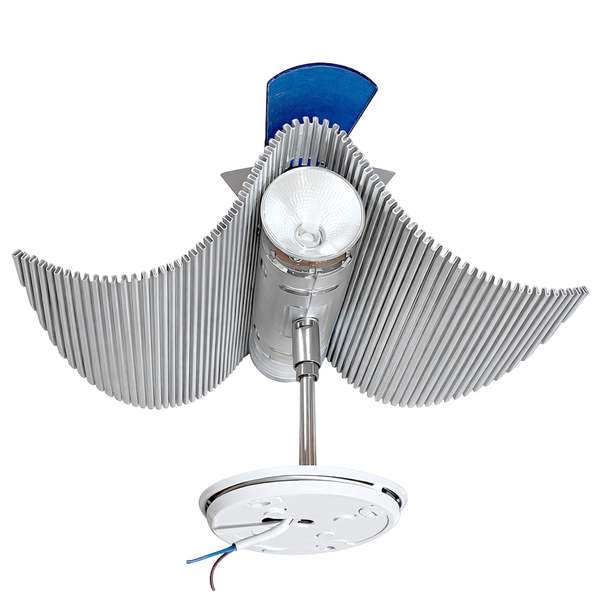
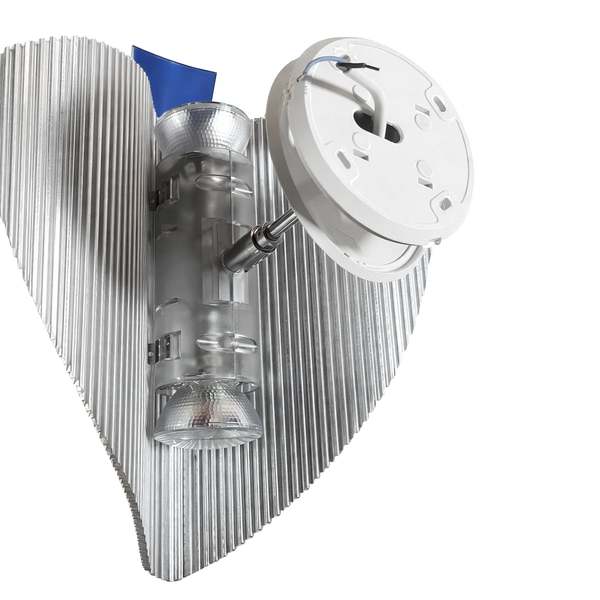
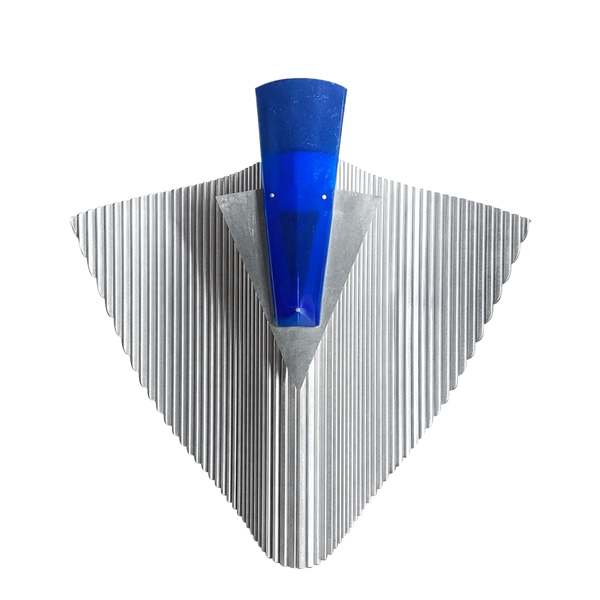
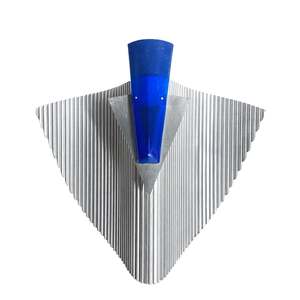
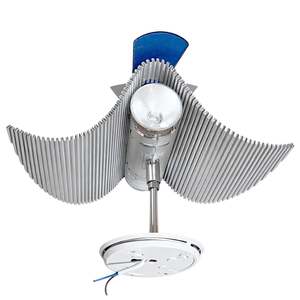
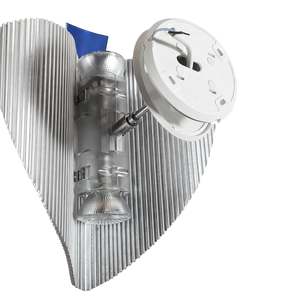
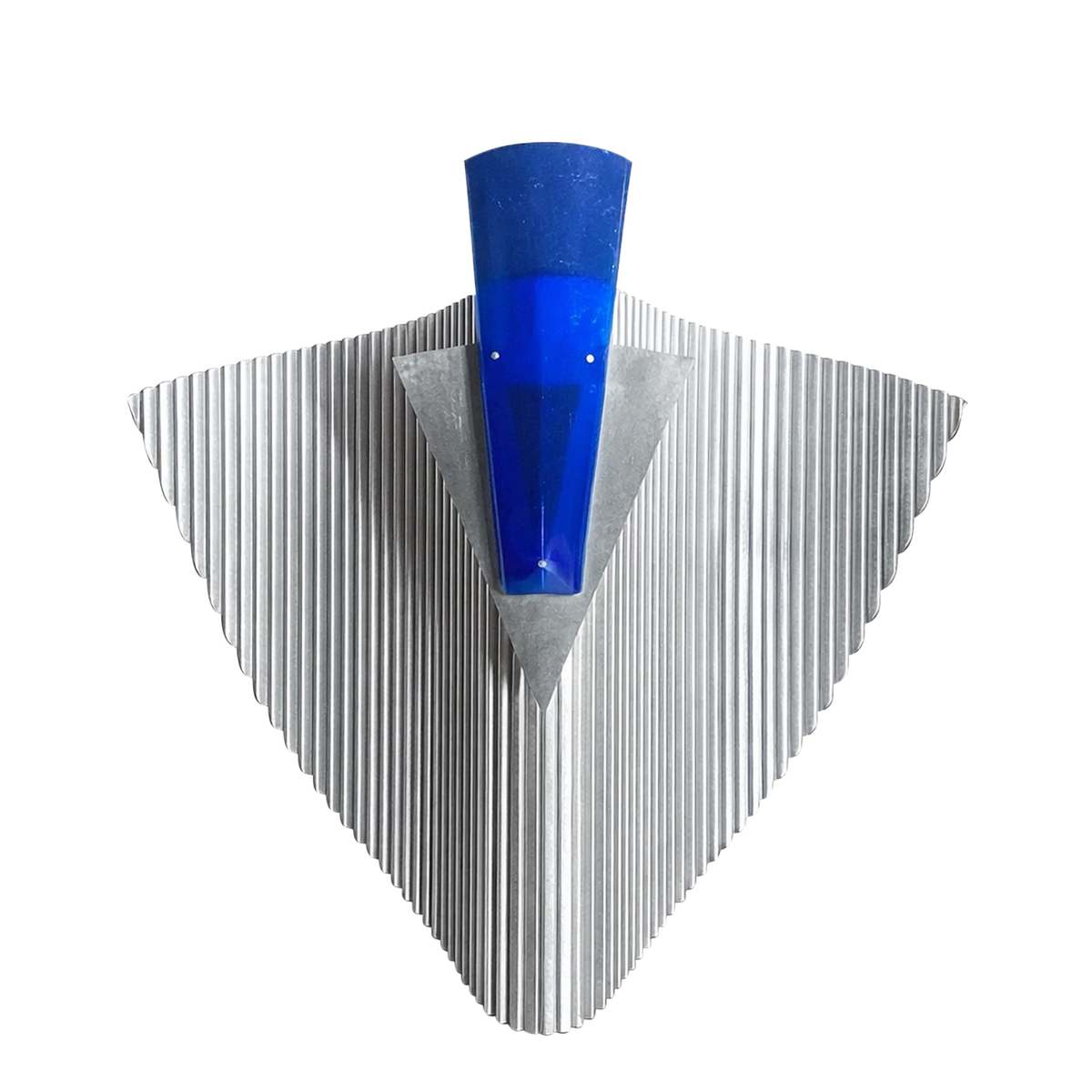
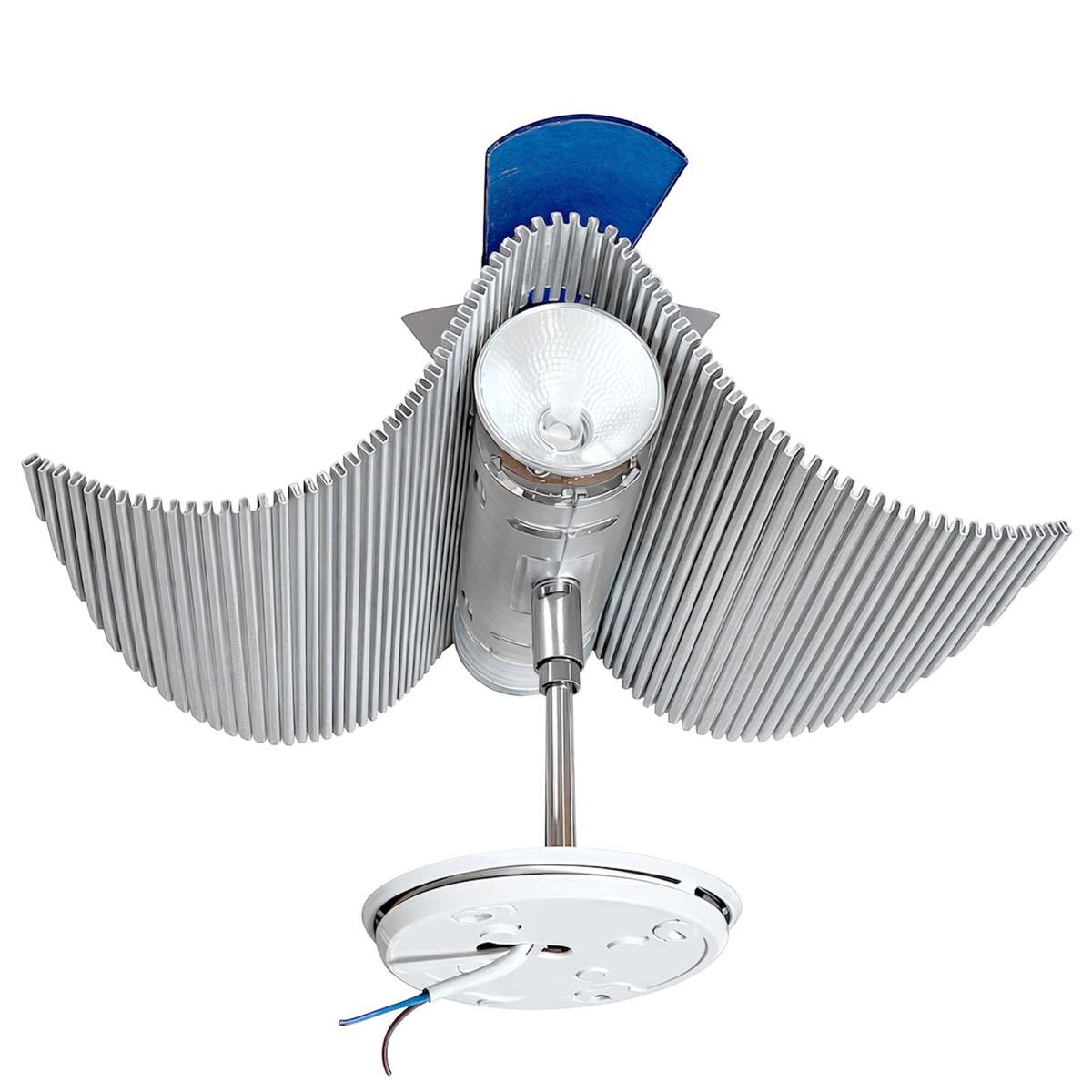
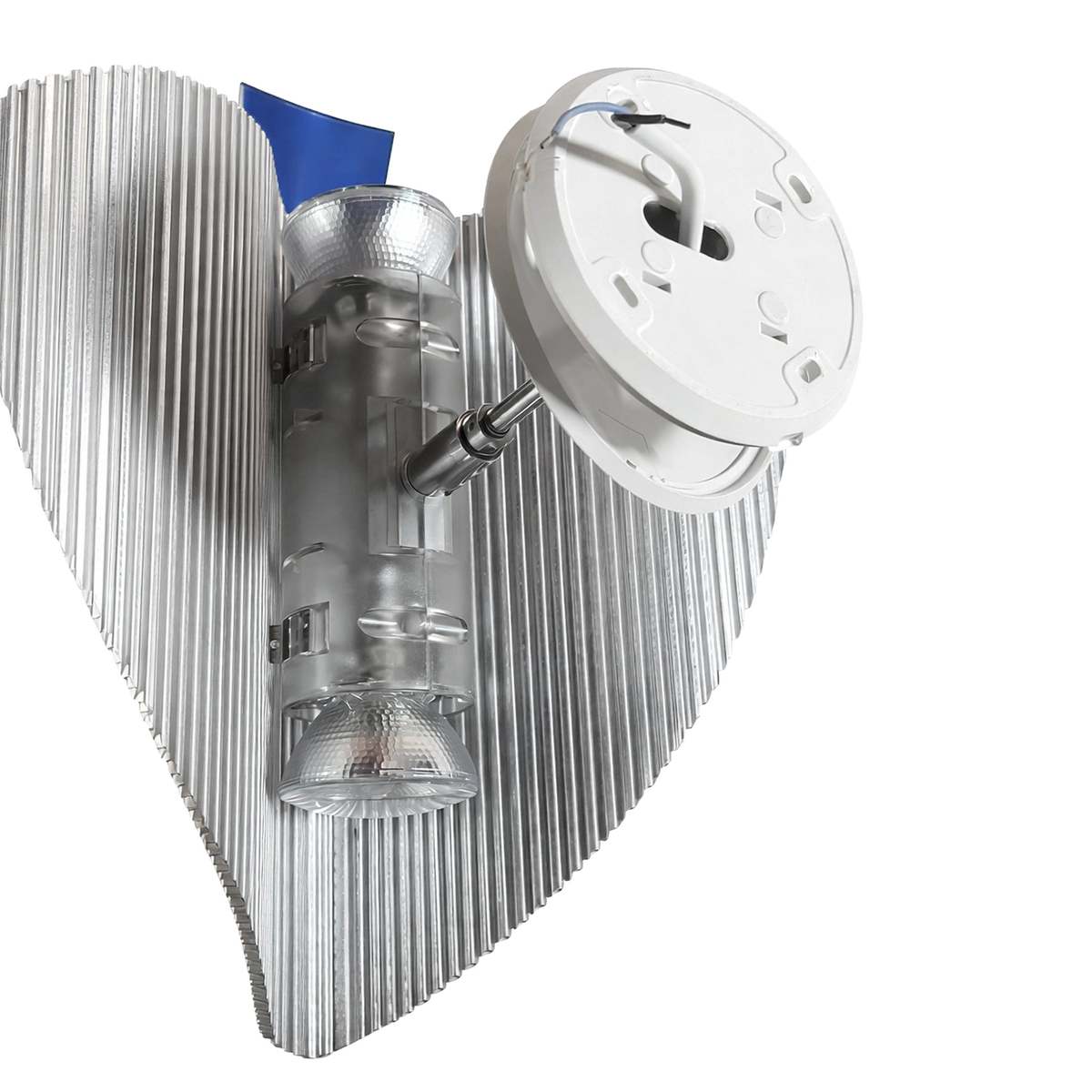
We are currently operating in a pre-scaling phase, during which the scope of our vintage archive has expanded beyond what can be listed at human speed. Only a token fraction of the inventory is visible online, not for lack of supply, but because an inconvenient commitment to perfectionism. The practical solution is to request access to our Google Drive. There is, incidentally, an upside to this arrangement: direct access, special attention, preferred pricing, and quantity-based considerations. New drops are added to the Drive on a daily basis, ensuring ample selection. All that is required is a reference to the image IDs. From there, we provide an elevated level of service: photos edited to approximate reality, additional images, and, where applicable, preferred pricing with quantity-based concessions. Bundles are where the value appears; the more pieces, the more flexible the pricing. After a half-decade sabbatical from fashion, I'm cautiously resurfacing & I felt it was time to reconnect. I moved to Europe a few years ago & began collectsing vintage with the field discipline of an anthropologist & the denial of a high-functioning hoarder. I currently have over 100,000 pieces sitting in a warehouse, because moderation has never been my strong suit. What began as compulsion is now a side project. I'm firmly in the pre-revenue chapter of the memoir - 1,000 sales, & high morale. The broader archive skews larger, stranger, & more historically pointed-East & West German rarities, bureaucratic glamour, Soviet institutional wear, industrial archaeology-rich in Trevira, Diolen, Terylene & mid-century state textile programs, & an elegy in garments from the DACH region & beyond. The collectsion is mostly a Cold War capsule wardrobe, institutional tailoring, state-issued, regional cooperatives & rural ateliers, white labels from the department store era, exceptional knitwear, socialist leathers, the zenith of Parisian fur craft, selectively preserved tweed skirts, rare 1960s mod, exaggerated '70s collars, German-cut blouses, unusually constructed denim, essentially the entirety of the 1970s, when even institutional garments had the decency to be well made. If integrity were woven, you'd find more of it in a 1978 poly-wool blend than in most of today's designer runways. Eventually, this evolves into a full-scale operation-complete with the token NYC storefront for aesthetic credibility. Given that about 70% of you are ordering from New York, it seems reasonable to ship our 50 pallets there & open a labyrinth of "true vintage" to get lost in. Scaling, of course, requires capital. I'm well aware that most of you don't have any, but statistically speaking, out of the millions who drift through here, it is statistically probable that one of you possesses both interest & solvency. Type us into Google. Everything is there, including a contact form. SUNDAZED & OUTSIDE SOCIETY Wall-mounted architectural luminaire manufactured by Ingo Maurer GmbH in Germany during the 1990s and identified as the TRYBECA model. The fixture employs a dual halogen lamp system using B15d double-contact bayonet sockets rated for 230 V with a maximum load of two 75-watt lamps. Structural components consist primarily of ribbed extruded aluminum shielding elements, a molded polymer lamp housing, machined steel mounting hardware, and a colored acrylic light-modulating panel. The design integrates heat dissipation through aluminum surface area while directing light both upward and downward through prismatic reflector lamps. This configuration reflects late-20th-century European architectural lighting practice in which sculptural exterior geometry operates concurrently as thermal management and glare control. I. Primary Materials & Structural Integrity The dominant structural element is a curved ribbed aluminum sheet formed from extruded or rolled aluminum stock and shaped into a fan-like geometry. The ribbings increases rigidity across a relatively thin gauge sheet while simultaneously enlarging the surface area available for passive thermal dissipation from the halogen lamps positioned centrally. The aluminum shows no evidence of structural distortion or fatigue at the rib crests or termination edges, suggesting adequate gauge for the applied thermal load. The lamp carriage is housed within a translucent molded polymer cylinder that functions as both a structural carrier for the sockets and an insulating enclosure separating electrical components from the outer metal shell. The vertical support arm appears to be machined steel or plated brass tubings providing axial load transfer between the lamp body and the ceiling or wall canopy. The blue light-modulating element is fabricated from colored acrylic sheet formed into a shallow curved profile and attached through small mechanical fasteners. Acrylic thickness appears adequate for structural stability under indoor conditions, though acrylic components remain susceptible to cracking under impact or prolonged UV exposure. II. Fabrication Method & Assembly Logic The aluminum panel demonstrates a continuous rib pattern consistent with industrial roll-forming or extrusion processes rather than manual fabrication. The curved fan geometry is produced through controlled bending of the ribbed sheet along a broad radius without flattening the rib profile, indicating a production method designed to preserve structural stiffness after forming. The aluminum element functions as both reflector shield and visual surface, mounted to the central lamp carriage via concealed fasteners or internal brackets integrated into the housing. The lamp body itself appears to be injection-molded polymer designed to accept two B15d socket mounts and retain reflector lamps within a cylindrical envelope. The vertical support stem is threaded or compression-fitted into the lamp housing and into the canopy assembly, indicating modular assembly typical of European architectural lighting systems of the period. The canopy is a molded thermoplastic disc with pre-formed mounting slots for junction box attachment and internal strain relief for the supply cable. III. Electrical System & Wiring Architecture The electrical architecture is based on two B15d double-contact bayonet sockets intended for linear halogen reflector lamps operating directly from 230-volt mains supply. The molded polymer lamp body provides insulated mounting for the sockets and likely incorporates heat-resistant materials appropriate for halogen operating temperatures. The fixture incorporates a protective earth connection, indicated by the ground symbol molded into the canopy alongside German GS safety certification marks. The wiring arrangement appears to follow European polarity conventions with line and neutral conductors entering through the canopy and feeding the lamp sockets in parallel configuration. The conductor insulation appears to be modern PVC or heat-resistant synthetic insulation rather than earlier cloth-covered wire, consistent with late-20th-century manufacturing. Replacement with LED retrofit lamps is electrically compatible provided thermal output remains within design tolerances and reflector geometry remains compatible with the optical arrangement. IV. Surface Treatment & Finish Stratigraphy The aluminum components exhibit a satin metallic finish consistent with factory anodizing or fine bead blasting followed by clear protective coating. The ribbed surfaces display uniform coloration without evidence of later polishing or repainting. Minor abrasion may occur along rib edges due to cleaning or handling but does not compromise the protective surface layer. The steel support stem shows a reflective plated finish, likely chrome or nickel, providing corrosion resistance while visually separating the structural support from the aluminum reflector field. The polymer lamp housing is molded in translucent grey plastic with integral pigmentation rather than applied coating. The blue acrylic light element carries a uniform color density consistent with cast or extruded acrylic sheet rather than applied tint or film. V. Optical Design & Light Distribution Logic Light distribution is based on a dual-direction halogen system positioned within a cylindrical housing so that each lamp projects outward along the fixture axis. The prismatic reflector surfaces of the lamps concentrate light into directional beams that strike the surrounding aluminum reflector surfaces and adjacent architectural surfaces. The ribbed aluminum panel functions as both glare barrier and secondary reflector, diffusing reflected light across the rib faces and reducing direct line-of-sight exposure to the lamp filament. The acrylic blue element acts as a partial optical filter and visual focal point, introducing colored transmission for a portion of the emitted light while leaving the primary illumination largely indirect. The geometry encourages wall washing and ceiling reflection rather than direct task illumination, producing diffuse ambient light within the architectural space. VI. Production Context & Market Position This luminaire originates from Ingo Maurer GmbH, a German lighting manufacturer known for blending industrial fabrication with sculptural design language. The TRYBECA model reflects late-1990s European postmodern lighting trends in which architectural geometry and visible industrial materials were employed as expressive design elements while still maintaining conventional electrical engineering principles. Production appears to have been executed in moderate industrial batches rather than studio-scale fabrication, indicated by molded polymer components, standardized electrical hardware, and repeatable aluminum forming processes. Within the market of the period, Maurer fixtures occupied a higher tier of decorative architectural lighting positioned between commercial lighting manufacturers and limited-edition design studios. The fixture would have been intended for residential interiors, hospitality installations, and design-oriented commercial environments. VII. Preservation State & Intervention Evidence Structural elements appear intact with no visible deformation of the aluminum reflector panel or mounting hardware. The canopy assembly retains original molded markings including electrical ratings, indicating the fixture remains in its factory electrical configuration. The presence of LED retrofit lamps suggests substitution of light sources but not modification of the underlying socket system. Such replacement is typical and does not represent structural intervention. Electrical wiring appears consistent with late-20th-century PVC-insulated conductors and shows no signs of splicing or aftermarket rewiring. Provided the internal socket insulation remains intact and mounting hardware remains secure, the fixture remains suitable for continued operation under modern electrical standards. VIII. Market Standing & Value Estimation Fixtures from Ingo Maurers 1990s production occupy a stable secondary market position within the design collectsor and architectural lighting sectors. Value is determined primarily by completeness of components, functional electrical condition, and preservation of original finishes and acrylic elements. Individual TRYBECA fixtures generally trade within a range of approximately 900 to 1,200 EUR per unit depending on condition and availability of matching multiples. Sets of three or four examples can command somewhat stronger interest due to their suitability for architectural installation as a series. Material value alone is modest; the majority of market value derives from the recognized design authorship and the durability of Maurers production quality within late-20th-century lighting design. One minor clarification seems necessary: "Vintage" tends to imply garments that have endured a meaningful span of wear and tear. To eliminate any potential ambiguity, I'm adding an explicit disclaimer that the majority of these items are, in fact, new, unworn deadstock. This contextual cue should help orient users who are accustomed to encountering authentically fatigued clothes. One additional clarification seems necessary, given the ongoing confusion around U.S. orders from Europe under Trump's tariffs: it's the Europeans taking the hit here, not the Americans. So, to answer the recurring question about U.S. import fees: we've already covered the tariffs through our postal carrier. Your parcel arrives fully cleared; any bureaucratic bloodletting has already been performed on our side of the Atlantic.
Garmentory is a curated marketplace of independent boutiques and emerging designers from around the world.
Fashion With Intention
Aw yeah!
We love making new friends so while we're popping bottles, continue shopping to apply your $10 credit.
We've got a dedicated site "garmentory.co" just for our Indian customers! Shop with local currency, faster shipping, and exclusive products.
We cannot add this item to your bag because it’s already at max capacity. But don’t worry, we’ve saved it to your wish list.
Earn Replica Belts credits when you shop, wishlist, and inspire others.

Have a question about the size or something else? We're here to help!