Spring fever is here 🌡️☀️ Prep early for those not too hot and not too cold days by finding something you love ON SALE. SHOP THE SALE


Spring fever is here 🌡️☀️ Prep early for those not too hot and not too cold days by finding something you love ON SALE. SHOP THE SALE
| To | Service | Estimated Delivery | Fee |
|---|---|---|---|
| 🌎 | Intl. Air | 6-20 business days | $29.95 |
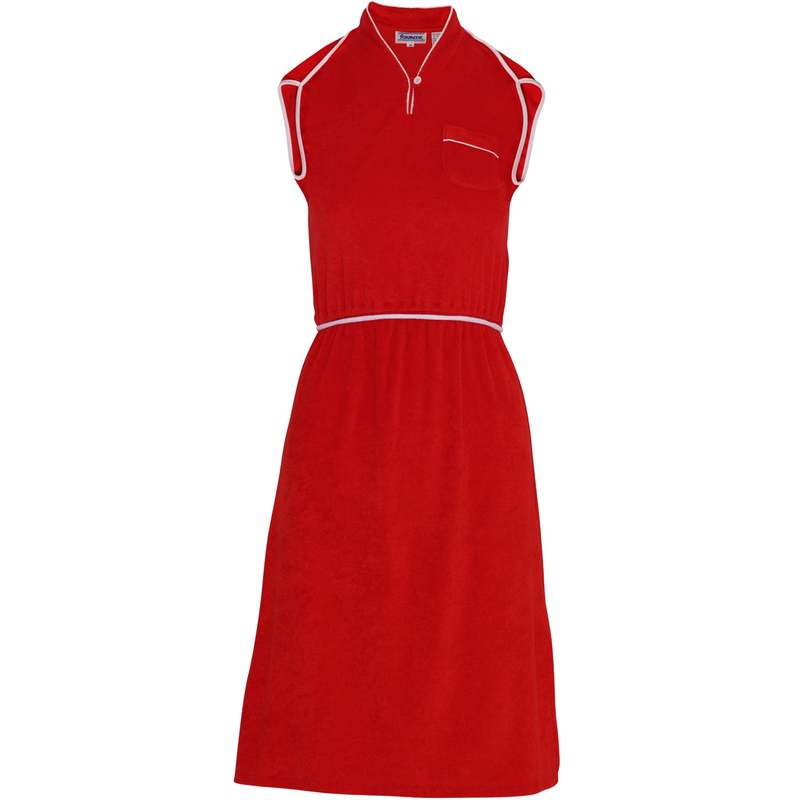
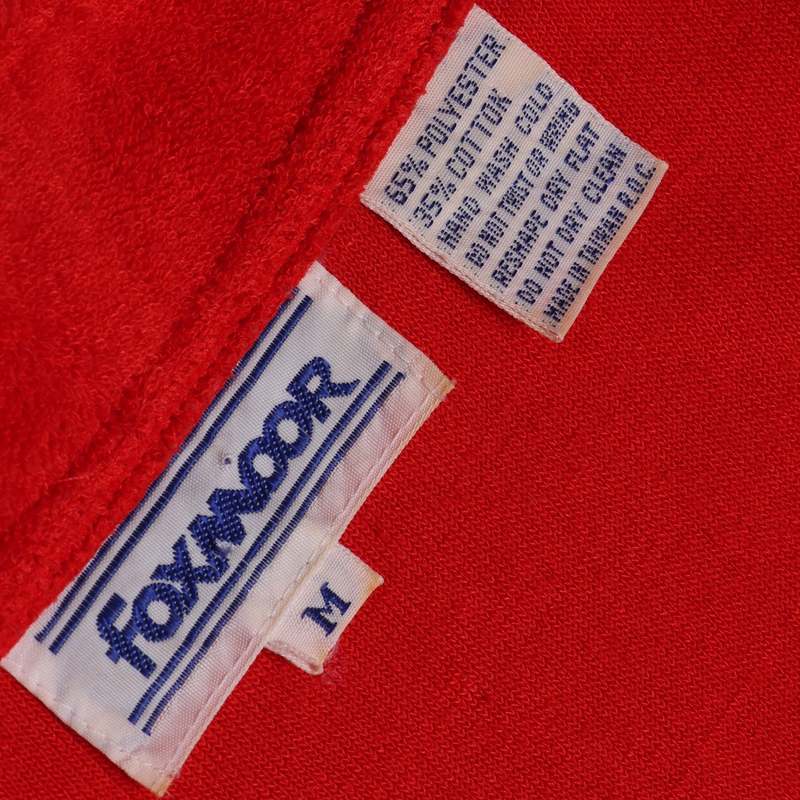
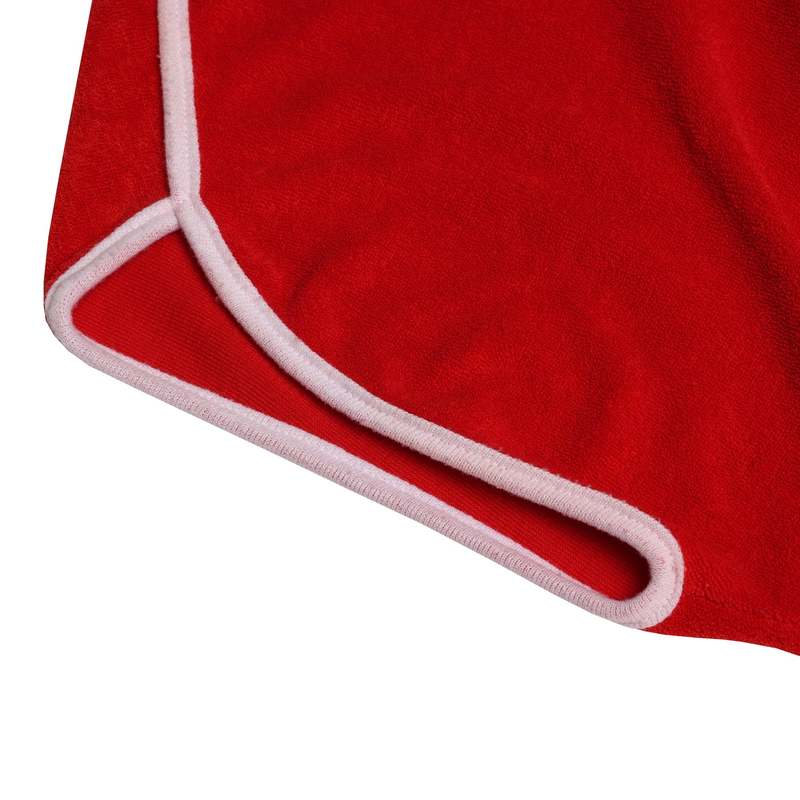
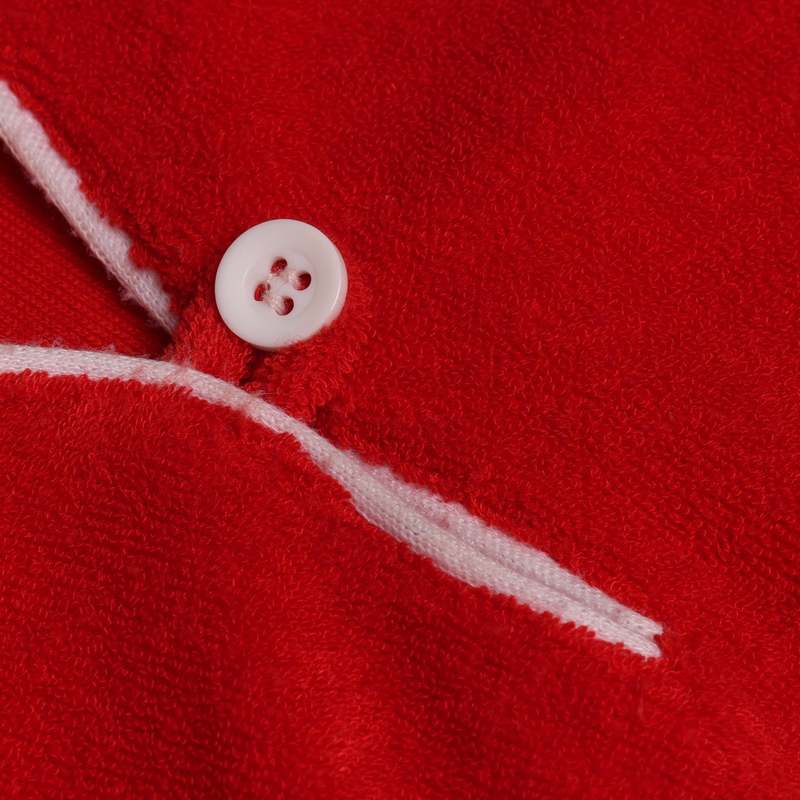
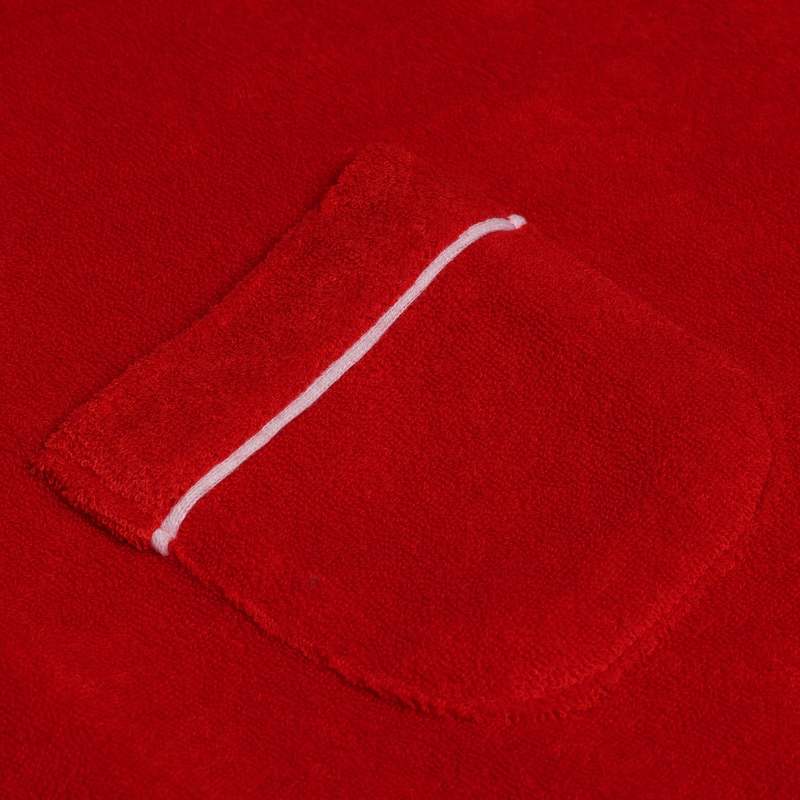
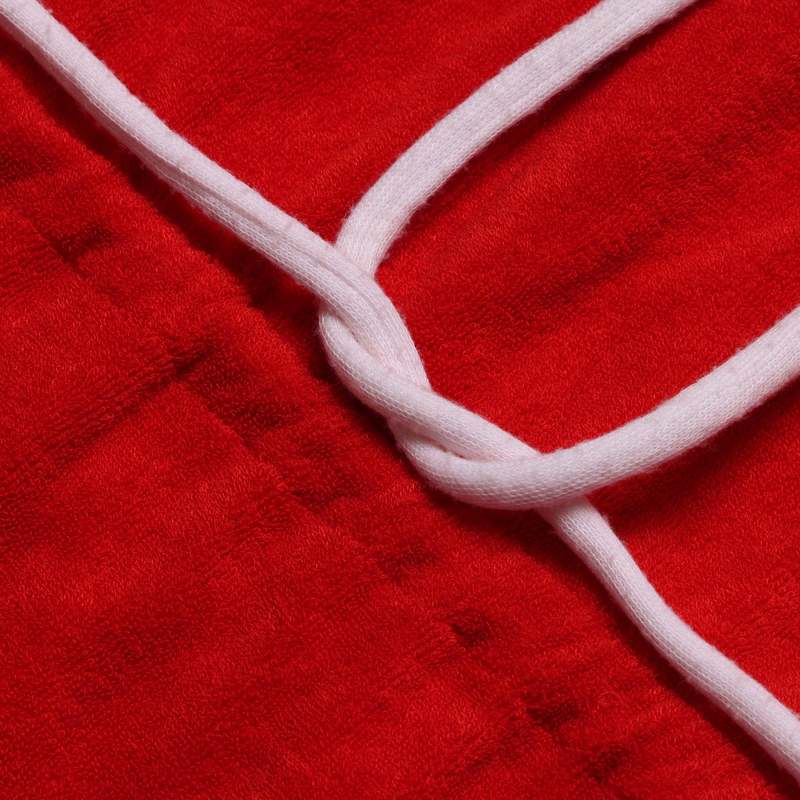
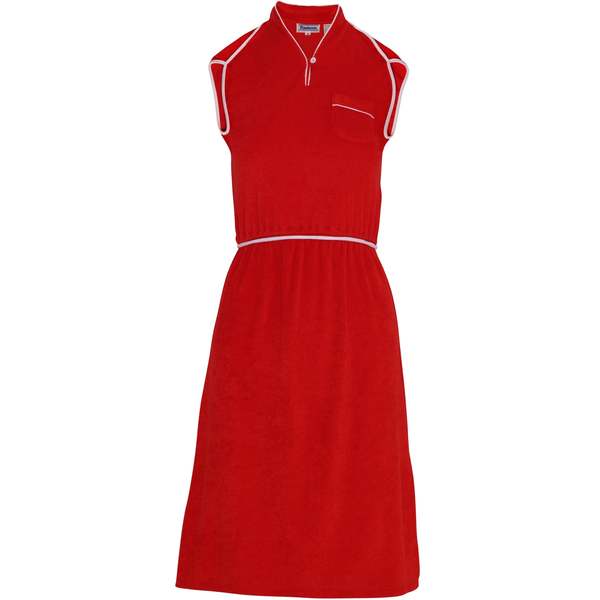
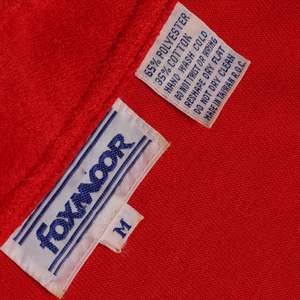
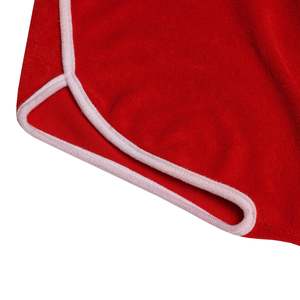
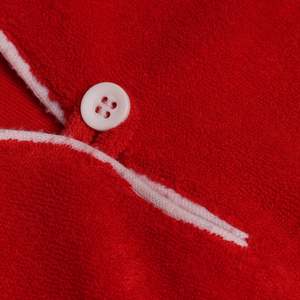
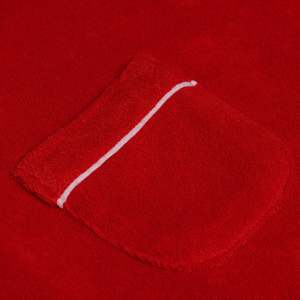
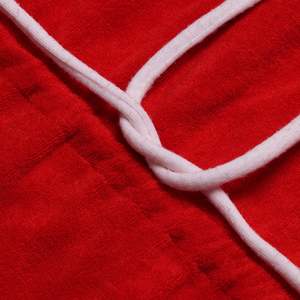
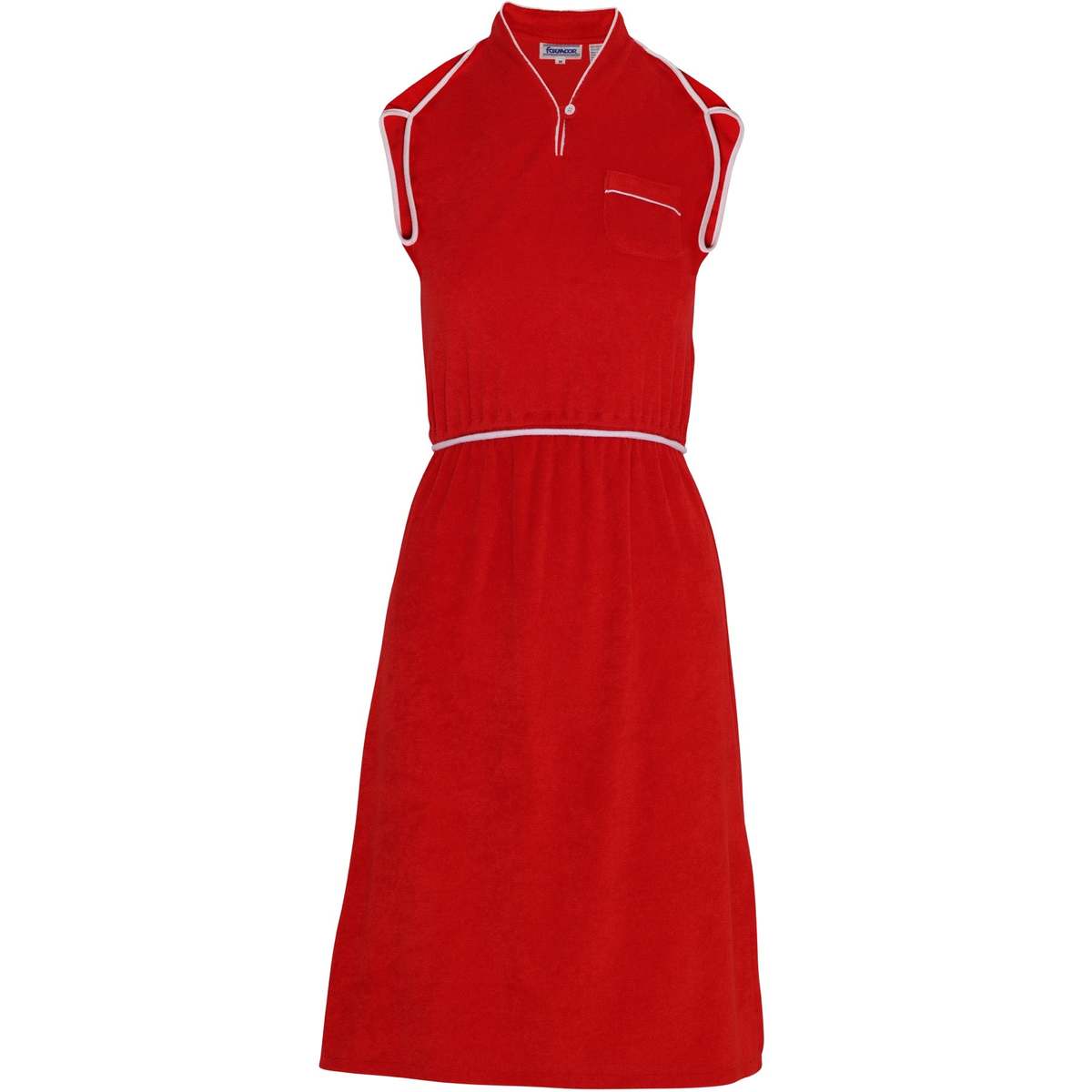
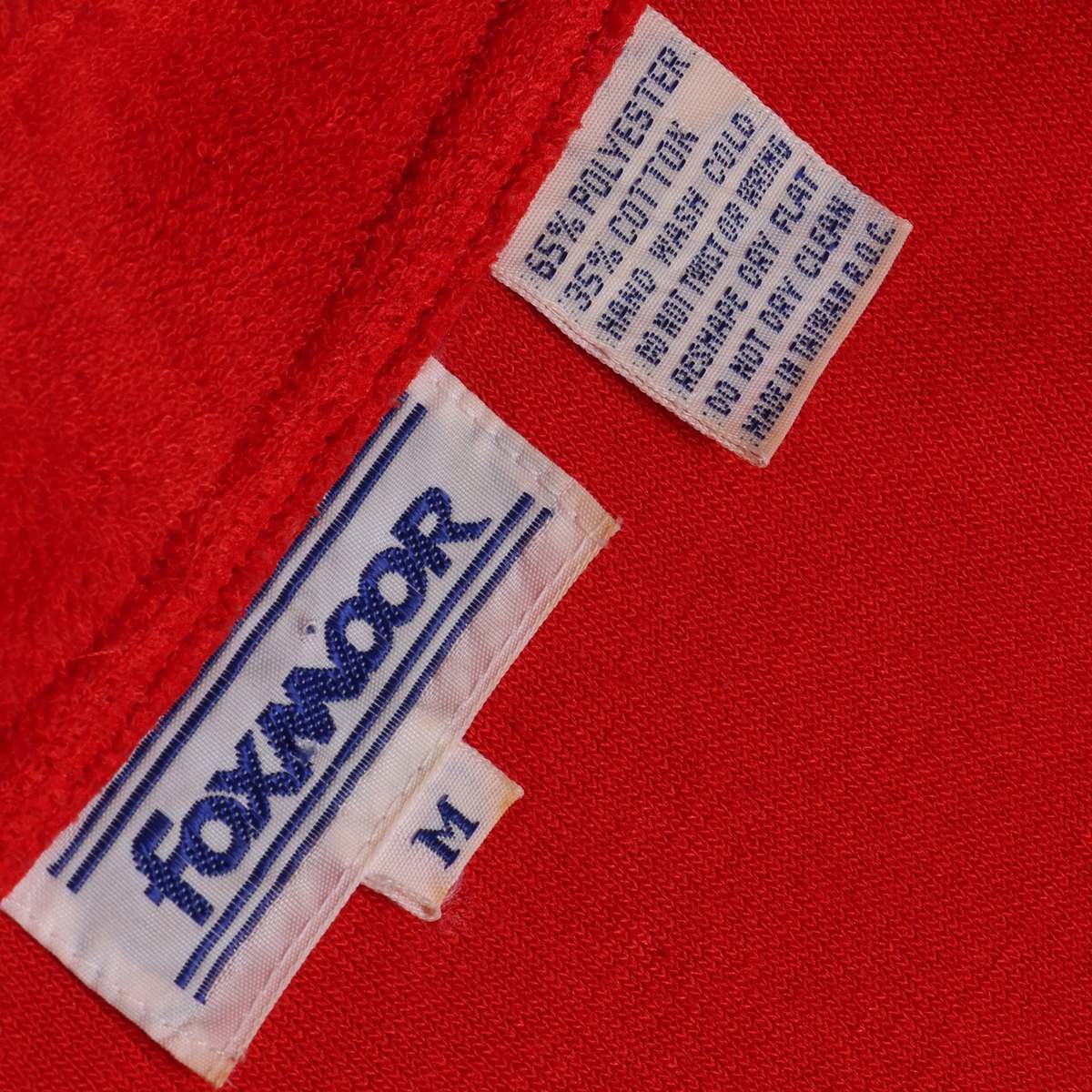
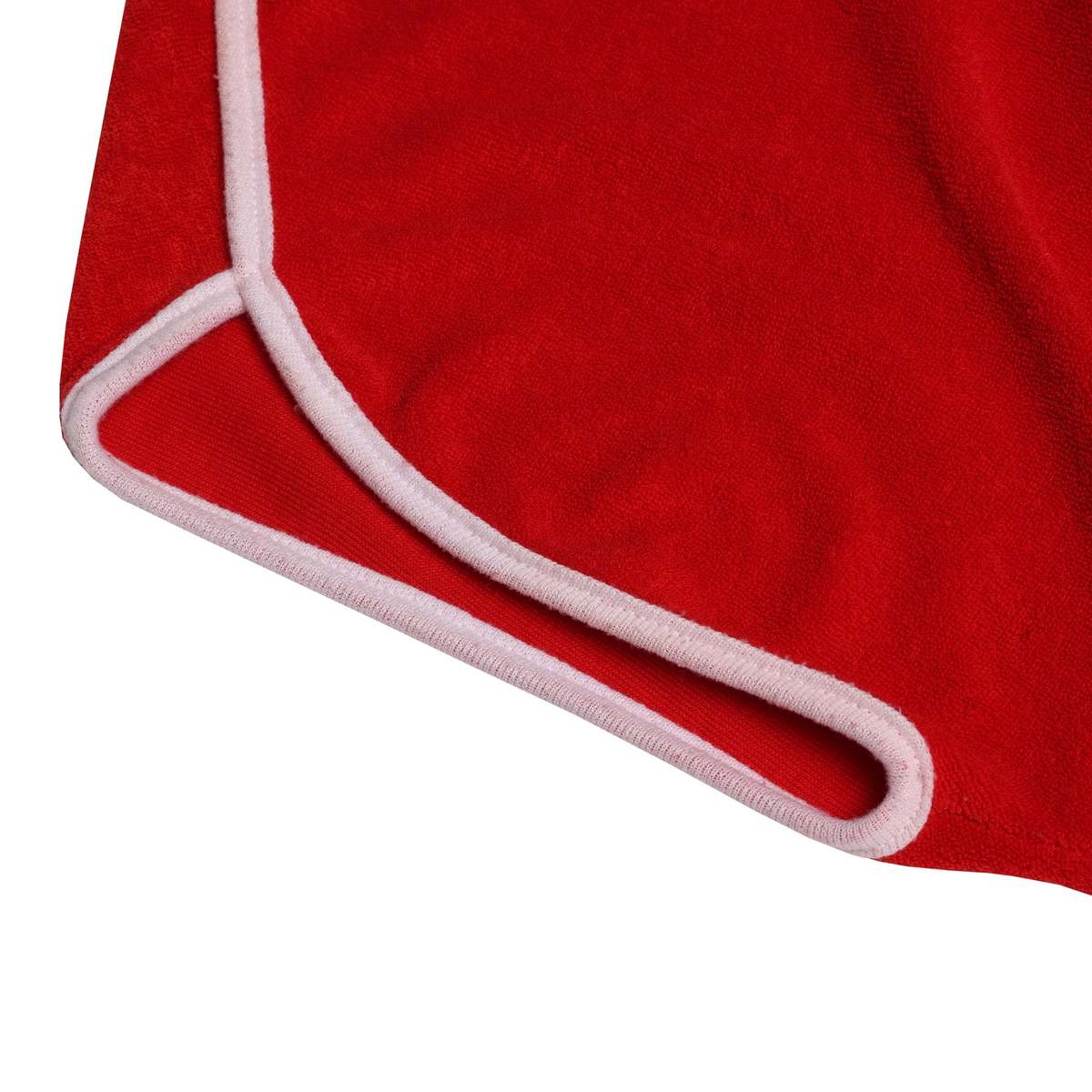
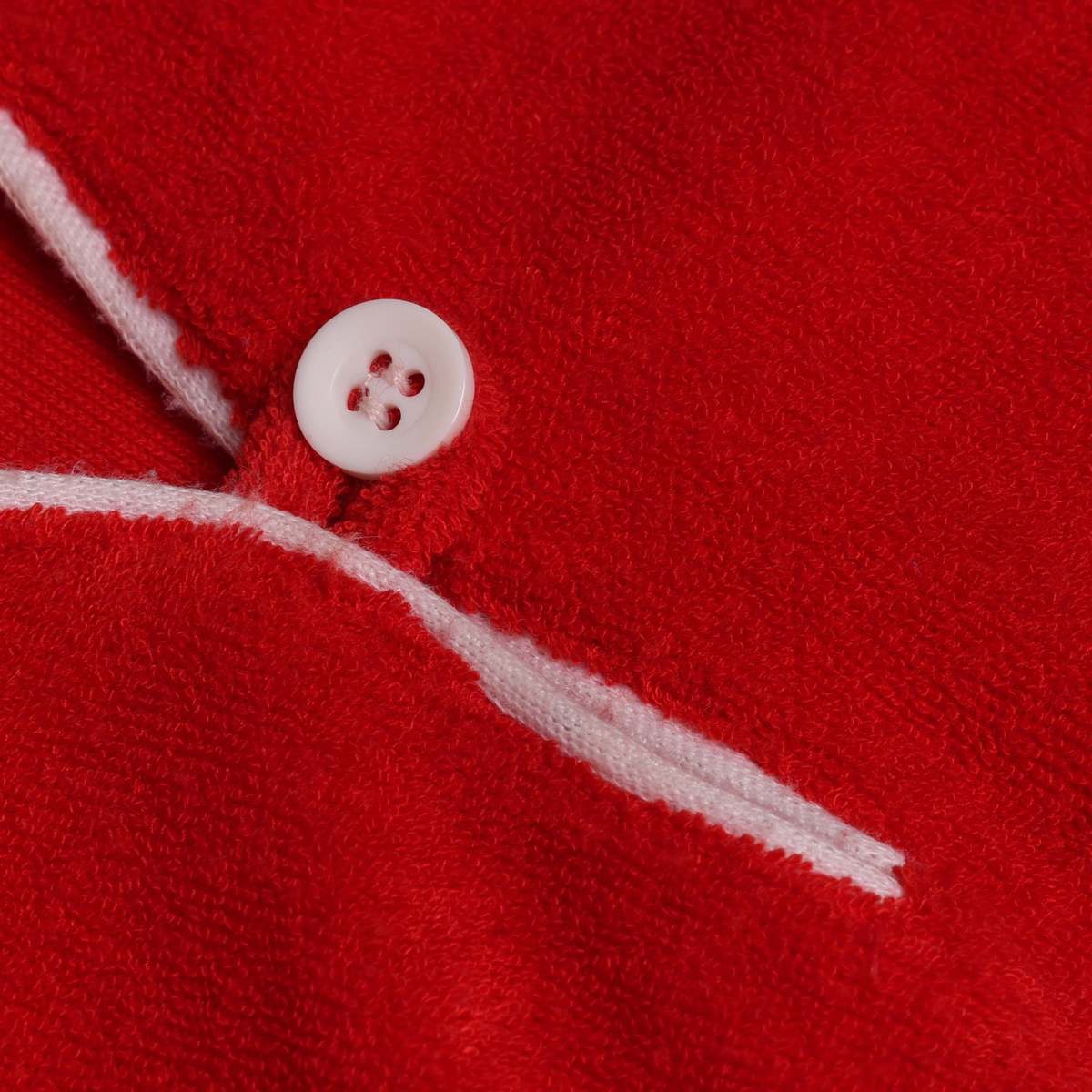
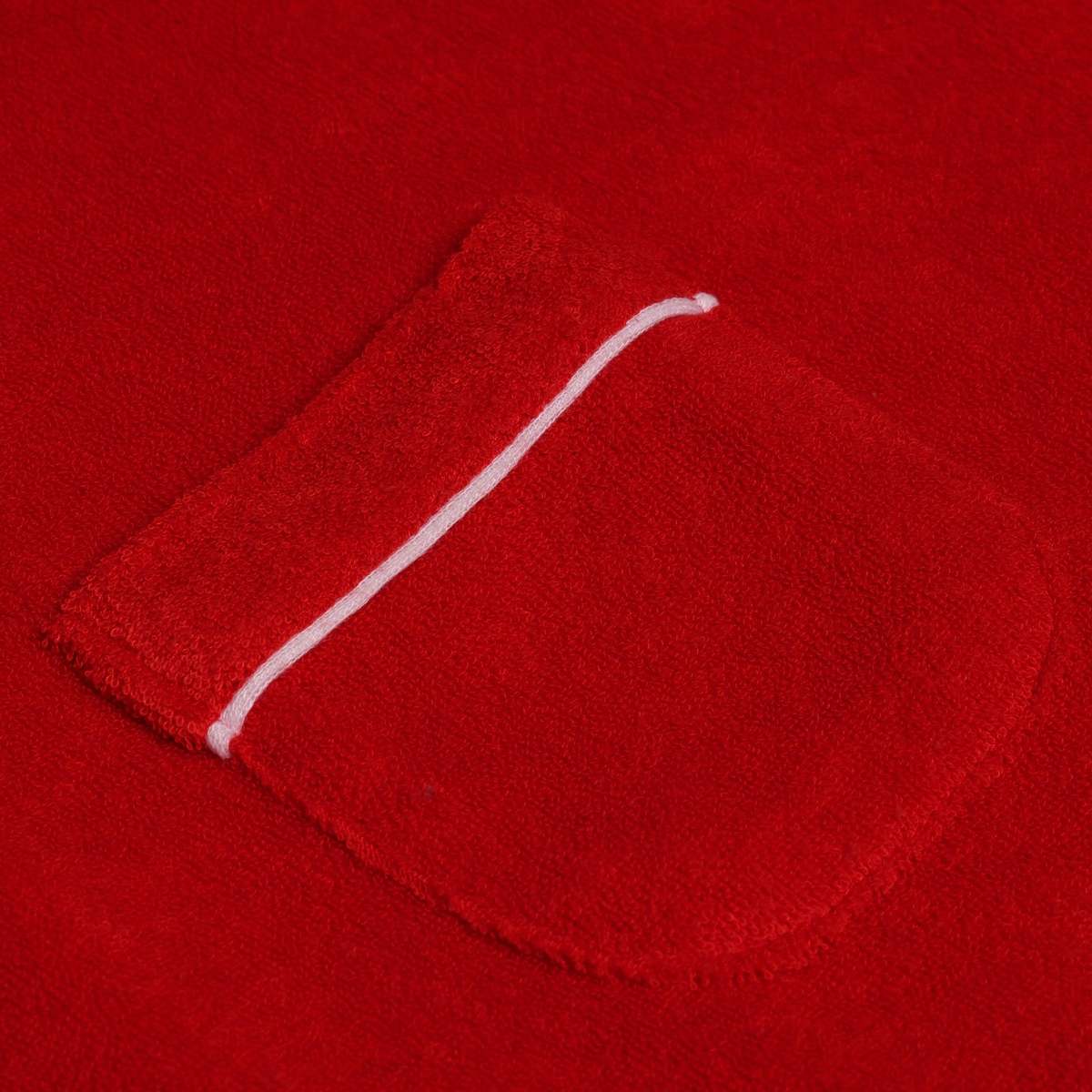
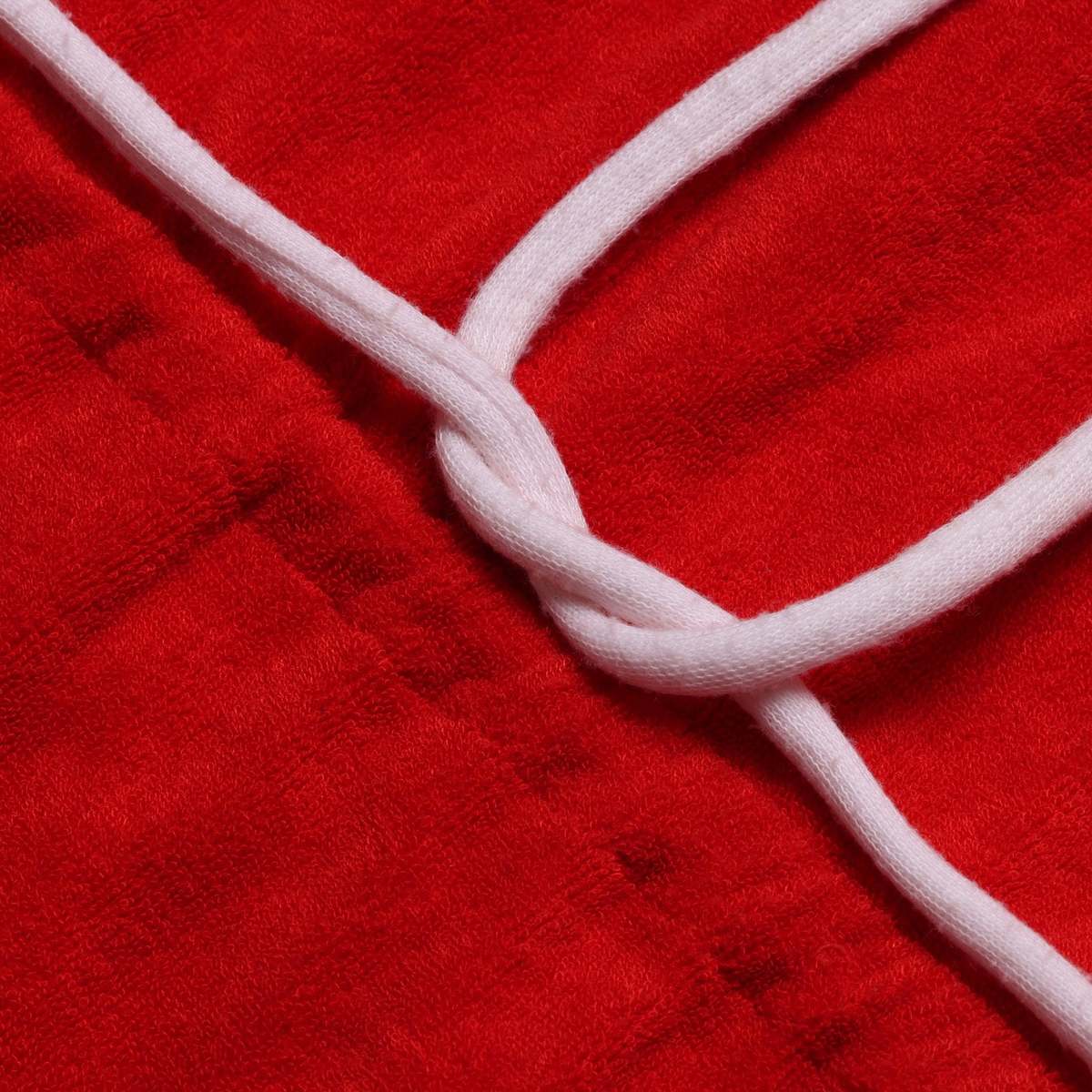
White tubular piping structures the silhouette, echoing athletic uniform logic while reinforcing seam geometry and visual contour. The Foxmoor terry cloth day dress exemplifies mid-20th-century American domestic leisurewear, channeling the evolution of textile-utilitarian design during the 1970s into a garment that merges comfort-centric engineering with chromatic articulation. Foxmoor, a department store and mail-order catalogue mainstay, built its brand identity around suburban functionality, specializing in garments that blurred the lines between resortwear, casual utility, and machine-washable daywear. Within this framework, the dress in question reveals itself as both a historical artifact and a textile-driven response to the cultural climate of late postwar Americaan era in which womens apparel increasingly prioritized self-styled ease, synthetic maintenance reduction, and transitional versatility across domestic and semi-public spheres. Constructed as a sleeveless, elastic-waist terry cloth day dress, the garment incorporates a short mock collar terminating in a piped V-slit placket secured by a four-hole button, contrast piping around the armscyes and pocket edge, a curved chest patch pocket, and a slightly flared skirt falling from an internal elastic waistband. The construction methodology reflects industrial U.S. sewing logic of the late 1970s to early 1980s, with lockstitch assembly, overlock seam finishes, and piped edge treatments that reinforce the garments shape and chromatic structure. The contrast white pipingcut as tubular knit bindingencases the collar, sleeves, placket, and hemline with clean integration, executed with high precision particularly at curved points and armhole transitions. This piping treatment functions not merely as a visual accent but as a formal element organizing the garments visual geometry, echoing the seam architecture of varsity and early athletic uniforms. Patternmaking reflects a minimal-panel engineering logic, with extended shoulders forming mock sleeves, a simple curved bodice contour achieved through princess-style slanted seams rather than darts, and a one-piece or gored skirt attached at a gently raised natural waistline. The elastic waistband is encased using a tunnel method, turned inward and stitched cleanly, allowing dimensional flexibility while maintaining an uninterrupted visual profile. The mock collar is constructed from a folded stand piece, stabilized likely with interfacing, and the necklines placket is stabilized to prevent distortion, suggesting subtle use of internal tape or fusible reinforcement. The hem features a curved side splitbound in matching pipingrequiring tension-controlled stitching and clean edge clipping, particularly in the dense pile of the knit. Textile analysis identifies the fabric as a warp-knit terry, also referred to as terry velour, composed of 65% polyester and 35% cotton. This blend optimizes dimensional stability, colorfastness, and reduced wrinkling, while retaining the moisture-absorbent qualities essential for post-bathing, poolside, or spa contexts. The naps uniformity, soft hand, and sheared finish on the face are indicative of raschel knitting followed by shearing and calendaring, yielding a plush velour effect while retaining the functional looped base structure on the reverse. The estimated GSM range of 220250 places it within the ideal density for resort garmentslight enough for warm climates, yet visually substantial. The warp-knit structure further enhances vertical recovery and minimizes skew, distinguishing it from the more elastic, less dimensionally stable weft-knit terry. Compared to French terry, traditional velour, and jacquard towel fabrics, the Foxmoor textile combines attributes across these typologiesachieving a plush visual character while preserving breathability and structural resilience. Heritage knit analogs include traditional towel velour used in high-end robes and spa loungewear; warp-knit velour applied in 1970s resortwear; and French terry in its loop-back, uncut formalthough the Foxmoor version is distinctly more tailored in visual logic. Textile mills producing comparable qualities include Haussmann GmbH (Germany), known for terry velour in premium leisurewear during the garments probable era; A & B Textiles (UK), specializing in warp-knits with precision shearing; Tessitura Taiana Virgilio (Italy), whose plush synthetics evoke similar tactile intentions despite being more commonly associated with velvet and elastane resort fabrics; and Penn Textile Solutions (Germany), known for loop-stabilized, high-stretch technical terry knits. Each mill reflects a commitment to visual softness coupled with engineered performancea textile philosophy in line with the Foxmoor garments goals. Sewing technique and execution exhibit strong control over the inherent difficulties of velour pile fabrics. Seamlines are flat and symmetrical, with consistent stitch tension across the napped surface. The piping is inserted flush without distortion, particularly at tension-sensitive curves such as the collar and armholes. The patch pocket, with shaped lower corners and single-fold piped top edge, is precision-aligned, its piping ends cleanly enclosed to prevent fray and maintain continuous visual rhythm. The hem and side splits are neatly rounded, with no drag or asymmetrydespite the fabrics directional nap and inherent bulk. The elastic waistband shows no visible puckering, implying careful tension distribution or differential feed during insertion. Overall, the garment demonstrates proficient handling of a fabric prone to grain slippage, seam thickening, and nap crusheach challenge met through deliberate engineering choices and efficient construction logic. The visual language of the dress draws from mid-century housecoats, beach cover-ups, and early postwar spa garments, merging them with the visual claritys of 1970s athletic-casual silhouettes. The white piping recalls vintage tenniswear, varsity graphics, and surfwear minimalism, anchoring the garment aesthetically within a broader American leisurewear lineage. The red-and-white palette conveys optimism and visibilityqualities associated with both spa culture and suburban vitality. Historically, garments of this type occupied a transitional zone between indoor dressing and semi-public casualwear, designed for post-shower routines, leisure hosting, and light summer activity. This garments conceptual basis hinges on comfort as an expressive modality, rejecting structured formality while offering enough design integrity to function as styled apparel. It is psychologically encoded with ease, lightness, and casual assertiona trait shared with adjacent garments from brands like Catalina, Jantzen, or Sears in-house lines, which similarly diffused sporty femininity across domestic contexts. Dating to the mid-to-late 1970s, the garment emerges from a moment when terry cloth experienced a surge in popularity across American fashion, spurred by its ease of care, tactile appeal, and visual alignment with recreational ideals. The garment exemplifies a shift from tailored domesticity toward textile-led casualism, offering structure not through darts or interfacing, but through knit behavior, elastic shaping, and contrast-bound geometry. Its value today resides not only in its intact construction and saturated color, but in its fidelity to a historical moment of textile innovation and cultural transition. Replica Shoes analogs can be seen in brands like Batsheva, Tombolo, and Sporty & Rich, which reinterpret archival domestic leisurewear through the lens of nostalgic stylization and contemporary gender-fluid casualwear. The Foxmoor dress thus possesses continued relevance in curated vintage markets and serves as an instructive model for archival reinterpretationits synthesis of soft structure, chromatic claritys, and engineered comfort articulating a compelling narrative within the American fashion canon. Measurements (cm): Chest: 44 Length: 106 Shoulder: 38 Size Conversion (approximate) US Womens Size: S-M EU Womens Size: 36-38 SKU: 015133
Garmentory is a curated marketplace of independent boutiques and emerging designers from around the world.
Fashion With Intention
Aw yeah!
We love making new friends so while we're popping bottles, continue shopping to apply your $10 credit.
We've got a dedicated site "garmentory.co" just for our Indian customers! Shop with local currency, faster shipping, and exclusive products.
We cannot add this item to your bag because it’s already at max capacity. But don’t worry, we’ve saved it to your wish list.
Earn Replica Belts credits when you shop, wishlist, and inspire others.

Have a question about the size or something else? We're here to help!