Spring fever is here 🌡️☀️ Prep early for those not too hot and not too cold days by finding something you love ON SALE. SHOP THE SALE


Spring fever is here 🌡️☀️ Prep early for those not too hot and not too cold days by finding something you love ON SALE. SHOP THE SALE
| To | Service | Estimated Delivery | Fee |
|---|---|---|---|
| 🌎 | Intl. Air | 6-20 business days | $29.95 |
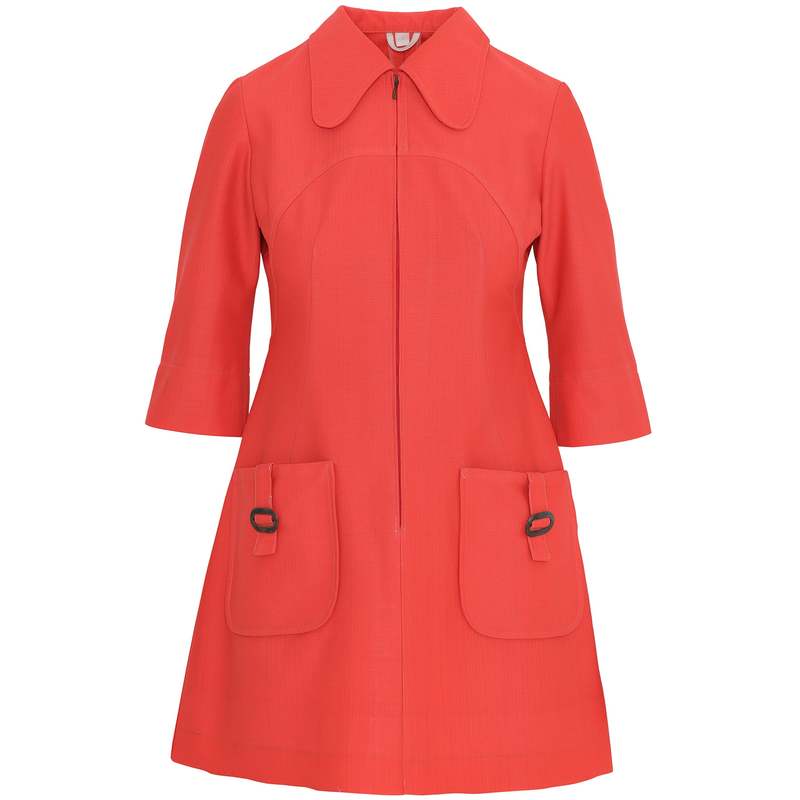
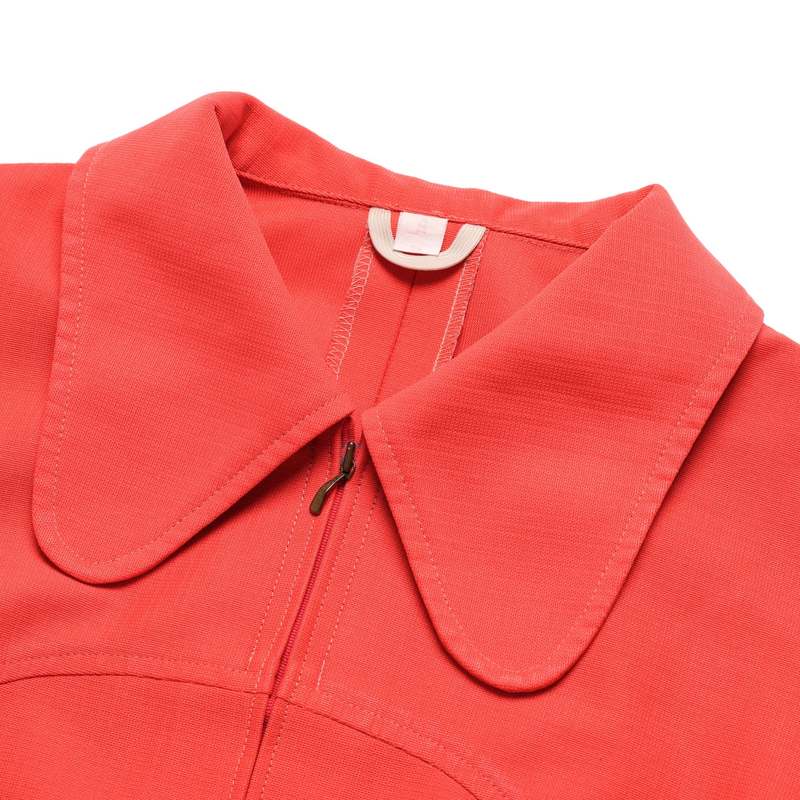
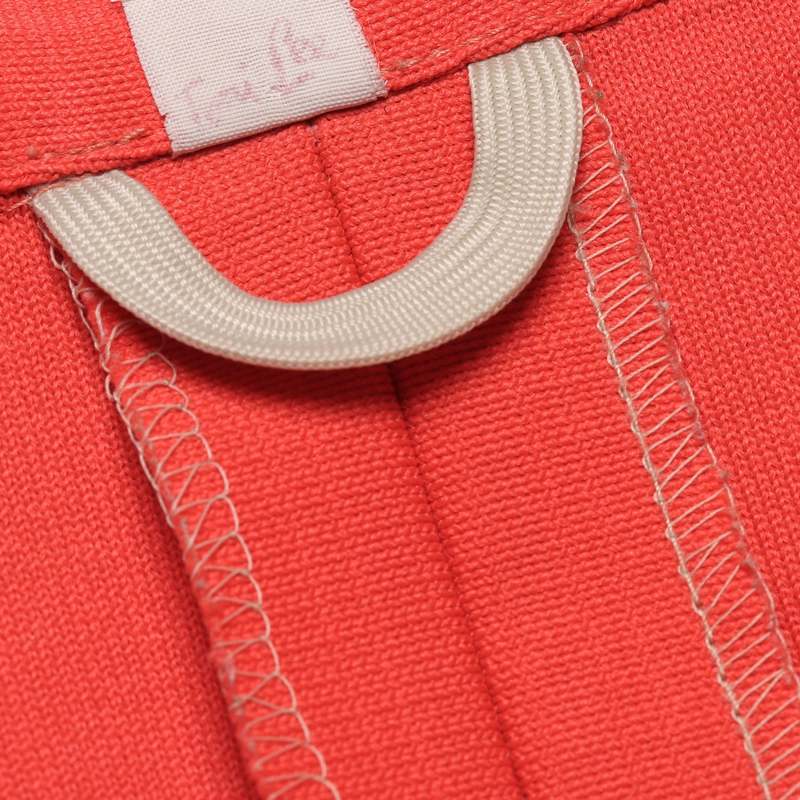
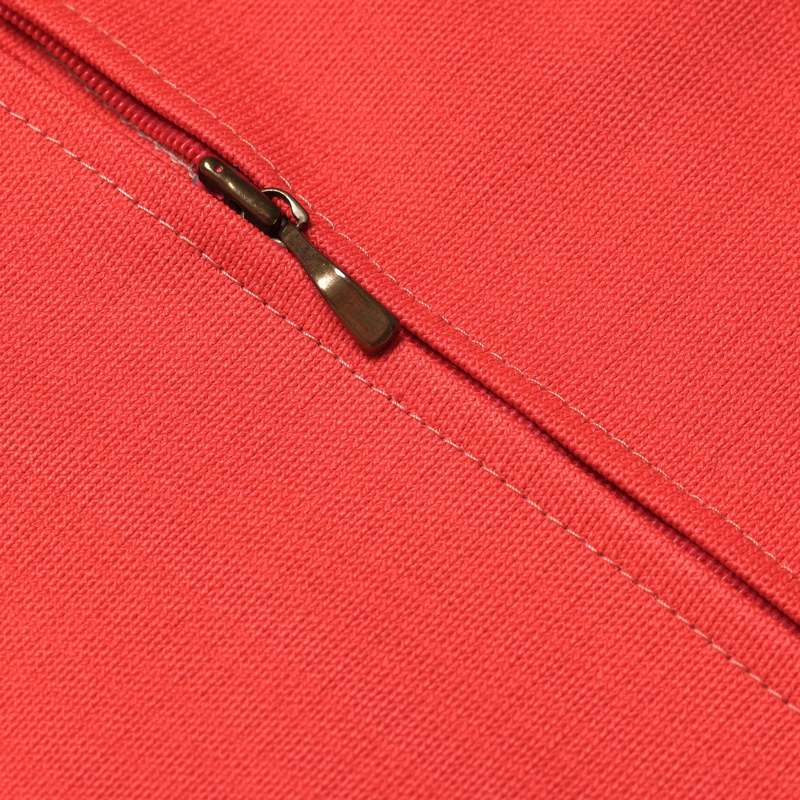
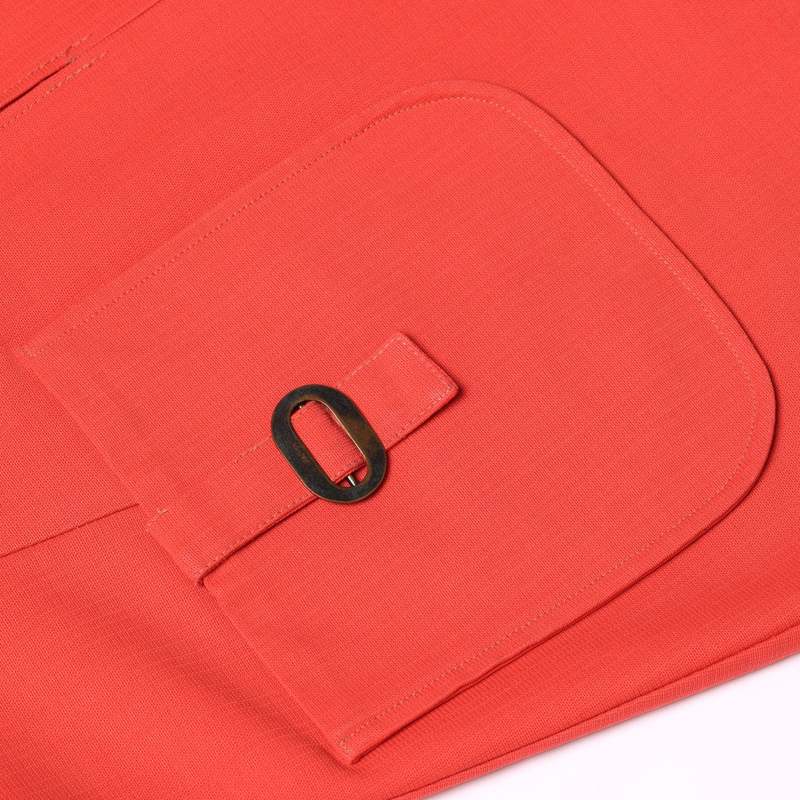
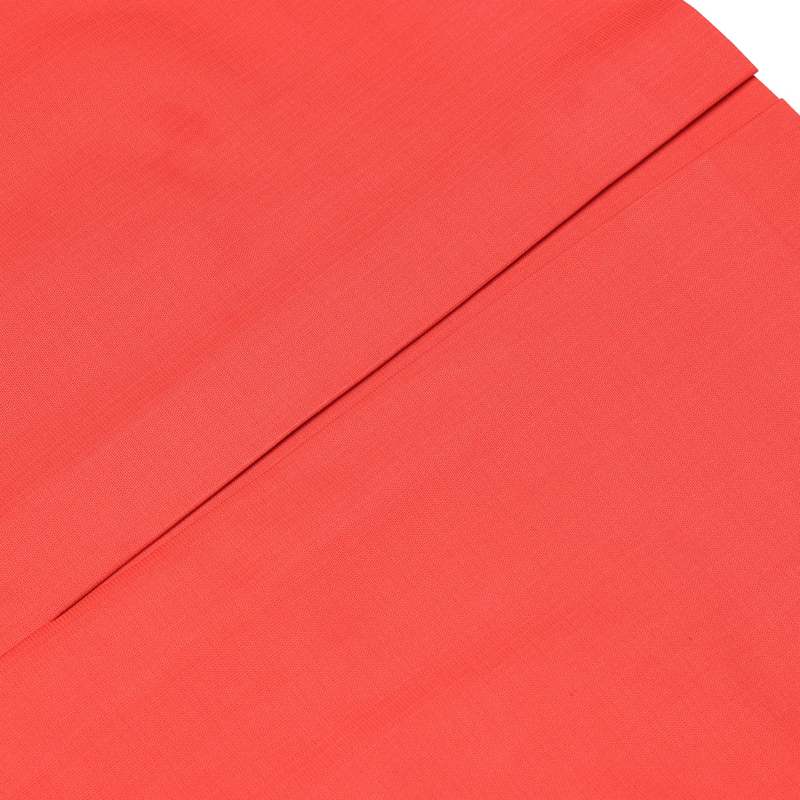
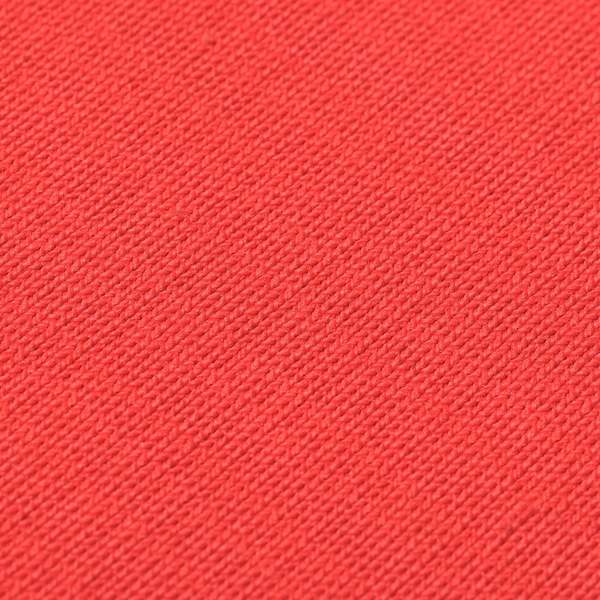
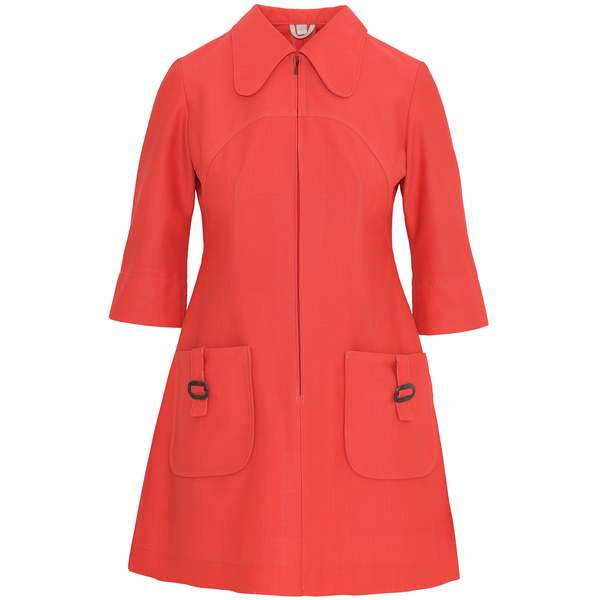
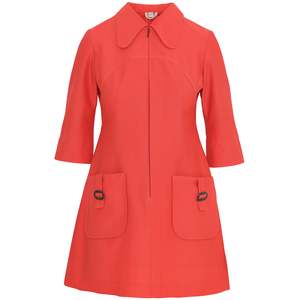
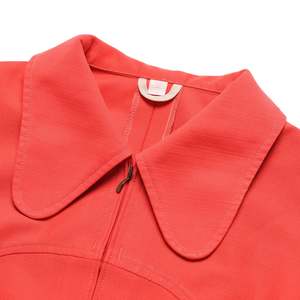
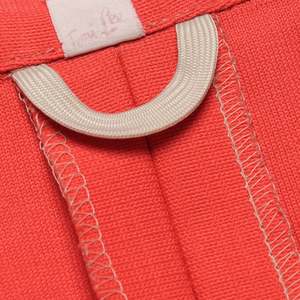
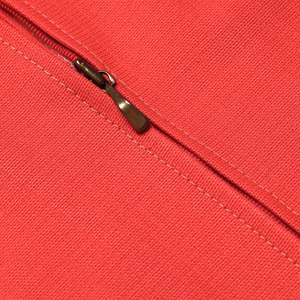
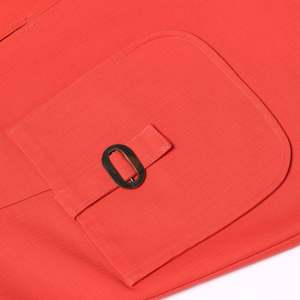
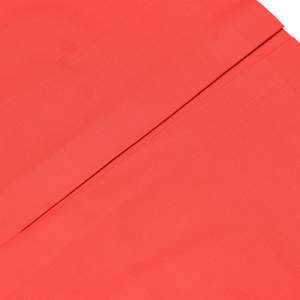
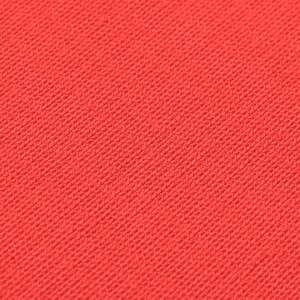
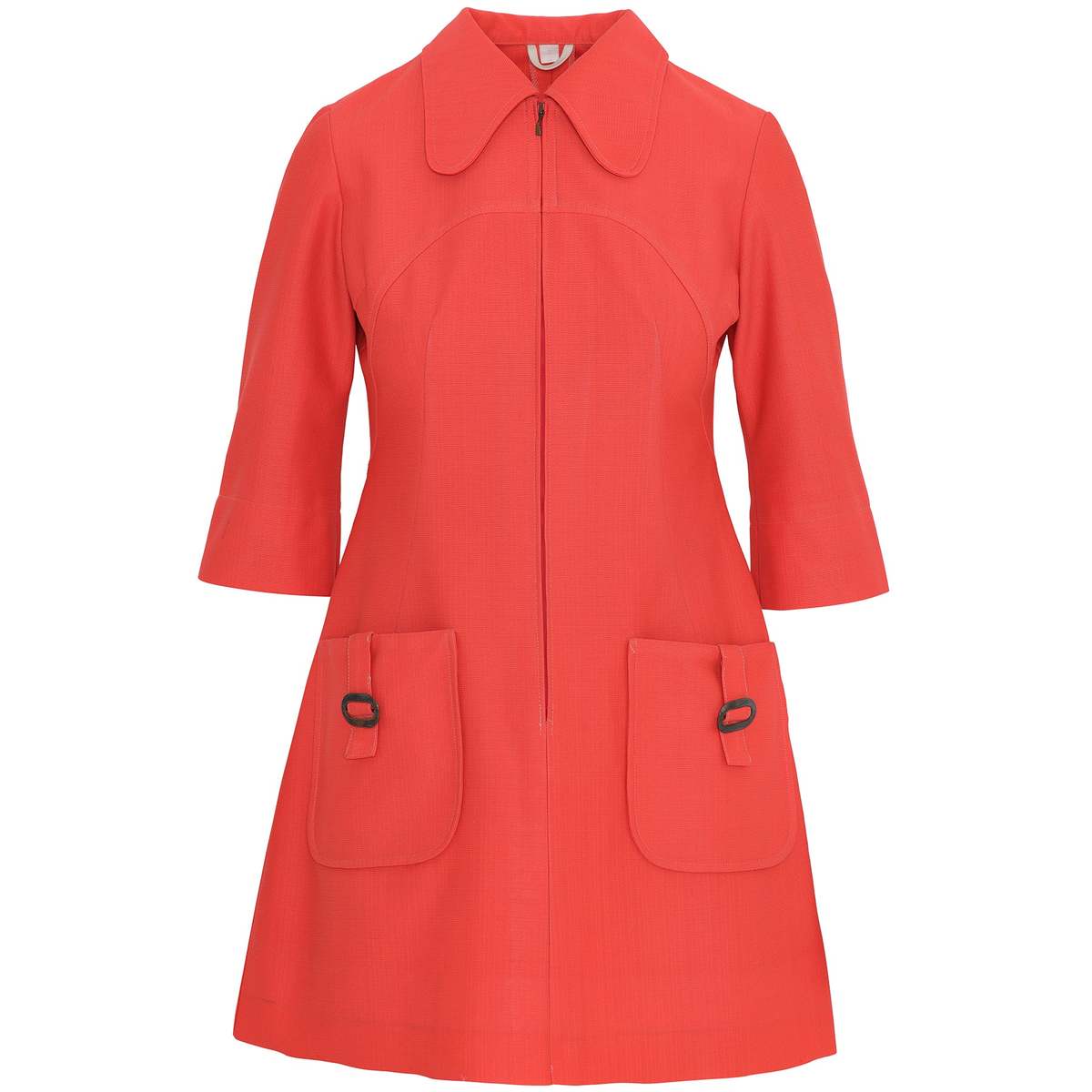
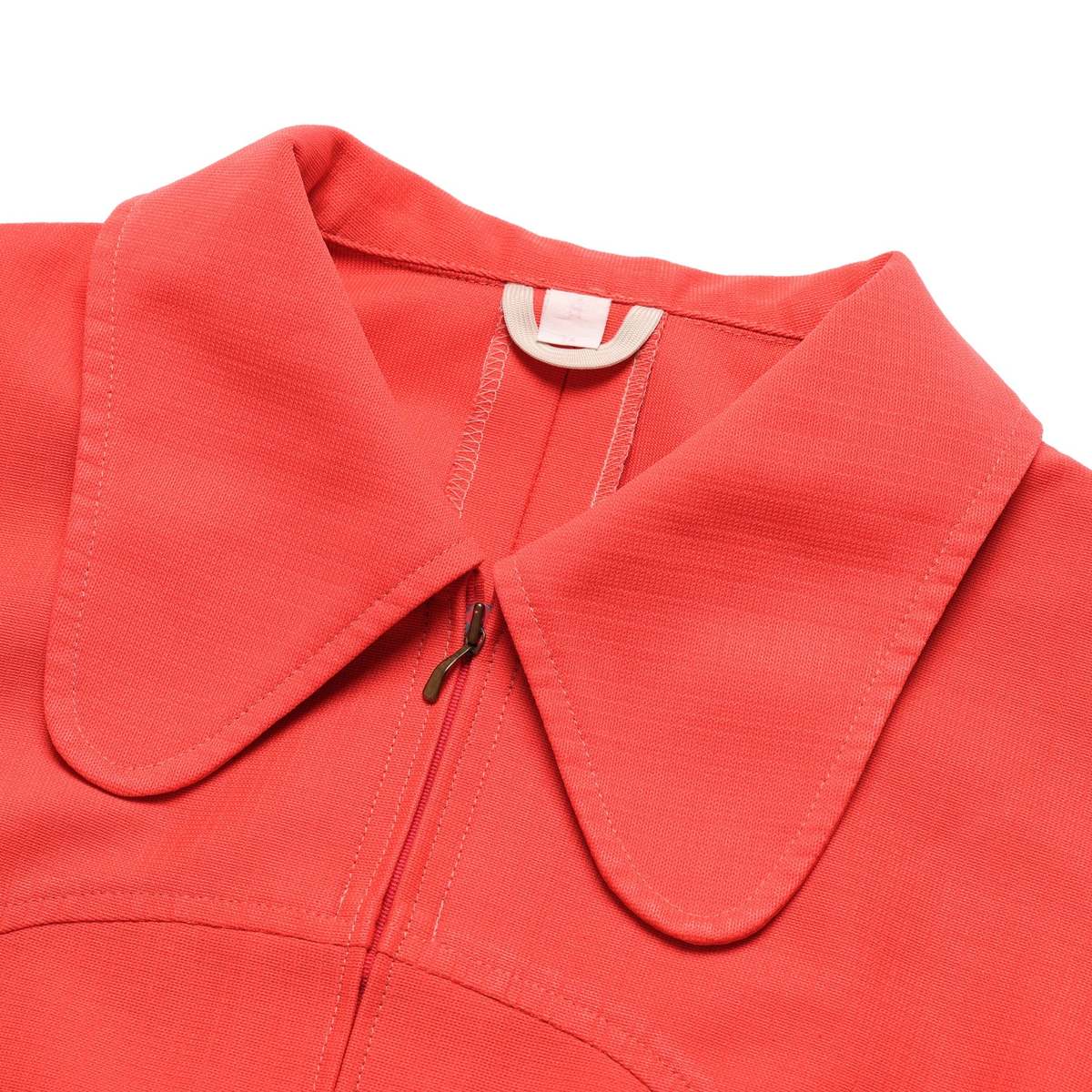
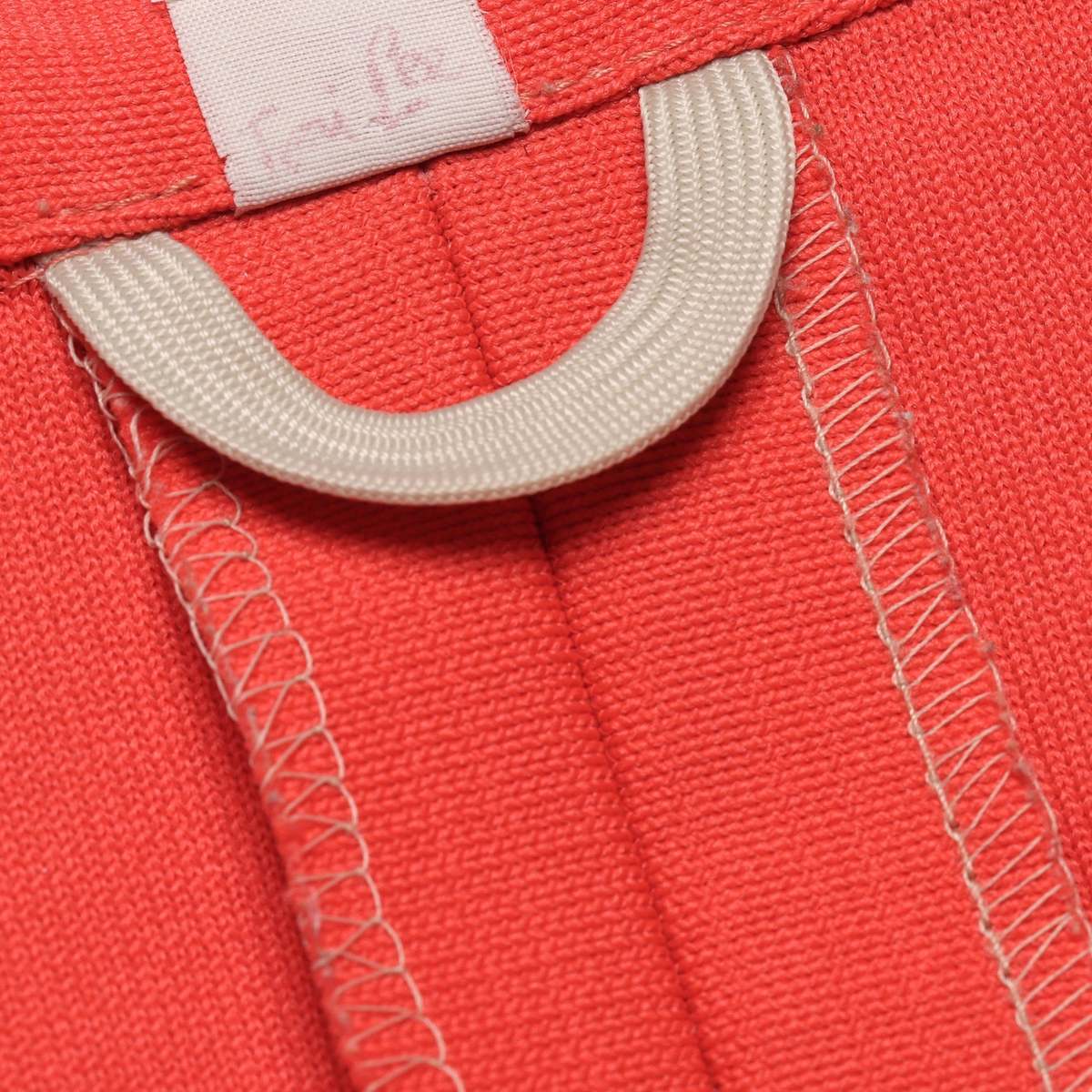
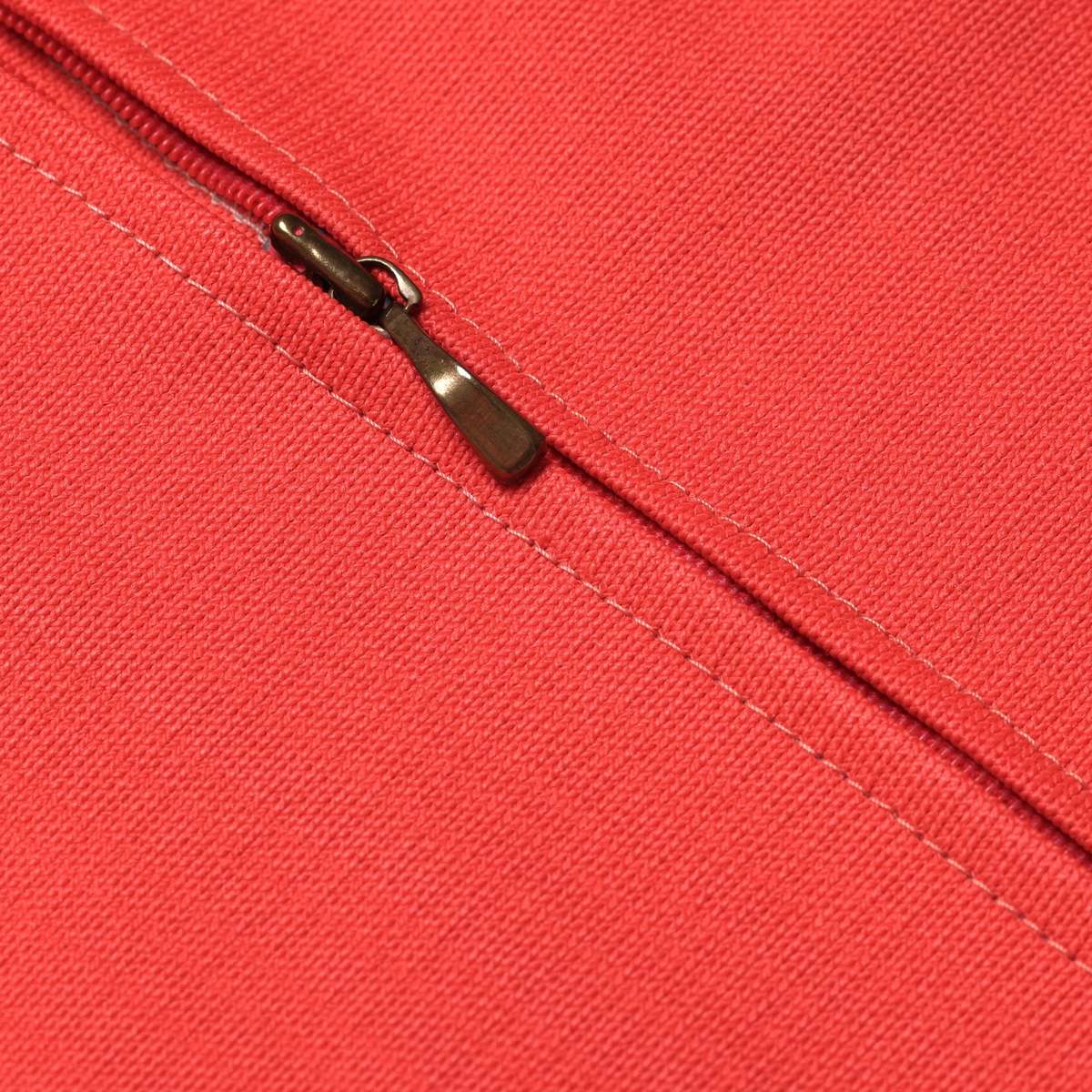
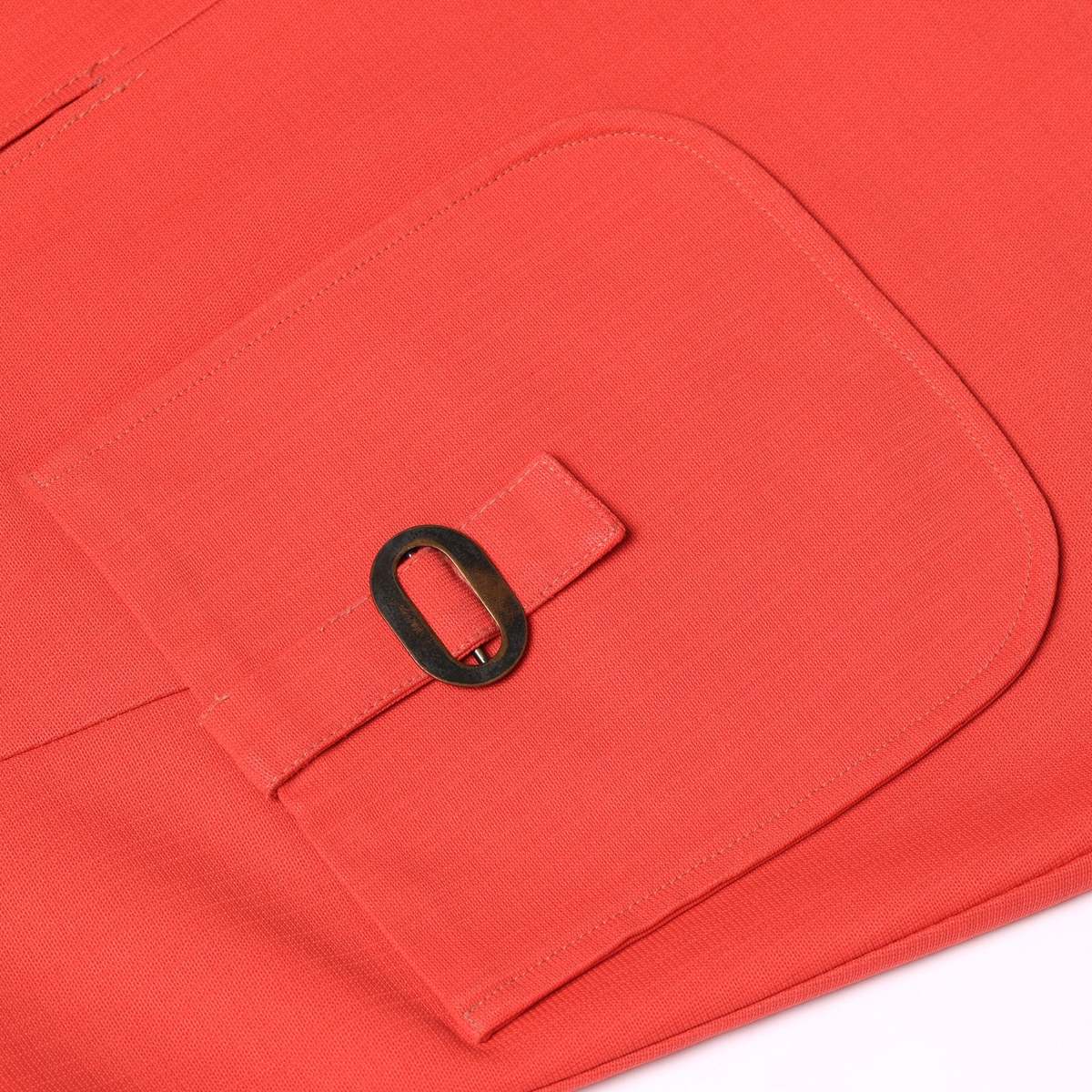
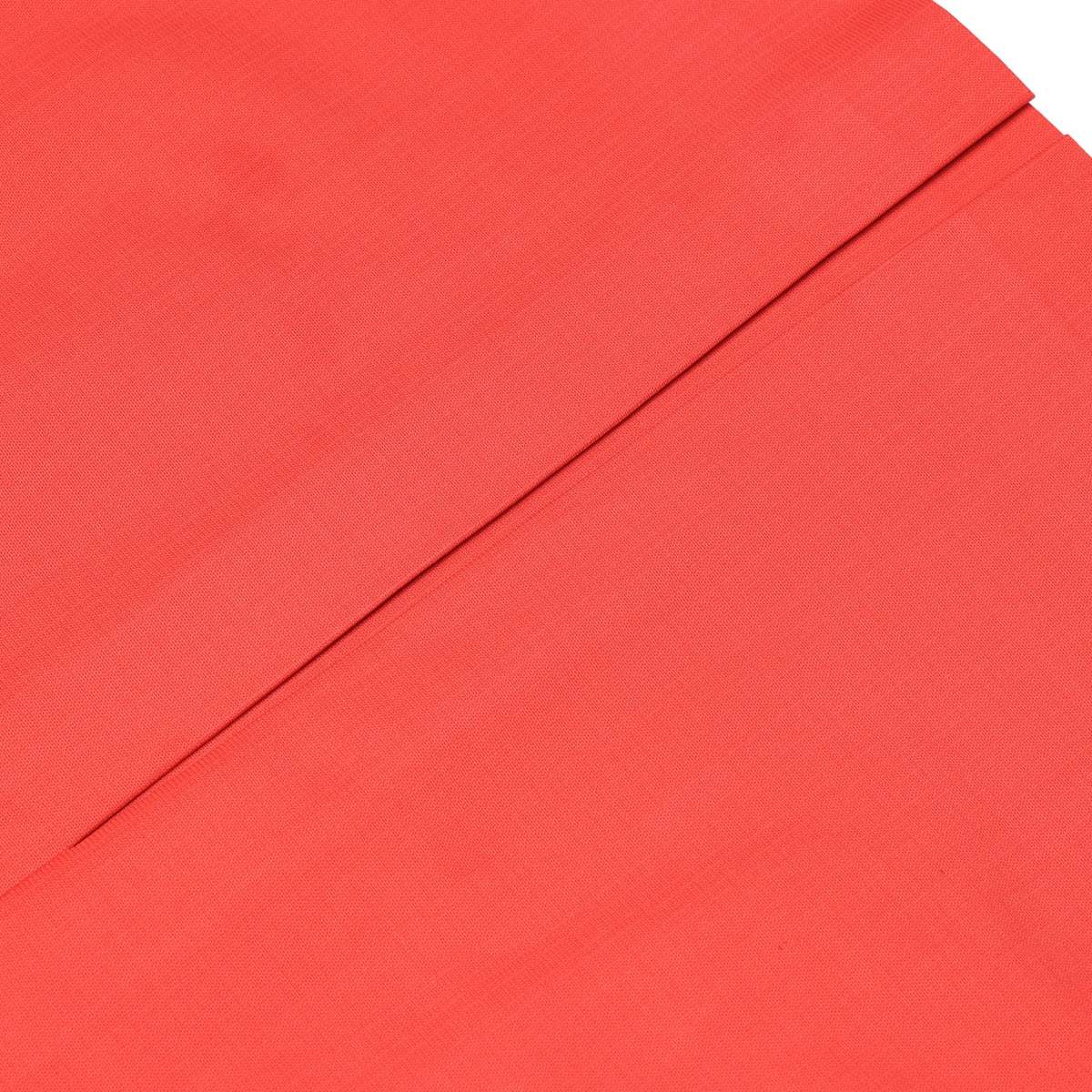
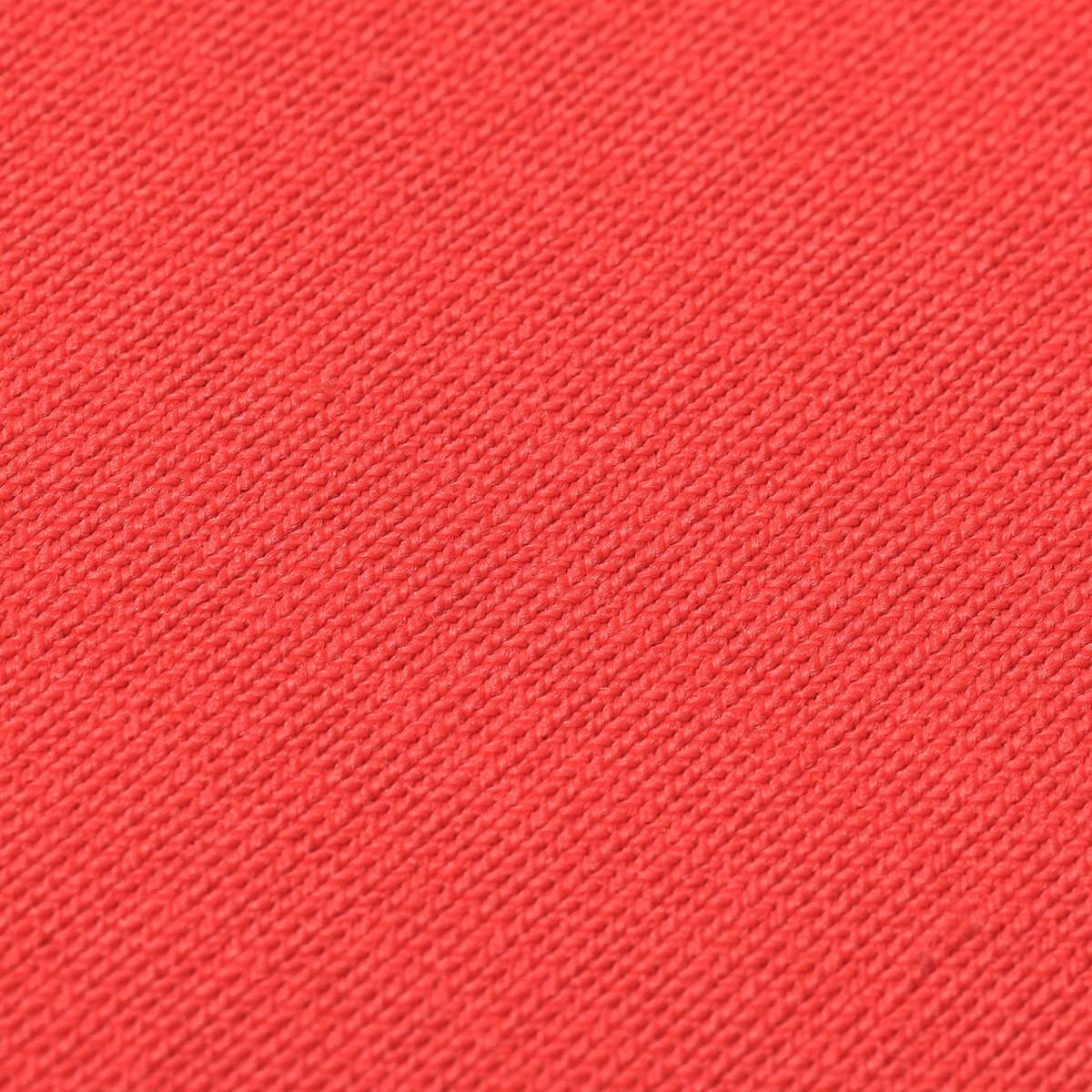
The 196772 Toni Lee coral mini dress fuses mod-era minimalism and architectural precision within a vibrant A-line silhouette. Toni Lees coral red zip-front A-line mini dress embodies a distilled synthesis of mid-20th century American sportswear innovation, capturing the brands core ethos of streamlined modernism balanced with accessible sophistication. Emerging from a design philosophy rooted in functionality-driven ornamentation and bold chromatic expression, Toni Lees work offered a pragmatic yet dynamic wardrobe for the modern working woman and socialite. Positioned within the burgeoning postwar American casualwear movement of the 1960s and 1970s, Toni Lee paralleled the democratization of European high fashion trends, translating mod silhouettes and minimalist impulses into garments that embraced the American ideals of individuality and mobility. While never claiming haute couture pedigree, the brands accessible interpretations of trends popularized by designers such as Mary Quant and Andr Courrges secured its place within a rapidly expanding market of young consumers seeking both style and practicality. The dress itself, classified as a womens short-sleeve A-line mini dress designed for daywear and semi-formal social occasions, articulates a vision of functional elegance through sharply engineered architectural paneling, pragmatic hardware, and bold visual claritys. Its construction centers around precision lockstitch assembly, reinforced by overlock stitching along internal seams to achieve tensile strength without compromising flexibility or introducing bulk. Fine-gauge topstitching accents critical seams, enhancing both durability and the clean modernist aesthetic. A center-front metal zipper, inserted with a clean folded placket and semi-exposed for stylistic emphasis, anchors the front of the garment, supported by applied facings and lightweight interfacing at the neckline to maintain structural crispness. The metal hardwareaged brass-tone zipper pull and matching buckle framesprovides visual contrast against the saturated coral fabric, introducing a subtle utilitarian grounding. The garments technical design demonstrates expert pattern drafting, evident in the dramatically curved yoke seam that transitions seamlessly into princess-line shaping without the use of traditional bust darts. This strategic shaping distributes tension along curved planes, maintaining the purity of the front silhouette while subtly sculpting the body. Oversized patch pockets, secured with integrated strap-and-buckle closures, reinforce symmetry and add tactile interest, executed with firm, clean perimeter topstitching. The garments design language, typified by mod A-line mini dress silhouettes of the late 1960s and early 1970s, reflects the eras commitment to movement, accessibility, and youthful empowerment, concepts further amplified by the symbolic deployment of zip-front closures and minimalistic forms in womens fashion. Fabric analysis reveals a high-density plain weave or fine repp weave synthetic blend, predominantly polyester with a probable cotton admixture, estimated at 180220 GSM. The material is characterized by a crisp, lightly structured hand that resists collapse, supporting the A-line form while offering colorfast vibrancy and wrinkle resilience. Close inspection identifies a core plain weave construction, with subtle weft ribbings suggesting a micro-repp effecta structure aligning it with heritage textiles such as midweight synthetic faille, fine repp weave suiting blends, and synthetic poplins popular during the 1960s. Comparative parallels emerge with mid-century fabric producers such as Klopp Textiles, Abraham Ltd., Tessitura Monti, and Toray Industries, all of whom specialized in crisp, lightweight synthetic blends engineered for architectural shaping and vivid color retention. Pattern architecture emphasizes streamlined shaping through continuous curved seams, dispensing with side darts or panel breaks below the waist to preserve the mod eras clean-line ethos. The one-piece upper yoke extends into an oversized Peter Pan collar, lightly interfaced and meticulously topstitched 2mm from the edge for clean definition. Sleeve construction features a simple set-in elbow-length design with minimal cap height, prioritizing mobility without excessive volume. The hemline, double-turned and machine-stitched, slightly curves to complement the dresss swing dynamics without visual interruption. Assembly techniques demonstrate strong industrial sewing practices: small 2.5mm stitch lengths for seam strength, high-precision topstitching around structural elements, and careful zipper insertion with pre-stabilized seam allowances to prevent fabric distortion. Four-thread overlocking neatly finishes internal seams, and a reinforced hanging loop is pragmatically integrated at the center back neckline, enhancing functionality without intruding upon the garments minimalist aesthetic. The absence of a full lining preserves the fabrics lightweight breathability and ensures the dress retains its structural crispness, a typical choice for mid-century ready-to-wear mod dresses aimed at balancing wearability, affordability, and design claritys. Edge finishing throughoutprimarily serging internally and narrow topstitching externallysecures the garments long-term durability while maintaining an uncluttered surface presentation. The neckline is controlled through facing-backed construction, with the oversized collar elegantly framing the wearers face without overpowering the visual field. Sleeves conclude in simple hemmed cuffs, further emphasizing the garments functional modernism over ornamental complexity. Hem finishing maintains optimal drape weight, ensuring that the dress moves cleanly in accordance with its A-line architecture. Conceptually, the garment captures the psychological tensions of the era: youthful optimism and emerging female autonomy refracted through the lens of modernist pragmatism. The vivid coral red, assertive yet approachable, radiates energy without veering into aggressive visual territory, symbolizing vitality and forward momentum. Hardware elementsthe zipper and functional pocket closuresinvoke themes of self-sufficiency and liberation, resonating with the socio-cultural shifts that redefined womens roles during the 1960s and early 1970s. Artistically, the dress channels the essence of mod minimalism while subtly engaging with the playful visual language of pop art and the sleek futurism of the space-age design movement. Its streamlined functionalism, punctuated by tactile accents and a bold chromatic field, mirrors the broader cultural fascination with technological progress, youthful rebellion, and redefined social norms. Produced between approximately 1967 and 1972, this garment occupies a significant position within the transitional narrative of postwar womens fashion, bridging the gap between tailored postwar femininity and the liberated, mobile silhouettes of the later 20th century. Its relevance persists within contemporary archival revivals, as evidenced by the influence of 1960s mod aesthetics on modern collectsions from brands like Miu Miu, Prada, Courrges, Cecilie Bahnsen, and Rejina Pyo. The tension between feminine form and industrial detailing remains an enduring source of design innovation, and this dress exemplifies an early, highly successful negotiation of that balance. From a technical and commercial standpoint, the garment reflects excellent production planning: minimal pattern complexity relative to visual impact, highly controlled sewing execution, intelligent material selection, and thoughtful construction strategies geared toward durability and wearer comfort. Structurally and stylistically, it retains high viability within contemporary vintage resale markets, particularly among consumers who value authenticity, precision craftsmanship, and historically significant design narratives. As an artifact of mid-century American fashion, Toni Lees coral red A-line dress stands as a compelling example of how technical construction and conceptual claritys converged to create garments of enduring cultural and aesthetic resonance. Measurements (cm): Chest: 44 Length: 80 Shoulder: 38 Sleeve: 39 Size Conversion (approximate) US Womens Size: S EU Womens Size: 36 SKU: 015043
Garmentory is a curated marketplace of independent boutiques and emerging designers from around the world.
Fashion With Intention
Aw yeah!
We love making new friends so while we're popping bottles, continue shopping to apply your $10 credit.
We've got a dedicated site "garmentory.co" just for our Indian customers! Shop with local currency, faster shipping, and exclusive products.
We cannot add this item to your bag because it’s already at max capacity. But don’t worry, we’ve saved it to your wish list.
Earn Replica Belts credits when you shop, wishlist, and inspire others.

Have a question about the size or something else? We're here to help!