Spring fever is here 🌡️☀️ Prep early for those not too hot and not too cold days by finding something you love ON SALE. SHOP THE SALE


Spring fever is here 🌡️☀️ Prep early for those not too hot and not too cold days by finding something you love ON SALE. SHOP THE SALE
| To | Service | Estimated Delivery | Fee |
|---|---|---|---|
| 🌎 | Intl. Air | 6-20 business days | $29.95 |
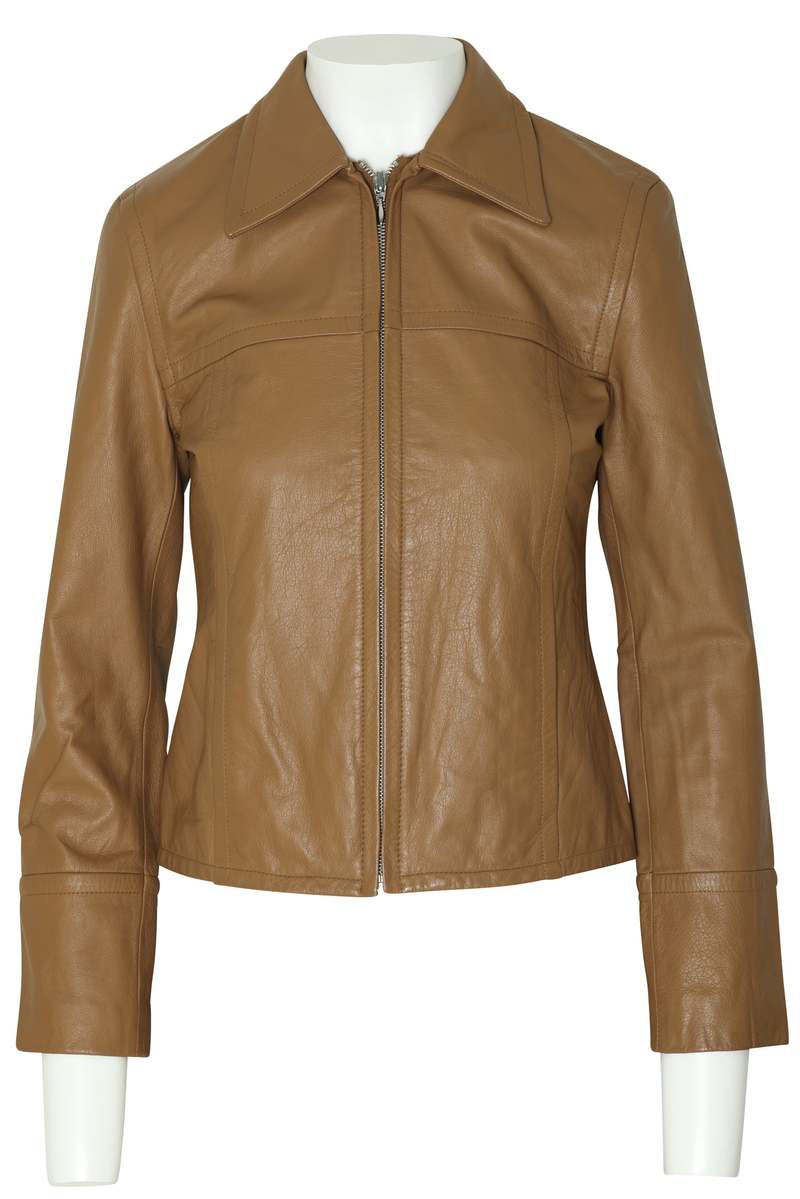
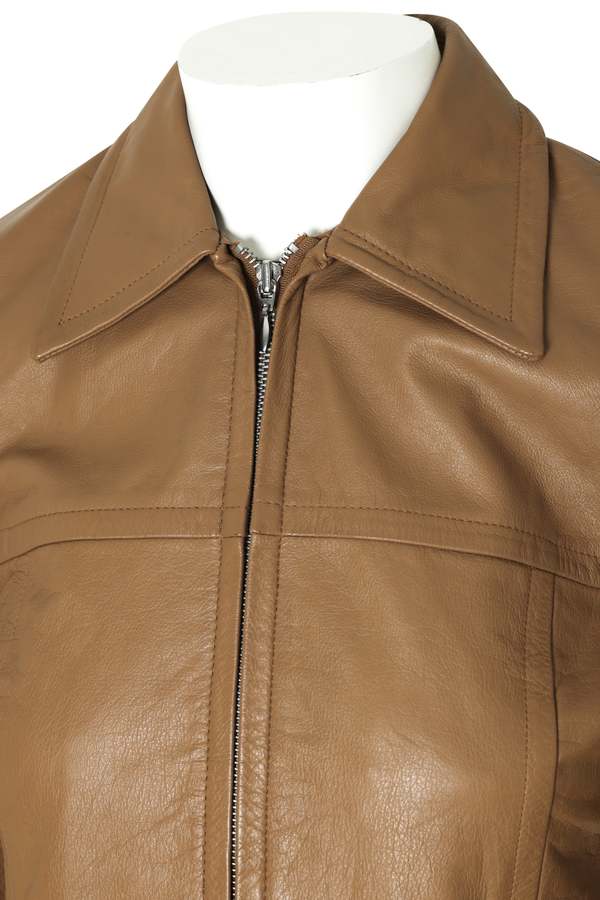
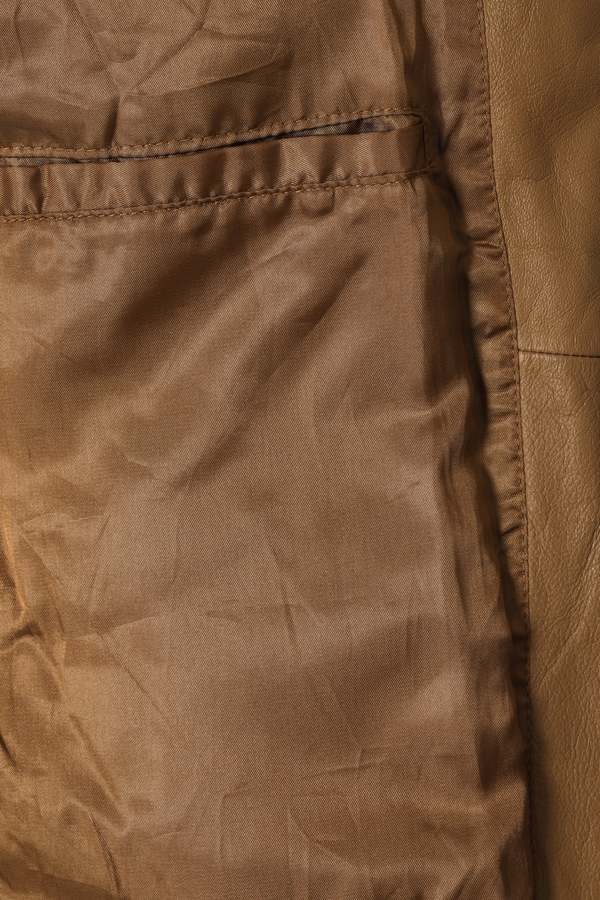
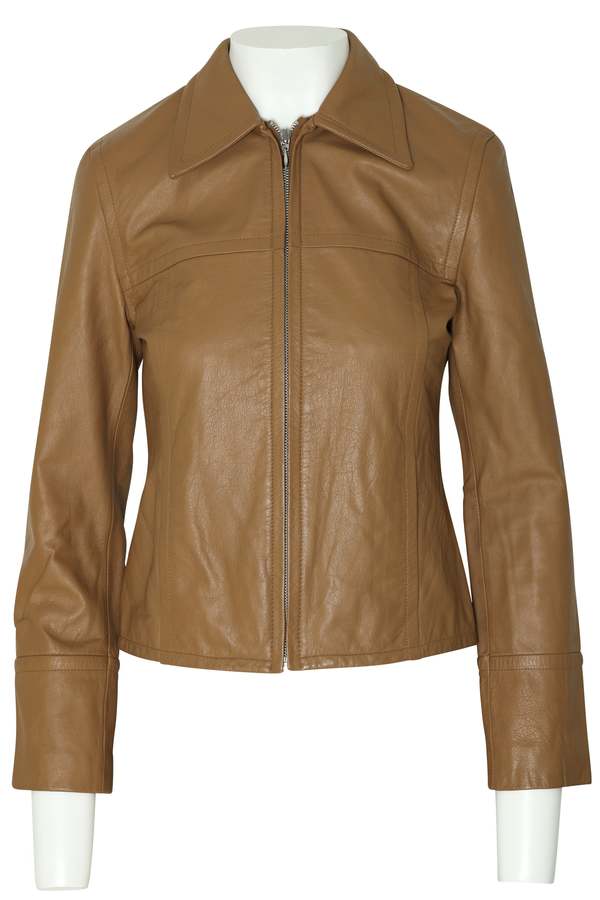
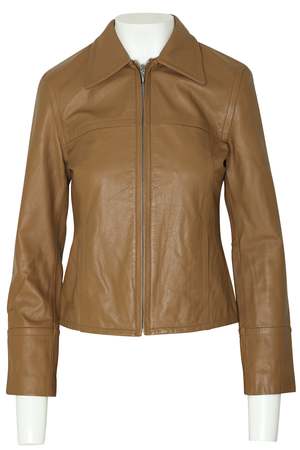
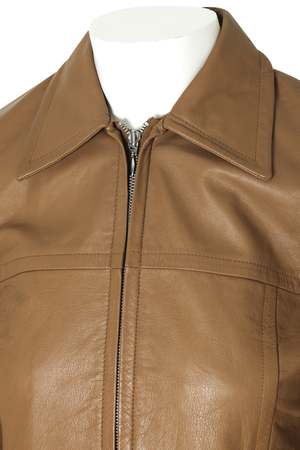
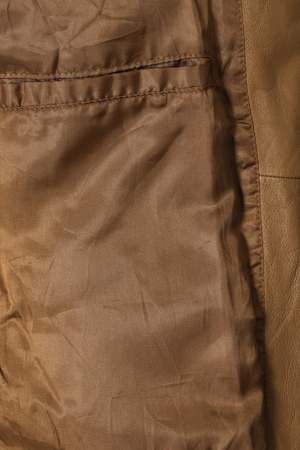
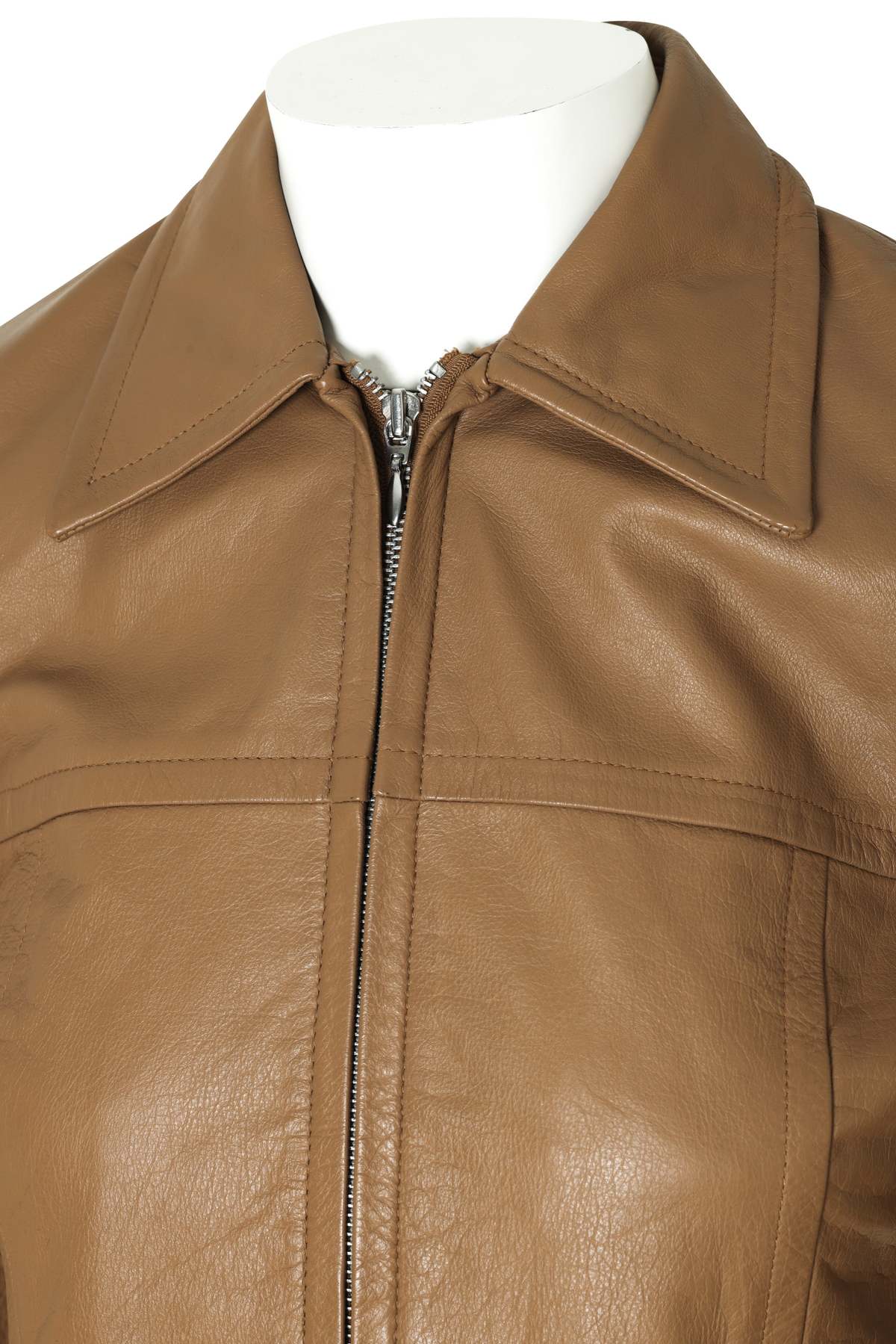
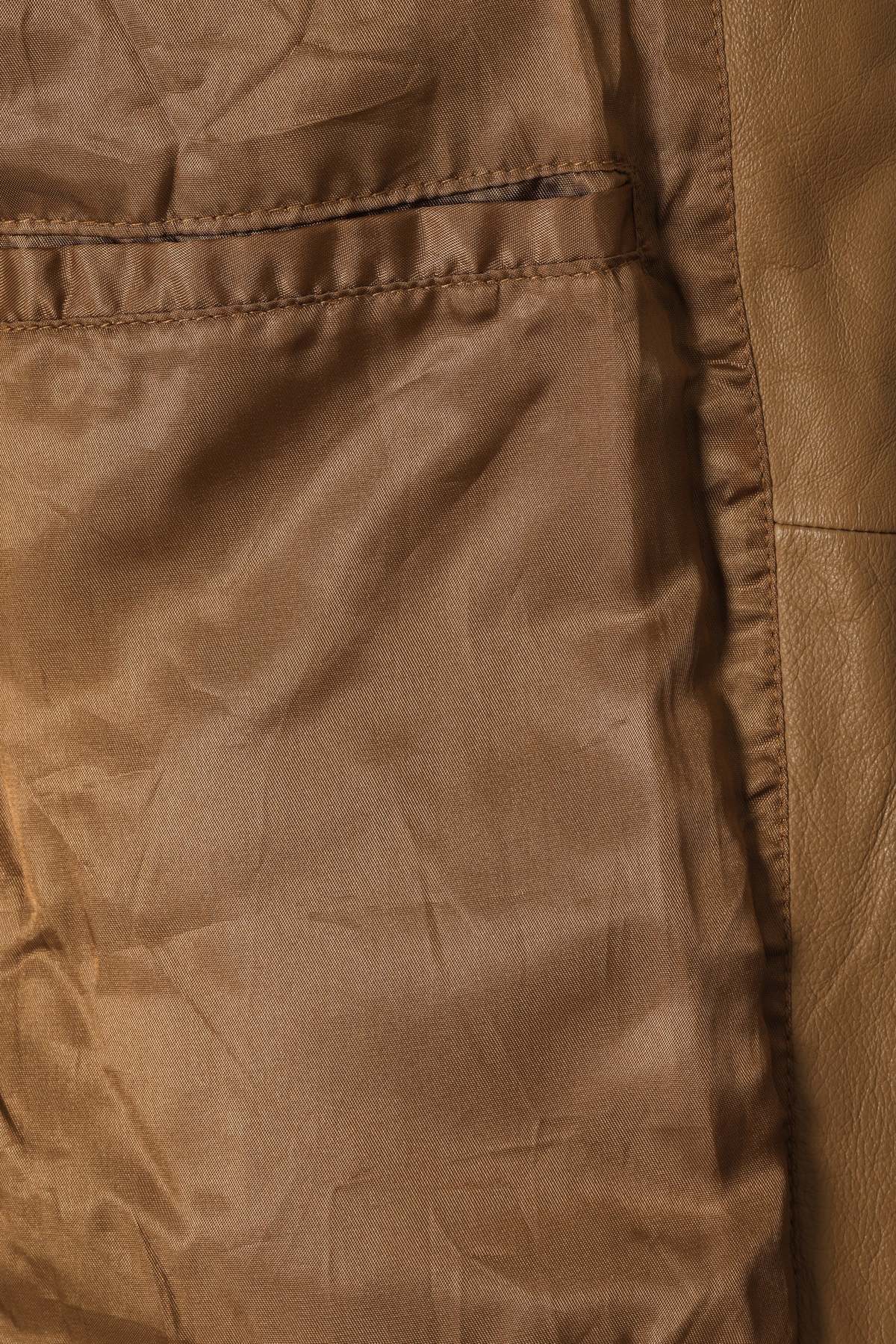
We are currently operating in a pre-scaling phase, during which the scope of our vintage archive has expanded beyond what can be listed at human speed. Only a token fraction of the inventory is visible online, not for lack of supply, but because an inconvenient commitment to perfectionism. The practical solution is to request access to our Google Drive. There is, incidentally, an upside to this arrangement: direct access, special attention, preferred pricing, and quantity-based considerations. New drops are added to the Drive on a daily basis, ensuring ample selection. All that is required is a reference to the image IDs. From there, we provide an elevated level of service: photos edited to approximate reality, additional images, and, where applicable, preferred pricing with quantity-based concessions. Bundles are where the value appears; the more pieces, the more flexible the pricing. After a half-decade sabbatical from fashion, I'm cautiously resurfacing & I felt it was time to reconnect. I moved to Europe a few years ago & began collectsing vintage with the field discipline of an anthropologist & the denial of a high-functioning hoarder. I currently have over 100,000 pieces sitting in a warehouse, because moderation has never been my strong suit. What began as compulsion is now a side project. I'm firmly in the pre-revenue chapter of the memoir - 1,000 sales, & high morale. The broader archive skews larger, stranger, & more historically pointed-East & West German rarities, bureaucratic glamour, Soviet institutional wear, industrial archaeology-rich in Trevira, Diolen, Terylene & mid-century state textile programs, & an elegy in garments from the DACH region & beyond. The collectsion is mostly a Cold War capsule wardrobe, institutional tailoring, state-issued, regional cooperatives & rural ateliers, white labels from the department store era, exceptional knitwear, socialist leathers, the zenith of Parisian fur craft, selectively preserved tweed skirts, rare 1960s mod, exaggerated '70s collars, German-cut blouses, unusually constructed denim, essentially the entirety of the 1970s, when even institutional garments had the decency to be well made. If integrity were woven, you'd find more of it in a 1978 poly-wool blend than in most of today's designer runways. Eventually, this evolves into a full-scale operation-complete with the token NYC storefront for aesthetic credibility. Given that about 70% of you are ordering from New York, it seems reasonable to ship our 50 pallets there & open a labyrinth of "true vintage" to get lost in. Scaling, of course, requires capital. I'm well aware that most of you don't have any, but statistically speaking, out of the millions who drift through here, it is statistically probable that one of you possesses both interest & solvency. Type us into Google. Everything is there, including a contact form. SUNDAZED & OUTSIDE SOCIETY Approximate Size: EU 36, US 24 This is a fitted leather jacket produced approximately between the late 1980s and mid-1990s, identifiable through construction method, silhouette, and labeling conventions consistent with European-market distribution. The exterior is composed of genuine leather in a camel-toned finish, paired with a fully synthetic polyester lining. The garment is industrially manufactured, using panel-based construction to create contour without reliance on internal tailoring structure. Its significance rests in its participation in a widespread late 20th century leather outerwear program, where accessible production intersected with a controlled, body-conscious silhouette. The piece represents a standardized yet technically competent category rather than a singular authored object. I. Primary Materials, Textile Structure & Fabric Performance The outer material is genuine leather, likely corrected grain or lightly processed hide, finished with a uniform camel dye. The surface shows consistent pebbling and a semi-matte to low-sheen finish, suggesting a protective topcoat rather than untreated aniline. The leather weight is moderate, allowing for shaping while maintaining sufficient structure to hold a fitted profile. The lining is a lightweight polyester textile, likely plain weave, selected for durability and ease of industrial insertion rather than thermal or structural function. The leather retains suppleness with minor surface undulation indicative of storage compression rather than wear fatigue. No evidence of internal canvasing or reinforcement beyond seam-based structure is present. II. Construction Method, Pattern Development & Production Discipline The jacket is constructed using industrial machine assembly, with a clear reliance on panel segmentation for shaping. Vertical seams along the torso and a horizontal seam across the upper chest create contour without darts, reflecting standardized pattern engineering. Stitching is uniform and consistent, with tight seam allowances and no visible irregularity in stitch length or alignment. Interior seams are enclosed by the lining, likely overlocked or folded prior to lining insertion. The pattern is flat-cut and replicated, indicating batch production rather than individualized fitting. No evidence suggests post-production alteration; seam integrity and panel continuity remain intact. III. Structural Design, Silhouette Engineering & Technical Resolution The garment is engineered for a close, body-conscious fit, achieved through multiple vertical panels that taper toward the waist. The horizontal seam across the chest introduces visual segmentation while stabilizing the upper torso structure. The collar is a pointed turn-down form, cut in proportion to the fitted body, with minimal internal reinforcement. The front closure is a centered metal zipper, integrated directly into the front panels with narrow seam allowances. Sleeves are set-in with a narrow profile, extending into elongated cuffs that emphasize vertical line. Structural support is derived entirely from leather paneling rather than internal frameworks, with load distributed across seams. IV. Surface Treatment, Finish, Coloration & Material Handling The leather is dyed in a warm camel tone, evenly applied with minimal variation, suggesting controlled industrial finishing. The surface exhibits a subtle sheen consistent with protective coating, providing resistance to minor abrasion. Light creasing is visible across the body, aligned with storage compression rather than repeated wear. The lining shows wrinkling and fold memory, further supporting a storage history rather than extensive use. No evidence of recoloring, repair, or conditioning treatments is visible. The finish remains stable, with no cracking, peeling, or significant discoloration. V. Garment Type, Formal Design Language & Fashion Historical Placement This is a fitted leather jacket within late 20th century casual and semi-structured outerwear traditions. The silhouette reflects a shift toward closer body alignment seen in the late 1980s through 1990s, particularly in womens leather garments that adopted tailored shaping without full tailoring infrastructure. The absence of overt hardware or decorative elements situates the garment within a commercial category prioritizing adaptability across contexts. The design language aligns with a period where leather outerwear was integrated into everyday wardrobes rather than reserved for specialized subcultural or utility roles. VI. Designer, Brand, Manufacturing Context & Market Position No designer or brand attribution is present. The construction quality indicates mid-tier industrial production, likely manufactured under contract for retail distribution across multiple markets. The multilingual labeling seen in related examples suggests European compliance standards, pointing toward production intended for cross-border sale. The garment occupies a middle market position, above disposable manufacture but below designer-led production. It is representative of a system prioritizing consistency, material credibility, and accessible pricing. VII. Probable Origin, Provenance Framework & Attribution Threshold The absence of brand labeling limits attribution to a regional production framework. Based on construction methods and labeling conventions observed in comparable garments, the piece was likely produced for European distribution. No workshop marks, union labels, or retailer identifiers are visible. The garment should be understood as a contract-manufactured item within a broader distribution network rather than a traceable single-origin object. Attribution remains at the level of industrial system rather than individual manufacturer. VIII. Preservation Indicators The jacket presents with characteristics consistent with limited wear or prolonged storage. The leather surface lacks the deep creasing or edge wear typically associated with repeated use, particularly at stress points such as elbows and collar edges. The lining exhibits pronounced wrinkling and fold memory, indicative of storage compression. The zipper hardware shows minimal surface wear. These indicators collectsively suggest either minimal use or storage as unsold inventory rather than a garment subjected to regular wear cycles. IX. Market Standing, Comparative Category Placement & Value Estimation Estimated current market range: $90200. This valuation reflects genuine leather construction, stable condition, and a fitted silhouette that remains wearable within contemporary contexts. The absence of designer attribution limits upper range potential, while condition and material maintain baseline value. Comparable garments occupy a broad and saturated segment of the vintage market, with moderate liquidity. The garment holds more relevance in general resale environments than in specialist or institutional acquisition contexts. X. Wear Guidance, Styling Framework & Contextual Use The jacket should be worn with attention to its fitted proportions, favoring lightweight underlayers to avoid seam stress and distortion of the intended silhouette. It pairs effectively with garments that maintain a clean vertical profile, such as straight-leg trousers or narrow skirts. The elongated cuffs should be worn as designed rather than folded, preserving line continuity. Care should be taken when closing the zipper to avoid strain at the base, where tension concentrates. Conditioning of the leather prior to regular wear is advisable to maintain flexibility. The garment is suitable for regular use within controlled conditions, provided its structural limits are respected. One minor clarification seems necessary: "Vintage" tends to imply garments that have endured a meaningful span of wear and tear. To eliminate any potential ambiguity, I'm adding an explicit disclaimer that the majority of these items are, in fact, new, unworn deadstock. This contextual cue should help orient users who are accustomed to encountering authentically fatigued clothes. One additional clarification seems necessary, given the ongoing confusion around U.S. orders from Europe under Trump's tariffs: it's the Europeans taking the hit here, not the Americans. So, to answer the recurring question about U.S. import fees: we've already covered the tariffs through our postal carrier. Your parcel arrives fully cleared; any bureaucratic bloodletting has already been performed on our side of the Atlantic.
Garmentory is a curated marketplace of independent boutiques and emerging designers from around the world.
Fashion With Intention
Aw yeah!
We love making new friends so while we're popping bottles, continue shopping to apply your $10 credit.
We've got a dedicated site "garmentory.co" just for our Indian customers! Shop with local currency, faster shipping, and exclusive products.
We cannot add this item to your bag because it’s already at max capacity. But don’t worry, we’ve saved it to your wish list.
Earn Replica Belts credits when you shop, wishlist, and inspire others.

Have a question about the size or something else? We're here to help!