Spring fever is here 🌡️☀️ Prep early for those not too hot and not too cold days by finding something you love ON SALE. SHOP THE SALE


Spring fever is here 🌡️☀️ Prep early for those not too hot and not too cold days by finding something you love ON SALE. SHOP THE SALE

| To | Service | Estimated Delivery | Fee |
|---|---|---|---|
| 🌎 | Intl. Air | 6-20 business days | $29.95 |
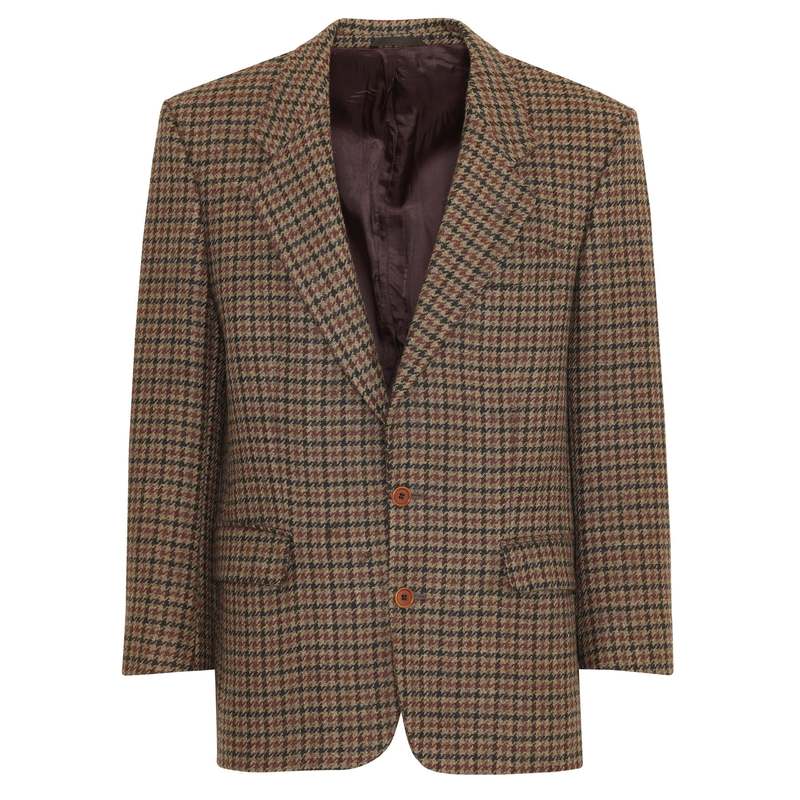
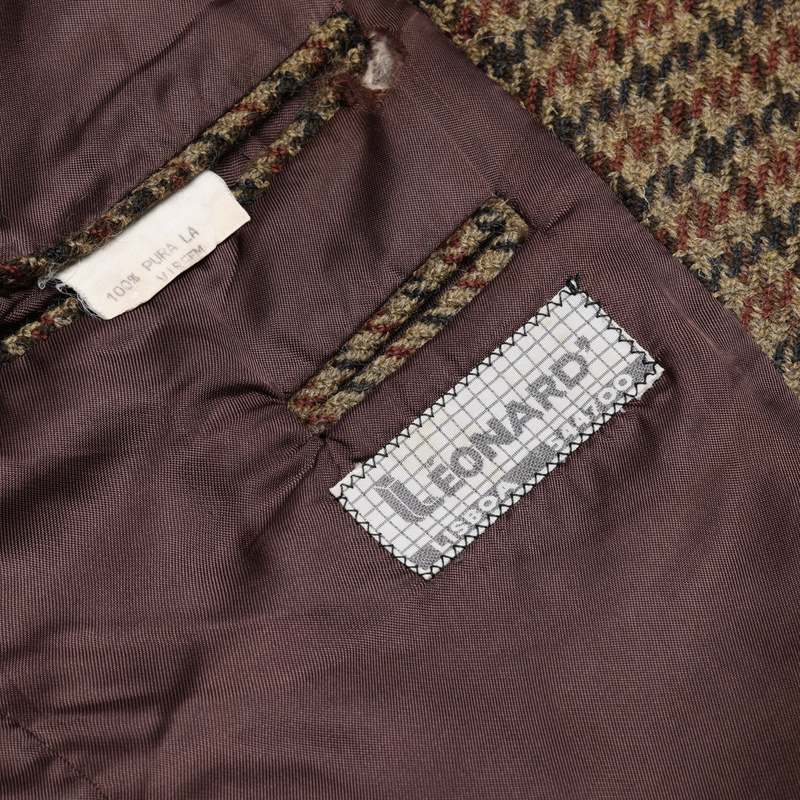
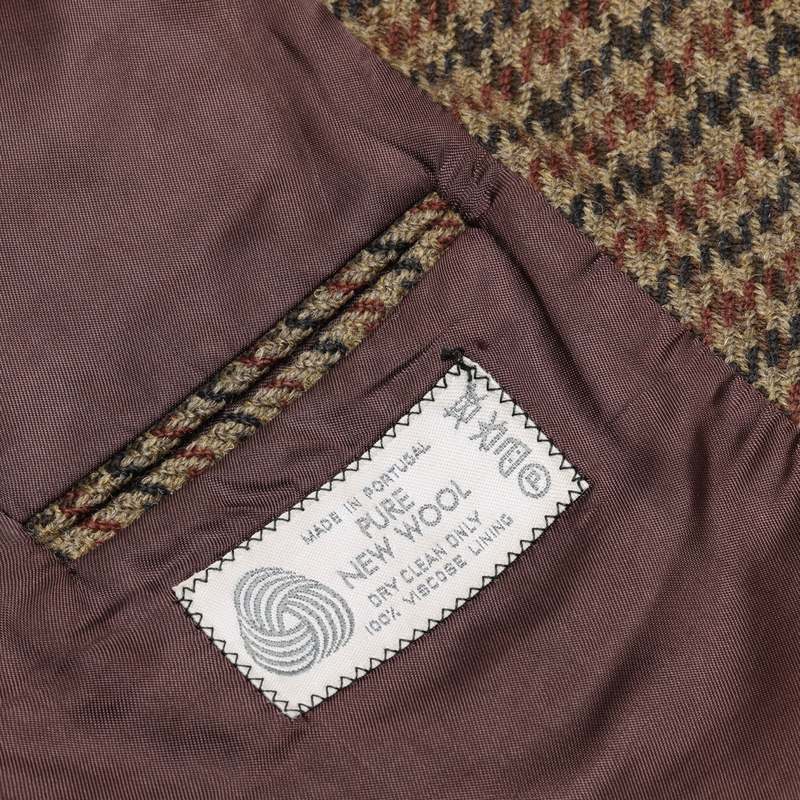
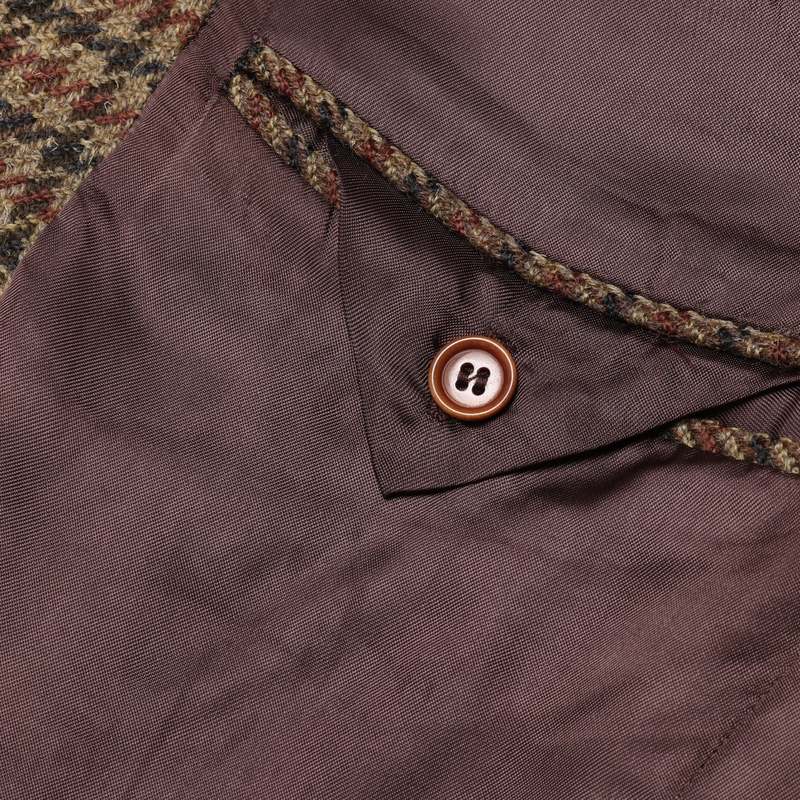
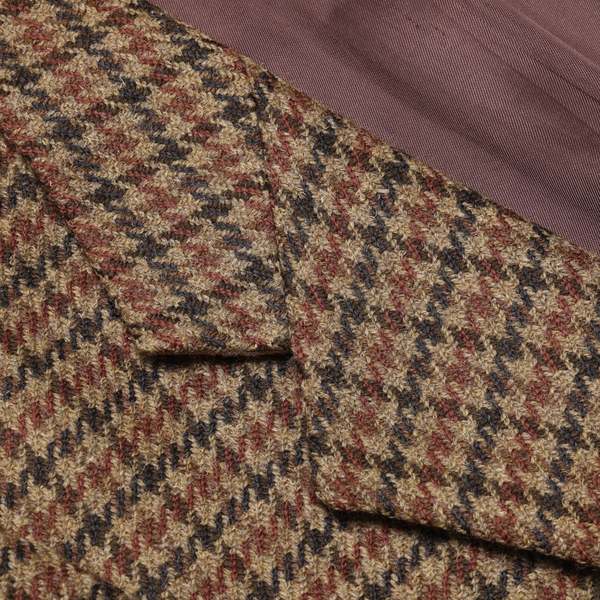
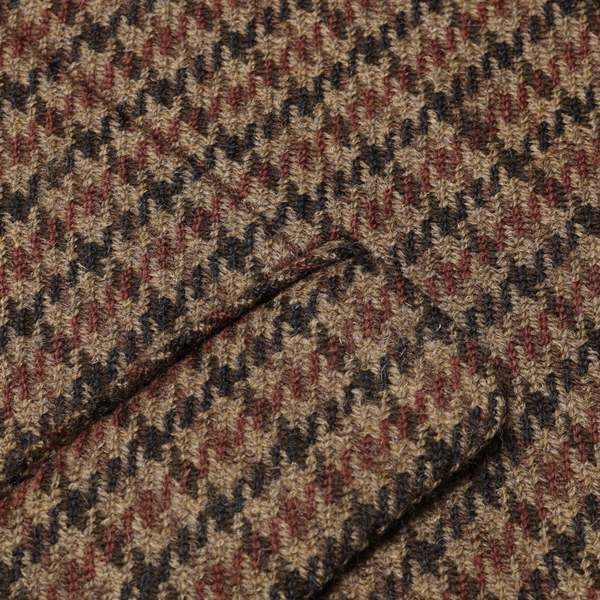
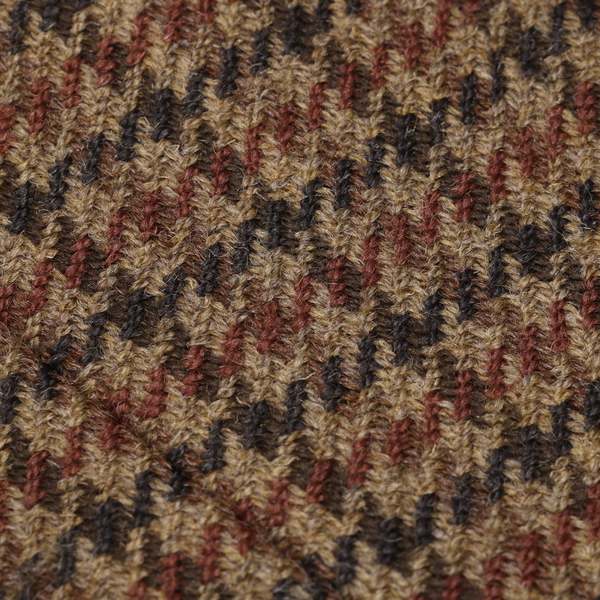
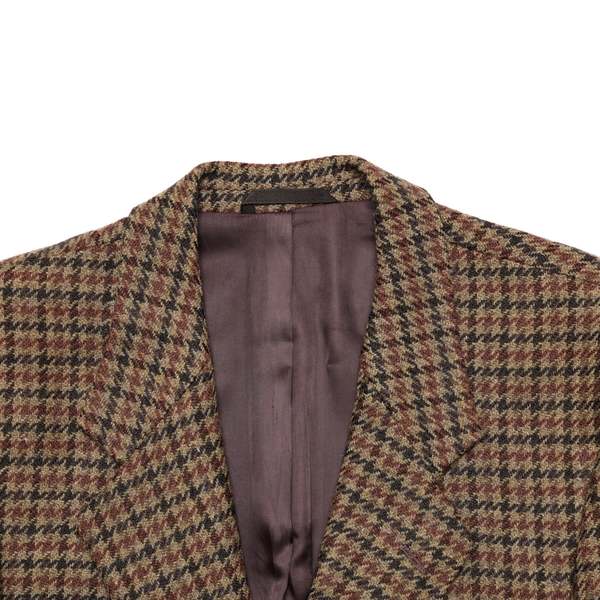
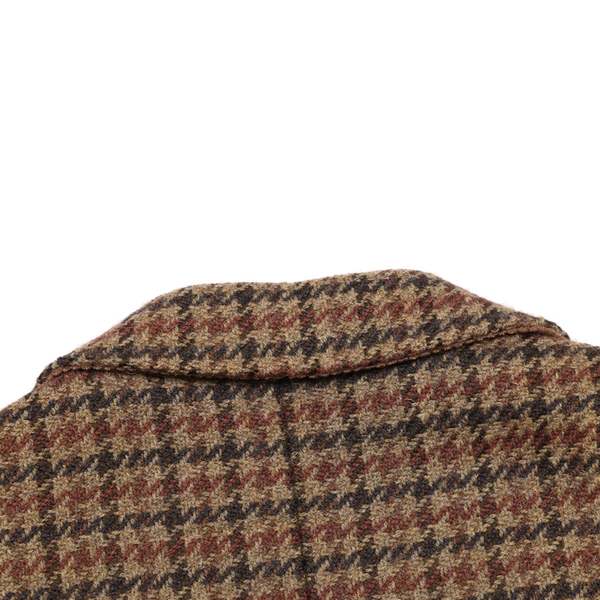
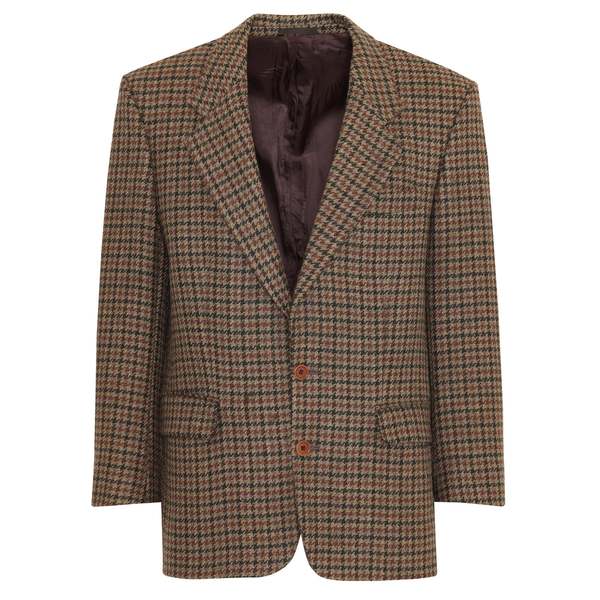
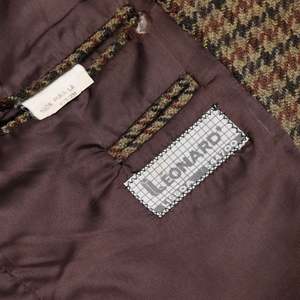
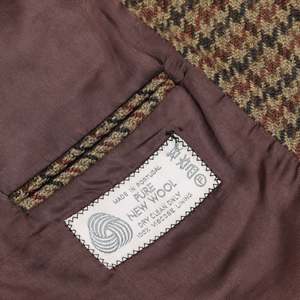
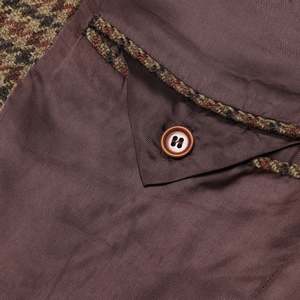
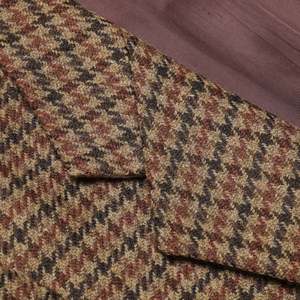
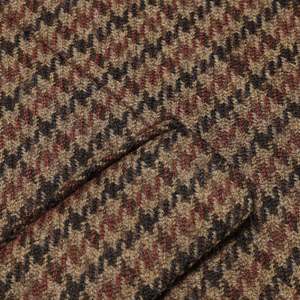
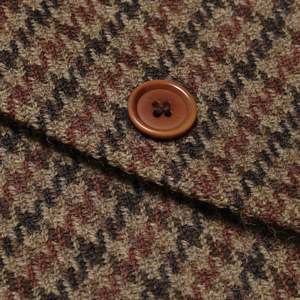
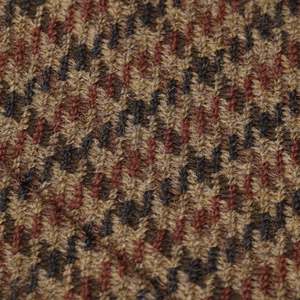
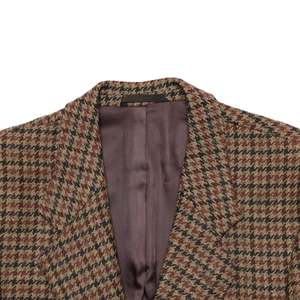
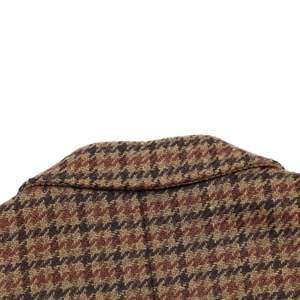
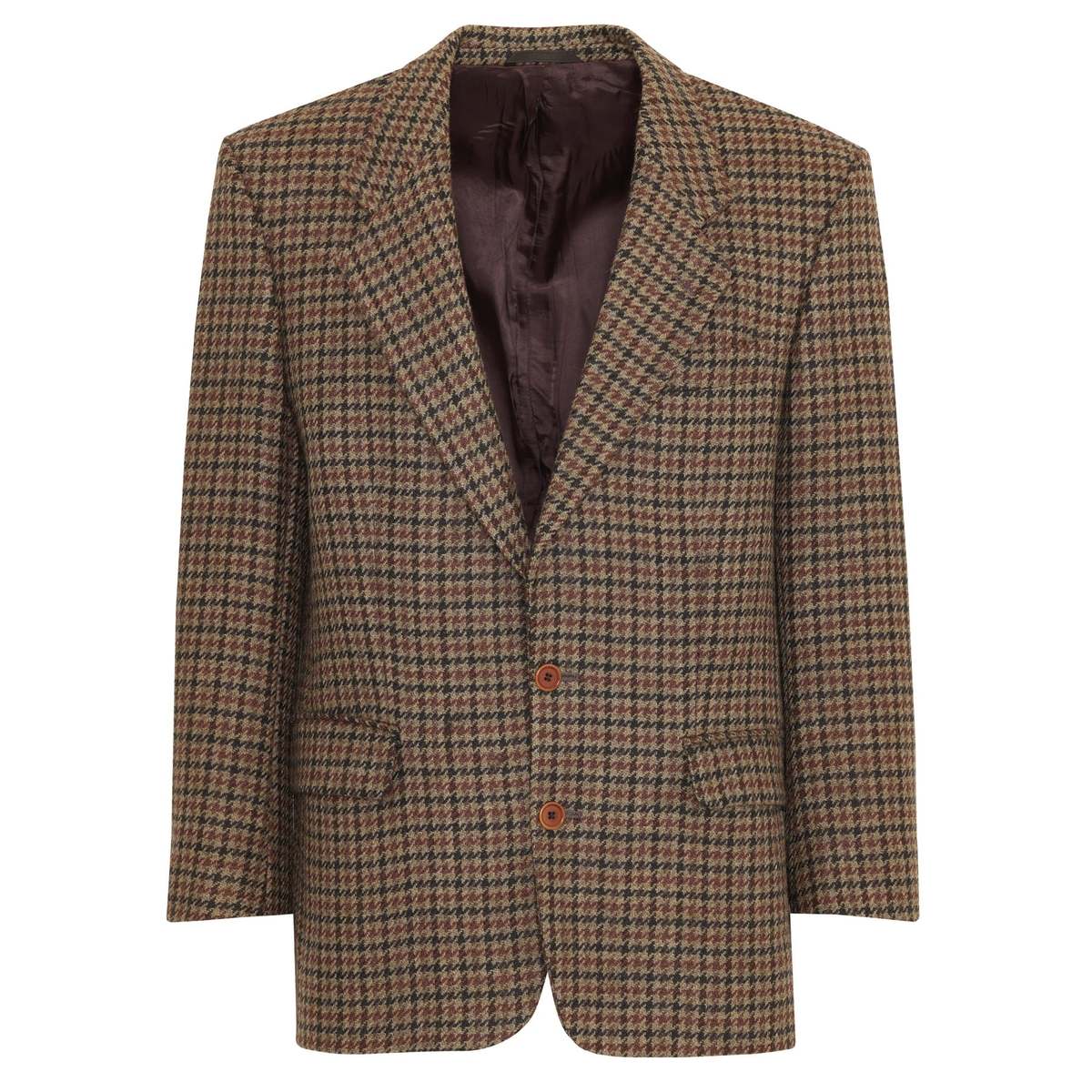
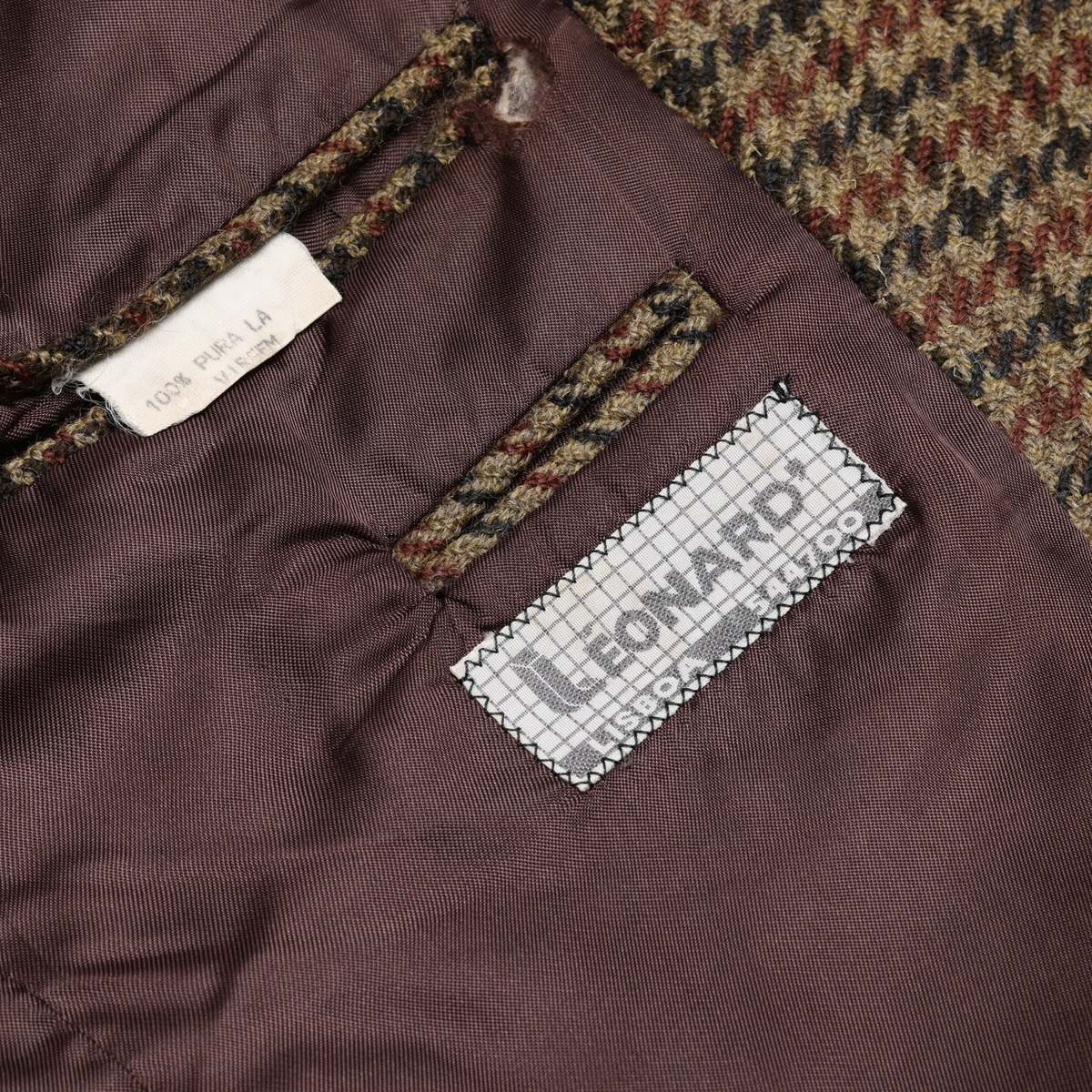
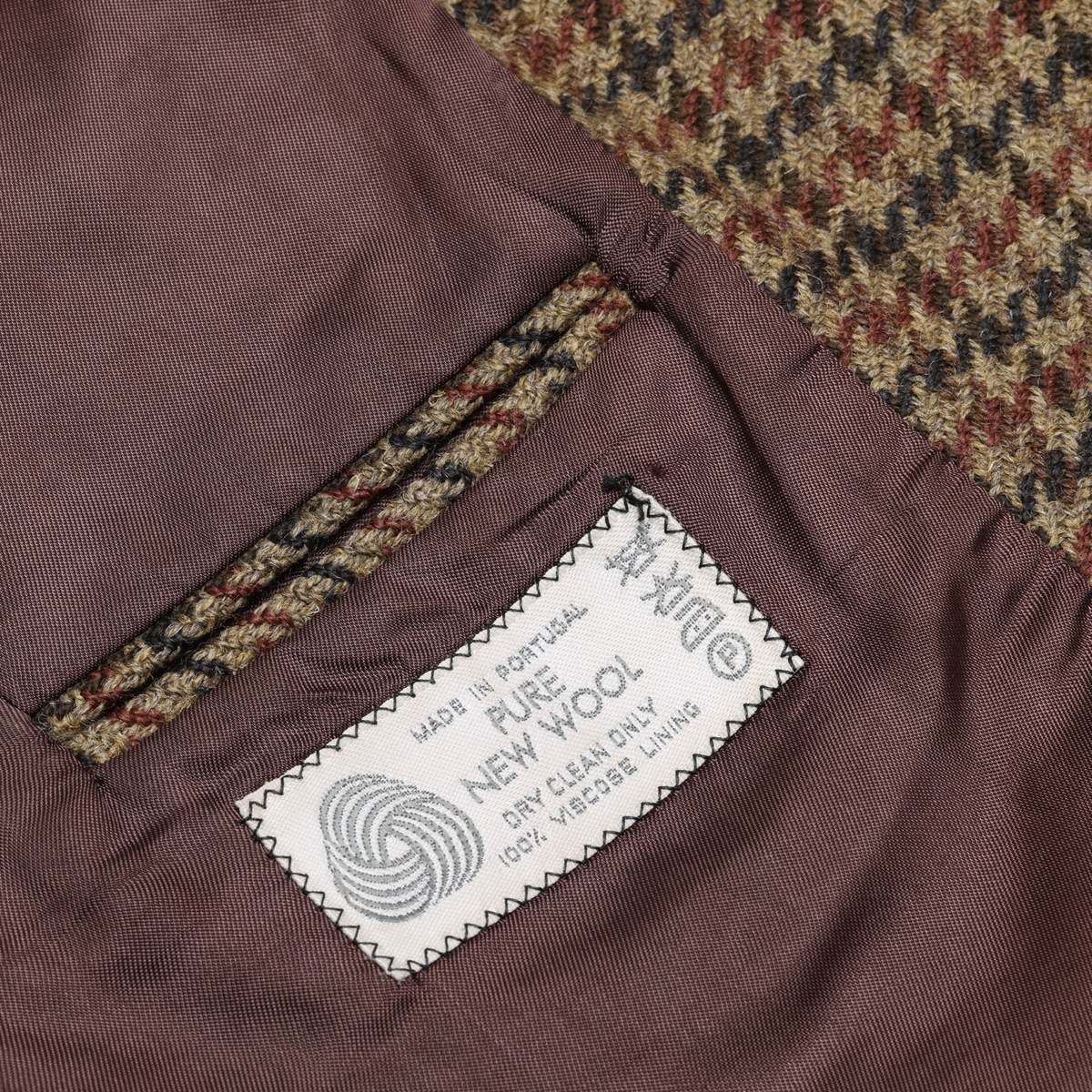
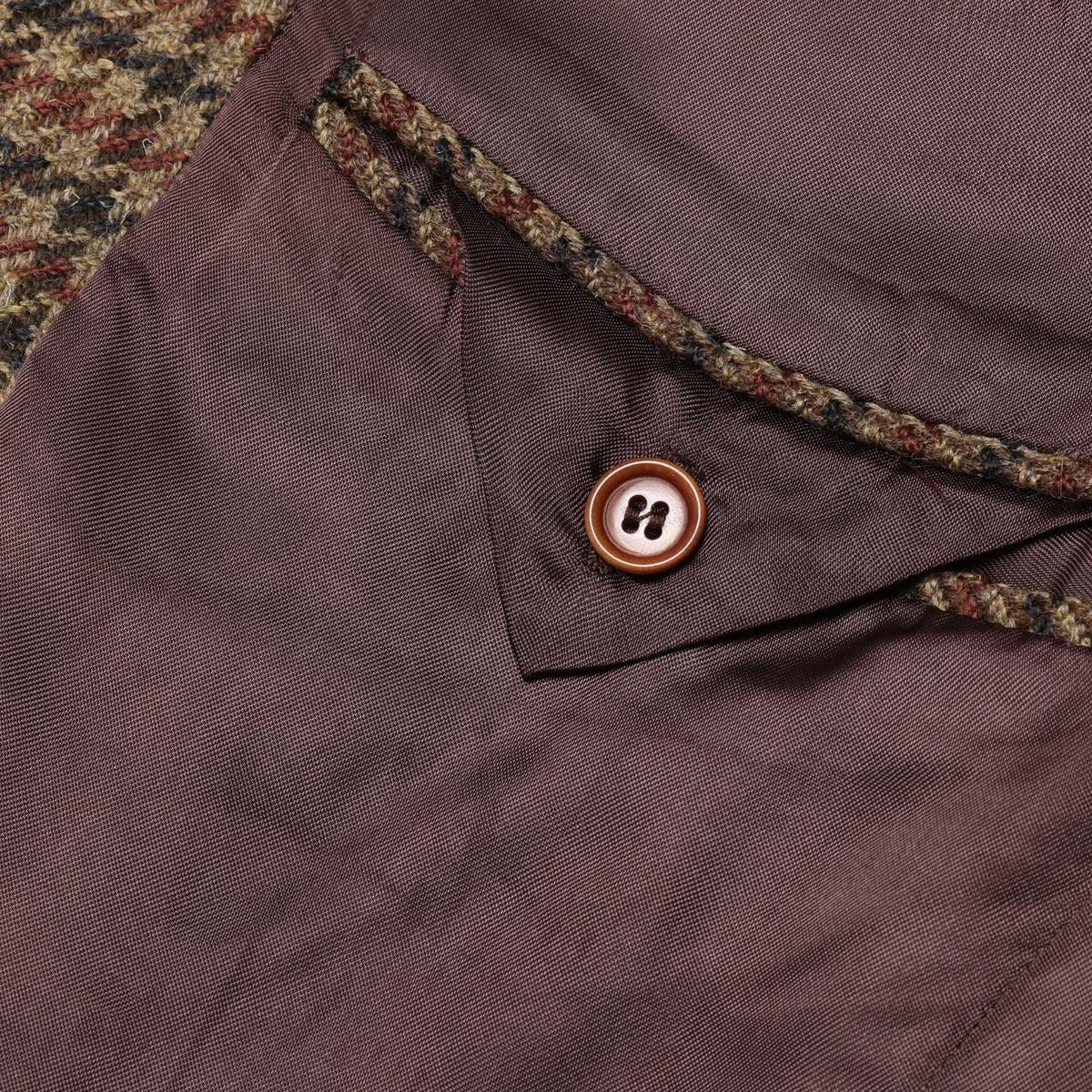
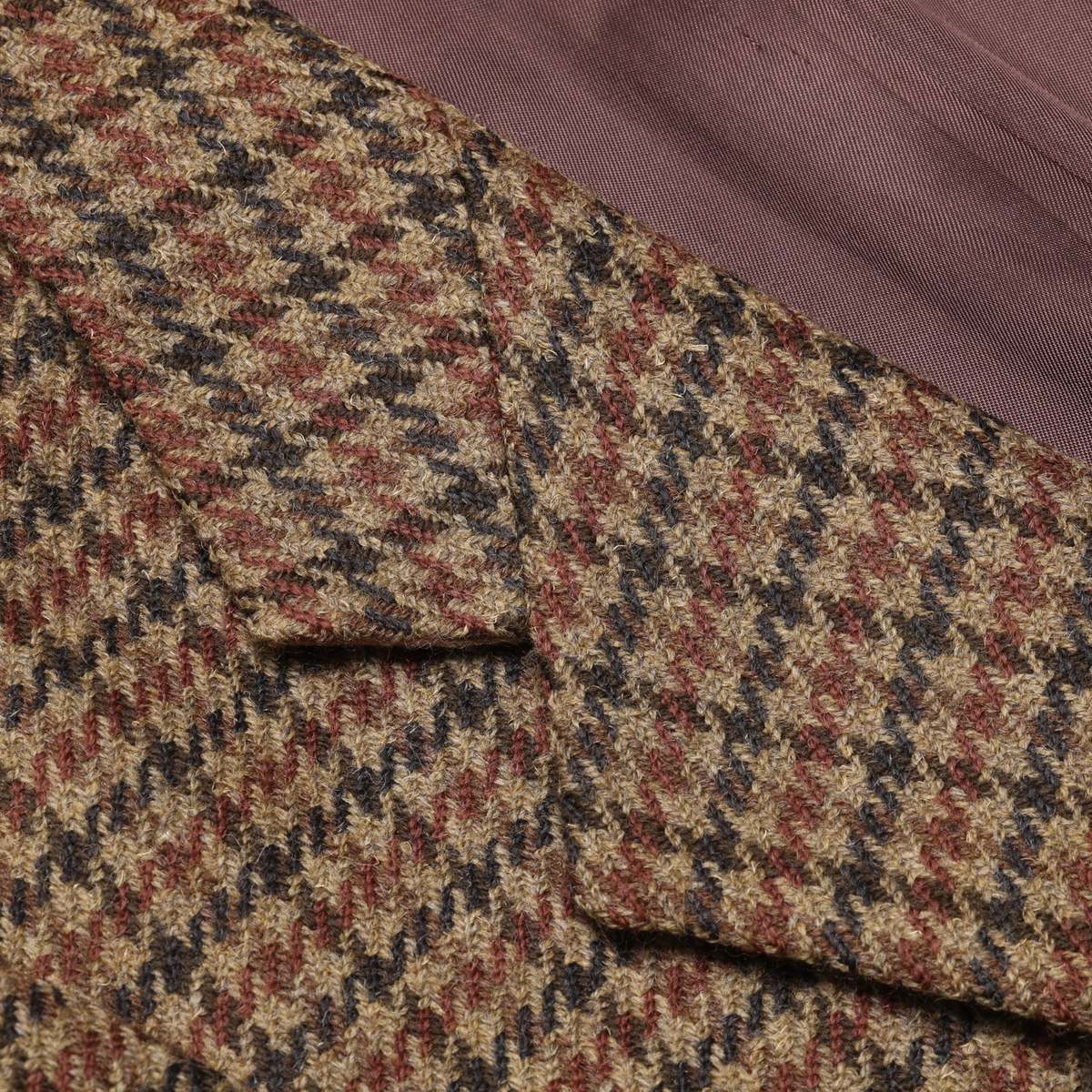
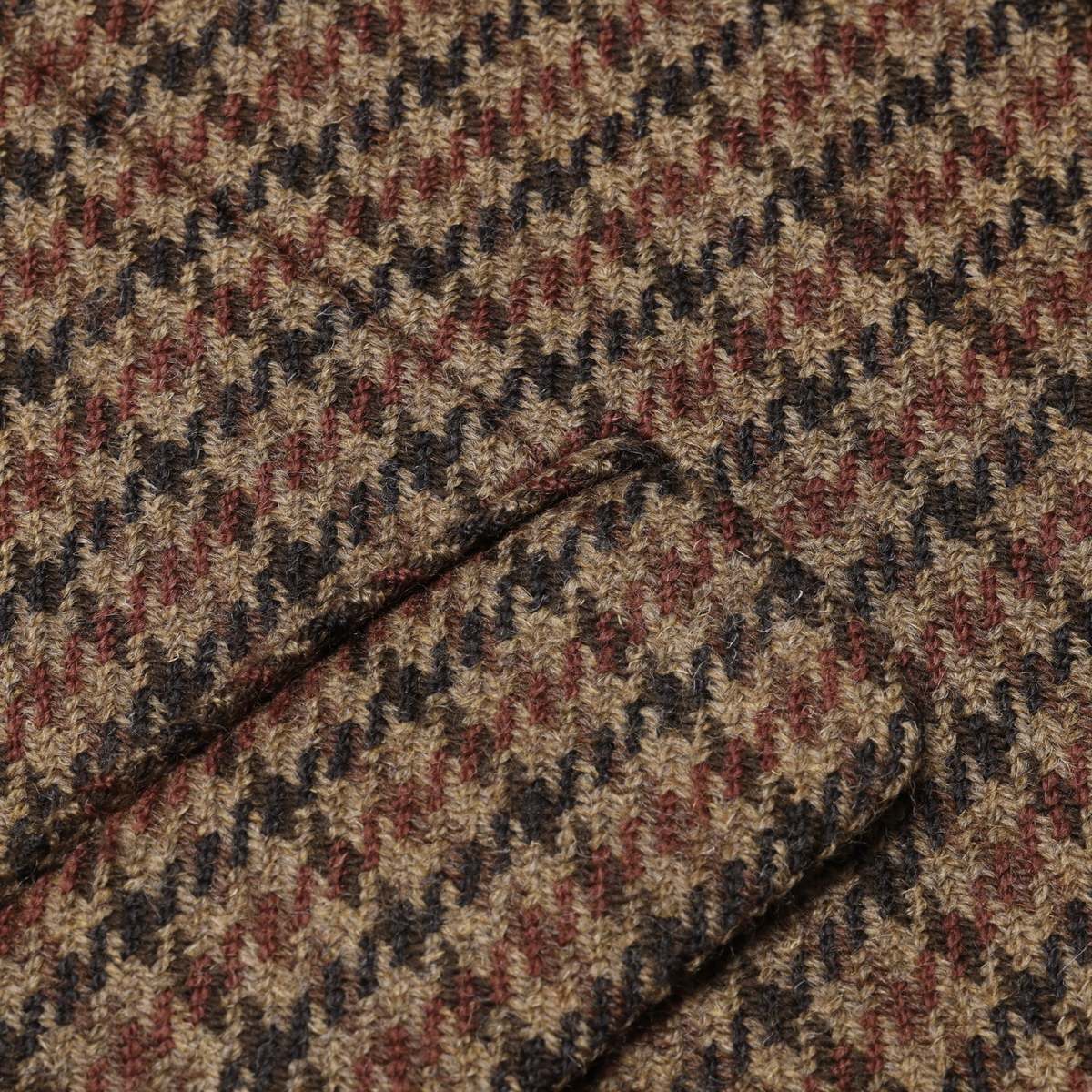
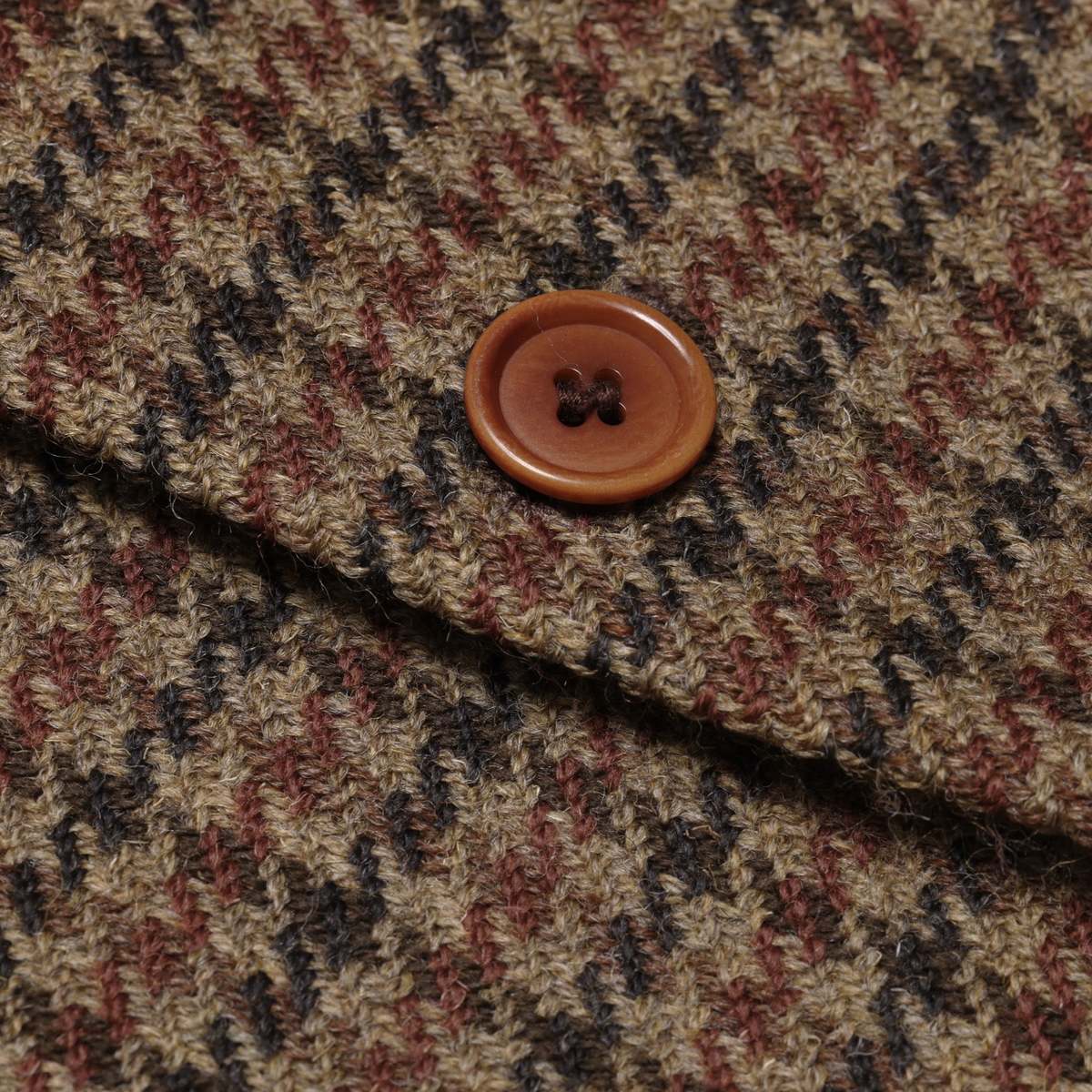
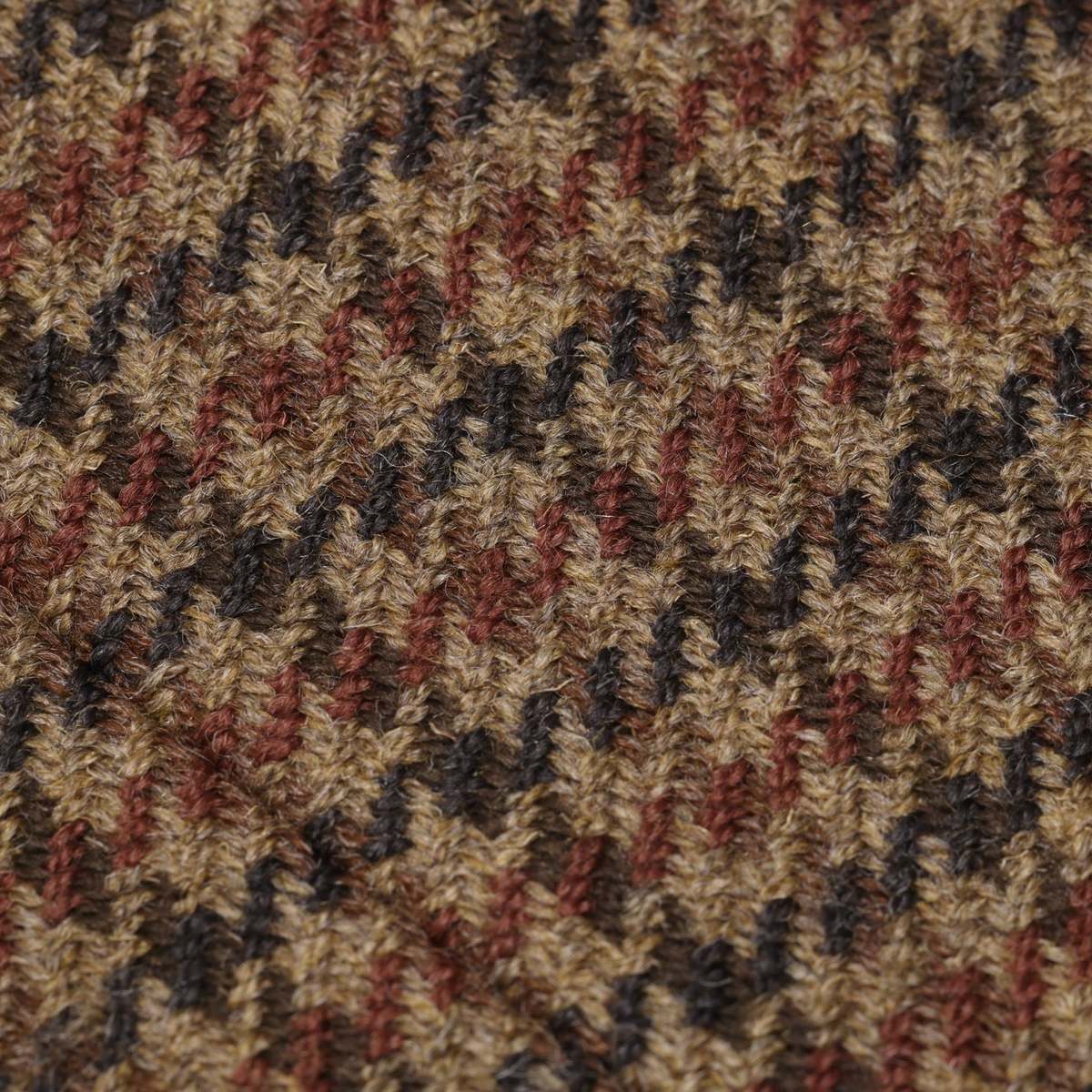
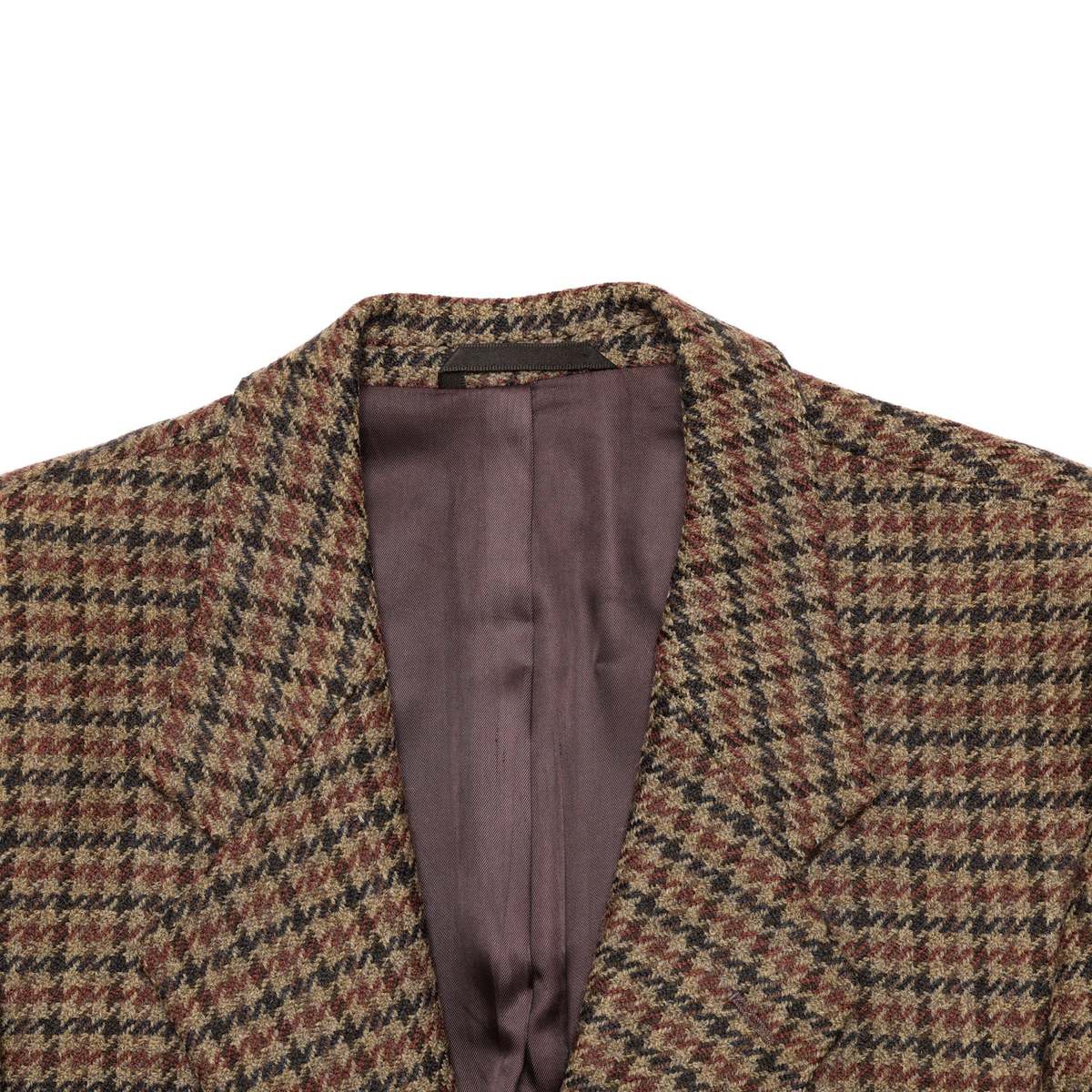
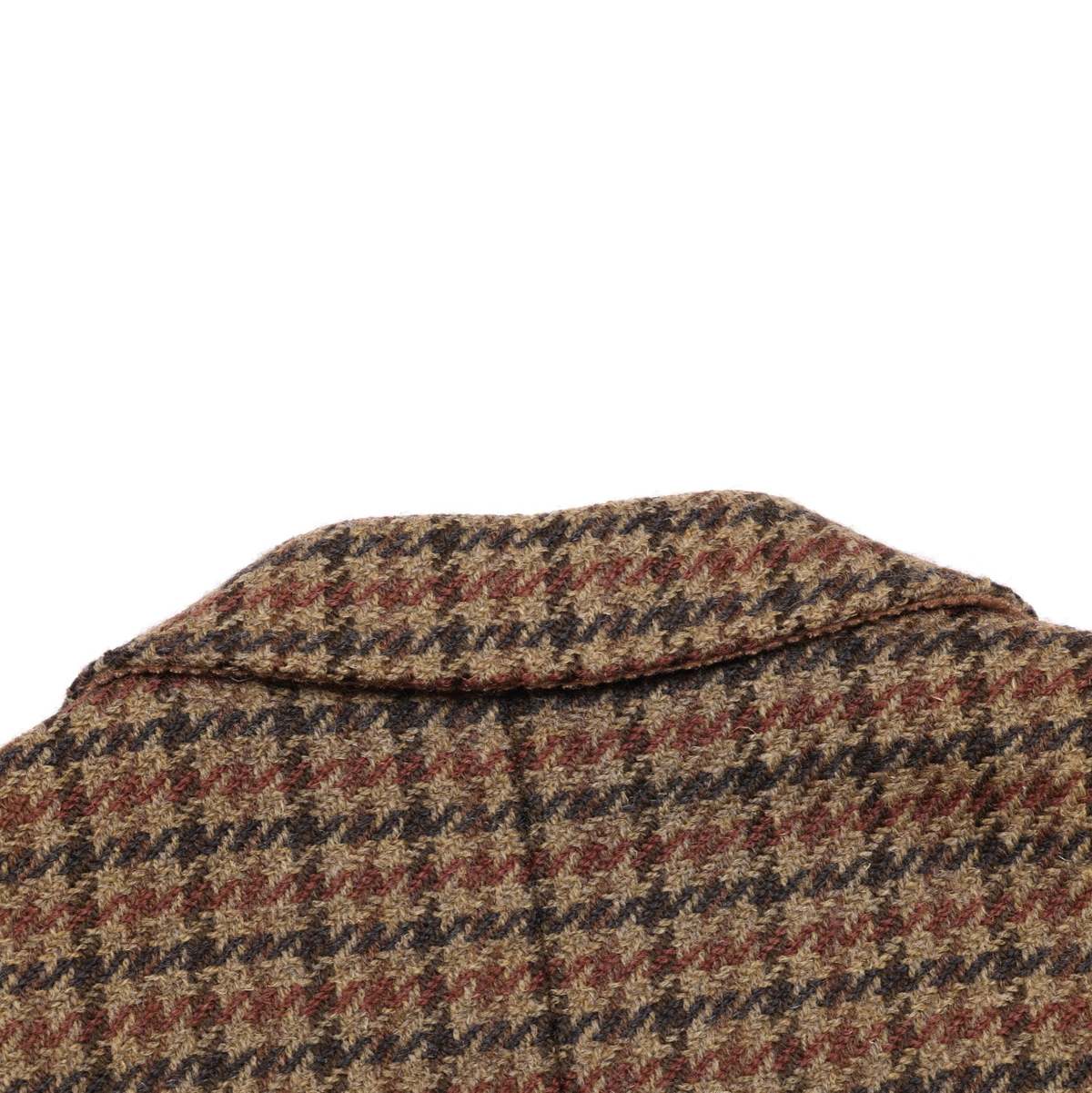
Cut in worsted wool, its compact houndstooth weave in camel, oxblood, and black reflects climate-conscious Southern textile fluency. The Lonard blazer, originating from Lisbon, Portugal, exemplifies the precision, discretion, and regional identity that defines Iberian tailoring at its most refined. As a product of a legacy tailoring house embedded in Portugals postwar menswear traditions, the garment reflects a lineage shaped by Anglo-Italian formality, Lusophone craft sensibility, and climate-conscious design. Far removed from mass-market suiting, Lonard operates within a tailored framework that privileges regional textile fluency, client-specific construction, and understated visual language. Its absence of overt branding and reliance on internal structural detailing situate it within the realm of semi-bespoke or boutique-level ready-to-wear, rather than trend-driven production. This is a mens single-breasted, two-button blazer cut for autumn-to-winter transitional use, balancing structure and softness through its compact houndstooth weave and tailored silhouette. Intended for Lisbons moderate climate, the jacket operates as a mid-weight insulating layer suitable over shirting, fine-gauge knits, or turtlenecksintegrating seamlessly into a smart casual or semi-formal wardrobe. The garments function is transitional versatility, bridging professional environments with informal cultural spaces, reflecting an urban Iberian dress code that emphasizes elegance without ostentation. Constructionally, the blazer employs a traditional half-canvas architecture with moderate shoulder structuring, clean lapel roll, and partial interior reinforcement. The shell is crafted from a 100% pure new wool worsted houndstooth in a compact 2/2 twill, woven in earthy camel, oxblood, brown, and black tones. The textiles handle is smooth and resilient, its tightly packed four-point motif reflecting a disciplined loom tension and color balance characteristic of high-quality Southern European suiting cloth. The chromatic interplay offers visual warmth and tonal complexity without overwhelming pattern scale, affirming its application for refined tailoring. Internally, the jacket is half-lined in a coffee-toned viscose and finished with exceptional control. Seam allowances are bias-bound using self-fabric or coordinated houndstooth tapean uncommon but highly disciplined reinforcement strategy that strengthens key stress points while preserving internal aesthetic order. The lining armholes are likely hand-felled or blind-finished, and the back seams are pressed open, indicating a semi-handcrafted garment produced in a specialized tailoring workshop. The collar canvas, potentially hand-padded or lightly fused, supports a clean roll and lapel angle, while undercollar shaping is maintained through wool felt interfacinga nod to traditional tailoring fidelity. Shoulder pads are medium-density, offering form without exaggeration, and sleeveheads are eased in with minimal puckering, signifying precise sleeve cap manipulation in a machine-set context. The jackets pattern drafting is particularly noteworthy. The houndstooth pattern is perfectly aligned across all critical seam junctionsfront darts, lapel breaks, and pocket weltsdemonstrating a mastery of plaid-matching protocols. The body is cut with moderate waist suppression through front darts extending from chest to hem, while the back features a center seam and no vents, echoing continental tailoring logic more aligned with Iberian or Italian suiting than British traditions. The two-piece sleeves exhibit slight pitch and elbow shaping, preserving anatomical motion while sustaining silhouette claritys. The hem is cut away at the front to allow jacket flare and range of motion, anchored by internal interfacing to retain edge definition. Button attachments show disciplined reinforcement and proportional awareness. The resin buttons, warm-toned and tortoiseshell-patterned, harmonize chromatically with the houndstooth palette. Machine-stitched with adequate thread shank and backside washers, their spacing respects lapel break conventions and waist balance, further confirming a tailored RTW logic with artisanal calibration. Interior pocketing includes a curved breast welt with two-hole button and flap closurea rare and technically demanding feature inside a fully lined garmentreinforced with bar-tacking and bias binding at the mouth opening. This textile is historically situated within the broader evolution of Scottish and British suiting traditions, but it has been transposed through a Southern European lens. The houndstooth originates from 19th-century Scottish hunting tweeds, but here it is rendered in a tighter, worsted iteration with Iberian chromaticism and dry finishmore Savile Row than Shetland, more Biella than Yorkshire. The cloth likely comes from a regional suiting mill such as Paulo de Oliveira, renowned for fusing British heritage motifs with Mediterranean tailoring needs. Other comparable producers include Vitale Barberis Canonico and Lanificio di Pray, whose suiting cloths reflect a similar sensibility of restrained patterning, tight weave structure, and soft-tailoring adaptability. Structurally, the garment adheres to a four-panel configuration with traditional front darts and slight side seam curvature. The blazer avoids external topstitching entirely, relying on internal reinforcement and pressed-edge finishes to sustain its clean presentation. All functional componentspockets, closures, sleeve crownsare integrated with subtlety and claritys, echoing tailoring priorities that privilege silhouette discipline over expressive detailing. The collar and lapel structure, stitched without visual disruption, exhibits controlled roll and sharp angle retention, reinforced through balanced interfacing and collar band shaping. Cuffs are plainly hemmed, consistent with production-focused tailoring, and lack working buttonholesa standard feature in boutique RTW with occasional artisanal embellishment. Conceptually, the Lonard blazer serves as sartorial infrastructure for professional masculinity. It communicates cultural literacy and material intelligence, reinforcing the authority of presence without theatricality. The warm chromatics, tactile wool, and micro-patterned density offer a kind of intellectual camouflagesophisticated yet familiar, rooted in tradition but devoid of nostalgia. It functions psychologically as social armor: protective, dignified, and composed. The aesthetic direction aligns with post-functionalist realism, where beauty is embedded in construction fluency and material honesty. It parallels architectural modernism in Portugalwhere terracotta and stone meet precise linearityoffering a naturalistic alternative to more synthetic or decorative tailoring. Chronologically, the garment dates to the late 1980s, a pivotal moment when Portugals tailoring industry was consolidating its regional expertise in an attempt to compete with the export powerhouses of Italy and Spain. Lonard, like Sacoor Brothers or Lanidor during this period, represented the upper end of domestic production, targeting a clientele that valued European suiting codes without resorting to Anglo-French brand dependency. In the context of todays fashion market, this blazer holds relevance across multiple vectors: archival curation, quiet luxury retail, and the slow fashion movement. Its restrained silhouette, fabric pedigree, and balanced internal finishing position it as an ideal offering for Sundazeda space that caters to consumers fluent in tailoring language and textile nuance. Simultaneously, it offers research value for menswear historians or designers seeking to understand the under-documented ecosystem of Iberian suiting production during fashions post-industrial era. Ultimately, the Lonard houndstooth blazer stands as a model of textile-integrated tailoring: technically precise, regionally grounded, and aesthetically measured. Its construction is coherent, its material execution meticulous, and its formal presence unmistakably dignified. As both a functional garment and cultural document, it testifies to Portugals sartorial legacya tradition of refinement without spectacle, where tailoring is practiced not as an art of performance, but as a discipline of lasting form. Measurements (cm): Chest: 54 Length: 74 Shoulder: 47 Sleeve: 59 Size Conversion (approximate) US Mens Size: M EU Mens Size: 48 SKU: 015003
Garmentory is a curated marketplace of independent boutiques and emerging designers from around the world.
Fashion With Intention
Aw yeah!
We love making new friends so while we're popping bottles, continue shopping to apply your $10 credit.
We've got a dedicated site "garmentory.co" just for our Indian customers! Shop with local currency, faster shipping, and exclusive products.
We cannot add this item to your bag because it’s already at max capacity. But don’t worry, we’ve saved it to your wish list.
Earn Replica Belts credits when you shop, wishlist, and inspire others.

Have a question about the size or something else? We're here to help!