Spring fever is here 🌡️☀️ Prep early for those not too hot and not too cold days by finding something you love ON SALE. SHOP THE SALE


Spring fever is here 🌡️☀️ Prep early for those not too hot and not too cold days by finding something you love ON SALE. SHOP THE SALE
| To | Service | Estimated Delivery | Fee |
|---|---|---|---|
| 🌎 | Intl. Air | 6-20 business days | $29.95 |
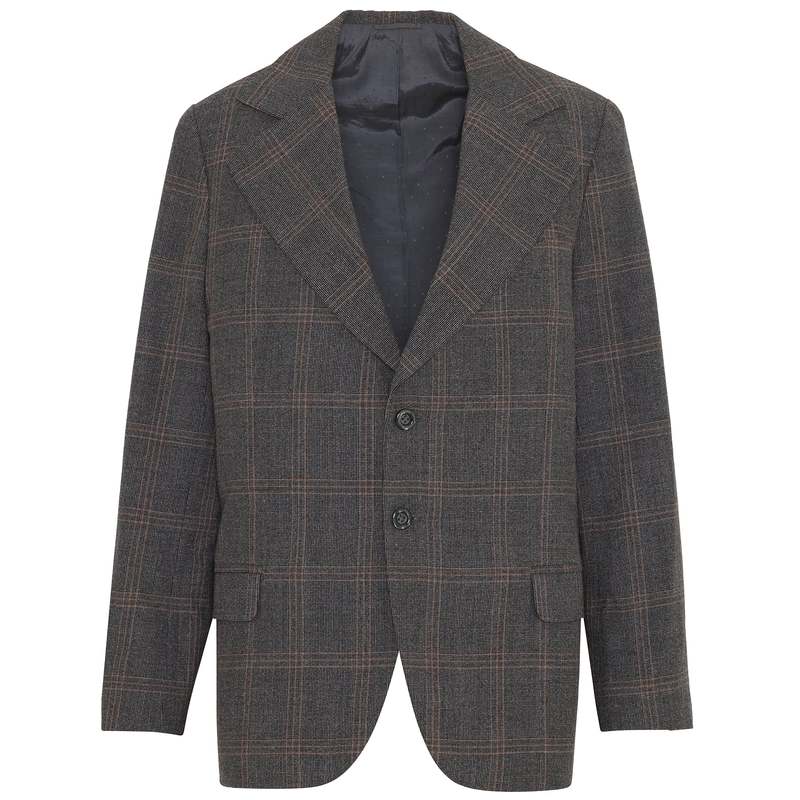
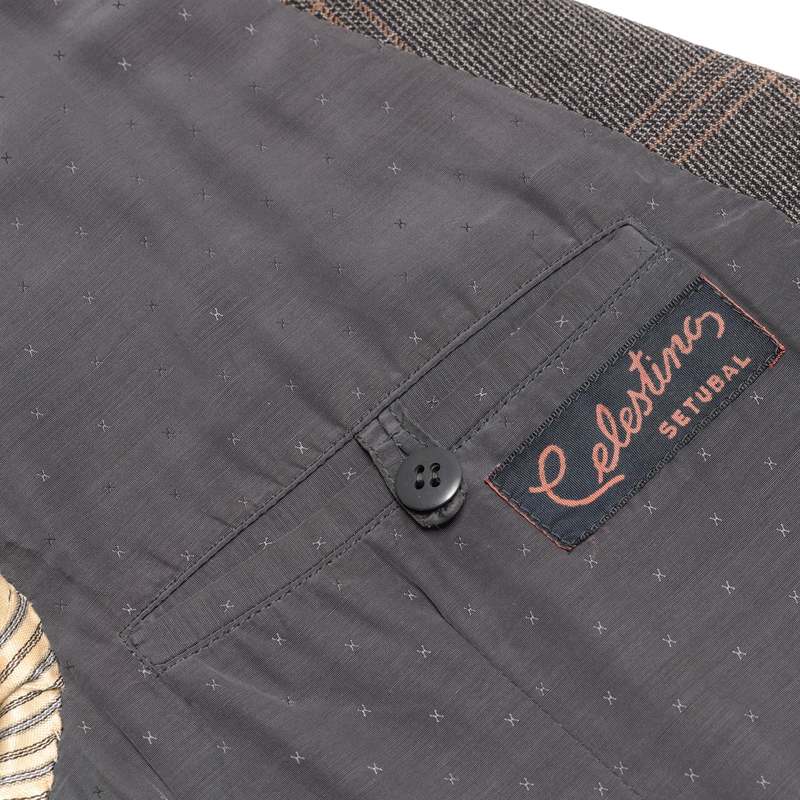
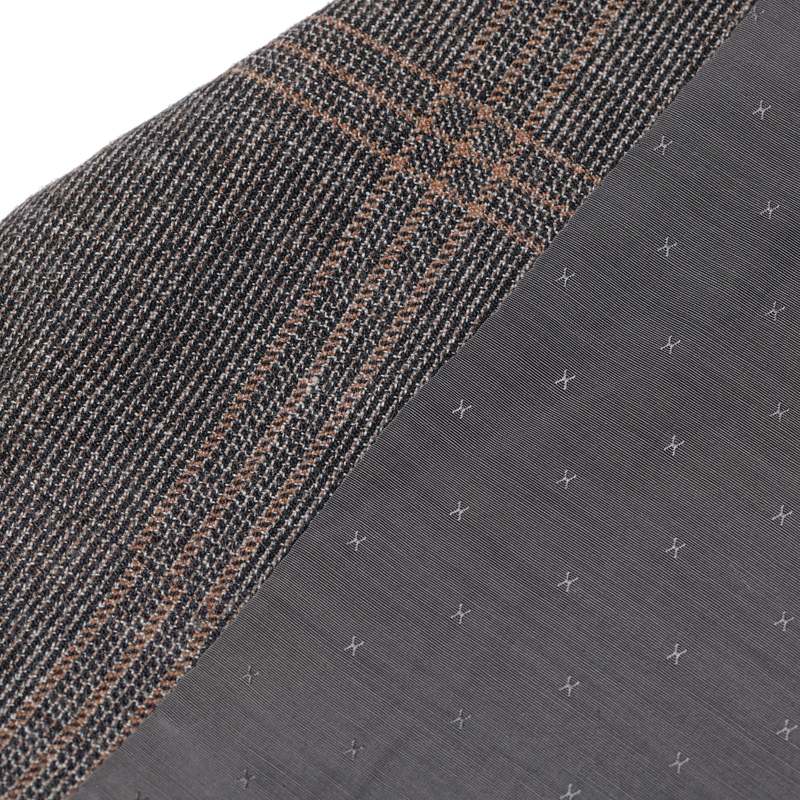
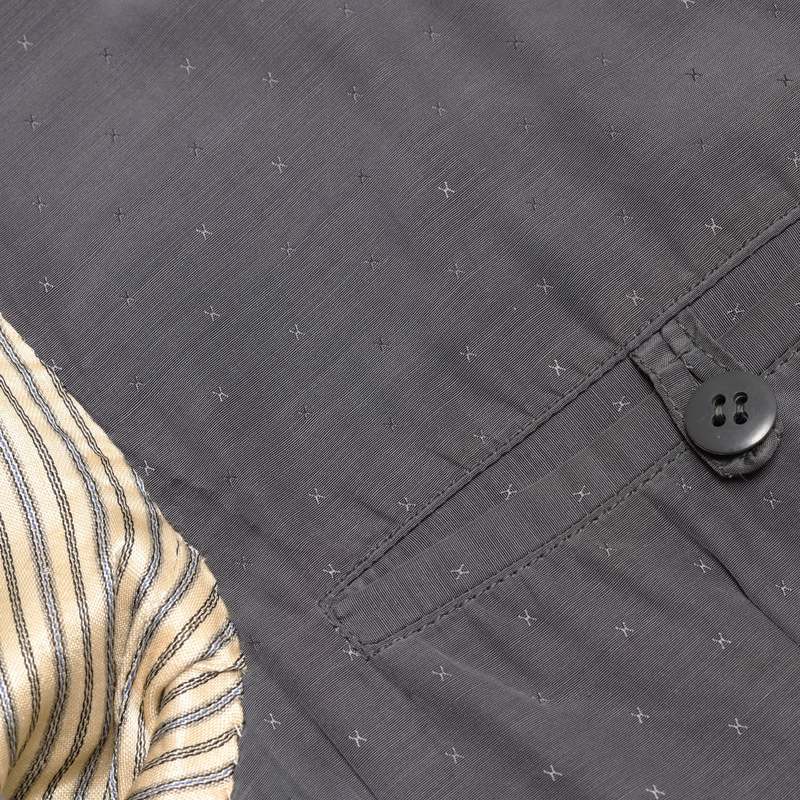
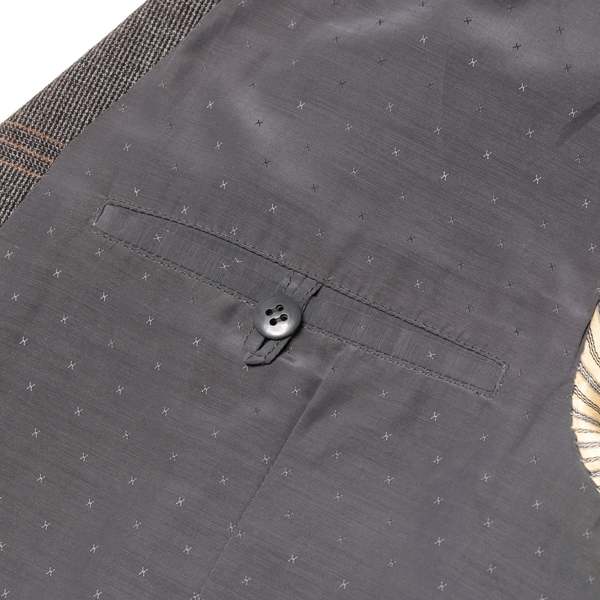
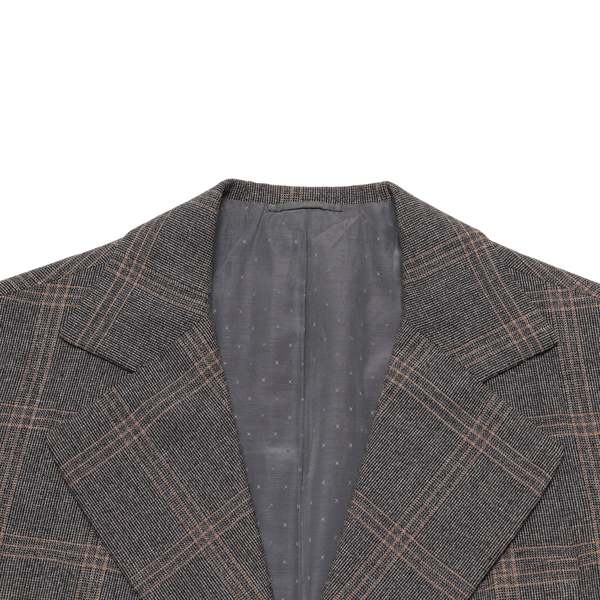
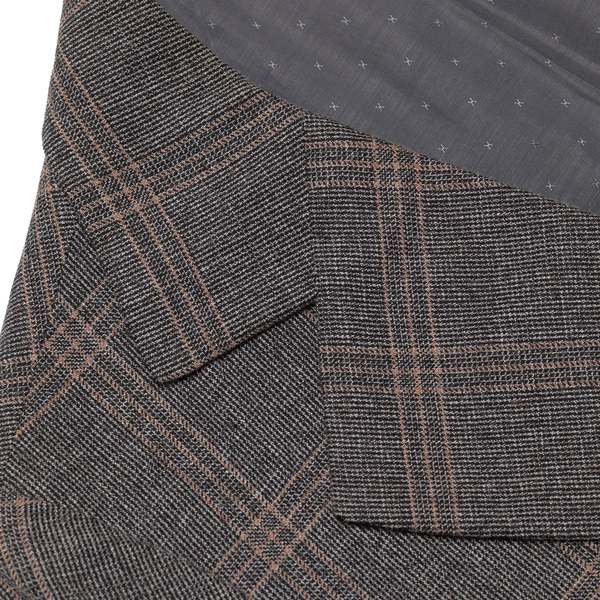
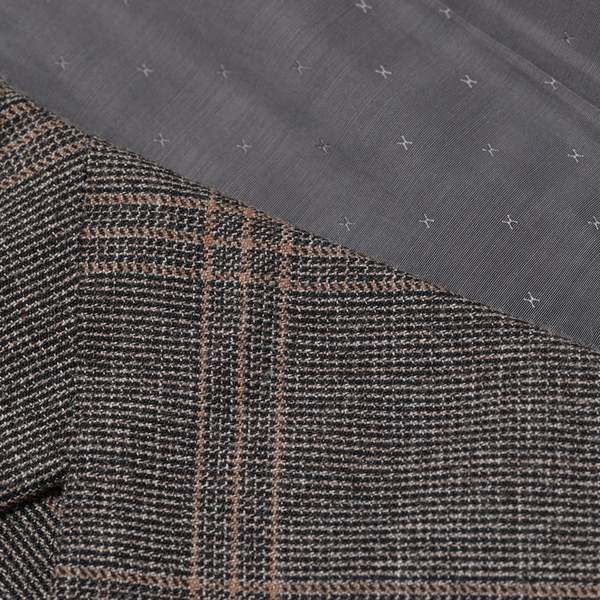
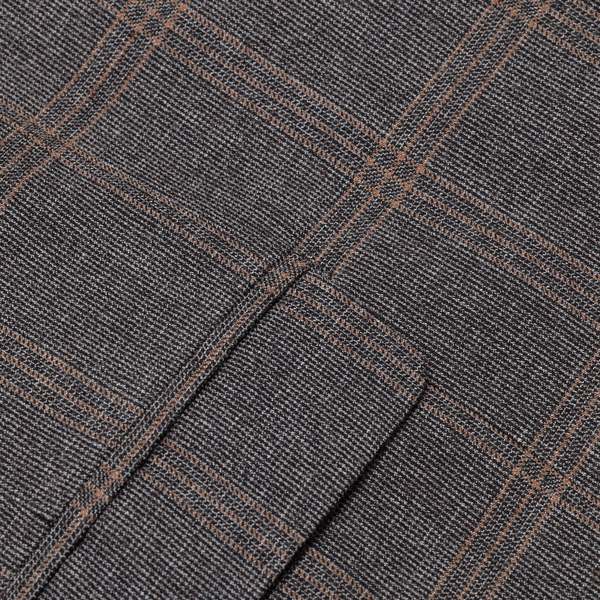
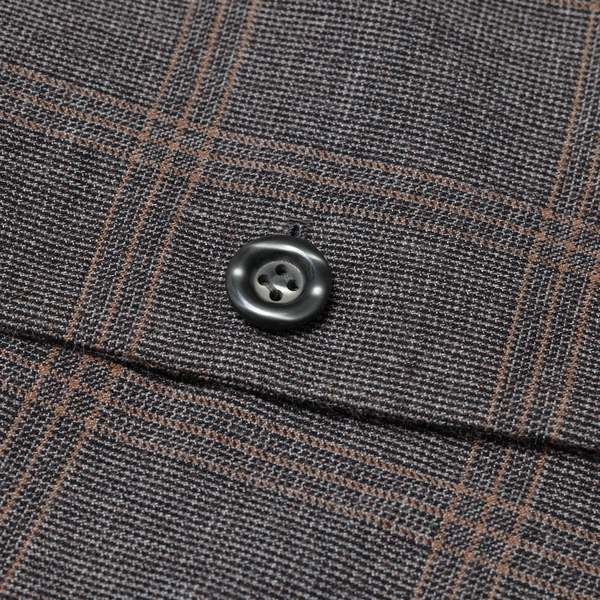
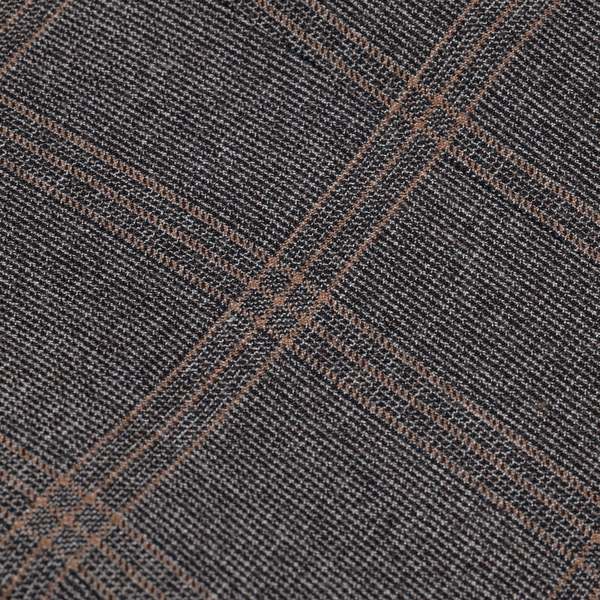
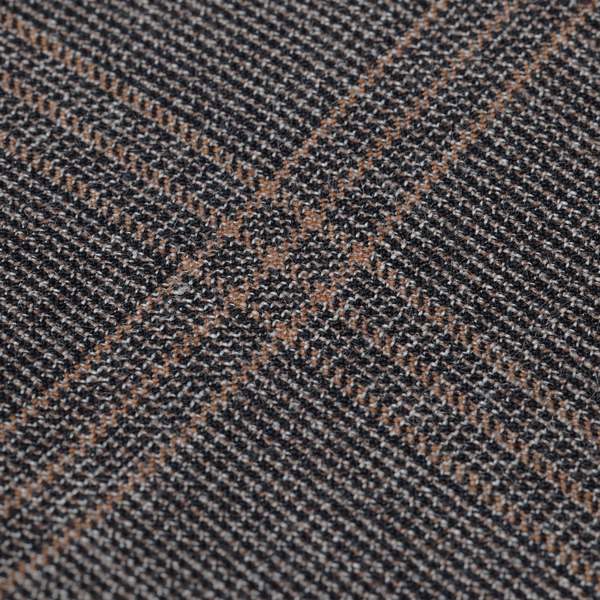
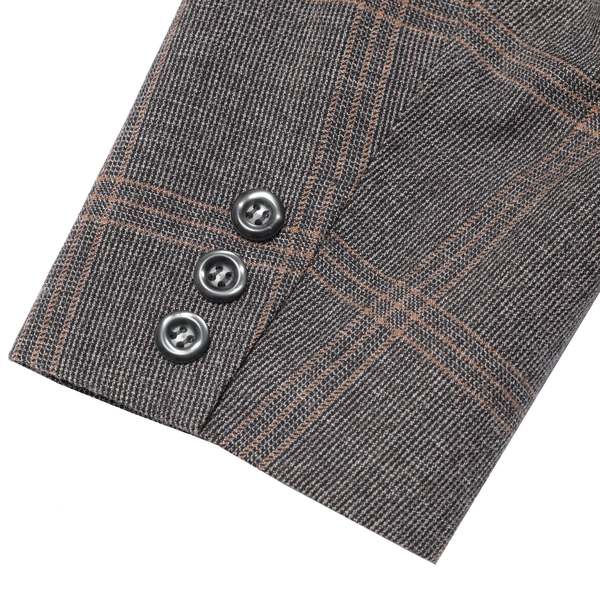
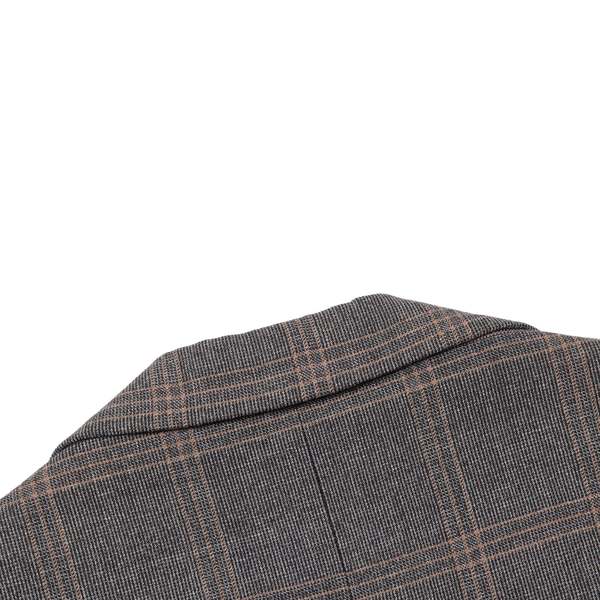
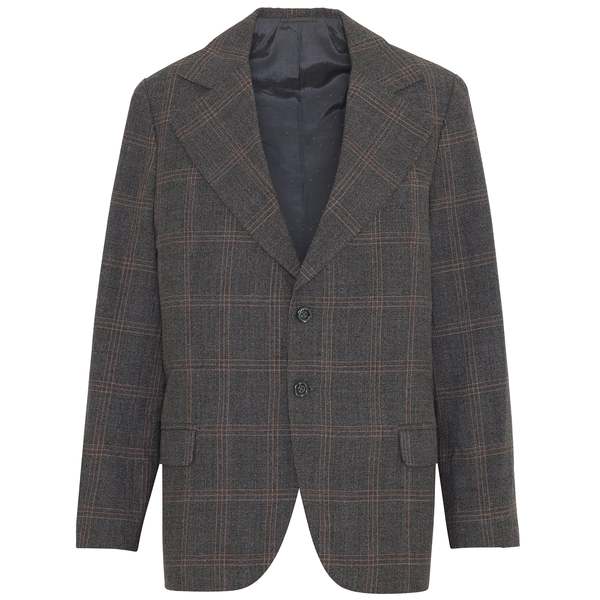
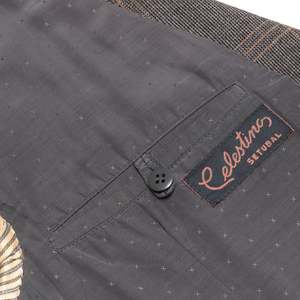
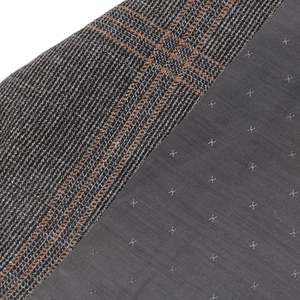
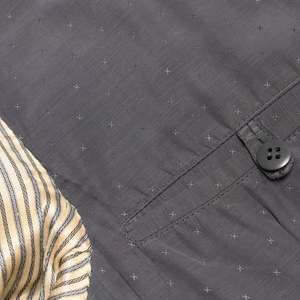
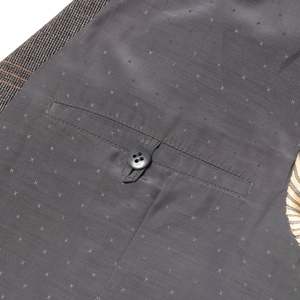
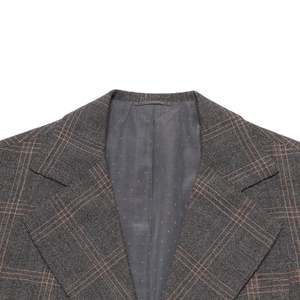
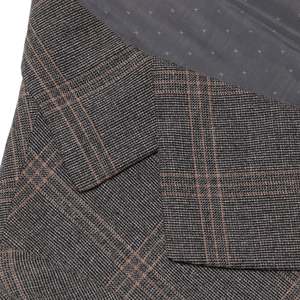
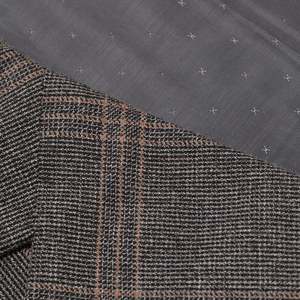
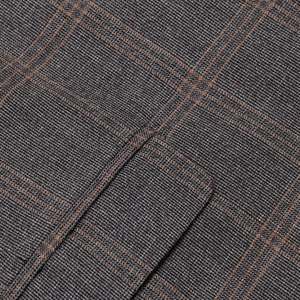
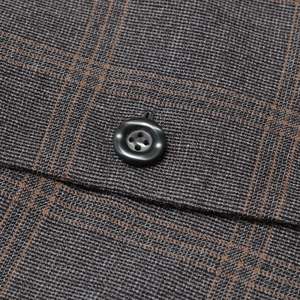
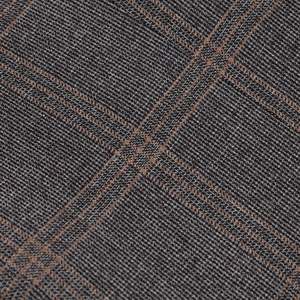
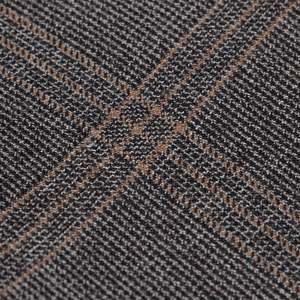
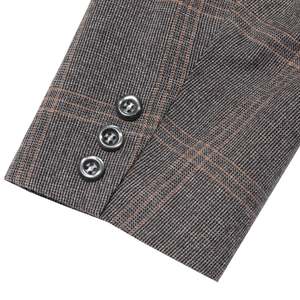
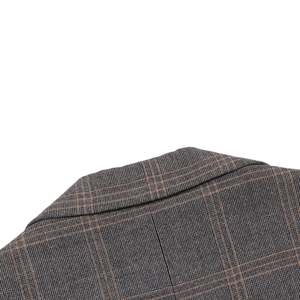
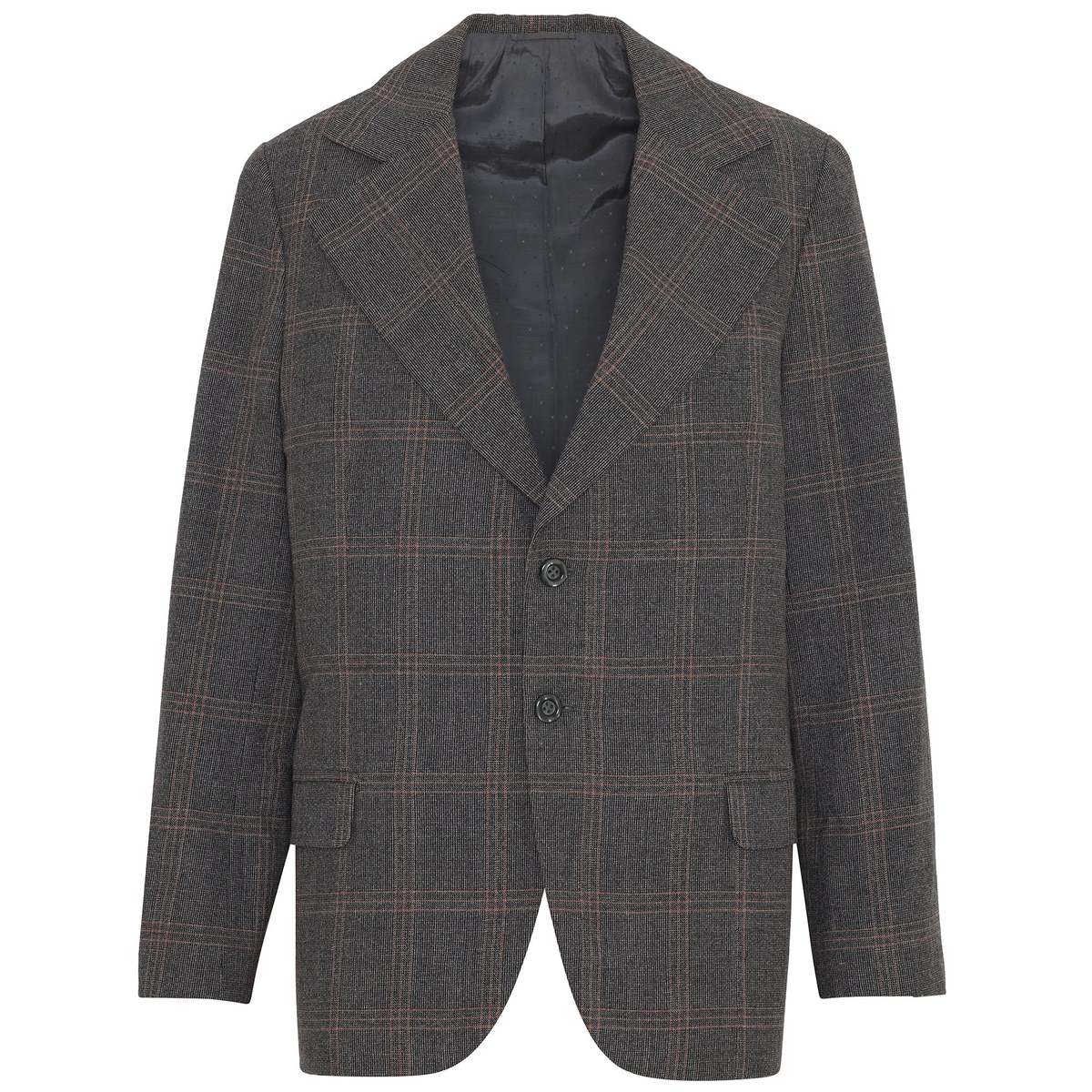
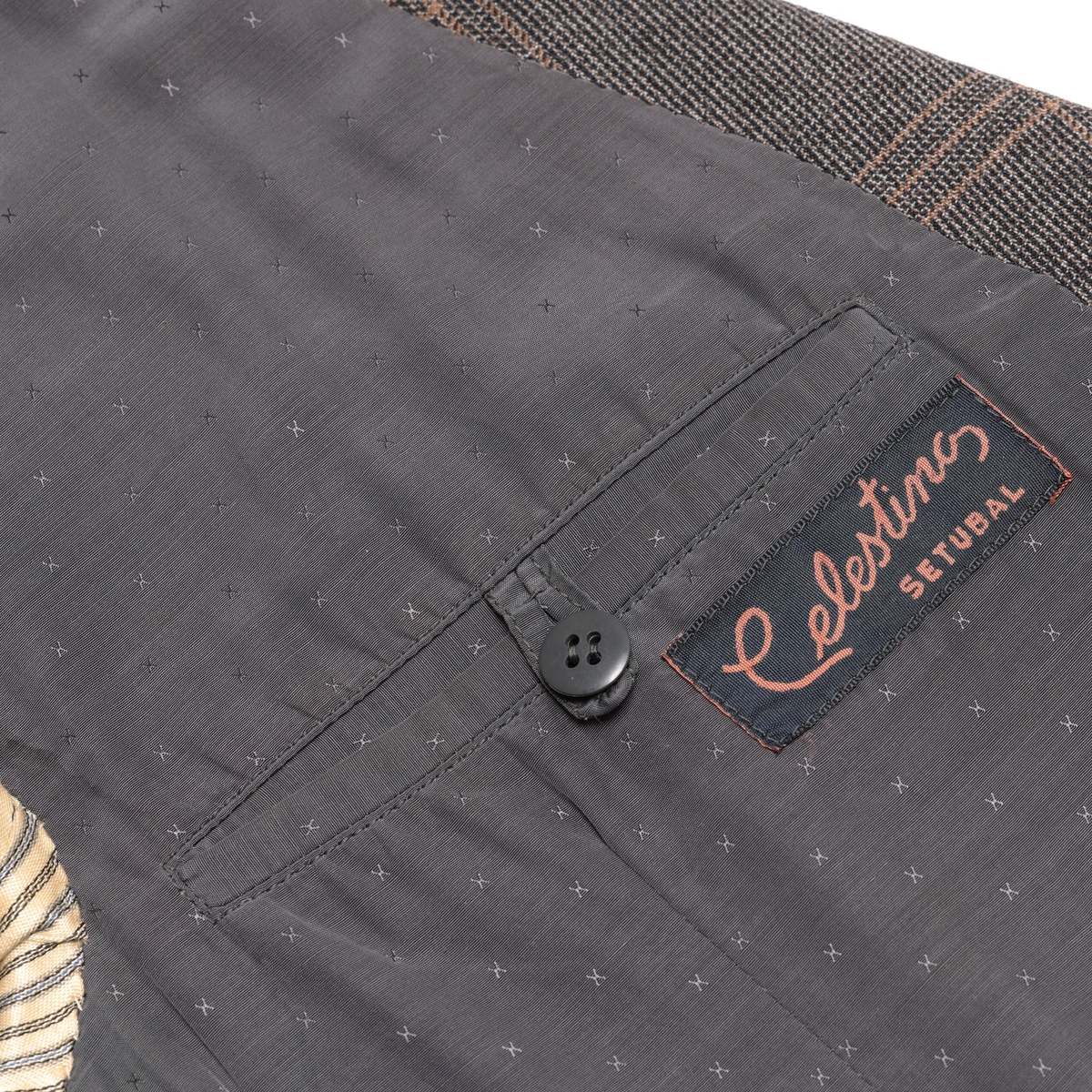
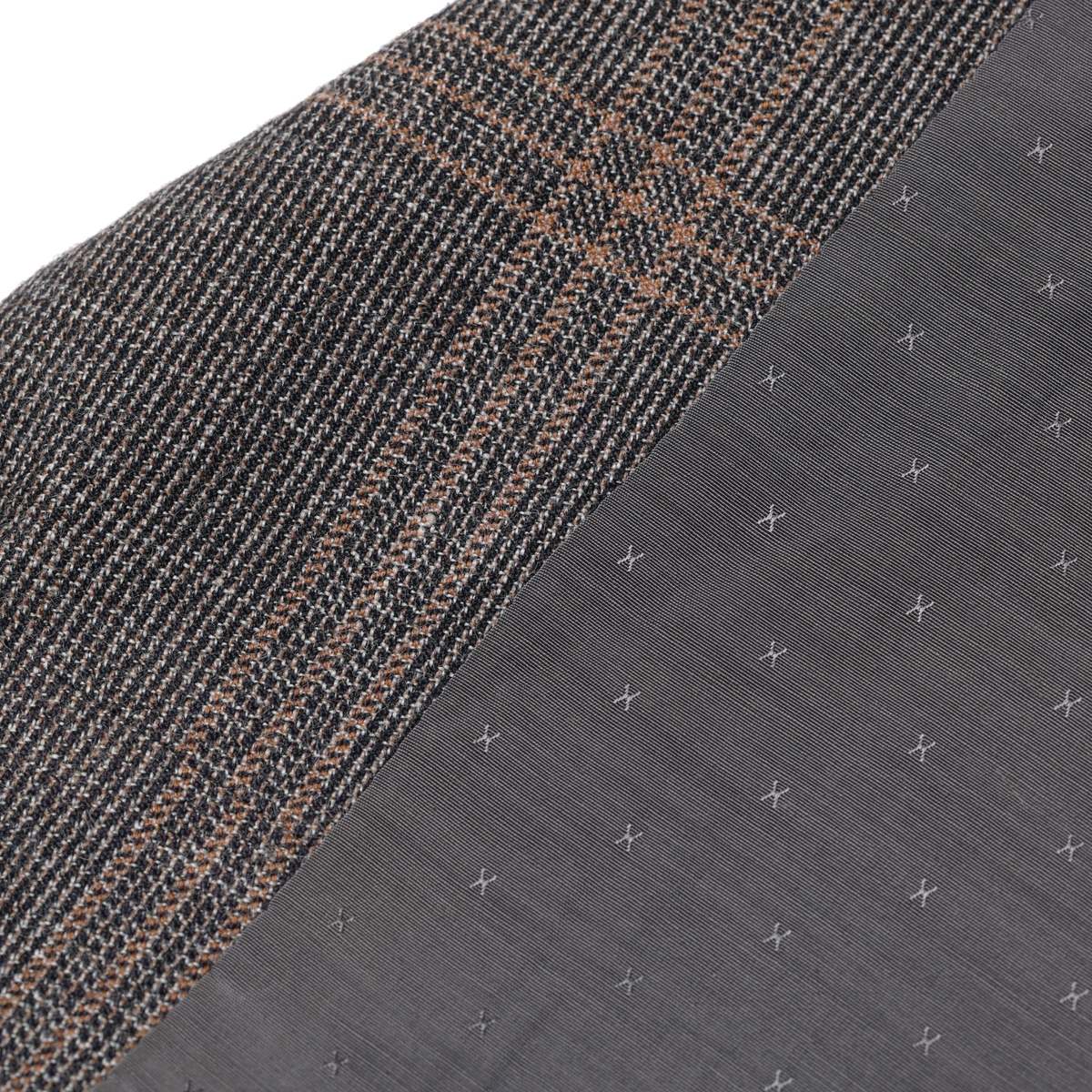
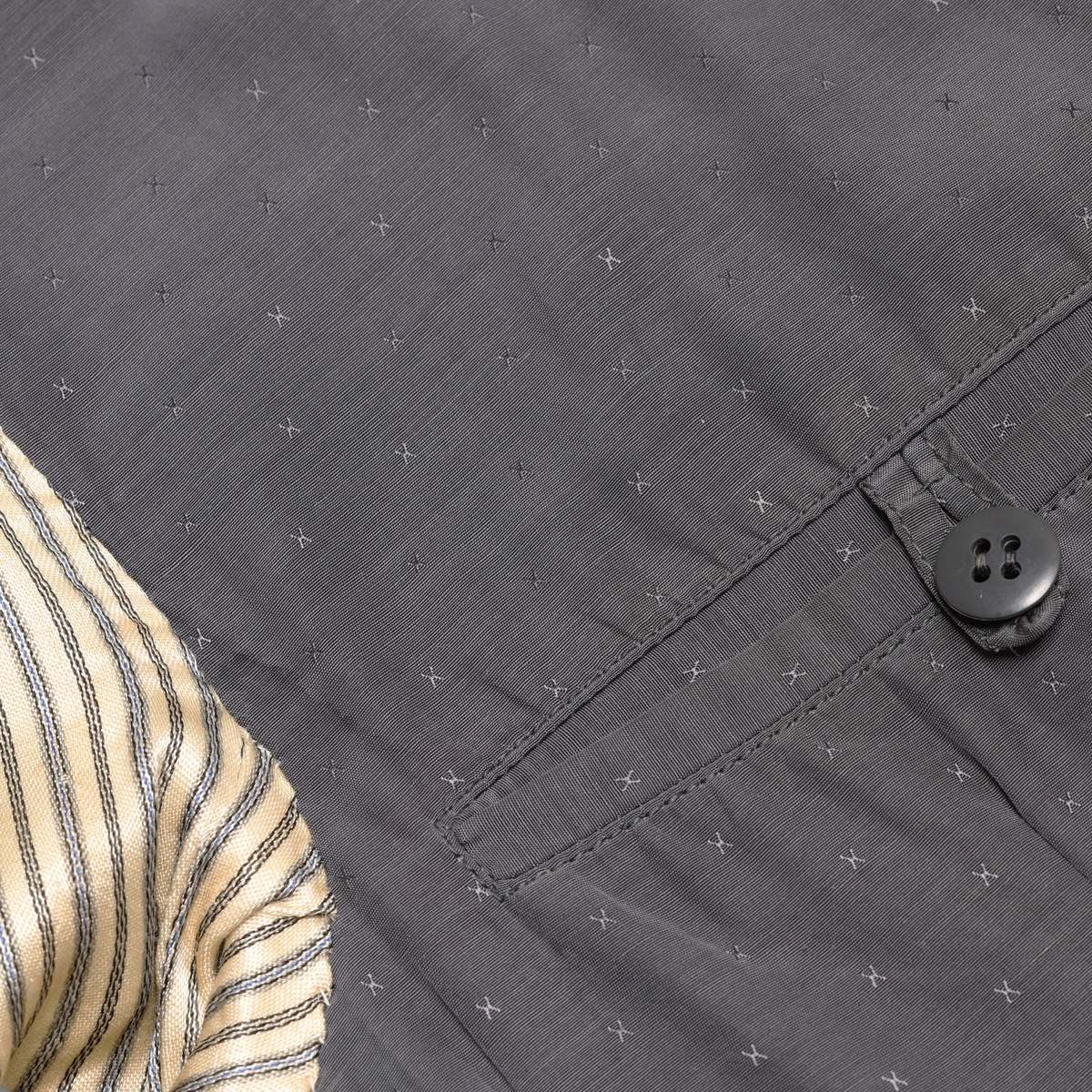
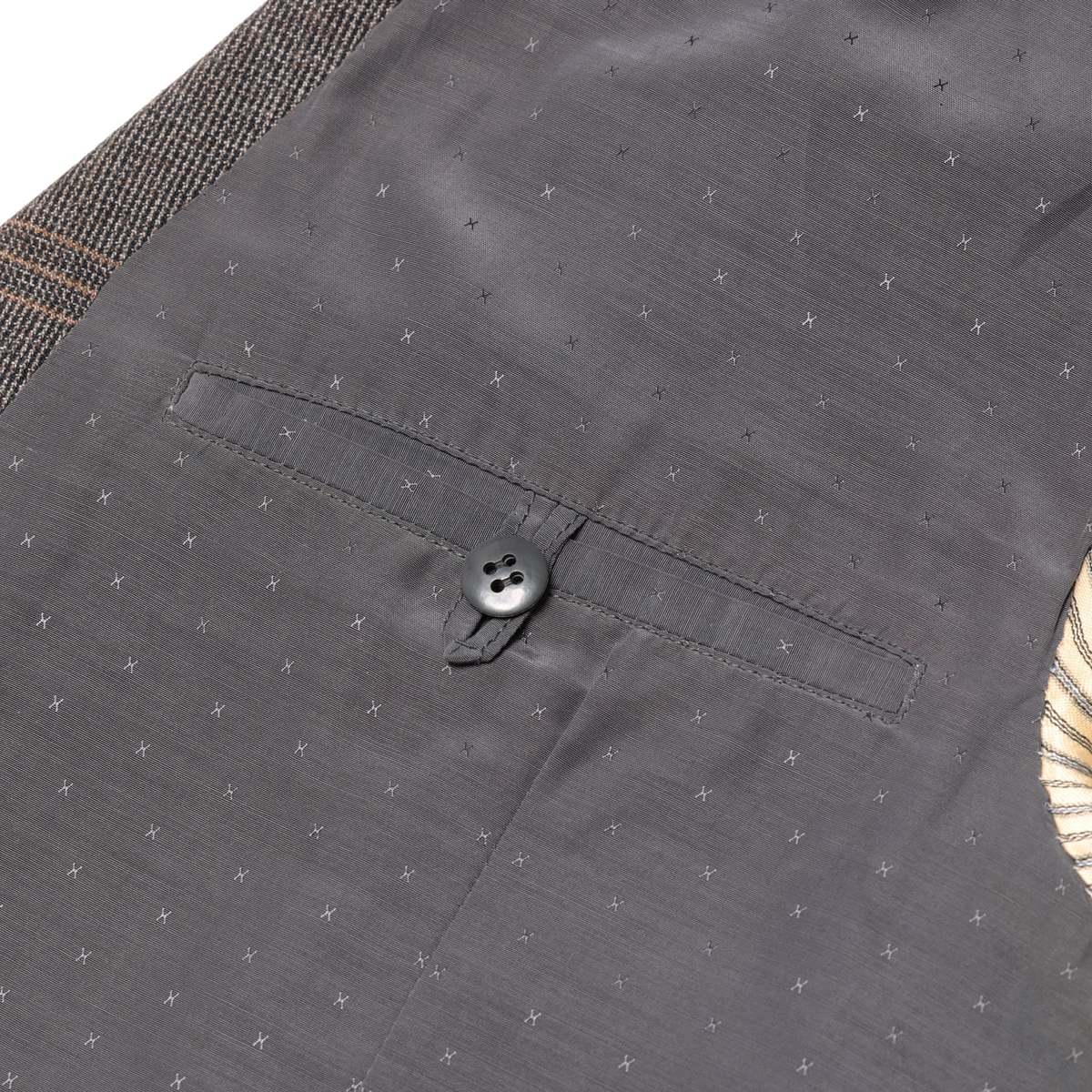
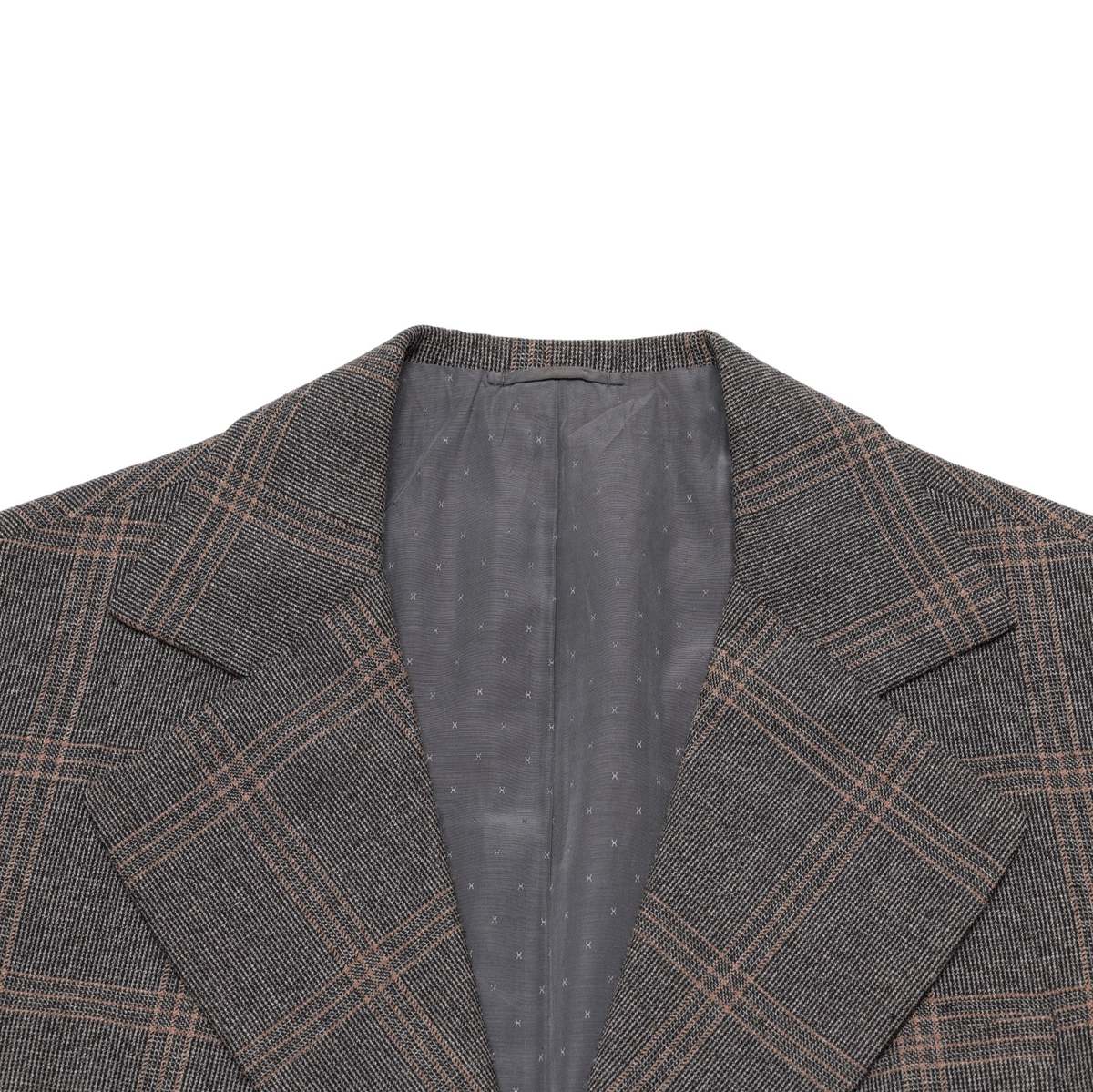
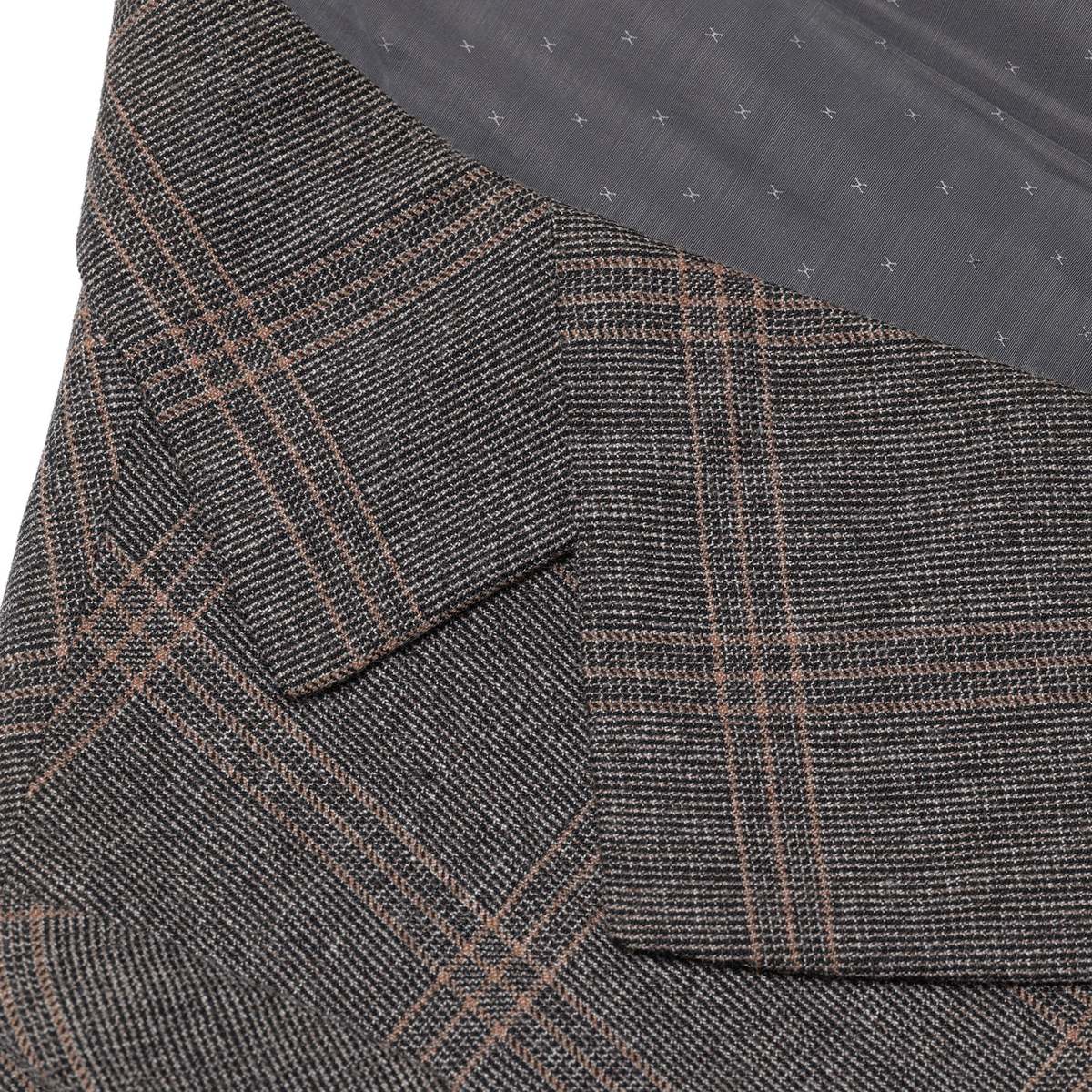
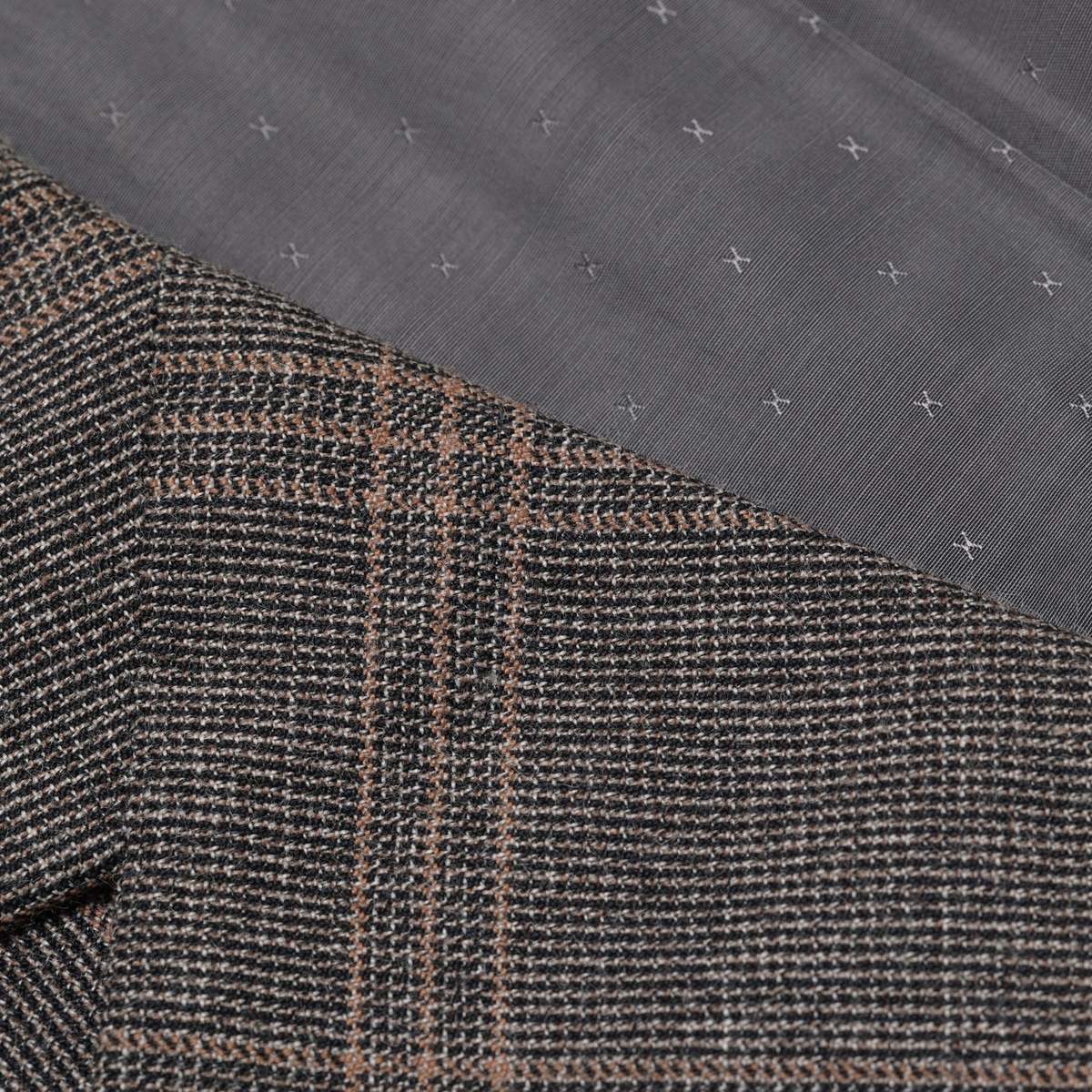
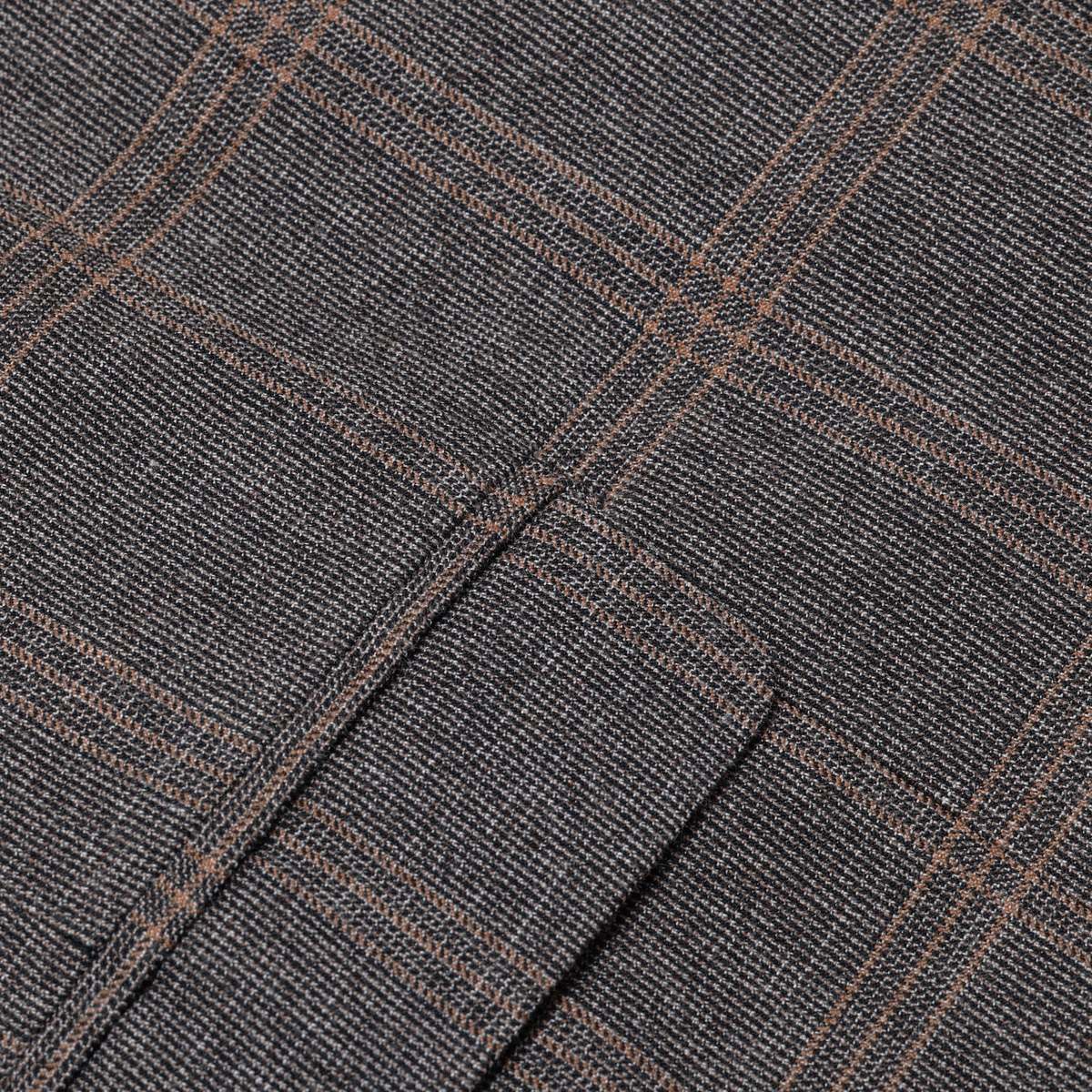
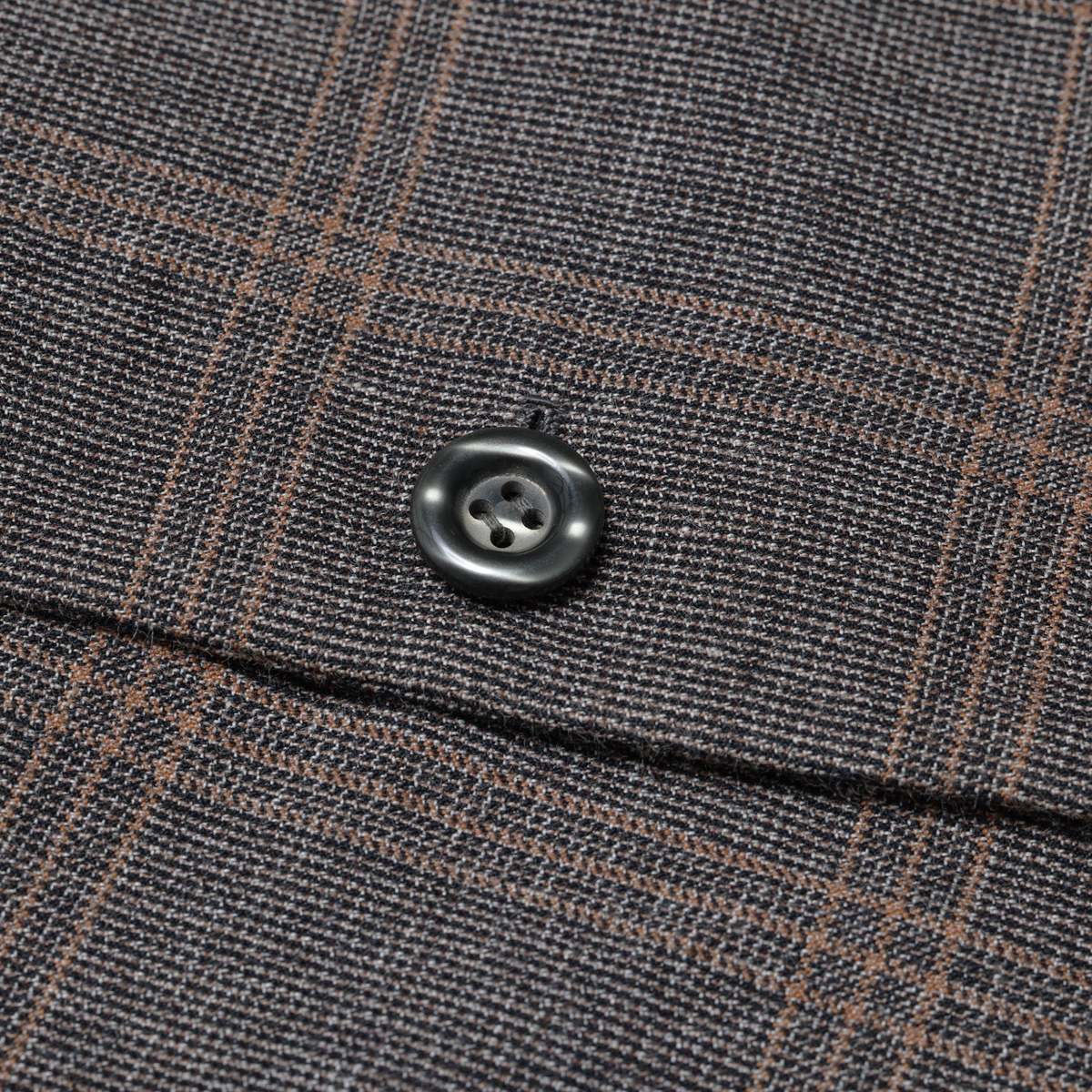
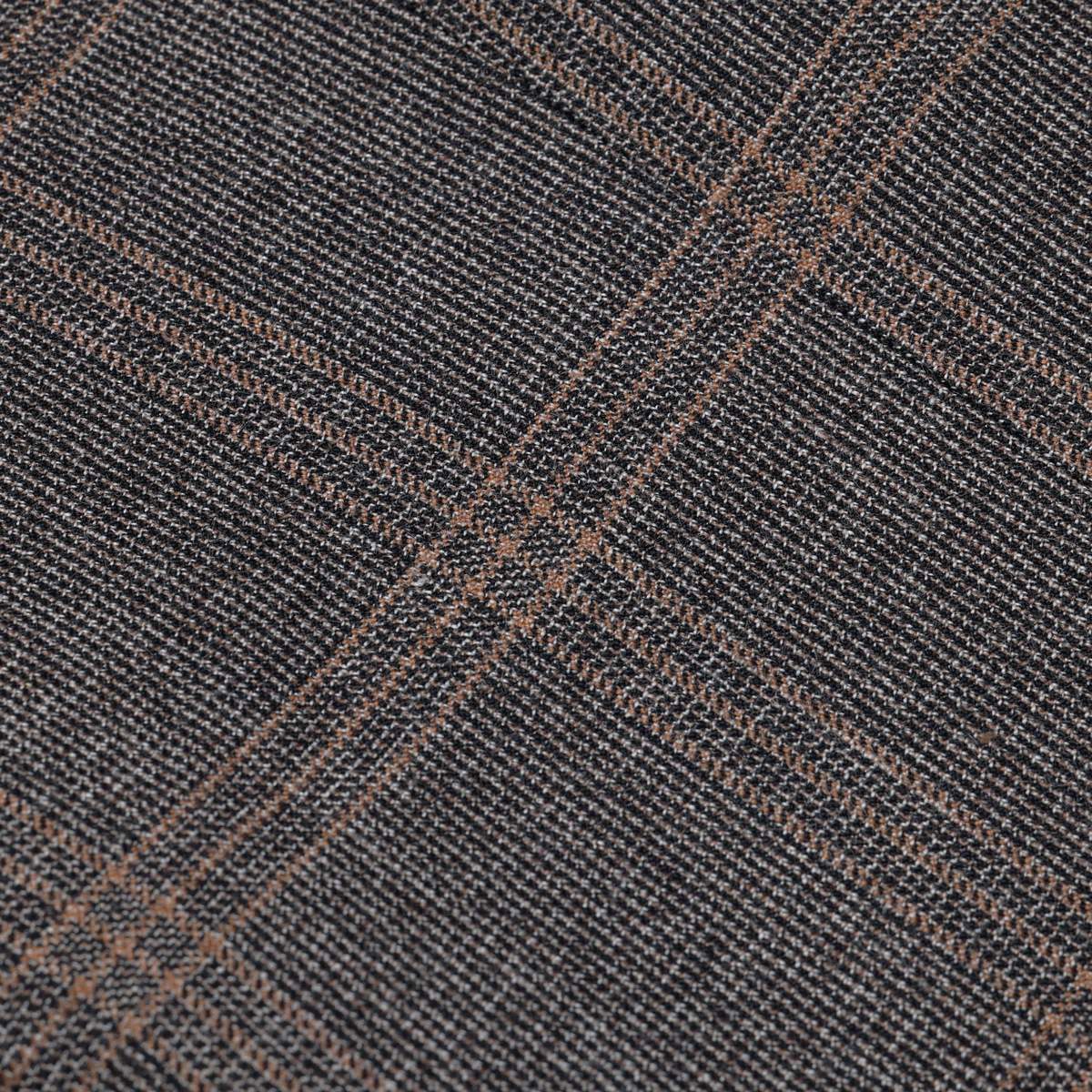
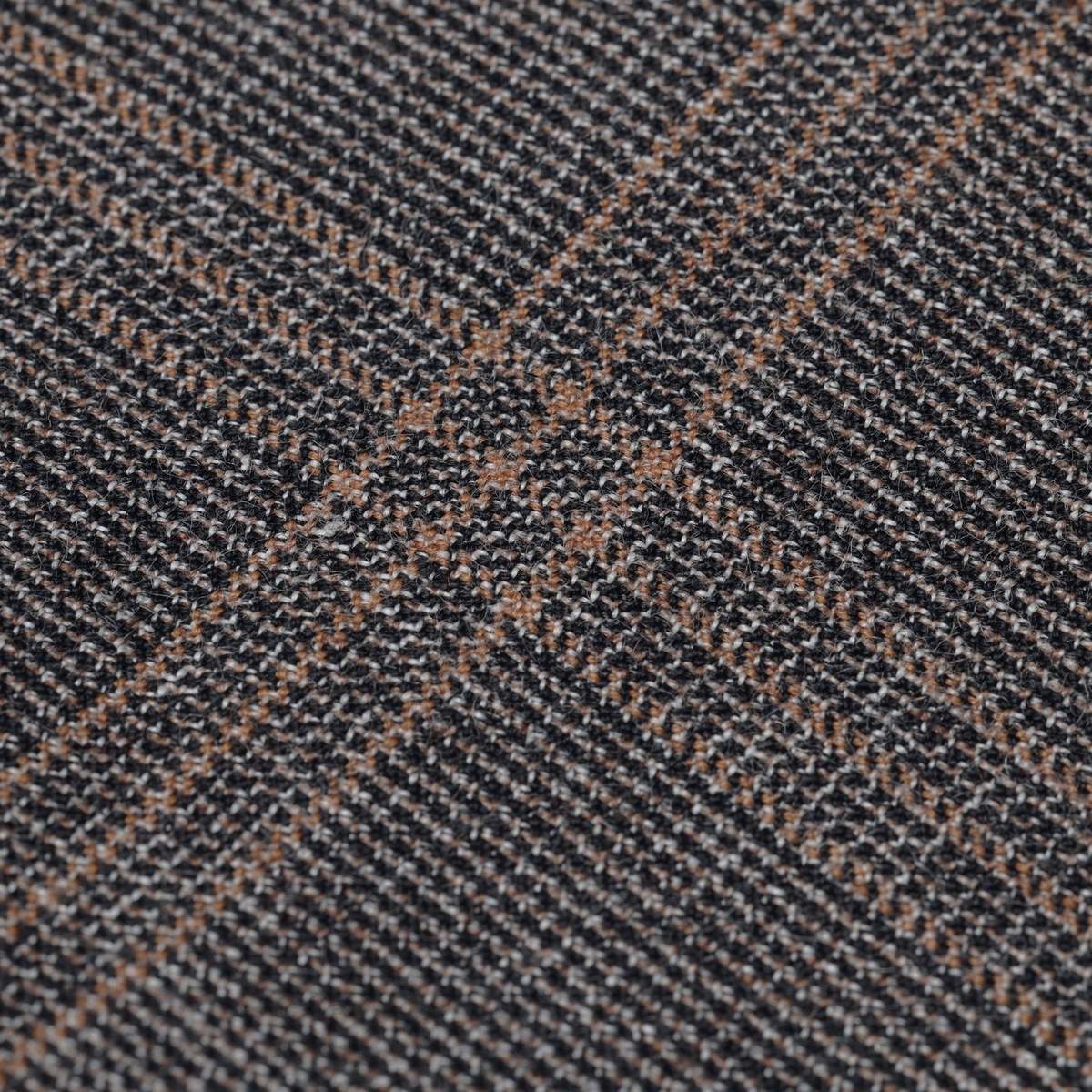
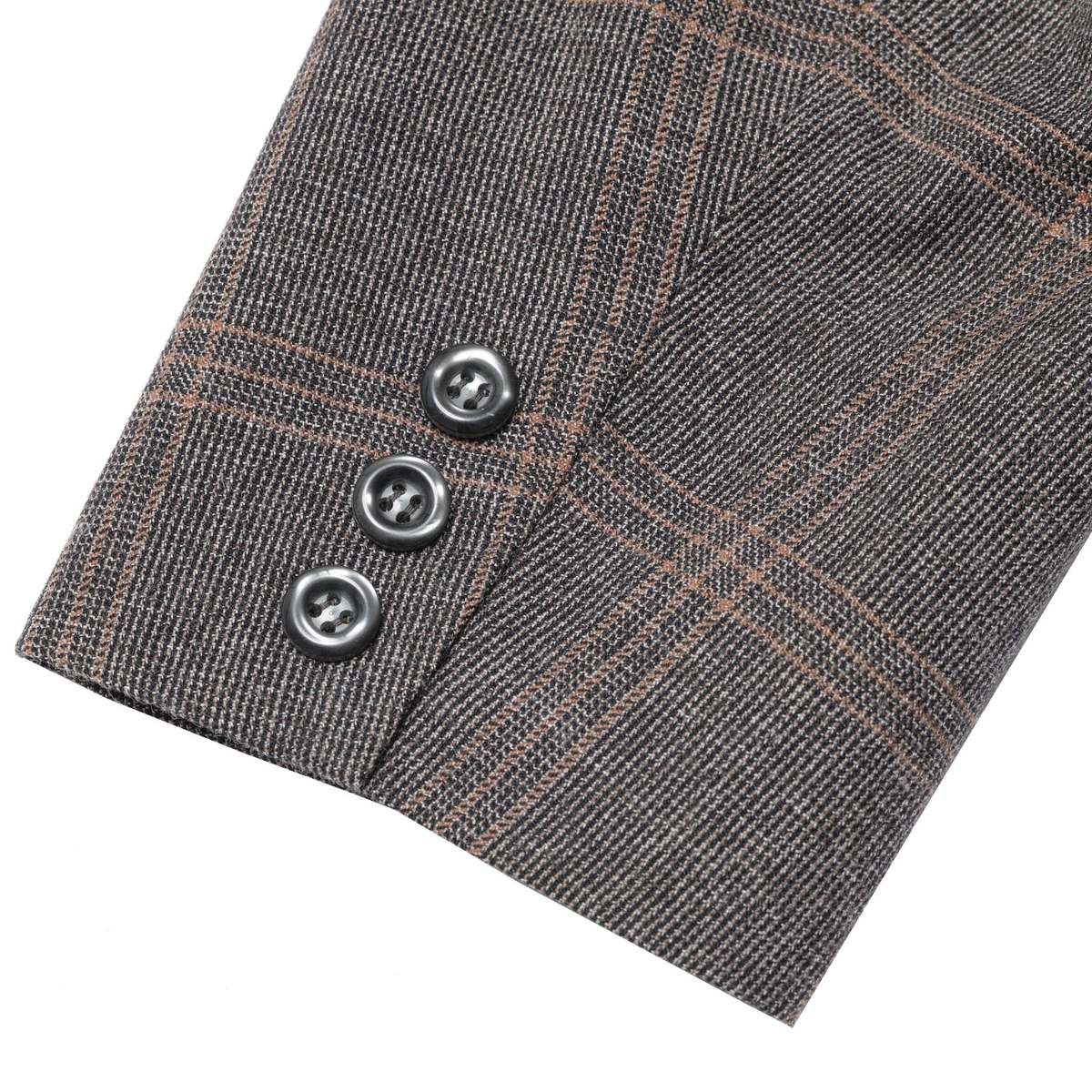
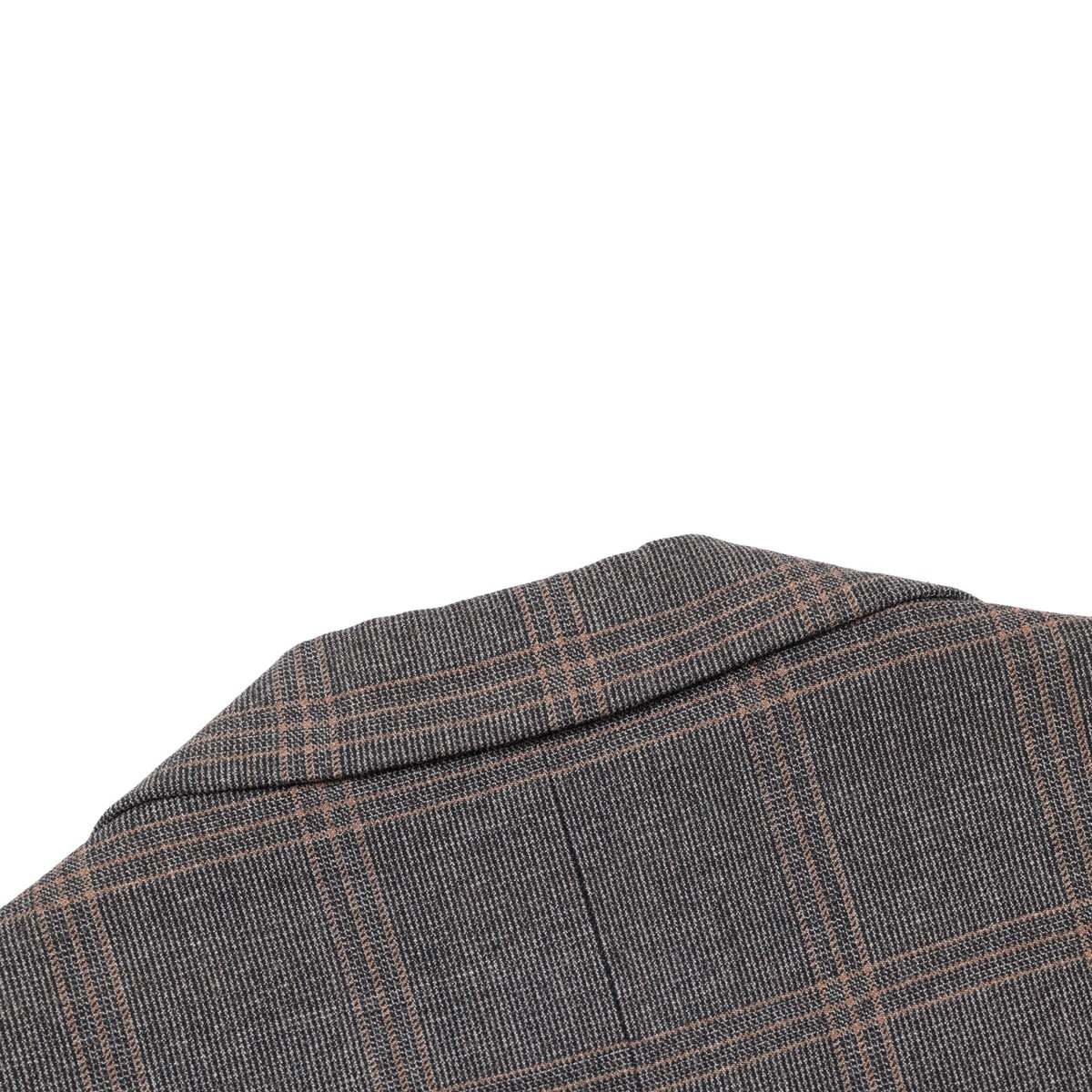
A rust-on-grey worsted check blazer from Celestinoprecise in cut, Continental in line, and deeply rooted in Portuguese tailoring history. The Celestino blazer, crafted in Setbal, Portugal, represents a distinct node in the Southern European tailoring networkan artifact of regional suiting logic shaped by postwar Iberian pragmatism and Central European formal ideals. Operating outside the glare of global fashion capitals, Celestino drew upon Setbals industrial artisan tradition to cultivate a tailoring identity marked by disciplined construction and metropolitan adaptation. This piece exemplifies the mid-to-upper-tier Portuguese menswear segment of the late 1970s to early 1980s, tailored for the urban professional seeking elegance without ostentation. The garments formal frameworka single-breasted two-button blazer rendered in a graphic rust-on-grey windowpane checkpositions it within the smart-casual to semi-formal spectrum, optimized for autumnal social events and professional engagements. The balance between visual dynamism and composure suggests a wearer conscious of cultural codes yet invested in sartorial individuality. The jackets structural sophistication begins with its textile: a worsted wool woven in a 2/2 twill configuration, whose dry handle and crisp surface articulation signal mid-weight tailoring intent, likely in the 270300 GSM range. The yarn-dyed melange basecharcoal interspersed with fine tan flecksis overlaid with a rust-hued overcheck, constructing a clean windowpane that reflects both countrywear lineage and urban reinterpretation. Its construction mirrors that of English and Italian mills known for suiting precision, with mills such as Fox Brothers, Marton Mills, Lanificio Subalpino, and Tallia di Delfino providing direct structural and aesthetic precedents. The cloths resistance to fraying and excellent press memory permit sharply articulated creases and smooth lapel rolls, with pattern alignment throughout requiring a skilled cutters discipline. The garments silhouette adheres to Continental tailoring codes, favoring extended shoulders, a sculpted waist, and a deep V-front shaped by a pronounced notch lapel. The lapel, wide with a sharp gorge and strong belly curve, reflects 1970s1980s Southern European suiting vernacular. A fully canvassed chest features hand pad-stitching using a horsehair or blended base, resulting in a structured roll that maintains its form under pressure. The undercollar, cut on the bias from wool melton and subtly pad-stitched, lays flat without gappingindicating accurate collar stand shaping and proper neckline drop. Shoulder construction incorporates light padding with soft roping, delivering a clean architectural silhouette without compromising flexibility. The sleeve setting confirms elevated tailoring logic: forward-pitched two-piece sleeves, softly roped heads, and ease distribution executed through hand-basting before final machining, ensuring a smooth transition from armhole to shoulder seam without drag lines. Interior construction underscores high-end ready-to-wear or made-to-measure standards. The full lining, in a dot jacquard viscose or rayon, features embroidered cross-stitch motifsa nod to Portuguese decorative traditions and a subtle echo of azulejo ceramic micro-patterns. The lining is cleanly installed with bias-bound intersections and piped seams; interior pockets are sharply executed, with single-welt openings, reinforced modesty loops, and straight, reinforced edges. The external flap pockets and welt chest pocket are pattern-matched with near-mathematical accuracy, even across curved seams and lapel notchesunderscoring technical control. Sleeve cuffs carry three kissing buttons in a non-functional configuration, confirming the RTW tier while maintaining stylistic fluency with sartorial models. Hem finishing is executed via machine blind-stitch, while the canvas is hand-felled into the hemline to secure drape continuity. Panel construction follows a classic seven-piece tailoring block: front panels shaped by minimal darts for broader builds, seamless pattern-aligned side panels, and a double-panel back with center vent (assumed though unverified). Seamwork throughout reflects meticulous internal finishing: pressed open, serged edges with occasional pick-stitch imitation for aesthetic continuity. Collar configurationa felt-backed two-piece structureechoes traditional tailoring methods, while the lower gorge placement reflects Mediterranean style references common in the Iberian tailoring resurgence of the post-dictatorship period. Aesthetically, the piece channels mid-century Iberian modernismstructured yet restrained, geometrically expressive yet disciplined. The grid overlay communicates visual order and conceptual claritys, while the rust tone injects warmth and subtle vibrancypsychologically anchoring the garment in earthbound reliability and cosmopolitan confidence. Its historical anchoring within the late 1970s to early 1980s is confirmed by lapel proportion, pattern scale, and internal finishingmarking it as a product of a transitional moment when Portuguese tailors absorbed European modernism while asserting national identity. Within the current landscape of neo-sartorial revival, this Celestino blazer resonates with the ethos of designers like Husbands Paris, Stffa, and L.E.J., whose collectsions reinterpret vintage formalwear through lenses of regional specificity and technical heritage. As a standalone piece, it serves as a reference-grade artifact for tailoring historians, a viable archival object for curated vintage dealers, and a compelling prototype for contemporary reissue projects rooted in Southern European design genealogies. What it lacks in couture-level handwork, it compensates for through disciplined construction, textile intelligence, and historical coherenceoffering a commanding case study in Portuguese tailorings convergence of form, fabric, and regional identity. Measurements (cm): Chest: 53 Length: 72 Shoulder: 42 Sleeve: 61 Size Conversion (approximate) US Mens Size: M EU Mens Size: 48 US Womens Size: L EU Womens Size: 42 SKU: 015034
Garmentory is a curated marketplace of independent boutiques and emerging designers from around the world.
Fashion With Intention
Aw yeah!
We love making new friends so while we're popping bottles, continue shopping to apply your $10 credit.
We've got a dedicated site "garmentory.co" just for our Indian customers! Shop with local currency, faster shipping, and exclusive products.
We cannot add this item to your bag because it’s already at max capacity. But don’t worry, we’ve saved it to your wish list.
Earn Replica Belts credits when you shop, wishlist, and inspire others.

Have a question about the size or something else? We're here to help!