Spring fever is here 🌡️☀️ Prep early for those not too hot and not too cold days by finding something you love ON SALE. SHOP THE SALE


Spring fever is here 🌡️☀️ Prep early for those not too hot and not too cold days by finding something you love ON SALE. SHOP THE SALE
| To | Service | Estimated Delivery | Fee |
|---|---|---|---|
| 🌎 | Intl. Air | 6-20 business days | $29.95 |
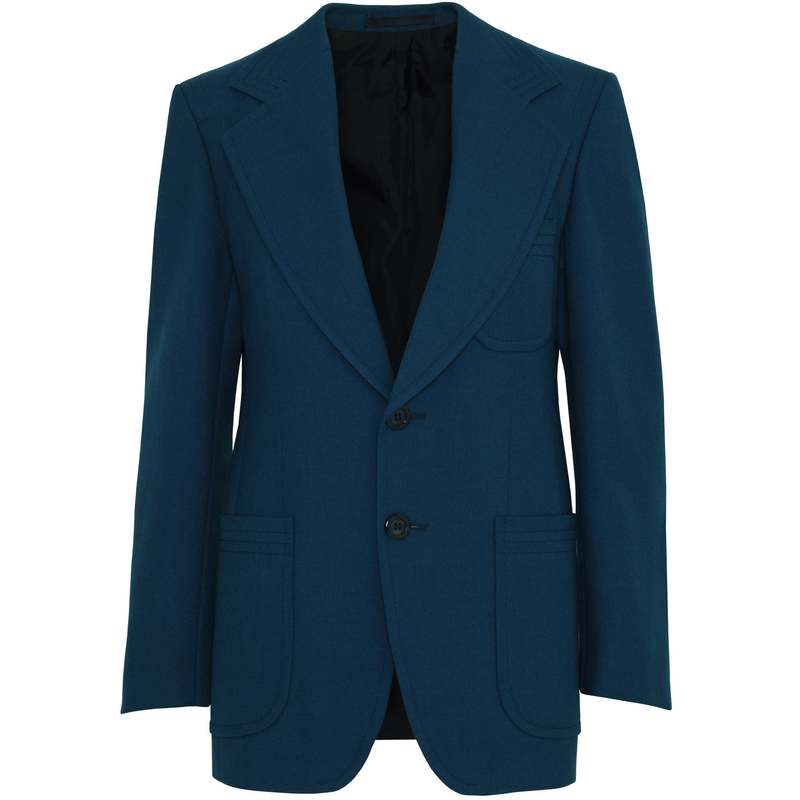
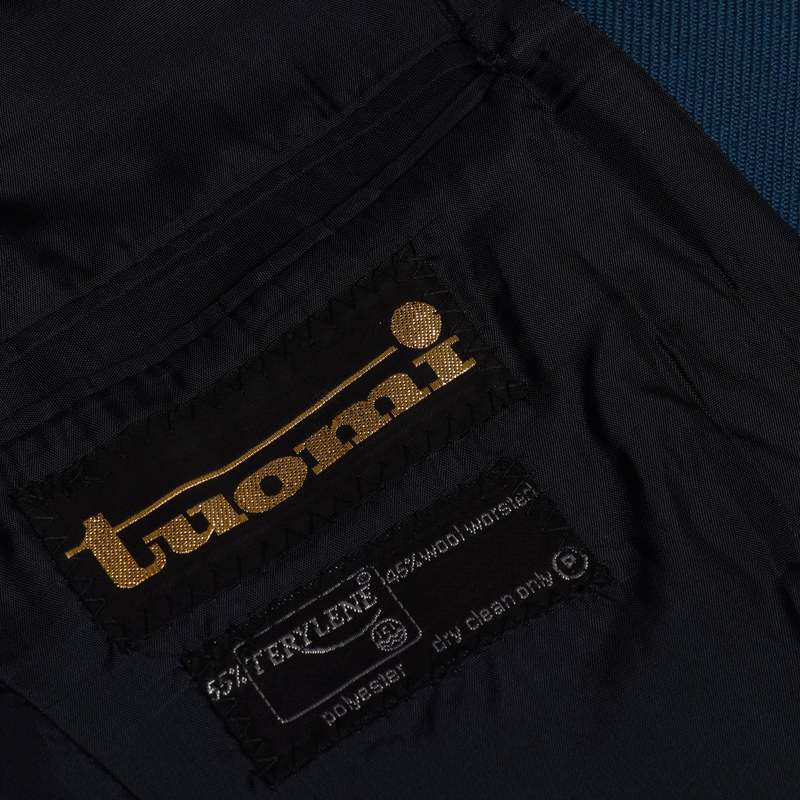
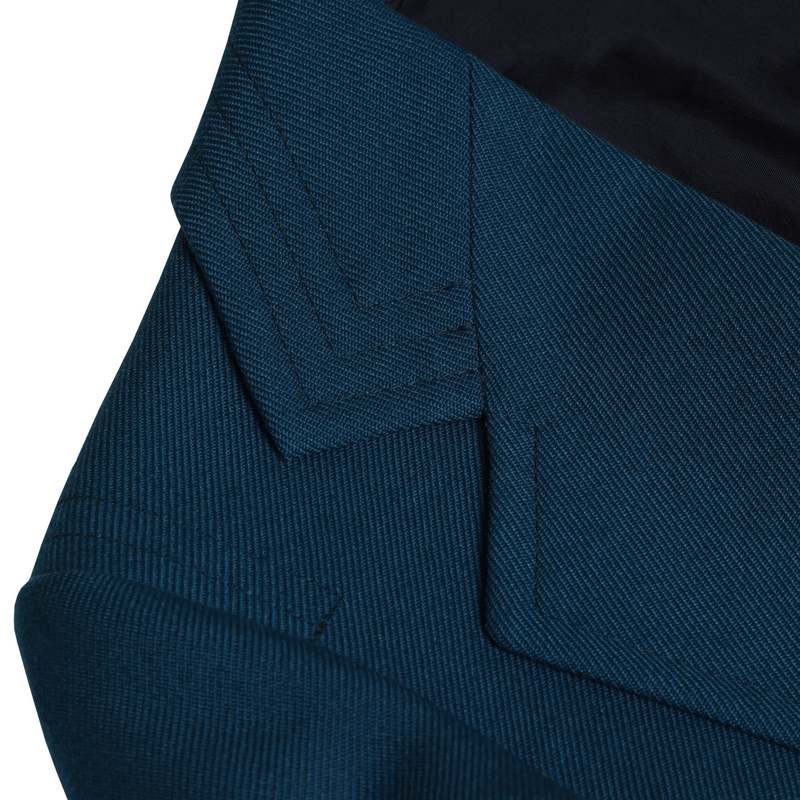
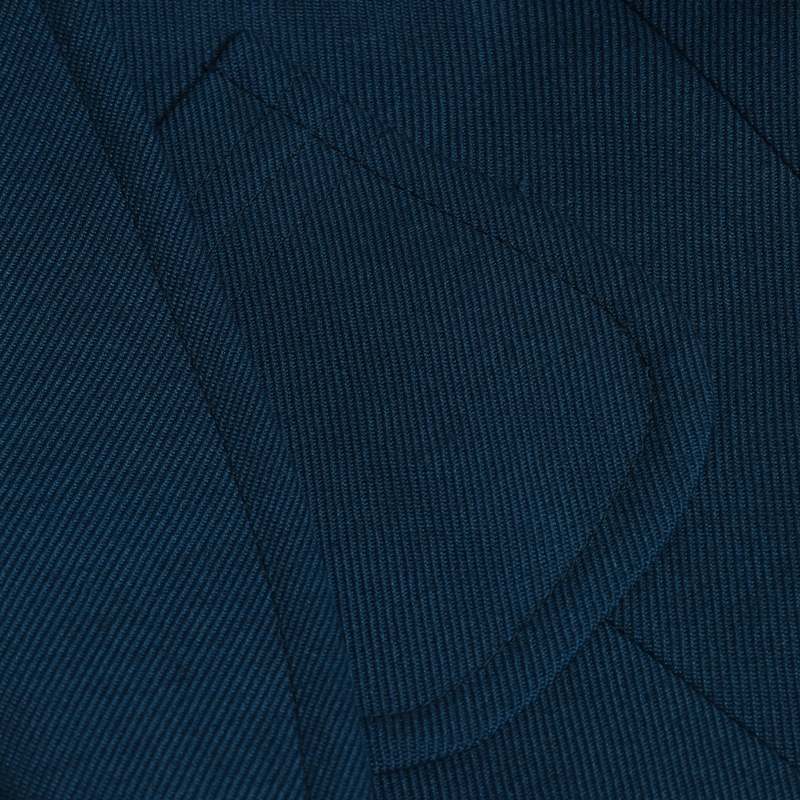
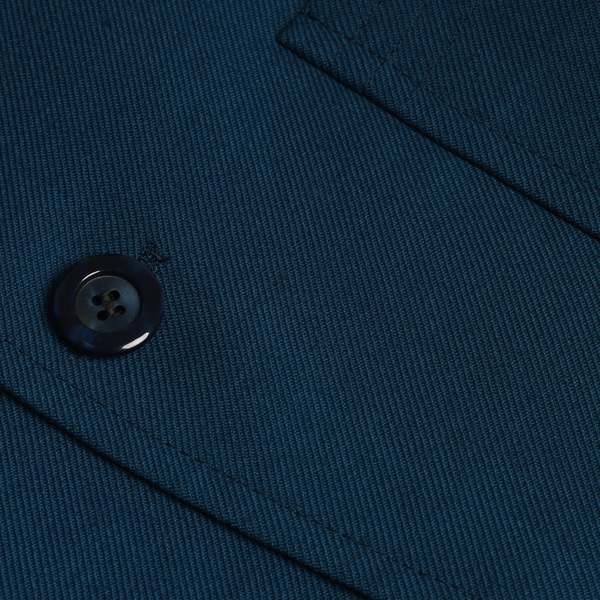
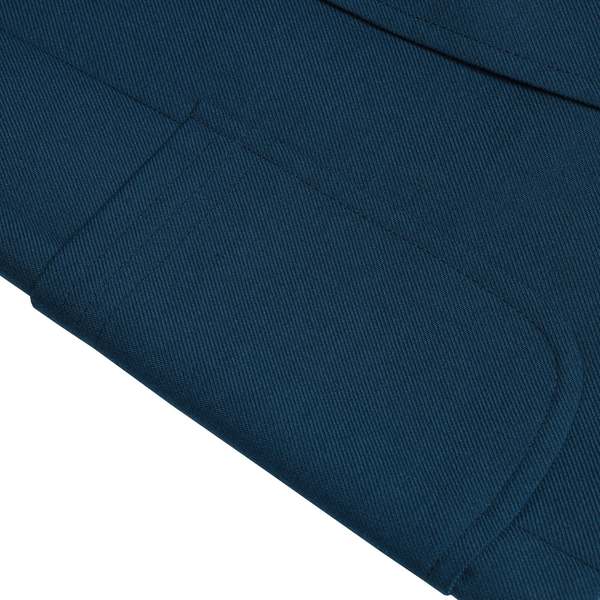
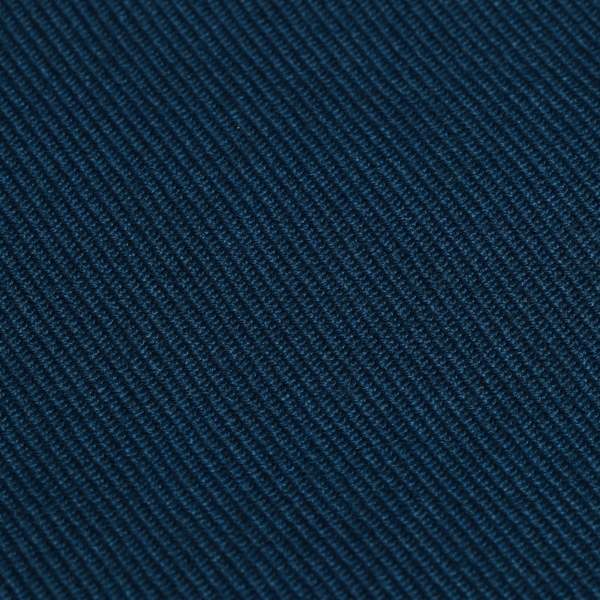
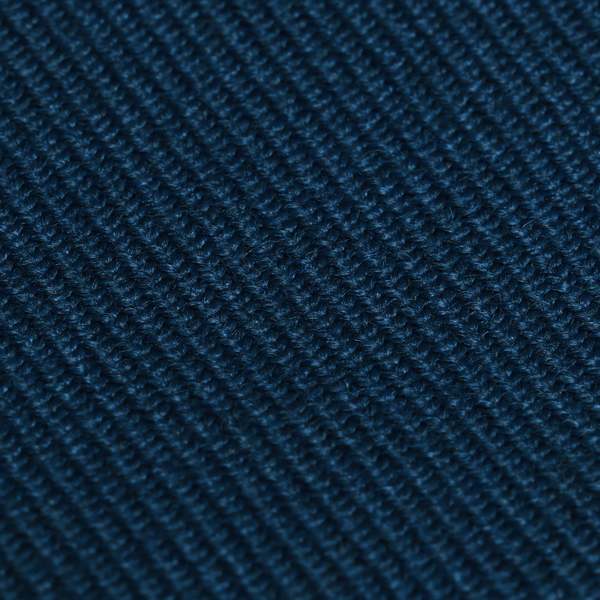
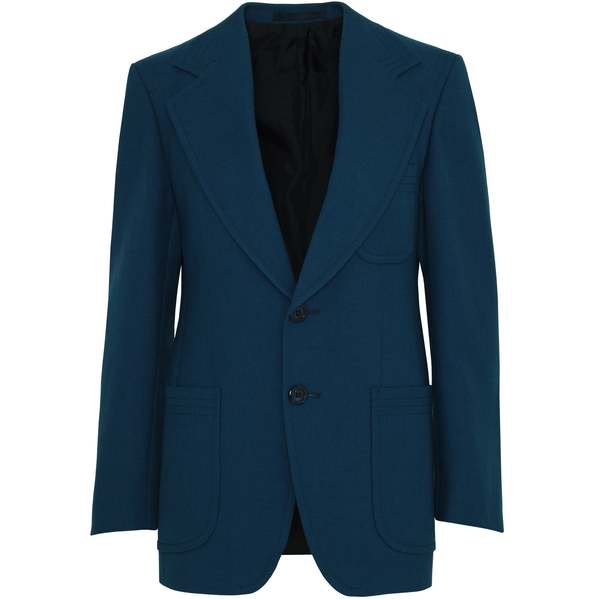
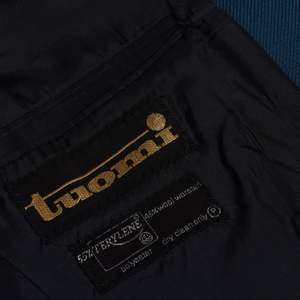
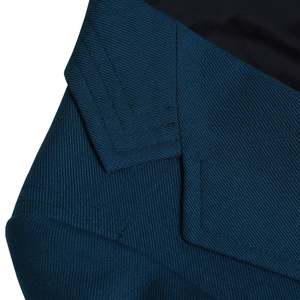
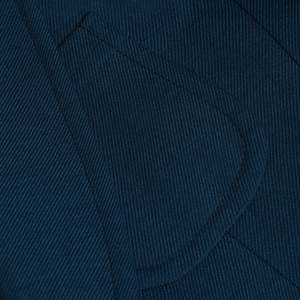
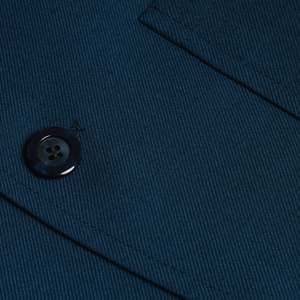
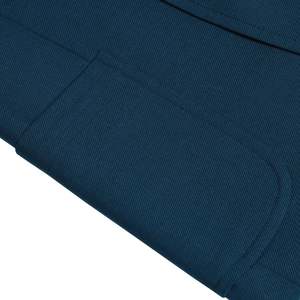
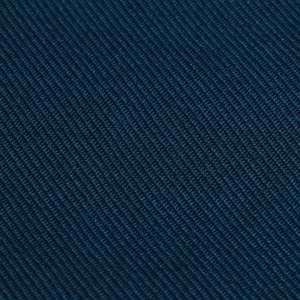
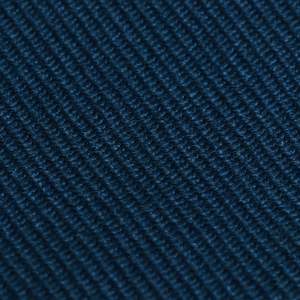
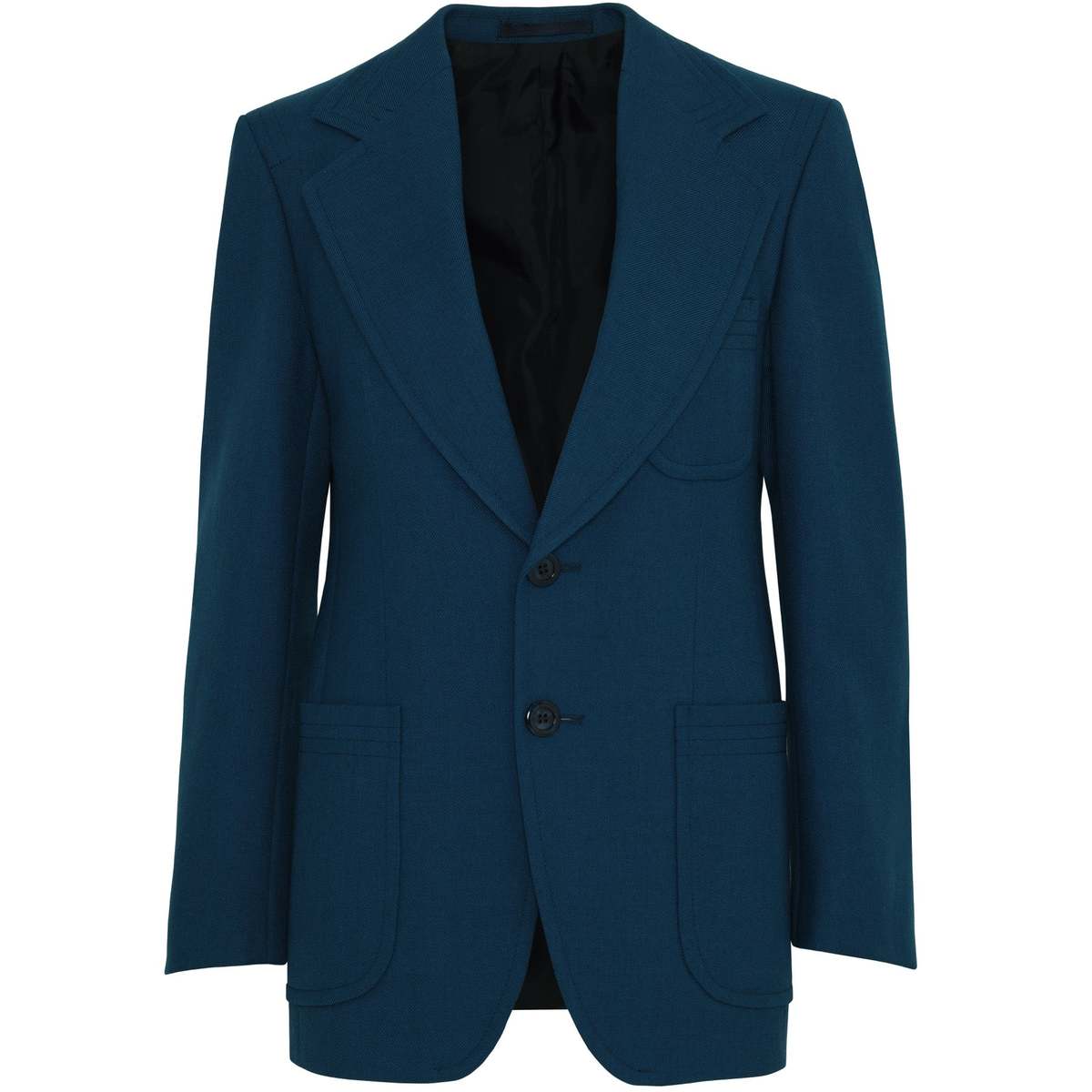
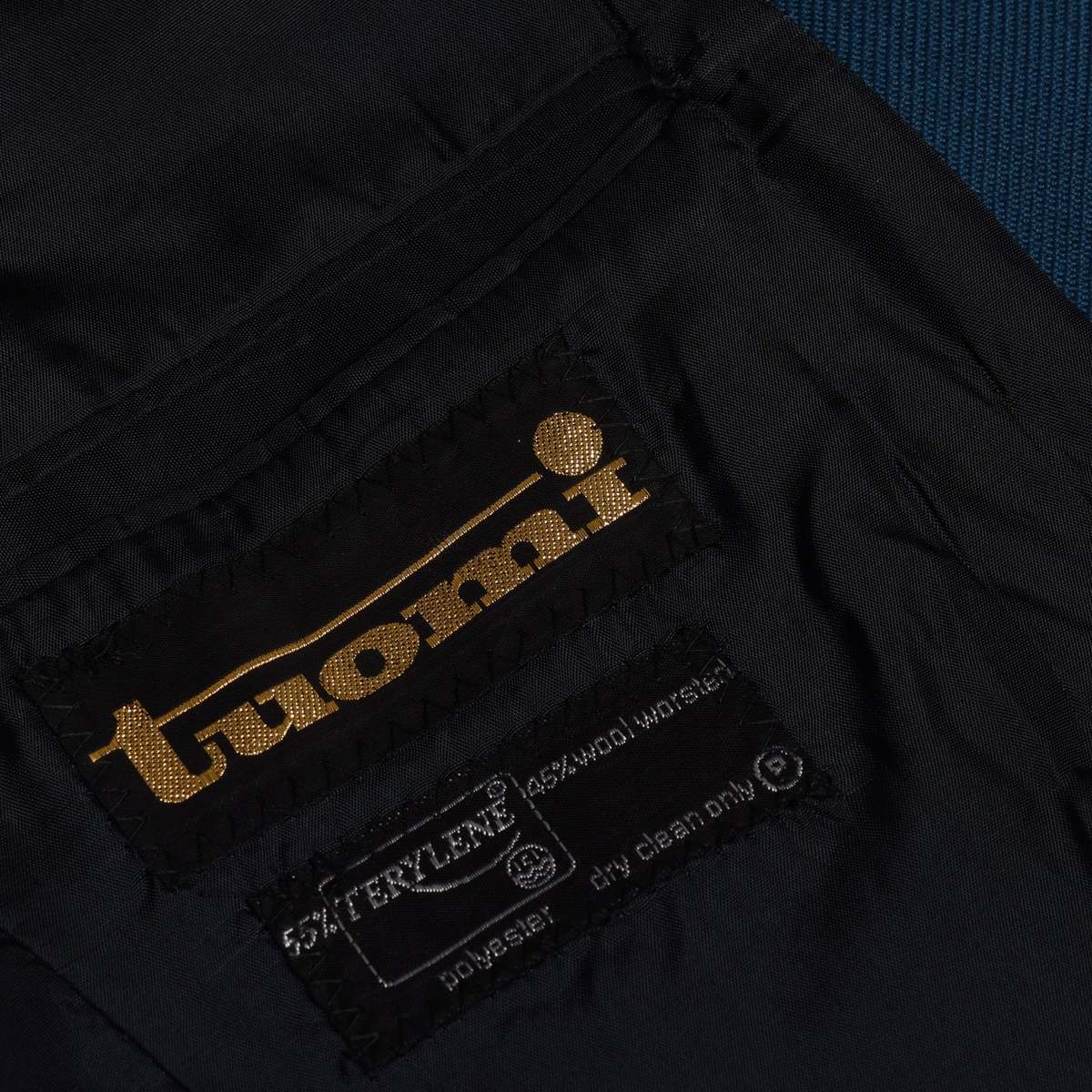
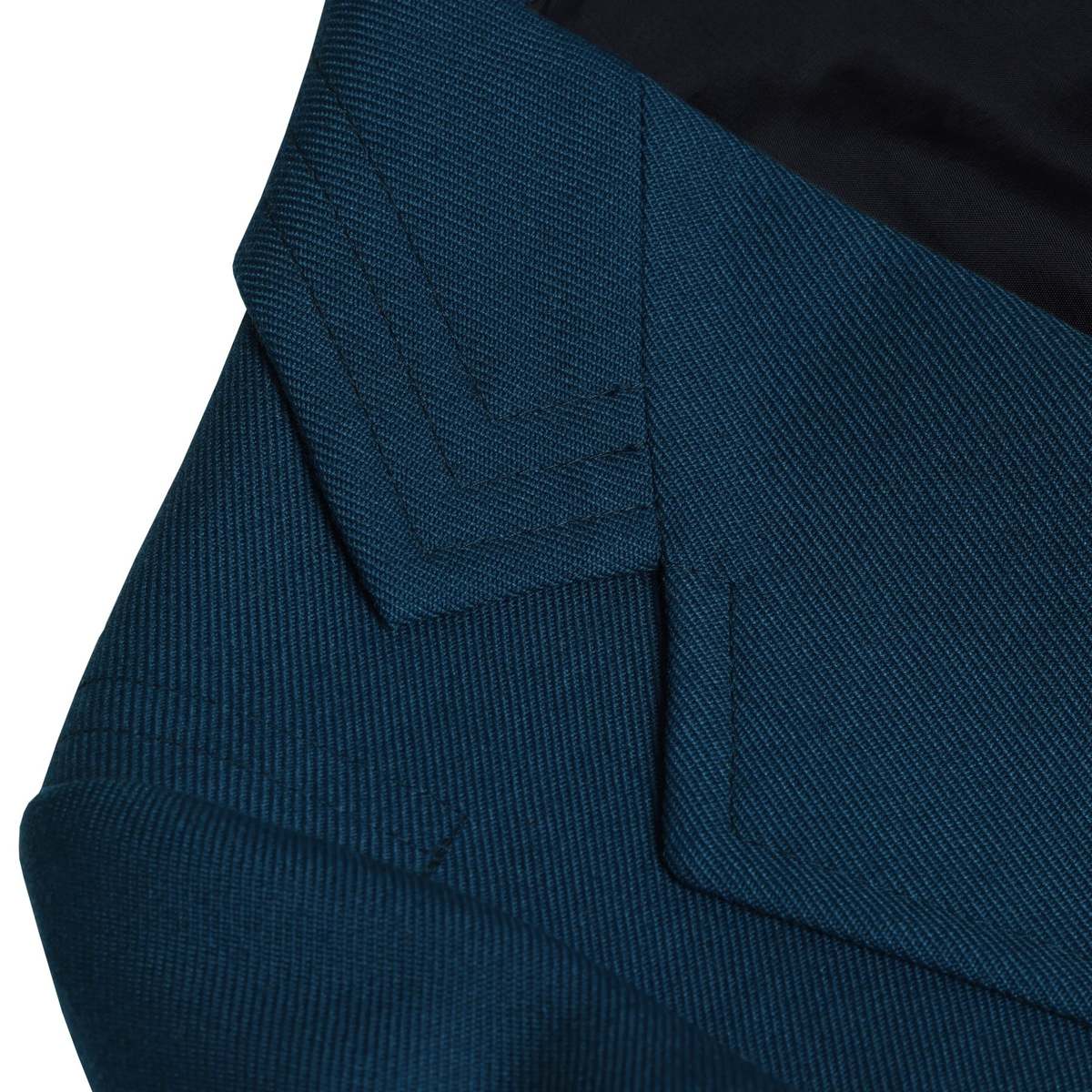
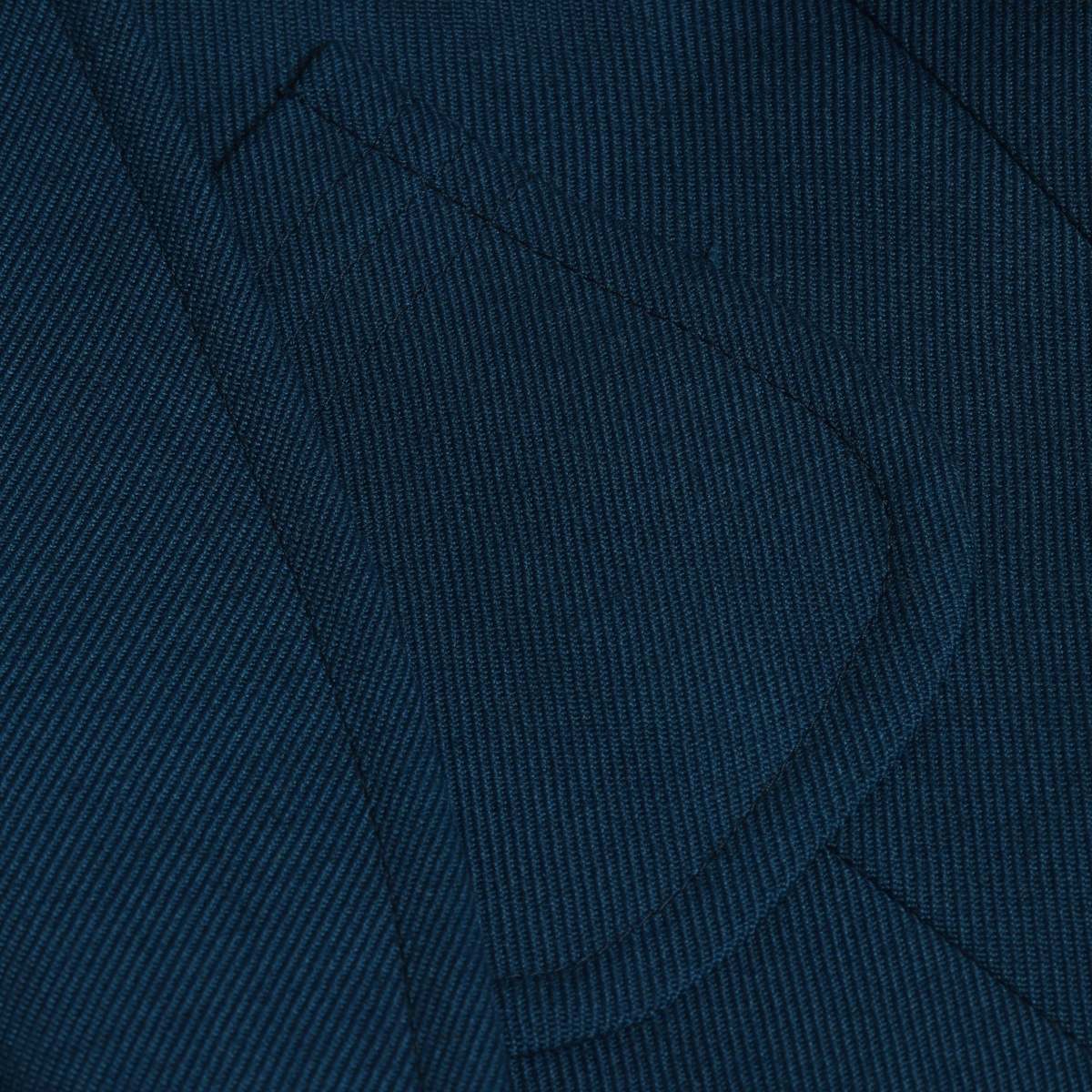
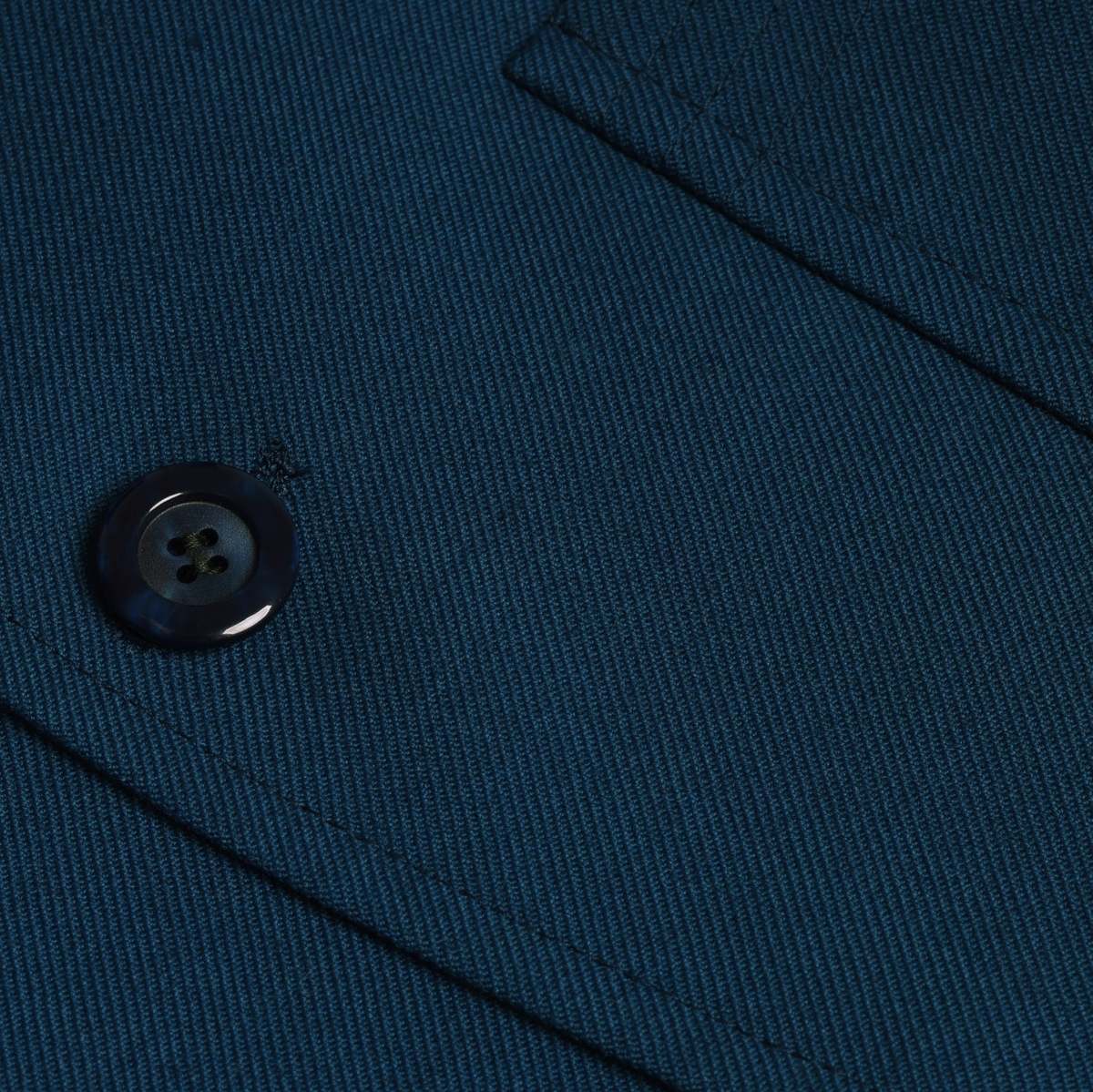
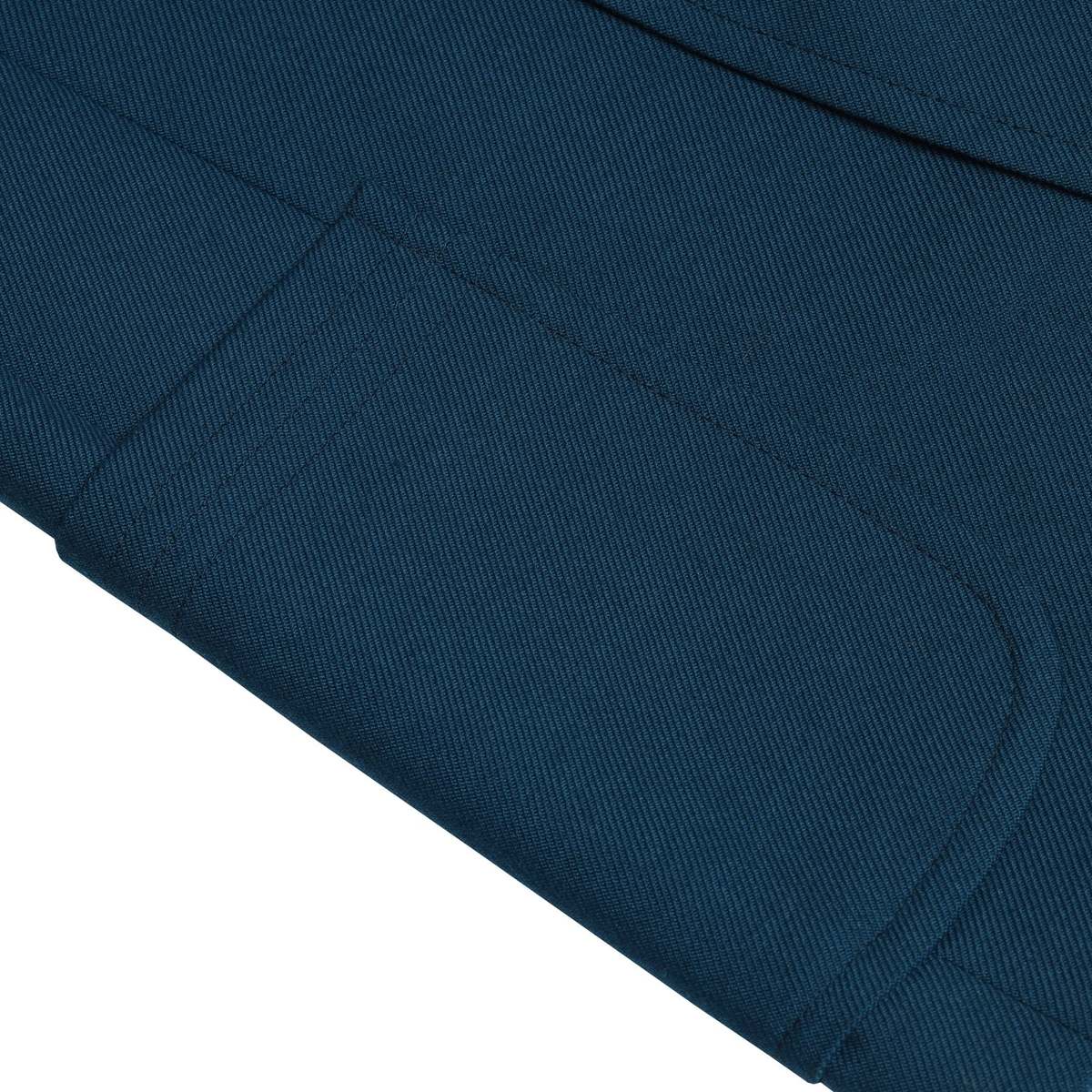
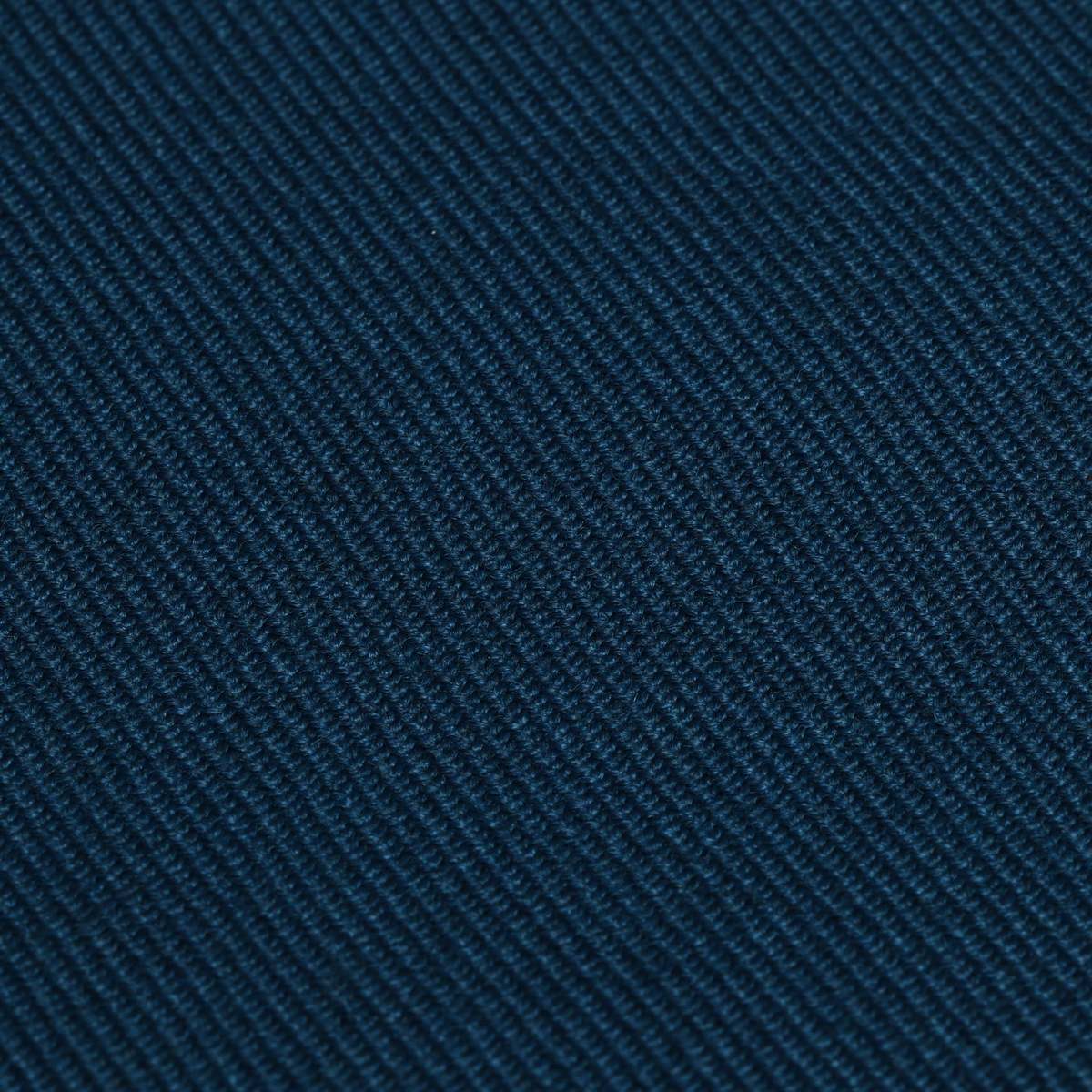
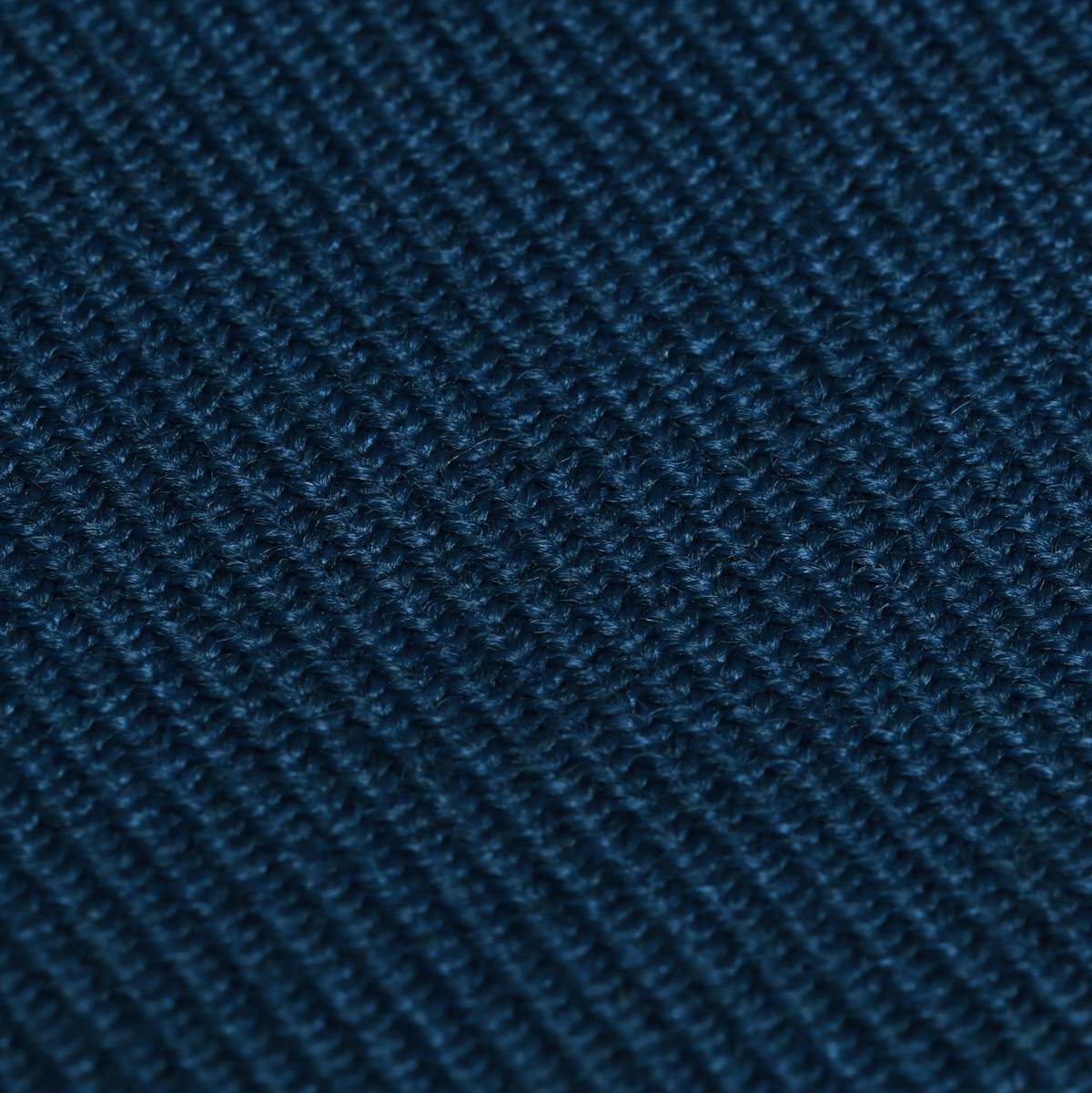
Sharp peak lapels, triple topstitching, and patch pockets reflect 1980s formalwear reinterpreted through Finnish industrial finesse. Produced by Finnish label Tuomi during the industrially transformative decades of the mid-to-late 20th century, the teal peak-lapel sport coat exemplifies the Nordic application of modernist tailoring principles fused with Cold War-era textile innovation. Rooted in the postwar Finnish ethos of pragmatic sophistication, Tuomis garments catered to regional markets where functional tailoring, climatic appropriateness, and technical fidelity were prioritized over branding or seasonal fashion cycles. In alignment with contemporaries like Nanso and Puku, Tuomi bridged classical menswear architecture with the mechanical optimism of techno-fiber adoptionmost notably through its use of ICI-developed TERYLENE polyester, emblematic of Finlands industrial textile economy and its adaptation to synthetic innovation during the Cold War. This particular garment is a two-button, single-breasted mens sport coat, rendered in a deeply saturated teal wool-polyester twill and constructed with wide peak lapels, three external patch pockets, and sharply executed tonal topstitching. Designed as an assertive, professional-leaning piece, it bridges the space between late 1970s executivewear and spring-fall Nordic urban tailoring. The exaggerated lapel geometry, clean silhouette, and graphic topstitching indicate a visual vocabulary borrowed from continental power dressing of the late 1970sreinterpreted here through a distinctly Finnish lens that tempers flamboyance with measured structural control. The outer shell is composed of a 5565% wool and 3545% TERYLENE polyester blend, woven into a plain-faced 2/2 worsted twill that demonstrates clear diagonal ribbings and a smooth, slightly lustrous finish. The use of TERYLENEa proprietary fiber developed by Imperial Chemical Industries and widely licensed across Europereflects mid-century advancements in wrinkle resistance, dimensional retention, and rapid-drying fiber systems. The twill weave yields a tightly packed, medium-weight fabric (approx. 240300 GSM) that balances crisp drape with tactile sharpness, devoid of loft or nap. Its technical lineage aligns with heritage suiting weaves such as cavalry twill, Prunelle, gabardine, and worsted sergeeach chosen historically for their tailored form stability and performance properties. Comparable textile production would have originated from mills like ICIs own TERYLENE affiliates in the UK, Schnherr in Austria, Klippan Yllefabrik in Sweden, or the suiting divisions of Marzotto Group in Italyeach with an industrial focus on resilient, synthetically reinforced wool fabrics for formalwear and uniforms. Structurally, the jacket is drafted with a bold shoulder line, deep front opening, and elongated torsoa silhouette archetype of 1980s formalwear. Patterning follows a classic single-breasted layout with likely three-panel front construction, vertical bust darts for shaping, and a two-piece tailored sleeve with a high sleevehead. The sleeve pitch is slightly forward, enhancing ergonomic arm movement, while the absence of puckering at the crown indicates strong sleeve cap shaping and precise setting. The collar and lapel are cut as distinct pieces, with reinforced fusible interfacing providing the necessary structural tension for the sharp peak lapelits edge cleanly turned and defined by triple rows of evenly spaced topstitching. These linear repetitions are mirrored on the pocket edges, chest seams, and front placket, emphasizing not only visual rhythm but panel cohesion. The pocket configuration consists of three patch pocketstwo lower and one chestexecuted with rounded corners and tight topstitching for clean edge integrity. All pocket placements are symmetrical and flat, stitched with industrial precision on straight-feed or walking-foot machinery. Buttonholes are keyhole-style, machine-executed with dense bar tacks and clean cut openings. The two-button closure uses horn-style resin buttons, cross-stitched and likely shanked internally for thread protection. The lapel roll is firm, angular, and reinforced without the subtle contouring typical of canvas-padded structuresconfirming the use of a fusible interfacing layer throughout the chest and lapel front. Internally, the jacket is fully lined with a dark black acetate or viscose lining, inserted using a bagged method with clean seam joins and machine finishing throughout. Seam finishing employs standard overlocking, with no evidence of hand felling or couture-level seam treatment, affirming its industrial production context. The shoulder structure likely incorporates lightweight canvas or pre-formed sleevehead roll supports, which provide elevation and shape without bulk. The hem is cleanly enclosed with internal facings and pressed flat with minimal edge bulka result of precise interfacing calibration and effective pressing during final assembly. Conceptually, the garment operates at the intersection of formal assertiveness and Nordic functionalism. The sharply angled peak lapels and tonal monochrome project confidence, while the durable, easy-care wool blend affirms practical longevity. Aesthetic cues from early postmodern tailoring are evident in the garments architectural lapel silhouette and decorative topstitchingdrawing from a late-modernist lineage where structural exaggeration supplanted surface embellishment. Visually, it engages a dialogue between geometric abstraction and Bauhaus-inflected suiting restraint, yielding a product that balances visual impact with utilitarian sensibility. Historically, this coat belongs to a transitional era in European menswearcirca late 1970swhere poly-wool blends dominated the professional tailoring market and regional producers like Tuomi adapted executivewear silhouettes for Nordic climates and manufacturing paradigms. In todays market, such garments are increasingly studied and recontextualized by designers and archivists attuned to pre-digital tailoring languages. Brands like Martine Rose, Casablanca, Paul Smith, and Husbands Paris have revisited these silhouettes and fabrication logics, injecting oversized lapels, tonal color schemes, and synthetic fiber narratives into modern collectsions. From a market viability standpoint, this Tuomi jacket holds value as a technically sound, visually potent example of Cold War-era Nordic tailoring. Its structural precision, material resilience, and chromatic boldness position it well within curated vintage platforms, stylized menswear capsules, and archival study. It offers a distinctive, era-specific take on masculine formalwear that is neither nostalgic pastiche nor commodity suitingsituating itself as a tangible record of Scandinavian industrial tailoring and its aesthetic negotiation between modernism and expressive claritys. Measurements (cm): Chest: 48 Length: 75 Shoulder: 43 Sleeve: 63 Size Conversion (approximate) US Mens Size: S EU Mens Size: 46 US Womens Size: M EU Womens Size: 38 SKU: 015061
Garmentory is a curated marketplace of independent boutiques and emerging designers from around the world.
Fashion With Intention
Aw yeah!
We love making new friends so while we're popping bottles, continue shopping to apply your $10 credit.
We've got a dedicated site "garmentory.co" just for our Indian customers! Shop with local currency, faster shipping, and exclusive products.
We cannot add this item to your bag because it’s already at max capacity. But don’t worry, we’ve saved it to your wish list.
Earn Replica Belts credits when you shop, wishlist, and inspire others.

Have a question about the size or something else? We're here to help!