Spring fever is here 🌡️☀️ Prep early for those not too hot and not too cold days by finding something you love ON SALE. SHOP THE SALE


Spring fever is here 🌡️☀️ Prep early for those not too hot and not too cold days by finding something you love ON SALE. SHOP THE SALE
| To | Service | Estimated Delivery | Fee |
|---|---|---|---|
| 🌎 | Intl. Air | 6-20 business days | $29.95 |
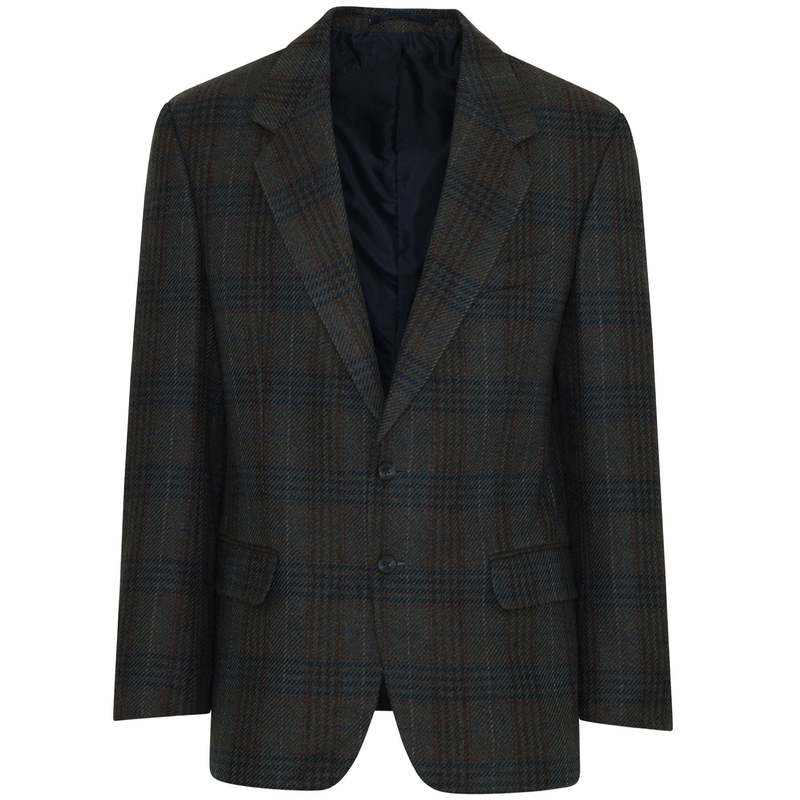
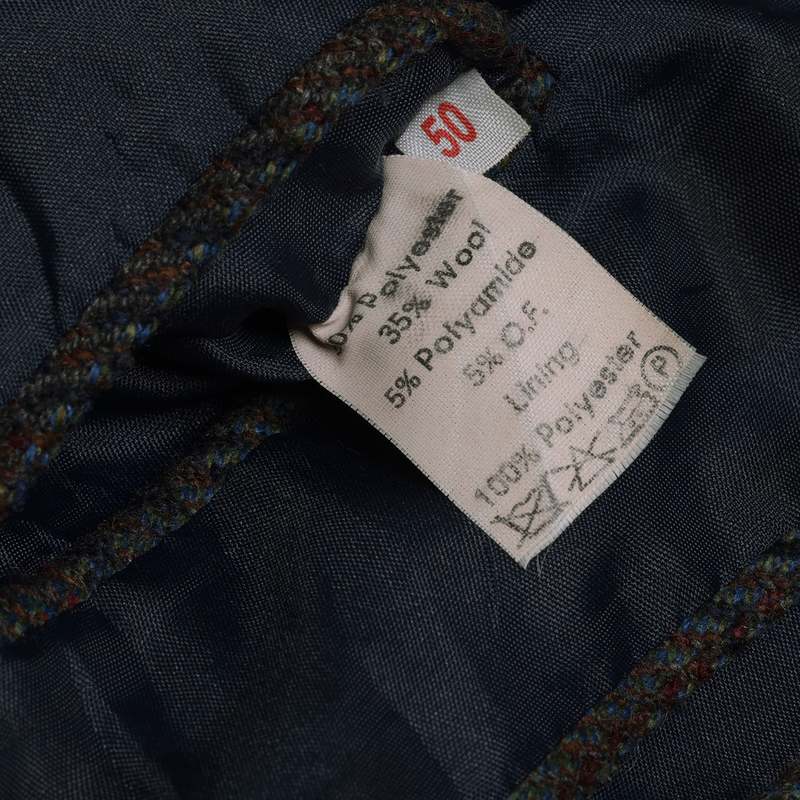
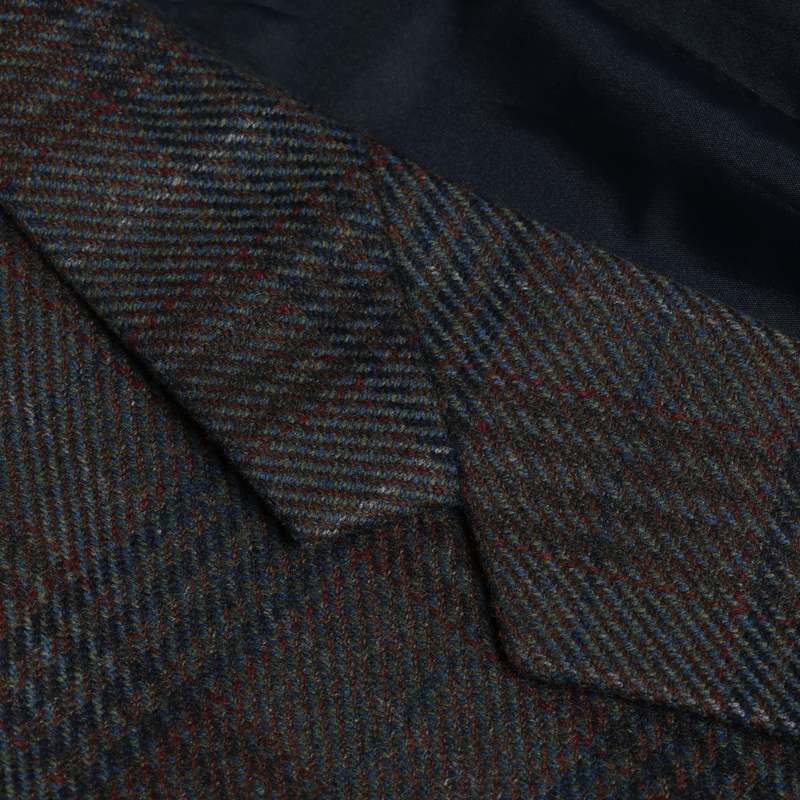
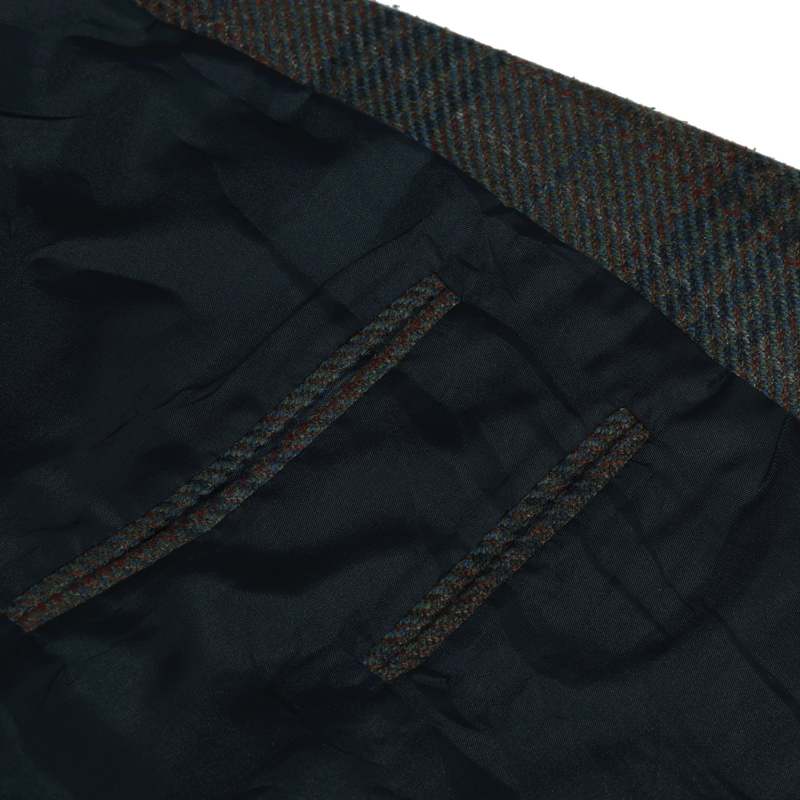
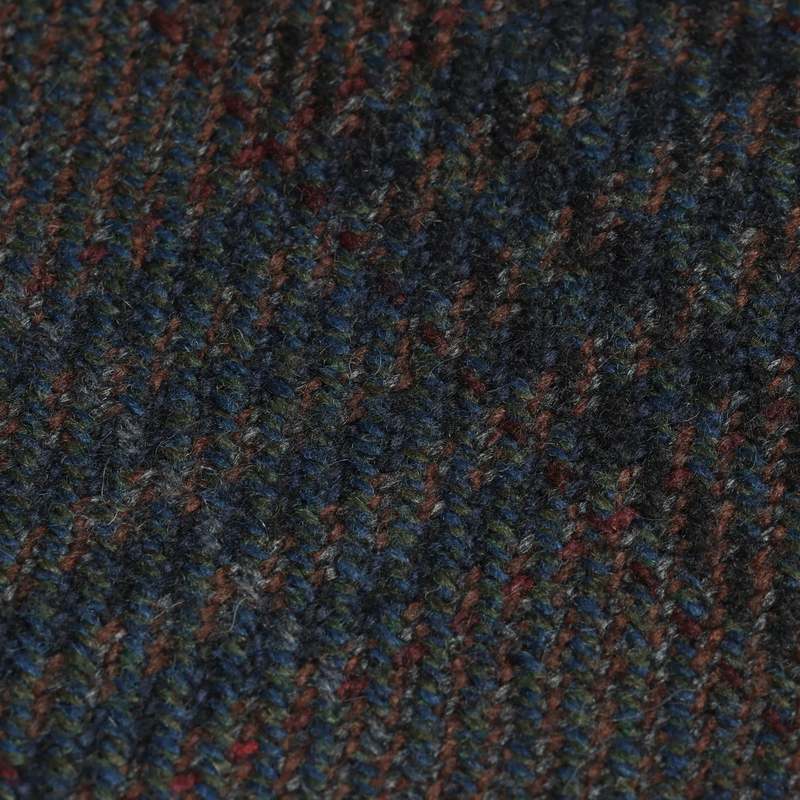
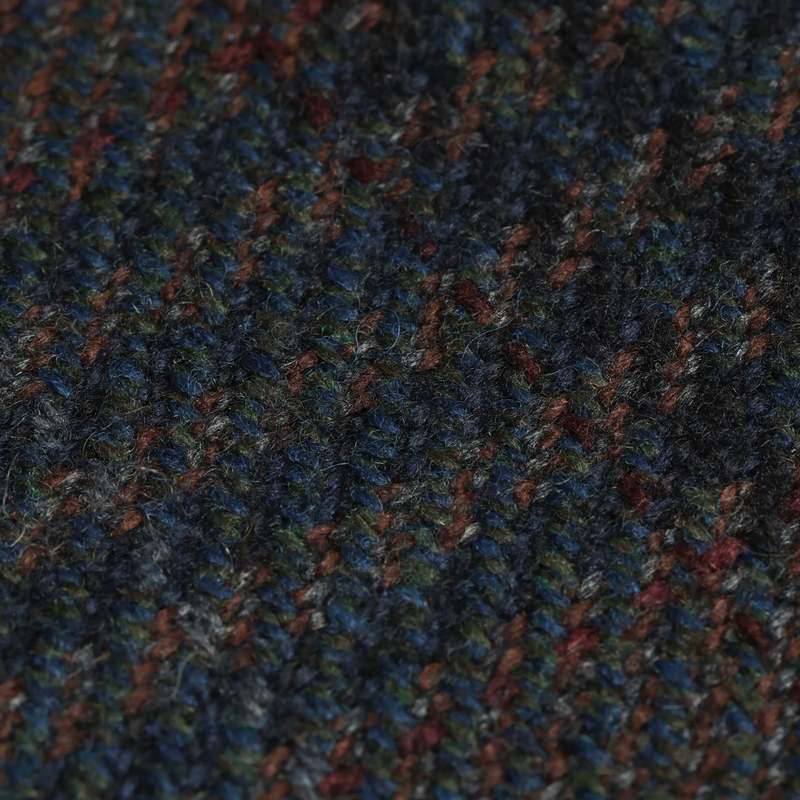
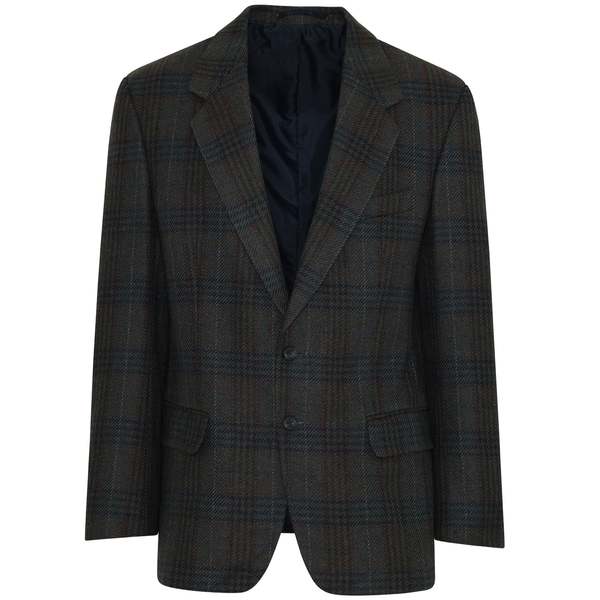
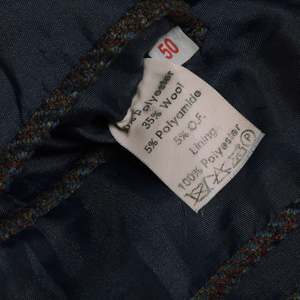
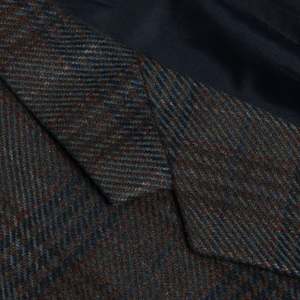
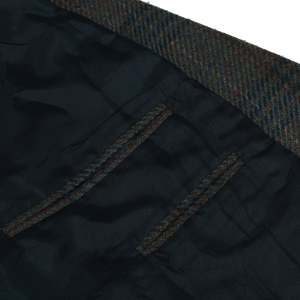
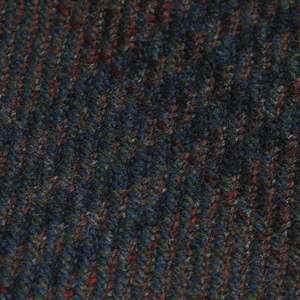
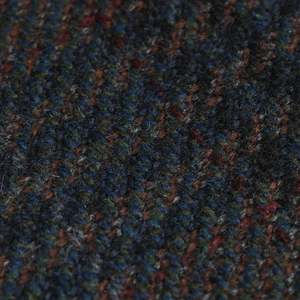
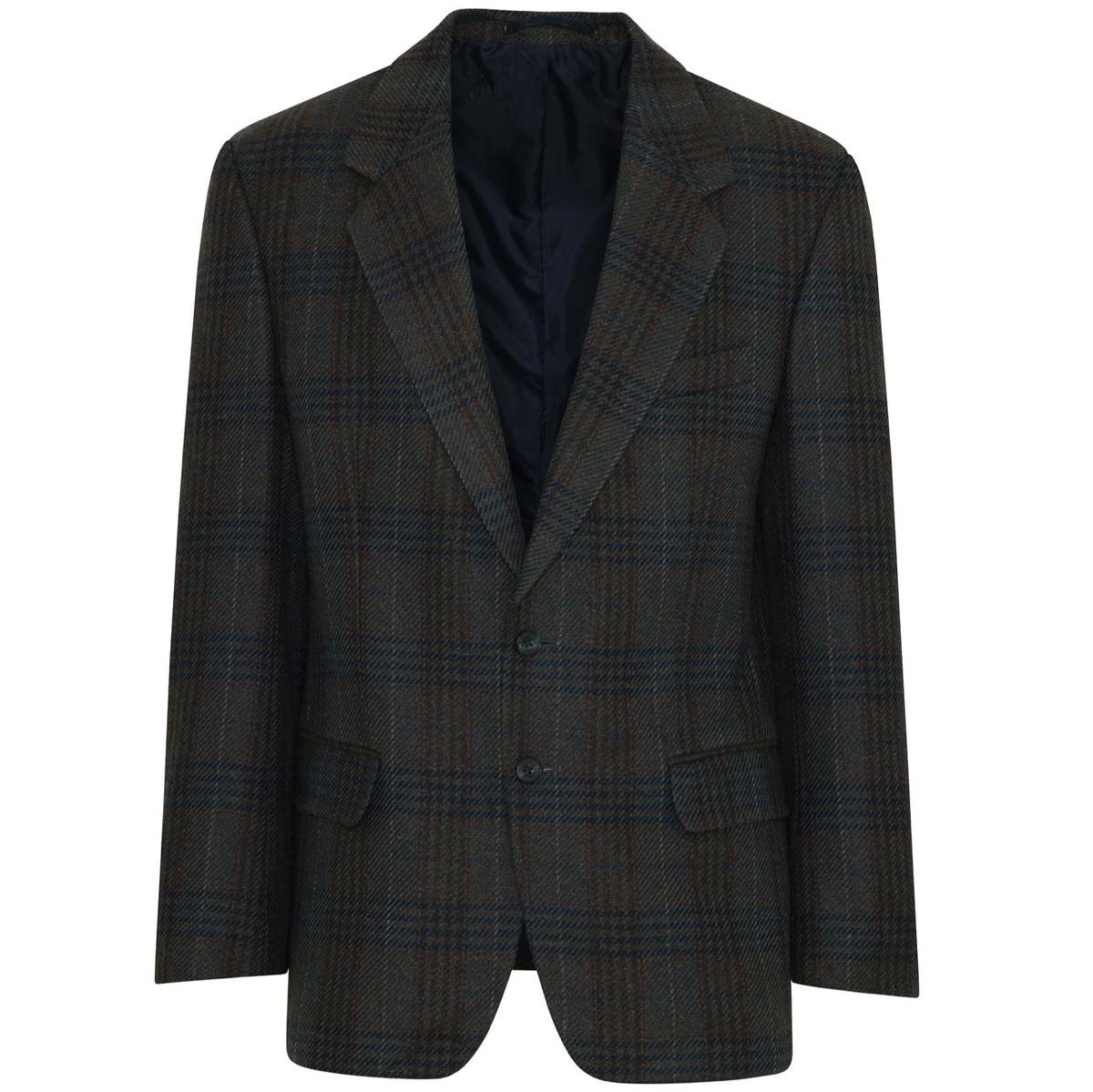
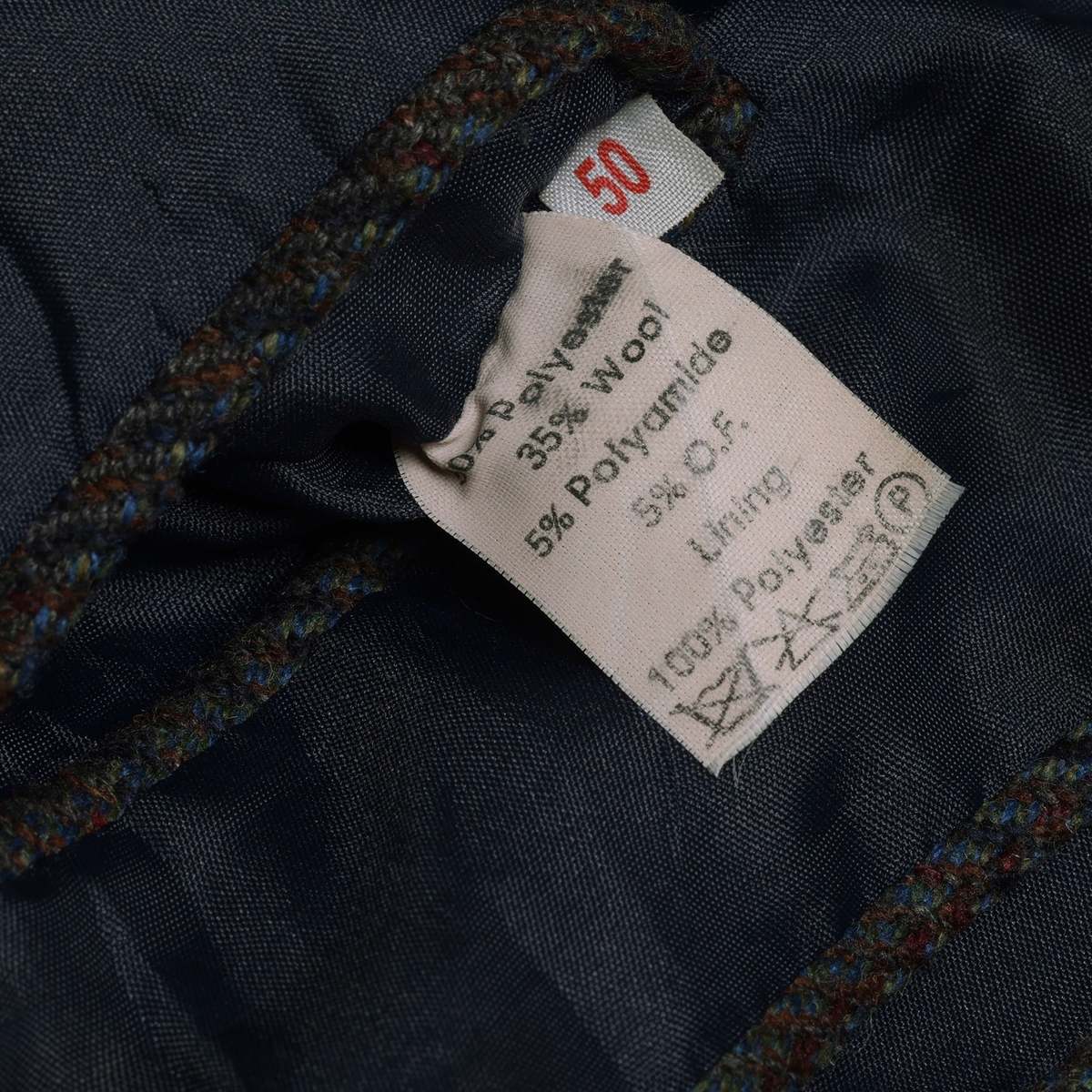
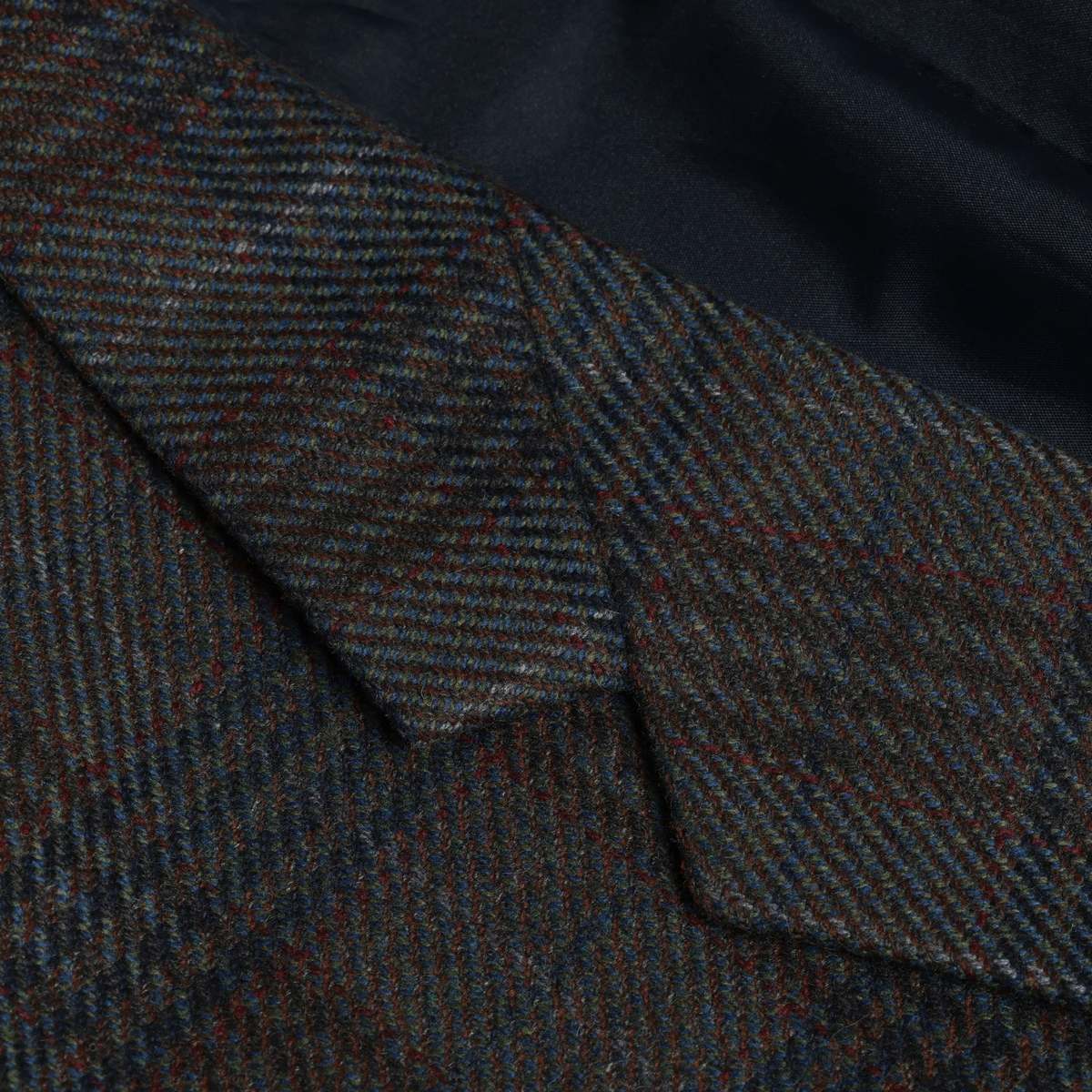
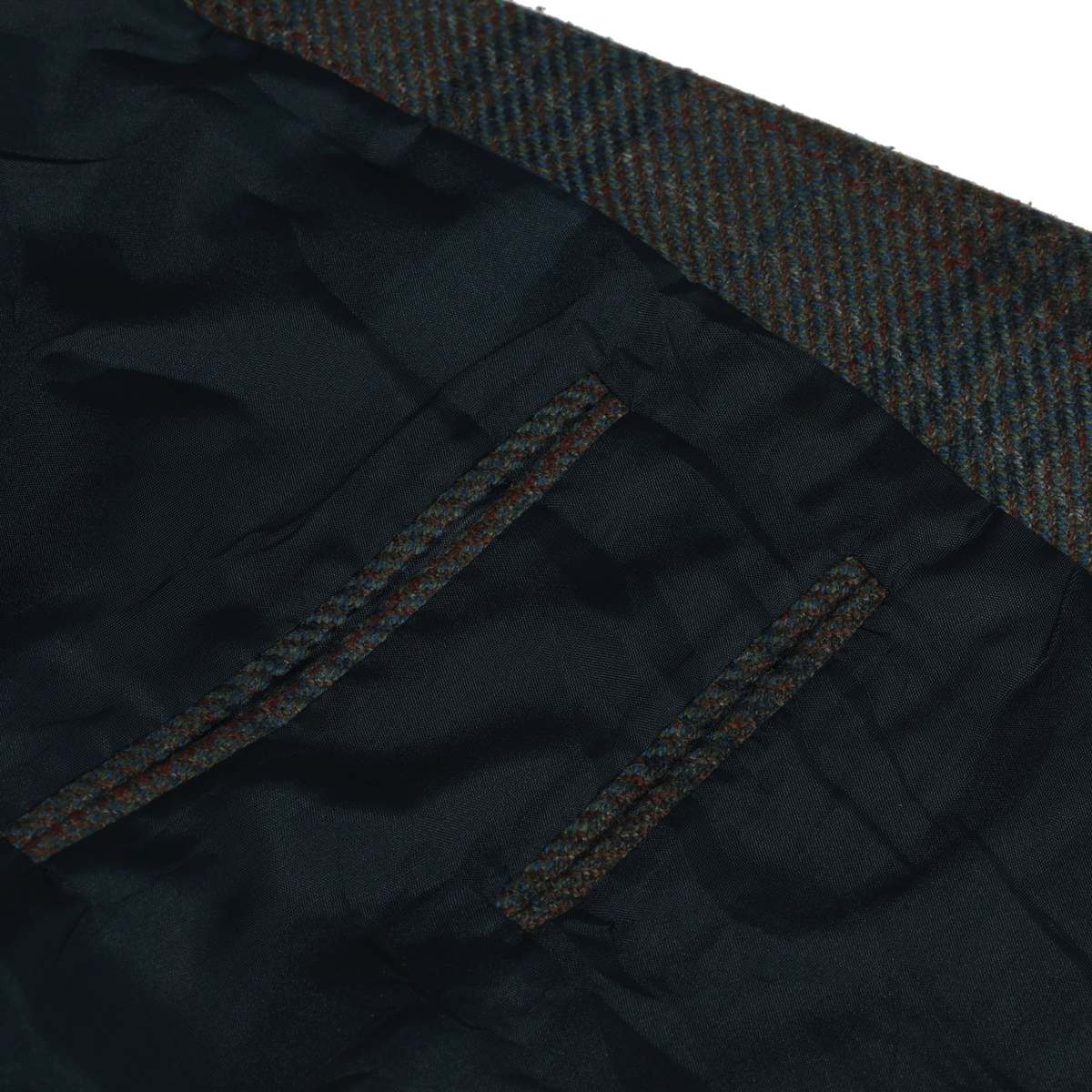
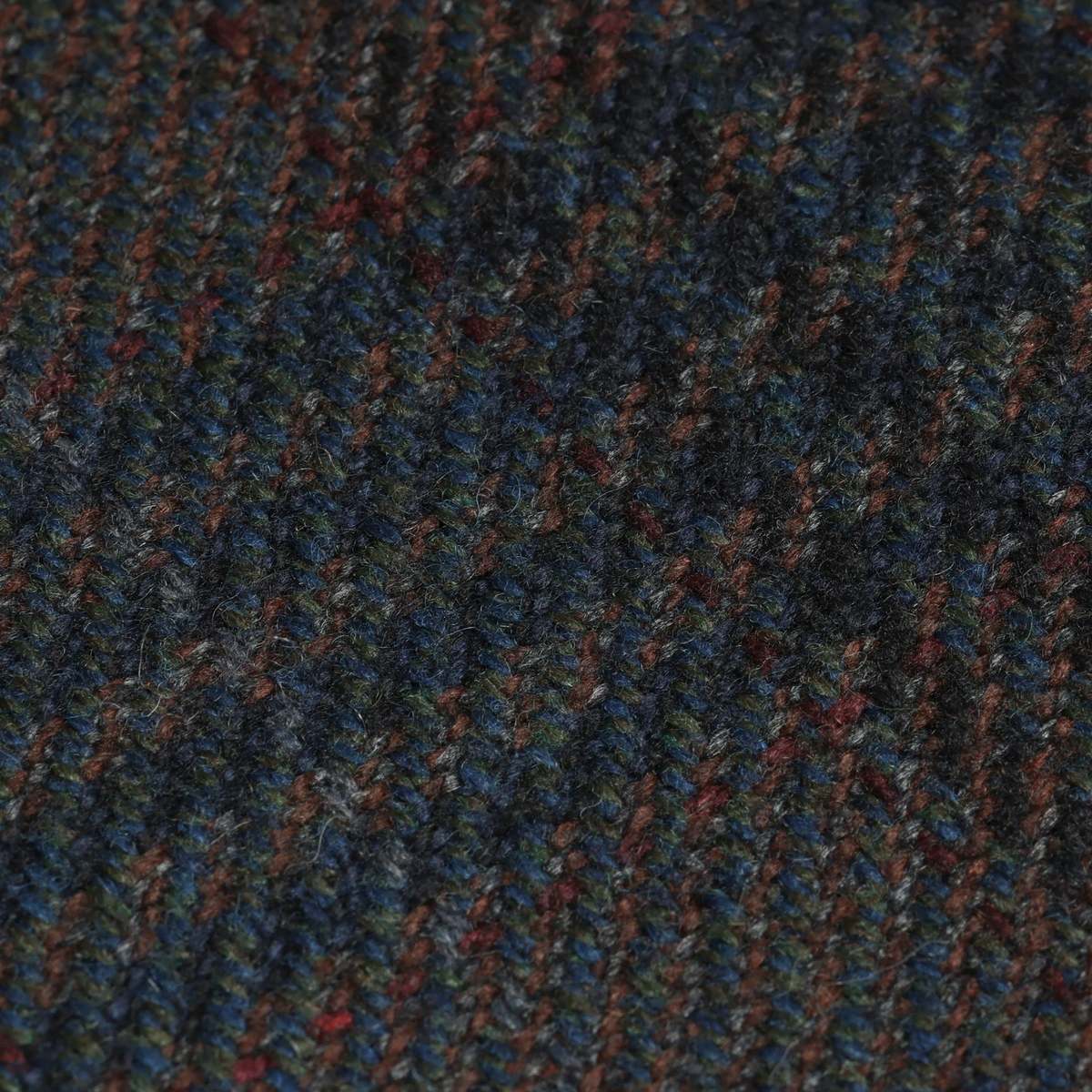
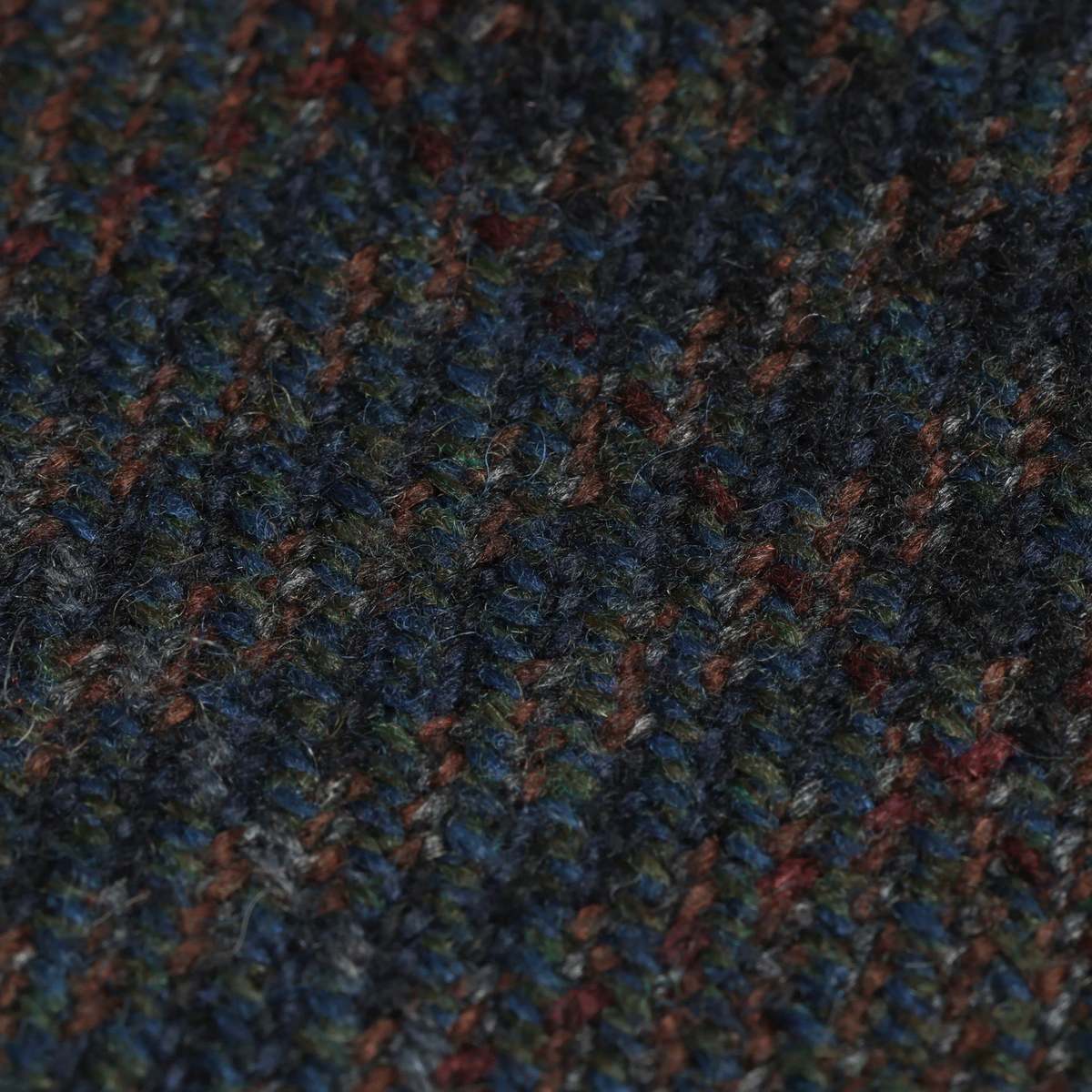
A late-1990s OEM-produced sport coat balancing civic tailoring traditions with semi-industrial construction for the Central European officewear market. The vintage sport coat exemplifies late-20th-century Central European tailoring logic executed through semi-industrial production. Originating likely from an OEM commission for a regional department store tailoring label from Germany, Austria, or the Nordicssuch as Peek & Cloppenburg, Windsor, or Oscar Jacobsonthe garment reflects the typology of mid-to-upper tier European menswear labels that eschew auteur authorship in favor of seasonal consistency and commercial scalability. The lack of overt branding, combined with the garments textile intricacy and construction precision, positions it within a framework of urban civic tailoring developed for office environments, academic institutions, and semi-formal engagements. Rather than experimental fashion, this piece engages with enduring traditions of civic professional dress grounded in mechanical reliability and demographic breadth. The garment conforms to a standardized single-breasted two-button sport coat archetype designed for fall-winter layering. Structured shoulders with moderate padding, a full lining, dual flap pockets, and a notched lapel establish the silhouette firmly within business-casual tailoring conventions. The styles conceptual lineage extends from 1960s Ivy League tailoring, reinterpreted through the utilitarian pragmatism of 1980s West German ready-to-wear frameworks, and refined into a subdued post-functionalist expression during the 1990s2000s menswear revival era. The shell fabric is a polyester-dominant blendcomprising 60% polyester, 35% wool, and 5% polyamideengineered for surface durability, mechanical resilience, and visual tactility. This textile approximates the aesthetic of traditional tweed while resisting wrinkling, offering warmth without compromising shape retention. Structurally, it utilizes a multi-yarn tartan twill weave, with a 2/2 diagonal rib configuration. Chromatically, the interplay of dark navy, forest green, oxblood, rust, and black yarns forms a softened tartan grid more subdued than a Glen check but grounded in analogo2us visual logic. The wool component imparts thermal insulation and matte texture, the polyester introduces tensile strength and a subtle synthetic sheen, and the polyamide contributes elasticity and surface fuzz, facilitating comfort in colder climates. The weaves configuration evokes multiple heritage cloth traditions. It shares affinities with estate and district checks originally developed for Scottish and Irish rural wear, informal hunting tartans adapted for camouflage rather than display, and brushed overcheck twills softened for urban casual tailoring. Though technically distant from pure Saxony cloths, the tactile behavior and visual softness align conceptually with Saxony-inspired suiting fabrics of the late 20th century. The cloths industrial pedigree, given the synthetic content and utilitarian orientation, suggests production from hybrid textile mills such as Italys Mantecorenowned for tonal checks in recycled wool-poly blendsKlopman, which specializes in polyester-wool blends for uniform tailoring, or Burlington Industries, which in the 1980s90s produced brushed check fabrics for mass-market American suiting. These mills exemplify the adaptation of heritage motifs for scalable, cost-efficient production aligned with the ready-to-wear market. The construction process relies on semi-industrial tailoring protocols. Machine-assembled with standardized seaming, the jacket features topstitched and fused stress points, indicating a fused front assembly with non-woven polyester canvas interlining. The lapels are shaped through industrial pressing rather than hand pad-stitching, and the undercollar is likely bias-cut melton with steam-shaped pad stabilization. Set-in sleeves are drafted with a two-piece configuration and sleevehead shaping for improved articulation, inserted with eased crown fullness and likely stabilized with sleevehead tape. Internally, seams are machine-overlocked, and linings are bagged and blind-closed with jump hems, maintaining mobility without tension distortion. Welt pockets are framed with self-fabric lips reinforced by pocket stays and interfaced for longevity, their clean execution reflecting control over pressing and stitch regulation. Panel configuration follows a three-panel front with side darts and likely double rear vents, structured for fit claritys rather than anatomical customization. The lapel, approximately 89 cm in width, features a modest notch angle and gently curved break line. The scye depth and shoulder shape suggest a moderate drop suited to layering, balancing mobility and tailored form. CAD-modified pattern blocks and batch-quality control are evident in the symmetrical lapel shaping, precise tartan alignment across chest and flap pockets, and collar roll integrity. While minor rippling in the lining may indicate high machine feed tension or minimal bias cut in the paneling, this remains within tolerance for semi-industrial tailoring. Cuff treatments are non-functioning and blind-stitched; hems are straight and machine-closed with invisible stitching; neckline construction utilizes a traditional rear stand that conforms cleanly to the neck base. The absence of canvassing, pick stitching, or hand-finishing consolidates its industrially efficient, cost-conscious identity while retaining the formal proportions of classic tailoring. Conceptually, the garment communicates quiet authority through its visual restraint and material language. Its chromatic spectrumearthy, desaturated, and seasonally modulatedfunctions as a psychological cue for professionalism and discretion. The design offers no theatrical intervention, operating instead through calibrated proportion, tactile nuance, and chromatic balance. Within the menswear industry, its aesthetic aligns with brands like J. Press, Eterna, and Boggi Milanolabels that prioritize continuity, accessible tailoring, and heritage realism without courting fashion volatility. Historically, this piece emerges from a late-1990s to early-2000s context when synthetic-wool blends dominated Central European tailoring production. At this time, regional OEMs scaled heritage motifs for urban markets, democratizing fabrics like tweed and tartan beyond their Anglo-centric origins. The piece reflects a transitional phase in European menswear, where classical references were adapted for efficiency and market breadth, forming the backbone of contemporary urban tailoring for professionals. Today, it intersects with revived industry trends emphasizing traditional checks and tailored structurevisible in the output of brands like Drakes, Stoffa, and Informalewho recontextualize conservative silhouettes within editorial, lifestyle-driven narratives. While it operates below the level of artisanal or avant-garde tailoring, its technical fluency and stylistic versatility position it firmly within the upper mid-market segment. The garments durability, formal balance, and material expression make it viable for modern reinterpretationwhether styled with cords, denim, or fine-gauge knitwearespecially in curated vintage retail or contemporary workwear-heritage capsules. Its relevance lies not in innovation, but in the transmission of textile and tailoring traditions into stable, wearable form. Measurements (cm): Chest: 55 Length: 75 Shoulder: 48 Sleeve: 64 Size Conversion (approximate) US Mens Size: L EU Mens Size: 50 SKU: 015073
Garmentory is a curated marketplace of independent boutiques and emerging designers from around the world.
Fashion With Intention
Aw yeah!
We love making new friends so while we're popping bottles, continue shopping to apply your $10 credit.
We've got a dedicated site "garmentory.co" just for our Indian customers! Shop with local currency, faster shipping, and exclusive products.
We cannot add this item to your bag because it’s already at max capacity. But don’t worry, we’ve saved it to your wish list.
Earn Replica Belts credits when you shop, wishlist, and inspire others.

Have a question about the size or something else? We're here to help!