Spring fever is here 🌡️☀️ Prep early for those not too hot and not too cold days by finding something you love ON SALE. SHOP THE SALE


Spring fever is here 🌡️☀️ Prep early for those not too hot and not too cold days by finding something you love ON SALE. SHOP THE SALE

| To | Service | Estimated Delivery | Fee |
|---|---|---|---|
| 🌎 | Intl. Air | 6-20 business days | $29.95 |
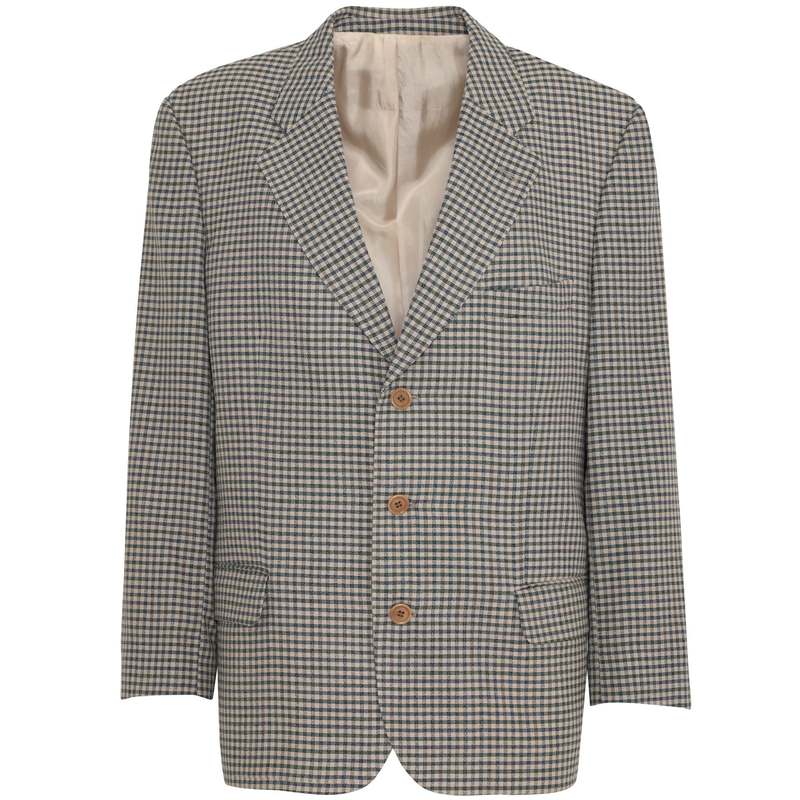
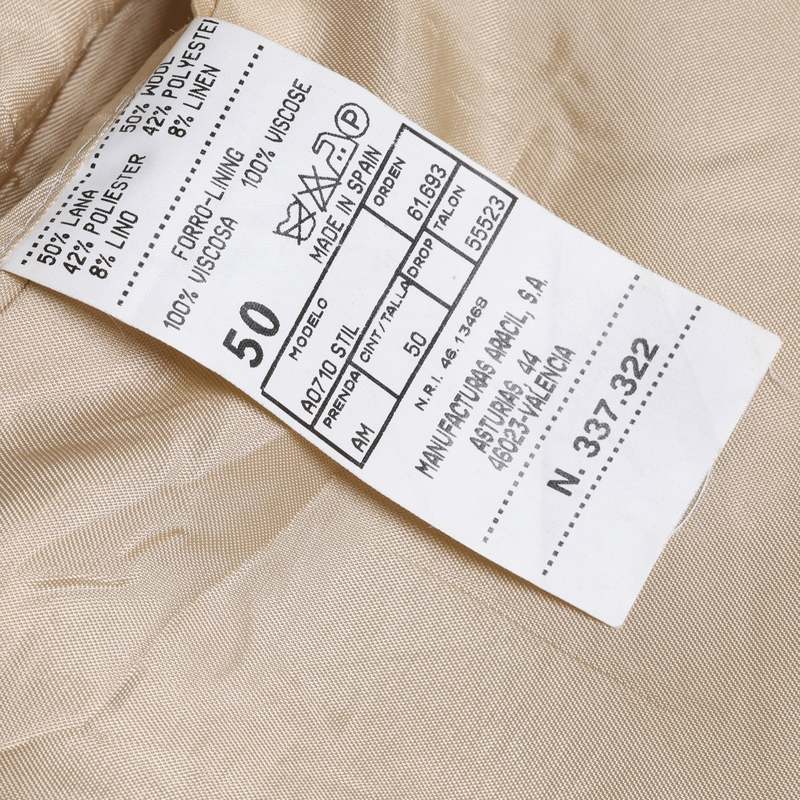
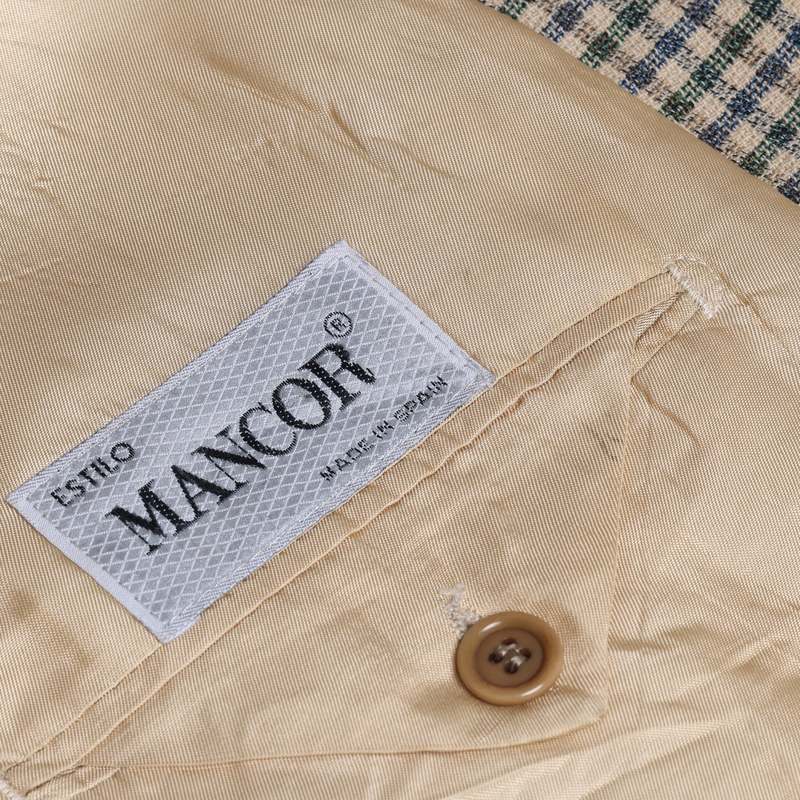
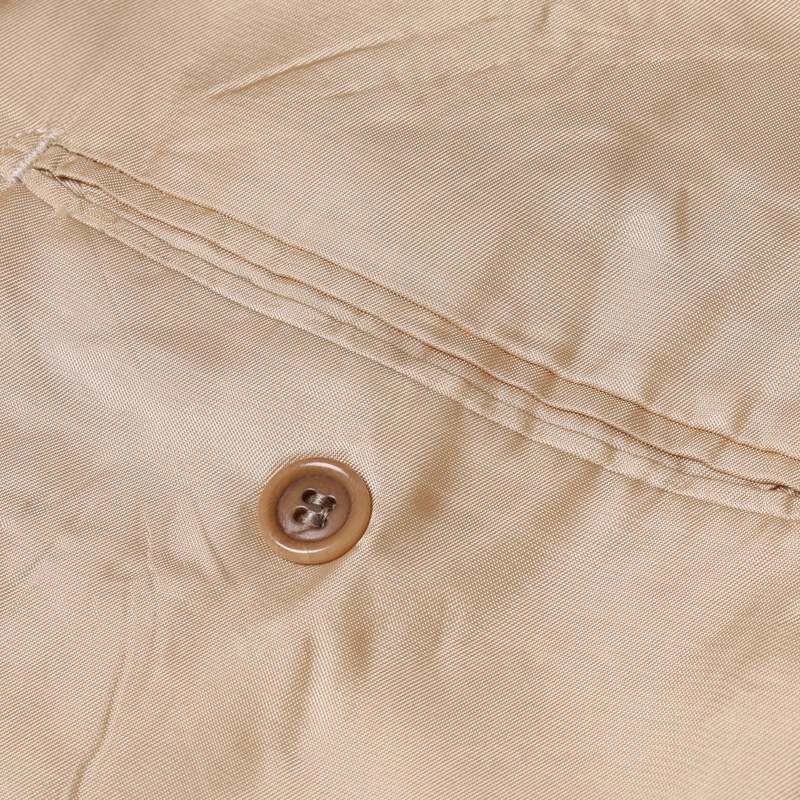
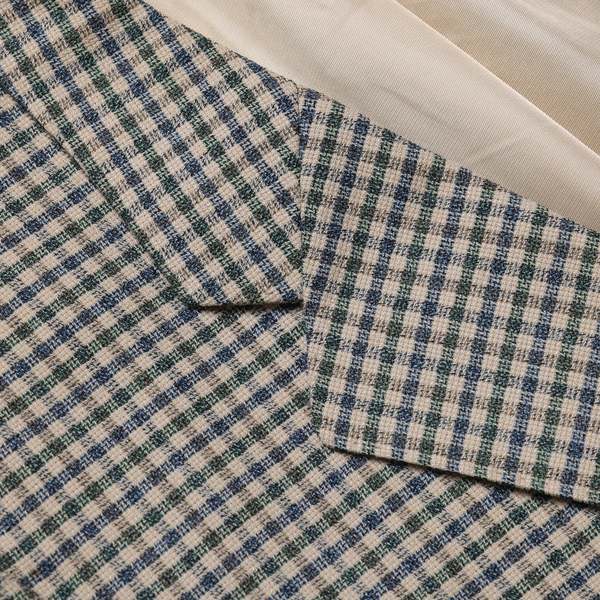
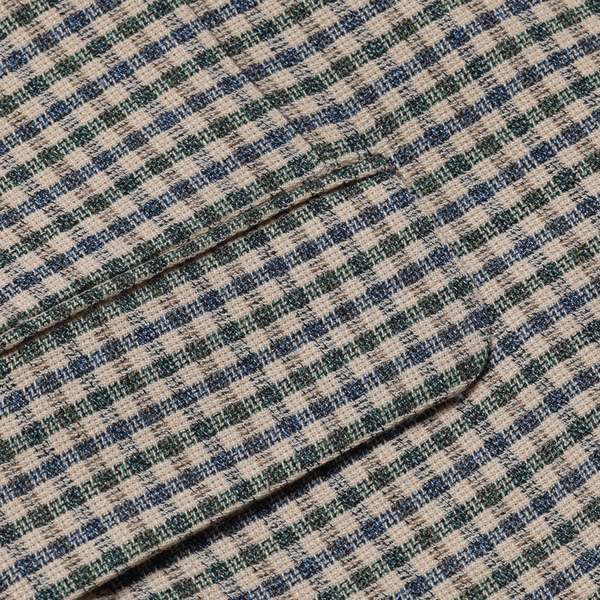
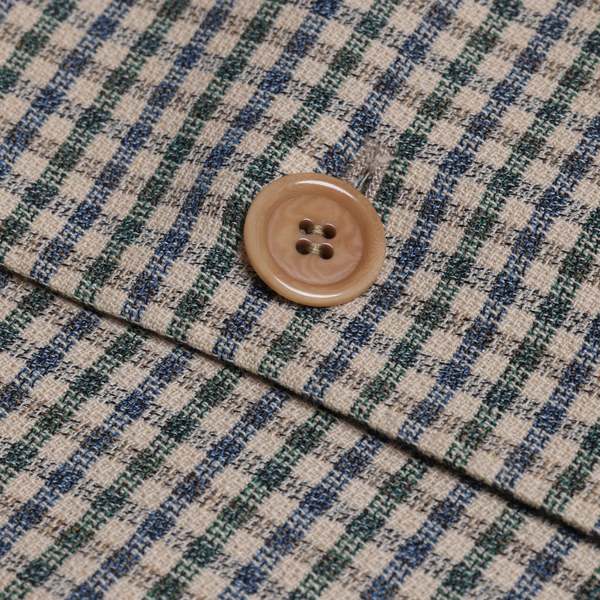
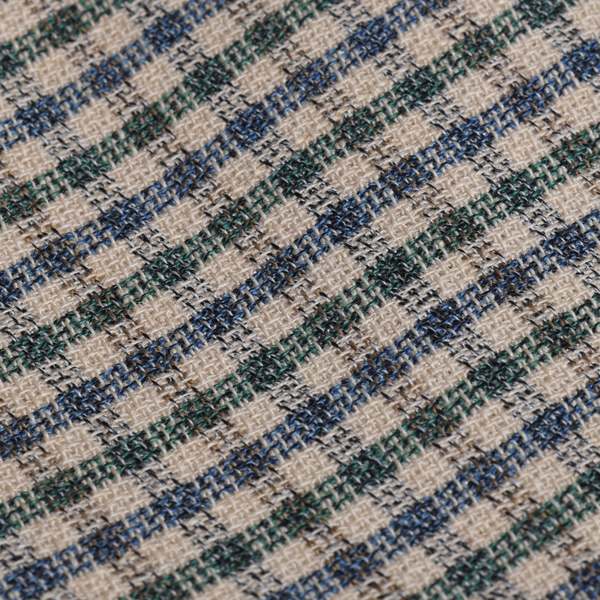
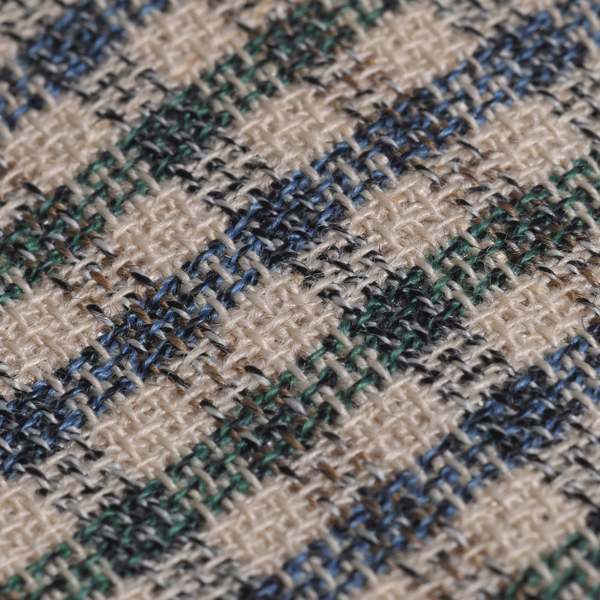
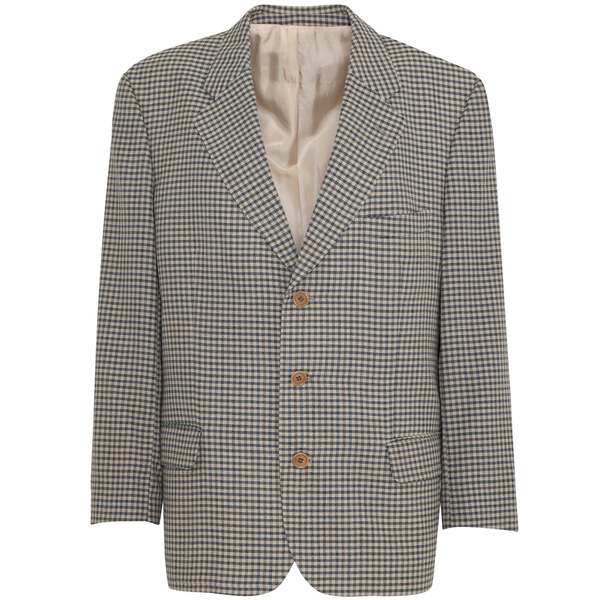
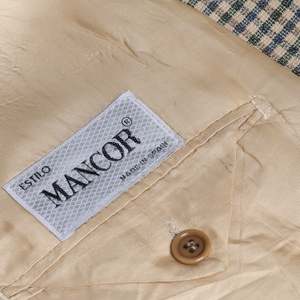
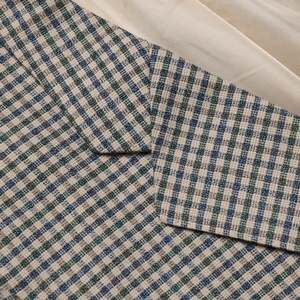
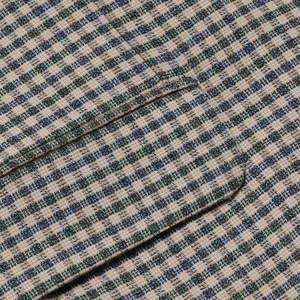
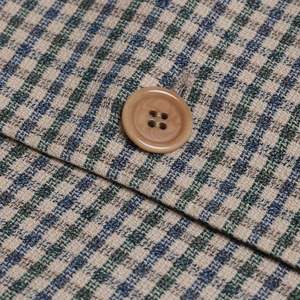
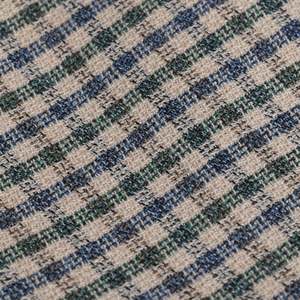
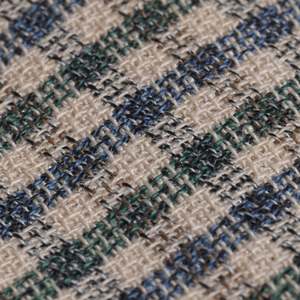
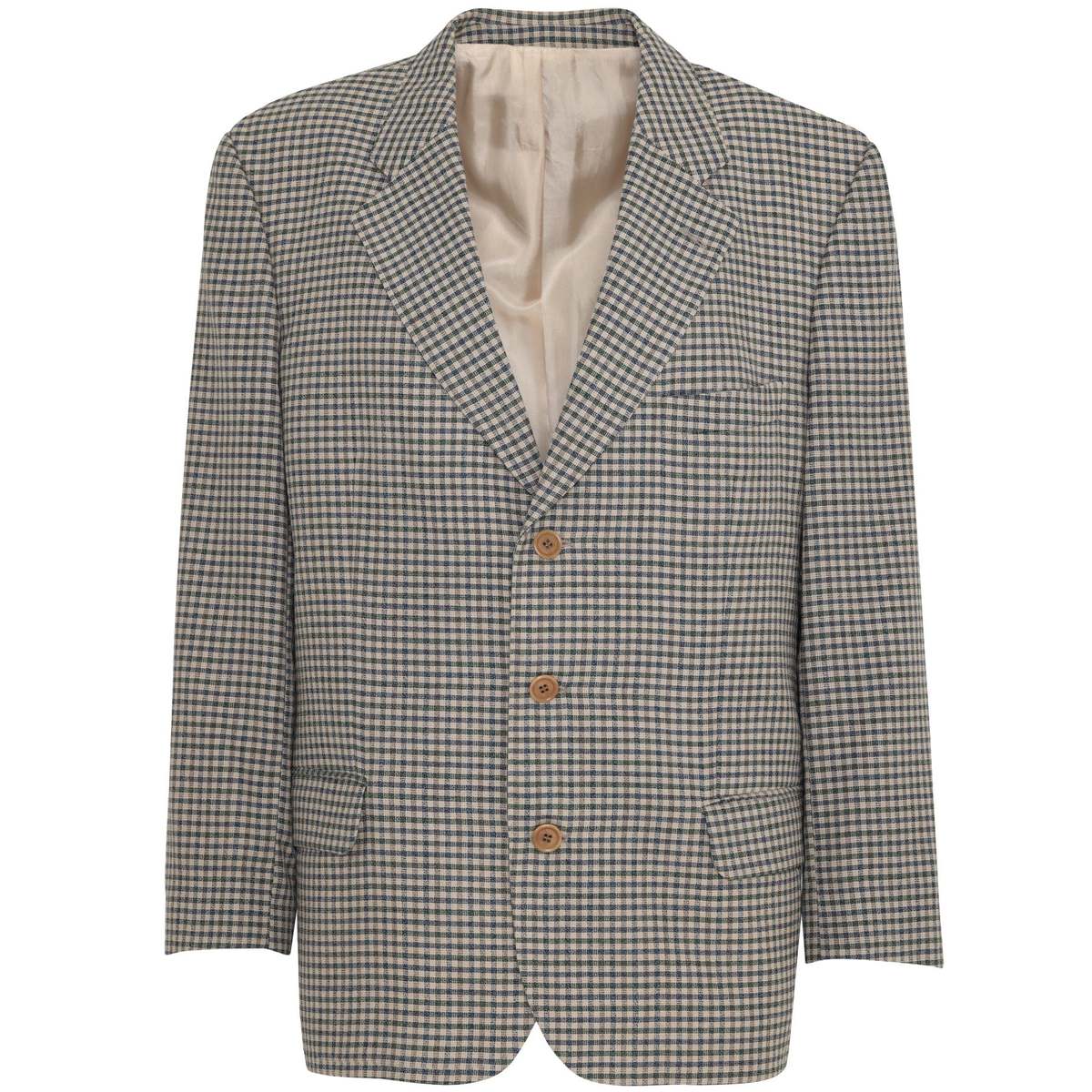
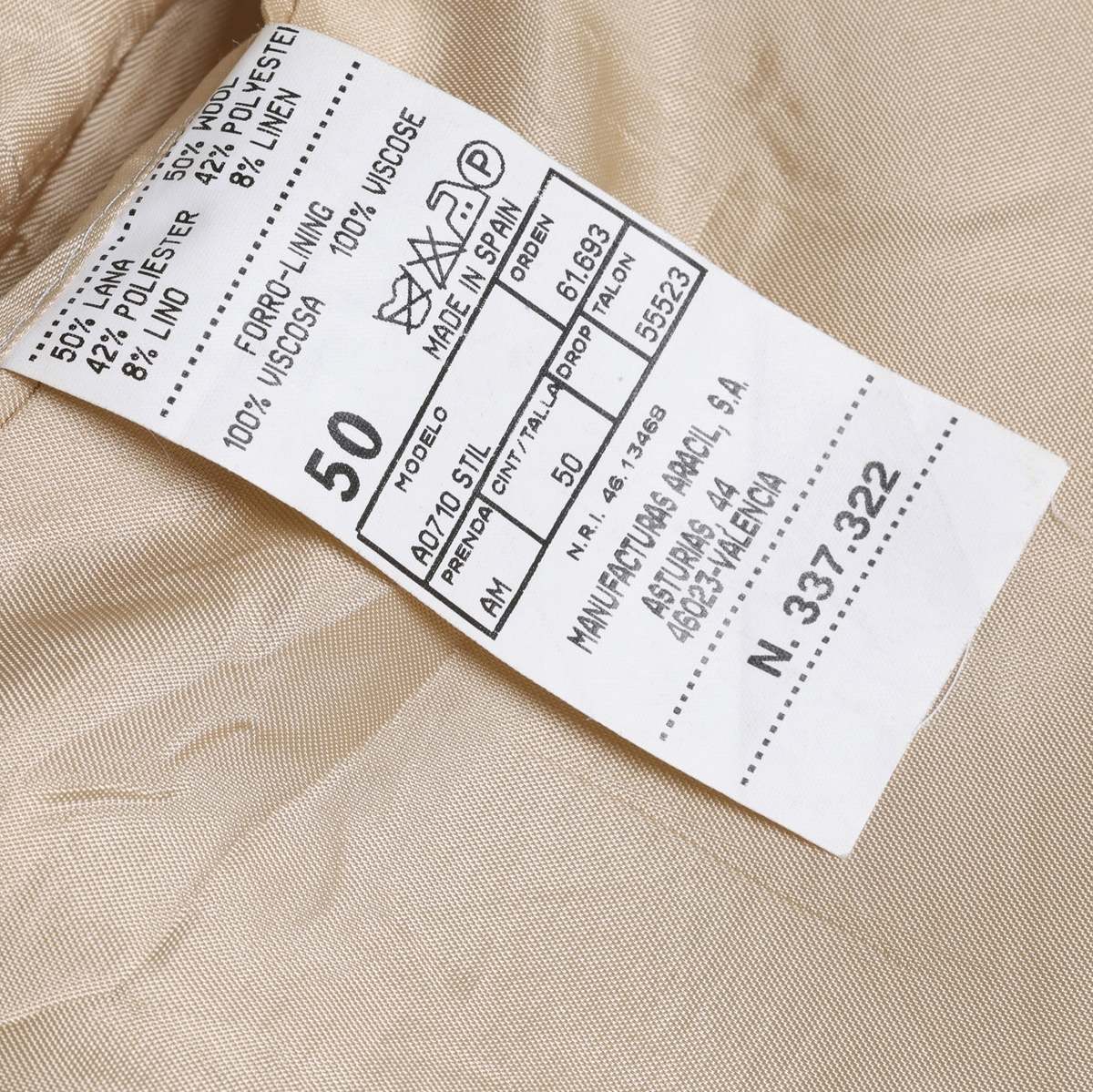
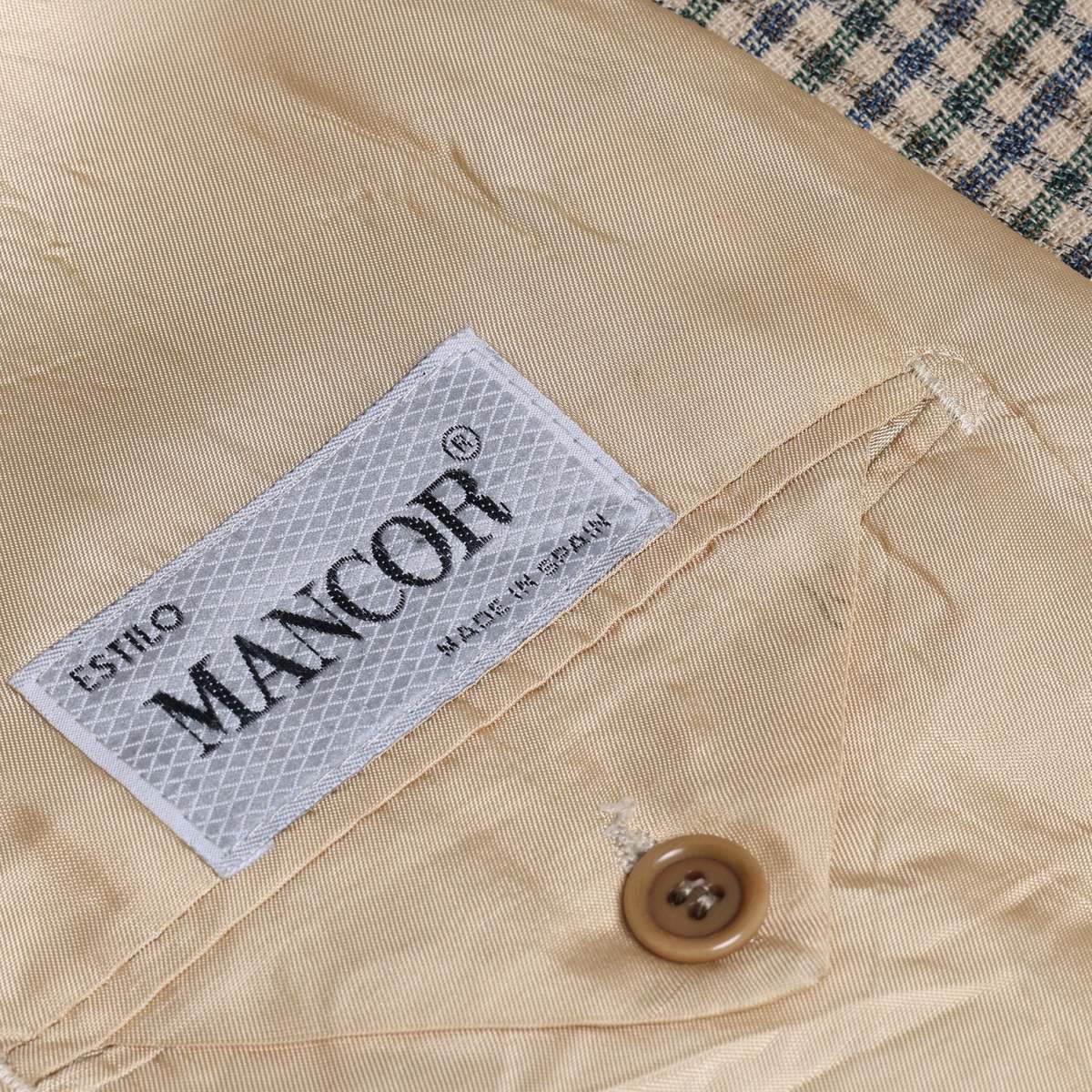
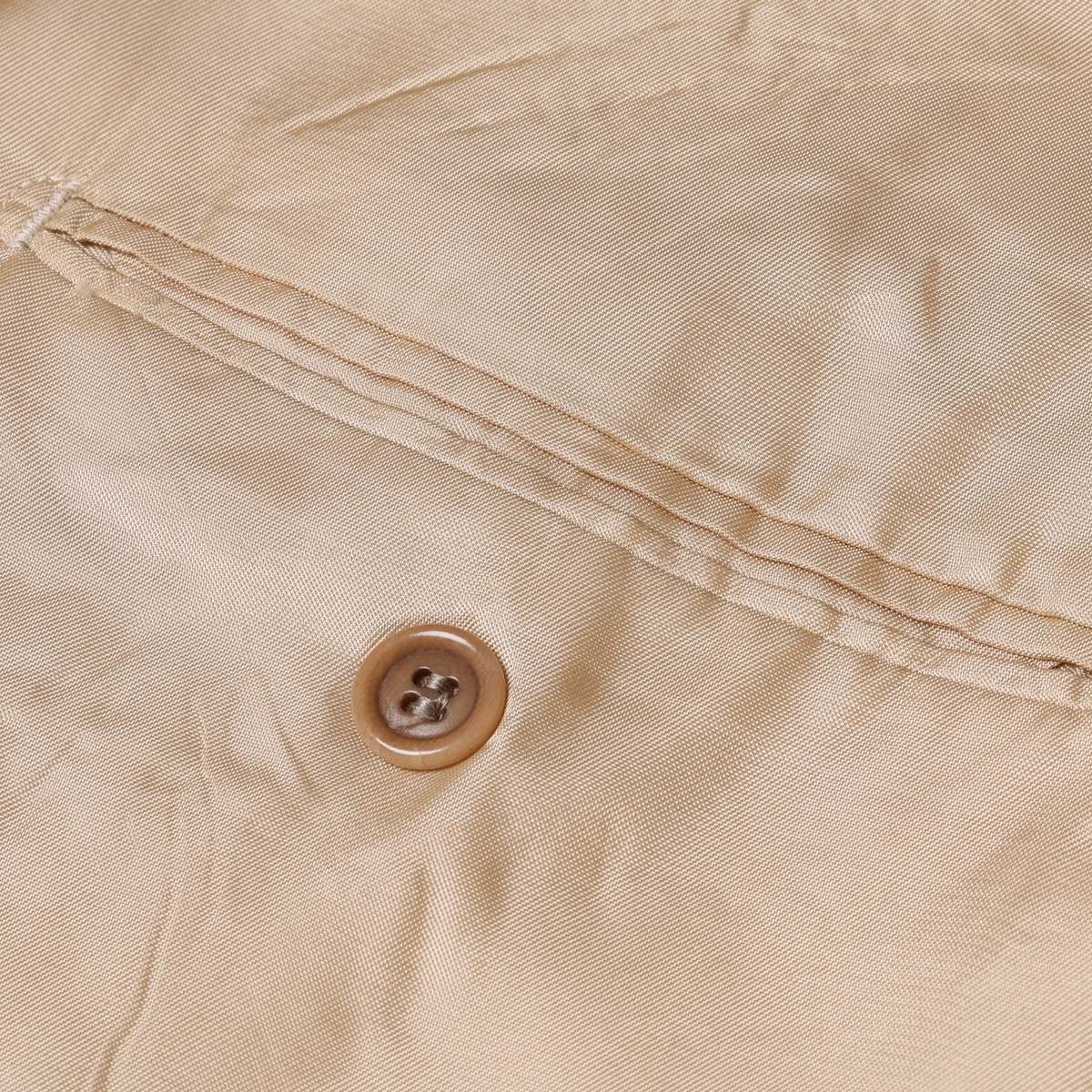
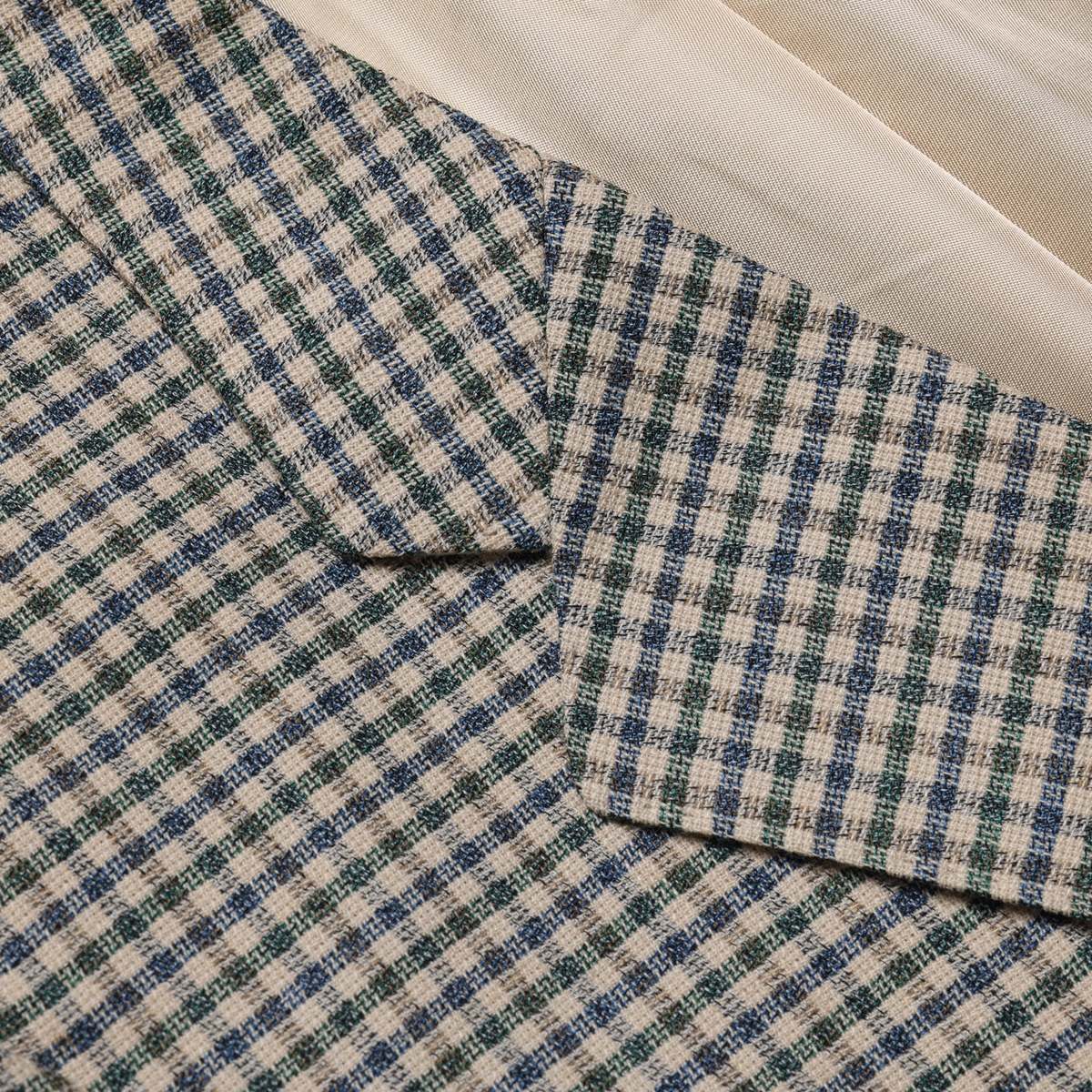
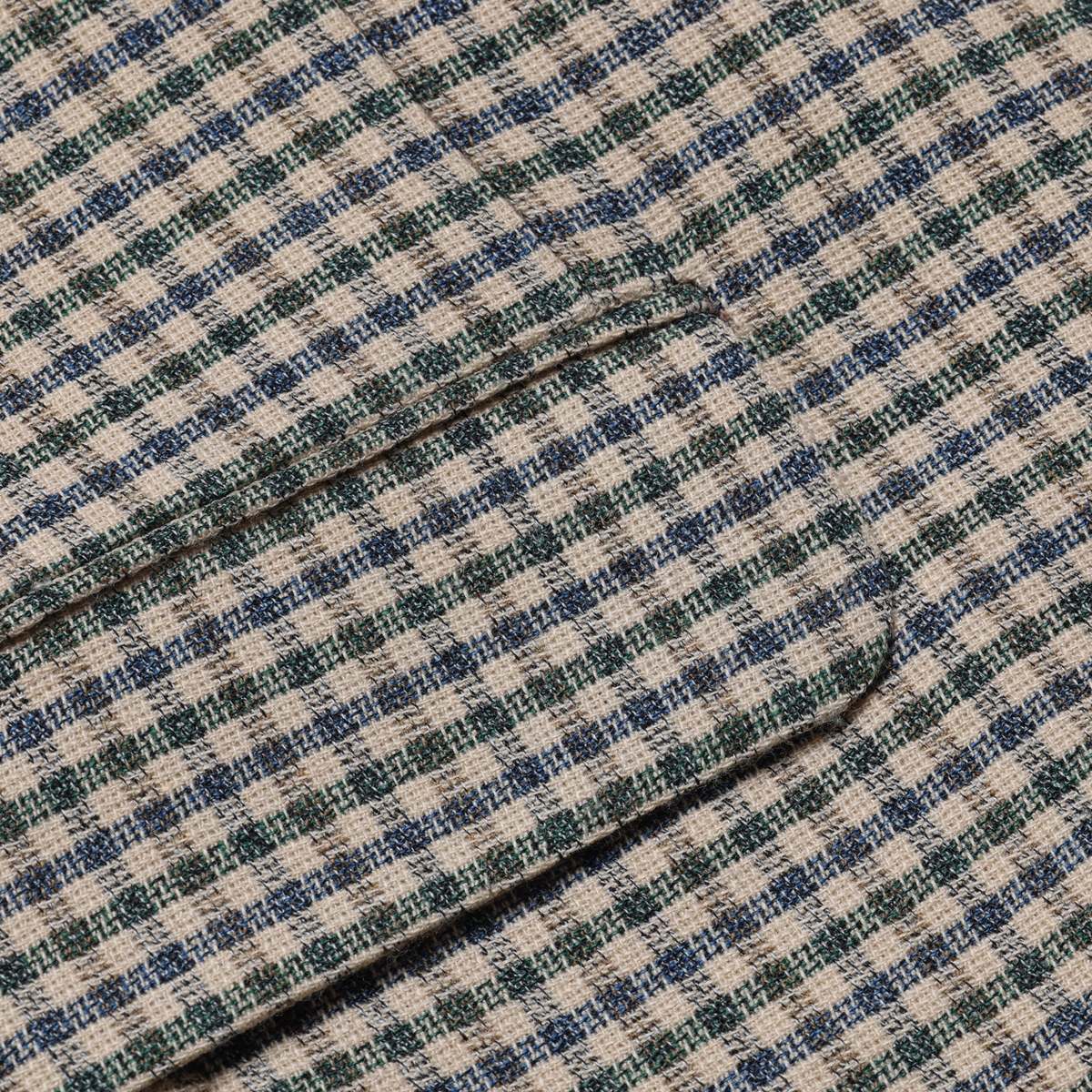
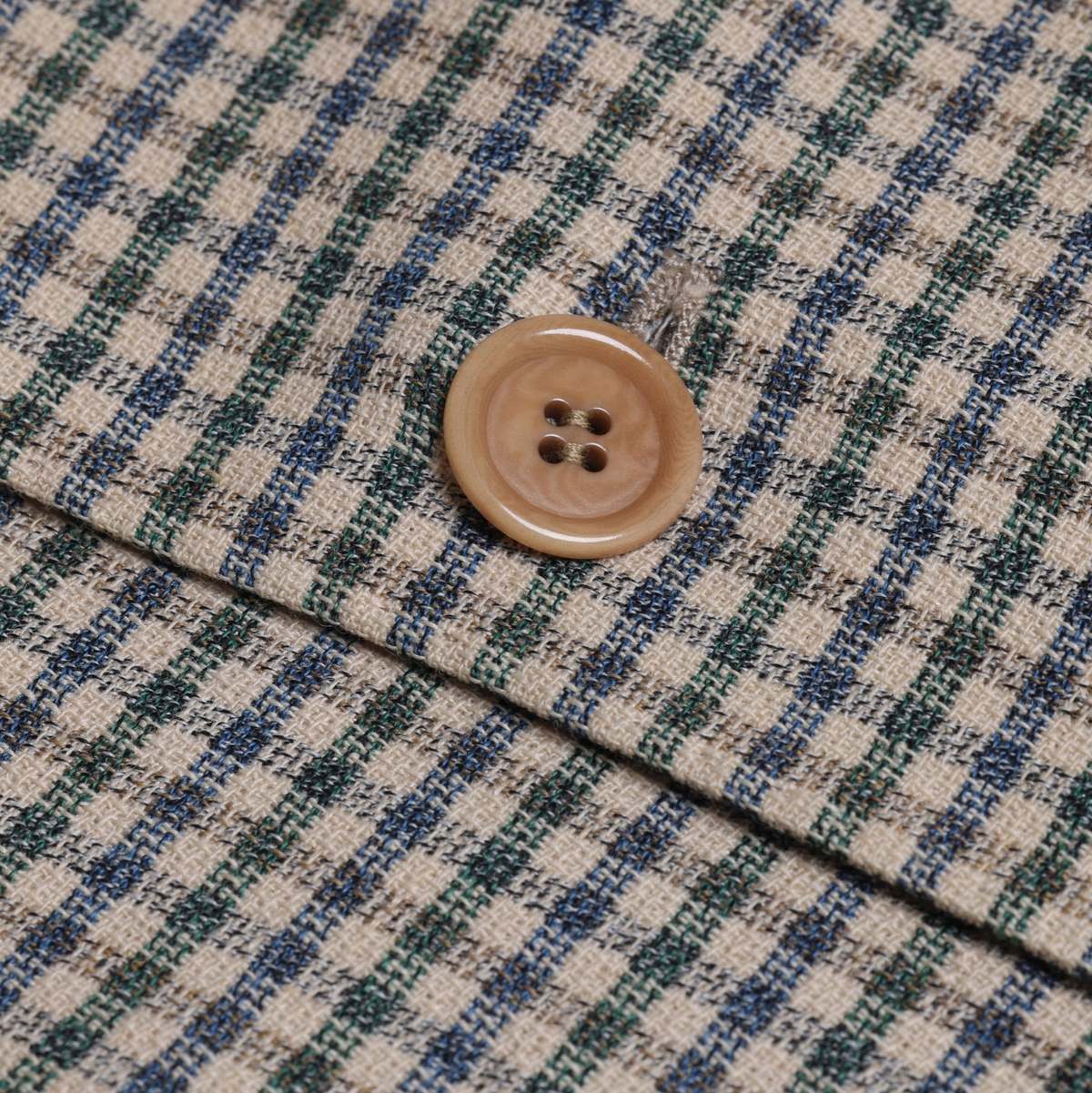
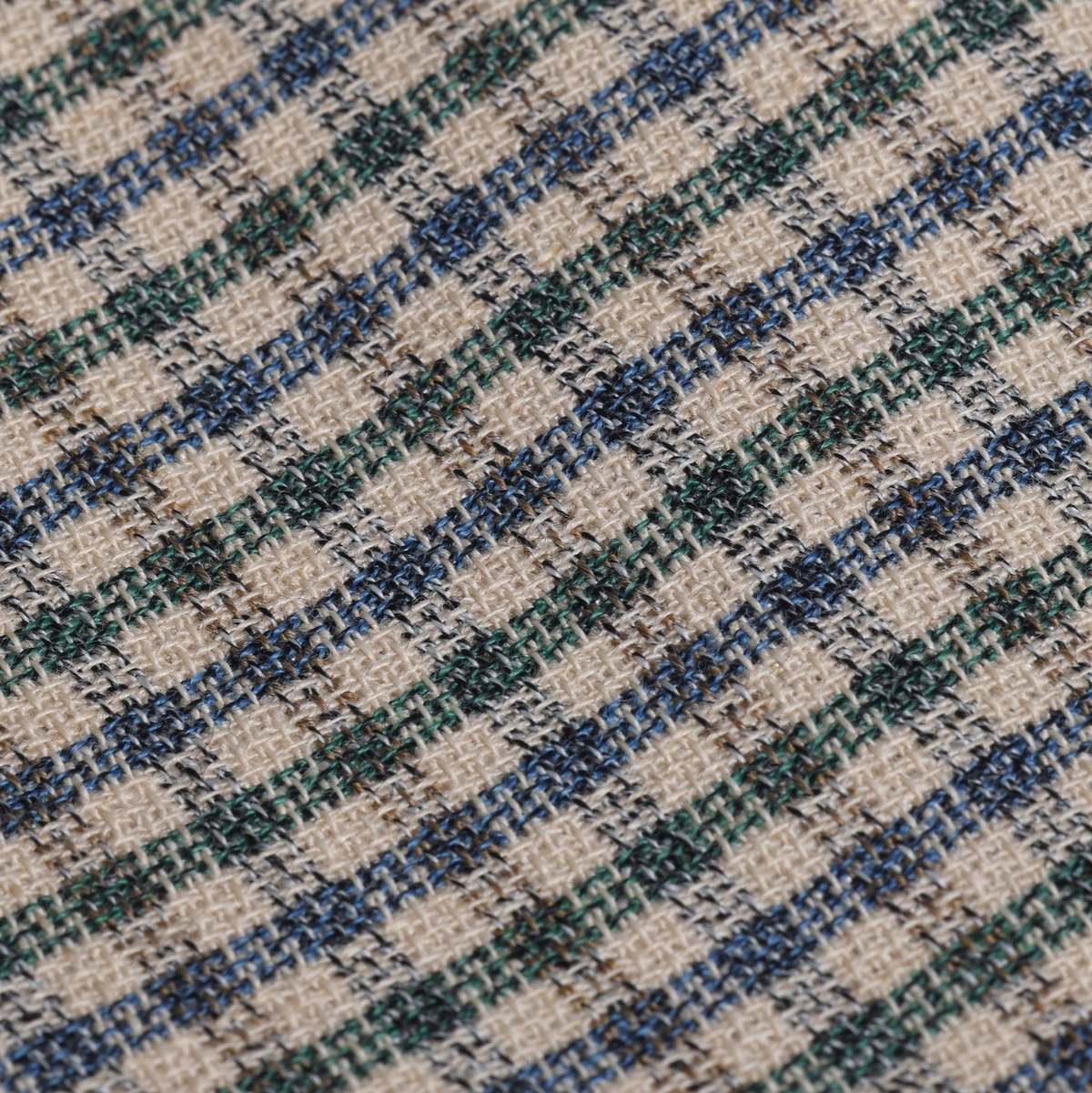
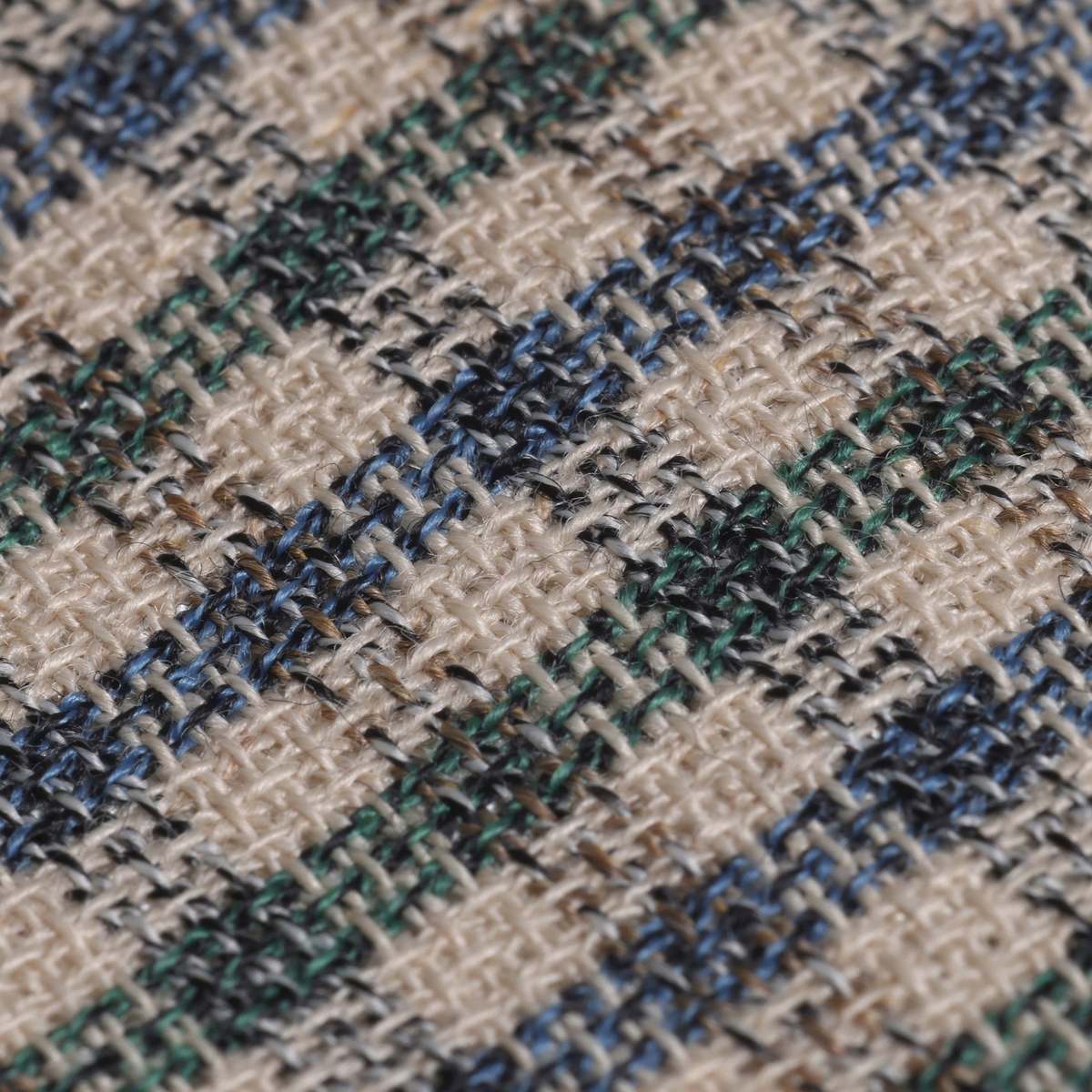
A Spanish sport coat by Estilo Mancor reflects post-Franco industrial tailoring built for civic professionalism and Mediterranean seasonal logic. The checked sport coat by Estilo Mancor, manufactured by Valencia-based firm Manufacturas Abacil S.A., encapsulates a period of Spanish menswear production defined by regional industrial tailoring calibrated for middle-class professionalwear during Spains post-Franco transition. Operating within a semi-industrial framework typical of the late 20th century, Estilo Mancor exemplifies the functionalist-commercial tailoring ethos of its eraoffering dignified silhouettes, regionally appropriate materials, and scaled consistency without conceptual flourish. The lack of auteur authorship places the garment within a system of OEM-driven menswear production, akin to labels such as Macson, Cortefiel, or Confecciones Paular, which prioritized textile expressiveness, tailoring claritys, and domestic manufacturability. The jacket is a classically proportioned single-breasted three-button sport coat, structurally defined by strong vertical lines, a slightly extended shoulder, moderate lapel width, and a dart-shaped torso contouring. The lapel features a conservative notch and a natural roll line that settles just above the middle button, producing a 3-roll-2.5 configuration consistent with continental tailoring logic from the 1980s to mid-1990s. The garments silhouette signals quiet formality appropriate for professional, civic, or semi-formal settings, and is softened by the tonal check fabrica tightly composed micro-check pattern that balances rural heritage cues with urban applicability. Its dimensions, visual density, and midweight textile classification root the coat in the fall-winter transitional wardrobe of the European professional class. The fabric composition50% wool, 42% polyester, and 8% linenreflects a deliberate balance between loft, structural retention, and tactile complexity. The wool provides body and breathability, the polyester infuses tensile resilience and wrinkle resistance, while the linen introduces surface slubbings and micro-variations in weave density, imparting a dry, matte hand with subtle visual irregularity. The estimated GSM of 280320 supports mid-season wear, and the final weavea 22 hopsack basket variantexhibits a porous yet visually tight grid, making it appropriate for structured garments requiring controlled drape and airflow. Coloration is achieved through warp-weft striping in navy, forest green, cocoa brown, and muted black on an ivory ground. The chromatic strategy echoes shepherds and homespun check traditions, but miniaturized and regularized for business-adapted application. The weave bears technical parallels to several heritage cloths: hopsack, in its breathable basket interlace and dry structure; shepherds check, in its tone-on-tone visual modulation; Madras, in its slub-inflected irregularity; and homespun plaid, in its echo of Anglo-utility roots. Textile mill comparisons place this cloth within the aesthetic and structural domain of Ferla, Lanificio di Pray, and Barberis Canonicoeach known for multi-fiber jacket cloths that balance heritage motifs with soft tailoring performance. Ferlas wool-linen-poly textures, Di Prays multi-yarn spring tailoring cloths, and VBCs Mediterranean sport coat offerings all suggest formal relationships with this fabrics construction logic. The lining, a full-bodied viscose satin, is smooth, breathable, and likely sourced from mid-tier Spanish or Italian suppliers, possibly Bemberg or Redaelli, chosen for drape fluidity and anti-static behavior. Construction is methodical and machine-executed, favoring press-molded form over hand-tailored nuance. The outer shell is stitched from four front panels with vertical darts running through to the flap pockets for torso shaping. The lapel and collar are clean-pressed and structurally reinforced via fusible interfacing or half-canvas layers. The undercollar is likely melton or interfaced canvas, cut on the bias to facilitate curvature. Sleeves are set in with moderate crown height and balanced pitch, aided by internal tape or minimal wadding to preserve the shoulder caps elevation. The coats shoulder slope is natural, without roping or heavy paddingconsistent with Mediterranean interpretations of business tailoring. Pocket construction is technically sound: flap pockets and chest welt are pattern-matched with high alignment precision, an achievement given the fabrics multi-yarn, loosely twisted weave. Seam finishes are serged throughout, with pressed-open seam allowances and stable feed tension evident in the lapel curve and front closure line. Lining is inserted via bagging with a blind hem and eased into the upper back and sleeve cap to reduce strain during movement. Interior double-welt pockets are reinforced and backed for strength, including button-through functionality where applicable. From a technical perspective, the jacket demonstrates competent patternmaking, disciplined fabric handling, and consistent seam regulation. The fabrics irregular tension profile is well-managed; grain distortions are absent, the lapel rolls cleanly, and buttonhole spacing is even and machine-reinforced. Stitch density and symmetry across all high-visibility zoneslapel, collar, pockets, and front closurereflect quality-controlled factory tailoring rather than artisanal derivation. Conceptually, the garment is built to communicate reliability, propriety, and cultural continuity. The micro-check pattern situates the garment within a lineage of Anglo-European fieldwear that has been domesticated for civic-professional use, while the subdued palette and matte texture avoid any risk of sartorial flamboyance. Its psychological messaging is aligned with conservative Spanish aesthetics of the 1980s1990s: understated authority, social integration, and regional refinement. The garments lack of shine or contrast projects maturity and discretion, rather than ambition or novelty. Aesthetically, this coat operates within the visual discipline of classical tailoring minimalism. It does not seek avant-garde attention or experimental reinterpretation, but instead reiterates canonical forms with integrity and moderation. Its formal grammar is architectural rather than expressivedefined by proportion, surface logic, and balanced silhouette. This architectural restraint is congruent with principles seen in Bauhaus design, Iberian rationalism, or Italian neo-realist menswear: elevated utility, quiet structure, and formal legibility. The jackets provenance and design logic place it squarely within Spains industrial tailoring arc from the late 1980s to mid-1990s. During this era, manufacturers like Abacil S.A. served the demand for regionally produced professional garments as Spain transitioned from dictatorship to democratic consumerism. The sport coats three-button layout, modest lapel width, and controlled shoulder line reflect the office-coded tailoring that became dominant as artisan suits gave way to scaled RTW production in cities like Madrid, Barcelona, and Valencia. Today, this sport coat aligns with the resurgence of heritage-inspired tailoring and the editorial repurposing of mid-century silhouettes. Brands such as Drakes, J. Mueser, and Pini Parma explore similar territory: combining checks, hopsack structures, and softened tailoring blocks for modern business-casual contexts. The jackets visual and material logic remains highly applicable in neo-traditional, preppy, or editorially curated menswear capsules, particularly when styled against contemporary casualization trends. Ultimately, this garment represents a technically controlled, texturally considered artifact of Spanish menswear manufacturingmarked by precise cutting, responsible interfacing, and chromatic modulation. It succeeds not through experimentation, but through fidelity to tailored structure, material balance, and contextual claritys. Within the vintage market, it holds strong value for those seeking understated continental tailoring grounded in textile integrity and historically situated production models. As a transitional business garment with Mediterranean sensibility, it remains viable for styling, resale, or archival study. Measurements (cm): Chest: 53 Length: 71 Shoulder: 46 Sleeve: 59 Size Conversion (approximate) US Mens Size: M EU Mens Size: 48 SKU: 015078
Garmentory is a curated marketplace of independent boutiques and emerging designers from around the world.
Fashion With Intention
Aw yeah!
We love making new friends so while we're popping bottles, continue shopping to apply your $10 credit.
We've got a dedicated site "garmentory.co" just for our Indian customers! Shop with local currency, faster shipping, and exclusive products.
We cannot add this item to your bag because it’s already at max capacity. But don’t worry, we’ve saved it to your wish list.
Earn Replica Belts credits when you shop, wishlist, and inspire others.

Have a question about the size or something else? We're here to help!