Spring fever is here 🌡️☀️ Prep early for those not too hot and not too cold days by finding something you love ON SALE. SHOP THE SALE


Spring fever is here 🌡️☀️ Prep early for those not too hot and not too cold days by finding something you love ON SALE. SHOP THE SALE
| To | Service | Estimated Delivery | Fee |
|---|---|---|---|
| 🌎 | Intl. Air | 6-20 business days | $29.95 |
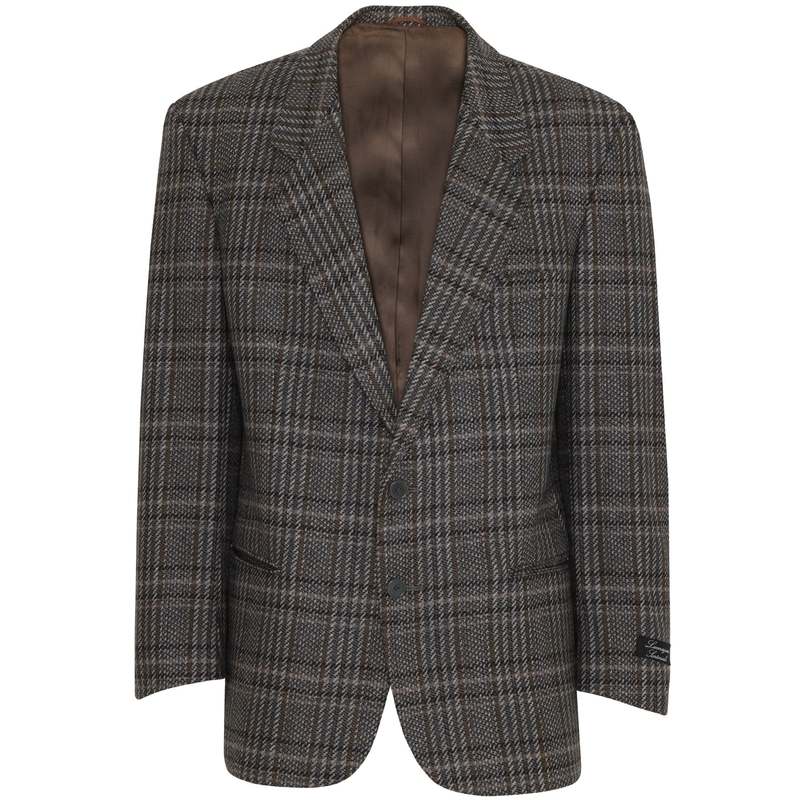
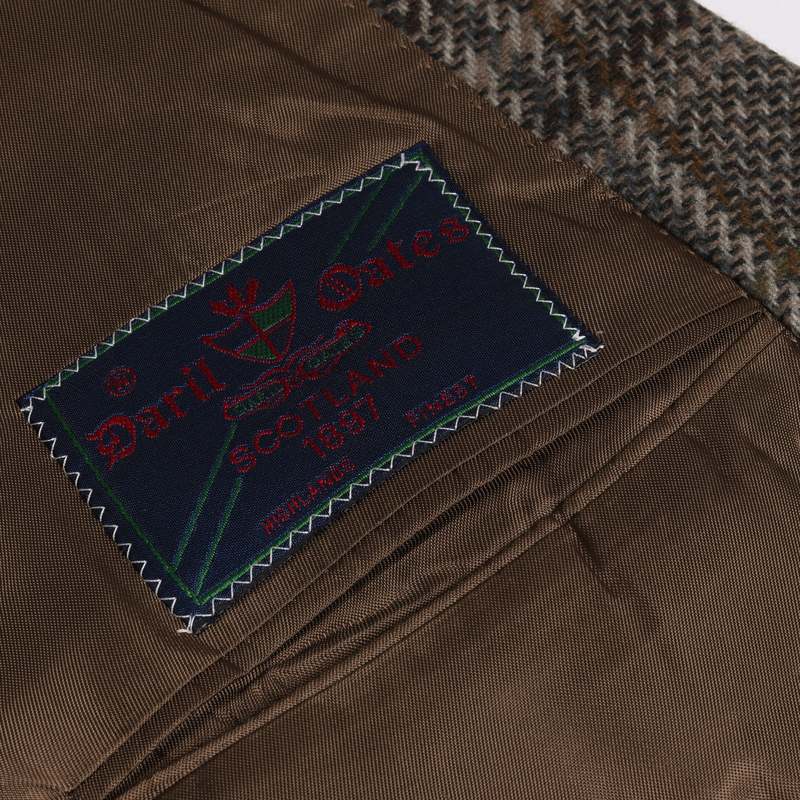
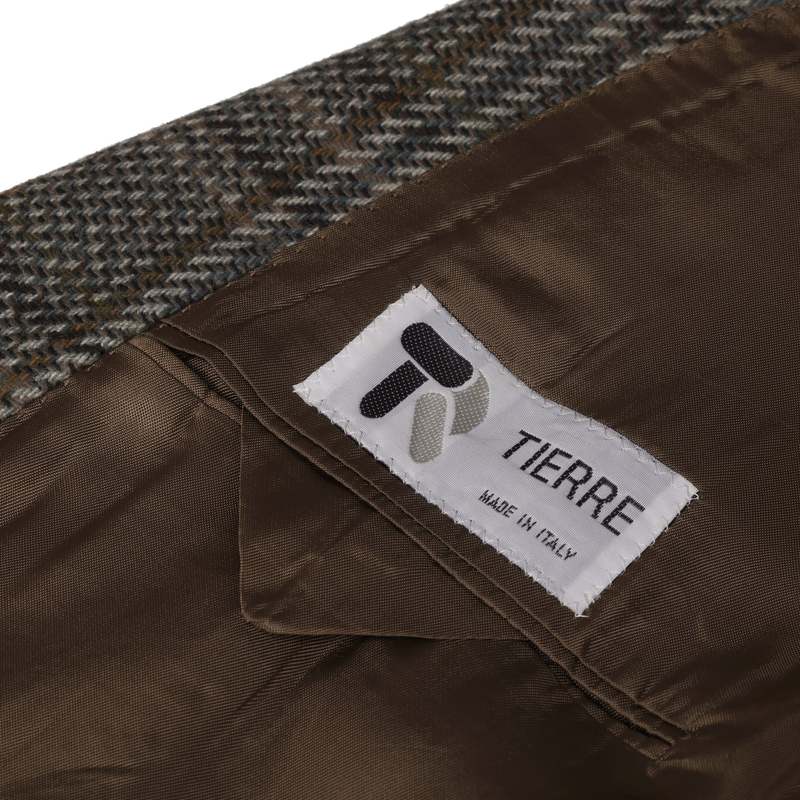
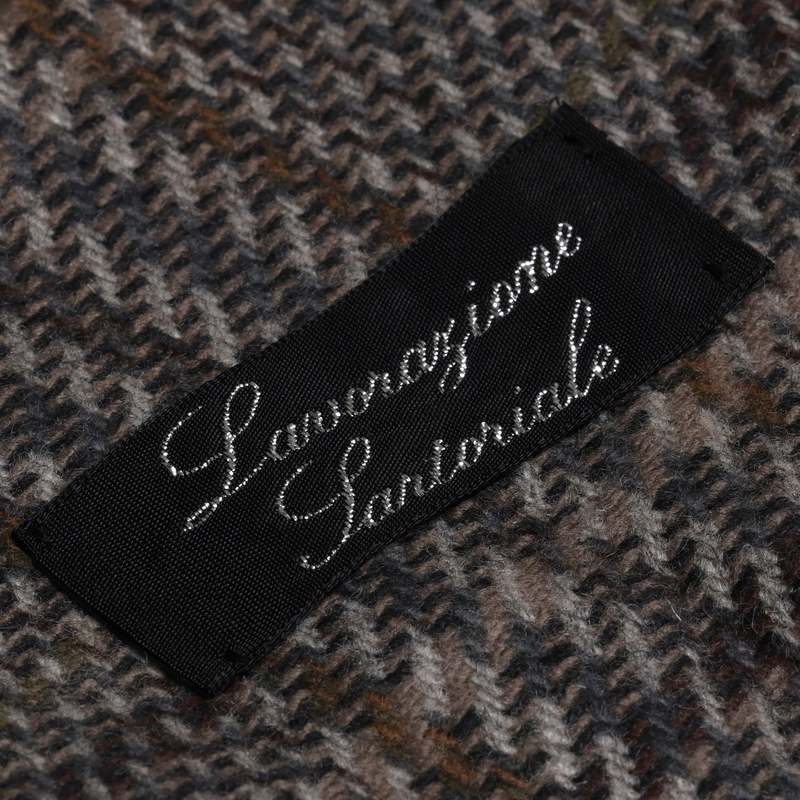
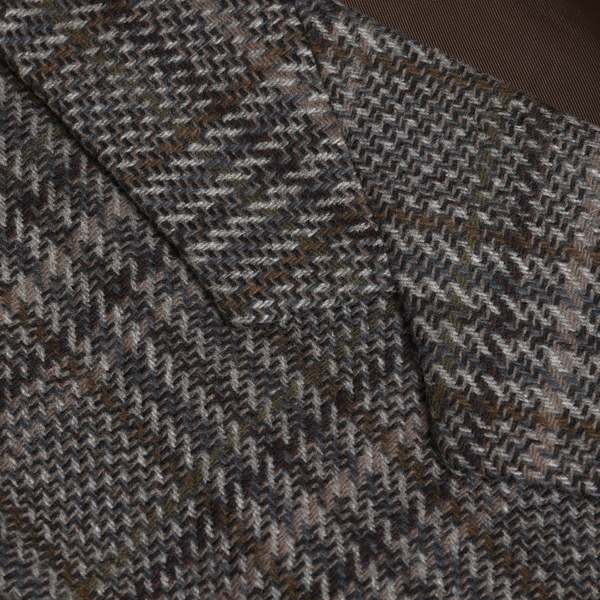
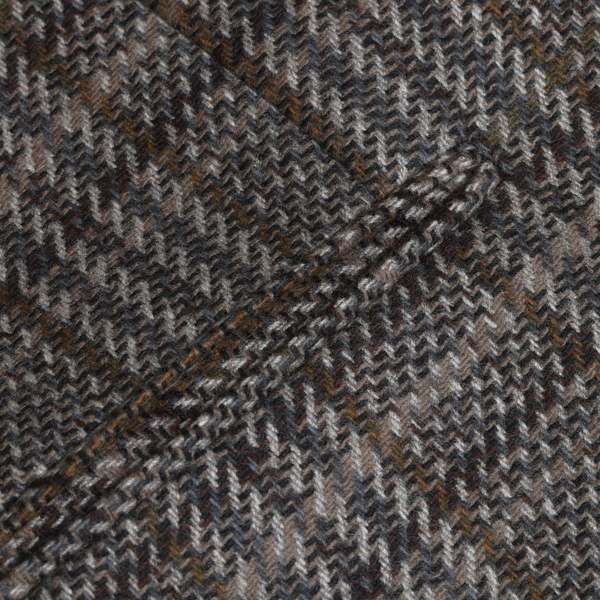
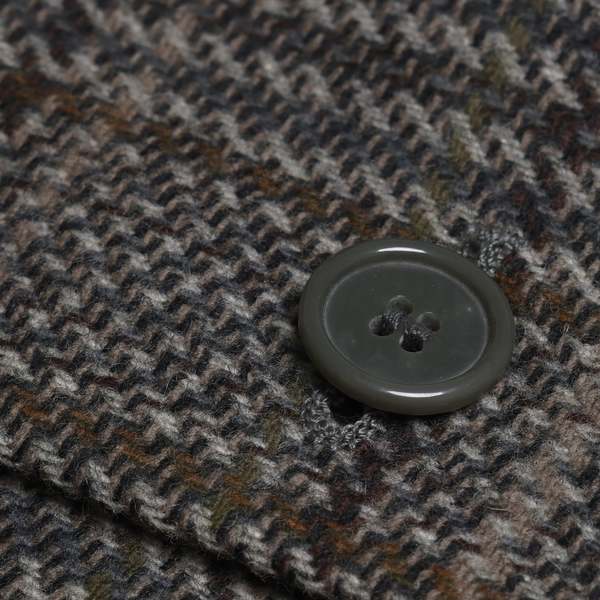
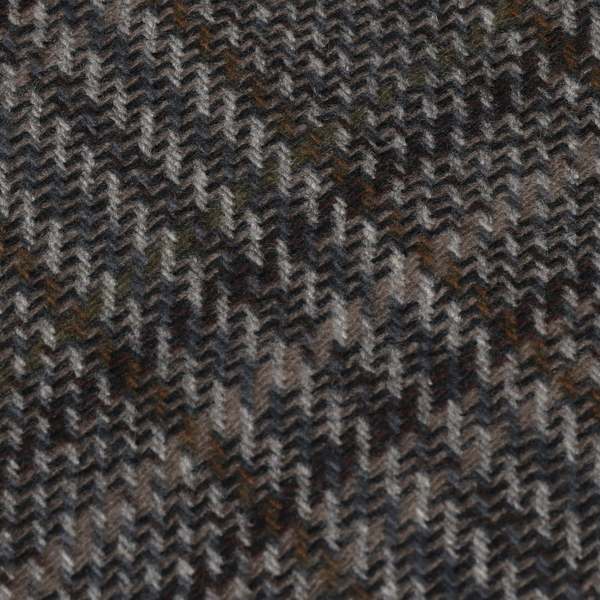
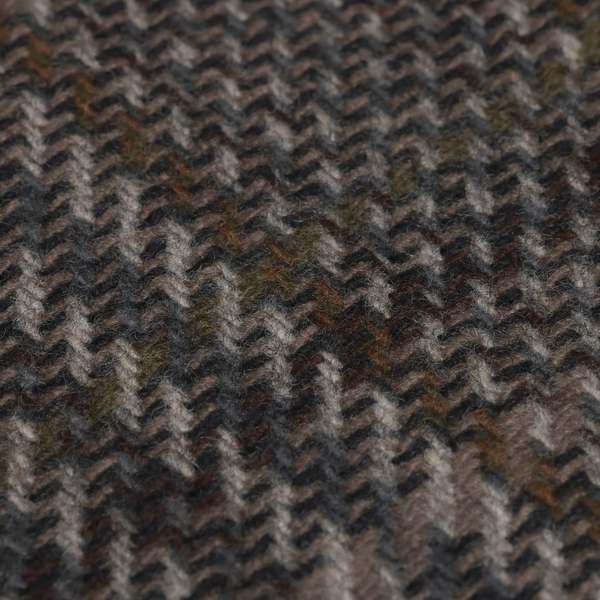
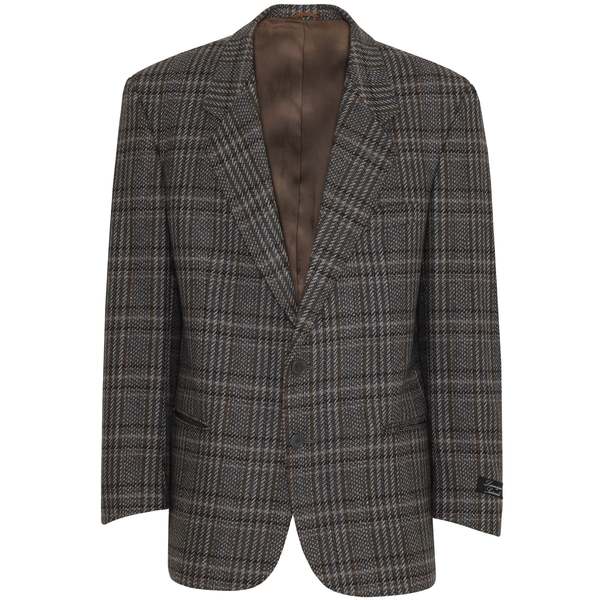
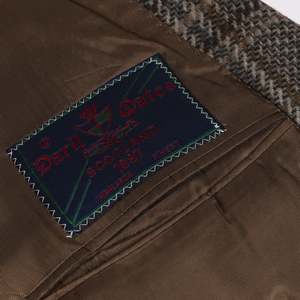
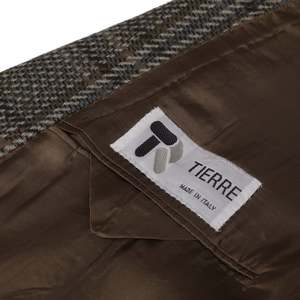
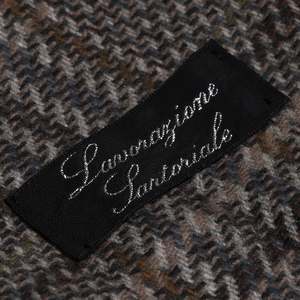
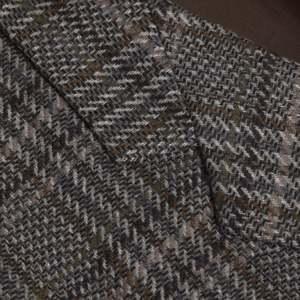
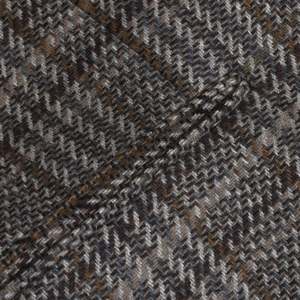
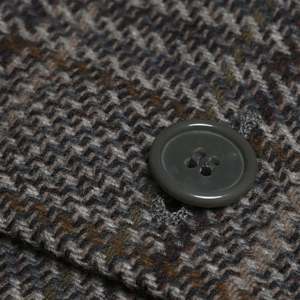
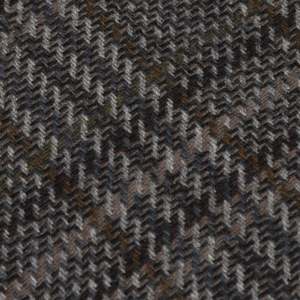
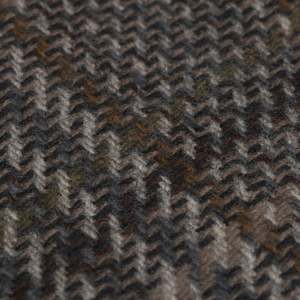
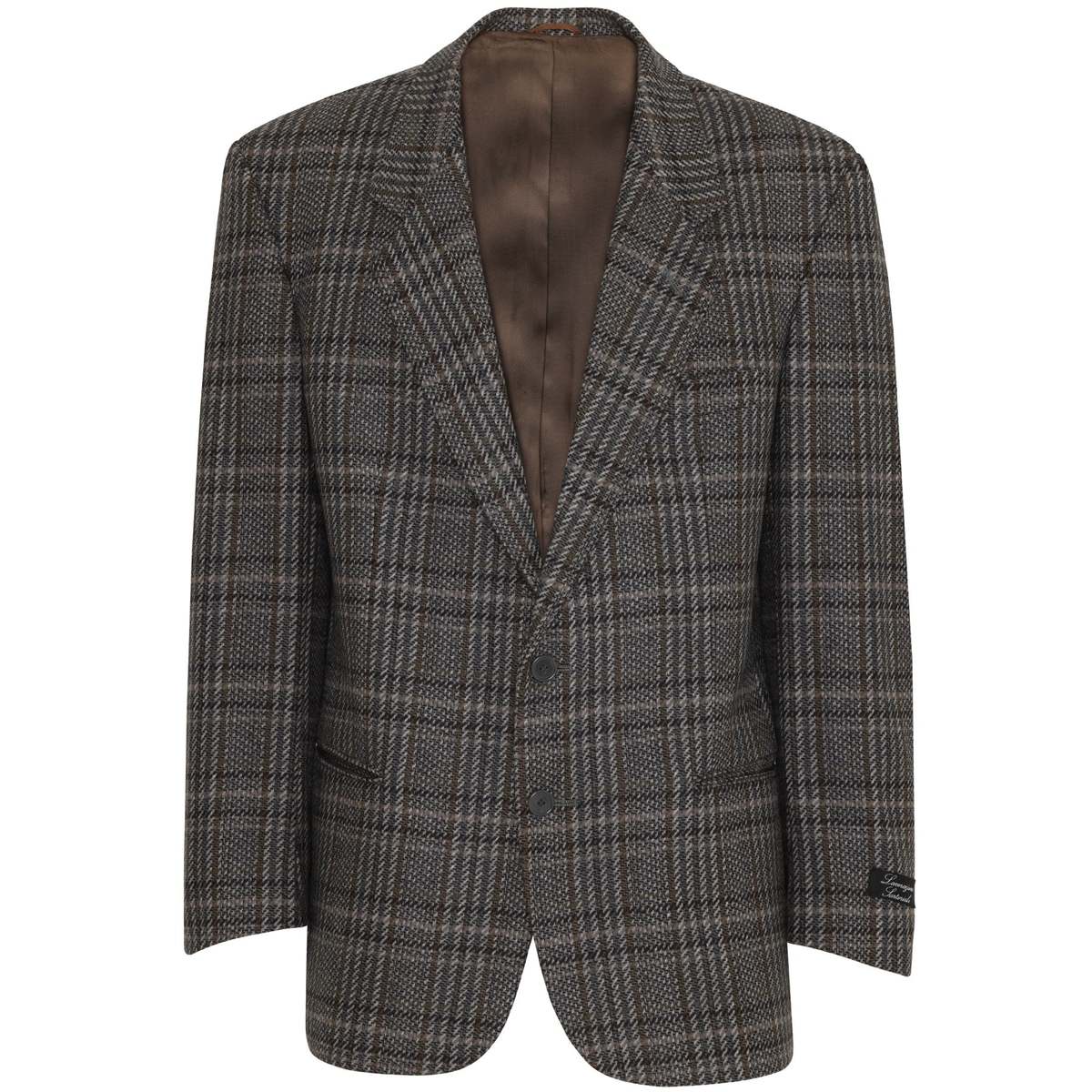
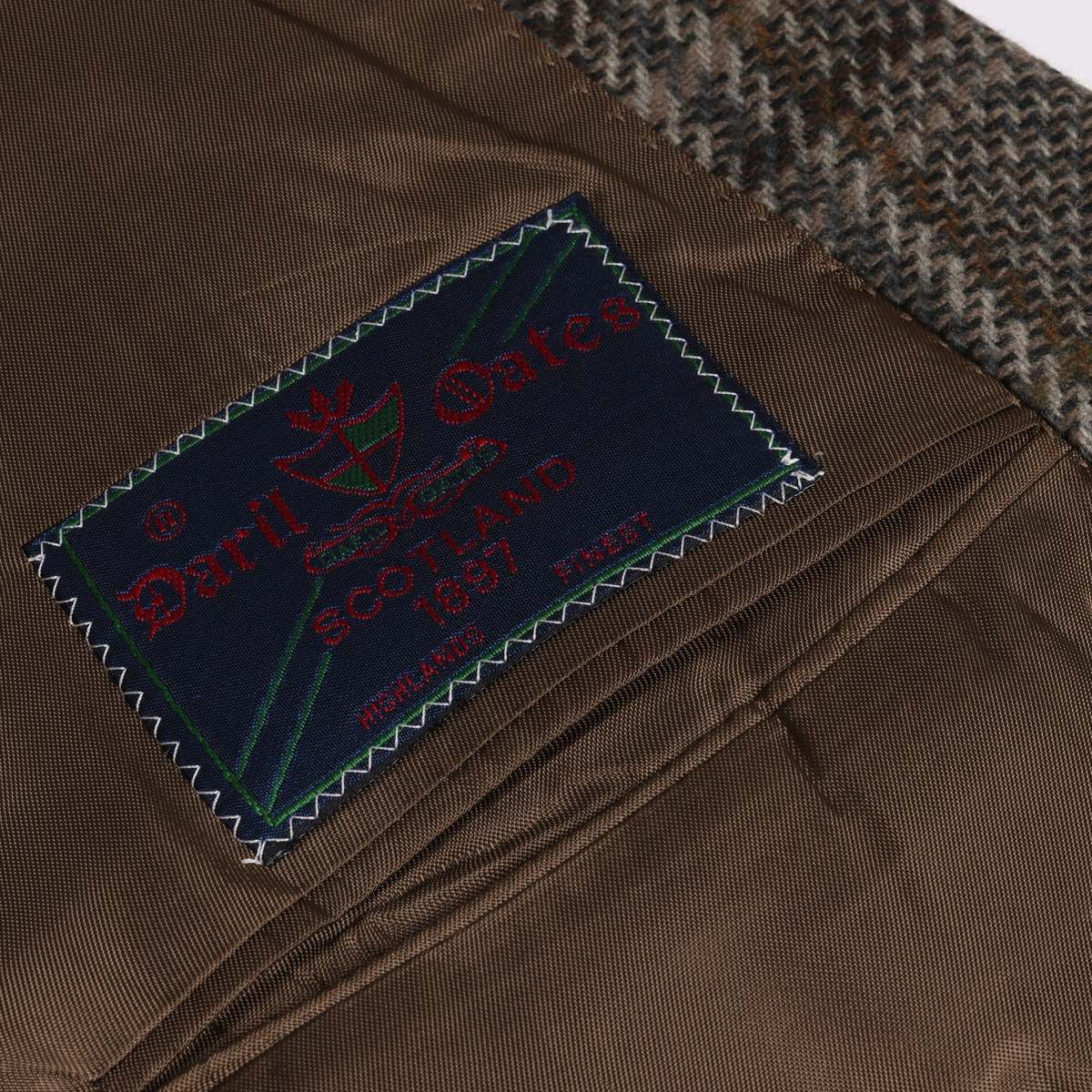
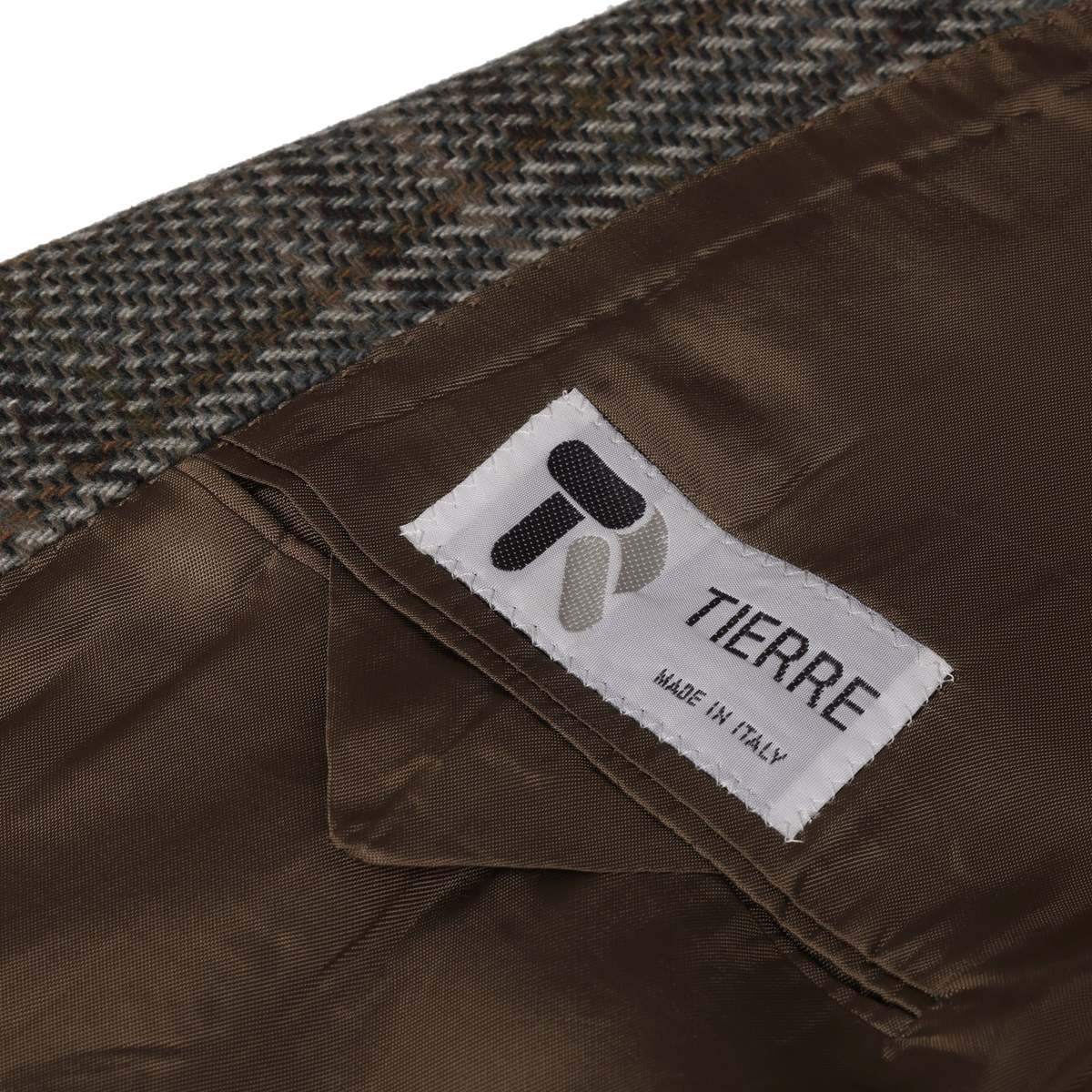
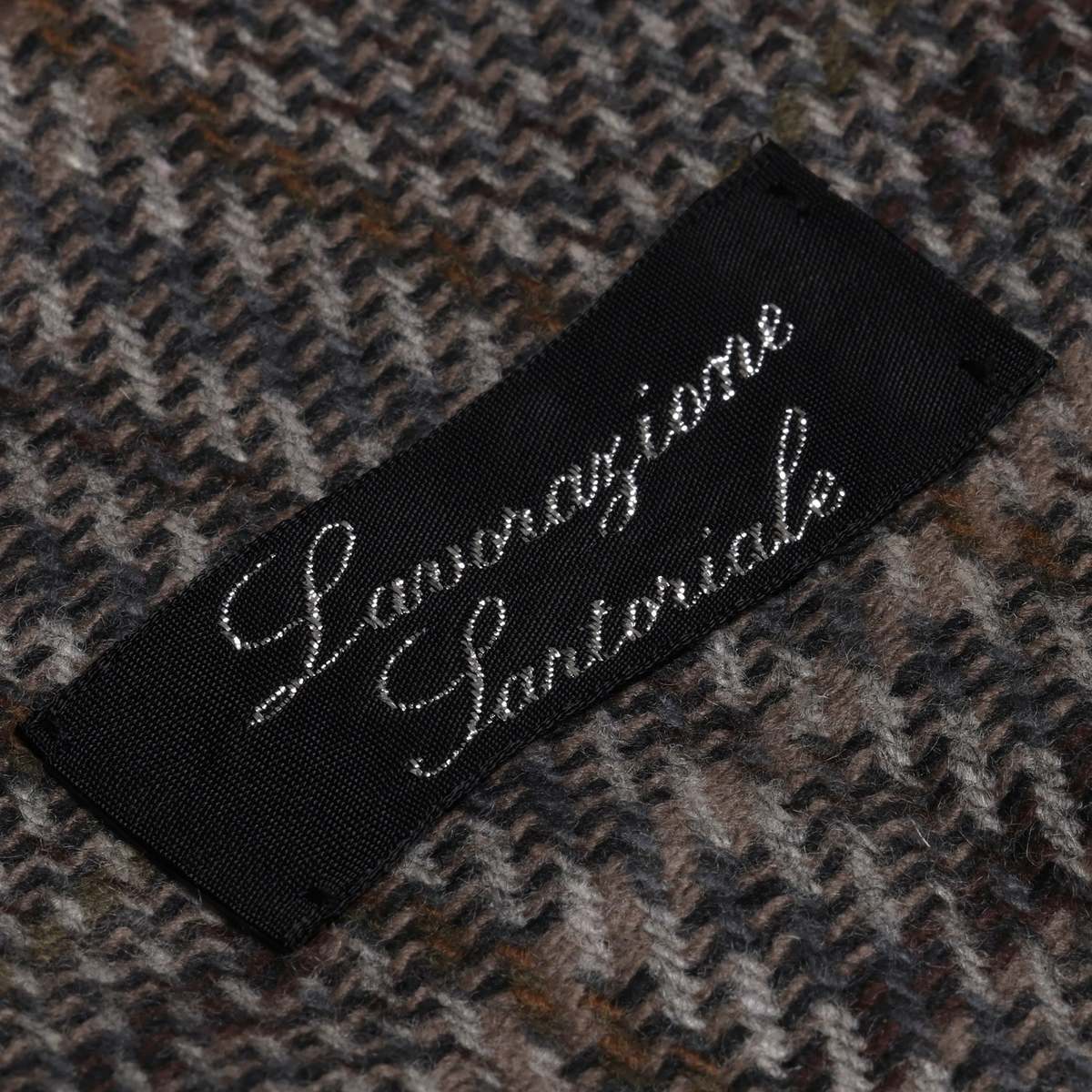
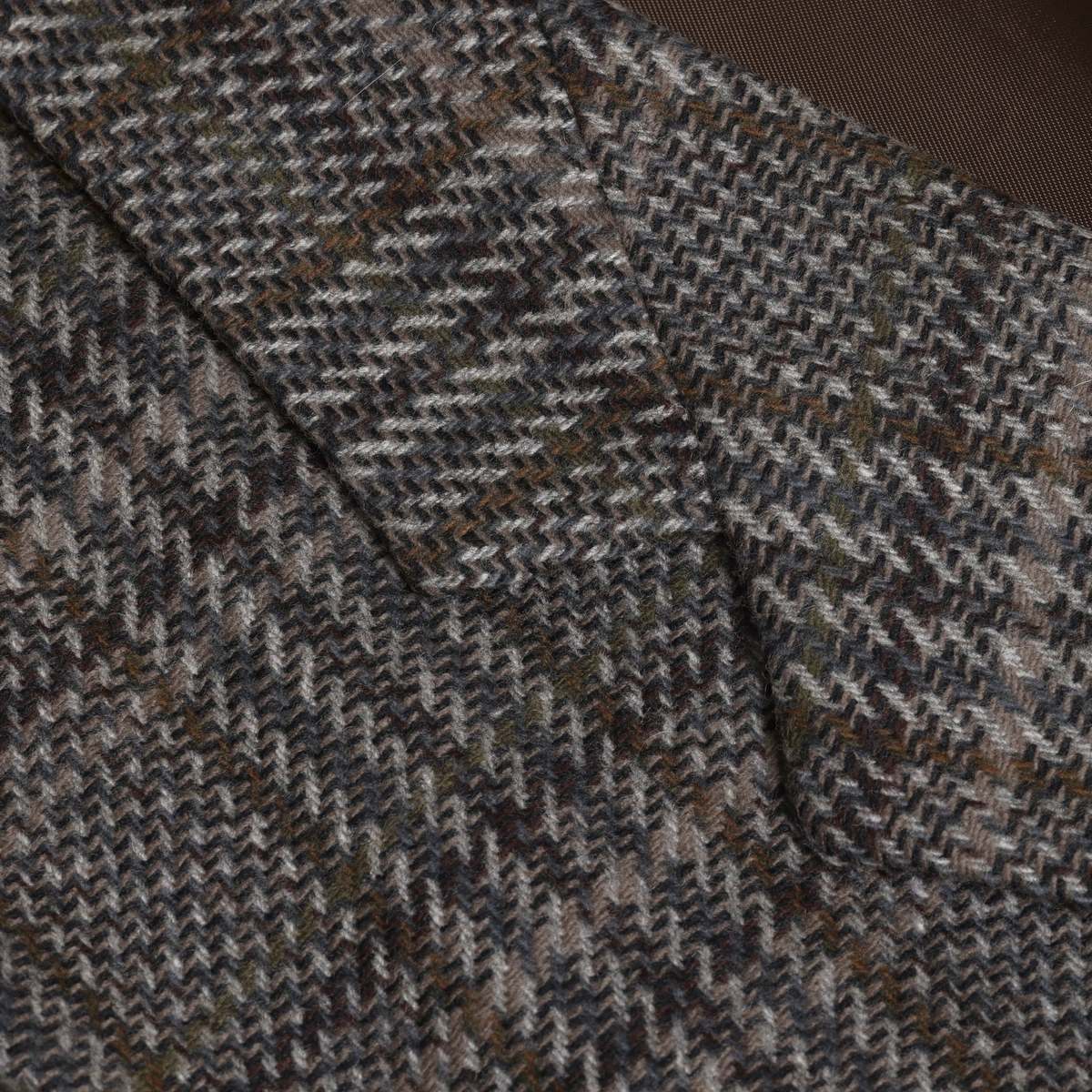
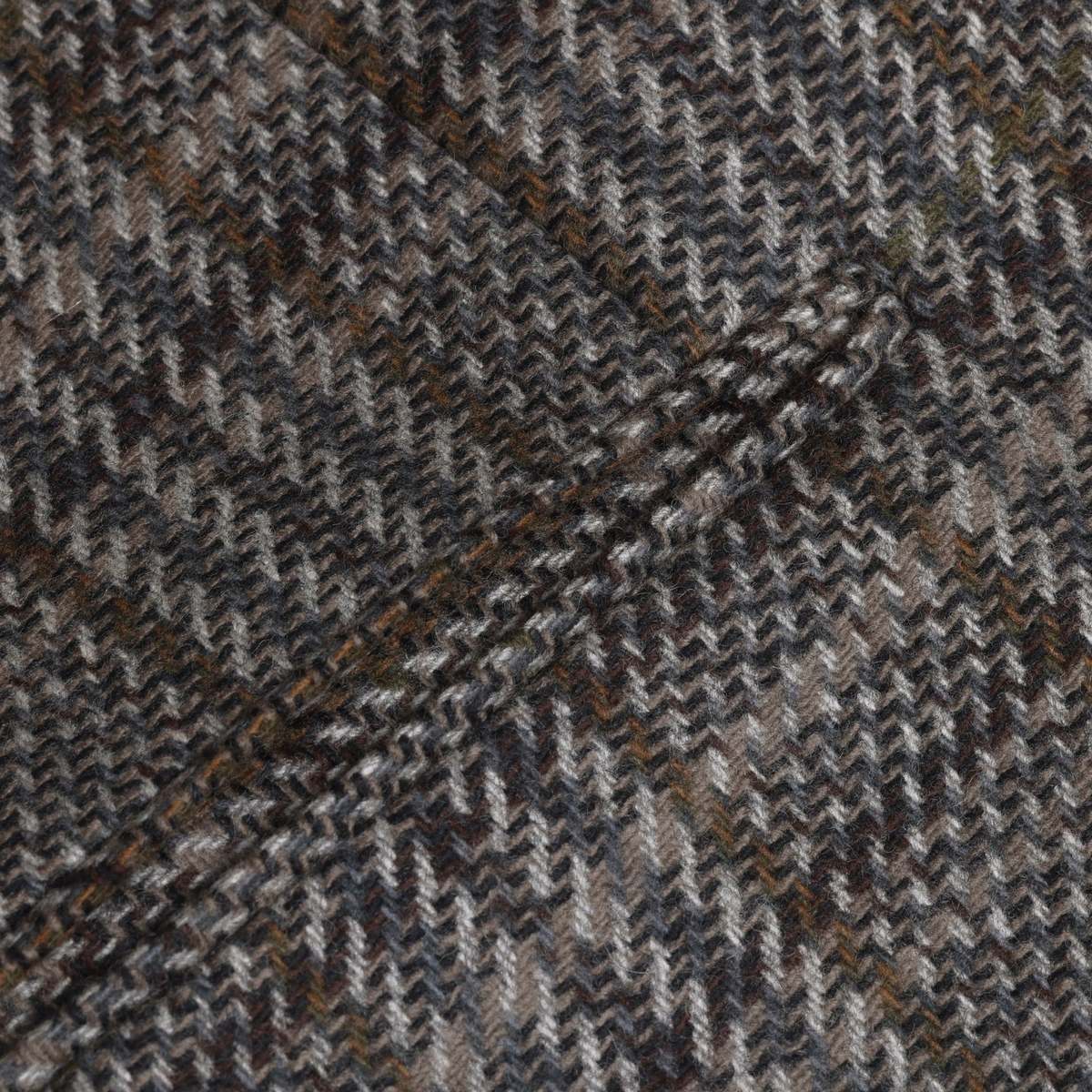
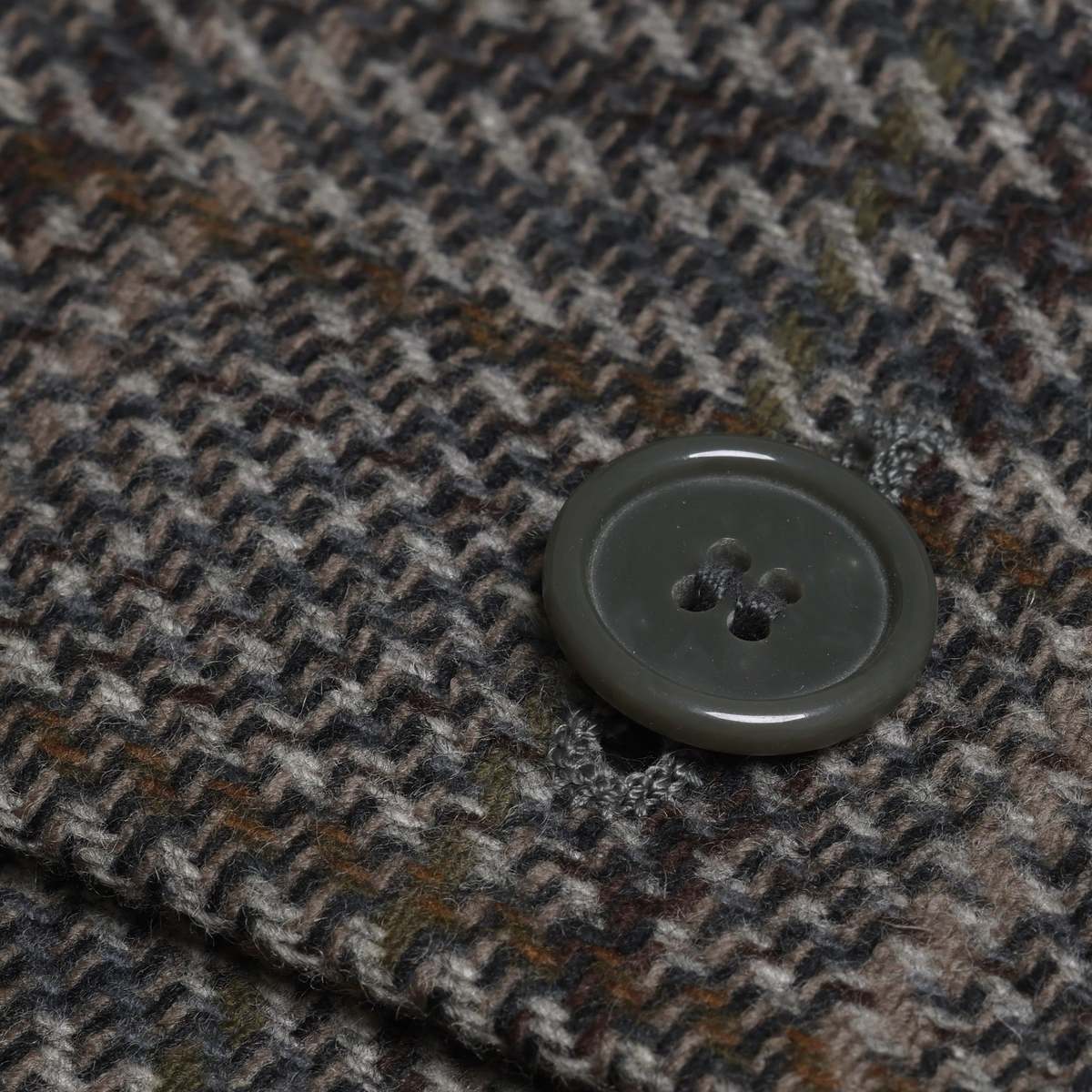
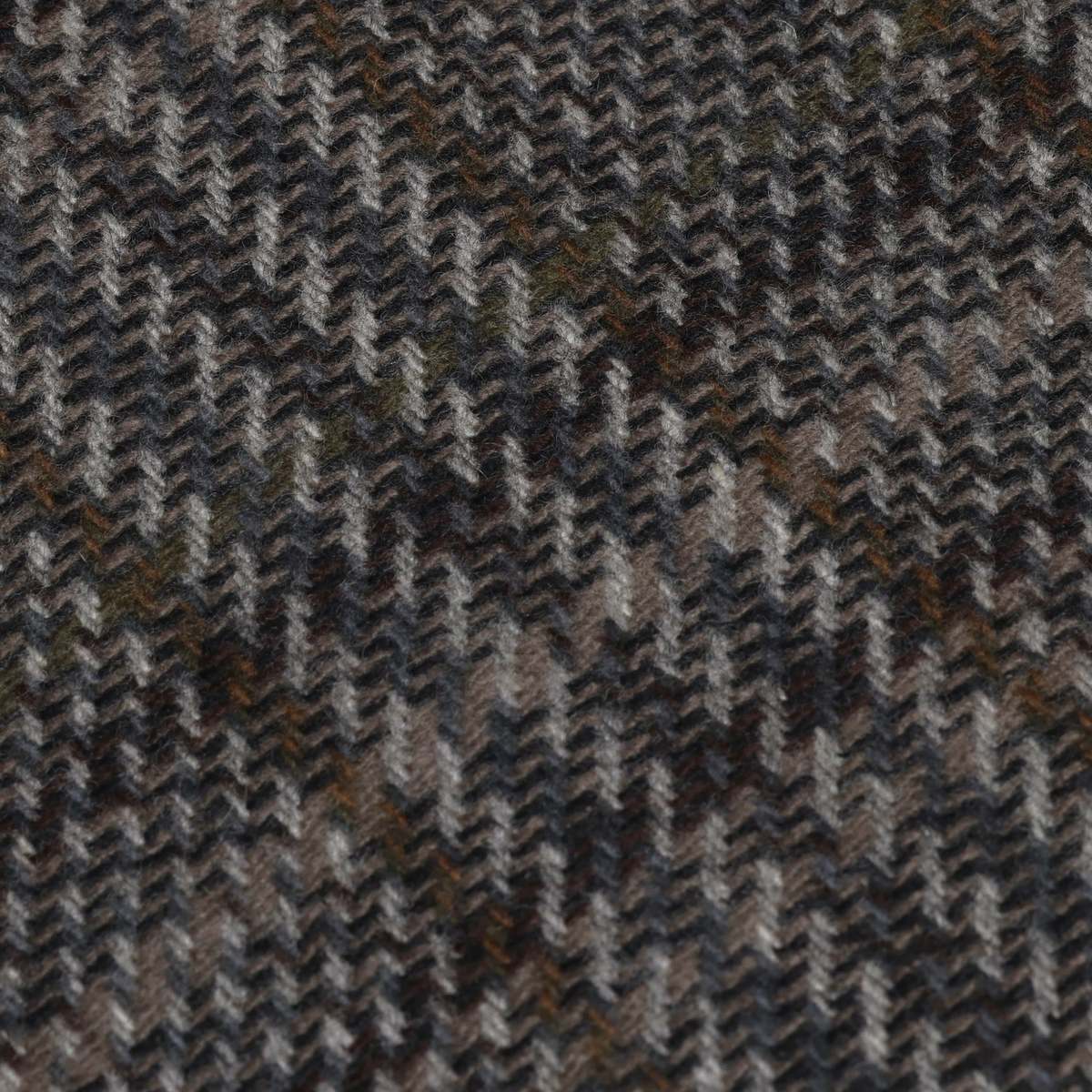
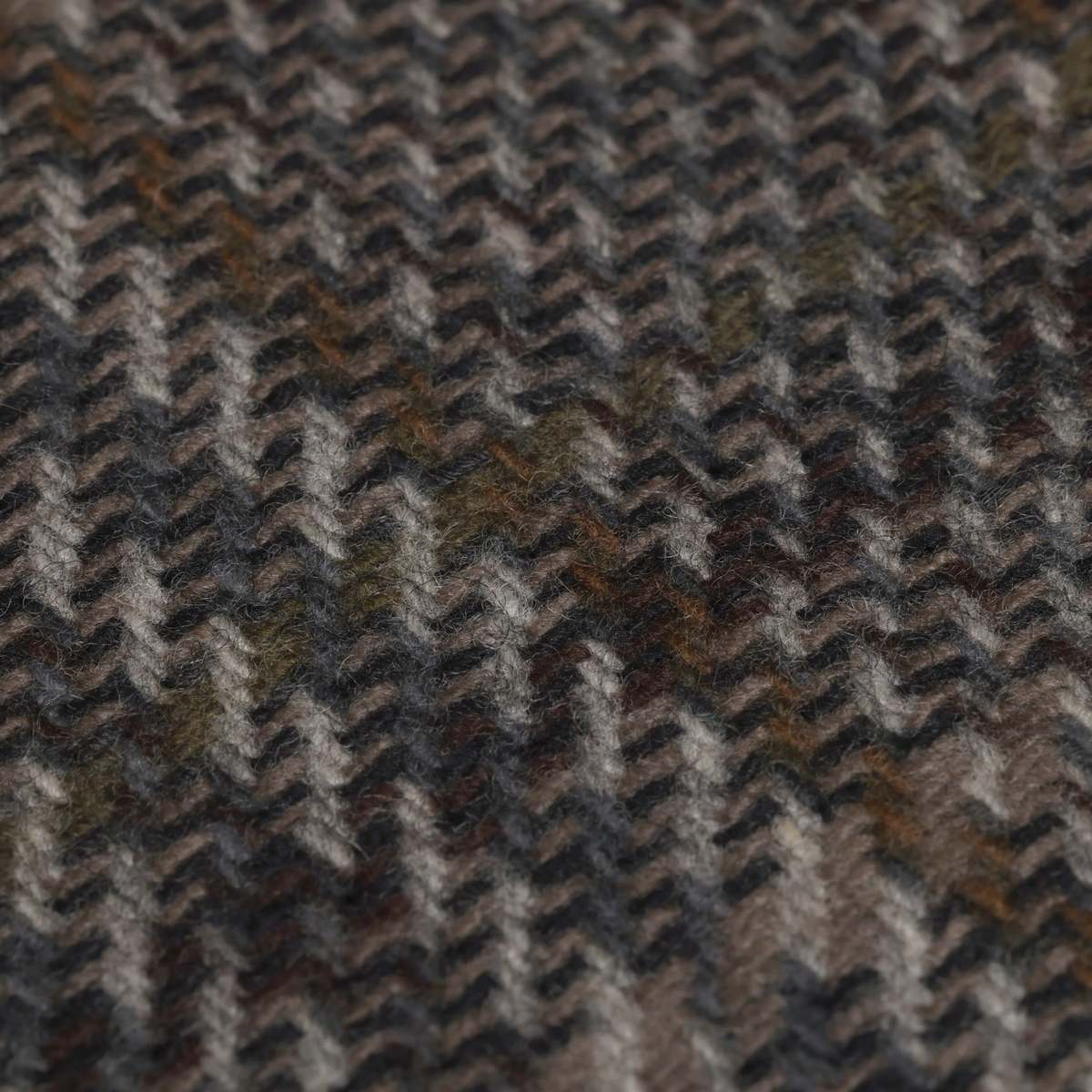
The sport coat reflects a broader 1990s trend: Italian tailors elevating RTW via imported British millwork to compete in export and boutique markets. The sport coat by Tierre embodies the hybridization of Highland textile tradition with Southern European tailoring methodology, exemplifying a model of cross-regional sartorial production that emerged in the post-1990s Italian menswear sector. As a lesser-known Italian tailoring label operating within the Made in Italy semi-industrial tier, Tierre positions itself below the artisanal echelons of Caruso or Belvest, yet above generic private-label manufacturers, carving out a space in the mid-to-upper ready-to-wear market. The presence of the Lavorazione Sartoriale labela common designation denoting garments with partial hand-finishingsignals an attempt to maintain Italian tailoring prestige while leveraging machine-based consistency. The cloth, a Scottish-woven Glen check from Darill Oates, reinforces the brands strategy of importing heritage textiles to elevate their constructed output, using Northern European millwork to bolster Southern construction. Darill Oates, established in 1897 and historically associated with Highland tweed, contributes more than just fiberit embeds the jacket with a legacy rooted in British sporting, military, and academic dress. The resulting fabric is a heathered, 70% Lana (Wool), 30% Cashmere Glen check in a 2/2 herringbone twill configuration, rendering a zigzag pattern that reinterprets the traditional Glen Urquhart check with richer tactile dimension. The earth-toned paletteincorporating taupe, lichen, moss green, peat brown, and rustdraws from camouflage traditions associated with estate tweeds and Scottish countrywear. Visually, the cloth avoids sharp delineations between pattern blocks, favoring tonal gradients and organic transitions that convey movement and depth. This material logic places the textile within a family of heritage weave typologies including Glen-herringbone variants, herringbone estate tweeds, and Donegal hybrids, with textural and chromatic affinities to output from mills such as Lovat Mill, Islay Woollen Mill, Robert Noble, and Abraham Moon. Structurally, the garment is drafted on a continental two-button mens tailoring block with moderately high armholes, shaped shoulder-to-waist ratio, and a classic lapel angle. Front panels employ side darts that terminate at the pocket level, allowing for waist suppression without disturbings plaid alignmenta mark of competent pattern planning. While rear vents are not visible, their presence is implied given the garments proportional logic. The sleeves are built on a curved two-piece configuration, allowing for crown shaping and elbow articulation, particularly necessary for managing the density of the tweed. The lapel, approximately 3.25 inches in width, is press-rolled over a fused or lightly canvassed interlining, reinforced with tape at the break point, and likely shaped through steam molding rather than pad-stitchingstandard practice within the sartoriale tier. Construction methods reflect a calibrated balance between hand-guided shaping and mechanical consistency. The outer shell is assembled with plain seams, overlocked internally, and pressed open with bar tacks at high-stress zones such as pocket mouths and lapel corners. The undercollarmost likely melton or feltappears cut on the bias and shaped through steam and block pressing. The collar stand integrates smoothly into the neckline seam, while the lapel notch is resolved with strong edge control, aligning precisely with the directional plaid rhythma detail that reveals both cutting foresight and machine-handling accuracy. The lining is a midweight polyester satin, machine-inserted with edge-stitching along the facing joins, and bagged at hem and sleeve points to allow for mobility without drag. Sleeve linings likely feature jump pleats for articulation under shoulder pressure. Pocket construction adheres to standardized RTW quality benchmarks: double-lipped welts with mitred corners, internally reinforced and possibly secured with bar tacks or crows foot stitching. Hem finishing is turned and blind-stitched or topstitched by machine, depending on tension zones. Reinforcement structures likely include light shoulder pads paired with sleevehead rolls, a chest canvaspotentially horsehair or syntheticand fused interfacing through the front panel to maintain volume under textile weight. The technical execution, while machine-based, exhibits sewing precision in stitch regularity, seam balance, and clean fold transitions at curved intersections. Notably, plaid alignment remains exact across lapels, chest, side seams, and welt pocketsan achievement requiring controlled pressing, feed-dog calibration, and precise cut layout, particularly in heathered, loft-prone woolen fabrics. The jackets conceptual framework merges rural romanticism with urban polish, presenting a psychologically coded garment that communicates discretion, heritage, and cultural knowledge. The autumnal palette functions as a sartorial analogue for intellectual groundedness and natural attunement, without lapsing into theatricality. The aesthetic logic sits within the broader material-driven classicism championed by brands such as Sartoria Melina, The Anthology, and archival-era Pal Zileriwhere textile speaks louder than silhouette. It resists modernist minimalism and conspicuous maximalism alike, instead operating within a paradigm of grounded, design-integrated heritage. Historically, the jacket emerges from the late 1990s to early 2000sa period when Italian RTW tailors increasingly incorporated British and Scottish fabrics to elevate perceived value, particularly for export or regional boutique markets. The typography of the Tierre and Darill Oates labels, combined with the synthetic lining and hybrid structural form, position it within the pre-minimalist menswear cycle that predated the rise of deconstructed tailoring. In the current market, this garment holds strong editorial and commercial value within the vintage resale and heritage-revival sectors. Its combination of traceable textile provenance and clean industrial execution appeals to collectsors and consumers seeking garments with narrative depth and functional longevity. While not avant-garde or haute artisanal, it offers a level of textile fluency and tailoring discipline that surpasses standard mass-market output. Comparable to offerings from Drakes, Informale, Oliver Spencer, or De Bonne Facture, the coat occupies a space of soft-formal versatilitysuitable for contemporary wearers who value construction integrity and historical resonance. It performs equally well as a standalone resale piece or as part of a curated wardrobe capsule, with styling applications across tailored separates, fieldwear references, or editorial menswear contexts. Measurements (cm): Chest: 58 Length: 77 Shoulder: 50 Sleeve: 65 Size Conversion (approximate) US Mens Size: XL EU Mens Size: 52 SKU: 015075
Garmentory is a curated marketplace of independent boutiques and emerging designers from around the world.
Fashion With Intention
Aw yeah!
We love making new friends so while we're popping bottles, continue shopping to apply your $10 credit.
We've got a dedicated site "garmentory.co" just for our Indian customers! Shop with local currency, faster shipping, and exclusive products.
We cannot add this item to your bag because it’s already at max capacity. But don’t worry, we’ve saved it to your wish list.
Earn Replica Belts credits when you shop, wishlist, and inspire others.

Have a question about the size or something else? We're here to help!