Spring fever is here 🌡️☀️ Prep early for those not too hot and not too cold days by finding something you love ON SALE. SHOP THE SALE


Spring fever is here 🌡️☀️ Prep early for those not too hot and not too cold days by finding something you love ON SALE. SHOP THE SALE


| To | Service | Estimated Delivery | Fee |
|---|---|---|---|
| 🌎 | Intl. Air | 6-20 business days | $29.95 |
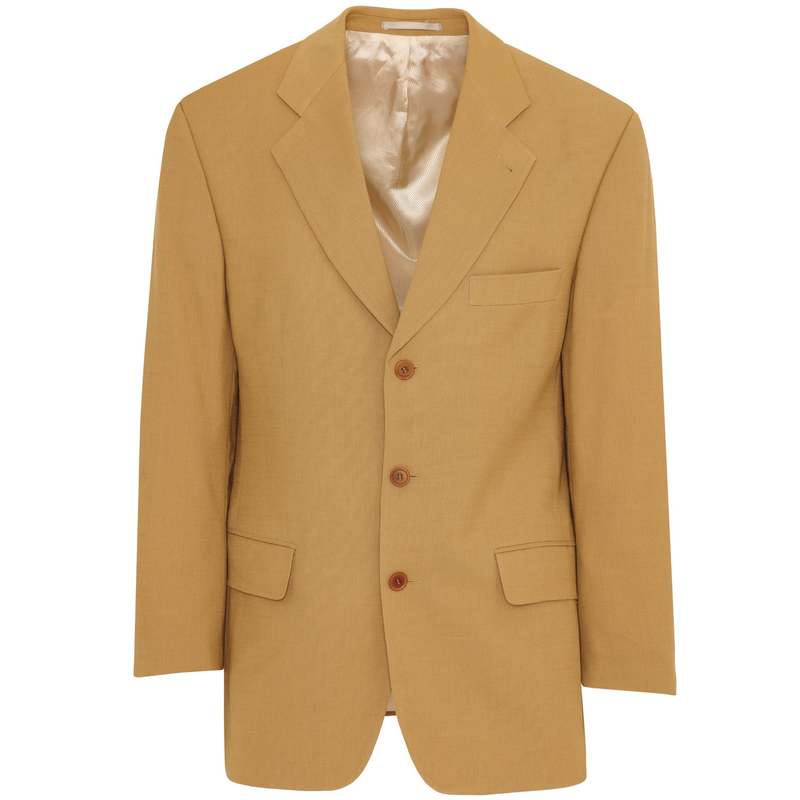
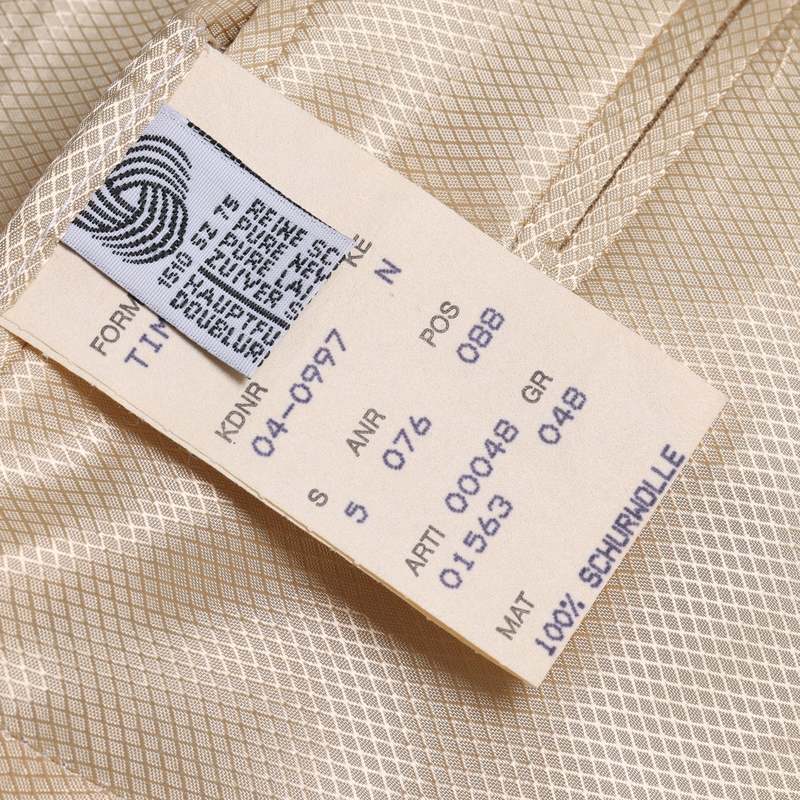
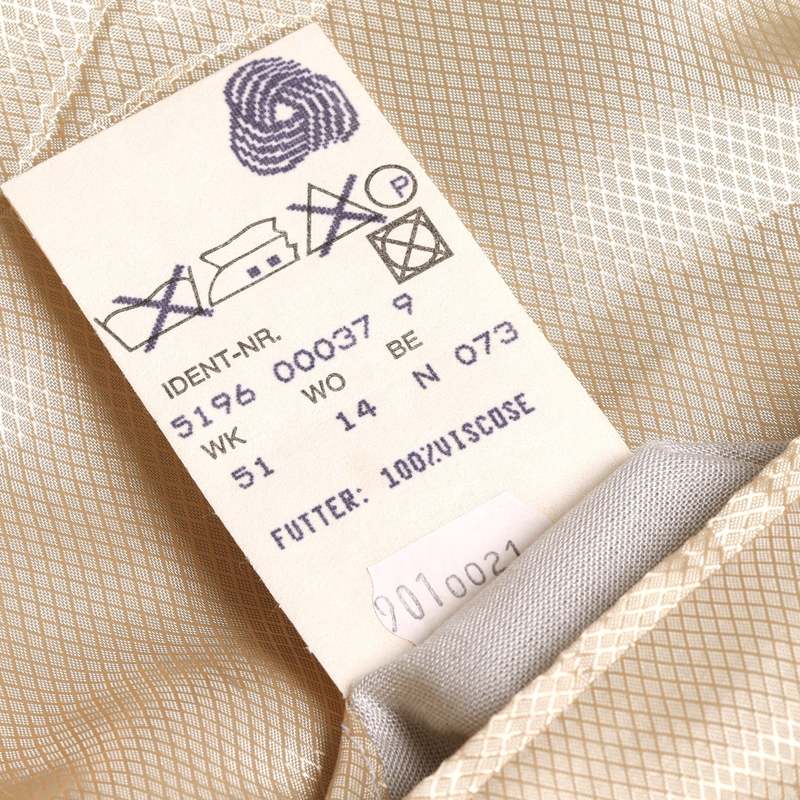
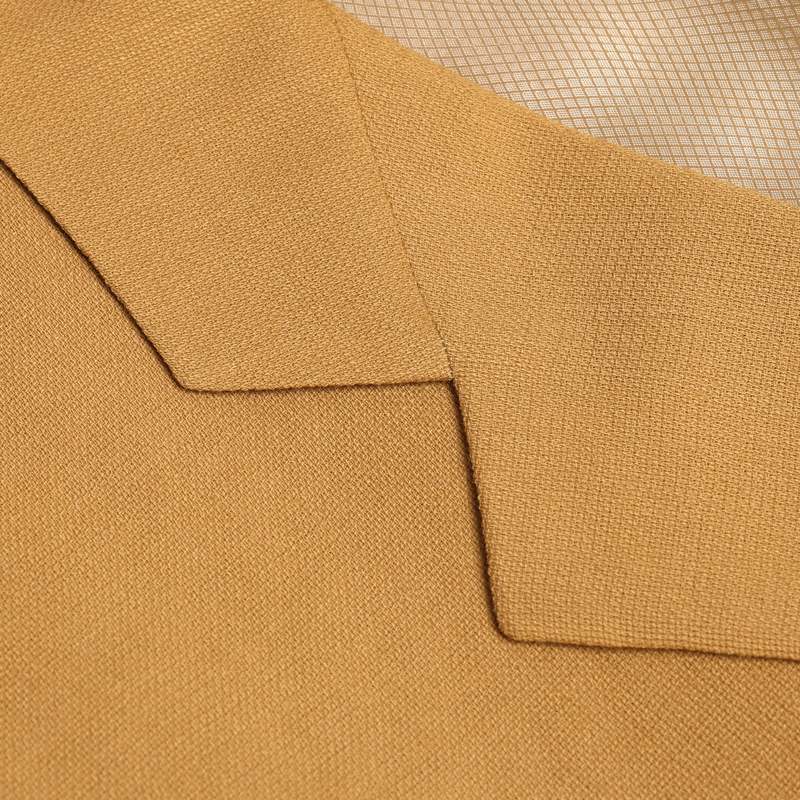
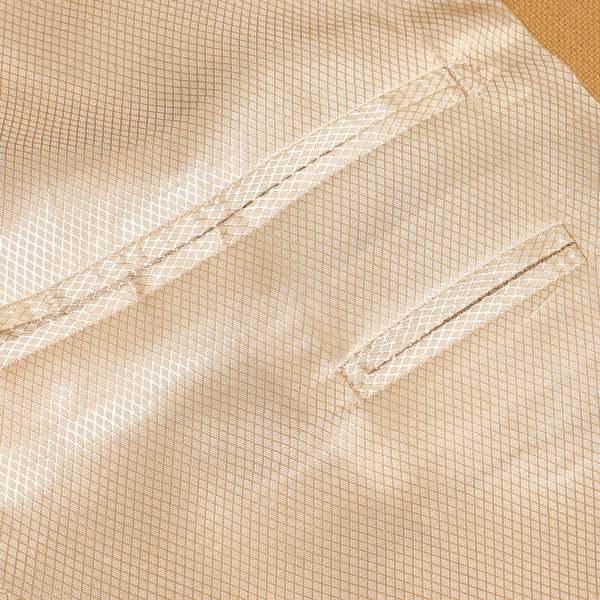
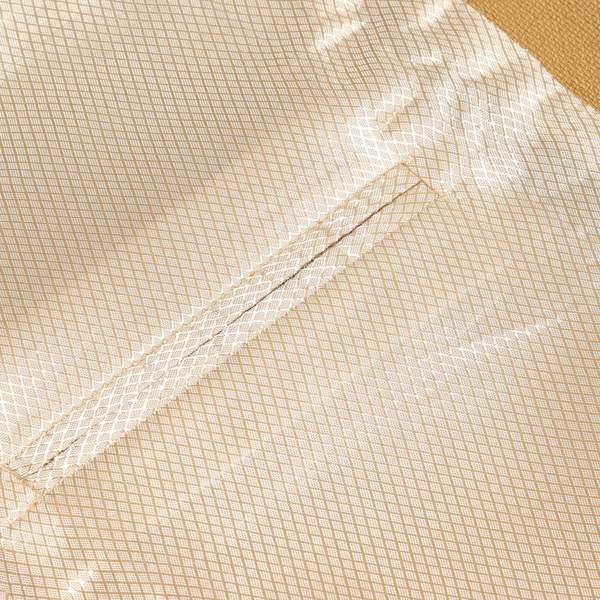
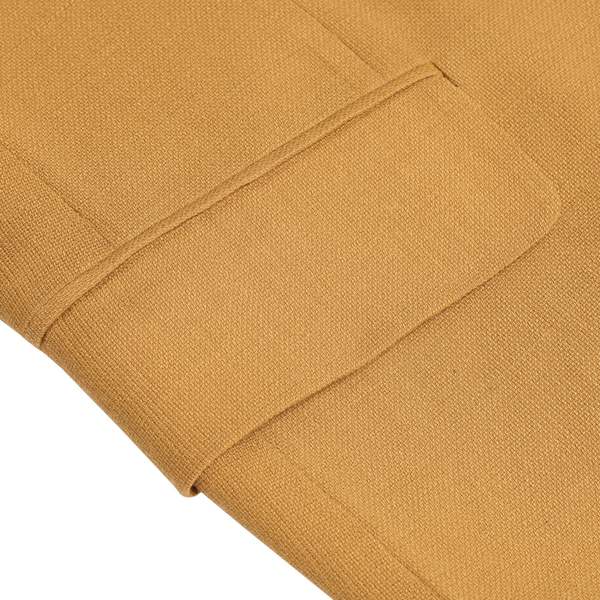
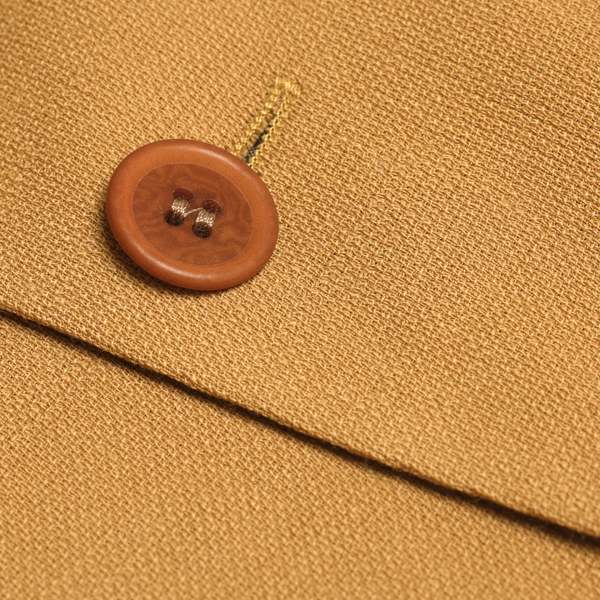
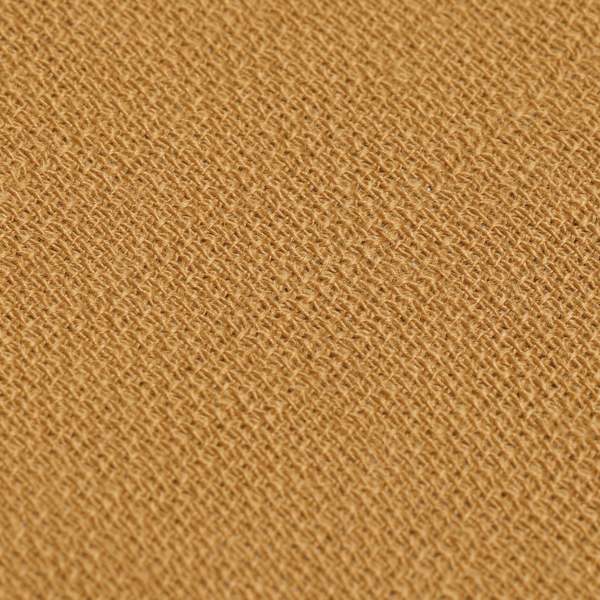
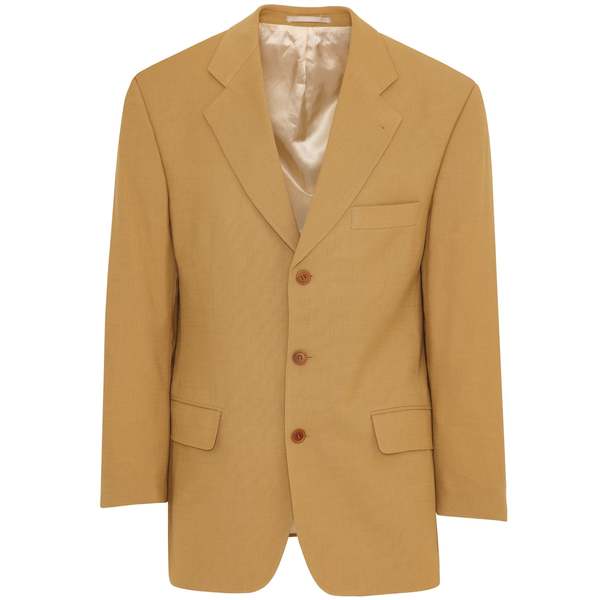
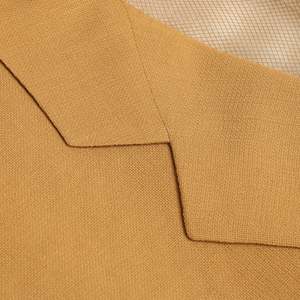
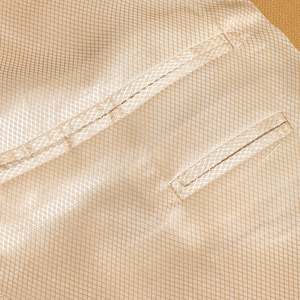
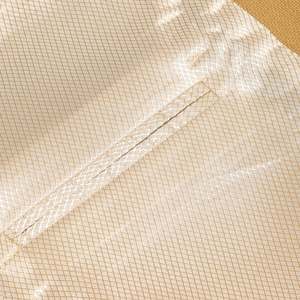
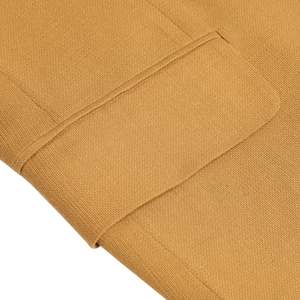
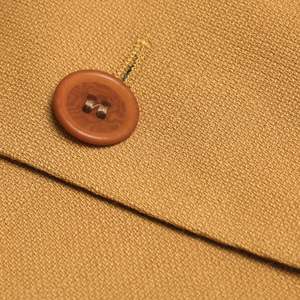
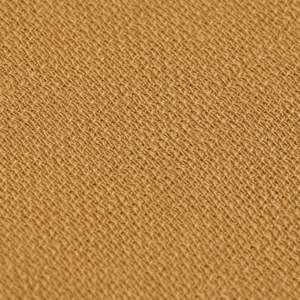
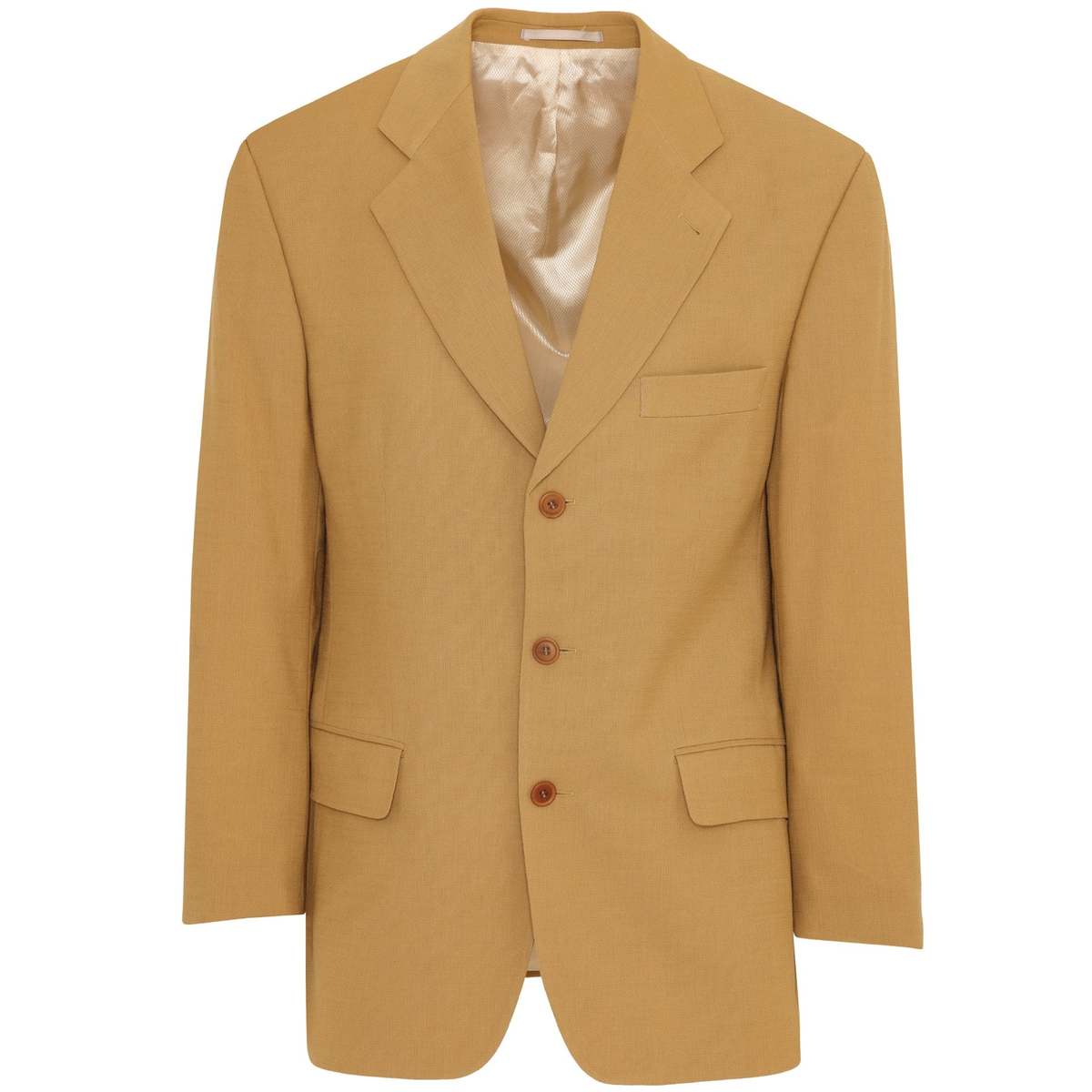
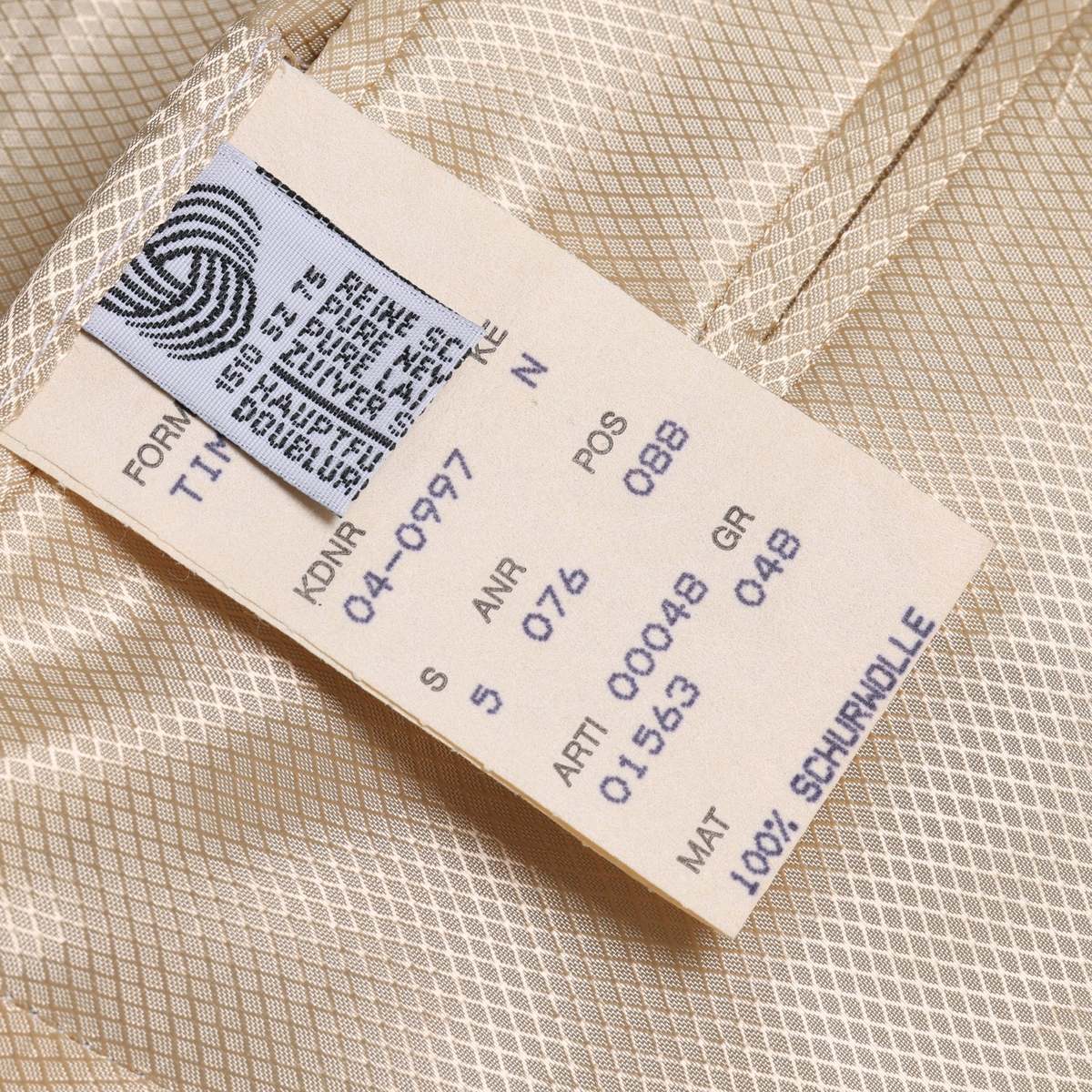
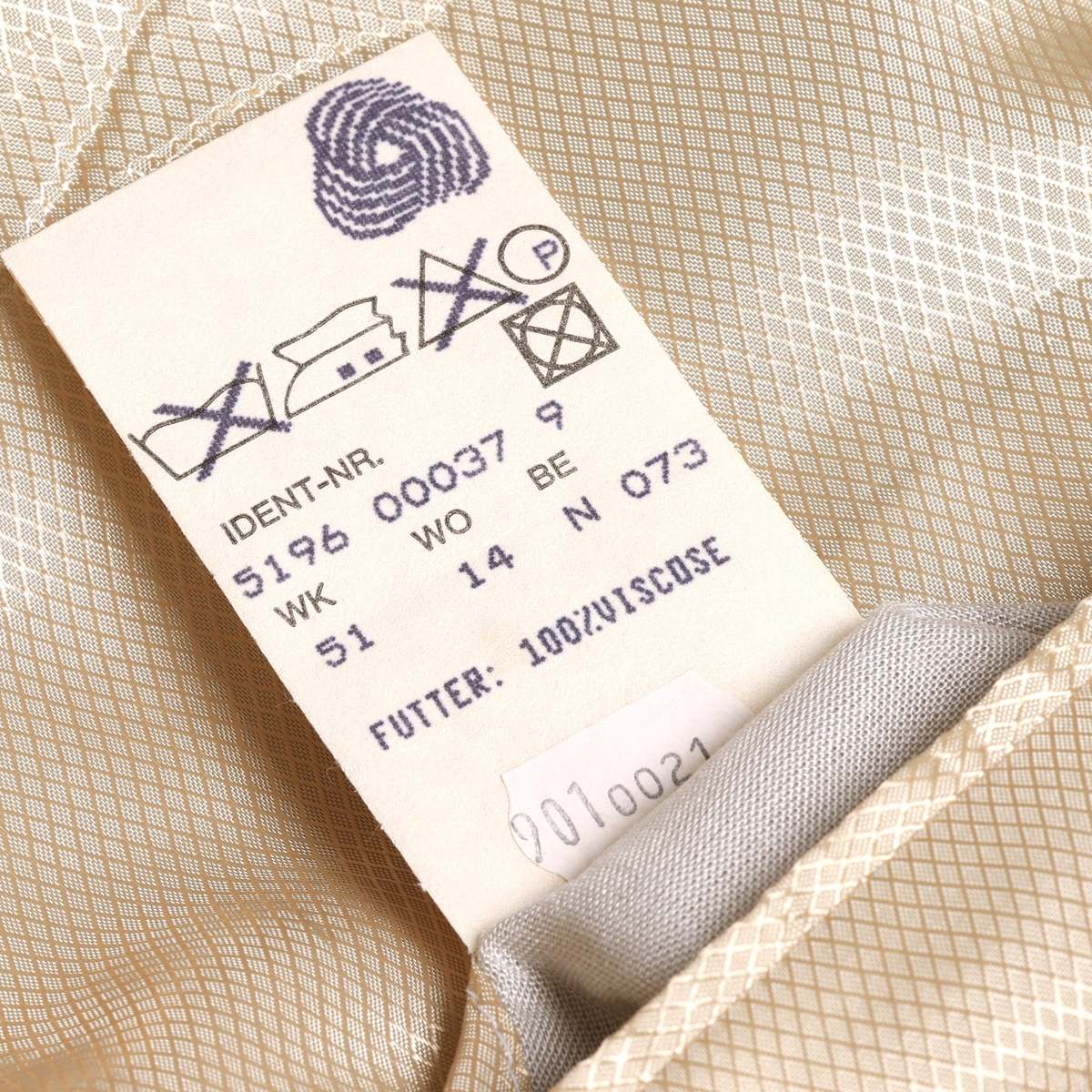
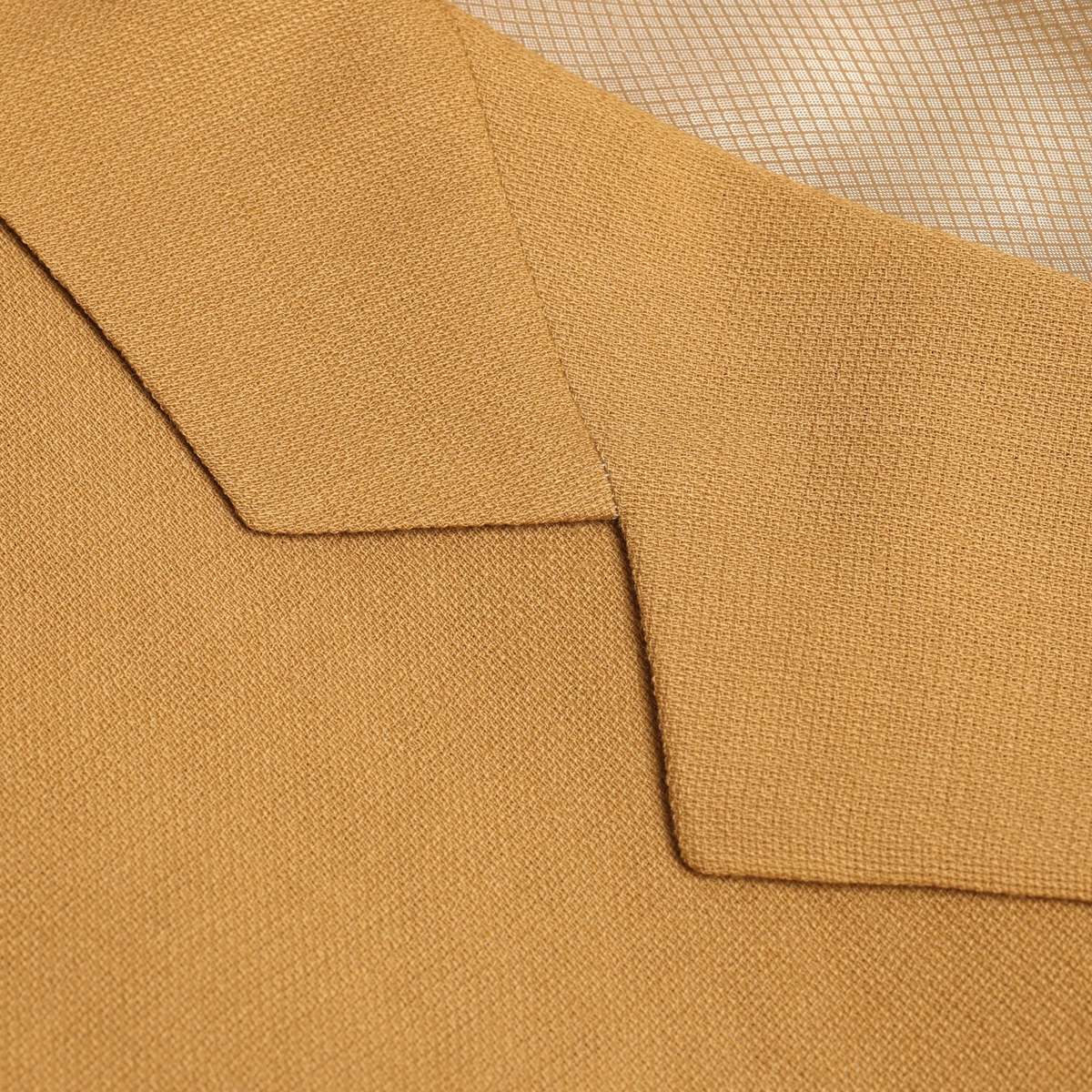
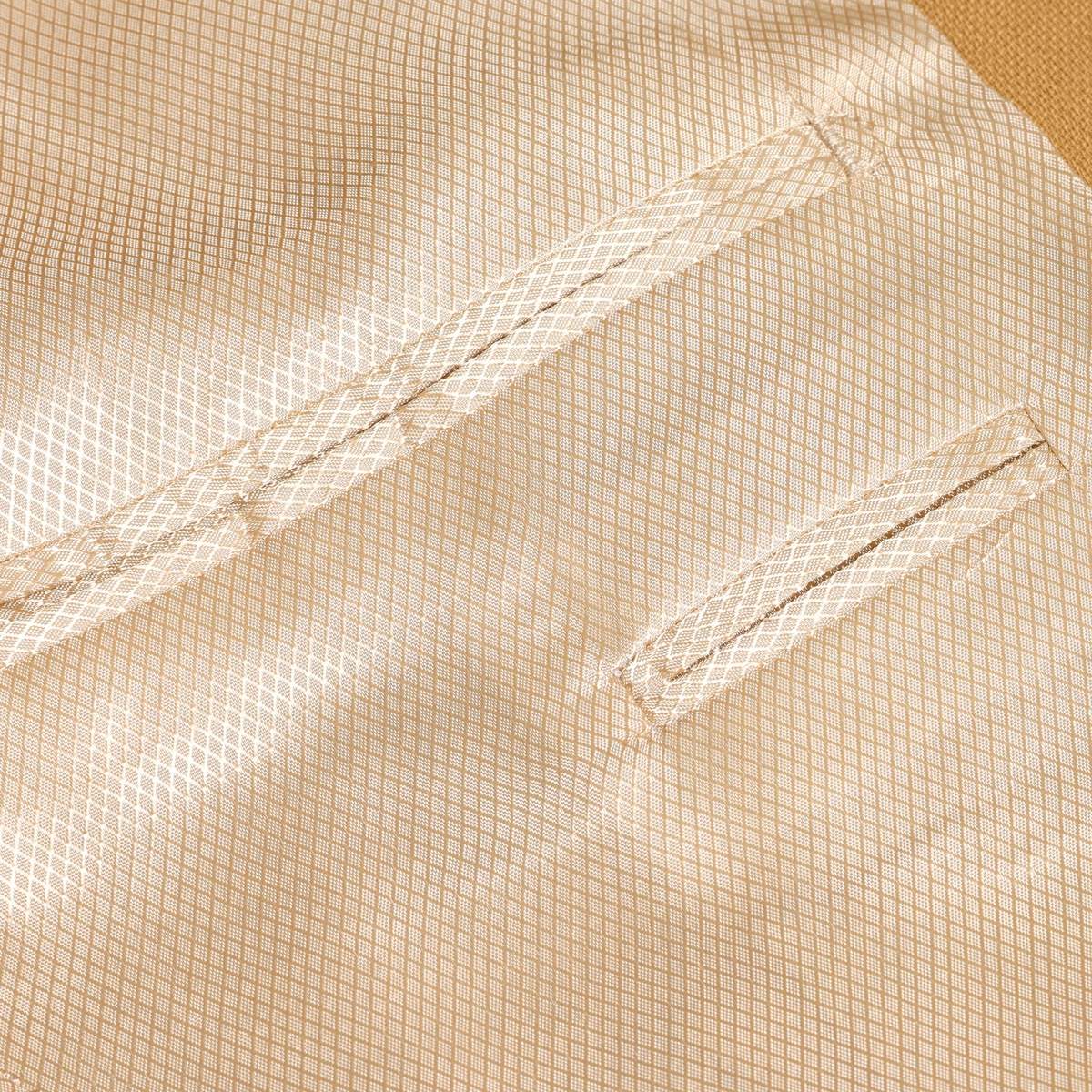
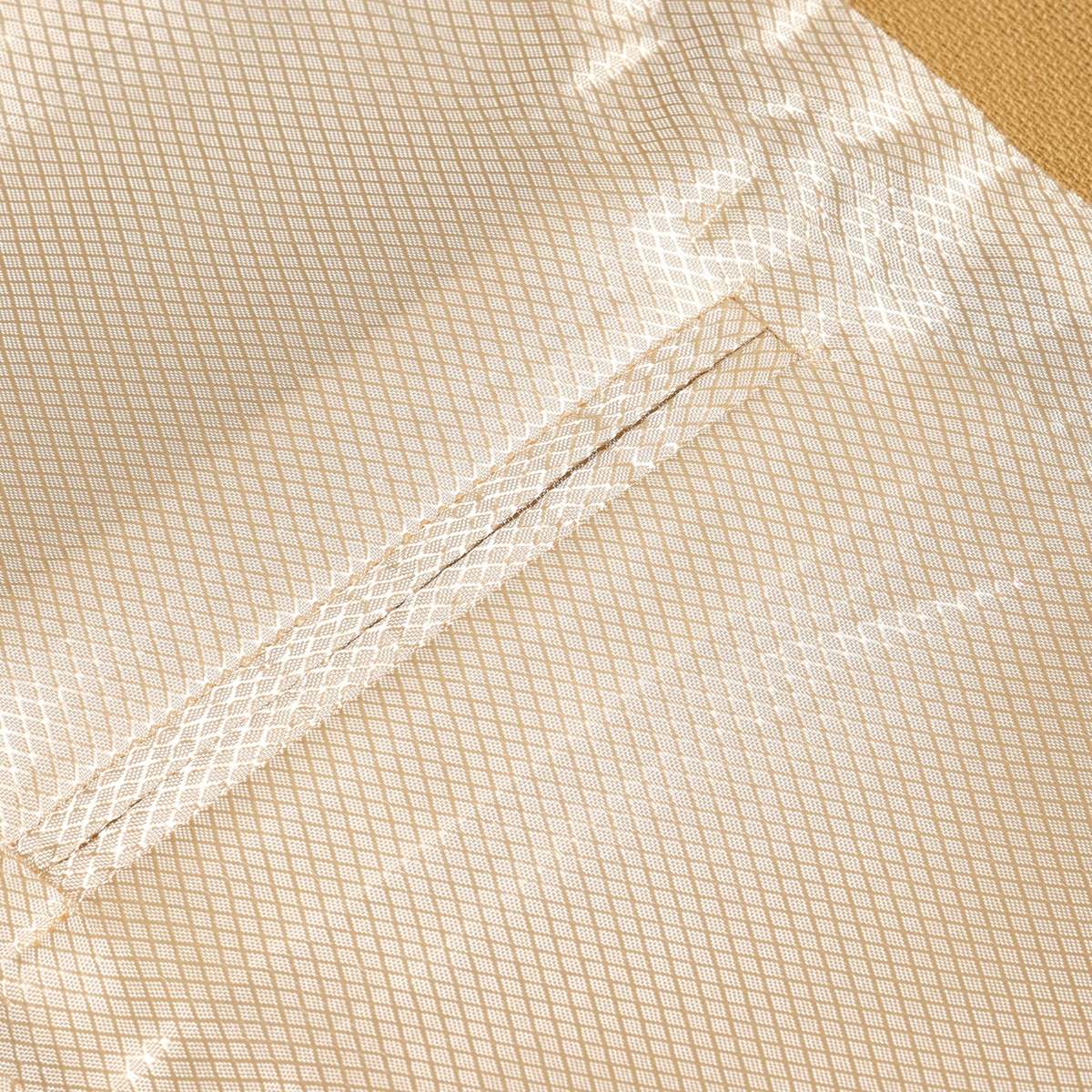
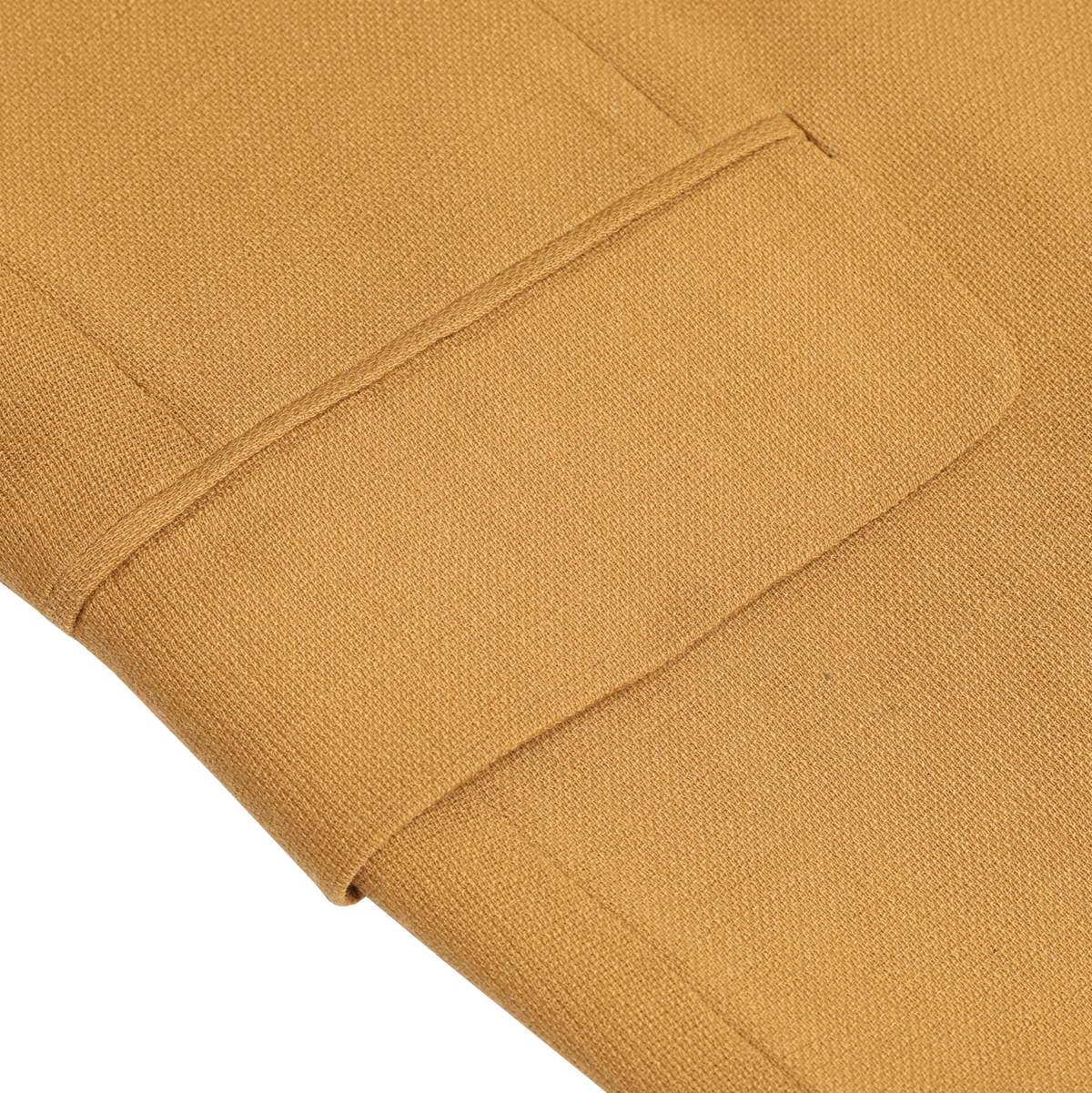
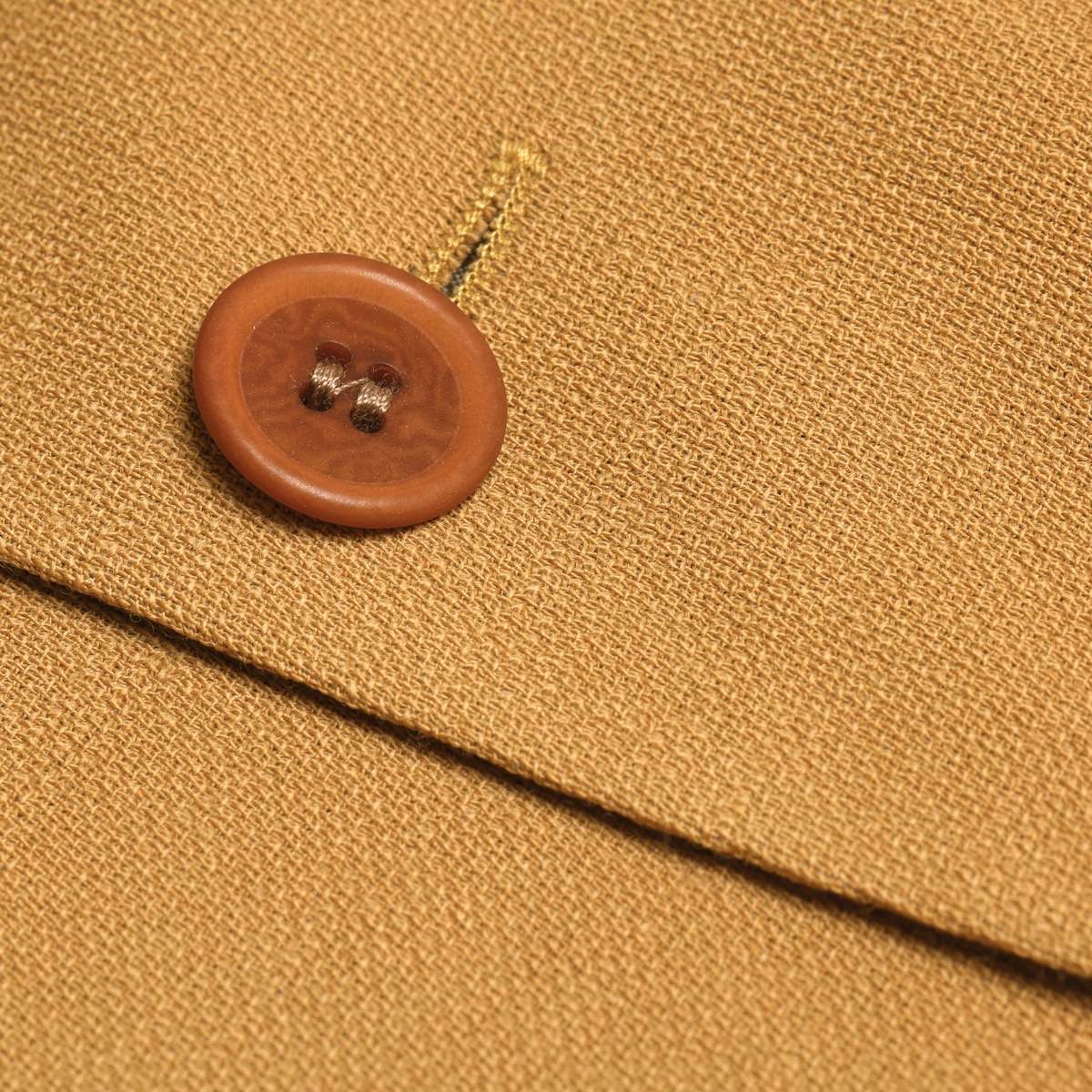
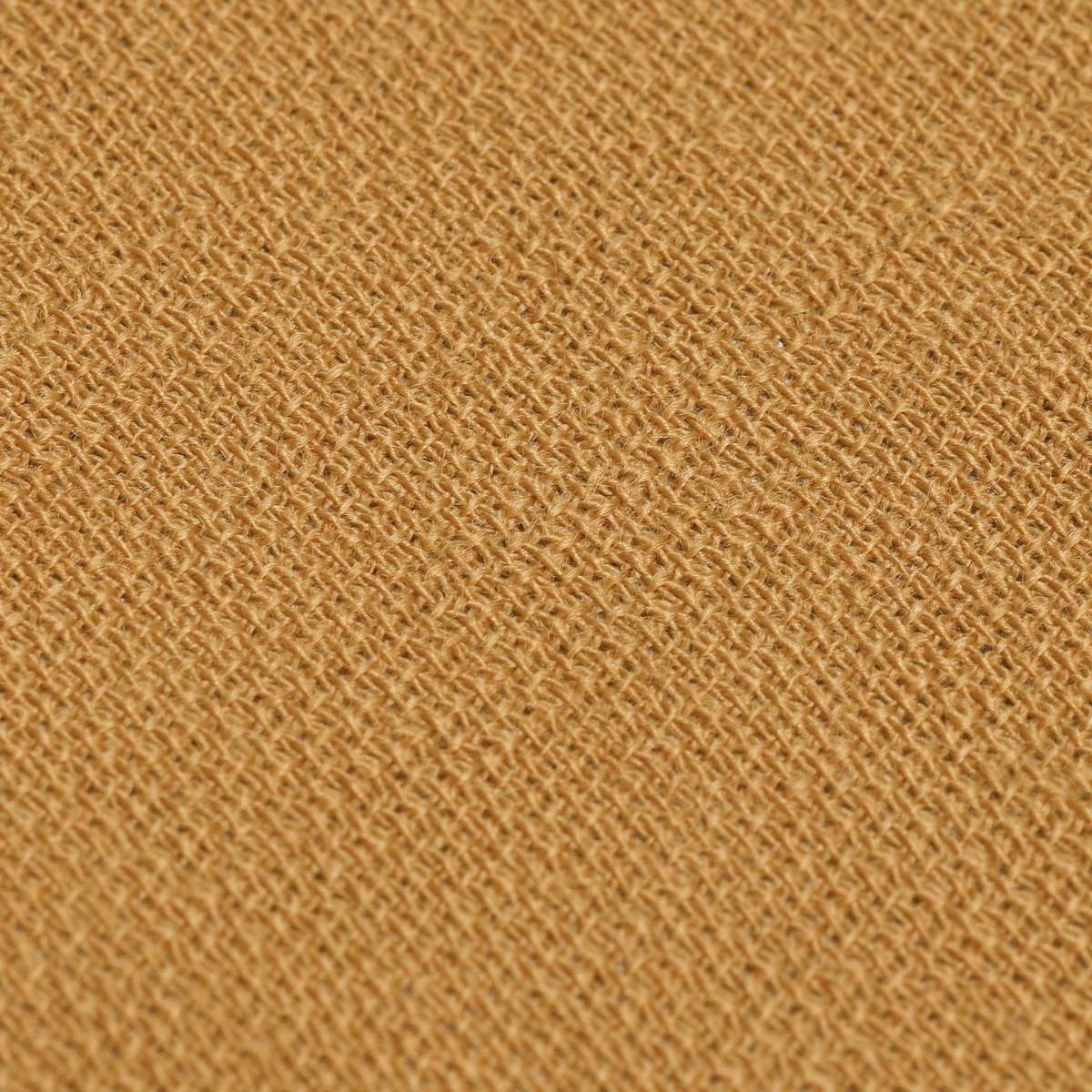
The plain weave Schurwolle cloth offers dry handfeel and midweight stability, echoing tropical wool traditions from VBC, Reda, and Schnherr. The sport coat represents a technically exacting expression of Central European tailoring from the late 1990s to early 2000s, executed within a semi-industrial framework that prioritizes structural reliability, chromatic restraint, and material economy over stylistic volatility or auteur authorship. The garment lacks overt branding but is marked internally with German-language descriptorssuch as Schurwolle and Futter: 100% Viscoseindicating production under the white-label or OEM systems that supplied department stores and regional labels including Canda, Roy Robson, Eduard Dressler, and Eterna Sartorial. These mid-tier tailoring houses were central to Germanys postwar clothing economy, especially during the 1980s2000s, when structured, professionally-coded garments were mass-produced to meet the demands of upper-middle-class urban officewear with a focus on discipline, conformity, and regional climate logic. Formally, the jacket is a single-breasted, three-button sport coat with notch lapels, a welted breast pocket, dual flap pockets, and presumed double rear vents. It is constructed on a classic continental tailoring block with a slightly elongated torso, high lapel break, and strong vertical symmetry. The lapel geometryfeaturing a steep notch and structured roll linesuggests a formal silhouette softened only by its chromatic departure from navy or charcoal. The garments golden tan coloration, rendered in a fine virgin wool plain weave, signals a shift toward spring-to-autumn transitional tailoring. This tonality, once associated with Mediterranean suiting in the 1970s, had by the 1990s been integrated into German business-casual frameworks as professional dressing expanded its chromatic range without compromising institutional propriety. The shell cloth is composed of 100% Schurwolle (virgin wool), spun and woven into a balanced plain weave with a tight over-under matrix and matte, dry handfeel. While lacking the openness of fresco, the density and crispness of the yarn recall summer-weight worsteds and tropical wool traditions. The surface structure is flat, free from twill diagonals or visual float, consistent with tabby weave constructions used in tailoring for their stability, breathability, and smooth tailoring response. Estimated GSM ranges between 240280, ideal for semi-structured garments requiring shape retention without excess bulk. The fiber has likely undergone worsted processingtightly spun and combedto reduce pilling while maintaining subtle flexibility. The fabrics structural lineage aligns most closely with tropical wool, fresco, and heritage plain weaves seen in cloths from mills such as Vitale Barberis Canonico, Reda 1865, and Schnherr. VBC and Redas lightweight plainsparticularly those used in summer tailoringmirror this cloths dry finish and controlled sheen. Schnherr, known for its utility-focused woolens and uniform-grade suiting cloths, offers the most direct regional parallel, particularly in German-made garments that privilege utility and consistency over softness or expressiveness. The inner lining, composed of 100% viscose, is loom-woven in a jacquard grid motif, producing a subtle tonal variation with geometric shimmer. Its structure reflects the legacy of Bemberg liningsviscose-based, breathable, anti-static, and widely used in quality Central European tailoring of the period. Patternmaking adheres to classical tailoring geometry: a three-panel front with full dart suppression into the pocket region, moderate shoulder structure, and a high-placed chest pocket. The sleeves are cut in a two-piece draft with ergonomic elbow shaping and subtle sleevehead lift, likely stabilized internally with fusible strips or sleevehead tape to maintain vertical balance without excessive roping. The back, while not visible, is presumed to include double vents, a tailoring standard intended to facilitate seated wear and movement. Overall shaping prioritizes architectural legibility and form retention rather than draped fluidity, consistent with the tailoring philosophy of the German professionalwear sector. Construction is defined by semi-industrial efficiency and meticulous edge control. The outer panels are machine-seamed and overlocked internally, pressed open for structure, and reinforced at junctions likely to experience stress, such as pocket mouths and lapel corners. The lapels are formed over fusible canvas or haircloth interlining, shaped through press-molding along the roll line. The undercollar is likely melton, while the upper collar is self-fabric, stitched cleanly to the rear neckline with no bunching or misalignment. Pocket welts are precisely executed, corners mitred with sharp stitch consistency, and set into the dart structure without visible distortiona technical marker of disciplined pattern alignment and skilled machine control. Sleeve setting is notably clean, with the eased crown fully integrated and no evidence of puckering or grain distortion. Buttonholes are machine-made with narrow bartack terminations, button spacing follows a functional 3-roll-2 logic, and the buttonstwo-hole tortoiseshell-patterned resinare attached with cross-stitching for shank tension. Cuffs are non-functional, with machine-bound buttonholes reinforcing the garments RTW nature. Edge finishing is turned and topstitched throughout, omitting hand-felling in favor of industrial durability. The hemline is straight with softened quarters, maintaining uninterrupted vertical line from shoulder to skirt. Technically, the jacket displays high-precision execution across all construction zones. The alignment of the chest welt, flap pockets, and lapel roll points to consistent cutting accuracy and calibrated feed regulation. Lining insertion is clean, with minimal rippling due to correct easing ratios and jump hem integration. Seams are tension-balanced, intersections are crisply handled, and lapel shaping reflects reliable press-board consistency. These are not the marks of bespoke tailoring, but of a skilled industrial facility operating at the upper end of mass customization. Conceptually, the jacket performs as a symbol of bureaucratic elegancean emblem of professionalism without performativity. The warm coloration suggests affability and trust, functioning as a psychological recalibration of formality suited for less hierarchical environments or warmer seasons. The overall design avoids overt stylization, operating instead through proportion, surface discipline, and chromatic intentionality. This aesthetic positioning aligns it with post-functionalist tailoring doctrinean ethos rooted in Bauhaus claritys and mid-century officewear pragmatism, devoid of excess, grounded in usability. In historical context, the garment sits at the nexus of German textile rationalism and globalized tailoring standards of the late 1990s to early 2000s. The presence of barcode care tags, numeric batch codes, and regionally coded fabric indicators supports a production date within this window. During this period, Germanys garment industry remained strong in structured menswear, offering high-output tailoring with certified materials for department store chains, export clients, and public sector contracts. Today, the jacket finds relevance amid the revival of heritage tailoring and the ongoing shift toward color-forward, transitional suiting. It shares conceptual DNA with brands like L.B.M. 1911, Barena Venezia, and Aspesilabels that explore tonal minimalism through softened tailoring. It also recalls vintage Jil Sander menswear in its neutral geometry and textile claritys. In resale or editorial contexts, it could be positioned within neo-traditional wardrobes, especially when paired with white shirting, stone trousers, or tonal knitwear. Its visual neutrality and technical specificity offer curatorial potential within menswear spaces that prioritize narrative garments with quiet complexity. This is not a coat that courts attention through flourish; rather, it exemplifies institutional tailoring executed with discipline, proportion, and textile intent. Its structure supports long-term utility, its color expands stylistic and seasonal versatility, and its execution reflects a tradition of Germanic suiting that, while rarely exalted in fashion discourse, remains foundational to Europes sartorial infrastructure. Measurements (cm): Chest: 55 Length: 77 Shoulder: 49 Sleeve: 61 Size Conversion (approximate) US Mens Size: XL EU Mens Size: 52 SKU: 015076
Garmentory is a curated marketplace of independent boutiques and emerging designers from around the world.
Fashion With Intention
Aw yeah!
We love making new friends so while we're popping bottles, continue shopping to apply your $10 credit.
We've got a dedicated site "garmentory.co" just for our Indian customers! Shop with local currency, faster shipping, and exclusive products.
We cannot add this item to your bag because it’s already at max capacity. But don’t worry, we’ve saved it to your wish list.
Earn Replica Belts credits when you shop, wishlist, and inspire others.

Have a question about the size or something else? We're here to help!