Spring fever is here 🌡️☀️ Prep early for those not too hot and not too cold days by finding something you love ON SALE. SHOP THE SALE


Spring fever is here 🌡️☀️ Prep early for those not too hot and not too cold days by finding something you love ON SALE. SHOP THE SALE
| To | Service | Estimated Delivery | Fee |
|---|---|---|---|
| 🌎 | Intl. Air | 6-20 business days | $29.95 |
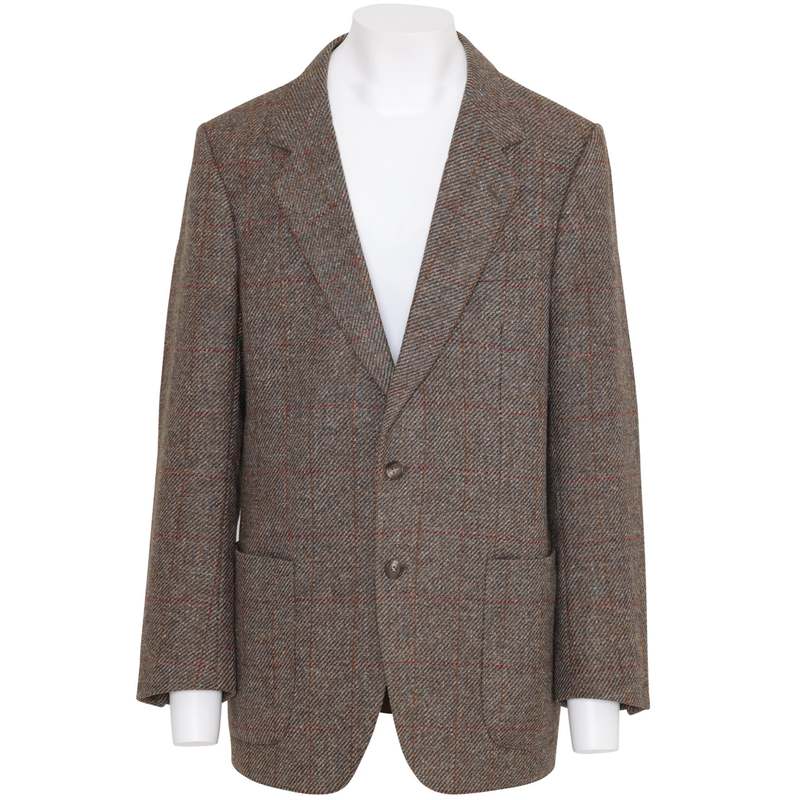
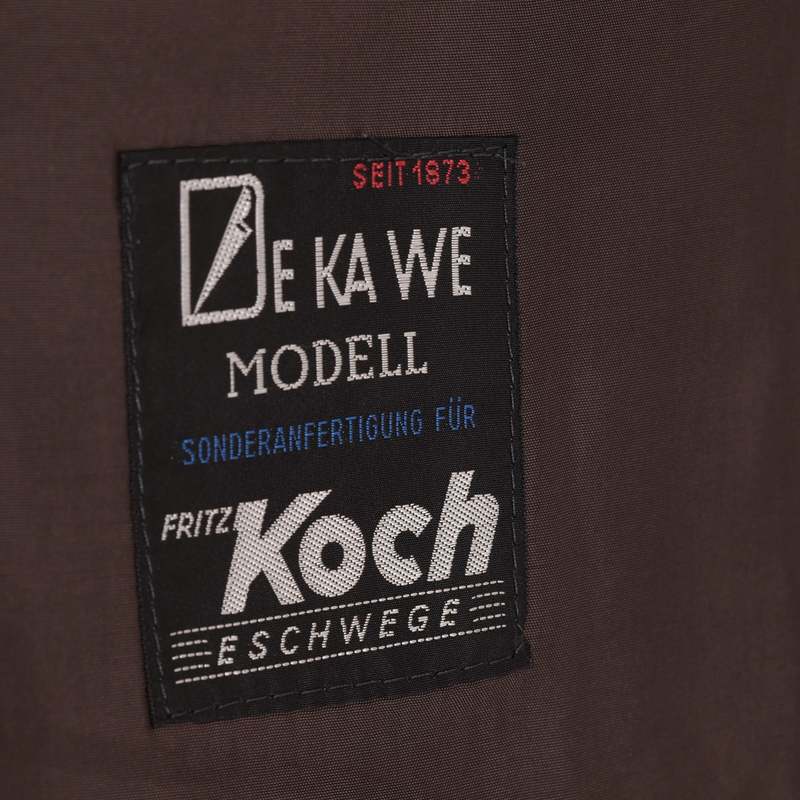
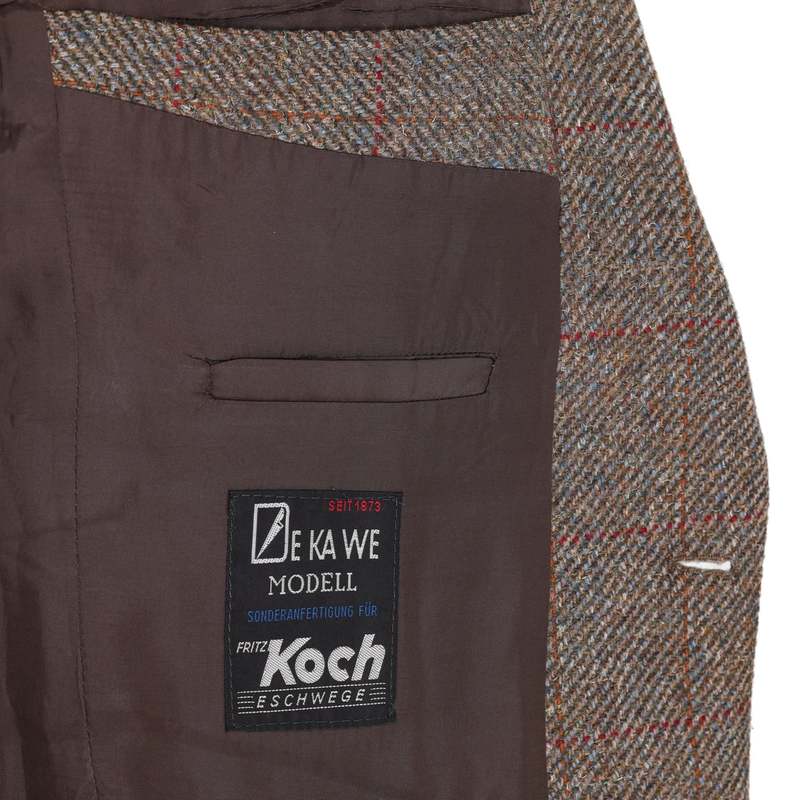
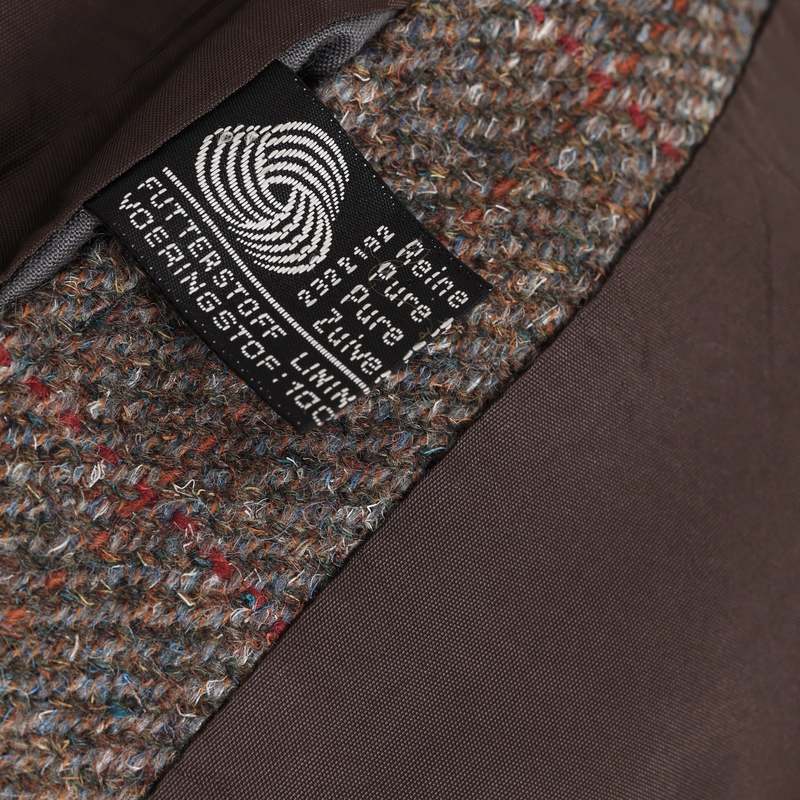
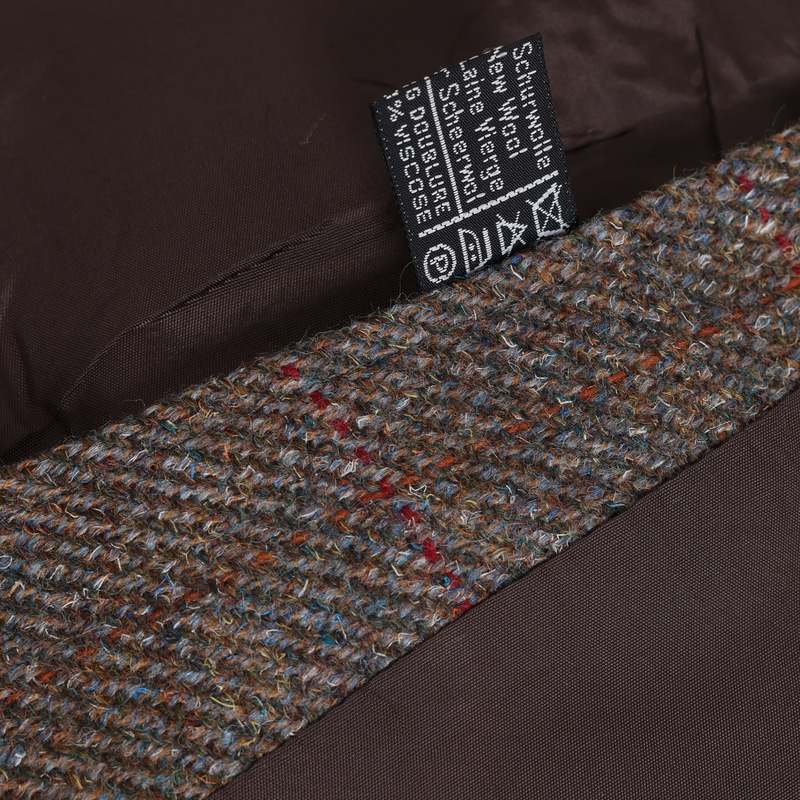
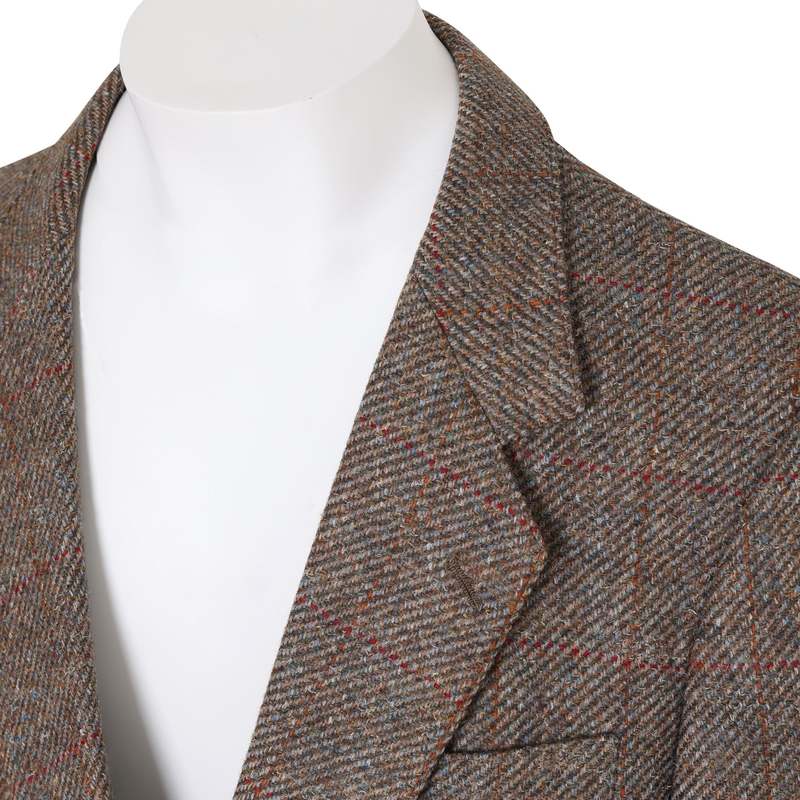
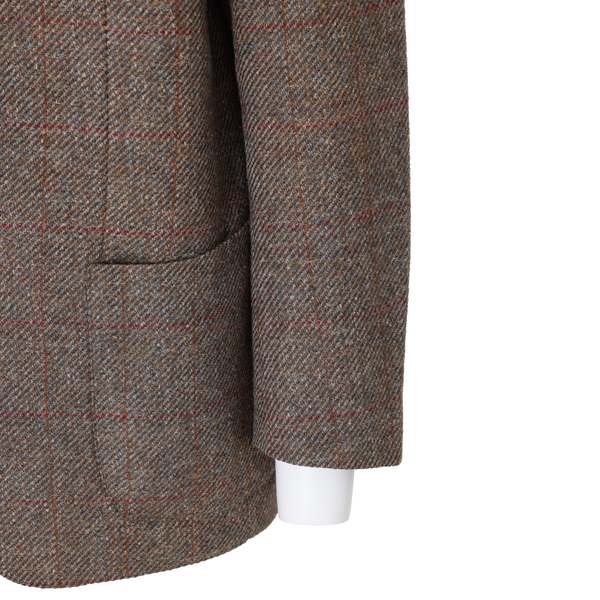
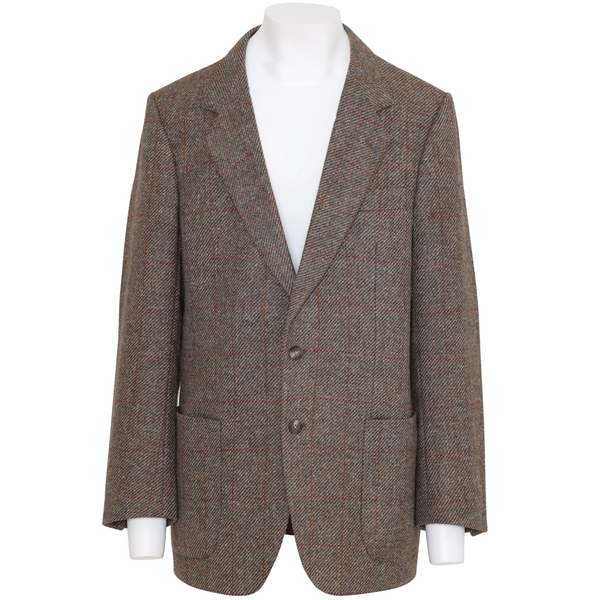
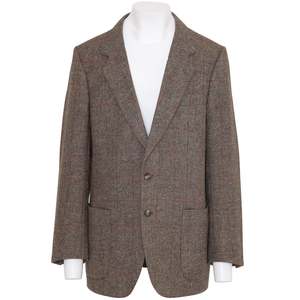
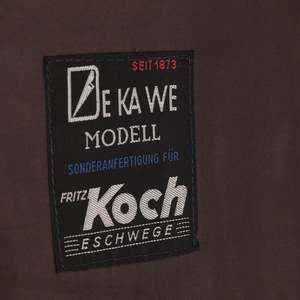
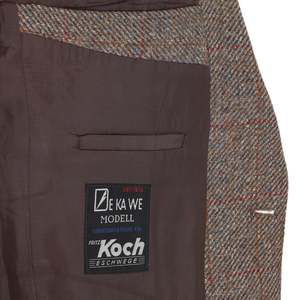
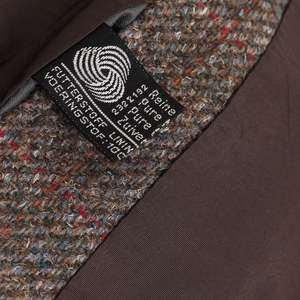
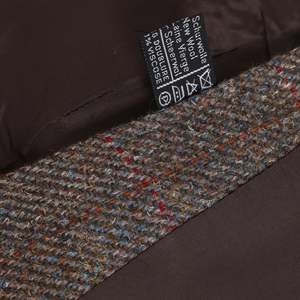
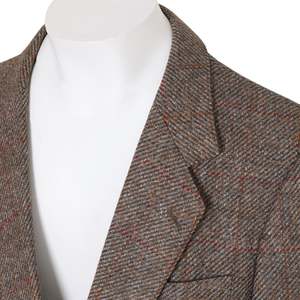
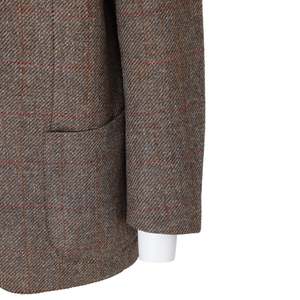
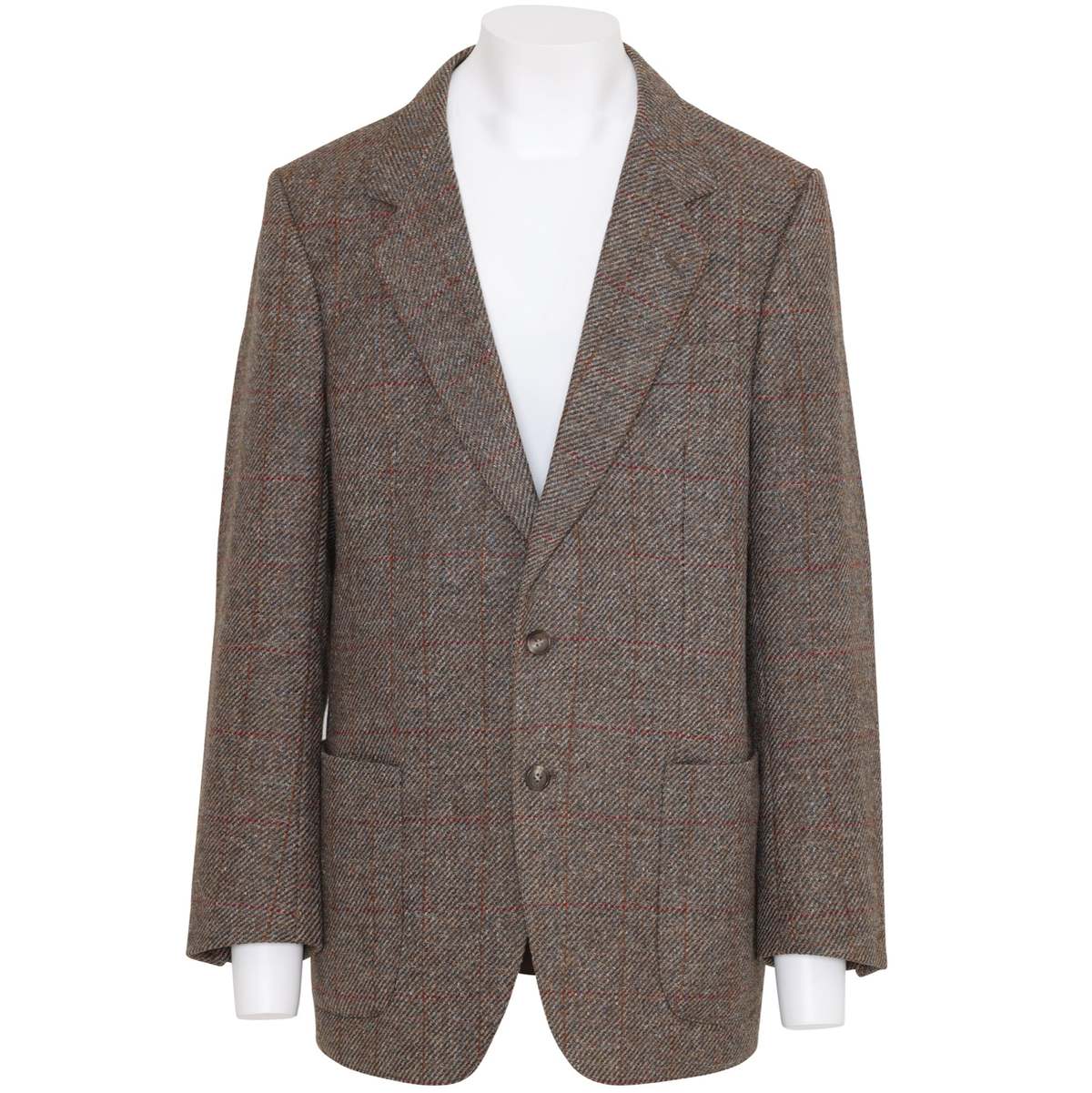
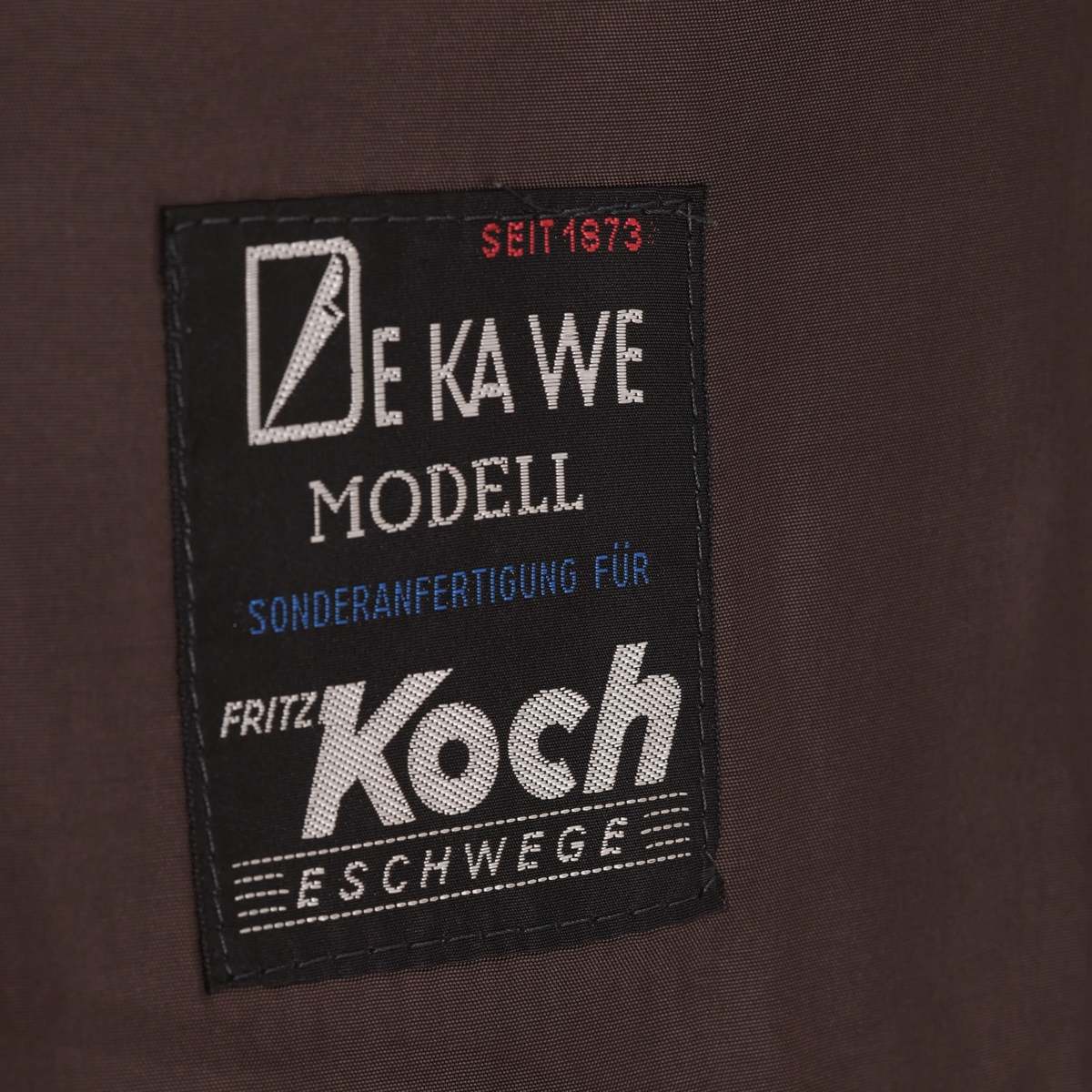
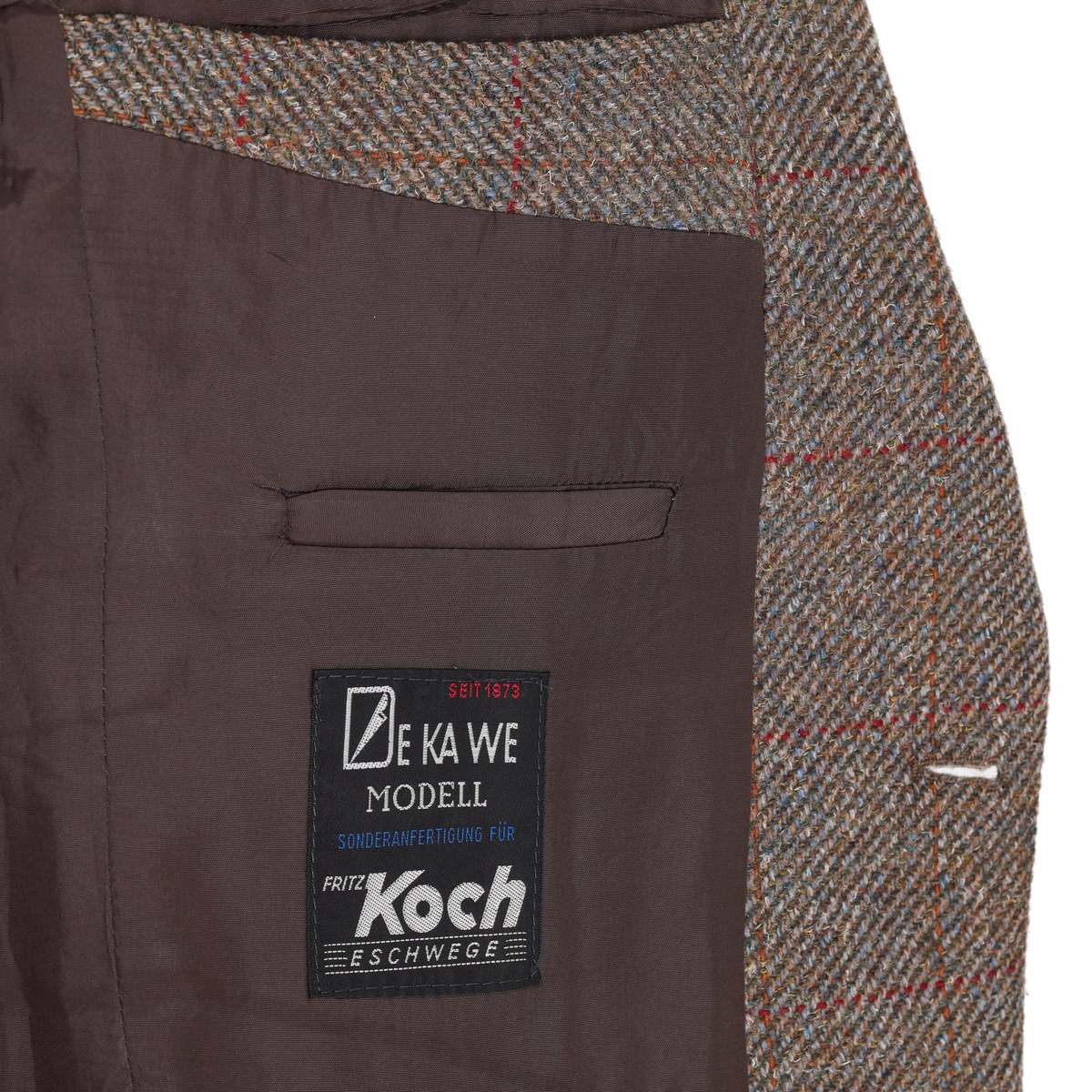
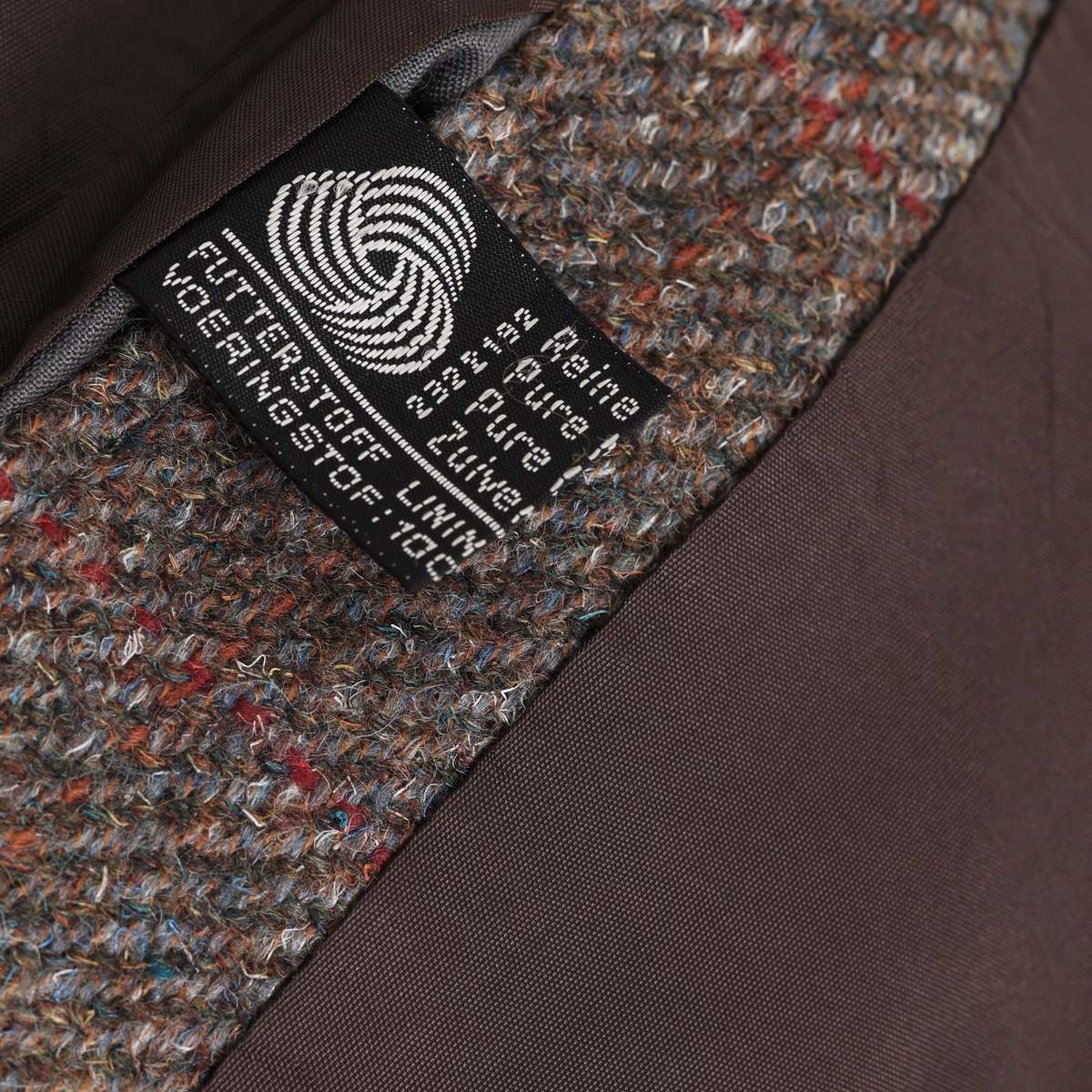
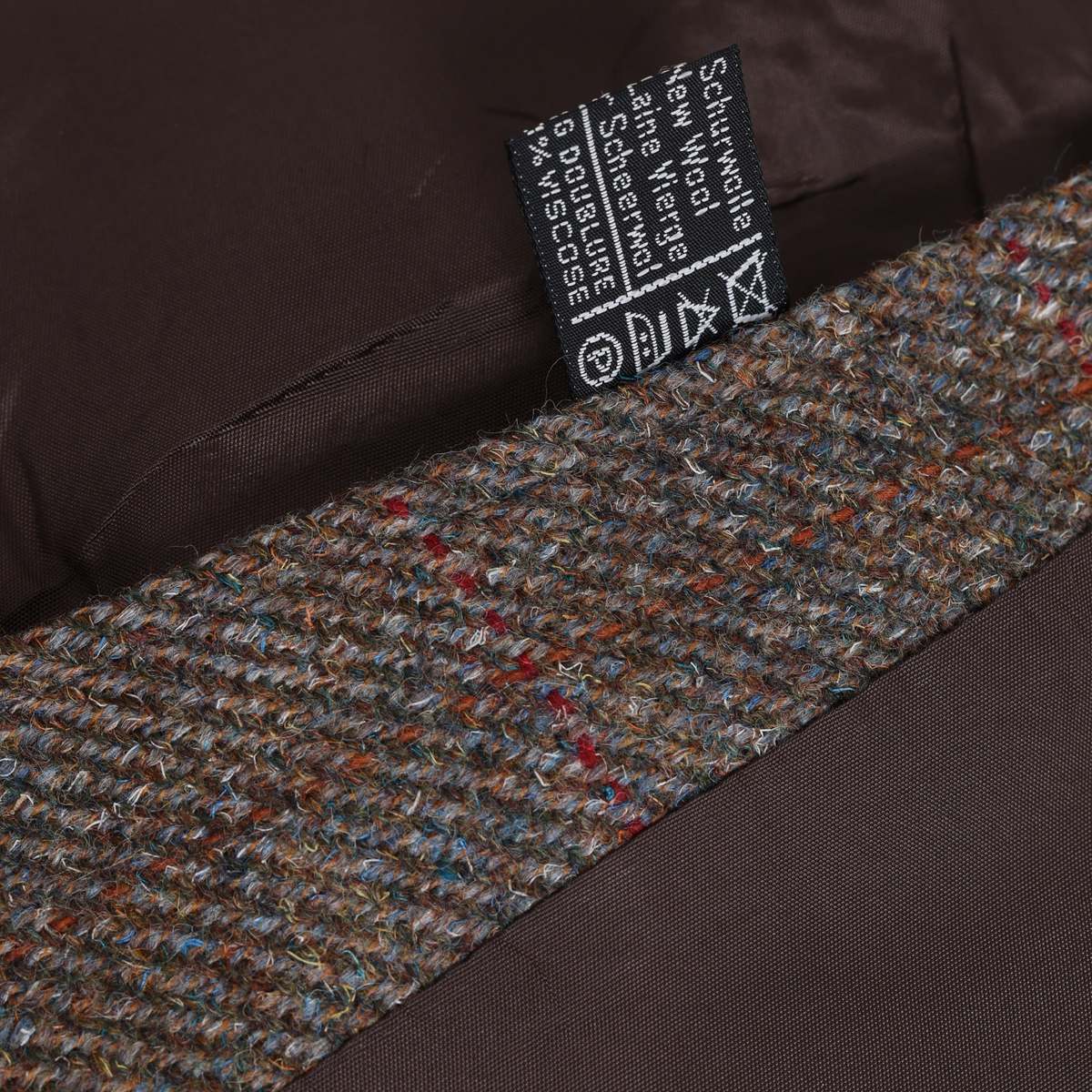
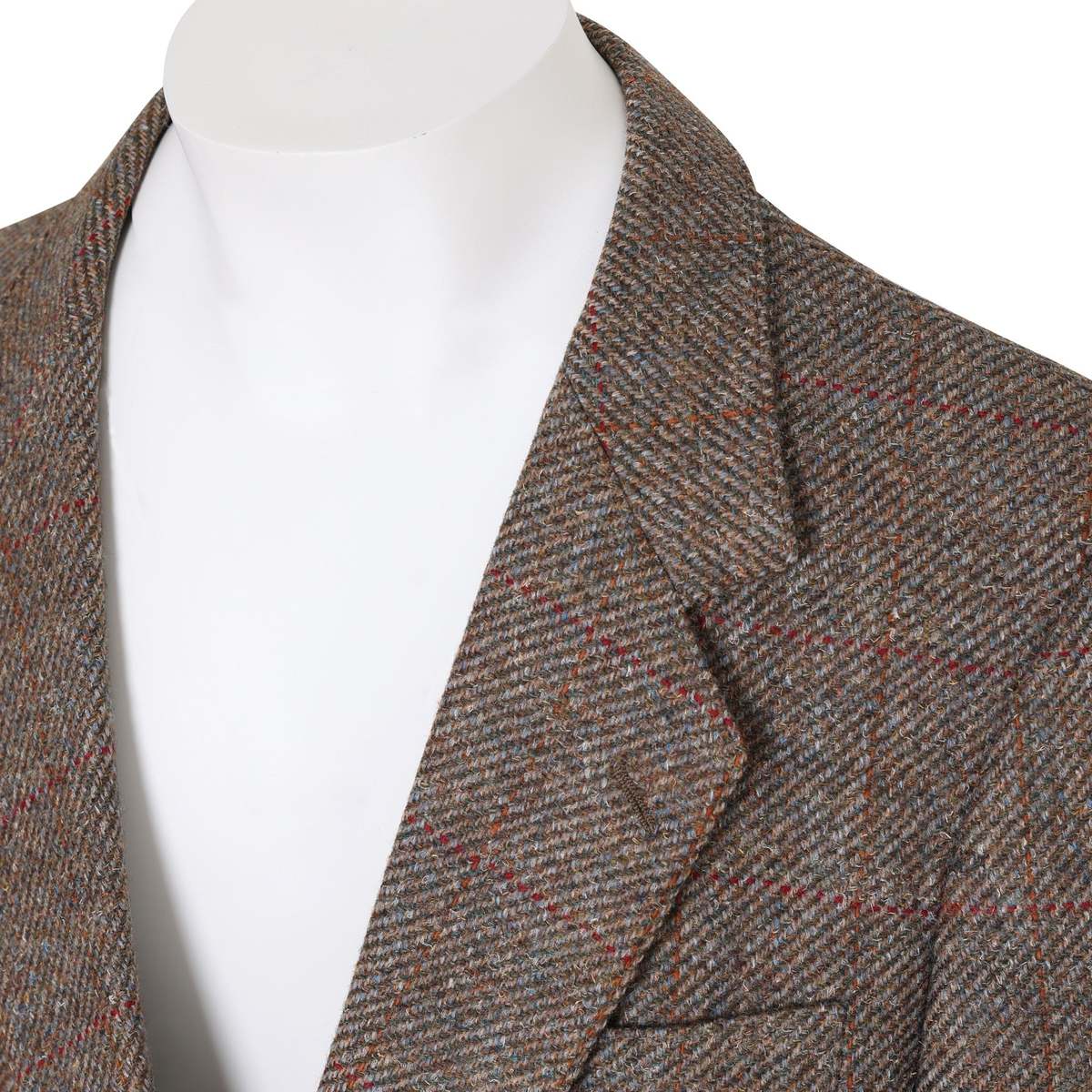
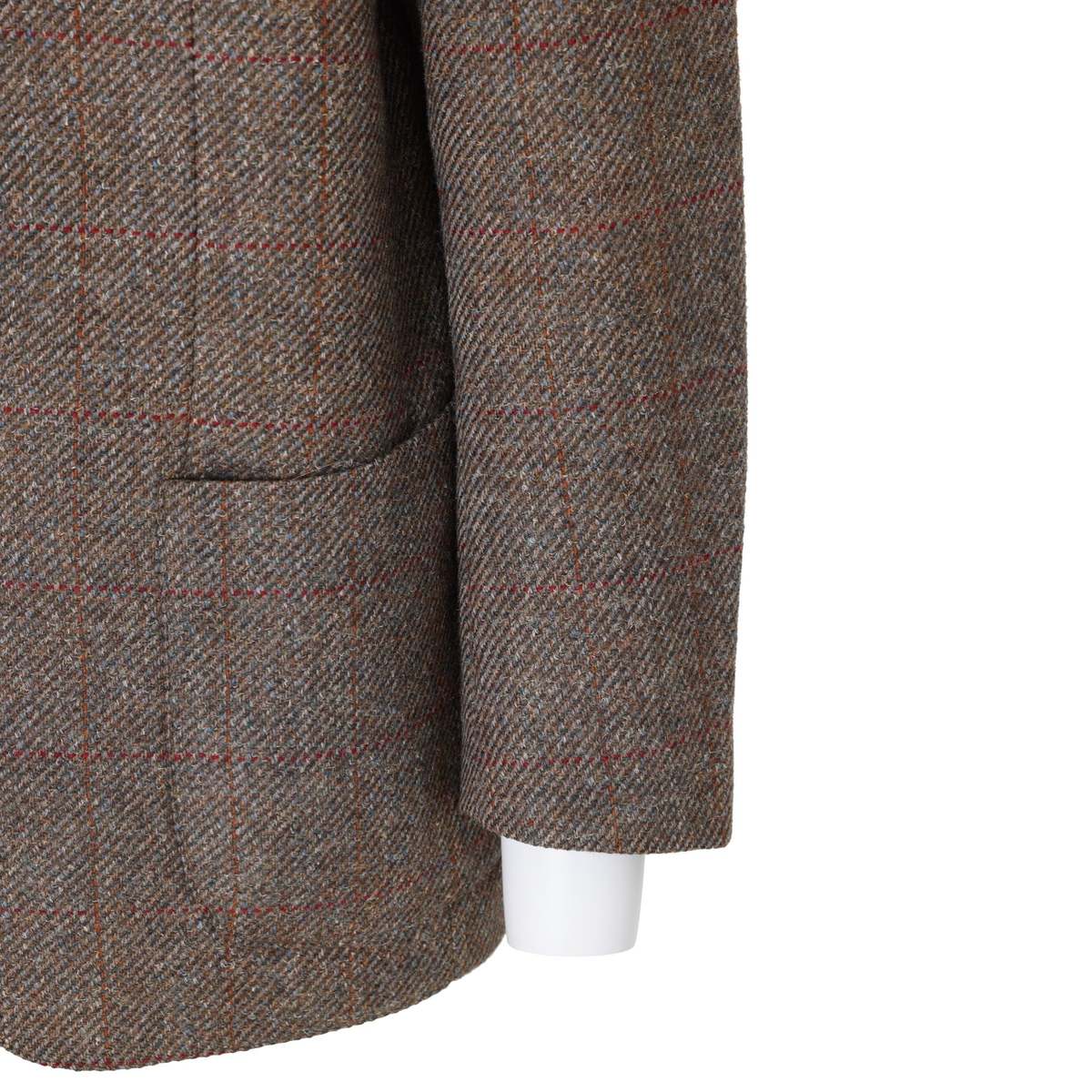
Operating on a made-to-measure model, De Ka We centers personalization and heritage construction in garments like the sport coat for Fritz Koch. De Ka We, founded in 1873, emerges as a quietly authoritative tailoring house rooted in the post-war German sartorial tradition. Operating within a bespoke or made-to-measure framework, the labels production model exemplifies individualized garment-making, as underscored by the custom inscription Sonderanfertigung fr Fritz Koch. This level of personalization, combined with small-scale output, situates De Ka We firmly within the heritage menswear ecosystemdistinct from mass-market operations yet vital to the preservation of regional tailoring identity. The brands ethos reflects a commitment to classical construction techniques and a fidelity to German textile heritage, shaped as much by British tailoring doctrines as by Continental craftsmanship. While not positioned as an international trendsetter, De Ka We occupies a consequential role in the conservation of tailoring traditions across localized European centers. Its output demonstrates a confluence of British-influenced silhouettes and the structural precision emblematic of German tailoring. This cultural hybridity lends its garments a unique positionalityanchored in Edwardian countryside sartorial codes but articulated through Central European engineering. Such pieces do not seek novelty through deviation, but rather affirm continuity, embedding themselves in the long arc of 20th-century menswear evolution. The garment in questiona two-button, single-breasted sport coatis constructed with a clear intention toward autumnal or countryside wear. It evokes an interwar British leisure sensibility while simultaneously reflecting the post-1970s German appreciation for durability and understated sartorial formality. The choice of tweed, an earthy and tactile medium, combined with its patterned overcheck and flecked surface, places it within the historical trajectory of the Norfolk jacket and its 20th-century sport coat derivatives. The design offers the kind of sartorial hybridity that allows it to sit comfortably in both rustic and academic wardrobes. The outer shell utilizes a 2/2 herringbone twill weavestructurally zigzagging in alternating diagonals to produce a broken twill texture. Overlaid with a windowpane check in red, orange, and blue, the fabric reflects traditional British and German tweed aesthetics. The yarns appear to be carded multi-ply wool with visible heathering, offering a loftier hand, greater thermal insulation, and a visually complex chromatic base. The brushed or milled finish contributes a subtle nap, reinforcing the jackets tactile warmth and visual softness. Compositionally, the shell comprises 100% pure new wool, designated as Schurwolle, confirmed via Woolmark certificationan industry benchmark validating fiber purity and provenance. The estimated fabric weight of 450500 GSM categorizes it within the outerwear-grade spectrum, balancing structure and comfort. The inner lining, a poly-viscose satin blend (approximately 52% polyester, 48% viscose), integrates breathability with smoothness, optimizing layering performance while avoiding the stiffness of synthetic-only linings. The lining is further described as Doupione, likely referencing a subtle slubbed or textured weave, though this usage diverges from its standard silk textile connotation. In construction, the jacket exhibits traditional engineering hallmarks: fully lined body, single-needle tailoring, and structured shaping through front panel darting. The lapel roll and chest piece suggest a semi-canvassed build, offering dimensional integrity without the rigidity of full canvas. The sleeve heads display modest roping, likely reinforced with internal canvas to retain form over time. Pocket configurations include a welted chest pocket and two patch pocketsclassical yet functional choices that maintain visual balance across the front panels. Precision detailing reinforces the garments technical merit. Pattern alignment across the lapels, pockets, and side seams is executed with clear intentionality, preserving visual coherence even within complex plaid geometries. The buttonholesfinely bound and possibly hand-finished on the lapelindicate a nod to bespoke traditions, particularly the functional boutonnire. Internal finishing includes overlocked or bound seams, pressed-flat shoulder seams, and taped edgesall indicators of high-caliber production typical of regional tailoring ateliers. The jackets panel architecture reflects traditional two-panel front shaping and a center seam back with side ventschoices that optimize both mobility and silhouette sculpting. Sleeves are anatomically set-in, likely curved for ease of movement, with a straight sleeve block and non-functional cuffs that signal its status as a made-to-measure rather than full bespoke item. The collar and lapel structure, featuring a medium-width notch and moderate gorge height, integrate seamlessly into the shoulder line, evidencing careful lapel roll calibration and neckline reinforcement. Textile comparisons position the fabric in proximity to several heritage tweeds. The weave, hand, and coloration closely parallel Harris Tweed of the Outer Hebridesspecifically those in the herringbone and overcheck lineage. The dense, warm handle recalls Bavarian Loden, though this fabric is less fulled and retains greater surface articulation. Donegal tweed analogues are evident in the multi-flecked yarns, and the structural complexity aligns with Yorkshire woolens produced by mills such as Abraham Moon and Marton Mills. The textile may plausibly originate from mills like Tuchfabrik Gebrder Mehler, whose traditional full-bodied twill cloths mirror the tactile and visual profile of this jacket. From a historical standpoint, the jacket likely dates between 1985 and 1995, inferred from its interior labeling typography, fabric composition, and construction conventions. During this period, regional tailoring houses increasingly embraced Woolmark certification as a differentiator of textile integrity, and De Ka Wes use of customer-specific labeling underscores the sustained presence of bespoke service in the face of accelerating industrial production. The garment articulates a conceptual framework of grounded masculinity, heritage allegiance, and understated intellectualism. Its wool tweed composition, earthy chromatics, and structural fidelity function not merely as aesthetic choices but as psychological signalsevoking permanence, protection, and a certain academic rusticism. The lack of overt embellishment or avant-garde gesture further reinforces a design philosophy centered on longevity over spectacle. Stylistically, the jacket orbits the conservative elegance of late 20th-century tailoringakin to pieces produced by Lodenfrey, Gieves & Hawkes, or Caruso during the 1970s through 1990s. While contemporary tailoring often flirts with exaggerated proportions or deconstructed forms, this garment remains resolutely classical, upholding historical silhouettes and constructional expectations. Its relevance in the current fashion landscape is reinforced by a renewed interest in tweed sport coats, as championed by brands such as Aim Leon Dore and Drakes, where heritage and streetwear begin to intersect. From a market positioning standpoint, this jacket possesses clear viability within luxury resale circuits, vintage menswear markets, and slow fashion niches. It offers substantial appeal to discerning clients who prioritize construction integrity, textile authenticity, and temporal resilience. While the garment does not innovate beyond its category, it excels within it, presenting a holistic articulation of bespoke traditions through measured design, enduring materiality, and regional craftsmanship. Measurements (cm): Chest: 55 Length: 76 Shoulder: 45 Sleeve: 62 Size Conversion (approximate): US Mens Size: L EU Mens Size: 50 SKU: 015224
Garmentory is a curated marketplace of independent boutiques and emerging designers from around the world.
Fashion With Intention
Aw yeah!
We love making new friends so while we're popping bottles, continue shopping to apply your $10 credit.
We've got a dedicated site "garmentory.co" just for our Indian customers! Shop with local currency, faster shipping, and exclusive products.
We cannot add this item to your bag because it’s already at max capacity. But don’t worry, we’ve saved it to your wish list.
Earn Replica Belts credits when you shop, wishlist, and inspire others.

Have a question about the size or something else? We're here to help!