Spring fever is here 🌡️☀️ Prep early for those not too hot and not too cold days by finding something you love ON SALE. SHOP THE SALE


Spring fever is here 🌡️☀️ Prep early for those not too hot and not too cold days by finding something you love ON SALE. SHOP THE SALE
| To | Service | Estimated Delivery | Fee |
|---|---|---|---|
| 🌎 | Intl. Air | 6-20 business days | $29.95 |
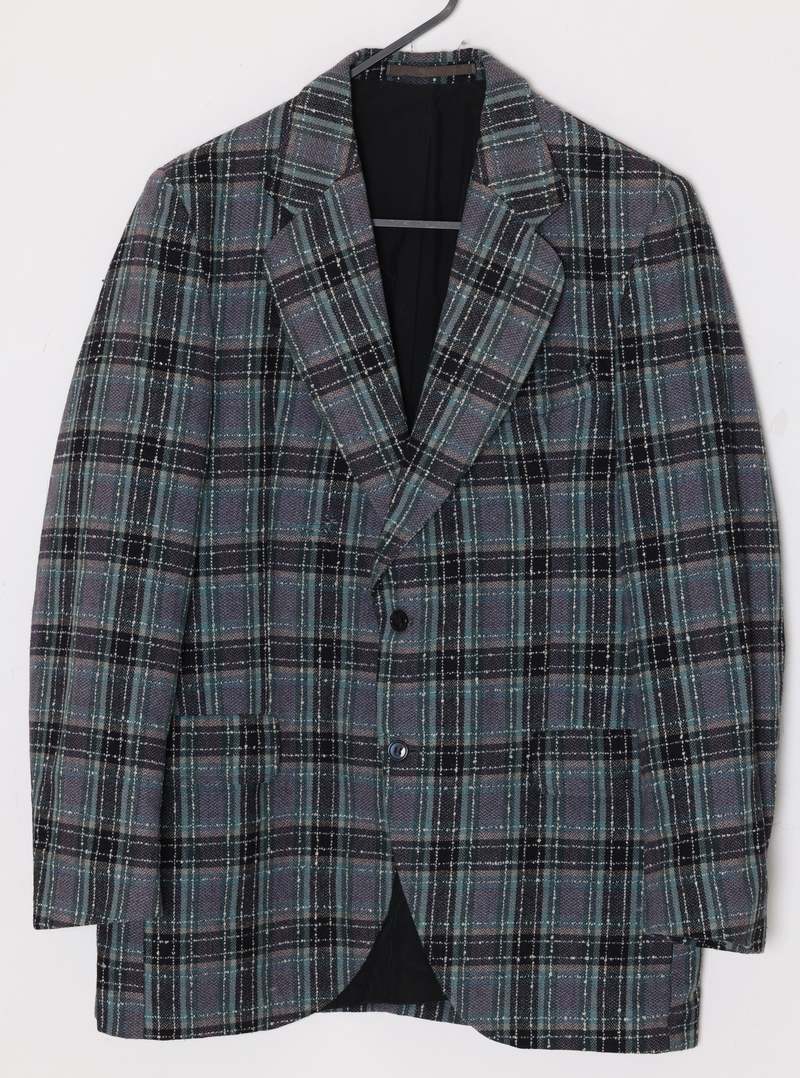
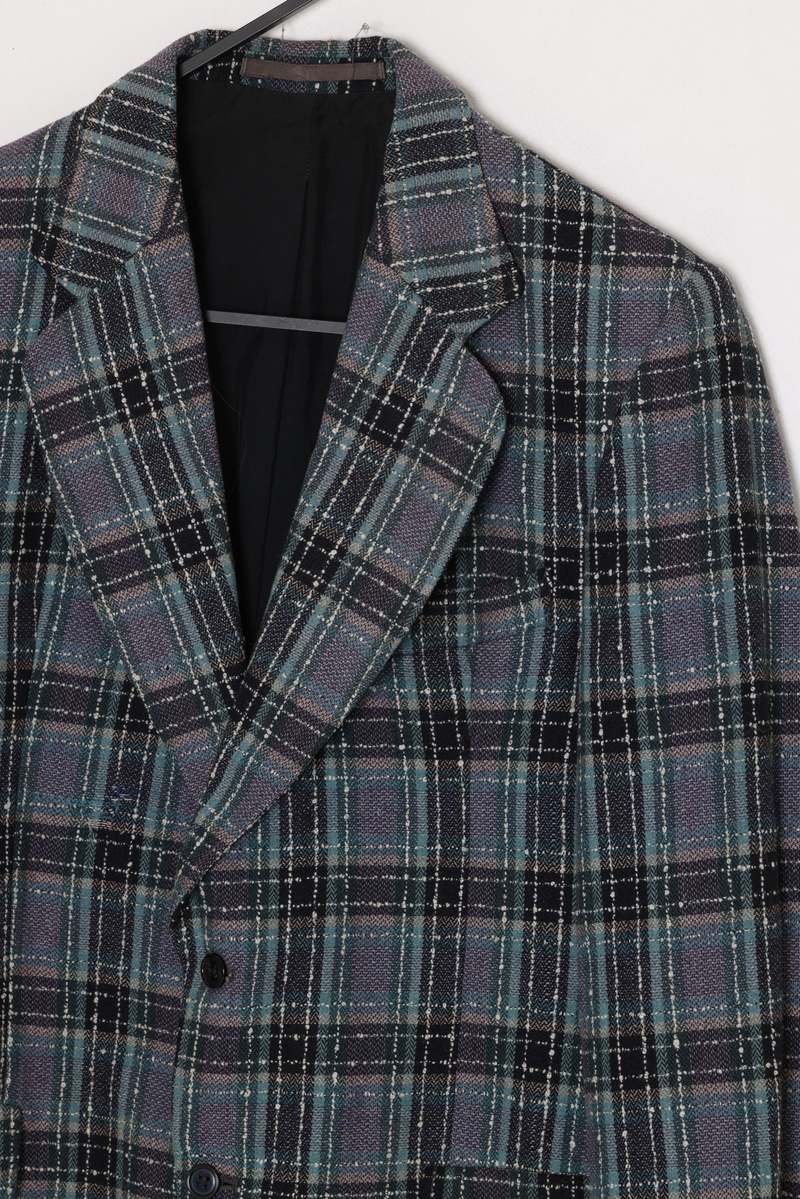
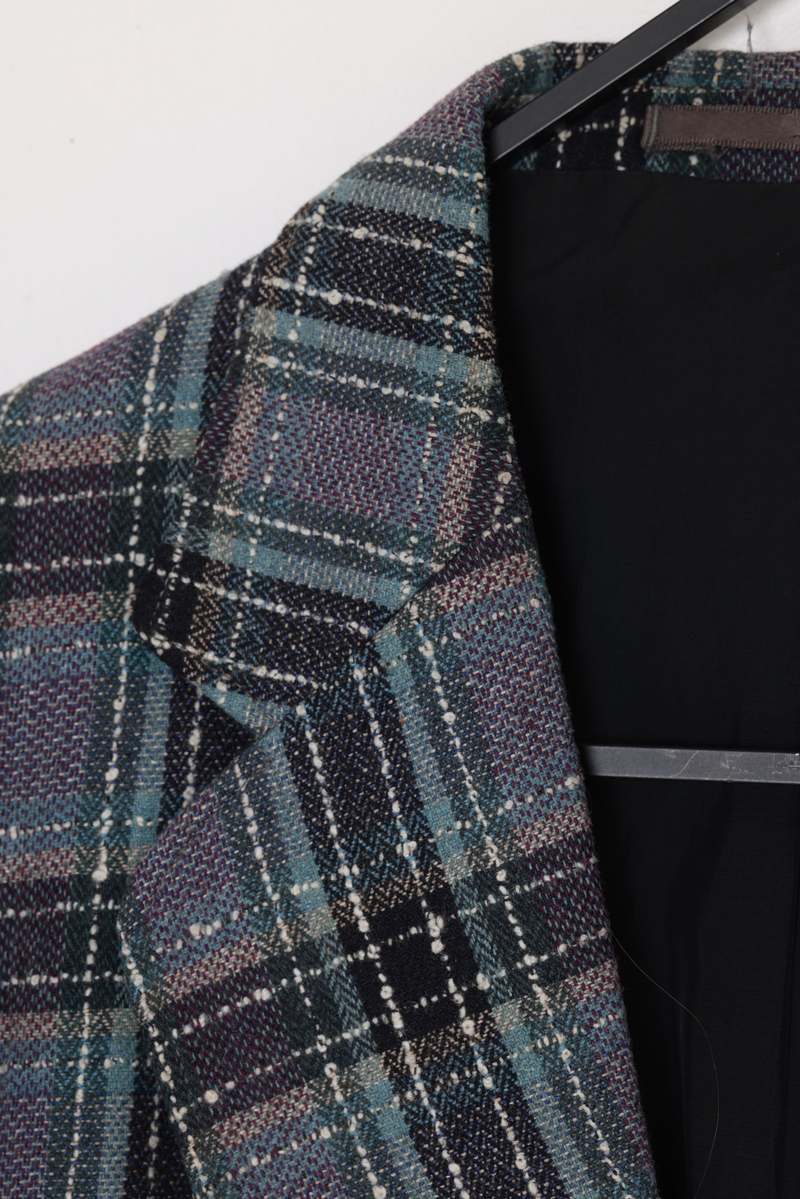
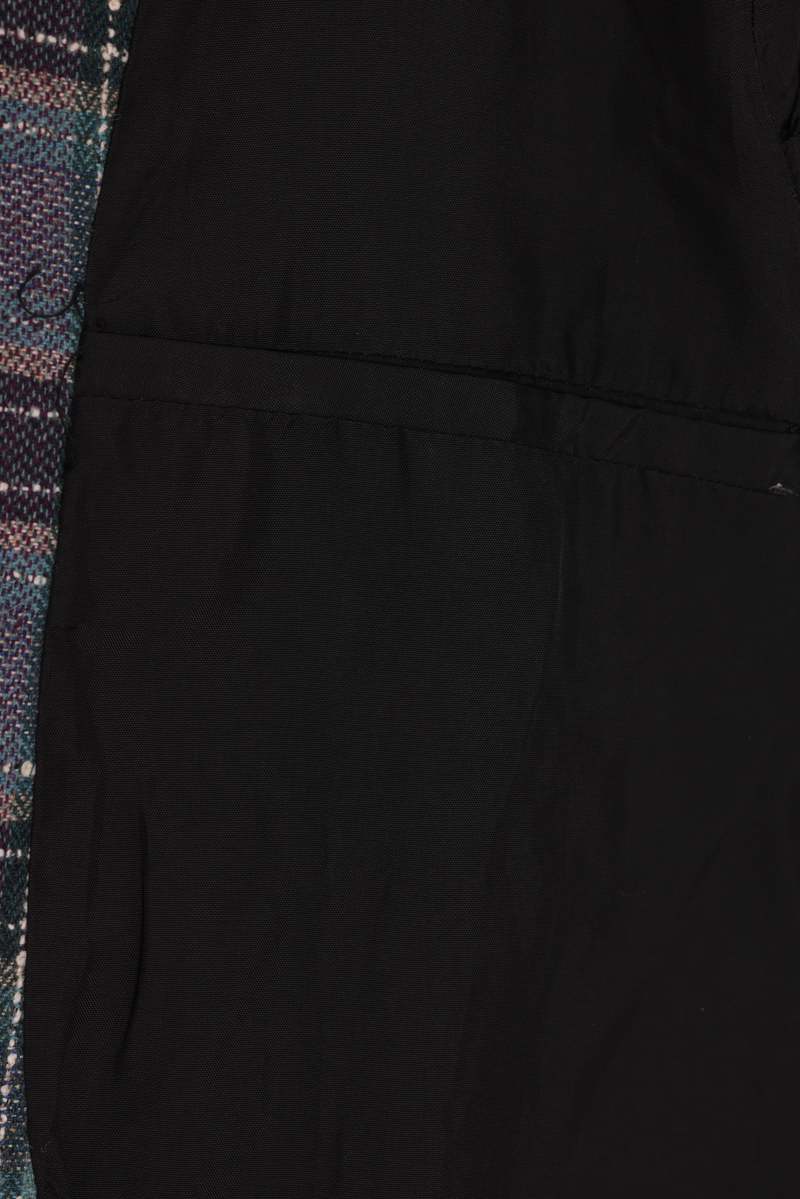
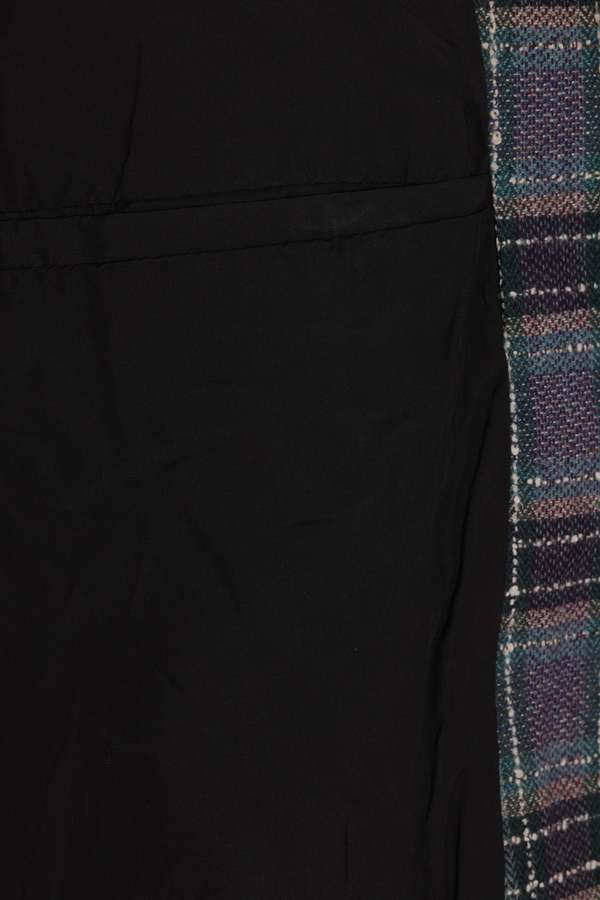
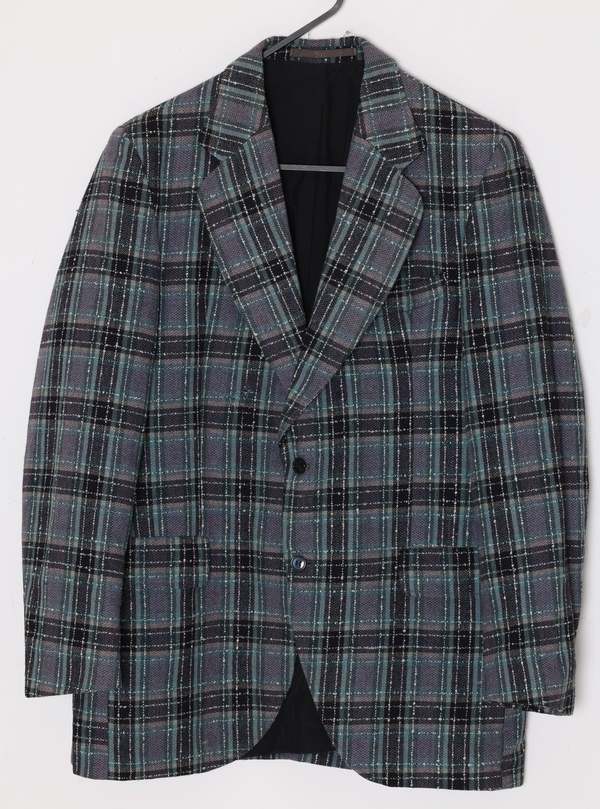
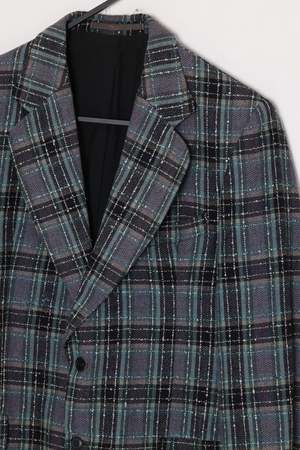
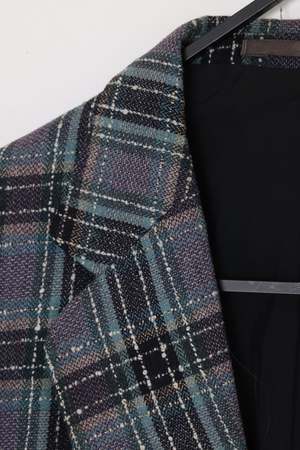
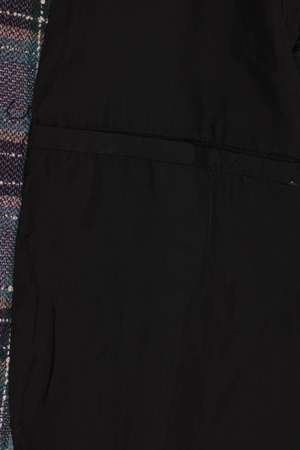
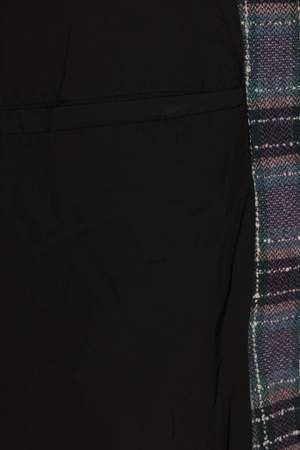
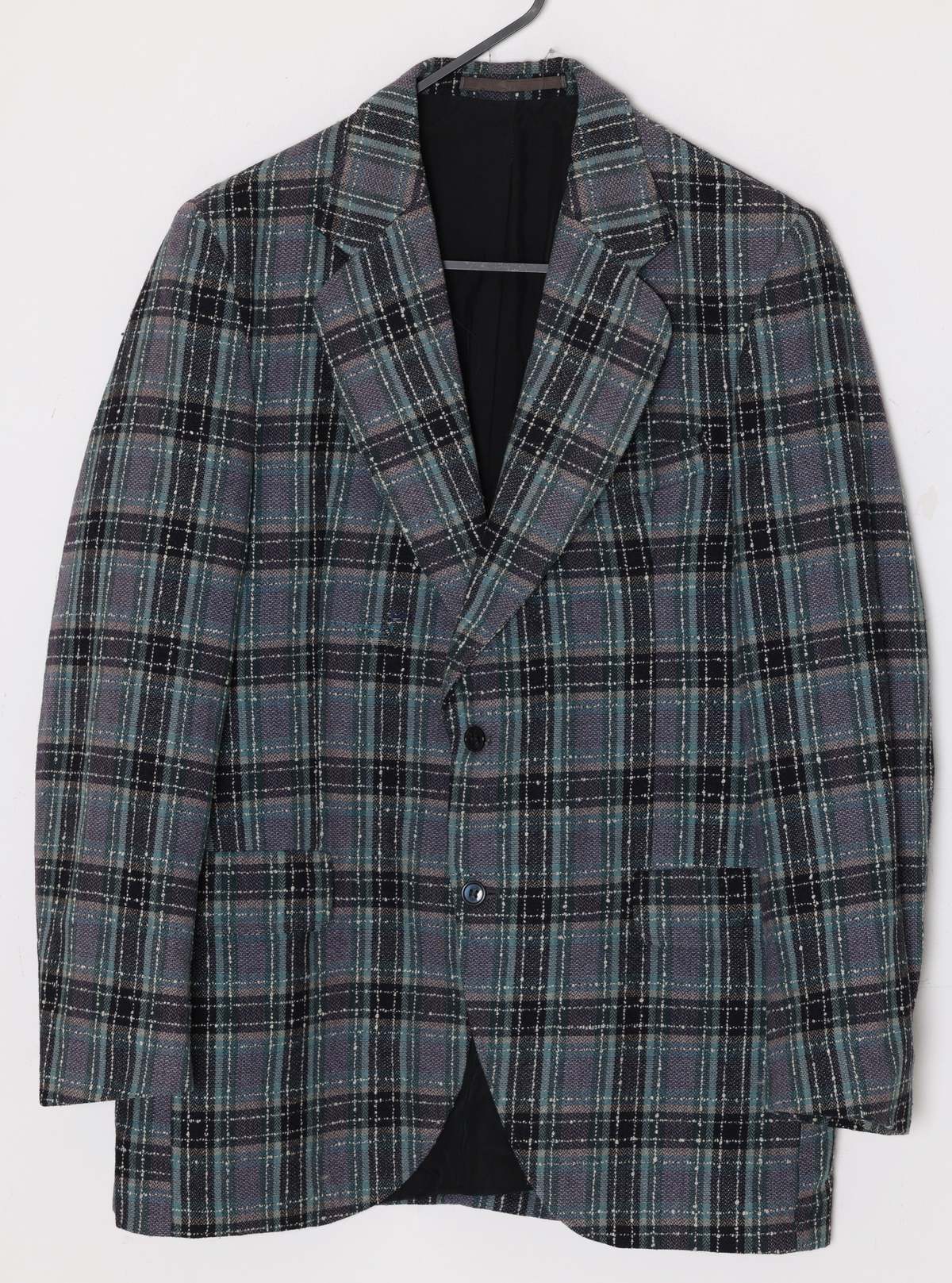
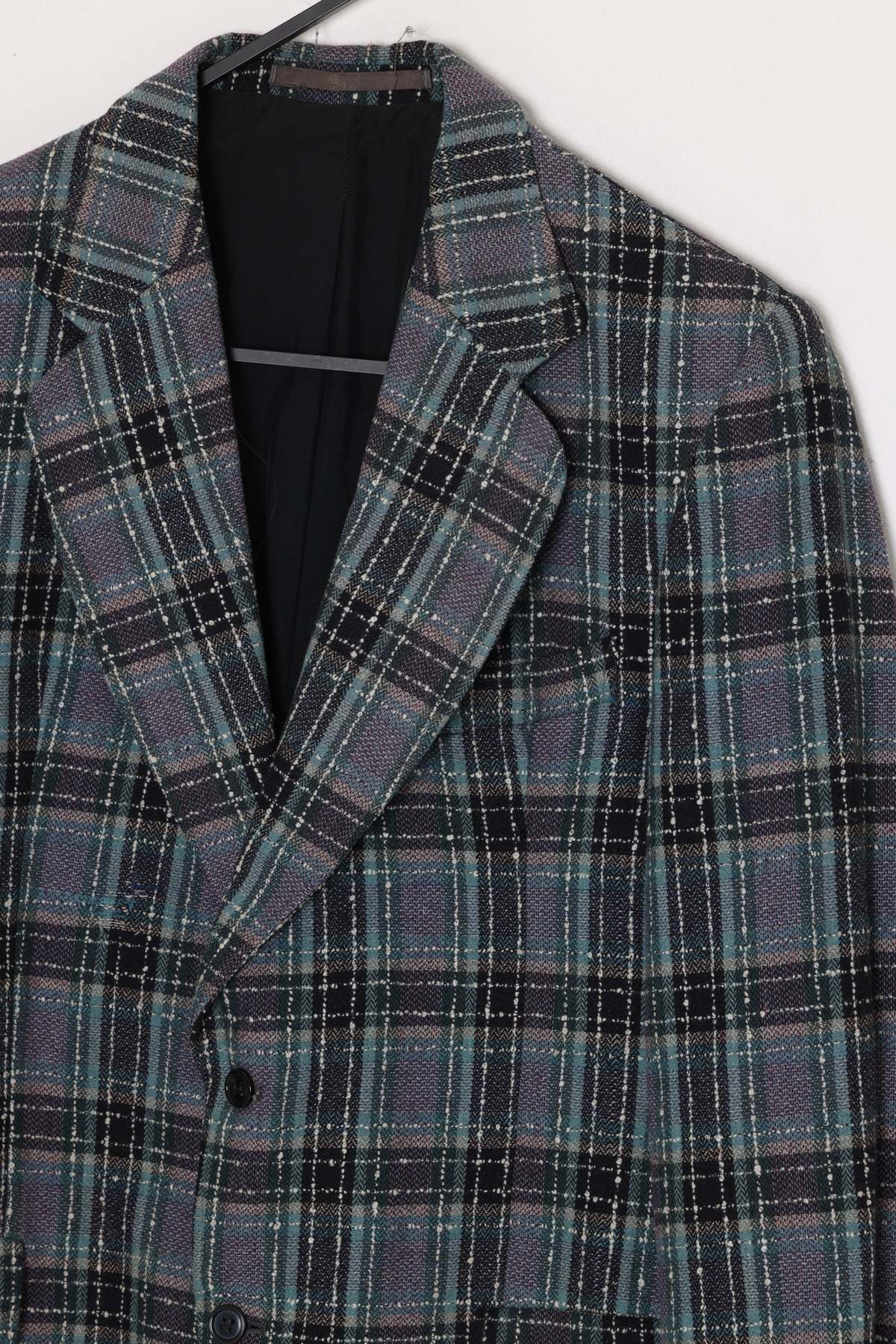
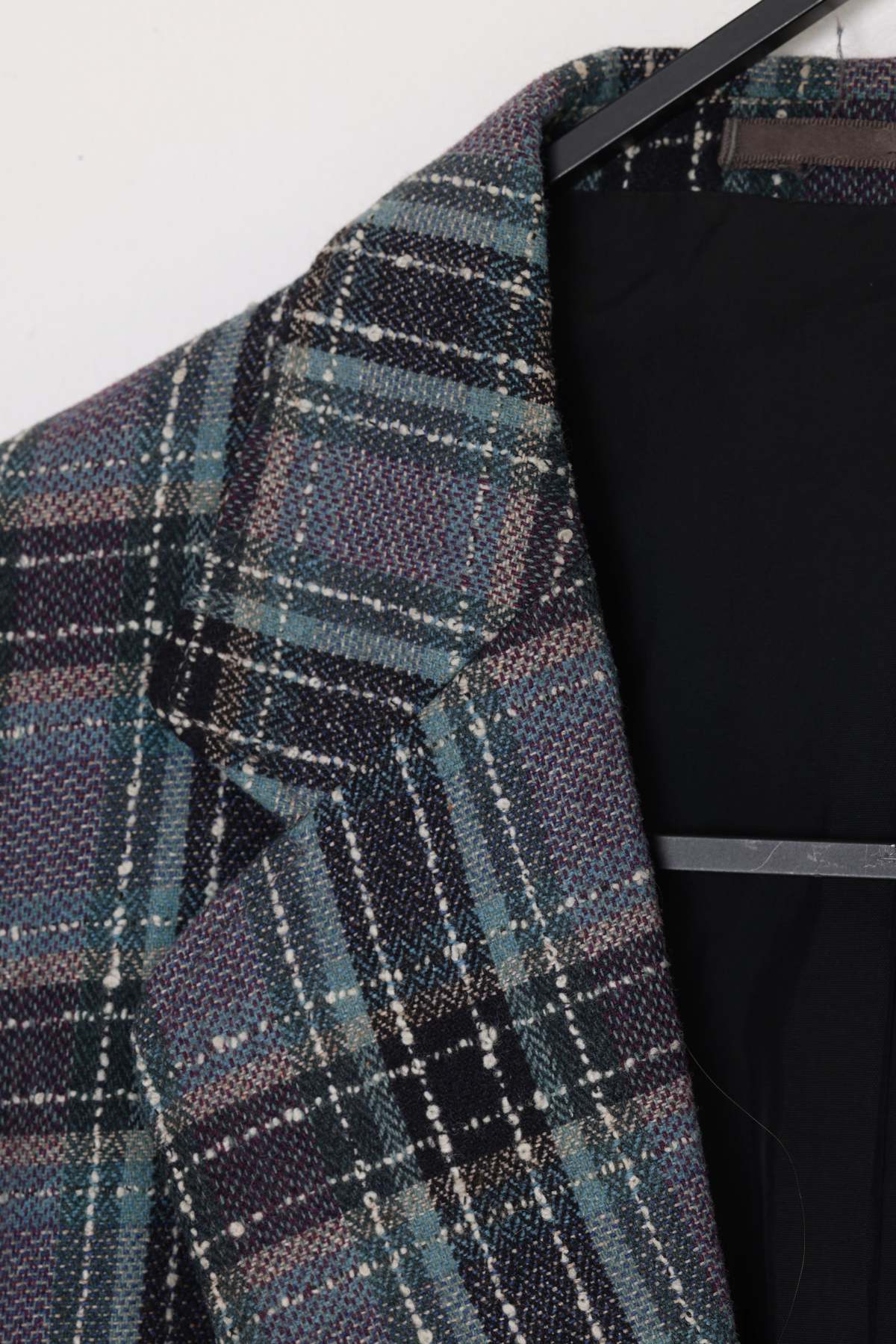
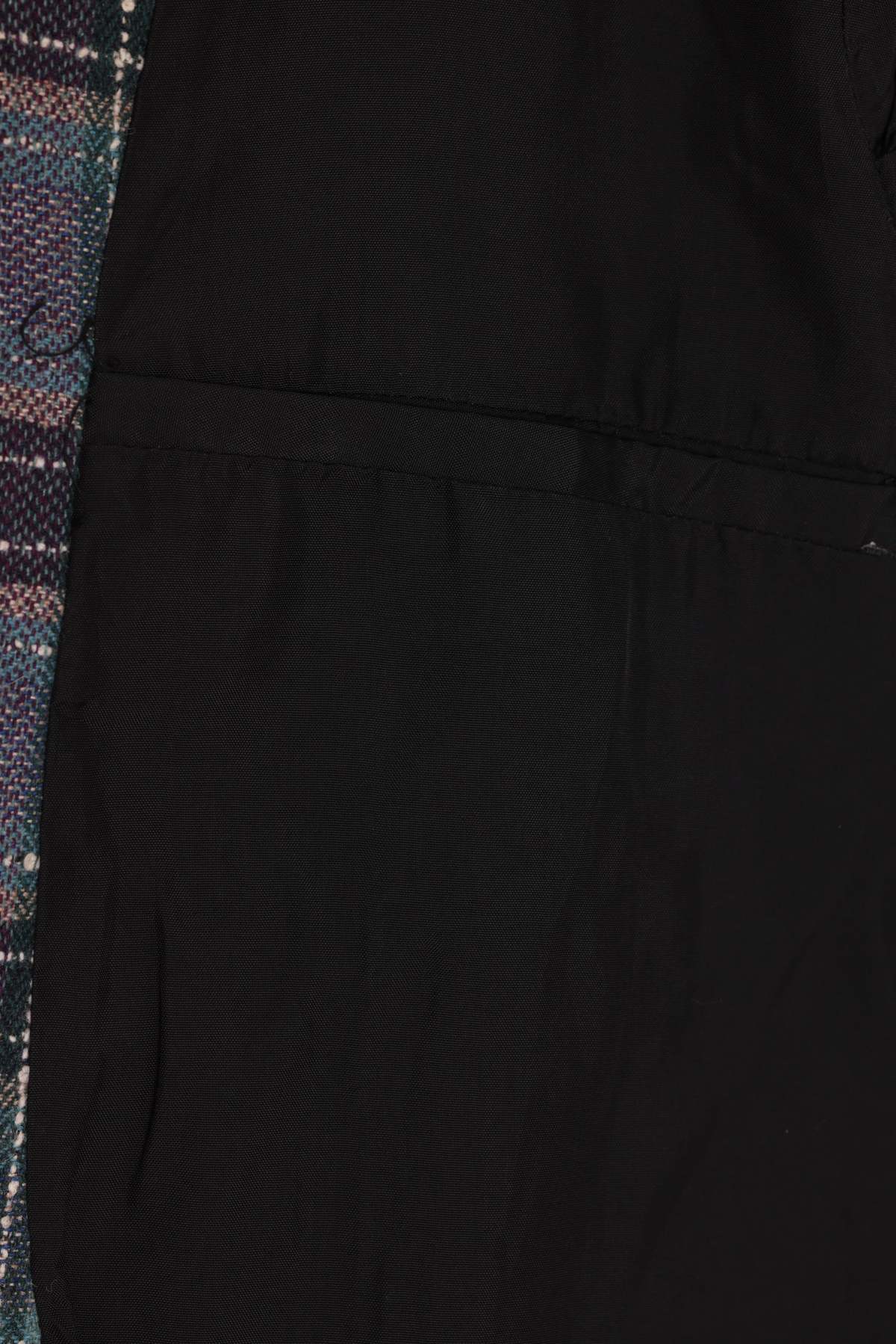
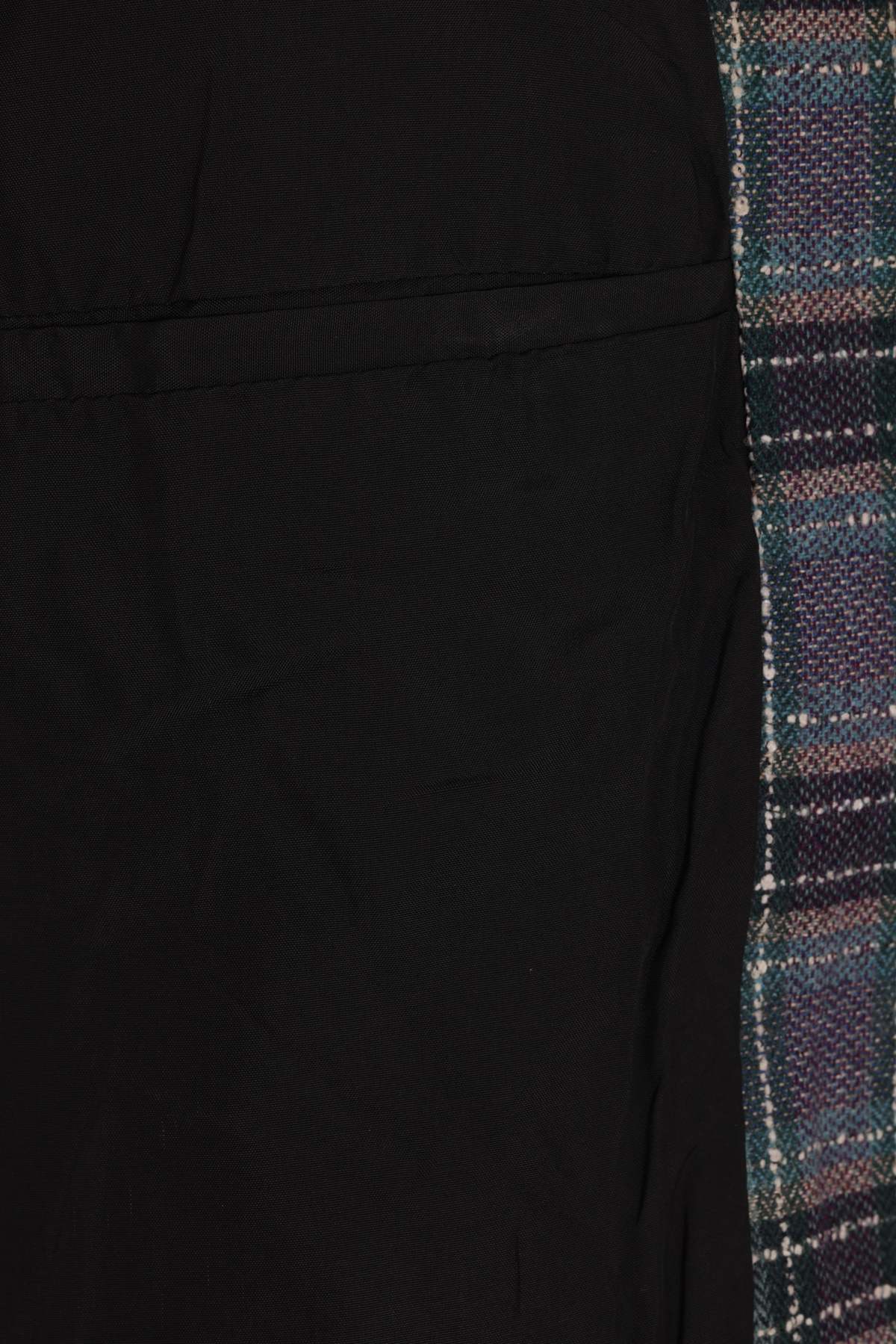
We are currently operating in a pre-scaling phase, during which the scope of our vintage archive has expanded beyond what can be listed at human speed. Only a token fraction of the inventory is visible online, not for lack of supply, but because an inconvenient commitment to perfectionism. The practical solution is to request access to our Google Drive. There is, incidentally, an upside to this arrangement: direct access, special attention, preferred pricing, and quantity-based considerations. New drops are added to the Drive on a daily basis, ensuring ample selection. All that is required is a reference to the image IDs. From there, we provide an elevated level of service: photos edited to approximate reality, additional images, and, where applicable, preferred pricing with quantity-based concessions. Bundles are where the value appears; the more pieces, the more flexible the pricing. After a half-decade sabbatical from fashion, I'm cautiously resurfacing & I felt it was time to reconnect. I moved to Europe a few years ago & began collectsing vintage with the field discipline of an anthropologist & the denial of a high-functioning hoarder. I currently have over 100,000 pieces sitting in a warehouse, because moderation has never been my strong suit. What began as compulsion is now a side project. I'm firmly in the pre-revenue chapter of the memoir - 1,000 sales, & high morale. The broader archive skews larger, stranger, & more historically pointed-East & West German rarities, bureaucratic glamour, Soviet institutional wear, industrial archaeology-rich in Trevira, Diolen, Terylene & mid-century state textile programs, & an elegy in garments from the DACH region & beyond. The collectsion is mostly a Cold War capsule wardrobe, institutional tailoring, state-issued, regional cooperatives & rural ateliers, white labels from the department store era, exceptional knitwear, socialist leathers, the zenith of Parisian fur craft, selectively preserved tweed skirts, rare 1960s mod, exaggerated '70s collars, German-cut blouses, unusually constructed denim, essentially the entirety of the 1970s, when even institutional garments had the decency to be well made. If integrity were woven, you'd find more of it in a 1978 poly-wool blend than in most of today's designer runways. Eventually, this evolves into a full-scale operation-complete with the token NYC storefront for aesthetic credibility. Given that about 70% of you are ordering from New York, it seems reasonable to ship our 50 pallets there & open a labyrinth of "true vintage" to get lost in. Scaling, of course, requires capital. I'm well aware that most of you don't have any, but statistically speaking, out of the millions who drift through here, it is statistically probable that one of you possesses both interest & solvency. Type us into Google. Everything is there, including a contact form. SUNDAZED & OUTSIDE SOCIETY Measurements: Chest 52 cm, Length 78 cm, Shoulder 44 cm, Sleeve 61 cm Inches: Chest 20.47 in, Length 30.71 in, Shoulder 17.32 in, Sleeve 24.02 in This is a late twentieth-century single-breasted tailored blazer in a multicolored plaid suiting with a fully lined interior and moderate shoulder build. The production date is best placed circa 1985 to 1995, with the broad outline, lapel scale, body length, and easy chest all sitting squarely in the familiar territory of late-century ready-to-wear tailoring, that inexhaustible archive of garments made for office, showroom, and department-floor endurance rather than posterity. The shell appears to be a synthetic-dominant or blended suiting woven to imitate tweedy irregularity, paired with a smooth black lining and assembled through standard commercial tailoring methods rather than bespoke or couture procedures. Its importance lies less in rarity than in its competent expression of late-century oversized tailoring and plaid surface design, where industrial production borrowed just enough from tailored traditions to sell authority by the hanger. No legible maker, composition, or size identification is retained in the examined record, so attribution remains structural rather than branded. That is often healthier for the catalog. Primary Materials, Textile Structure and Fabric Performance The shell cloth presents as a medium-weight woven suiting with a textured, slightly granular hand and a plaid layout built from teal, muted mauve, dark navy or black, and off-white linear accents. The face suggests a synthetic-rich or blended yarn system engineered to simulate the visual depth of woolen tweed without the same loft, spring, or thermal character. The lining is a smooth black filament fabric, likely acetate, polyester, or a related lining-grade synthetic, selected for slip rather than durability. Interfacing appears present through the front edge, lapel, and upper chest in a form consistent with fused or lightly structured ready-to-wear support rather than hand-padded canvas. The shell retains enough body to hold lapel roll and shoulder line without collapsing, which indicates serviceable tensile stability and reasonable seam support. Minor flattening through handled areas and the general hand of the cloth suggest ordinary wear and pressing history rather than exceptional preservation of original finish. Construction Method, Pattern Development and Production Discipline This blazer was produced through industrial tailoring with standardized patterning and workshop or factory assembly. The cut is regularized rather than individualized, and the seam planning follows commercial efficiency: single-breasted front, applied patch pockets, set-in sleeves, tailored collar and lapel unit, and a full lining inserted after shell completion. Stitching discipline is competent and consistent, with no evidence of hand-finished couture procedures, bespoke fitting revisions, or made-to-measure recalibration. The plaid has been managed with tolerable control across major zones, though not with the almost punitive precision expected from higher-tier tailored houses. That level of alignment is entirely in keeping with late-century ready-to-wear, where the customer was sold a silhouette and a mood of competence rather than a demonstration of obsessive cutting. No persuasive sign of recutting or major resizing appears in the structural scheme; the garment reads as originally produced in its present proportions. Structure Record: Silhouette Engineering and Technical Resolution The blazer is built on a relaxed late-century tailored block with a long line, moderate shoulder width, and a chest and waist relationship that favors ease over suppression. The notch lapel is broad enough to place the garment within the late 1980s to early 1990s rather than earlier trim tailoring periods, and the two-button stance reinforces that dating. Shoulder support is present but not aggressive; the line is shaped rather than armored, which keeps the garment within mainstream tailored separates rather than sharp power-suiting at its most inflated. The patch pockets reduce formality and move the piece toward blazer or casual tailored jacket territory rather than strict business suiting. The hem and front opening are resolved through standard commercial methods, with load distribution handled by interfacing and lining support rather than elaborate internal architecture. It is structurally sound, though not a sermon on tailoring virtue. Surface Treatment, Coloration and Material Handling The plaid surface is yarn-dyed or woven to achieve a broken, slightly heathered field rather than printed simulation. The off-white dotted linear elements introduce a decorative pseudo-boucl effect that softens the grid and gives the cloth more visual activity than its underlying construction strictly merits. Pressing history is evident in the settled lapel edges and the general flattening of the shell, but there is no persuasive indication of later refinishing beyond ordinary preparation or prior wear maintenance. The lining shows the smooth, slightly lustrous behavior typical of utility lining fabrics and appears intact, with no obvious intervention beyond normal handling. Coloration remains stable across the garment, with no strong evidence of differential fading or major oxidation. Surface condition suggests use within ordinary limits rather than prolonged deadstock storage. Typology Record: Garment Type, Design Language and Historical Placement This is a tailored day blazer situated between sportswear and office dressing, intended for coordinated separates rather than formal suiting. Its long body, easy fit, generous lapel, and textured plaid place it securely within late 1980s to early 1990s ready-to-wear traditions, when oversized tailored jackets migrated across womenswear and unisex retail contexts with remarkable efficiency. The garment belongs to the period in which tailored authority was routinely softened by casual pocket treatment and expressive woven surfaces, producing pieces that could move between workplace, travel, and retail floor without requiring anyone to think too hard about them. The silhouette does not derive from classical English tailoring in any pure sense, though it borrows enough of that vocabulary to remain legible as a blazer. The cloth patterning and relaxed structure align with the broader late-century taste for plaid jackets that signaled taste, competence, and mild editorial ambition with all the subtlety of a conference lobby. Designer, Brand, Manufacturing Context and Market Position No reliable designer or manufacturer attribution can be made from the retained evidence. The missing or illegible neck label area suggests either label loss, removal, or a photographically uninformative surviving remnant, but the construction itself indicates commercial ready-to-wear rather than named couture, bespoke tailoring, or artisanal small-run production. The garment fits comfortably within department-store or mid-tier boutique tailored separates, where patterned blazers of this type were produced in volume across domestic and offshore factories for seasonal distribution. The market position at the time of manufacture was likely accessible to moderate, aimed at customers wanting the appearance of tailored seriousness with a degree of casual styling. It was not built for collectsors, which is usually the first encouraging fact in a collectsors life. Such garments now occupy a secondary position in the vintage trade, valued when proportion, cloth, and condition align better than average. Probable Origin, Provenance Framework and Attribution Threshold The production framework is industrial ready-to-wear, almost certainly intended for broad retail circulation. Without legible brand, fiber, or size labels, origin must be inferred from construction language, garment category, and late-century retail conventions rather than from direct documentary evidence. The tailored form, lining system, and standardized proportions are consistent with North American or European market distribution, though the actual manufacturing location could easily have been elsewhere under contract production, as was routine by the period. Nothing in the surviving evidence supports attribution to a couture house, tailoring shop, or identified heritage manufacturer. Equally, nothing compels a costume-house reading. Provenance remains unresolved. Preservation Indicators This blazer does not read as untouched deadstock. The overall finish, settled structure, and ordinary handling character suggest a garment that has been worn or at minimum stored and circulated without the preservation markers associated with truly unsold stock. There are no retained hang tags, stock labels, closure papers, or shelf-storage indicators sufficient to support a deadstock designation. The lining and shell remain coherent, however, and the piece appears complete in its essential structure, which matters more than romance about unused status. Any pressing or preparation appears routine rather than conservation-led. In practical catalog terms, it should be classified as vintage ready-to-wear in sound used condition unless additional archival evidence appears. Market Standing, Comparative Category Placement and Value Estimation Estimated current market range: $85 to $175. This valuation rests on period-correct late-century proportions, competent tailored construction, intact overall structure, and an appealing plaid suiting uncommon enough to attract interest without crossing into scarcity. The absence of a firm designer attribution suppresses value substantially, as does the lack of composition and size labeling. The piece is most liquid in the general vintage market and with dealers specializing in 1980s and 1990s tailored separates, particularly where styling value outweighs branded hierarchy. Institutional interest would be limited unless paired with stronger provenance or used within a study group of late-century commercial tailoring. Retail asking prices may drift upward under the usual weather system of optimism, but realized secondary-market value remains tied to condition, fit, and pattern appeal rather than mythology. Wear Guidance, Styling Framework and Contextual Use If worn, the blazer should be treated as a late-century tailored outer layer with enough length and chest ease to sit over a fine knit, light shirt, or narrow-gauge turtleneck rather than bulky underlayers. It is best paired with plain trousers or a narrow skirt in a dark solid tone that allows the plaid to remain the structural event; competing checks would produce the sort of result people later describe as intentional. Footwear should be clean and structurally simple: loafers, plain ankle boots, or low pumps depending on the styling direction. The jacket is suitable for day wear, editorial use, and collectsion study handling, and it can tolerate careful private wear provided the lining seams, shoulder build, and front button stance are not placed under unnecessary strain. The garments proportions ask for disciplined fit through shoulder and sleeve rather than casual oversizing for its own sake. That distinction is rarely honored, which explains much of the modern distress inflicted on old tailoring. One minor clarification seems necessary: "Vintage" tends to imply garments that have endured a meaningful span of wear and tear. To eliminate any potential ambiguity, I'm adding an explicit disclaimer that the majority of these items are, in fact, new, unworn deadstock. This contextual cue should help orient users who are accustomed to encountering authentically fatigued clothes. One additional clarification seems necessary, given the ongoing confusion around U.S. orders from Europe under Trump's tariffs: it's the Europeans taking the hit here, not the Americans. So, to answer the recurring question about U.S. import fees: we've already covered the tariffs through our postal carrier. Your parcel arrives fully cleared; any bureaucratic bloodletting has already been performed on our side of the Atlantic.
Garmentory is a curated marketplace of independent boutiques and emerging designers from around the world.
Fashion With Intention
Aw yeah!
We love making new friends so while we're popping bottles, continue shopping to apply your $10 credit.
We've got a dedicated site "garmentory.co" just for our Indian customers! Shop with local currency, faster shipping, and exclusive products.
We cannot add this item to your bag because it’s already at max capacity. But don’t worry, we’ve saved it to your wish list.
Earn Replica Belts credits when you shop, wishlist, and inspire others.

Have a question about the size or something else? We're here to help!