SPRING FEVER SALE'S FINAL FLIGHT 🐥 ENDS TONIGHT! Land 30% off before the thaw is over. SHOP THE SALE


SPRING FEVER SALE'S FINAL FLIGHT 🐥 ENDS TONIGHT! Land 30% off before the thaw is over. SHOP THE SALE

| To | Service | Estimated Delivery | Fee |
|---|---|---|---|
| 🌎 | Intl. Air | 6-20 business days | $29.95 |
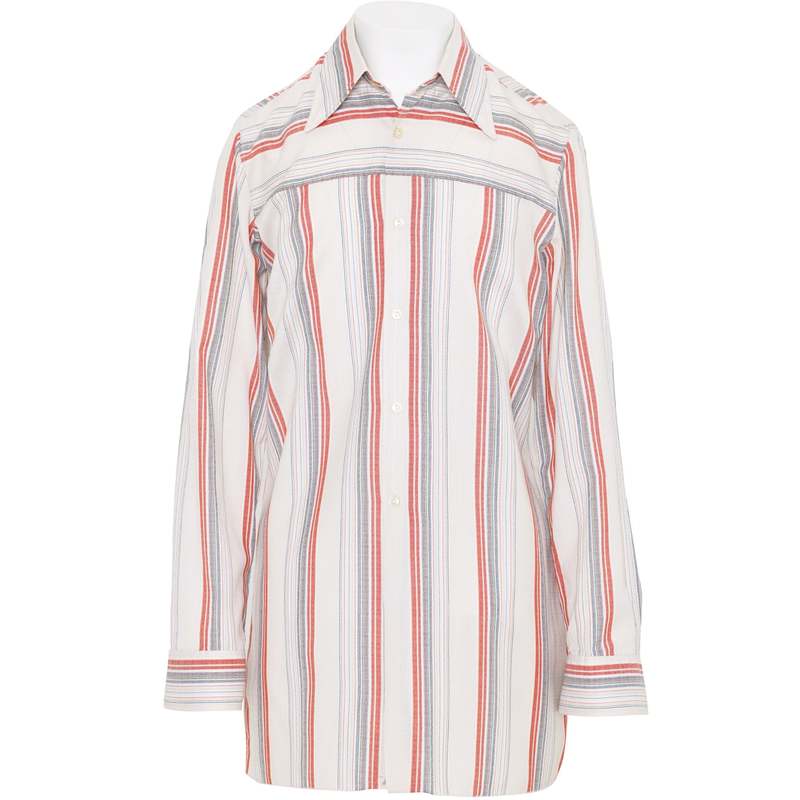
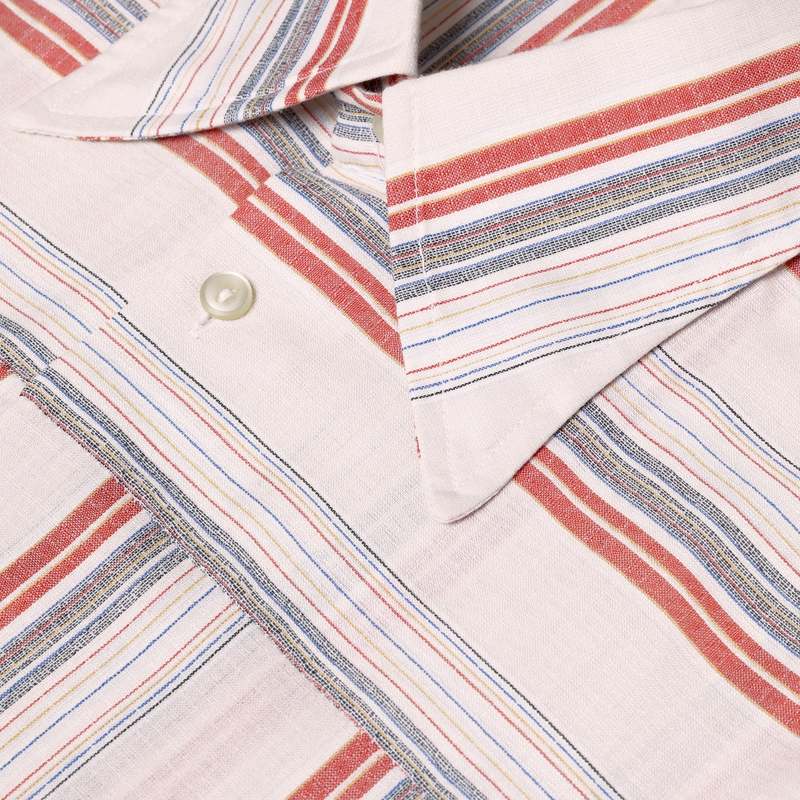
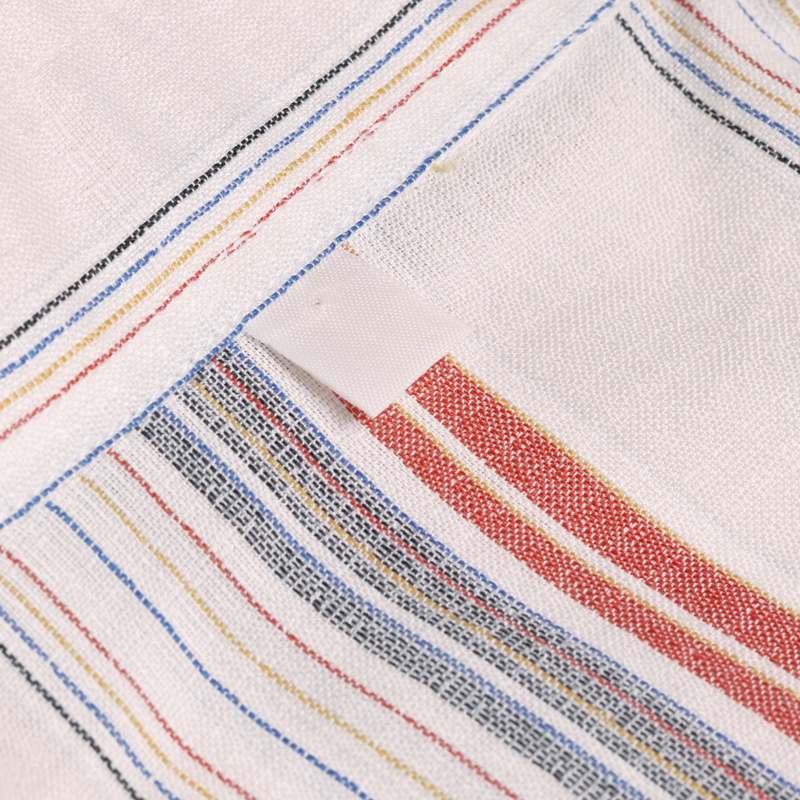
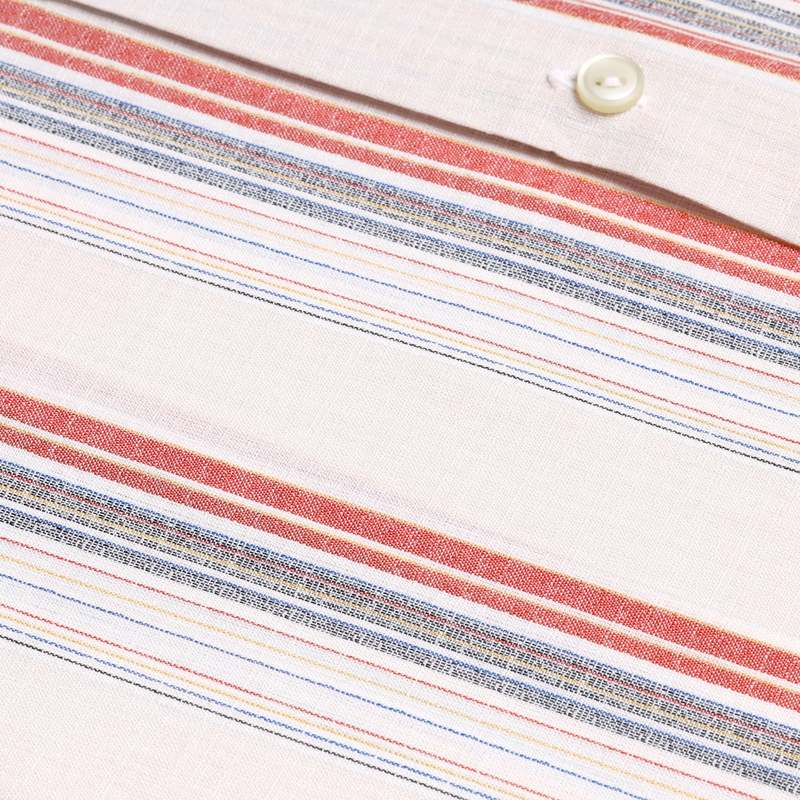
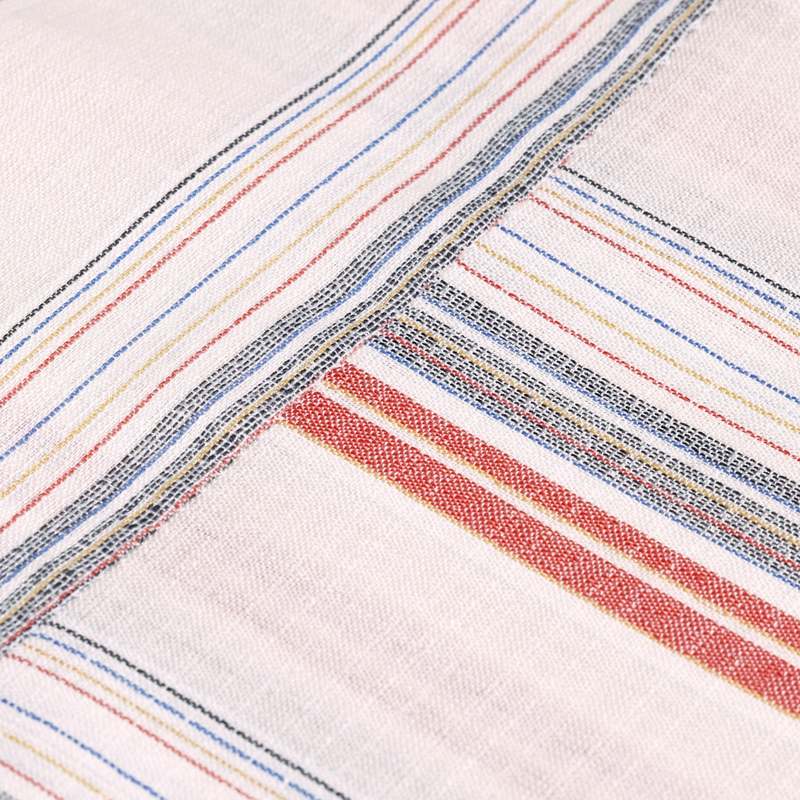
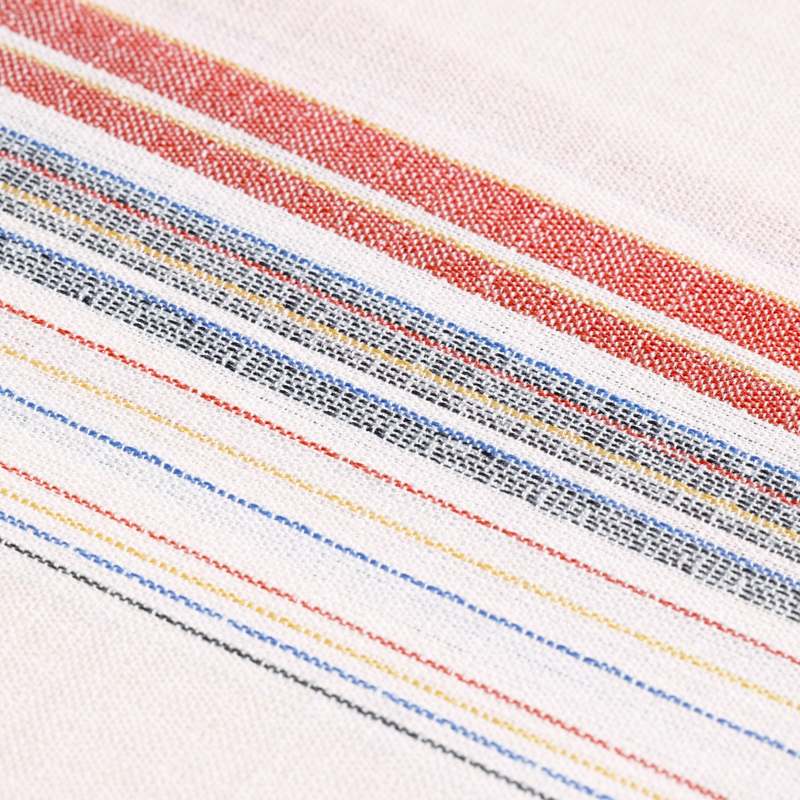
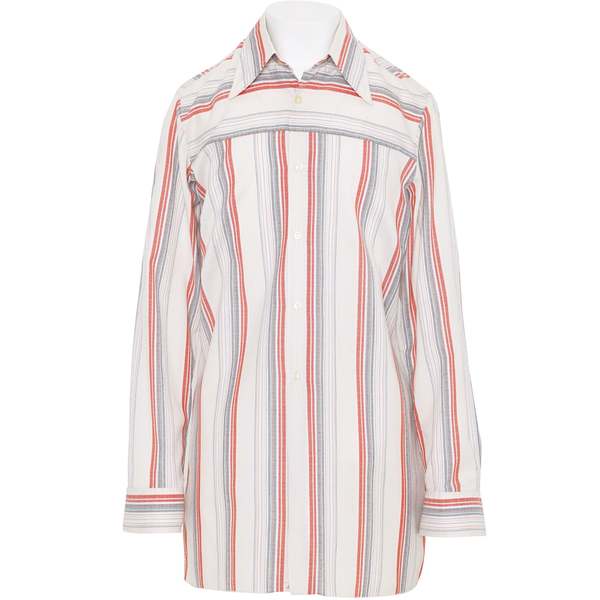
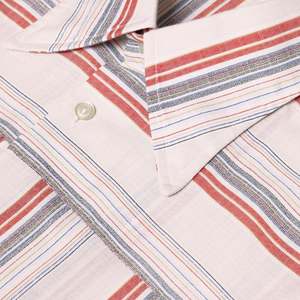
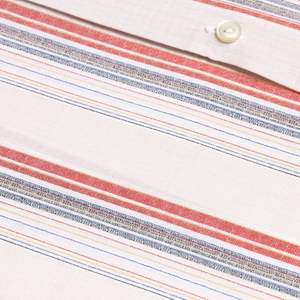
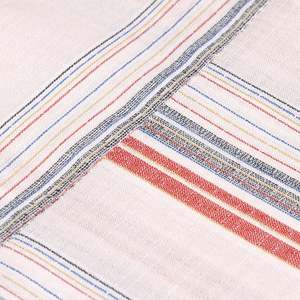
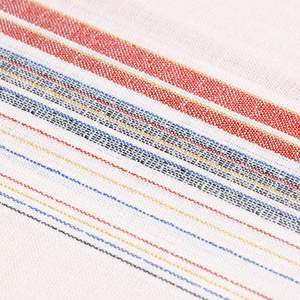
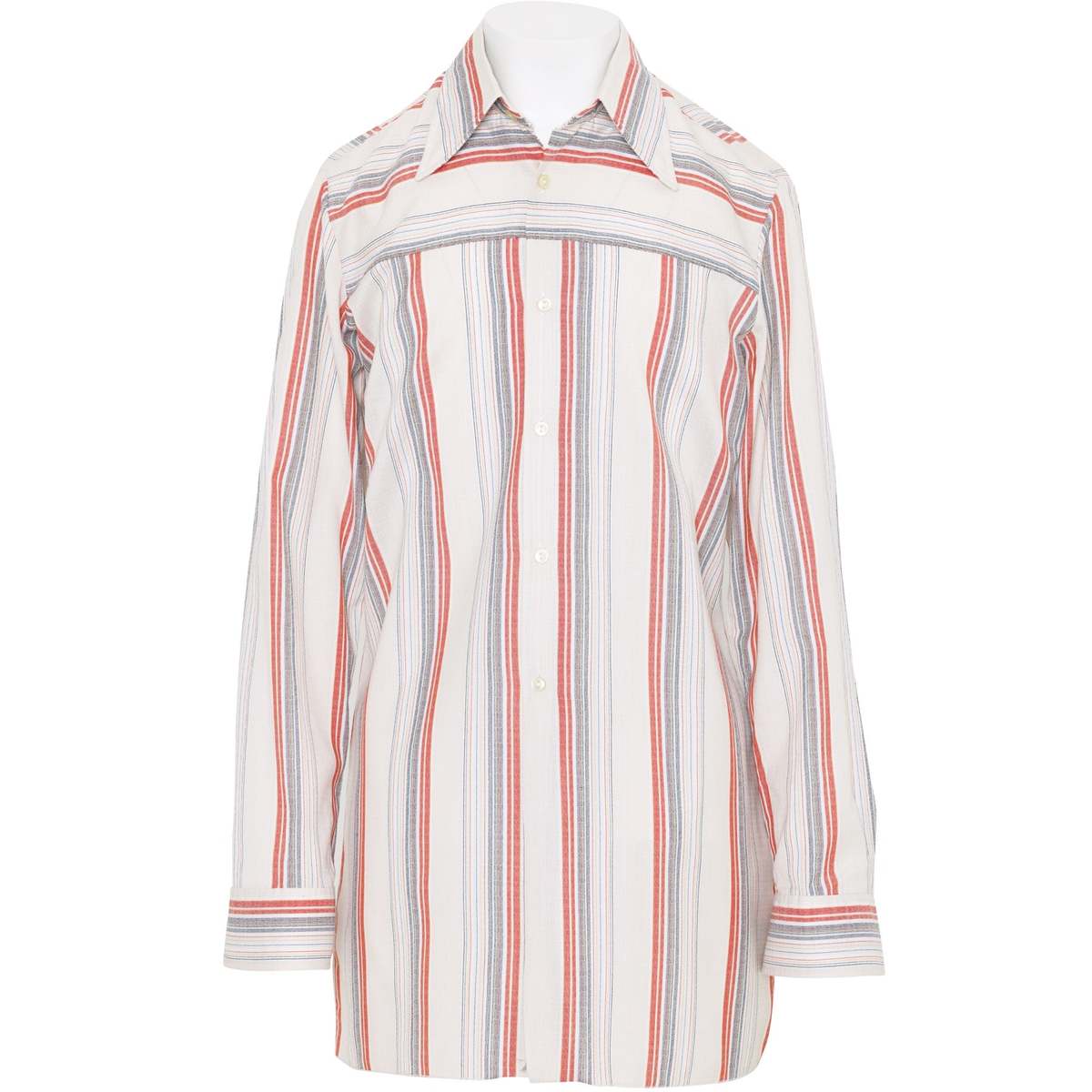
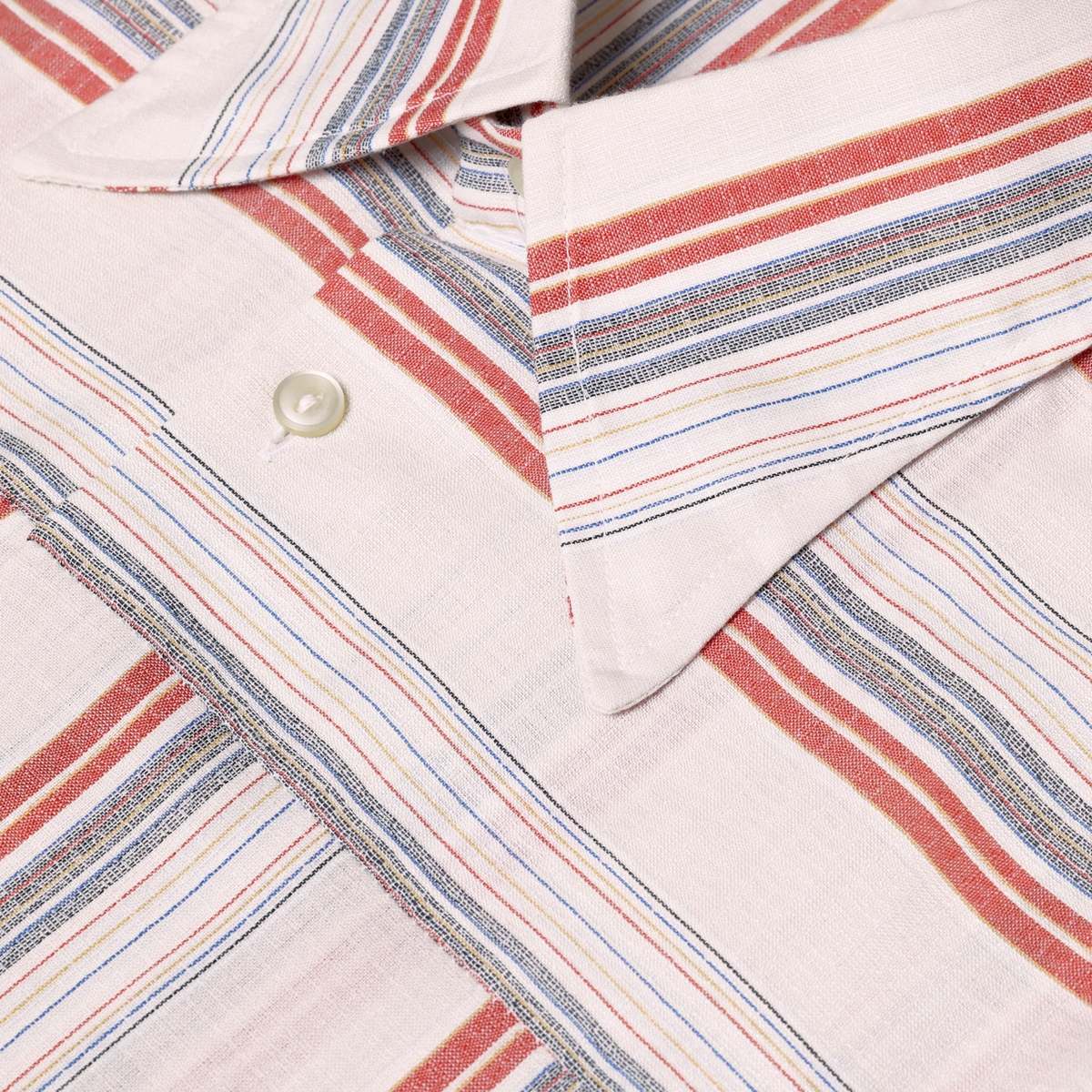
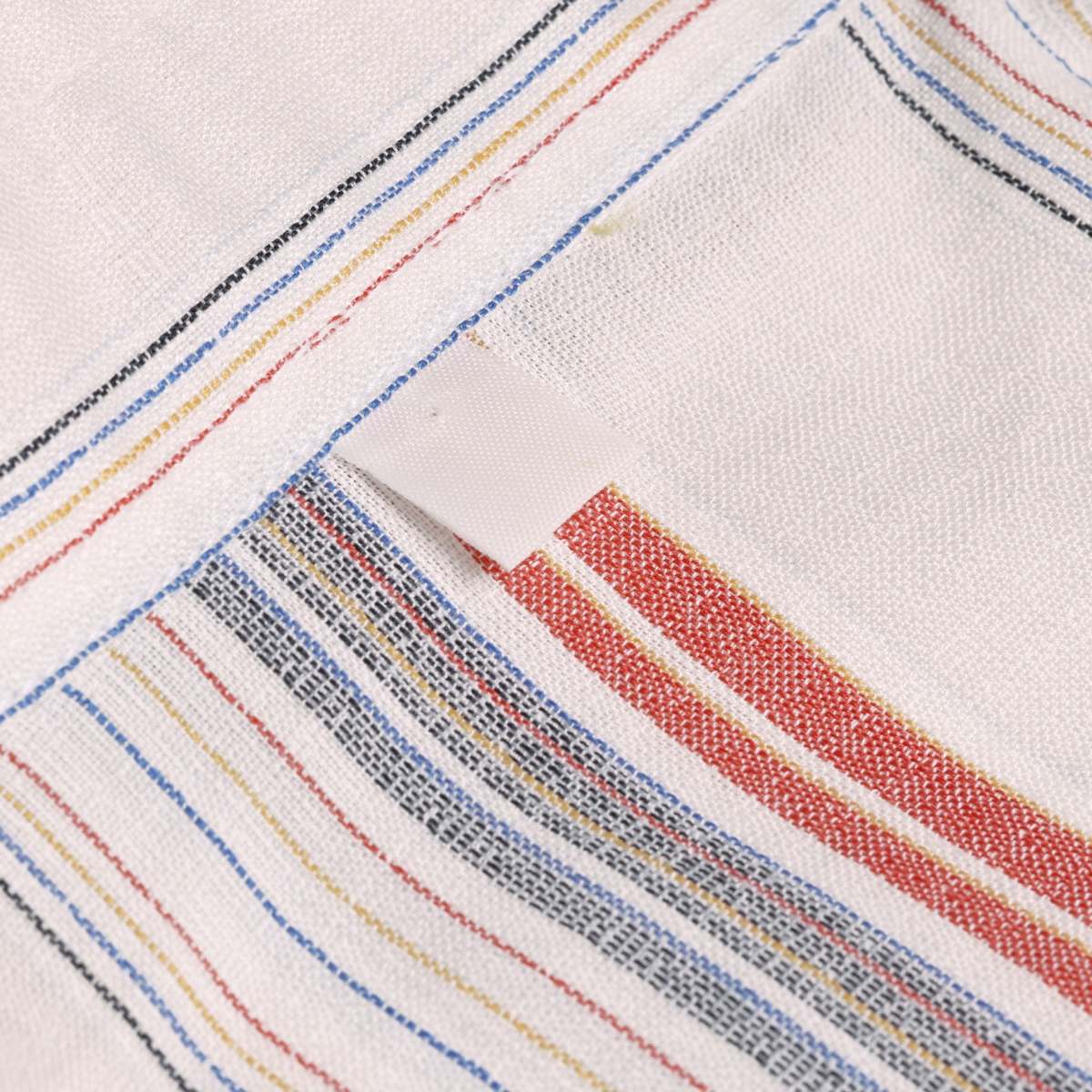
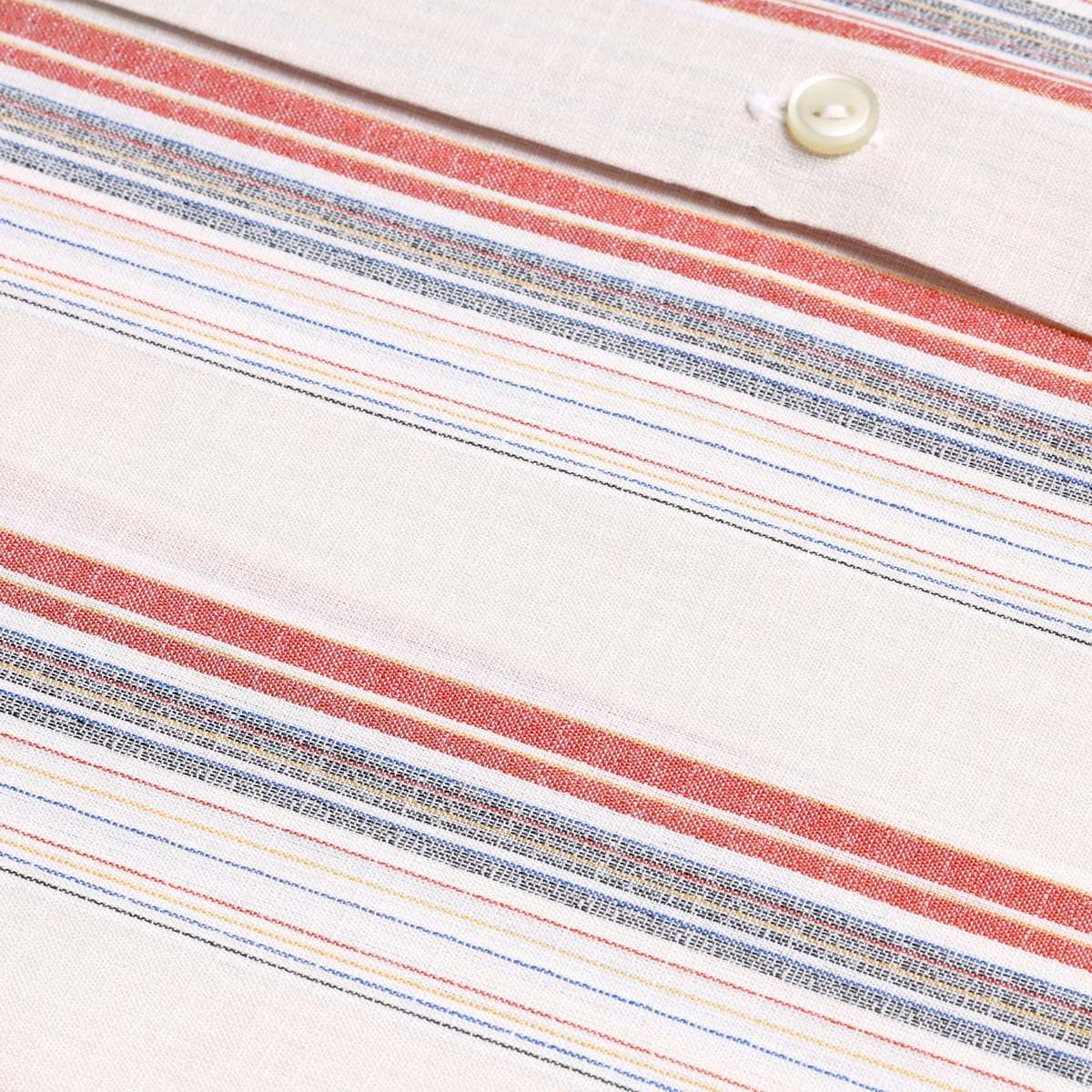
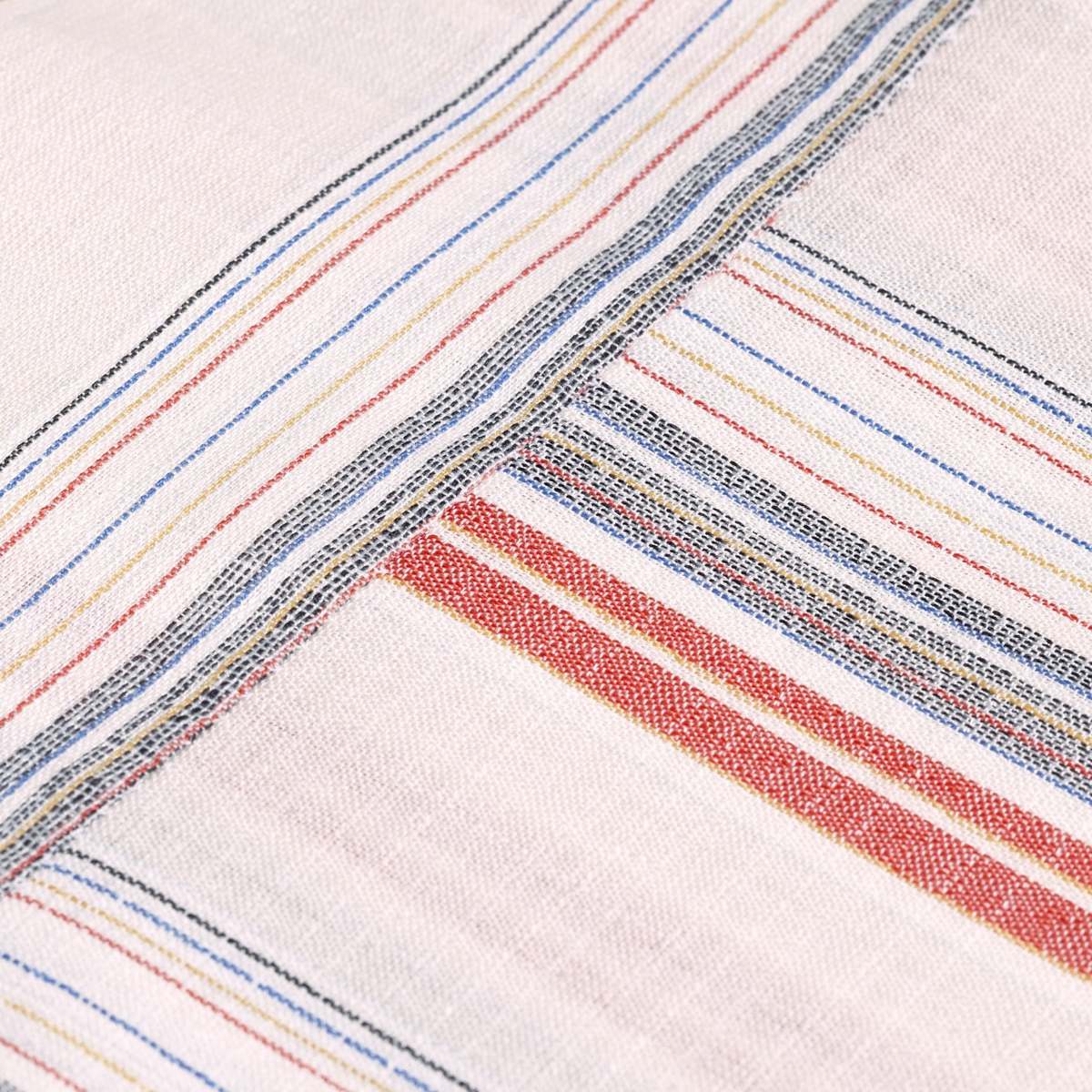
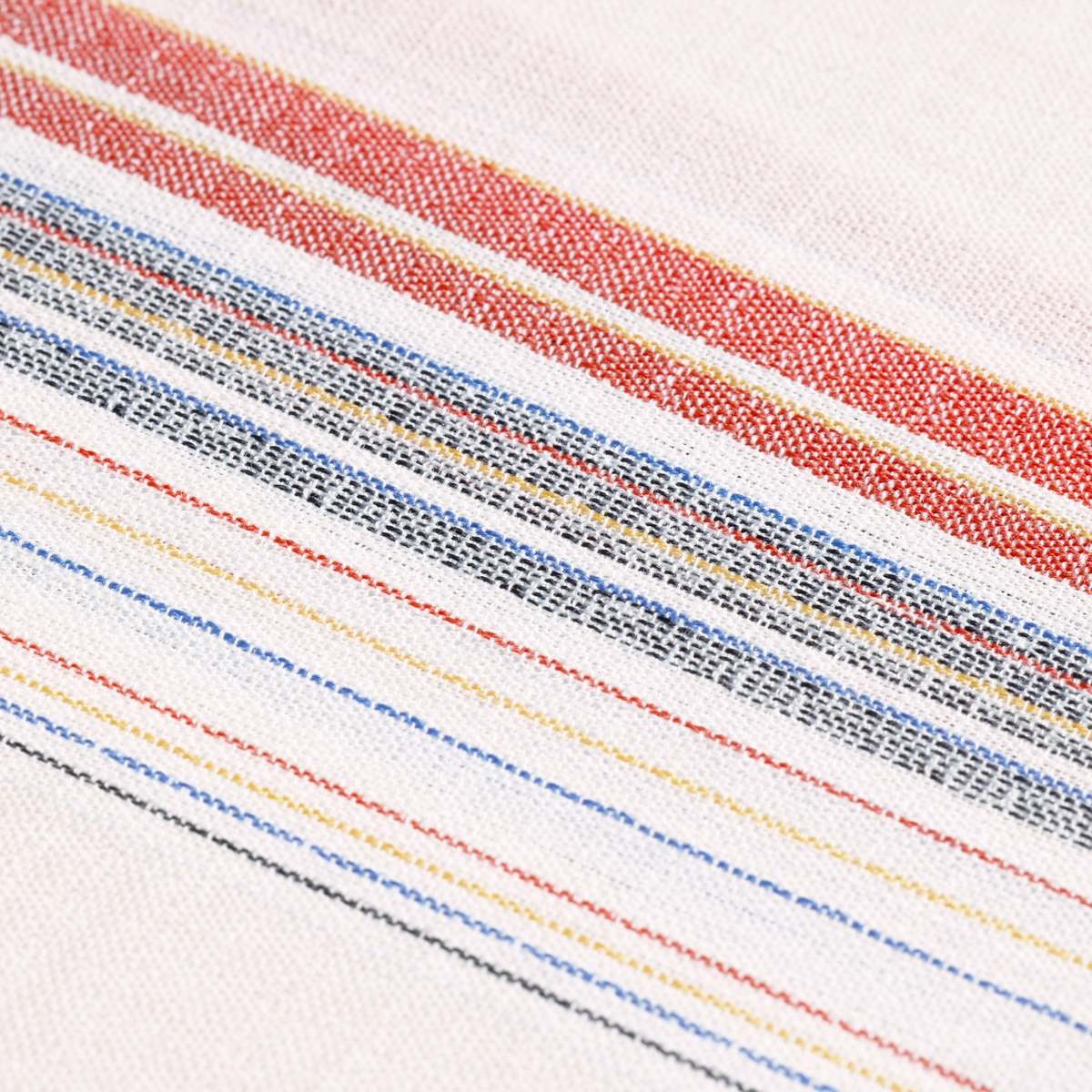
Yarn-dyed cotton-poly blend with vertical stripes and slub detailing delivers textural nuance and chromatic rhythm. The mens long-sleeve Western yoke shirt in questionan artifact of late 1970s textile and design cultureexemplifies the intersection of Americana iconography and mass-market leisurewear. Though the garment bears no visible designer label or brand tag, its construction cues, fabric selection, and stylistic proportions are consistent with private-label or store-brand offerings manufactured in Western Europe for mid- to upper-tier consumption. The sharply defined collar, precise stripe placement, and yoke manipulation suggest a product engineered to align with 1970s fashion currents, prioritizing textile novelty and style conformity over auteur-led innovation. Emerging during the height of the Western-wear revival, the shirt reflects a period in which brands like H Bar C, Ely Cattleman, and department store labels such as Sears Roebucks democratized the cowboy aesthetic through mass distribution. This particular piecethrough its structured yoke, pearlized buttons, and yarn-dyed vertical stripingserves as a distillation of that cultural moment, when suburban menswear absorbed the semiotics of the frontier and filtered them through disco-era flamboyance and folk nostalgia. Its historical function is not utilitarian in the sense of traditional ranchwear, but rather symbolic, using Western design elements to channel strength, self-reliance, and masculine polish within urban or semi-formal settings. Formally classified as a mens long-sleeve Western yoke shirt, the garment is constructed for casual social wear, not labor. It leverages key signifiers of the genrea distinct front yoke, full-length placket with pearlized buttons, wide pointed collar, and continuous woven stripe pattern. Each element is executed with an attention to symmetry and visual rhythm, culminating in a shirt designed to convey rugged refinement while maintaining accessibility and versatility across demographics. Construction methodology adheres to mid-to-high tier industry standards of the era. Seams are uniformly lockstitched with clean, tight SPIindicating industrial machinery and skilled assembly. The absence of visible serging suggests the likely use of flat-felled or French seams internally, both staples of quality Western shirt manufacturing. Button applicationpearlized polyester, four-hole sewn with a functional shankdemonstrates attention to tactile coherence and longevity. The placket is traditionally folded and topstitched, buttonholes tightly formed using narrow zigzag stitches, while cuffs are reinforced with interfacing and constructed for durability. Yoke detailing is central to the shirts design and structural logic. The horizontal orientation of the stripes across the chest yoke contrasts with the vertical body pattern, requiring advanced marker planning and high cutting precision. This alignment not only enhances visual framing of the torso but reinforces the garment structurally at high-stress shoulder zones. The long-pointed collar, sharply tailored and stiffly interfaced, is archetypal of 1970s fashion silhouettesextending visual lines, elongating the neck, and contributing to the disco-western hybrid aesthetic that characterized the era. The shirts fabric composition, inferred from its light sheen, resilience, and dry hand, is likely a cotton-polyester blend, executed in a yarn-dyed plain weavepossibly poplin. Estimated at 110130 GSM, the textile offers moderate opacity, breathability, and structural retention due to its synthetic content. The slight stiffness aids in maintaining collar and yoke shape, while the wrinkle resistance and low shrinkage point to practical wearability. Microscopic examination of the stripe bands reveals occasional weft slubbings, possibly indicating irregular yarns such as slub cotton or even minimal linen inclusion in select colored stripes, providing tactile variation within the otherwise uniform weave. The weave structure is definitively plain (1/1), with a tight, grid-like appearance that balances stability and airiness. The yarn characteristics suggest a blend of ring-spun cotton and coarse contrast yarns, contributing to the shirts subtle textural depth. Finishing treatments appear minimalpossibly lightly calendared or washedto retain breathability. The fabrics resemblance to global traditions such as Indian Madras, Caribbean guayabera cloth, or even Mexican telar de cintura textiles points to a broader lineage of artisanal stripe fabrics, though executed here in a more refined, mechanized form suitable for mass production. The textiles similarity to outputs from contemporary mills such as Canclini (Italy), Skta (Turkey), Ashok Textiles (India), or Albiate 1830 (Italy) underscores the enduring relevance of such fabrications in high-quality shirting. These mills continue to produce yarn-dyed cottons with vintage-inspired striping and slub variations, demonstrating the fabrics adaptability across eras and price tiers. Structurally, the shirt features two symmetrical front panels bisected by the placket, and a presumed back panel with an unseen rear yoke. Set-in sleevestwo-piece and longare shaped with a moderate sleeve cap height, suggesting intent to retain clean shoulder architecture without excessive volume. The silhouette is relaxed but subtly tapered through the waist, a characteristic typical of 1970s blocks that prioritize elegance over boxiness. Pattern alignment is notable: vertical stripe continuity is preserved across the placket, while the yokes contrasting directionality introduces visual tension and control over fabric grain. Assembly details point to elevated craftsmanship. The front placket, potentially a French or clean placket, minimizes bulk and contributes to the shirts refined profile. The yokes probable burrito method construction yields a seamless finish both internally and externally. Set-in sleeves reinforce armhole strength while presenting a smooth sleeve-head transitiona technically challenging maneuver given the stripe orientation at the curved seam. Buttonholes are cleanly executed; edge stitching at the collar is crisp and likely achieved via an edge guide footsuggesting both machine precision and operator control. Edge finishing and internal seam treatments are consistent with vintage quality standards: rolled hems at the shirt tail, overlocked or enclosed interior edges, and double stitching at high-stress zones such as cuffs. Cuffs are square, single-button, vertically slotted, and lightly interfaced to maintain their profile across repeated laundering and wear. The mid-depth neckline sits beneath a collar engineered for both open and closed styling, adding functional range to the shirts aesthetic posture. Conceptually, the shirt channels American frontier motifs recontextualized for urban masculinity. Its vertical stripes evoke structure, order, and height, while the rust-red, navy, and yellow tones simulate desert heat, open roads, and rustic architecture. These chromatic and structural references support the garments psychological function as a projection of ruggednesscarefully domesticated through tailoring and fabric selection to suit the urban or suburban wearer. Artistically, the shirt stands at the convergence of Pop Westernism and 1970s Americana revivalism. Its aesthetic composition balances folk memory with urban polish, making it a garment equally viable in disco-era social spaces and among country musicians, rockabilly adherents, or nostalgia-driven consumers. The visual identitydefined by rhythmic verticality, directional yoke contrast, and a precisely framed collarcaptures the formalized masculinity of the time with remarkable coherence. All evidencecollar width, fabric characteristics, print language, and construction detailsplace the shirt squarely between 1974 and 1980. The inclusion of polyester reflects the textile industrys post-synthetic revolution, while the exaggeration of collar points and use of directional stripe blocking positions the piece within a moment where Westernwear transcended function and entered fashion artifact territory. In the current fashion ecosystem, the shirt aligns with high-visibility trends in heritage menswear and Western-core styling. Its parallels to collectsions from Bode, Levis Vintage Clothing, RRL, and Beams Plus enhance its editorial and retail viability. The garments stripe narrative and retro construction also render it suitable for curated resale platforms and reproduction-focused capsules. Market positioning favors vintage and reissue channels, while its construction quality and textile interest support its status as an archival reference. Technically, the shirt exhibits high execution across all domainscutting, pattern matching, stitching precision, and fabric stability. While its design complexity is moderate, the interplay between stripe control, yoke construction, and tailored elements elevates it well beyond basic shirting. Culturally, the piece fuses symbolic Americana with urban leisurewear, making it a potent artifact of cross-market adaptability and enduring style. As a template, collectsible, or reissue model, the shirt possesses strong commercial potential and cultural resonanceequal parts Western homage, textile showcase, and structured nostalgia. Measurements (cm): Chest: 52 Length: 85 Shoulder: 43 Sleeve: 65 Size Conversion (approximate): US Mens Size: ML EU Mens Size: 4850 SKU: 015144
Garmentory is a curated marketplace of independent boutiques and emerging designers from around the world.
Fashion With Intention
Aw yeah!
We love making new friends so while we're popping bottles, continue shopping to apply your $10 credit.
We've got a dedicated site "garmentory.co" just for our Indian customers! Shop with local currency, faster shipping, and exclusive products.
We cannot add this item to your bag because it’s already at max capacity. But don’t worry, we’ve saved it to your wish list.
Earn Replica Belts credits when you shop, wishlist, and inspire others.

Have a question about the size or something else? We're here to help!