Spring fever is here 🌡️☀️ Prep early for those not too hot and not too cold days by finding something you love ON SALE. SHOP THE SALE


Spring fever is here 🌡️☀️ Prep early for those not too hot and not too cold days by finding something you love ON SALE. SHOP THE SALE
| To | Service | Estimated Delivery | Fee |
|---|---|---|---|
| 🌎 | Intl. Air | 6-20 business days | $29.95 |
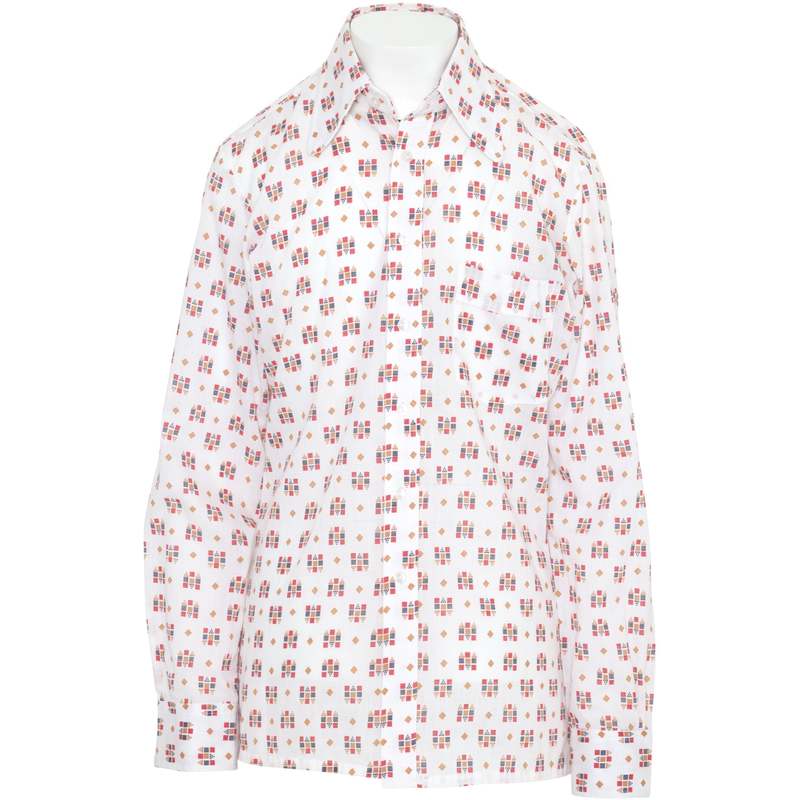
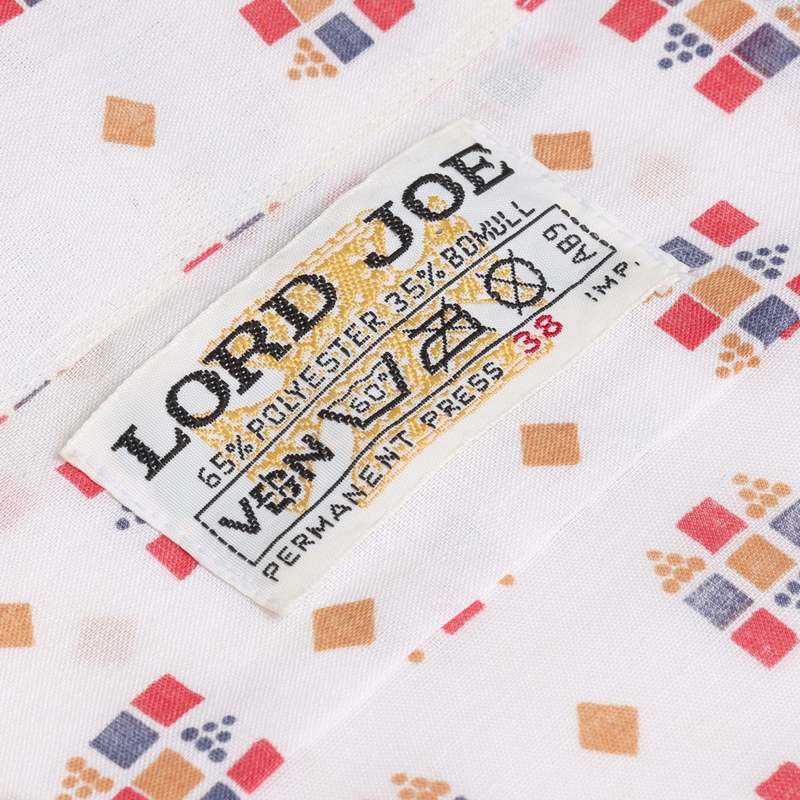
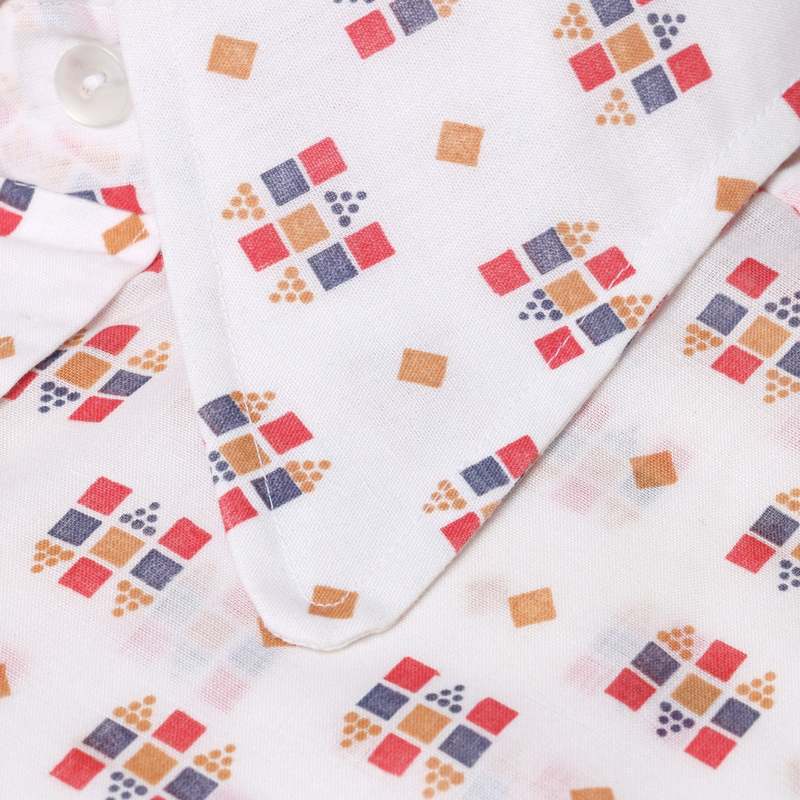
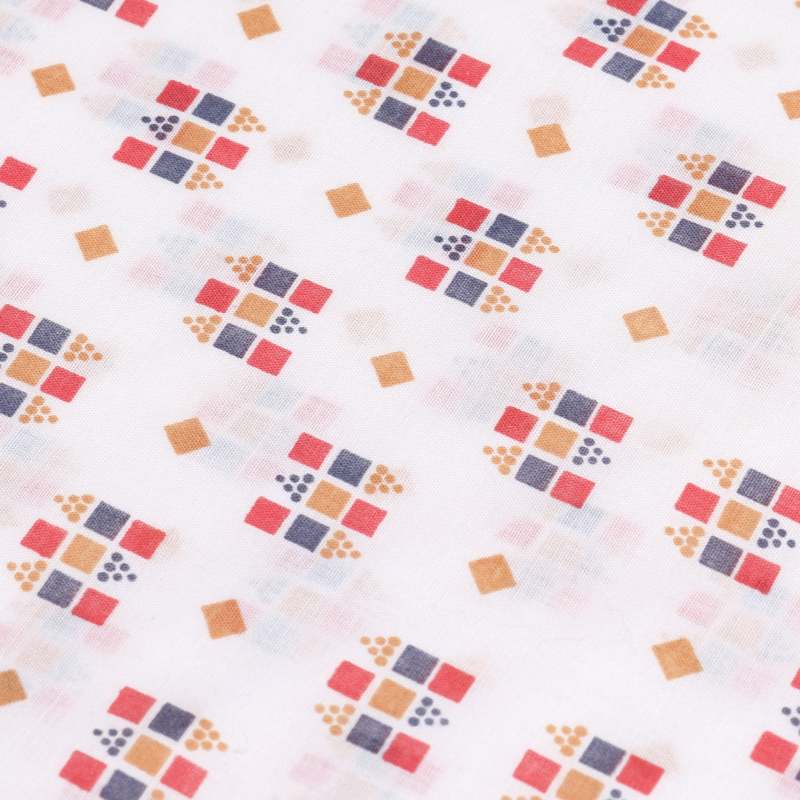
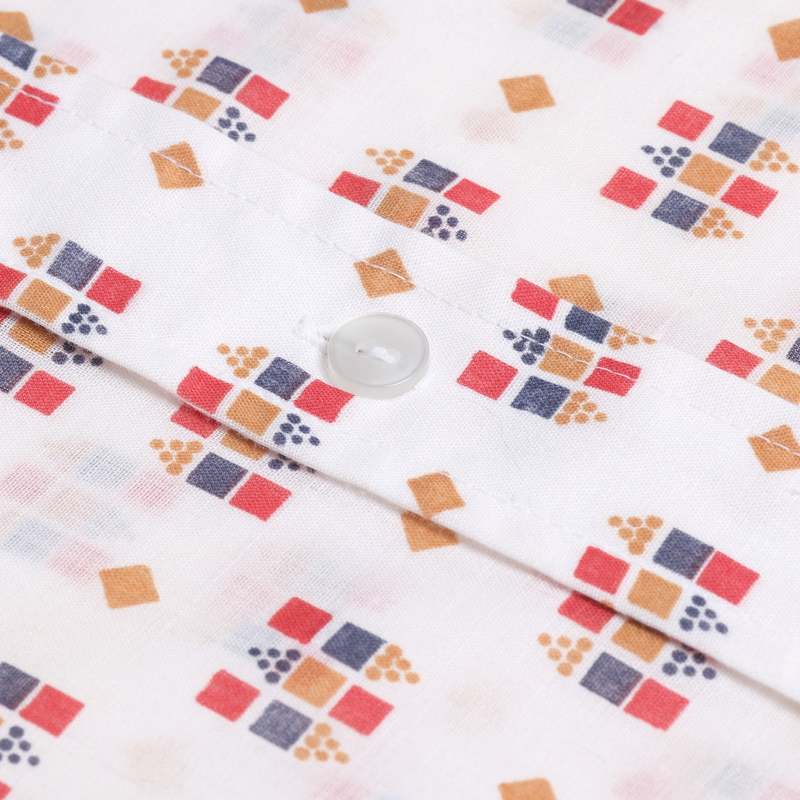
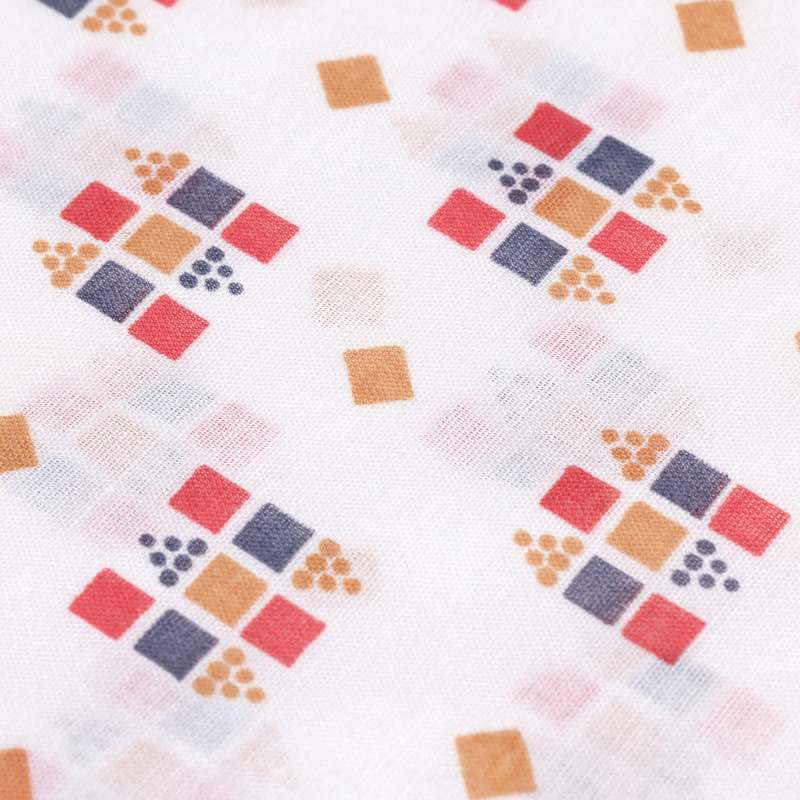
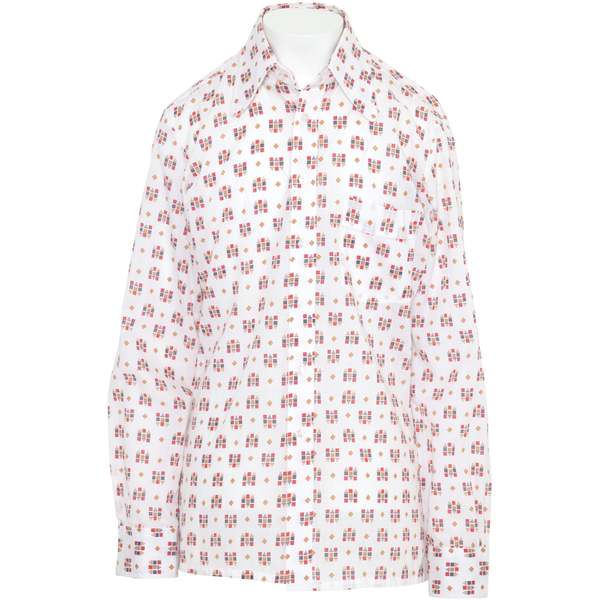
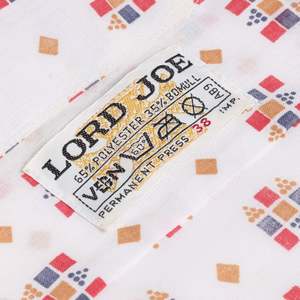
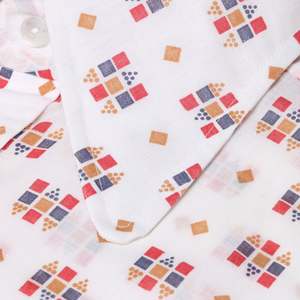
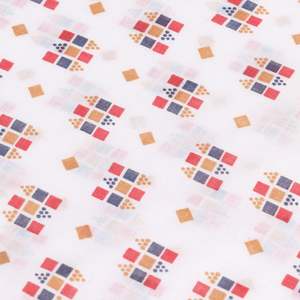
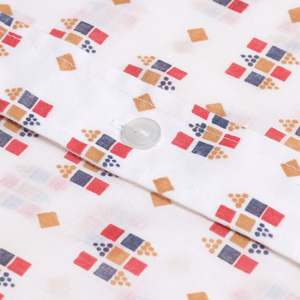
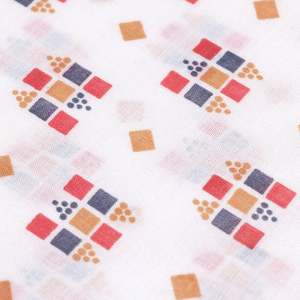
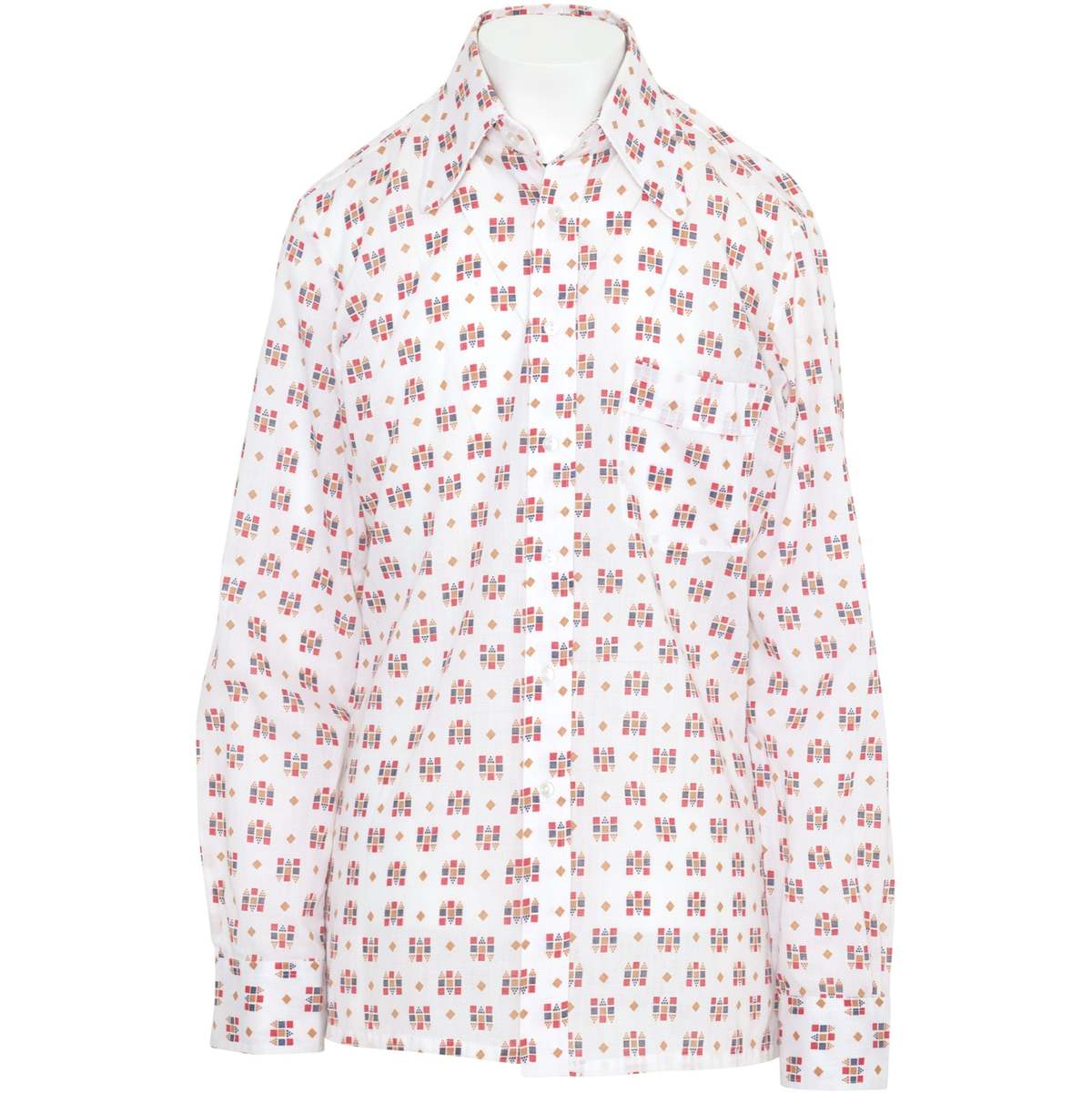
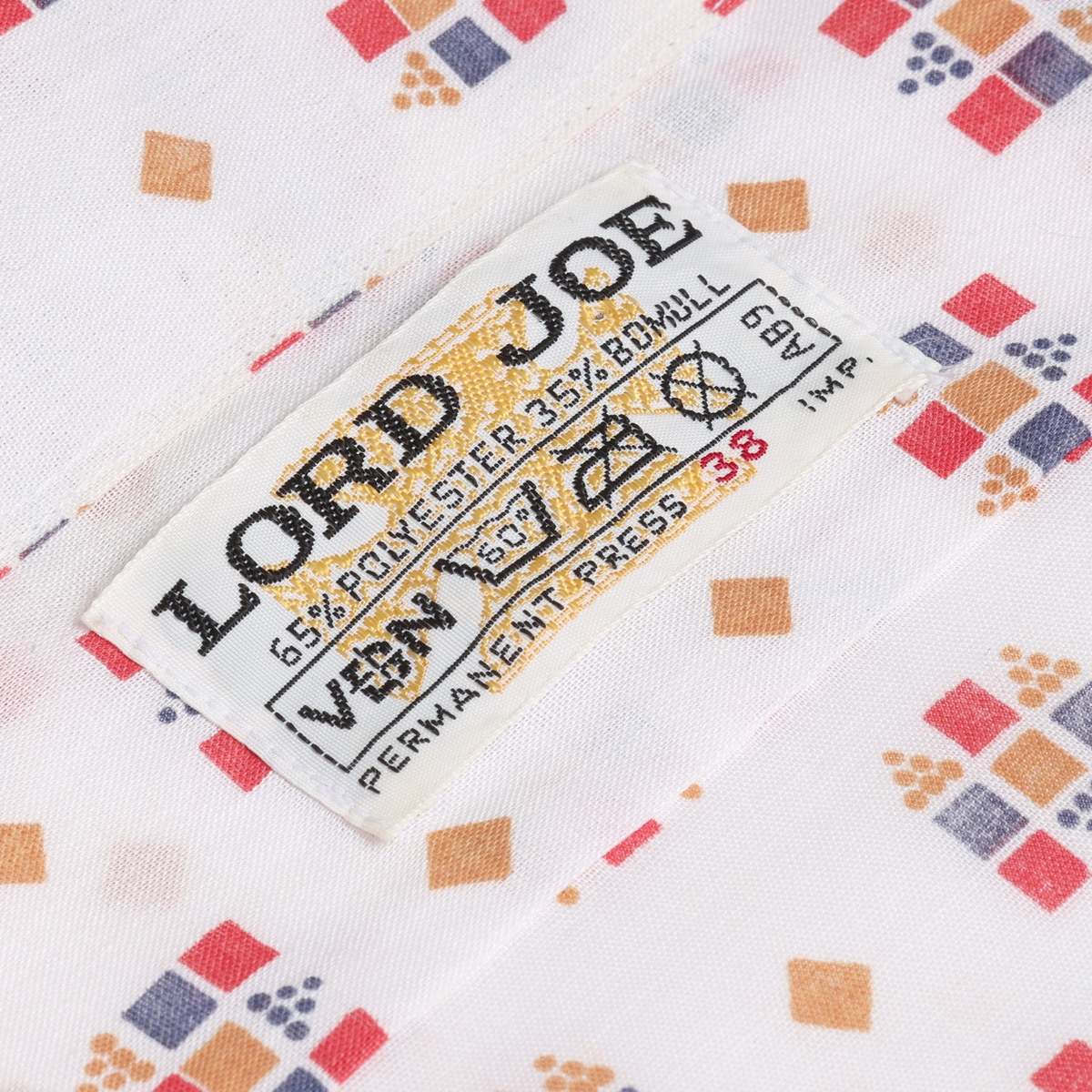
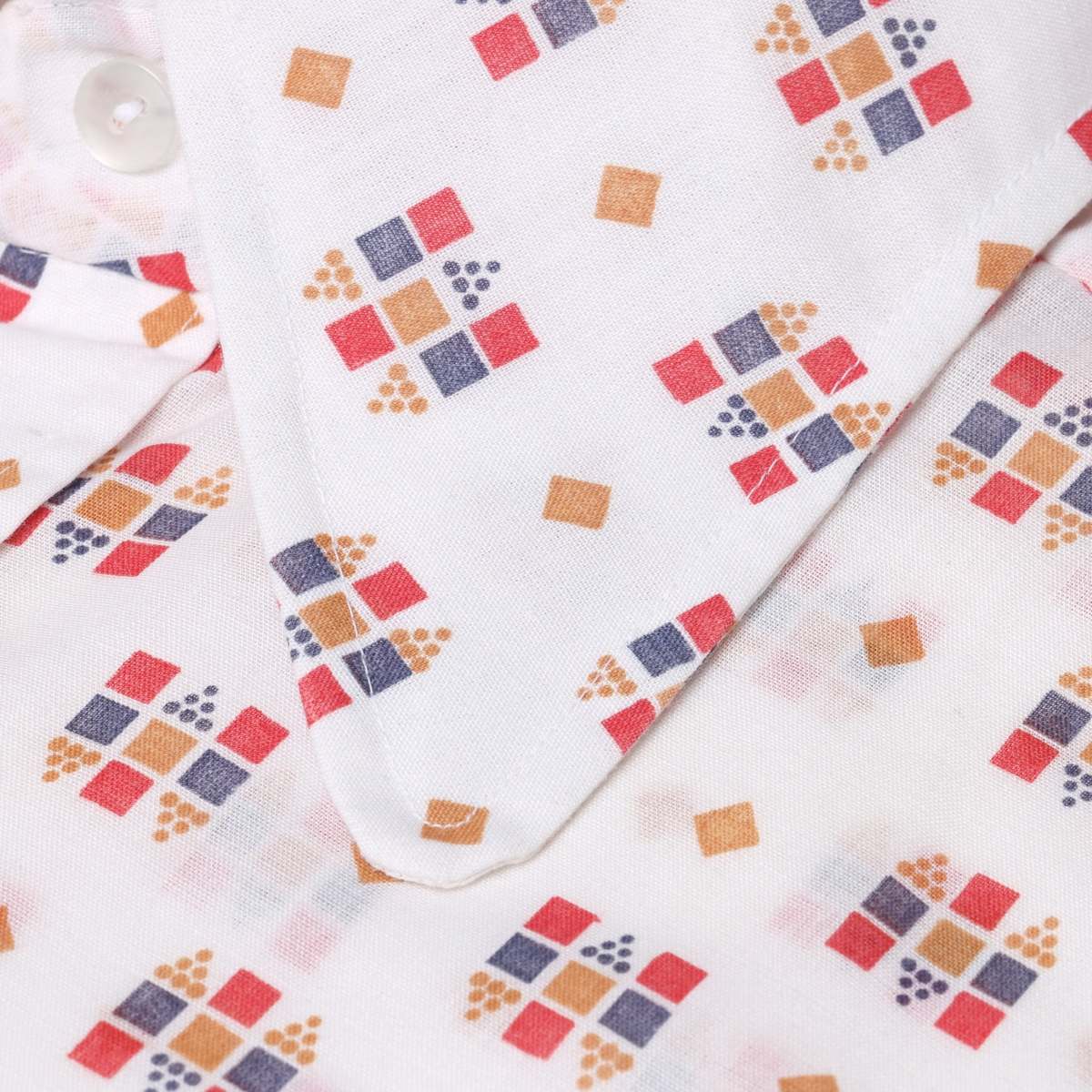
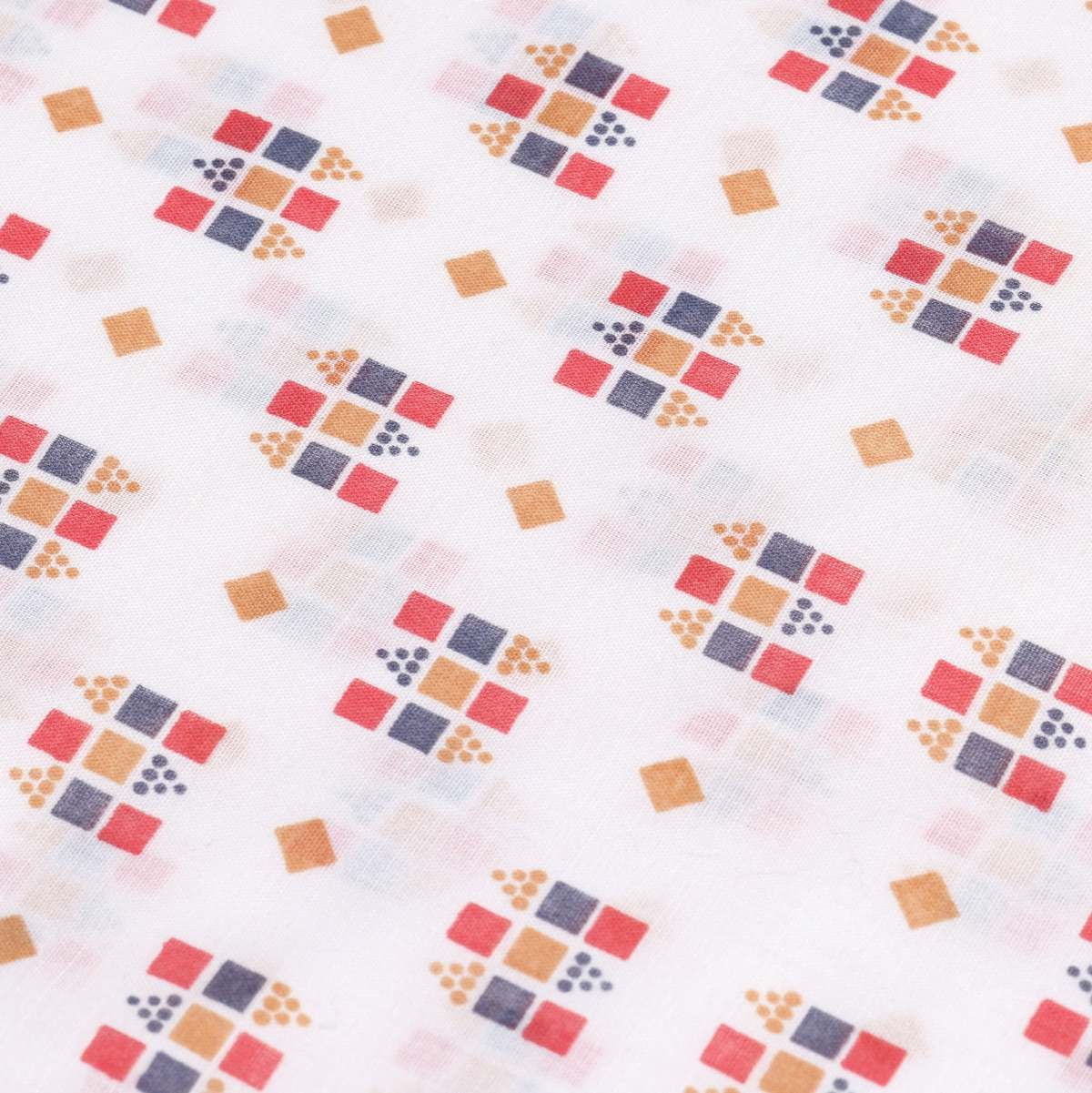
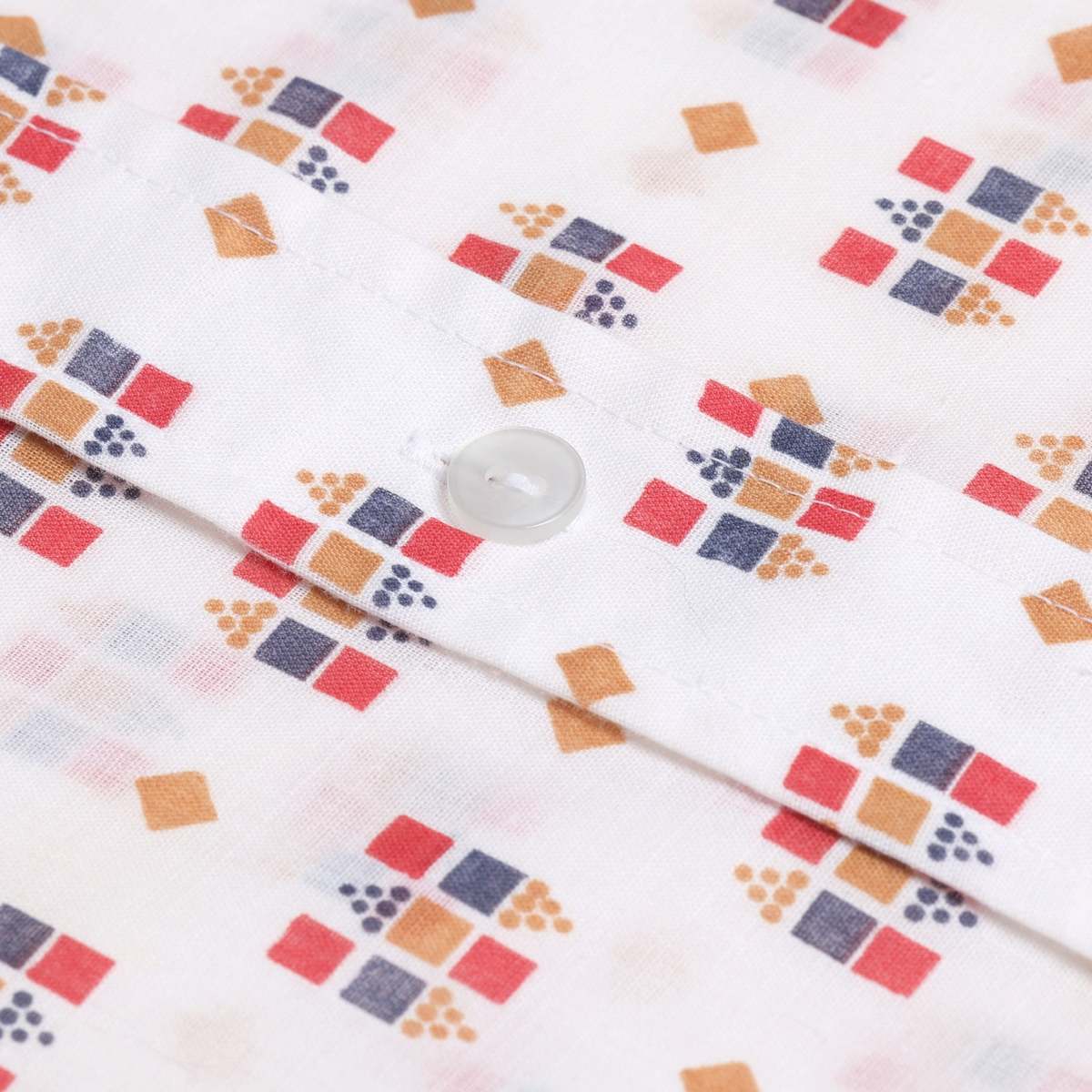
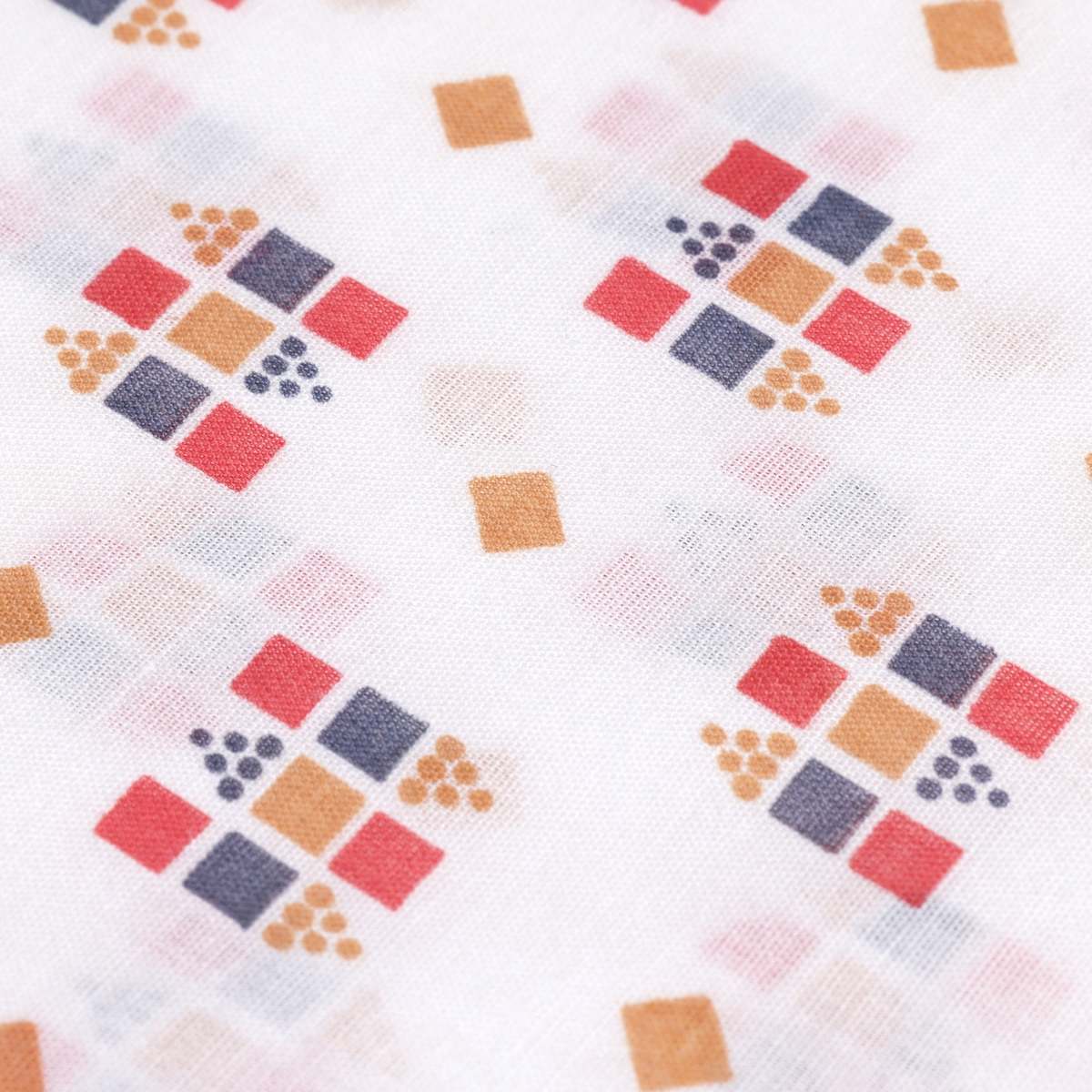
The shirt sits at the convergence of post-Mod leisurewear, Ivy casualism, and Scandinavian functionalism, worn with poise. The long-sleeve printed shirt under the Lord Joe label represents a crystallization of 1970s Swedish ready-to-wear: a period in which Nordic fashion moved decisively from artisanal tailoring toward accessible, function-driven garments that still bore traces of modernist design consciousness. As a brand, Lord Joe occupied a commercial tier within the expanding Scandinavian apparel ecosystem, producing shirts that offered clean silhouettes, synthetic-fiber practicality, and stylistic moderation. It was neither avant-garde nor anonymousit translated broader European design currents into a Swedish context, marrying midcentury textile aesthetics with postwar industrial reproducibility. Operating within Swedens welfare-state-driven retail structure, Lord Joe was part of a generation of domestic labels that enabled a broad swath of the male population to access shirts that were expressive yet regulated. These garments were typically sold through national department store chains such as hlns or NK and aligned with the societal preference for understated dress: modern, efficient, and visually harmonious without drawing excess attention. Lord Joe, along with its contemporaries, played a foundational role in Swedens transition from bespoke woolens and artisanal suiting to synthetically blended, machine-washable everydaywearan essential transformation in the democratization of postwar Scandinavian menswear. This specific shirt fits within the typology of long-sleeve printed button-downs designed for casual to semi-formal use. Intended for social wear, relaxed workplaces, or seasonal layering, it achieves balance between visual expression and domestic practicality. The lightweight composition makes it well-suited for Scandinavian spring and summer climates, while its print sophistication allows for continued use in autumn under knitwear or jackets. The design relies on small-scale geometrya matrix of blocks and dots in red, mustard, and navyover a white ground. The motif is a study in measured expression, echoing the restrained graphic logic of Bauhaus and Scandinavian textile modernism. It is expressive, but not effusive; structured, but not rigid. Construction reveals a mass-manufactured shirt executed with attention to functionality. Lockstitch construction dominates, with a stitch density of approximately 1012 stitches per incha standard for durable, mid-market shirting. The collar, a pronounced point with fused interfacing, is machine-attached and topstitched, typical of the 1970s Swedish shirting silhouette. The sewn-on placket reinforces button stability, while a single-button barrel cuff rounds out the sleeve. While the yoke is not confirmed, Swedish manufacturing of the era favored simplified formseither a single-piece back or straight-joined shoulder seamsfor production efficiency. Though the garment exhibits small print misalignments between the placket, body panels, and chest pocket, this is entirely consistent with its cost-conscious production tier. The pocket, a single patch on the left chest, is functionally placed and visually integrated, if not fully pattern-matcheda reflection of calculated trade-offs between design ambition and manufacturing pragmatism. Buttons are plain two-hole thermoplastics in whiteunassuming, durable, and consistent with the garments overall utilitarian ethos. From a style lineage perspective, the shirt sits at the convergence of American Ivy League influence, post-Mod European leisurewear, and Scandinavian functionalism. By the mid-1970s, Swedish menswear had internalized and reinterpreted global fashion cues, channeling them into garments that emphasized repeatability, minimal visual noise, and a strong sense of wearability. The shirts grid-like motif and restrained palette resonate strongly with the graphic traditions of figures like Stig Lindberg and Arne Jacobsen. While not derivative of any one design movement, the visual composition demonstrates alignment with the Scandinavian visual preference for mathematical order, soft contrast, and surface texture devoid of excess flourish. Material compositionconfirmed as a 65% polyester, 35% cotton blendfurther situates the shirt within its historical moment. This fiber mix was prized for its low-maintenance performance: wrinkle resistance, fast drying, and form retention, aided by a Permanent Press resin finish. The tight plain weave delivers structure at a lightweight GSM (~115), allowing for both breathability and drape while offering enough density to hold its shape through repeated laundering. The polyester content does reduce moisture-wicking relative to pure cotton but offers a functional compromise ideal for Scandinavian climates, where indoor heating and moderate seasonal shifts defined wear conditions. The structural paneling is straightforward: two symmetrical front panels joined at a center placket, a back panel without darts, and set-in sleeves with eased caps. Side seams are straight-stitched, likely with overlock finishing, though higher-quality domestic factories may have used French seams for durability. The rounded shirt hem increases versatilitytuckable for neatness, untuckable for casual usewhile the unaligned pocket confirms cost-conscious layout practices. At the technical level, collar and sleeve treatments confirm its mass-market identity. The pointed collar is fused and clean-finished with a collar band; the set-in sleeves feature standard armhole seams, likely overlocked. The absence of visible sleeve plackets suggests a one-piece sleeve barrel, without gauntlet openingssimplifying construction while maintaining functionality. The neckline and cuff are cleanly managed through folded edges and topstitching, and the hem is a narrow double-turn, stitched flat for visual cleanliness and wear resilience. Conceptually, the shirt operates within Swedens visual code of quiet rationalism. Its block-based motif communicates stability, order, and visual calm, aligning with the countrys social values and design traditions. The red, mustard, and navy color story conveys warmth and dependability, while the white base introduces a visual freshness that offsets any heaviness. The shirt speaks not to flamboyance, but to considered creativitya garment worn by individuals attuned to their surroundings without seeking to dominate them. Artistically, the garment echoes the logic of mid-century Scandinavian textile design, where ornamentation was reimagined as structured rhythm. It avoids romanticism, narrative prints, or floral motifs, opting instead for repeat-driven gridwork that amplifies surface texture through repetition. The visual language is non-verbal, mathematical, and abstractcalling to mind the architectural discipline of Arne Jacobsen or the decorative restraint of Josef Frank. Though produced for everyday use, the shirt retains a conceptual linkage to the design philosophies that shaped Scandinavias reputation for visual intelligence. Historically, the garment dates securely between 1975 and 1983, corroborated by its fiber blend, bold collar geometry, print scale, and marketing alignment with Permanent Press. Its manufacture likely took place in Sweden, though possible Baltic outsourcingto Finland, Estonia, or Polandis plausible, especially under license agreements during this period. Regardless of precise mill origin, the design reflects a Swedish milieu in which affordable menswear was expected to combine industrial functionality with visual poise. In todays fashion landscape, the shirt resonates with renewed interest in retro-modern menswear and design-conscious vintage. Brands like Sfr, Rowing Blazers, and Studio Nicholson have revisited these aesthetics, incorporating abstracted prints, lean silhouettes, and nostalgic references to 1970s textile design. For collectsors, the shirt represents a moment when national identity, graphic language, and industrial production converged in accessible garments. Its placement within Swedish material culturesimultaneously democratic and thoughtfulgives it enduring relevance for contemporary fashion historiography. Technically competent, visually articulate, and ideologically consistent with its time, this Lord Joe shirt exemplifies the utility-minded precision of late-century Scandinavian casualwear. While it carries low artisanal value in terms of craftsmanship, its graphic intelligence and cultural grounding elevate it above purely functional apparel. It remains an instructive artifact for designers, collectsors, and retailers interested in the evolution of Nordic fashion modernism and the role of design discipline in shaping everyday garments.
Garmentory is a curated marketplace of independent boutiques and emerging designers from around the world.
Fashion With Intention
Aw yeah!
We love making new friends so while we're popping bottles, continue shopping to apply your $10 credit.
We've got a dedicated site "garmentory.co" just for our Indian customers! Shop with local currency, faster shipping, and exclusive products.
We cannot add this item to your bag because it’s already at max capacity. But don’t worry, we’ve saved it to your wish list.
Earn Replica Belts credits when you shop, wishlist, and inspire others.

Have a question about the size or something else? We're here to help!