Spring fever is here 🌡️☀️ Prep early for those not too hot and not too cold days by finding something you love ON SALE. SHOP THE SALE


Spring fever is here 🌡️☀️ Prep early for those not too hot and not too cold days by finding something you love ON SALE. SHOP THE SALE
| To | Service | Estimated Delivery | Fee |
|---|---|---|---|
| 🌎 | Intl. Air | 6-20 business days | $29.95 |
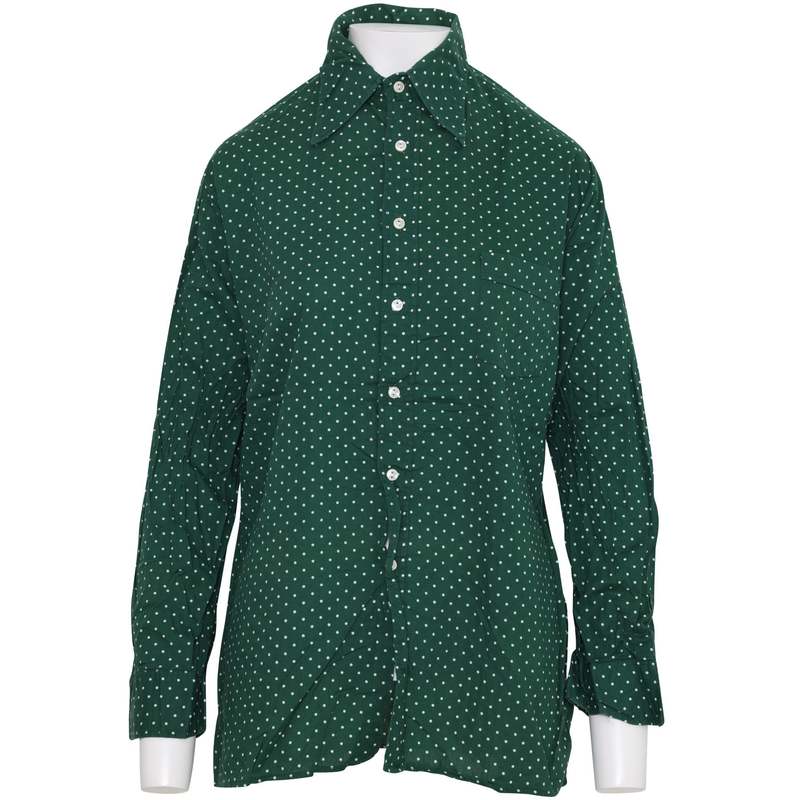
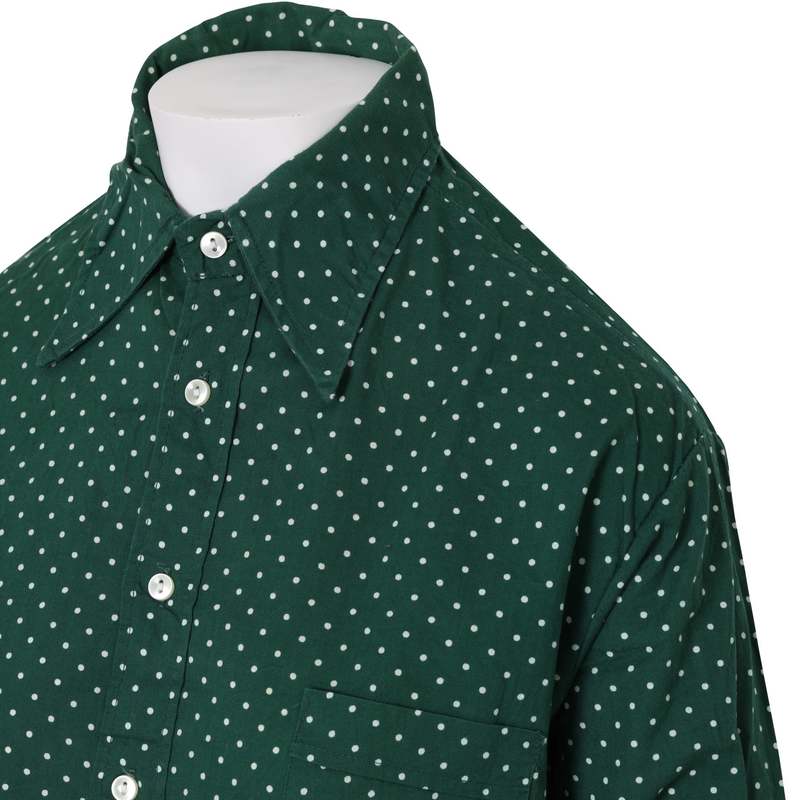
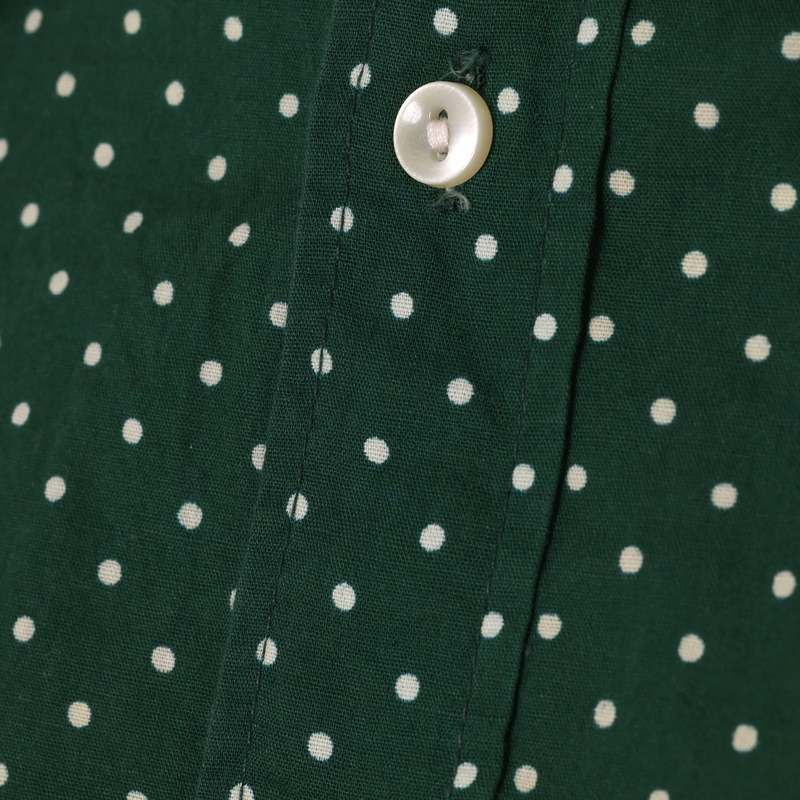
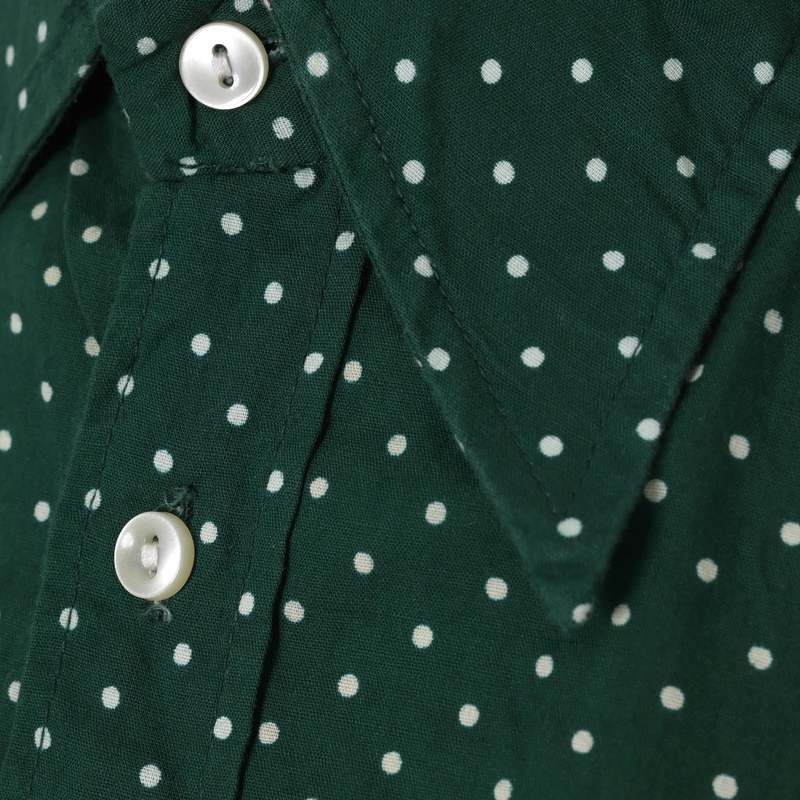
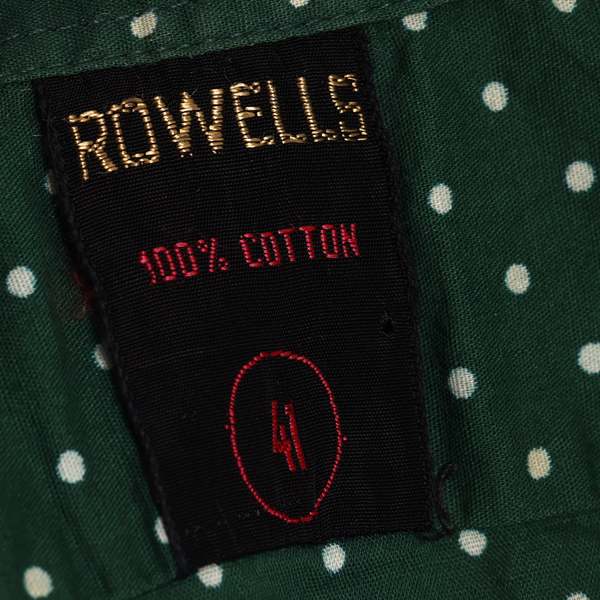
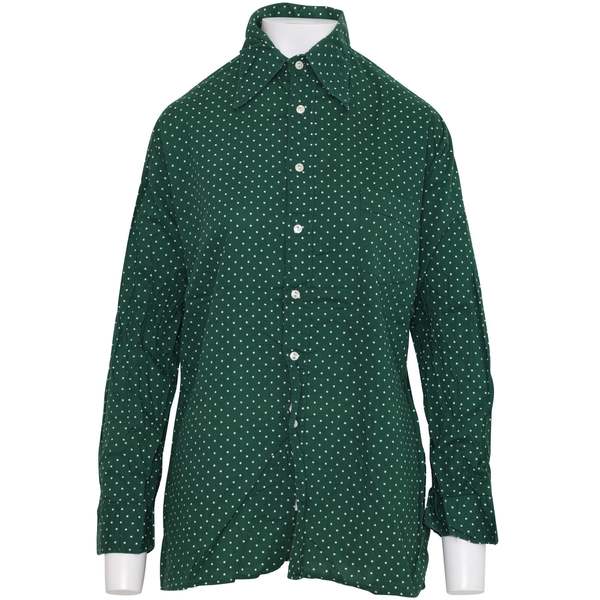
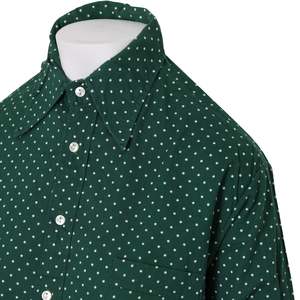
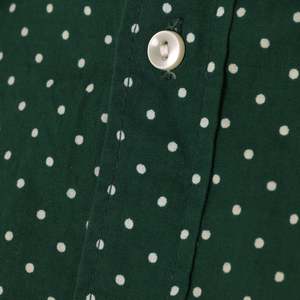
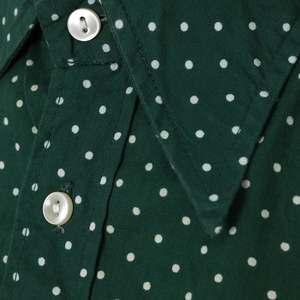
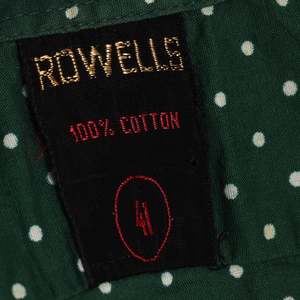
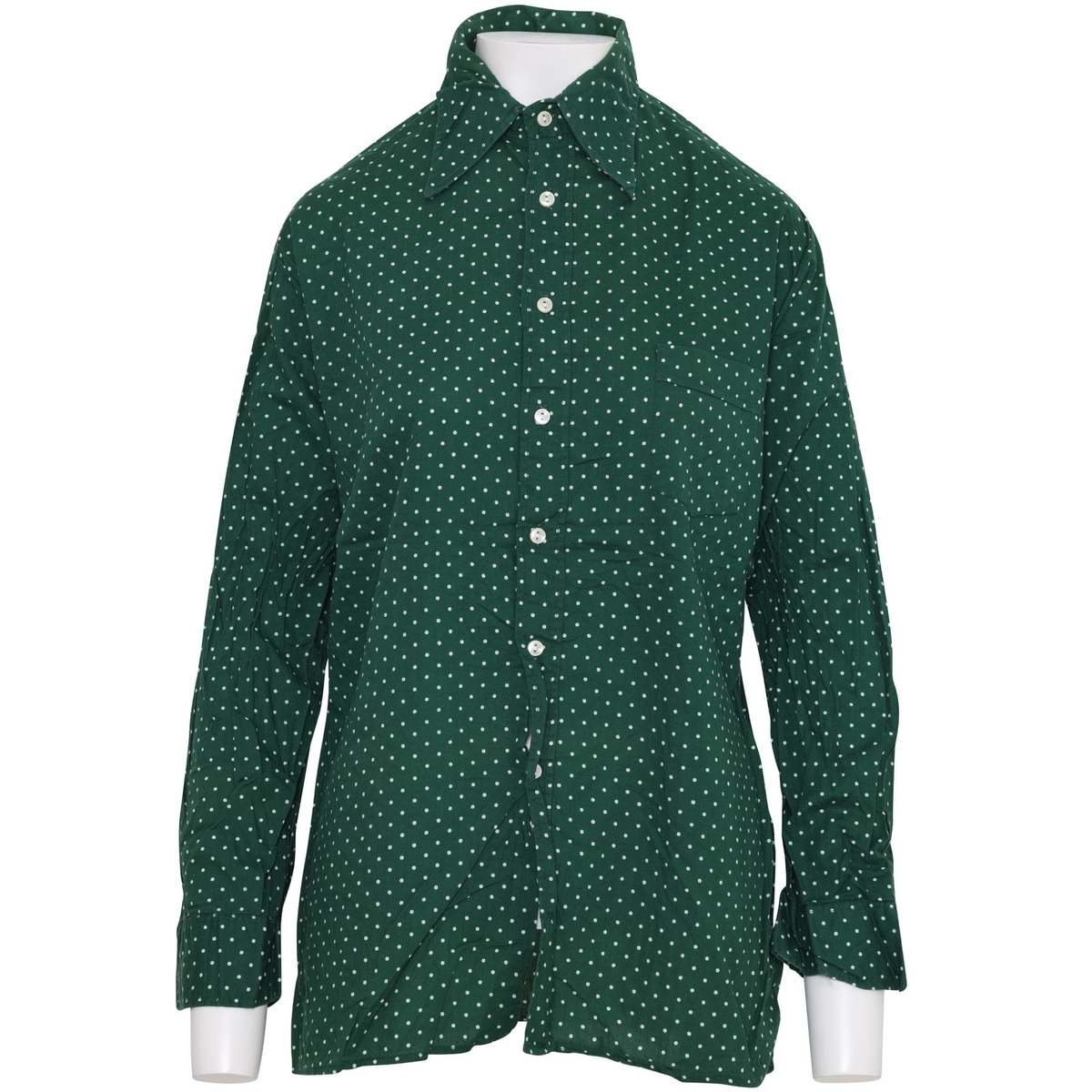
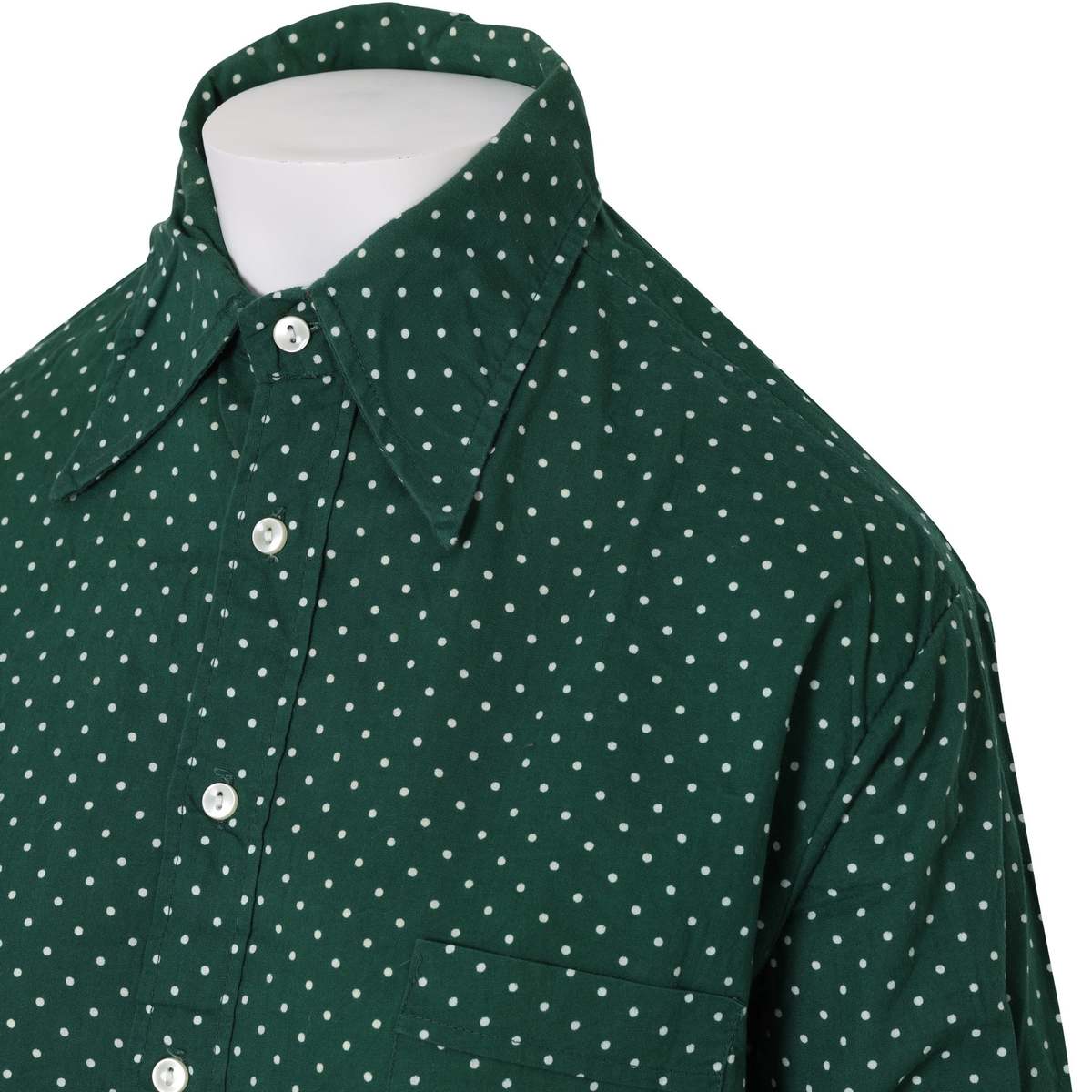
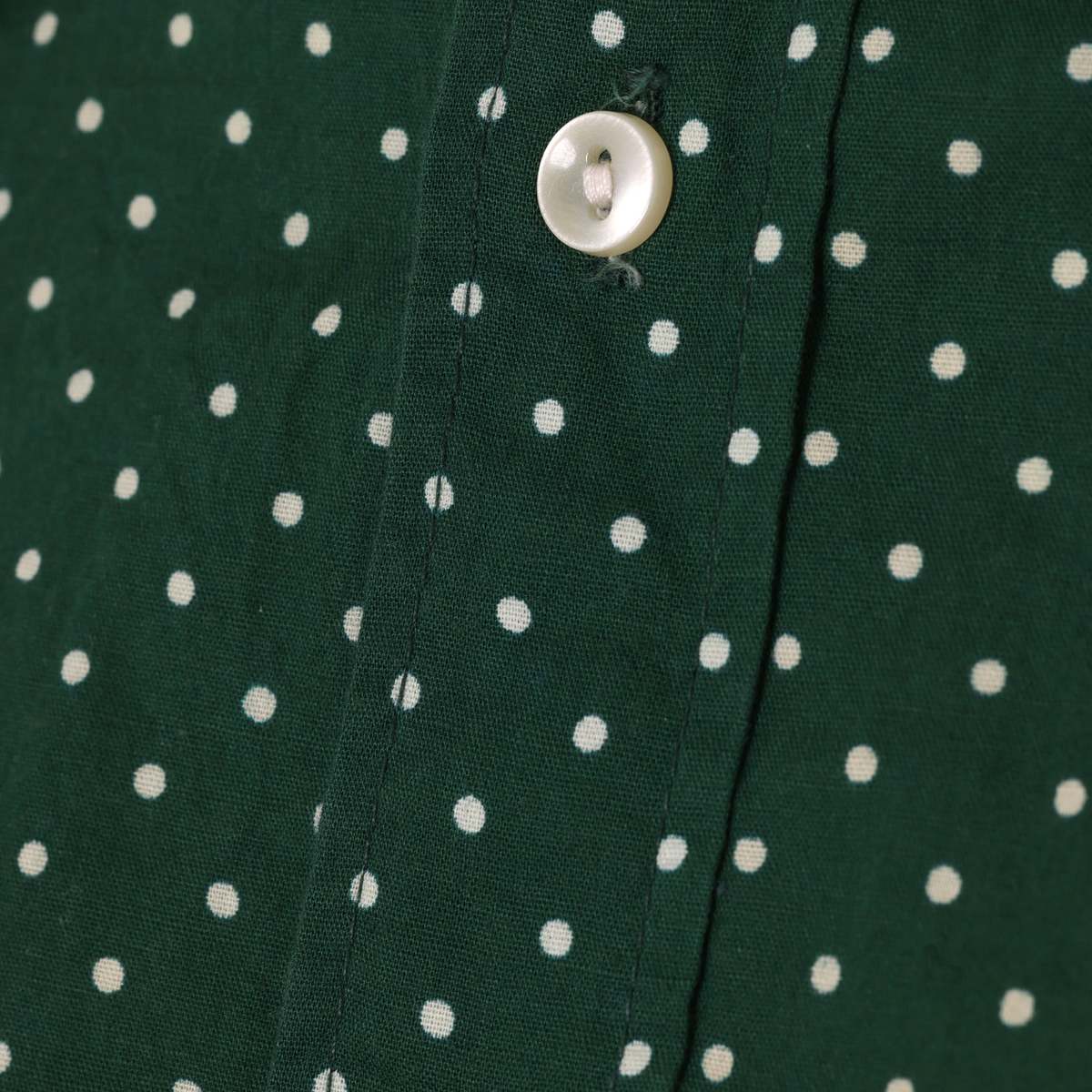
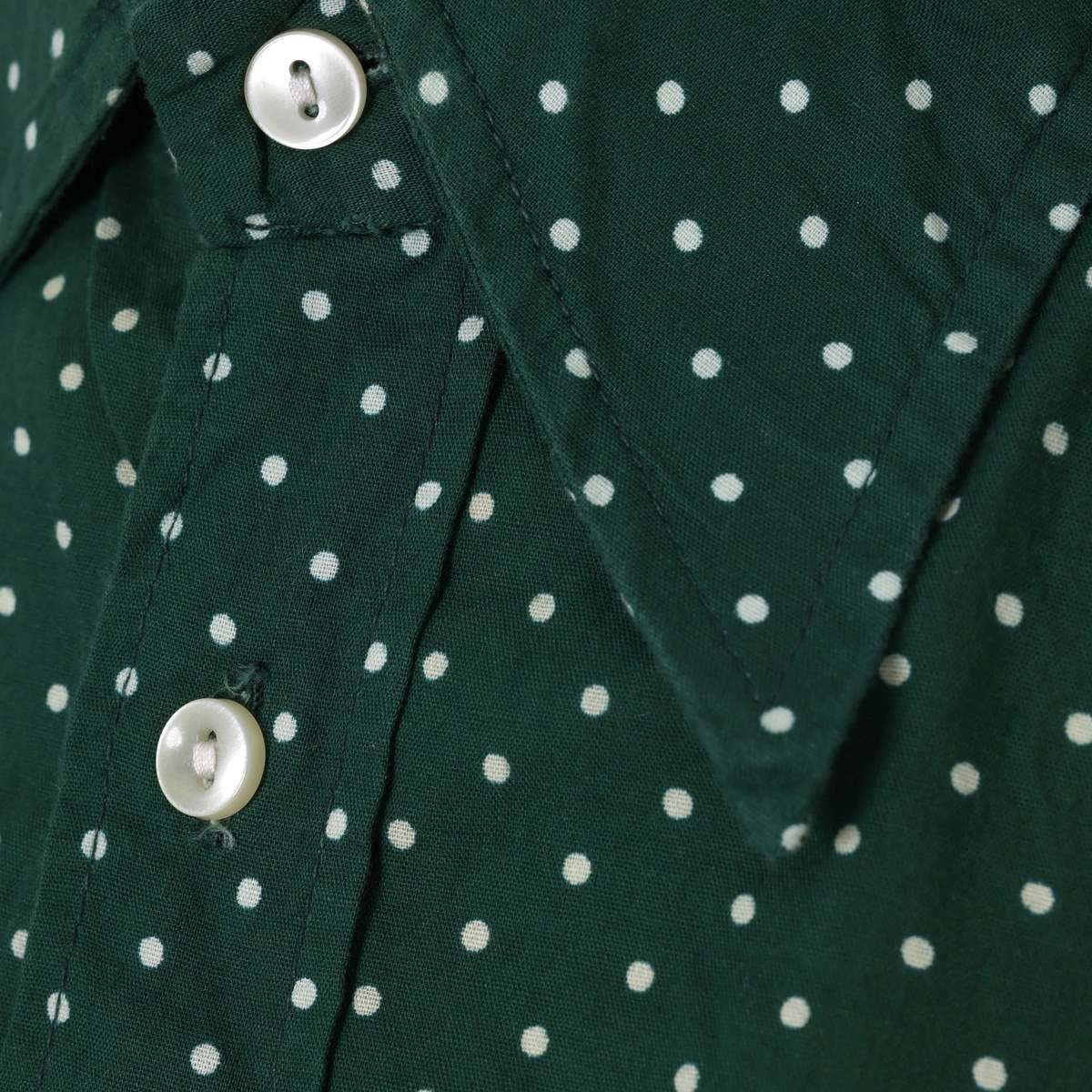
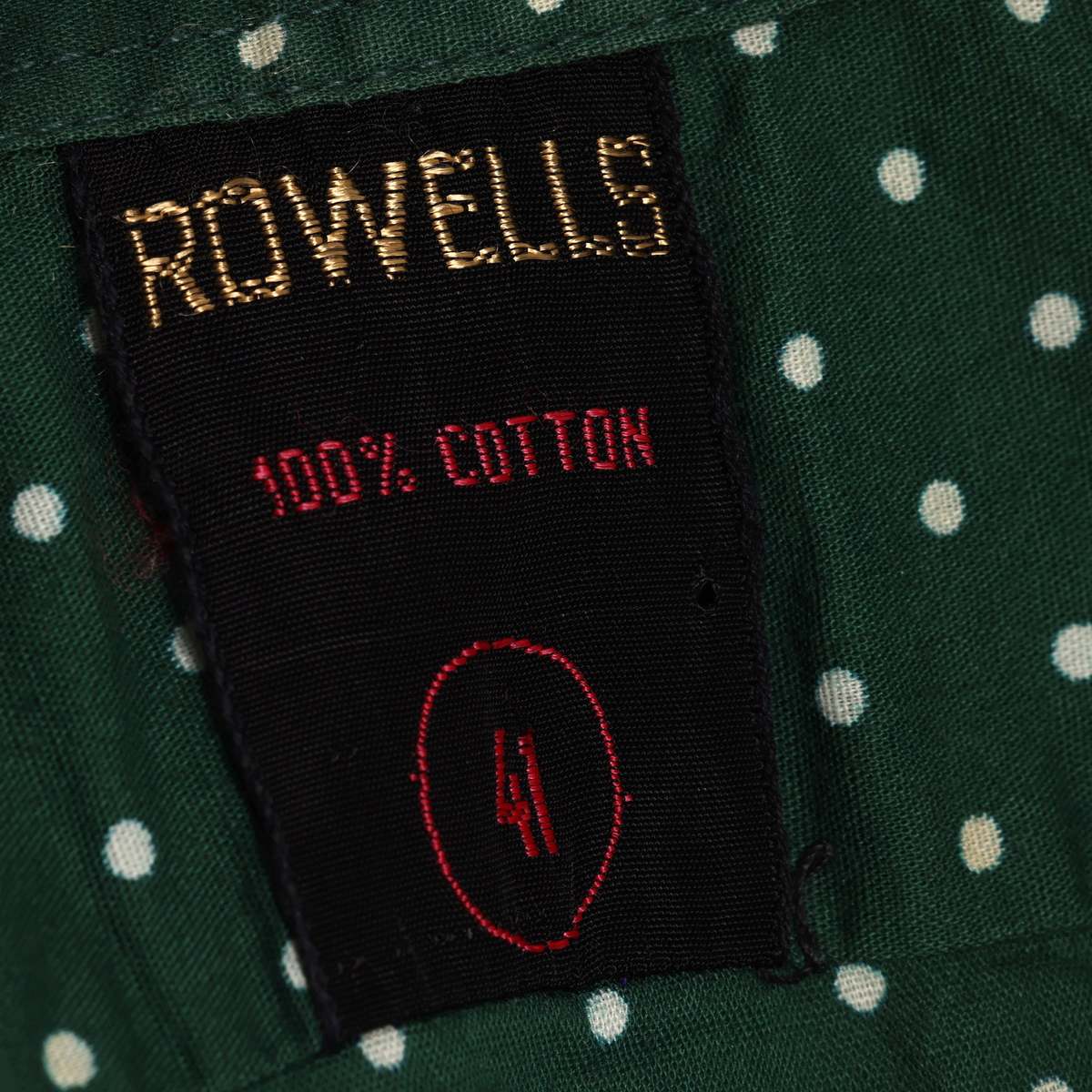
A calculated eccentricity: polka dots and collars enlarged just enough to modernize the British leisure wardrobe. The long-sleeve, polka dot, woven shirt produced for British mail-order retailer Rowells exemplifies the practical stylistic mediation between traditional womenswear and mid-1970s fashion-forward detailing. Functioning within the catalog-based retail system that defined much of Britains middle-class consumer apparel landscape during the postwar decades, Rowells operated not as an innovator but as a distributor of approachable, trend-filtered garments. It served a vast demographic through accessible price points, standardized pattern blocks, and domestic garment typologies tailored for everyday wear. This shirtconstructed from a printed cotton base, fitted with an exaggerated collar, and finished with utilitarian detailsillustrates Rowells ethos of repeatable, wearable fashion filtered through the lens of middle-market usability. As a business model, Rowells epitomized the reach of catalogue retail in the UK from the 1950s through the 1980s, standing alongside Grattan, Freemans, and Littlewoods in defining suburban and rural access to commercial fashion. These retailers democratized emergent trends by translating them into cost-efficient versionssimplified in construction, adjusted in fabric weight, and recalibrated for a generalist consumer base. While not aligned with designer-led movements, brands like Rowells exerted significant influence in shaping mass-market taste. Their offerings reflected dominant silhouettes with moderated flair, giving shape to how trends like polka dots or disco collars filtered into everyday male dress codes, particularly for social or semi-formal leisurewear. This particular shirt falls into the category of casual long-sleeve daywear, tailored with a clear emphasis on silhouette and print visibility. Intended for smart-casual occasionspub gatherings, weekend dressing, or non-office leisure contextsthe shirt straddles the line between structured formality and visual play. Its straight-bodied cut, rounded hemline, and single chest patch pocket reflect classical shirtmaking standards, while its oversized point collar and allover print embed it unmistakably within the visual grammar of 1970s style. It is designed not to challenge womenswear codes, but to expand themproviding a socially permissible outlet for fashion expression through color, scale, and surface design. Technically, the shirt is constructed using lockstitch seaming throughout, most likely executed on industrial flatbed machines. Seam treatments vary depending on production tier and manufacturing date, but overlocked seam allowances or clean-felled finishes are both plausible. The collar is interfaced and topstitched, built with a stand to produce a pronounced silhouette, measuring approximately 10 cm at the pointpushing it toward the disco-adjacent aesthetic popular in the 19721980 period. The front placket is constructed with a self-fabric fold, lightly interfaced to maintain alignment under repeated laundering, and fitted with machine-sewn pearlescent plastic buttonsa period-typical feature providing visual polish without the cost of metal or bespoke finishing. The sleeves are full-length and set in with standard armscye construction. Vertical sleeve plackets (likely 1-piece bound) lead to single-button barrel cuffs, topstitched and finished with vertical buttonholes. The hem is curveda classic shirttail shapedouble-rolled and single-stitched to accommodate both tucking and loose wear. The single chest pocket is square-cut with turned edges, offering practical storage while preserving visual balance across the print. Notably, the polka dot patternwhite dots on a dark green groundis not matched across seams or placket, a deliberate cost-containment measure typical in mass production that prioritizes fabric yield over print continuity. The cotton textile is likely a plain weave or lightweight poplin, finished with either calendering or mercerization to create a faint surface sheen. The GSM, estimated around 110120, allows year-round wear in indoor settings and moderate climates. The hand is crisp yet breathable, delivering a tactile feedback consistent with British catalog garments of the erafunctional, washable, and stable. The print, applied via rotary screen or pigment method, is characterized by its even repeat and balanced scale. Its simplicitya regular polka dot, no overprintreflects commercial sensibility and design risk management. Structurally, the shirt follows a traditional menswear block: two front panels with integrated placket, a one-piece back (possibly with a central box pleat or yoke), and full-length sleeves. There is no darting or side shapingtypical for mens shirting during this periodand the fit leans boxy or semi-fitted, leaving room for layering beneath waistcoats or knitwear. The overall architecture is informed by utility and modularity rather than anatomical precision, consistent with the mass-graded sizing logic employed in catalogue garment production. Fit flexibility is embedded in the block, not the fabric. The collar is the standout featureextending beyond traditional businesswear norms into expressive territory. This detail, borrowed from contemporary disco and mod revival aesthetics, serves as the shirts fashion anchor. It offers a visual cue of trend engagement while keeping the overall garment anchored in familiar tailoring codes. In this way, Rowells accommodates style-conscious men who seek distinction within acceptable boundsthose comfortable wearing statement elements only when mediated by recognizable garments like a classic button-front shirt. From a psychological design perspective, the shirt projects a domesticated take on 1970s flamboyance. It offers a measure of sartorial confidence without abandoning structure or maturity. The polka dot motif introduces levity and visual rhythm, while the dark green ground color communicates stability and masculinity. The result is a garment that navigates visibility and controla calculated eccentricity that suits the conservative social extrovert. In British middle-class wardrobes of the time, this shirt would have served as a tool for mild self-expression in off-duty scenarios, pairing easily with brown or beige slacks, loafers, or wool jackets. Artistically, the shirt belongs to a lineage of British mod-influenced, retro-graphic style. Its surface print and exaggerated collar draw parallels with rockabilly and revivalist aesthetics, and while stripped of theatrical embellishment, it still channels the energy of a period willing to hybridize tradition with flair. The green-and-white palette avoids the primary brashness of American disco garments, opting instead for a subtler chromatic vocabulary rooted in nature and heritage, refined for suburban reception. Based on construction logic, collar proportion, and textile behavior, the shirt likely dates to the late 1970s or early 1980sa time when catalogue retailers were integrating fashion-forward details into durable, family-friendly formats. Supporting evidence includes button type, placket structure, fabric finish, and overall styling language. This aligns with the cultural moment when British women began embracing casualwear as a mode of identity expression, supported by mail-order access and mass-market fabrication technologies. In the current market, this shirt holds high archival value and viable commercial potential within the heritage womenswear, slow fashion, and vintage-inspired apparel sectors. Brands like Gitman Vintage, Bode, and Rowing Blazers are actively recontextualizing garments of this typeleveraging nostalgic elements, reintroducing oversized collars, and reframing polka dots as unisex motifs. The garments silhouette and visual language also lend themselves to gender-fluid reinterpretation, with styling potential across diverse identities. From a production standpoint, the garment is technically sound. Seaming is uniform, finishing is appropriate for its market tier, and construction logic is standardized for mass manufacturing. It is not artisanal, but it is efficient, balanced, and visually articulate. Modernization would require minimal adjustments: reduced collar span, updated cuff shaping, and the use of sustainable cotton or eco-print techniques to reintroduce it into contemporary collectsions. Its core appealstructure meets playremains intact. Ultimately, this shirt stands as a quiet but confident artifact of mid-market British fashion. It captures a transitional moment in womenswear where catalog garments became canvases for soft experimentation. Through its silhouette, fabric, and print, it maintains an aesthetic and technical lineage that continues to inform the vocabulary of modern casual dressing. It was not designed to revolutionize, but rather to integratefashion into life, personality into routine, and visibility into the everyday. Size Conversion (approximate): US Womens Size: ML EU Womens Size: 3840 SKU: 015247
Garmentory is a curated marketplace of independent boutiques and emerging designers from around the world.
Fashion With Intention
Aw yeah!
We love making new friends so while we're popping bottles, continue shopping to apply your $10 credit.
We've got a dedicated site "garmentory.co" just for our Indian customers! Shop with local currency, faster shipping, and exclusive products.
We cannot add this item to your bag because it’s already at max capacity. But don’t worry, we’ve saved it to your wish list.
Earn Replica Belts credits when you shop, wishlist, and inspire others.

Have a question about the size or something else? We're here to help!