Spring fever is here 🌡️☀️ Prep early for those not too hot and not too cold days by finding something you love ON SALE. SHOP THE SALE


Spring fever is here 🌡️☀️ Prep early for those not too hot and not too cold days by finding something you love ON SALE. SHOP THE SALE
| To | Service | Estimated Delivery | Fee |
|---|---|---|---|
| 🌎 | Intl. Air | 6-20 business days | $29.95 |
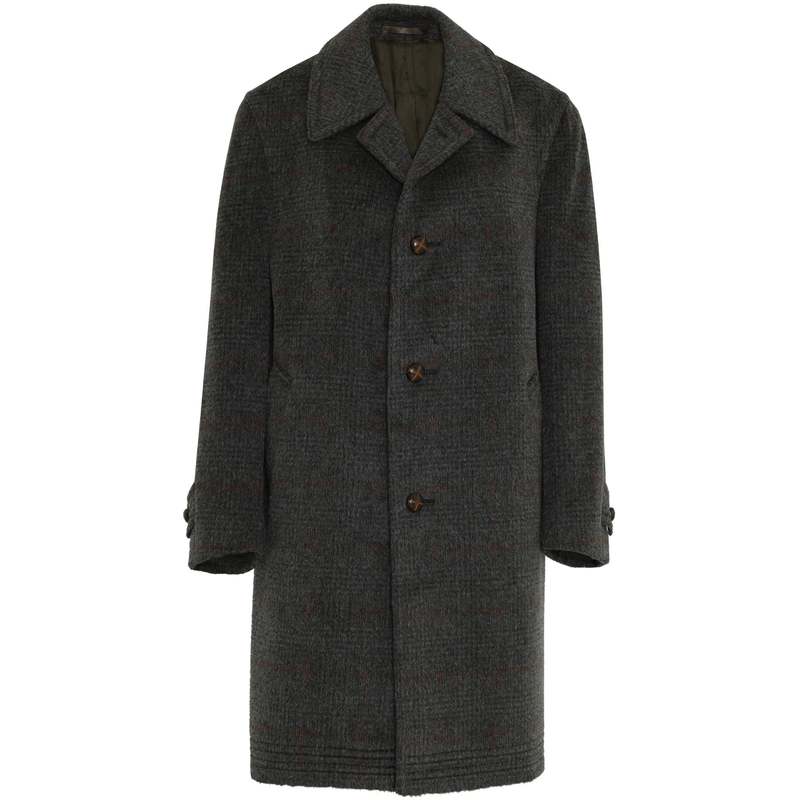
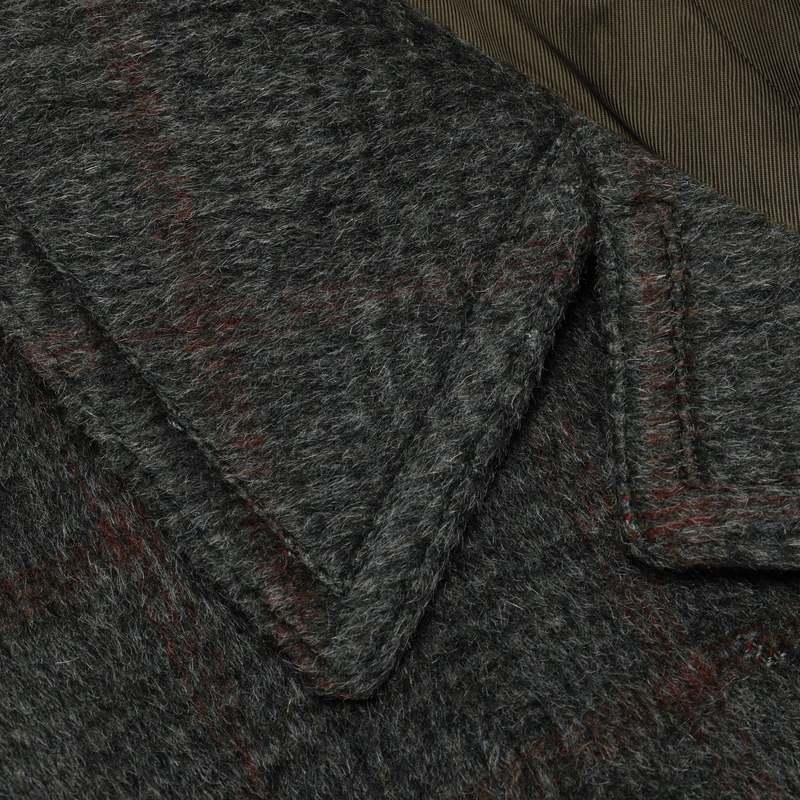
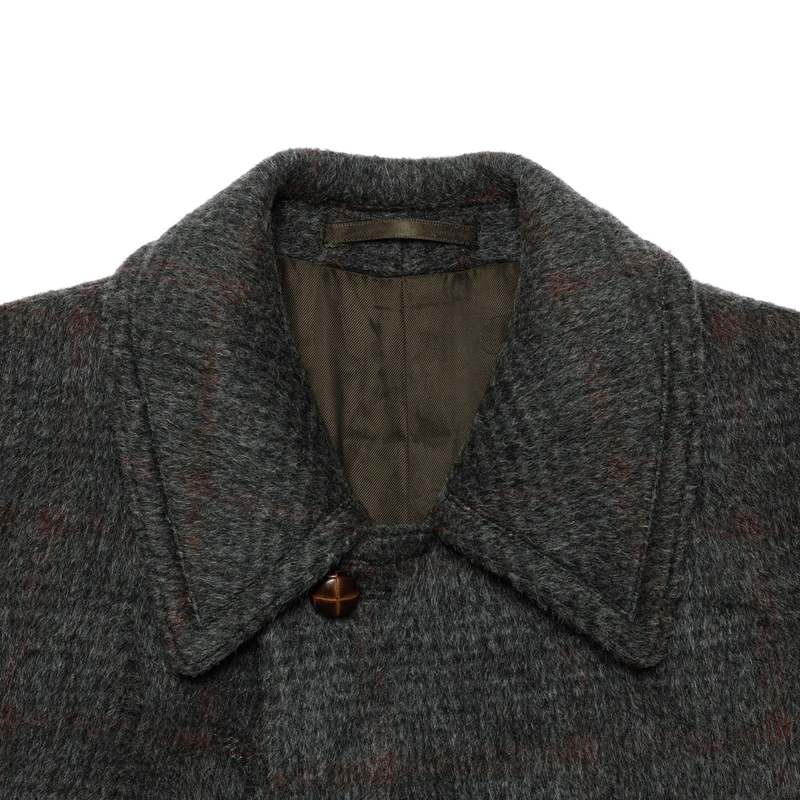
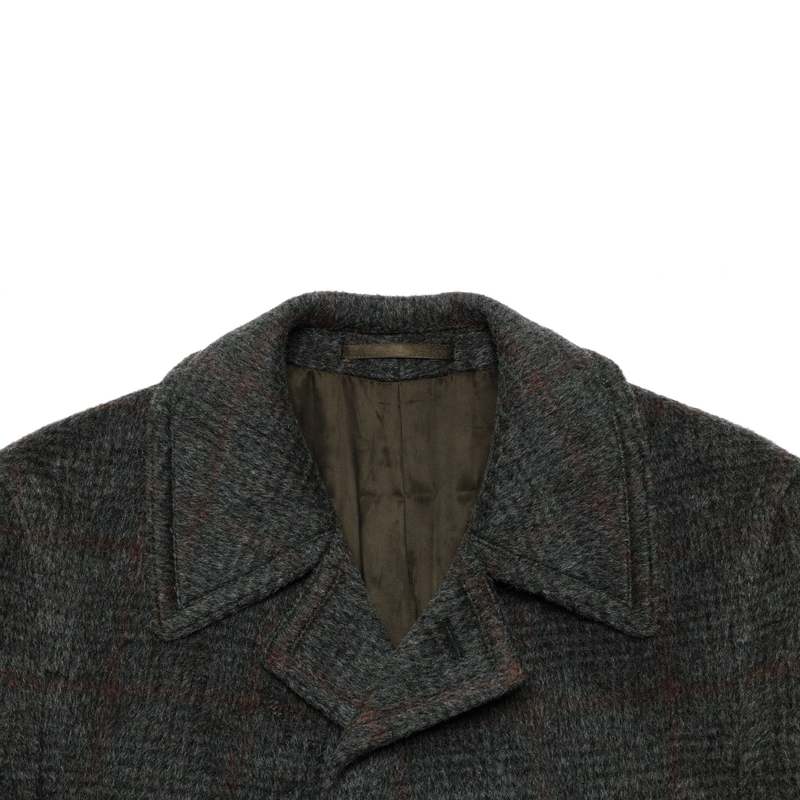
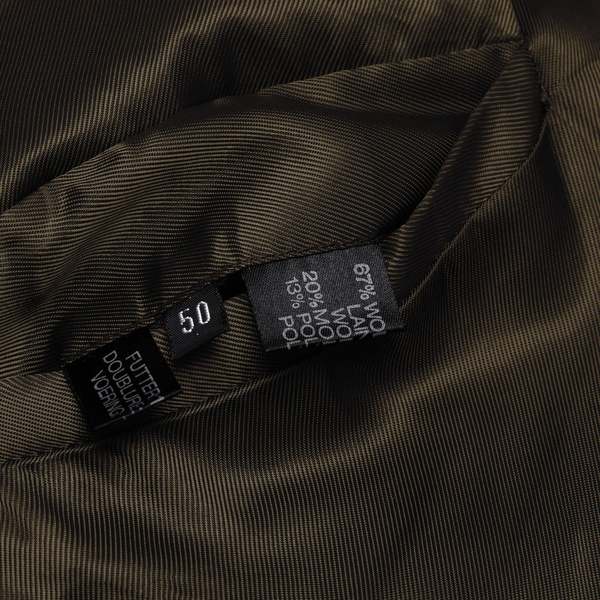
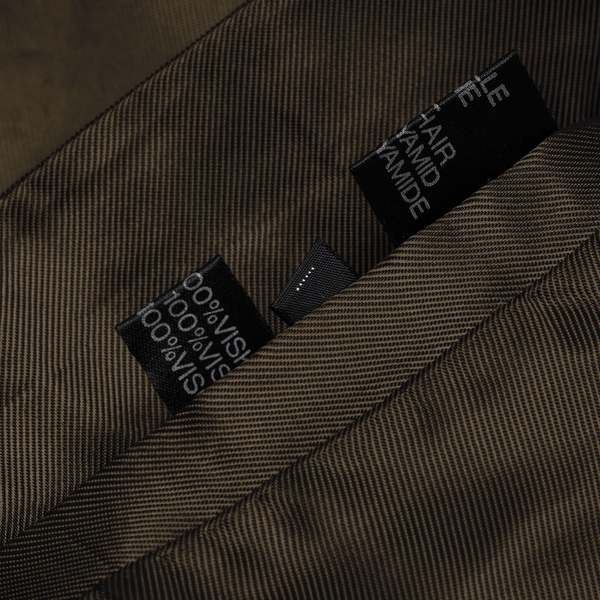
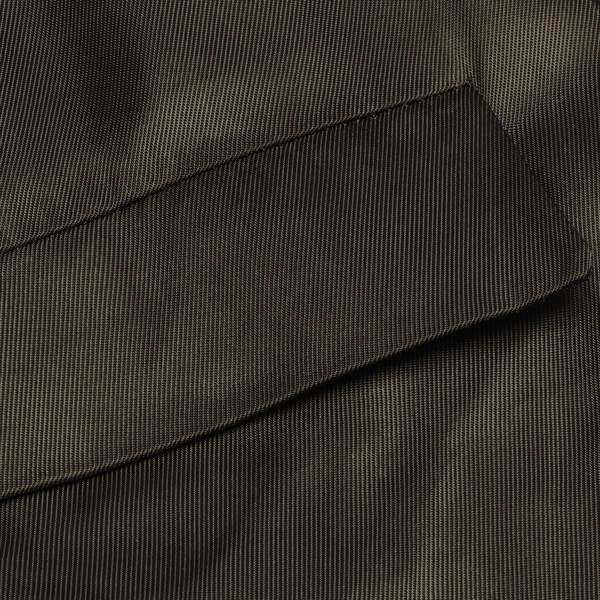
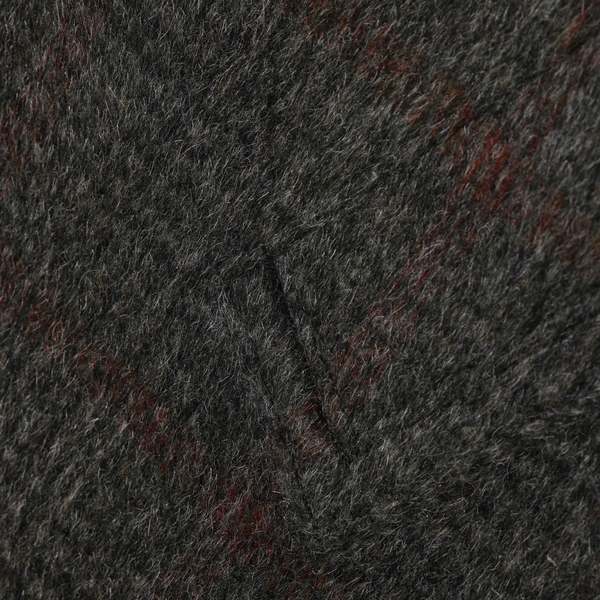
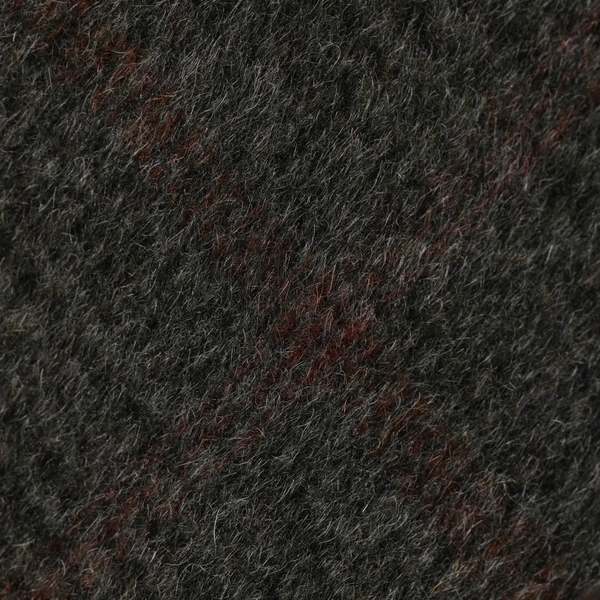
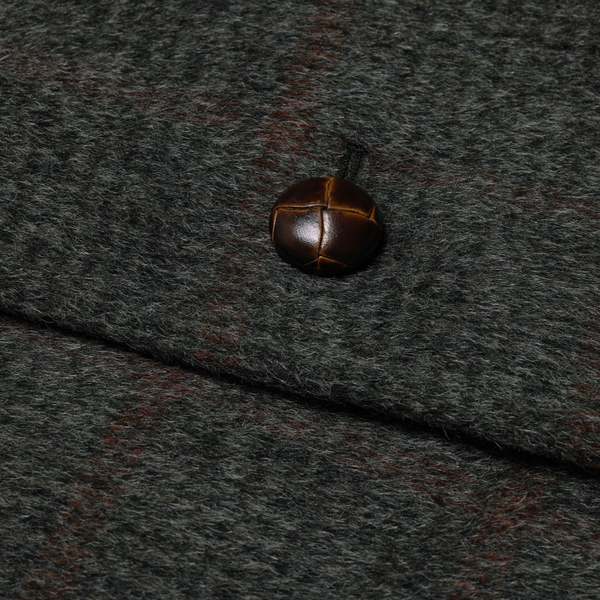
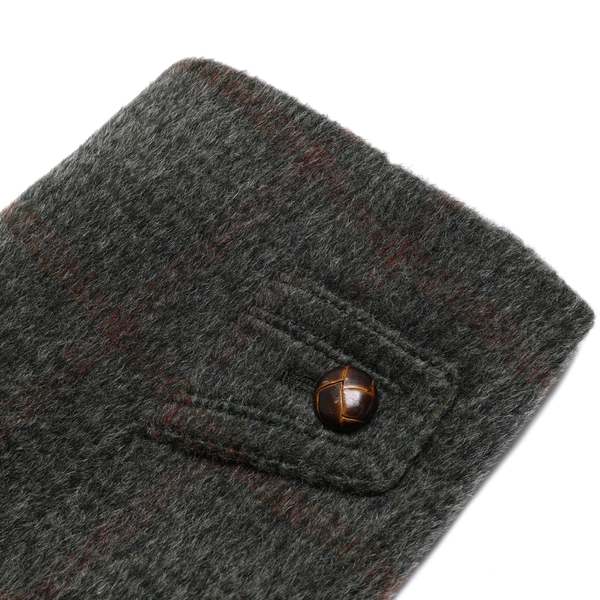
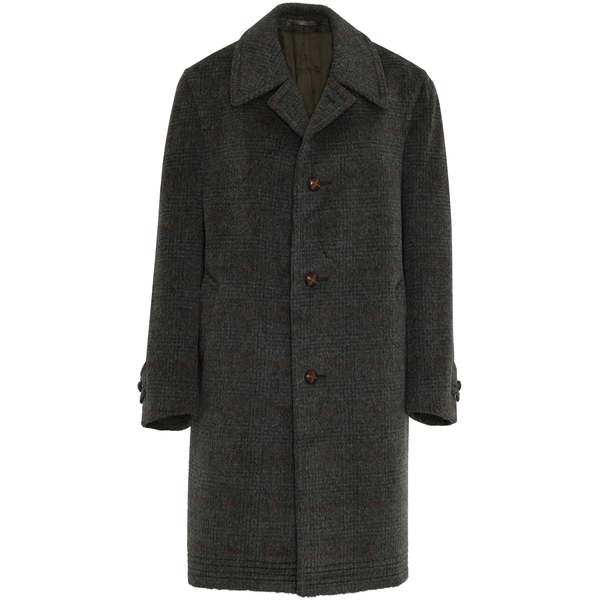
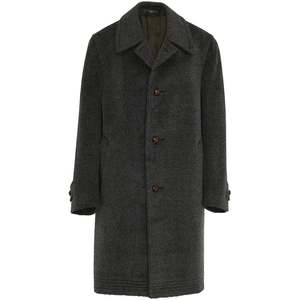
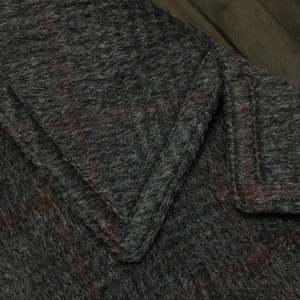
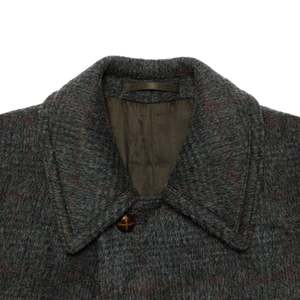
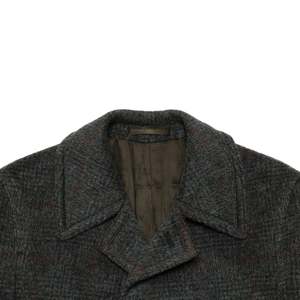
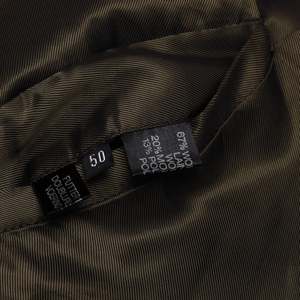
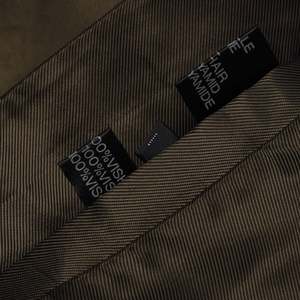
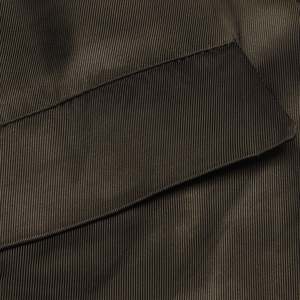
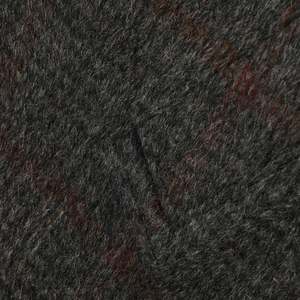
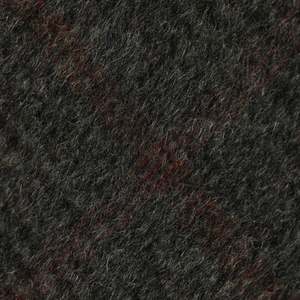
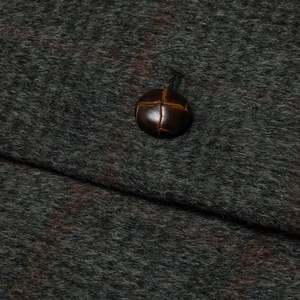
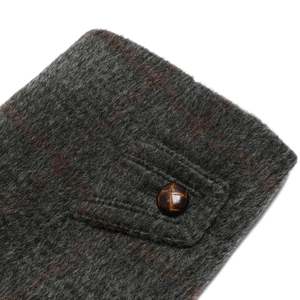
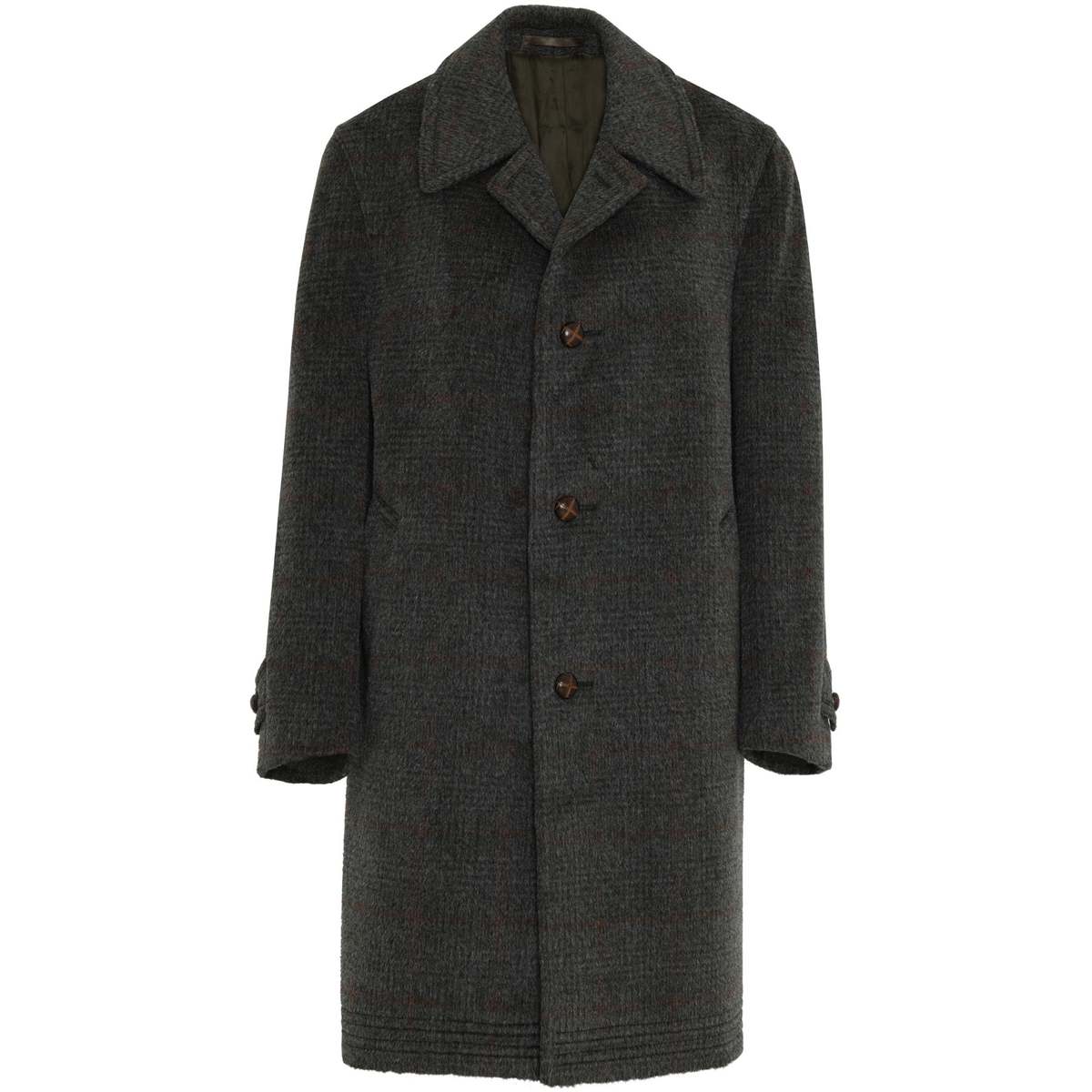
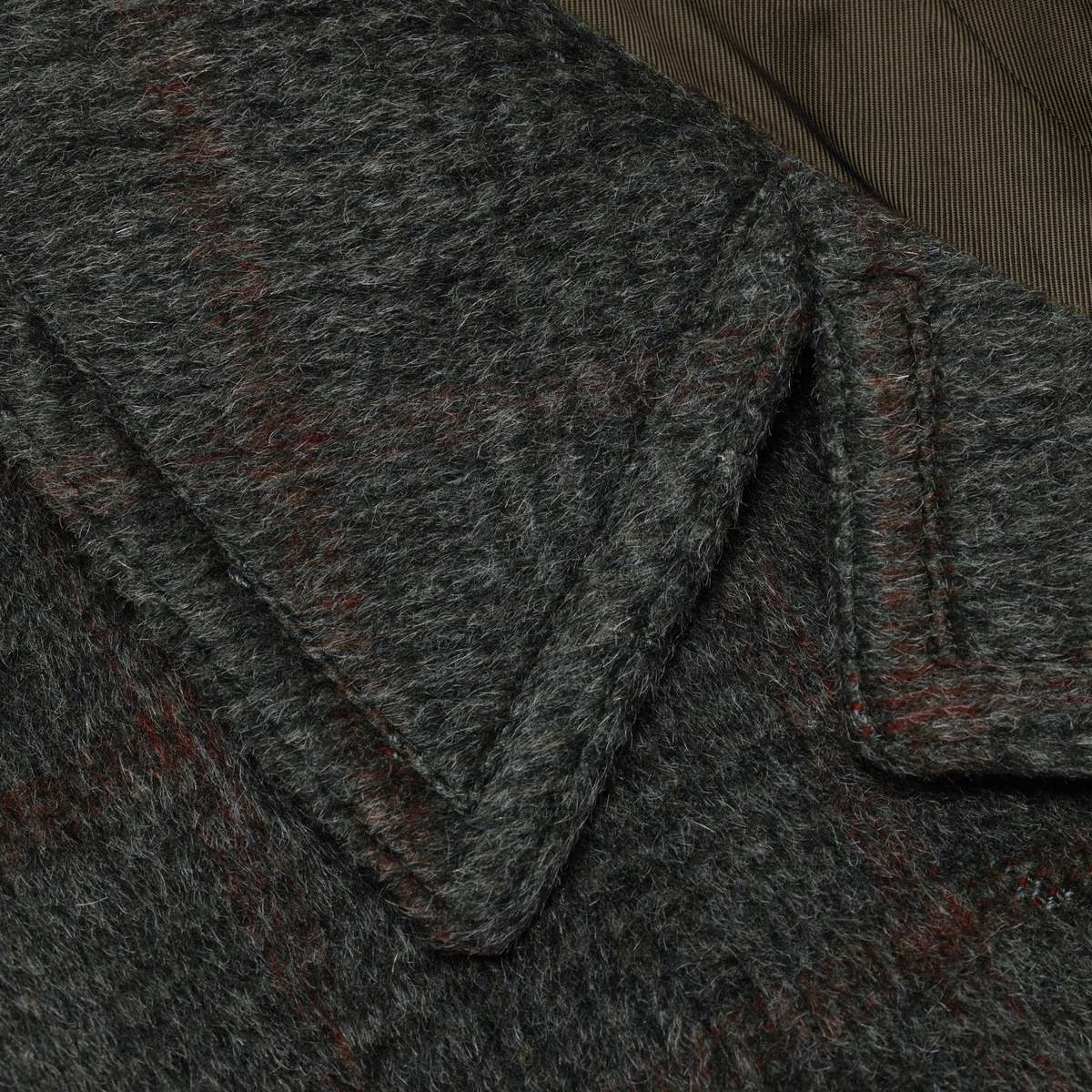
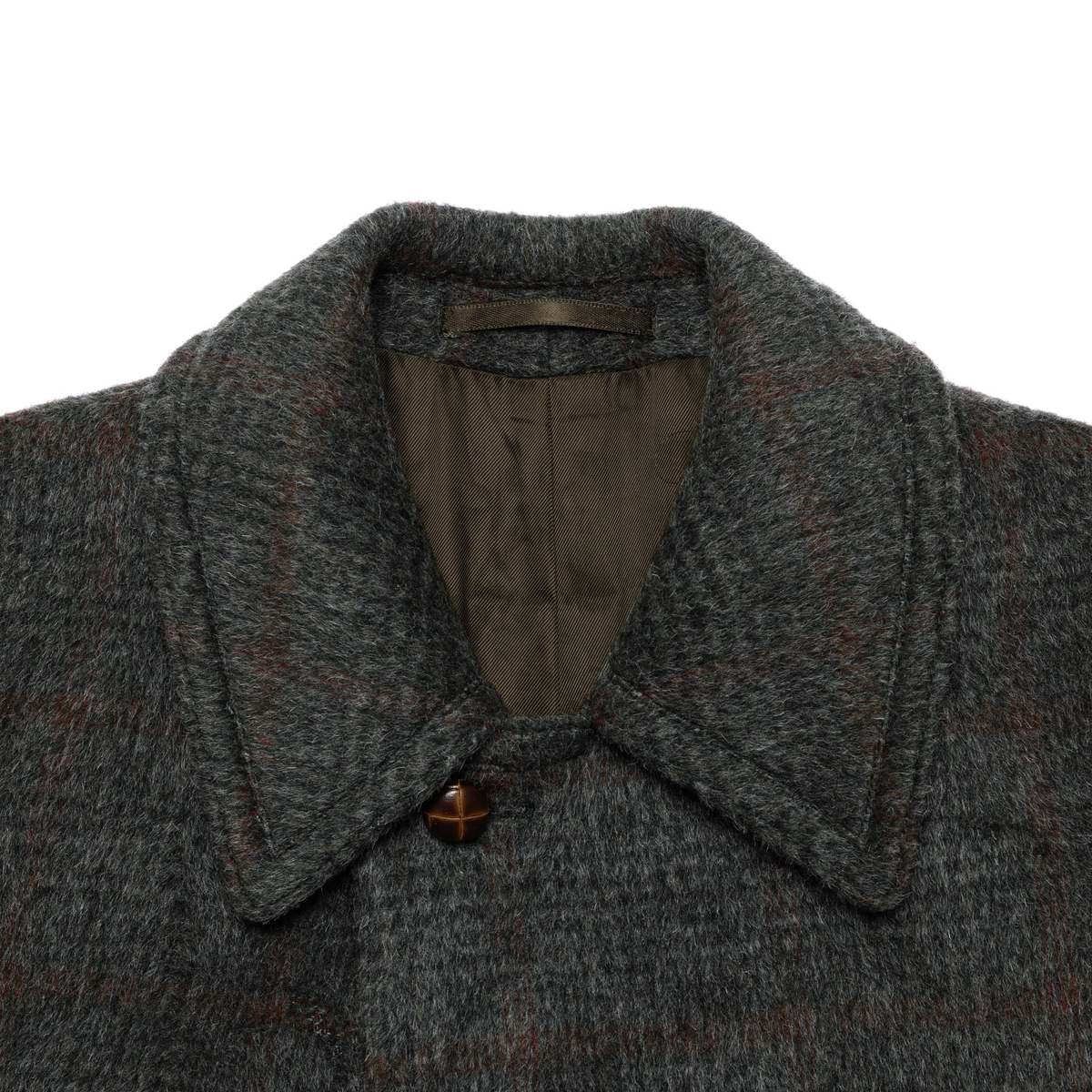
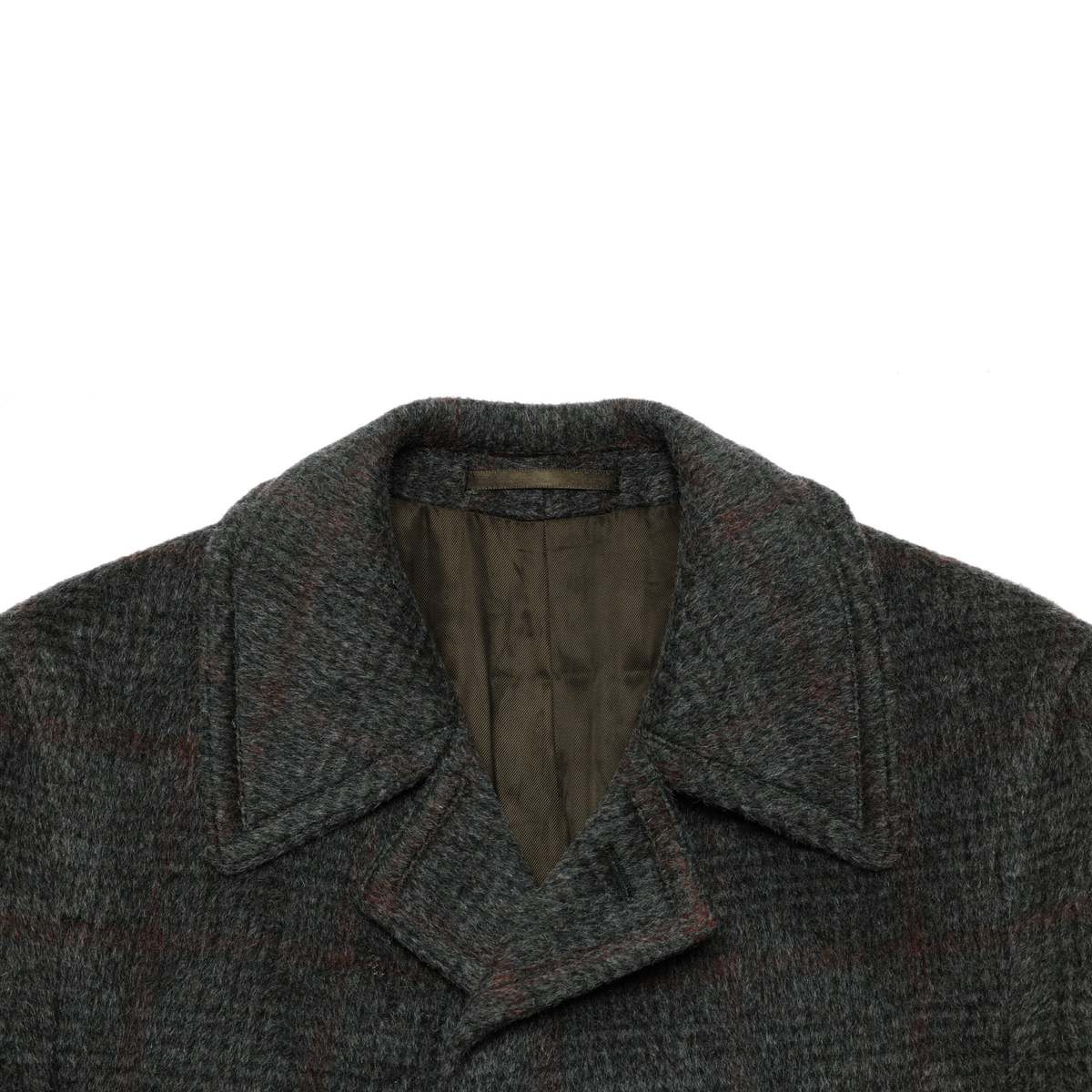
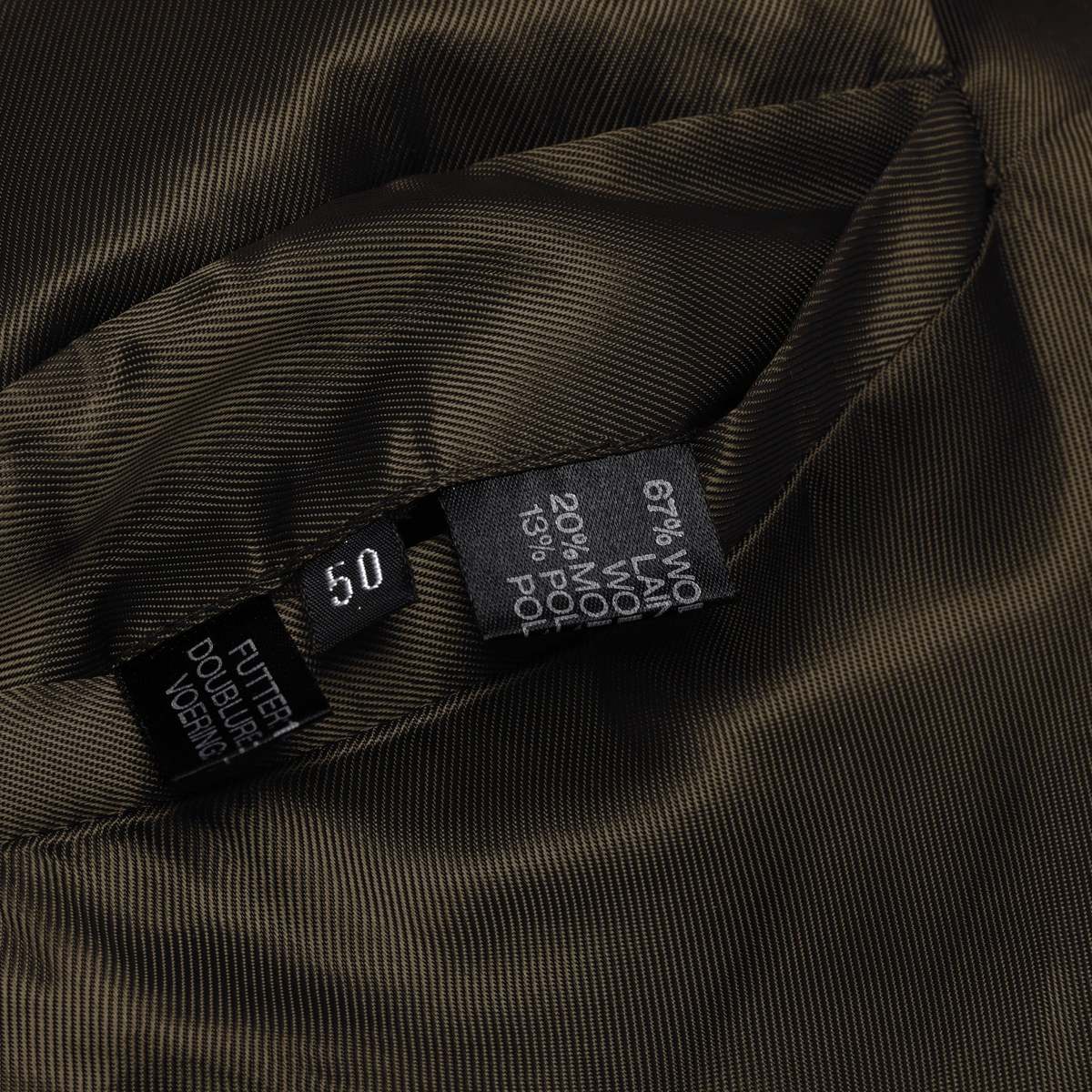
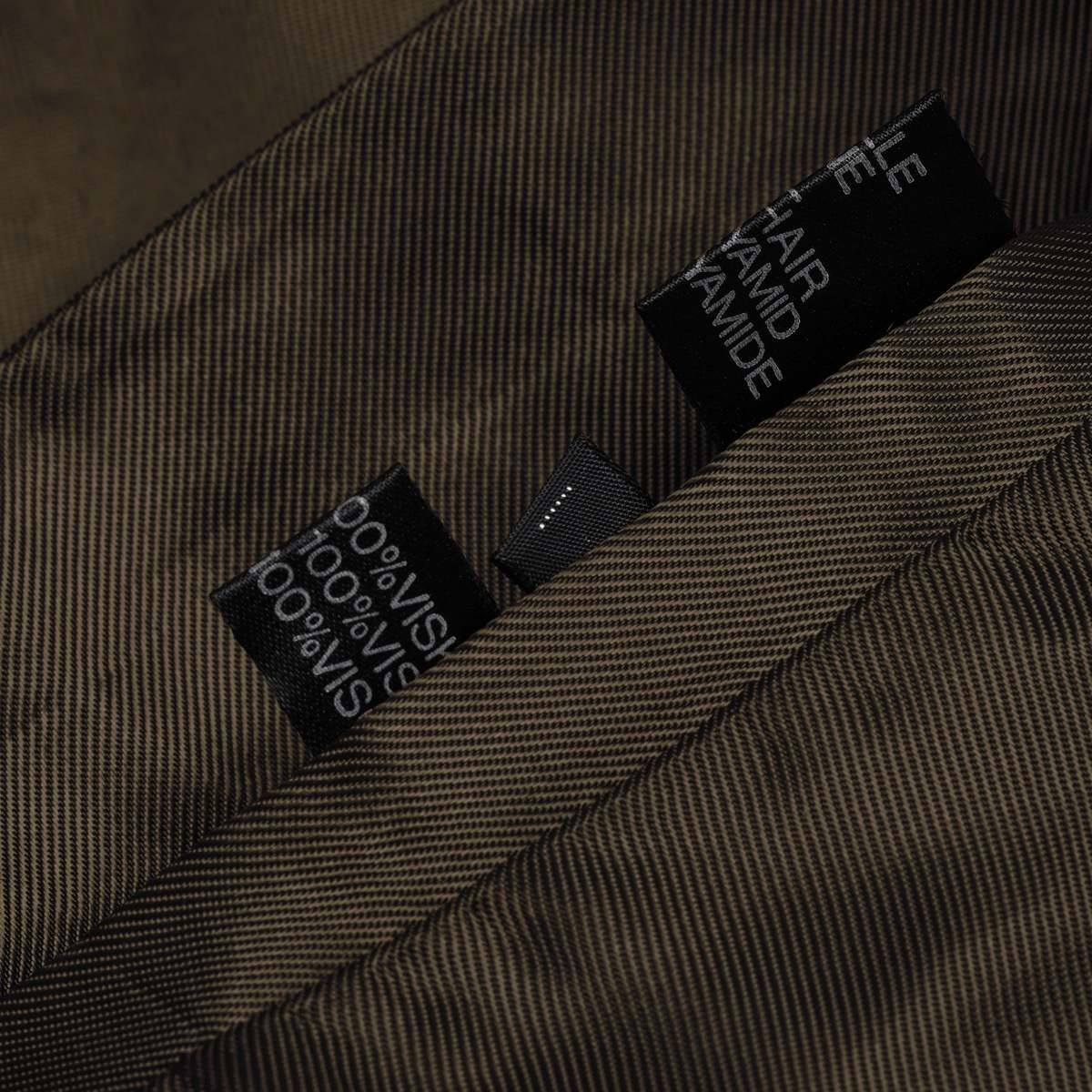
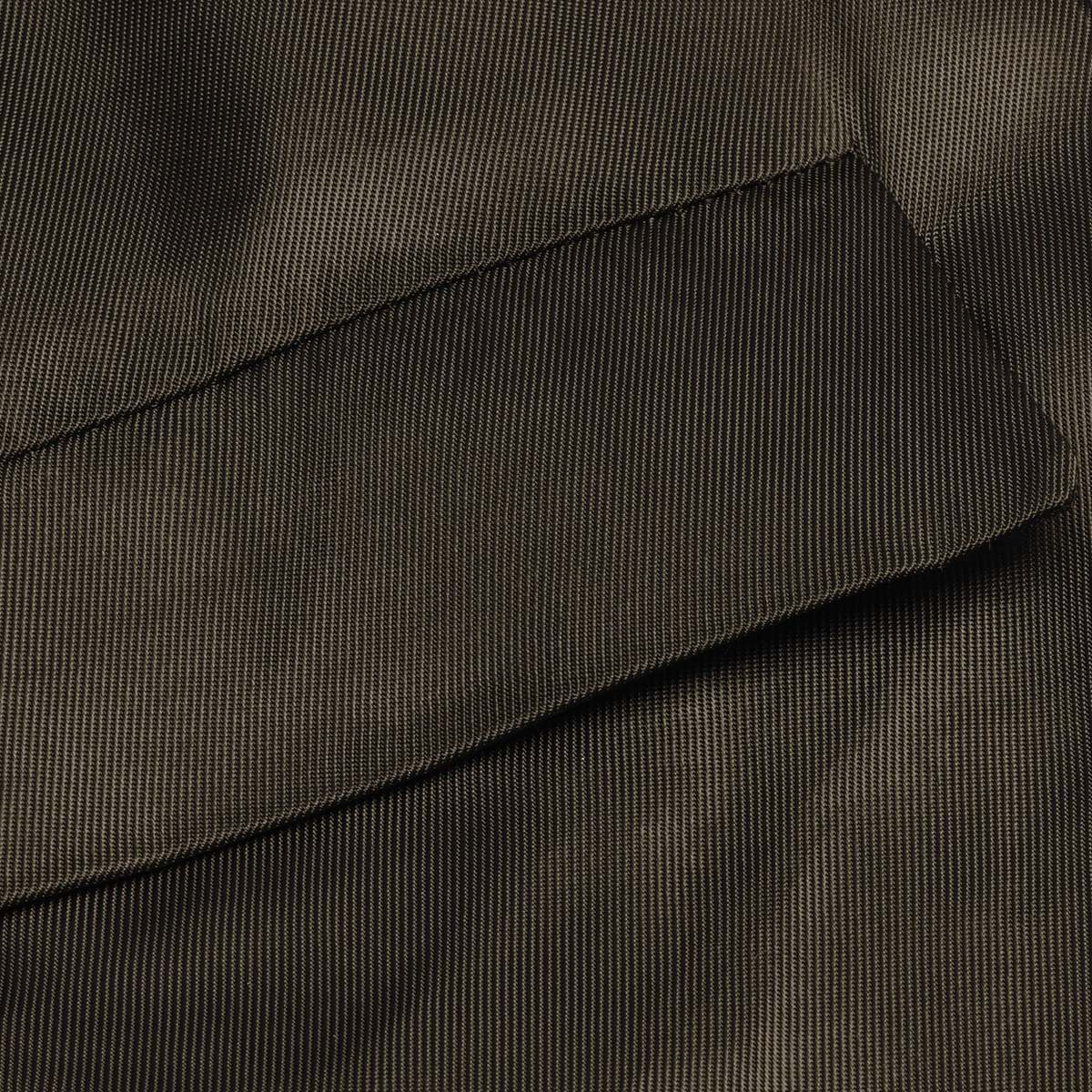
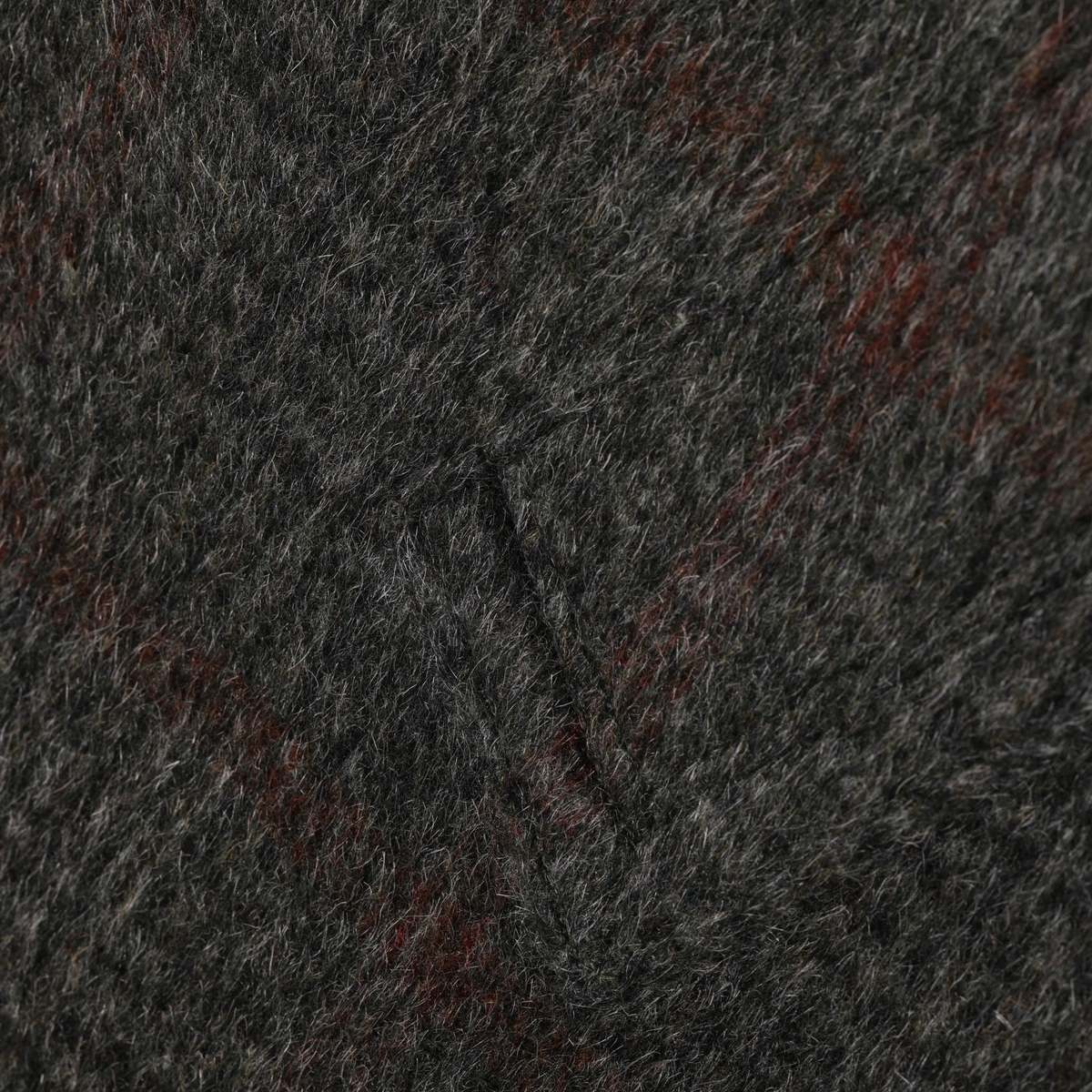
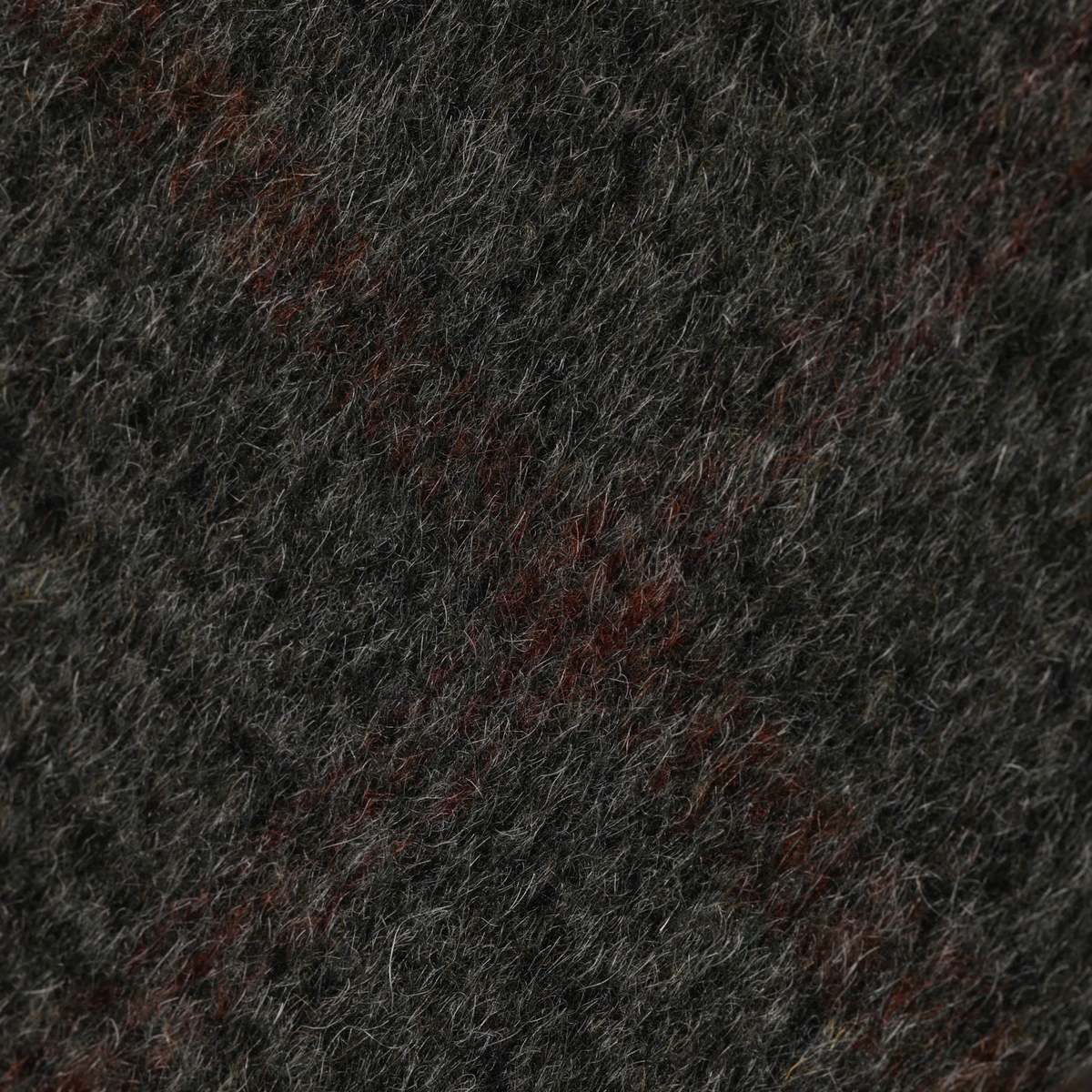
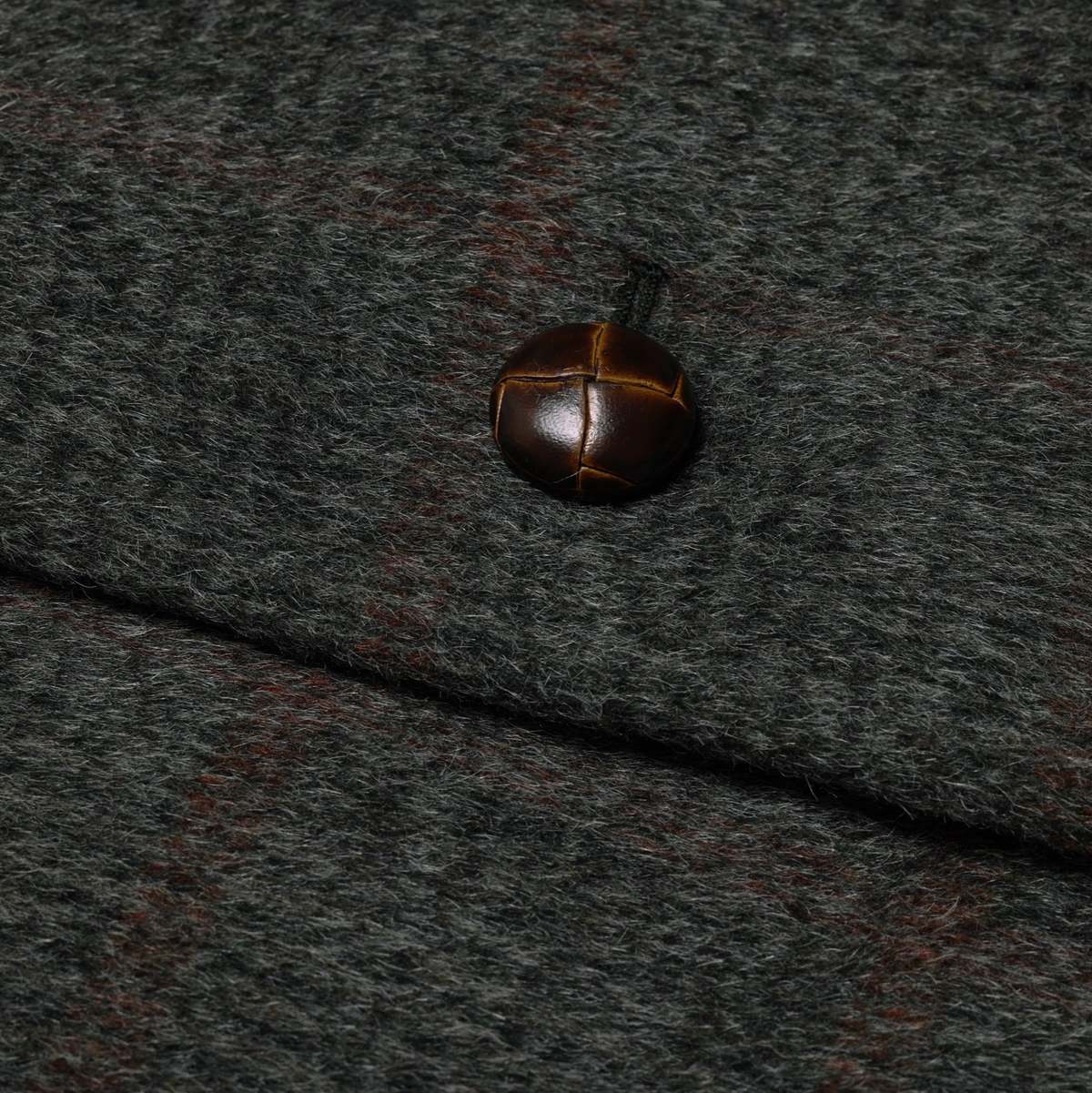
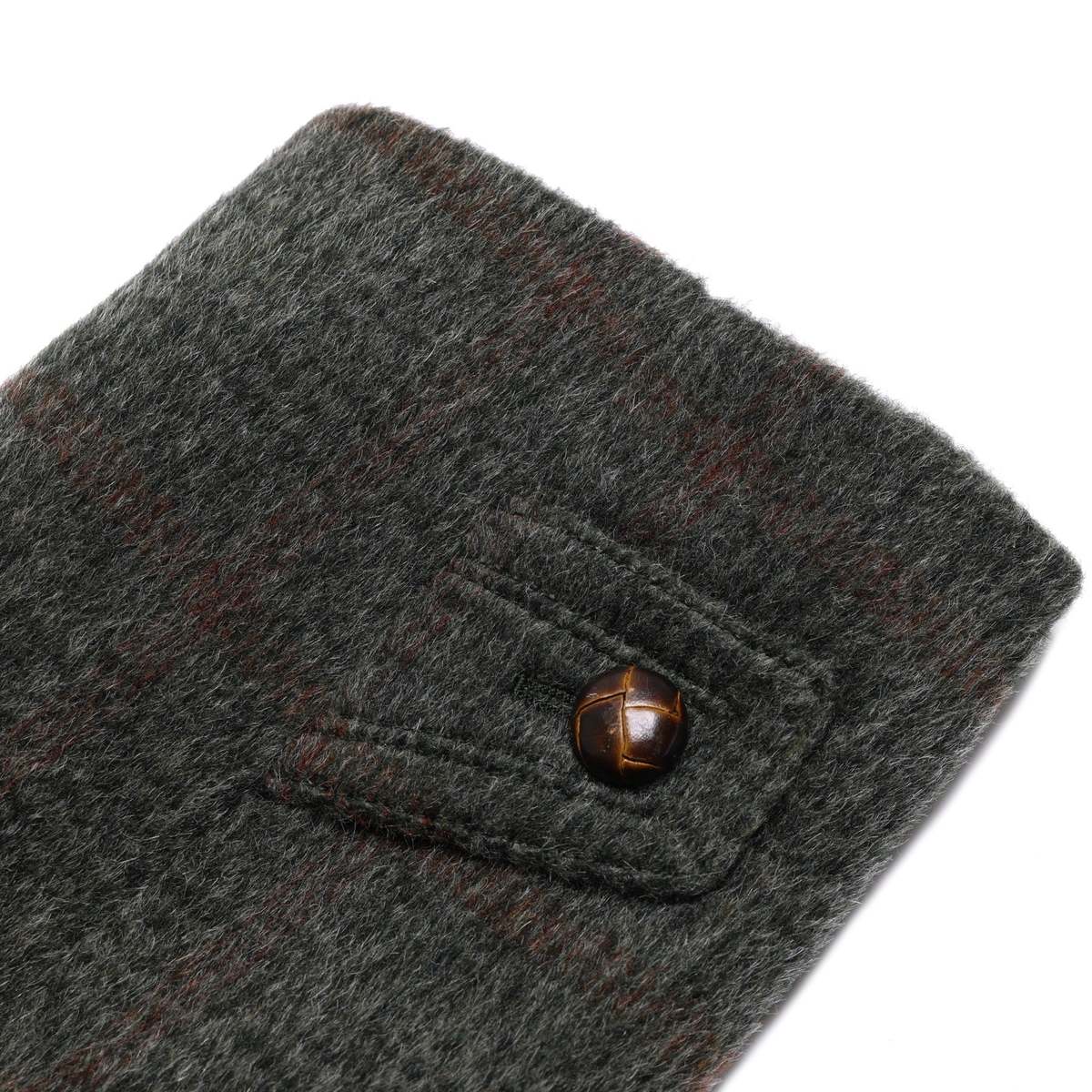
Made in 1970s80s Central or Eastern Europe, the wool-mohair overcoat fuses climatic resilience with sober, regionally grounded tailoring logic. The single-breasted overcoat, executed in a dense wool-mohair-polyester blend, reflects the mature tailoring logic of late-modern Central or Eastern European manufacturelikely from the 1970s or early 1980swhere industrial construction standards and material authenticity converged in garments designed for climatic severity and social composure. Absent of overt branding, yet clearly produced under a regional tailoring regime oriented toward both domestic and export markets, the coat signals its provenance through multilingual material labels and a technical language rooted in postwar utility rather than stylistic experimentation. This positioning situates the piece within a lineage of semi-private and state-contracted menswear manufacturers operating across Austria, Switzerland, Czechoslovakia, or southern Germany, whose output shaped the pragmatic elegance of cold-climate urban outerwear. The garments composition67% wool, 20% mohair, 13% polyesterforms the technical basis of its performance profile. The brushed surface, soft but irregular, is indicative of a low-density twill or semi-basketweave base subsequently raised to obscure weave definition, creating a diffuse check pattern in muted brown over a green-grey field. The mohair contributes lustrous halo and tensile strength, while the wool offers insulation and structure; polyester stabilizes the textiles dimensional integrity under wear. Weighing between 450520 GSM, the fabric prioritizes static thermal retention through volumized loft, rather than shell-like wind deflection. This structure evokes the heritage logic of 1960s70s brushed mohair tweeds, Viennese loden, boucl-visual tweeds, and postwar Italian alpaca coatings. Textile mill parallels include Lanificio Cerruti and Tessitura di Novara for their mohair overcoats, Vlnap (formerly Vlnarsk zvody) for regional mohair-wool blends, and De Ploeg for midcentury modernist checks with raised surfaces. Pattern architecture follows a mid-century overcoat blocklong, straight, and minimally disrupted. The body is composed of a two-panel front with vertical dart shaping and a two-piece back joined with a center seam. Sleeves are two-piece with integrated elbow shaping and slightly extended armscyes, facilitating layering over suiting. The collar is a sharply angled, large-scale notched lapel with a traditional two-piece construction, edge-topstitched to resist roll deformationparticularly vital in fabrics with low pressing crispness. Internal shaping is introduced subtly through darting and facings rather than external seam articulation, preserving the visual dominance of the brushed wool texture. The construction methodology reflects disciplined tailoring adapted for high-pile coating fabrics. Full-canvas interfacing supports the front panel and collar, while lining insertion employs the bagging method with hand-tacked closures at hem and sleeve. The interior lining is a dark olive viscose twillsmooth, anti-static, and thermally cooperativeselected to reduce friction over layered garments. Seam allowances, though concealed, appear pressed open and possibly stabilized with seam tape or understitched edges, inferred from the clean fall and flat hemline. Stitching is minimally decorative and structurally purposeful: edge topstitching at lapels and front placket, triple-row reinforcement at hem and cuff, and discreet seam architecture throughout. Buttonholes are bartack-reinforced, machine-sewn, and proportionally scaled to the leather-covered football buttons, which are shank-mounted and hand-attacheda necessity for balancing button strain on lofted textile surfaces. Reinforcement strategies are subtle but effective: internal placket interfacing stabilizes button engagement in loosely woven fabric; the collar roll incorporates wool canvas or soft fusible to balance shape retention with tactile flexibility; cuff tabsfunctional but visually integratedare fastened with single-stitched leather buttons, mirroring traditional trench construction adapted to wool tailoring. The lapel notch is crisply notched and symmetrically aligned, while button placement down the placket is mathematically distributed to avoid tension bunching, maintaining verticality and composure during wear. Edge finishing maintains an industrial-standard tailoring approach: outer seams are clean-finished with facings and turned-back linings, neckline geometry is supported by an extended collar stand, and the hem employs blind or topstitched closure with internal stability. The cuff features a false vent with functional tab closure, allowing for mild adjustability or visual framing. There is no distortion at the sleeve head or hemline, suggesting precision cutting and rotational grain balance, particularly commendable in such dense, irregularly surfaced textiles. Conceptually, the garment articulates a quiet masculinity and postwar dignity. It rejects flamboyance in favor of environmental resilience and social authority, communicated through scale, materiality, and silhouette. The diffuse check and earthy green-brown coloration evoke a subdued naturalism, while the bulked texture foregrounds warmth and protection over decorative refinement. This semiotic austerity mirrors architectural Brutalism in its use of tactile surface, form-driven detailing, and compositional weight. The coats visual rhythmevident in parallel topstitching rows and geometric collar proportionsreplaces ornament with spatial balance and structural claritys. Historically, the piece occupies a specific transitional moment: late-modern European tailoring just before mass outsourcing, when regional manufacturers upheld textile density and construction integrity across urban-commercial and semi-formal menswear. Its detailingleather buttons, long lapels, overcheck diffusionis consistent with tailoring catalogues from Zrich, Wien, or Prague during the 1970s80s. The coat stands at the intersection of utilitarian design, slow industrial fashion, and the vestiges of Cold War regional specificity. While such garments are no longer part of mass retail cycles, they have resurged as critical reference points in archival menswear, slow fashion, and designer reinterpretation. Replica Shoes labels such as Auralee, Dries Van Noten, Lemaire, and Greg Lauren reference similar material philosophiesleveraging tactility, proportion, and fabrication density over ornamental complexity. In vintage resale and styling contexts, this coat holds substantial relevance as a marker of pre-globalized masculinity and regional textile sophistication. Technically, it is a study in controlled tailoring under material duresswhere a loosely structured, high-pile wool-mohair blend is shaped into a coherent, formal overcoat without distortion or compromise. Its construction choicessubtle reinforcement, clean finishing, structural interfacingreflect a seasoned understanding of coatmaking at the intersection of utility, insulation, and cultural restraint. The garment remains commercially viable in editorial styling, archival curation, high-end vintage markets, and as a material-structural prototype for contemporary designers investigating the aesthetics and manufacturing logic of postwar menswear. Measurements (cm): Chest: 59 Length: 100 Shoulder: 46 Sleeve: 63 Size Conversion (approximate) US Mens Size: L-XL EU Mens Size: 50-52 SKU: 015018
Garmentory is a curated marketplace of independent boutiques and emerging designers from around the world.
Fashion With Intention
Aw yeah!
We love making new friends so while we're popping bottles, continue shopping to apply your $10 credit.
We've got a dedicated site "garmentory.co" just for our Indian customers! Shop with local currency, faster shipping, and exclusive products.
We cannot add this item to your bag because it’s already at max capacity. But don’t worry, we’ve saved it to your wish list.
Earn Replica Belts credits when you shop, wishlist, and inspire others.

Have a question about the size or something else? We're here to help!