Spring fever is here 🌡️☀️ Prep early for those not too hot and not too cold days by finding something you love ON SALE. SHOP THE SALE


Spring fever is here 🌡️☀️ Prep early for those not too hot and not too cold days by finding something you love ON SALE. SHOP THE SALE
| To | Service | Estimated Delivery | Fee |
|---|---|---|---|
| 🌎 | Intl. Air | 6-20 business days | $29.95 |
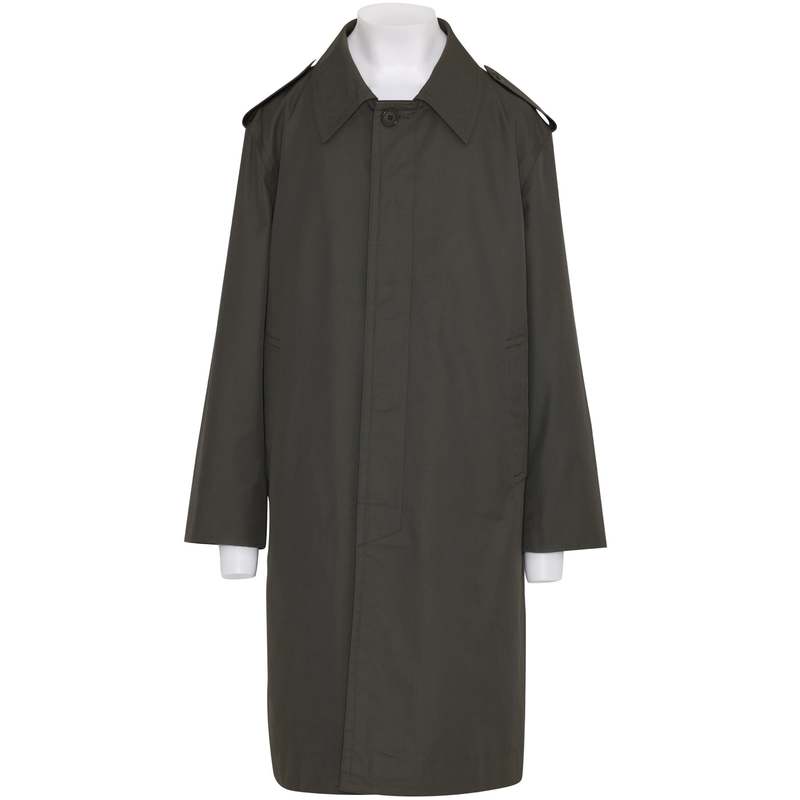
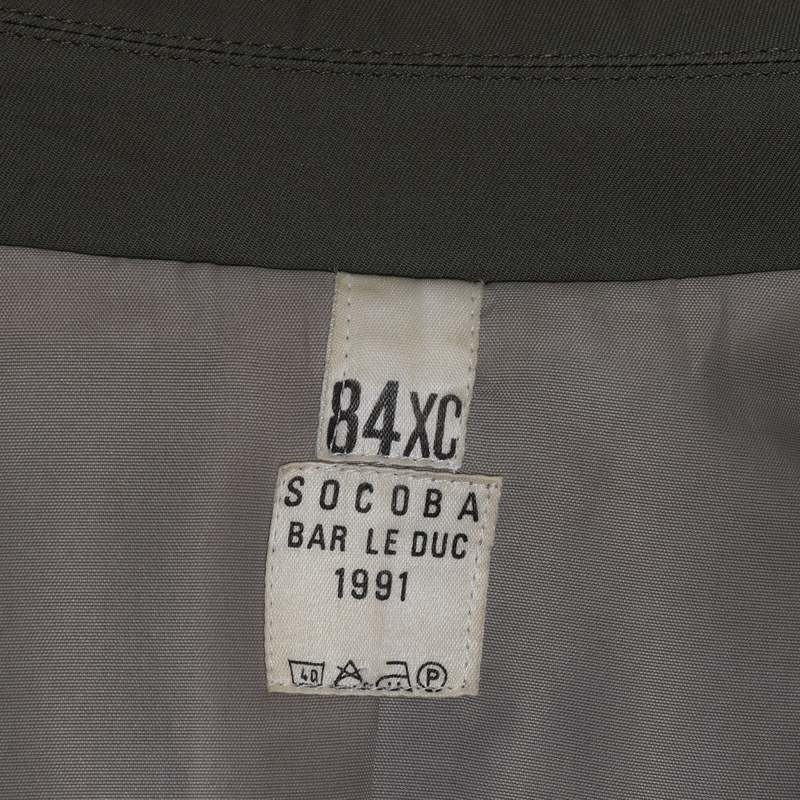
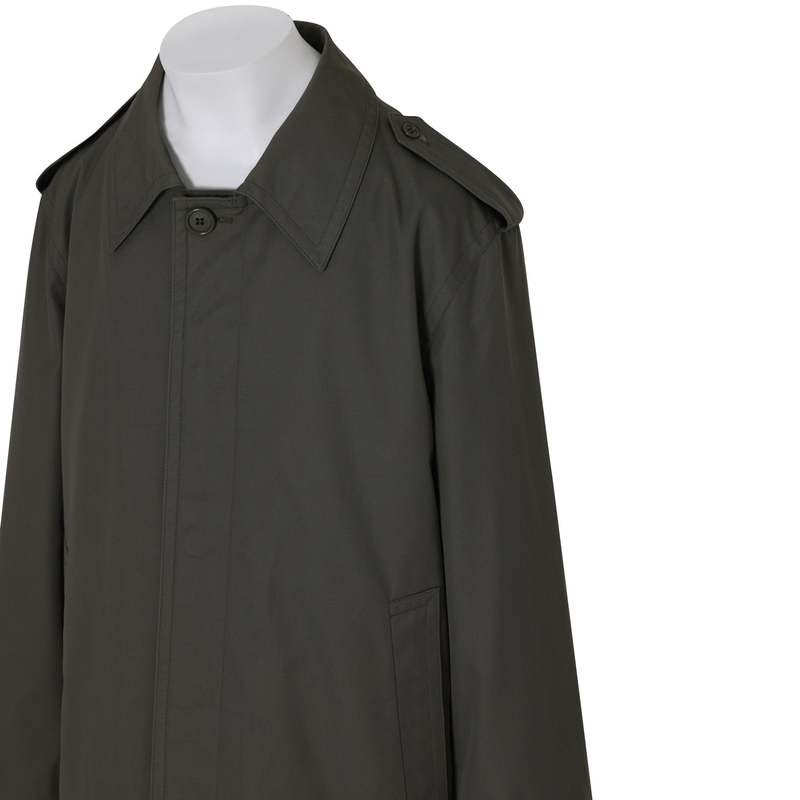
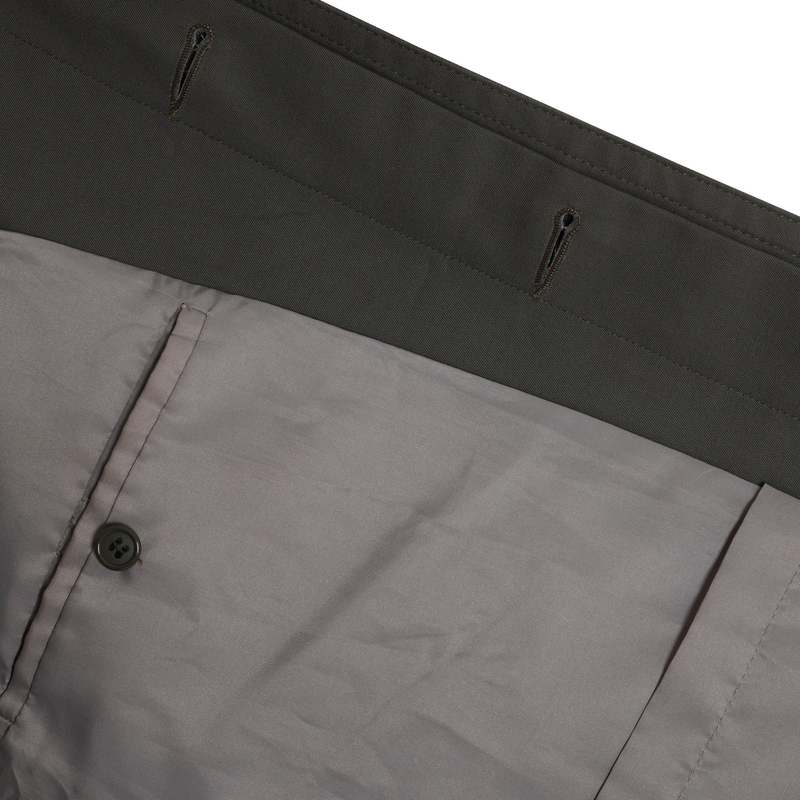
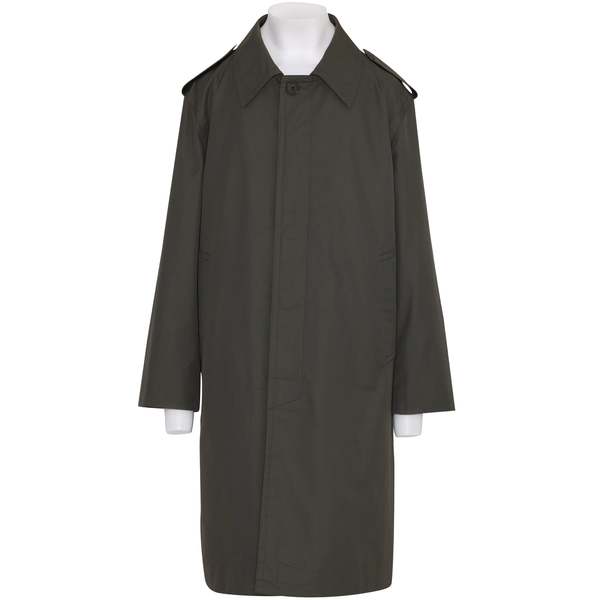
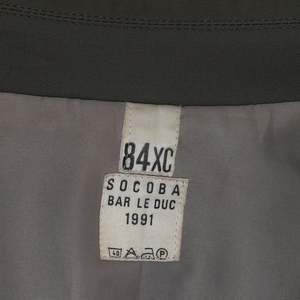
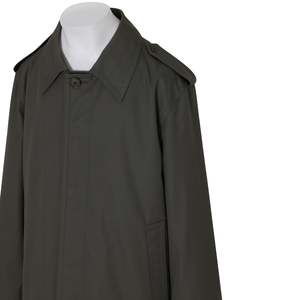
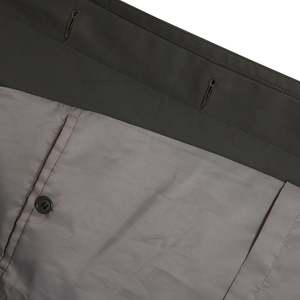
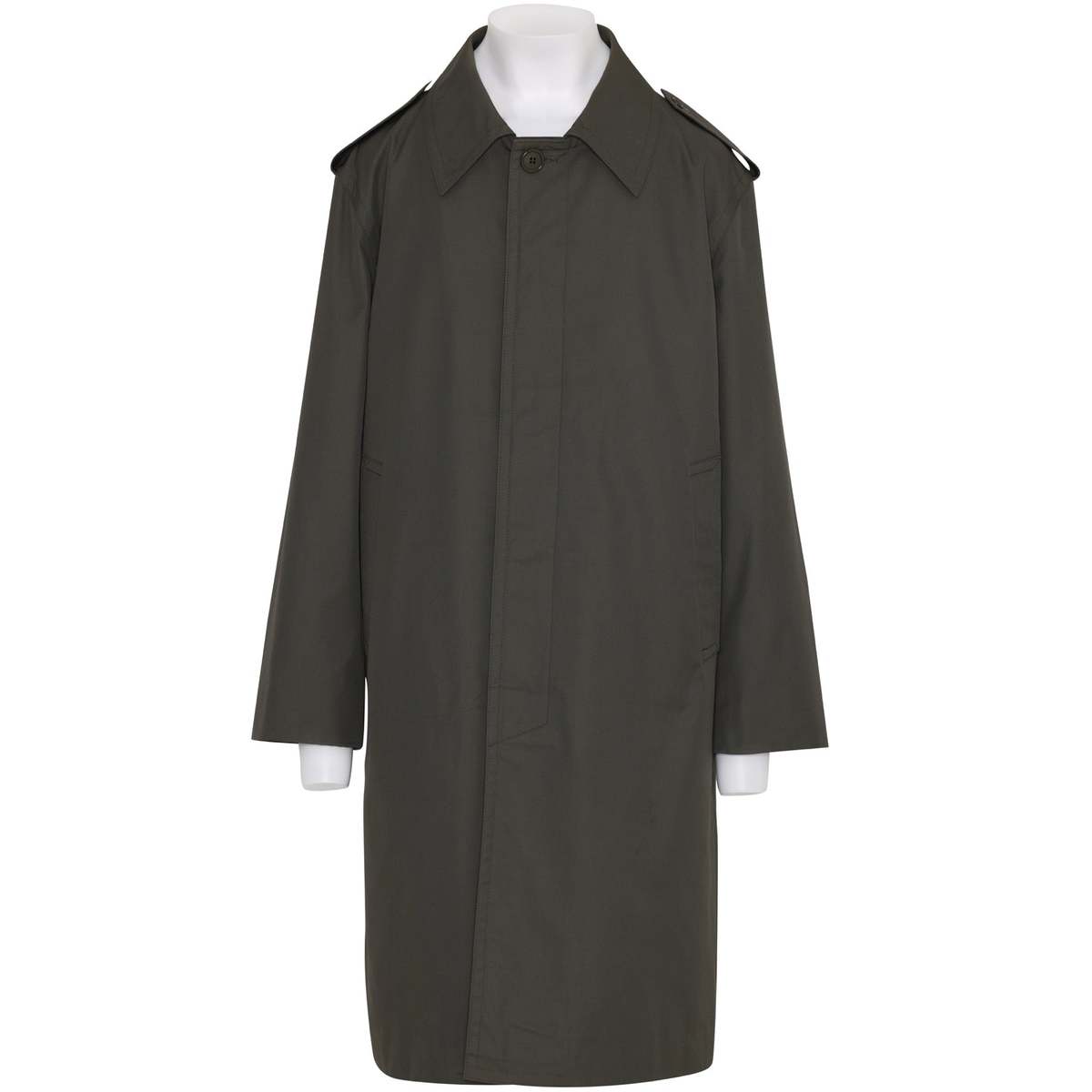
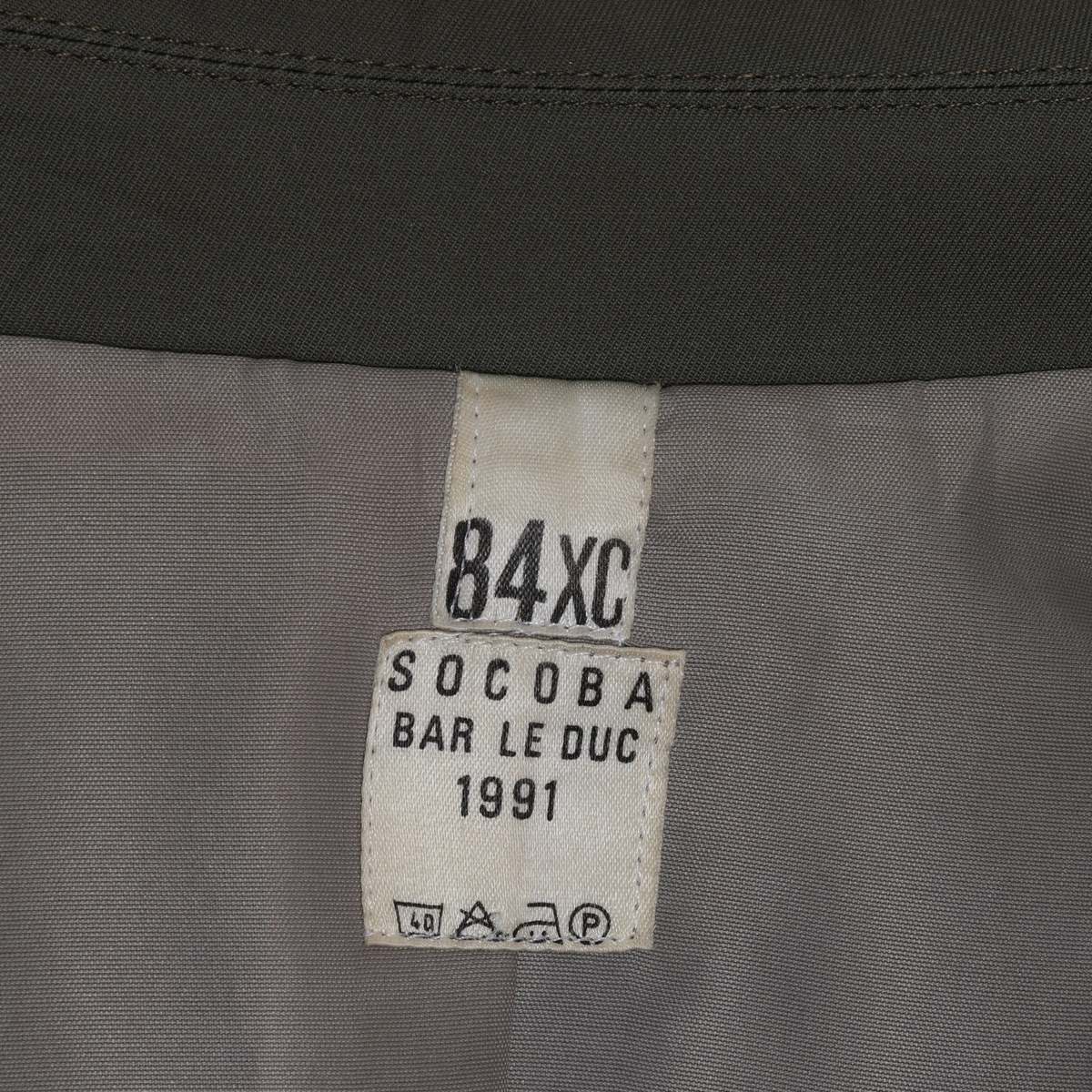
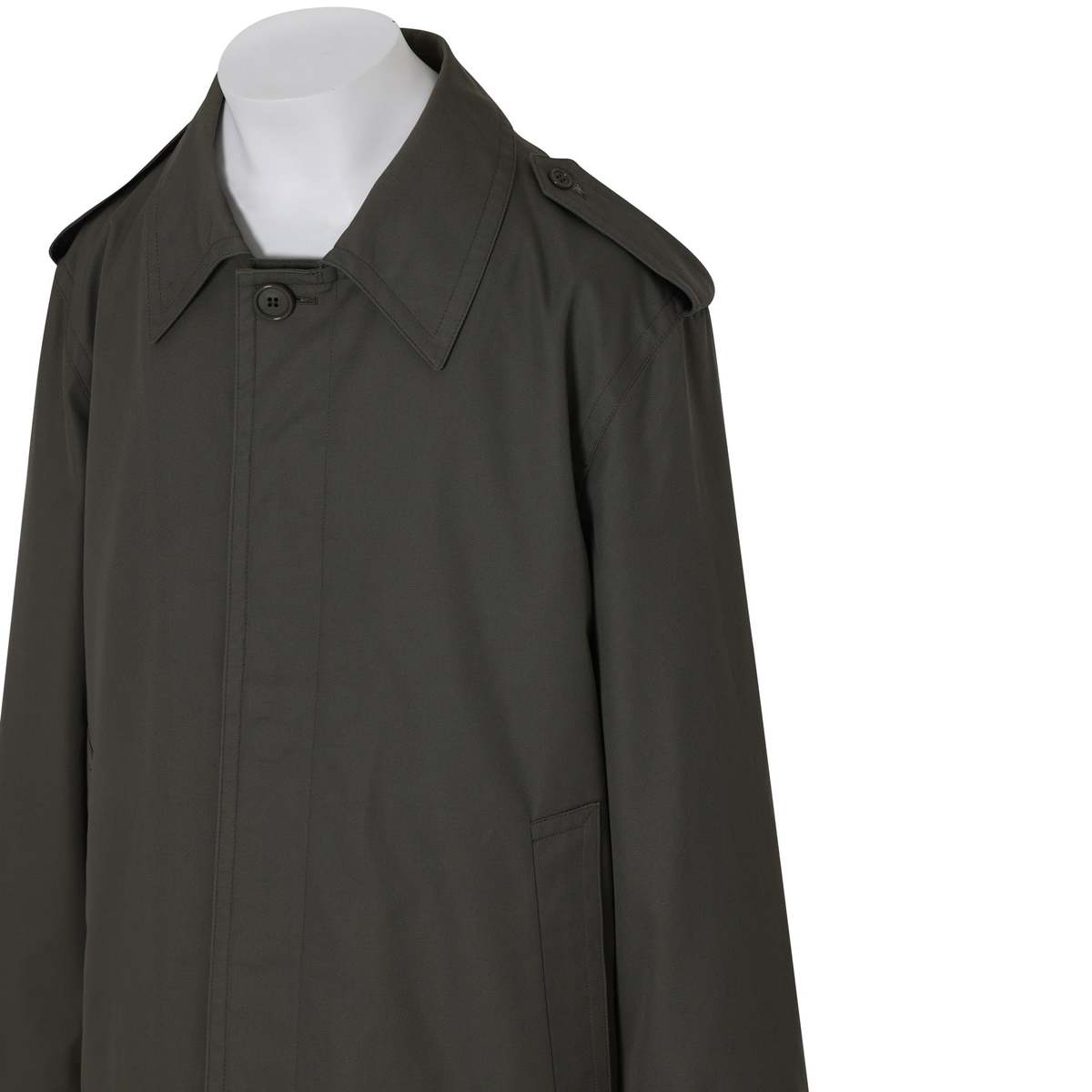
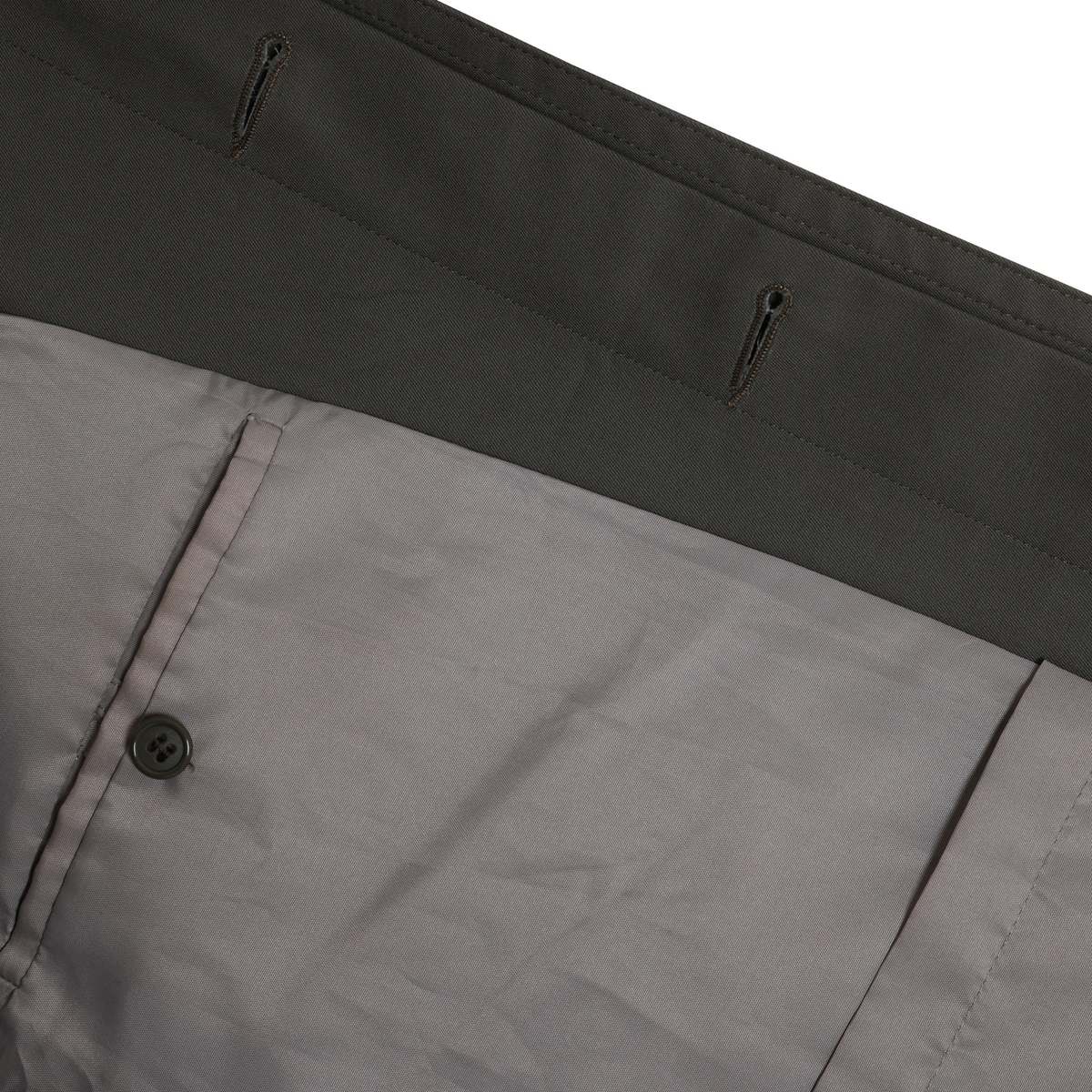
SOCOBAs 84XC overcoat, issued in 1991, reflects French state uniform designengineered for weather resistance, formality, and compliance. SOCOBA, based in Bar-le-Duc, France, operated as a contract manufacturer embedded within the infrastructure of state-regulated garment production. Its identity was inseparable from the demands of Frances Cold War-era public service apparatusproducing standardized uniforms for the gendarmerie, customs officials, and administrative field personnel. This absence of brand mythology underscores a utilitarian ethos: garments were developed not for consumer appeal but for institutional utility, with each detail subordinated to regulatory specification and operational function. The piece in questionmodel 84XCis emblematic of this lineage, a field-grade single-breasted overcoat designed to meet the overlapping demands of formal presence and weather resistance for uniformed personnel operating in variable European climates. Model 84XC likely references a 1984 pattern revision or spec code, though the actual garment carries a manufacturing date of 1991. It belongs to a typology derived from mid-20th century European officer outerwearparticularly post-WWII trench coats adapted for administrative and paramilitary use. The design harmonizes visual restraint with institutional symbolism: epaulettes facilitate rank insignia attachment or gear stabilization; a hidden placket conceals thermoset or melamine resin buttons, providing wind resistance and visual uniformity; the collar features a loop-tab beneath one point, indicative of compatibility with a throat latch or ceremonial rigging. These design details collectsively serve both symbolic and practical endsprojecting command and compliance while maintaining protection and ease of movement in field contexts. Structurally, the garment is constructed using industrial lockstitch with a stitch density of approximately 1012 SPI, ideal for the dense, abrasion-resistant shell fabricpresumed to be a polyester/cotton (T/C) twill blend. This composition offers high tensile strength, UV resilience, and water resistance, supported by a possible DWR or anti-fade chemical finish that imparts a subtle sheen. Estimated at 210240 GSM, the textile balances drape with structural rigidity, allowing the coat to hold its silhouette over uniform layers without collapsing into softness. The internal lining, likely acetate or polyamide, is heat-set to maintain dimensional stability and offers a smooth hand for ease of layering over wool or synthetic uniform garments. This lining approach is standard in late 20th-century state-issued outerwear, where friction management and wear resistance in high-mobility zones are key. The engineering logic of the 84XC is one of functional durability rather than design experimentation. Front panels are cleanly shaped with internal darts hidden beneath the placket, maintaining an uninterrupted surface. Set-in, two-piece sleeves accommodate forward articulation while reinforcing traditional tailoring lines. Seams are overlocked and pressed, with additional reinforcement at load-bearing intersections such as the sleeve head and pocket entry points. The garments backthough not visibleis almost certainly equipped with a single vent, a requirement for mobility during seated tasks or active field operations. The volume is deliberately generous, calibrated to layer easily over uniform jackets, tactical vests, or administrative blazers. Edge finishing is uniformly executed: topstitched and folded-under hems resist fraying under repeated laundering cycles, while the bagged lining construction at the hem and sleeve caps reflects a production process designed for longevity and serviceability. The cuffs are plainly finished, without storm cuffs or fastening tabsa likely trade-off between cost efficiency and ease of laundering. The neckline is constructed to interface with both ceremonial dress protocols and operational cold-weather layering, leaving room for scarf overlaps or collar rigging depending on the uniform requirements. The coloran archetypal olive-drabcarries the visual semiotics of military neutrality and institutional invisibility. It reflects a broader design philosophy that could be described as institutional modernism, where aesthetic restraint and formal symmetry are enlisted to enforce behavioral conformity and hierarchical structure. Visually, the coat occupies a brutalist register: devoid of flourishes, focused on function, and implacably tied to the codes of state authority. The psychological intent is preciseprojecting order, competence, and collectsive identity while minimizing individual expressiveness. In historical context, the 84XC is positioned within a lineage of European state uniforms drawing from WWII officer coats and Cold War-era NATO standards. Its design parallels those seen in British Ministry of Defence trench coats, German Bundesgrenzschutz outerwear, and other late-20th-century administrative field uniforms common to Central and Eastern Europe. The coats construction and detailing make clear its industrial heritage and state-funded design iterationa product refined not through artistic innovation, but through decades of policy-guided specification and institutional wear-testing. While its origins are strictly utilitarian, the garments contemporary relevance is significant. As current menswear pivots toward military-functional codes and archival authenticity, pieces like the 84XC have become key reference points. Labels such as Alyx, A Cold Wall*, and Engineered Garments draw heavily from these silhouetteseither through direct reproduction or conceptual reinterpretation. The visual logic of concealed plackets, epaulettes, structured collars, and neutral palettes now populates luxury and technical fashion alike. Within the vintage market, the 84XC holds elevated value among collectsors of Cold War uniform artifacts and stylists working with post-industrial aesthetic themes. Its precise construction and unyielding adherence to function grant it status as a design artifact with both historical and stylistic integrity. Technically, the garment exemplifies industrial excellence: consistent stitchwork, intelligent paneling, and high-tolerance fabrication designed for long-cycle institutional wear. It is not innovative in the conventional design sense, but its ingenuity lies in the thoroughness of its specification and the claritys of its operational design language. As a sustainable fashion reference, it offers a model of durability and lifecycle planning rarely matched by contemporary garmentsqualities increasingly sought in responsible manufacturing practices. In sum, the SOCOBA 84XC overcoat occupies a vital space at the intersection of national servicewear, textile engineering, and functional design. Though devoid of designer pretensions, it achieves a form of precision through specificationthe embodiment of an institutional garment evolved not by trend but by function, compliance, and continuous refinement. Its structure, intent, and historical embeddedness confer on it a value that extends far beyond its utilitarian origins.
Garmentory is a curated marketplace of independent boutiques and emerging designers from around the world.
Fashion With Intention
Aw yeah!
We love making new friends so while we're popping bottles, continue shopping to apply your $10 credit.
We've got a dedicated site "garmentory.co" just for our Indian customers! Shop with local currency, faster shipping, and exclusive products.
We cannot add this item to your bag because it’s already at max capacity. But don’t worry, we’ve saved it to your wish list.
Earn Replica Belts credits when you shop, wishlist, and inspire others.

Have a question about the size or something else? We're here to help!