Spring fever is here 🌡️☀️ Prep early for those not too hot and not too cold days by finding something you love ON SALE. SHOP THE SALE


Spring fever is here 🌡️☀️ Prep early for those not too hot and not too cold days by finding something you love ON SALE. SHOP THE SALE
| To | Service | Estimated Delivery | Fee |
|---|---|---|---|
| 🌎 | Intl. Air | 6-20 business days | $29.95 |
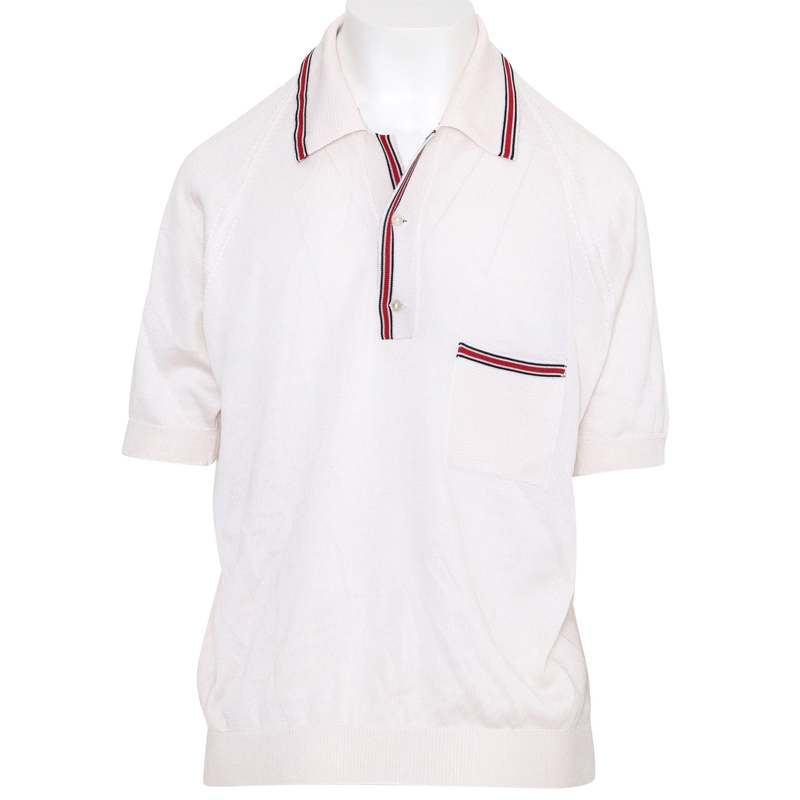
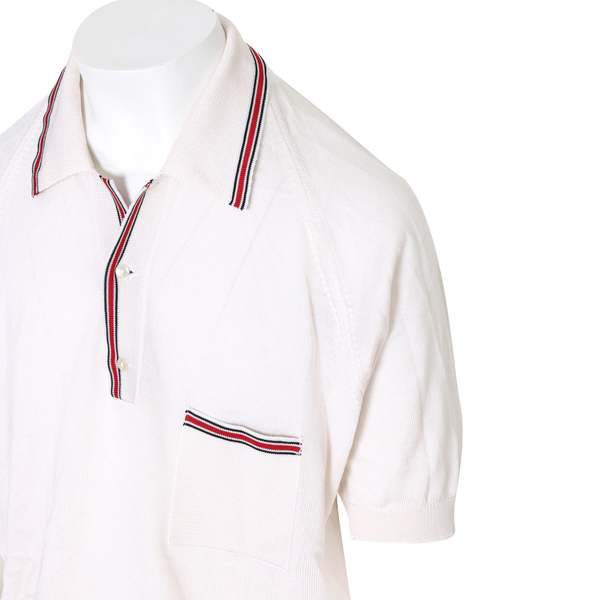
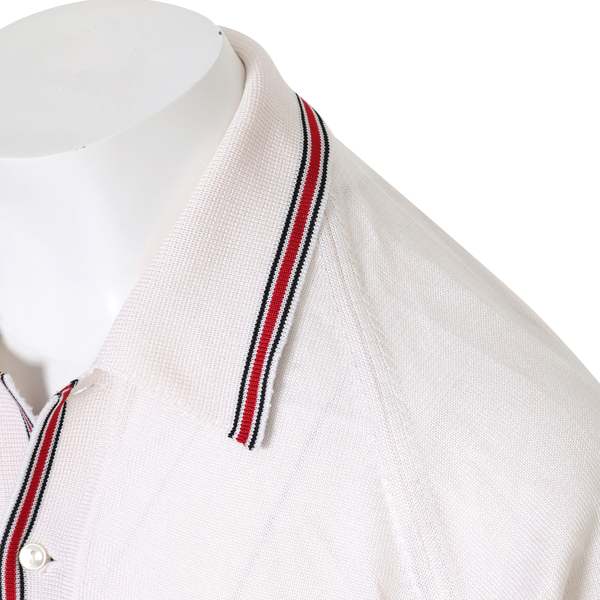
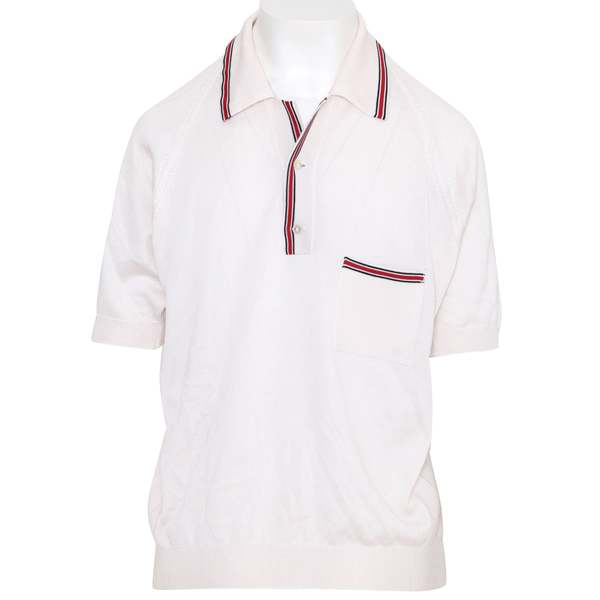
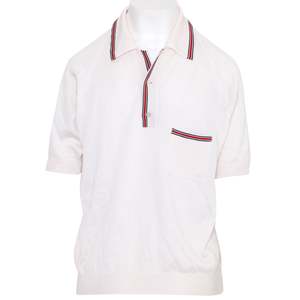
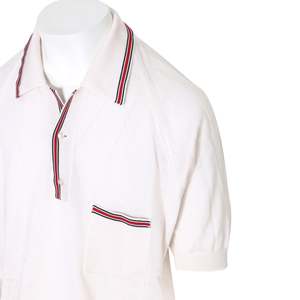
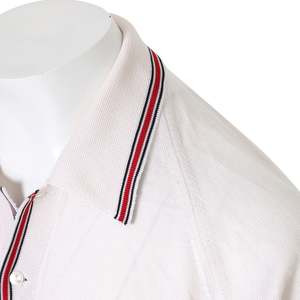
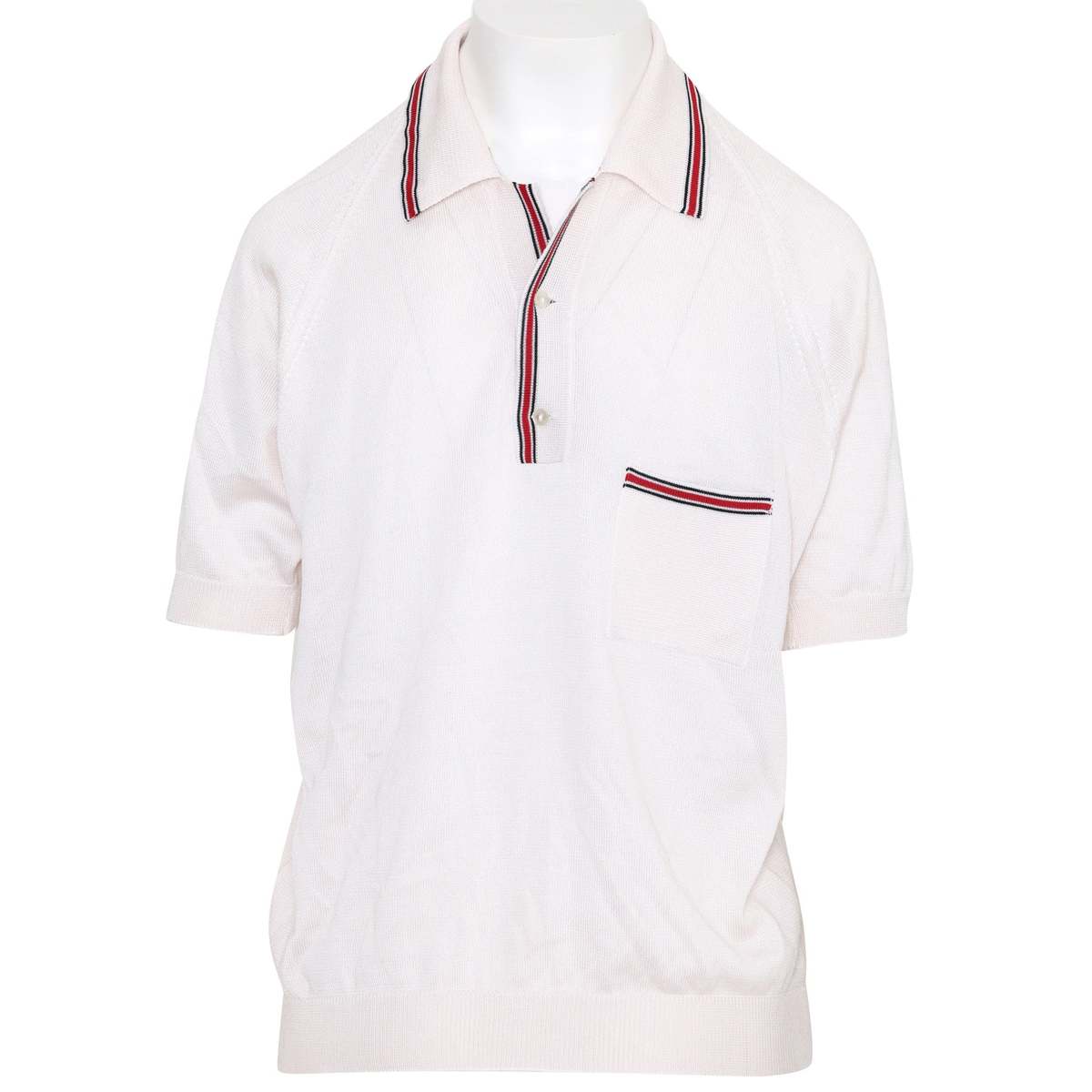
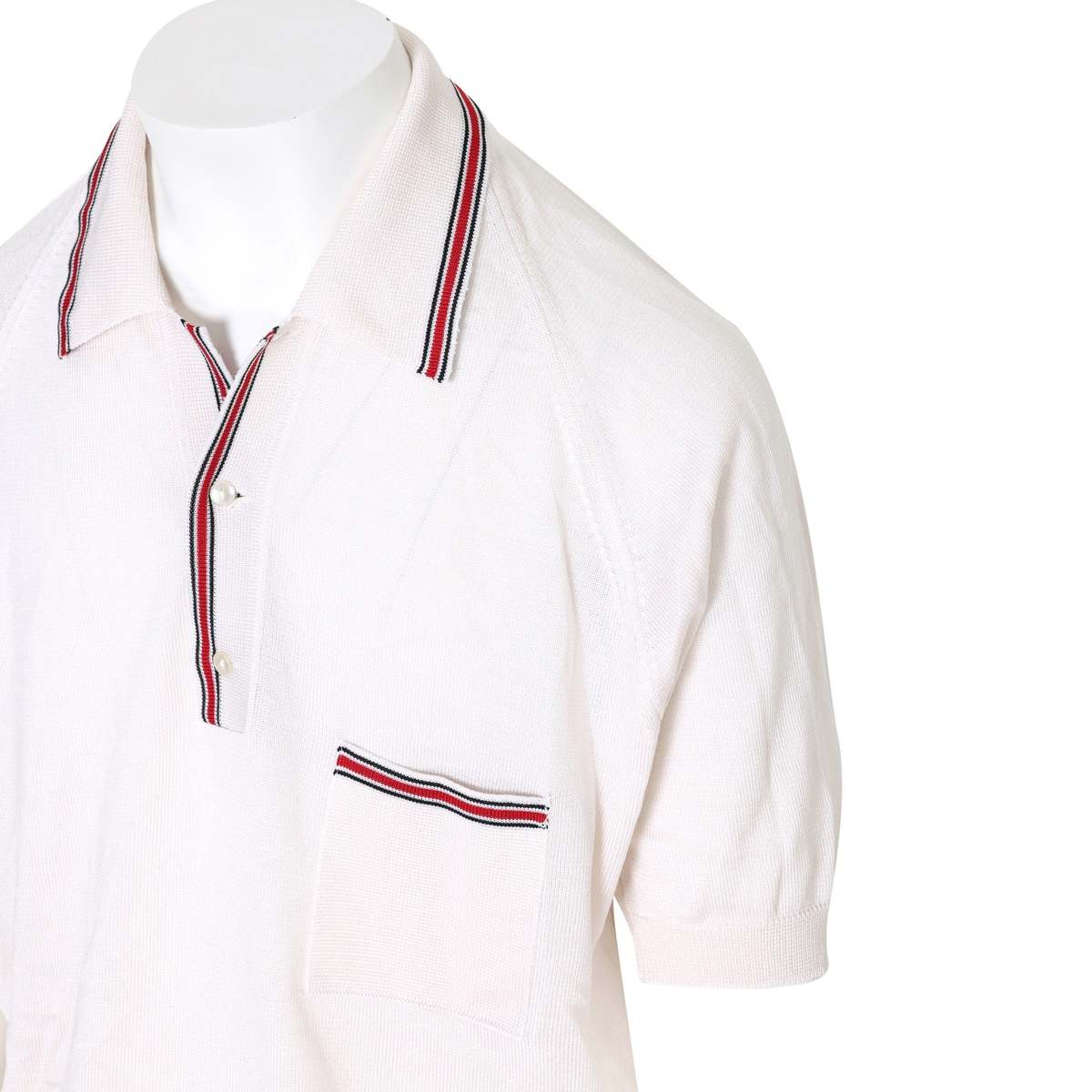
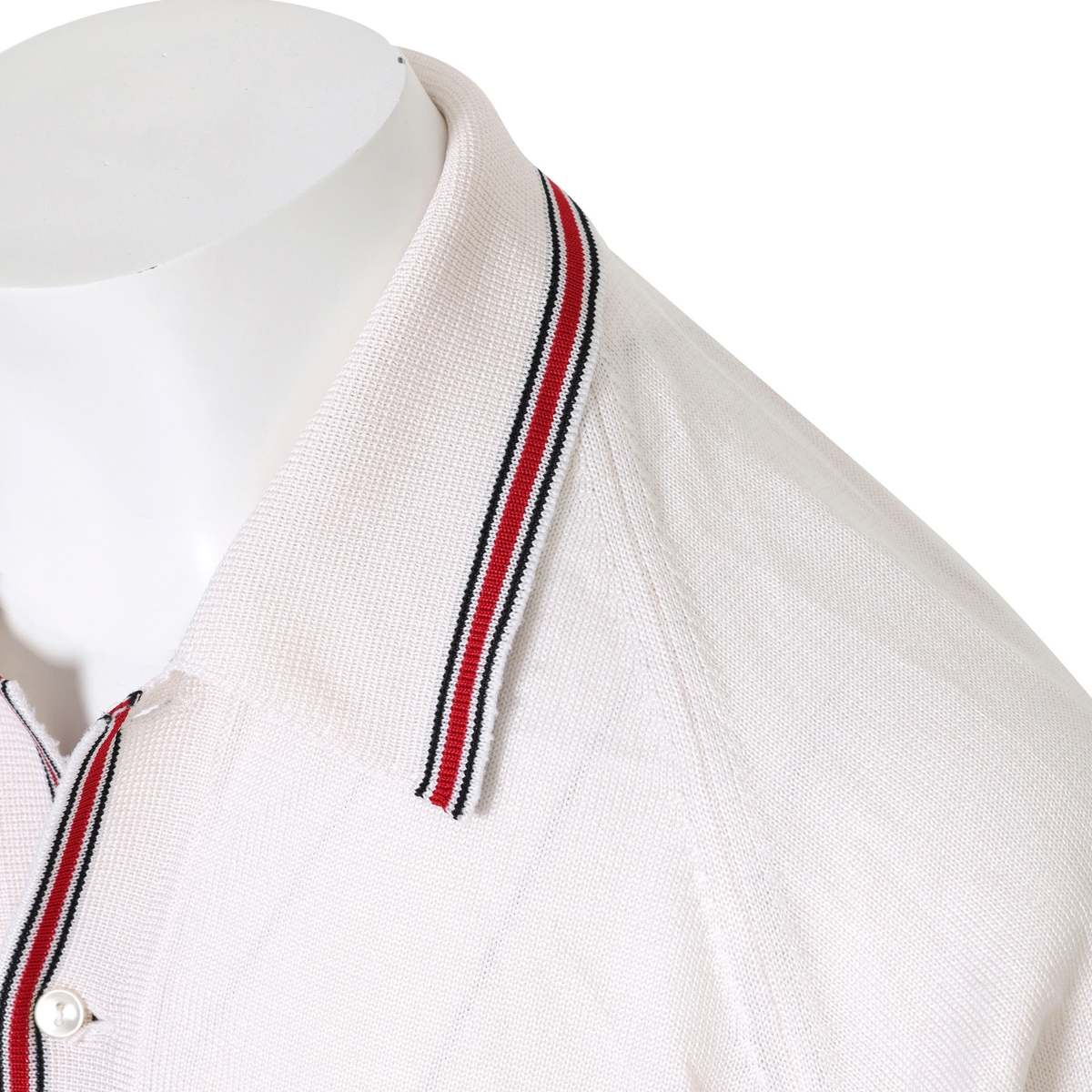
The fully fashioned polo shirt from ca. 19771983 reflects Euro-leisurewear at its apex. The short-sleeve tipped knit polo shirt under examination exemplifies the convergence of European leisurewear sophistication and technical knitwear engineering during the late 1970s to early 1980s. Originating likely from West Germany, the absence of visible branding suggests provenance from a white-label manufacturer, house brand, or premium department store lineconsistent with the operational strategies of contemporaneous labels such as Bleyle, Maglietta, or Strellson in its pre-branding phase. At a time when brand insignia were eschewed in favor of material and structural merit, this garment reflects the priorities of European knitwear producers catering to a clientele seeking sport-derived elegance for warm climates. While not designer-specific, this piece exists squarely within the continuum of postwar European knitwear traditions, calibrated for the leisure-class consumer. It speaks to an era shaped by expanding affluence and shifting lifestyle codes, where resortwear was no longer confined to the privileged elite but embraced by a growing middle-class cosmopolitanism. Such garments redefined the role of the polo shirt: no longer just athletic kit but a symbol of social poise in informal settings, from caf terraces to golf courses, embodying a hybrid utility that merged athletic practicality with sartorial finesse. This is a sport-casual knit polo designed for controlled relaxationappropriate for social athletics such as tennis or golf, but equally viable for semi-formal summer engagements. The silhouette incorporates short sleeves, a rib-knit waistband and sleeve cuffs, a flat-knit polo collar with a two-button placket, and a patch chest pocket featuring integrated contrast striping. These core elements articulate a design language of refined informality: presentable enough for public interaction, yet unencumbered by the strictures of formalwear. Unlike cut-and-sewn jersey polos, this garment is fully fashionedengineered directly on circular or electronic flatbed knitting machines, with components shaped during production rather than post-assembly. This technique reduces the need for seaming, improving drape and structural coherence. The collar, machine-knitted separately, is joined to the body via visible linking, a precision operation demanding skill and consistency. The placket is reinforced with a tubular knit structure and completed with a clean double-needle overlock at its base, offering both stability and visual polish. The chest pocket, whether knitted in place or applied with a secure coverstitch, is topped with a crisp engineered stripe, adding graphic hierarchy without detracting from the shirts visual balance. Engineered stripingseen at the collar, placket trim, and pocket edgeis knitted directly into the garments construction, not applied post-process. This requires programmed stitch mapping via Jacquard or equivalent high-resolution machinery, a level of technical precision uncommon in mass-market production of the period. The buttons, likely pearlescent plastic, simulate mother-of-pearl and reinforce the garments upscale intentions without straying into extravagance. Shoulder articulation is subtly emphasized through chevron-like knit shaping, framing the upper torso and guiding the viewers eye along a disciplined axis of symmetry. The hemlines ribbed waistband provides controlled volume, creating a gentle blouson effect that accommodates a seated frame or athletic movement without visual slackness. This choice enhances proportionsespecially in the context of 1970s80s silhouettesand signals an attention to the ergonomics of casual elegance. Historically, the design draws lineage from 1930s British tennis and polo shirts, but the reworking into continental smartwear during the 1960s80s represents a shift in both function and cultural reading. Here, the silhouette is retained but elevated through textile engineering and European minimalism. The result is a leisurewear archetype inflected by Southern European elegance, characterized by formal restraint and material complexity rather than overt sport references. Fabric composition is likely either 100% cotton or a cotton-viscose blendboth standard choices for mid-century warm-weather knits. The structure employs a piqu or fine warp-knit with low-twist yarns, producing a surface that balances crispness with breathability. At approximately 1012 gauge, the knit achieves a texture that is tactile yet not coarse, with a fabric weight in the 180220 GSM rangeoptimal for summer wear and transitional climates. Key performance attributes include moisture management, elasticity retention, and structural resilience, with a surface handfeel conducive to extended wear across multiple climates. The main body is probably tubular knit, eliminating side seams and yielding a cleaner silhouette with fewer friction points. Sleeves are likely fully fashioned or linked with precision coverstitching, allowing for anatomical shaping without reliance on cut-line intervention. The chest pocket is finished cleanly with knit-edge integration, minimizing structural disruption while adding a focal element. Shaping through the torso and shoulders is achieved via stitch engineering, specifically through strategic rib configurations and raglan contour simulationeschewing darts in favor of seamless modulation. Collar and sleeve construction reinforce the garments elevated standing. The collar is traditional in style but executed with evident structural awareness: a flat-rib knit with symmetrical stripe programming and crisp linkage. The sleeves are short and elasticated with 1x1 rib cuffs, offering flexibility without deformation. Seams are either hand-linked or closed via fine-gauge machineryabsent of distortion or fraying, indicating production in a knitwear house with access to skilled labor and high-standard machinery. The necklines double-button V placket is structurally reinforced, maintaining form even with repeated use. Cuff elasticity is carefully moderated to allow movement while preserving visual shape. The rib waistband is similarly controlled, framing the garment at the hip without puckering or riding. No raw edges are present; all terminations are clean, tension-stable, and integrated into the knit map, testifying to the shirts conceptual emphasis on durability and aesthetic restraint. Psychologically, the design projects a message of composed athleticismmarrying dignity with ease. It pulls from the codes of 1960s tenniswear but recontextualizes them for the Euro-leisure world of the Riviera, urban cafs, and vacation enclaves. The shirt signals confidence and cultivated informality: assertive in its graphic detailing, yet never flamboyant; relaxed in silhouette, yet undeniably structured. It was made for the man who recognized casualwear not as a dismissal of form but as an extension of personal discipline. Aesthetically, the shirt inhabits a stylistic framework defined by continental minimalism. It privileges geometric balance, with stripe placements serving as visual anchors that delineate form and posture. Tonal harmony in the body fabric foregrounds the contrast tipping without disrupting visual unity. The design narrative favors precision and intentional restraint over spontaneity, embodying a philosophy where athletic forms are reimagined through the lens of cultural decorum. Its historical placementroughly 1977 to 1983coincides with a transitional moment in European fashion, where knit polos moved from sporting gear to elevated wardrobe staples. Export markets increasingly sought structured polos as alternatives to slouchy tees or hyper-formal dress shirts, and manufacturers responded with pieces that balanced structure, breathability, and ease of wear. This shirt would have been worn by urban professionals, resort travelers, and style-conscious men aged thirty to sixtyindividuals invested in polish without rigidity. At the time of production, this was a premium itemlikely retailed in specialty menswear shops or high-end department stores catering to continental consumers. Today, its appeal spans multiple markets: vintage collectsors seeking postmodern knitwear exemplars; designers mining the archives of pre-sportswear revolution casualwear; stylists sourcing for period-correct film wardrobes. In the contemporary landscape, its analogs lie not in mass-market polos but in the work of brands like Sunspel, Gran Sasso, Orlebar Brown, and select Moncler Genius collaborationsentities that channel the same intersection of historicism, minimalism, and material precision. Technically, the garment remains exemplary. The fully fashioned construction, engineered detailing, and use of advanced knitting techniques position it far above the vast majority of modern polos, even those marketed as premium. Its durability and clean design language make it particularly well suited to the slow fashion ethos, where longevity, versatility, and subtle craftsmanship define value. With structural integrity intact and visual language timeless, it stands as a benchmark for an era when knitwear could quietly convey both status and substance.
Garmentory is a curated marketplace of independent boutiques and emerging designers from around the world.
Fashion With Intention
Aw yeah!
We love making new friends so while we're popping bottles, continue shopping to apply your $10 credit.
We've got a dedicated site "garmentory.co" just for our Indian customers! Shop with local currency, faster shipping, and exclusive products.
We cannot add this item to your bag because it’s already at max capacity. But don’t worry, we’ve saved it to your wish list.
Earn Replica Belts credits when you shop, wishlist, and inspire others.

Have a question about the size or something else? We're here to help!