Spring fever is here 🌡️☀️ Prep early for those not too hot and not too cold days by finding something you love ON SALE. SHOP THE SALE


Spring fever is here 🌡️☀️ Prep early for those not too hot and not too cold days by finding something you love ON SALE. SHOP THE SALE
| To | Service | Estimated Delivery | Fee |
|---|---|---|---|
| 🌎 | Intl. Air | 6-20 business days | $29.95 |
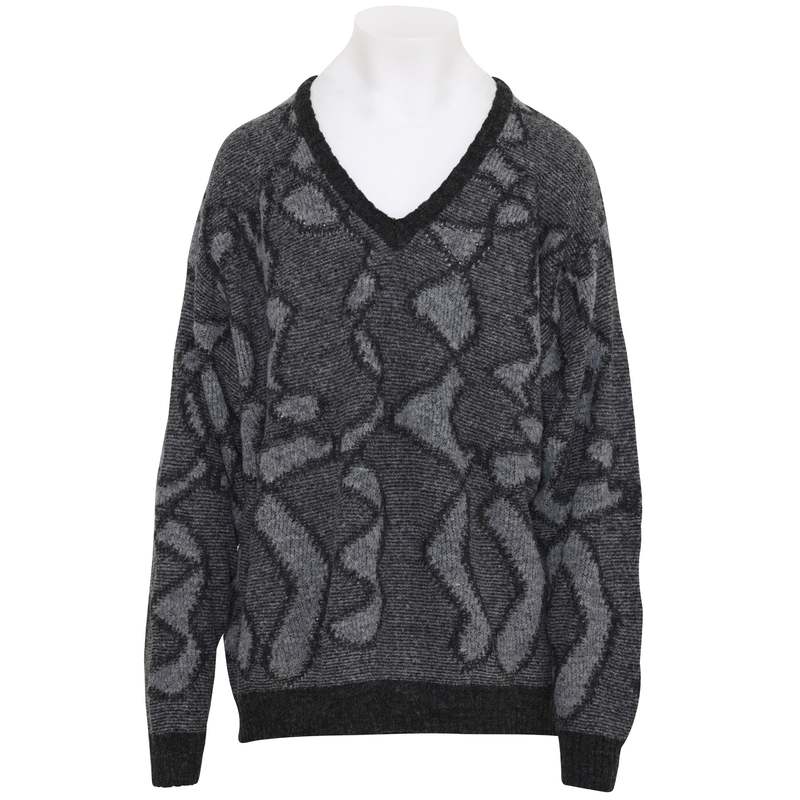
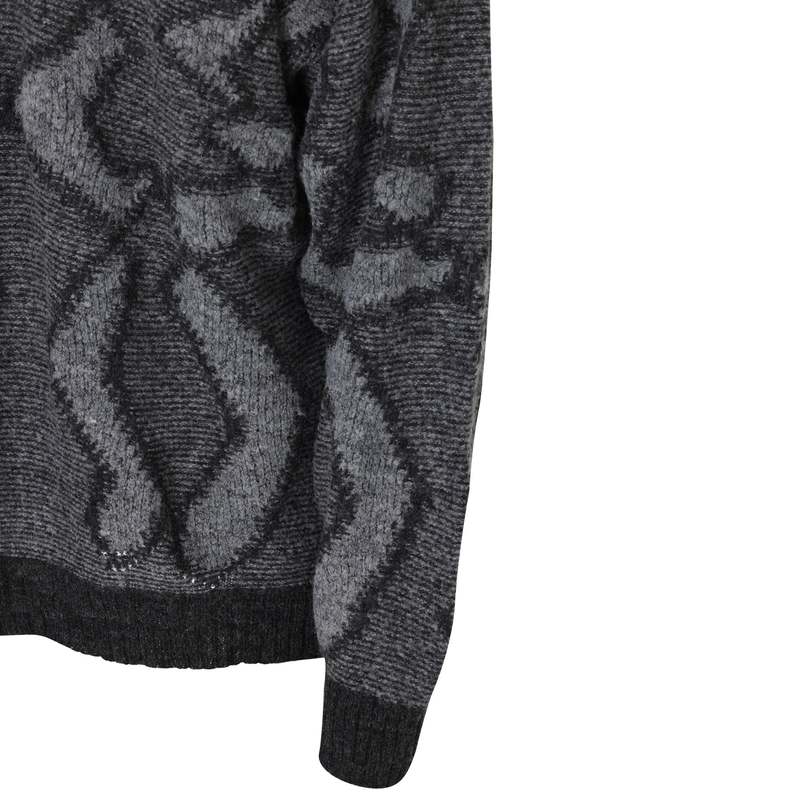
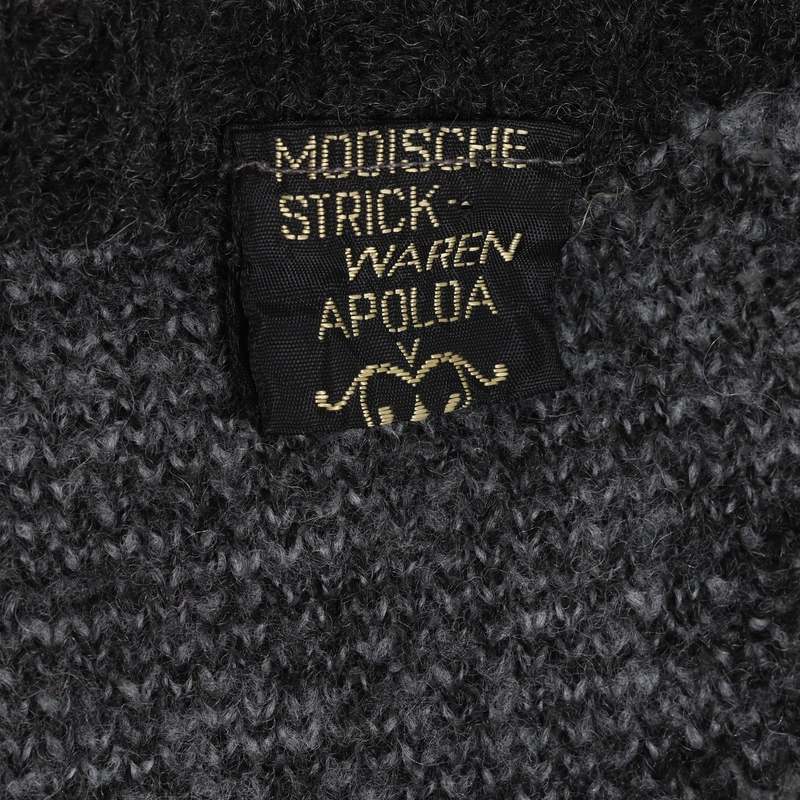
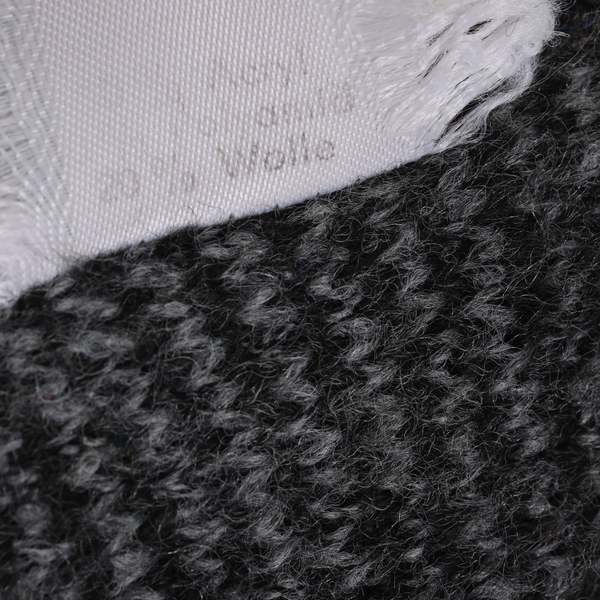
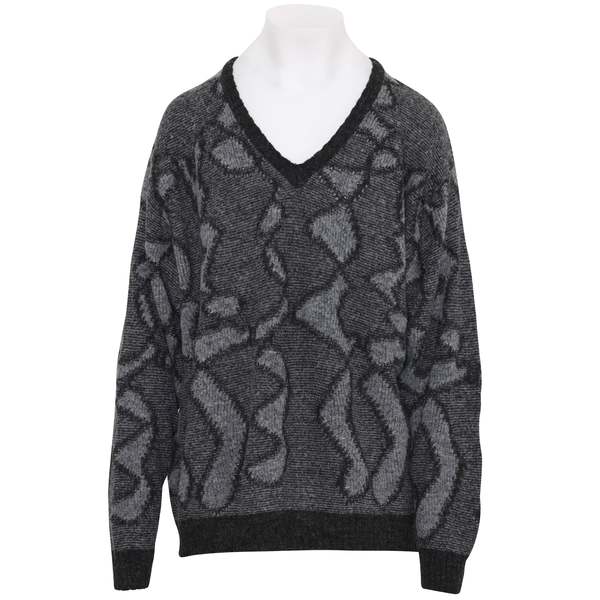
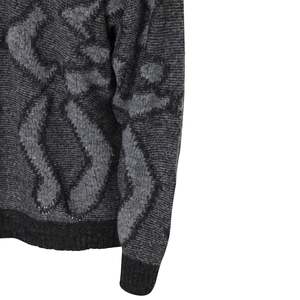
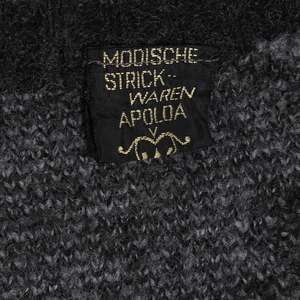
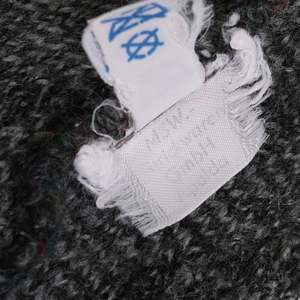
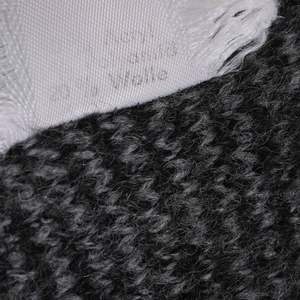
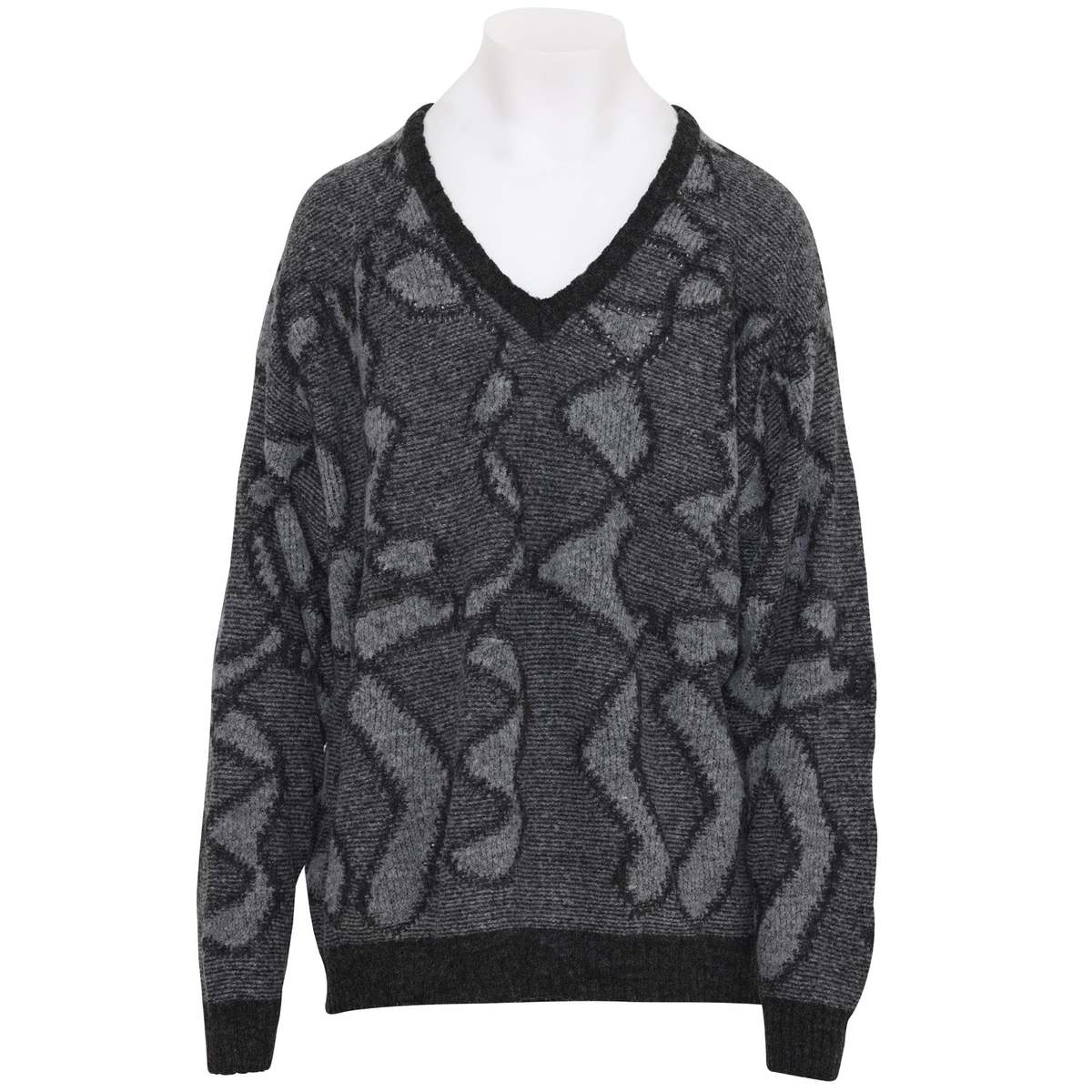
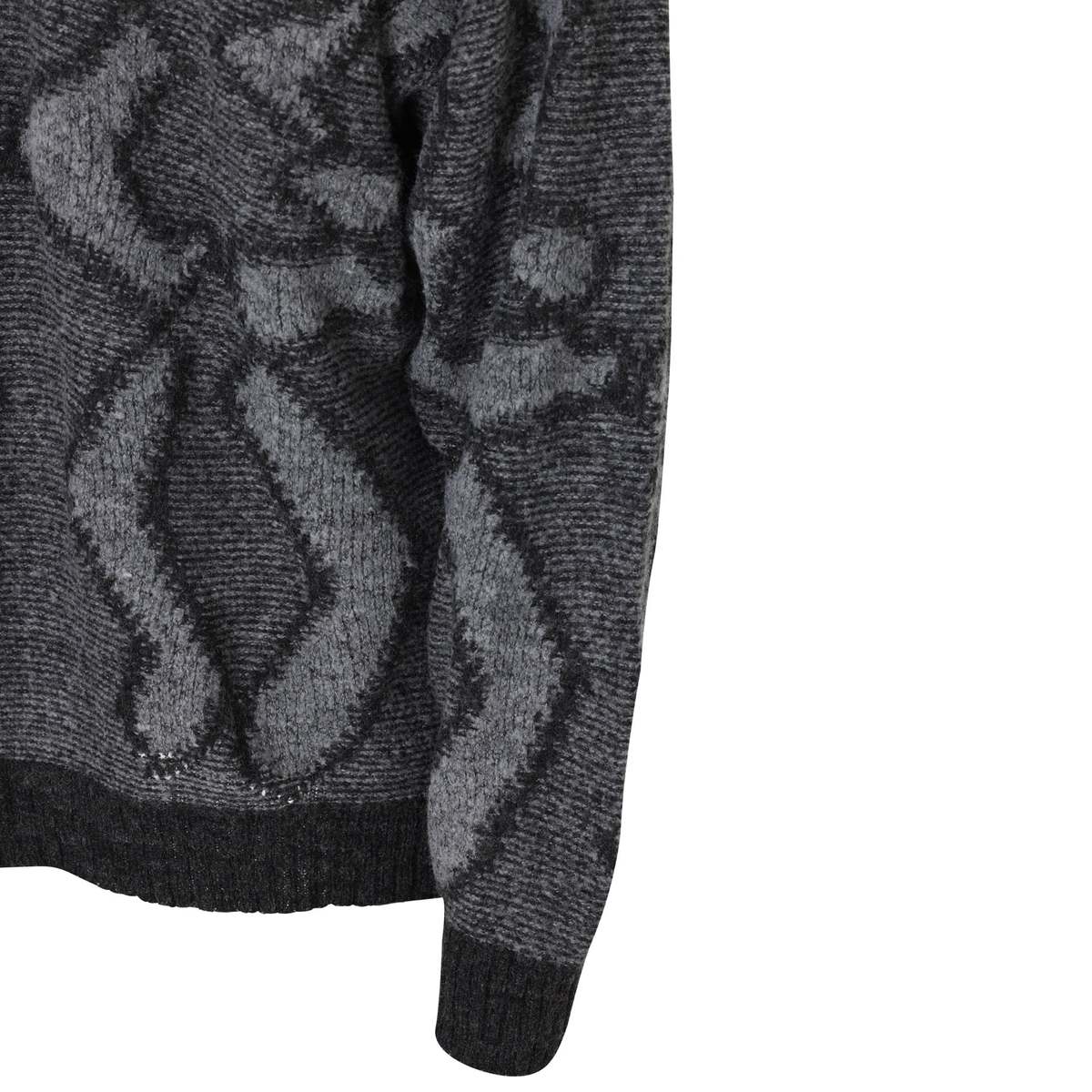
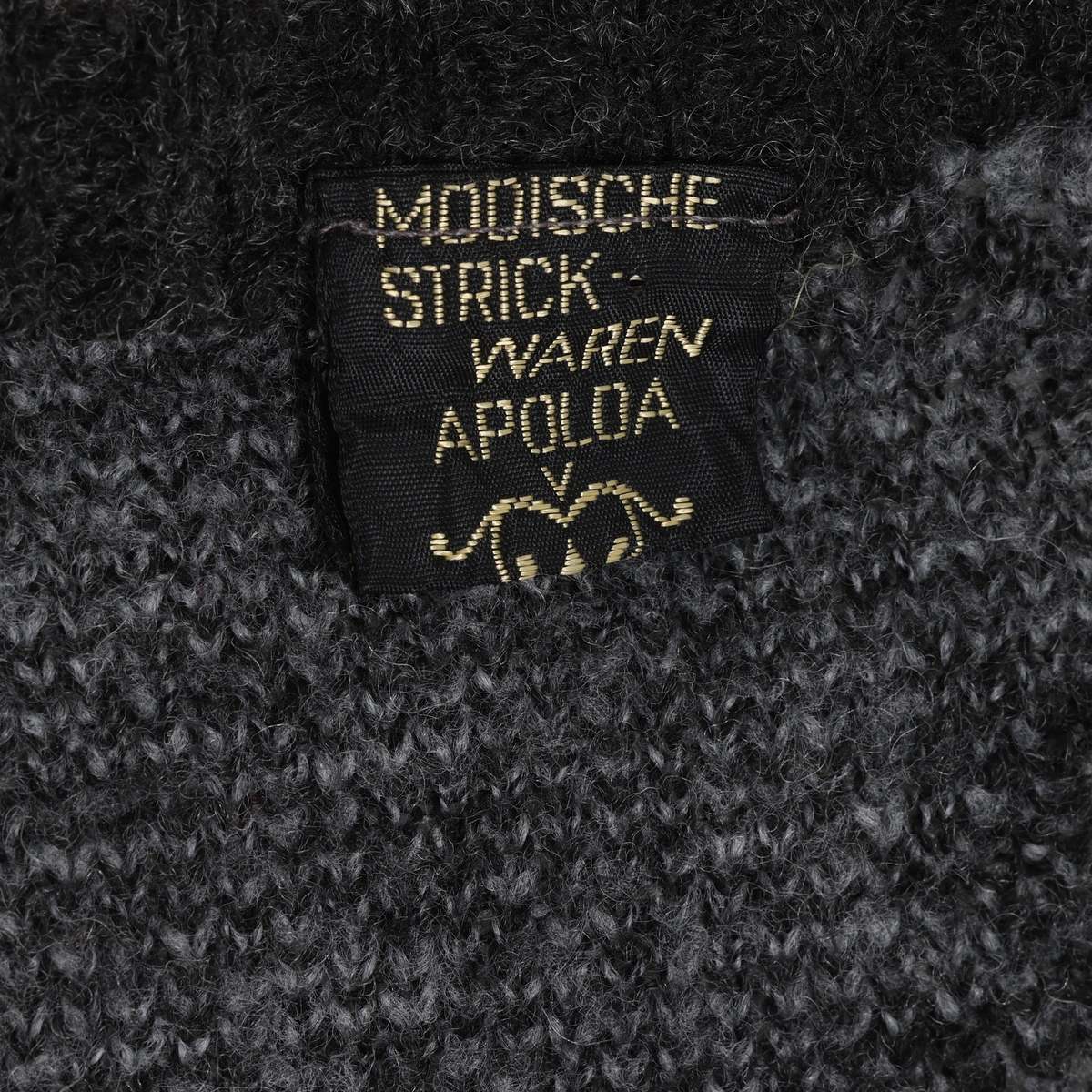
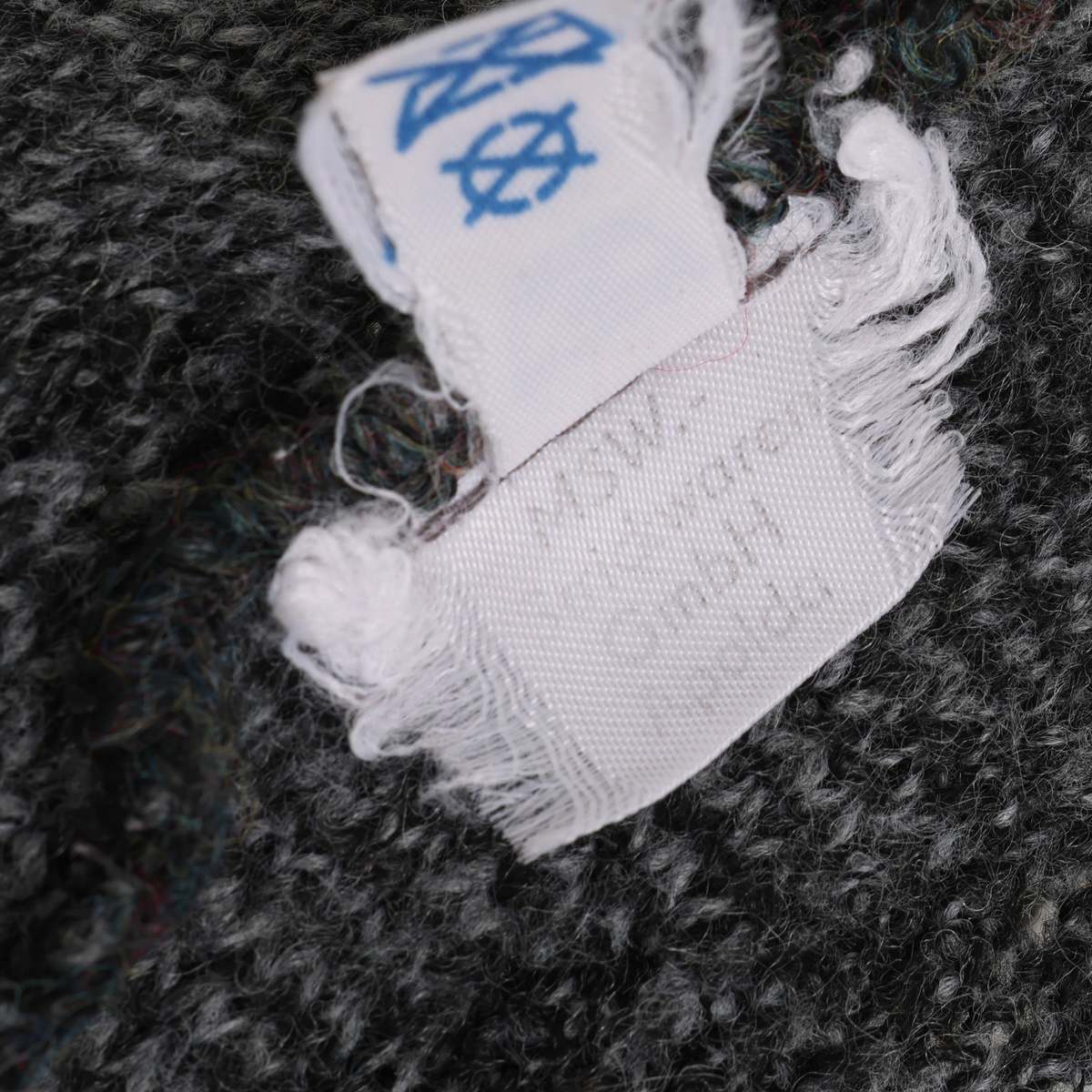
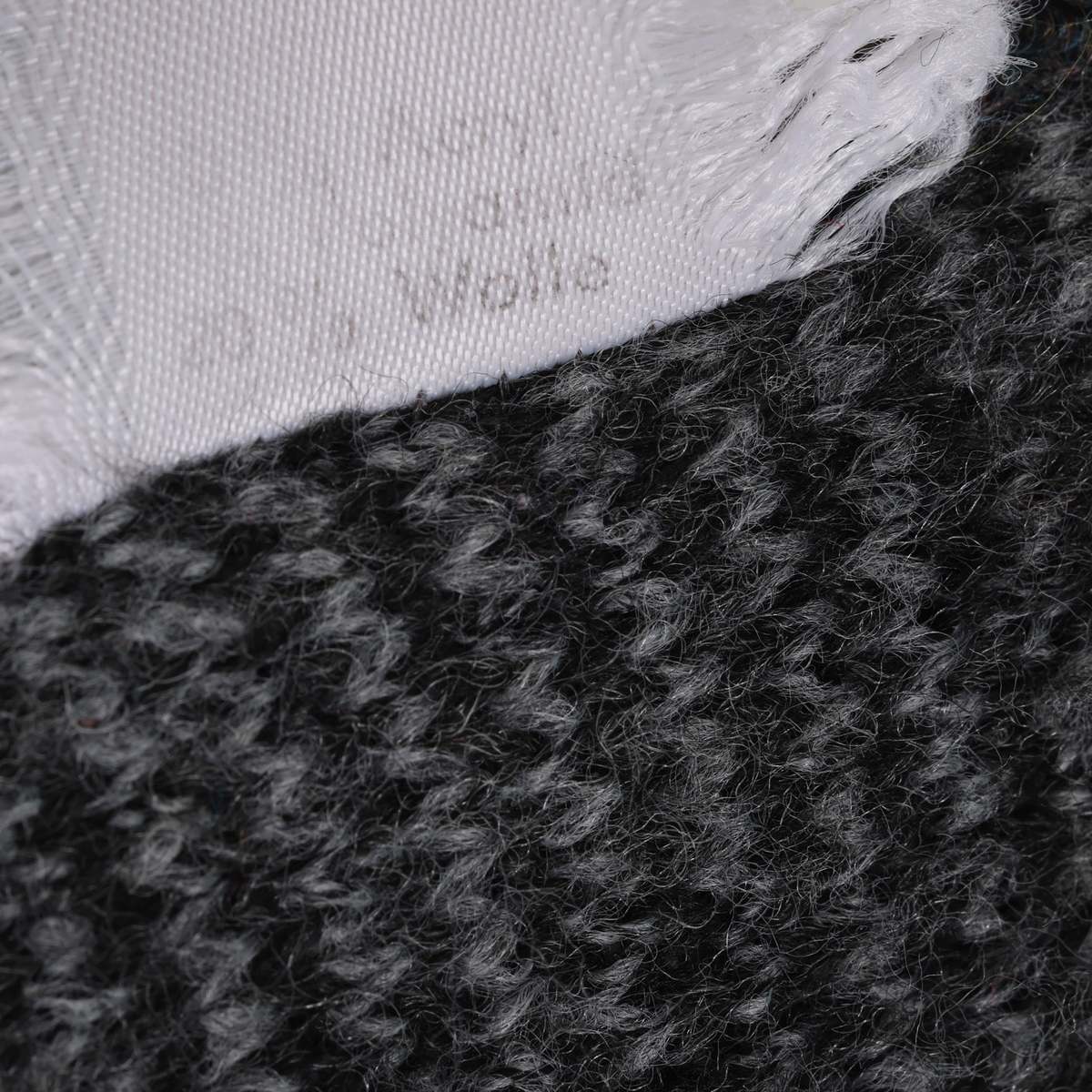
Modische Strickwarens late-80s pullover blends VEB production logic with abstract textile expressionGDR utilitywear with symbolic depth. Produced in the waning years of the German Democratic Republic, this V-neck textured knit sweater from Modische Strickwaren Apolda is a compelling artifact of late-1980s East German textile manufacturing. Emerging from one of the GDRs most prominent knitwear centersApolda, Thuringiathe garment reflects a distinct intersection of state-regulated production efficiency and a subtle push toward design expression under the constraints of socialist fashion ideology. Modische Strickwaren, roughly translated as Fashionable Knitwear, would have operated within the VEB (Volkseigener Betrieb) structure, manufacturing knitwear according to central quotas while attempting, by the late 1980s, to incorporate visual references to broader, often Western, aesthetic sensibilities. The garments production context is critical: East Germanys state-managed fashion sector, though not commercially competitive in the capitalist sense, was by this period under increasing pressure to meet consumer desires for visually sophisticated apparel. Sweaters like this one were distributed through Intermoda and Konsum outlets, and occasionally exported to USSR-aligned markets, with designs filtered through state textile institutions that sought to modernize appearances without breaching ideological norms. The result is a garment that balances pragmatic construction with restrained abstractionvisually complex yet fundamentally utilitarian. Structurally, the sweater adheres to the conventional drop-shoulder pullover format dominant in GDR leisurewear during the late 1980s. Constructed on a fully fashioned industrial flatbed jacquard knitting machine, it uses panel shaping rather than cut-and-sew methods, indicating a level of technical capability consistent with Apoldas advanced knitwear infrastructure. Panels are knitted to shape and assembled via flatlock or overlock seams, likely using a 4-thread system for structural reinforcement. The neckline features fully fashioned decreases converging into a V-point, with the rib trim hand-linked or precisely machine-attached. The cuff and hem ribbings are dense 2x2 constructions, tensioned for elasticity and executed without overlocking, reinforcing the garments production quality despite its utilitarian mission. The textile engineering of the piece is notable. The body is composed of a double-bed jacquard knit that integrates alternating flat and boucl yarns, producing surface relief and tonal variation. The abstract motifresembling amoebic or topographic formsis irregular but symmetrical across major seams, achieved through punch-card programming or early jacquard templates. The visual language of the motif is rooted in softened Constructivist abstraction, invoking East German designs persistent flirtation with Bauhaus modernism, repurposed here in textile form as an emotionally muted, semi-organic graphic. Its asymmetry and biomorphic complexity distinguish it from more traditional striped or floral GDR motifs, suggesting a conscious pivot toward design evolution within the confines of ideological acceptability. Yarn composition, though only partially labeled, strongly indicates a wool-synthetic blend. Visual and tactile evidence points to 4060% wool content, paired with acrylic or polyamide to improve resilience, maintain softness, and facilitate machine washing. The yarns are high-twist, evident from the garments ongoing structural integrity and lack of surface pilling, even decades after production. Boucl segments suggest synthetic-wool compound fibers engineered for loft and textural contrast, further underscoring the thoughtful fiber engineering at play. At approximately 320350 GSM, the knit strikes a balance between warmth and wearability, making it suitable for indoor/outdoor transitional use in temperate GDR winters. The sweaters construction logic favors efficiency: the bodice is knit as a tubular block with drop shoulders, minimizing shaping and streamlining production. Sleeves are single-piece, slightly tapered, and inserted without set-in armhole curvesan approach consistent with late socialist-era knitwear, where ease of manufacturing was prioritized over complex tailoring. Yet within these constraints, the garment reveals thoughtful technical decision-making. The neckline is reinforced with internal stitch rows to prevent stretching, and the hem ribbings is proportionally extended to reduce ride-updecisions that reflect practical engineering aligned with climatic function. Conceptually, the garment performs a quiet negotiation between conformity and expression. The biomorphic abstraction of the motifswirling, cellular, and irregularoffers a soft counterpoint to the otherwise minimal silhouette. In a society where overt self-expression through fashion was ideologically curtailed, these visual codes acted as discreet assertions of identity and interiority. The design hints at natural patternsroots, terrain, microscopic lifeinvoking a psychological landscape of complexity, growth, and perhaps a desire for escape or introspection. In its subtlety, the motif becomes a vehicle for latent emotional expression, a hallmark of late-stage GDR fashion where even mass-produced knitwear carried symbolic resonance. Artistically, the sweater aligns with East German modernism, filtered through state-sanctioned textile design programs. The palettetonal greys, blacks, and occasional flecks of mid-tone contrastreinforces an aesthetic of composure and restraint. The ambiguity between camouflage and ornamentation is intentional: this was a visual strategy employed by GDR designers to elevate garments beyond pure utility without transgressing cultural boundaries. The abstraction never becomes flamboyant; instead, it hovers in the space between functional design and poetic suggestion. Historically, the piece is firmly placed between 1987 and 1989. Key indicators include the integration of synthetic fiber technology, the increasing visual complexity of knit motifs made possible by expanded access to advanced machinery, and the continued use of V-neck and drop-shoulder formats as a standard in East German womens fashion. During this twilight of the GDR, fashion efforts like this one represent an attempt to humanize and modernize a centrally planned wardrobe system, responding in quiet ways to global trends and rising domestic expectations. Today, the sweater stands as a material document of Cold War-era cultural production. Its appeal lies not only in aesthetics but in the layered significance of its construction and context. For designers, it offers a rare example of socialist textile abstraction executed with high technical precision. For collectsors and historians, it functions as a benchmark of late GDR fashion modernitysubtle, durable, and ideologically nuanced. The aesthetic lineage echoes in the work of brands such as Marni, MHL by Margaret Howell, or Wales Bonner, which engage with brutalist and post-socialist motifs through contemporary silhouettes and palettes. Its commercial viability resides within archival vintage markets and Cold War-era fashion research. Estimated resale value falls between $120 and $300, contingent on condition, provenance, and narrative framing. Stronger markets include curated vintage boutiques in Berlin, Tokyo, and London, as well as museum collectsions and stylistic sourcing for period editorial work. Ultimately, this Modische Strickwaren Apolda sweater encapsulates the technical competence and conceptual subtlety of late East German knitwear. It is a product of a system that, despite political and economic limitations, sought to clothe its citizens with garments that offered warmth, visual interest, and a quiet sense of self. In its tactile abstraction and methodical execution, the sweater resists obsolescencepersisting as both garment and historical voice.
Garmentory is a curated marketplace of independent boutiques and emerging designers from around the world.
Fashion With Intention
Aw yeah!
We love making new friends so while we're popping bottles, continue shopping to apply your $10 credit.
We've got a dedicated site "garmentory.co" just for our Indian customers! Shop with local currency, faster shipping, and exclusive products.
We cannot add this item to your bag because it’s already at max capacity. But don’t worry, we’ve saved it to your wish list.
Earn Replica Belts credits when you shop, wishlist, and inspire others.

Have a question about the size or something else? We're here to help!