Spring fever is here 🌡️☀️ Prep early for those not too hot and not too cold days by finding something you love ON SALE. SHOP THE SALE


Spring fever is here 🌡️☀️ Prep early for those not too hot and not too cold days by finding something you love ON SALE. SHOP THE SALE
| To | Service | Estimated Delivery | Fee |
|---|---|---|---|
| 🌎 | Intl. Air | 6-20 business days | $29.95 |
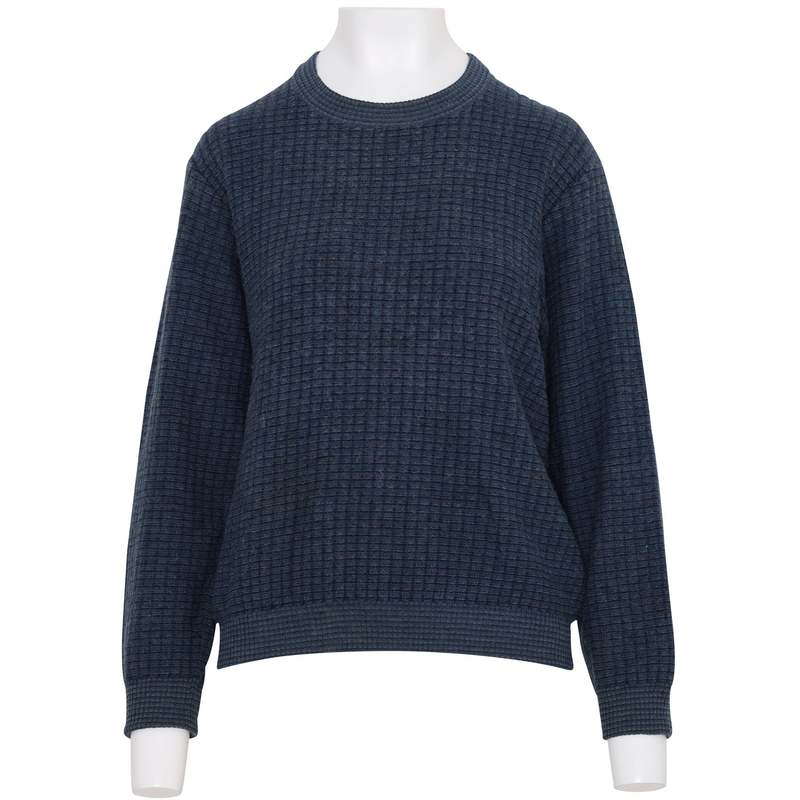
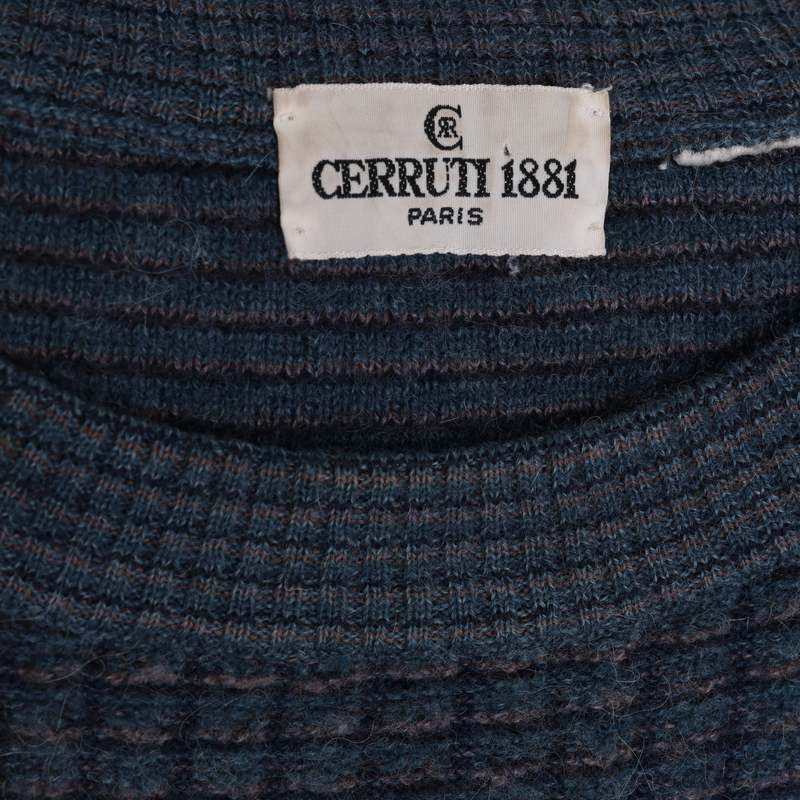
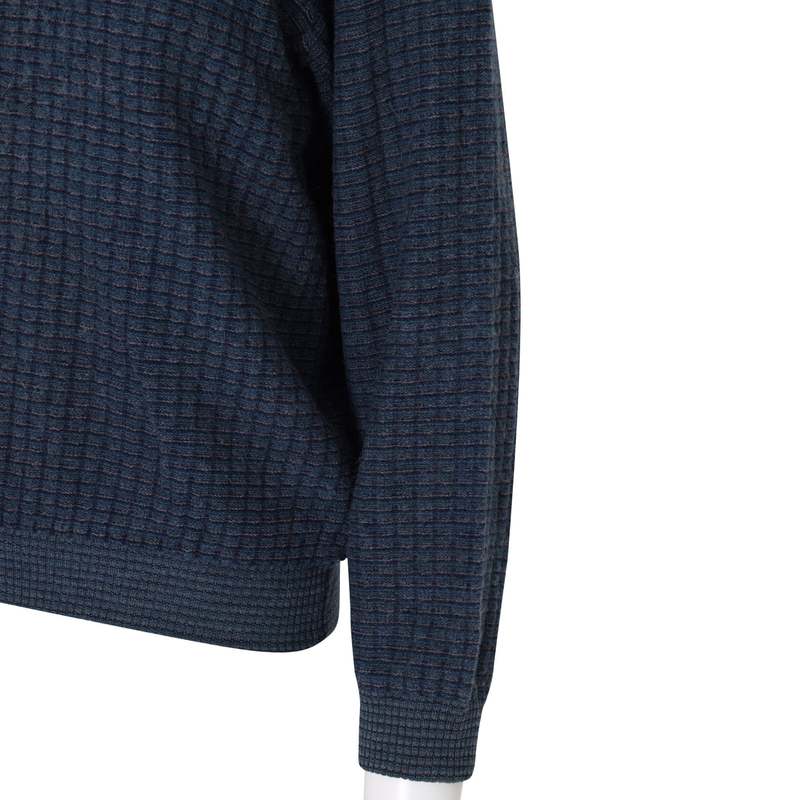
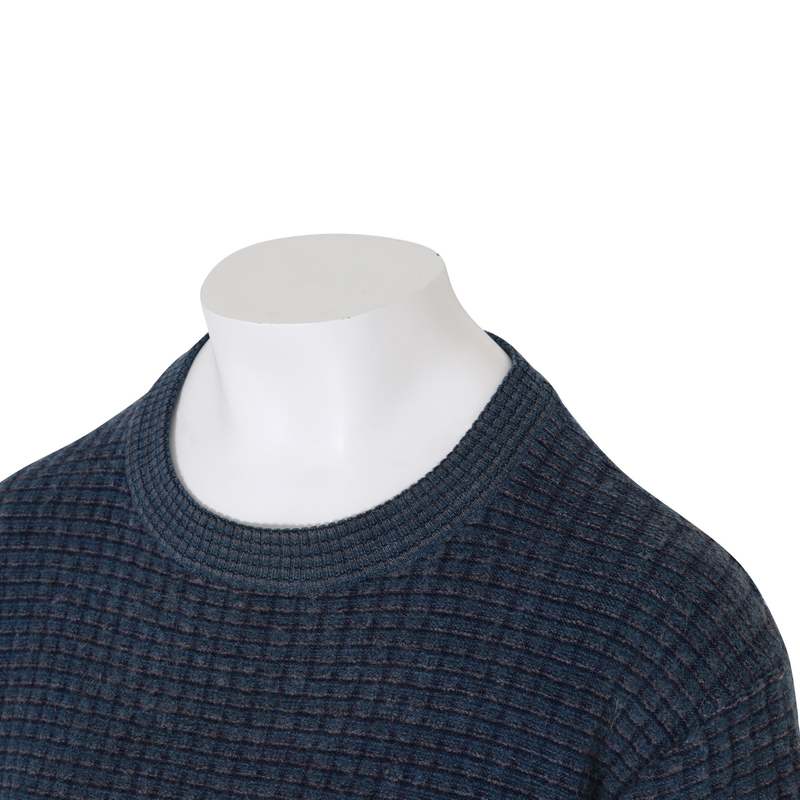
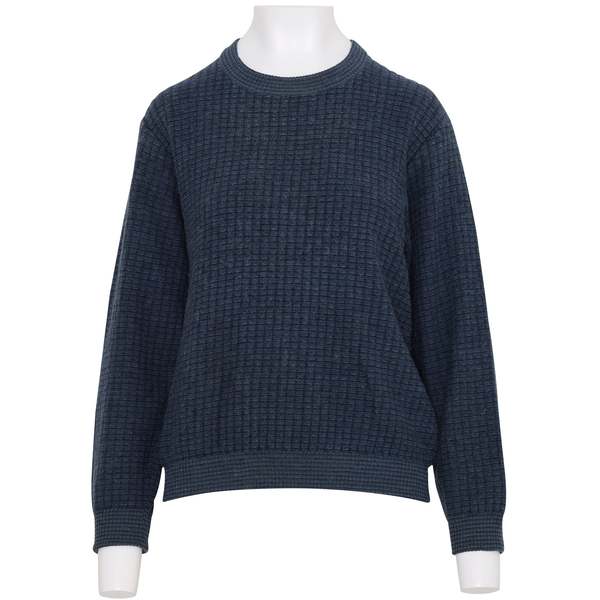
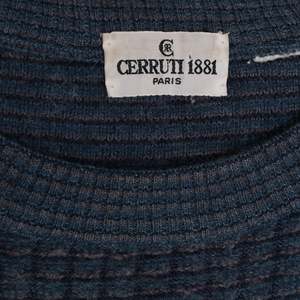
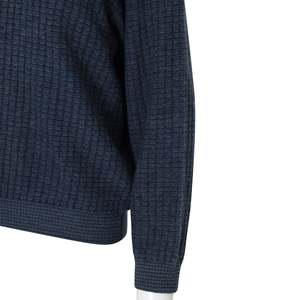
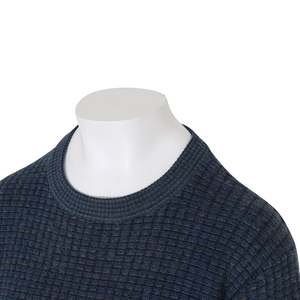
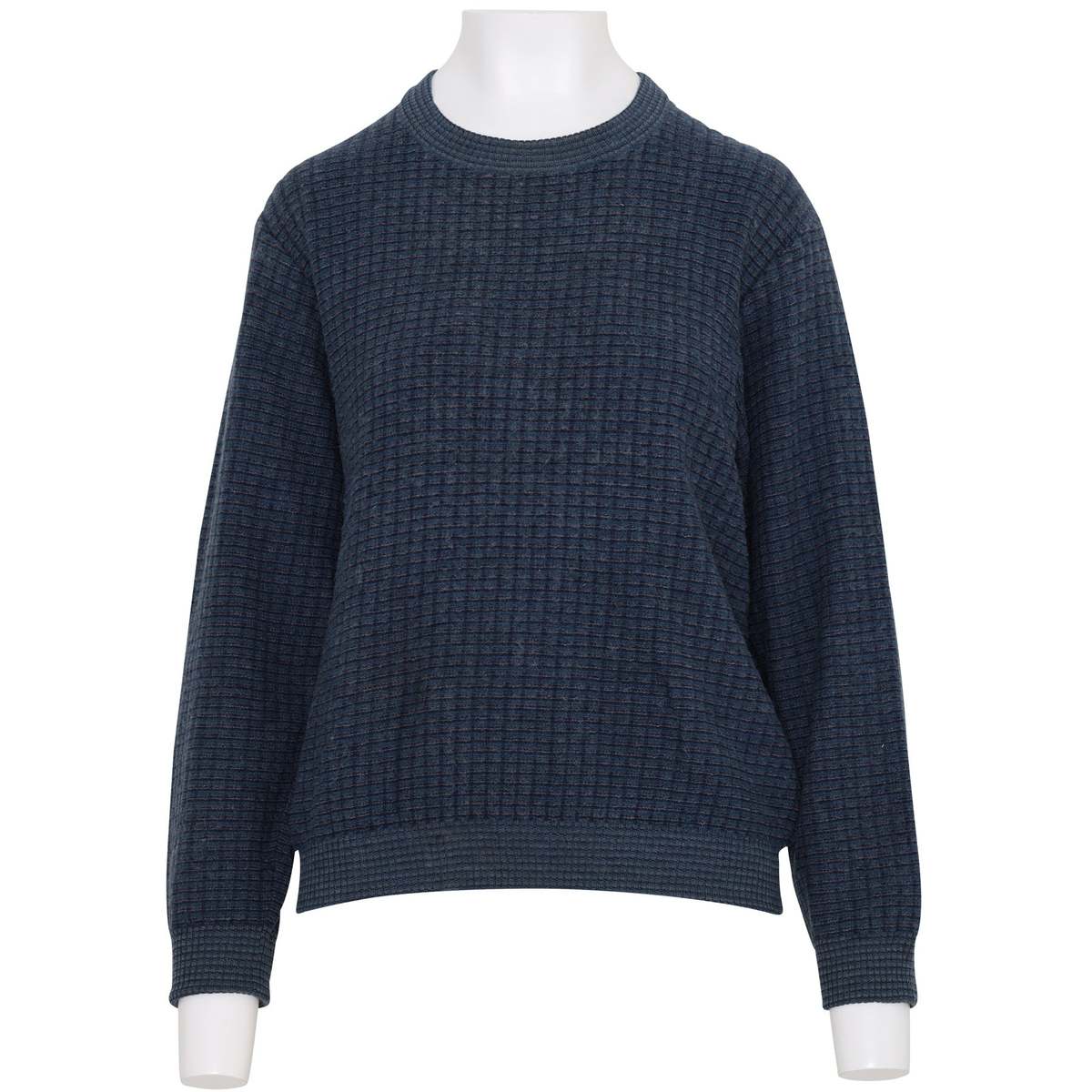
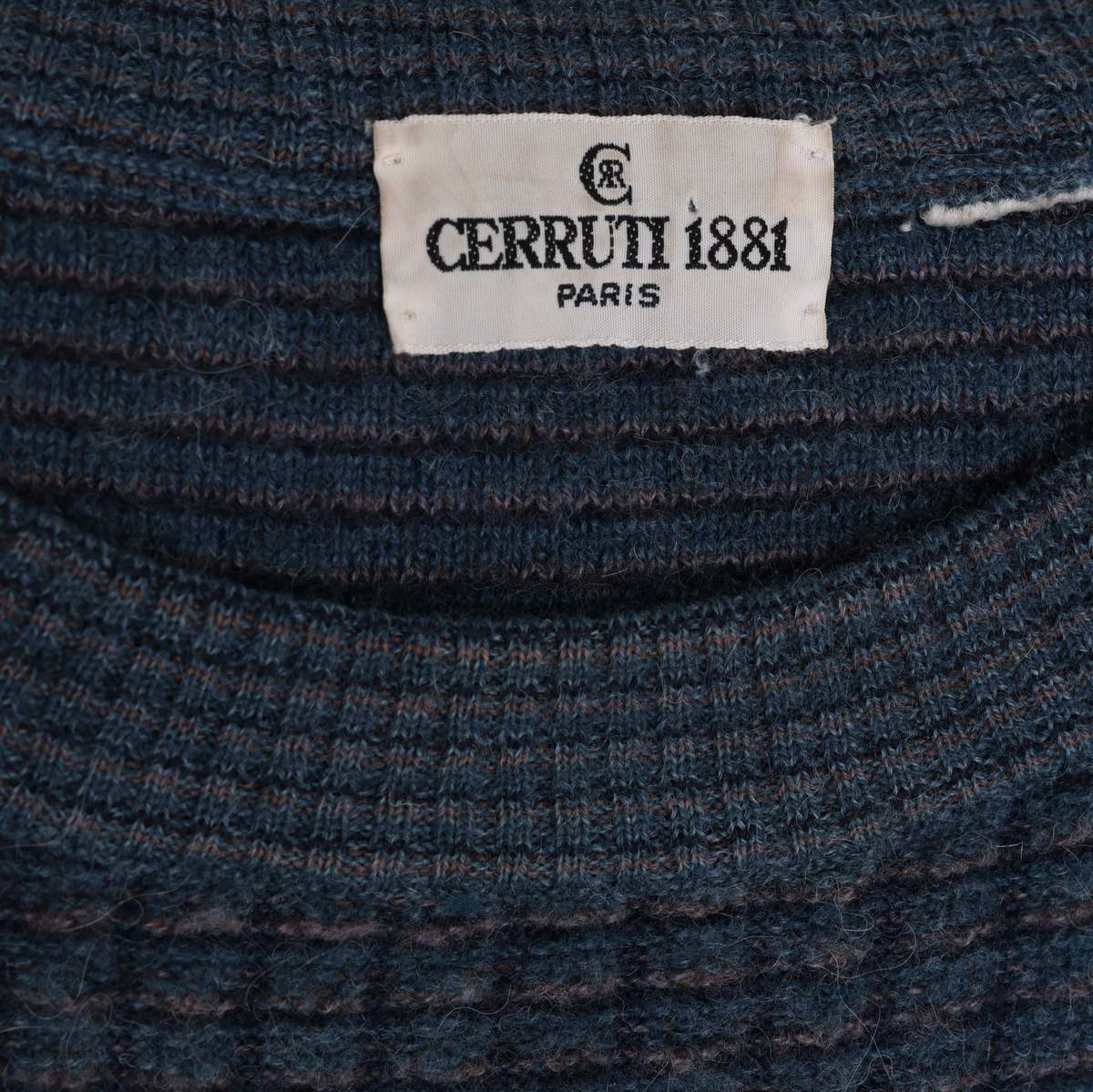
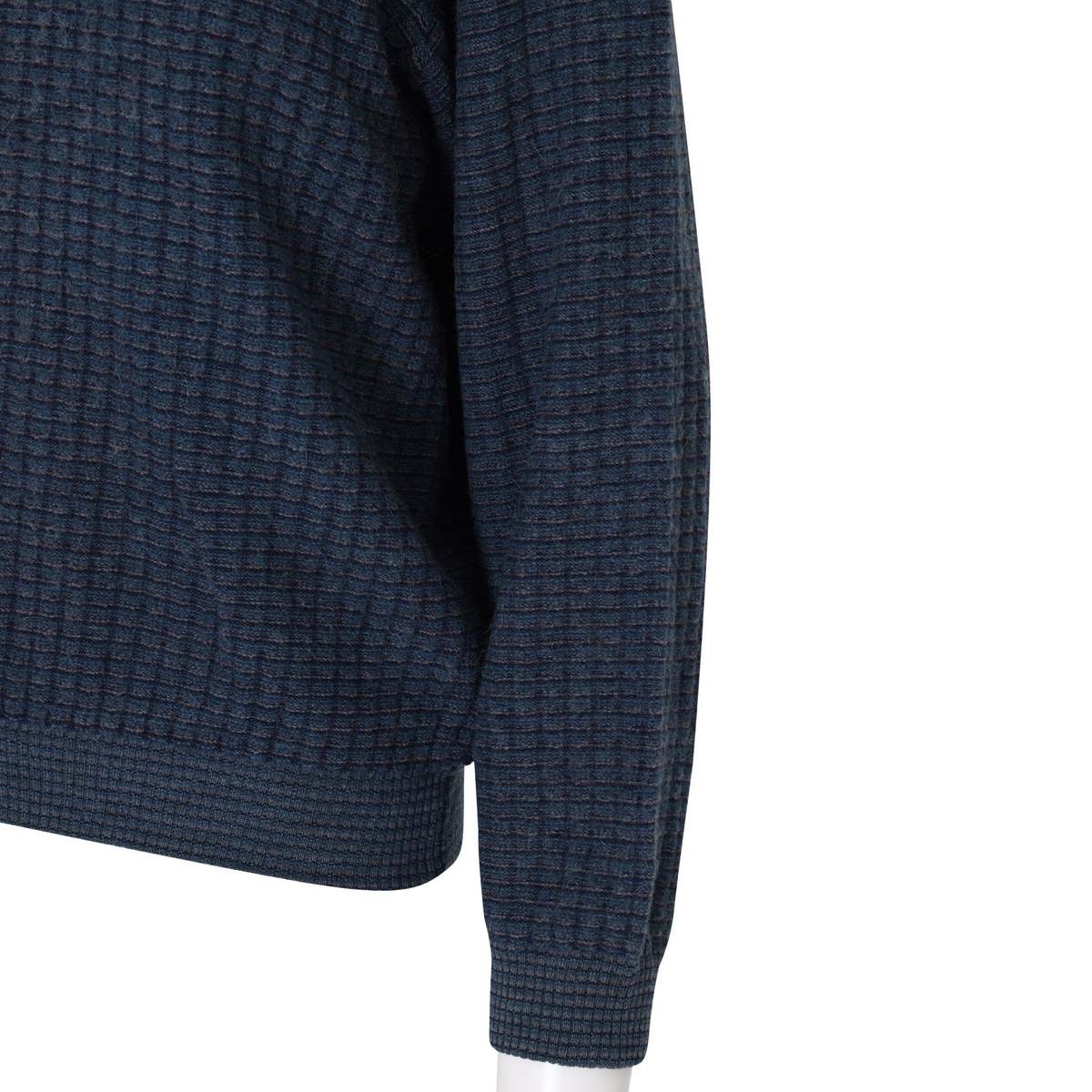
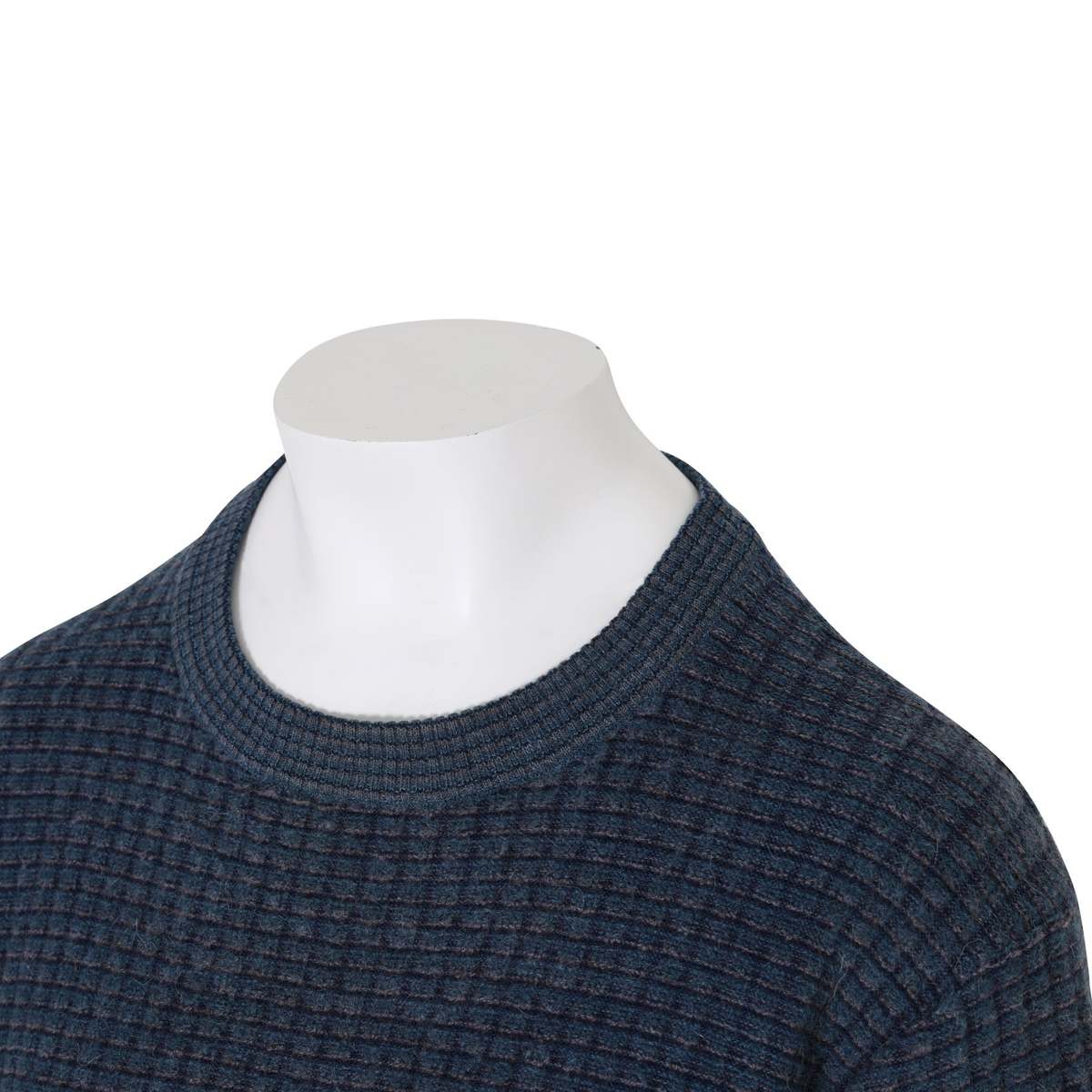
Cerruti 1881 waffle-knit crewneck. Deep navy, fully fashioned, and materially fluentquiet luxury rendered through construction. Produced during a pivotal moment in late 20th-century Europe, the Cerruti 1881 textured crewneck sweater embodies the confluence of textile heritage, minimalist design philosophy, and technical precision that defined the brands 1881 line at its apex. Emerging from a fashion house founded by Nino Cerruti in Paris in 1967, yet rooted in the Biella textile tradition of northern Italy, Cerruti 1881 positioned itself not as a platform for overt design novelty, but as a vehicle for tactile refinement and material sophistication. This sweatermanufactured in the late 1980s to early 1990sexemplifies that ethos, offering a distilled form of elegance rooted not in branding but in construction integrity, pattern discipline, and fiber logic. Engineered as a lightweight, transitional crewneck pullover, the garment balances smart-casual functionality with architectural restraint. Its core visual featurethe waffle-grid textureis achieved through a knit-purl alternation method, forming a surface that is simultaneously dimensional and breathable. This basketweave pattern, likely executed at a fine to mid gauge (1012 GG), marries visual depth with functional thermal performance, recalling heritage military thermals while rearticulating them in the language of quiet luxury. The texture is not superimposed but fully integrated into the fabric architecture, a detail that requires precise tension calibration and consistent yarn behavior to maintain uniformity across panels. The knit structure is fully fashioned, meaning each component panelfront, back, sleevesis shaped on the knitting bed rather than cut from yardage, enabling controlled shaping and waste minimization. Seam joins, likely flatlinked or hand-linked, preserve a clean external silhouette without bulk. The neckline, cuffs, and hem are finished in proportionally scaled 2x2 ribbings, tensioned to offer retention without disrupting the surface geometry. This attention to proportional consistencyevident in how the trims mirror the underlying griddemonstrates a high level of technical oversight during production. Fabric composition is consistent with Cerrutis fiber strategy of the time. The yarn exhibits a matte finish with a faint halo, pointing to a lambswool or wool-acrylic blend. This choice balances hand softness, warmth, and pill resistance while maintaining pattern fidelitycritical in textured knitwear. The midweight hand (approximately 260280 GSM) ensures the garment can function as a standalone piece or layer cleanly under tailored outerwear, a versatility Cerruti deliberately cultivated in its casualwear segment. The silhouette reflects continental womenswear standards of the period: a straight tubular body with a drop-shoulder sleeve configuration that accommodates a relaxed yet deliberate fit. The sleeves are inset without saddle or raglan shaping, and the overall body is neither aggressively slim nor boxystriking a balance aligned with the European preference for tailored softness. The neckline is minimally finished, likely with internal reinforcement or double layering to preserve shape integrity over repeated wear. The absence of visible topstitching underscores the brands commitment to seamless visual execution and minimal interference with material expression. Conceptually, the sweater operates as an object of tactile subtlety rather than visual drama. The grid invites sensory engagement, while the deep navyinflected with grey undertonesconveys intellectual composure and tonal depth. It adheres to a design philosophy consistent with modernist Italian minimalism: a garment that participates in the architecture of dressing without asserting itself as ornament. It draws aesthetic lineage from contemporaneous pieces by Giorgio Armani and Ermenegildo Zegna, where neutral palettes, fine gauge knitting, and architectural surface treatments replaced traditional suiting as markers of masculine sophistication. Historically, this piece situates itself during a period of strategic expansion for Cerruti 1881. In the late 1980s and early 1990s, the brand diversified beyond tailored suiting into knitwear, accessories, and outerwear, responding to a global market increasingly seeking luxury comfort. The grid texture and restrained silhouette reflect this pivot toward structured leisureweargarments that could substitute for a blazer in professional settings or elevate casualwear in metropolitan contexts. The sweater exists precisely at this junction, synthesizing the technical intimacy of knitwear with the formal discipline of soft tailoring. In todays market, the garment occupies a particularly relevant position. As fashion trends move toward pared-down womenswear built around proportion, fabrication, and longevity, pieces like this are increasingly prized by collectsors and designers alike. It aligns with current movements led by brands such as Studio Nicholson, The Row, and Auraleelabels that reject overt branding in favor of architectural elegance and textile fluency. Within archival and resale contexts, especially in Japanese and Scandinavian markets, this sweater carries high reference value both as a design object and a commercial blueprint. Technically, the sweater is a benchmark of knit engineering. The stitch regularity, uniform surface tension, rib-to-body alignment, and material behavior all suggest a production process guided by precision and a commitment to textile excellence. Cerrutis use of top-tier European mills and his insistence on material integrity are palpable herenot in extravagance, but in the subtle authority of execution. In final assessment, this Cerruti 1881 textured crewneck embodies a masterclass in understated luxury. Its appeal is cumulative, derived not from novelty but from the coherence of form, function, and fabrication. With an estimated resale value of $180$350, the garment remains viable not only as a vintage staple but as an instructive artifact within the evolving narrative of menswear design. It endures because it was built not to capture attention, but to hold itquietly, definitively, and without compromise.
Garmentory is a curated marketplace of independent boutiques and emerging designers from around the world.
Fashion With Intention
Aw yeah!
We love making new friends so while we're popping bottles, continue shopping to apply your $10 credit.
We've got a dedicated site "garmentory.co" just for our Indian customers! Shop with local currency, faster shipping, and exclusive products.
We cannot add this item to your bag because it’s already at max capacity. But don’t worry, we’ve saved it to your wish list.
Earn Replica Belts credits when you shop, wishlist, and inspire others.

Have a question about the size or something else? We're here to help!