Spring fever is here 🌡️☀️ Prep early for those not too hot and not too cold days by finding something you love ON SALE. SHOP THE SALE


Spring fever is here 🌡️☀️ Prep early for those not too hot and not too cold days by finding something you love ON SALE. SHOP THE SALE
| To | Service | Estimated Delivery | Fee |
|---|---|---|---|
| 🌎 | Intl. Air | 6-20 business days | $29.95 |
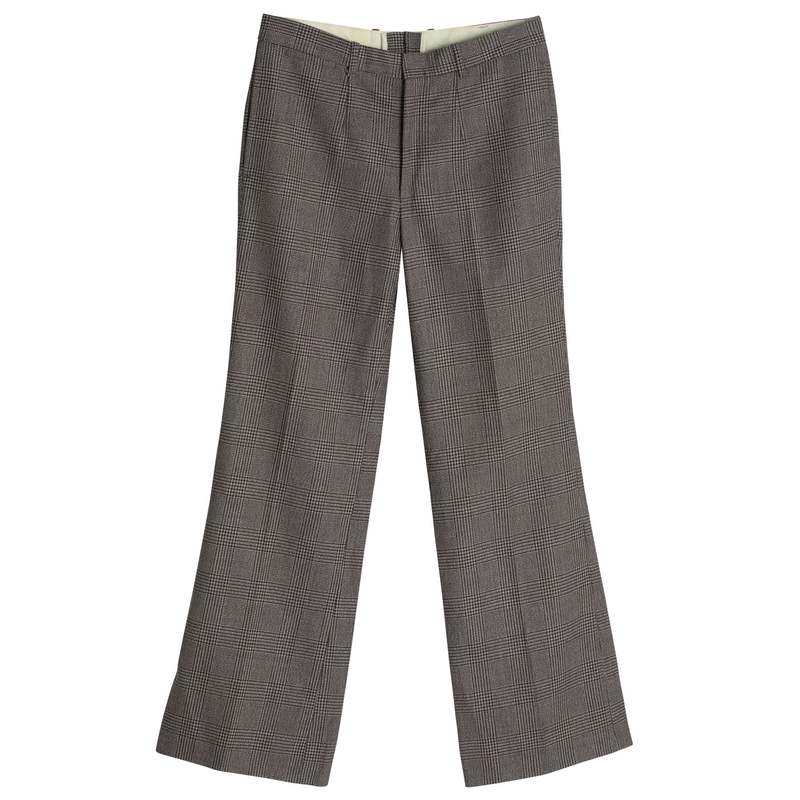
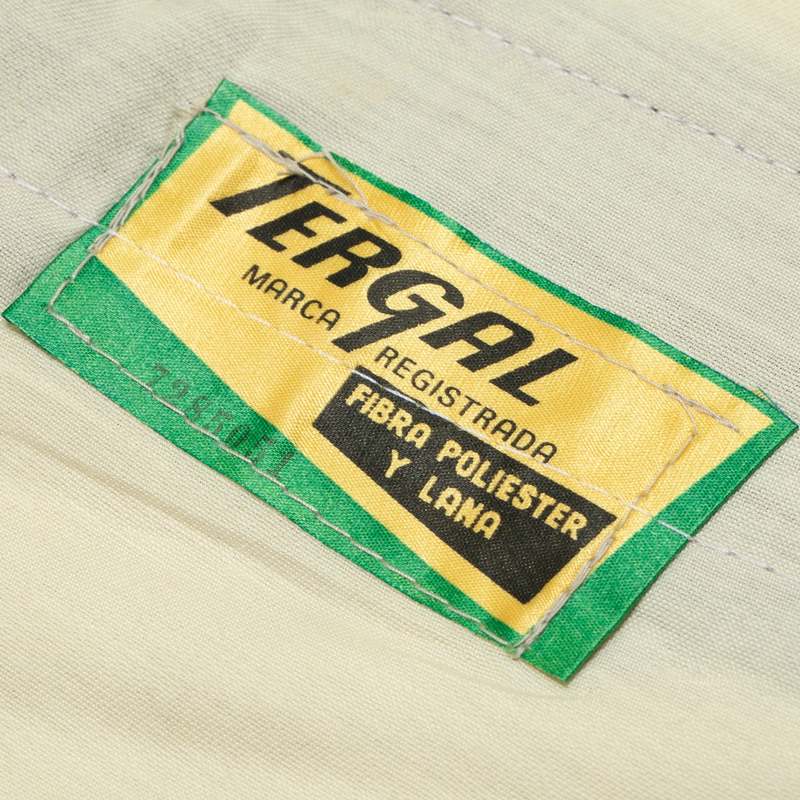
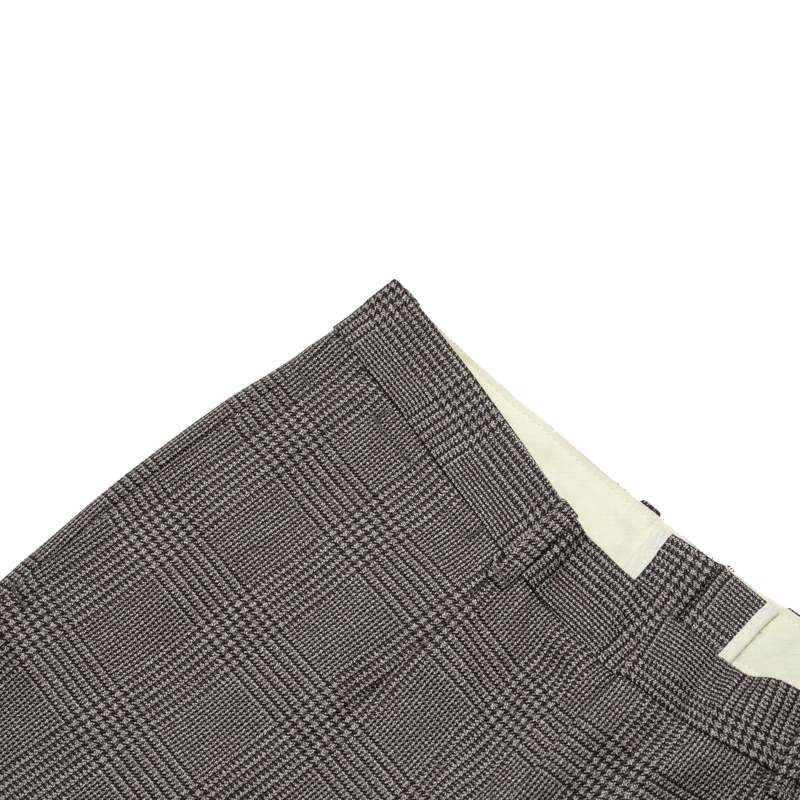
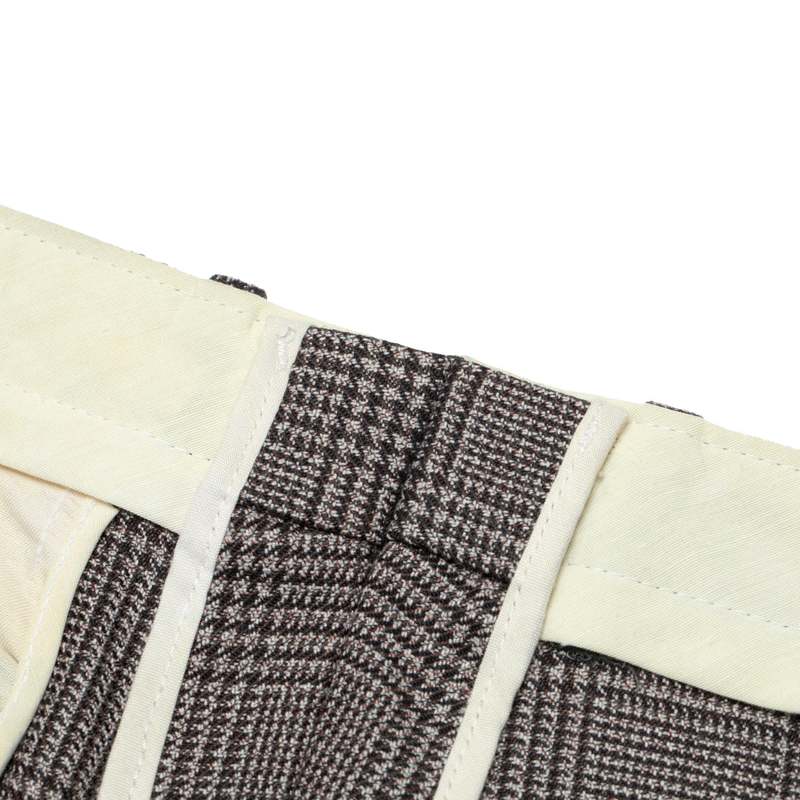
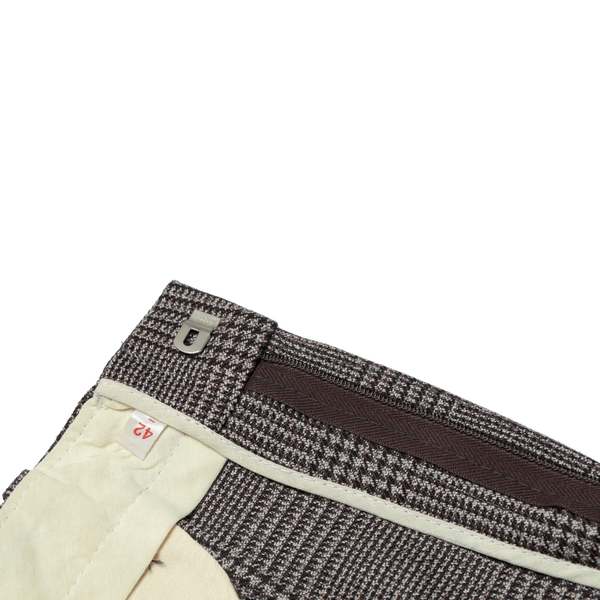
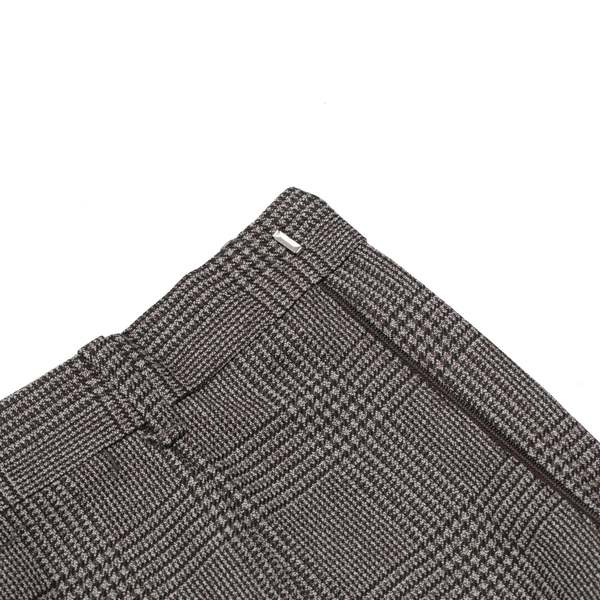
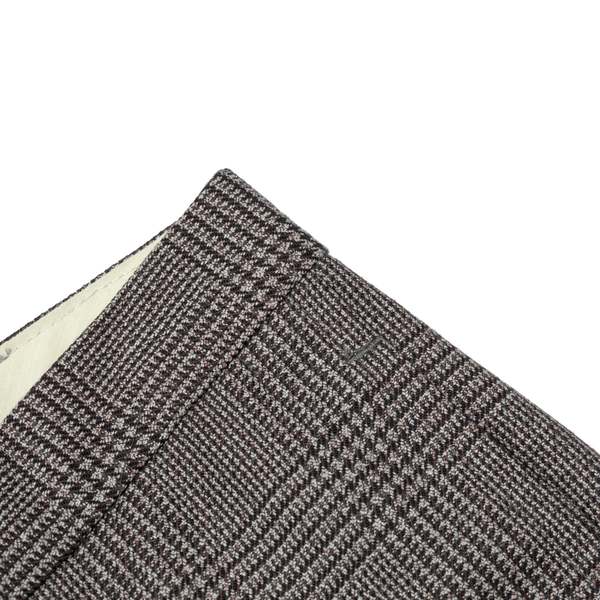
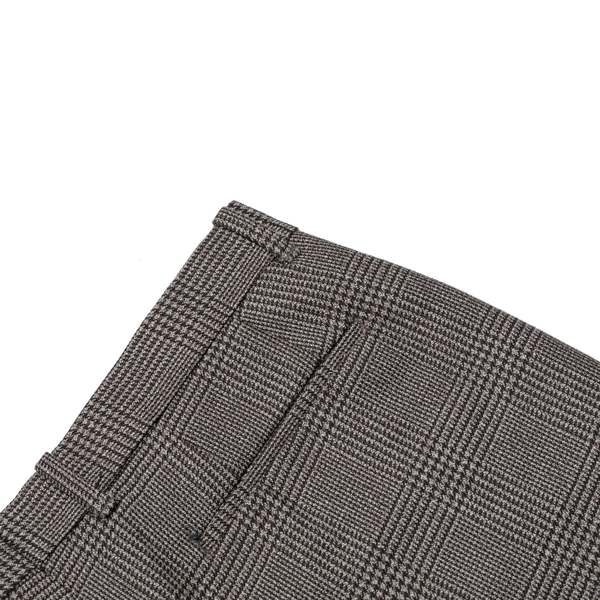
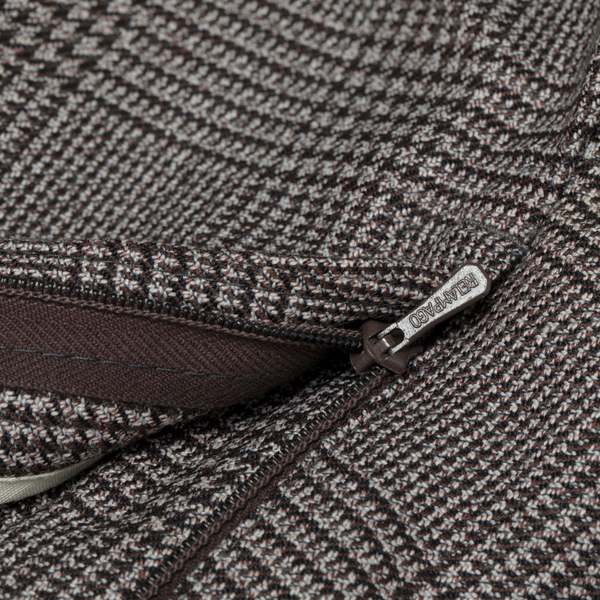
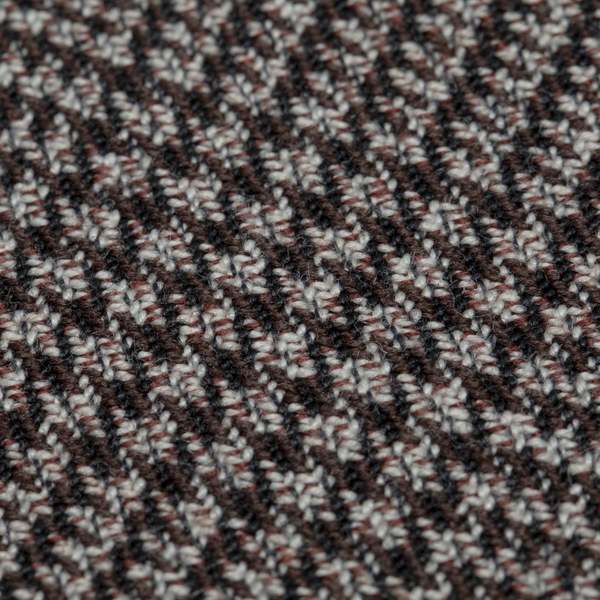
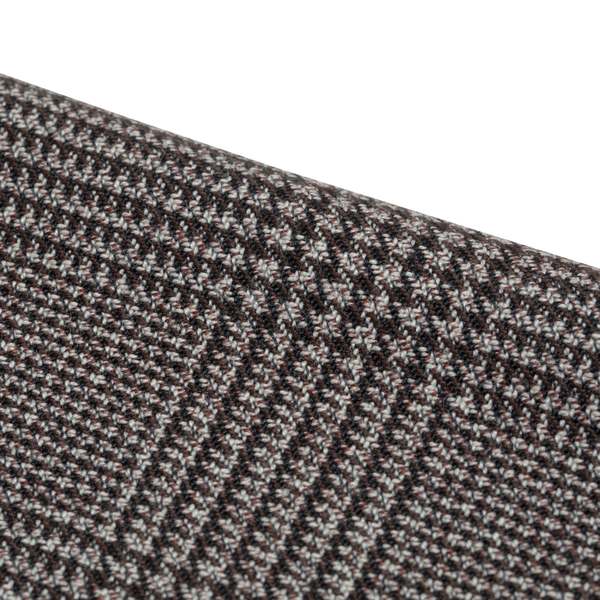
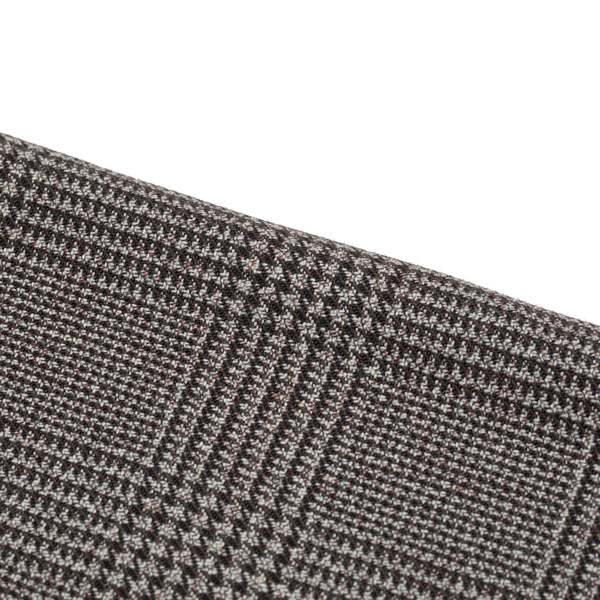
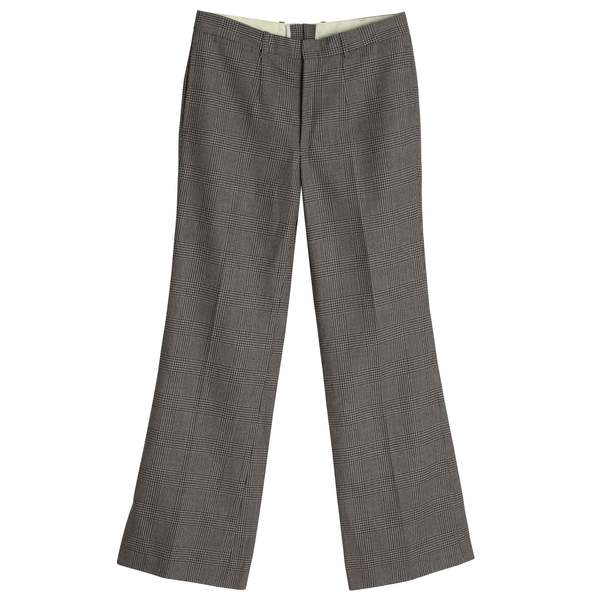
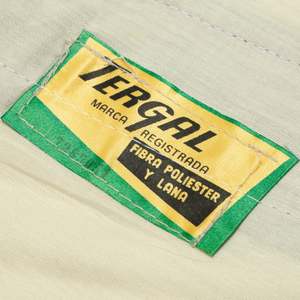
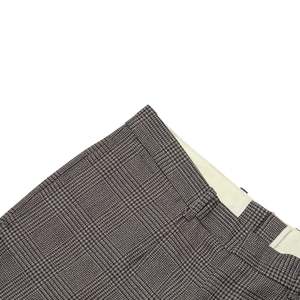
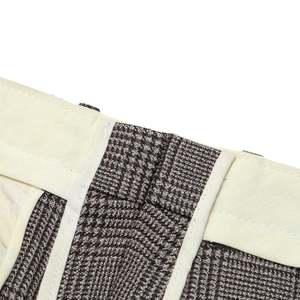
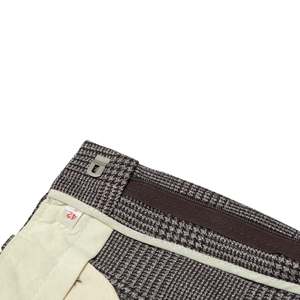
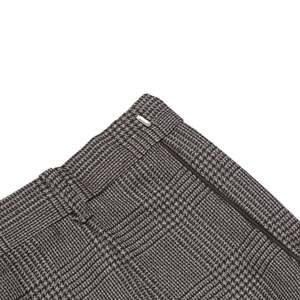
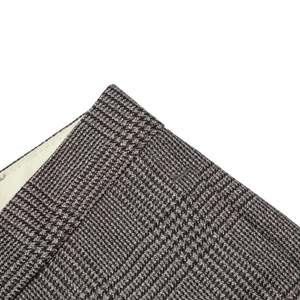
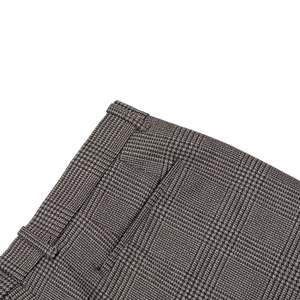
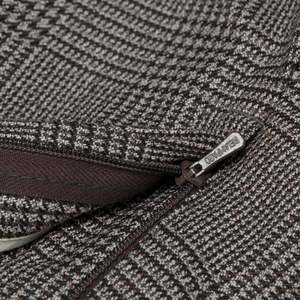
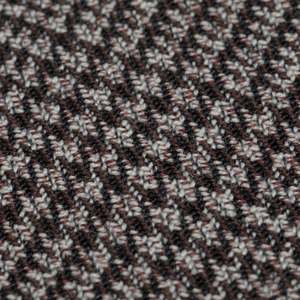
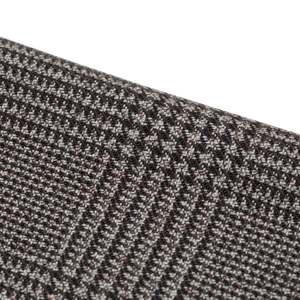
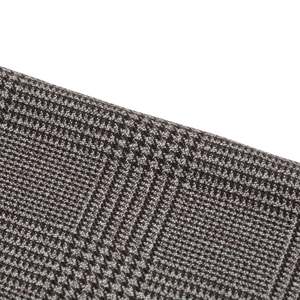
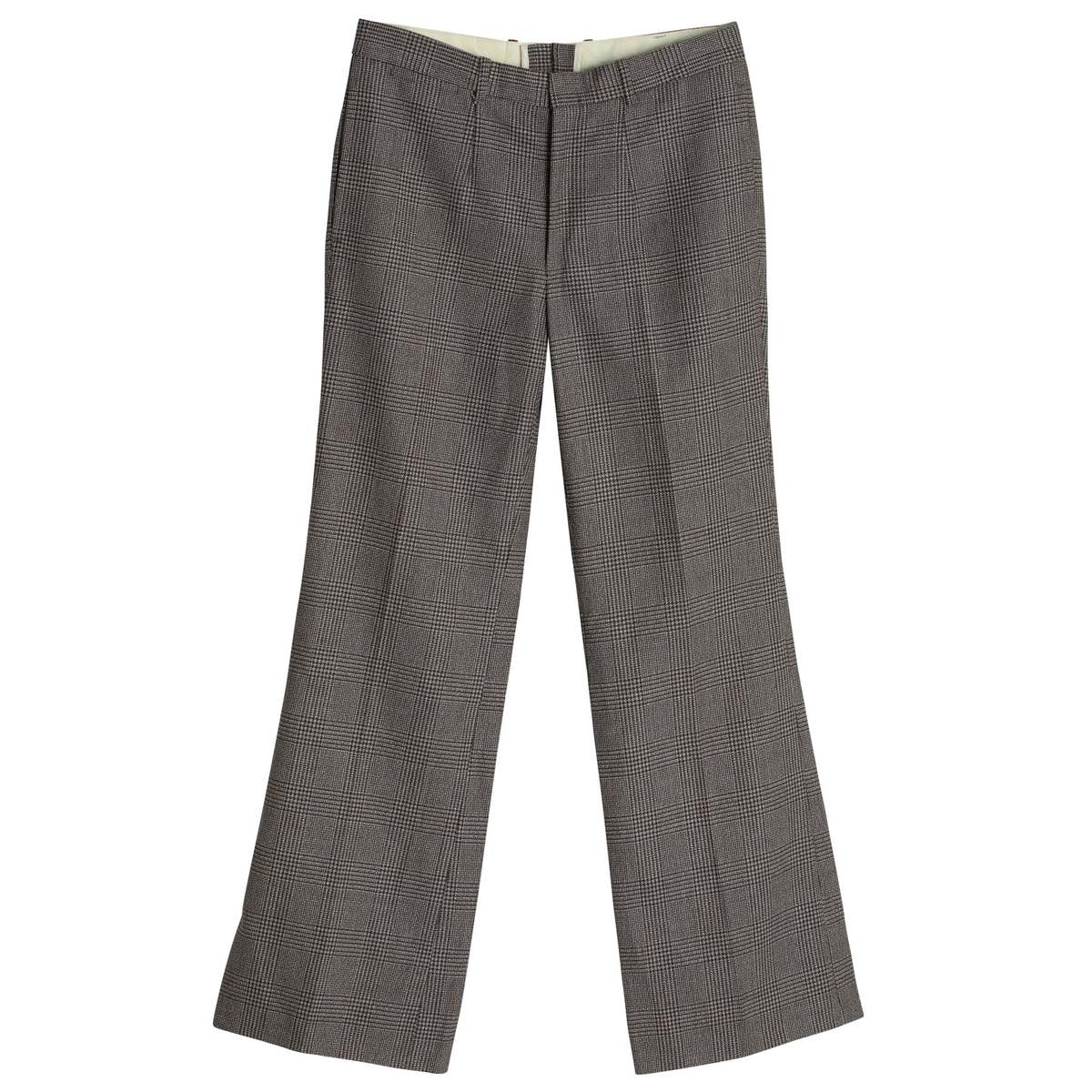
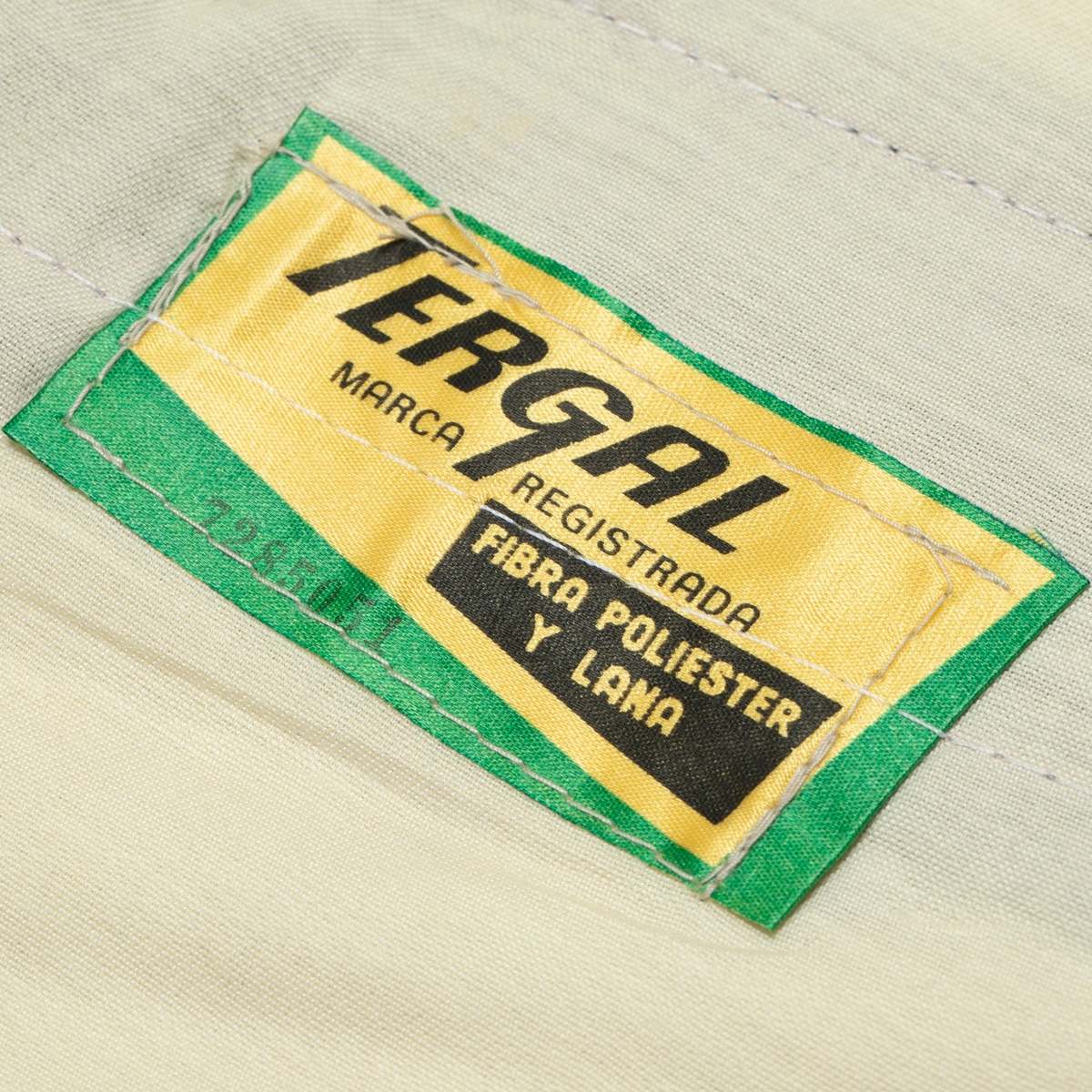
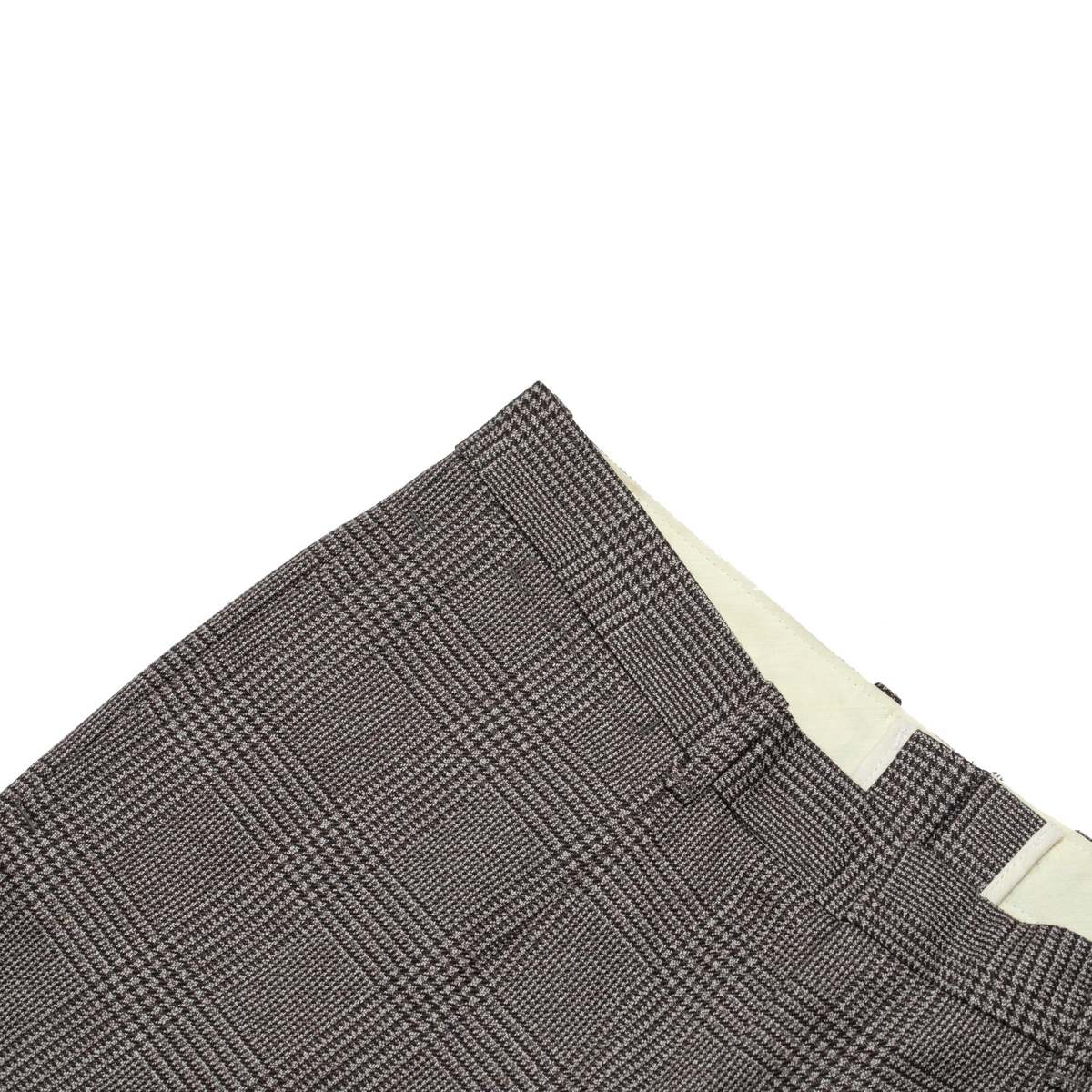
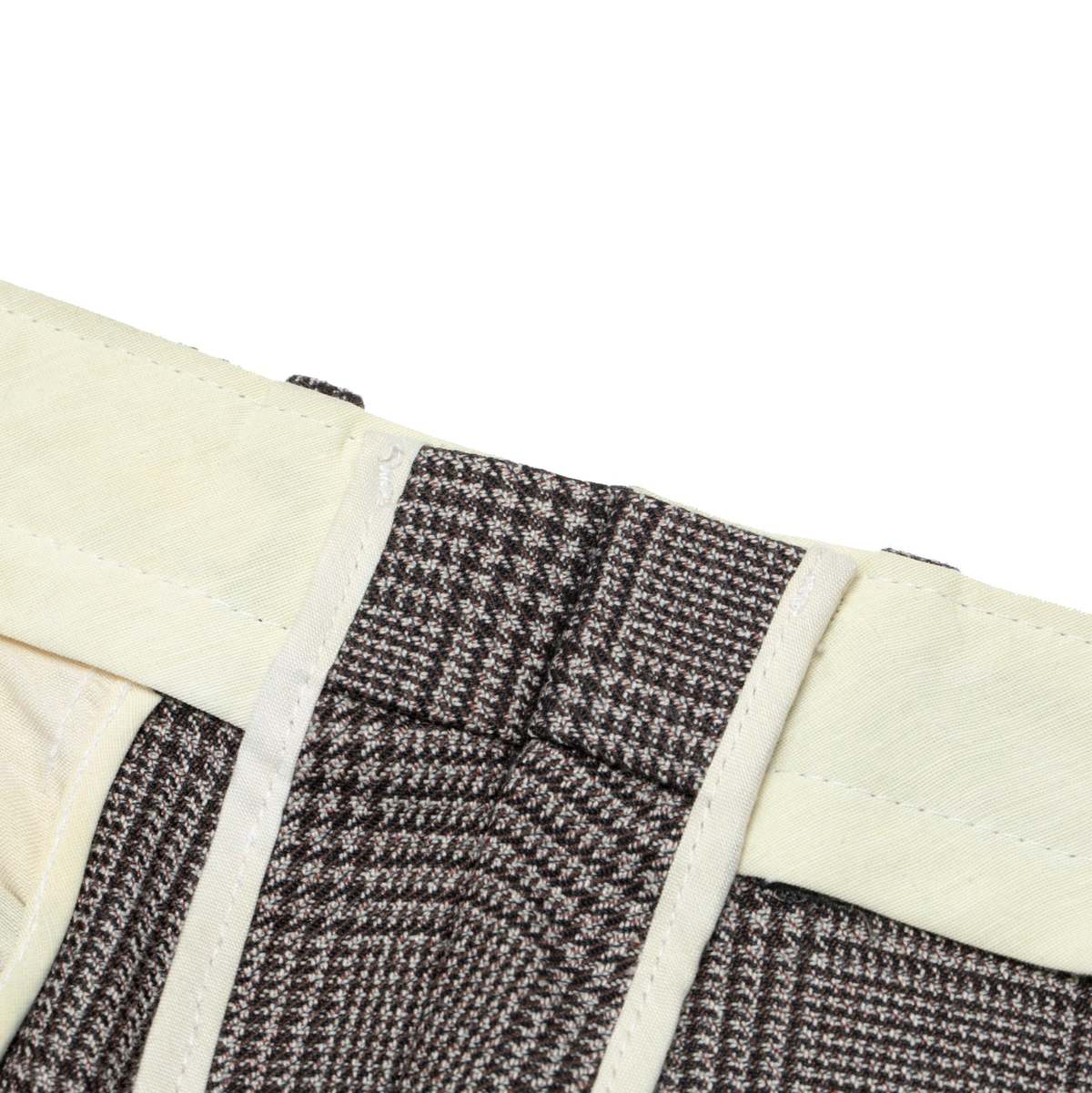
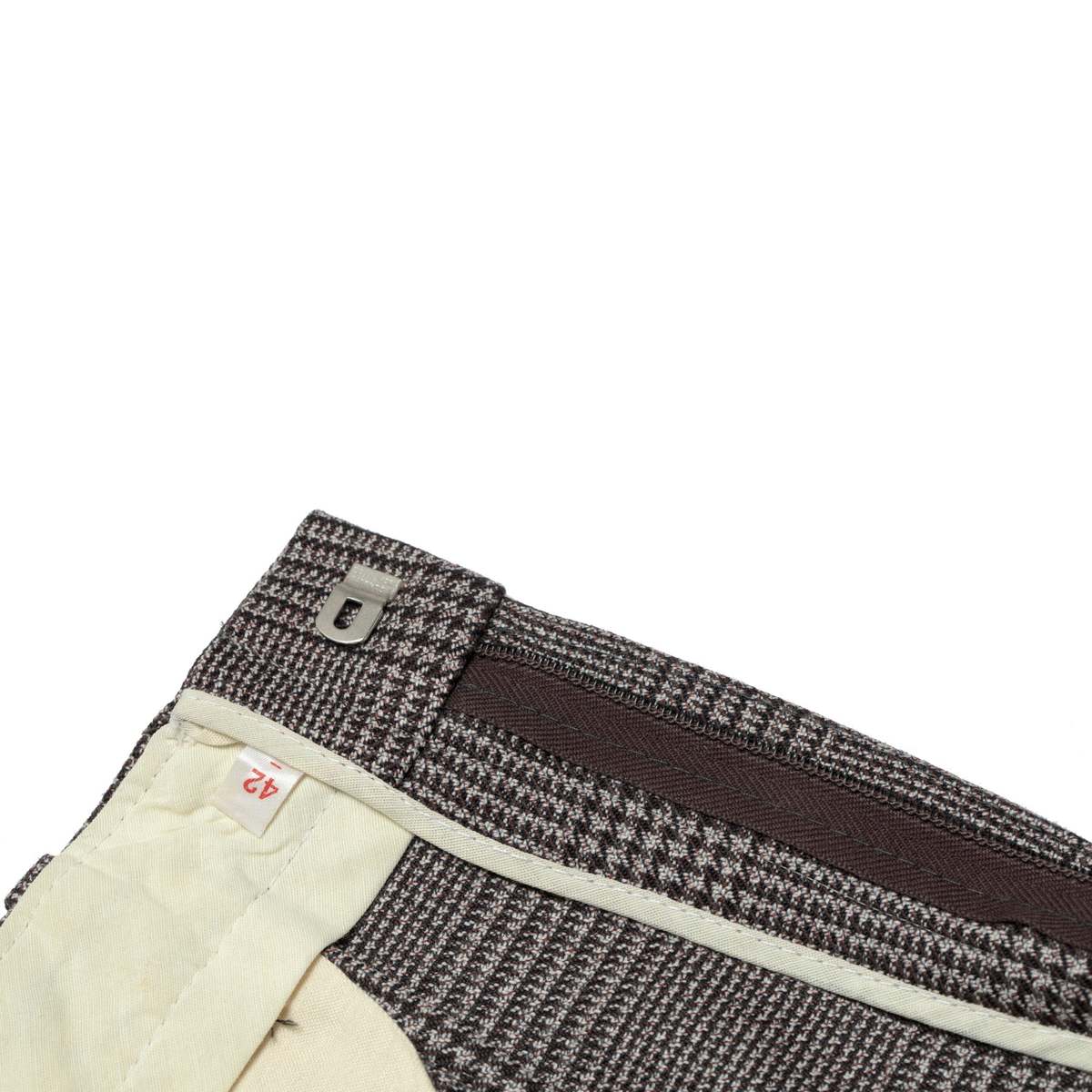
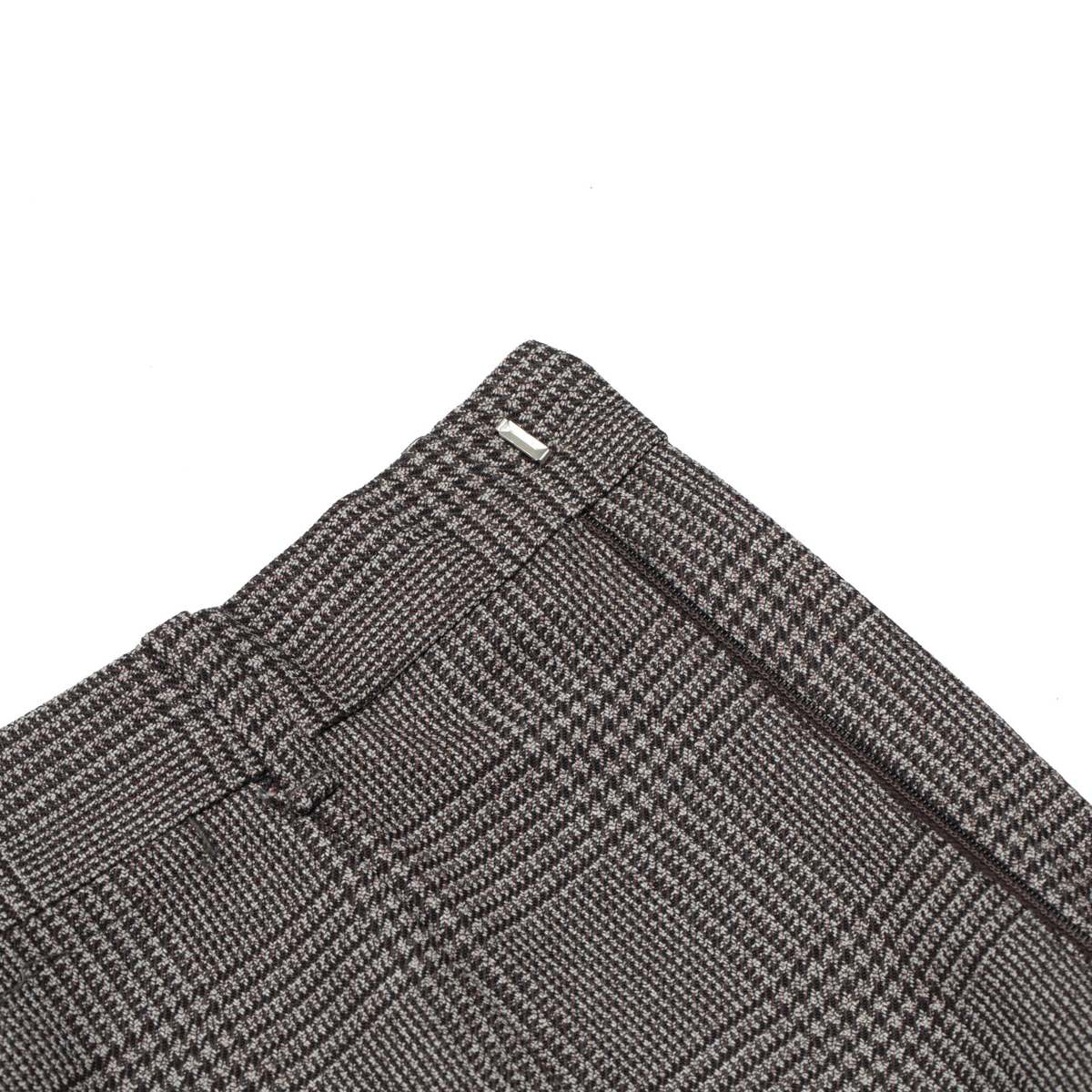
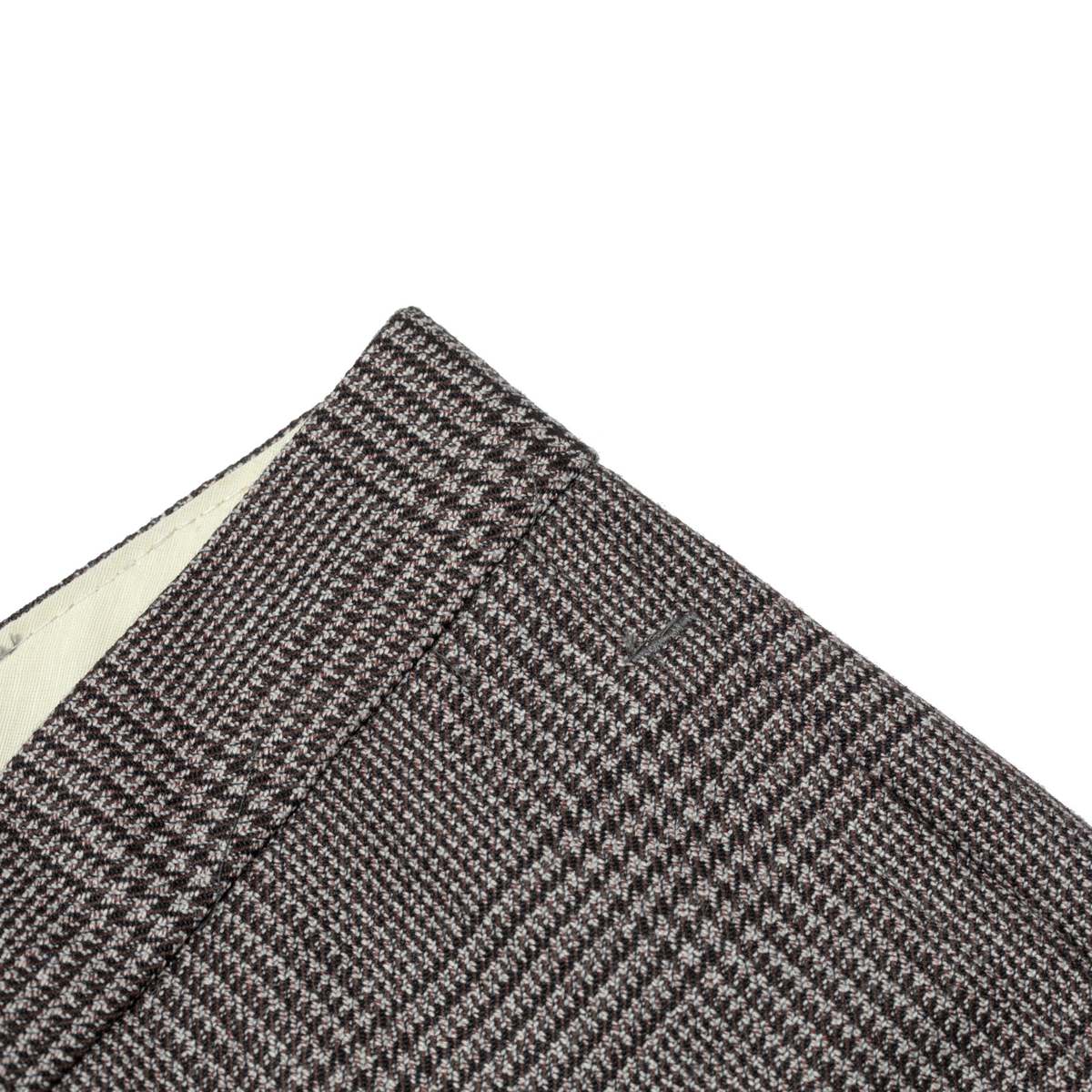
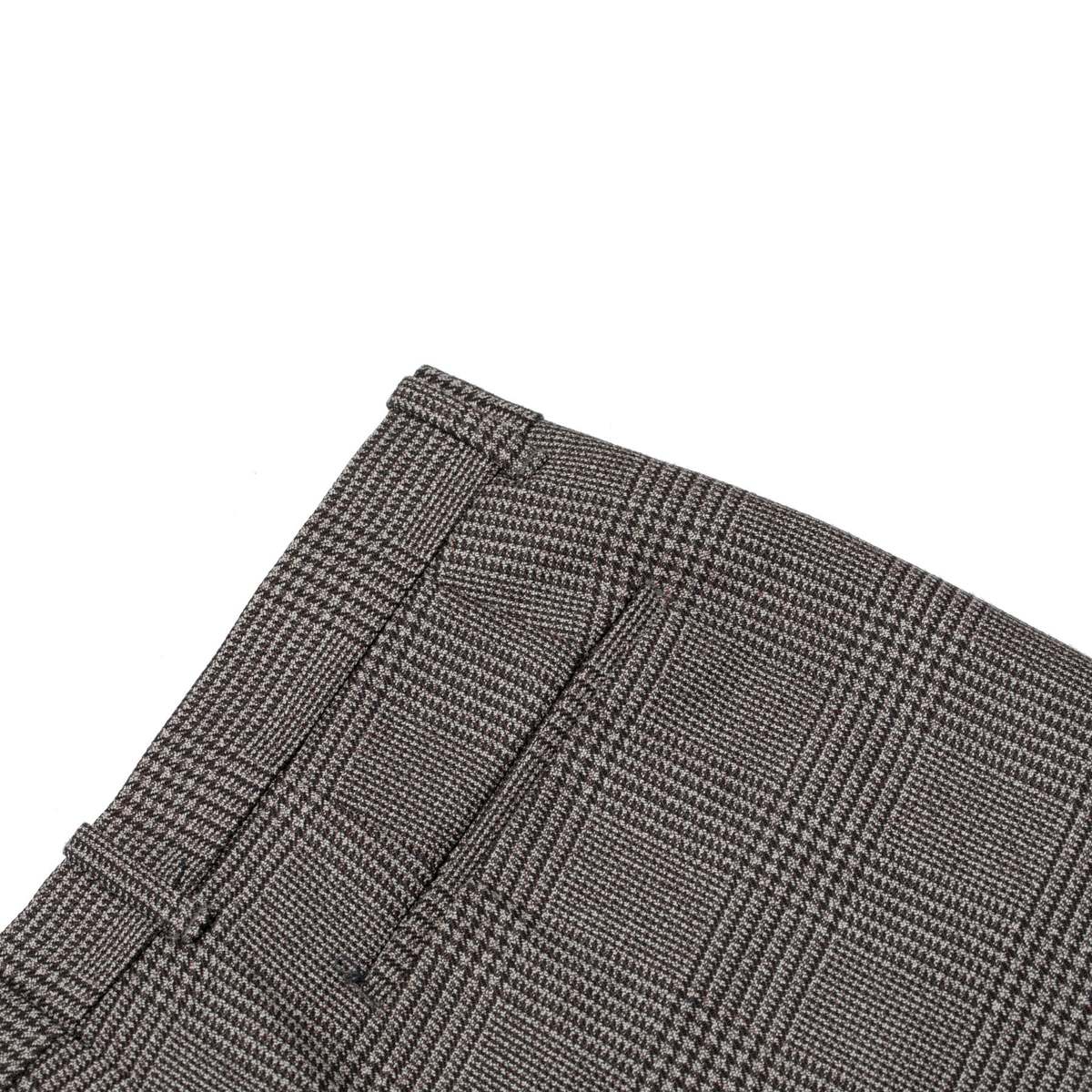
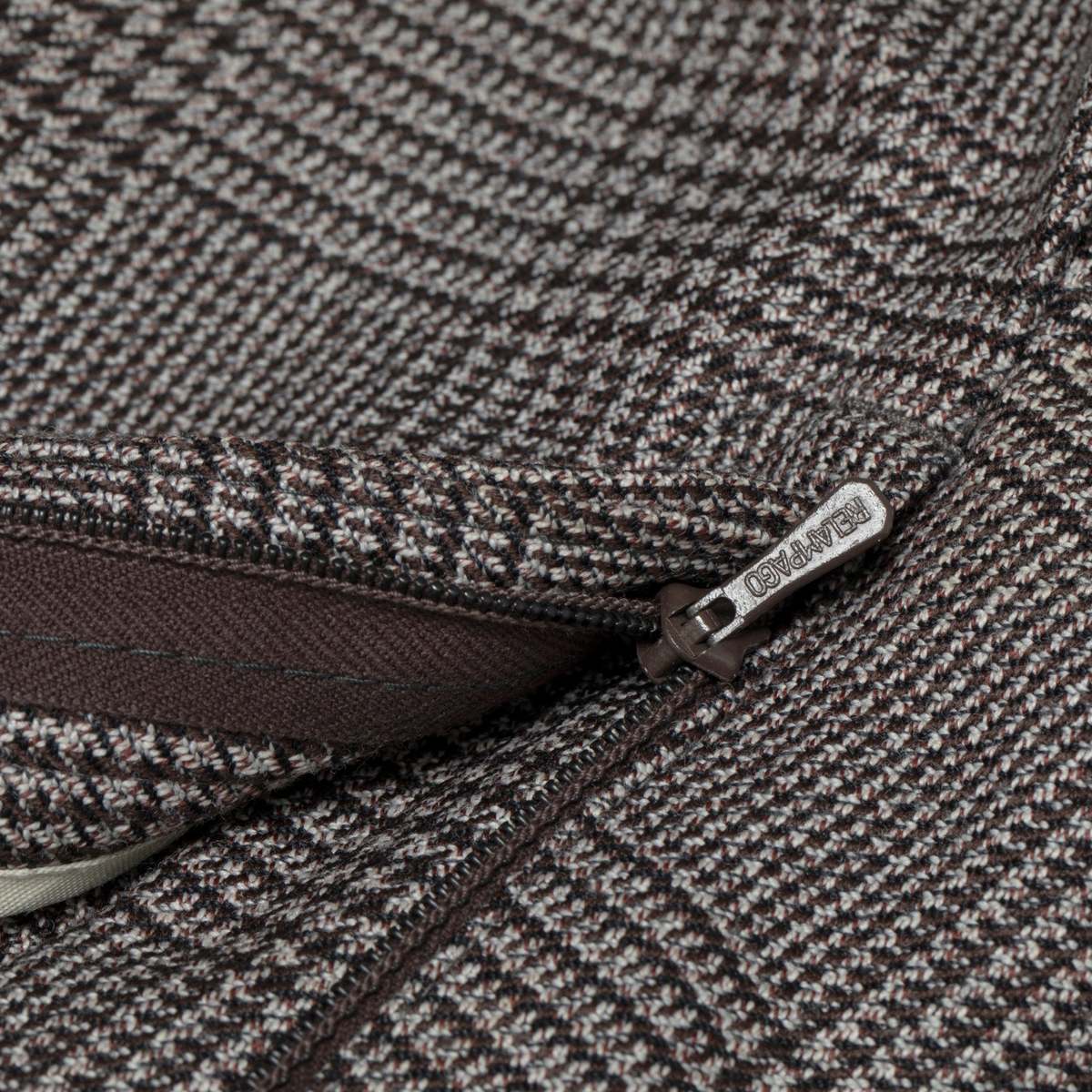
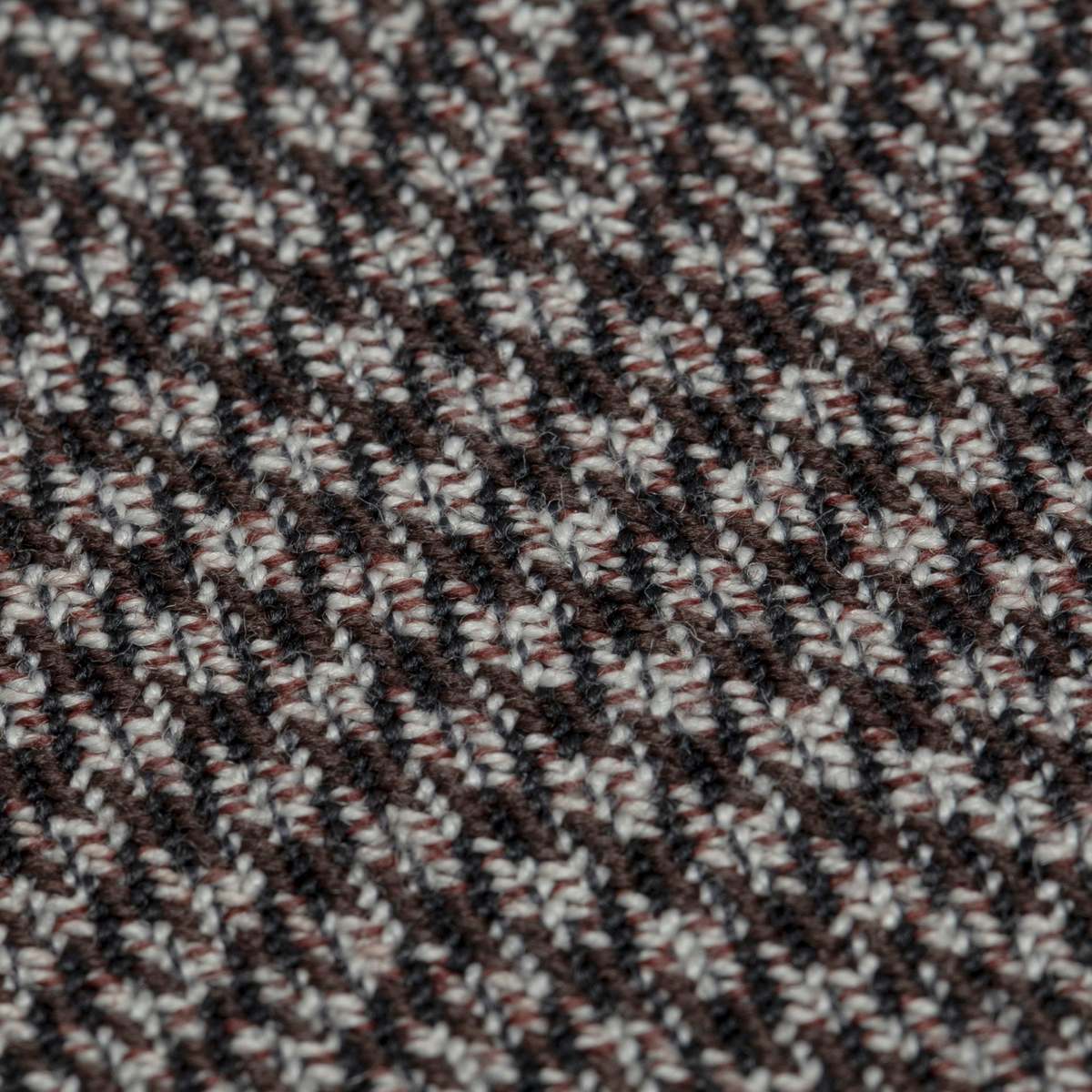
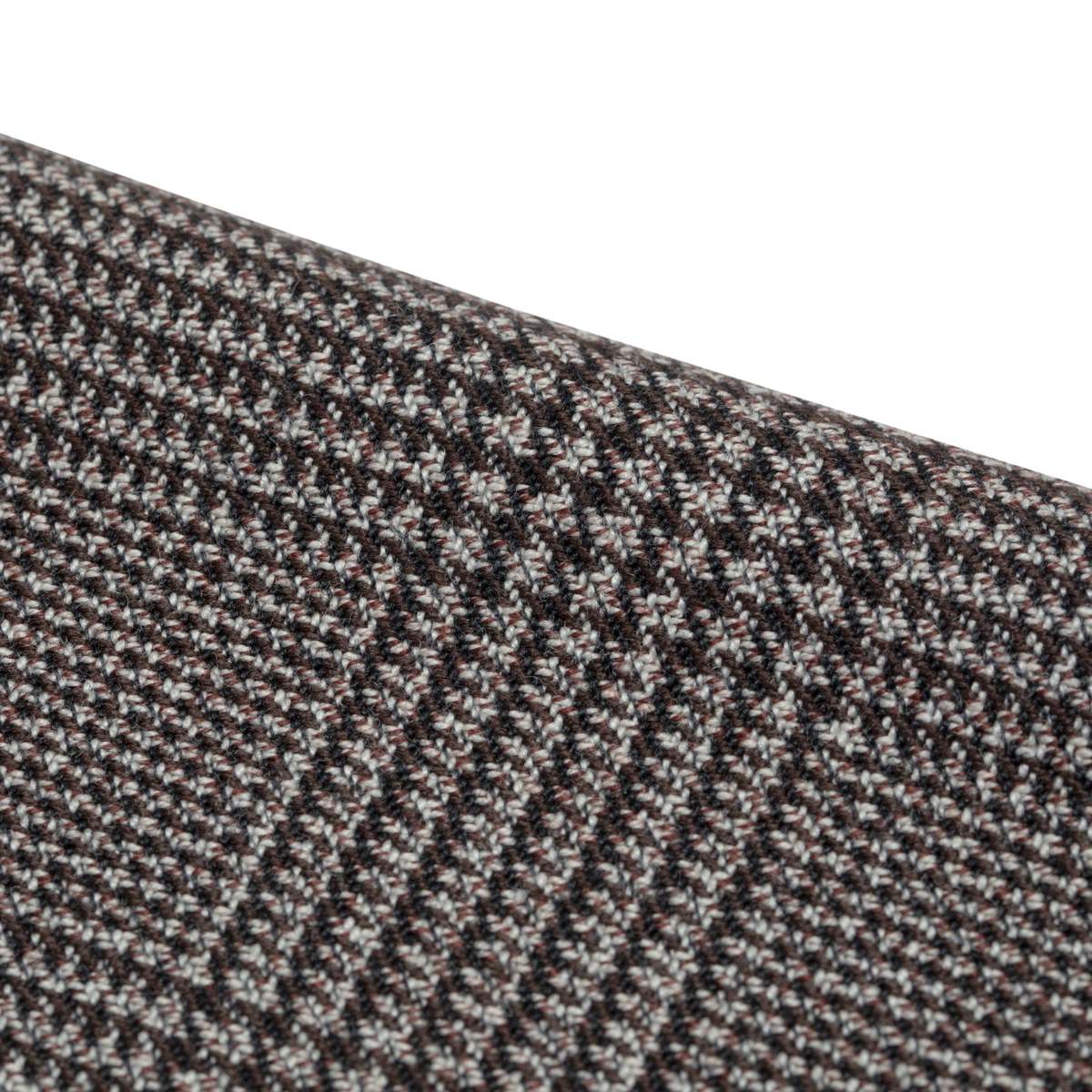
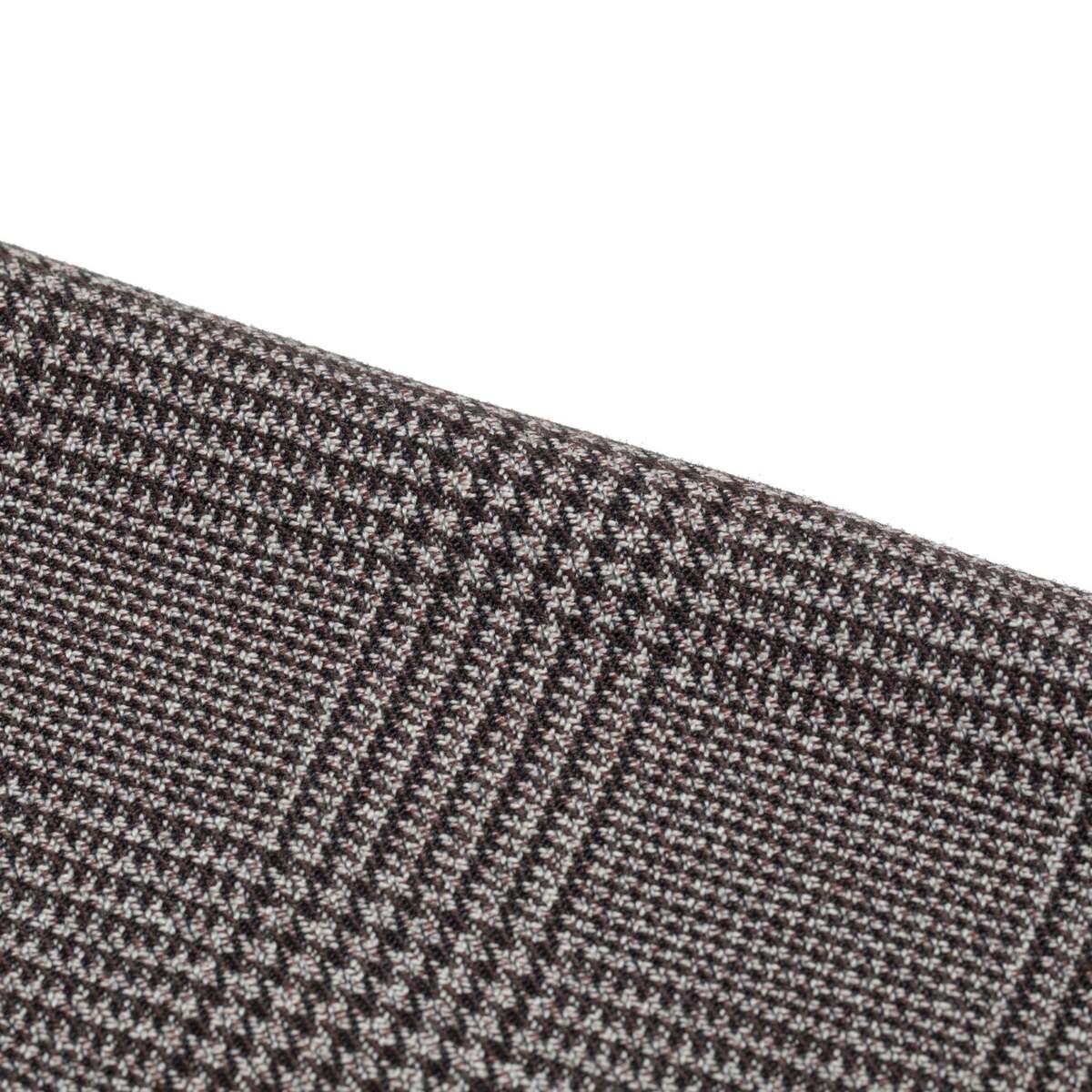
Flat-fronted and straight-cut with a slight flare, the silhouette reflects 1960s70s formalwear archetypes rooted in practical elegance and professional neutrality. The mid-rise Glen plaid trousers constructed from Tergal fabric represent a masterclass in mid-20th-century European industrial tailoring, where precision engineering met textile innovation to produce garments of understated refinement and utilitarian integrity. Lacking a visible fashion house or designer signature, the garment instead reveals its lineage through the internal label TERGAL MARCA REGISTRADAa textile identifier referencing the proprietary polyester fiber developed by Rhne-Poulenc in France and widely disseminated across European textile networks from the 1950s onward. Far from a peripheral footnote, Tergals presence anchors these trousers within a pivotal historical moment in fabric development, wherein synthetic fibers began to replace natural ones in commercial tailoring, delivering low-maintenance, crease-resistant garments to a newly mobile, economically ascendant middle class. Designed within the formalwear typology of flat-front tailored trousers, the garment exhibits all the hallmarks of late-1960s to early-1970s patterning: a structured waistband with extended tab closure, clean front with no pleats, straight-cut legs subtly flaring below the knee, and restrained surface detailing. The cut privileges visual neutrality and semi-fitted elegance, appropriate for officewear. Constructed with lockstitch assembly throughout, the trousers are engineered with a shaped waistband, reinforced via internal bar-tacks, and fused with interfacing for dimensional control. A full waistband curtain lines the interior, finished in pale cream with bias-bound seamsan uncommon but elevated choice for mass tailoring that reflects a holdover from traditional suiting construction methods. Fly construction follows a classic model: a RELAMPAGO brand metal zipperSpanish-madeis set with a flush alignment along a reinforced fly shield, aided by internal twill tape to absorb stress at the base. The hook-and-bar fastening system is mounted on an extended waistband tab, riveted through reinforced layers for security, and possibly supported by an internal button for load distribution. Belt loops, topstitched and bar-tacked post waistband assembly, preserve the checks visual alignment and enhance belt function without structural compromise. Pocket bags are composed of dense cotton twill, their seams French-stitched at entry and potentially flat-felled where joined to the main panelsan unusually robust construction strategy for trousers at this industrial tier. Internally, the finishing exceeds expectations for mass tailoring: side seams are overlocked, but key structural junctureswaistband, fly guard, and pocket intersectionsare all bias-bound to control fraying, reduce bulk, and extend wear longevity. The stitching is clean and consistent throughout, with a calibrated stitch length of approximately 2.5 to 3 mm, ensuring seam strength without distorting the fabrics surface. The trousers are unlined, a decision made not out of omission but as a calculated response to the density and stability of the Tergal blend, which requires neither lining for opacity nor reinforcement for form. The textile compositiona 2/2 twill blend of polyester and wool, likely in a 55/45 or 65/35 ratioembodies the industrial suiting ethos of the mid-century. With a GSM of approximately 260280, the fabric is firm, lightly brushed, and crisp to the touch. It bears a large-scale Glen check, alternating black, brown, and grey yarns into a matrix of staggered houndstooth blocks and windowpane overchecks. The tight yarn twist and plain worsted base offer both visual claritys and durability, while the wool component introduces breathability and structure, and the polyester ensures shape retention, wrinkle resistance, and ease of launderingcore attributes prized by the European business and uniform-wearing populations of the era. Pattern matching is executed with exacting care across fly seams, waistband joins, and belt loop placements. The check alignment is uninterrupted at key visual planes, including the center front rise and rear dart zones, reinforcing the trousers formal claritys and elevating their industrial precision. Waist shaping is achieved not through pleats or elaborate volume control but via subtle back darts and the structural manipulation of side seamsa drafting logic consistent with late-Modernist tailoring, privileging contour through form rather than excess fabric. The trousers historical context locates them squarely in the late 1960s to early 1970s, a period of dramatic transformation in European garment production, when Francoist Spain, among other regional economies, expanded export tailoring for Western markets. The zip brand, the size label and the overall construction logic point to Spanish manufacture, likely within an industrial tailoring facility calibrated to the specifications of state or commercial contracts. These trousers were not bespoke, yet their executioncurtain waistband, bound seams, reinforced fly, perfectly aligned Glen checkreveals a standard of tailoring that exceeds modern fast fashion norms and echoes the pre-automation discipline of postwar garment production. In terms of aesthetic and cultural interpretation, the trousers serve as a material response to post-war aspirations for modernity, formality, and masculine propriety. The use of Tergalnot merely a fiber but an emblem of post-industrial innovationsignifies a desire to merge traditional dress codes with futuristic maintenance freedom. The Glen plaid, stripped of its aristocratic roots and executed here in a crisp, machine-friendly format, becomes a democratized motif of mid-century professionalismno longer exclusive, but accessible and reproducible. Today, these trousers occupy a compelling space within the broader narrative of archival minimalism and mid-century utilitarian design. Their clean-cut silhouette, durable fiber structure, and faultless construction make them viable for vintage resale, historical study, or direct inspiration in contemporary tailoring. Brands such as Lemaire, Dries Van Noten, and Celine have revived similar silhouettes and textiles in recent collectsions, underscoring the enduring design logic embedded within garments such as this. Their value lies not in flamboyance or rarity, but in their masterful equilibrium of structure, claritys, and technical soundness. As both garment and artifact, they reflect an era when industrial tailoring could deliver elegance without extravagance and performance without aesthetic compromise. Measurements (cm): Waist: 40 Inseam: 80 Outseam: 105 Opening: 27 Size Conversion (approximate) US Womens Size: 8 EU Womens Size: 40 SKU: 005694
Garmentory is a curated marketplace of independent boutiques and emerging designers from around the world.
Fashion With Intention
Aw yeah!
We love making new friends so while we're popping bottles, continue shopping to apply your $10 credit.
We've got a dedicated site "garmentory.co" just for our Indian customers! Shop with local currency, faster shipping, and exclusive products.
We cannot add this item to your bag because it’s already at max capacity. But don’t worry, we’ve saved it to your wish list.
Earn Replica Belts credits when you shop, wishlist, and inspire others.

Have a question about the size or something else? We're here to help!