Spring fever is here 🌡️☀️ Prep early for those not too hot and not too cold days by finding something you love ON SALE. SHOP THE SALE


Spring fever is here 🌡️☀️ Prep early for those not too hot and not too cold days by finding something you love ON SALE. SHOP THE SALE
| To | Service | Estimated Delivery | Fee |
|---|---|---|---|
| 🌎 | Intl. Air | 6-20 business days | $29.95 |
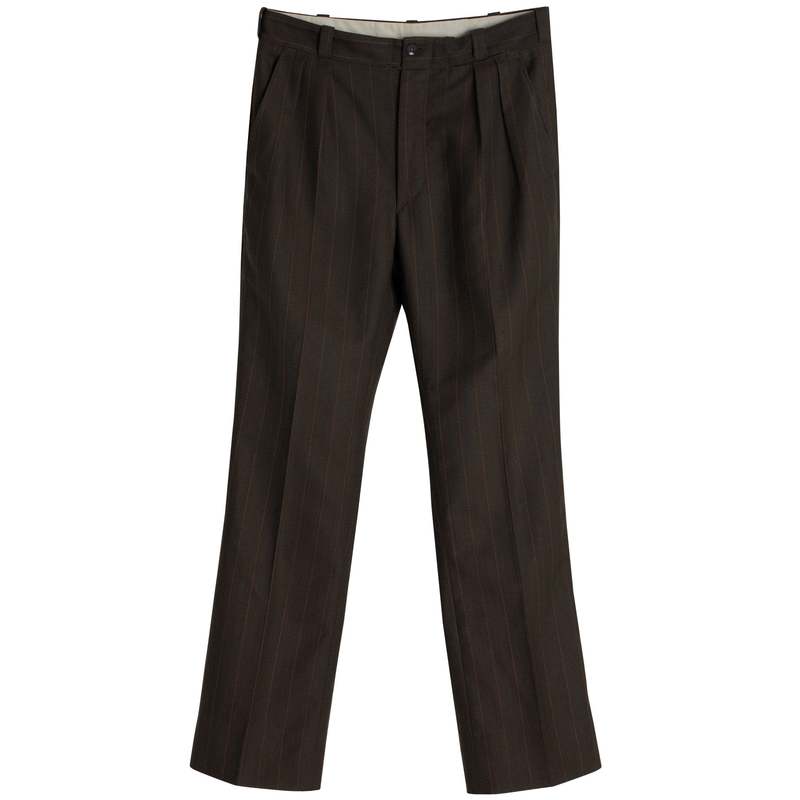
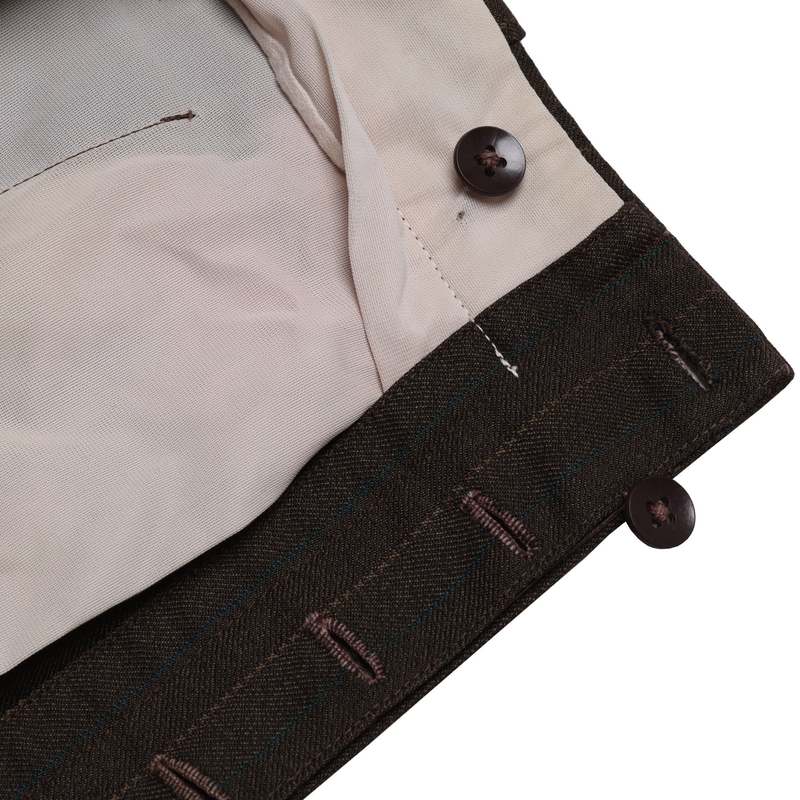
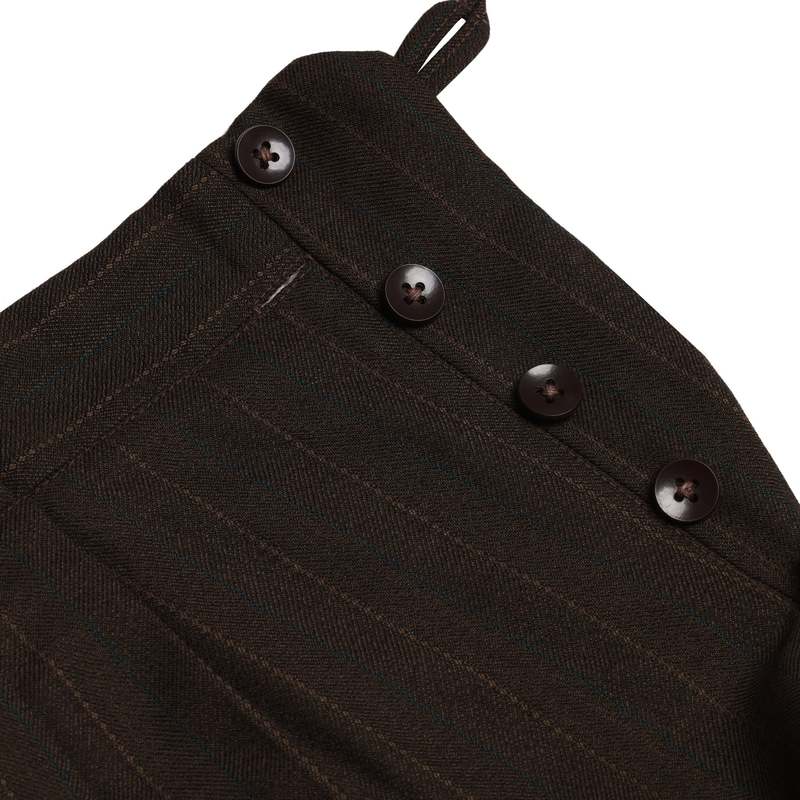
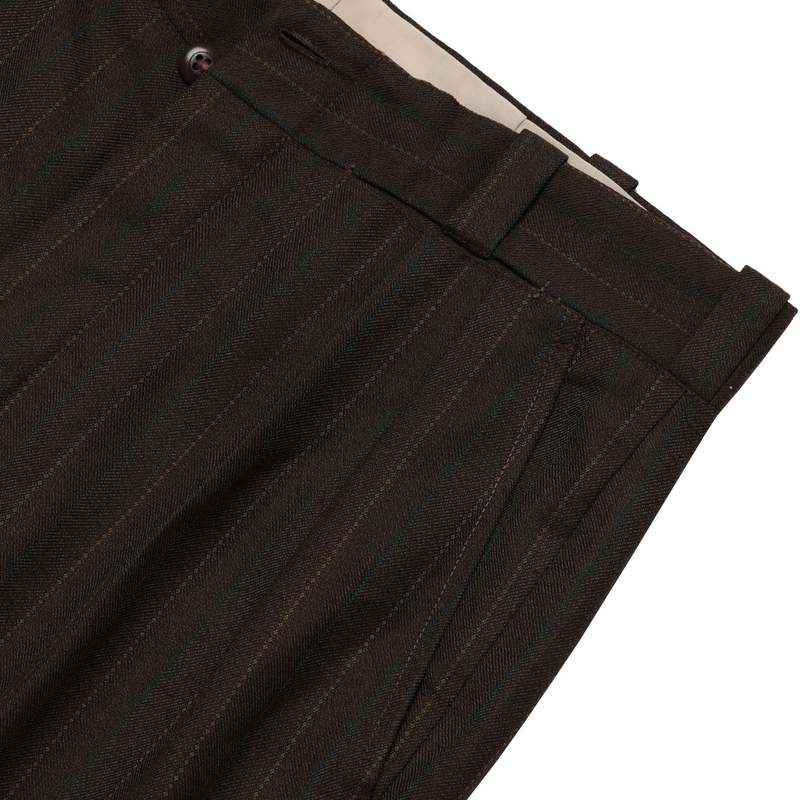
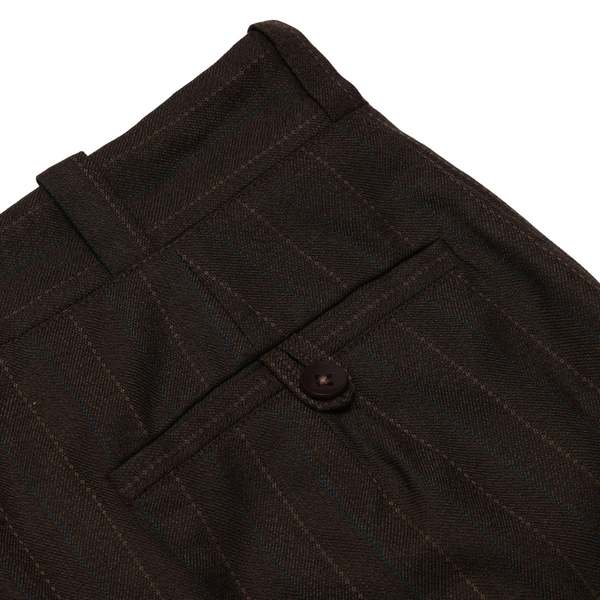
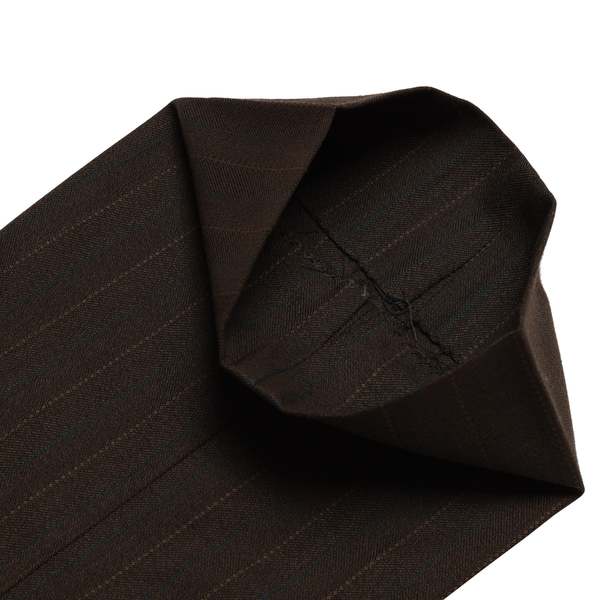
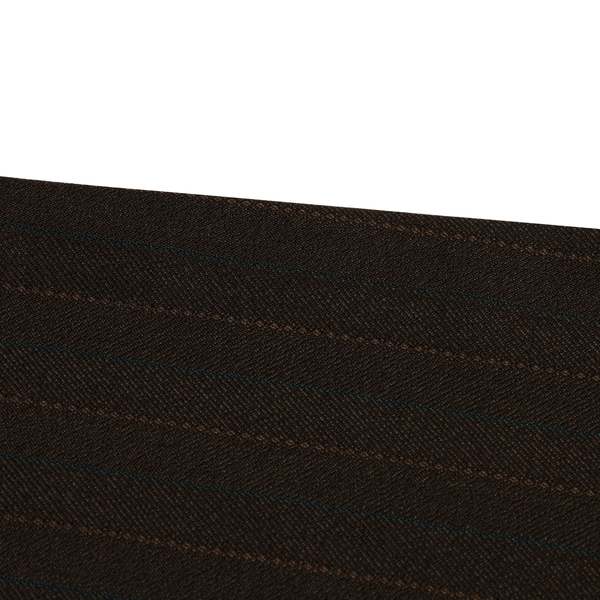
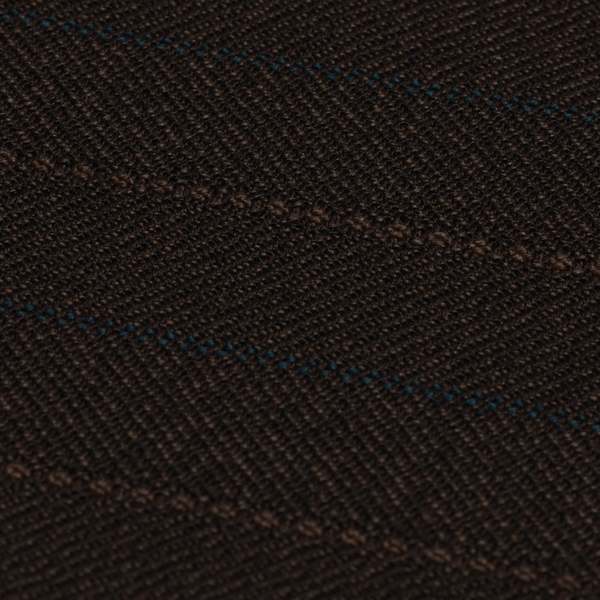
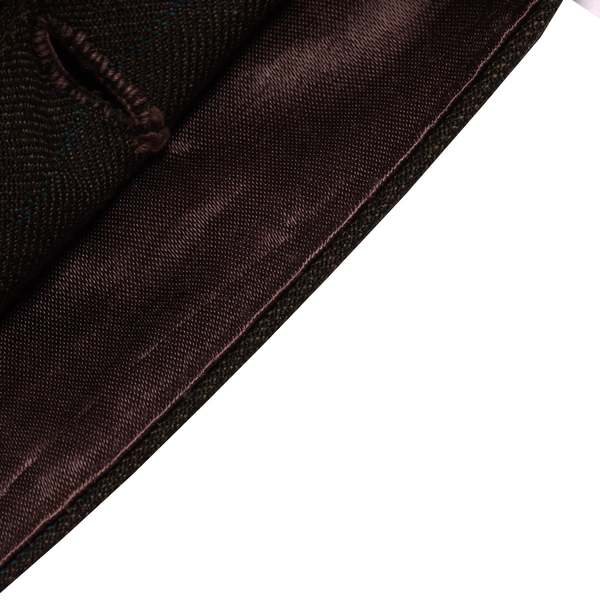
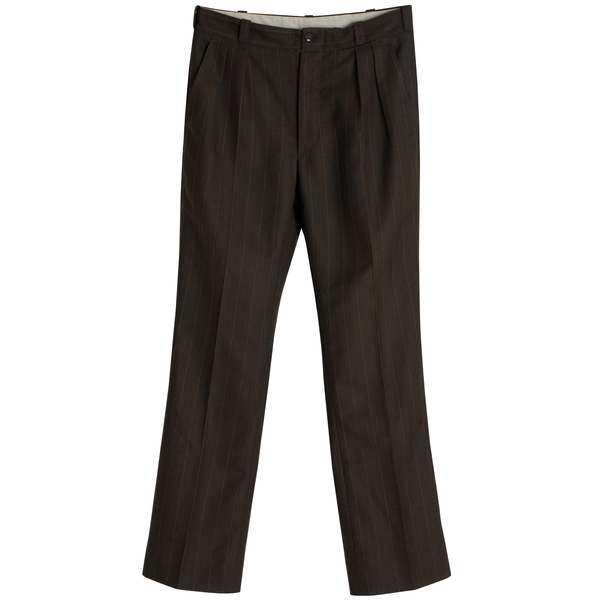
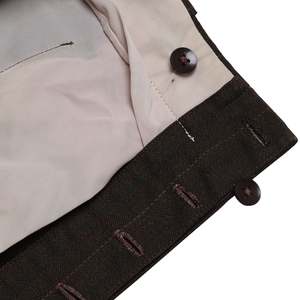
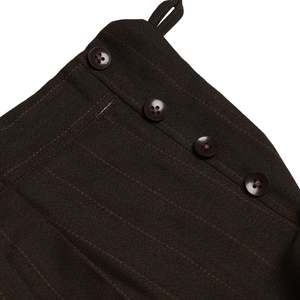
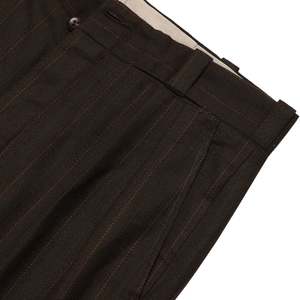
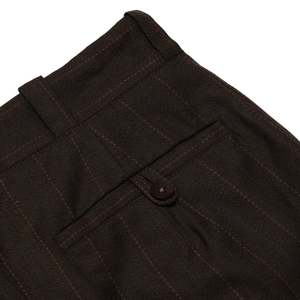
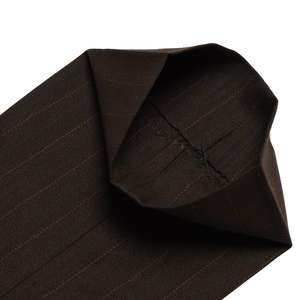
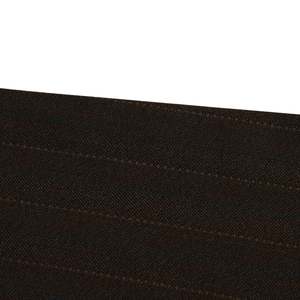
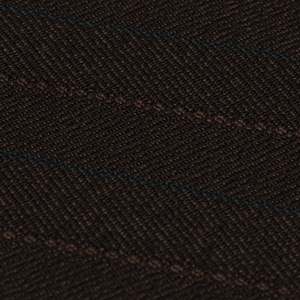
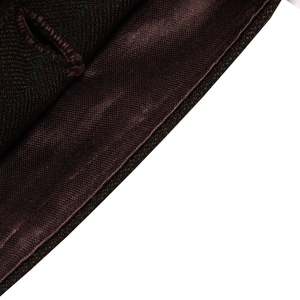
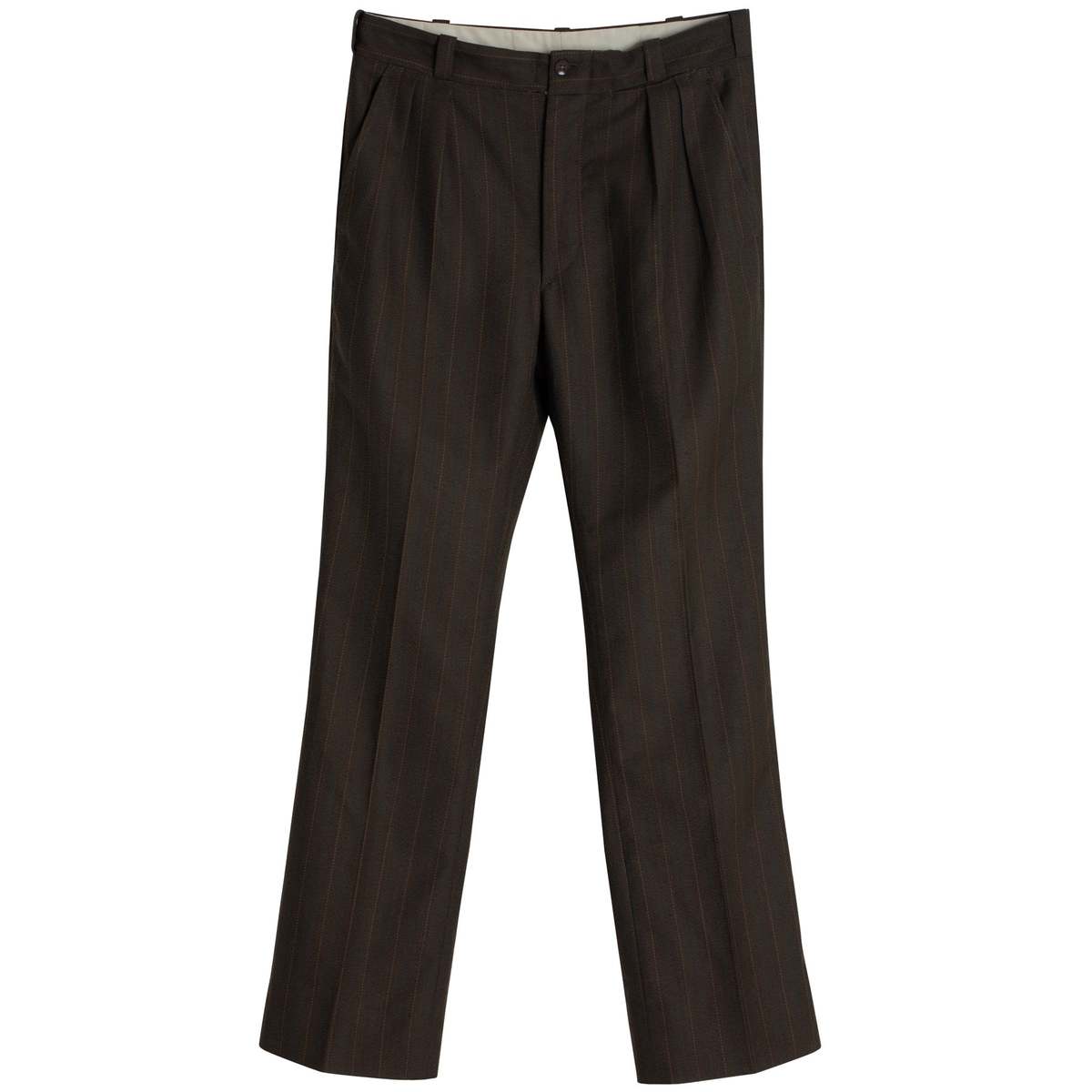
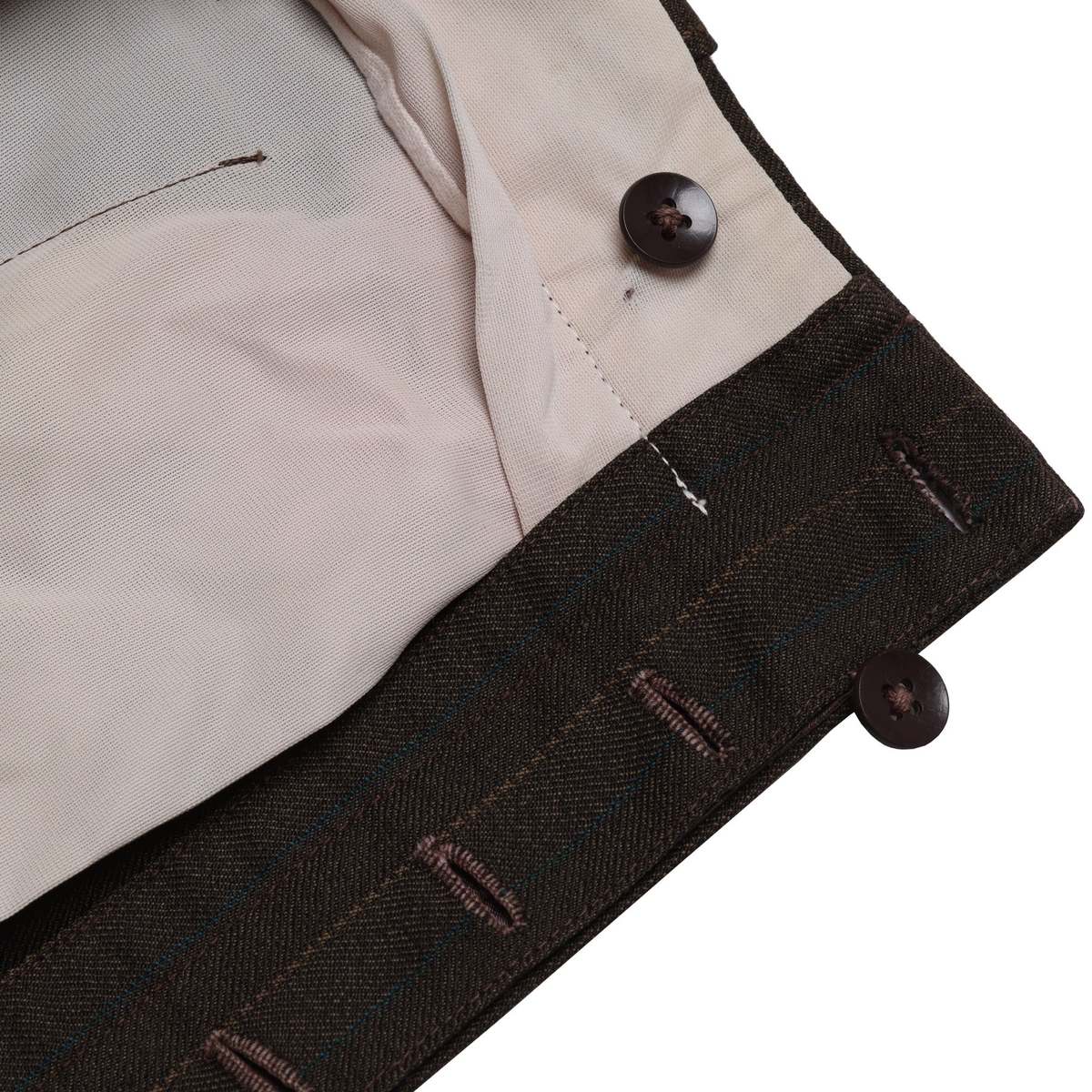
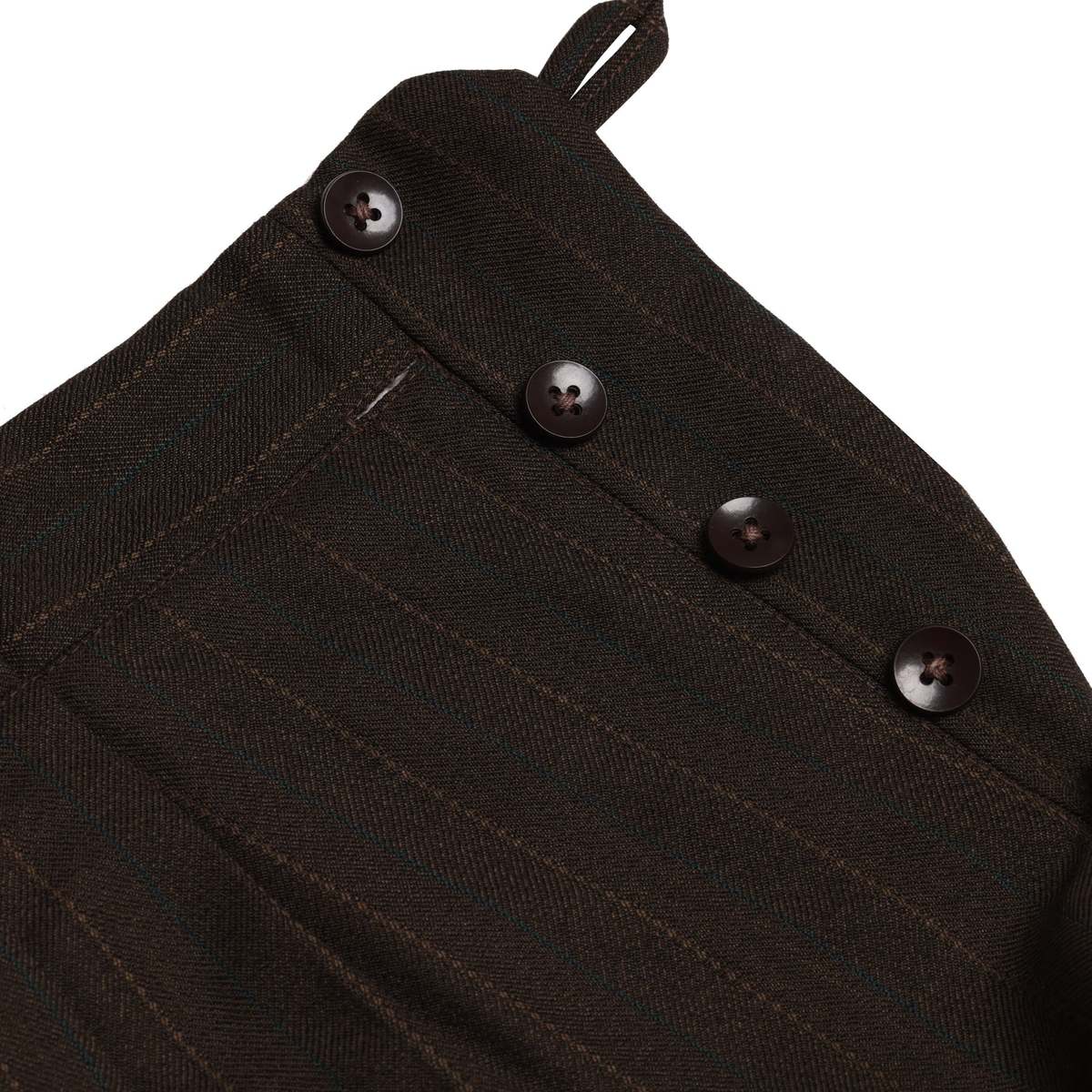
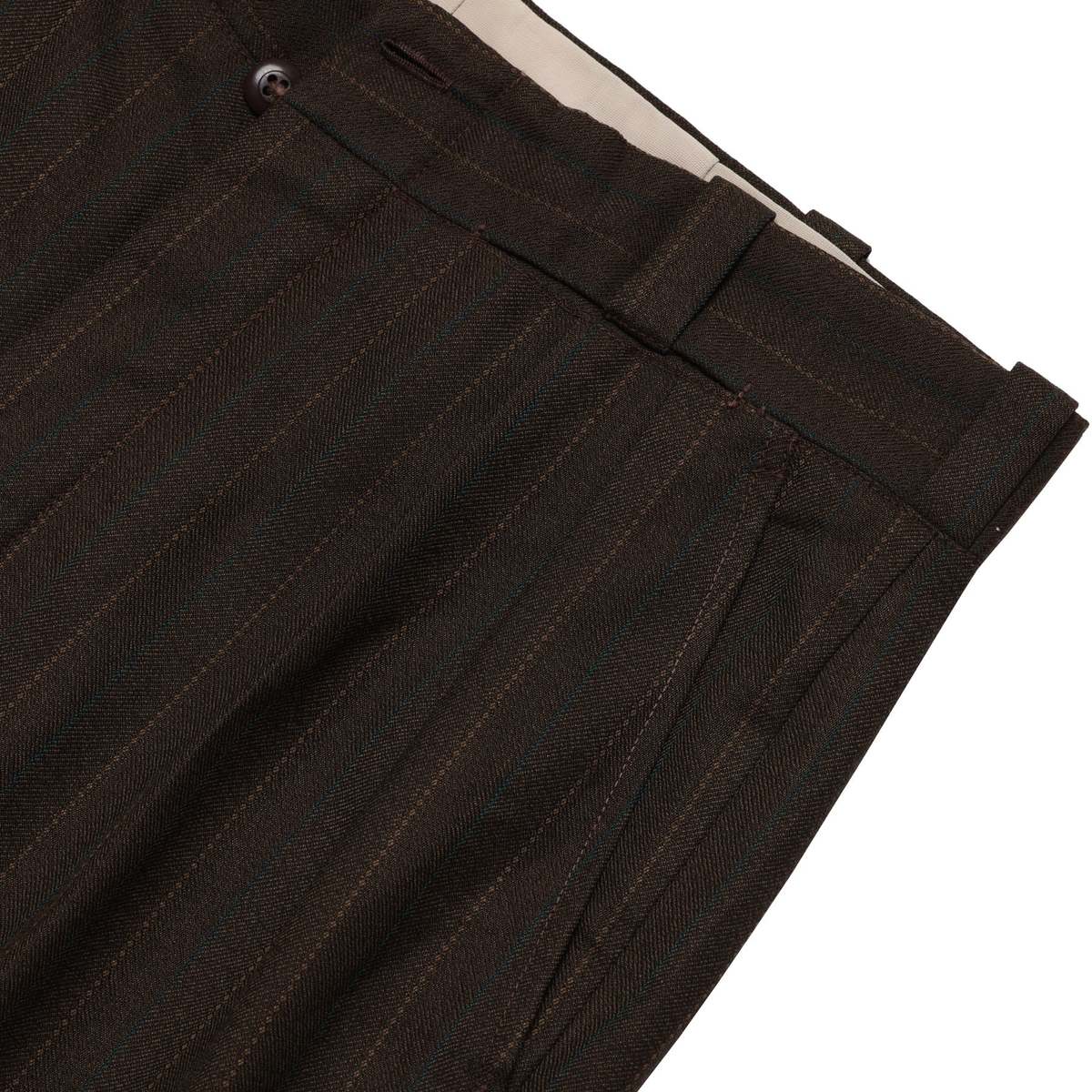
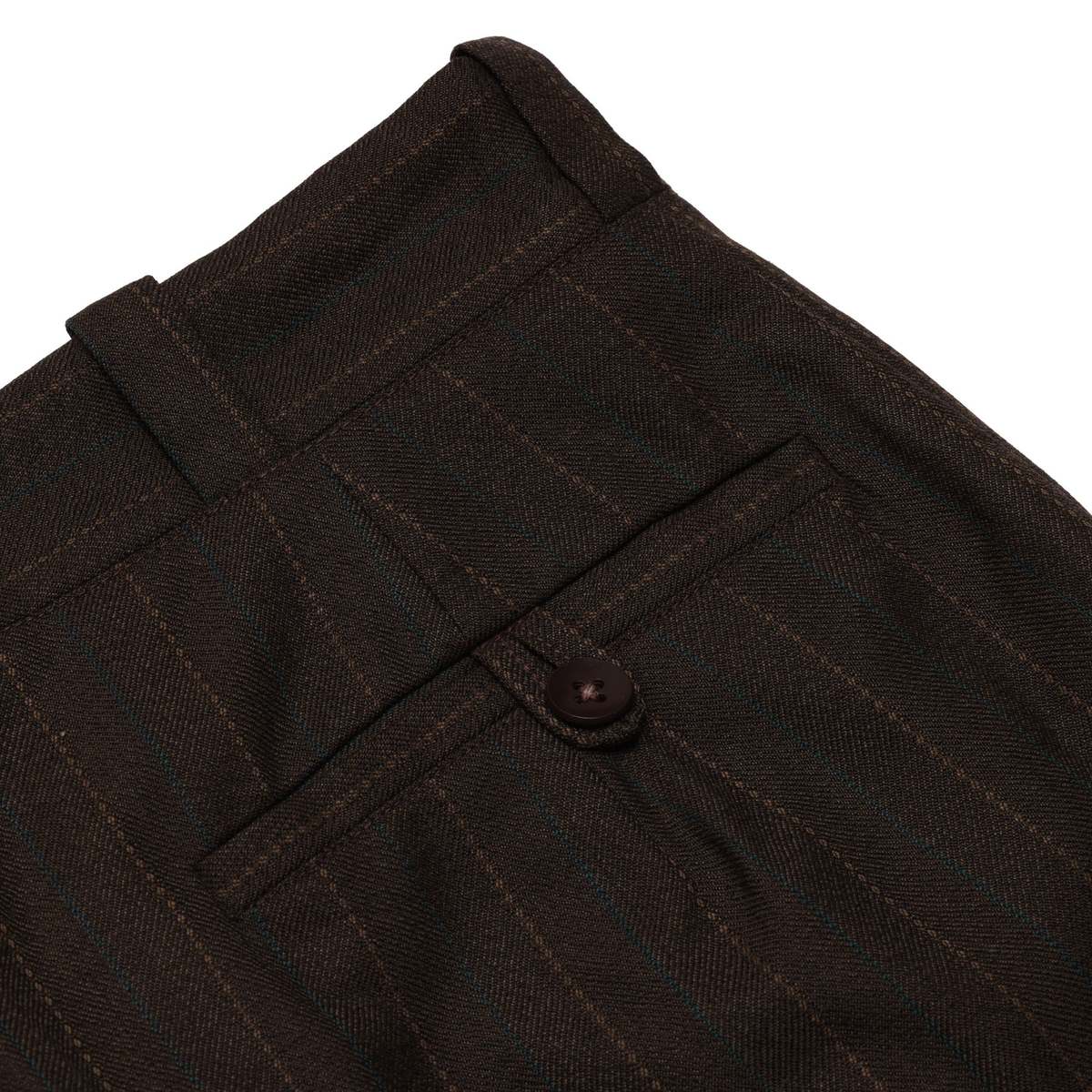
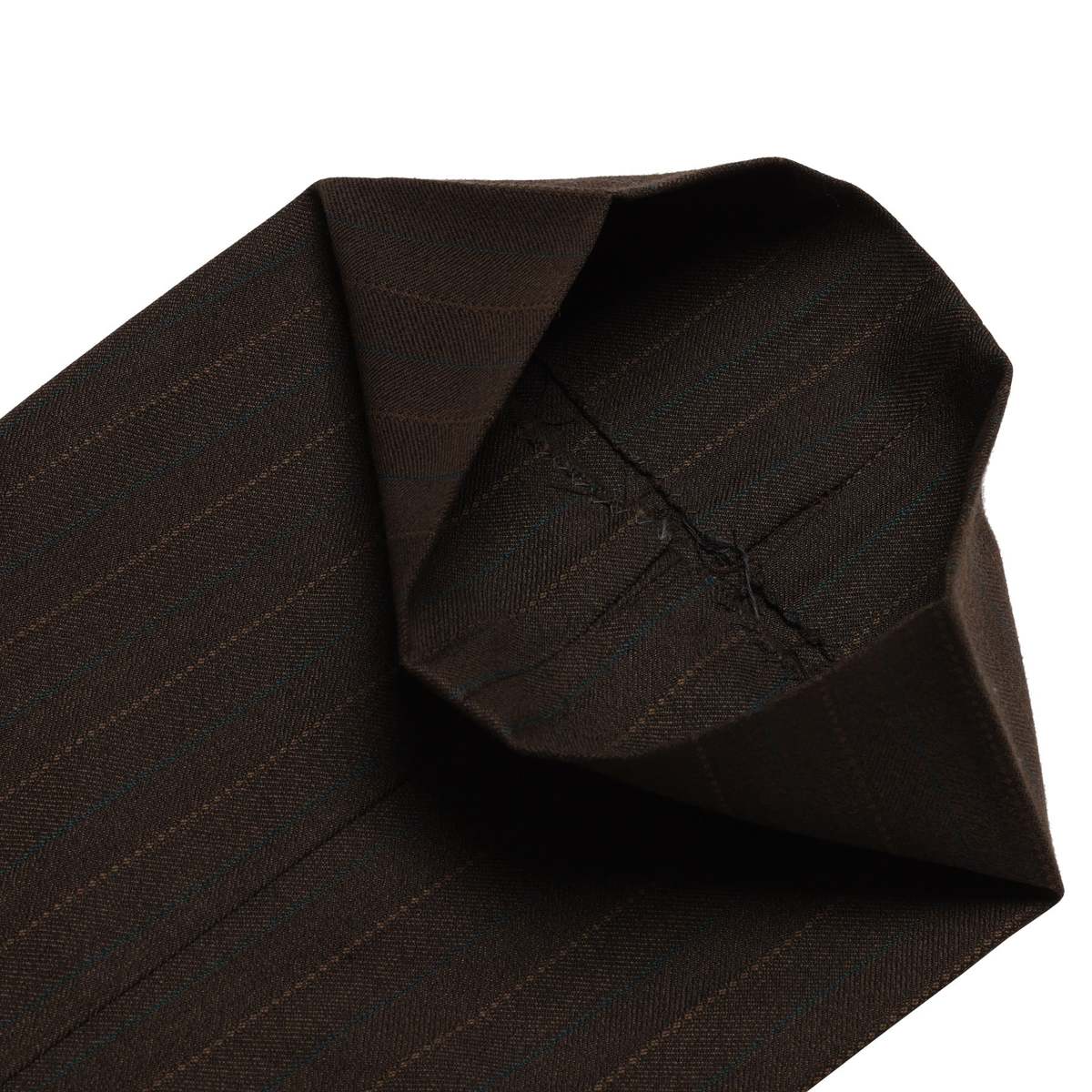
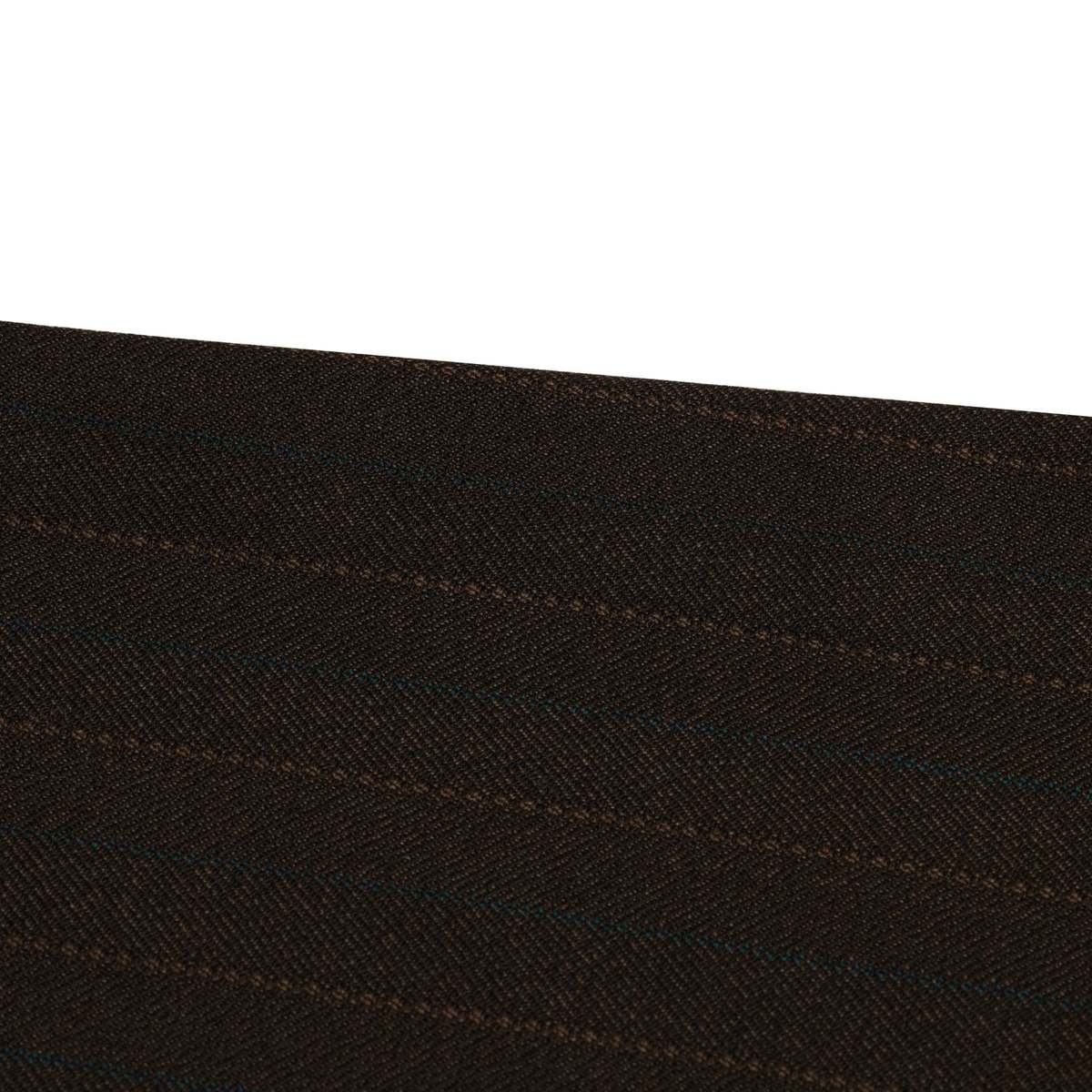
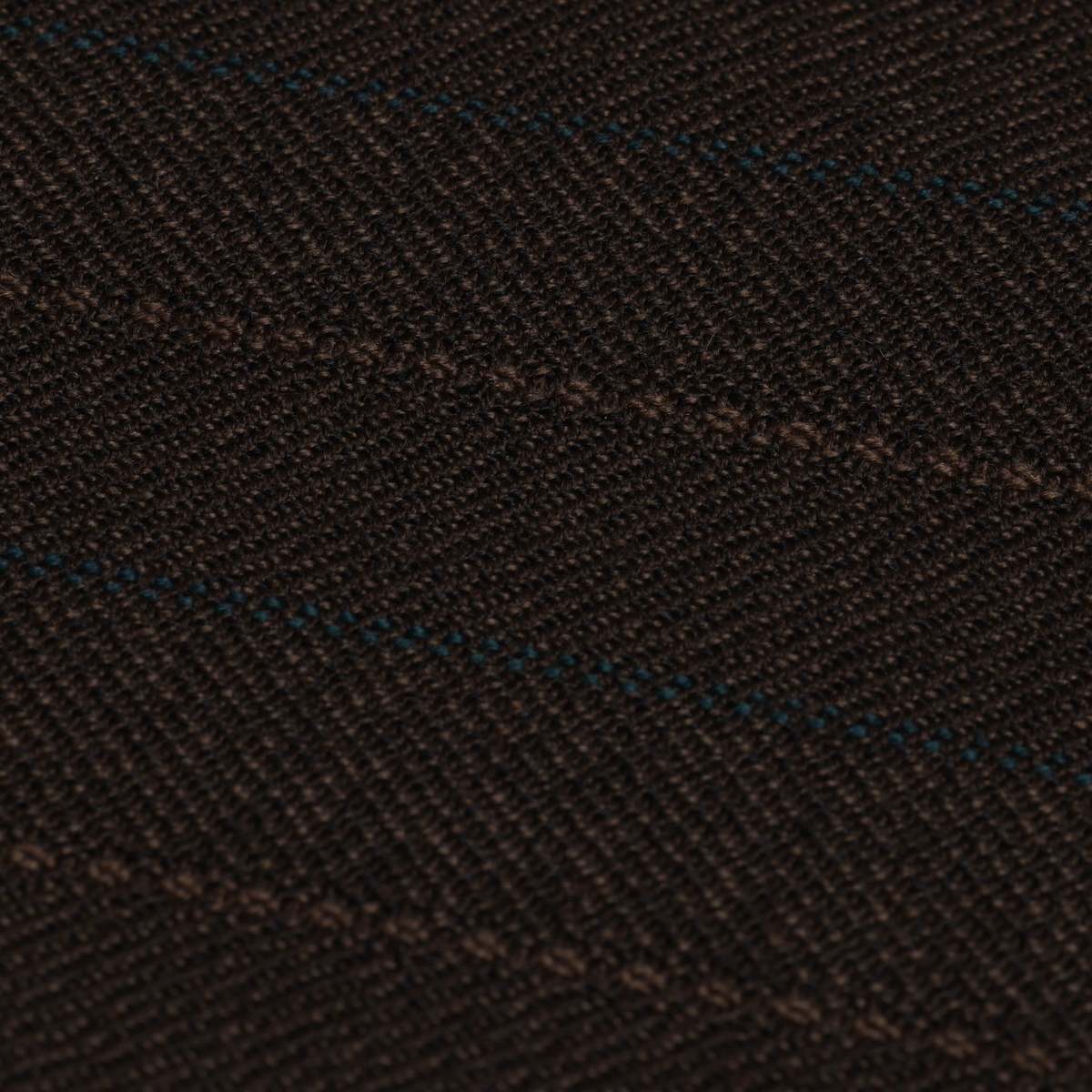
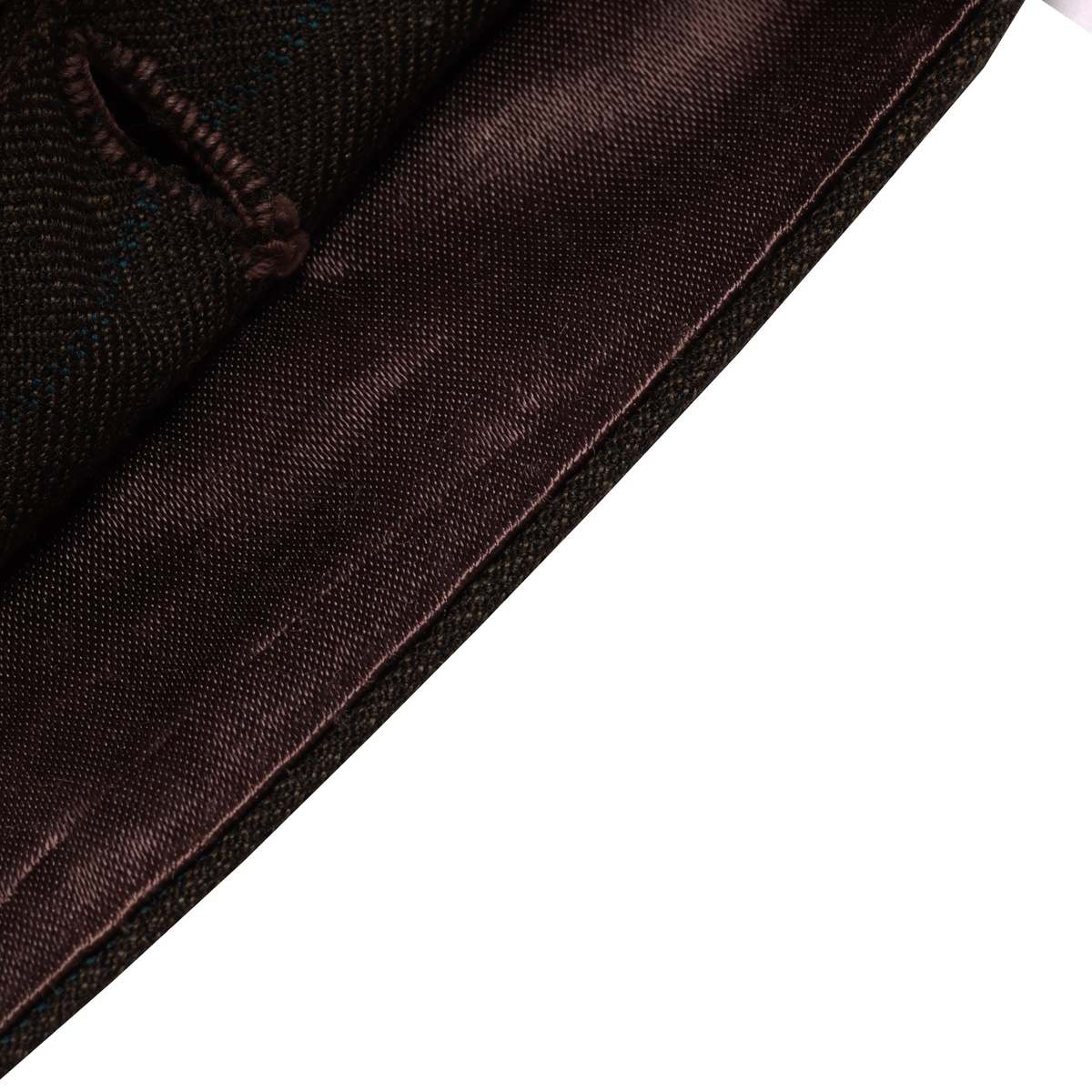
High-waisted wool trousers from 1970s Western Europe reflect contract tailoring, pre-globalization export logic, and bespoke-informed construction. The high-waisted pleated wool trousers exemplify the technical precision and subdued sophistication characteristic of late-20th-century contract tailoring in Western Europespecifically within the manufacturing ecosystems of West Germany, Austria, or Switzerland. The absence of a brand label is not an oversight but a deliberate consequence of the standardized export tailoring logic that defined the pre-globalization European garment economy. In this model, regional cooperatives and department store suppliers commissioned high-caliber production devoid of overt branding, favoring quality and durability over fashion visibility. Such garments emerged during a transitional epoch wherein industrial tailoring absorbed the fading influence of bespoke traditions while increasingly adapting to scaled, pattern-graded automation. Structurally anchored in the postwar tailoring continuum, these trousers reflect a period when formalwear for business and institutional contexts was produced at industrial volume yet retained an adherence to traditional construction logic. The internal engineeringfeaturing a fully lined waistband with reinforced interfacing and bias binding, a button fly with four machine-sewn bar-tacked buttonholes, and a lining executed in acetate or viscose twillreveals a tailoring discipline calibrated for longevity and composure. Flat-felled or overlocked seams pressed open along the side and inseam lines, along with a hand-tacked crotch reinforcement, mark a hybrid construction logic that oscillates between semi-bespoke stability and high-throughput consistency. The garments panel configuration consists of a standard four-panel layoutpleated front panels shaped with darts for anatomical volume, and rear panels contoured through seat curvature and waistband darts. The rear seat seam is carefully pressed flat, while the waistband curtain splits internally at the back, offering ease without compromising structural fidelity. All panel joints maintain strict grain alignment, securing uninterrupted drape. The generous seam allowancesparticularly along the inner legunderscore a tailoring philosophy that accommodates alteration, reiterating this garments origin in European RTW formalwear systems rather than disposable retail logic. Technically, the trousers present with a single back welt pocket featuring a buttoned flap closure and bar-tacked reinforcements, double front pleats softly pressed from waistband to thigh, five evenly spaced belt loops with double bartack stitching, and interior pocket bags cut from fine-woven cream poplin. The fly is constructed with a concealed right-over-left placket using tonal buttons, consistent with period suiting standards. The hem is blind-stitched and turned up to a generous 5.56 cm margin, ready for future lengthening or cuff additionthough currently left uncuffed to preserve a clean visual break over footwear. The textile is a sophisticated medium-weight wool twill (approximate GSM 280320), designed for cold-season suiting and engineered with a complex stripe configuration: a brown base overlaid with vertical copper and teal accent yarns woven into a herringbone-twill modulation. This advanced dobby-twill structure enhances both optical richness and dimensional stability, allowing for chromatic nuance under shifting light. The shells dry hand and taut drape further affirm the use of high-twist wool yarns. Lining is likely acetate or viscose, materials selected for their low-friction surface and adequate breathability, enabling layering within a suiting system. Stylistically, the trousers derive from 1930s British tailoring conventions yet have evolved through the 1970s into a relaxed corporate silhouette. The high rise, pleated front, and full leg volume align with the transitional aesthetics that predate the slimline Italian influence of the late 1980s. The button flyphased out in most suiting by the mid-1980sreinforces the historical bracket, while the garments dimensional volume suggests a deliberate nod to both comfort and masculine authority. The aesthetic direction is rooted in mid-century formalism, aligning more closely with the traditions of German and Anglo tailoring than with fashion-forward silhouettes. The brown palettepunctuated subtly by copper and teal stripingoffers a calculated deviation from standard navy and grey, conveying a quiet conceptualism that places the garment within a tradition of post-industrial sartorial restraint. Rather than performing spectacle, this design speaks to institutional composure, professional presence, and functional dignity. It reflects a period when authority in menswear was expressed not through embellishment but through consistency, material intelligence, and volumetric command. Contextually, the trousers emerge from the late 1970s to early 1980sa liminal period before the widespread use of fusible interfacing and synthetic poly-viscose blends. Their adherence to full curtain waistband construction, traditional button fly, and complex woven woolabsent any brandinglocates them squarely in the pre-modernization phase of European menswear production, when garments still bore the imprint of bespoke logic, even as they conformed to industrial repeatability. Their contemporary fashion relevance is situated within the heritage menswear revival, particularly in circles preoccupied with architectural suiting, mid-century silhouettes, and slow fashion narratives. These trousers could sit comfortably within the design language of Lemaire, Brycelands, P. Johnson, or Scott Fraser Collectionlabels that emphasize textile fidelity, proportioned tailoring, and archival sensitivity. Their utility is not performative but referential, allowing for reinterpretation in both styling and historical commentary. Ultimately, the garment presents as a definitive artifact of postwar European tailoring culture: anonymous in name, exacting in construction, and narratively rich in material and method. While unbranded, its industry positioning holds considerable weight across archival resale markets, high-end vintage platforms, and design reference collectsions. This is not merely a pair of trousers but a wearable index of industrial tailoring traditionsa convergence of technical exactness, textile craftsmanship, and historical significance that speaks with unspoken authority to those fluent in the language of dress. Measurements (cm): Waist: 38 Inseam: 73 Outseam: 100 Opening: 22 Size Conversion (approximate): US Mens Waist Size: 30 EU Mens Size: 46 SKU: 005703
Garmentory is a curated marketplace of independent boutiques and emerging designers from around the world.
Fashion With Intention
Aw yeah!
We love making new friends so while we're popping bottles, continue shopping to apply your $10 credit.
We've got a dedicated site "garmentory.co" just for our Indian customers! Shop with local currency, faster shipping, and exclusive products.
We cannot add this item to your bag because it’s already at max capacity. But don’t worry, we’ve saved it to your wish list.
Earn Replica Belts credits when you shop, wishlist, and inspire others.

Have a question about the size or something else? We're here to help!