Spring fever is here 🌡️☀️ Prep early for those not too hot and not too cold days by finding something you love ON SALE. SHOP THE SALE


Spring fever is here 🌡️☀️ Prep early for those not too hot and not too cold days by finding something you love ON SALE. SHOP THE SALE
| To | Service | Estimated Delivery | Fee |
|---|---|---|---|
| 🌎 | Intl. Air | 6-20 business days | $29.95 |
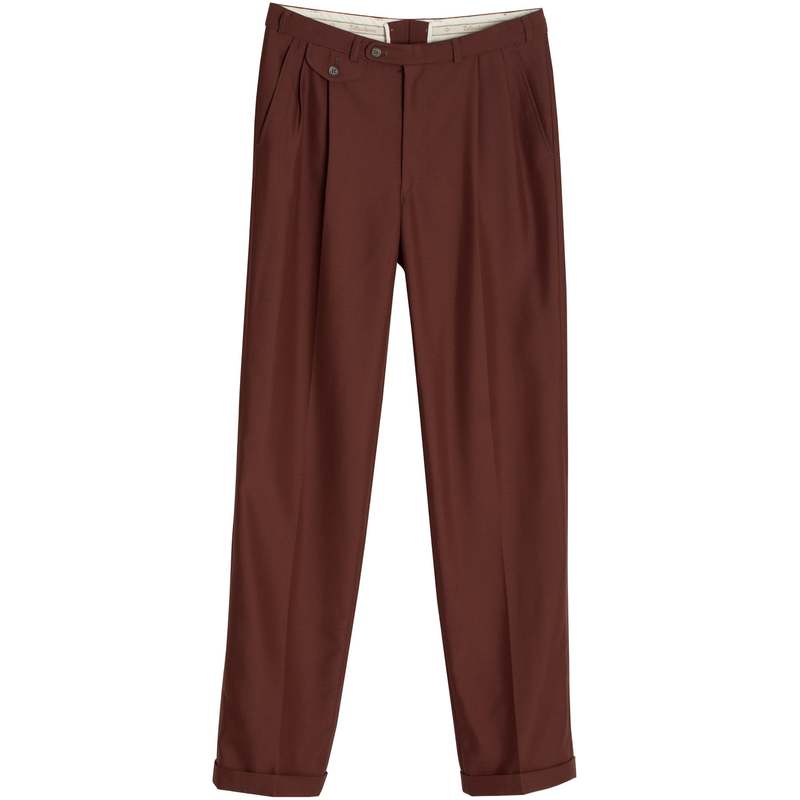
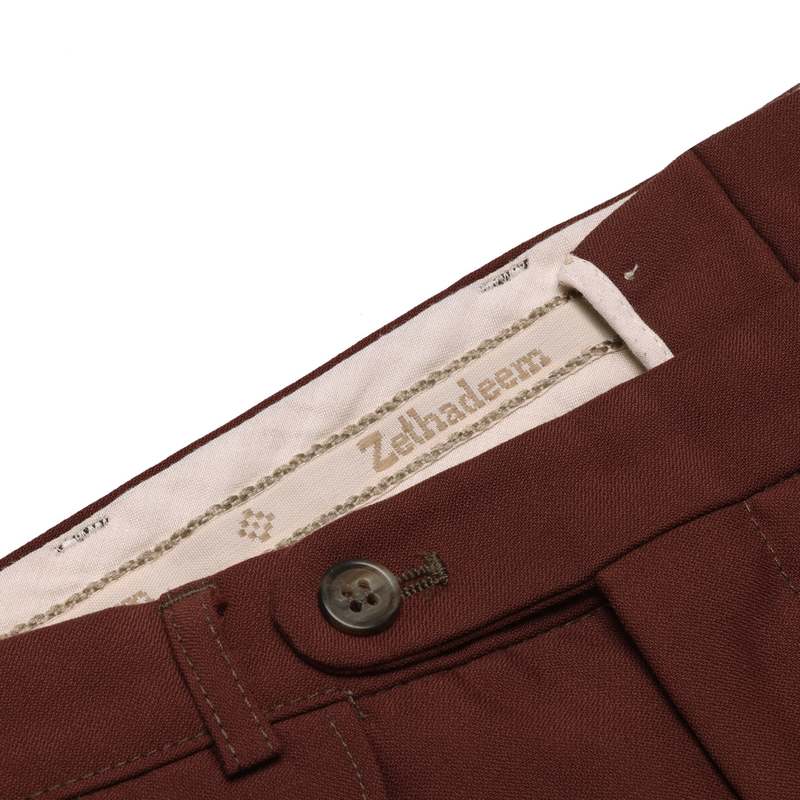
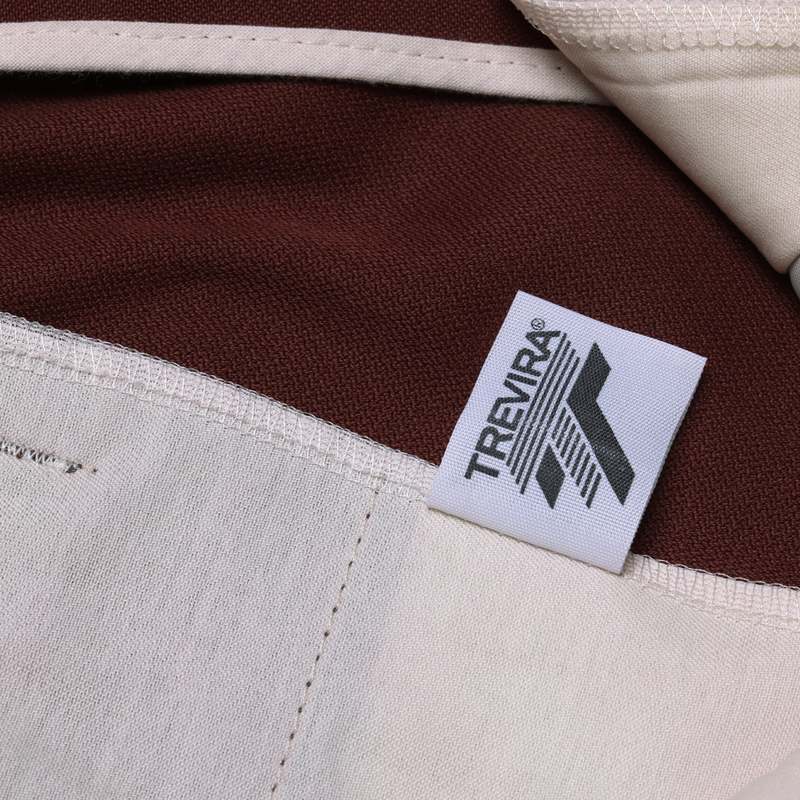
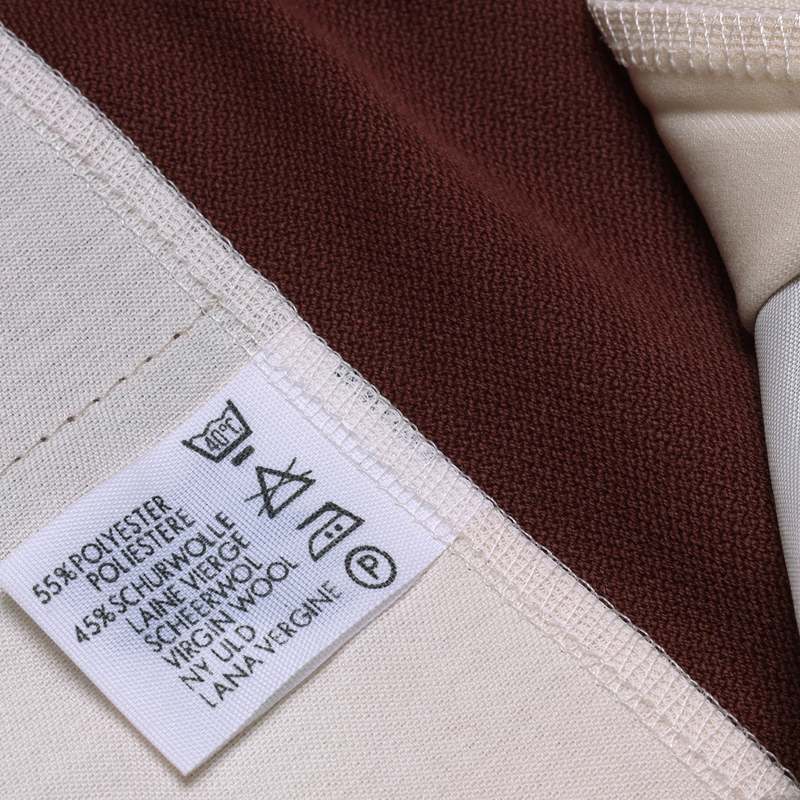
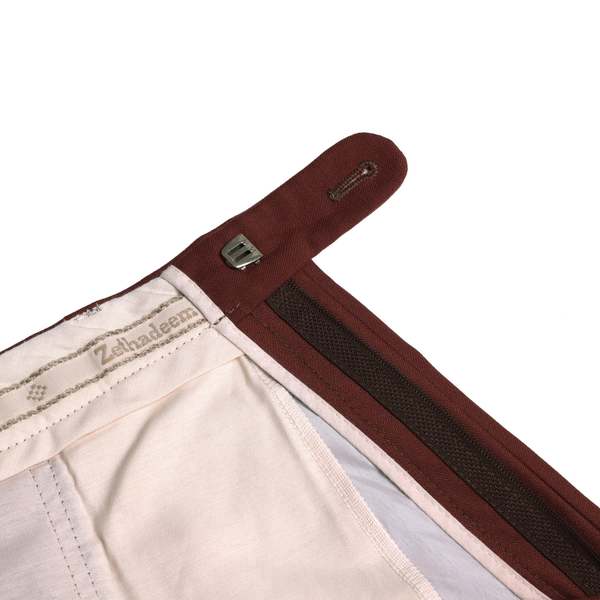
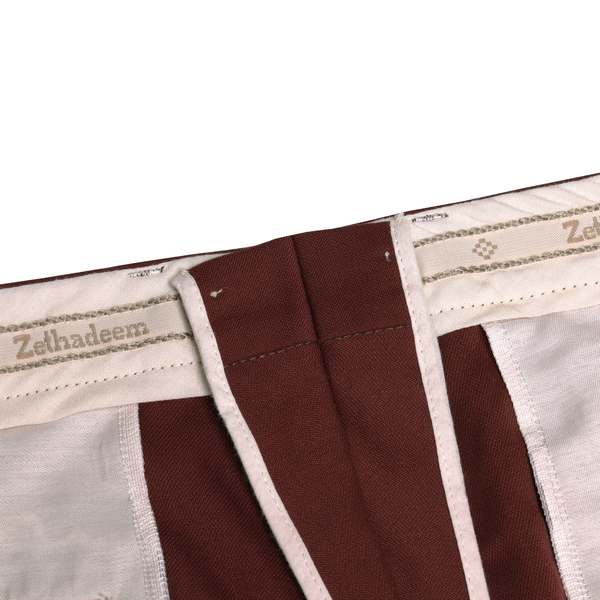
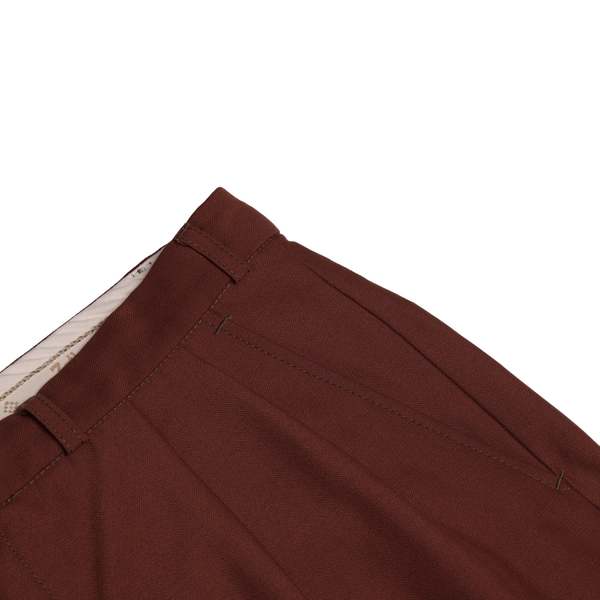
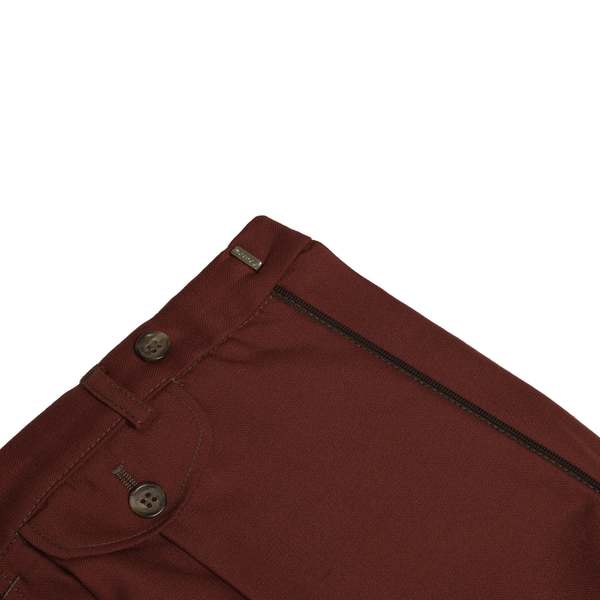
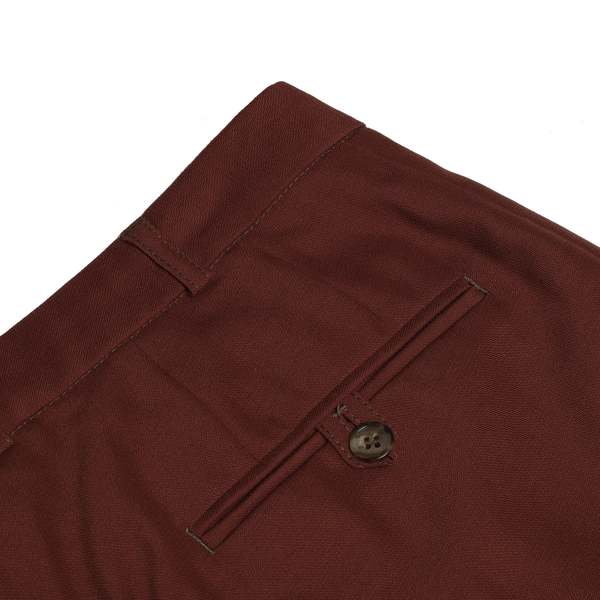
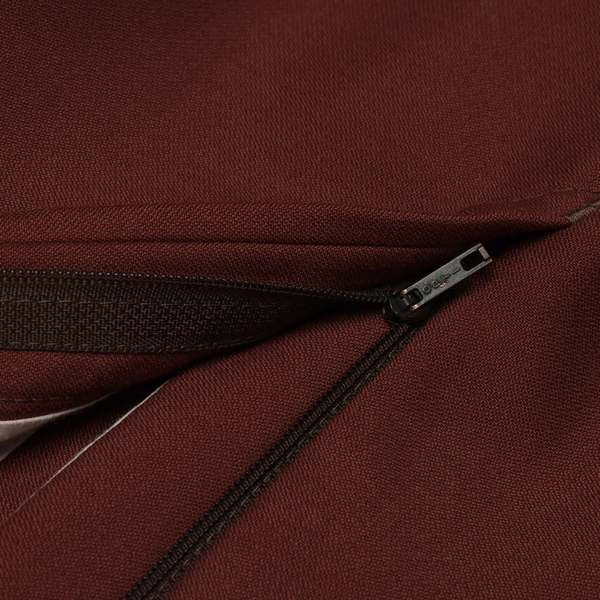
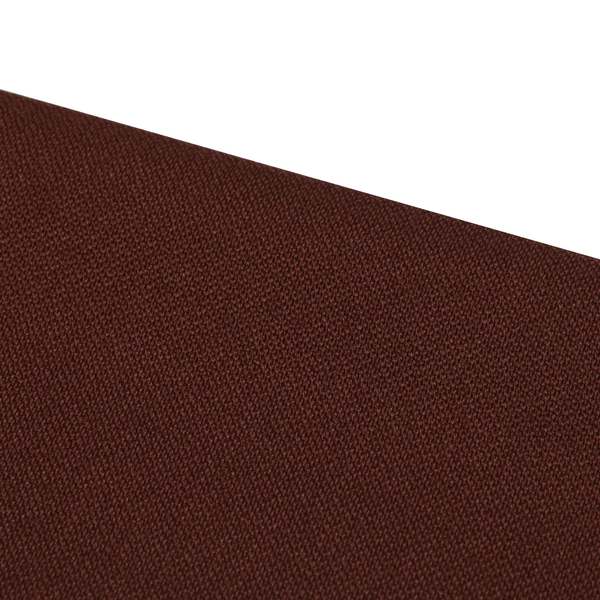
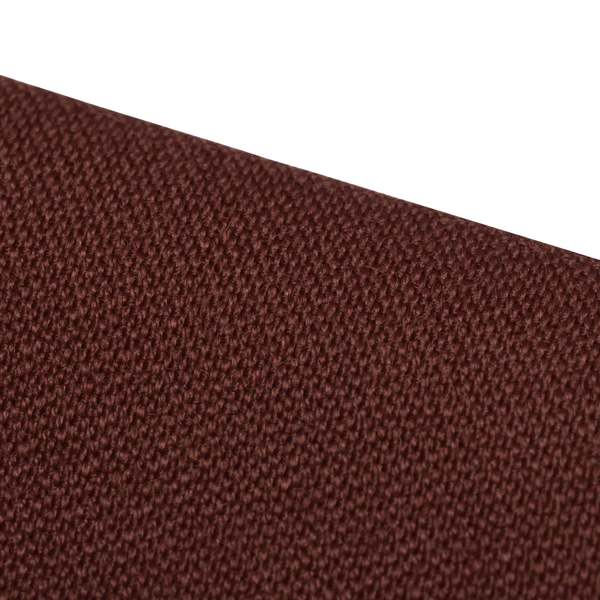
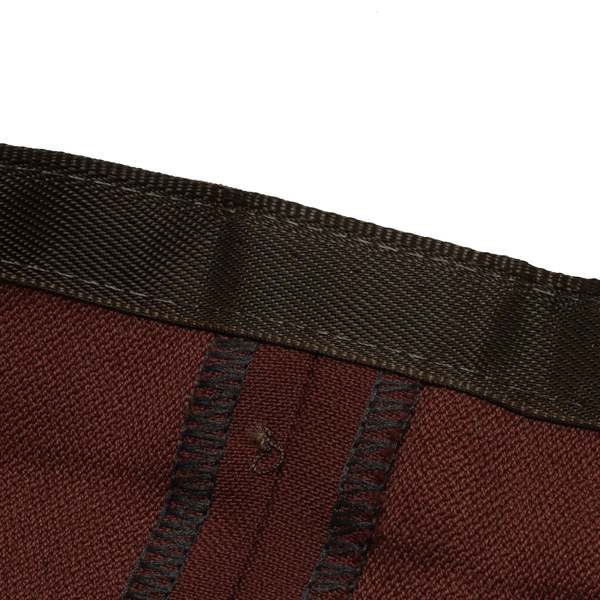
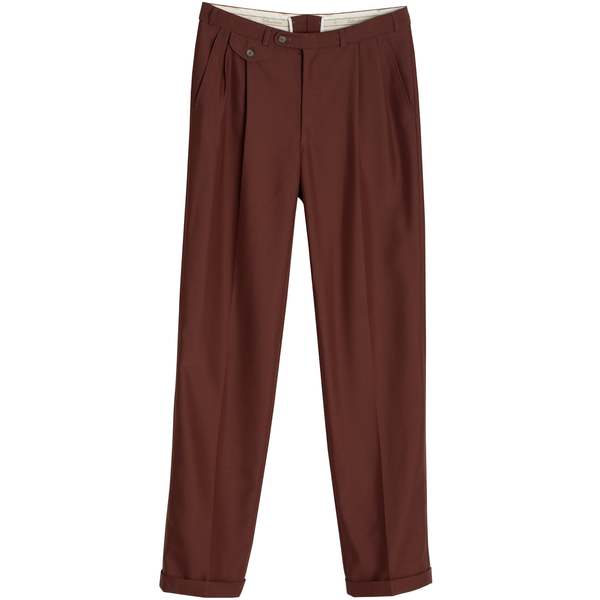
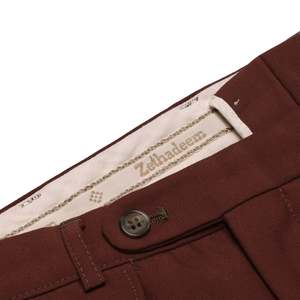
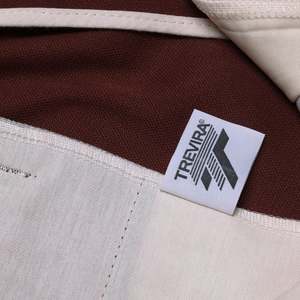
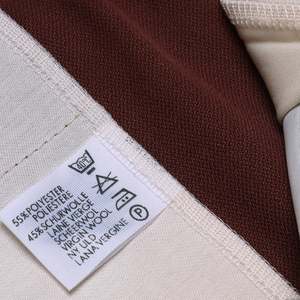
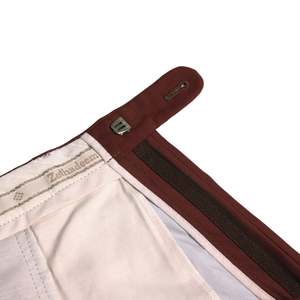
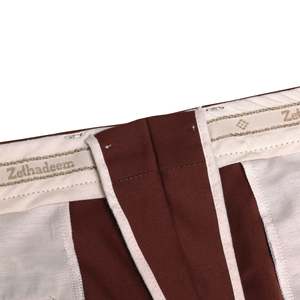
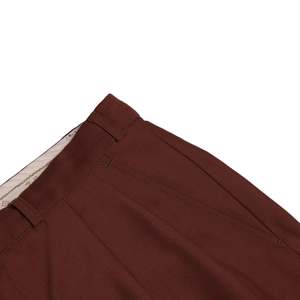
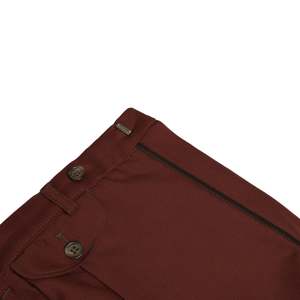
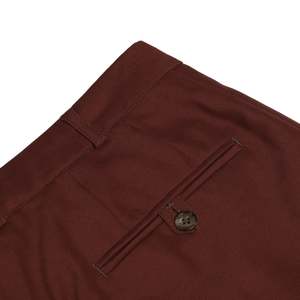
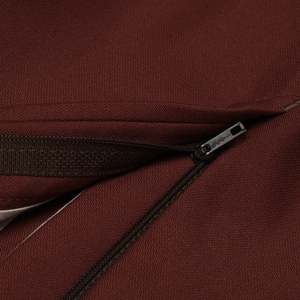
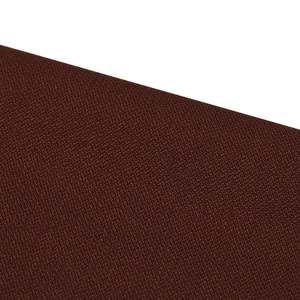
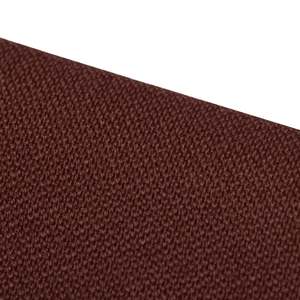
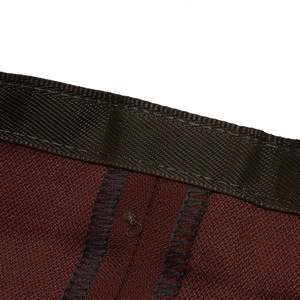
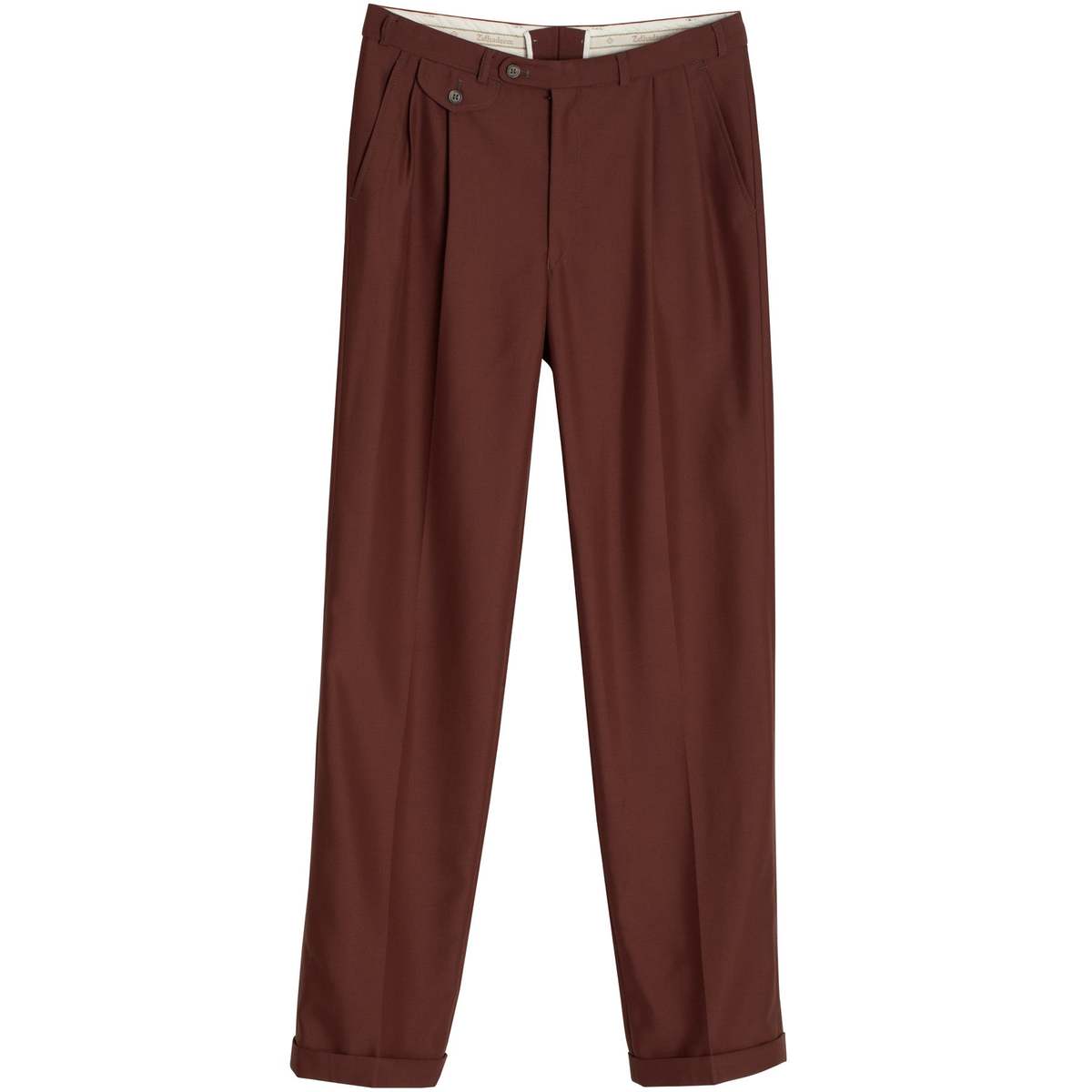
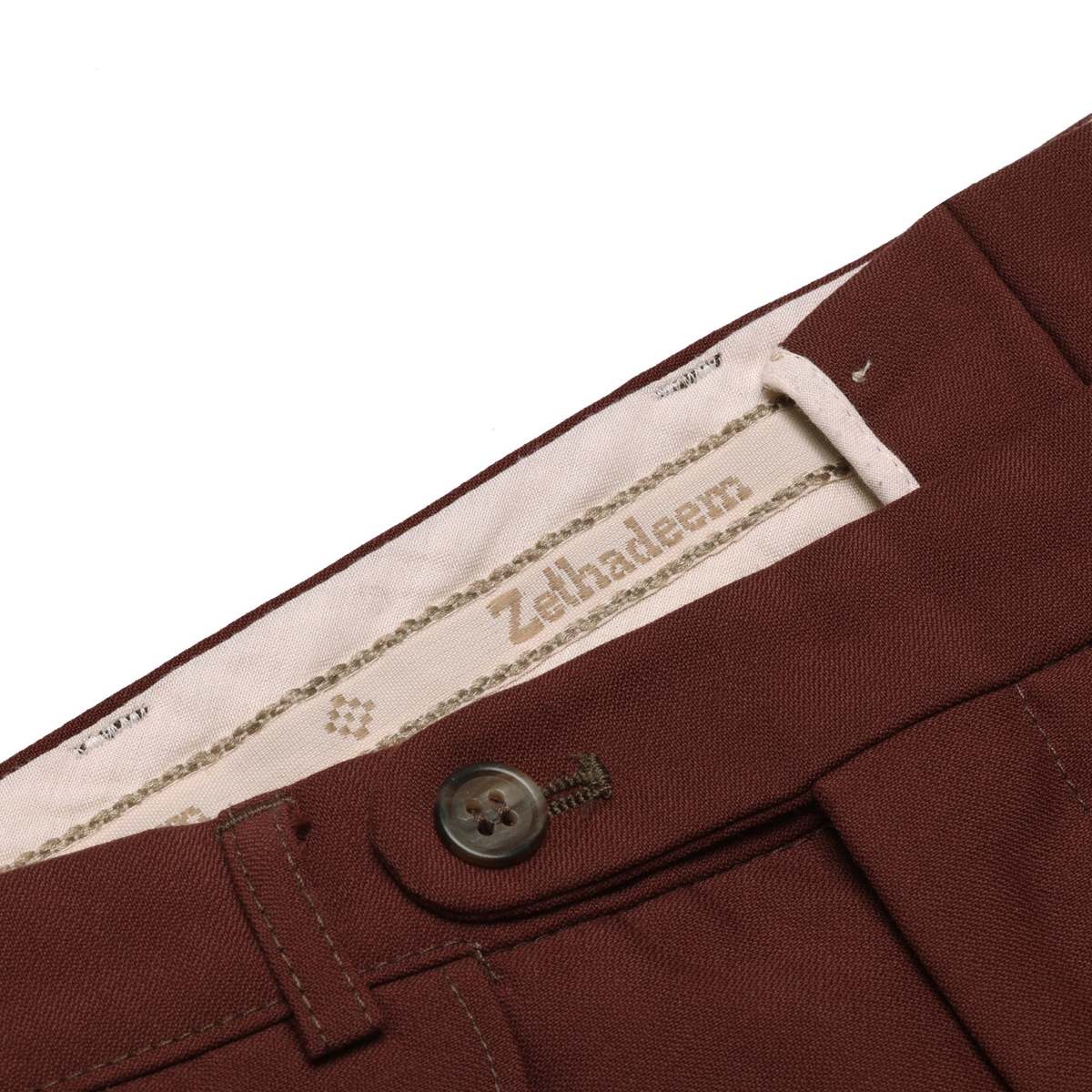
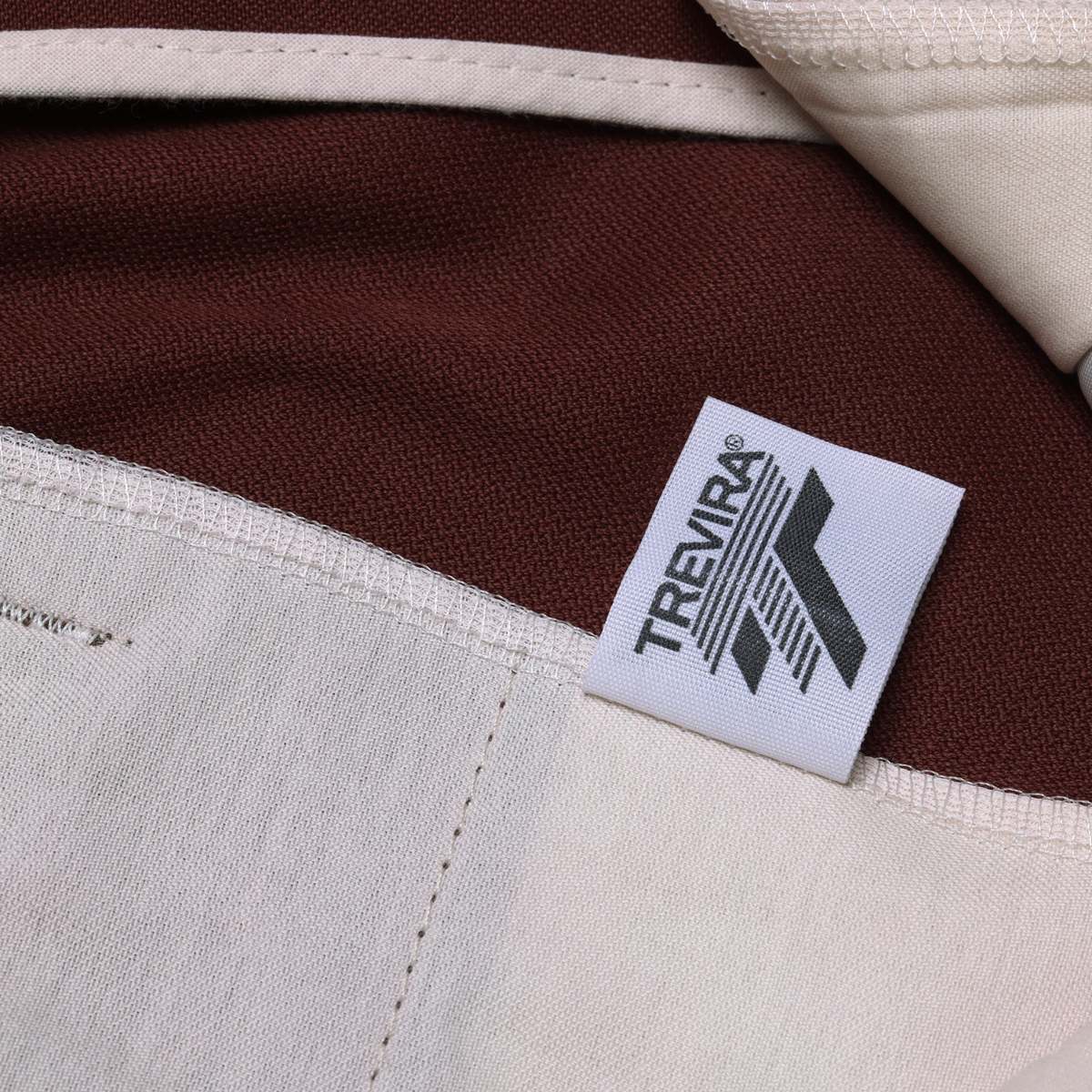
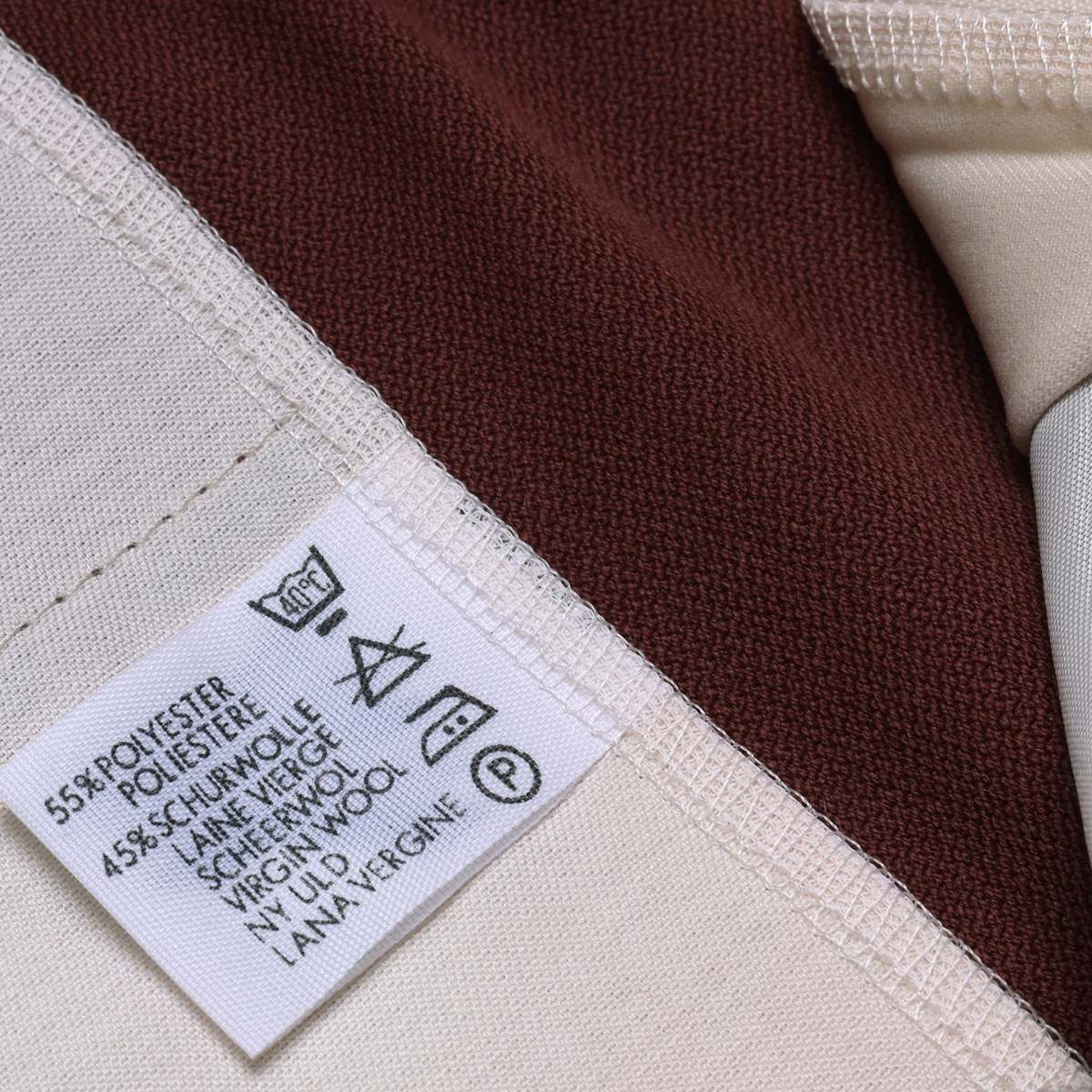
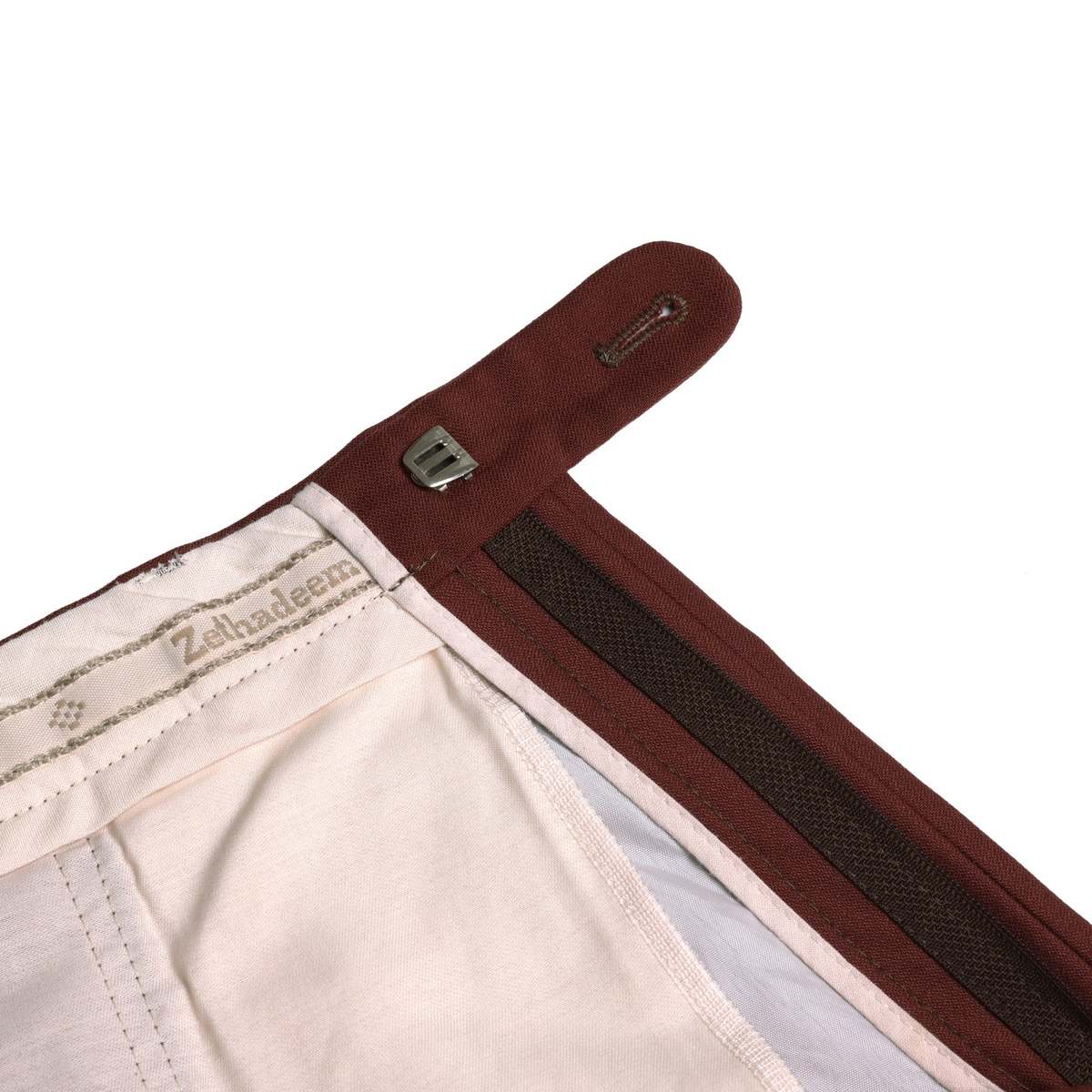
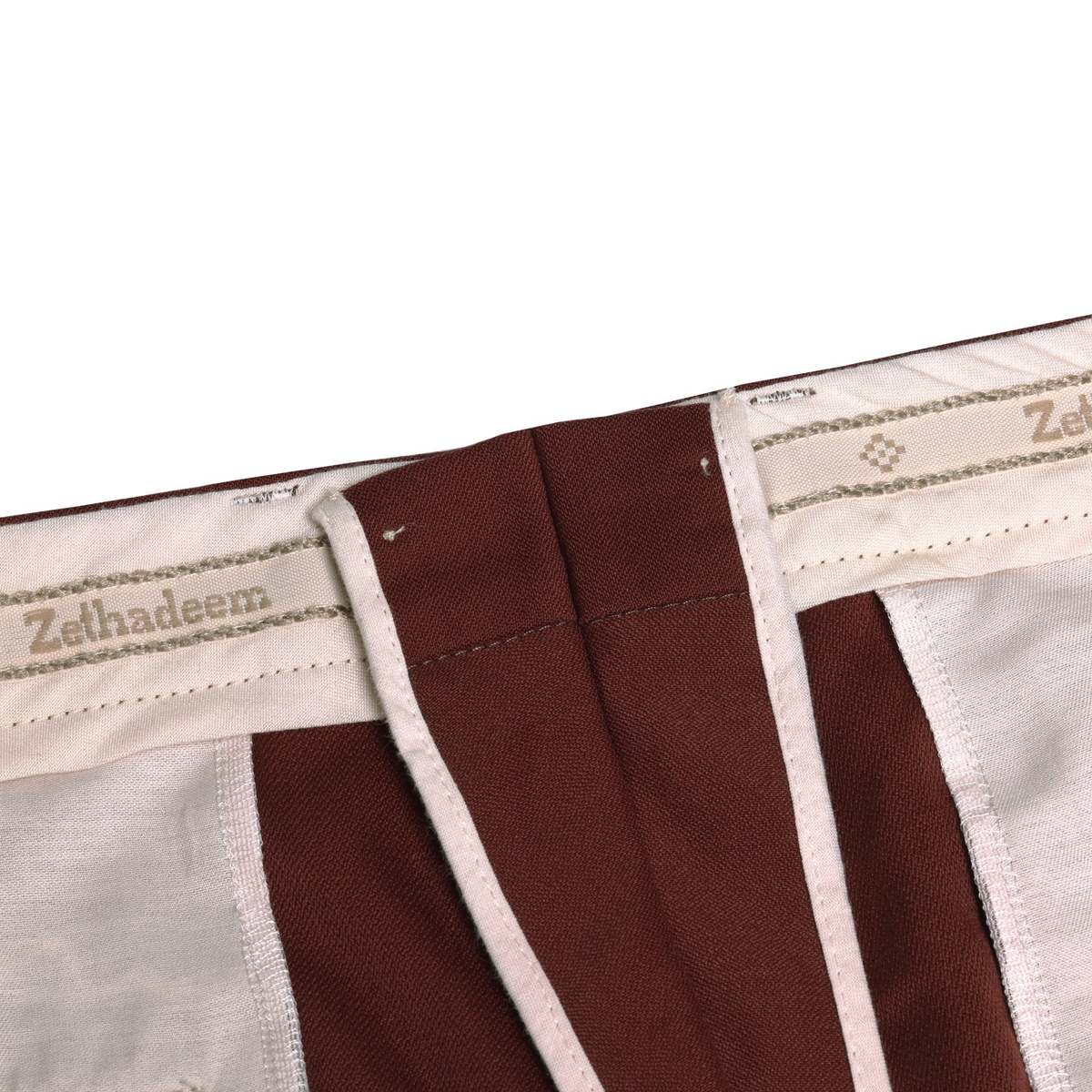
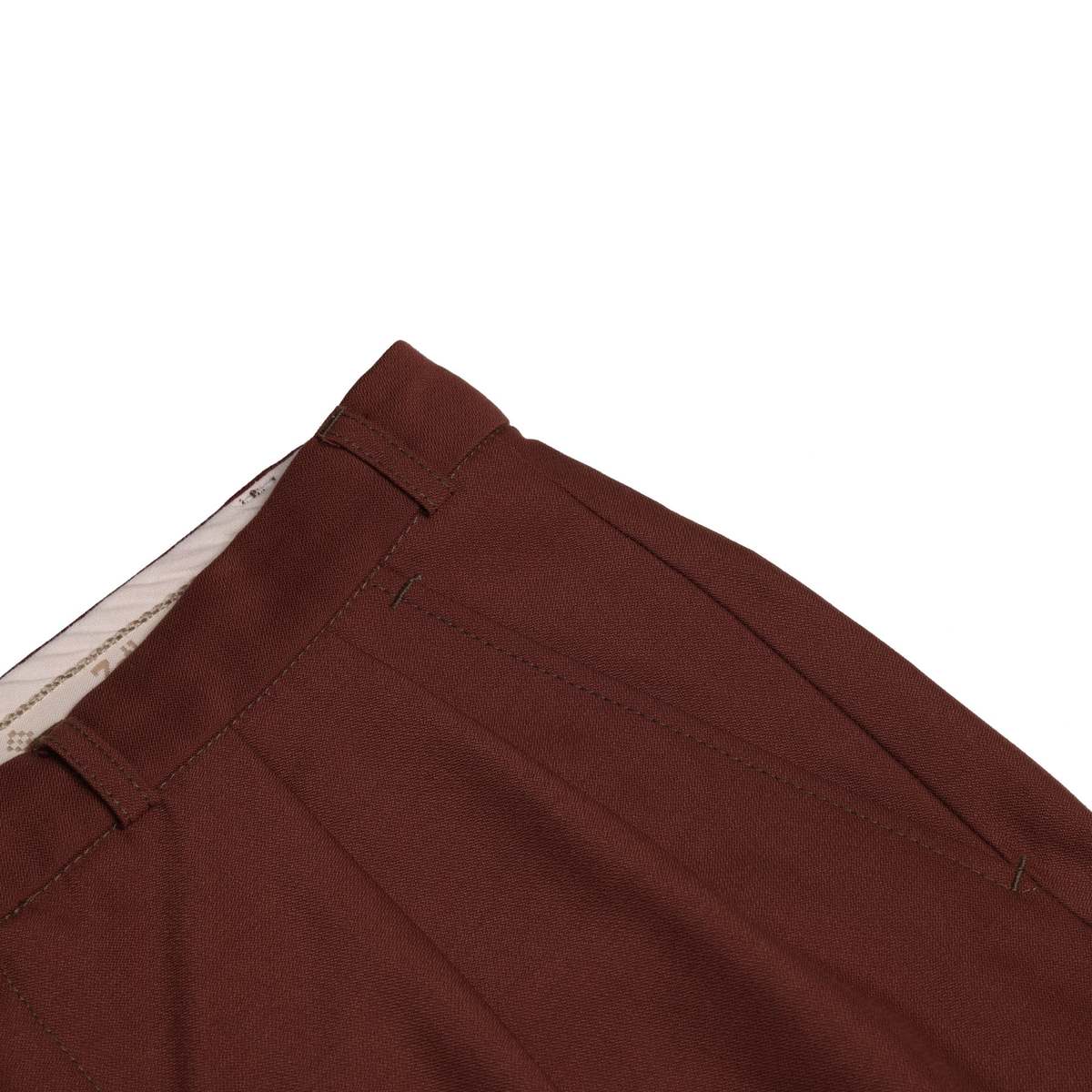
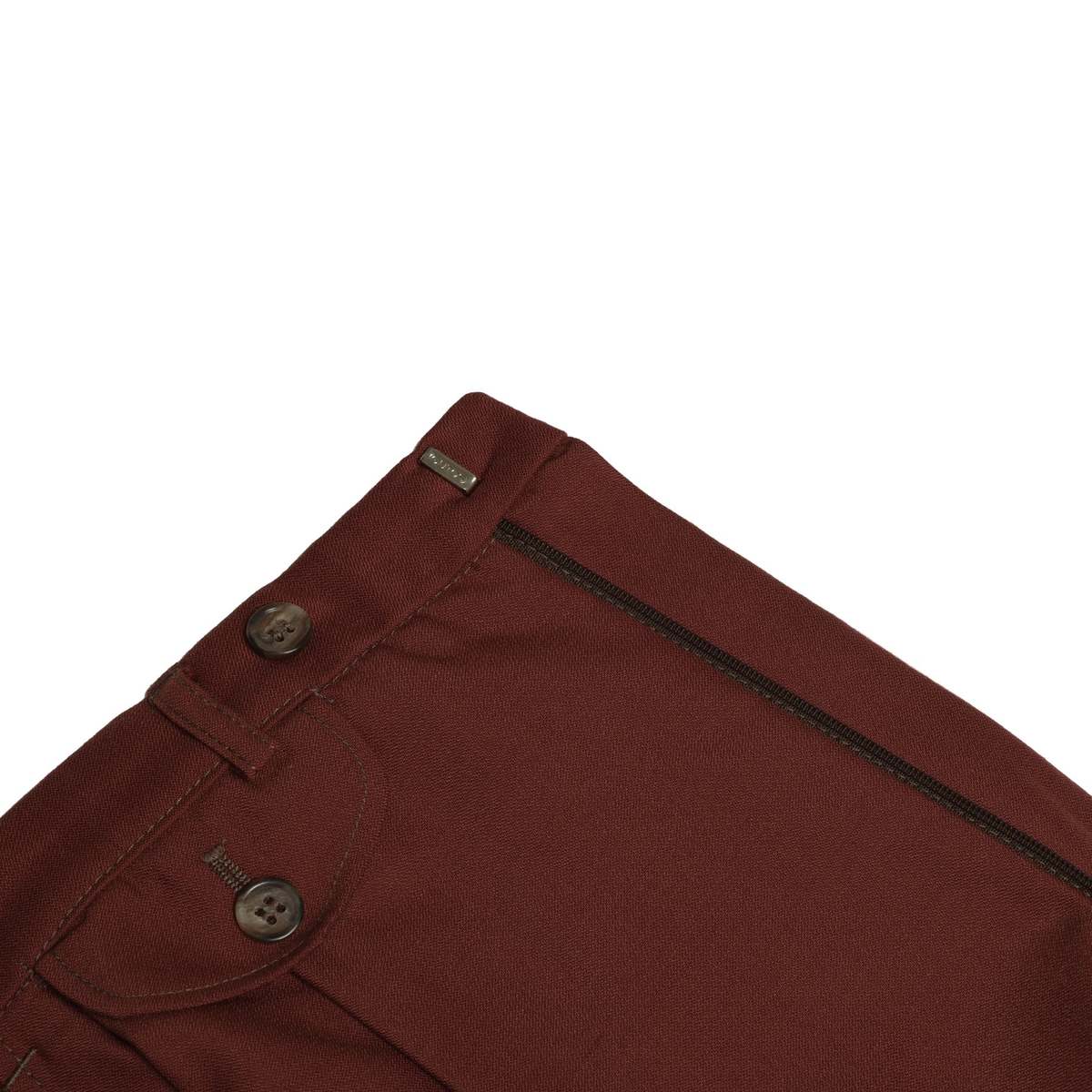
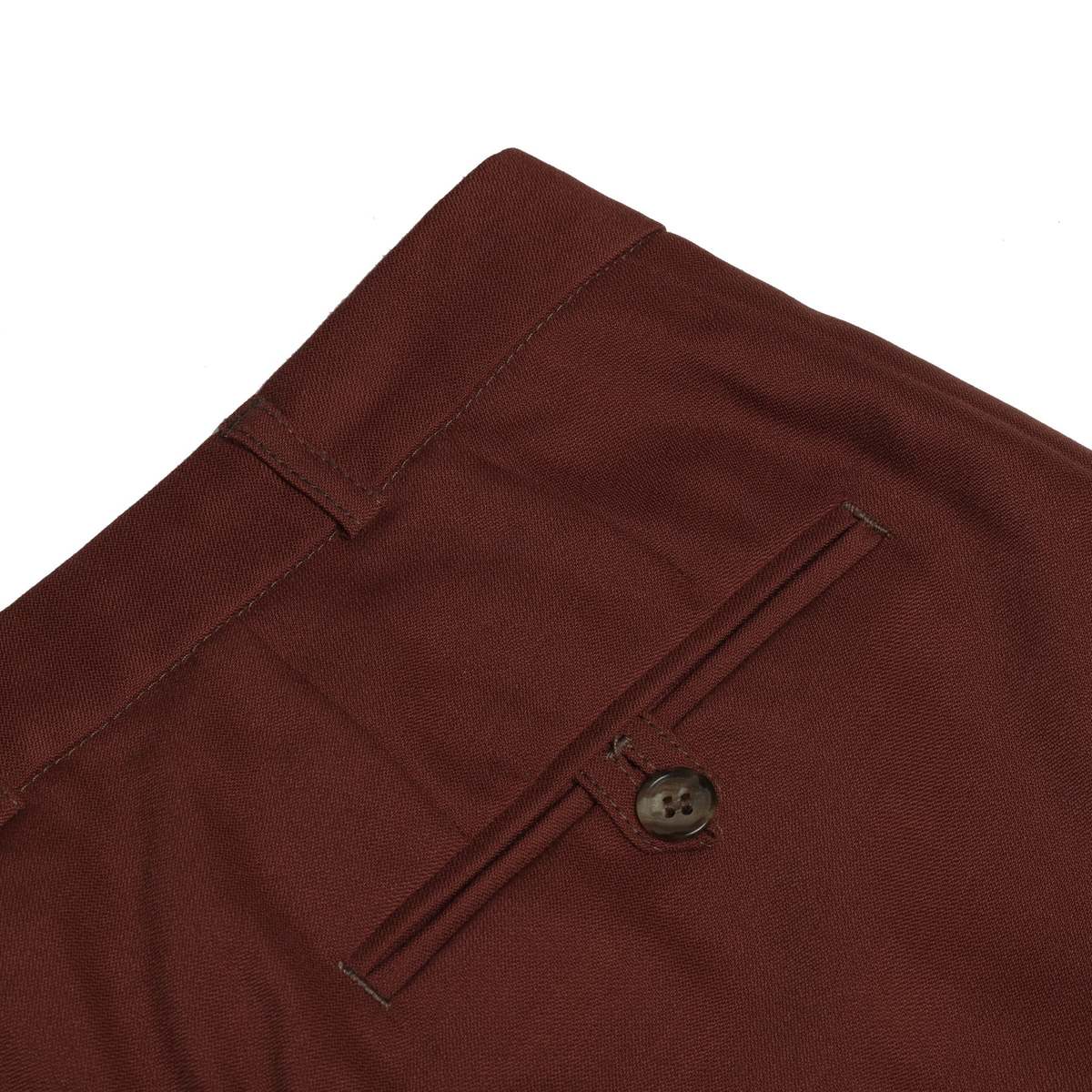
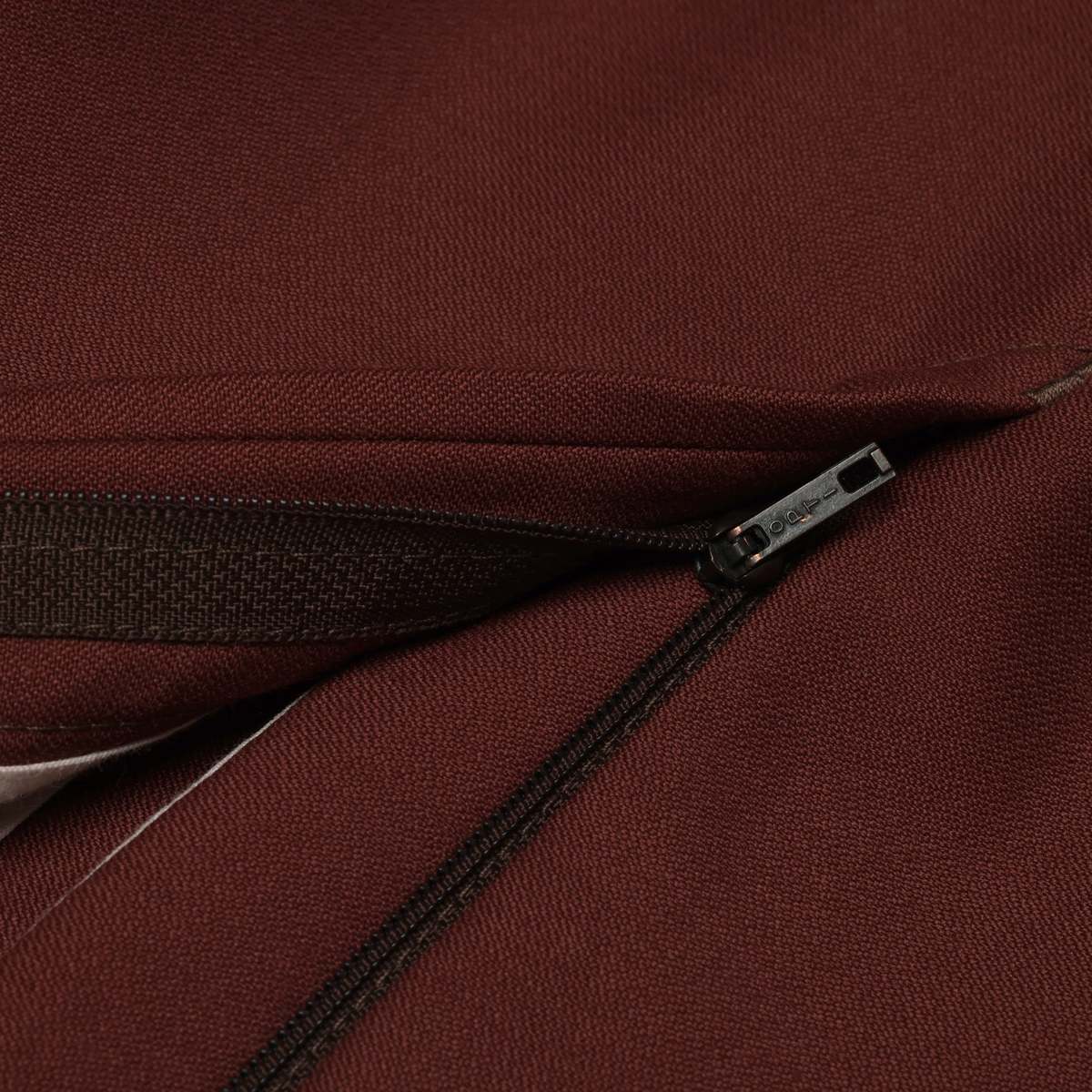
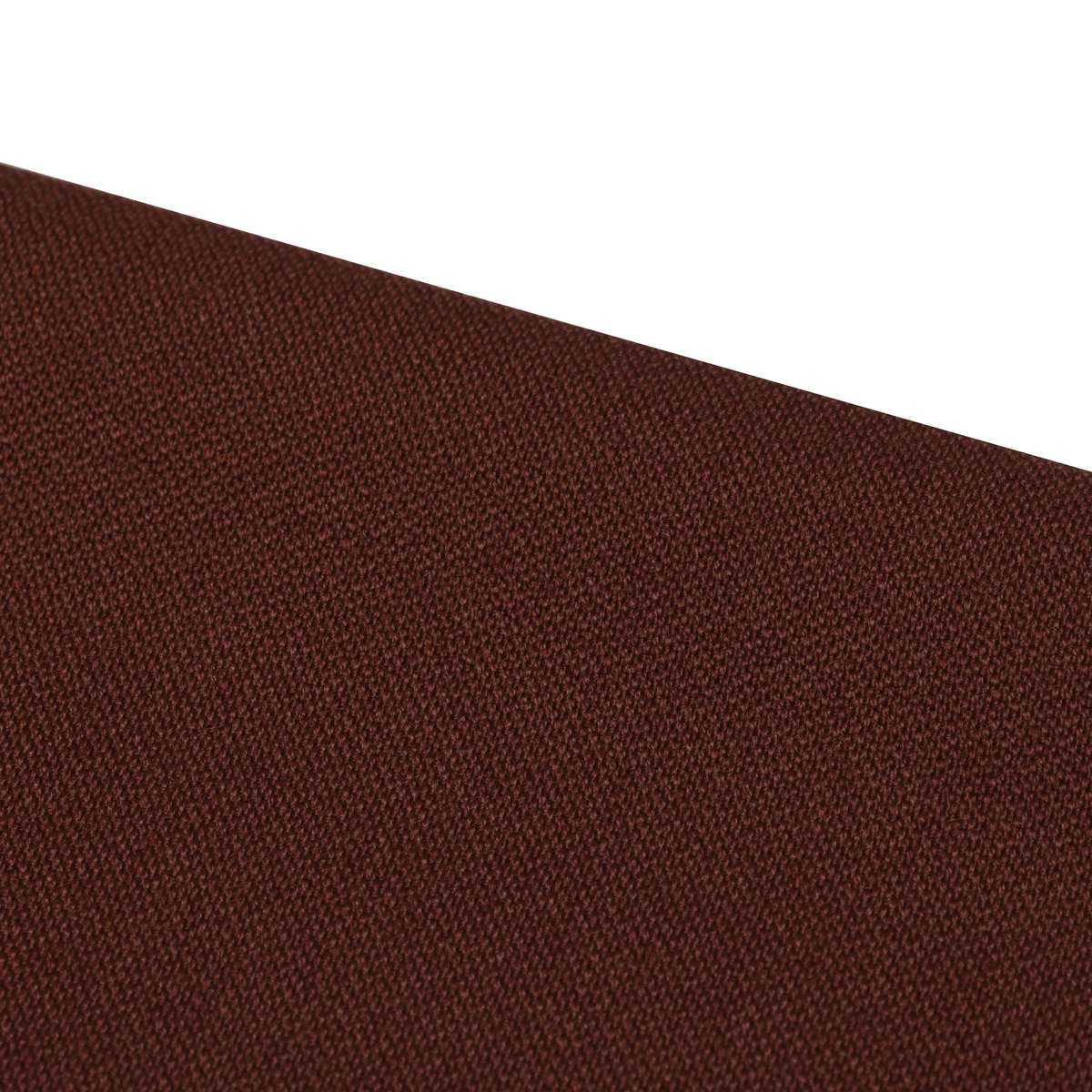
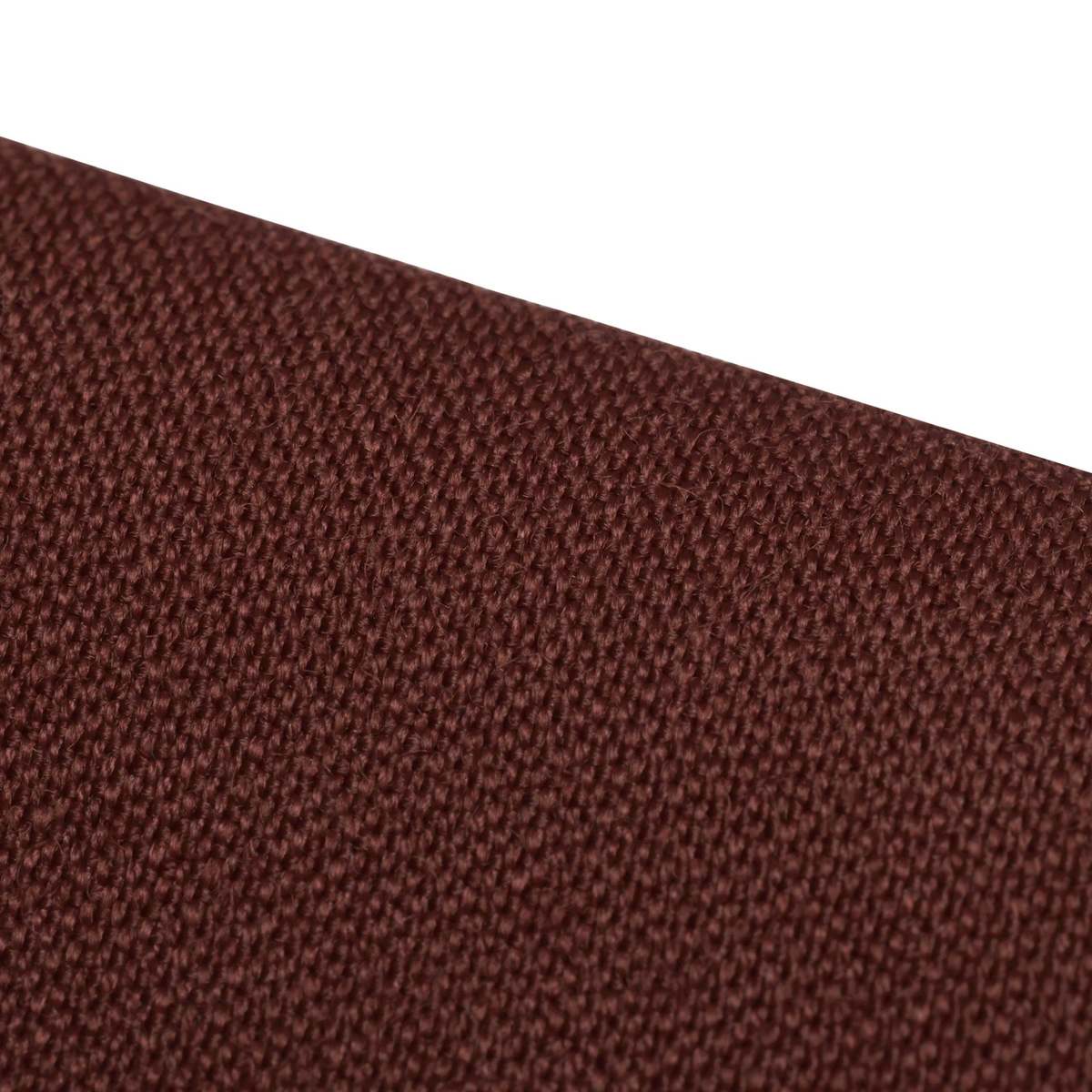
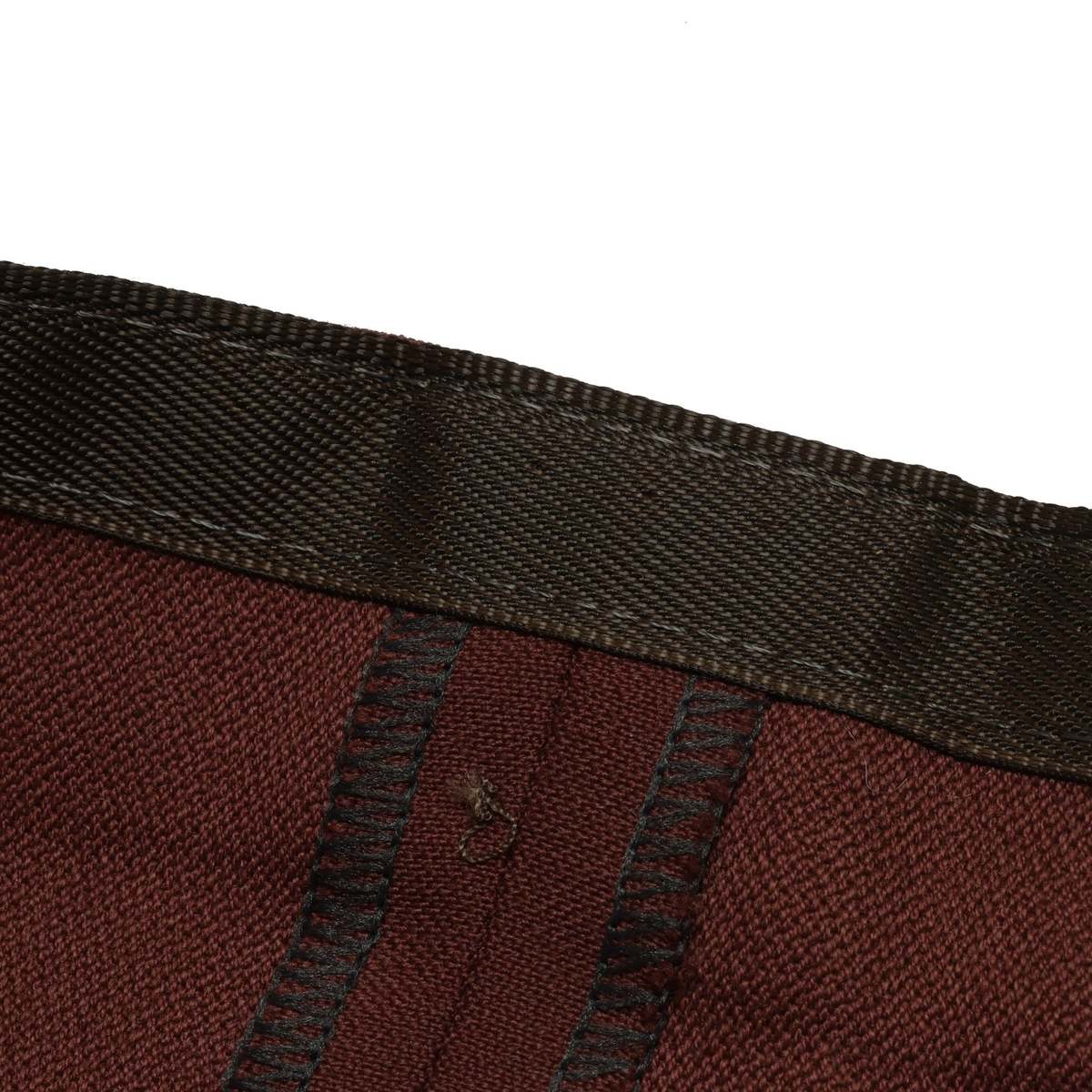
The rust-brown tone diverges from conventional palettes without forfeiting the garments compatibility with professional dress systems. The formal trousers by Zethadeem encapsulates the transitional logic of late 20th-century European tailoring, situated precisely at the convergence of classical menswear codes and post-industrial materials. The brand, while peripheral to high fashion circuits, belongs to a network of continental menswear manufacturers that supplied formal and semi-formal garments to department stores, public institutions, and professional service sectors across the DACH region. Though definitive origin is undetermined from branding alone, the language of compositionSchurwolle, Lana Vergine, and the prominent use of Trevirafirmly situates this garment within the post-functionalist tailoring matrix of German-speaking Europe, where wool-synthetic hybrids became foundational to institutional dress during the 1990s and early 2000s. The design intent adheres to formalwear orthodoxy: a mid-rise, double-pleated, cuffed trouser engineered for structured presentation, prolonged wear, and ceremonial utility. Its pleated front offers ease through the hips and upper thighcrucial for seated occupational settingswhile the cuffed hem adds visual weight to anchor the silhouette in line with European tailoring traditions. The waistband construction, featuring a full extension tab with hook-and-bar fastening and interior stabilizing button, enhances mechanical reliability and reinforces the formal character. Aesthetically and structurally, the trousers negotiate tradition and technical performance without recourse to superficial ornament. Construction follows a disciplined semi-industrial tailoring protocol, characterized by double-needle lockstitching along high-stress seams, overlocked interior allowances, and cleanly executed fly construction using a French seam technique with internal guard flap. The waistband is fully curtained with a woven cotton facing, integrated with decorative branded tapeindicating brand identity without compromising structural function. Hem cuffs are blind-stitched and measured to approximately 4.5 cm, maintaining historical congruence with 1990s tailoring. Bartacked slash pockets, a jetted rear pocket with button loop, and a discreet branded metal tab at the waistband serve as minor distinguishing markers within an otherwise institutional design language. Pocket bags are internally reinforced, and seam edges are tightly overlocked to withstand repeated laundering and frictional stress from daily movement. All components confirm the garments alignment with standardized formal production intended for scaled professional distribution. Textile composition reinforces this trajectory: a 55% Trevira polyester and 45% virgin wool plain weavesmooth, faintly textured, and engineered for shape retention, colorfastness, and season-spanning wear. Trevira, a German fiber innovation, introduced advanced polyester filaments with thermoplastic memory and abrasion resistance, while the wool component stabilizes hand feel, regulates moisture, and adds a dimensional tactility absent in pure synthetics. The fabric sits within a 200240 GSM weight range, confirming its versatility across institutional settings and temperate climates. There is no knit content or elastomeric stretch; rather, the performance derives from fiber engineering and weave structure, lending the trousers strength without visual compromise. Pattern configuration follows a five-panel formattwo pleated front panels, two darted back panels, and a separate fly shieldexecuted with no yoke, in keeping with tailoring traditions rather than workwear or denim-derived models. Shaping at the rear is achieved through angled darts, and waistband interfacing contributes to silhouette retention over time. Machine-cut buttonholes exhibit compact thread density, indicating calibrated industrial finishing standards, and the Opti zippercommon among European tailoring manufacturers of the periodanchors the fly system with mechanical dependability. Conceptually, the garment functions within a post-functionalist framework, invoking tradition not as a static reference but as a system to be rearticulated through modern construction and usage contexts. The rust-brown coloration strategically diverges from black and navy, introducing tonal nuance while maintaining compatibility with institutional palettes. In psychological terms, the trousers project competence, preparedness, and continuityideal for wearers situated within ceremonial, corporate, or professional environments where visual polish must intersect with physical comfort. This is not clothing that performs aesthetic disruption, but rather articulates spatial fluency across formal systemscourtrooms, banks, academic platforms, and state functions. From a historical standpoint, these trousers occupy a well-defined niche within the 19952005 spectrum, when Trevira blends reshaped the utility of formalwear across Western and Central Europe. The widespread acceptance of poly-wool suiting in corporate and hospitality sectors reconfigured tailoring expectations: introducing washability, mechanical durability, and crease recovery into silhouettes previously bound to wools maintenance demands. The garments construction methods, waistband engineering, and branded detailing reflect this shift with precision, offering insight into how European tailoring adapted to globalized labor and institutional scale. Zethadeem contributes to studies in institutional tailoring systems, performance textile integration, and pattern engineering for uniformed and professional use. It also intersects with broader historical themes: the technocratic expansion of suiting during late capitalism, the standardization of menswear for public-facing labor, and the aesthetic codes of mid-tier European formality. In contemporary terms, the trousers remain viable as archival reference for textile researchers, patternmakers, or curators examining late-20th-century suiting transitions. Their potential for resale lies in vintage businesswear markets, where clean tailoring and technical fabrication are valued for durability and authenticity. As a modular garment built for longevity, with meticulous construction and a design ethos grounded in post-industrial European traditions, Zethadeems formal trousers remain a compelling artifactembodying not innovation as spectacle, but tailoring as infrastructure. Measurements (cm): Waist: 41 Inseam: 86 Outseam: 114 Opening: 23.5 Size Conversion (approximate): US Mens Waist Size: 32 33 EU Mens Size: 48 SKU: 005707
Garmentory is a curated marketplace of independent boutiques and emerging designers from around the world.
Fashion With Intention
Aw yeah!
We love making new friends so while we're popping bottles, continue shopping to apply your $10 credit.
We've got a dedicated site "garmentory.co" just for our Indian customers! Shop with local currency, faster shipping, and exclusive products.
We cannot add this item to your bag because it’s already at max capacity. But don’t worry, we’ve saved it to your wish list.
Earn Replica Belts credits when you shop, wishlist, and inspire others.

Have a question about the size or something else? We're here to help!