Spring fever is here 🌡️☀️ Prep early for those not too hot and not too cold days by finding something you love ON SALE. SHOP THE SALE


Spring fever is here 🌡️☀️ Prep early for those not too hot and not too cold days by finding something you love ON SALE. SHOP THE SALE
| To | Service | Estimated Delivery | Fee |
|---|---|---|---|
| 🌎 | Intl. Air | 6-20 business days | $29.95 |
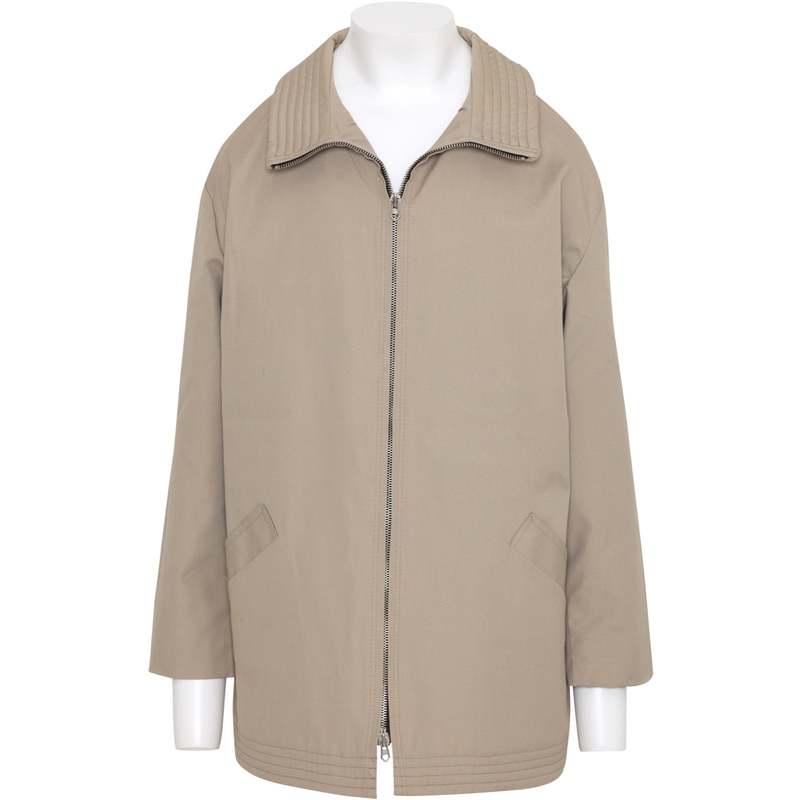
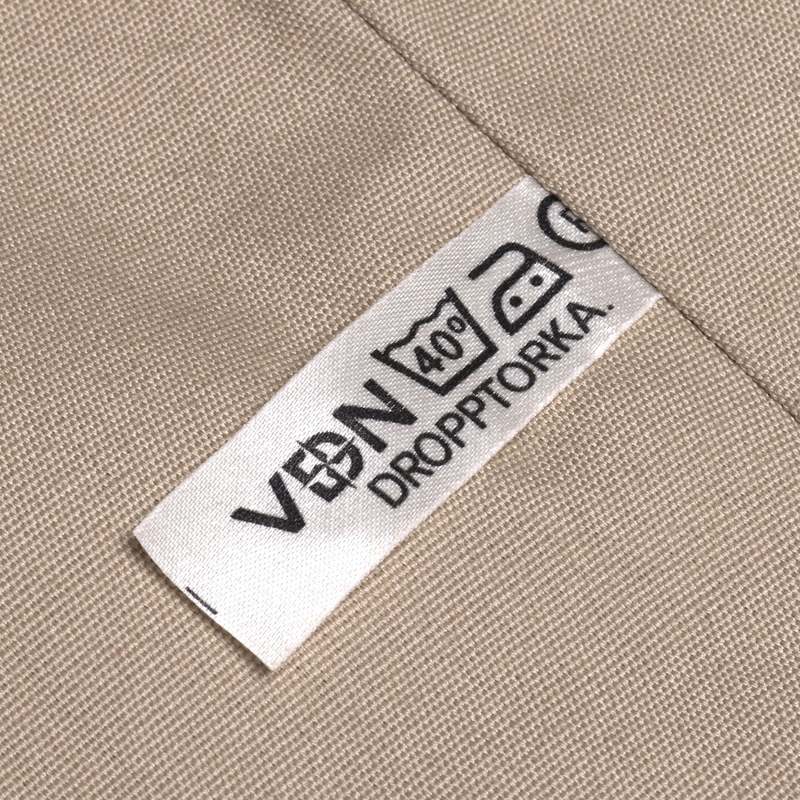
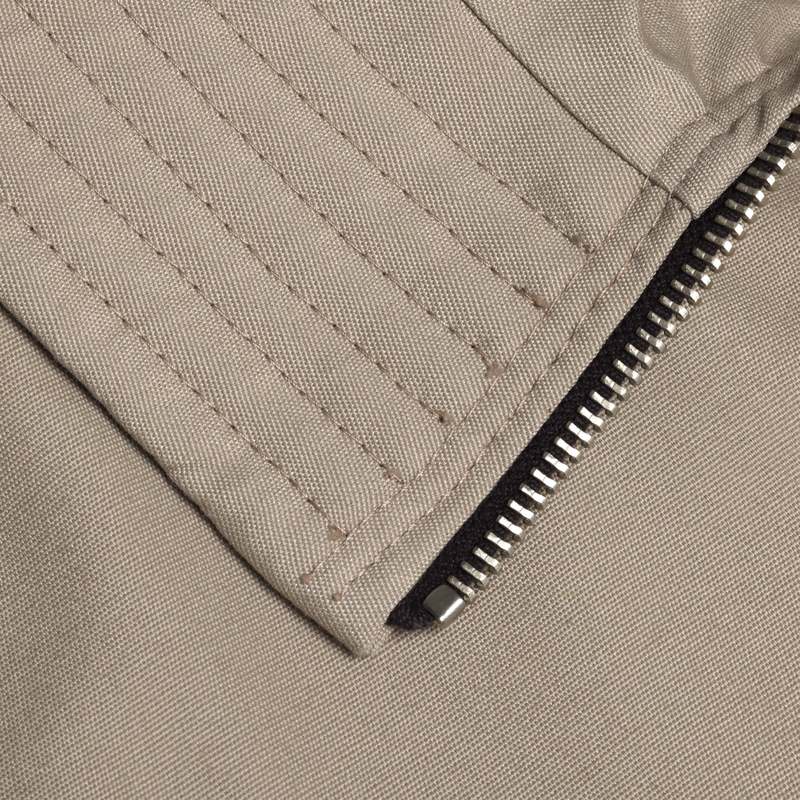
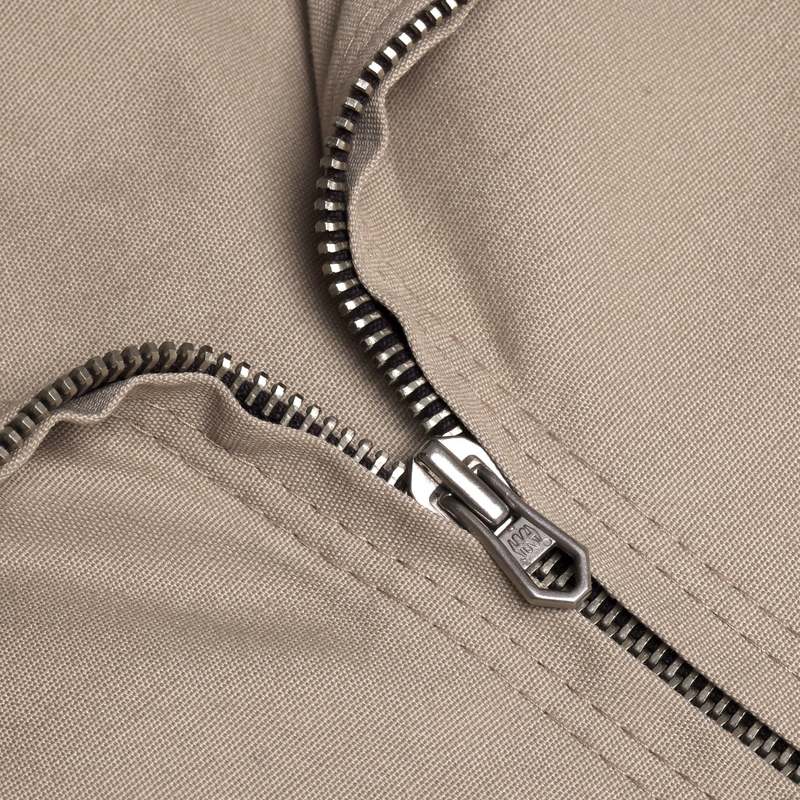
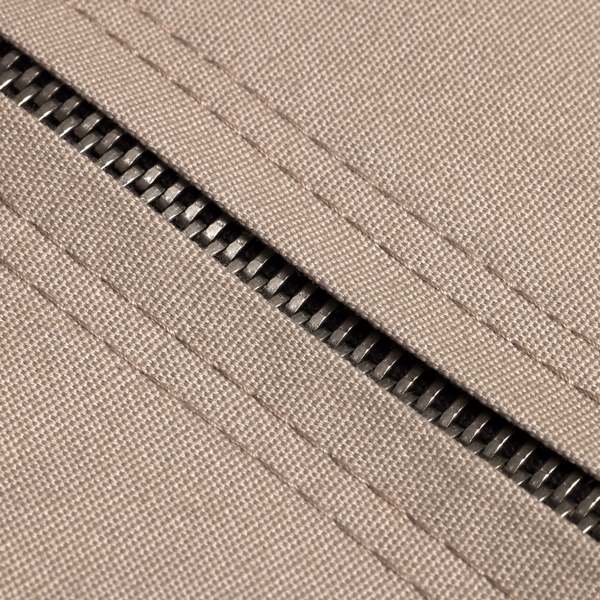
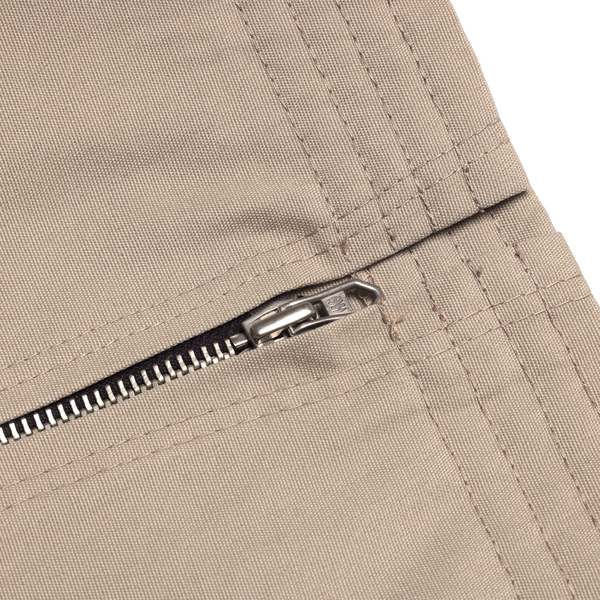
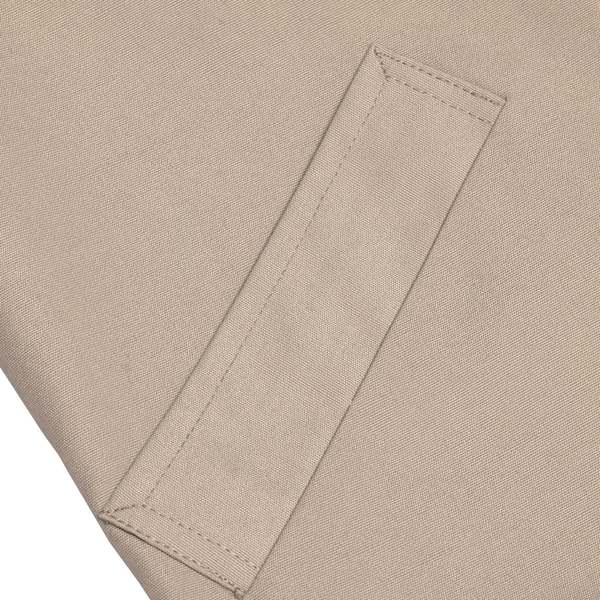
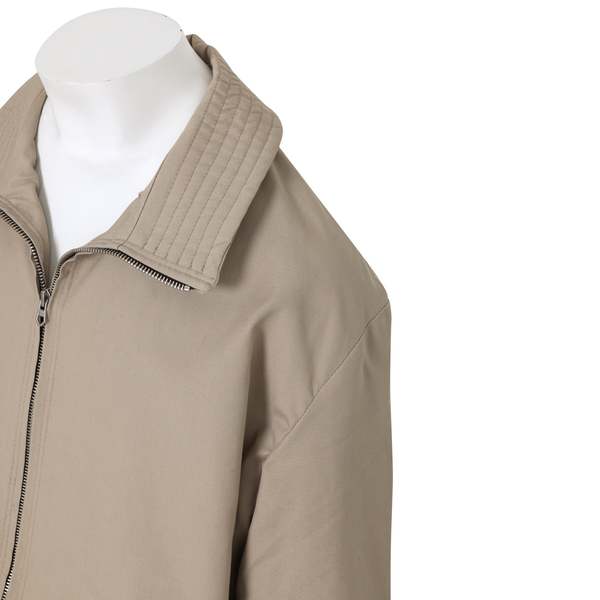
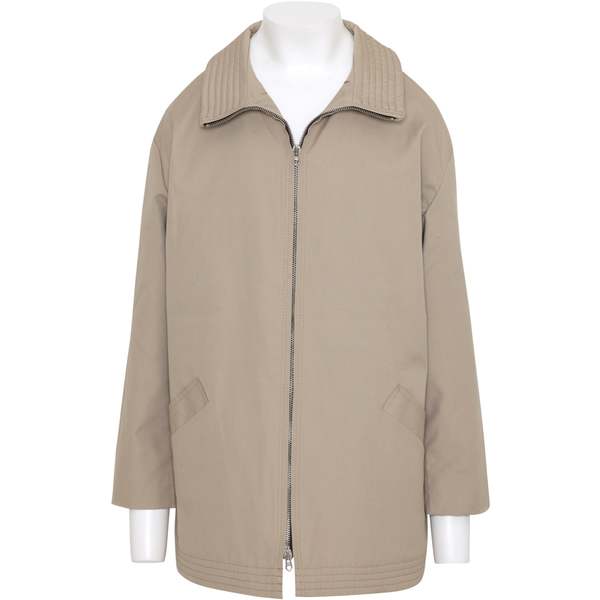
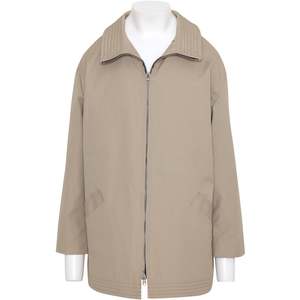
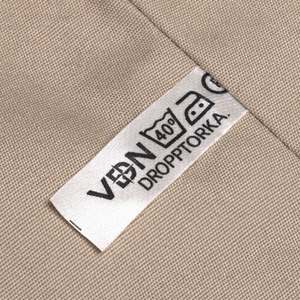
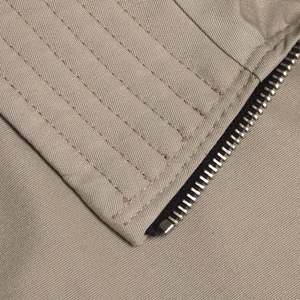
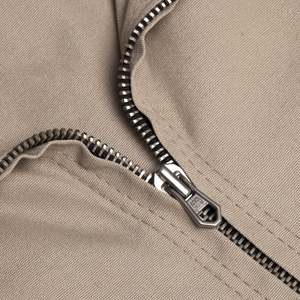
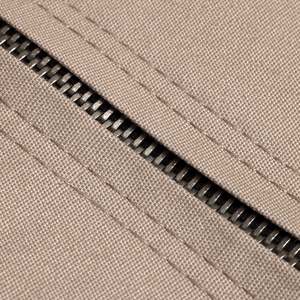
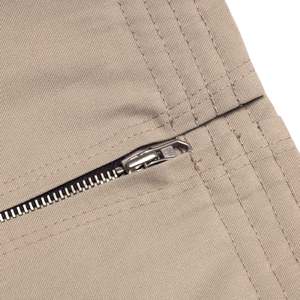
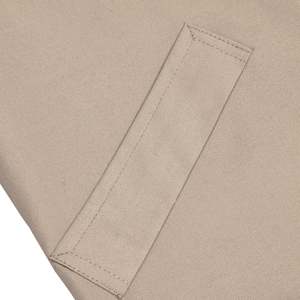
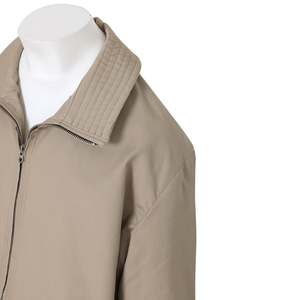
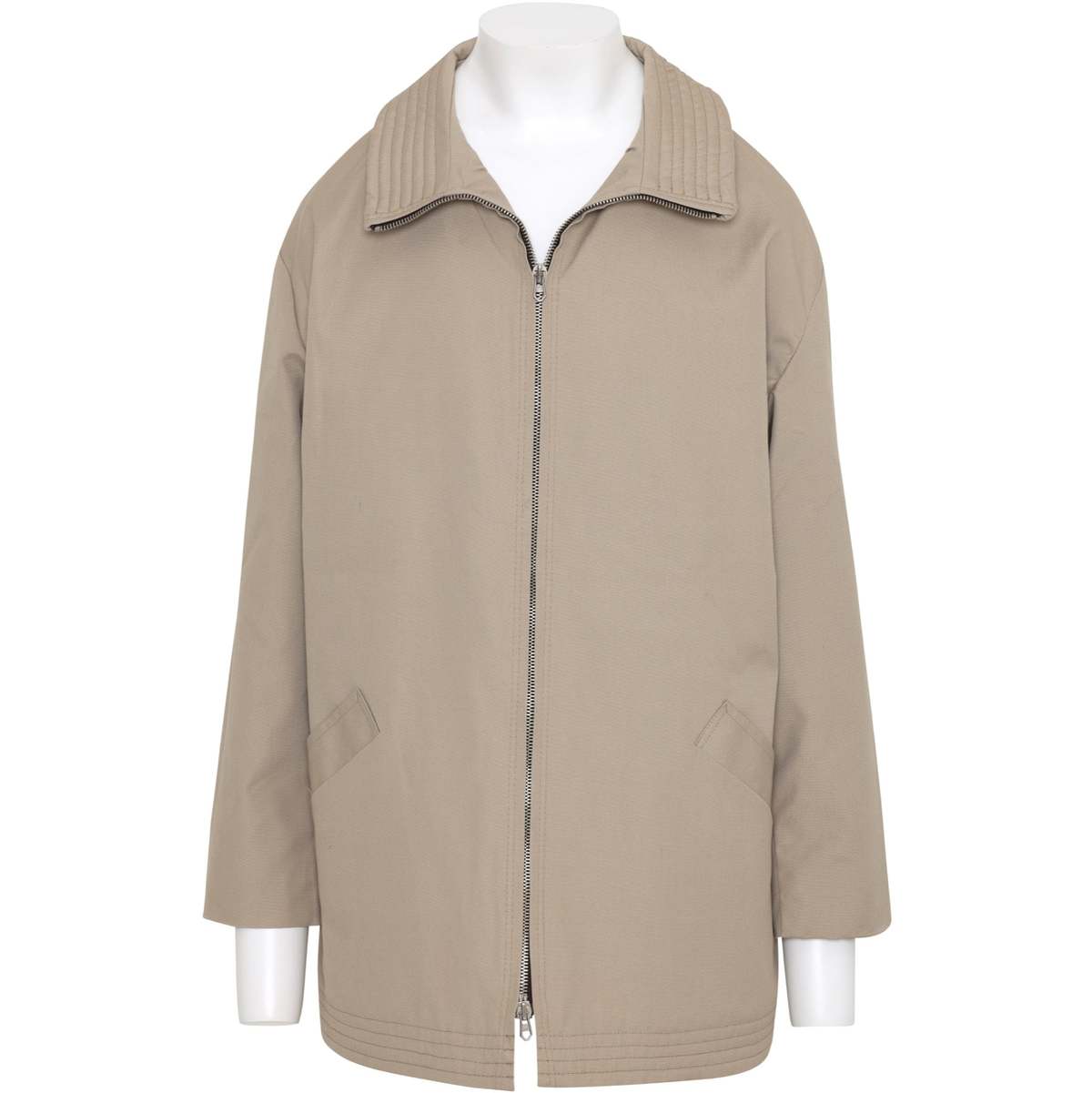
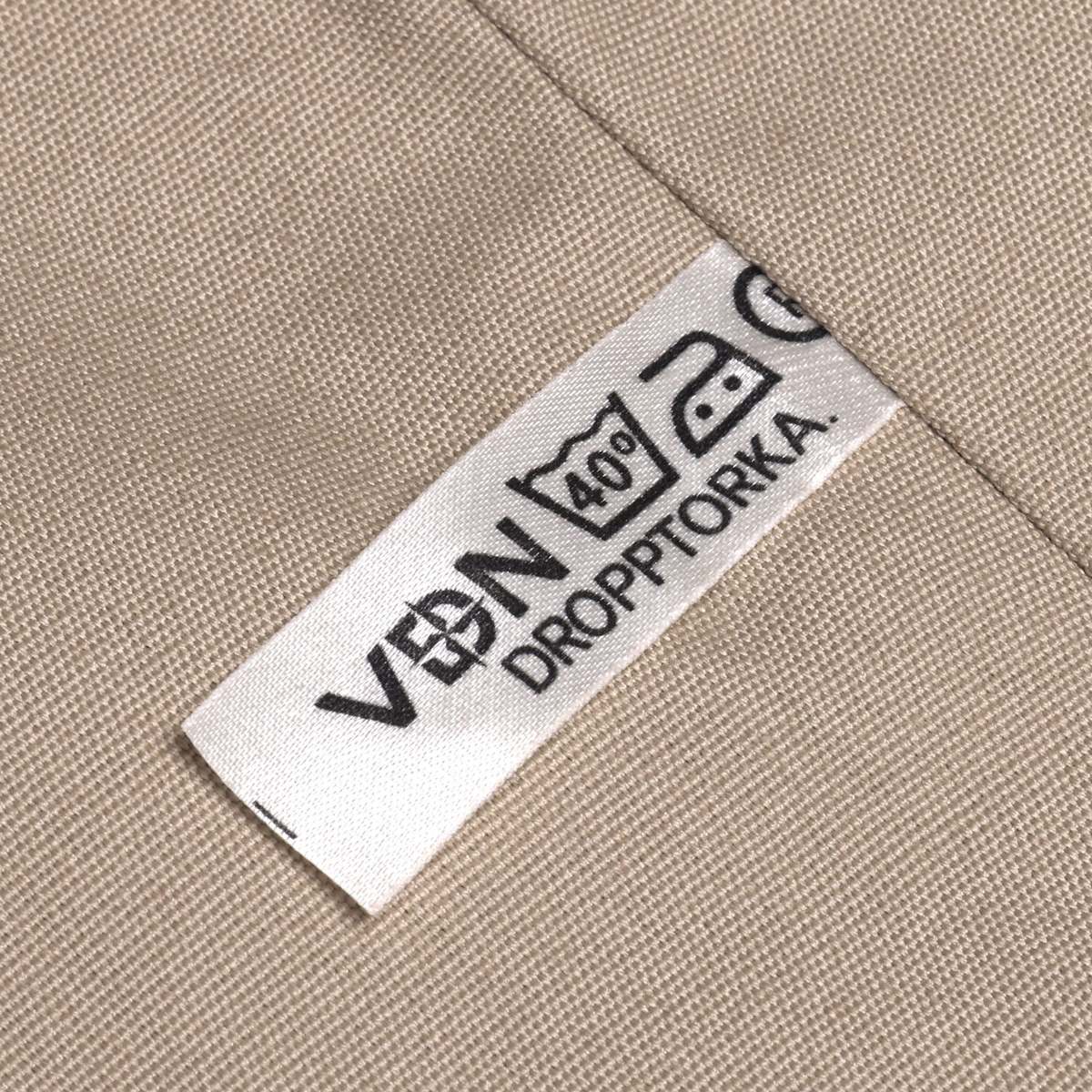
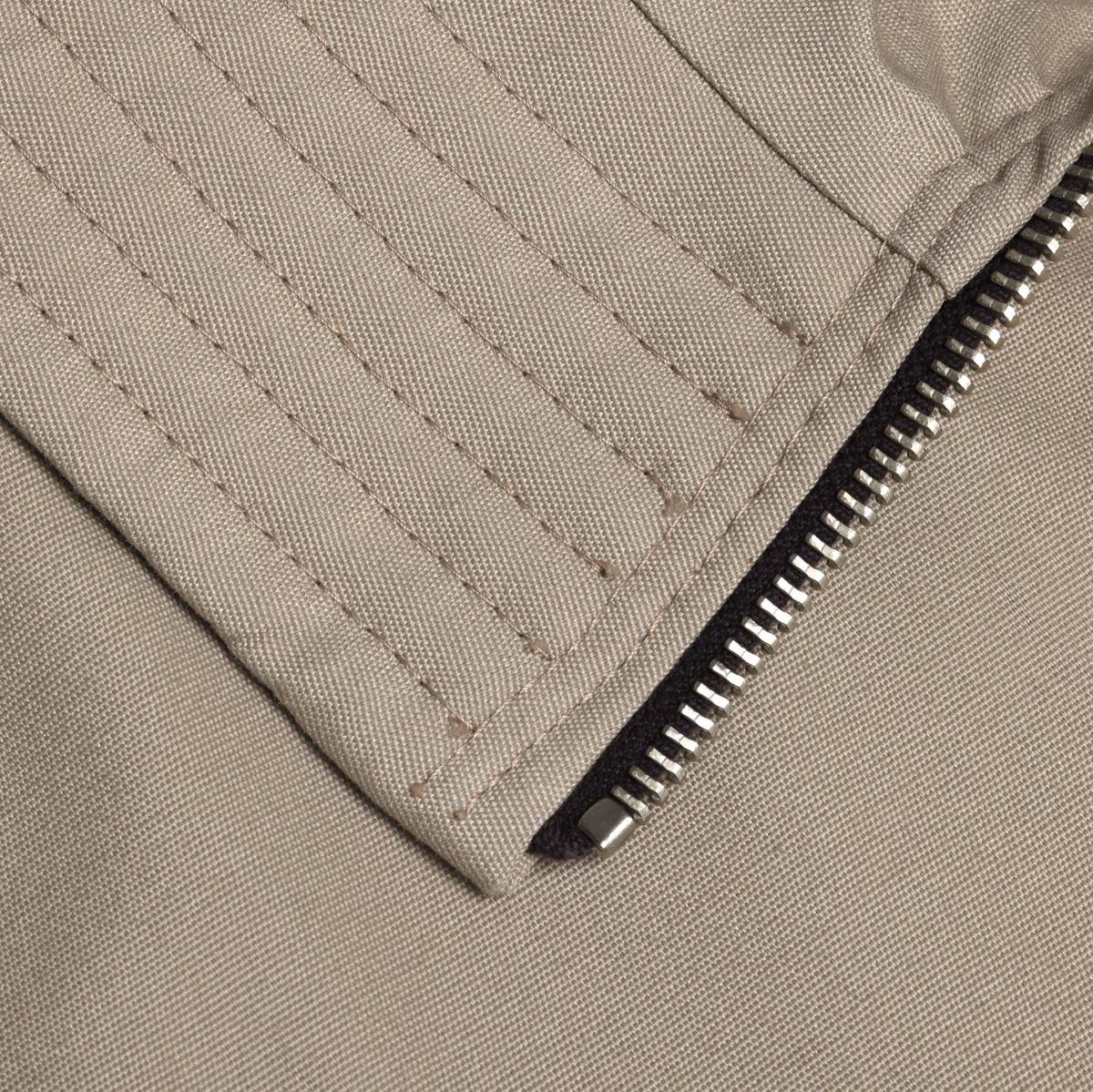
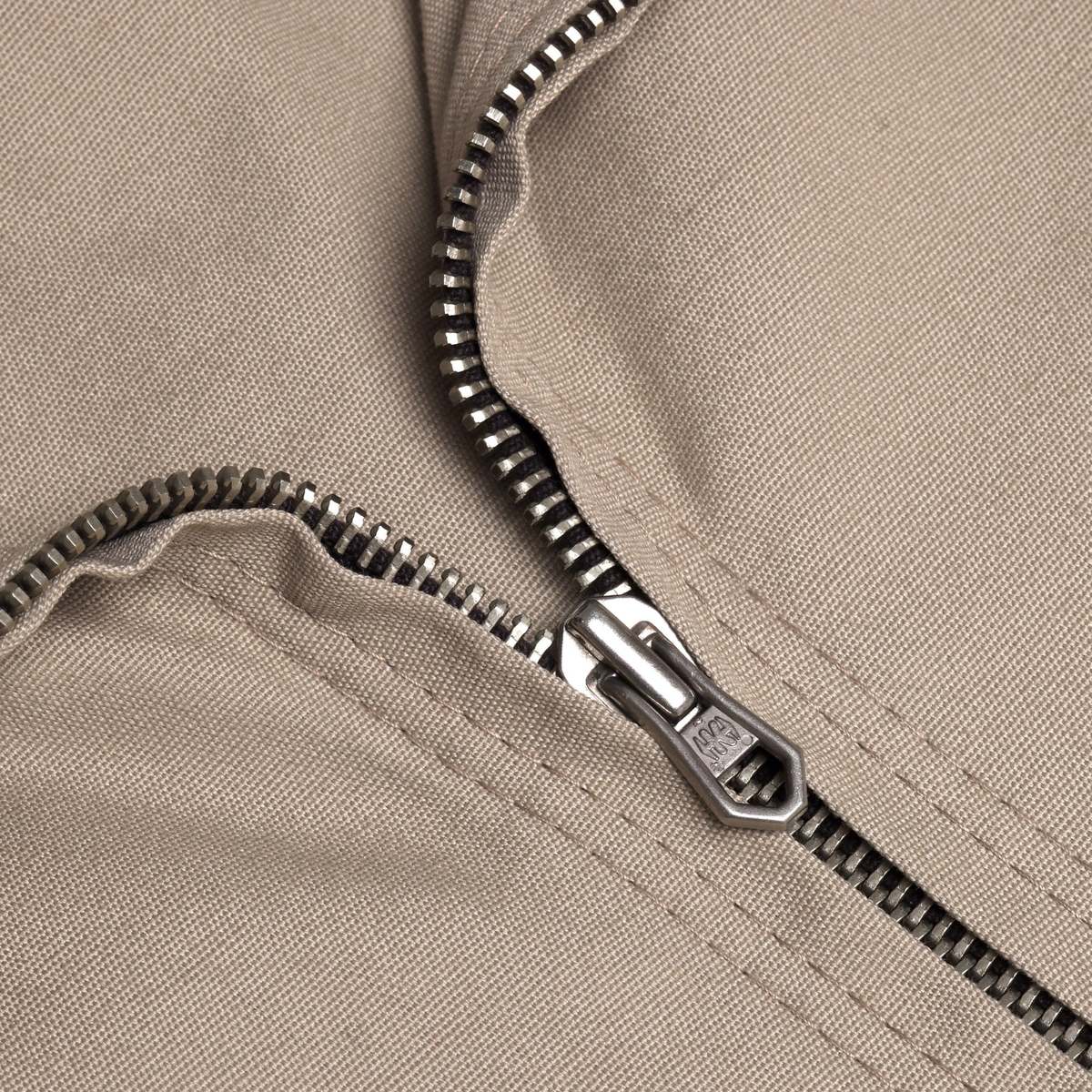
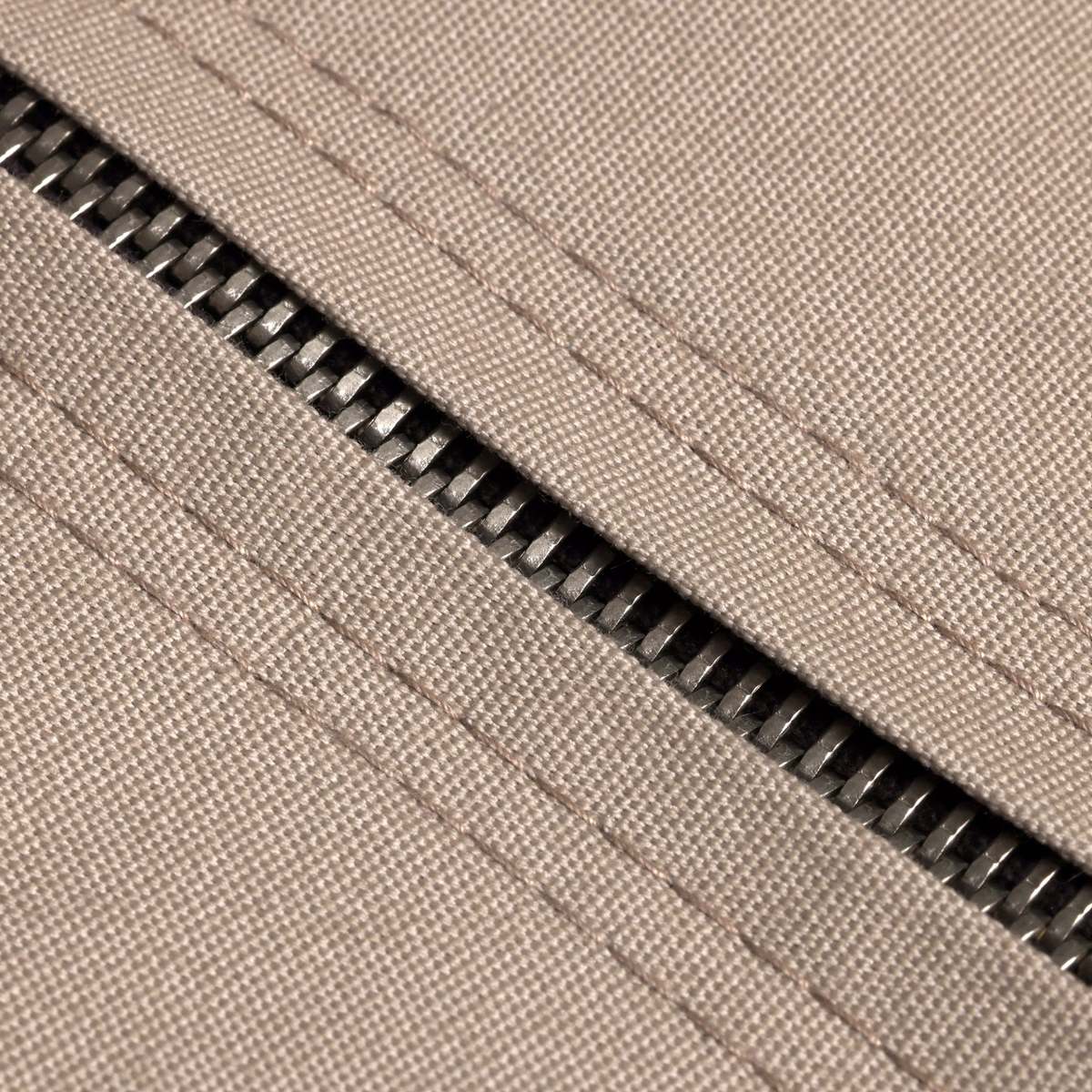
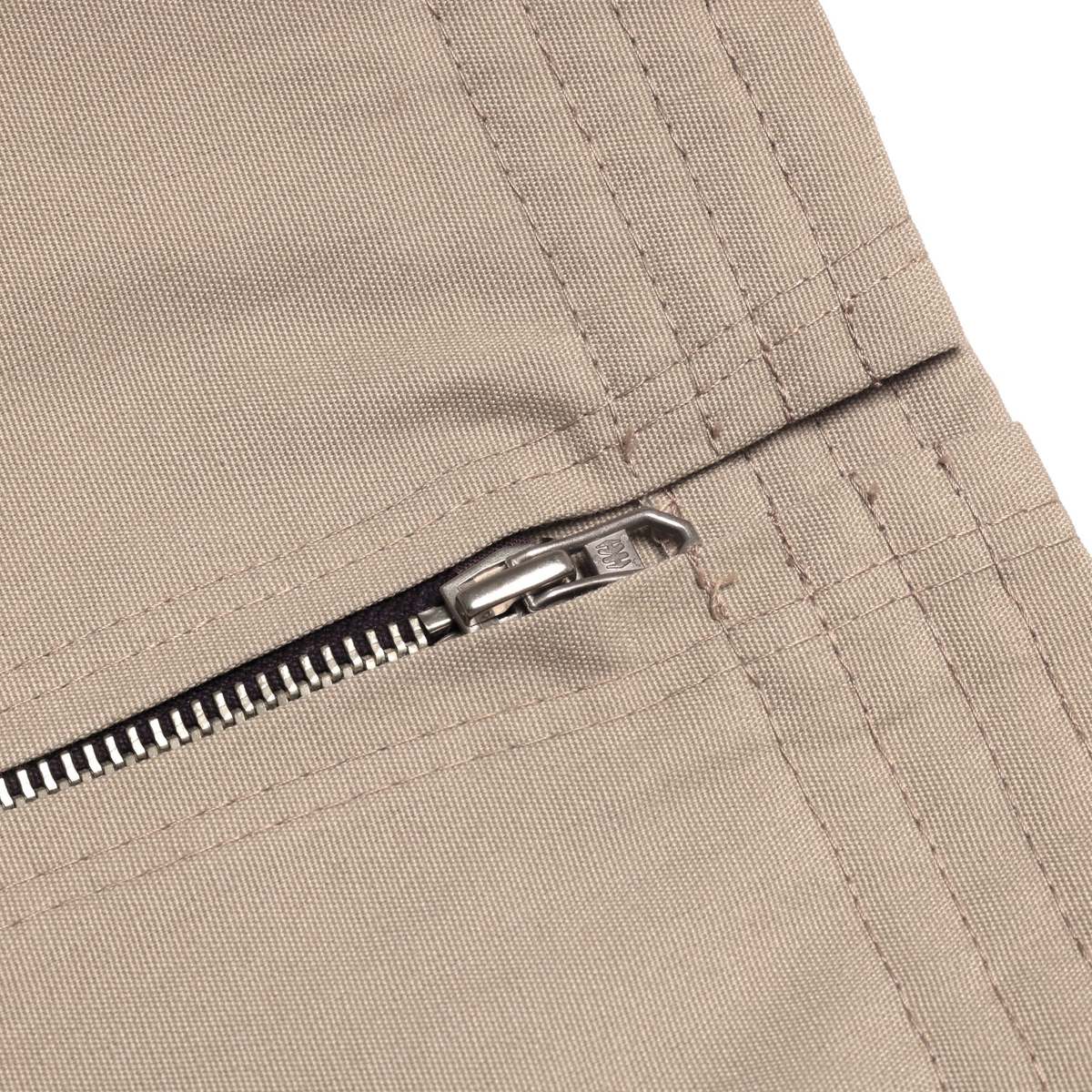
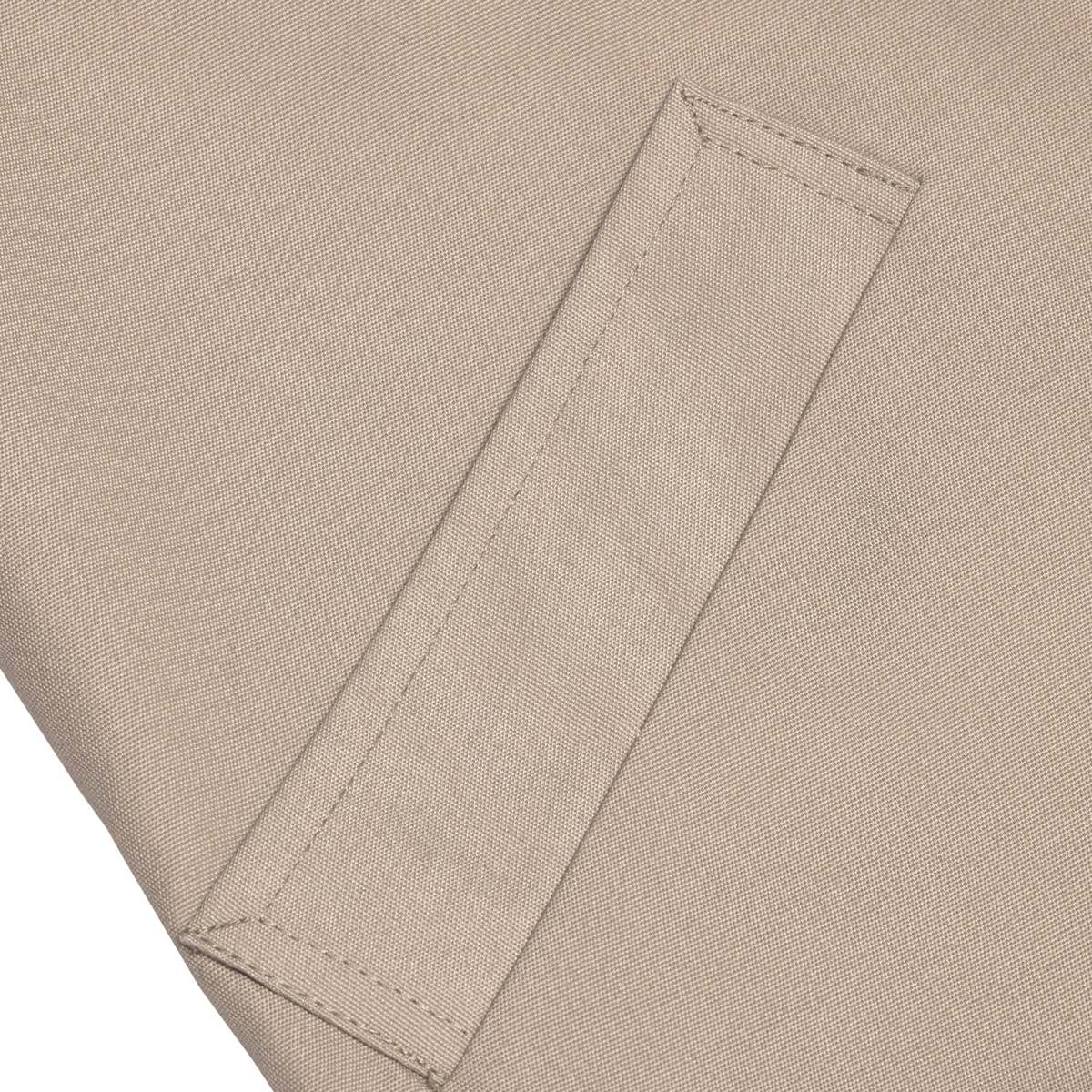
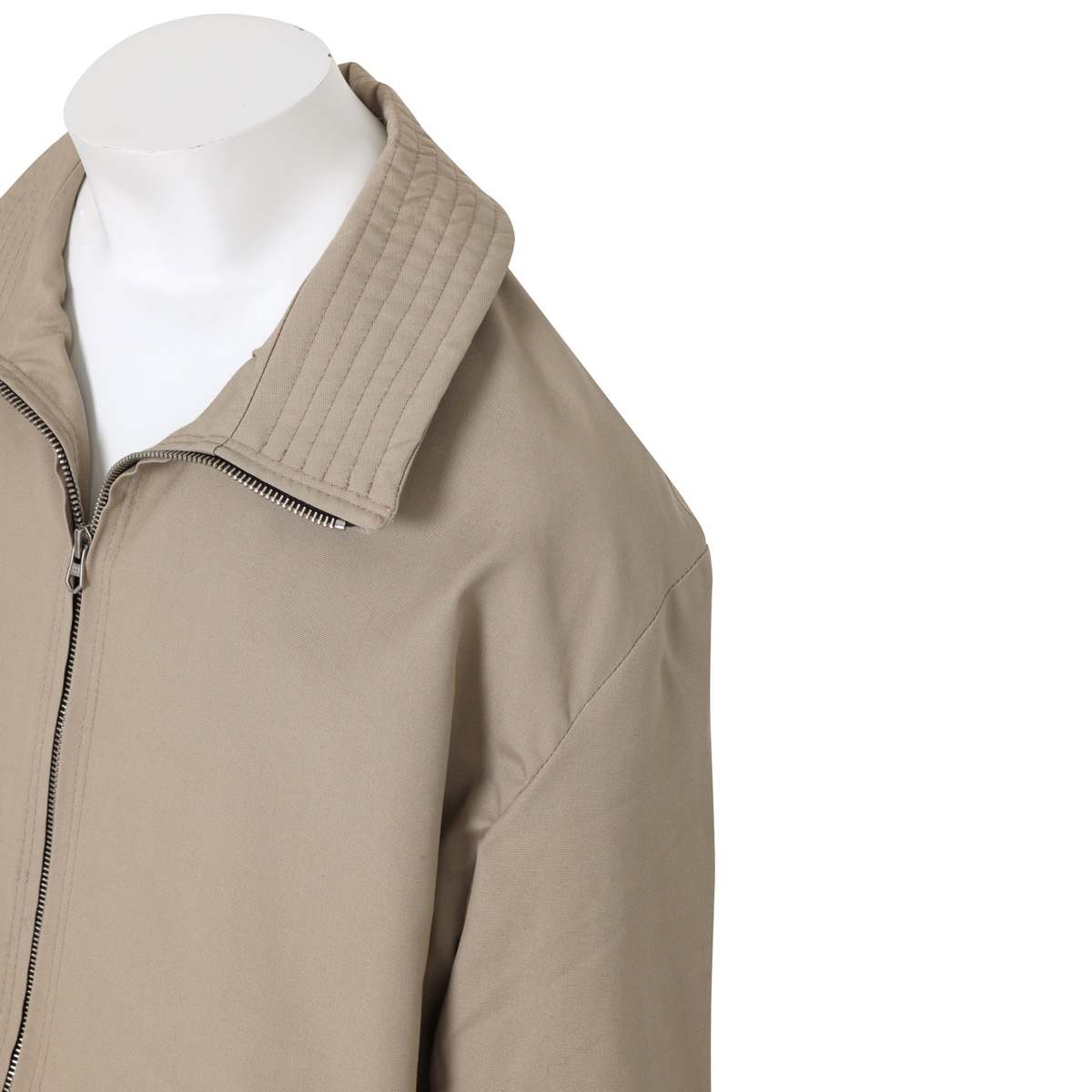
A 1970s Swedish state-issue jacket shaped by VDNs industrial textile governance and postwar institutional outerwear traditions. The midweight jacket, labeled solely by Swedens VDN (Varudeklarationsnmnden), occupies a unique space within the tradition of postwar Nordic industrial outerwear. Rather than functioning as a designer brand, VDN operated as a state-run quality control authority from the 1950s through the 1980s, certifying domestically produced garments under Swedens centralized textile regulations. The absence of any commercial branding strongly implies that the garment was manufactured either as standardized civilian workwear or as a military-adjacent civilian issueproducts of Swedens technocratic approach to textile governance during the welfare-state era. This jacket is thus not a product of individual design authorship but rather of institutional production logic: a utilitarian item engineered for performance, conformity, and infrastructural necessity. Functionally categorized as transitional outerwear for spring to autumn use, the jacket combines the silhouette of the British Harrington with the material logic of Central European work garments, reframing a casual sportswear archetype through a bureaucratic lens. The omission of elasticated cuffs or ribbed hems in favor of straight-cut edges reinforces the garments departure from leisurewear toward an administrative or transit-worker orientation. Its minimalist canvas shell and zippered front construction speak to the demands of mobility, durability, and climatic adaptability within public-facing or industrial environments. Patternmaking reveals a modified Harrington block adapted for mass production and ease of wear. The body is constructed from two symmetrical front panels with no darts or side shaping, yielding a boxy profile optimized for layering. The sleeve designpotentially a dropped shoulder or modified raglan configurationeliminates the armhole seam, enhancing manufacturing efficiency while allowing unimpeded movement. The back panel is likely a single piece or a mirrored dual-panel draft, further reducing pattern complexity. The collar emerges as the jackets most architecturally expressive feature: a quilted insert set within a traditional stand, constructed from two insulated segments and reinforced through evenly spaced horizontal channel stitching. Construction throughout the garment adheres to high-tolerance industrial standards. Key seams are executed with double-needle lockstitching, providing structural integrity while offering visual symmetry. Reinforcement is apparent at high-stress juncturesmost notably at the base of the zipper placket and welt pocket openingswhere bartack stitching and fusible interfacing are deployed to resist mechanical stress. The jackets zipper is a heavy-gauge two-way YKK installation, secured by three rows of parallel topstitching with no distortion or wavean indicator of superior presser foot control and tension calibration. Seam allowances are either flat-felled or overlocked, with interior finishes that reflect a high-volume production model designed to balance durability and manufacturability. Pocket construction follows a disciplined workwear logic: steeply angled welt entries with self-fabric lips and precisely formed corners, likely supported by fusible knit backing. The pockets are internally set, with a probable box-pleated or darted configuration to accommodate storage capacity without disrupting the garments clean lines. Hem finishing includes multiple parallel channel stitches anchored over a wide hem fold, enhancing structural resistance against zip strain and general wear. The cuffs remain unshaped and free of closures, relying on fabric stiffness rather than hardware for edge retentionstreamlining production while reinforcing the jackets minimalist vocabulary. Materially, the shell fabric is a densely woven plain-weave polycotton canvas estimated at 250280 GSM, most likely a 60/40 or 65/35 polyester-to-cotton ratio. The weave structurea tight 1/1 tabbydemonstrates balanced warp and weft interlacement, producing a matte-to-semi-matte surface with minimal float and high thread-per-inch count. This construction facilitates superior abrasion resistance, dimensional stability, and wind blockingqualities ideal for Nordic climates. The yarns appear moderately fine, possibly combed cotton or polyester staple fiber, and the crisp handle indicates a higher polyester content, contributing to shape retention and water resistance. Piece-dyeing in an even tan tone supports the fabrics utilitarian mandate. Comparatively, this textile references heritage plain weaves such as Grenfell Cloth (UK), Ventile (UK/Switzerland), Etaproof by Stotz & Co (Switzerland), and Dralon Canvas (Germany)each known for high-tension, tightly woven structures with functional weatherproofing. While Grenfell and Ventile favor long-staple cotton for breathability and pliability, this jacket substitutes synthetic content for cost and shrinkage control. The structural density is closest to Dralon and early Etaproof substitutes, which emphasized industrial wearability over tactile finesse. From a mill perspective, the textile aligns with the production ethos of Finlayson (Finland), which supplied midweight utility fabrics throughout the Nordic region; Klopman International (Italy/UK), whose Indestructible polycotton workwear line matches the jackets density and weave; and Getzner Textil AG (Austria), which, though better known for shirtings, has produced comparable plain-weave uniform cloths. M.J. Bales European-sourced outerwear fabrics also bear structural resemblance, though their contemporary luxury framing diverges from the state-issued pragmatism seen here. The technical sewing demonstrates mastery of high-tension zipper installation, stitch regularity across grain transitions, and high-SPI control through rigid textiles. Topstitch spacing remains consistent even across thick quilted zones and zipper tape junctions, implying a dual-feed industrial setup or walking foot machine for bulk regulation. Pocket and hem pivot points reveal controlled corner stitching without backtrackings or overshoot, confirming deliberate, high-skill execution at scale. Structurally, the jacket is organized for streamlined throughput: minimal panel cuts, symmetrical seam logic, and elimination of anatomically contoured shaping allow for reduced material waste and efficient sewing-line sequencing. All seams are pressed flat and locked into position, supporting long-term shape retention. The collar quilting not only provides insulation but also substitutes for decorative detail, embodying a utilitarian concept of visual rhythm grounded in mechanical stitch repeat rather than expressive design. The garments conceptual register resides firmly in the tradition of mid-century Scandinavian institutional weargarments engineered not for self-expression but for public functionality. Its psychological and aesthetic language reflects the infrastructural logic of the welfare state: clothing as quiet apparatus rather than adornment. This ideology of suppressed individualism and standardized competence is mirrored in its neutral color, minimal ornamentation, and modular silhouette, drawing from postwar social-democratic values. Visually, it echoes Bauhaus-derived Scandinavian modernism and the typological precision of administrative dress, with strong affinities to Germanic and Eastern Bloc civic outerwear of the same period. Historically, the piece likely dates to the late 1970s or early 1980s, based on its zipper construction, polycotton blend, and the continued use of VDN labeling before Sweden transitioned toward European-standardized textile regulation. During this era, garments such as this would have served government employees, transit staff, or technical professionals in public utilities, often distributed via department store contracts or direct institutional outfitting. In the contemporary market, this jacket occupies a space of heightened relevance within archival menswear and utilitarian fashion communities. It resonates with the product philosophies of brands such as Norse Projects, Arpenteur, and Nanamica, who reinterpret statewear archetypes through upgraded materials and subtle design elevation. Within the resale economy, its appeal lies in its structural honesty, technical lineage, and contextual scarcitya garment that embodies infrastructural elegance without signaling fashion. For collectsors of postwar utilitywear, Scandinavian state garments, or Eastern Bloc civilian tailoring, it presents a durable and conceptually rich acquisition. Its construction integrity, material longevity, and embedded industrial logic render it as functional today as it was at the time of productionquietly performing a historical and material function well beyond the limits of trend. Measurements (cm): Chest: 60 Length: 77 Shoulder: 46 Sleeve: 58 Size Conversion (approximate) US Mens Size: L EU Mens Size: 50 SKU: 015080
Garmentory is a curated marketplace of independent boutiques and emerging designers from around the world.
Fashion With Intention
Aw yeah!
We love making new friends so while we're popping bottles, continue shopping to apply your $10 credit.
We've got a dedicated site "garmentory.co" just for our Indian customers! Shop with local currency, faster shipping, and exclusive products.
We cannot add this item to your bag because it’s already at max capacity. But don’t worry, we’ve saved it to your wish list.
Earn Replica Belts credits when you shop, wishlist, and inspire others.

Have a question about the size or something else? We're here to help!