Spring fever is here 🌡️☀️ Prep early for those not too hot and not too cold days by finding something you love ON SALE. SHOP THE SALE


Spring fever is here 🌡️☀️ Prep early for those not too hot and not too cold days by finding something you love ON SALE. SHOP THE SALE
| To | Service | Estimated Delivery | Fee |
|---|---|---|---|
| 🌎 | Intl. Air | 6-20 business days | $29.95 |
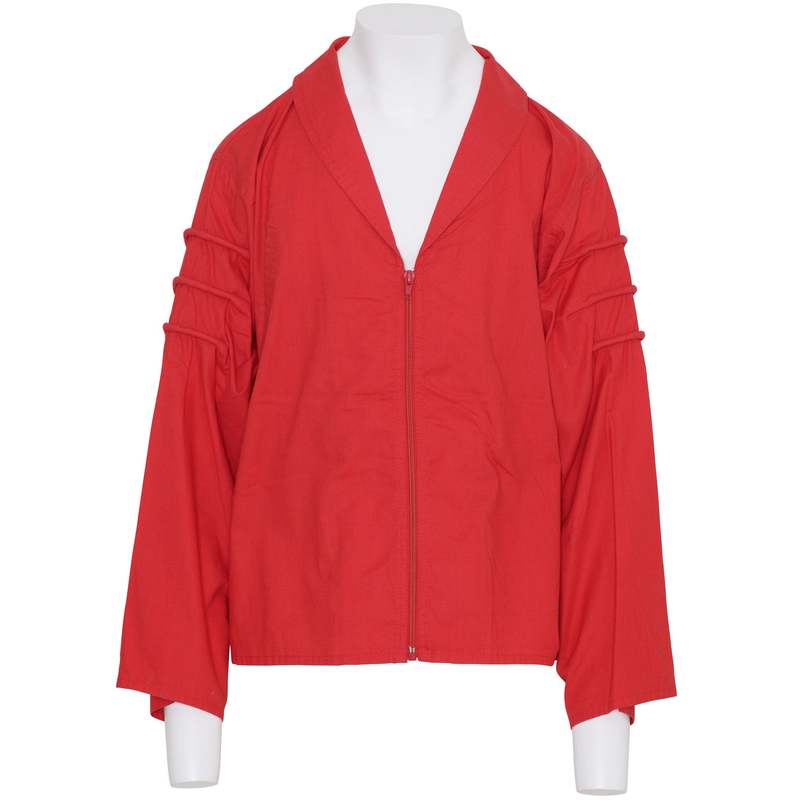
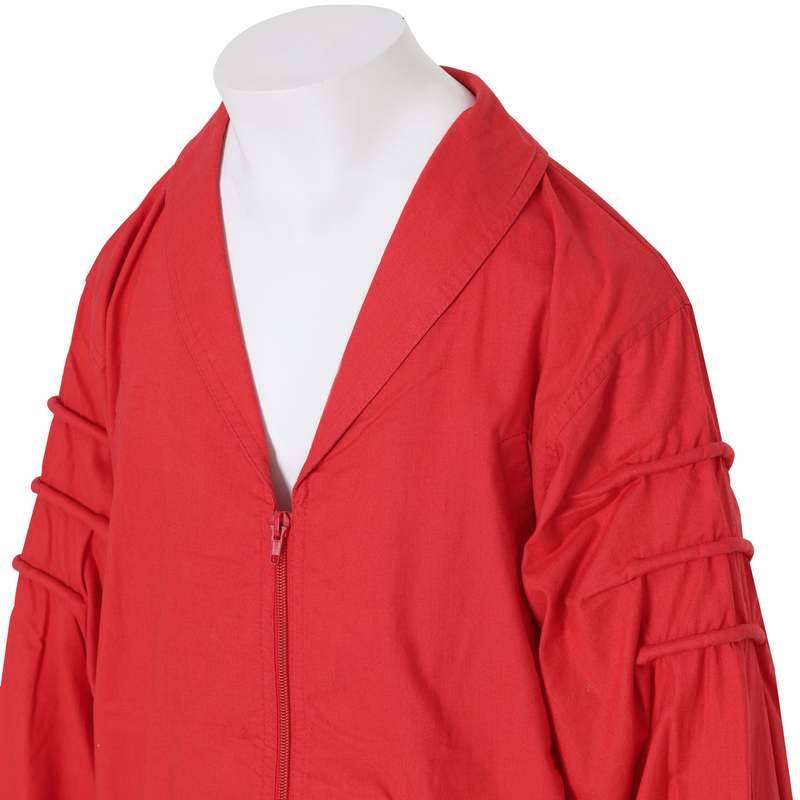
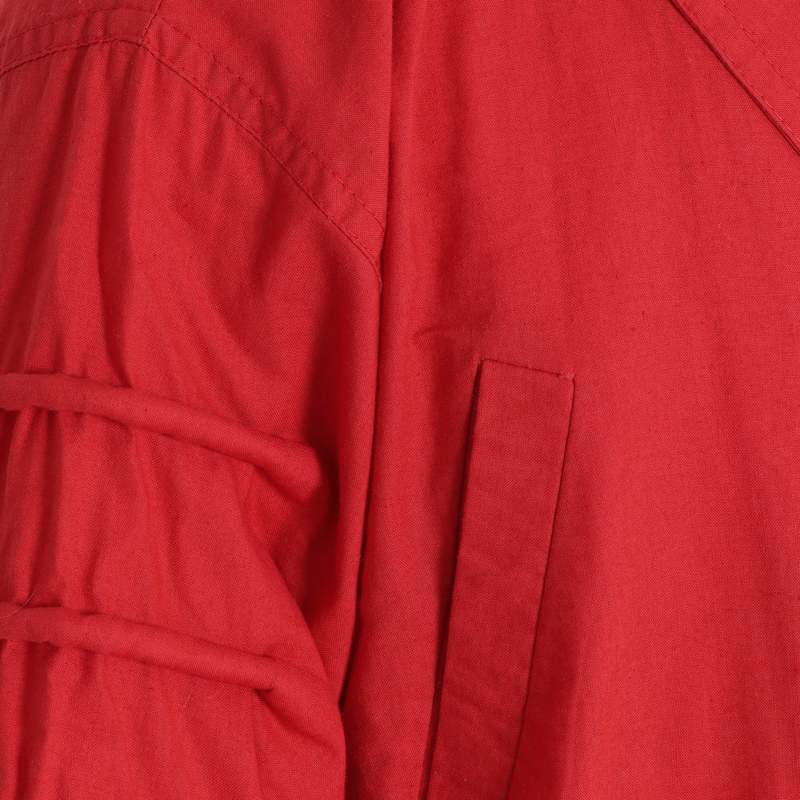
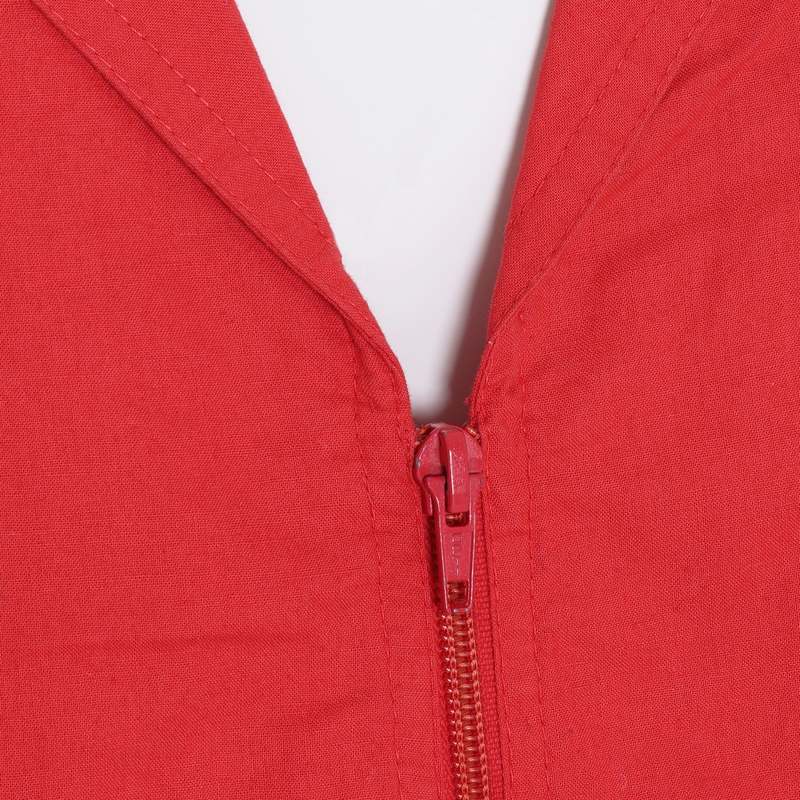
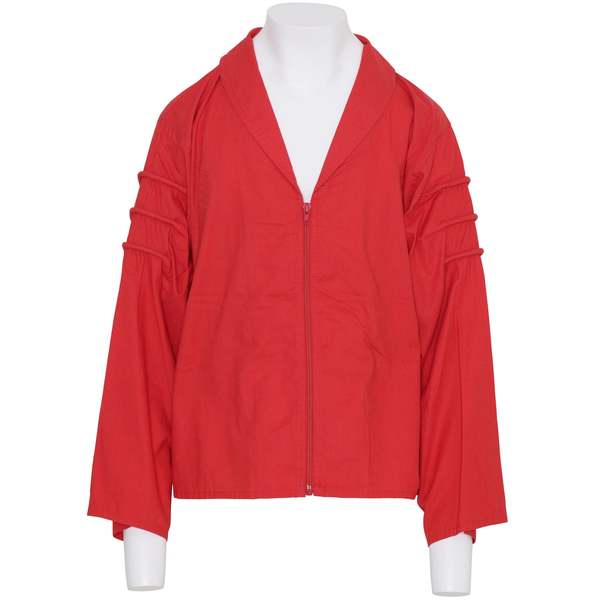
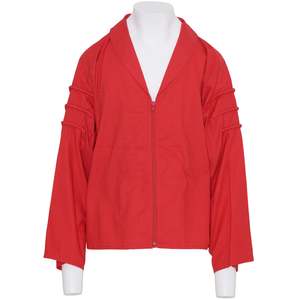
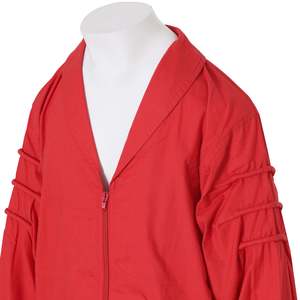
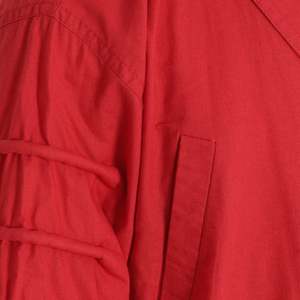
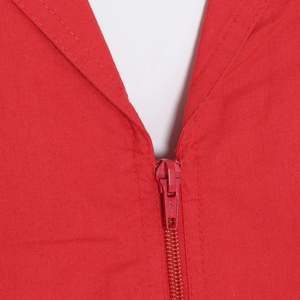
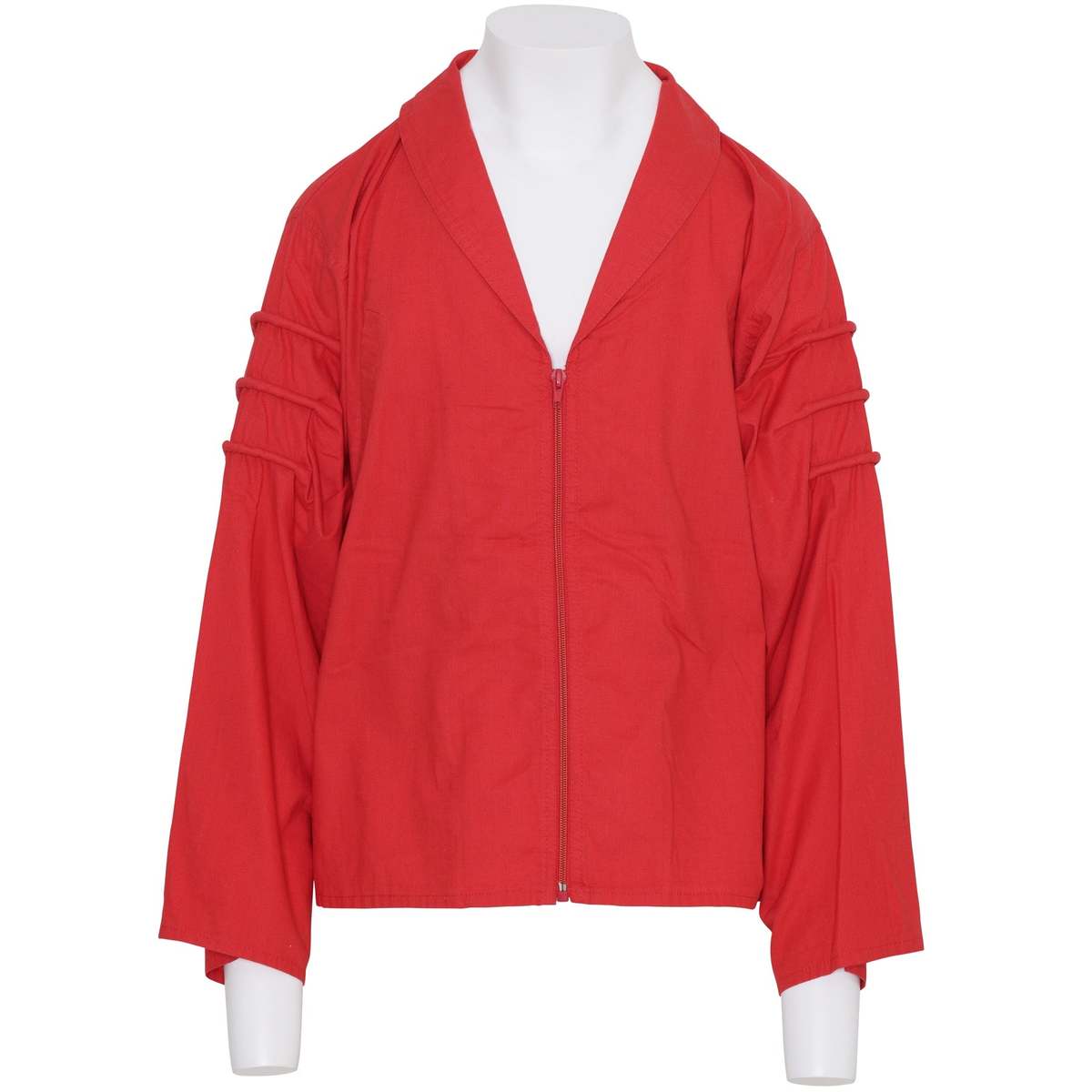
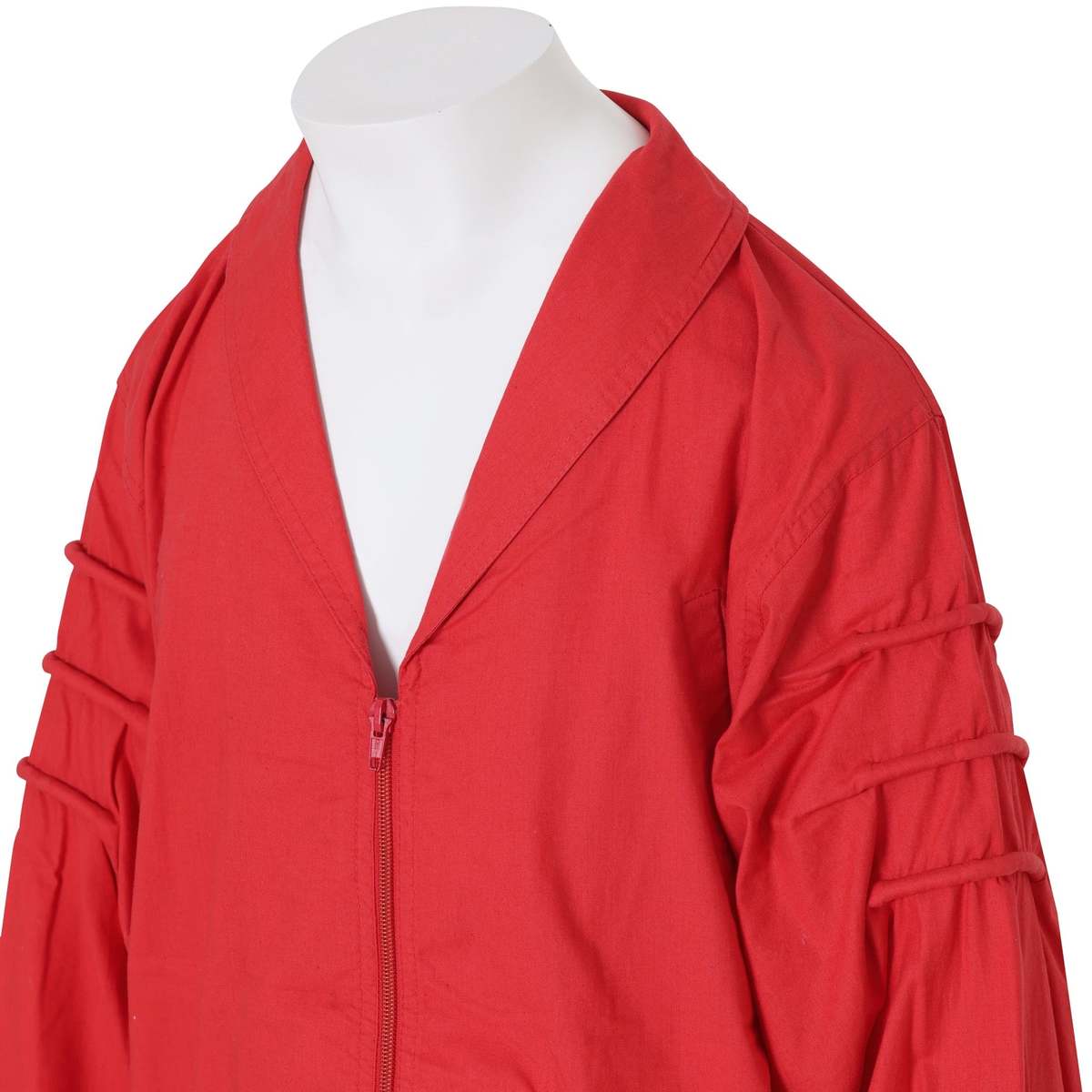
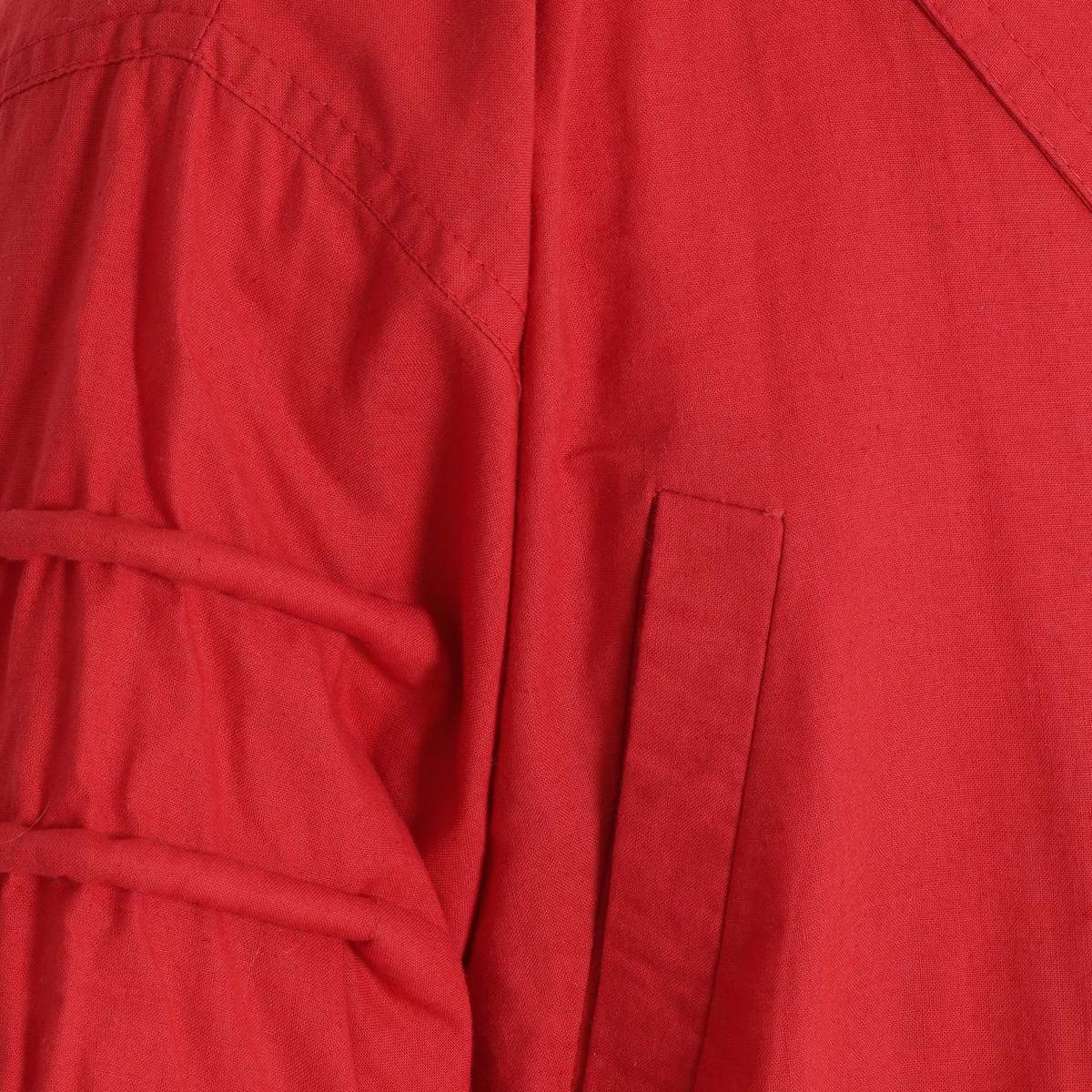
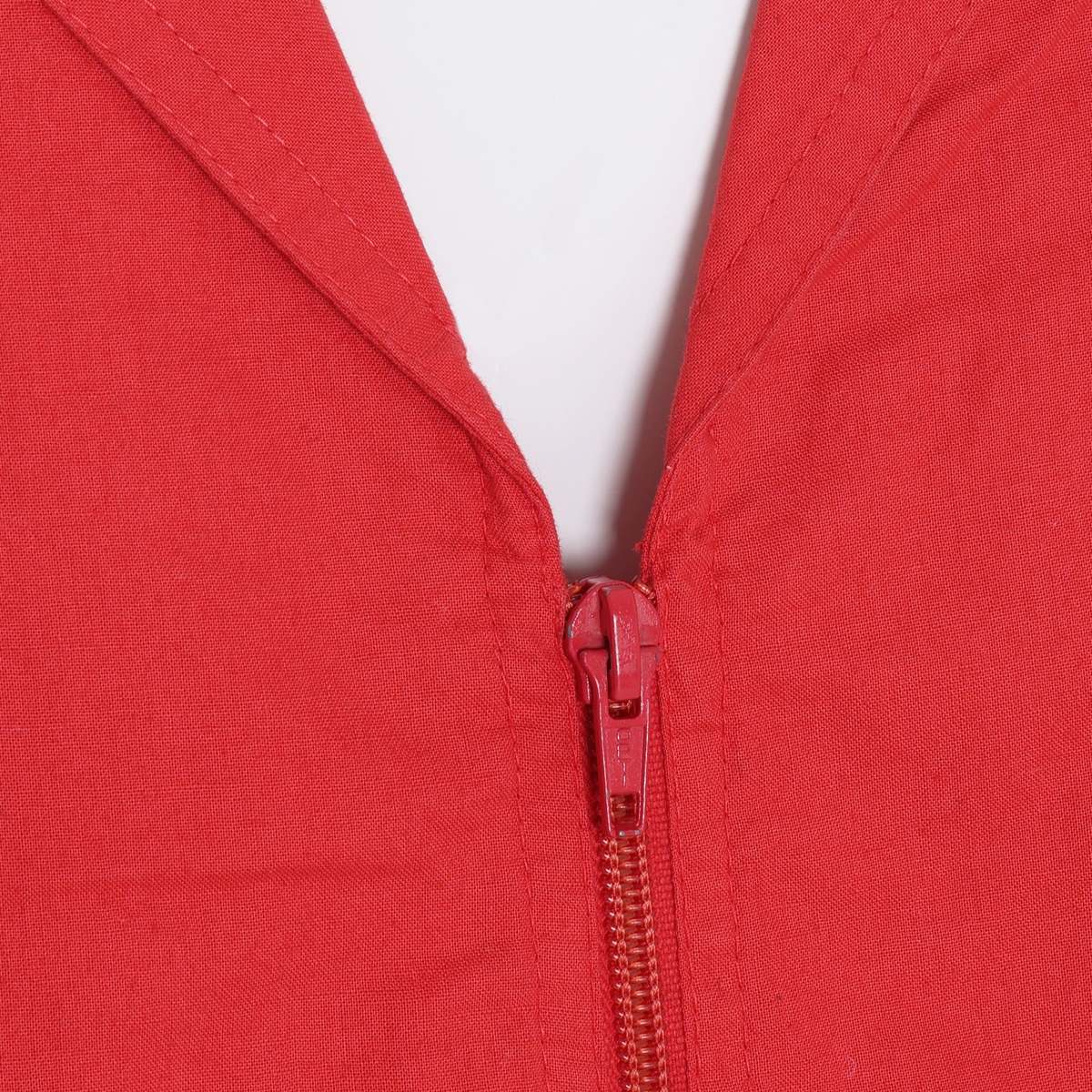
Unbranded yet directional, the midweight outerwear piece channels Neo-Constructivist form through tiered sleeve detail and clean geometry. Produced in West Germany during the 1980s, this fashion-forward outerwear jacket embodies the eras confluence of industrial capability and sculptural experimentation. Though lacking visible branding, it is consistent with output from boutique or mid-market West German labels supplying department stores or export-oriented workshops. The piece reflects a localized design ethos shaped by architectural silhouettes and formal volume, situated within a broader industrial garment culture that, by the 1980s, was channeling directional design cues from Paris, Milan, and Tokyo into commercially viable garments for the urban European consumer. Categorized as a lightweight fashion jacket, this piece was conceived as a transitional outer layer for women navigating professional and social spaces in spring and autumn. Its assertive silhouettea voluminous raglan-sleeved, collarless form punctuated by tiered sleeve detailingplaces it firmly within the visual vocabulary of 1980s power dressing. Yet, unlike the heavily tailored, shoulder-padded iterations of the same period, this garment explores form through surface construction and pattern manipulation rather than traditional tailoring tropes. The garments technical construction aligns with the efficient but thoughtful production methodologies prevalent in Cold War-era West German apparel manufacturing. The body is assembled primarily with lockstitch seams, likely supported by chainstitch reinforcements at high-stress zones such as the sleeve caps and the zipper base. The interior finishing is consistent with regional practicesoverlocked seams (three-thread serger) for durability and production efficiency, and clean facings or mock flat-felled seams around visible areas like the neckline and zipper. One of the defining technical features of this garment lies in its sleeve engineering. The sleeves are constructed as wide raglan panels, gathered subtly at the upper arm and adorned with horizontally applied fabric tubes. These triple-tiered bands are topstitched with precision and may be internally stabilized with interfacing or elastic to preserve structural claritys. Their placement introduces a geometrically disciplined form of surface embellishmentornamental, but never gratuitoussignaling a Neo-Constructivist influence in both pattern logic and visual rhythm. The body itself is cut from minimal panels: a single front and back bodice with no visible darting or princess seams, relying instead on generous ease and the visual weight of the sleeve detail to sculpt the silhouette. The hem falls straight across the hip, with no venting or shaping, reinforcing the garments boxy, layering-friendly cut. Side seams are likely straight, unbroken lines, consistent with the Bauhaus-derived principles of reductionism that subtly informed much of West German fashion modernism. The collar construction eschews traditional structure in favor of a wide, soft shawl collarlikely cut as a separate facing or band collar piecesharply mitred at the center front to create a crisp V-neckline. Topstitched narrowly along its perimeter, the collar is both a visual anchor and a gesture toward modernity: it frames the neckline cleanly without competing with the architectural volume of the sleeves. The zippera color-matched nylon coil variantis inserted via a centered application with symmetrical topstitching, though a slight misalignment at the neckline suggests minimal fabric creep or tension imbalance during installation, a common occurrence in garments assembled without pre-stitched zipper stays. The material selection reinforces the garments transitional utility and structural priorities. The outer shell is a matte plain-weave cotton or cotton/polyester poplin, estimated between 140160 GSMlight enough for ease, crisp enough to hold form, and breathable for seasonal adaptability. It exhibits no surface coating or sheen, indicating a preference for natural texture over synthetic polish. The textile was likely sourced from a German or Italian mill, both of which dominated high-quality shirting-weight fabrics during this period. No knit components are presenta notable divergence from many 1980s jackets that incorporated ribbed cuffs or collars for casual elasticityfurther emphasizing its structured, fashion-oriented identity. Detailing throughout is deliberate and harmonious. The topstitching is consistently narrow and symmetric, particularly around the neckline and zipper placket, providing reinforcement and maintaining visual claritys. The sleeve tucks are uniformly spaced, requiring precise pattern drafting to retain bilateral symmetryespecially important given the sleeves role as the primary sculptural feature. Internally, the collar and neckline are likely interfaced with lightweight fusibles to maintain structure without bulk, while the hem and cuffs are cleanly folded and topstitchedno binding, no facing layersconsistent with German production standards for garments in this category. Conceptually, the jacket articulates a visual strategy of controlled volume and soft assertion. Its absence of buttons, minimal shaping, and rational center-zip closure speak to a design language rooted in modernist efficiency. Yet, the tactile play of the sleeve bands and the exaggerated raglan drape position it within a broader aesthetic movement that sought to reclaim femininity through scale rather than ornament. The piece can be read as soft armor: protective, dimensional, yet fluid. It is aligned with a vision of womanhood in fluxassertive, architectonic, but not beholden to patriarchal tailoring traditions. Artistically, the garment resonates with the aesthetic lineage of Neo-Constructivism. Its horizontal sleeve architecture and sharp V-shaped neckline form a visual grid of tension and symmetry. The minimalist torso contrasts with the maximalist sleeves, producing a silhouette that is simultaneously calm and confrontational. This duality echoes the cultural moment of 1980s West Germanya society straddling post-industrial discipline and a tentative embrace of expressive identity through design. Historically, the jacket places squarely in the mid-to-late 1980s. Key indicators include the exaggerated raglan construction (most prevalent from 19841988), the use of lightweight cotton poplin in directional outerwear, and the shawl collar format, which parallels both leisurewear and elevated prt--porter trends of the time. It reflects a West German garment industry in transitiontechnically advanced, export-ready, and increasingly receptive to avant-garde design principles filtered through a commercial lens. In todays market, the jacket holds considerable value across several fashion subdomains. For archival collectsors and fashion historians, it provides a clean, well-preserved example of 1980s West European experimental tailoring. Its distinctive sleeve construction makes it suitable for editorial styling, while its formal minimalism and material pragmatism allow for reinterpretation by contemporary labels such as GANNI or The Row, which engage with historical silhouettes through modern textiles. Within the resale space, the garment positions itself comfortably within the $150$300 range, contingent on provenance and condition, with additional appeal for costume design, museum acquisition, or high-concept upcycling. Technically, the jacket exemplifies intelligent 1980s garment engineering. It achieves architectural effect with minimal complexity, leveraging seam manipulation and textile behavior rather than gratuitous embellishment. The execution is solidno fraying, misalignment limited to minor zip placement, and all structural stitching intact. Its viability as both a historical artifact and a contemporary design reference underscores its status not as a relic but as a blueprint: a garment that used simplicity to deliver dimensional sophistication, and volume to project a new kind of feminine presence in an industrial age.
Garmentory is a curated marketplace of independent boutiques and emerging designers from around the world.
Fashion With Intention
Aw yeah!
We love making new friends so while we're popping bottles, continue shopping to apply your $10 credit.
We've got a dedicated site "garmentory.co" just for our Indian customers! Shop with local currency, faster shipping, and exclusive products.
We cannot add this item to your bag because it’s already at max capacity. But don’t worry, we’ve saved it to your wish list.
Earn Replica Belts credits when you shop, wishlist, and inspire others.

Have a question about the size or something else? We're here to help!