Spring fever is here 🌡️☀️ Prep early for those not too hot and not too cold days by finding something you love ON SALE. SHOP THE SALE


Spring fever is here 🌡️☀️ Prep early for those not too hot and not too cold days by finding something you love ON SALE. SHOP THE SALE
| To | Service | Estimated Delivery | Fee |
|---|---|---|---|
| 🌎 | Intl. Air | 6-20 business days | $29.95 |
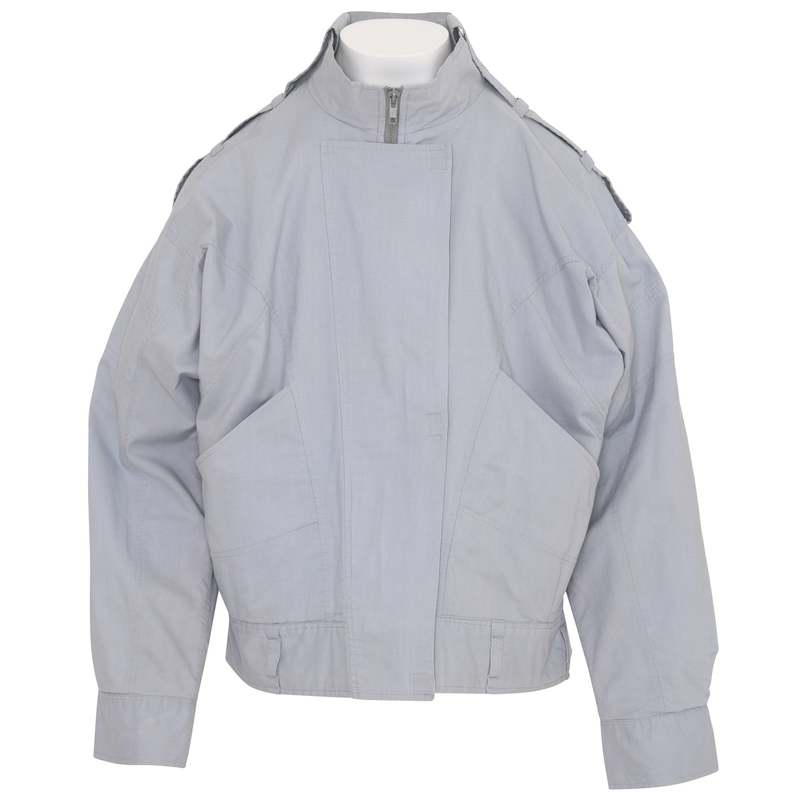
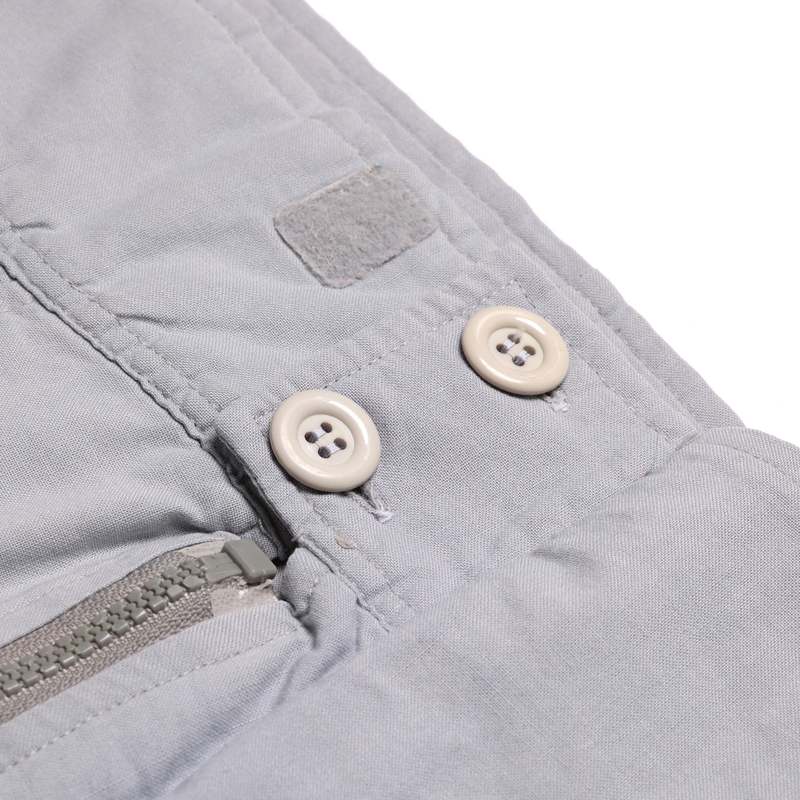
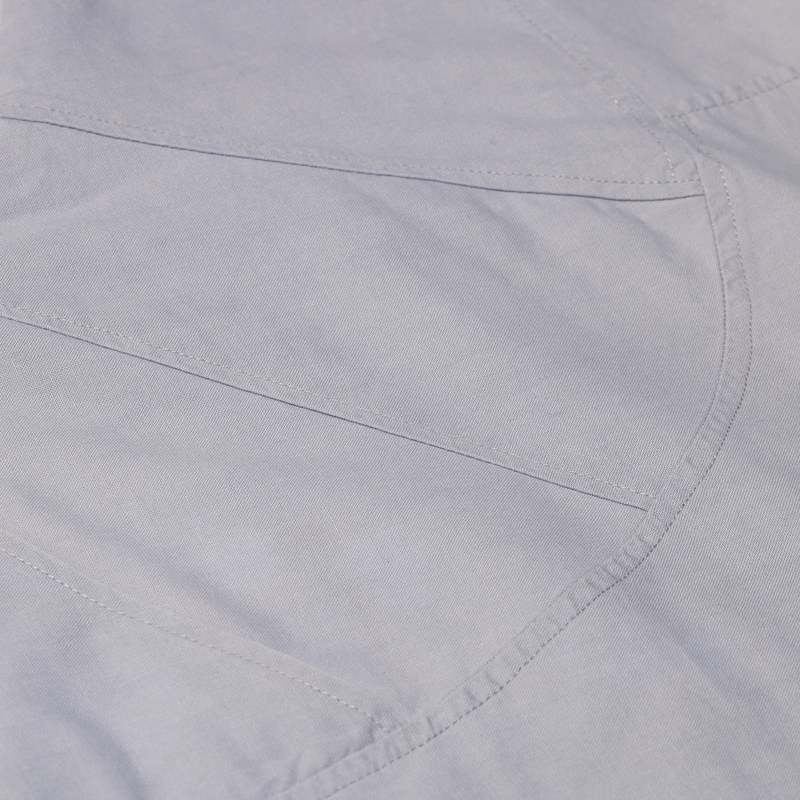
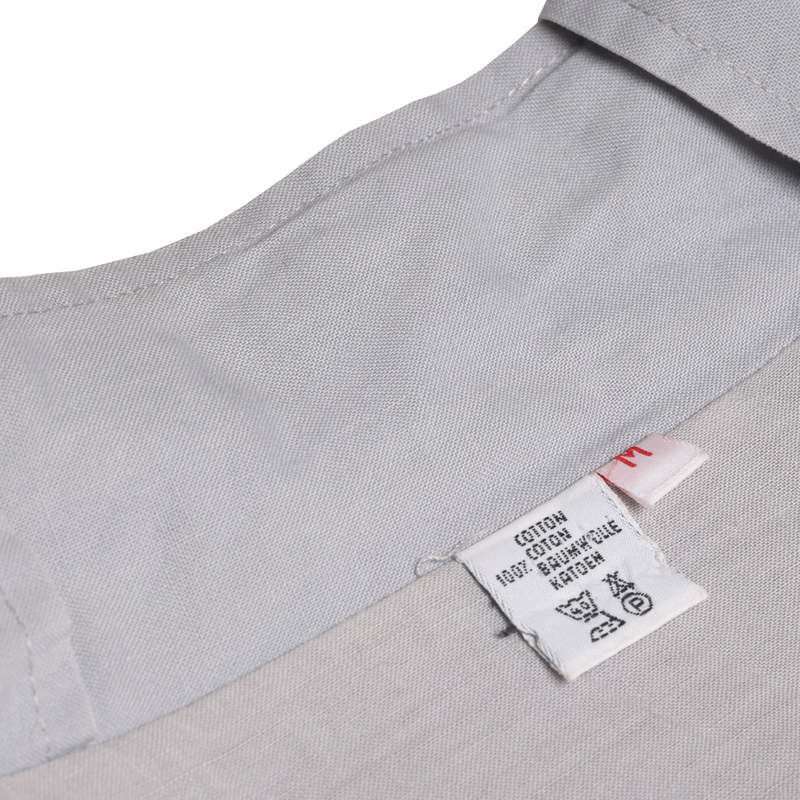
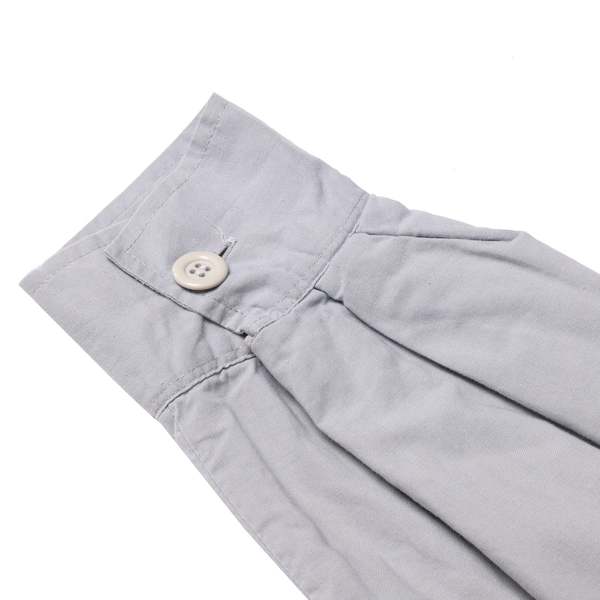
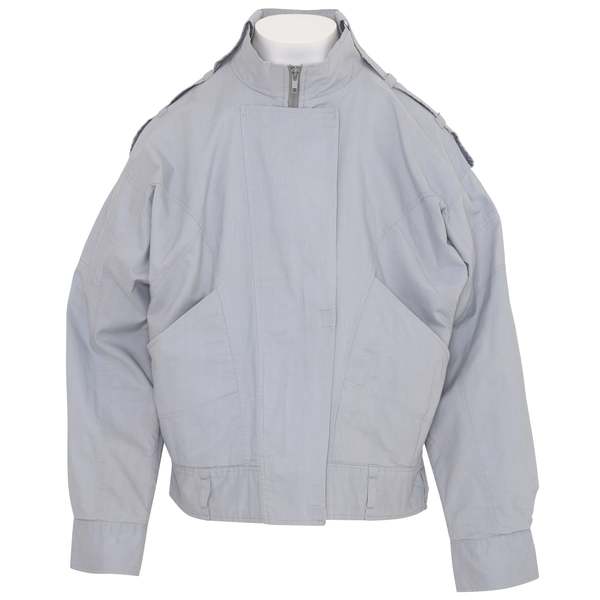
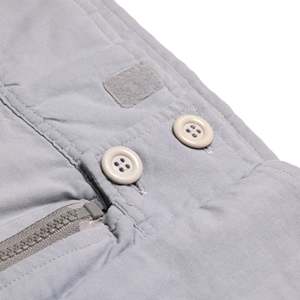
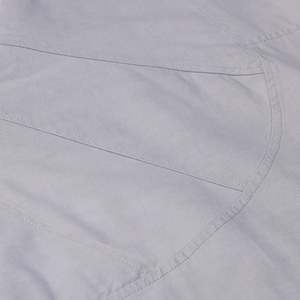
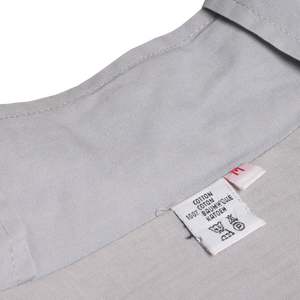
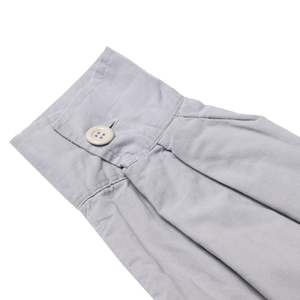
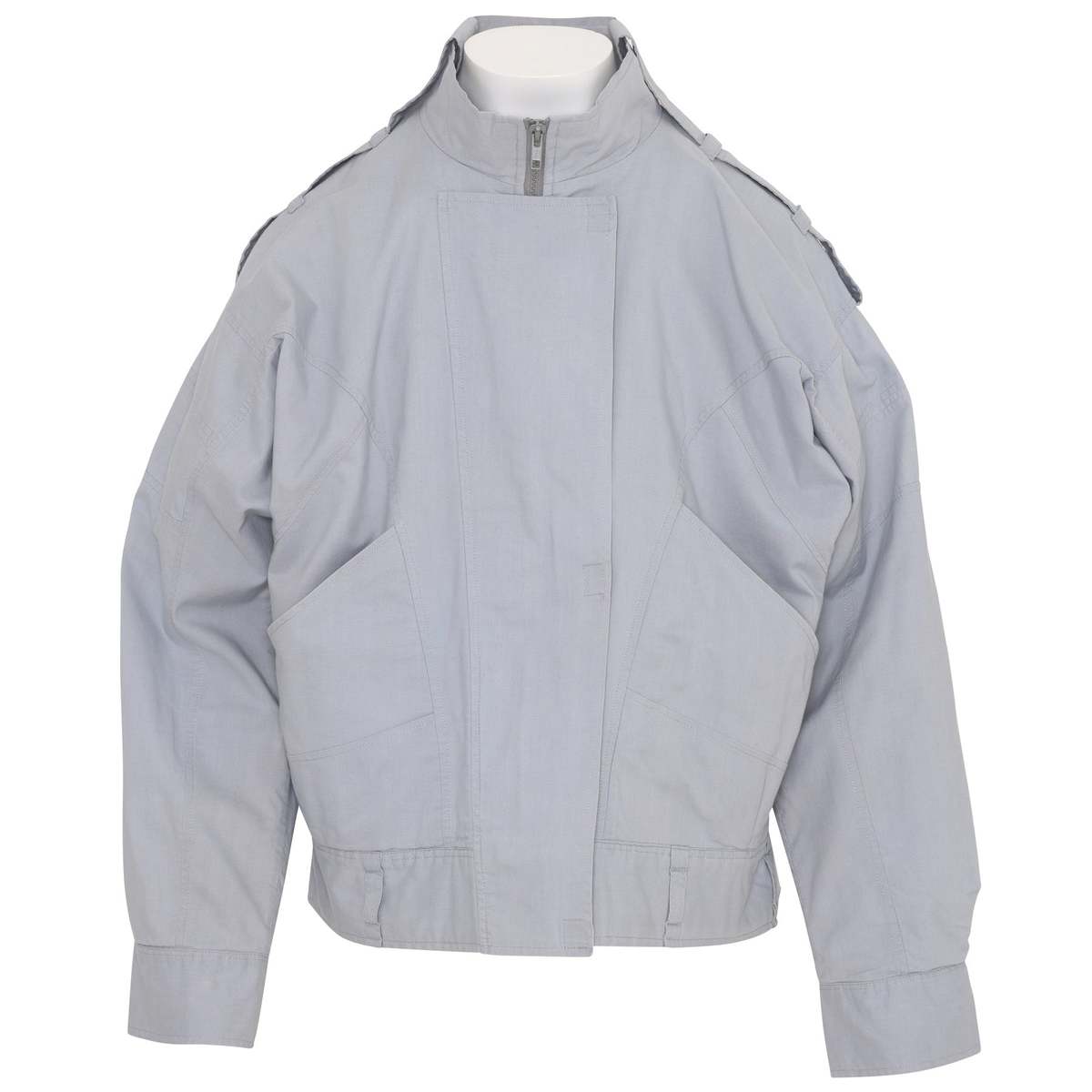
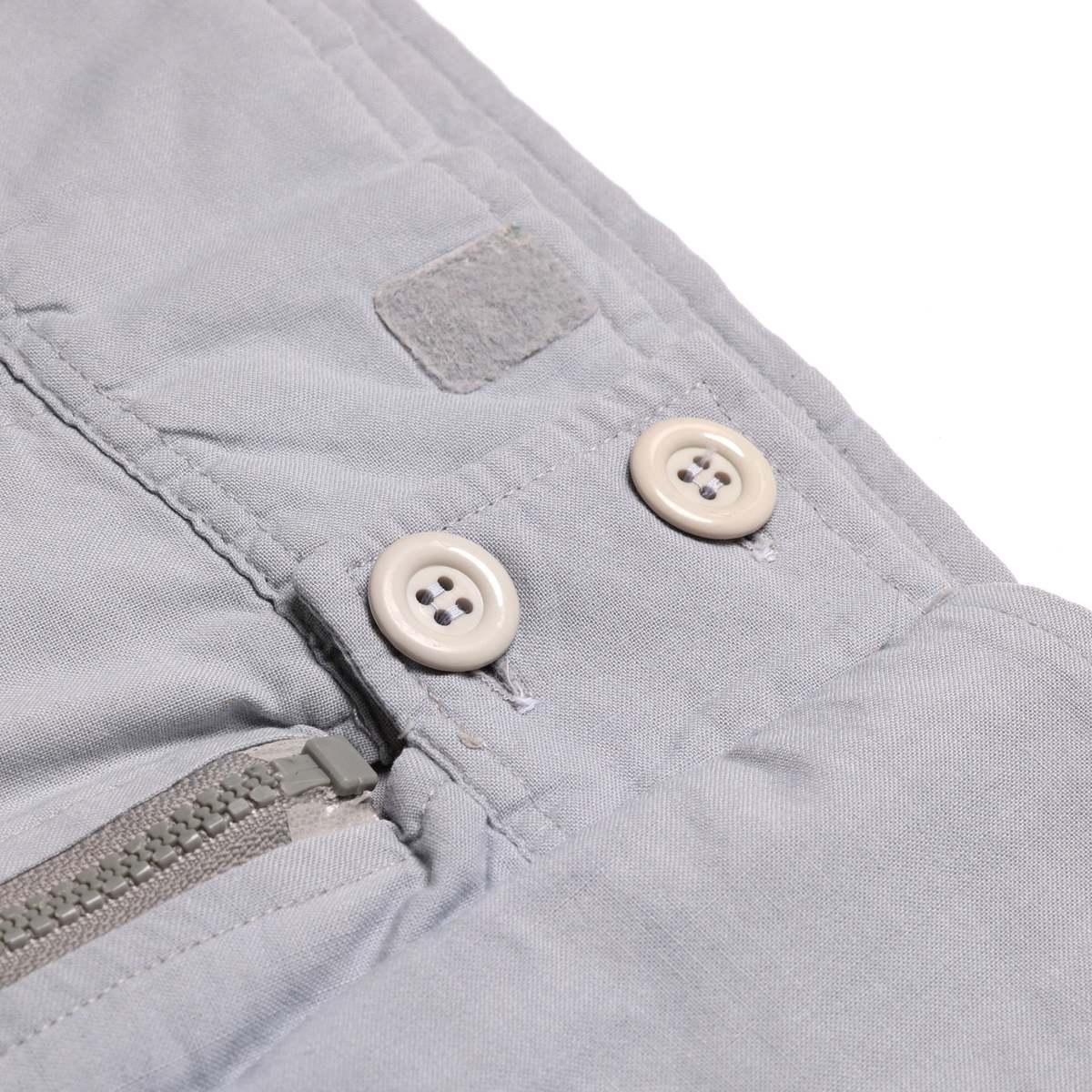
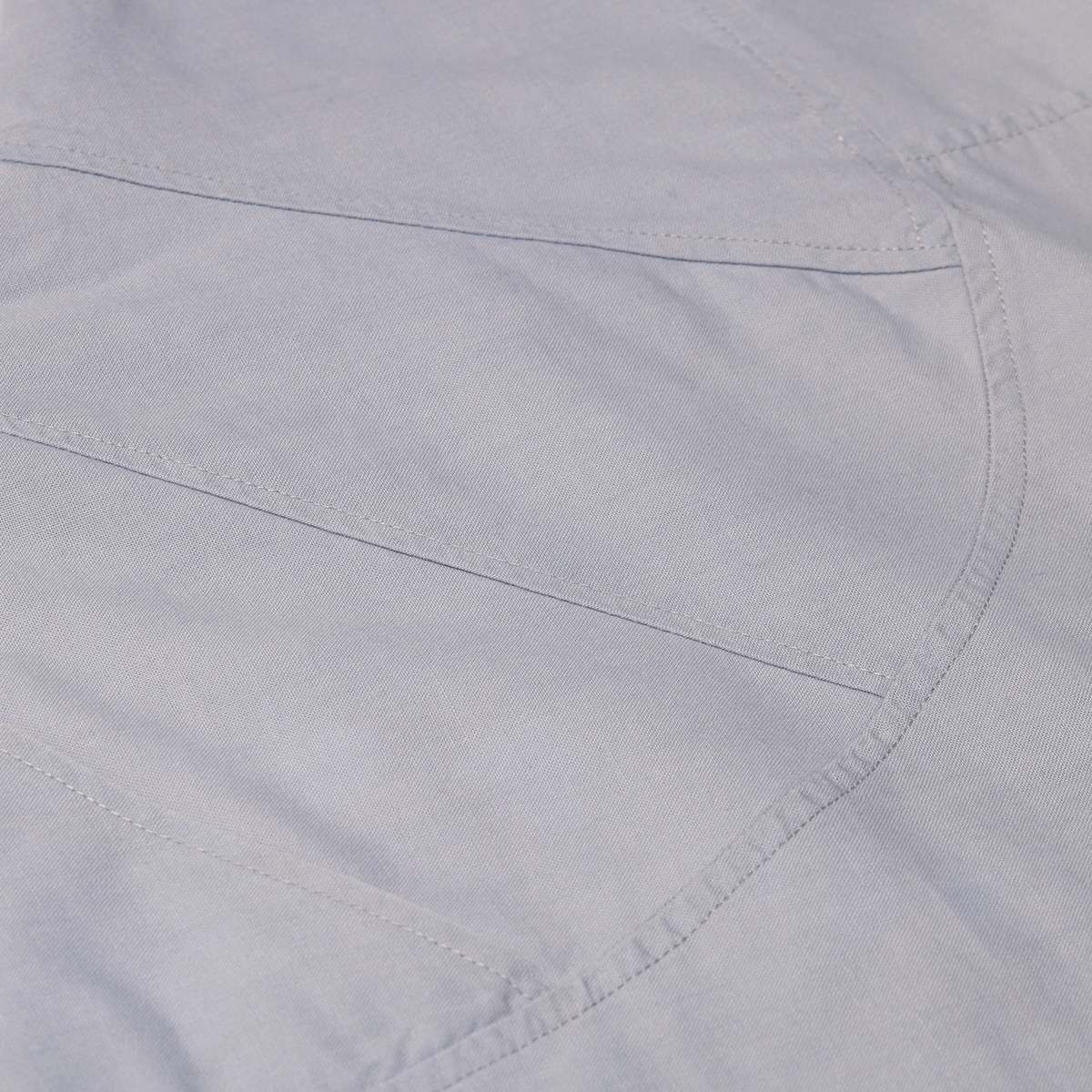
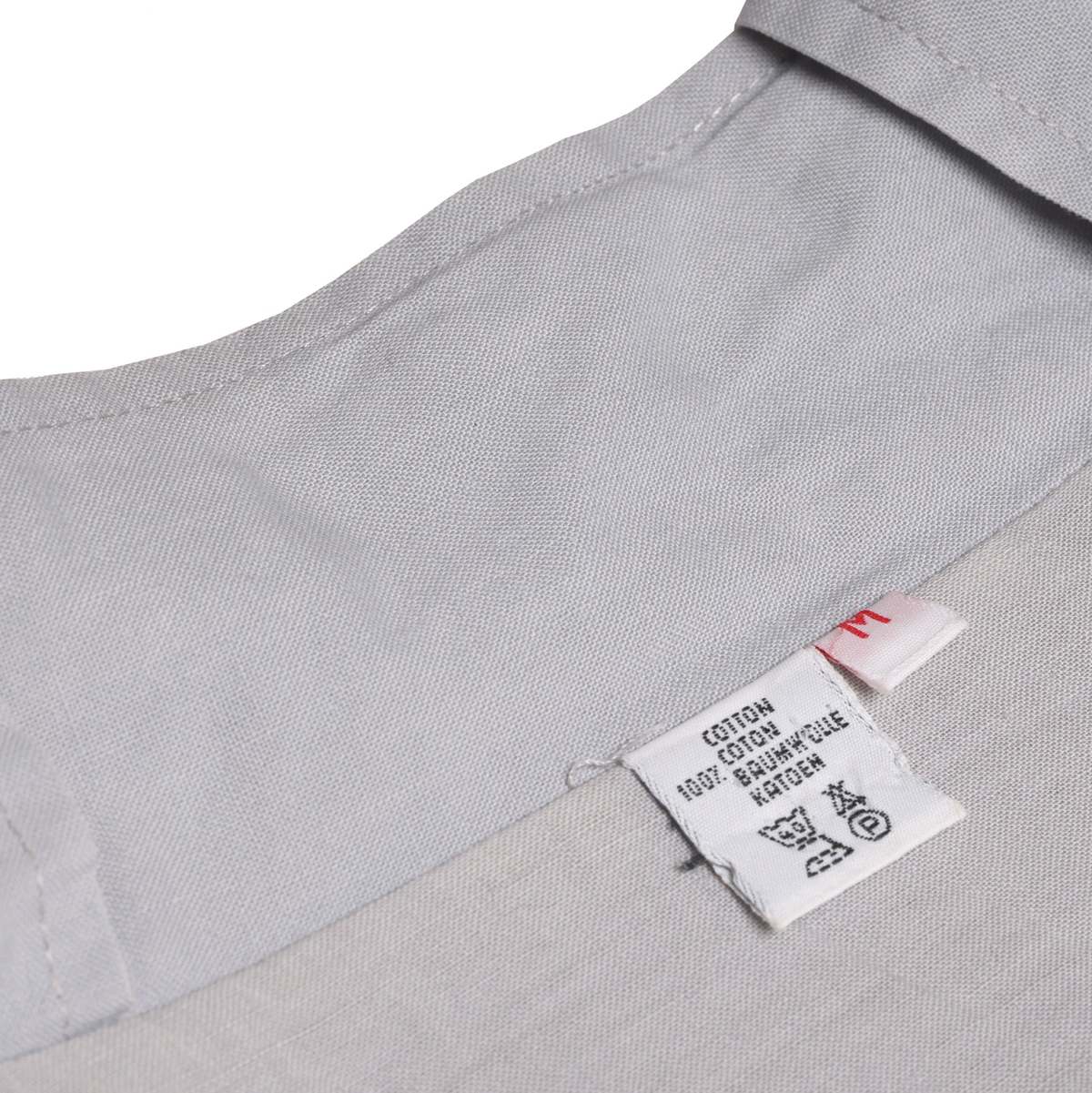
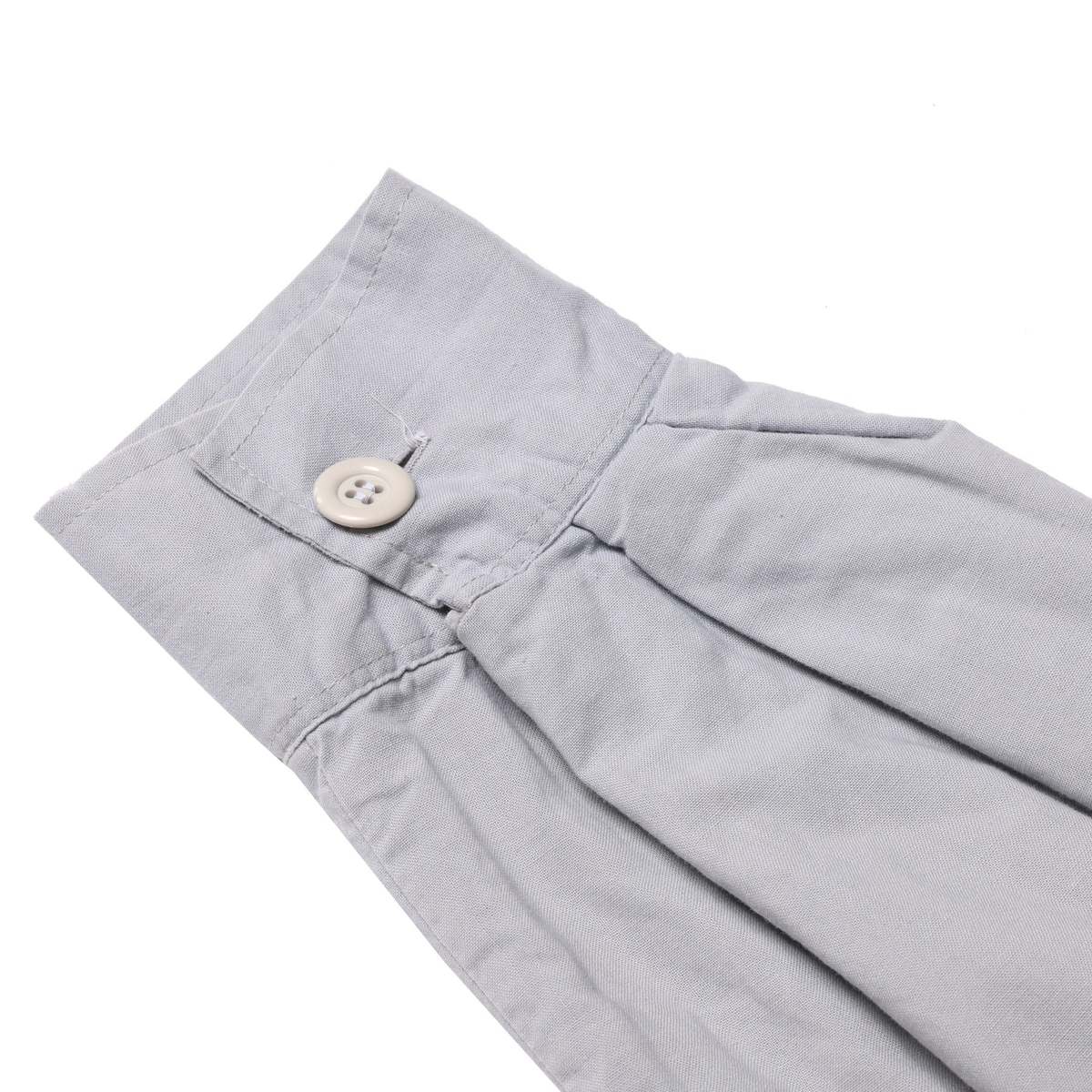
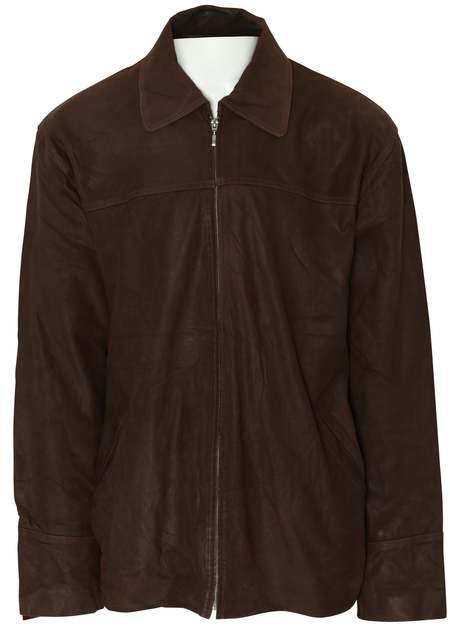
Topstitched panel geometry and radial sleeve articulation anticipate ergonomic design well ahead of mainstream adoption. Produced in West Germany during the mid to late 1980s, this jacket occupies a transitional space between utilitarian uniformwear and civilian fashion, demonstrating the eras fusion of militarized construction logic. Devoid of overt branding, the garment likely originated from a domestic uniform supplier or a private-label utilitywear brandentities that, in the context of West Germanys industrial garment ecosystem, often straddled the line between functional output for state contracts and fashion-oriented production for department store distribution or export markets. Its structural discipline and engineered silhouette reveal a deliberate design ethos: rational, militarily influenced, yet recalibrated for the civilian female body navigating increasingly urbanized environments. This piece exemplifies the post-industrial fashion vernacular that emerged across Western Europe during the 1980s, particularly in Germany and Scandinavia. Labels such as Hess Natur and the early European division of Esprit began adapting military silhouettes and construction methodologies for casualwear, responding to Cold War aesthetics and a cultural appetite for clothing that embodied both practical purpose and ideological nuance. This jacket aligns closely with that movementborrowing the modularity and detailing of combatwear, but proportionally adjusted and ergonomically sculpted for everyday civilian use. Its primary function lies not in visual novelty, but in delivering structured, modestly insulated outerwear that communicates competence and urban readiness. The jacket is constructed using predominantly lockstitch assembly, with visible single-needle topstitching used extensively to articulate panels and reinforce seams. The garments surface geometry is marked by curved seams that shape the bodice and sleeves, suggesting drafting from a tailored sloper adjusted for mobility. Flat-felled seams are employed at structural junctions, especially across load-bearing areas such as the shoulder, elbows, and hem. The sleeve structurecomprising gusseted underarms and radial seamworkconfers forward mobility and a comfort-focused arm articulation that anticipates contemporary ergonomic tailoring. This design language demonstrates foresight in body-mapped fit logic, integrating technical construction principles typically reserved for uniforms or outdoor gear into a fashion-forward urban garment. The center-front closure consists of a molded plastic coil zipper, set beneath an extended storm flap that secures via a combination of two-hole plastic buttons on reinforced tabs and a single velcro tab at the collar break. This combination enhances wind resistance while maintaining a clean closure line when fully fastened. Buttonholes appear machine-finishedpossibly automatedand the buttons themselves are sewn onto discrete reinforcement patches, further improving mechanical durability. Additional structural elements include button-tab cuffs with pleats for wrist mobility, shoulder epaulets stitched into the sleeve seams, and adjustable hem tabs that allow personalized waist shapinga detail that nods to military garments while addressing individual fit variation in civilian contexts. The fabric is labeled as 100% cotton, with a fine twill or high-density plain weave offering a smooth, matte surface and a midweight hand. Estimated at 190220 GSM, the textile balances structural resilience with breathability and comfort. It is likely sanforized to prevent post-production shrinkage and may have undergone a mild enzyme wash to soften the handlestandard practice in quality utilitywear of the period. The choice to construct the garment entirely from woven cottoneschewing syntheticsreflects both the domestic textile strengths of West Germany and an ideological alignment with natural materials during an era increasingly conscious of material provenance. The collar is a high stand format, softly interfaced for flexibility, and is designed to be worn either upright for wind protection or folded down for a relaxed neckline. It integrates seamlessly with the storm flap and zipper stop, forming a compact closure system without excess bulk. The hem is straight-cut and reinforced at side seams with adjustable tabs, providing a silhouette that is both structured and modifiable. Cuffs are cleanly placketed with a one-button closure and can be rolled or worn extended, offering functional versatility without aesthetic compromise. Conceptually, the jacket conveys a design narrative of empowerment through utility. It visualizes authority through formepaulets, storm flaps, precise topstitchingbut tempers this with the domestic tactility of cotton and tailored shaping. Within the cultural context of 1980s West Germany, where Cold War militarism intersected with second-wave feminist dress reform, this garment embodies the stylistic tension between defense and identity, control and comfort. It is visually coded for autonomy: neither overtly aggressive nor conventionally feminine, but grounded in the logic of readiness and resilience. Aesthetically, the jacket adheres to a Brutalist-functional framework, where each component serves a practical or structural function rather than decorative flourish. The curved panel seams and gusseted sleeves reference the grid logic of Neo-Constructivism, while the muted grey-blue color evokes a Cold War industrial palettesteely, neutral, and strategically anonymous. This tonal choice situates the garment within West Germanys broader material culture of engineered modesty and technical restraint. Historically, the jacket is situated firmly in the second half of the 1980s, a period marked by the civilian appropriation of military dress and the growth of gender-neutral silhouettes in European fashion. Its references to M-65 field jackets, Bundeswehr tailoring, and the diffusion of surplus design into everyday wear are unmistakable. However, this piece distinguishes itself through its proportional adjustments, ergonomic seaming, and fiber choiceemphasizing cottons softness and breathability over synthetic resilience. These decisions reflect a design intelligence attuned to the civilian body and lifestyle, without abandoning the composure and authority coded into military garments. In contemporary fashion discourse, this jacket retains strong relevance. Its structural claritys and modular features align with archival and genderless design movements, and its utilitarian roots echo across current collectsions by labels such as Our Legacy, Norse Projects, Maison Margielas Artisanal line, and Marine Serres tactical couture. The garment functions as both historical artifact and living referenceits technical details and proportions offering a precise blueprint for modern reinterpretation. It performs well in curated vintage markets, particularly among stylists, collectsors, and designers exploring Cold War-era fashion, feminist utilitywear, or European military heritage. The garments technical execution remains high. Stitching is precise, pattern geometry is sophisticated, and the seaming is constructed for both structural integrity and visual coherence. The ergonomic paneling anticipates design strategies that only gained wider adoption in subsequent decades. In terms of condition and wearability, the fabrics retention of shape, the stability of the fastenings, and the preservation of panel tension indicate a garment built for longevity. Marketwise, it occupies the $180$350 range in vintage and archival resale sectors, with strongest demand concentrated in Europe, Japan, and archival fashion circles in New York and London. In final assessment, the jacket stands as a materially and ideologically significant garmentone that manifests the Cold Wars translation into civilian dress through structure, proportion, and intent. It encapsulates a pivotal era in West German design when militarized functionality was adapted for urban mobility, and when clothing began to synthesize industrial logic with personal sovereignty. Its relevance today is not merely nostalgic but instructional, offering a model of how technical design and political climate can converge into enduring form.
Garmentory is a curated marketplace of independent boutiques and emerging designers from around the world.
Fashion With Intention
Aw yeah!
We love making new friends so while we're popping bottles, continue shopping to apply your $10 credit.
We've got a dedicated site "garmentory.co" just for our Indian customers! Shop with local currency, faster shipping, and exclusive products.
We cannot add this item to your bag because it’s already at max capacity. But don’t worry, we’ve saved it to your wish list.
Earn Replica Belts credits when you shop, wishlist, and inspire others.

Have a question about the size or something else? We're here to help!