Spring fever is here 🌡️☀️ Prep early for those not too hot and not too cold days by finding something you love ON SALE. SHOP THE SALE


Spring fever is here 🌡️☀️ Prep early for those not too hot and not too cold days by finding something you love ON SALE. SHOP THE SALE
| To | Service | Estimated Delivery | Fee |
|---|---|---|---|
| 🌎 | Intl. Air | 6-20 business days | $29.95 |
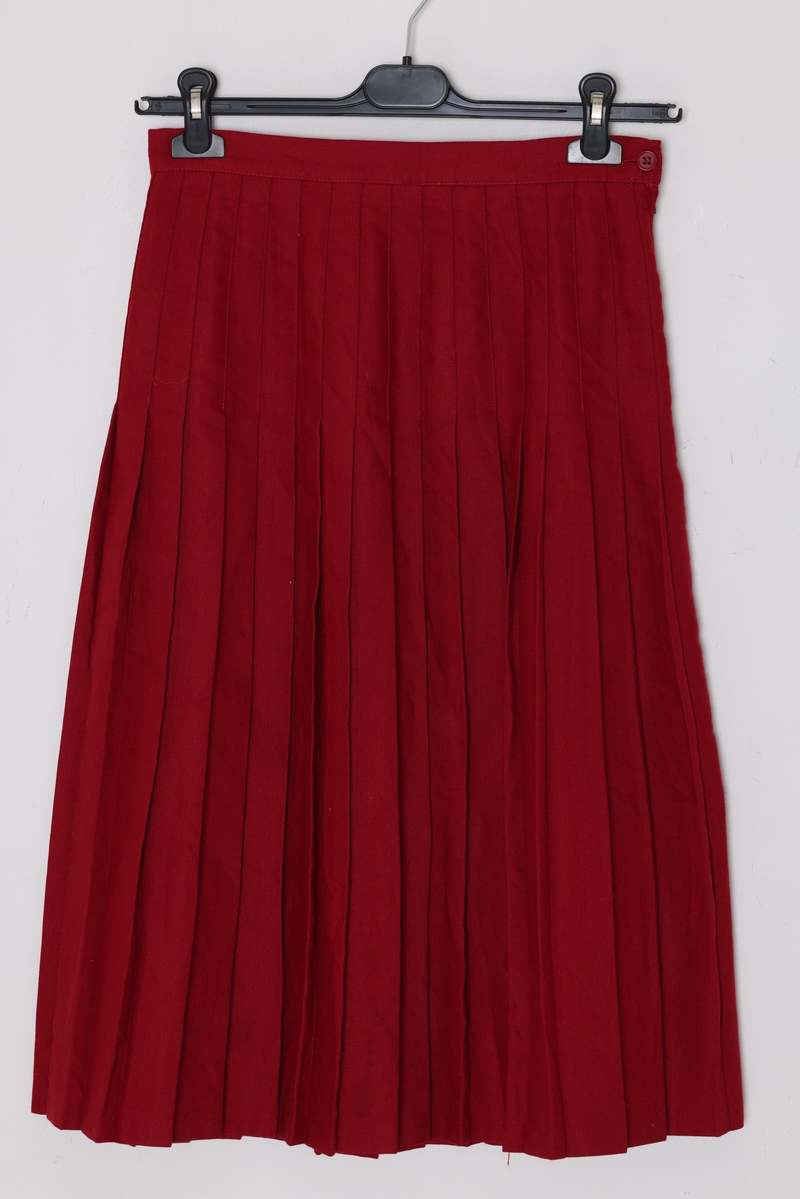
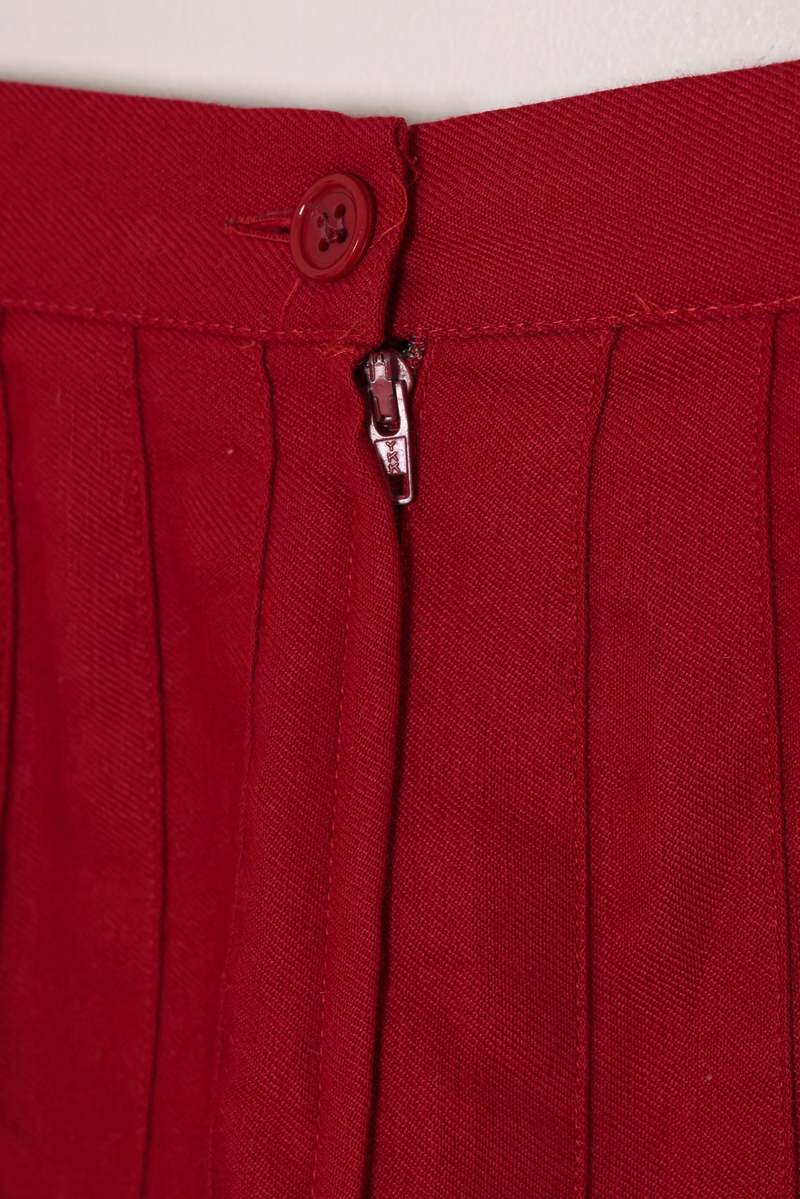
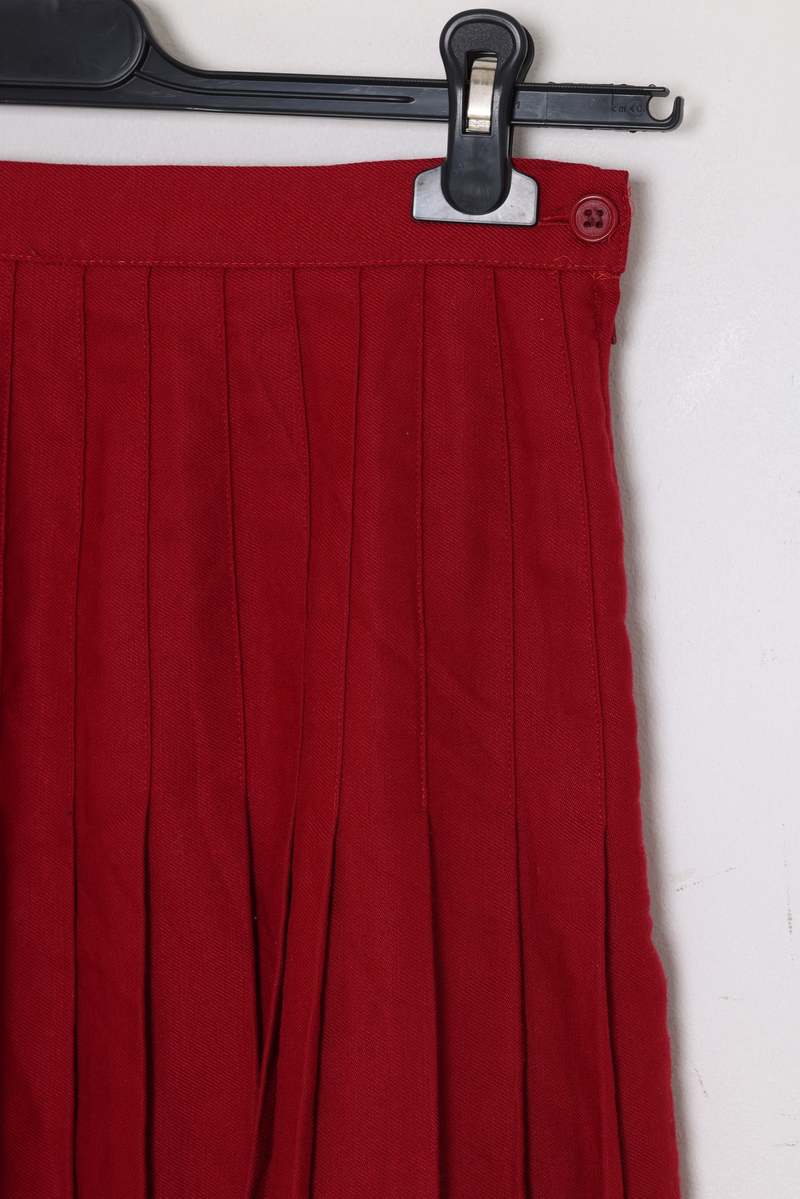
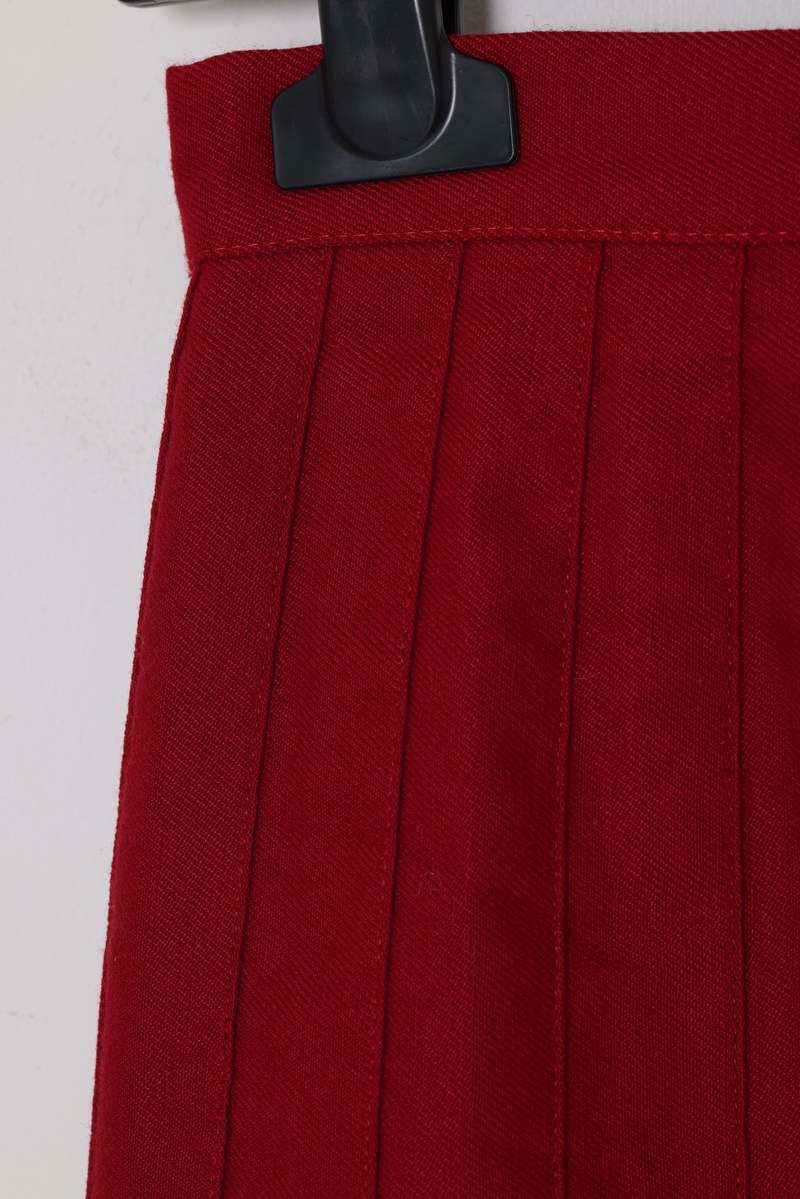
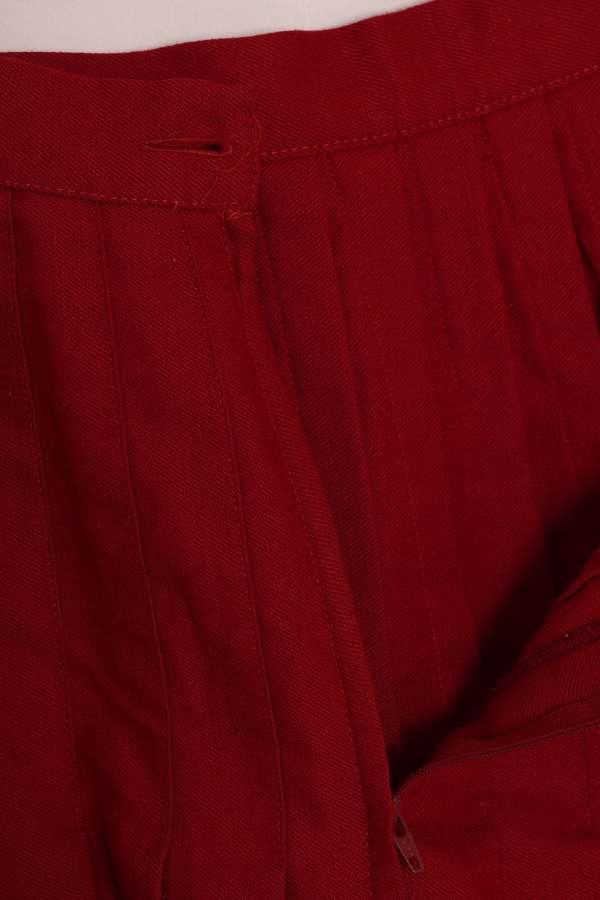
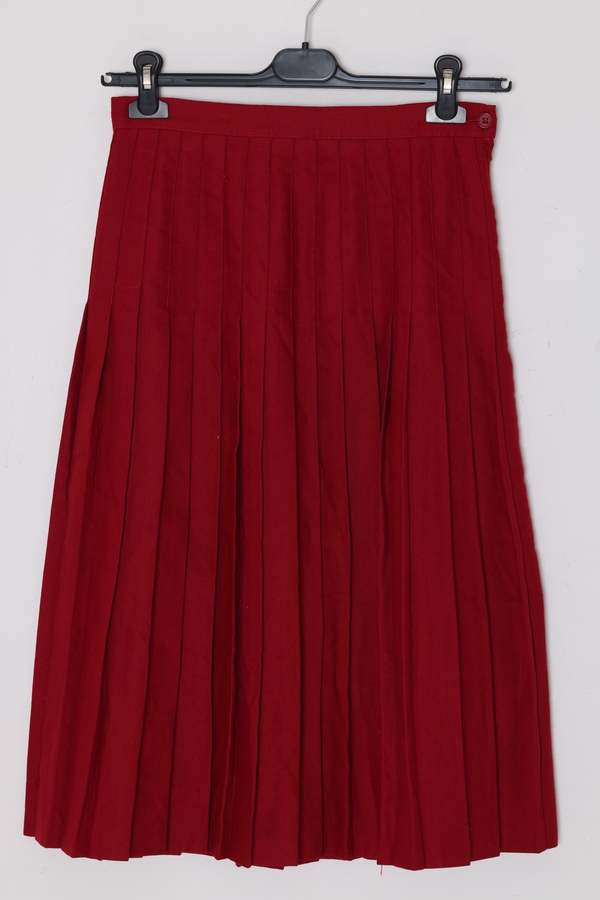
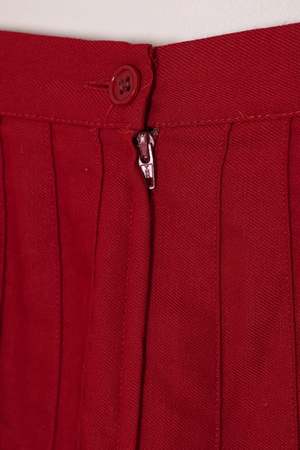
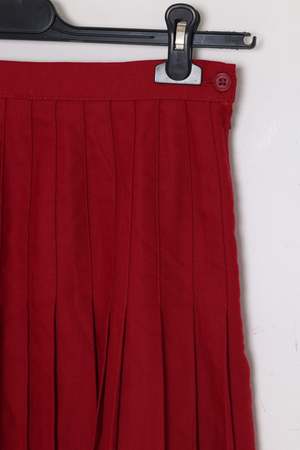
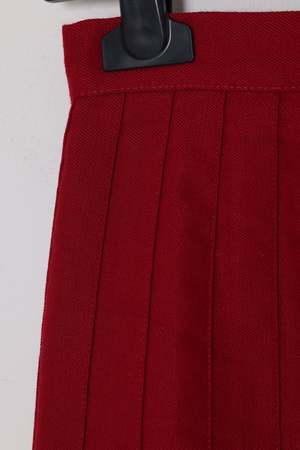
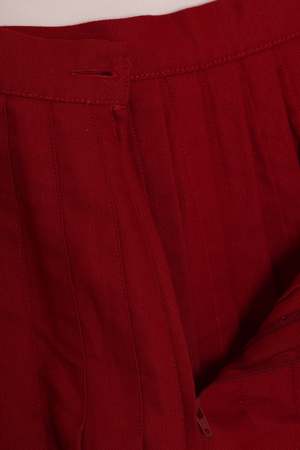
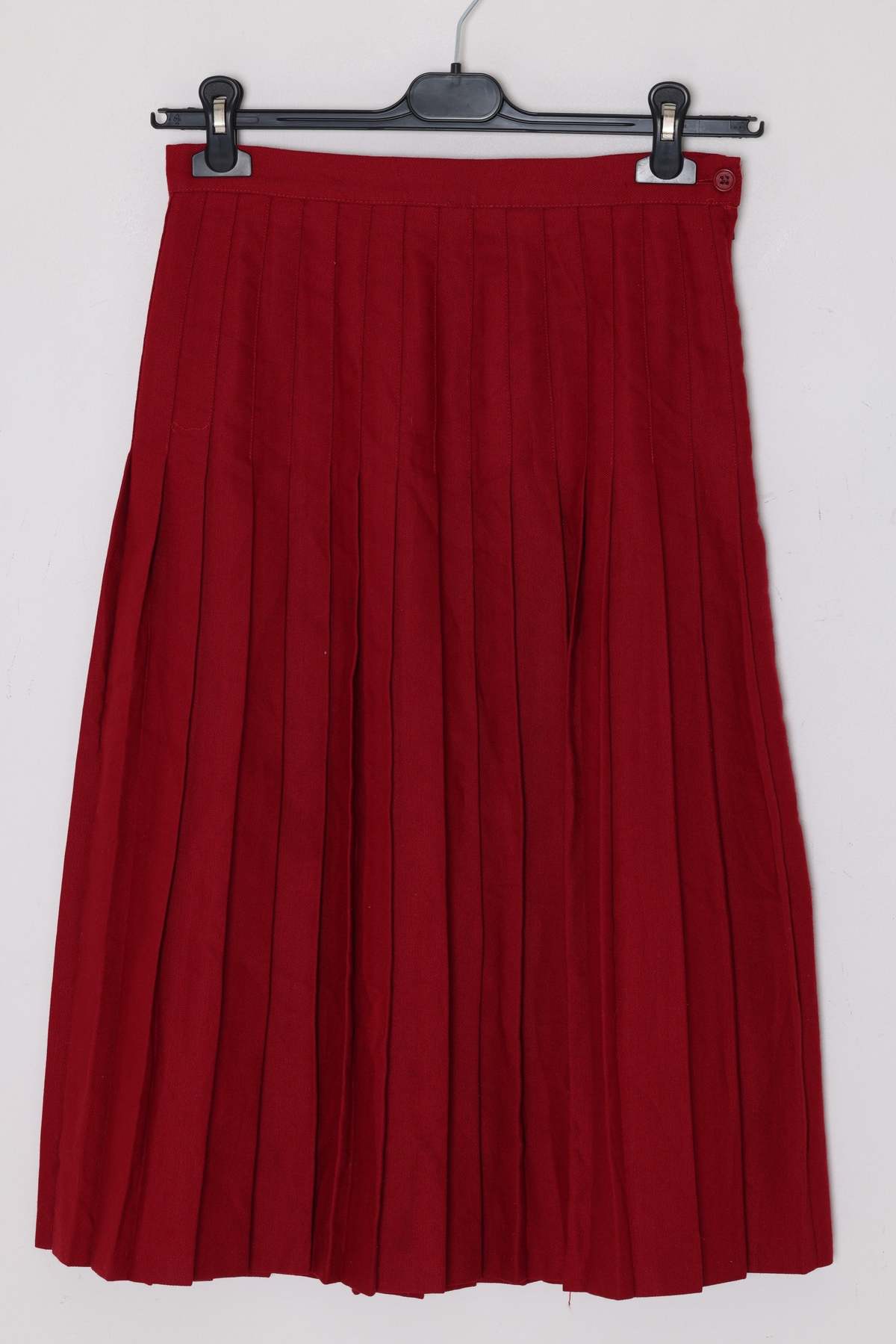
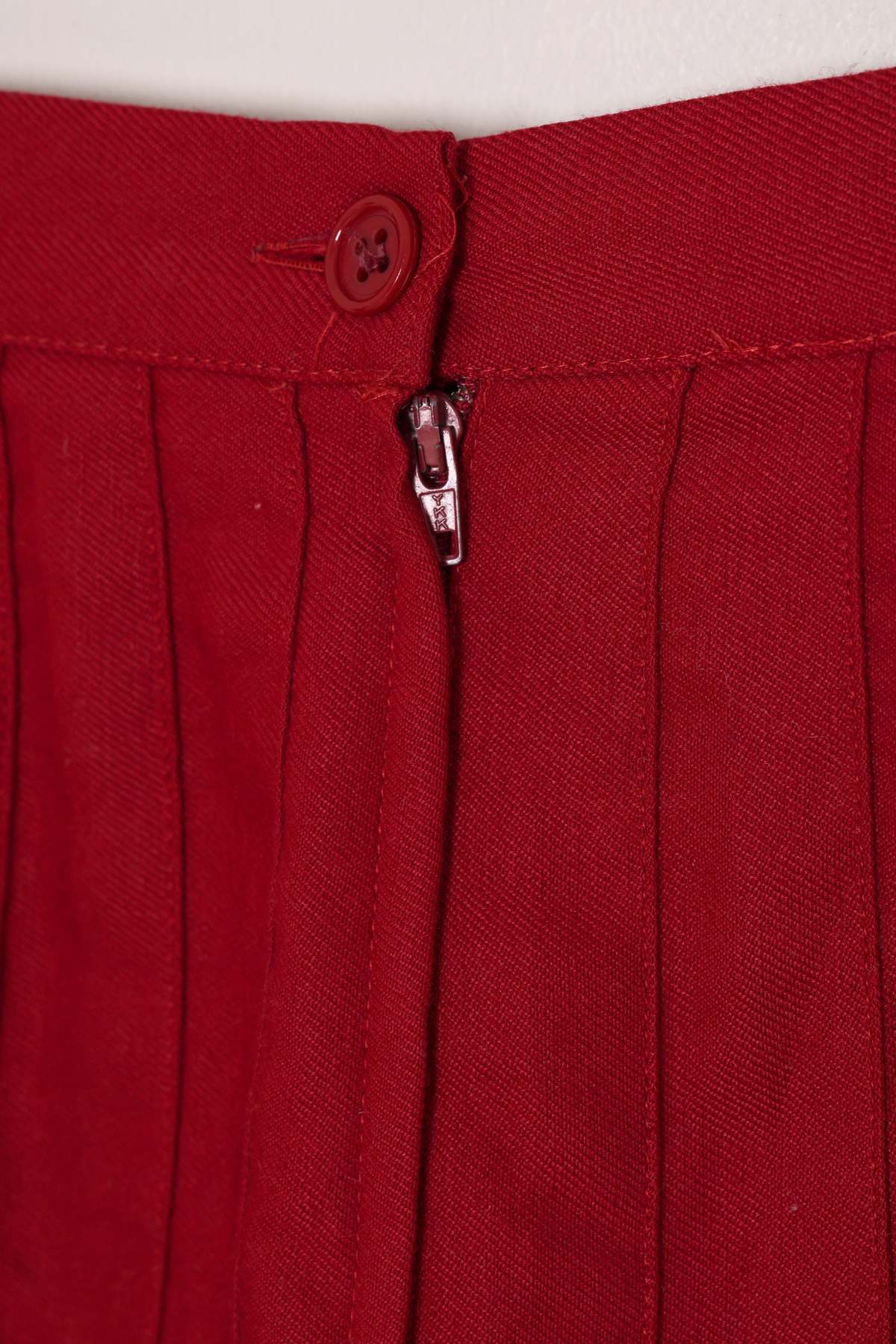
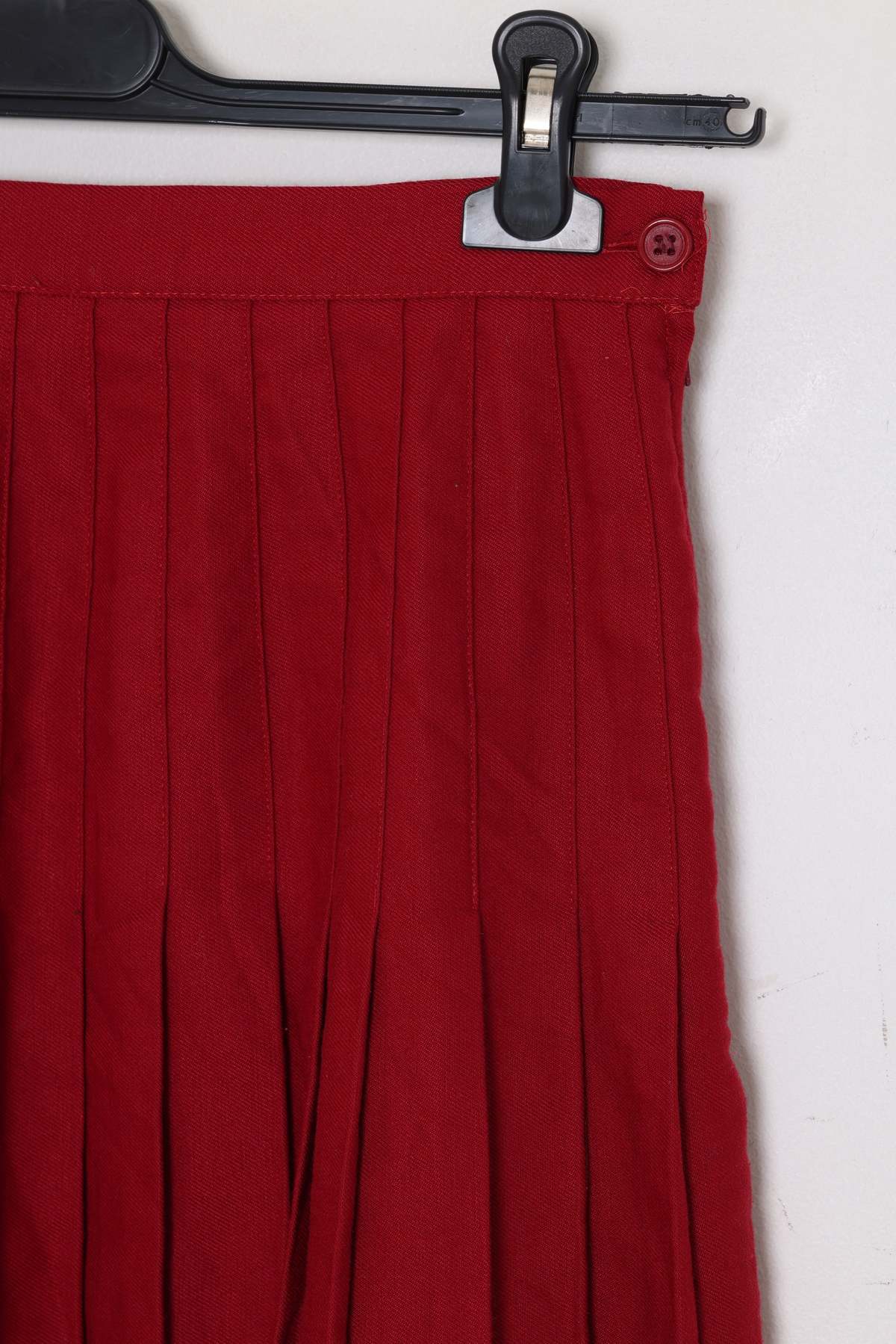
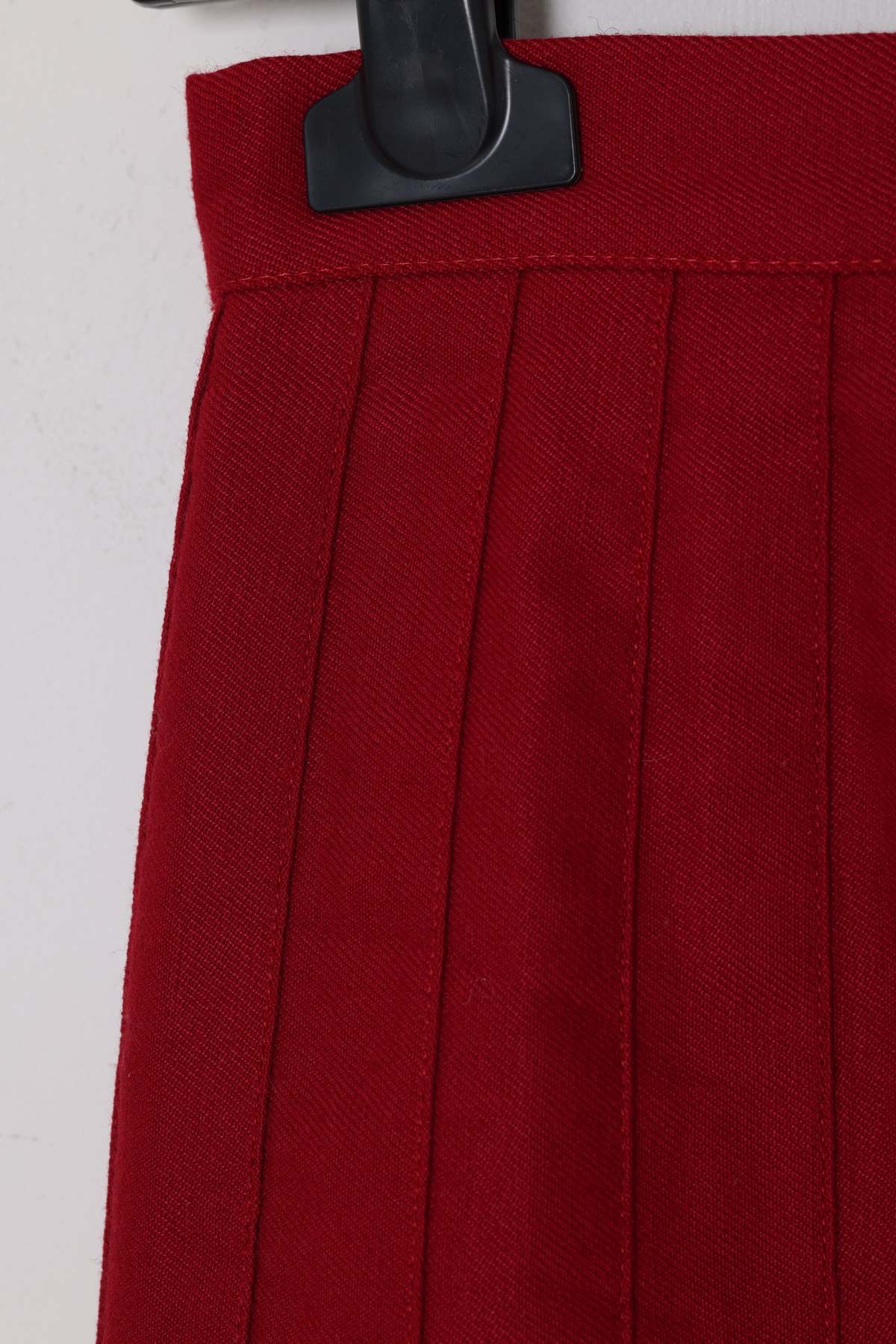
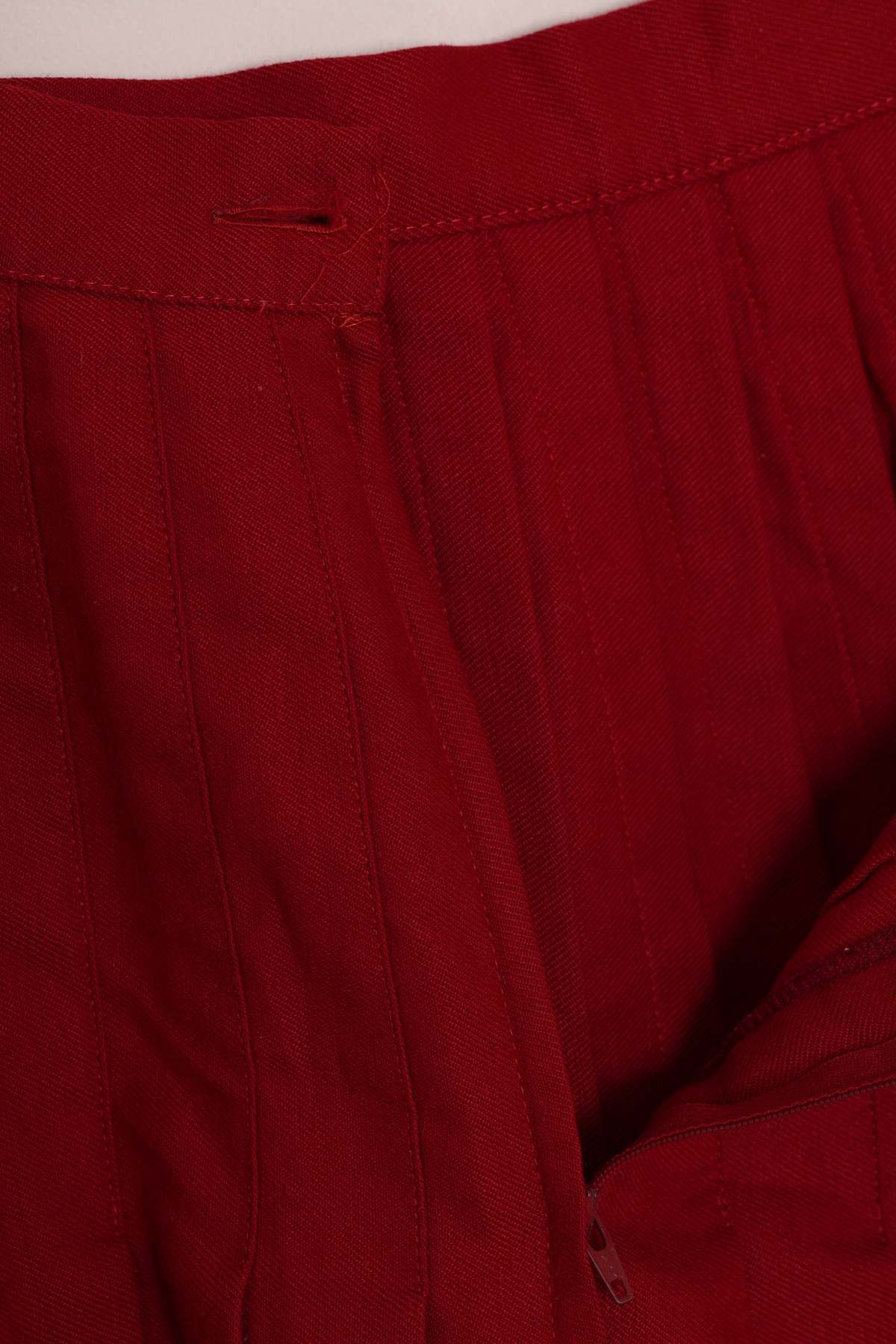
We are currently operating in a pre-scaling phase, during which the scope of our vintage archive has expanded beyond what can be listed at human speed. Only a token fraction of the inventory is visible online, not for lack of supply, but because an inconvenient commitment to perfectionism. The practical solution is to request access to our Google Drive. There is, incidentally, an upside to this arrangement: direct access, special attention, preferred pricing, and quantity-based considerations. New drops are added to the Drive on a daily basis, ensuring ample selection. All that is required is a reference to the image IDs. From there, we provide an elevated level of service: photos edited to approximate reality, additional images, and, where applicable, preferred pricing with quantity-based concessions. Bundles are where the value appears; the more pieces, the more flexible the pricing. After a half-decade sabbatical from fashion, I'm cautiously resurfacing & I felt it was time to reconnect. I moved to Europe a few years ago & began collectsing vintage with the field discipline of an anthropologist & the denial of a high-functioning hoarder. I currently have over 100,000 pieces sitting in a warehouse, because moderation has never been my strong suit. What began as compulsion is now a side project. I'm firmly in the pre-revenue chapter of the memoir - 1,000 sales, & high morale. The broader archive skews larger, stranger, & more historically pointed-East & West German rarities, bureaucratic glamour, Soviet institutional wear, industrial archaeology-rich in Trevira, Diolen, Terylene & mid-century state textile programs, & an elegy in garments from the DACH region & beyond. The collectsion is mostly a Cold War capsule wardrobe, institutional tailoring, state-issued, regional cooperatives & rural ateliers, white labels from the department store era, exceptional knitwear, socialist leathers, the zenith of Parisian fur craft, selectively preserved tweed skirts, rare 1960s mod, exaggerated '70s collars, German-cut blouses, unusually constructed denim, essentially the entirety of the 1970s, when even institutional garments had the decency to be well made. If integrity were woven, you'd find more of it in a 1978 poly-wool blend than in most of today's designer runways. Eventually, this evolves into a full-scale operation-complete with the token NYC storefront for aesthetic credibility. Given that about 70% of you are ordering from New York, it seems reasonable to ship our 50 pallets there & open a labyrinth of "true vintage" to get lost in. Scaling, of course, requires capital. I'm well aware that most of you don't have any, but statistically speaking, out of the millions who drift through here, it is statistically probable that one of you possesses both interest & solvency. Type us into Google. Everything is there, including a contact form. SUNDAZED & OUTSIDE SOCIETY Measurements: Waist 35 cm, Length 72 cm Inches: Waist 13.8 in, Length 28.3 in Approximate Size: EU 3436, US 24 This garment is a late 20th century pleated skirt . The textile is a medium-weight twill with sufficient density to support permanent pleat formation. Production is industrial, with machine-set knife pleats and standardized waistband construction. The size marking 42 N corresponds to a European sizing system, though the measured waist indicates a smaller effective fit, suggesting either shrinkage or label inconsistency. I. Primary Materials, Textile Structure & Structural Integrity The twill weave is compact, allowing the pleats to maintain defined edges without collapse. Polyester content stabilizes the pleat memory, reducing relaxation over time compared to pure wool. The waistband is reinforced with interfacing, likely synthetic, to maintain structural rigidity. The fabric remains stable, with no visible fiber breakdown, though slight surface disturbance is present. Structural integrity is intact, with pleats retaining form and seams holding tension without distortion. II. Construction Method & Production Discipline Construction is executed through industrial methods, with consistent machine stitching and overlocked seam finishes. The pleats are mechanically set and stitched at the waistband to anchor their formation. Stitch regularity is uniform, and seam alignment across pleat channels is consistent. The waistband is assembled with a single-button closure and a centered zipper, indicating standard production sequencing. No hand-finishing is present. There is no clear evidence of post-production alteration, though the discrepancy between labeled size and measured waist suggests possible dimensional change through wear or laundering. III. Structural Design & Technical Resolution The skirt is structured with evenly spaced knife pleats extending from the waistband to the hem. Load distribution is managed through the waistband seam, where pleats are fixed to prevent displacement. The closure system consists of a zipper and button, positioned at the waist seam, distributing stress across both elements. The pleat depth is consistent, contributing to a controlled flare when worn. There is no additional internal structuring such as lining or reinforcement beyond the waistband, indicating reliance on fabric density for form retention. IV. Textile Surface & Material Treatment The pleats retain defined edges, suggesting the original heat-setting process remains effective. V. Formal Design Language & Fashion Historical Lineage The garment aligns with late 20th century European ready-to-wear skirts, particularly those produced for office or school uniform contexts. The knife pleat structure is consistent with mid-century designs that persisted into the 1980s and 1990s with minimal variation. The silhouette is controlled at the waist with expansion through the pleats, producing a structured but mobile form. The design does not indicate couture or designer-specific authorship, instead reflecting standardized production within established garment traditions. VI. Production Context & Market Position The absence of a brand label suggests either removal or production under a private or low-visibility label. Production scale was likely moderate to high, consistent with retail distribution across European markets. The garment was intended for routine wear in formal or semi-formal settings, rather than specialized or high-fashion contexts. VII. Probable Origin & Provenance Inference The composition label includes multilingual fiber designations including laine, wool, and wol, indicating compliance with European textile labeling standards. The 42 N sizing format suggests a continental European sizing system. These factors support origin within Western or Central Europe. The lack of manufacturer identification prevents precise attribution. Provenance remains within commercial ready-to-wear production rather than atelier or bespoke manufacture. VIII. Preservation State & Intervention Evidence The garment remains structurally stable, with intact pleats and functional closure systems. Minor wear is present along pleat edges and waistband seam, including slight fraying and surface abrasion. The label shows tearing, indicating handling stress over time. There is no clear evidence of repair or alteration. The skirt is suitable for continued wear, though repeated laundering may further soften pleat definition. IX. Market Standing & Value Estimation Comparable late 20th century pleated skirts without designer attribution typically fall within a market range of $7080 USD. The garment retains functional and structural viability but does not hold significant rarity or authorship value within the vintage market. One minor clarification seems necessary: "Vintage" tends to imply garments that have endured a meaningful span of wear and tear. To eliminate any potential ambiguity, I'm adding an explicit disclaimer that the majority of these items are, in fact, new, unworn deadstock. This contextual cue should help orient users who are accustomed to encountering authentically fatigued clothes. One additional clarification seems necessary, given the ongoing confusion around U.S. orders from Europe under Trump's tariffs: it's the Europeans taking the hit here, not the Americans. So, to answer the recurring question about U.S. import fees: we've already covered the tariffs through our postal carrier. Your parcel arrives fully cleared; any bureaucratic bloodletting has already been performed on our side of the Atlantic.
Garmentory is a curated marketplace of independent boutiques and emerging designers from around the world.
Fashion With Intention
Aw yeah!
We love making new friends so while we're popping bottles, continue shopping to apply your $10 credit.
We've got a dedicated site "garmentory.co" just for our Indian customers! Shop with local currency, faster shipping, and exclusive products.
We cannot add this item to your bag because it’s already at max capacity. But don’t worry, we’ve saved it to your wish list.
Earn Replica Belts credits when you shop, wishlist, and inspire others.

Have a question about the size or something else? We're here to help!