Spring fever is here 🌡️☀️ Prep early for those not too hot and not too cold days by finding something you love ON SALE. SHOP THE SALE


Spring fever is here 🌡️☀️ Prep early for those not too hot and not too cold days by finding something you love ON SALE. SHOP THE SALE
| To | Service | Estimated Delivery | Fee |
|---|---|---|---|
| 🌎 | Intl. Air | 6-20 business days | $29.95 |
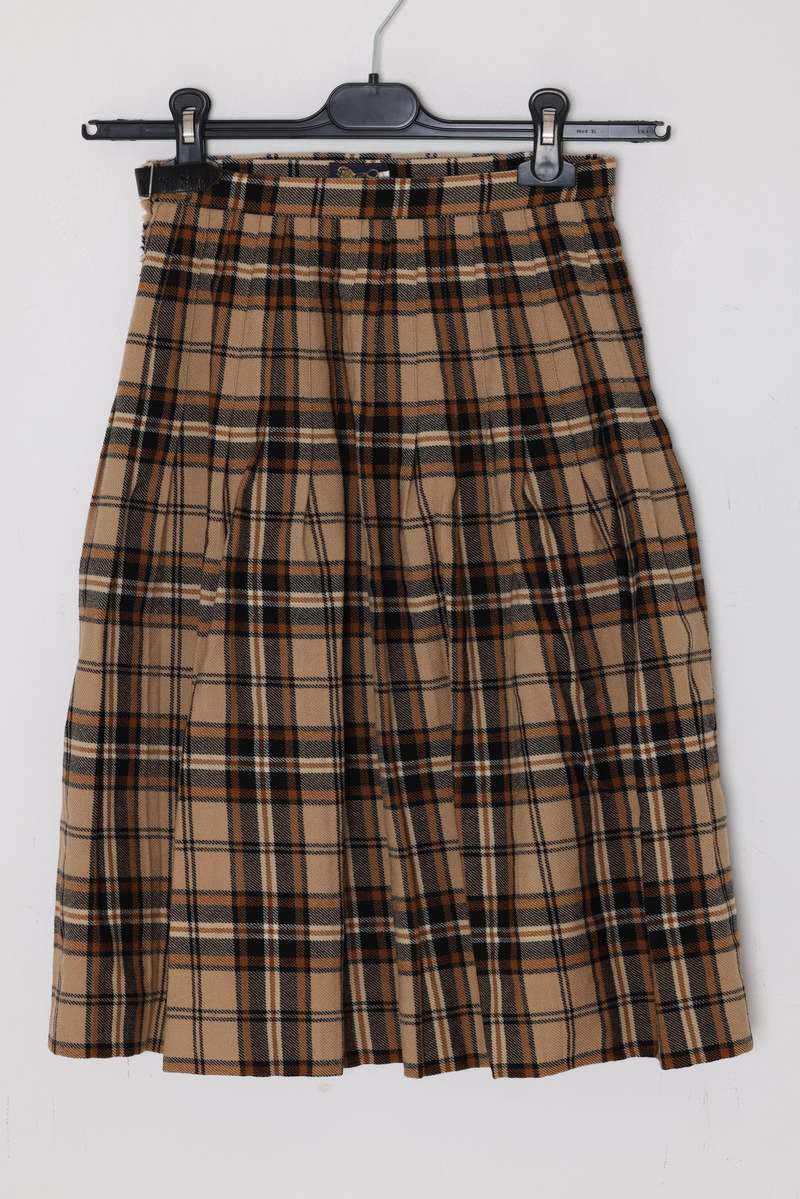
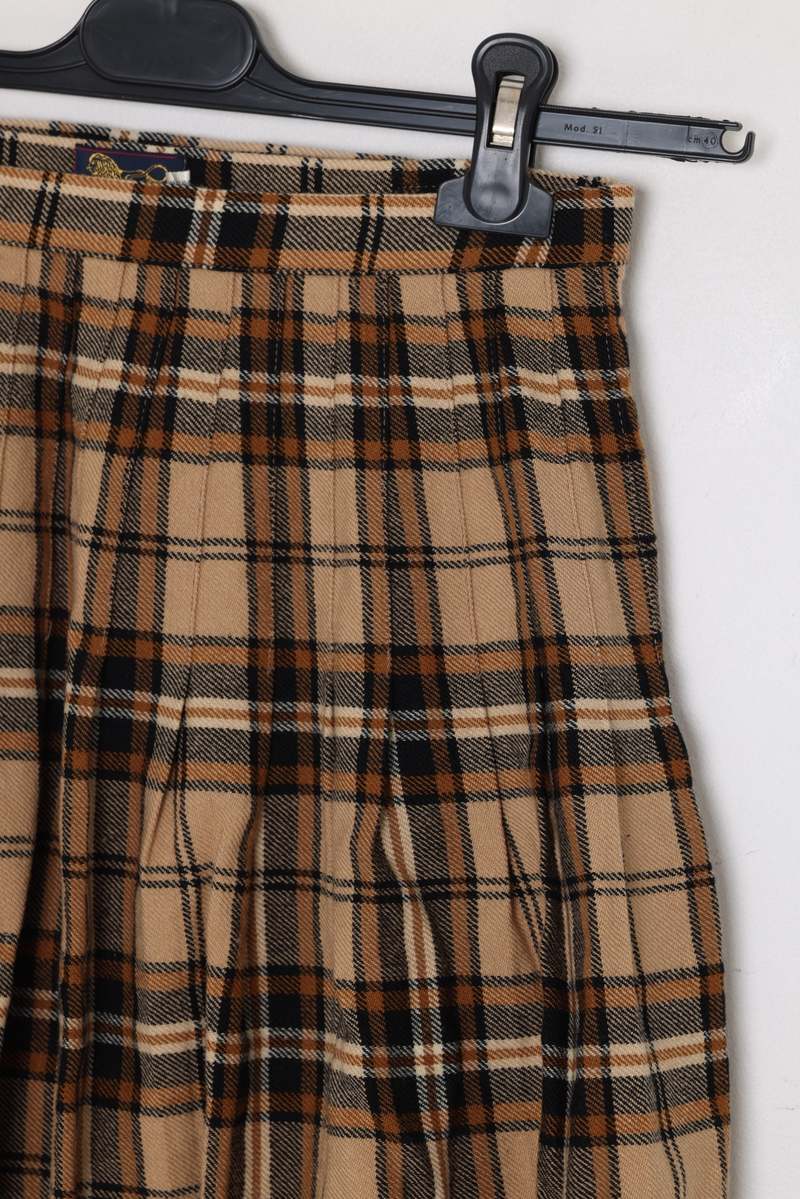
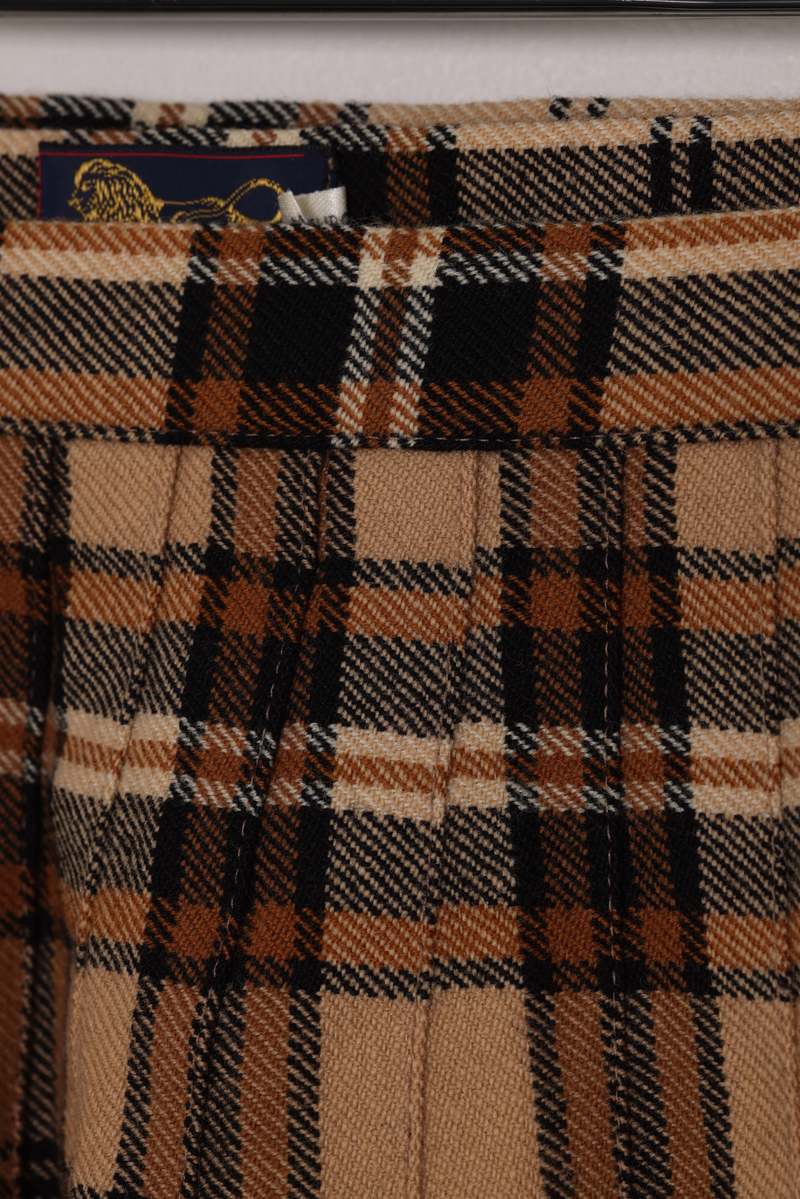
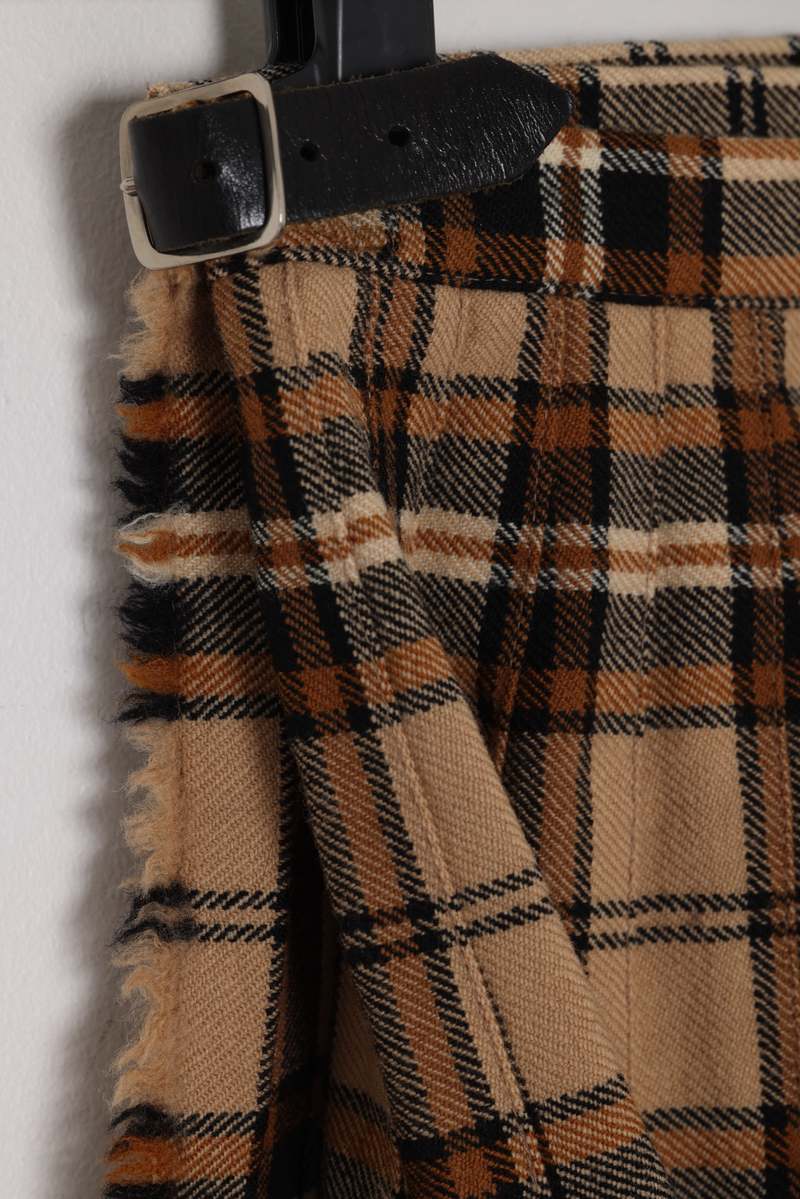
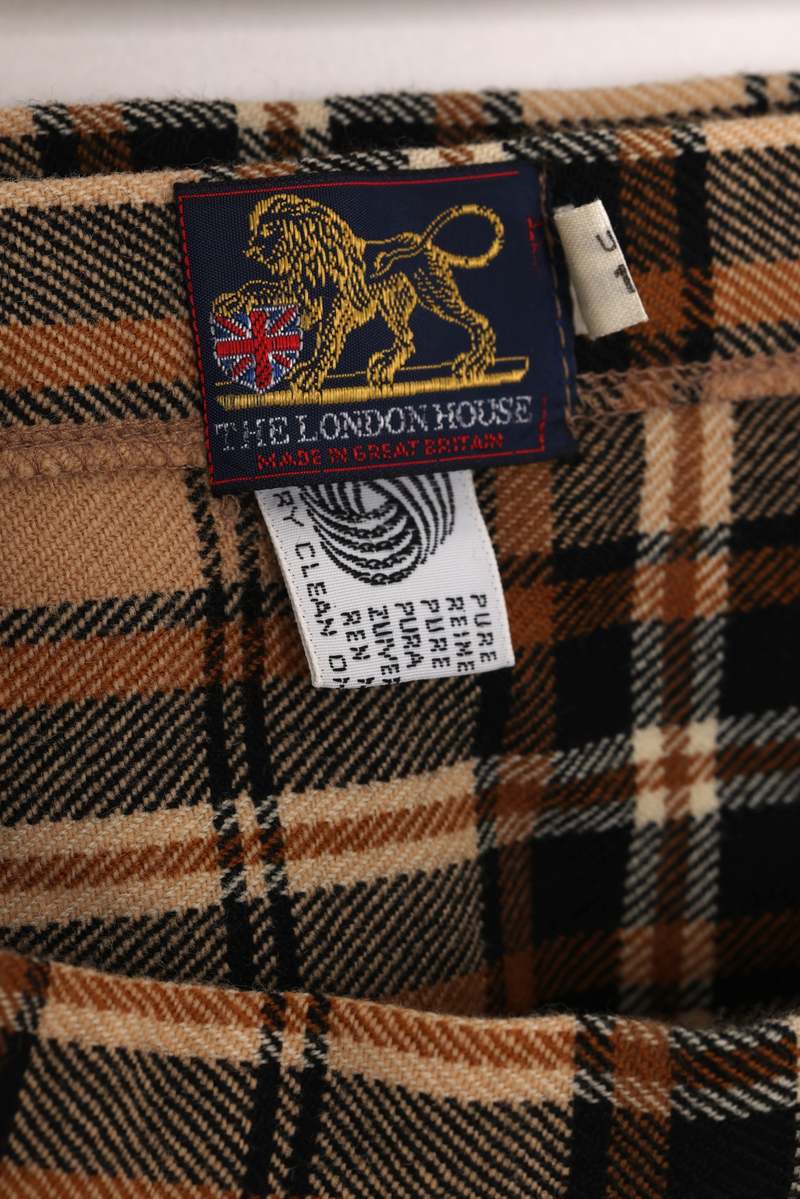
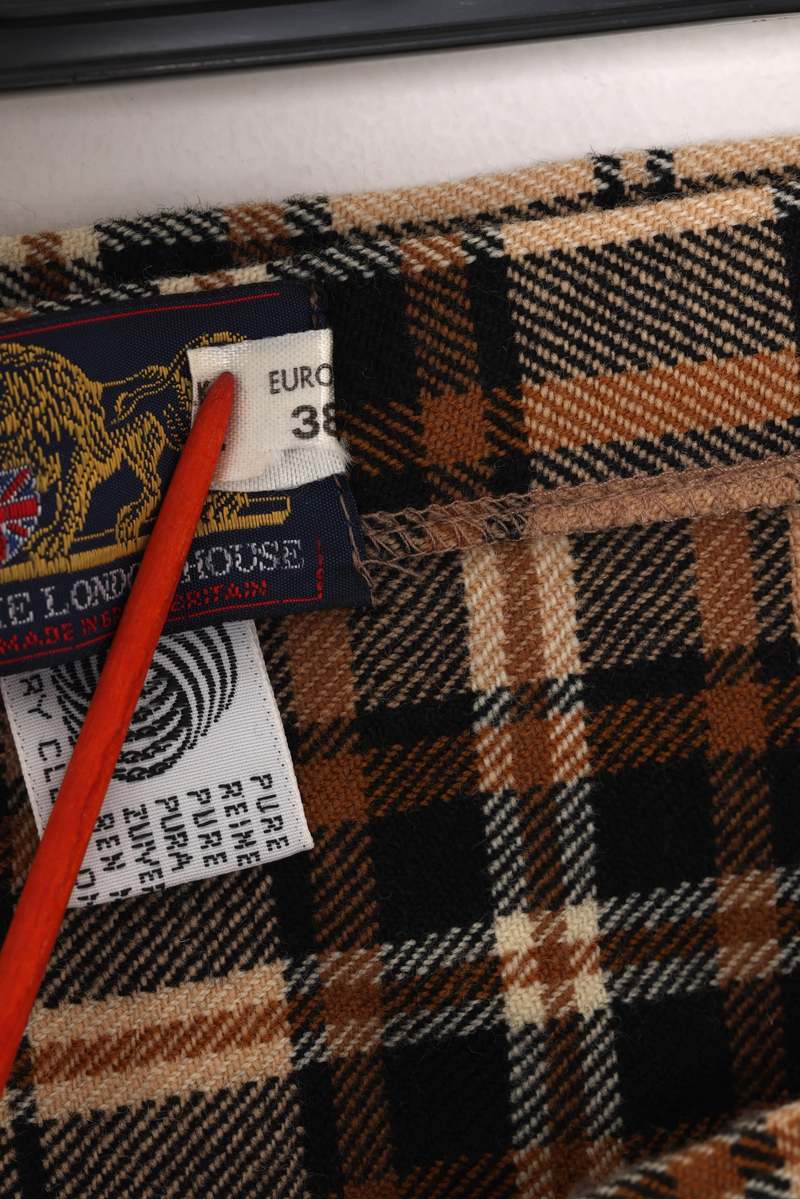
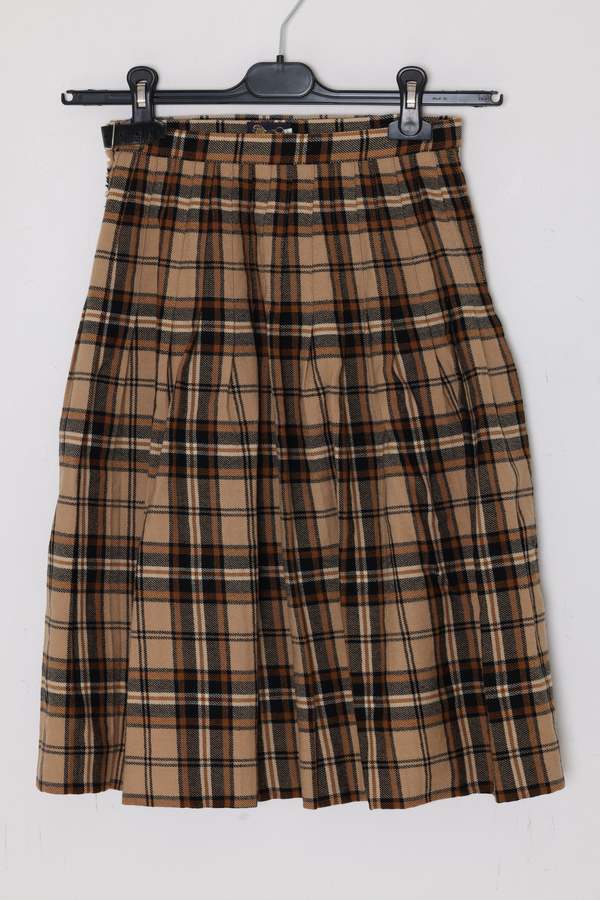
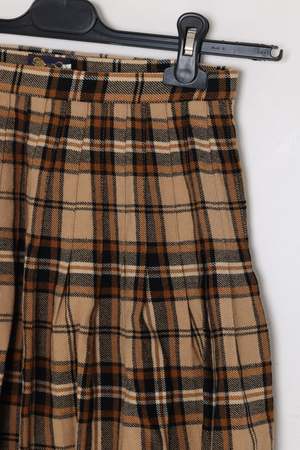
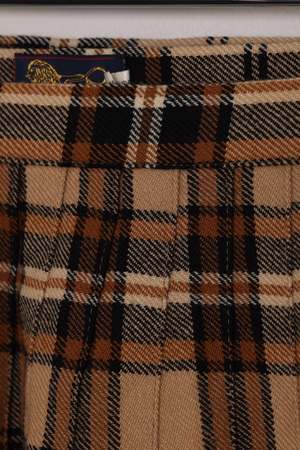
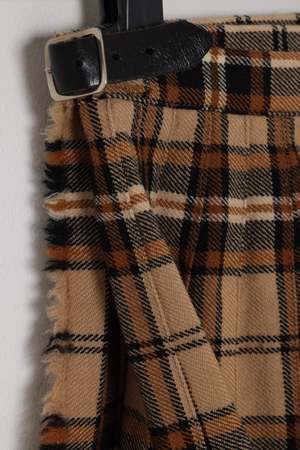
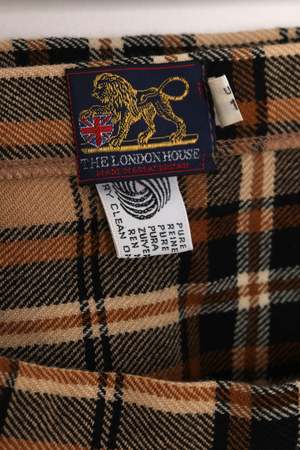
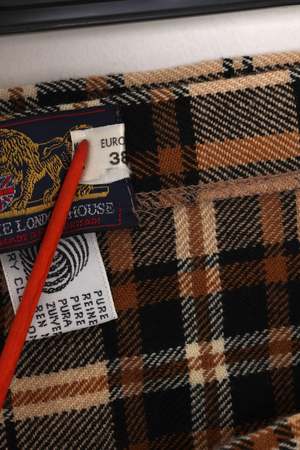
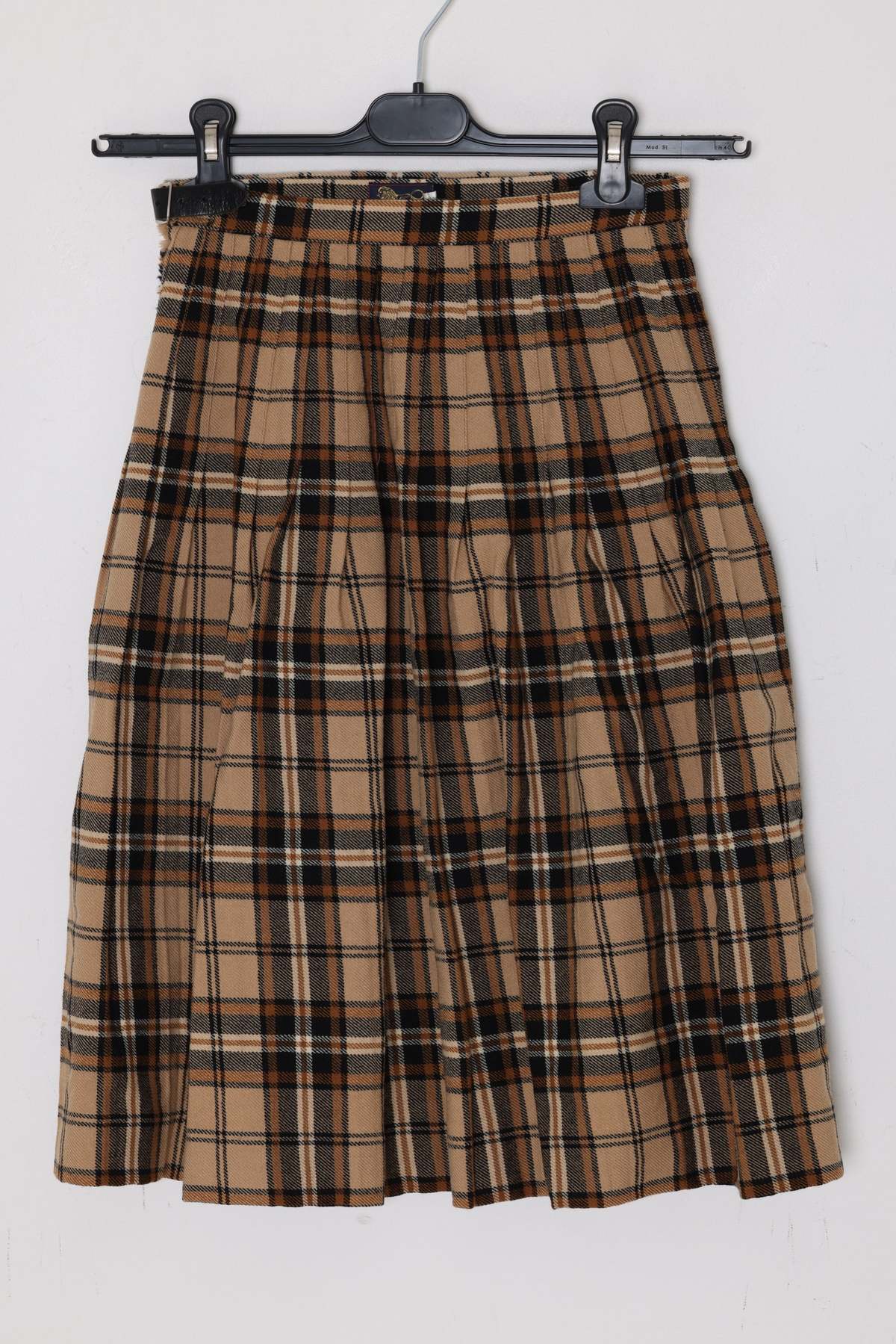
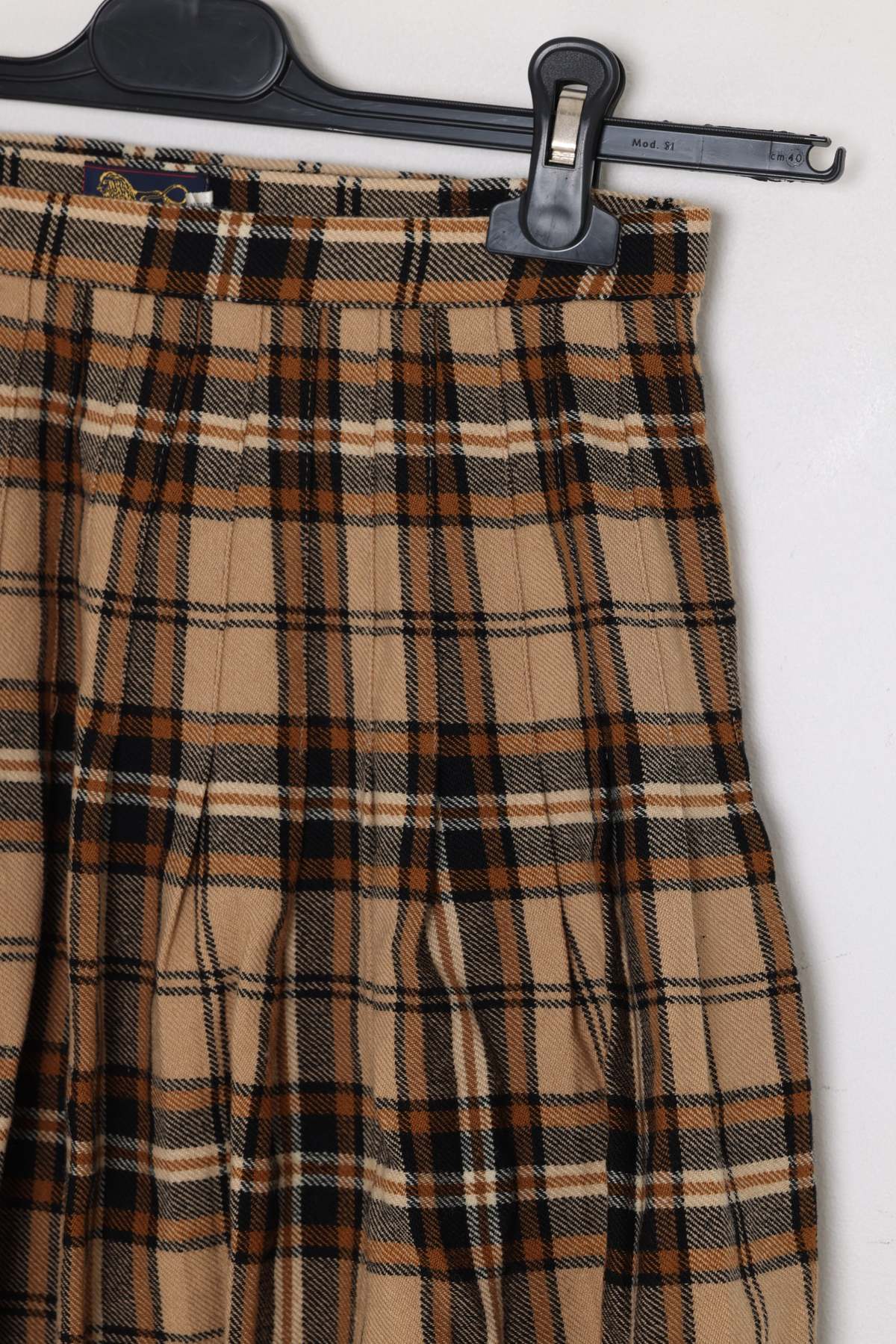
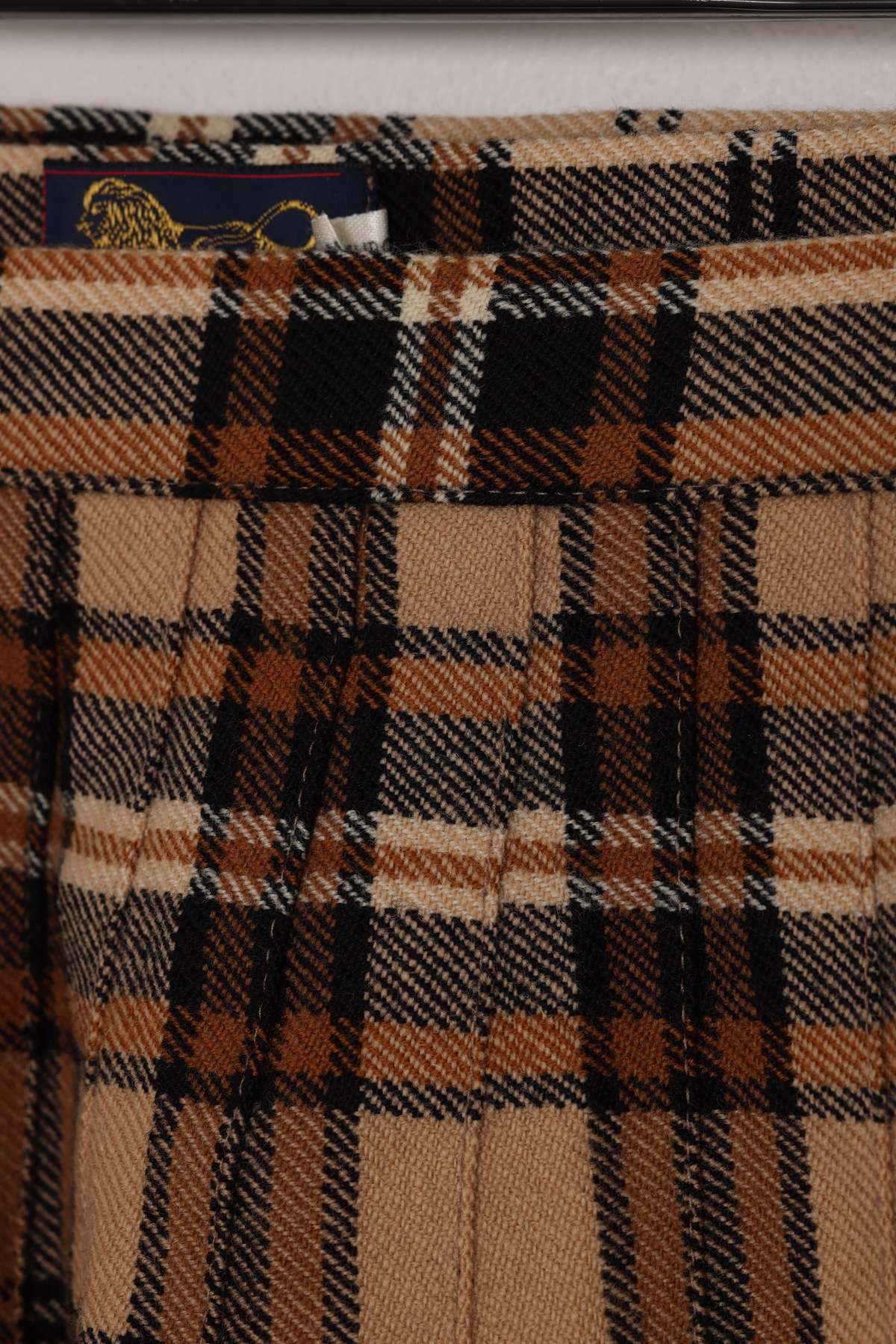
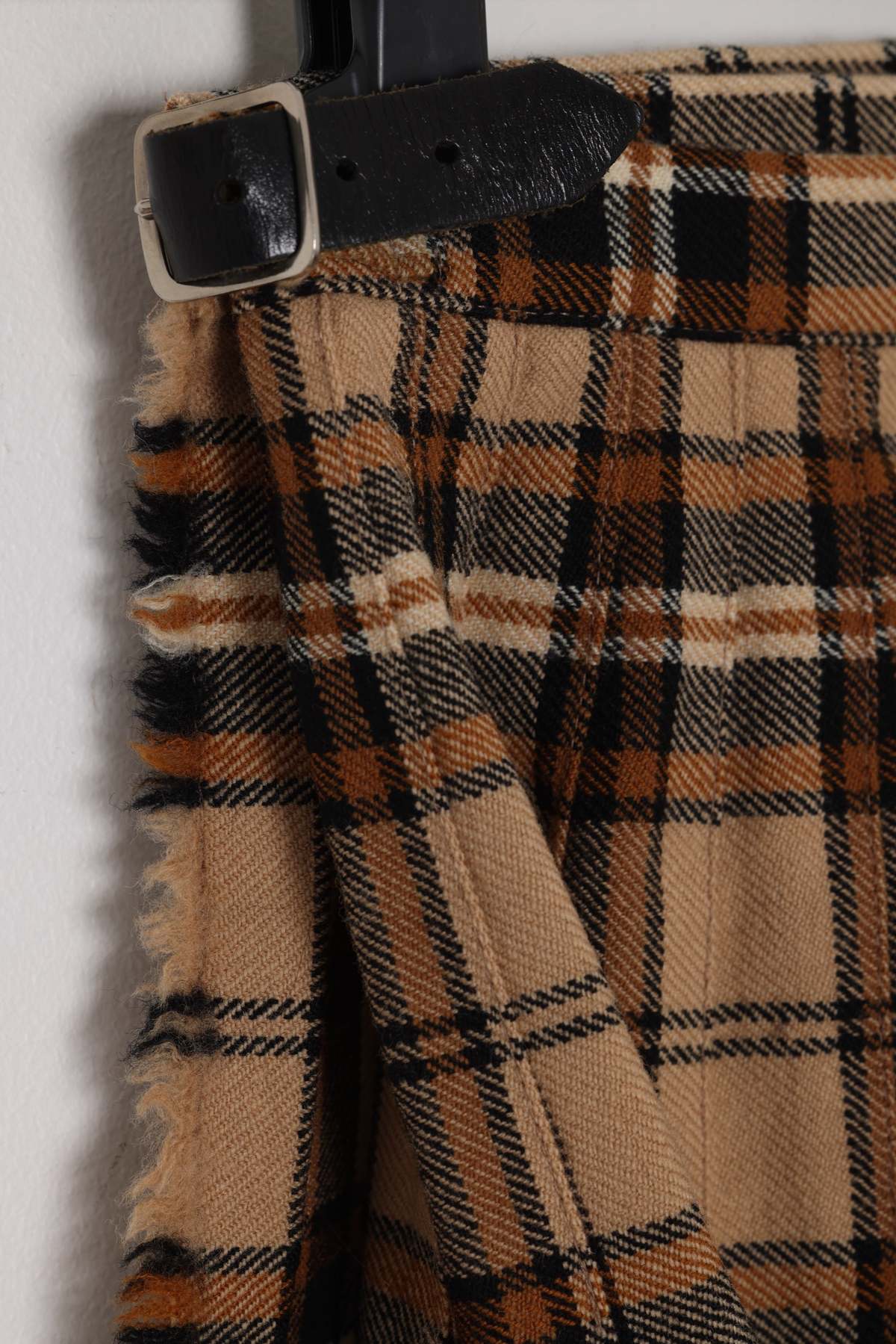
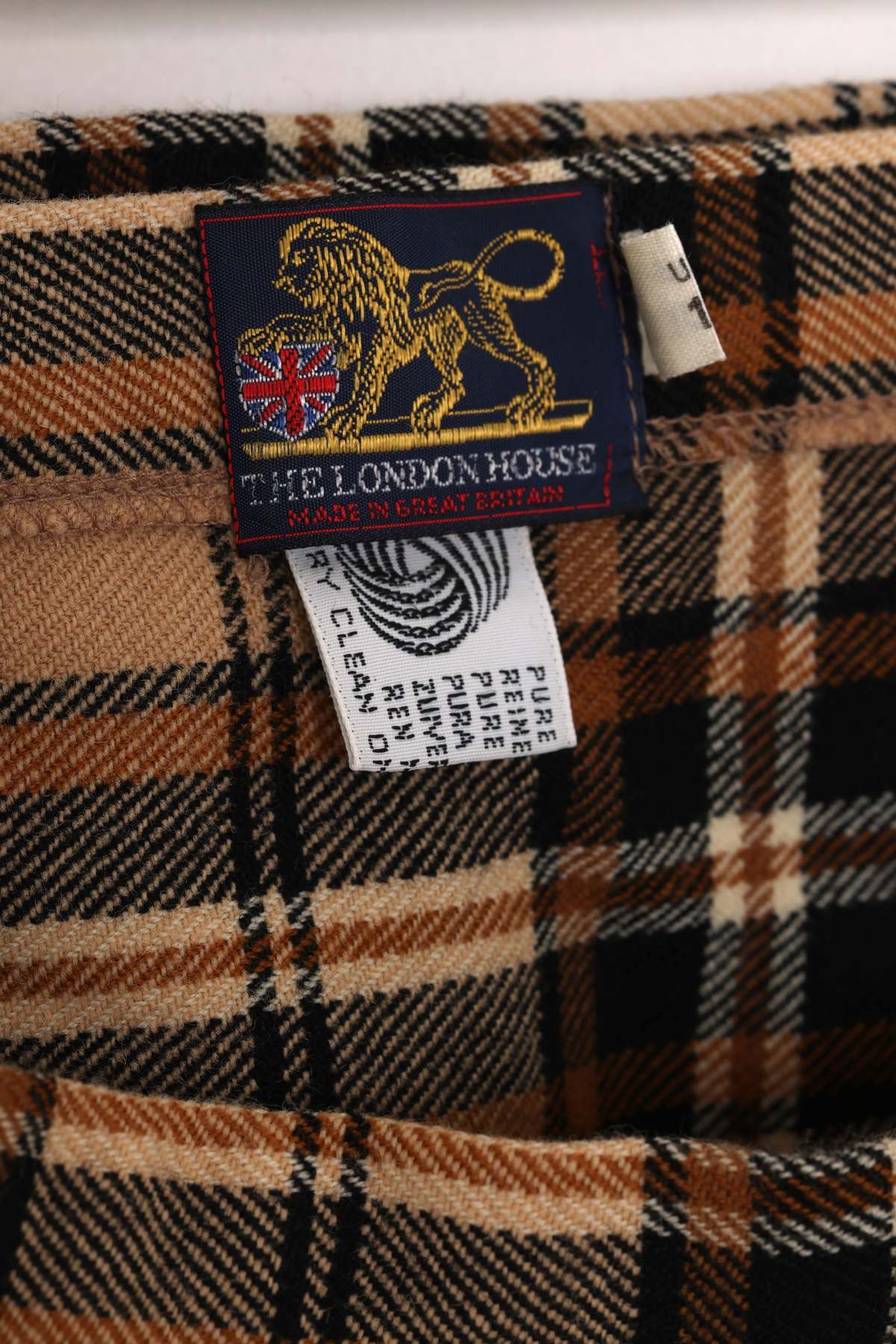
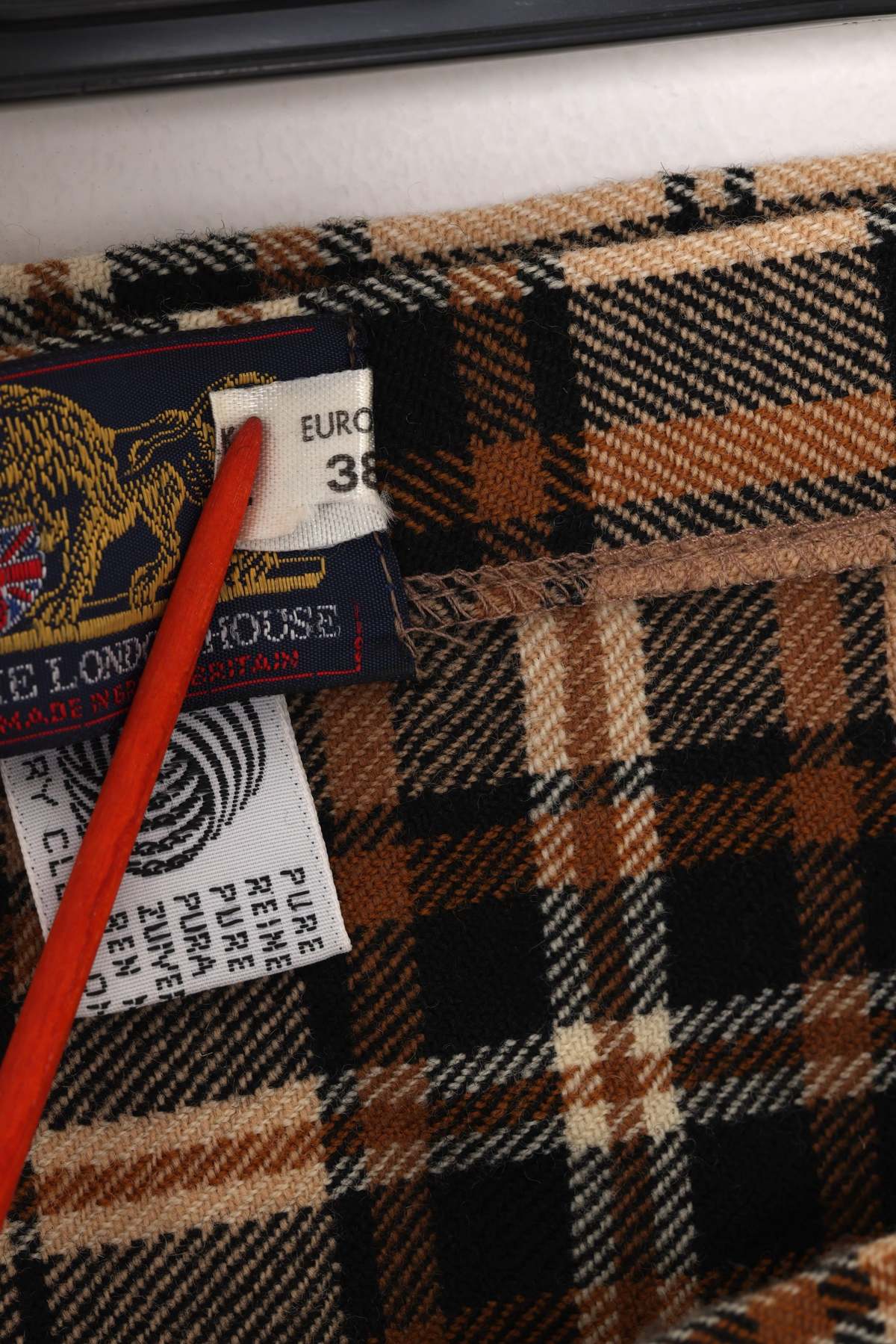
We are currently operating in a pre-scaling phase, during which the scope of our vintage archive has expanded beyond what can be listed at human speed. Only a token fraction of the inventory is visible online, not for lack of supply, but because an inconvenient commitment to perfectionism. The practical solution is to request access to our Google Drive. There is, incidentally, an upside to this arrangement: direct access, special attention, preferred pricing, and quantity-based considerations. New drops are added to the Drive on a daily basis, ensuring ample selection. All that is required is a reference to the image IDs. From there, we provide an elevated level of service: photos edited to approximate reality, additional images, and, where applicable, preferred pricing with quantity-based concessions. Bundles are where the value appears; the more pieces, the more flexible the pricing. After a half-decade sabbatical from fashion, I'm cautiously resurfacing & I felt it was time to reconnect. I moved to Europe a few years ago & began collectsing vintage with the field discipline of an anthropologist & the denial of a high-functioning hoarder. I currently have over 100,000 pieces sitting in a warehouse, because moderation has never been my strong suit. What began as compulsion is now a side project. I'm firmly in the pre-revenue chapter of the memoir - 1,000 sales, & high morale. The broader archive skews larger, stranger, & more historically pointed-East & West German rarities, bureaucratic glamour, Soviet institutional wear, industrial archaeology-rich in Trevira, Diolen, Terylene & mid-century state textile programs, & an elegy in garments from the DACH region & beyond. The collectsion is mostly a Cold War capsule wardrobe, institutional tailoring, state-issued, regional cooperatives & rural ateliers, white labels from the department store era, exceptional knitwear, socialist leathers, the zenith of Parisian fur craft, selectively preserved tweed skirts, rare 1960s mod, exaggerated '70s collars, German-cut blouses, unusually constructed denim, essentially the entirety of the 1970s, when even institutional garments had the decency to be well made. If integrity were woven, you'd find more of it in a 1978 poly-wool blend than in most of today's designer runways. Eventually, this evolves into a full-scale operation-complete with the token NYC storefront for aesthetic credibility. Given that about 70% of you are ordering from New York, it seems reasonable to ship our 50 pallets there & open a labyrinth of "true vintage" to get lost in. Scaling, of course, requires capital. I'm well aware that most of you don't have any, but statistically speaking, out of the millions who drift through here, it is statistically probable that one of you possesses both interest & solvency. Type us into Google. Everything is there, including a contact form. SUNDAZED & OUTSIDE SOCIETY Measurements: Waist 31 cm, Length 67 cm Waist 12.20 in flat measure, approximately 24.41 in circumference; Length 26.38 in Labeled Size: EU 38 This garment is a mid-length pleated skirt constructed from a wool tartan textile and labeled The London House, Made in Great Britain. The presence of a British origin label, alongside care and fiber labeling indicating pure new wool, situates the garment within late 20th century commercial production, likely between the mid-1970s and late 1980s. The skirt features structured knife pleats emerging from a fitted waistband, with a plaid pattern aligned across the upper section and disrupted through pleating below. Construction is industrial, with machine stitching and standard waistband finishing. The garment reflects British mass-market tailoring drawing on traditional tartan aesthetics adapted for everyday wear. I. Primary Materials, Textile Structure & Fabric Performance The textile is a medium-weight wool, identified via the composition label as pure new wool. The weave is a twill structure, producing a soft yet resilient fabric with a slight diagonal grain visible in close inspection. The tartan pattern is woven rather than printed, with intersecting bands of beige, brown, black, and cream forming a balanced check. The fabric exhibits moderate loft and thermal capacity typical of wool, with a slightly brushed surface contributing to a soft hand. The pleats are not heat-set but rely on pressing and fabric memory; minor relaxation is visible, particularly toward the hem. The raw edge observed at one seam suggests either unfinished internal treatment or later fraying, but does not significantly compromise structural stability. II. Construction Method, Pattern Development & Production Discipline The skirt is constructed using industrial methods, with machine-sewn seams and a separately applied waistband. Pleats are formed through folding and pressing rather than thermoplastic setting, requiring periodic maintenance to retain sharpness. The plaid alignment at the waistband indicates deliberate pattern matching during cutting, while the pleated sections necessarily disrupt pattern continuity. The closure system is not fully visible in the provided views but is consistent with standard zipper-and-button configurations typical of the period. Seam finishes appear minimally treated, with some internal edges left raw or lightly overcast, indicating cost-controlled production rather than high-end tailoring. III. Structural Design, Silhouette Engineering & Technical Resolution The silhouette is high-waisted with controlled volume introduced through knife pleats beginning just below the waistband. The upper portion remains relatively flat to maintain a fitted waist, transitioning into a fuller skirt body. The pleats allow expansion during movement while returning to a vertical fall at rest. Structural support is concentrated in the waistband, with no internal interfacing visible beyond basic stabilization. The garment achieves a balance between structure and flexibility, with the wool fabric providing both drape and body. The overall length positions the skirt within a mid-length category, suitable for transitional seasonal wear. IV. Surface Treatment, Finish, Coloration & Material Handling The tartan pattern is integral to the weave, with clear color delineation and no evidence of surface printing. The palette combines neutral and warm tones, with black lines providing visual structure. Surface finish is matte with slight nap, characteristic of wool textiles subjected to light finishing processes. Wear is visible along a side seam where fraying has occurred, exposing the fibrous structure of the wool. Pleat edges show mild softening, consistent with use and storage without re-pressing. There is no evidence of staining, discoloration, or chemical damage. The fabric remains responsive to pressing, suggesting it can be restored to sharper pleat definition if desired. V. Garment Type, Formal Design Language & Fashion Historical Placement This garment is a tartan pleated skirt, drawing on British textile traditions while positioned within late 20th century everyday fashion. The use of tartan references heritage dress but is applied here in a standardized, non-clan-specific commercial pattern. The silhouette aligns with late 1970s1980s trends favoring structured yet wearable skirts, often paired with knitwear or tailored tops. The design is conservative and functional, lacking decorative embellishment beyond the woven pattern. It occupies a category between traditional kilt-inspired garments and modern pleated skirts, without adhering strictly to either. VI. Designer, Brand, Manufacturing Context & Market Position The label The London House indicates a British brand or retail label, though not one associated with high-fashion or designer-level production. The Made in Great Britain designation supports domestic manufacture, likely within a mid-tier production environment. The garment was produced for general retail distribution, emphasizing quality natural fiber content and classic patterning rather than innovation. Market positioning would have been accessible to mid-range consumers seeking durable, traditional-style garments. The inclusion of pure new wool labeling suggests a modest emphasis on material quality within a commercial framework. VII. Probable Origin, Provenance Framework & Attribution Threshold The garment can be attributed to Great Britain based on labeling, with no conflicting indicators. The specific manufacturer or workshop remains unidentified. The tartan pattern does not appear to correspond to a specific registered clan tartan and should be considered a generic commercial design. Provenance beyond country of manufacture is undocumented. Attribution to a specific region within the UK or to a particular mill is not supported by available evidence. The garment should be catalogued as British manufacture, anonymous beyond brand label. VIII. Preservation State, Alteration Record & Archival Handling The garment is in stable condition with localized wear. Fraying along one side seam indicates either incomplete finishing or wear-related degradation; this area may require stabilization to prevent further fiber loss. Pleats have softened but remain legible and restorable through pressing. The waistband and upper structure are intact, with no visible distortion. There is no clear evidence of alteration; the hem and pleat configuration appear original. Wool composition necessitates protection from moth activity and controlled storage conditions. The garment should be stored with support to maintain pleat structure and avoid stress on weakened seam areas. IX. Market Standing, Comparative Category Placement & Value Estimation Estimated current market range: $80140. This valuation reflects a British-made wool tartan skirt with identifiable labeling and natural fiber composition. The presence of a recognizable (though not high-end) brand and Made in Great Britain designation adds moderate value. Condition issues, specifically seam fraying and softened pleats, limit higher valuation. Comparable garments are common within vintage markets, though wool examples with intact labels maintain steady demand. The garment occupies a mid-tier position within vintage skirt categories, with appeal to buyers interested in classic British textiles and wearable heritage-inspired design. One minor clarification seems necessary: "Vintage" tends to imply garments that have endured a meaningful span of wear and tear. To eliminate any potential ambiguity, I'm adding an explicit disclaimer that the majority of these items are, in fact, new, unworn deadstock. This contextual cue should help orient users who are accustomed to encountering authentically fatigued clothes. One additional clarification seems necessary, given the ongoing confusion around U.S. orders from Europe under Trump's tariffs: it's the Europeans taking the hit here, not the Americans. So, to answer the recurring question about U.S. import fees: we've already covered the tariffs through our postal carrier. Your parcel arrives fully cleared; any bureaucratic bloodletting has already been performed on our side of the Atlantic.
Garmentory is a curated marketplace of independent boutiques and emerging designers from around the world.
Fashion With Intention
Aw yeah!
We love making new friends so while we're popping bottles, continue shopping to apply your $10 credit.
We've got a dedicated site "garmentory.co" just for our Indian customers! Shop with local currency, faster shipping, and exclusive products.
We cannot add this item to your bag because it’s already at max capacity. But don’t worry, we’ve saved it to your wish list.
Earn Replica Belts credits when you shop, wishlist, and inspire others.

Have a question about the size or something else? We're here to help!