Spring fever is here 🌡️☀️ Prep early for those not too hot and not too cold days by finding something you love ON SALE. SHOP THE SALE


Spring fever is here 🌡️☀️ Prep early for those not too hot and not too cold days by finding something you love ON SALE. SHOP THE SALE

| To | Service | Estimated Delivery | Fee |
|---|---|---|---|
| 🌎 | Intl. Air | 6-20 business days | $29.95 |
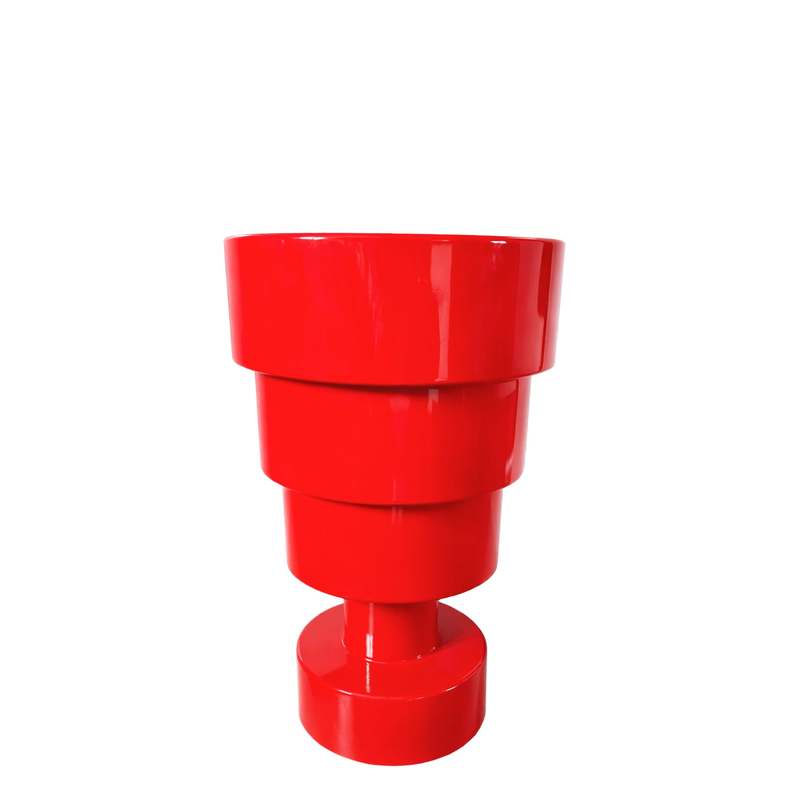
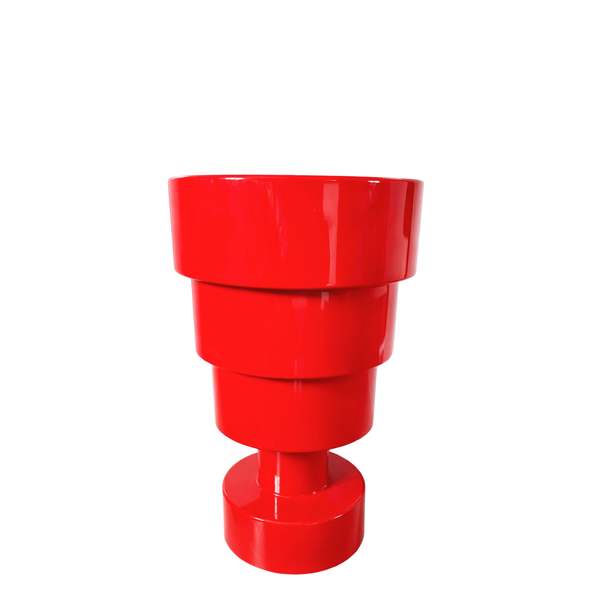
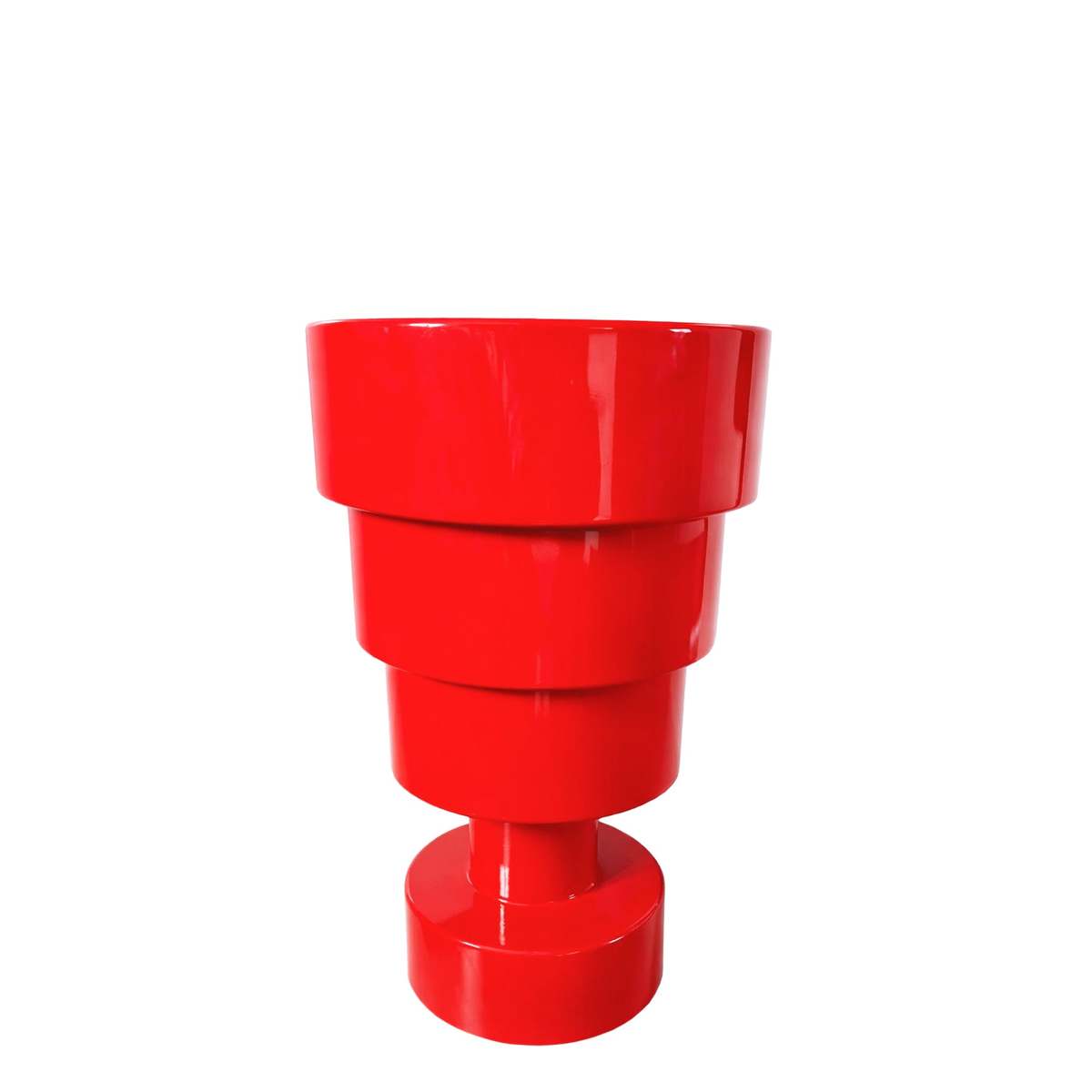
We are currently operating in a pre-scaling phase, during which the scope of our vintage archive has expanded beyond what can be listed at human speed. Only a token fraction of the inventory is visible online, not for lack of supply, but because an inconvenient commitment to perfectionism. The practical solution is to request access to our Google Drive. There is, incidentally, an upside to this arrangement: direct access, special attention, preferred pricing, and quantity-based considerations. New drops are added to the Drive on a daily basis, ensuring ample selection. All that is required is a reference to the image IDs. From there, we provide an elevated level of service: photos edited to approximate reality, additional images, and, where applicable, preferred pricing with quantity-based concessions. Bundles are where the value appears; the more pieces, the more flexible the pricing. After a half-decade sabbatical from fashion, I'm cautiously resurfacing & I felt it was time to reconnect. I moved to Europe a few years ago & began collectsing vintage with the field discipline of an anthropologist & the denial of a high-functioning hoarder. I currently have over 100,000 pieces sitting in a warehouse, because moderation has never been my strong suit. What began as compulsion is now a side project. I'm firmly in the pre-revenue chapter of the memoir - 1,000 sales, & high morale. The broader archive skews larger, stranger, & more historically pointed-East & West German rarities, bureaucratic glamour, Soviet institutional wear, industrial archaeology-rich in Trevira, Diolen, Terylene & mid-century state textile programs, & an elegy in garments from the DACH region & beyond. The collectsion is mostly a Cold War capsule wardrobe, institutional tailoring, state-issued, regional cooperatives & rural ateliers, white labels from the department store era, exceptional knitwear, socialist leathers, the zenith of Parisian fur craft, selectively preserved tweed skirts, rare 1960s mod, exaggerated '70s collars, German-cut blouses, unusually constructed denim, essentially the entirety of the 1970s, when even institutional garments had the decency to be well made. If integrity were woven, you'd find more of it in a 1978 poly-wool blend than in most of today's designer runways. Eventually, this evolves into a full-scale operation-complete with the token NYC storefront for aesthetic credibility. Given that about 70% of you are ordering from New York, it seems reasonable to ship our 50 pallets there & open a labyrinth of "true vintage" to get lost in. Scaling, of course, requires capital. I'm well aware that most of you don't have any, but statistically speaking, out of the millions who drift through here, it is statistically probable that one of you possesses both interest & solvency. Type us into Google. Everything is there, including a contact form. SUNDAZED & OUTSIDE SOCIETY Monolithic floor-standing vase model Calice, manufactured by Kartell and designed by Ettore Sottsass, produced as part of the 2015 Kartell goes Sottsass A Tribute to Memphis collectsion. Fabricated in rotationally or injection-molded polyethylene, identifiable by material stamp and uniform wall construction. The form consists of a stepped, chalice-derived vertical geometry with a central cylindrical reservoir and broad top rim. Production is fully industrial, utilizing polymer molding rather than composite assembly. The piece functions both as a vessel and as a sculptural volumetric study consistent with Sottsass late-career translation of Memphis-era geometry into industrial plastic manufacturing. I. Primary Materials & Structural Integrity The body is formed from molded polyethylene, as indicated by the PE material mark on the underside. The construction appears monolithic, with continuous wall thickness and no visible secondary assembly seams along the vertical axis. The stepped profile transitions are integral to the mold rather than mechanically attached tiers. Load-bearing capacity is derived from the widened base cylinder, which distributes weight concentrically. The vertical axis remains true, with no observable deformation or ovalization. Polyethylenes inherent flexibility provides impact resistance but can creep under sustained load; no evidence of base compression or distortion is present. Surface abrasions along the lower edge are cosmetic and do not compromise structural continuity. II. Fabrication Method & Production Logic The form is industrially molded, likely through rotational molding given the scale and hollow construction, though high-capacity injection molding remains possible depending on wall thickness. The smooth internal cavity and uniform curvature suggest controlled rotational distribution of molten polymer. The underside bears embossed manufacturer identification, recycling marks, and designer attribution integrated directly into the mold tooling. This indicates dedicated production molds rather than post-production branding. Edge transitions are rounded and consistent, reflecting tooling precision and polymer shrink calibration. The production logic favors single-material execution, eliminating inserts or internal reinforcement. The object is conceived as a volumetric mass rather than assembled components. III. Joinery, Fastening & Engineering Resolution There are no mechanical fasteners, adhesives, or visible joinery. The vase is a single molded shell with an integrated top opening and internal reservoir cavity. Structural integrity is dependent on wall thickness and the geometry of the stepped profile. The widening and narrowing tiers function as both aesthetic articulation and stress-distributing ribs, increasing rigidity along the vertical axis. The base diameter exceeds the narrow midsection, lowering the center of gravity and enhancing stability under lateral force. There is no evidence of later reinforcement or repair. Engineering is inherent to form rather than concealed structure. IV. Surface Finish & Material Treatment The surface is high-gloss, consistent with molded polyethylene finished directly from polished tooling. Color is integral to the polymer mass rather than applied coating. The red pigmentation is saturated and uniform across interior and exterior surfaces. Abrasion and chipping at the base perimeter indicate contact wear. These areas show lighter scuffing consistent with surface friction rather than coating loss, confirming through-color material. No refinishing is evident. Minor surface scratches are consistent with handling and floor contact. There is no cracking, stress whitening, or UV-induced chalking visible, suggesting preserved polymer stability. V. Formal Language & Design Lineage The vase adopts a chalice typology, abstracted into stepped cylindrical reductions. The geometry references classical vessel proportion while eliminating ornament. This aligns with Sottsass longstanding interest in archetypal forms reduced to primary volumes. Within the context of the Memphis lineage, the object retains the groups emphasis on bold color and geometric stacking, yet is translated into industrial plastic rather than laminate-clad wood or ceramic. The stepped profile functions structurally and visually, creating rhythm through diameter variation rather than applied pattern. The scale positions it between functional vase and floor object, consistent with Sottsass exploration of domestic objects as spatial markers. VI. Production Context & Market Position Produced by Kartell in 2015 as part of a tribute collectsion, the piece represents licensed industrial realization of Sottsass formal vocabulary. Production was open but limited to the commemorative release period rather than continuous catalog manufacturing. Kartells market positioning situates the object within high-end industrial design rather than studio craft. Material cost is low relative to ceramic or metal equivalents, but value derives from authorship and controlled edition context. Intended market includes collectsors of Memphis-related design, contemporary interiors, and brand-aligned domestic buyers. VII. Preservation State & Intervention Evidence Structural stability is intact. The base shows perimeter abrasion consistent with floor movement. No cracking at stress points or deformation at the narrow waist is evident. The embossed underside markings remain legible, indicating minimal sanding or resurfacing. No repainting, polishing compounds, or surface coatings are apparent. Interior cavity shows consistent coloration without residue buildup or liner insertion. Condition reflects honest use rather than neglect. Wear is localized and superficial. VIII. Market Standing & Value Estimation Estimated current secondary market range: 9001,500 EUR, contingent on color condition, surface preservation, and completeness of documentation linking to the 2015 tribute production. Examples with minimal base abrasion and strong gloss retention achieve the upper range. Liquidity is moderate to strong within the Memphis and Sottsass collectsor market, particularly where provenance is documented. Replacement cost through original retail channels exceeded standard polyethylene vessel pricing due to designer attribution. Material value is nominal; valuation is anchored in designer authorship, limited commemorative production context, and brand association rather than fabrication complexity. One minor clarification seems necessary: "Vintage" tends to imply garments that have endured a meaningful span of wear and tear. To eliminate any potential ambiguity, I'm adding an explicit disclaimer that the majority of these items are, in fact, new, unworn deadstock. This contextual cue should help orient users who are accustomed to encountering authentically fatigued clothes. One additional clarification seems necessary, given the ongoing confusion around U.S. orders from Europe under Trump's tariffs: it's the Europeans taking the hit here, not the Americans. So, to answer the recurring question about U.S. import fees: we've already covered the tariffs through our postal carrier. Your parcel arrives fully cleared; any bureaucratic bloodletting has already been performed on our side of the Atlantic.
Garmentory is a curated marketplace of independent boutiques and emerging designers from around the world.
Fashion With Intention
Aw yeah!
We love making new friends so while we're popping bottles, continue shopping to apply your $10 credit.
We've got a dedicated site "garmentory.co" just for our Indian customers! Shop with local currency, faster shipping, and exclusive products.
We cannot add this item to your bag because it’s already at max capacity. But don’t worry, we’ve saved it to your wish list.
Earn Replica Belts credits when you shop, wishlist, and inspire others.

Have a question about the size or something else? We're here to help!