Spring fever is here 🌡️☀️ Prep early for those not too hot and not too cold days by finding something you love ON SALE. SHOP THE SALE


Spring fever is here 🌡️☀️ Prep early for those not too hot and not too cold days by finding something you love ON SALE. SHOP THE SALE
| To | Service | Estimated Delivery | Fee |
|---|---|---|---|
| 🌎 | Intl. Air | 6-20 business days | $29.95 |
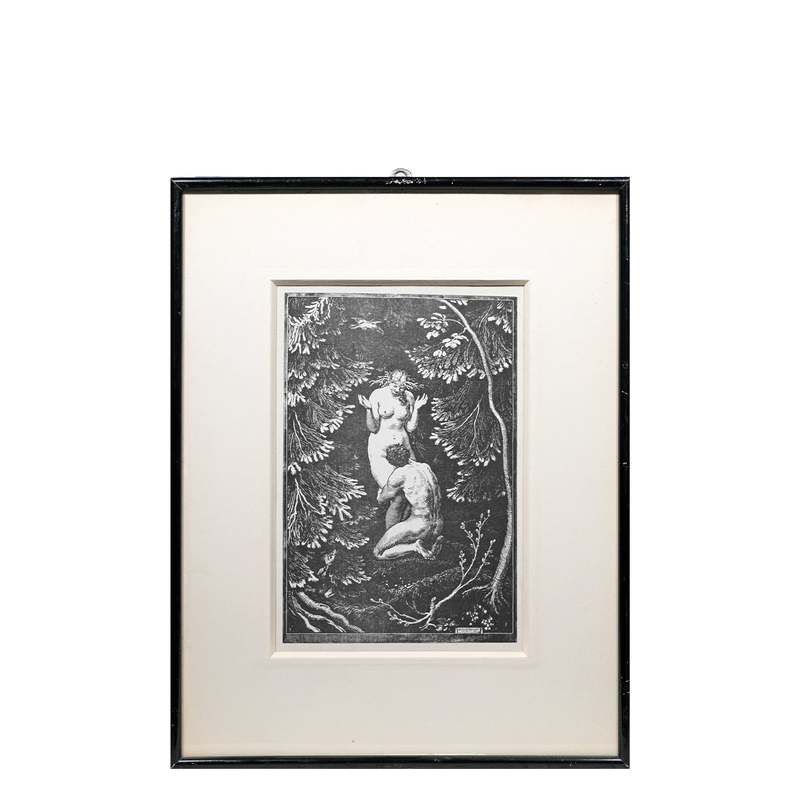
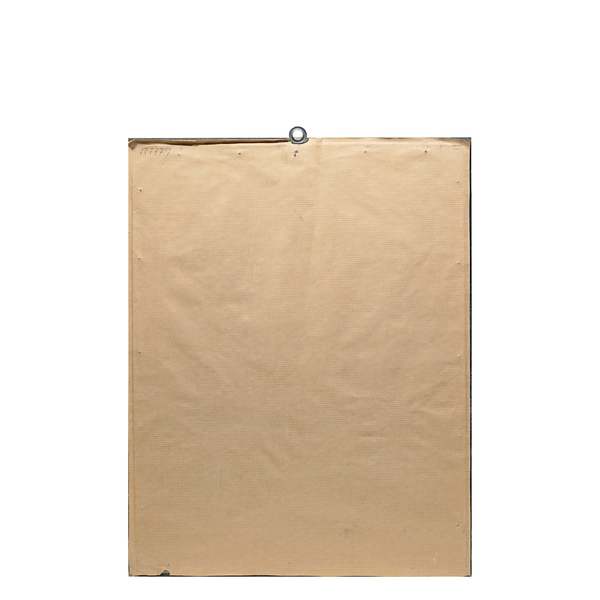
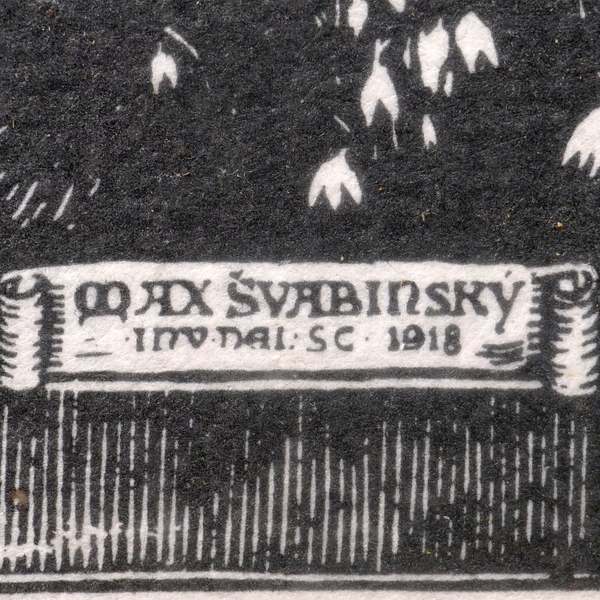
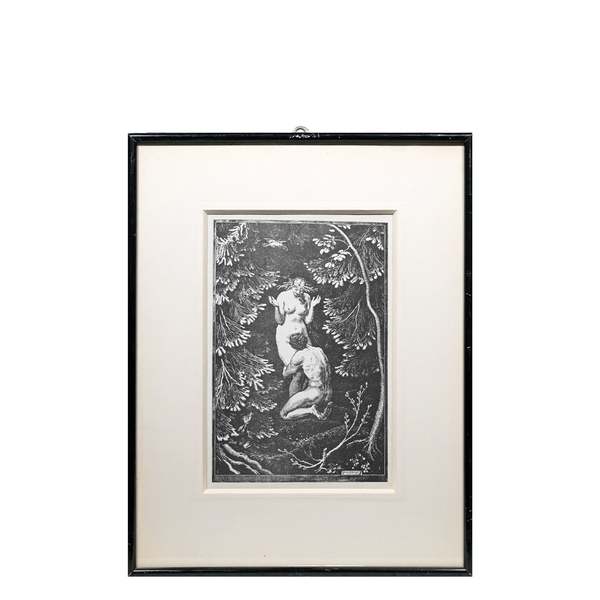
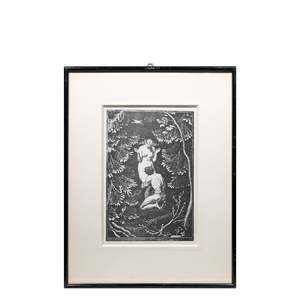
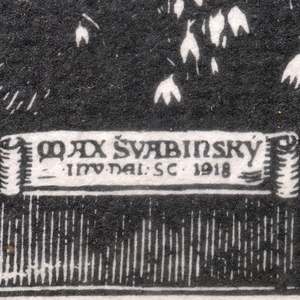
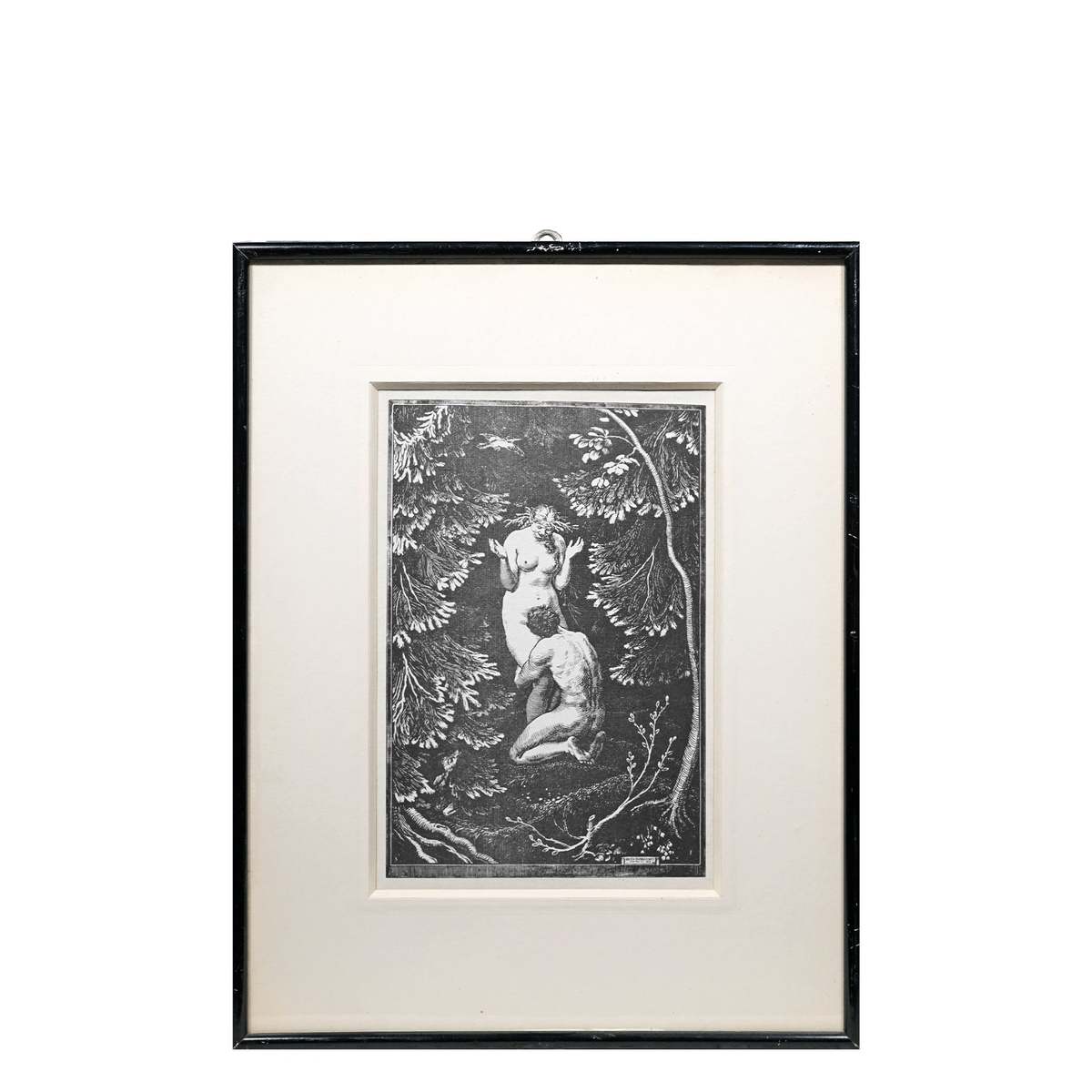
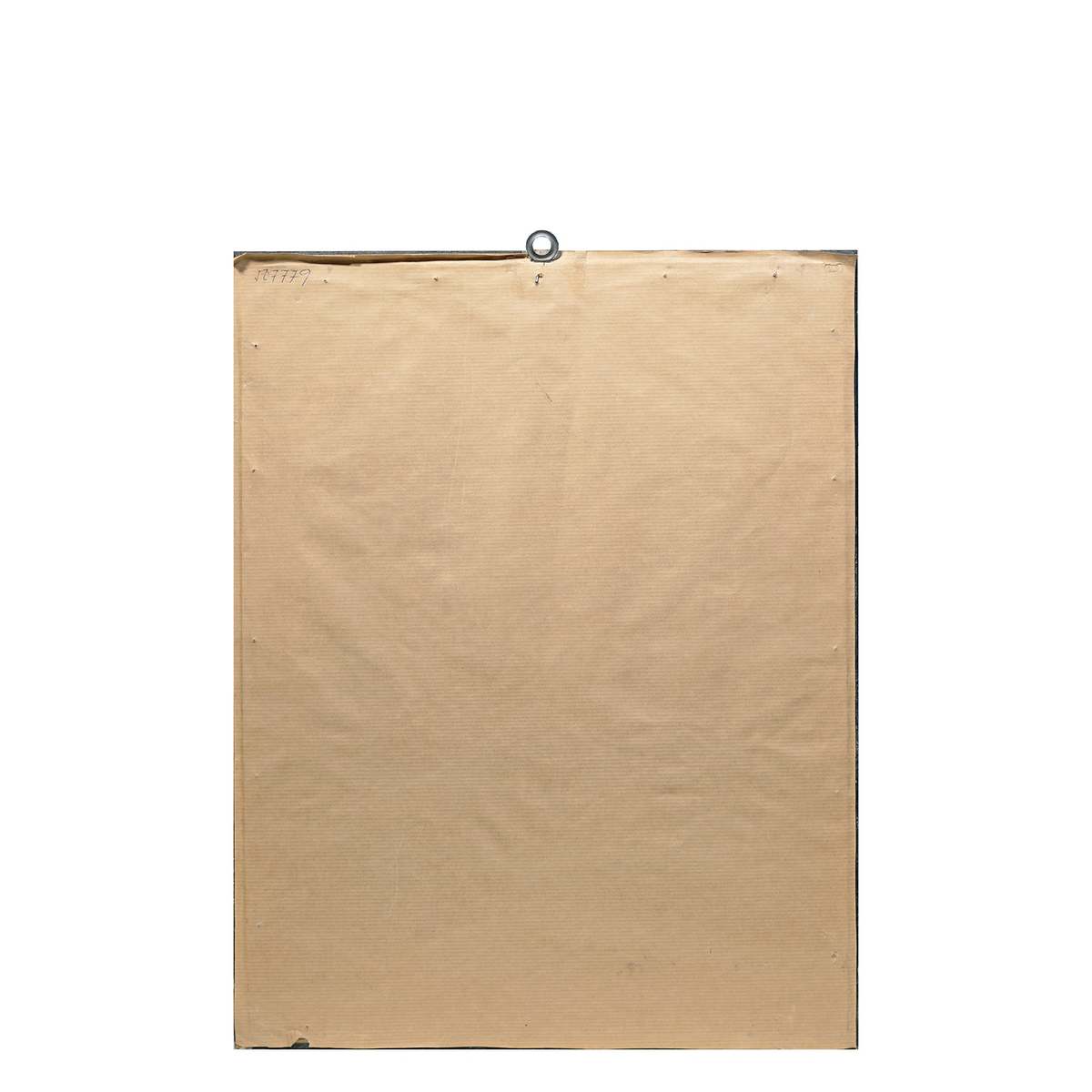
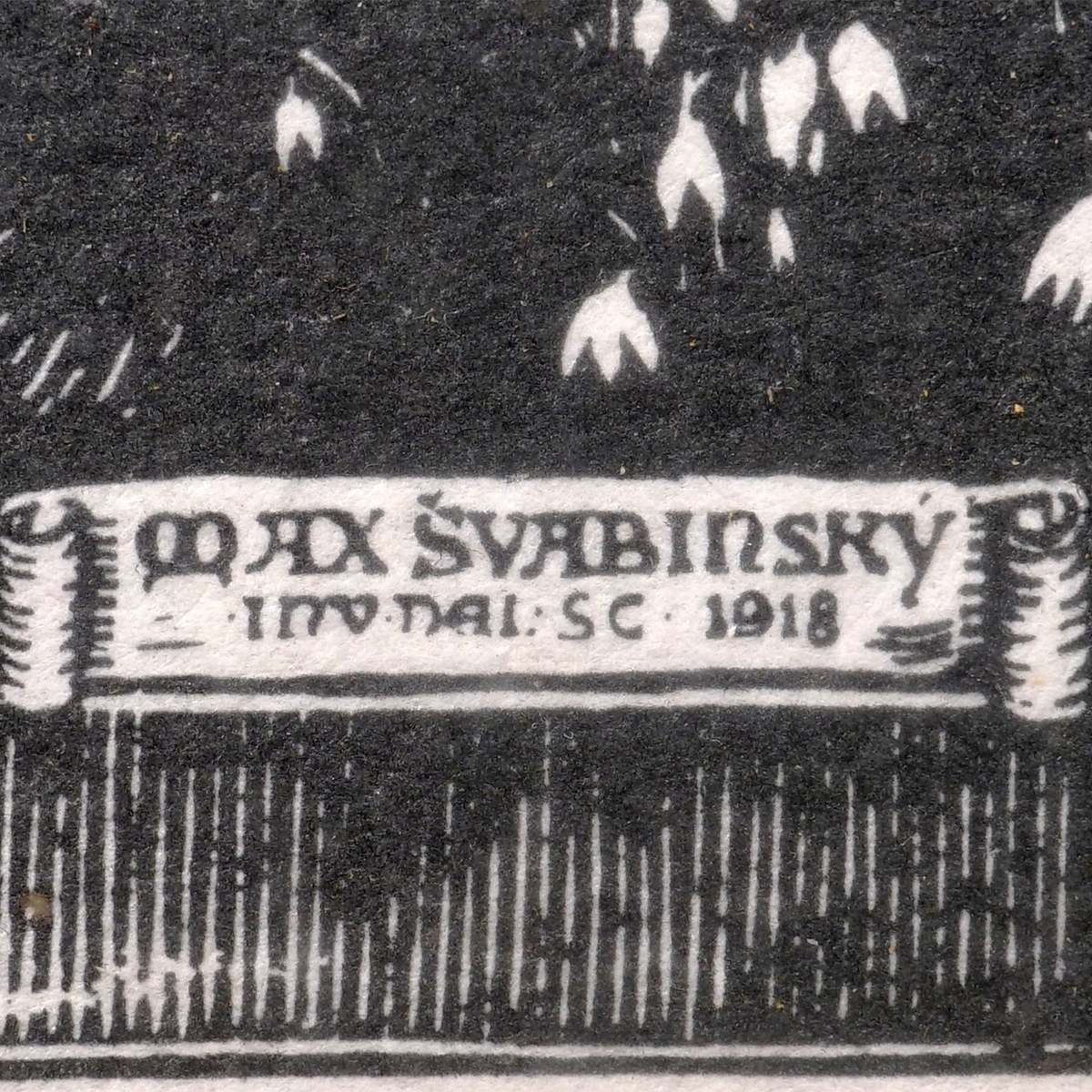
We are currently operating in a pre-scaling phase, during which the scope of our vintage archive has expanded beyond what can be listed at human speed. Only a token fraction of the inventory is visible online, not for lack of supply, but because an inconvenient commitment to perfectionism. The practical solution is to request access to our Google Drive. There is, incidentally, an upside to this arrangement: direct access, special attention, preferred pricing, and quantity-based considerations. New drops are added to the Drive on a daily basis, ensuring ample selection. All that is required is a reference to the image IDs. From there, we provide an elevated level of service: photos edited to approximate reality, additional images, and, where applicable, preferred pricing with quantity-based concessions. Bundles are where the value appears; the more pieces, the more flexible the pricing. After a half-decade sabbatical from fashion, I'm cautiously resurfacing & I felt it was time to reconnect. I moved to Europe a few years ago & began collectsing vintage with the field discipline of an anthropologist & the denial of a high-functioning hoarder. I currently have over 100,000 pieces sitting in a warehouse, because moderation has never been my strong suit. What began as compulsion is now a side project. I'm firmly in the pre-revenue chapter of the memoir - 1,000 sales, & high morale. The broader archive skews larger, stranger, & more historically pointed-East & West German rarities, bureaucratic glamour, Soviet institutional wear, industrial archaeology-rich in Trevira, Diolen, Terylene & mid-century state textile programs, & an elegy in garments from the DACH region & beyond. The collectsion is mostly a Cold War capsule wardrobe, institutional tailoring, state-issued, regional cooperatives & rural ateliers, white labels from the department store era, exceptional knitwear, socialist leathers, the zenith of Parisian fur craft, selectively preserved tweed skirts, rare 1960s mod, exaggerated '70s collars, German-cut blouses, unusually constructed denim, essentially the entirety of the 1970s, when even institutional garments had the decency to be well made. If integrity were woven, you'd find more of it in a 1978 poly-wool blend than in most of today's designer runways. Eventually, this evolves into a full-scale operation-complete with the token NYC storefront for aesthetic credibility. Given that about 70% of you are ordering from New York, it seems reasonable to ship our 50 pallets there & open a labyrinth of "true vintage" to get lost in. Scaling, of course, requires capital. I'm well aware that most of you don't have any, but statistically speaking, out of the millions who drift through here, it is statistically probable that one of you possesses both interest & solvency. Type us into Google. Everything is there, including a contact form. SUNDAZED & OUTSIDE SOCIETY This work is an intaglio print by Max vabinsk dated 1918 and identified as Pedja (Pre-Spring) from the cycle Paradise Sonata. The image is printed in black ink on a wove paper support and carries an integrated plate inscription identifying the artist and date. The graphic language and tonal modeling indicate production through etched and possibly engraved intaglio processes on a metal plate, most plausibly copper, consistent with Central European printmaking practice in the early twentieth century. The sheet is mounted within a secondary mat and frame, indicating later presentation rather than original storage. The composition reflects vabinsks symbolic figurative language characteristic of the period surrounding the First World War, combining mythological imagery with finely controlled linear engraving traditions. Within the context of early twentieth-century Czech graphic art, the print belongs to a body of technically refined intaglio works associated with the Prague academic tradition and the broader Central European Symbolist lineage. I. Primary Materials, Support & Impression Stability The print is executed on wove paper typical of early twentieth-century European printmaking supports. The paper appears to be a moderately weighted rag or rag-dominant sheet capable of receiving fine intaglio impressions without fiber disruption. The surface structure is relatively smooth, allowing delicate etched and engraved lines to retain clear resolution. Ink transfer suggests a dampened printing sheet used during intaglio press operation, allowing the paper fibers to draw ink from the recessed plate lines. The paper tone indicates natural aging consistent with early twentieth-century materials but does not suggest structural embrittlement. The sheet is currently mounted within a mat and frame assembly, which functions as a secondary support system. No visible planar distortion or pronounced cockling appears within the visible plate area, indicating that the paper retains adequate dimensional stability. II. Matrix Method & Production The image derives from an intaglio plate produced through a combination of line etching and engraving. The artist likely prepared the plate by applying a protective ground before drawing through the surface to expose the metal beneath. Acid exposure would have etched these lines into the plate, creating recessed channels capable of holding ink. Certain passages show particularly sharp linear definition and may have been reinforced through engraving or drypoint adjustments following the initial etch. The plate was subsequently inked and wiped so that pigment remained within the incised lines while excess ink was removed from the plate surface. Printing was carried out on dampened paper using an intaglio press that forced the sheet into the recessed lines to retrieve the ink. The claritys of the plate inscription suggests the plate was designed to include identifying text elements as part of the original matrix. III. Drawing, Registration & Technical Resolution Because the image is printed from a single intaglio plate, registration between multiple matrices is not required. The drawing relies on finely articulated contour lines combined with dense cross-hatching to construct tonal depth. The foliage surrounding the figures is defined through layered etched marks that generate tonal contrast between the illuminated bodies and the darker forest environment. The figures themselves are modeled through careful transitions between line density and open paper ground, a method characteristic of academic European printmaking traditions. The plate inscription identifying the artist and date appears integrated into the plate design, confirming that the identification was not added post-printing but was incised as part of the plate preparation. The overall resolution of the lines indicates controlled etching and careful wiping during printing. IV. Ink Surface & Material Treatment The ink appears to be a traditional oil-based black intaglio ink with moderate pigment concentration. In the densest passages of cross-hatching the accumulation of ink produces strong tonal depth, while lighter areas rely on sparse line networks allowing the paper ground to remain visible. The ink sits partially within the paper fibers after printing, creating the characteristic slightly embedded appearance of intaglio impressions. The surface is matte and shows no evidence of later varnish or coating. Residual plate tone appears minimal, indicating that the plate was thoroughly wiped prior to printing. There is no indication of hand coloring, secondary pigment application, or retouching of the printed image. V. Formal Language & Art Historical Lineage The composition depicts two nude figures within a forest environment, rendered with a level of anatomical sensitivity consistent with academic figurative traditions. The surrounding foliage forms a visual enclosure that frames the central interaction between the figures. Such imagery aligns with Symbolist interpretations of mythic or pastoral narratives common within Central European art during the late nineteenth and early twentieth centuries. vabinsks printmaking frequently integrated allegorical themes with refined intaglio technique, drawing upon earlier traditions of European engraving while incorporating modern symbolic content. The fine line work and careful tonal modeling demonstrate the influence of academic engraving disciplines associated with Prague and Vienna printmaking circles. VI. Production Context & Market Position Max vabinsk was an established Czech painter and printmaker associated with the Prague Academy and the broader development of modern Czech graphic art. His intaglio works from the early twentieth century often formed part of thematic cycles, including the Paradise Sonata series to which this print belongs. Such works were typically printed in controlled editions through professional print workshops capable of executing high-resolution intaglio plates. Prints from this period circulated through gallery exhibitions, print portfolios, and collectsor networks interested in modern Czech graphic art. The inclusion of the date within the plate inscription indicates that the plate was prepared during a mature phase of the artists printmaking activity. VII. Preservation State & Intervention Evidence The print is currently housed within a secondary frame and mat assembly that obscures the full sheet margins. As a result, the visible image area appears protected from handling abrasion. The matting suggests that the sheet may be hinged or mounted behind the mat, though the specific mounting method cannot be confirmed without removal from the frame. The visible surface shows no clear evidence of abrasion or ink loss within the plate area. Minor aging of the paper tone is consistent with the prints early twentieth-century date. The stability of the ink lines indicates that the print has not undergone aggressive cleaning or conservation treatments. The frame likely represents a later presentation device rather than an original housing system. VIII. Market Standing & Value Estimation Prints by Max vabinsk occupy a recognized position within the Central European works-on-paper market, particularly among collectsors of Czech modernism and Symbolist graphic art. Early twentieth-century intaglio prints associated with identified cycles such as Paradise Sonata generally attract consistent collectsor interest. Depending on condition, margin integrity, and impression quality, comparable prints typically trade within a range of approximately 400 to 1,200 EUR in regional European markets. Impressions retaining full margins and original sheet dimensions may command stronger prices than framed examples where the sheet edges remain concealed. Market liquidity is strongest within Central European auction houses and specialist dealers focusing on Czech and Slovak graphic art. One minor clarification seems necessary: "Vintage" tends to imply garments that have endured a meaningful span of wear and tear. To eliminate any potential ambiguity, I'm adding an explicit disclaimer that the majority of these items are, in fact, new, unworn deadstock. This contextual cue should help orient users who are accustomed to encountering authentically fatigued clothes. One additional clarification seems necessary, given the ongoing confusion around U.S. orders from Europe under Trump's tariffs: it's the Europeans taking the hit here, not the Americans. So, to answer the recurring question about U.S. import fees: we've already covered the tariffs through our postal carrier. Your parcel arrives fully cleared; any bureaucratic bloodletting has already been performed on our side of the Atlantic.
Garmentory is a curated marketplace of independent boutiques and emerging designers from around the world.
Fashion With Intention
Aw yeah!
We love making new friends so while we're popping bottles, continue shopping to apply your $10 credit.
We've got a dedicated site "garmentory.co" just for our Indian customers! Shop with local currency, faster shipping, and exclusive products.
We cannot add this item to your bag because it’s already at max capacity. But don’t worry, we’ve saved it to your wish list.
Earn Replica Belts credits when you shop, wishlist, and inspire others.

Have a question about the size or something else? We're here to help!