Spring fever is here 🌡️☀️ Prep early for those not too hot and not too cold days by finding something you love ON SALE. SHOP THE SALE


Spring fever is here 🌡️☀️ Prep early for those not too hot and not too cold days by finding something you love ON SALE. SHOP THE SALE
| To | Service | Estimated Delivery | Fee |
|---|---|---|---|
| 🌎 | Intl. Air | 6-20 business days | $29.95 |
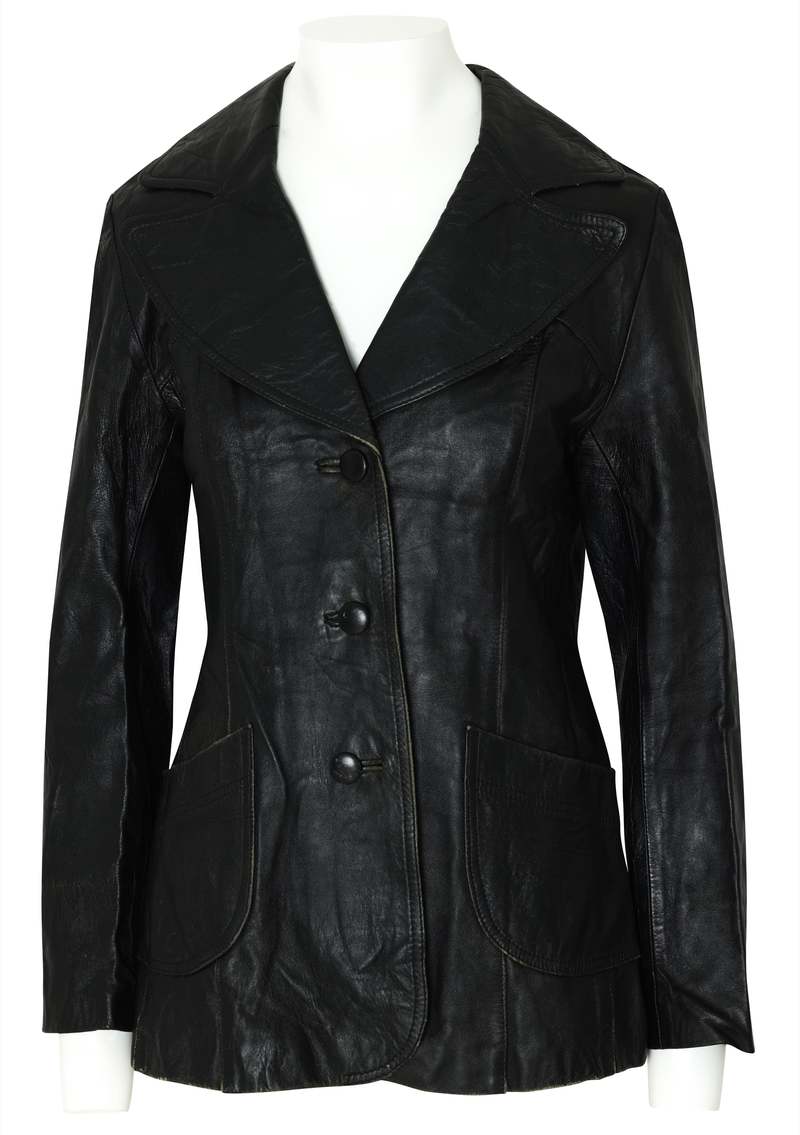
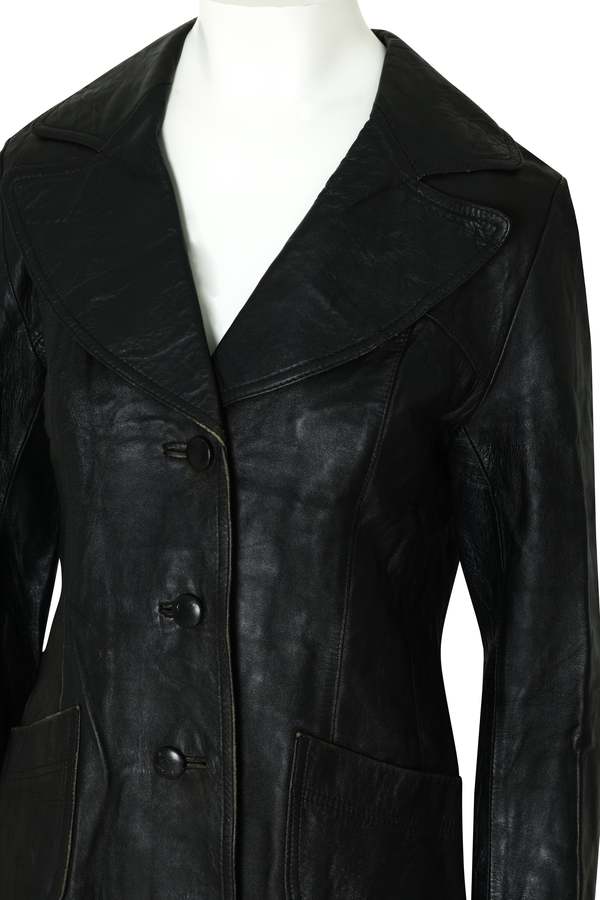
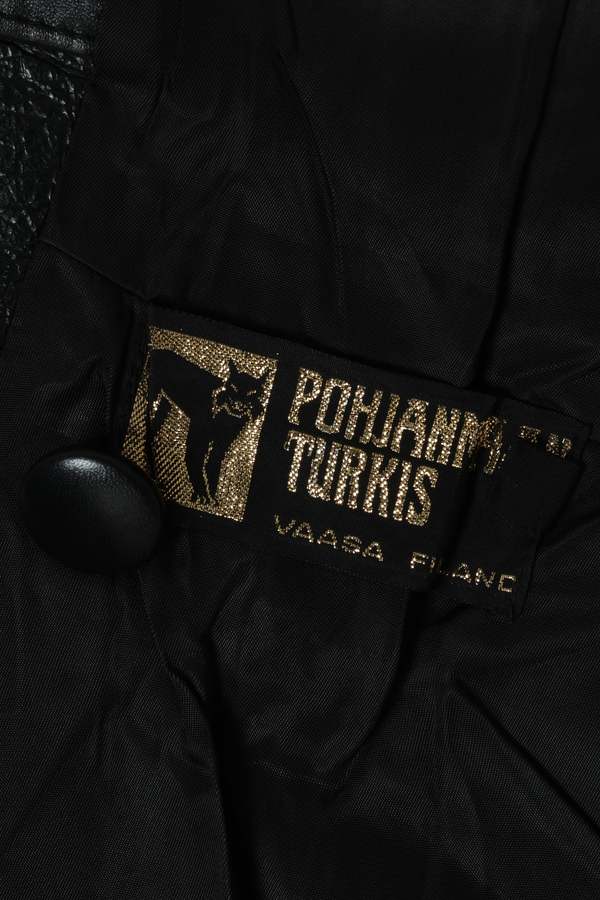
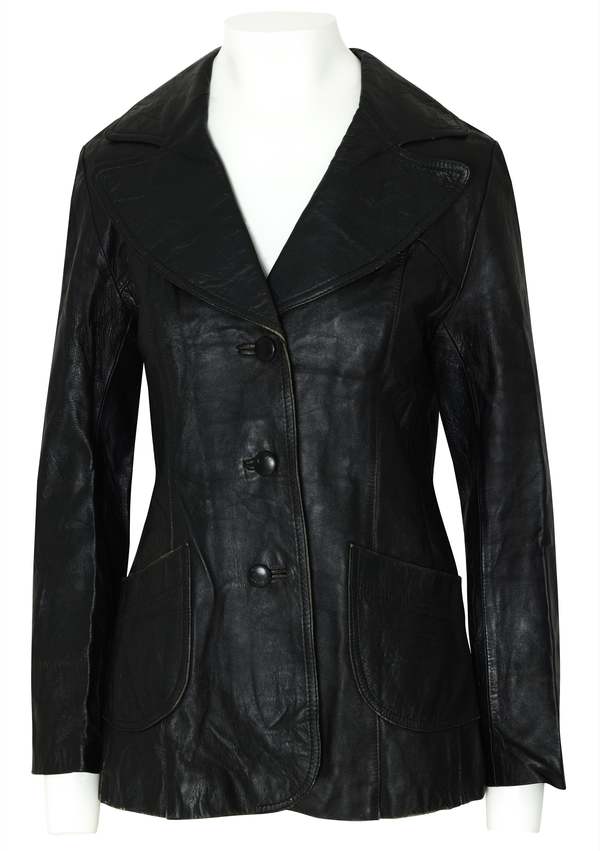
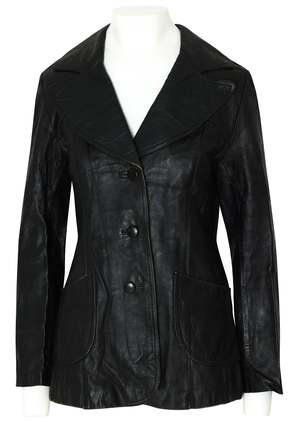
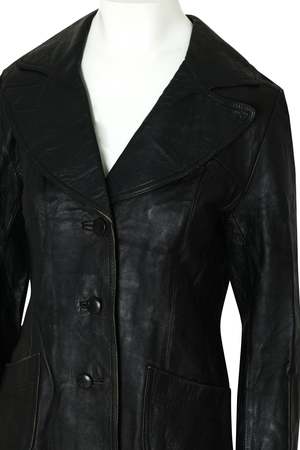
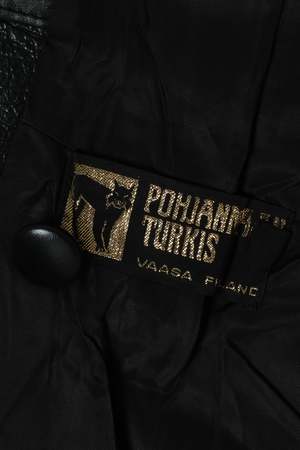
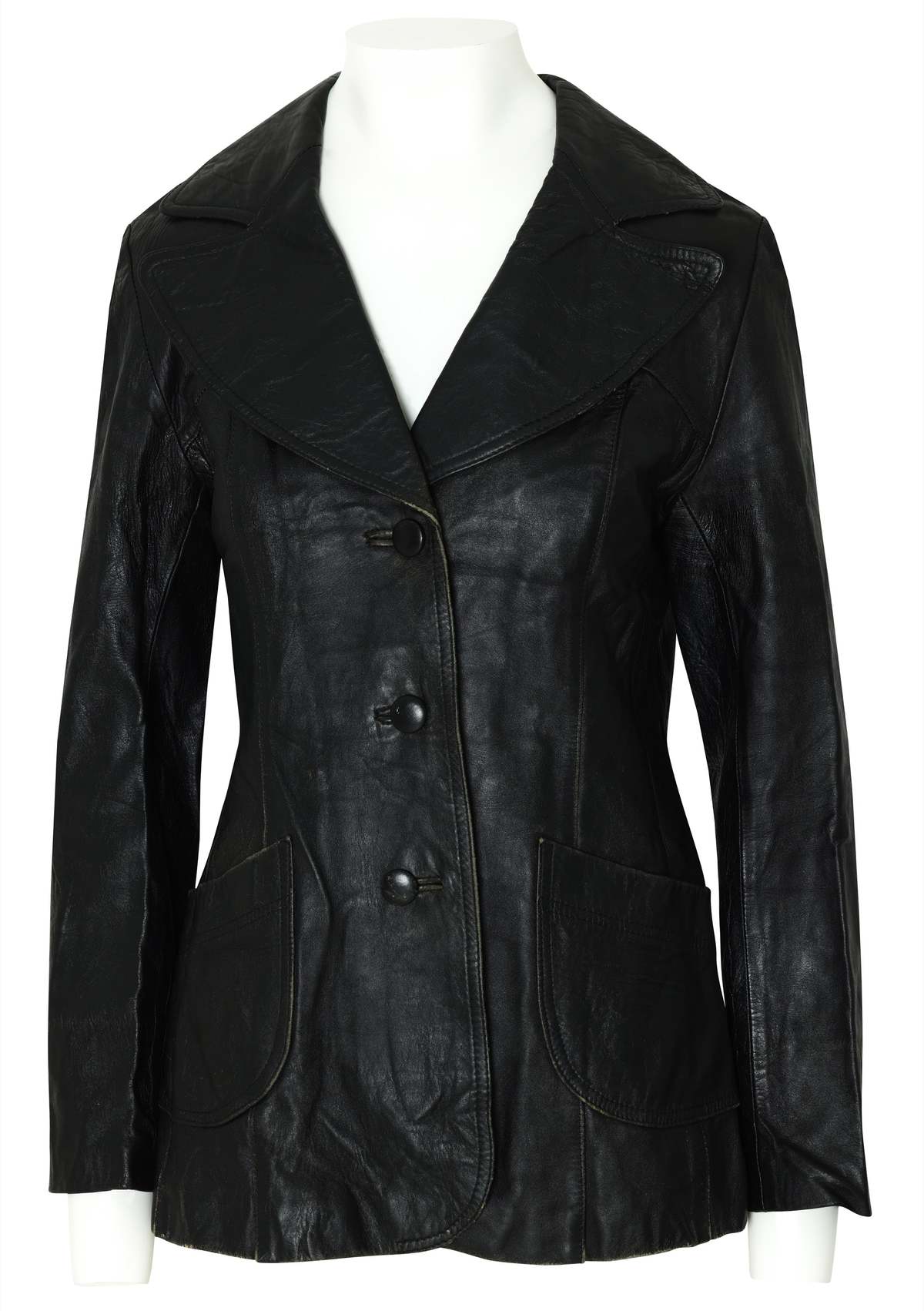
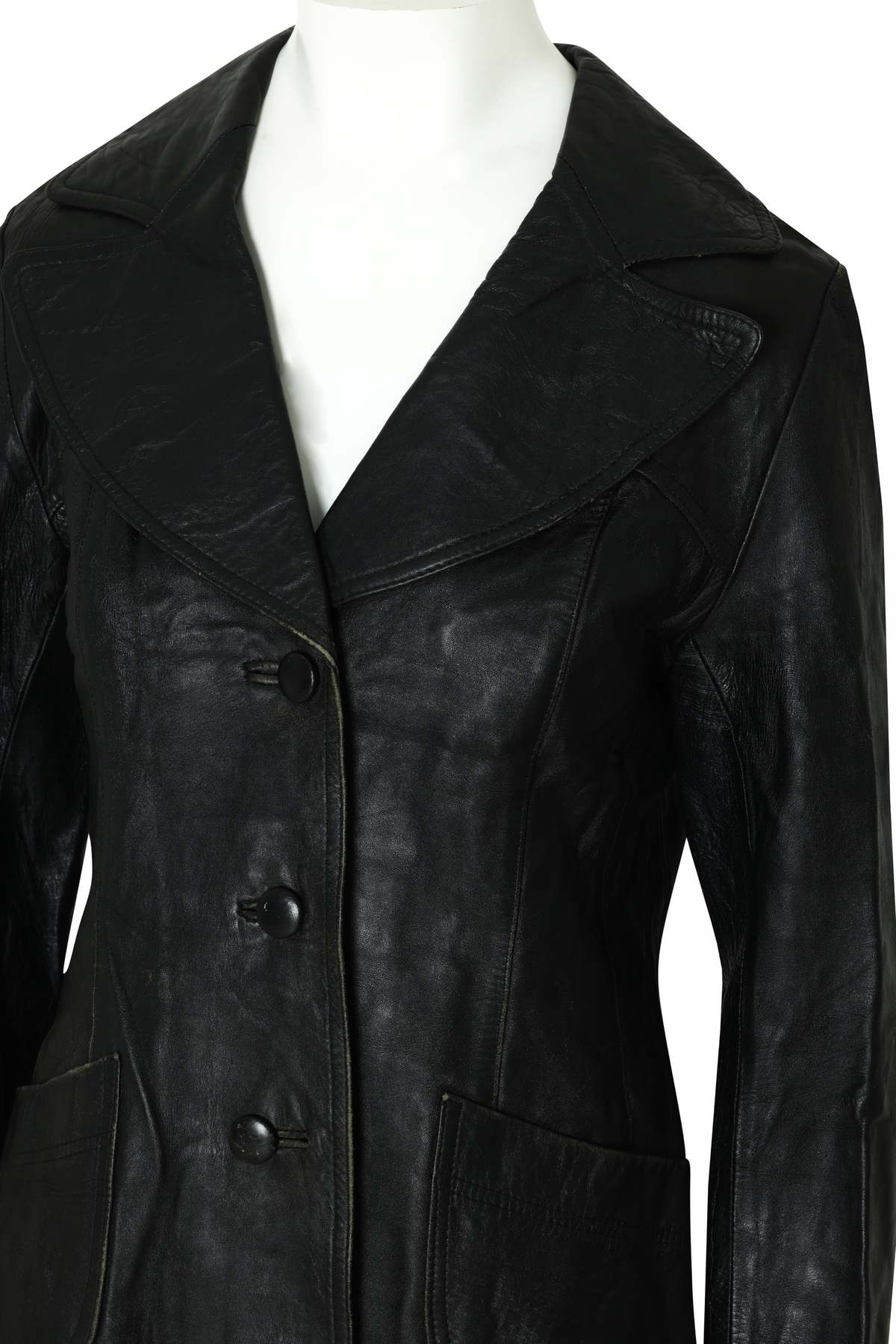
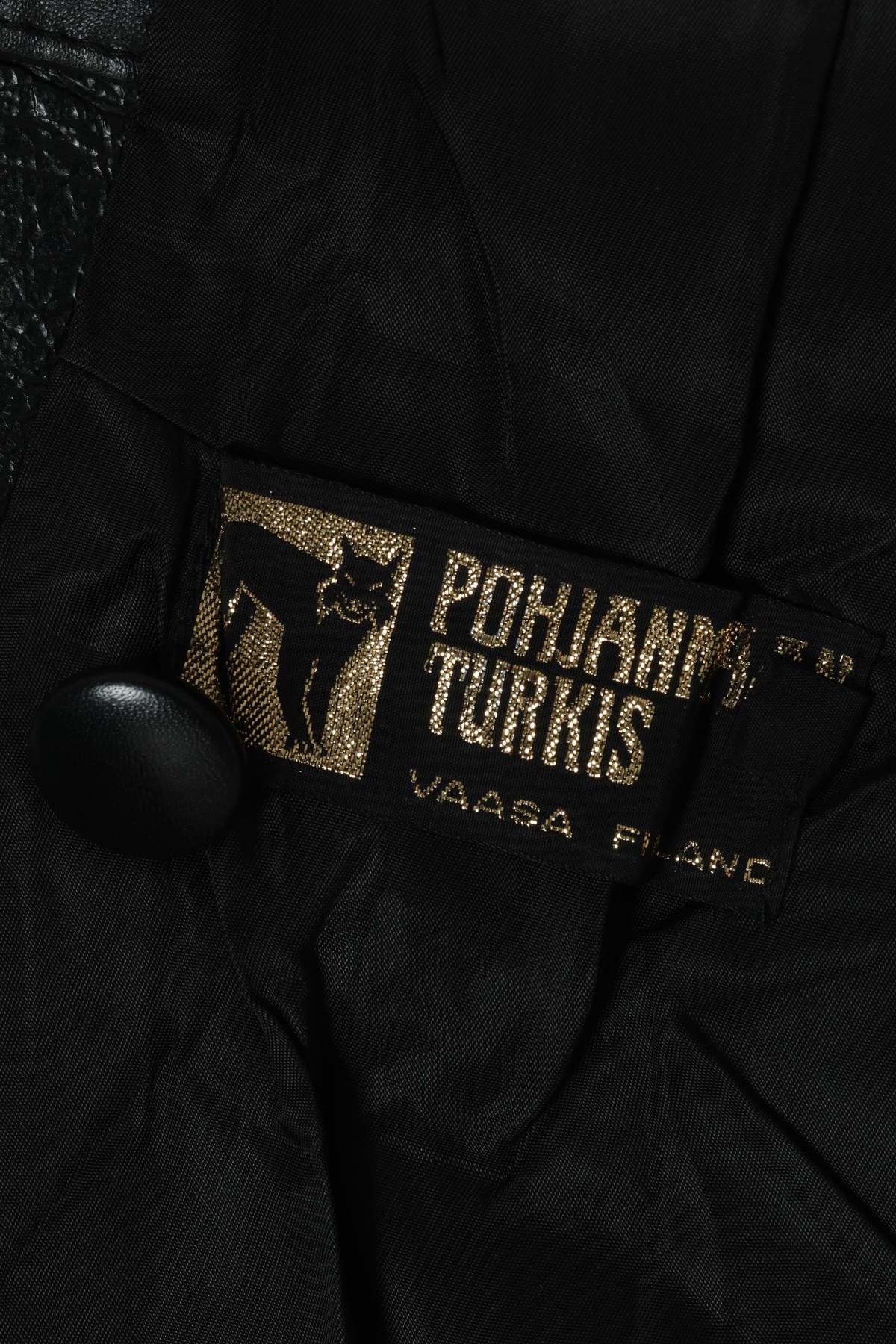
We are currently operating in a pre-scaling phase, during which the scope of our vintage archive has expanded beyond what can be listed at human speed. Only a token fraction of the inventory is visible online, not for lack of supply, but because an inconvenient commitment to perfectionism. The practical solution is to request access to our Google Drive. There is, incidentally, an upside to this arrangement: direct access, special attention, preferred pricing, and quantity-based considerations. New drops are added to the Drive on a daily basis, ensuring ample selection. All that is required is a reference to the image IDs. From there, we provide an elevated level of service: photos edited to approximate reality, additional images, and, where applicable, preferred pricing with quantity-based concessions. Bundles are where the value appears; the more pieces, the more flexible the pricing. After a half-decade sabbatical from fashion, I'm cautiously resurfacing & I felt it was time to reconnect. I moved to Europe a few years ago & began collectsing vintage with the field discipline of an anthropologist & the denial of a high-functioning hoarder. I currently have over 100,000 pieces sitting in a warehouse, because moderation has never been my strong suit. What began as compulsion is now a side project. I'm firmly in the pre-revenue chapter of the memoir - 1,000 sales, & high morale. The broader archive skews larger, stranger, & more historically pointed-East & West German rarities, bureaucratic glamour, Soviet institutional wear, industrial archaeology-rich in Trevira, Diolen, Terylene & mid-century state textile programs, & an elegy in garments from the DACH region & beyond. The collectsion is mostly a Cold War capsule wardrobe, institutional tailoring, state-issued, regional cooperatives & rural ateliers, white labels from the department store era, exceptional knitwear, socialist leathers, the zenith of Parisian fur craft, selectively preserved tweed skirts, rare 1960s mod, exaggerated '70s collars, German-cut blouses, unusually constructed denim, essentially the entirety of the 1970s, when even institutional garments had the decency to be well made. If integrity were woven, you'd find more of it in a 1978 poly-wool blend than in most of today's designer runways. Eventually, this evolves into a full-scale operation-complete with the token NYC storefront for aesthetic credibility. Given that about 70% of you are ordering from New York, it seems reasonable to ship our 50 pallets there & open a labyrinth of "true vintage" to get lost in. Scaling, of course, requires capital. I'm well aware that most of you don't have any, but statistically speaking, out of the millions who drift through here, it is statistically probable that one of you possesses both interest & solvency. Type us into Google. Everything is there, including a contact form. SUNDAZED & OUTSIDE SOCIETY Approximate Size: EU 4042 / US L This is a semi-fitted womens leather jacket produced under the Pohjanmaan Turkis label, likely dating from the late 1980s to early 1990s. Constructed from smooth-finish garment leather, it utilizes a multi-panel structure with pronounced princess seams to shape the torso. The jacket is fully lined and assembled using industrial machine techniques, indicative of mid-scale European production. The silhouette reflects a transitional moment between tailored outerwear and casual leather garments, borrowing proportion from blazer typologies while adapting to the behavior of leather. Its significance lies in its regional manufacture and its synthesis of tailoring conventions with leather garment production. I. Textile Composition, Fiber Engineering & Fabric Behavior The shell is a medium-weight, likely chrome-tanned leather with a smooth, slightly corrected grain surface, finished in a uniform black dye. The surface exhibits mild creasing consistent with wear and moderate pliability, indicating a leather selected for balance between structure and conformability. Tensile strength is high relative to woven textiles, but elasticity is minimal; shaping is therefore imposed through patterning rather than stretch. The lining appears to be a synthetic woven, likely polyester, selected for low friction and cost efficiency. The leathers moderate drape allows it to approximate tailored forms without the collapse typical of lighter skins, though it retains enough rigidity to hold seam-defined contours. II. Construction Systems, Stitch Engineering & Assembly Assembly is executed with lockstitch machinery, using medium-weight thread appropriate for leather penetration without excessive perforation. Stitch length appears slightly extended compared to textile tailoring, reducing seam weakening through perforation density. Seams are predominantly plain seams, pressed open or minimally flattened, with visible topstitching at key structural lines such as lapels and pocket edges. Buttonholes are machine-formed, with modest reinforcement; the leather edges are not densely corded, suggesting efficiency over longevity. The sequence of assembly follows standard industrial outerwear logic: panels joined, sleeves set, collar applied, lining inserted, and hem closed. III. Pattern Architecture, Panel Configuration & Cut The jacket relies on a princess seam system running from shoulder through bust to hem, supplemented by side body panels that manage curvature and waist suppression. The front panels are asymmetrically shaped to accommodate a slightly overlapping button closure and broad lapel formation. Grain orientation appears consistent with vertical alignment, maximizing structural integrity along the torso. The pattern reflects a standardized block adapted for leather, with proportional adjustments to account for reduced ease relative to woven suiting. Material yield is moderate, with panel segmentation allowing efficient use of smaller hides. IV. Internal Architecture, Reinforcement Strategy & Load Distribution Internal structuring is minimal compared to traditional tailoring; there is no evidence of full canvas construction. Instead, localized interfacing is likely applied at the front edges, lapels, and collar to stabilize shape. Load distribution is managed through seam placement rather than internal scaffolding, with stress concentrated at the button stand, armholes, and pocket attachments. The absence of substantial reinforcement at these points suggests reliance on the inherent strength of the leather, which is adequate but not immune to long-term distortion. Shoulder structure is soft, with minimal padding, allowing the leather to dictate the silhouette. V. Edge Finishing, Seam Termination & Closures Edges are turned and stitched, with visible topstitching reinforcing the front opening, lapels, and pocket perimeters. Hem finishing appears to be a simple turned edge, secured through machine stitching that also anchors the lining. The three-button front closure uses covered or leather-matched buttons, attached with standard shank methods to accommodate material thickness. Buttonholes are horizontally aligned and integrated into the front panel without additional facing reinforcement beyond interfacing. Pocket openings are patch-style, with curved lower corners and topstitched edges, prioritizing ease of construction and durability in use. VI. Garment Typology & Historical Lineage This garment occupies a hybrid position between the tailored blazer and the casual leather jacket. Its lineage traces to late 20th-century European adaptations of menswear tailoring into womens outerwear, translated into leather as both a stylistic and material shift. The use of princess seams aligns with mid- to late-century womens tailoring conventions, while the patch pockets and simplified structure reflect a movement toward casualization. The Finnish origin situates it within a regional industry known for leather and fur garments, often blending traditional materials with contemporary silhouettes. VII. Design Intent, Conceptual Framework & Aesthetic Direction The silhouette aims for a controlled, body-adjacent line without the rigidity of formal tailoring. Broad lapels and a moderate V-front create a visual anchor at the chest, while the vertical seams guide the eye downward, elongating the torso. The aesthetic direction is conservative, with minimal ornamentation and reliance on material presence. The choice of leather introduces a subtle tension between formal structure and casual connotation, resulting in a garment that negotiates between professional and everyday contexts without fully committing to either. VIII. Manufacturing Context, Production Scale & Industrial Feasibility The construction indicates small- to mid-scale industrial production, likely within a regional manufacturing framework. Techniques are optimized for repeatability, with limited hand-finishing and reliance on standardized components. The use of paneling accommodates variability in hide size, improving material efficiency. Labor input is moderate, with skilled machine operators required for leather handling but no extensive artisanal processes. The garment is economically positioned above mass-market textiles but below high-end leather tailoring. IX. Provenance, Attribution & Market Position The label identifies Pohjanmaan Turkis, a Finnish manufacturer associated with leather and fur goods. Attribution is supported by the woven label and consistent construction quality. The absence of additional branding or serial identifiers suggests retail distribution through regional channels. In the current market, comparable garments occupy a mid-tier vintage category, with estimated value ranging from 120 to 280 USD depending on condition and fit. Its appeal is grounded in material quality and functional design, without significant designer-driven premium. X. Applied Wear Analysis, Layering & Activity Suitability On the body, the jacket functions as a transitional outer layer suited to temperate conditions. The fitted structure requires relatively thin underlayers; bulkier garments would disrupt the intended silhouette and strain the seams. Movement is accommodated through the segmented panel construction, though the inherent stiffness of leather limits range at the shoulder and elbow. The wearer is likely to prioritize durability and a degree of visual authority without engaging in overt display. Ownership psychology suggests a preference for garments that signal competence and continuity, with limited tolerance for fragility or excess. One minor clarification seems necessary: "Vintage" tends to imply garments that have endured a meaningful span of wear and tear. To eliminate any potential ambiguity, I'm adding an explicit disclaimer that the majority of these items are, in fact, new, unworn deadstock. This contextual cue should help orient users who are accustomed to encountering authentically fatigued clothes. One additional clarification seems necessary, given the ongoing confusion around U.S. orders from Europe under Trump's tariffs: it's the Europeans taking the hit here, not the Americans. So, to answer the recurring question about U.S. import fees: we've already covered the tariffs through our postal carrier. Your parcel arrives fully cleared; any bureaucratic bloodletting has already been performed on our side of the Atlantic.
Garmentory is a curated marketplace of independent boutiques and emerging designers from around the world.
Fashion With Intention
Aw yeah!
We love making new friends so while we're popping bottles, continue shopping to apply your $10 credit.
We've got a dedicated site "garmentory.co" just for our Indian customers! Shop with local currency, faster shipping, and exclusive products.
We cannot add this item to your bag because it’s already at max capacity. But don’t worry, we’ve saved it to your wish list.
Earn Replica Belts credits when you shop, wishlist, and inspire others.

Have a question about the size or something else? We're here to help!