Spring fever is here 🌡️☀️ Prep early for those not too hot and not too cold days by finding something you love ON SALE. SHOP THE SALE


Spring fever is here 🌡️☀️ Prep early for those not too hot and not too cold days by finding something you love ON SALE. SHOP THE SALE
| To | Service | Estimated Delivery | Fee |
|---|---|---|---|
| 🌎 | Intl. Air | 6-20 business days | $29.95 |
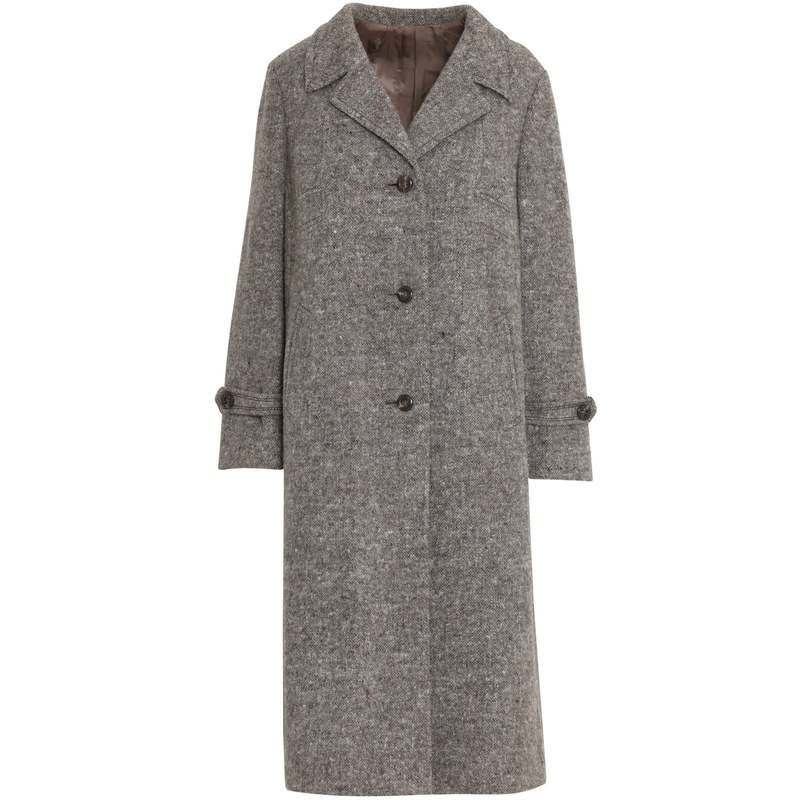
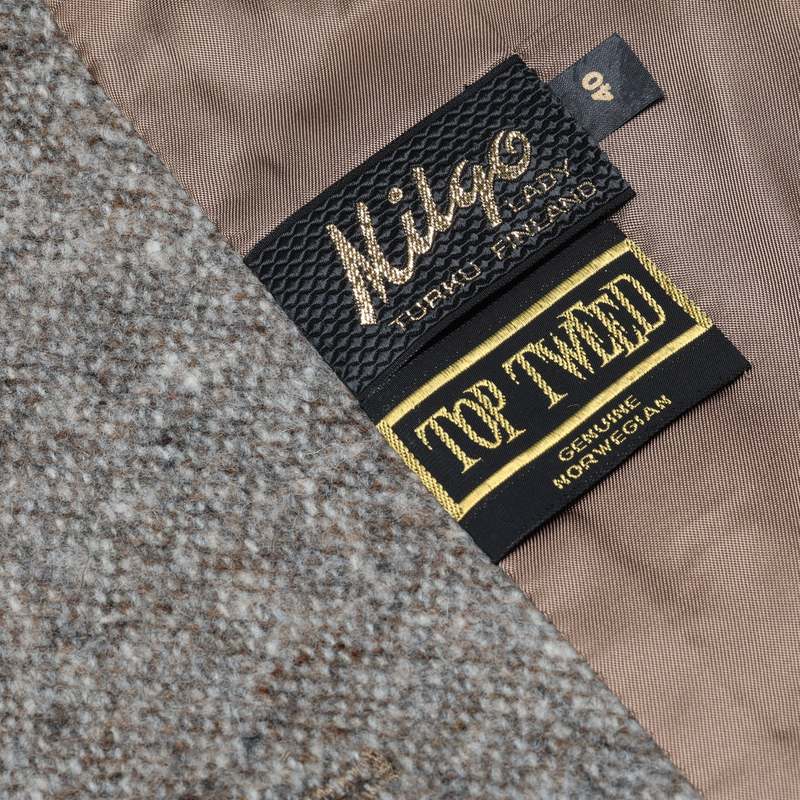
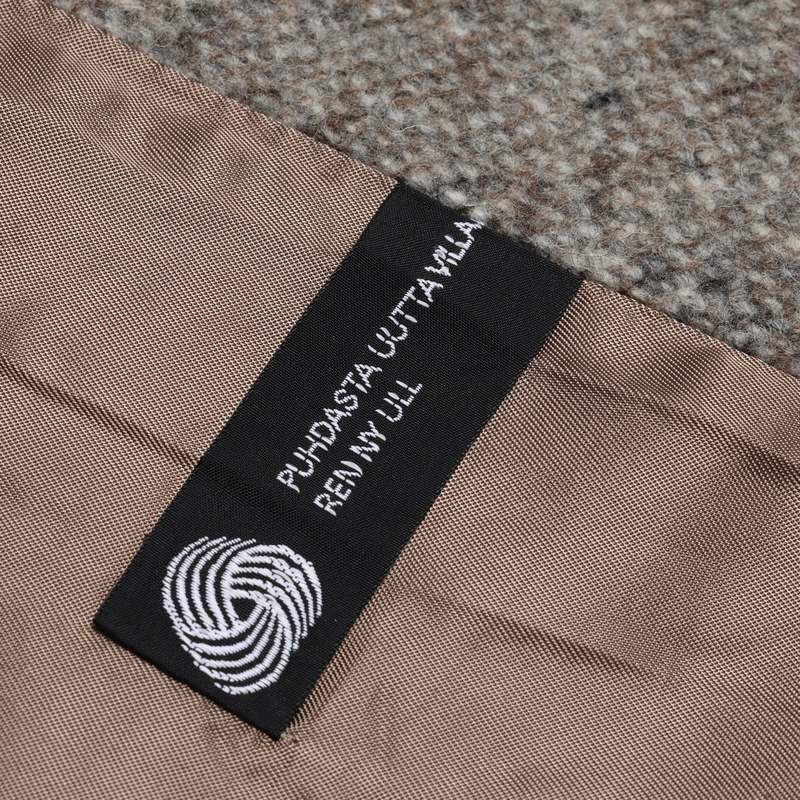
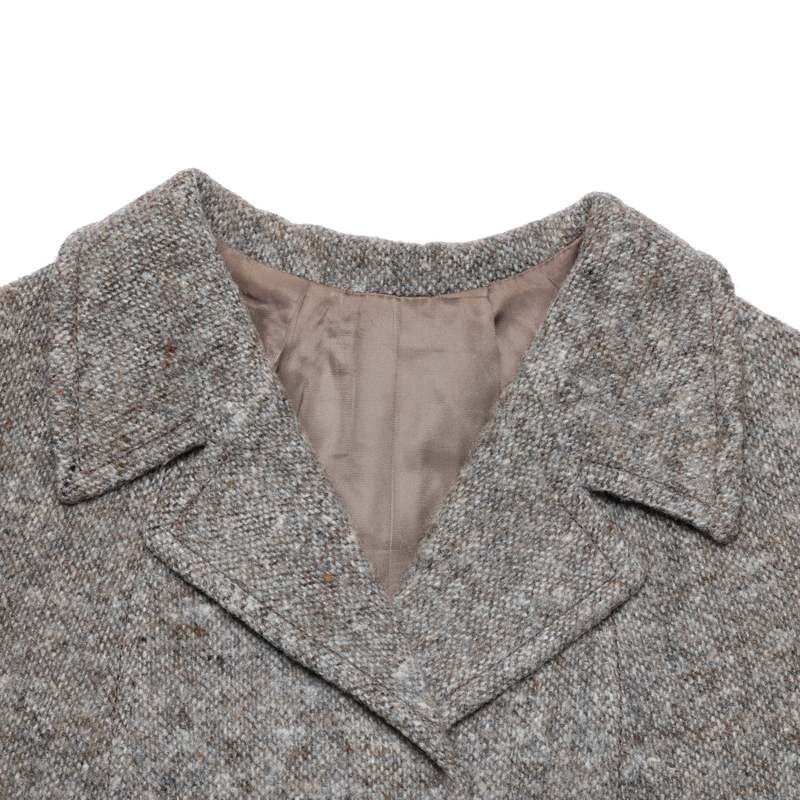
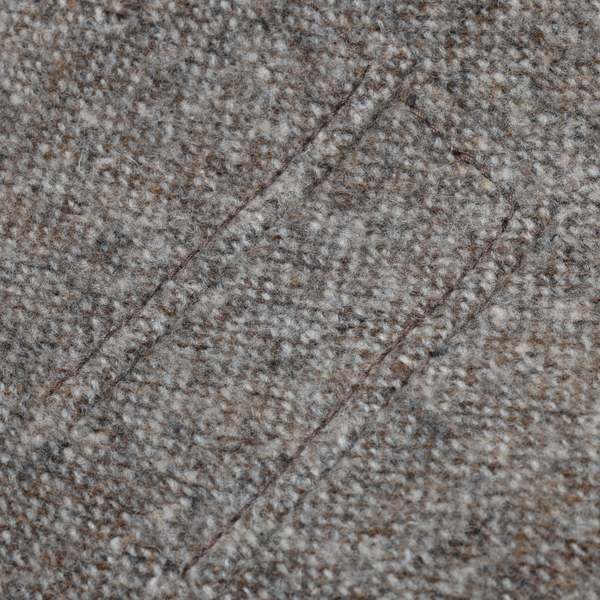
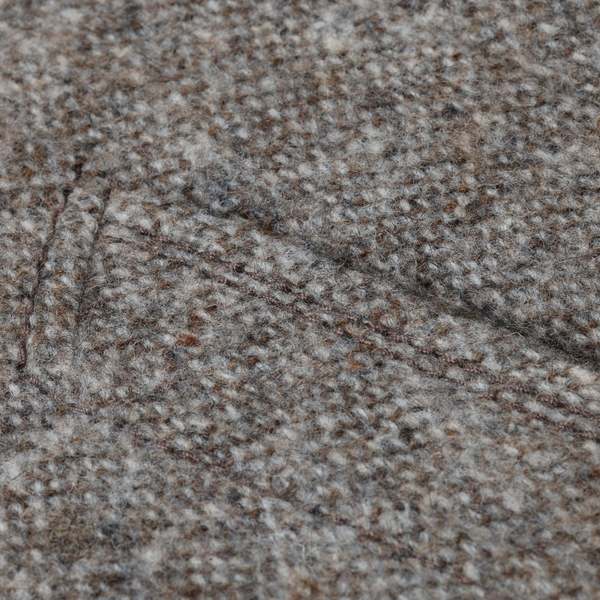
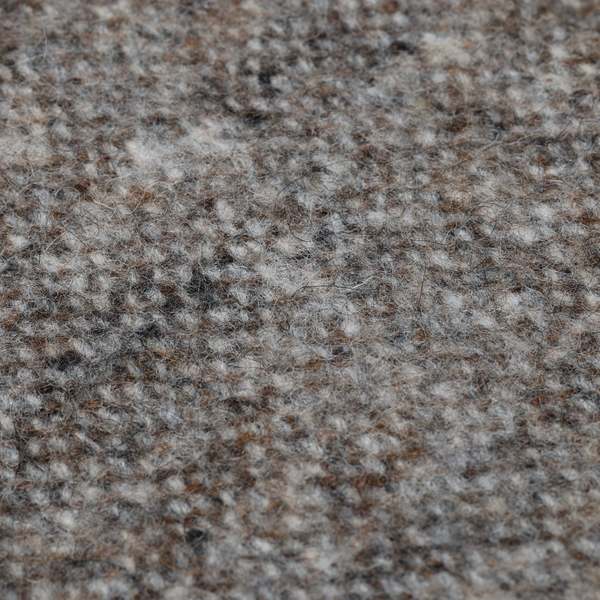
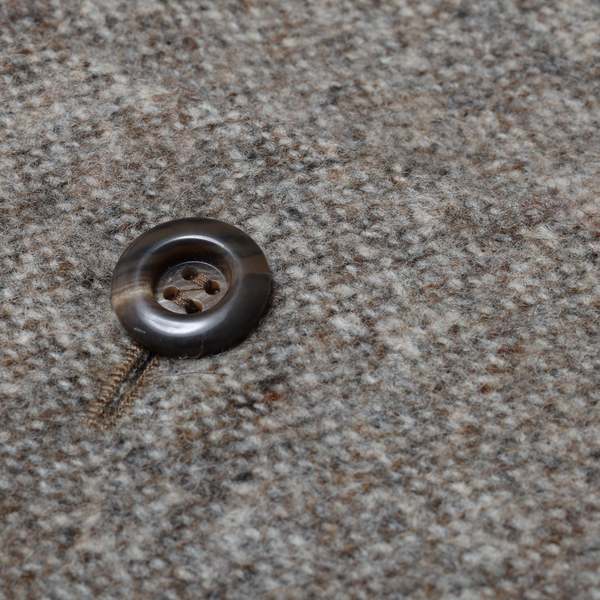
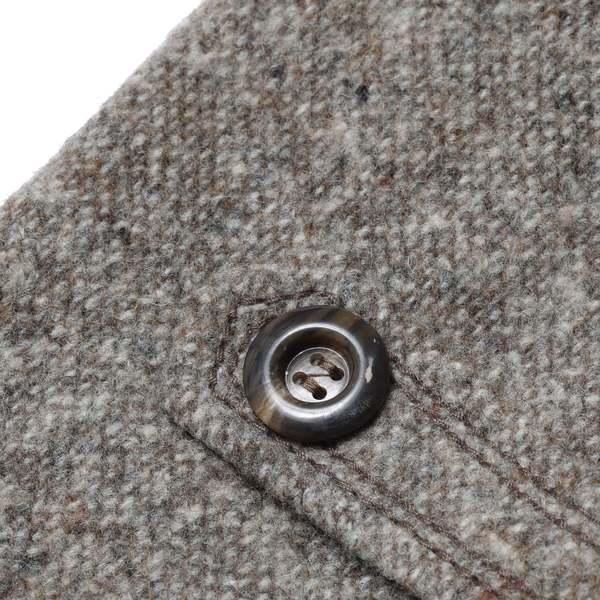
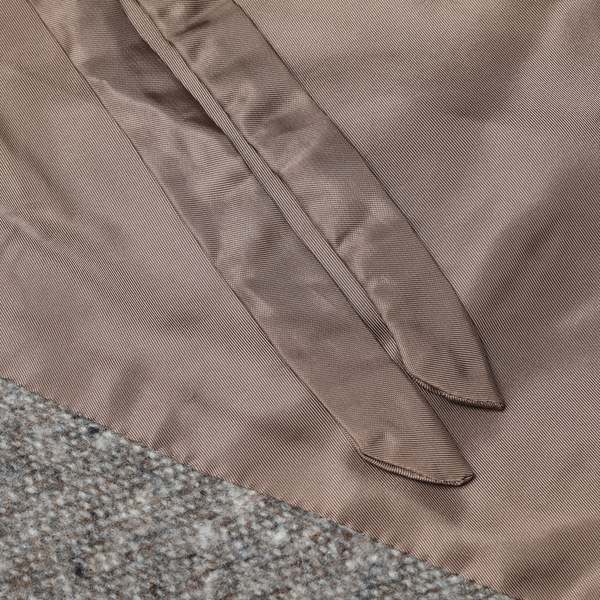
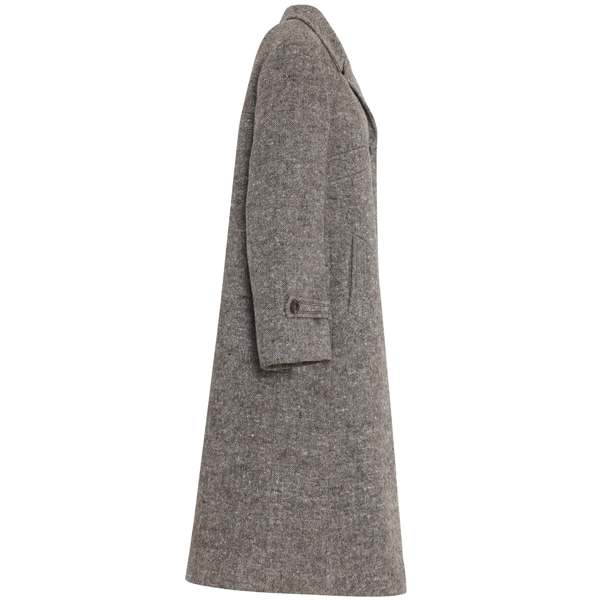
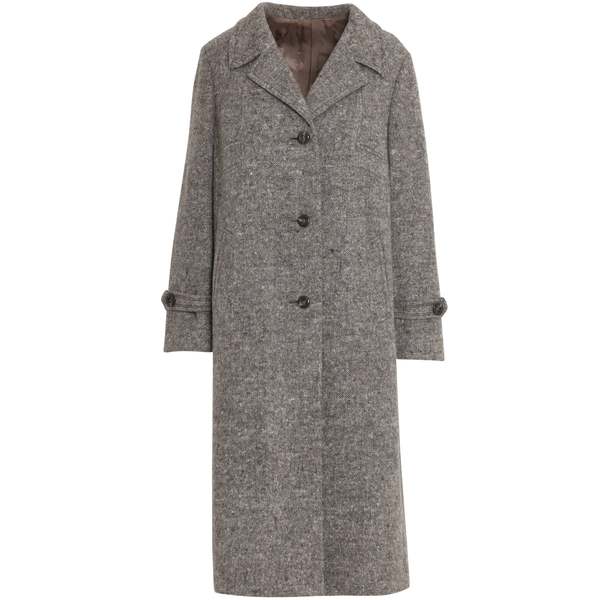
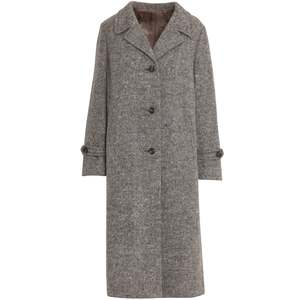
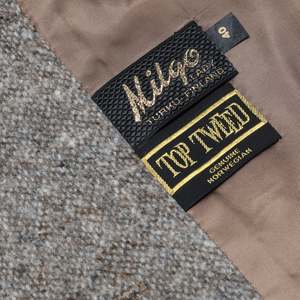
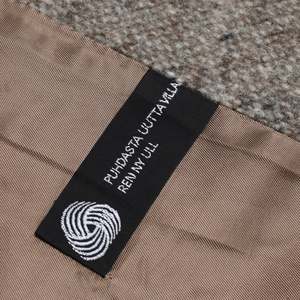
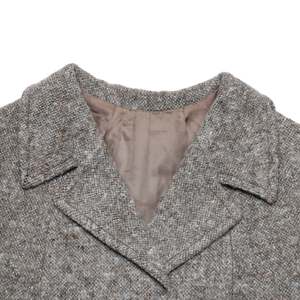
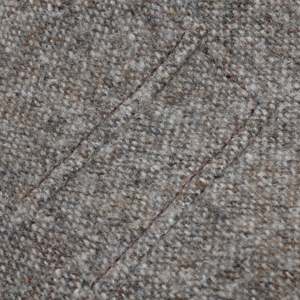
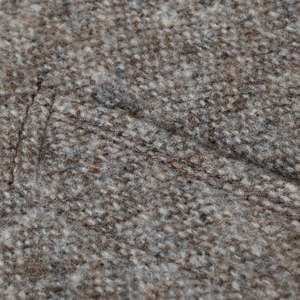
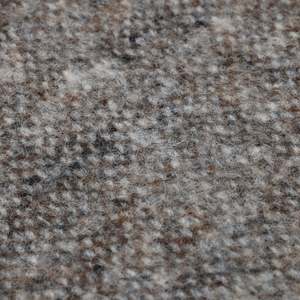
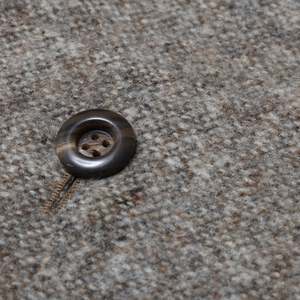
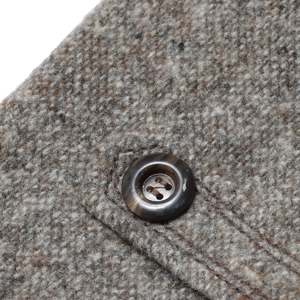
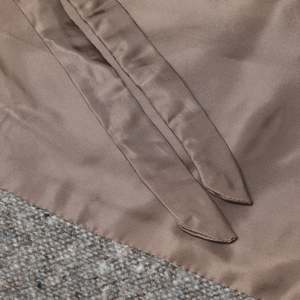
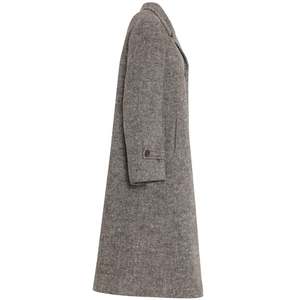
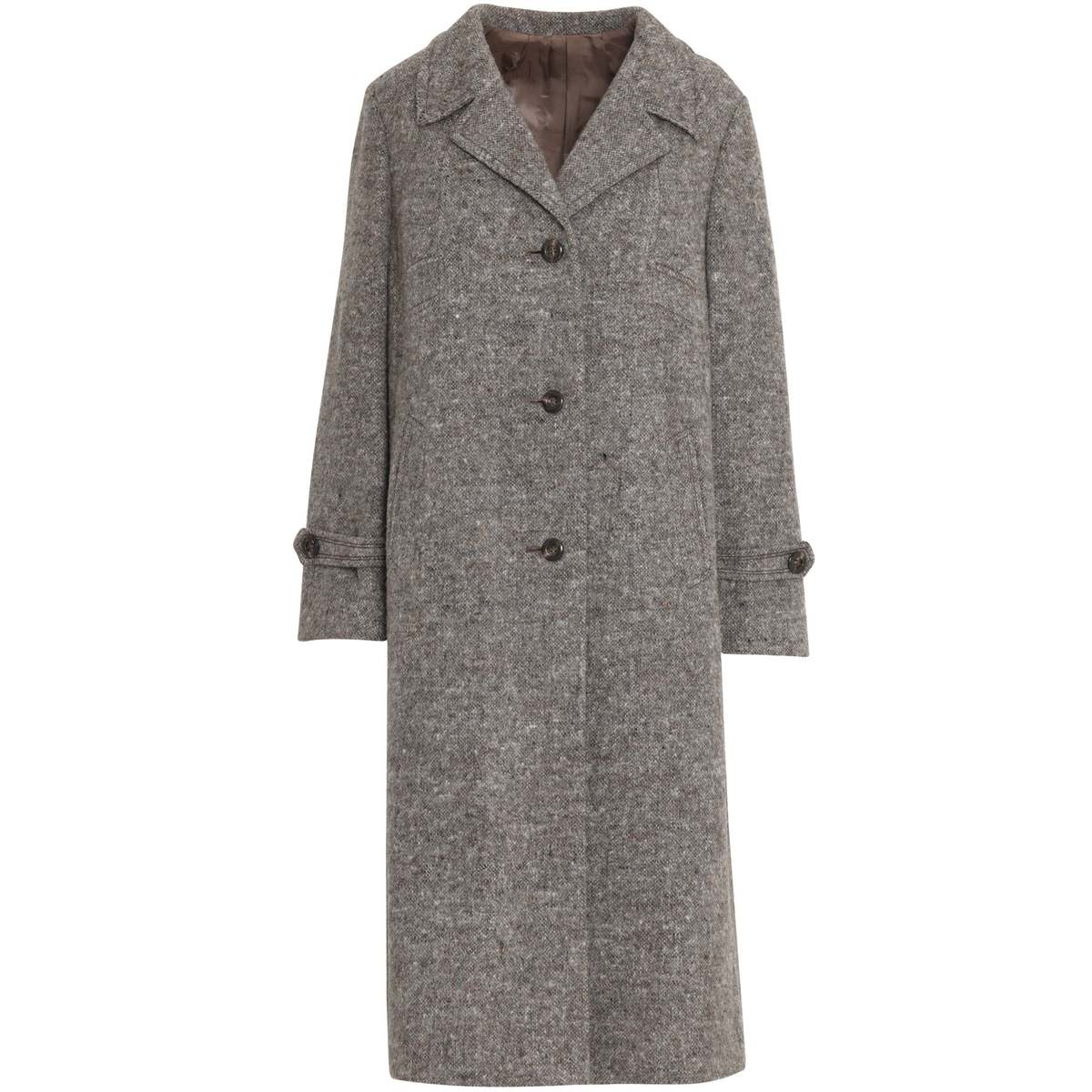
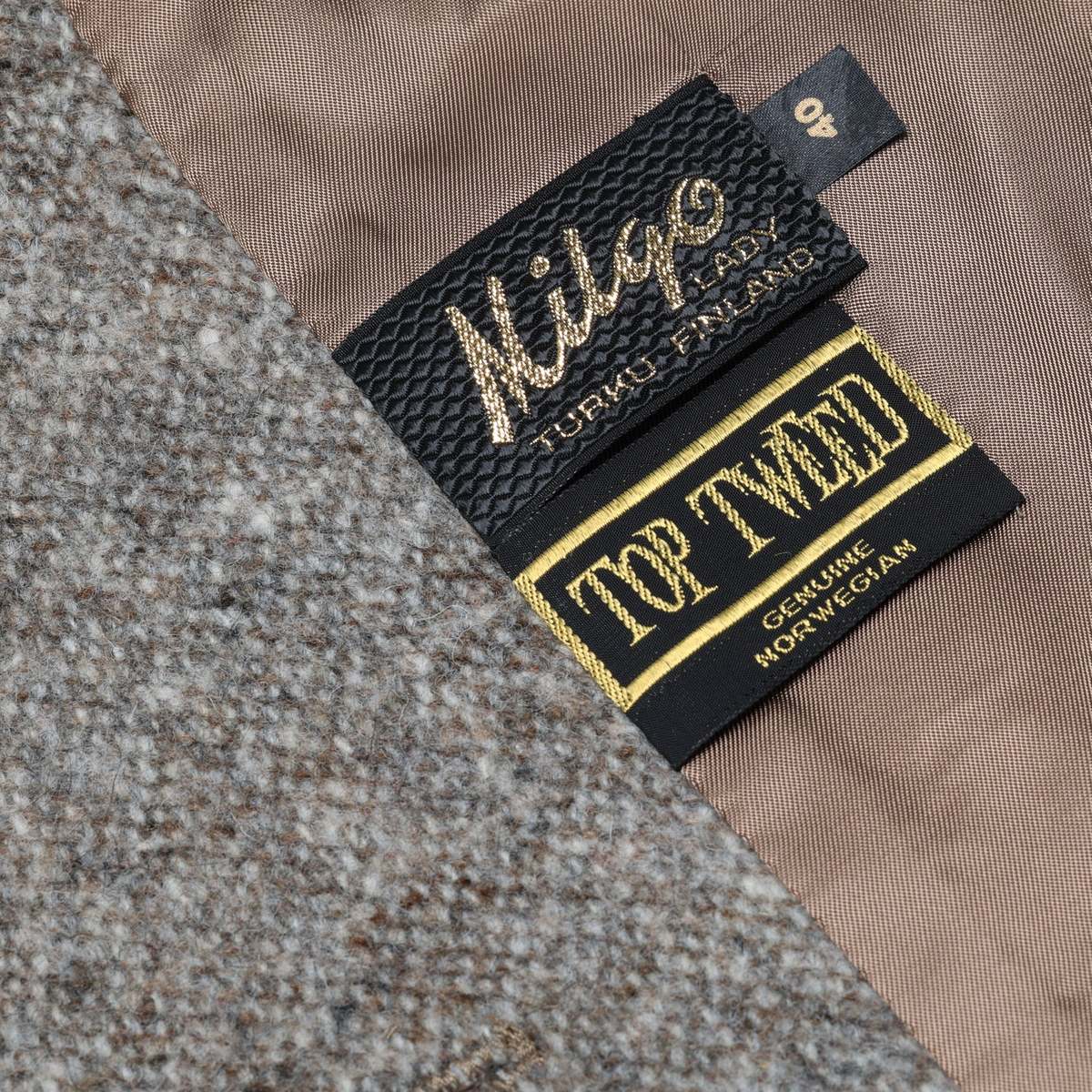
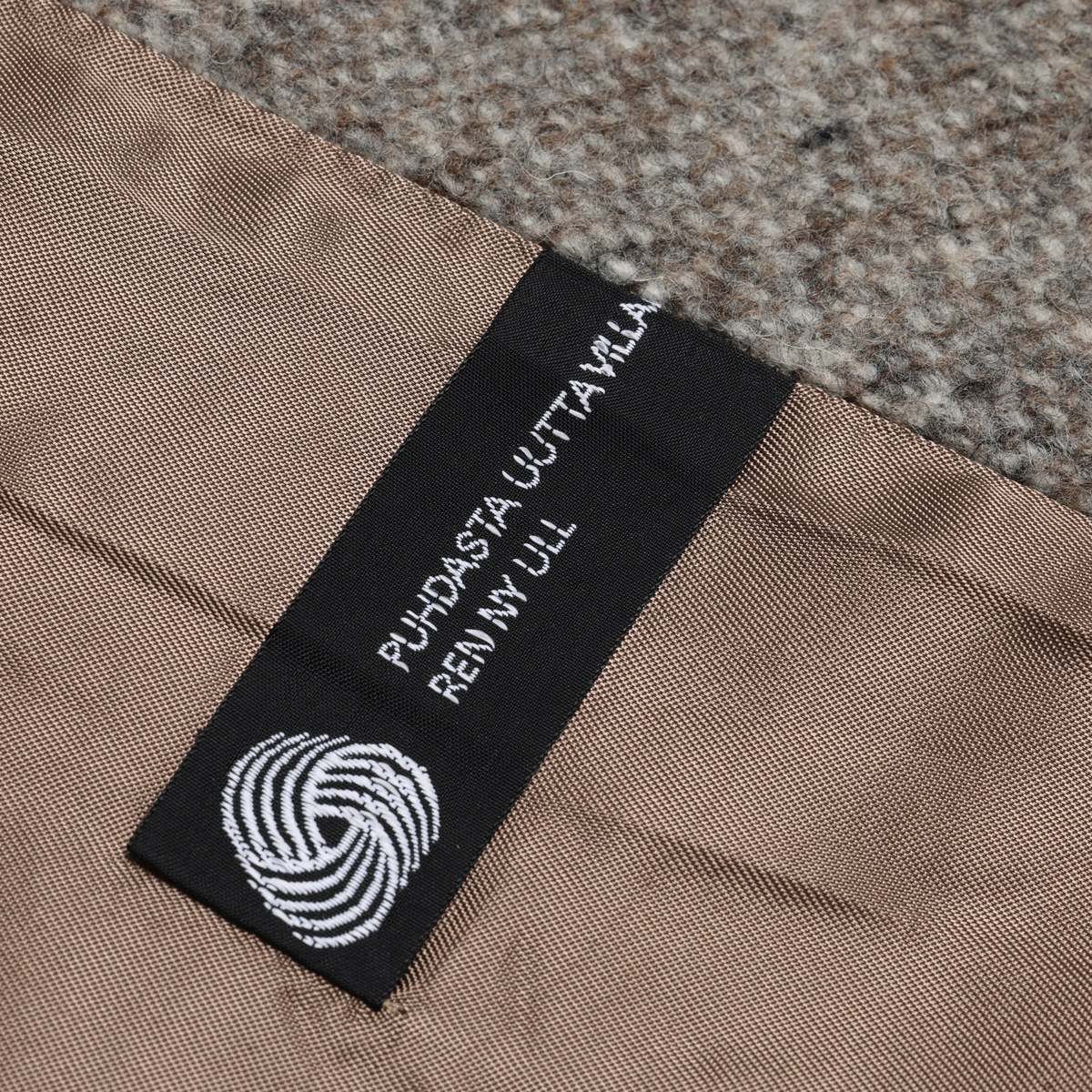
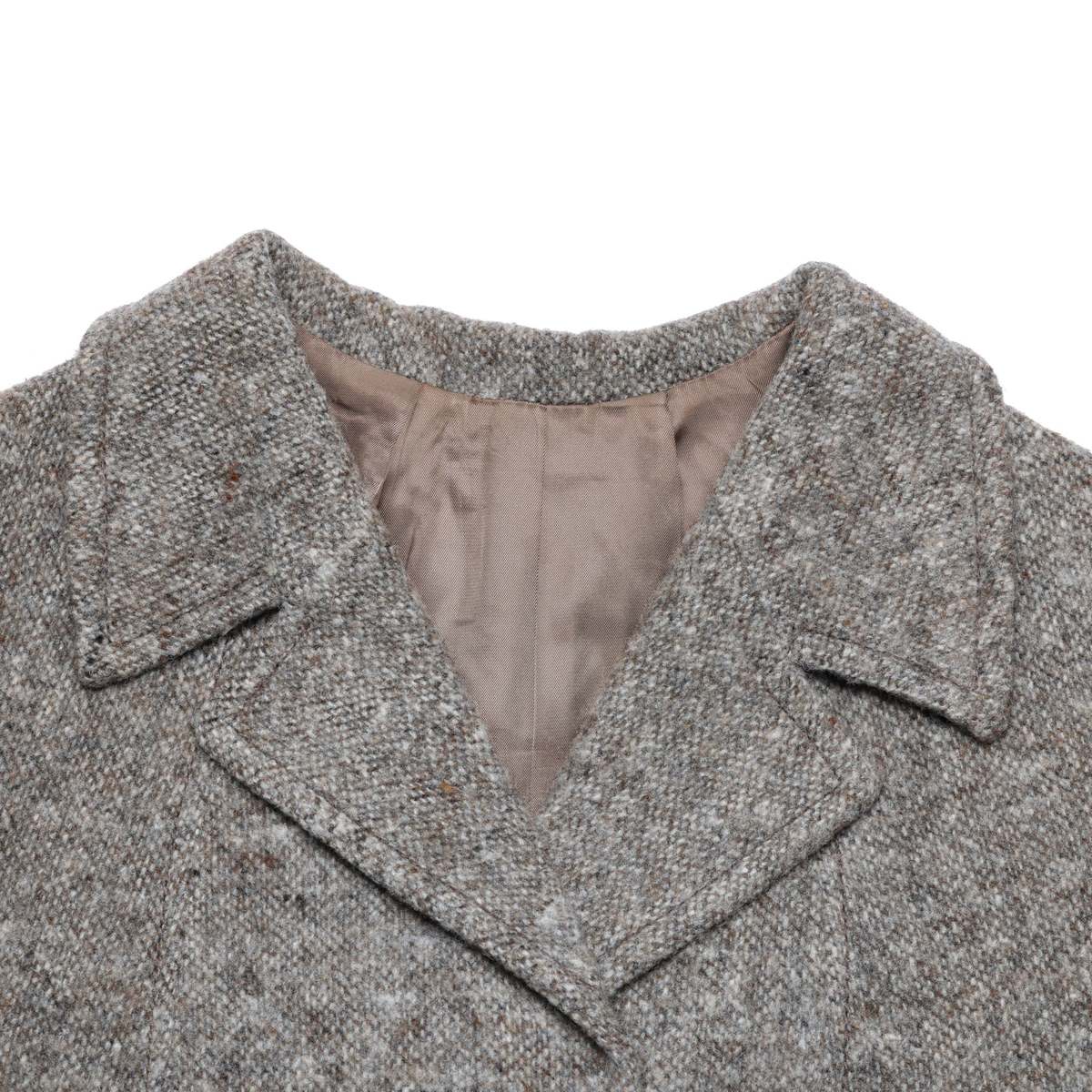
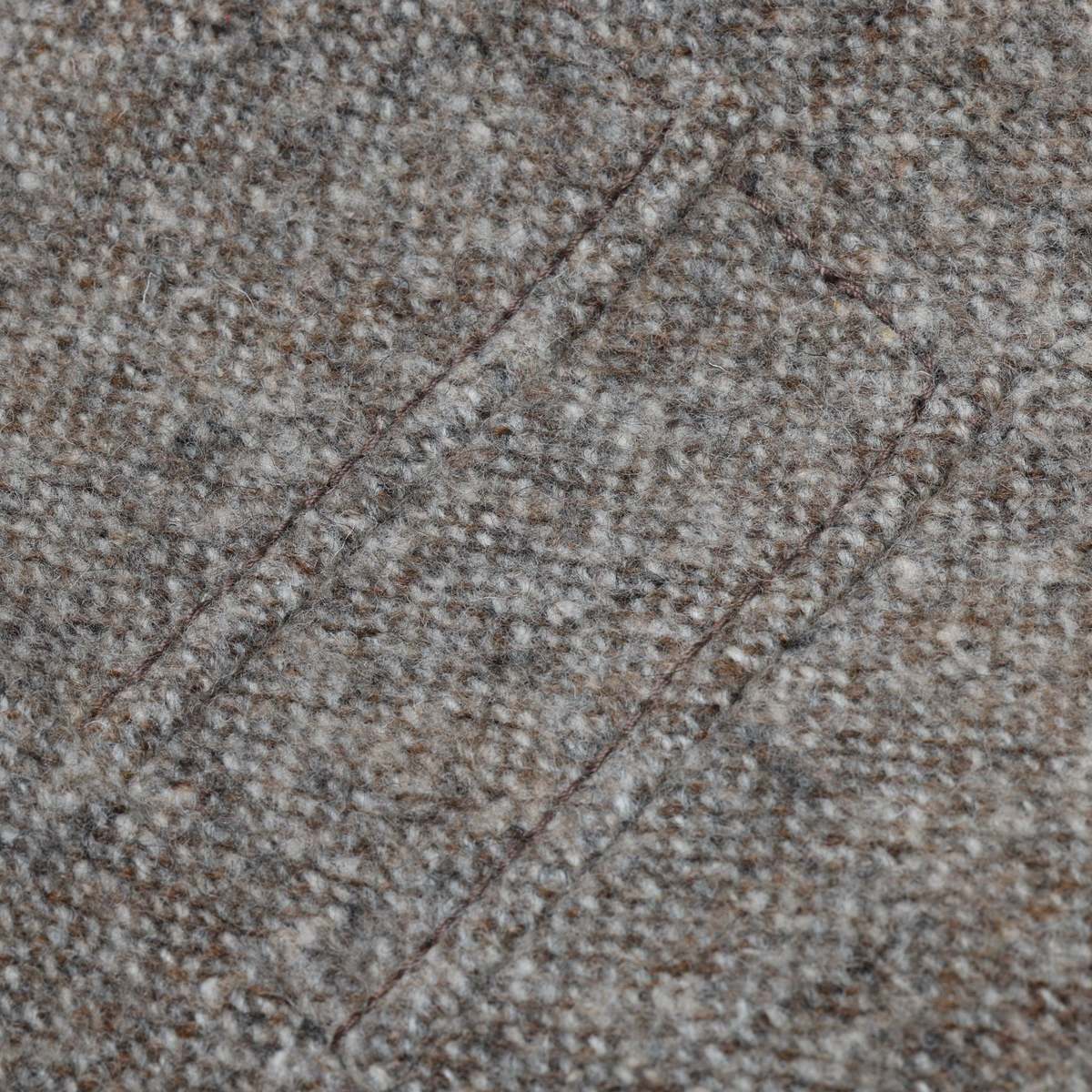
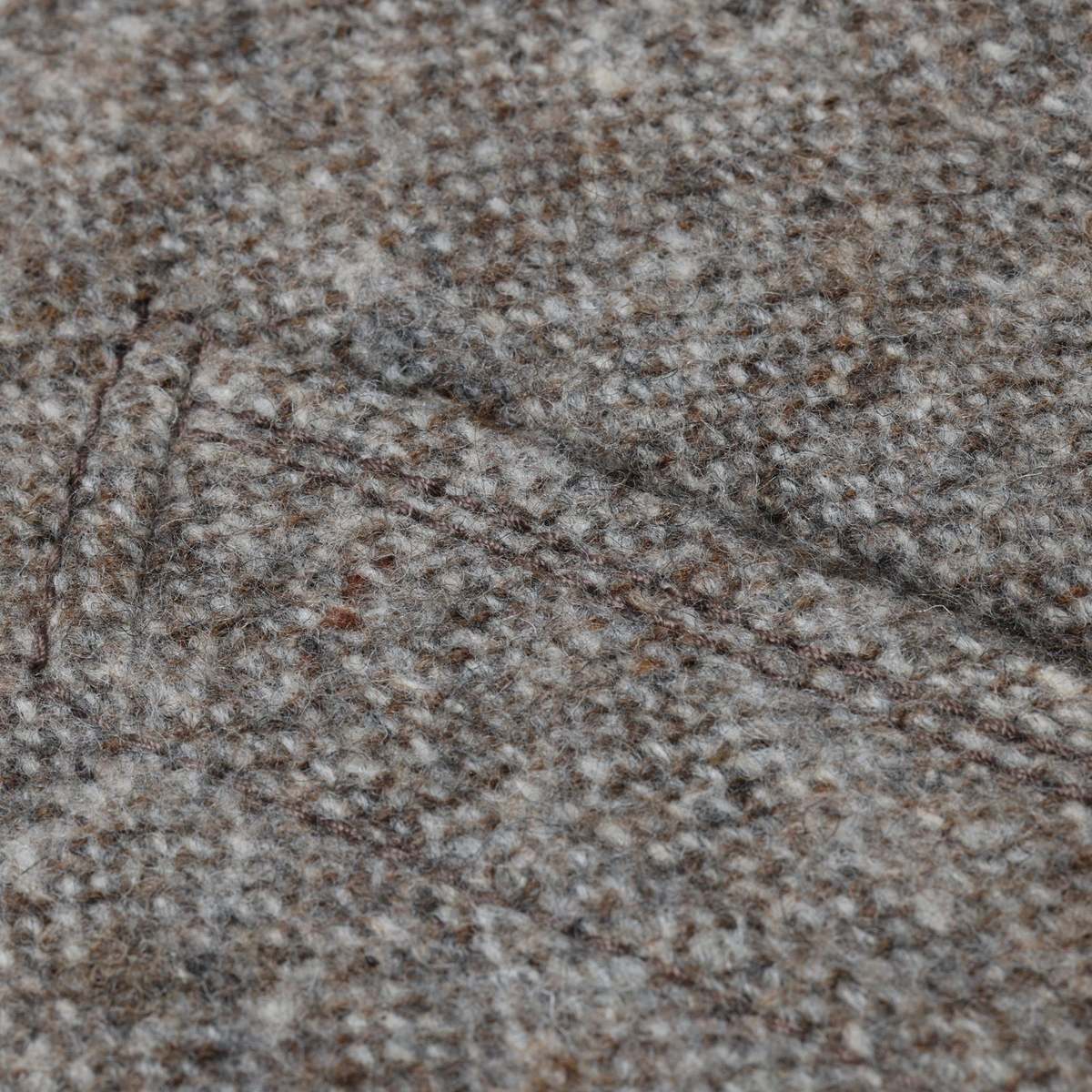
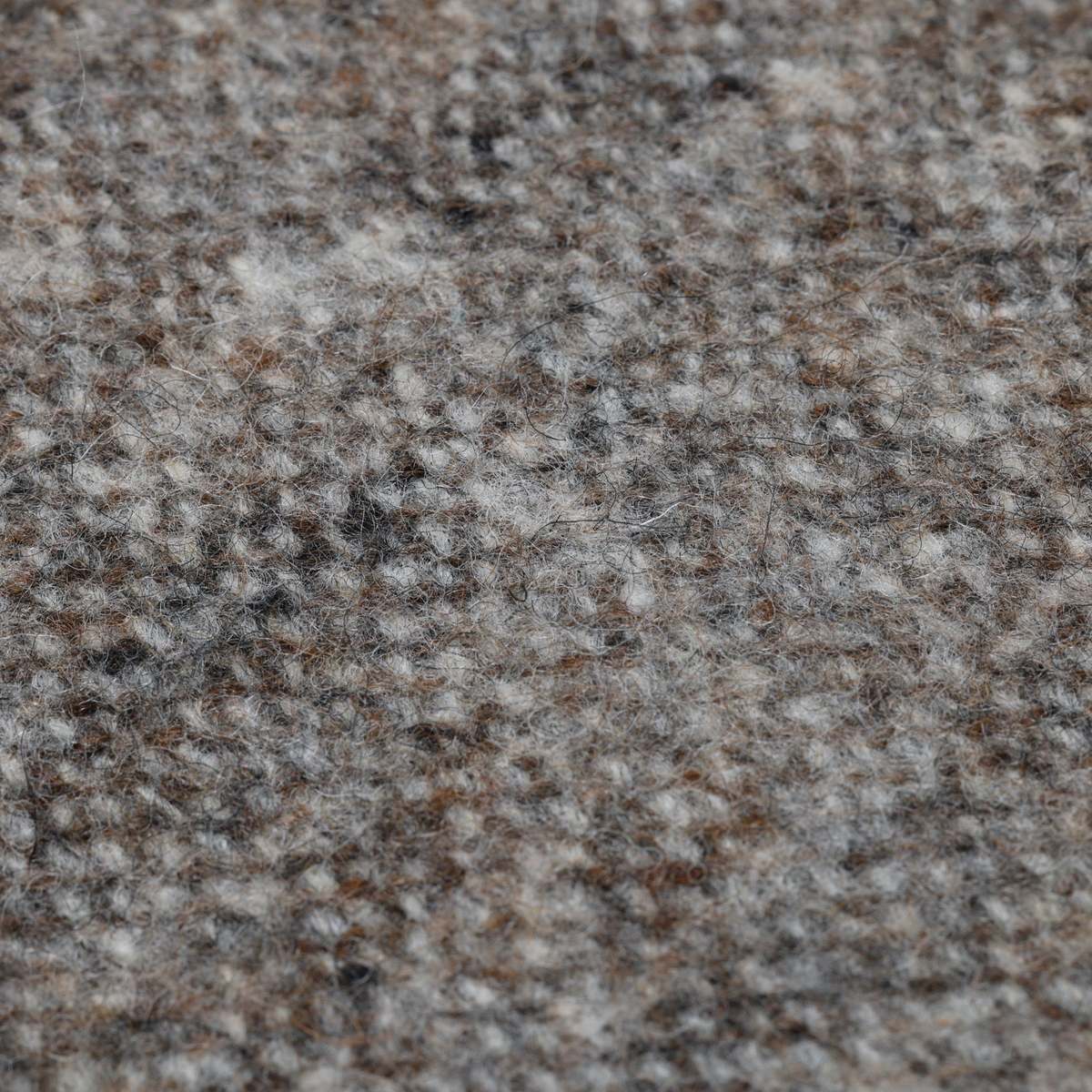
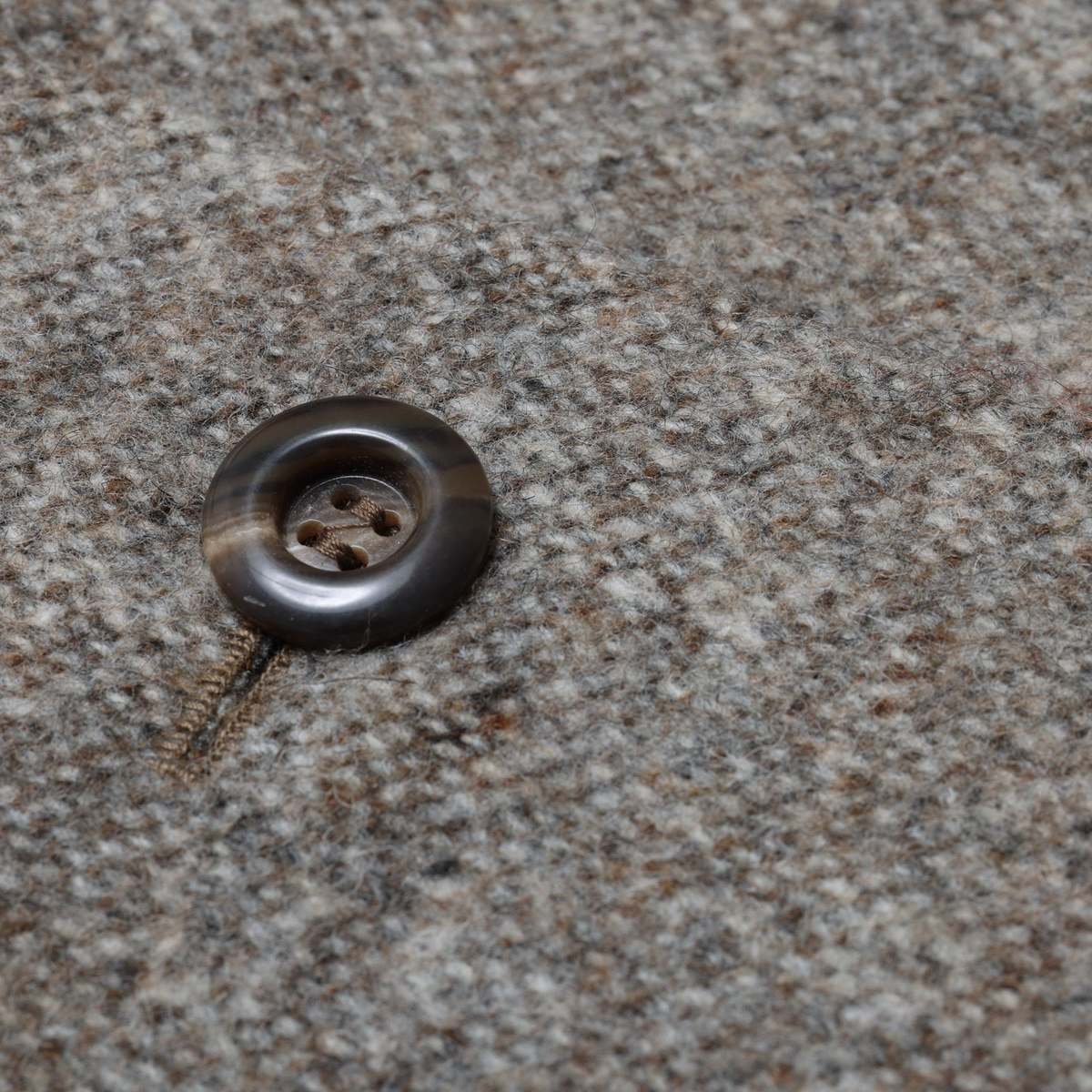
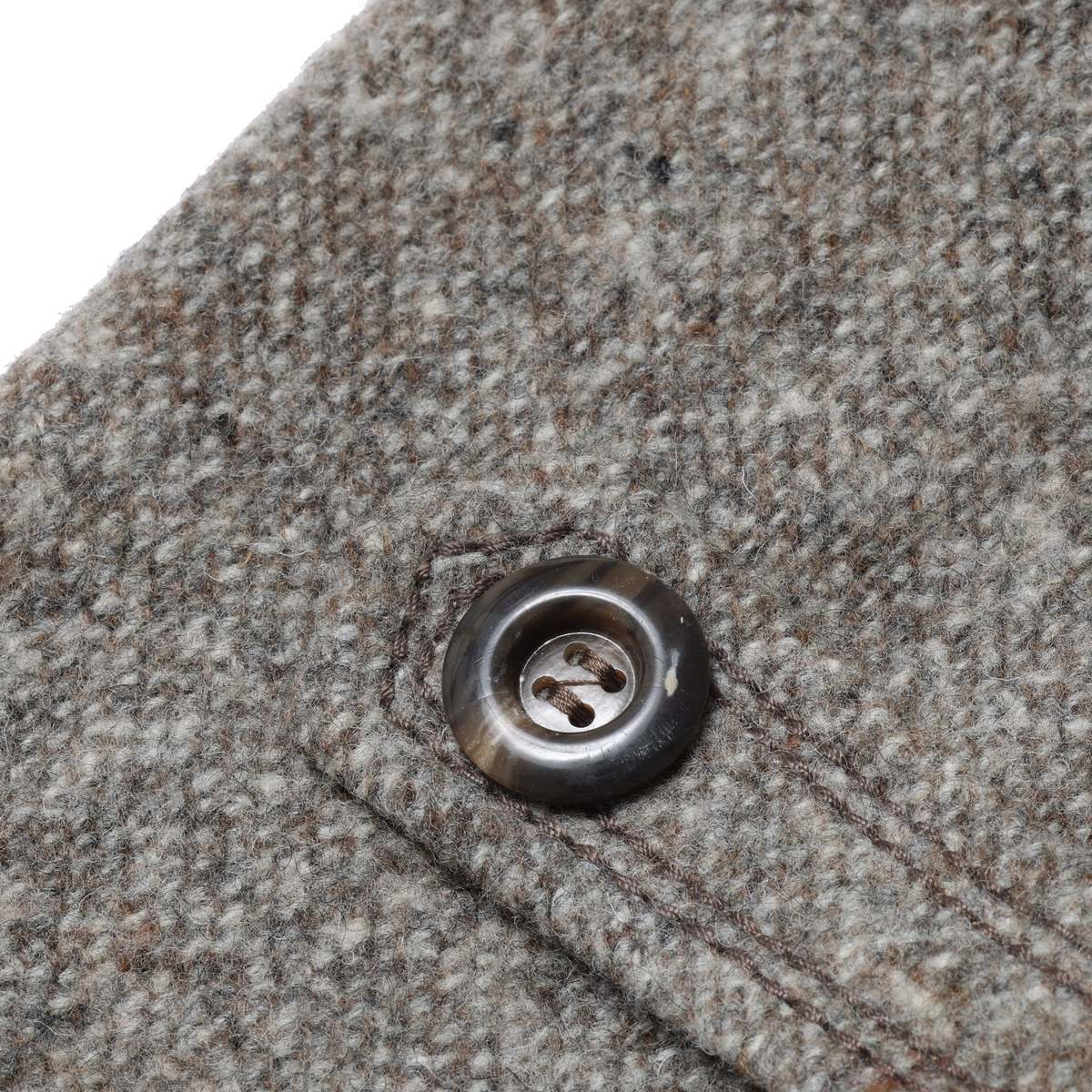
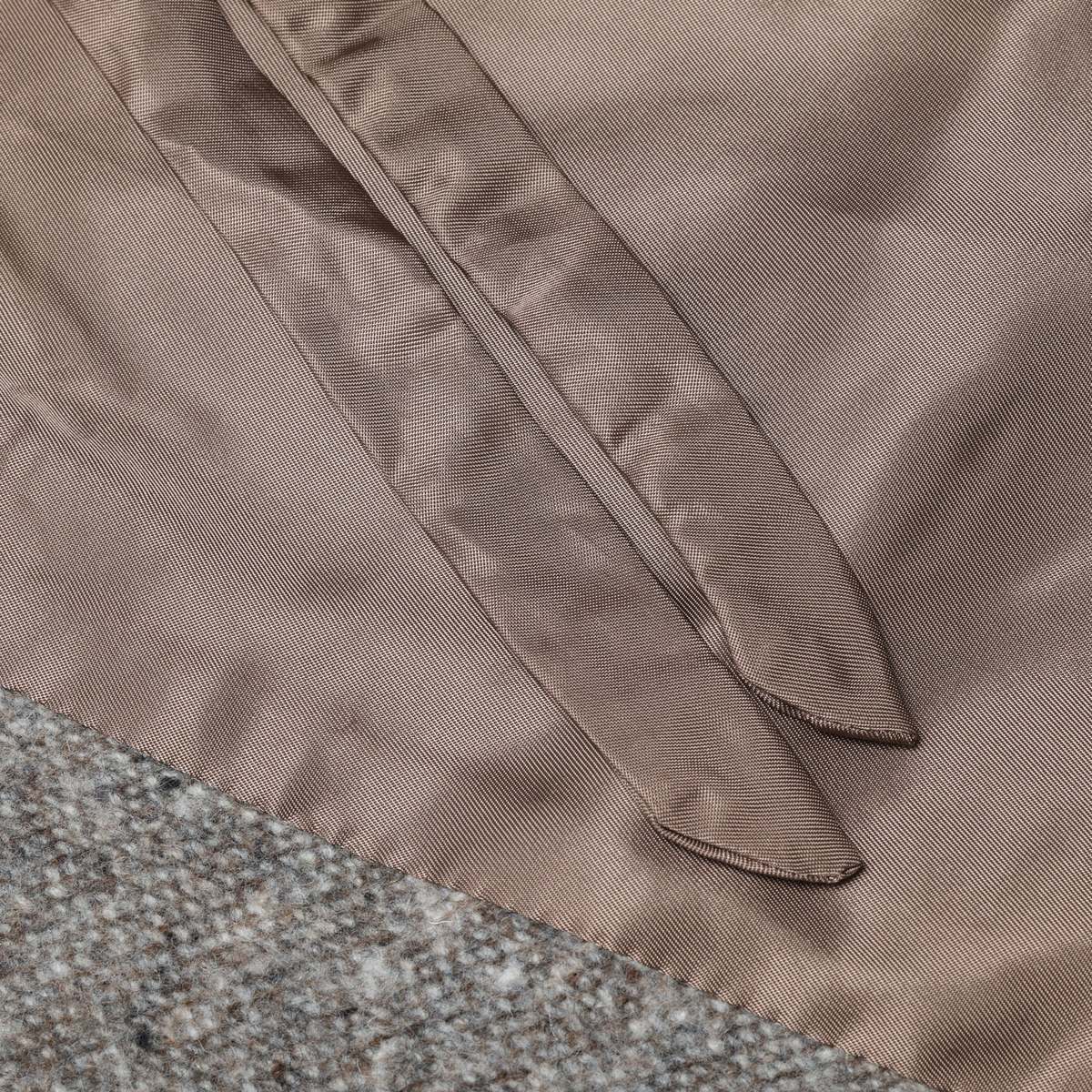
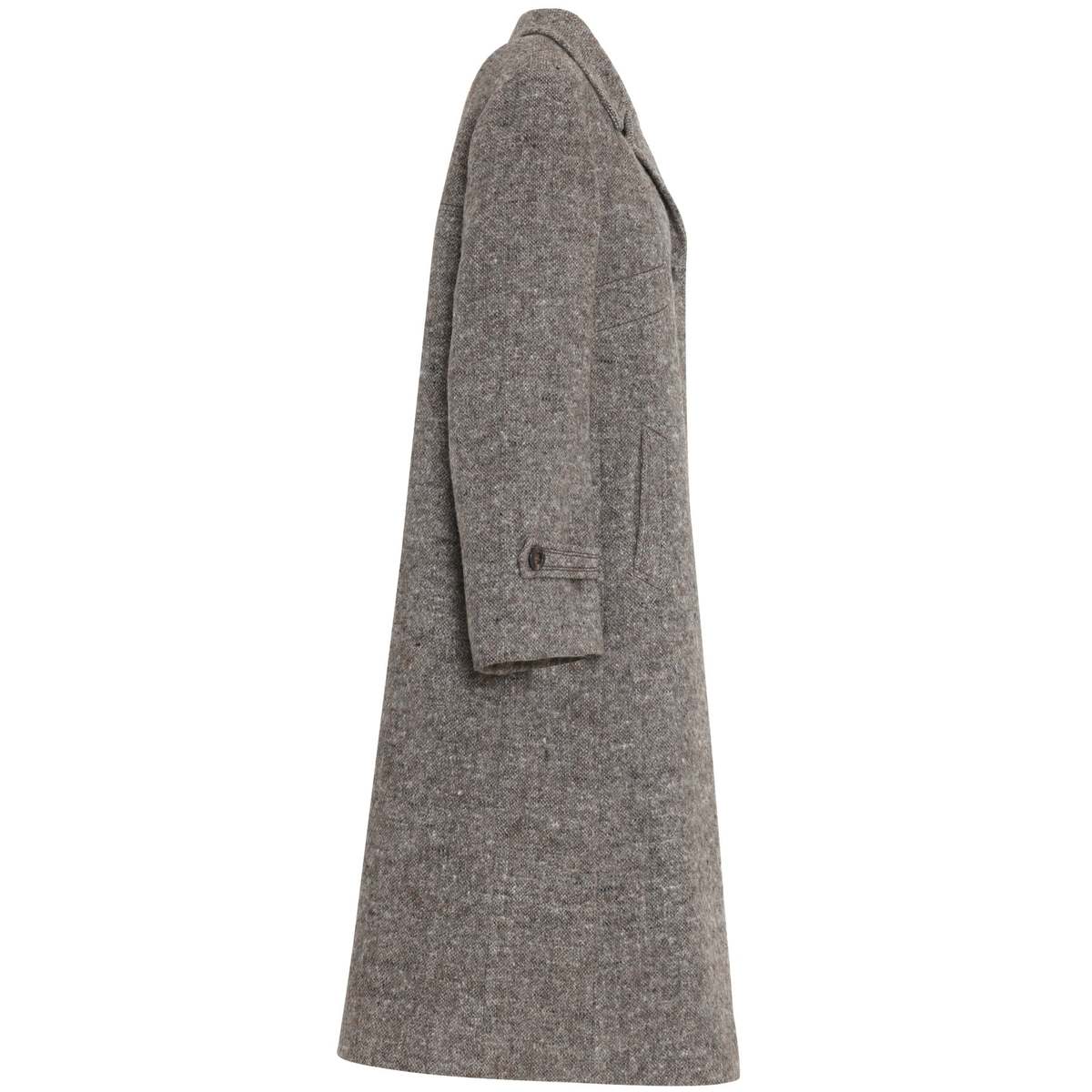
The coat is constructed from 100% carded Splsau wool, fulled for density, wind resistance, and thermal loft. The full-length womens overcoat, produced by the Finnish atelier Milgo in Turku, represents a quintessential expression of mid-century Nordic tailoring: materially grounded, functionally intelligent, and formally restrained. Though Milgo remains obscure in the broader history of fashion, it operated at a pivotal time in Finnish textile development, contributing to a lineage of brands that prioritized domestic material sourcing and constructional rigor over stylistic flamboyance. Situated within the postwar surge of Scandinavian woolwear, the garment is anchored by its use of Top Tweed Genuine Norwegian woola high-performance, regionally specific textile that underscores both ecological integrity and inter-Nordic textile commerce. Constructed from a dense, woolen-spun tweed composed of 100% pure new wool (puhdasta uutta villaa / rein ny ull), the coat reflects the Scandinavian ethos of material-led design. The yarn is likely carded from Norwegian sheep breeds such as Splsau, spun into coarse, high-crimp fibers that are then fulled post-weavingeither mechanically or via traditional valking methodsto produce a textile that resists wind, retains thermal loft, and maintains weather resilience without synthetics. The resultant clotha pebbled, brushed, and napped weave estimated at 450500 GSMdisplays a matte, heathered mlange of grey, brown, taupe, and cream. This regional color logic, derived from pre-dyed fleece blending, visually references the Finnish landscape while eliminating the need for chemical finishing. The pattern draft adheres to a wartime-to-postwar Nordic silhouette, rejecting the cinched tailoring of mid-century Parisian womenswear in favor of a relaxed, protective A-line form. Drafted from a raglan shoulder block with set-in sleeve variants, the coat accommodates layering without bulk distortion. Shaping is achieved through minimal front darting and subtle side-panel tapering, with no princess seams or waist suppressionfavoring warmth and ease over anatomical form-fitting. The collar is a two-piece notched variant with soft roll, pad-stitched for structure, and finished with a stitched undercollar and bias-bound edge. The lapel breakpoint is modest, allowing for functional scarf layering and chest coveragefeatures calibrated for sub-zero utility rather than purely visual proportioning. Construction methodology is firmly rooted in artisan tailoring logic. Seams are assembled using 5/8 plain seams, pressed open and concealed beneath a fully bagged lining of viscose or acetate satinlightweight enough to preserve mobility, dense enough to balance the coats weight. Lining attachment is executed with blindstitch or hand-closed finishing at the hem and sleeve insertions. Stitching across the garment is consistent and tightly regulated, using 810 SPI lockstitch in tonal thread. The tweeds loft is managed via steam pressing and minimal trimming, retaining thermal mass while avoiding seam puckering or collapse. The sleeve tabs, constructed as applied elements, feature folded reinforcements, functional four-hole buttons, and symmetrical placementa testament to pattern alignment and attention to detail in a textile notoriously difficult to manipulate. Buttonholes are machine-punched keyholes, bar-tacked and reinforced beneath the tweedcritical to prevent fraying in wool this coarse. The front closure features three to four faux horn buttons with thread-wrapped stalks, sewn with cross-lock stitching for depth accommodation between textile layers. The sleeve tabs echo military references but are executed in a soft tailoring context, balancing aesthetic legacy with practical adjustability for glove compatibility. Pockets are double-welt or slanted vertical entries, sewn with near-invisible seam anchoring and matched to the grainan exacting task on flecked boucle tweed with uneven surface pile. The raglan shoulder designa diagonal seam extending from neckline to underarmenhances mobility while diffusing stress across the upper body, an approach critical in heavyweight, non-stretch textiles. The two-piece sleeve structure introduces subtle curvature and darting for elbow articulation, enabling form-responsive layering without restricting movement. The back is likely cut on fold with minimal seaming, relying on the textiles inherent stiffness and carefully shaped armscye transitions for structural integrity. The neckline is bagged with a facing extension that stabilizes the collar and prevents neckline distortion, while the hemline is cleanly blindstitched and weighted by structural reinforcement. The textile strategy is unmistakably Nordic. The Top Tweed wool behaves similarly to Harris Tweed in its resilience and regional identity but leans toward vadmel in finishtightly fulled, haloed, and slightly stiff with high lanolin content. This gives the garment moisture-wicking capacity and wind resistance, with minimal risk of pilling due to the long-staple fiber content. Compared to Loden (Austria) or Donegal tweeds (Ireland), Top Tweed retains more visual irregularity while offering equivalent performance, aligning with the aesthetic and environmental demands of Nordic climates. Conceptually, the coat embodies postwar Finnish pragmatism elevated by textile fidelity. It channels a restrained, civic elegancerooted not in opulence, but in stability, protection, and material fluency. The coat speaks to a wearer grounded in dignity, self-sufficiency, and the ethical assurance of knowing exactly where a garments warmth comes from. It is not decorativeit is declarative: a statement of respectability, tactility, and inherited craft. Aesthetically, the garment aligns with Finnish mid-century brutalist logicfunctionalism expressed in mass, texture, and proportion rather than surface flourish. The mottled palette references natural terrains: birch bark, rock face, frozen field. It does not shout; it shelters. It belongs to the same philosophical realm as early Vuokko Nurmesniemi outerwear, or the more ascetic edges of Marimekkos tailoring archives. Historically, its production falls between the late 1960s and early 1970s, a time when Finlands domestic wool economy flourished in tandem with Norwegian fiber exports. Labels like Milgo, though lacking the global imprint of Marimekko, contributed to a regional culture of excellence in outerweargarments that were technically complex, materially honest, and built for decades of real use. The Top Tweed Genuine Norwegian branding reflects export-standard certificationa mark of both sourcing integrity and textile quality assurance, grounded in inter-Nordic supply chains. In the current fashion landscape, the Milgo coat remains deeply relevant. It reflects values central to the slow fashion movement: traceable fibers, regional craft logic, ecological resilience, and longevity by design. Its minimal shaping and material authority parallel the design languages of contemporary brands like Margaret Howell, Lemaire, and Toogoodlabels that understand garments not as moments, but as environments. The coats robust construction and narrative claritys also position it well for inclusion in museum collectsions, heritage design exhibitions, or archival research projects focused on Nordic utilitarian dress traditions. In final evaluation, this is a garment of rare precisionone that exemplifies not just tailoring skill but a holistic integration of material science, regional design philosophy, and lived climate adaptation. It would thrive in high-end vintage retail, archival capsule curation, or luxury reproduction. Most importantly, it stands as testament to how a coat can carry culturenot as costume, but as climate, craft, and continuity made wearable. Measurements (cm): Chest: 54 Length: 114 Shoulder: 44 Sleeve: 62 Size Conversion (approximate) US Womens Size: L EU Womens Size: 40 SKU: 006083
Garmentory is a curated marketplace of independent boutiques and emerging designers from around the world.
Fashion With Intention
Aw yeah!
We love making new friends so while we're popping bottles, continue shopping to apply your $10 credit.
We've got a dedicated site "garmentory.co" just for our Indian customers! Shop with local currency, faster shipping, and exclusive products.
We cannot add this item to your bag because it’s already at max capacity. But don’t worry, we’ve saved it to your wish list.
Earn Replica Belts credits when you shop, wishlist, and inspire others.

Have a question about the size or something else? We're here to help!