Spring fever is here 🌡️☀️ Prep early for those not too hot and not too cold days by finding something you love ON SALE. SHOP THE SALE


Spring fever is here 🌡️☀️ Prep early for those not too hot and not too cold days by finding something you love ON SALE. SHOP THE SALE
| To | Service | Estimated Delivery | Fee |
|---|---|---|---|
| 🌎 | Intl. Air | 6-20 business days | $29.95 |
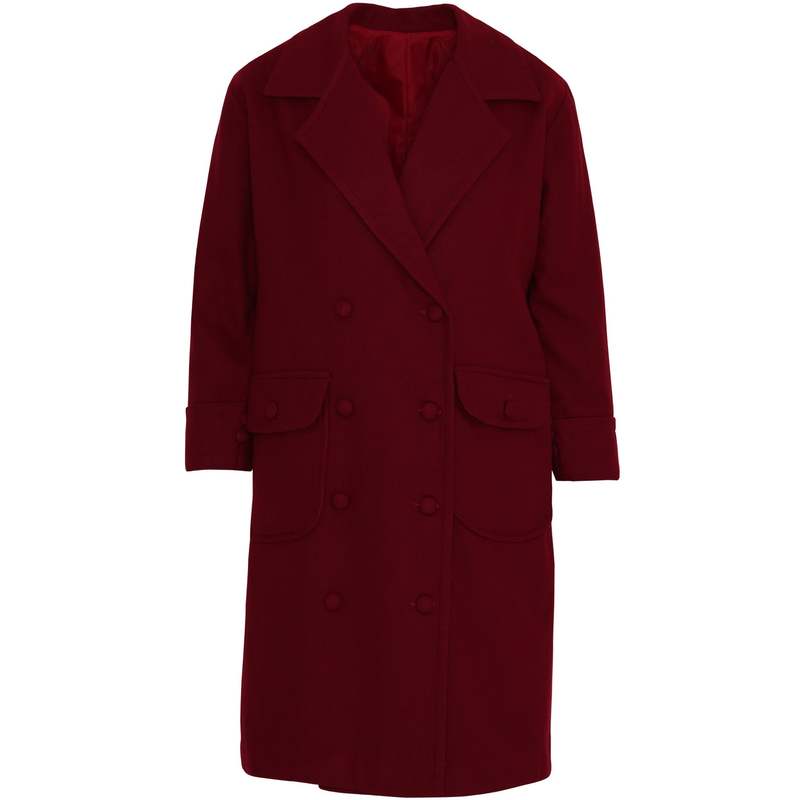
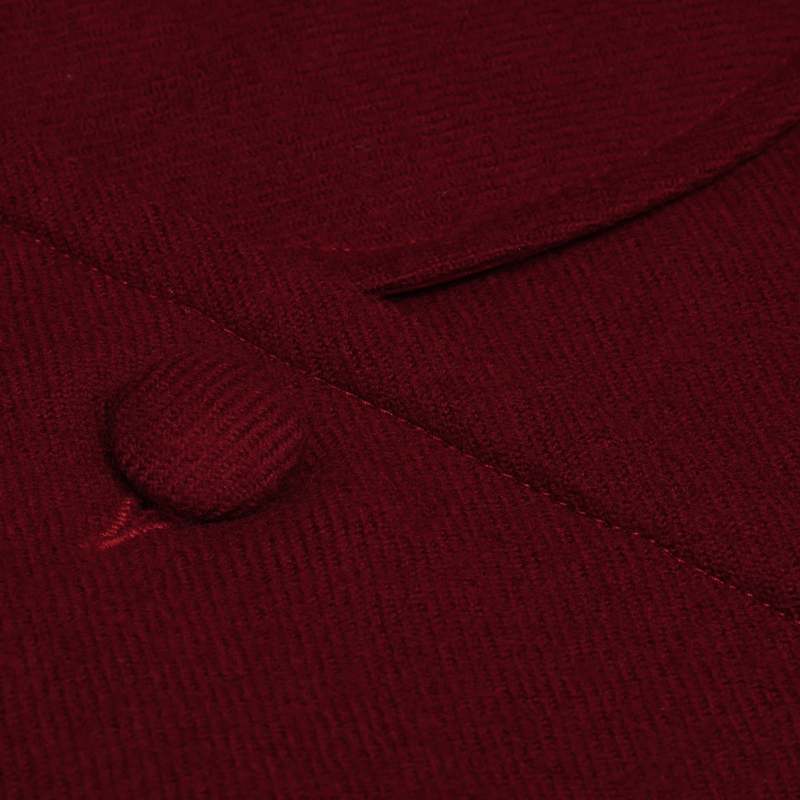
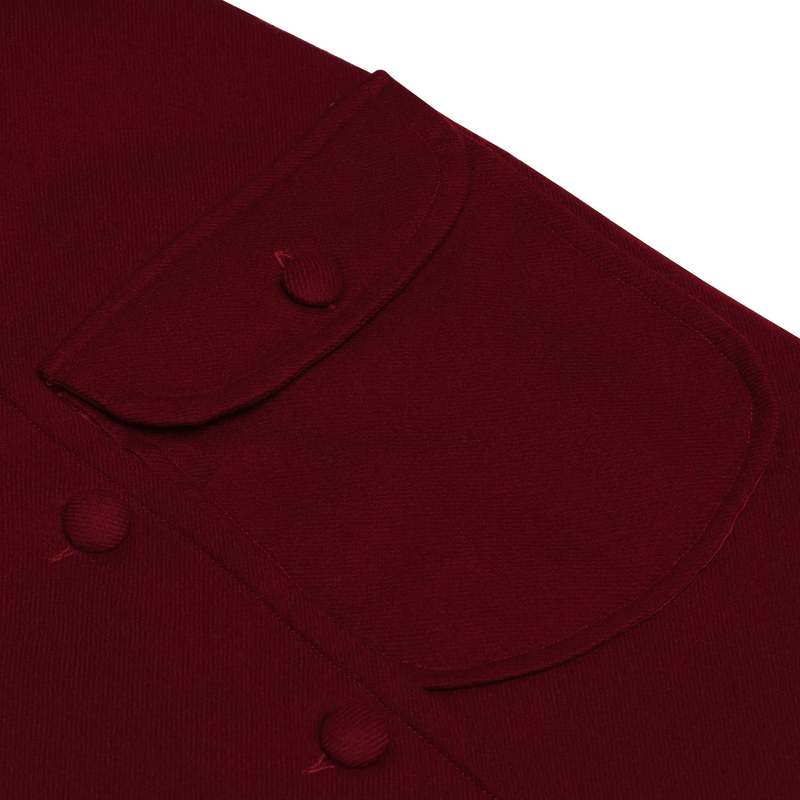
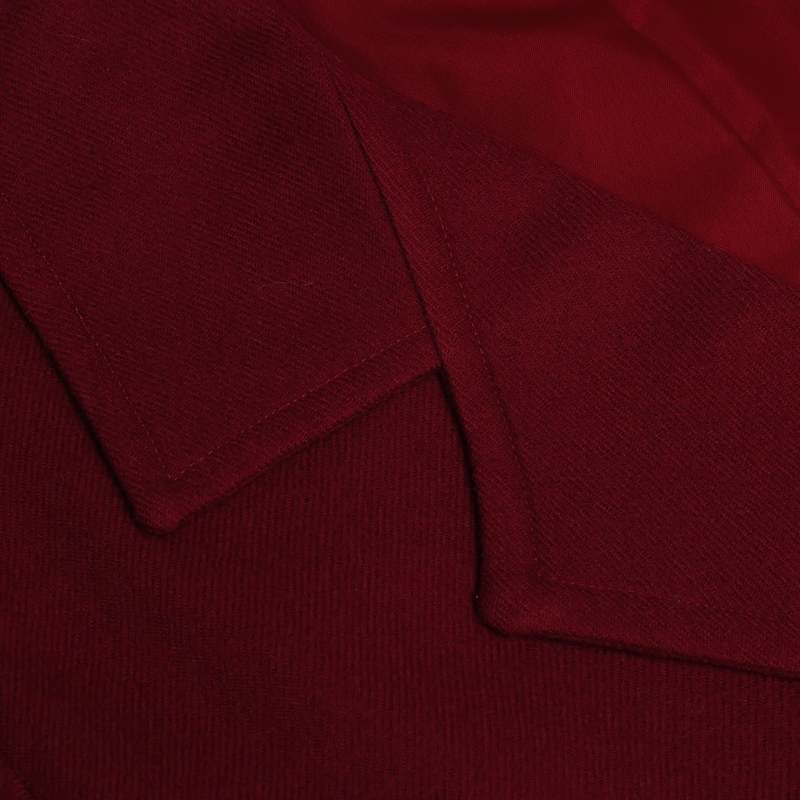
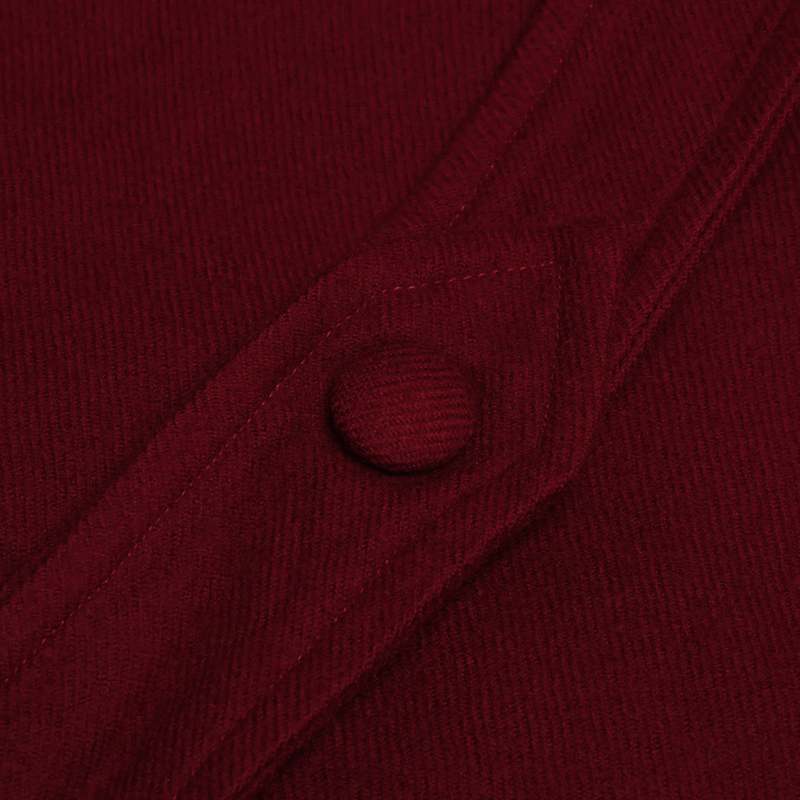
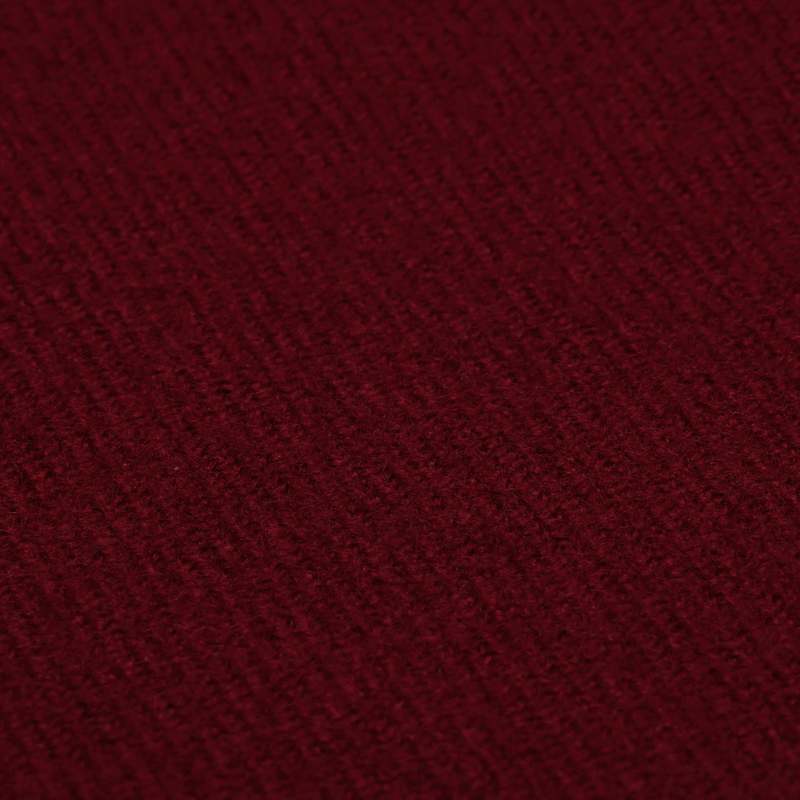
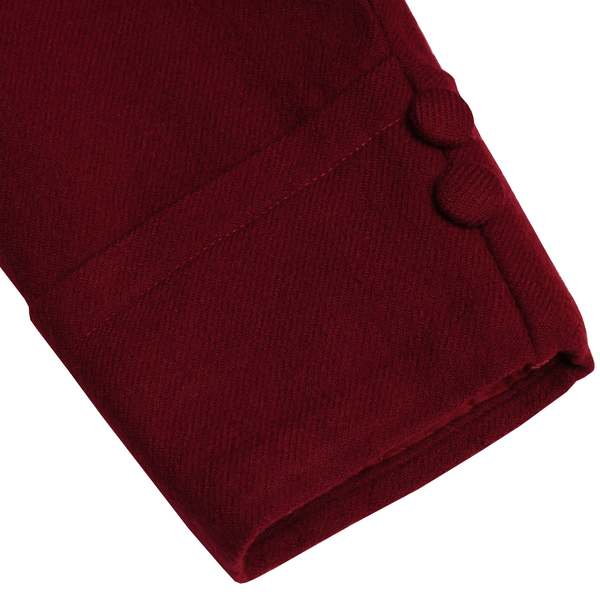
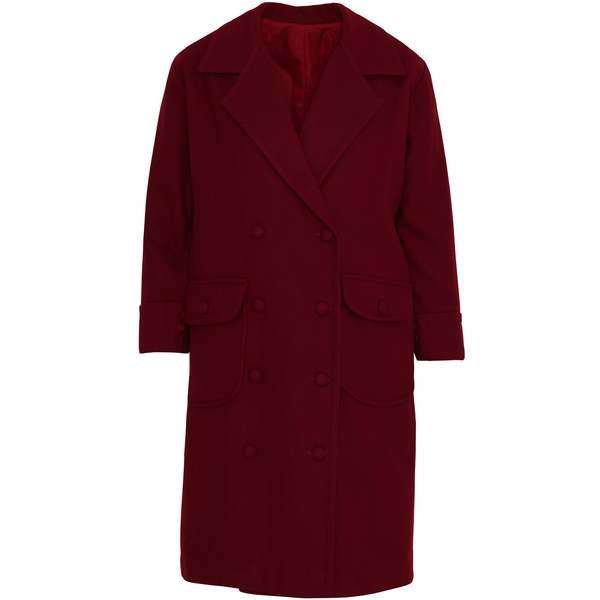
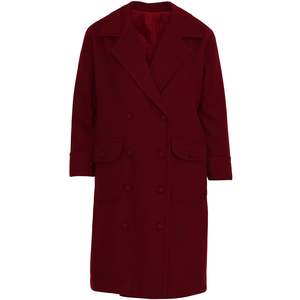
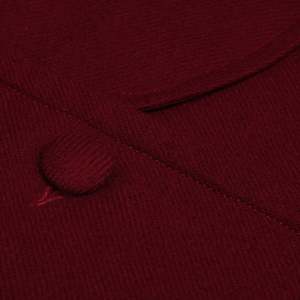
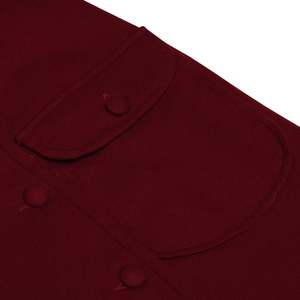
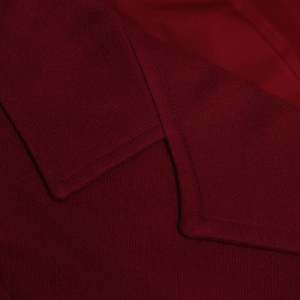
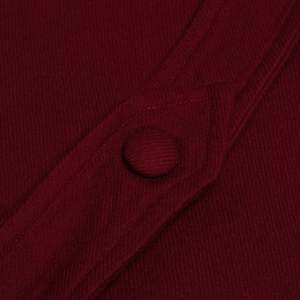
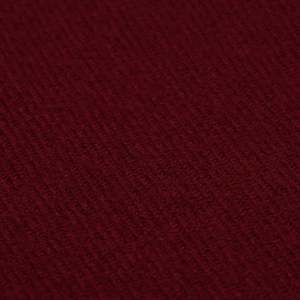
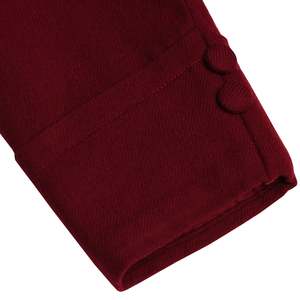
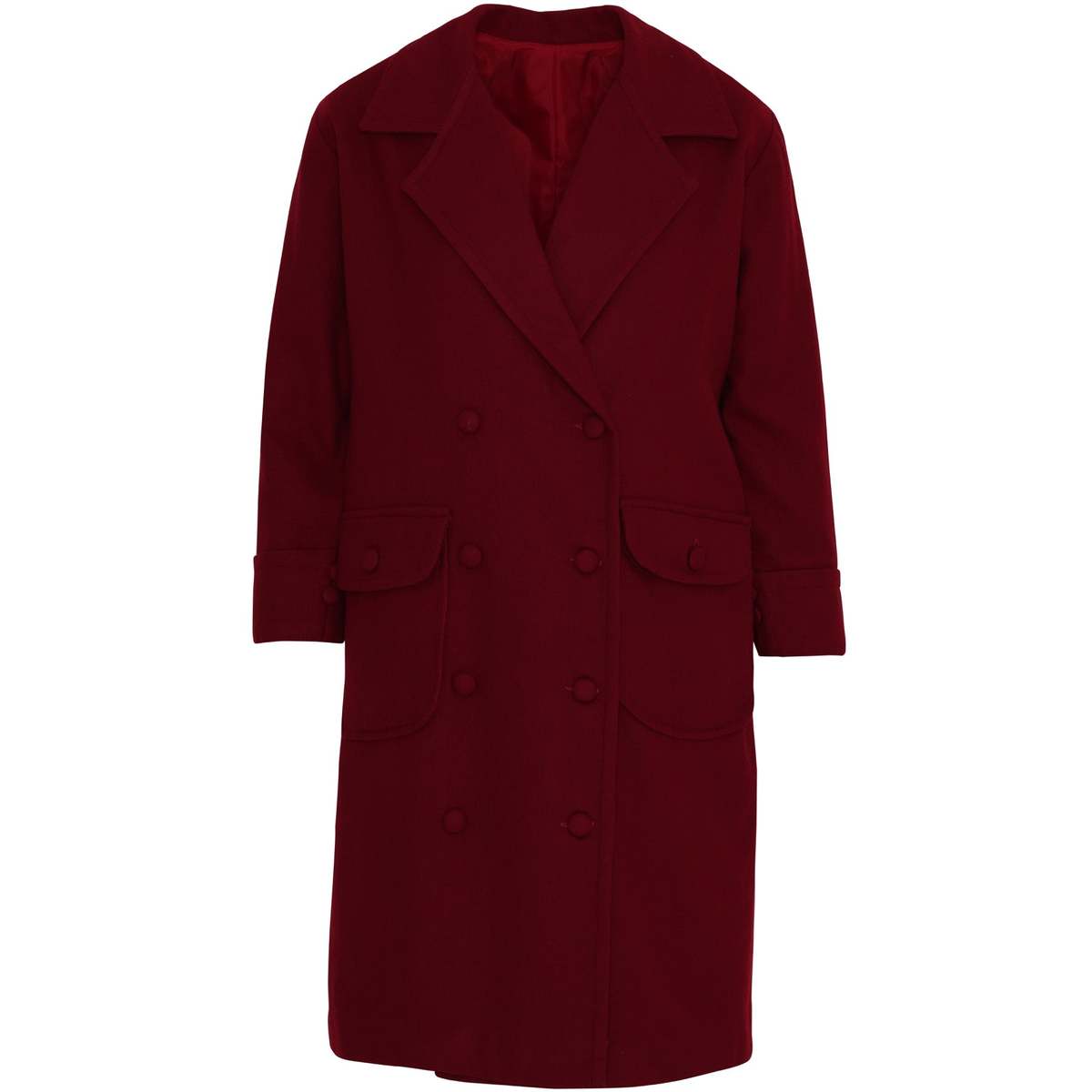
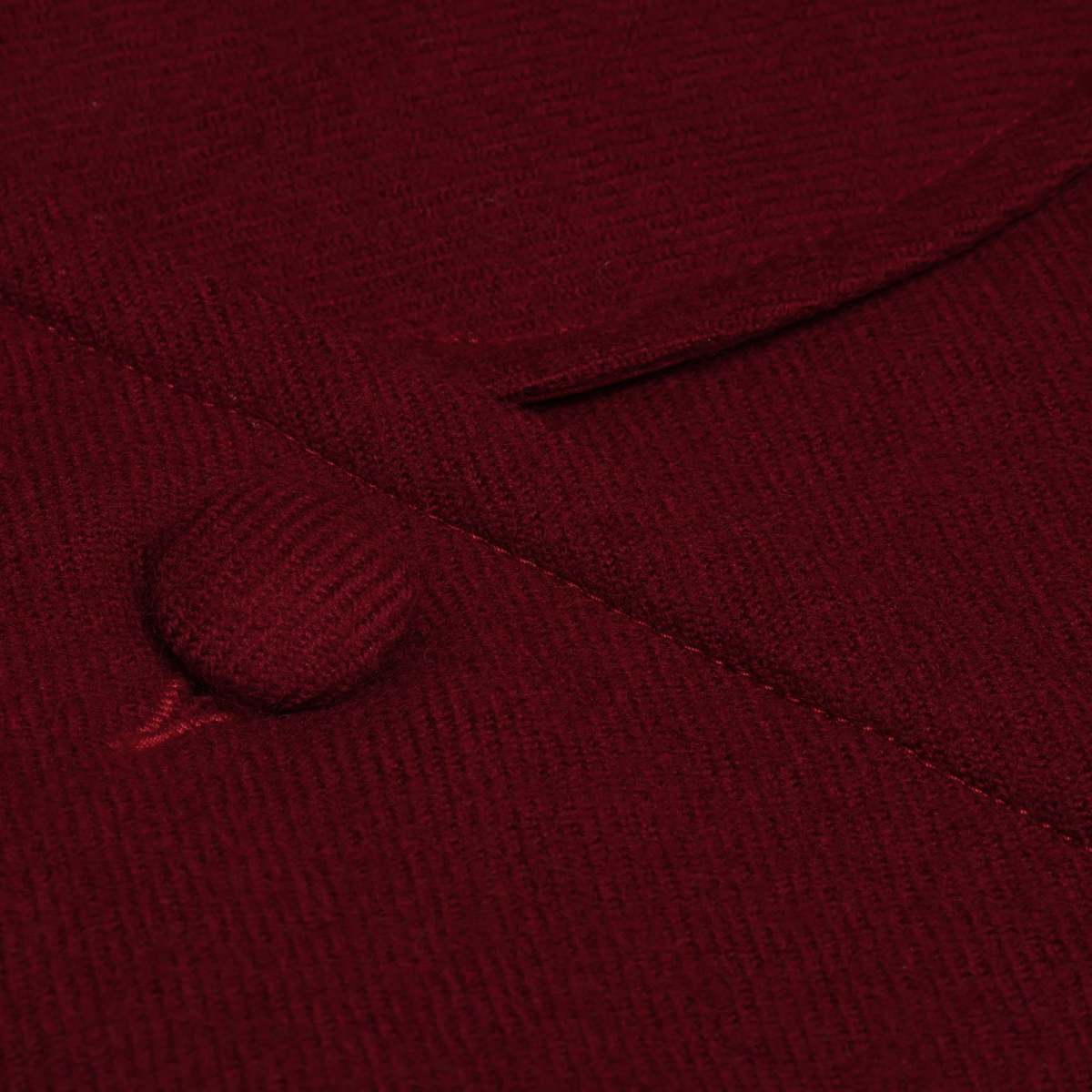
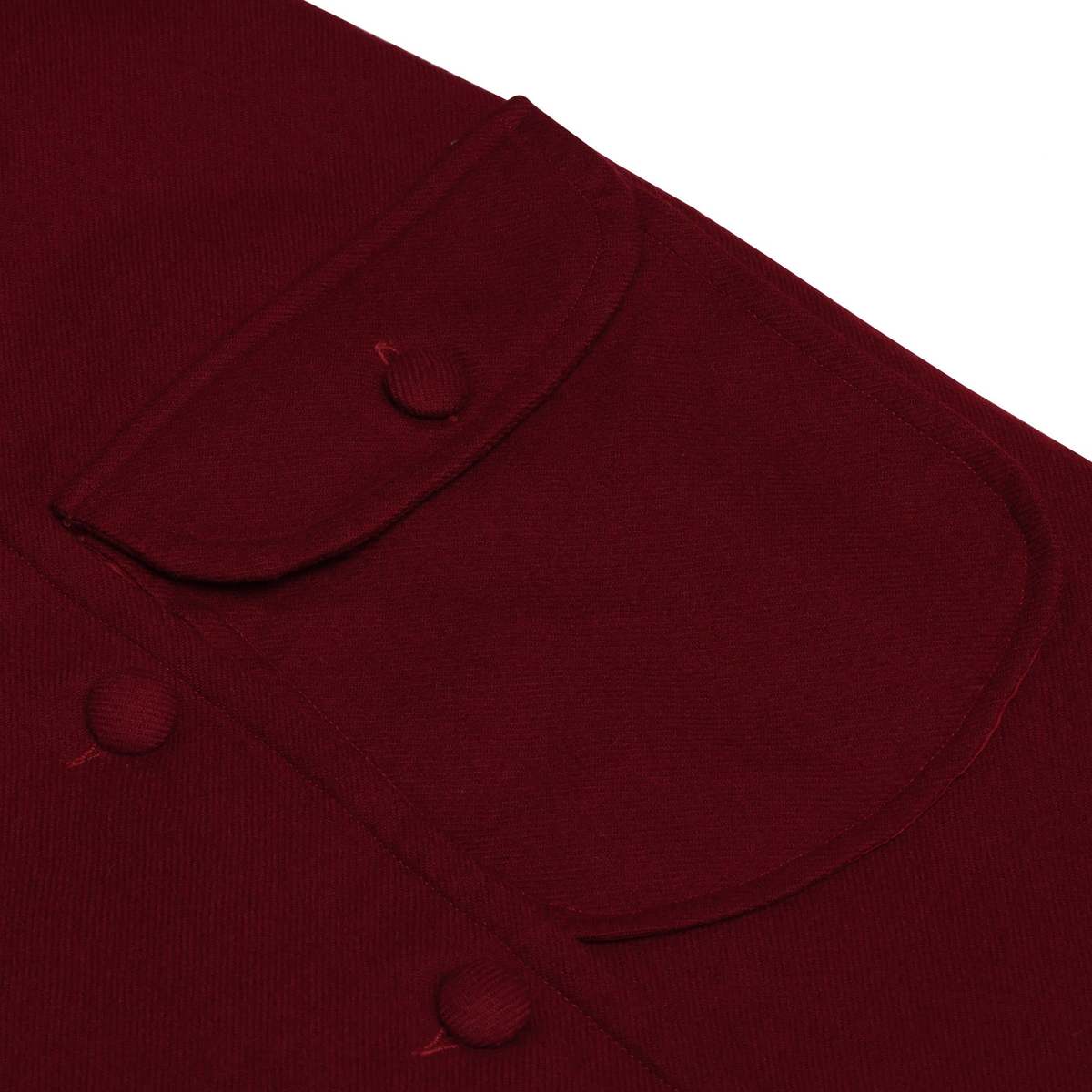
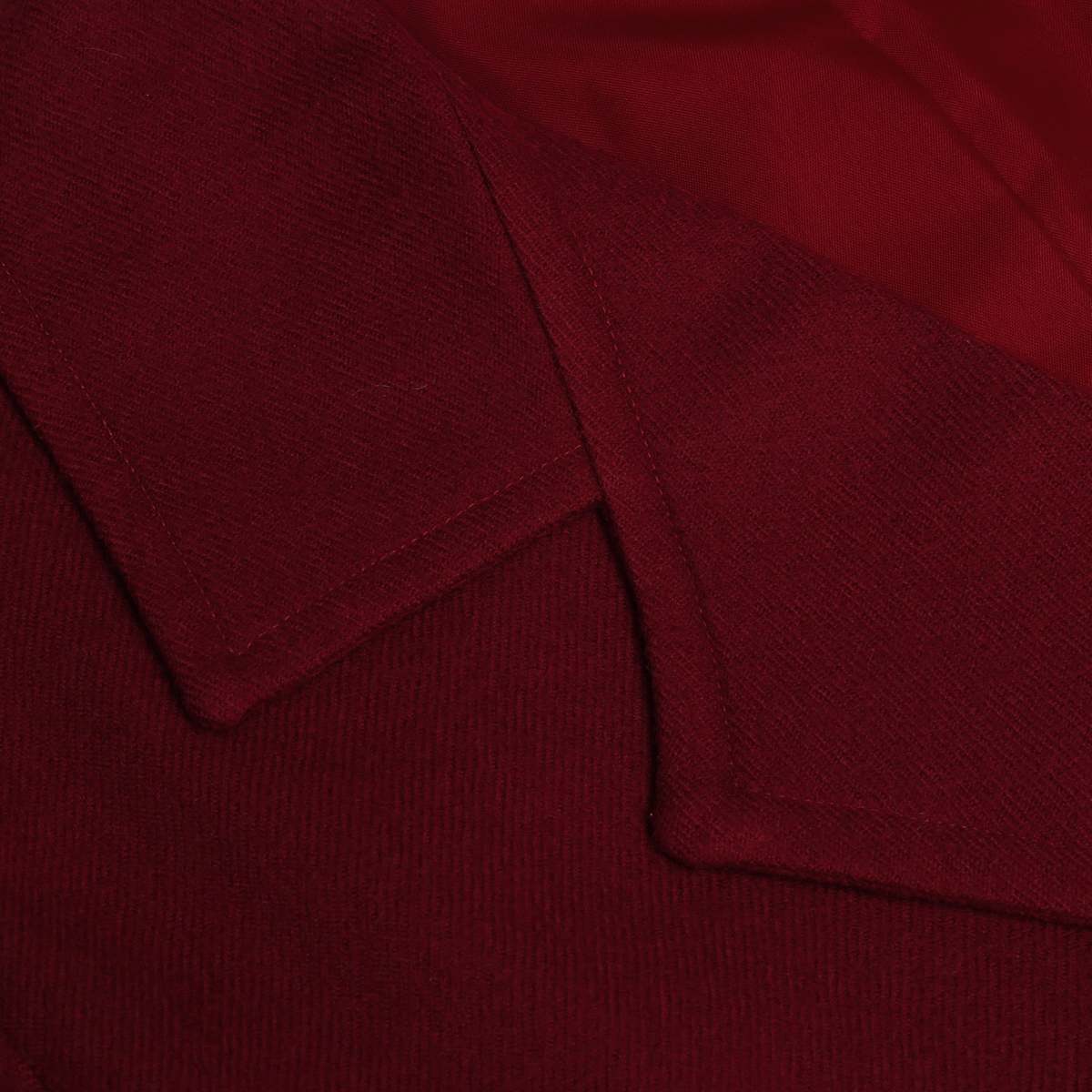
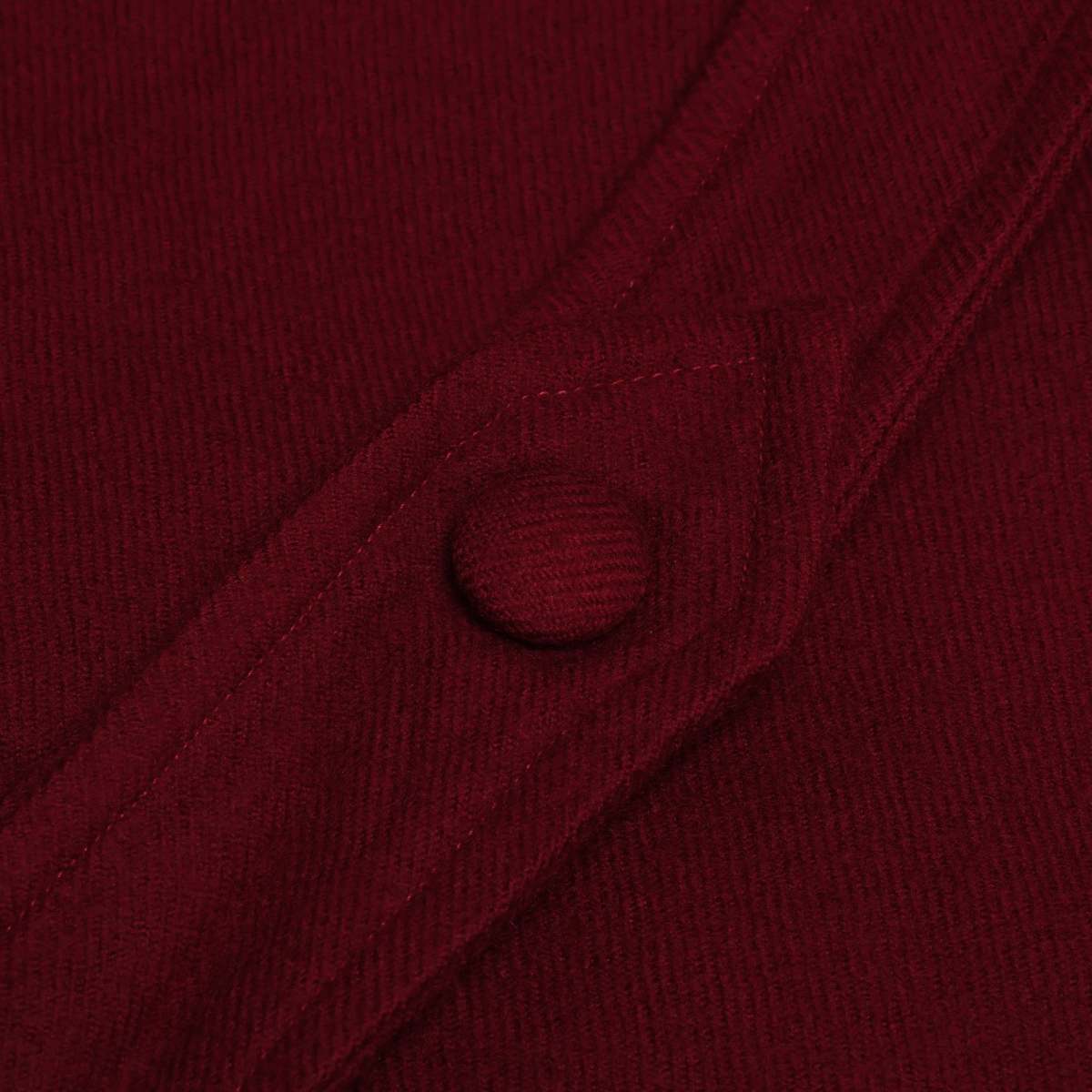
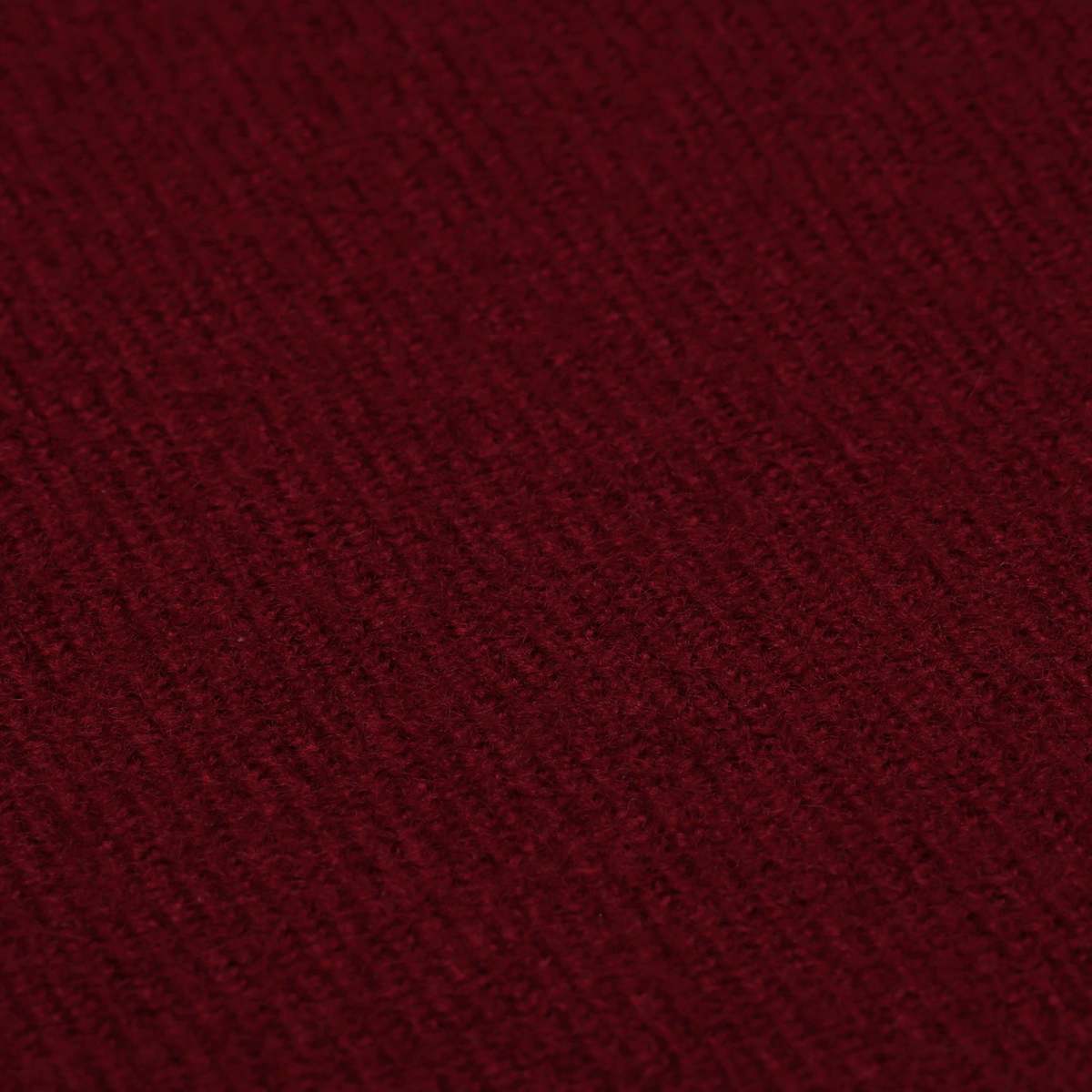
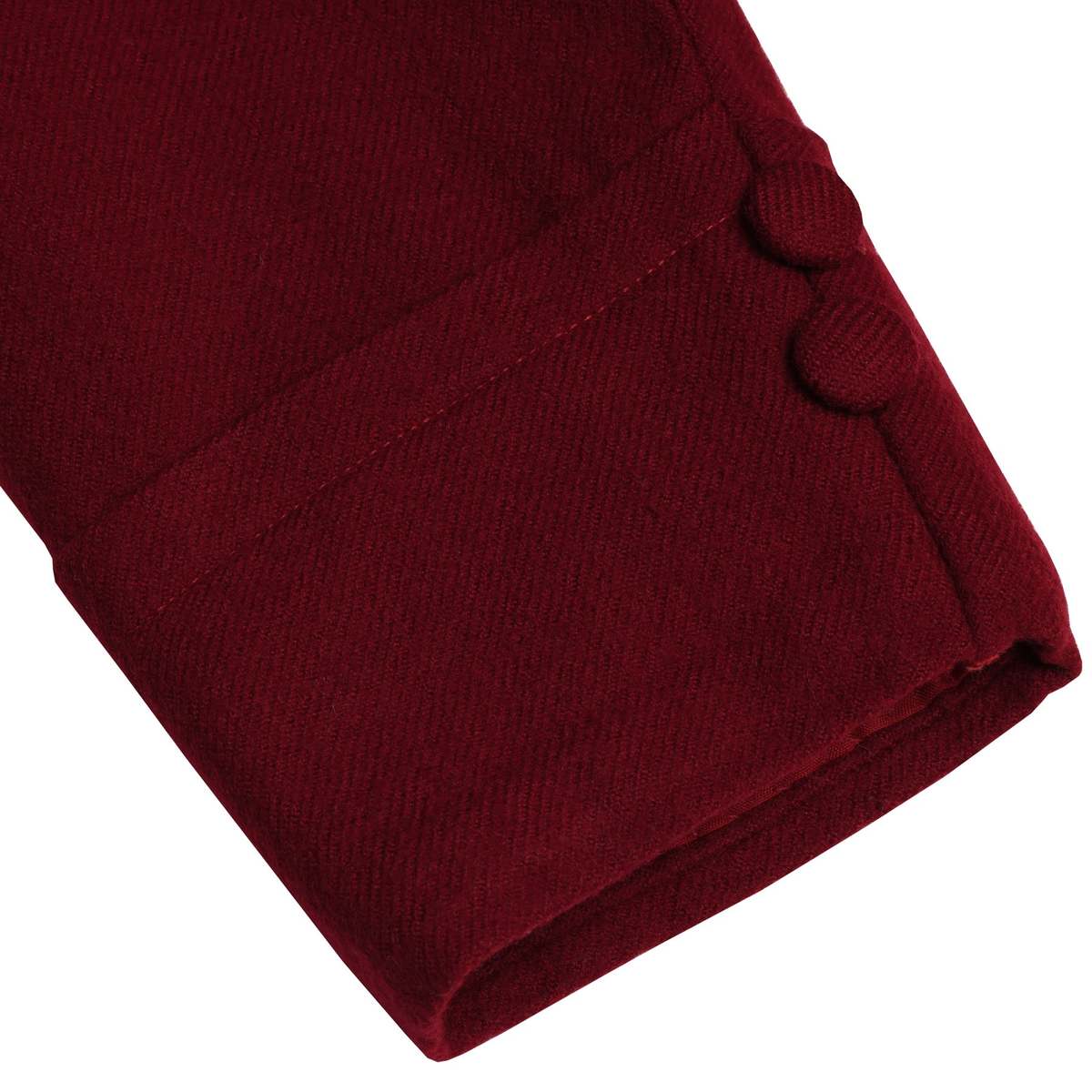
Constructed from heavy brushed wool twill, the coat channels 1940s militarized femininity filtered through mid-century civic dress codes. The double-breasted overcoat, absent of any visible branding or designer insignia, emerges from the infrastructural garment logic characteristic of mid-20th-century Eastern and Central Europemost likely produced between 1965 and 1980 within a regional tailoring house, state fashion cooperative, or department store private label. The absence of overt branding does not suggest anonymity in craftsmanship; rather, it aligns with a period in which polish and precision were prioritized within mass-fabrication systems calibrated to the evolving role of urban women. The coats fabric-covered buttons, tonal stitching, and careful seam articulation point to a mid- to upper-tier level of production, intended not for couture presentation but for aspirational formality within a pragmatic sartorial framework. Its design operates at the intersection of postwar bourgeois tailoring and institutional utility. Constructed as a winter-weight outerwear piece for urban professional settings, it synthesizes warmth, structure, and visual authority into a coherent silhouette suitable for both public transit and formal appointments. The coats double-breasted configuration, oversized lapels, and structured body reflect the visual codes of 1940s-50s militarized femininity, filtered through the industrial standardization of the Cold War garment economy. Its architectural proportions recall Diors postwar silhouette strategiesparticularly in lapel-to-shoulder ratiosyet are tempered by the rigid economy of scale present in Eastern Bloc manufacturing. This hybridization reflects the dual imperatives of the era: to express polish and dignity without exceeding the material or ideological bounds of the time. The outer shell is composed of a heavy brushed wool twillestimated between 430 and 480 GSMmarked by a directional 2/2 or 3/1 twill weave base with a lightly napped or fulled finish. The yarns appear to be woolen-spun, producing a soft halo and matte texture with visible diagonal grain. The finishing process enhances both tactile warmth and visual uniformity, producing a textile that balances structural weight with pliability. This fabric closely aligns with heritage coatings such as Melton, Doeskin, and brushed Whipcord, with conceptual links to Austrian Loden in terms of climate suitability. It is likely piece-dyed to achieve its deep wine tonea chromatic choice that conveys mature elegance and understated strength without tipping into decorative excess. This textile configuration suggests potential alignment with mills specializing in heavy woolen coatings, particularly Pontetorto and Manteco in Italy, Tessilbiella in Biella, or Tuchfabrik Gebrder Mehler in Germany. These mills, known for melton-weight twills and brushed overcoat fabrics, catered to both uniform and high-volume outerwear markets throughout the 20th century. The coats structural execution confirms this industrial lineage, showcasing pattern drafting and sewing precision consistent with mid-century Central and Northern European production systems. Pattern-wise, the garment is built from a classic double-breasted overcoat block with soft tailoring and minimal shaping complexity. The front body consists of three vertical panels: two side sections and a central panel with bust-level darting. The overlap accommodates a 6x2 button arrangementsix buttons visible, two functionalemphasizing proportion and closure security. Curved patch-and-flap pockets are integrated at the lower front without manipulating bust shaping, indicating reliance on side seams and sleeve pitch rather than internal darts or princess seams for form modulation. Sleeves are straight-cut, one-piece constructions set in with traditional scye seams, finished with turned-up cuffs and decorative button tabsa nod to military tailoring conventions. Assembly techniques reflect consistent industrial quality. Edge stitching along lapels, pocket flaps, and sleeve tabs is clean and measured at approximately 2.5 to 3 mm from the edge, maintaining crisp perimeter definition without visual overstatement. Buttonholes are machine-bound with a probable keyhole finish; their alignment, spacing, and structural reinforcement suggest interfacing precision beneath the outer shell. The covered buttonsmanually wrapped in self-fabricform a unifying aesthetic gesture, anchoring the garment chromatically while signaling composure and refinement. Internal seam finishes are likely a combination of open pressed seams with overlocking or bias taping, depending on the manufacturers standard, while the hem and facings are blind-stitched to maintain a flat fall and unbroken verticality. Reinforcement strategies are integrated subtly across the garment. Interfacing is applied at the collar, lapels, button stand, pocket flaps, and sleeve cuff areas to stabilize key structural points and resist warping. The collar and lapelsbroad, peak-notched, and sharply cutexhibit controlled roll and fall, indicating proper pad stitching or fusible interfacing applied with precise turn-of-cloth allowances. Grain alignment across the coat body and collar appears consistently maintained, with no observable pulling or misalignment, critical for heavier wool fabrics where surface distortion becomes quickly visible. This garments conceptual and aesthetic framework is rooted in postwar propriety, psychological dignity, and institutional poise. The wine red tone carries historical connotations of maturity and self-possession, while the symmetrical arrangement of buttons and structural lapels conveys claritys and poise without overt expressionism. It was likely intended for professional or social settings where composure was expected, serving as a visual signifier of respectability within the civic space. Stylistically, the coat draws from the austere elegance of French postwar tailoring, the disciplined claritys of Scandinavian outerwear, and the uniform logic of socialist formalwear. It functions simultaneously as a practical cold-weather garment and as a sartorial gesture of quiet authority. This balancing actbetween mid-century romanticism and administrative modernismpositions the piece within the broader trajectory of womens outerwear that defined the civic identities of working women in Cold War Europe. Today, the coat finds renewed relevance within the fashion industrys archival consciousness, particularly in the context of minimalist maximalism and historicist silhouette revival. Designers such as The Row, BITE Studios, and Dries Van Noten have echoed similar palette and form references in contemporary collectsions, reaffirming the value of mid-century color blocking and sculptural tailoring. Within vintage resale markets, this piece would hold particular value in curated European collectsions focused on Eastern Bloc, German, or Nordic formalwear. Its architectural form, visual unity, and textural density mark it as a viable heritage coat for both collectsors and wearers seeking a sophisticated winter statement with conceptual depth. In final evaluation, the garment achieves an integrated synthesis of structural intelligence, chromatic cohesion, and postwar sartorial codes. Its market viability lies not in trend responsiveness but in its enduring relevance as a visual artifact of a transitional fashion era. The execution is technically sound, aesthetically calibrated, and materially groundedoffering both archival worth and contemporary wearability. Measurements (cm): Chest: 51 Length: 92 Shoulder: 42 Sleeve: 51 Size Conversion (approximate) US Womens Size: ML EU Womens Size: 3840 SKU: 015082
Garmentory is a curated marketplace of independent boutiques and emerging designers from around the world.
Fashion With Intention
Aw yeah!
We love making new friends so while we're popping bottles, continue shopping to apply your $10 credit.
We've got a dedicated site "garmentory.co" just for our Indian customers! Shop with local currency, faster shipping, and exclusive products.
We cannot add this item to your bag because it’s already at max capacity. But don’t worry, we’ve saved it to your wish list.
Earn Replica Belts credits when you shop, wishlist, and inspire others.

Have a question about the size or something else? We're here to help!