Spring fever is here 🌡️☀️ Prep early for those not too hot and not too cold days by finding something you love ON SALE. SHOP THE SALE


Spring fever is here 🌡️☀️ Prep early for those not too hot and not too cold days by finding something you love ON SALE. SHOP THE SALE
| To | Service | Estimated Delivery | Fee |
|---|---|---|---|
| 🌎 | Intl. Air | 6-20 business days | $29.95 |
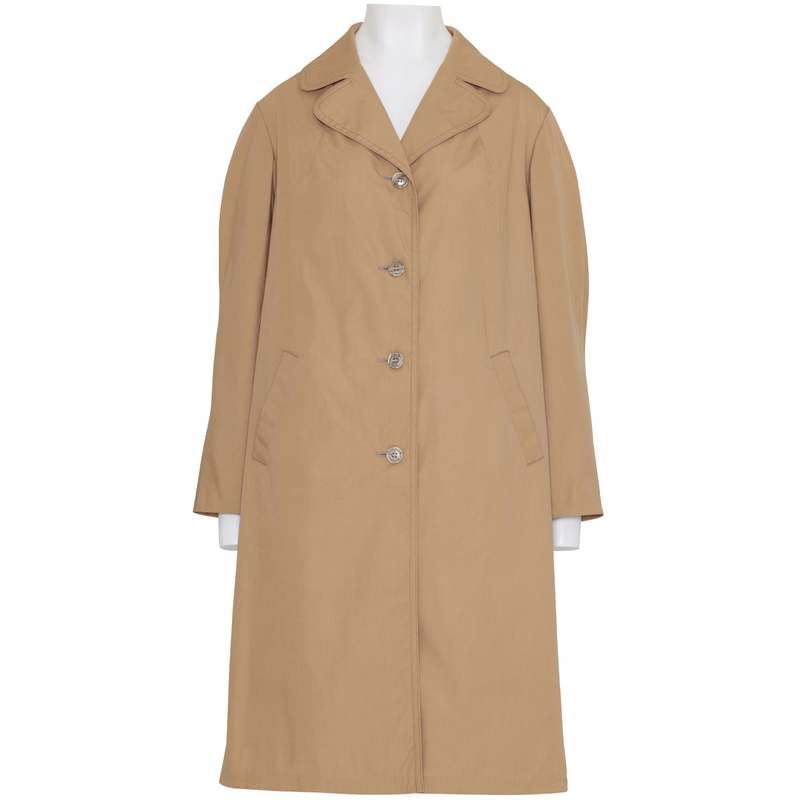
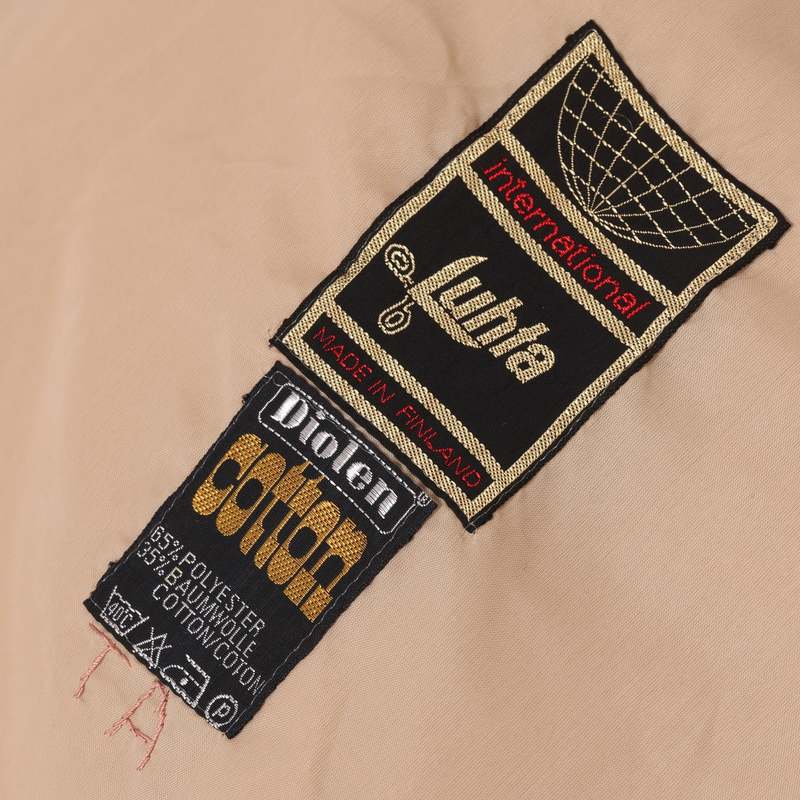
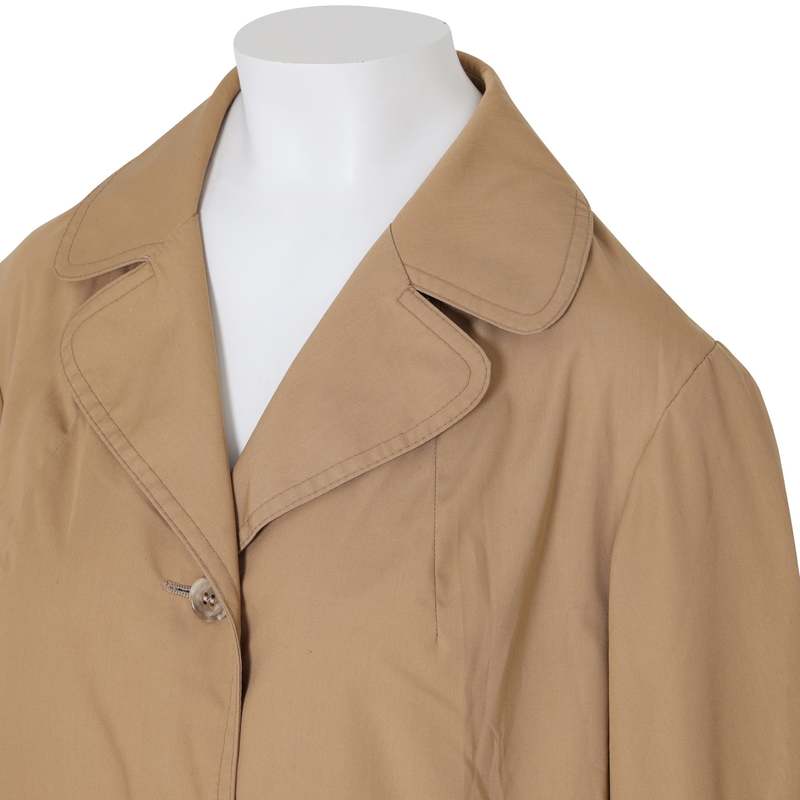
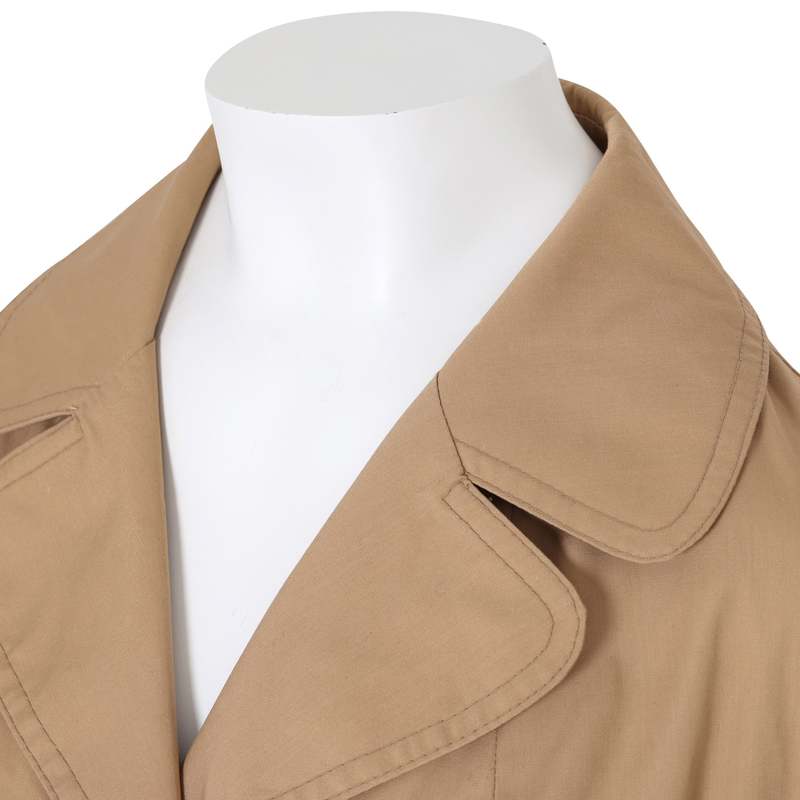
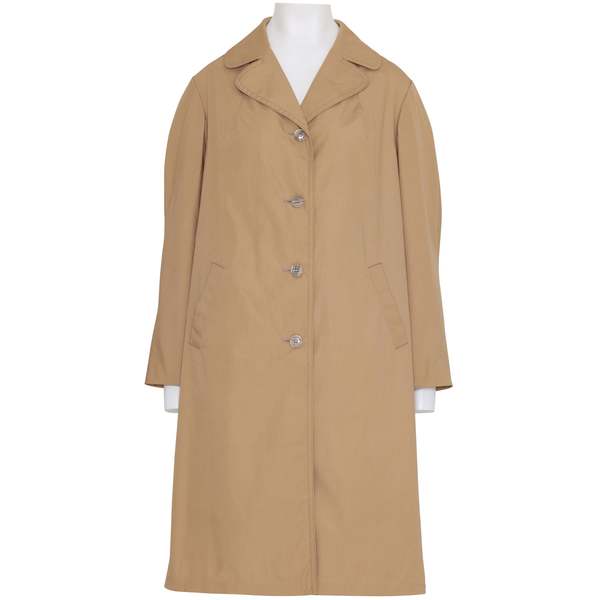
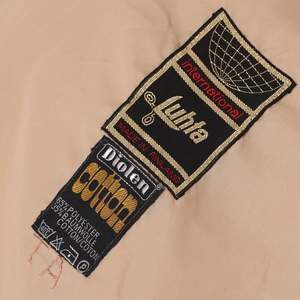
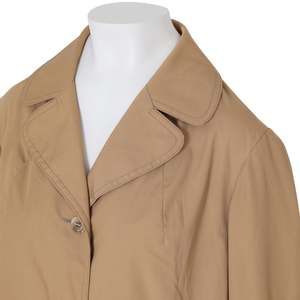
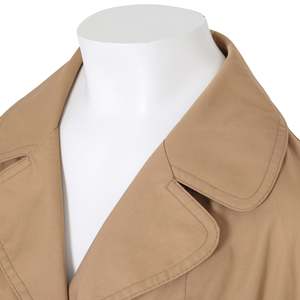
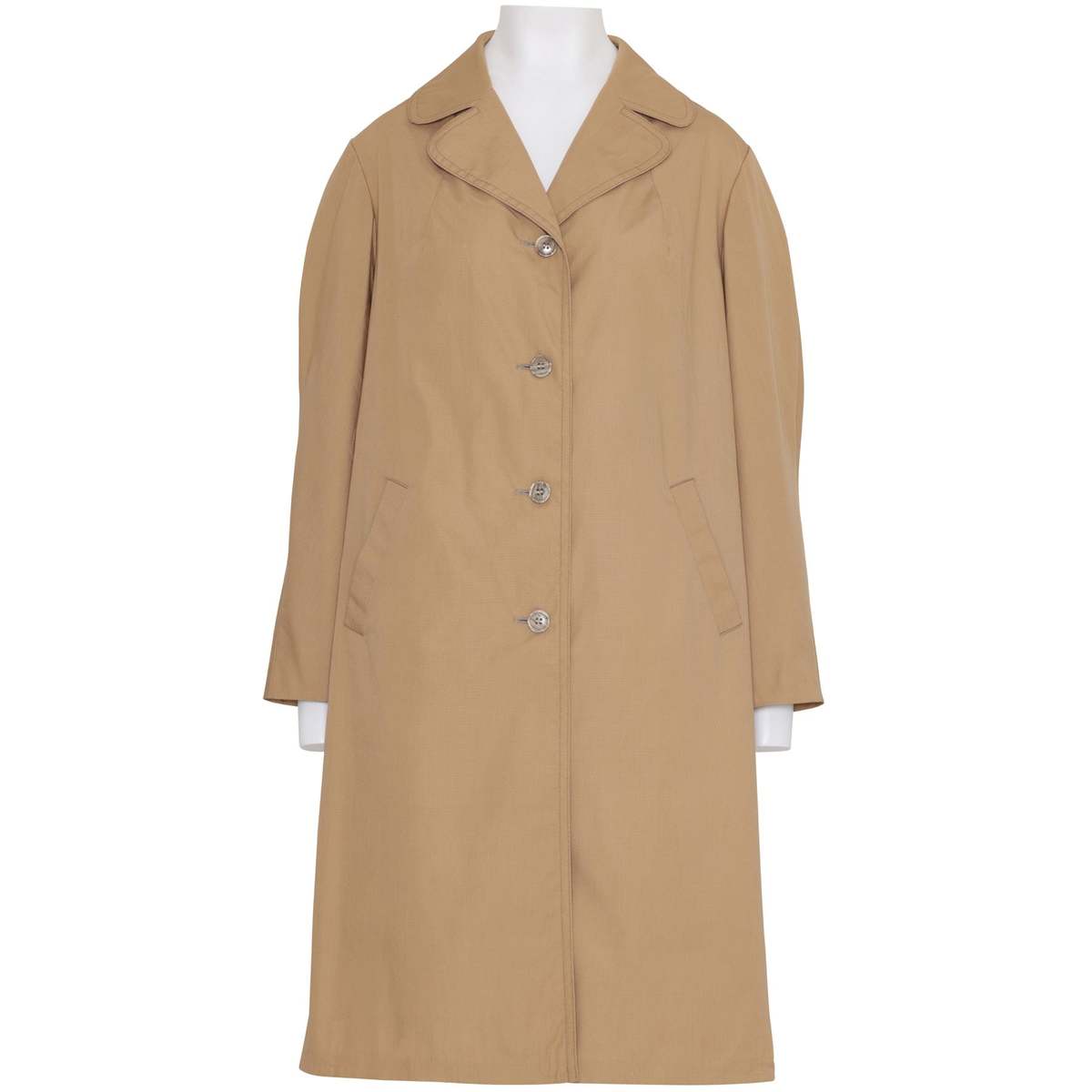
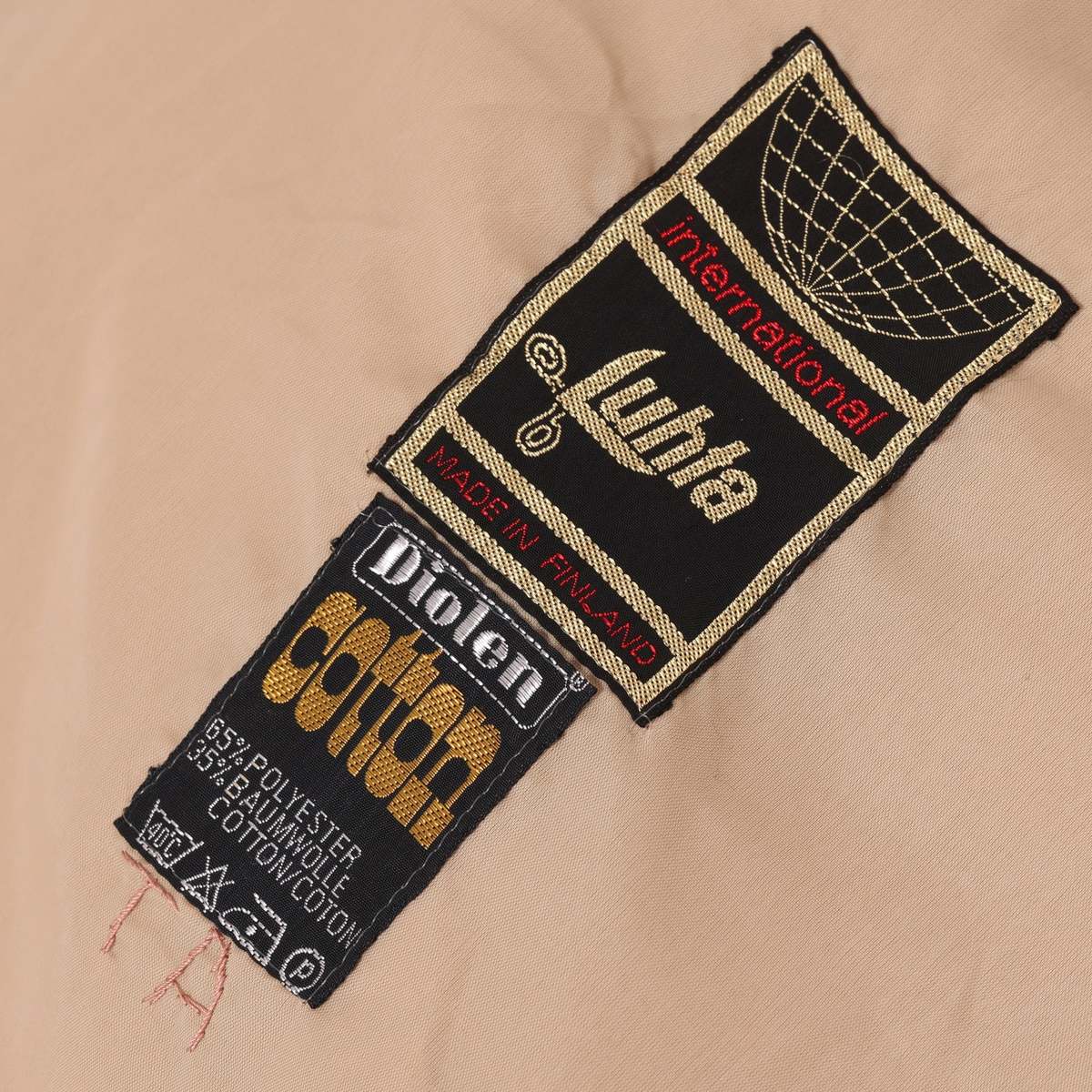
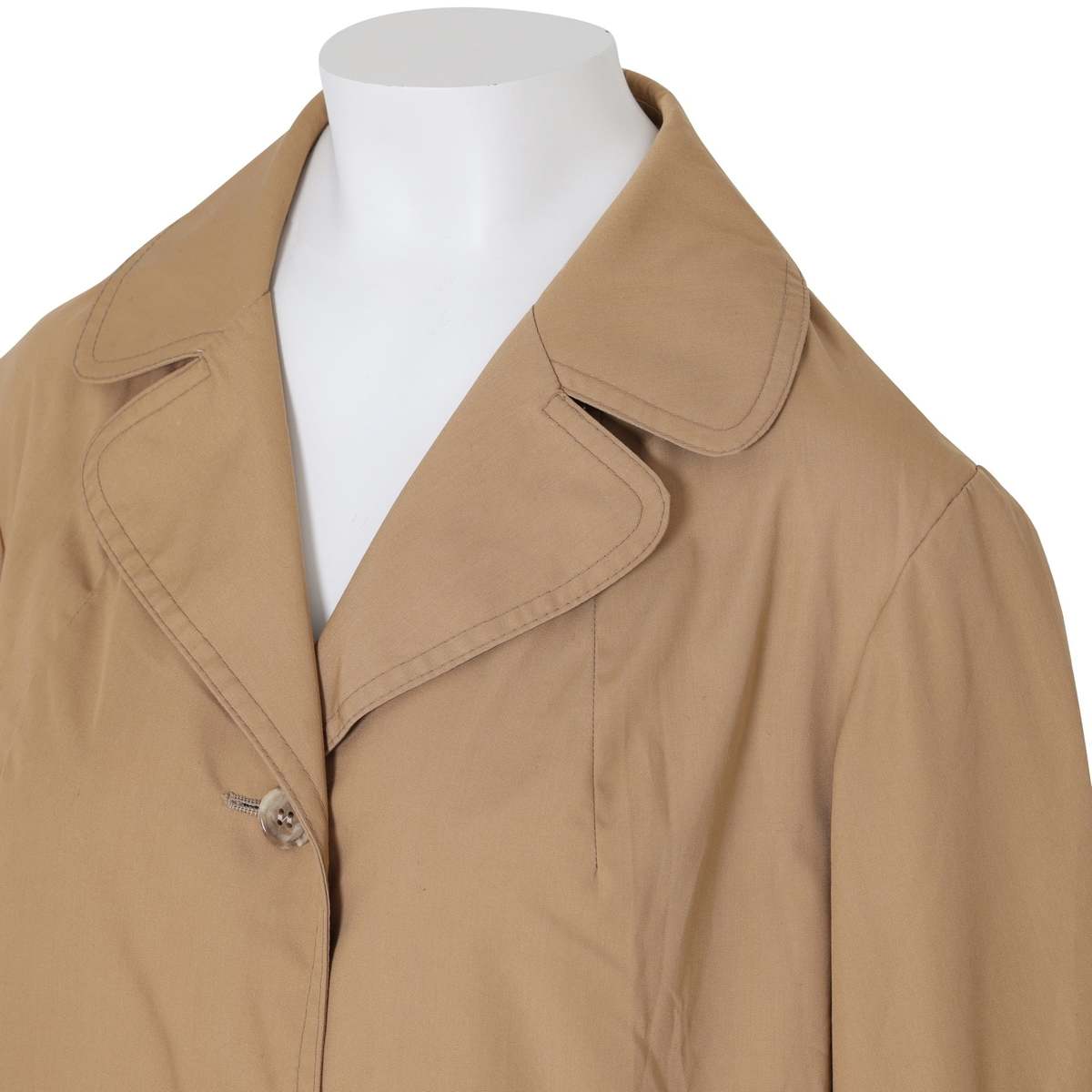
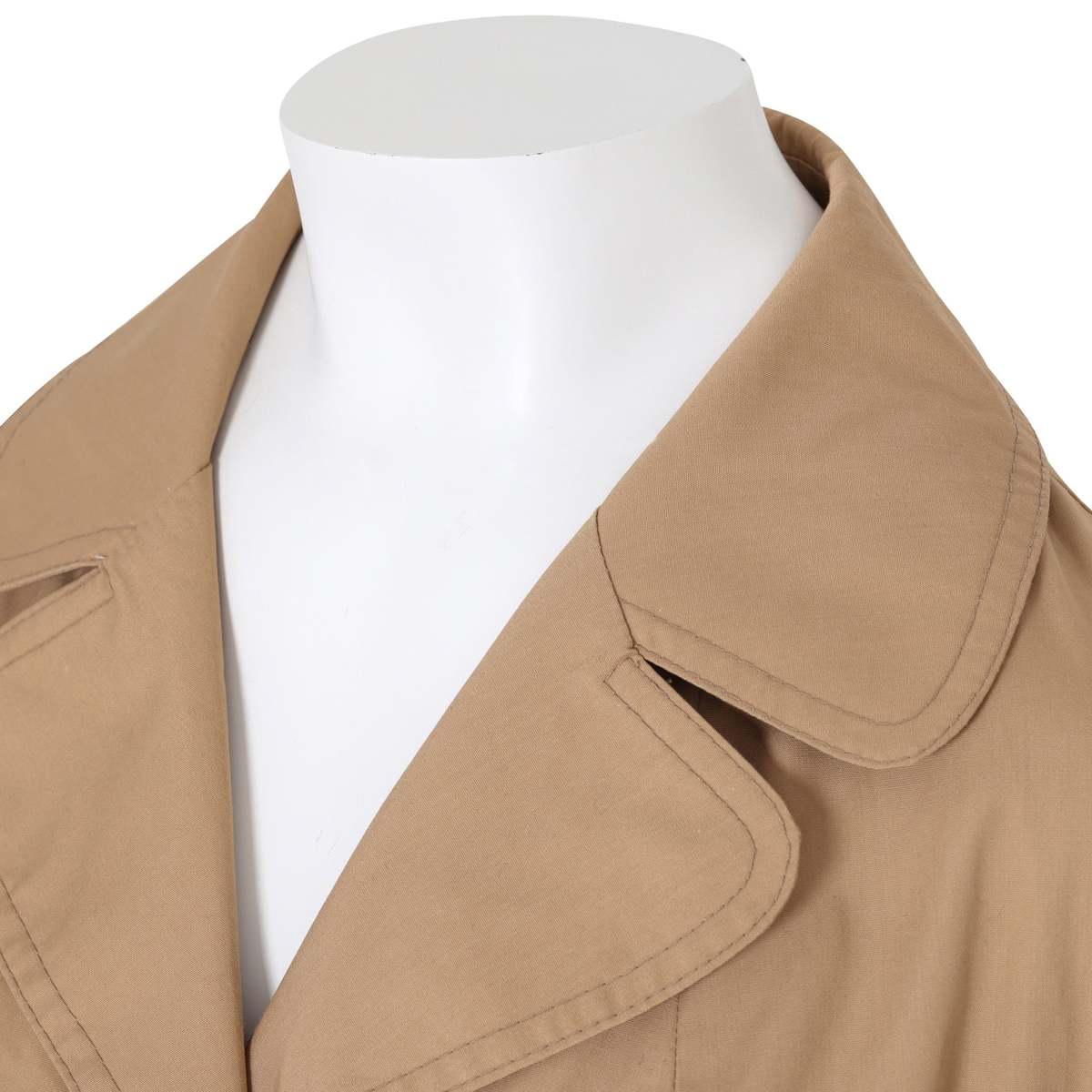
Branded Diolen marks this coats alignment with Cold War textile shifts, when utility met consumer-facing material experimentation. Luhta, founded in 1907 in Lahti, Finland, represents a cornerstone in Nordic garment history, fusing Scandinavian environmental pragmatism with a disciplined tailoring sensibility. The coat in question, drawn from the Luhta International line, typifies the brands mid-century expansion into womens ready-to-wear fashiona phase during which it targeted the European mid-to-upper tier market with garments engineered to perform in shifting climates without relinquishing formal elegance. This overcoat stands not as an ornamental gesture, but as a fully realized synthesis of climate-responsive construction, tailored restraint, and scalable industrial craftsmanship. Emerging from a heritage of Finnish outerwear production, Luhtas trajectory mirrors the postwar Nordic transition from artisanal tailoring to integrated textile manufacturing. The use of branded synthetic fibers such as Diolen polyester reflects the periods inflection point: a time when functionalism began intersecting with the material experimentation characterizing Cold War-era consumer design. Positioned within a network of Northern European brands that merged traditional silhouette logic with weather-resistant engineering, Luhta played a pivotal role in shaping the contours of mid-century European womenswearbalancing continental stylistic refinement with regional practicality. This particular garment is defined as a womens single-breasted swing-back spring overcoat, intended for transitional wear in urban, professional, or leisure settings. It was conceived to bridge the demands of daily wear with the visual codes of femininity, offering warmth, movement, and composure without excessive structural rigidity. Its defining attributes include a curvilinear, notchless lapel collar with topstitch reinforcement; a subtly flared A-line silhouette; full-length button-front closure; set-in sleeves with eased sleeve heads; and diagonally set welt hip pockets. Subtle bust darts contour the bodice without overfitting, allowing vertical fall from the shoulder while maintaining visual softness. These choices signal a garment built for mobility, modest sophistication, and climate-appropriate functionality. Construction reflects a meticulous yet industrially replicable methodology. Lockstitch dominates the assembly, with reinforcement at stress-bearing points such as bust darts, collar joins, and placket seams. The lining is fully baggeda technique that allows for a clean, uninterrupted interiorlikely hand-tacked at intersection points for shape retention. Four-hole resin buttons are shank-stitched to accommodate drape movement while withstanding repeated use. Interfacing, presumed to be fusible, supports the collar and placket areas, enabling crisp form without volumetric stiffness. Pattern alignment is symmetrical, and seam execution remains consistent throughout, adhering to a production logic that favors claritys and repeatability without sacrificing technical depth. Precision detailing underscores the garments dual commitment to function and aesthetic composure. The curved lapel is constructed with inward contouring and edge topstitchingtechniques that suppress roll distortion while preserving visual fluidity. The diagonal welt pockets, stitched visibly, are likely supported by internal stay tapes to prevent sag under use. Bust darts are placed to accommodate shaping without constriction, respecting the need for freedom of movement. The concealed button placket utilizes a full-facing extension, providing wind protection and minimizing visual clutteran approach consistent with continental tailoring from the era. Stylistically, the overcoat draws lineage from 1930s to 1950s swing coatsfeminine alternatives to militarized trench coats, developed to offer silhouette motion and refined appearance during postwar urbanization. By the 1960s and 1970s, such coats had evolved into staples of Northern and Central European womenswear, adapted for both practicality and restrained grace. This piece carries those traditions forward, referencing Parisian shaping logic while substituting high-end textiles for domestically accessible blends, emblematic of the democratic elegance championed by Cold War-era Nordic fashion. Textile composition consists of a 65% polyester / 35% cotton blendmarketed under the Diolen label, a branded polyester developed by Hoechst AG and widely adopted across Europe for professional-grade applications. The weave structure, most likely a tight plain weave or fine poplin, offers a clean surface and subtle luster. Estimated at 180210 GSM, the textile balances lightness with durabilityproviding sufficient protection for transitional weather while retaining breathability. Polyester contributes crease recovery, washability, and structural integrity, while cotton introduces moisture absorption and enhances drape. The fiber system resists shrinkage, deformation, and pilling, suitable for a garment expected to perform across multiple seasons and laundering cycles. Pattern architecture emphasizes anatomical functionality. The front bodice features vertically extending seams and dart placements that create gentle contouring without strict waist suppression. The back is likely cut in multiple panels to accommodate shoulder movement and swing dynamics, with the hem flaring subtly to allow layering and mobility. Sleeves are set-in with an eased sleeve head, likely including 1.52 cm of cap allowance to soften the shoulder line while enhancing range of motion. This construction logic underscores the coats intent to harmonize comfort, motion, and visual structure. Collar and sleeve execution further confirm the garments focus on claritys and cost-effective elegance. The collar, a deep-rolled, curved construction, is built from two interfaced layers and topstitched at the outer edge for reinforcement. Sleeves are full-length, cut with a generous bicep allowance and finished simplyno cuffs or closures interrupt the form. Side seams and princess darts are pressed open and clean-finished, while shoulder seams exhibit a subtle slope to follow anatomical contour. All major seams follow a logic of balance between structural need and manufacturing expediency. Finishing techniques emphasize unobtrusive craftsmanship. The neckline is shaped for scarf compatibility and cut to sit open across the claviclepermitting layering while maintaining composure. Topstitching reinforces the outer collar and lapel, securing the visual and structural integrity of the neckline. The hem is turned and likely blind-stitched, either by machine or by hand, producing a clean edge with minimal surface disruption. Cuffs remain open, emphasizing simplified construction over adjustable detailinga consistent decision within Nordic mid-century outerwear typologies. Conceptually, the garment signals professional composure, travel readiness, and soft-spoken modernity. It projects an image of poised femininity devoid of ostentationa garment intended to accompany, not dominate, the daily ritual of cosmopolitan life. The design avoids visual aggression through its curved lines, concealed fastenings, and absence of decorative hardware. It represents an archetype of Cold War European womanhood: structured, efficient, and modestly styled, yet wholly self-contained. Aesthetically, the coat operates at the intersection of Scandinavian minimalism and mid-century feminine tailoring. While not radical, its silhouette and detailing reflect a precise, rational eleganceechoing Bauhaus-adjacent utilitywear and softened variants of the French New Look adapted for Nordic climates. Its emphasis on proportion, visual balance, and textile discipline marks it as a product of postwar design humanisman object where beauty emerges not from embellishment but from constructional integrity. Historically, the garment is situated within the late 1960s to early 1970s, evidenced by its use of Diolen branding, lapel shaping, and streamlined silhouette. It occupies a space between the formal rigidity of postwar coats and the assertive lines of 1980s power dressingoffering transitional formality suited to evolving gender roles and workplace expectations. It is a representative object from a period in which Nordic womenswear sought to reconcile domestic manufacturing limitations with growing international fashion awareness. Today, this overcoat holds niche yet substantive relevance. It may not compete in contemporary luxury markets, but its value is clear within vintage curation, academic fashion archives, and design reference libraries focused on heritage utilitywear. Brands such as COS or Margaret Howellthose invested in minimalist revival and slow fashioncould draw directly from its proportioning, textile logic, and pragmatic detailing. It also holds viability as a template for reproduction or upcycling within sustainability-minded garment programs. Evaluated on execution, the coat meets and exceeds the standards of its time: cleanly constructed, economically patterned, and grounded in an efficient material system. It serves as an exemplar of how postwar European brands balanced elegance with endurance, synthesizing technical know-how with aesthetic fluency. As an archival document, it reveals much about the logic of its eraits social codes, manufacturing thresholds, and climatic imperativesand remains a relevant artifact for those studying the convergence of fashion, function, and regional identity.
Garmentory is a curated marketplace of independent boutiques and emerging designers from around the world.
Fashion With Intention
Aw yeah!
We love making new friends so while we're popping bottles, continue shopping to apply your $10 credit.
We've got a dedicated site "garmentory.co" just for our Indian customers! Shop with local currency, faster shipping, and exclusive products.
We cannot add this item to your bag because it’s already at max capacity. But don’t worry, we’ve saved it to your wish list.
Earn Replica Belts credits when you shop, wishlist, and inspire others.

Have a question about the size or something else? We're here to help!