Spring fever is here 🌡️☀️ Prep early for those not too hot and not too cold days by finding something you love ON SALE. SHOP THE SALE


Spring fever is here 🌡️☀️ Prep early for those not too hot and not too cold days by finding something you love ON SALE. SHOP THE SALE
| To | Service | Estimated Delivery | Fee |
|---|---|---|---|
| 🌎 | Intl. Air | 6-20 business days | $29.95 |
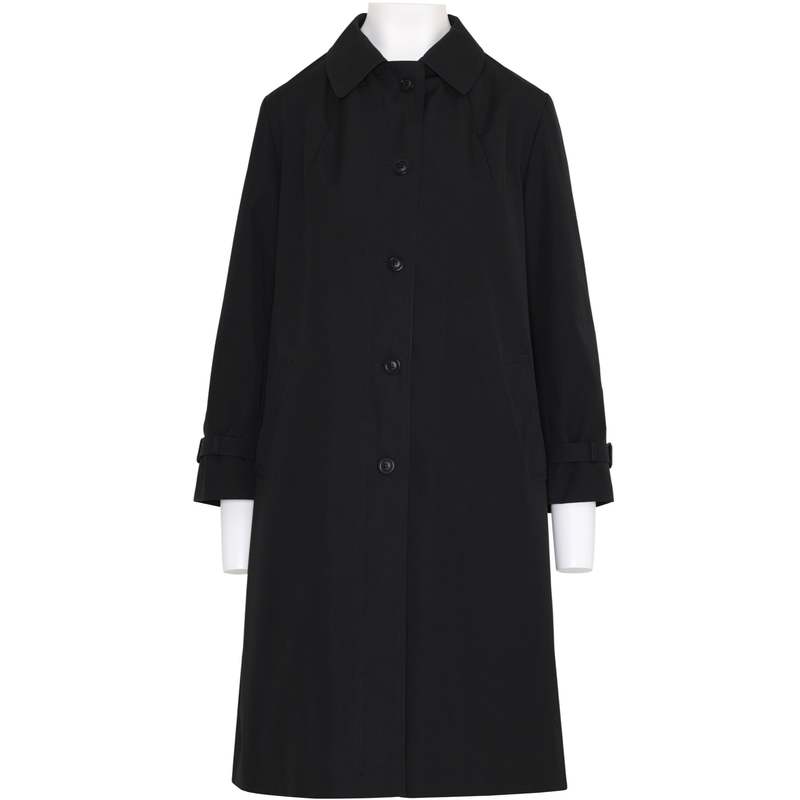
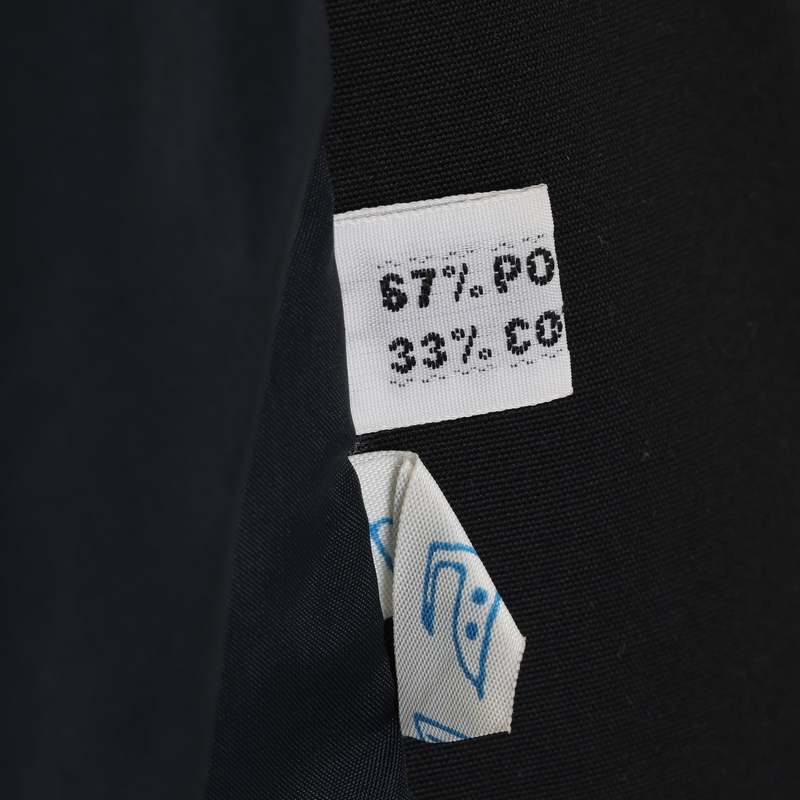
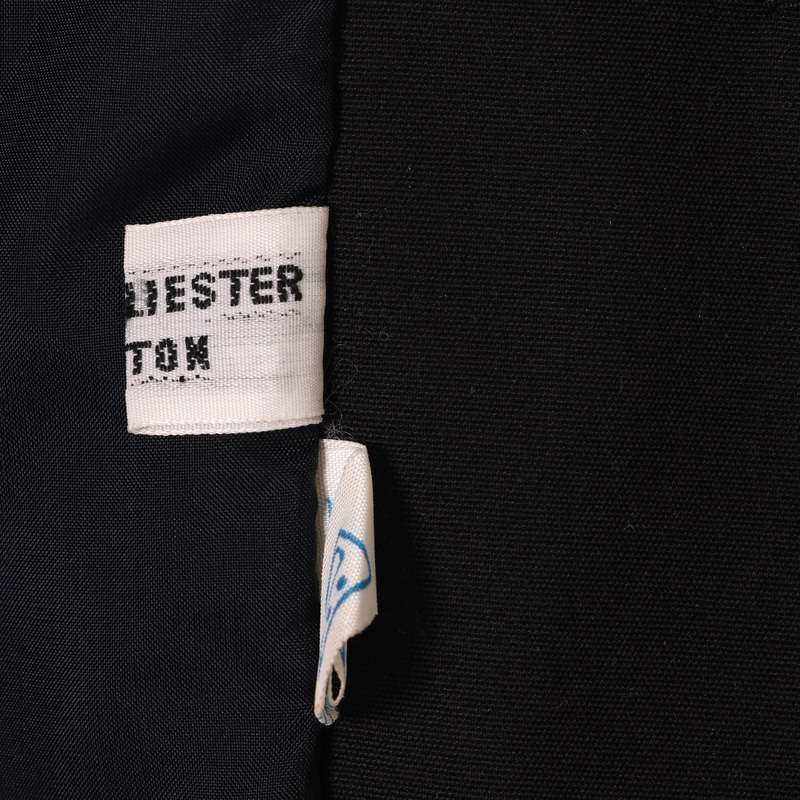
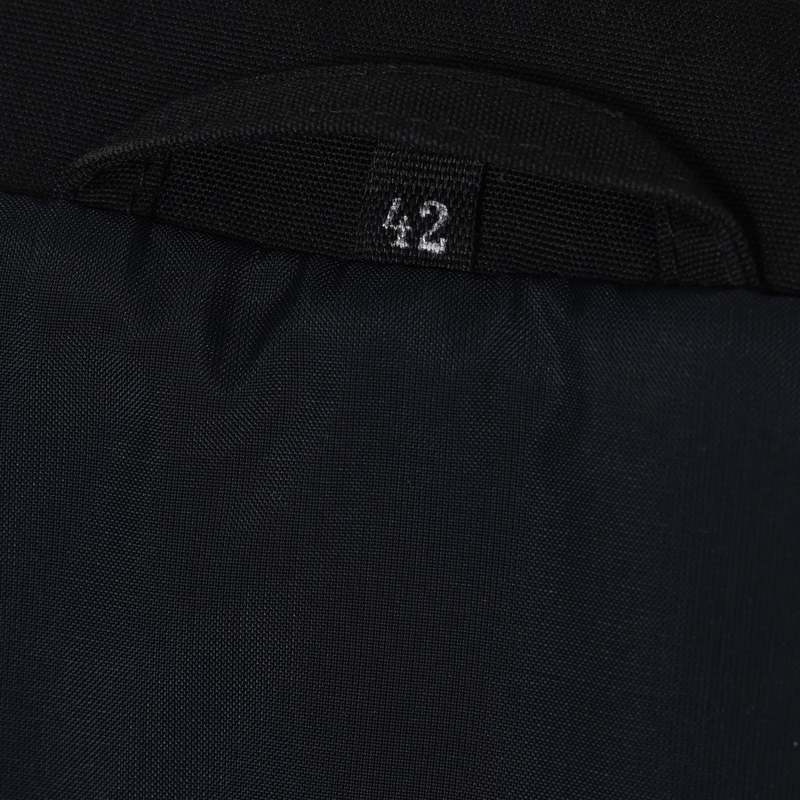
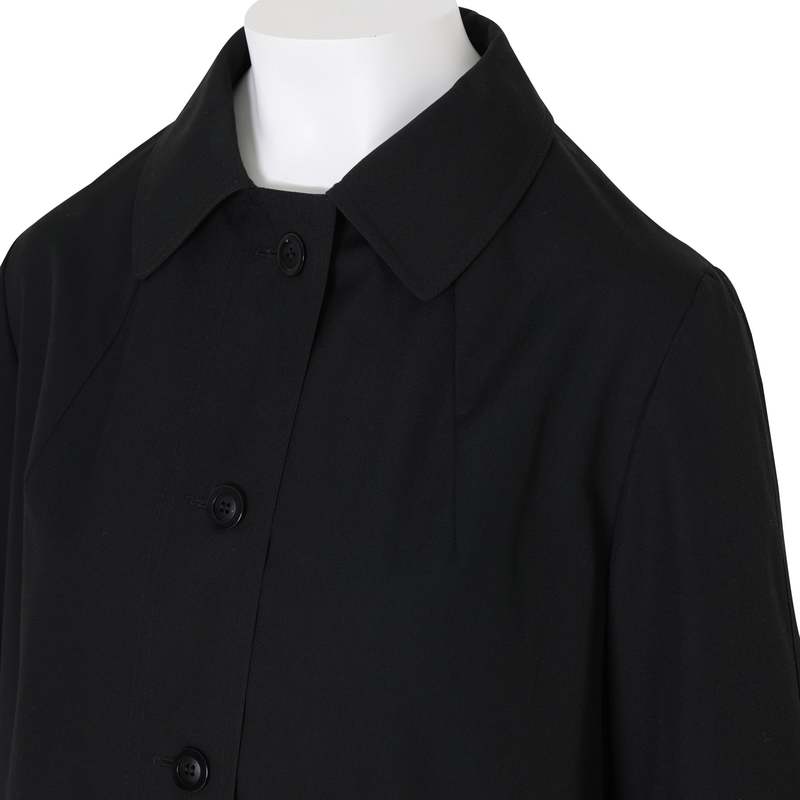
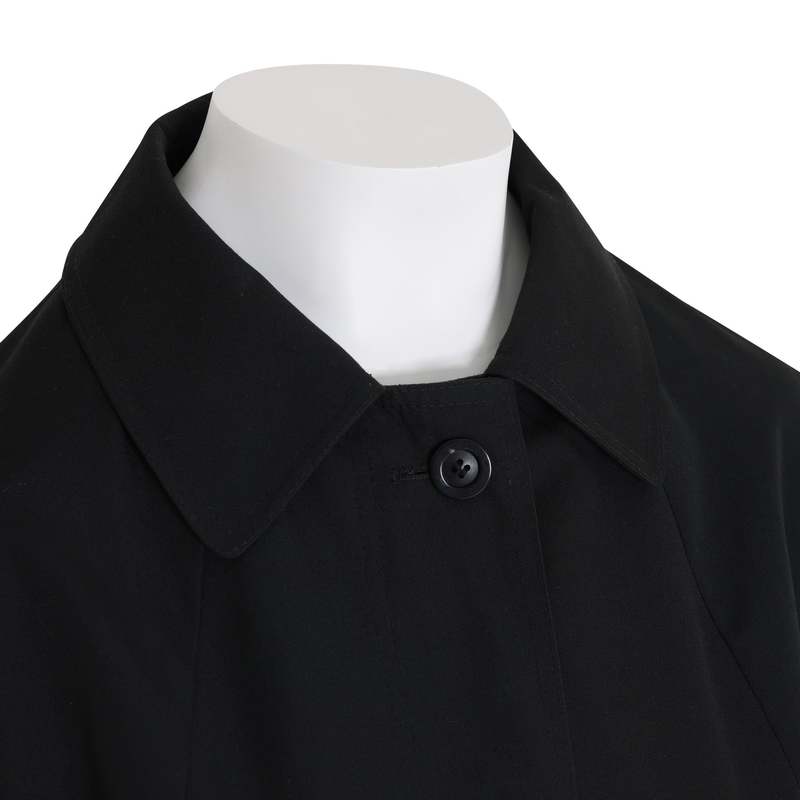
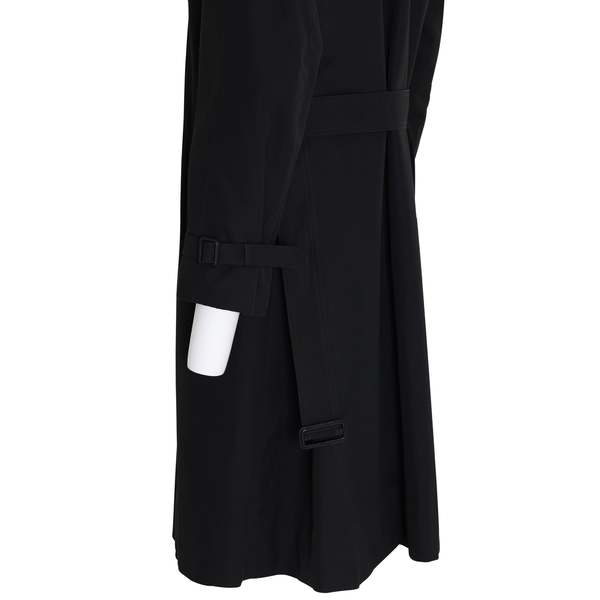
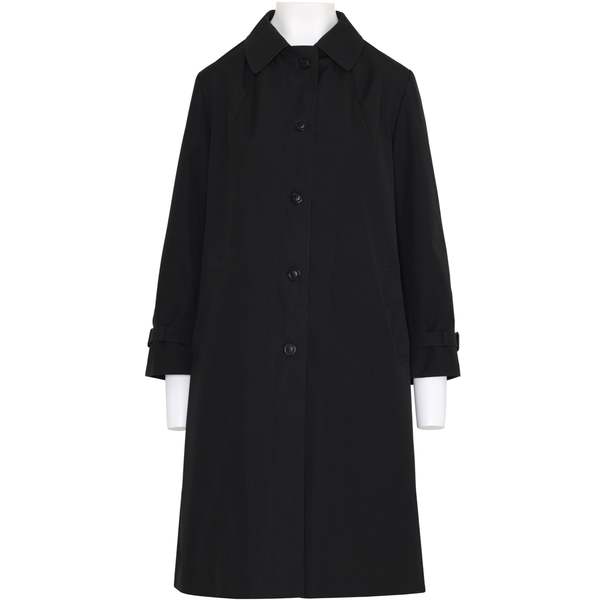
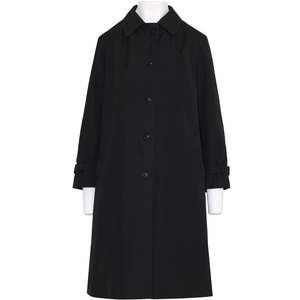
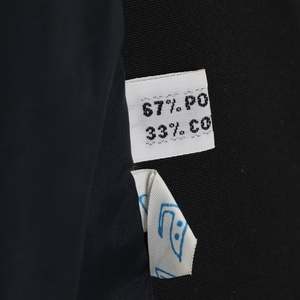
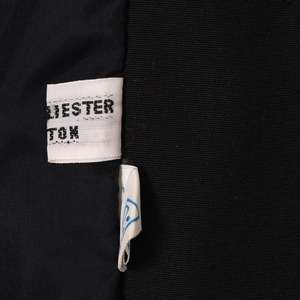
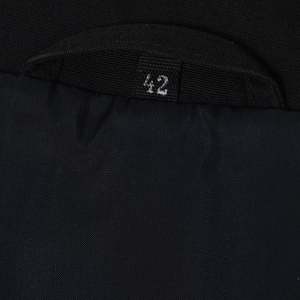
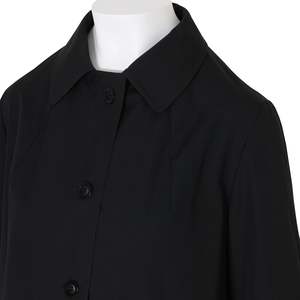
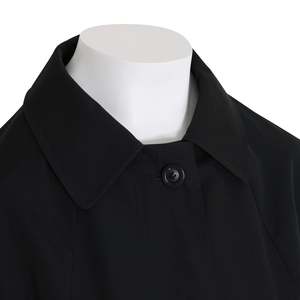
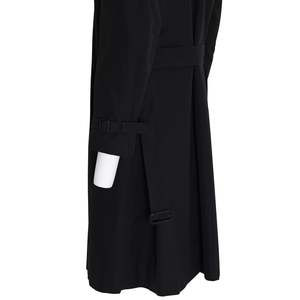
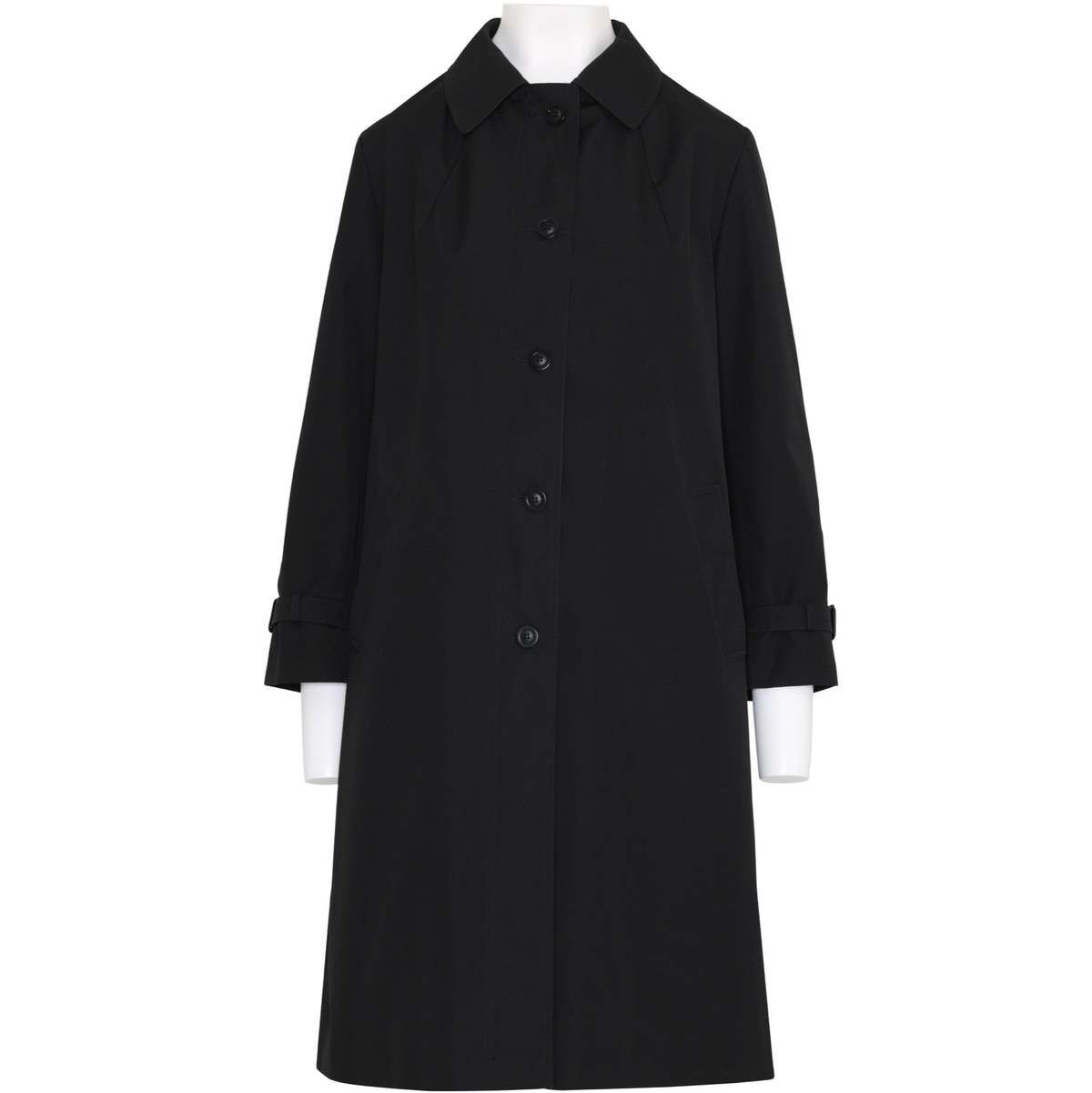
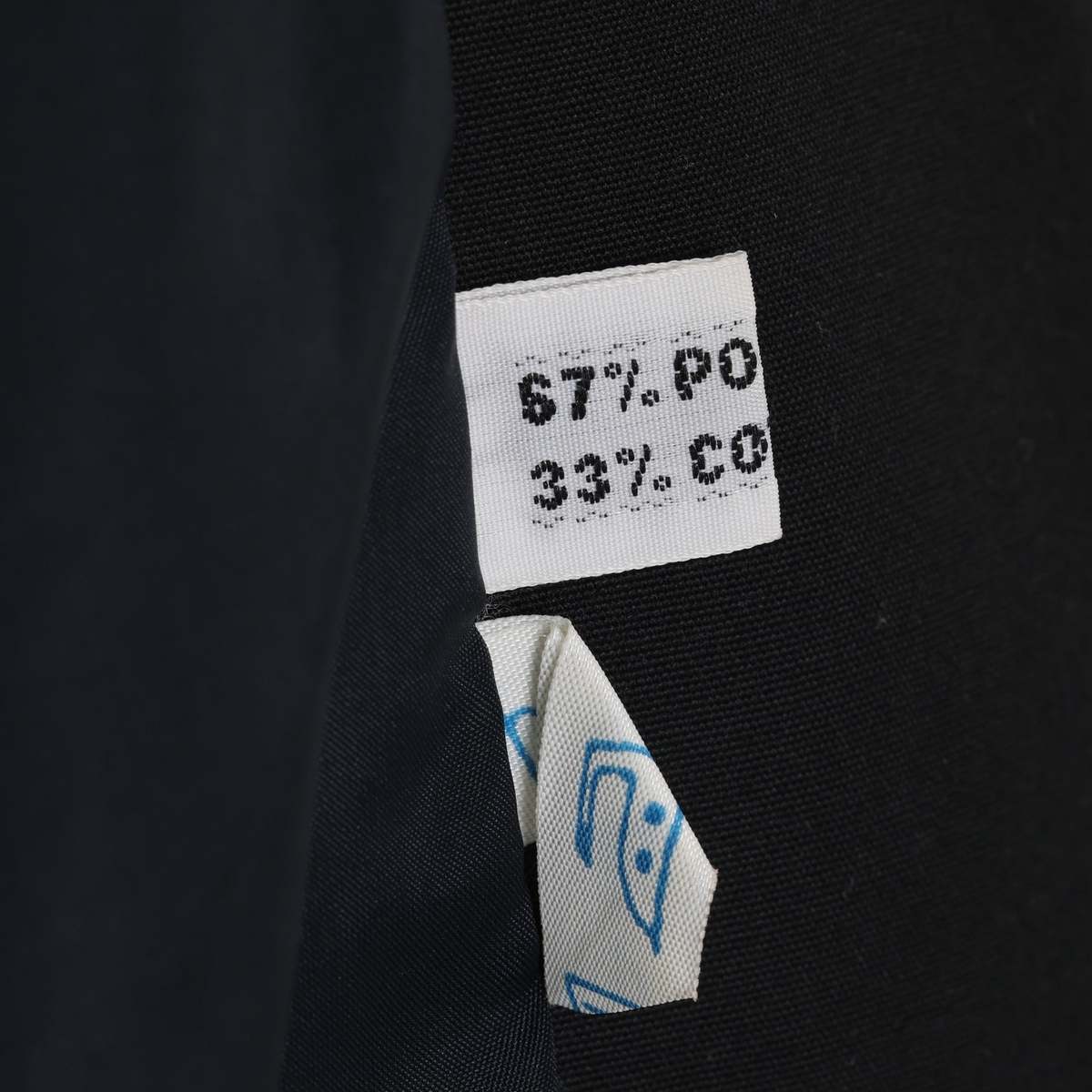
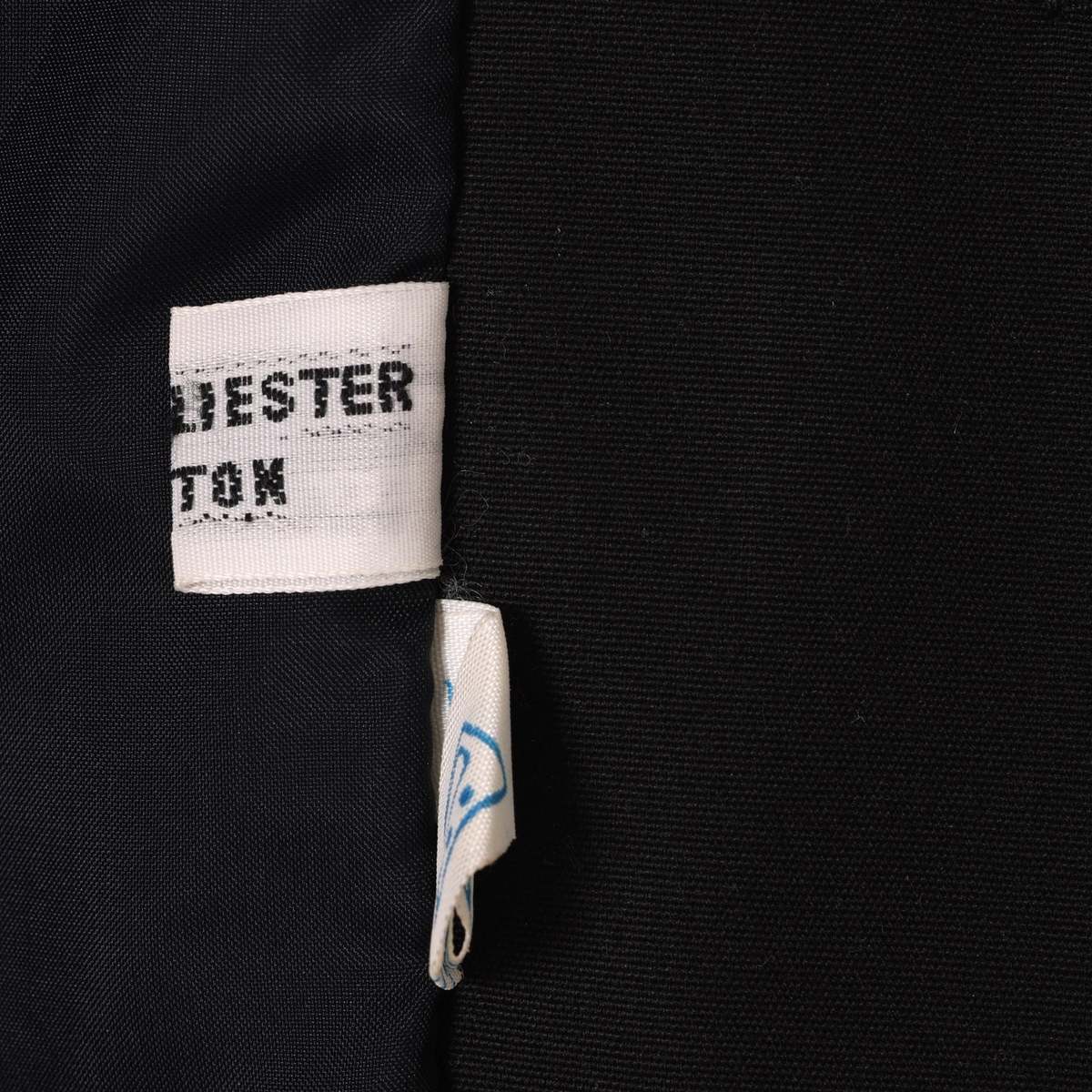
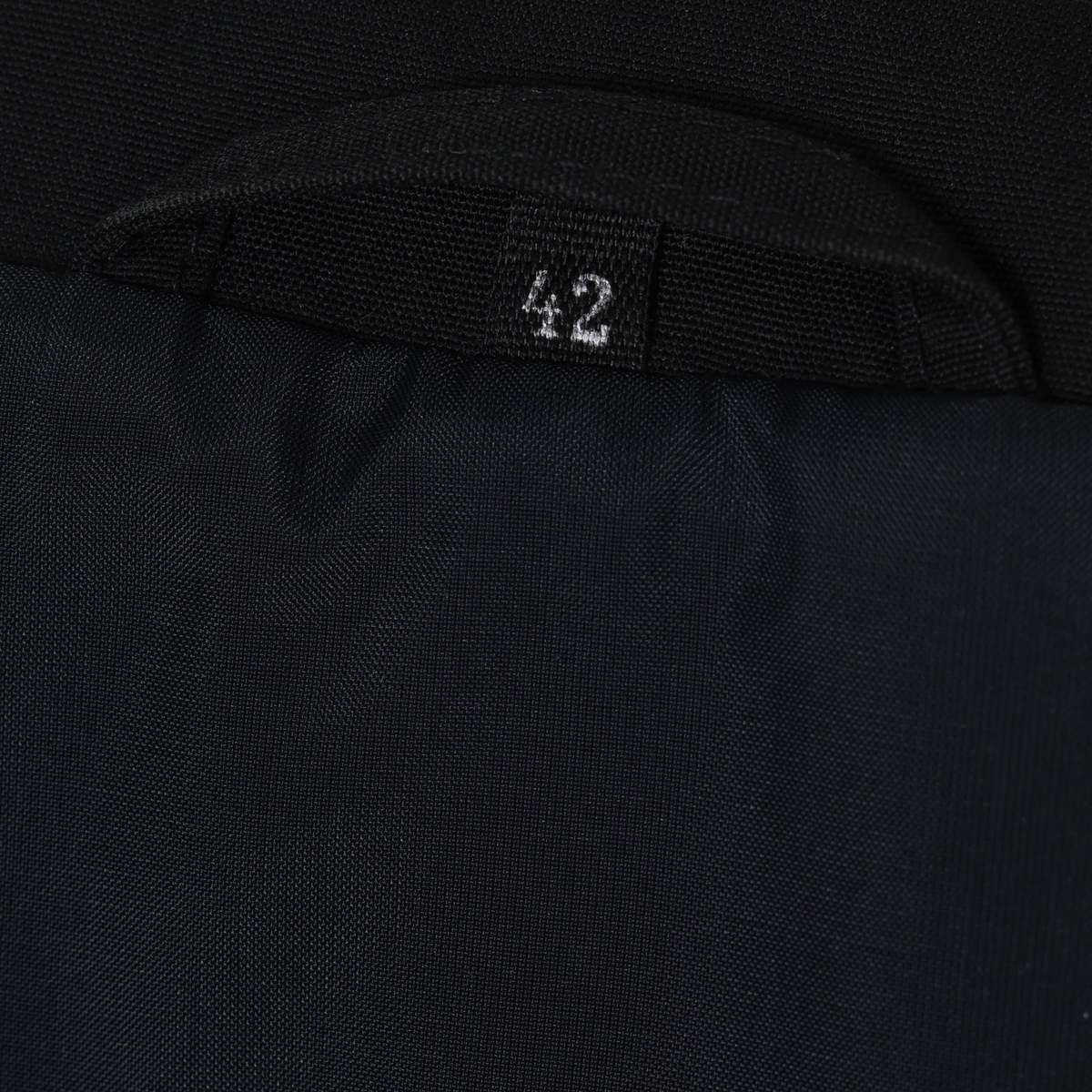
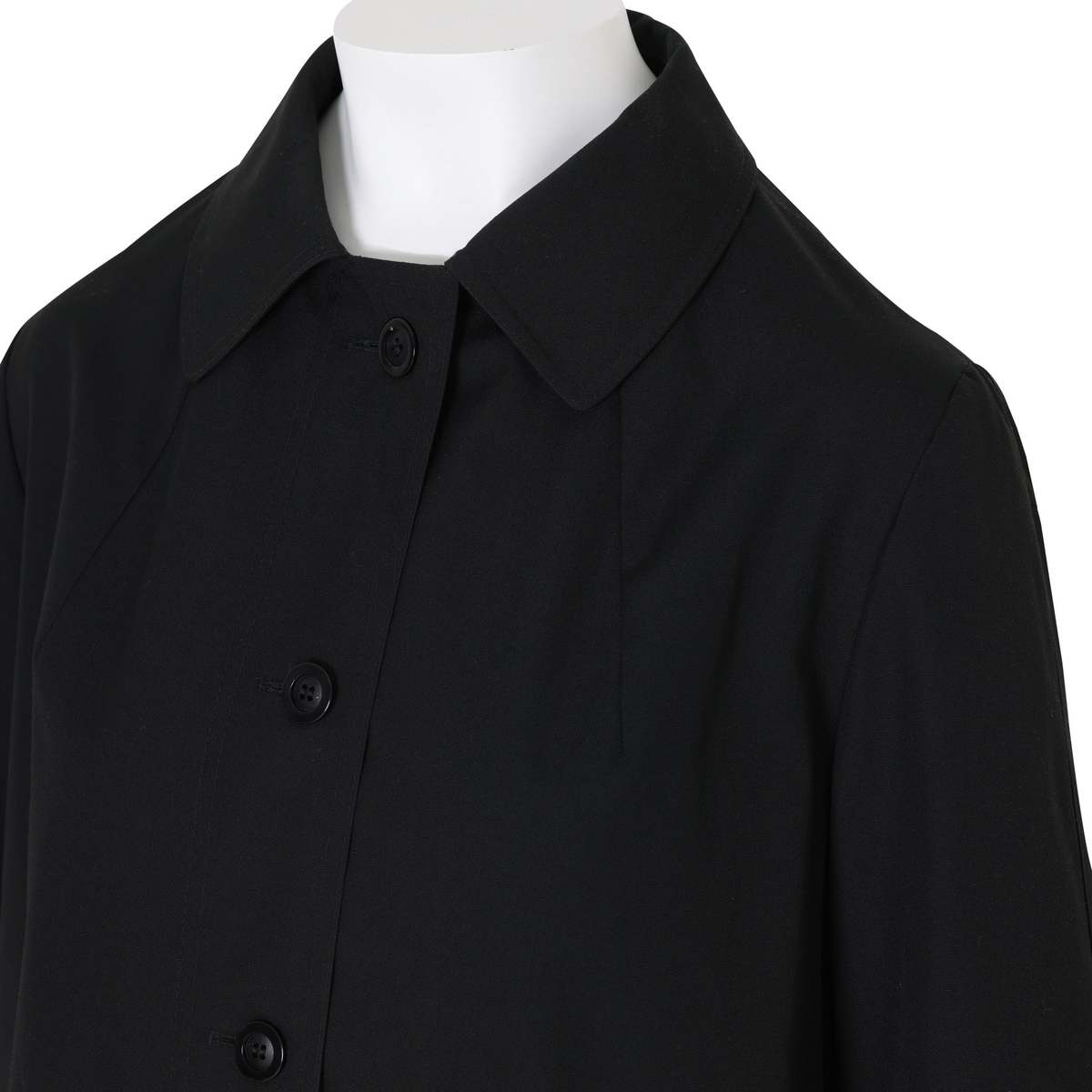
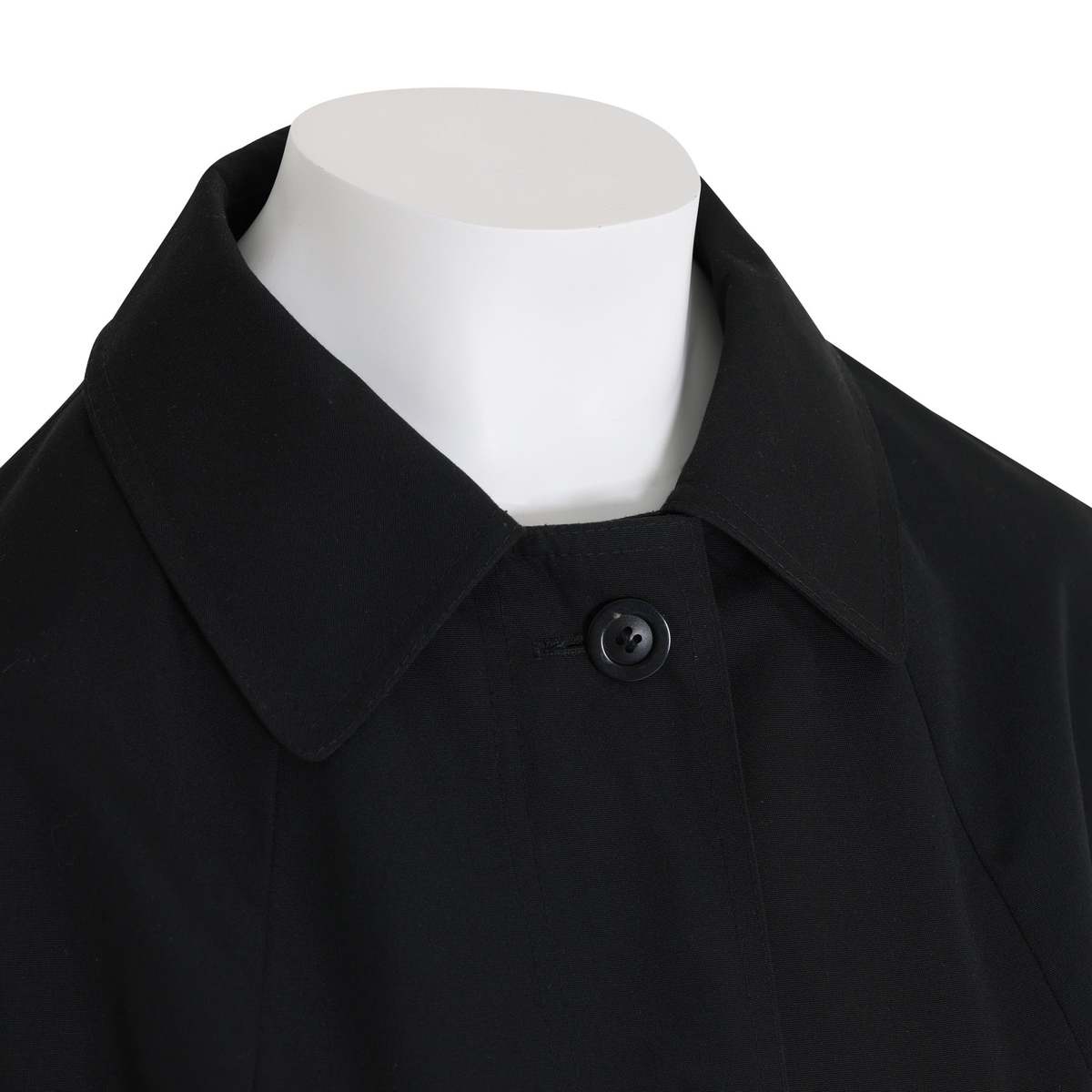
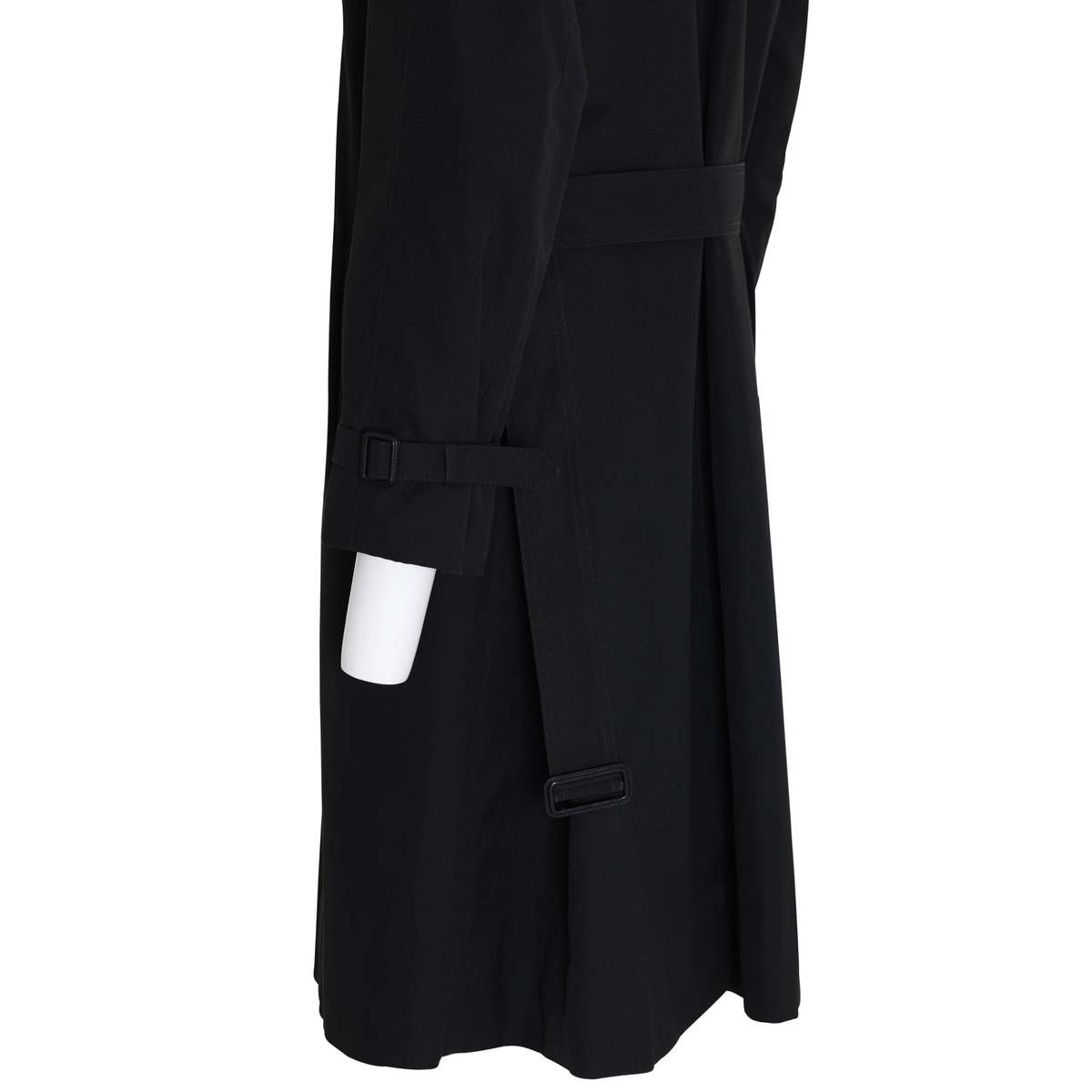
Absence of branding is not omission but intentaffirming the coats role in a visual regime predicated on equality and standardization. Produced within the infrastructure of a centrally planned economy, this womens mid-length walking coat is a paradigmatic artifact of Cold War-era socialist garment productionanonymous by design, and absent any brand identity. Its construction, labeling, and fiber content signal provenance from one of the major Eastern Bloc nationsPoland, East Germany (DDR), Czechoslovakia, or the USSRsometime between the mid-1970s and the late 1980s. The absence of a brand label, the presence of a numeric-only size tag, and the block-printed fiber composition label align precisely with the standard practices of state-run textile production. Developed by pattern institutes or factory bureaus operating under nationalized systems, the design of this coat reflects not the signature of a creative auteur but the impersonal authority of standardized pattern blocks, statistical sizing regimes, and fabric conservation mandatesmechanisms devised to serve collectsive utility over individual expression. Garments of this class were engineered for longevity, not novelty. Design priorities emphasized utilitarian styling, consistent output, and material efficiencycharacteristics enforced across COMECON textile distribution networks. Their influence on the broader fashion ecosystem lies not in visual innovation, but in infrastructural rigor: the implementation of uniform patterning systems, standardized grading blocks, and fiber blends that maximized domestic resource use. These coats functioned as civil tools rather than fashion statements, embedded in the social fabric as symbols of durable modesty and enforced aesthetic parity. The coats functional identity is clearly defined. Constructed as a transitional utility overcoat, it features a full raglan sleeve system and a single-breasted five-button front closure. Intended for wear in temperate climatesurban or ruralduring spring or fall, its purpose was to bridge work and social settings with minimal maintenance and maximum wear life. The design adheres to clear industrial logic: engineered for fast production cycles, durability under mechanical laundering, and resilient wear across demographic boundaries. It is a garment designed to outlast, not to attract. Construction methodology reflects this imperative. Stitching is executed via flatbed industrial machines using a medium-length lockstitchbalancing output speed with acceptable structural cohesion. Seams are primarily overlocked; where necessary, exposed seams at high-stress zones are bound within the full interior lining, constructed from polyamide or acetate. The collarcut as a two-piece shirt-style configurationis lightly interfaced and topstitched at approximately 2mm, with no pad stitching or roll shaping, resulting in a fixed, upright structure rather than a tailored collar roll. Reinforcements appear not as flourishes but as practical measuresapplied only where structural failure was most probable. The garments detailing offers further insight into planned-economy engineering. Fasteners are molded plastic with a matte finish, standardized across factories and shared between garments to streamline procurement. The raglan sleeves, while aesthetically minimal, were a strategic production choice: they simplify shoulder grading across multiple sizes and offer greater freedom of movement with fewer seams, reducing labor time and increasing fit tolerance. Adjustable cuffs secured by tab-and-slider buckles provide modest insulation and customizationfunctionality adapted from military and trench traditions, stripped of their original ornamentation. Similarly, the half-belt sewn into the back side seams references Western tailoring idioms, but here acts as a fixed structural element, not a dynamic fit feature. Darting is handled with unusual efficiency. Forward-facing bust dartsoriginating from the shoulder seamreplace more fabric-intensive princess seams, providing acceptable shaping while improving fabric yield from narrow-width bolts. This cutting logic typifies Eastern Bloc clothing: where fit concessions were permissible, they were made in favor of economy, particularly in garments not destined for export markets. Back construction is flat and seam-minimal, with shaping suppressed by the fixed half-belt; no pleats, vents, or decorative topstitching distract from the clean plane of the body. The textile itselfa 67% polyester / 33% cotton blendis entirely consistent with socialist-era fiber engineering. The weave, likely a plain or fine twill, is tightly constructed with a matte finish and medium density, falling within the 240260 GSM range. Polyester contributes dimensional stability, low water retention, and crease resistanceparticularly valued in economies with limited access to home pressing equipment or professional cleaning services. Cotton adds permeability and tactile softness, offsetting the rigidity of synthetics. These blends were widely developed to reduce dependence on imported wool and to support home-laundering functionality across large populations. In short, the fabric performs as dictated by policy: enduring, inoffensive, and operational under infrastructure constraints. Interior finishing adheres to industrial durability standards. The lining is bagged, turned, and machine-closed, attaching cleanly to the neckline and sleeve hems. Cuffs are reinforced with bartack stitching where the strap meets the seam, and the overall edge finishing is subtlefocused on containment rather than aesthetic sophistication. Topstitching is minimal to absent on the outer body, in keeping with the preference for visual uniformity and construction economy. There is no evidence of decorative flair or brand signaling, which aligns precisely with the garments function as a non-luxury, ideologically neutral item. Conceptually, the coat serves as a vessel of civilian discipline. Its aesthetic neutrality and utilitarian silhouette signal equality, function, and dutyvalues embedded in the planned-economy worldview. In rejecting individualism, the garment communicates its ideological framework not through logo2s or seasonal relevance, but through standardization itself. It reflects the belief that fashion should support the state and the citizen, not self-expression or social hierarchy. Where Western garments might seek to elevate the wearer, this coat seeks to harmonize them with the collectsivea philosophy manifest in every stitch and seam. Its aesthetic direction, while untheorized at the time, occupies a space adjacent to minimalist ideologies. Though not a product of artistic reductionism, it resonates with Bauhaus sensibilitiesform following functionthough stripped of aesthetic intentionality. The garment participates, almost accidentally, in the visual language of brutalism: stark, uniform, and materially grounded. This is design as obligation, not expression. From a historical perspective, its production window is securely located between 1975 and 1989. This placement is substantiated by typographic and material evidence: numeric-only sizing, generic fiber labeling, and the absence of brand identifiers all point to non-export, domestically consumed production under socialist industrial regimes. The coat embodies the bureaucratic visual language of that moment: one where fashion functioned as infrastructure, not as commodity. In the contemporary landscape, this garments relevance is striking. Its recontextualization by designers such as Gosha Rubchinskiy and Demna Gvasalia (at Balenciaga) has reframed post-Soviet austerity as a viable fashion language. Its ideological claritys and design discipline provide fertile ground for academic inquiry, sustainable fashion thinking, and conceptual reinterpretation. It invites comparisons with Margielas deconstruction of uniformity, or with the current resurgence of archival minimalism in global fashion discourse. Technically, it performs its original brief with precision. Every structural and material choice reinforces its intent: a durable, equalizing outer layer for public wear across seasons and settings. Commercially, the garment has moderate resale valueparticularly among stylists, curators, and collectsors invested in the cultural semiotics of fashion. Educationally, it is invaluablea physical record of fashion as civil infrastructure. And creatively, its influence is ripe for reinterpretation, whether through direct upcycling, pattern adaptation, or thematic referencing in contemporary capsule collectsions. This coat is not merely a garment. It is a document of ideology, engineering, and anonymous authorshipquiet, durable, and absolute in its function. Its relevance endures not because it sought to be timeless, but because it was built to be forgottenand in that, it speaks volumes.
Garmentory is a curated marketplace of independent boutiques and emerging designers from around the world.
Fashion With Intention
Aw yeah!
We love making new friends so while we're popping bottles, continue shopping to apply your $10 credit.
We've got a dedicated site "garmentory.co" just for our Indian customers! Shop with local currency, faster shipping, and exclusive products.
We cannot add this item to your bag because it’s already at max capacity. But don’t worry, we’ve saved it to your wish list.
Earn Replica Belts credits when you shop, wishlist, and inspire others.

Have a question about the size or something else? We're here to help!