Spring fever is here 🌡️☀️ Prep early for those not too hot and not too cold days by finding something you love ON SALE. SHOP THE SALE


Spring fever is here 🌡️☀️ Prep early for those not too hot and not too cold days by finding something you love ON SALE. SHOP THE SALE
| To | Service | Estimated Delivery | Fee |
|---|---|---|---|
| 🌎 | Intl. Air | 6-20 business days | $29.95 |
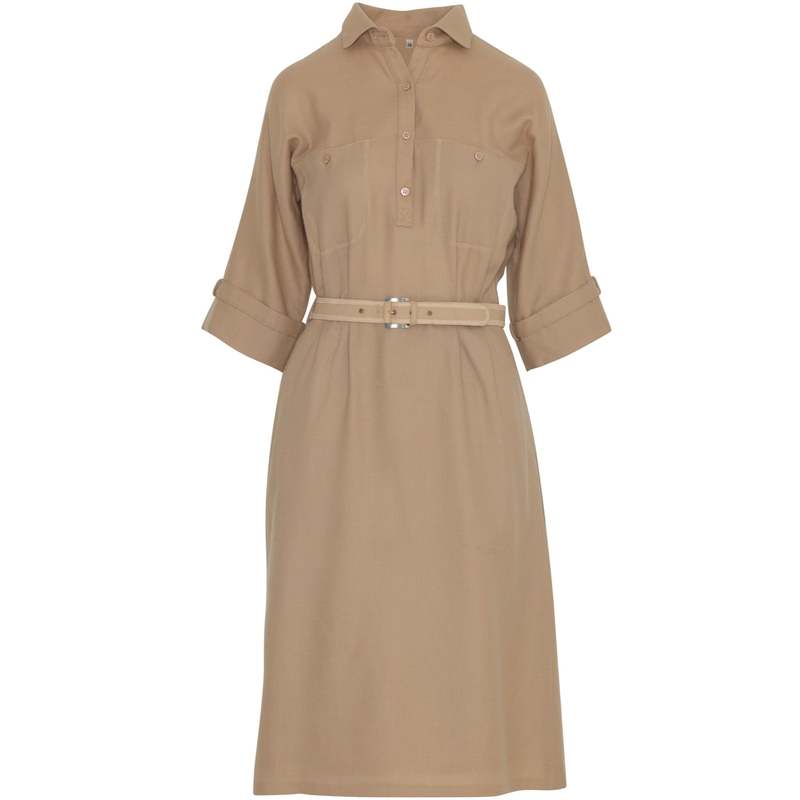
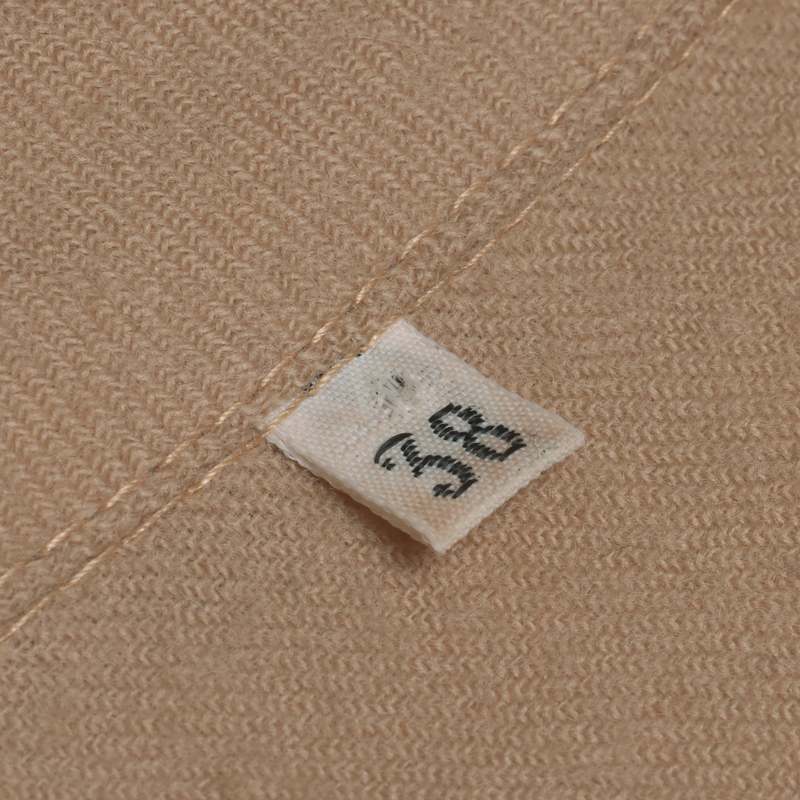
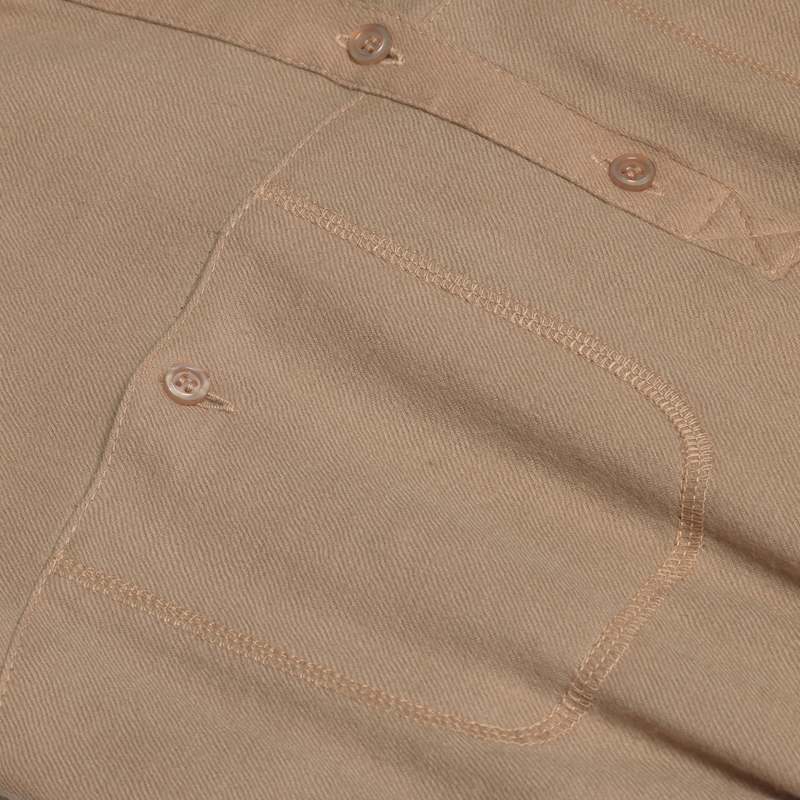
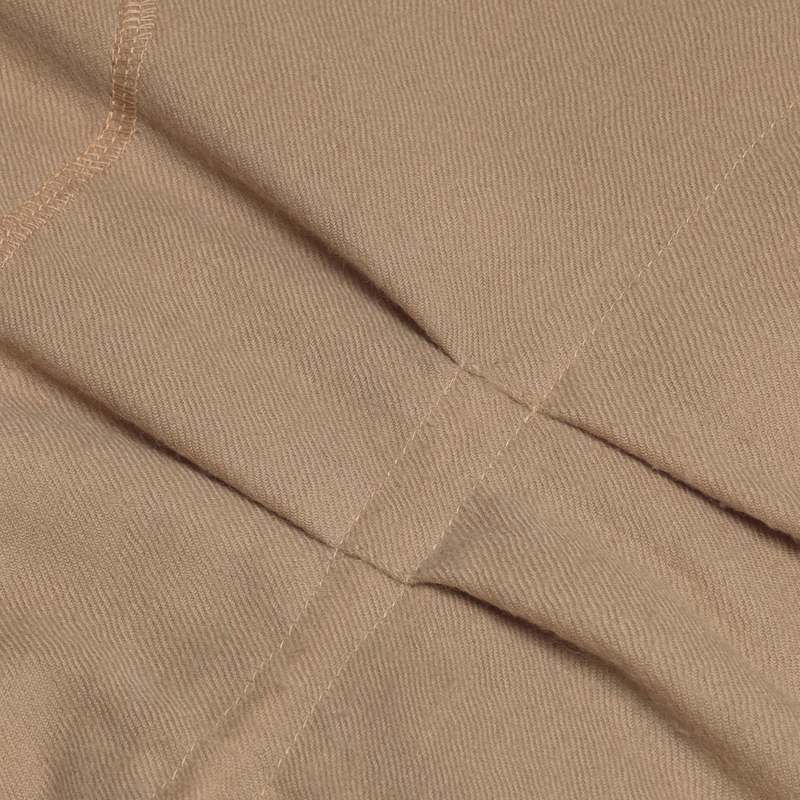
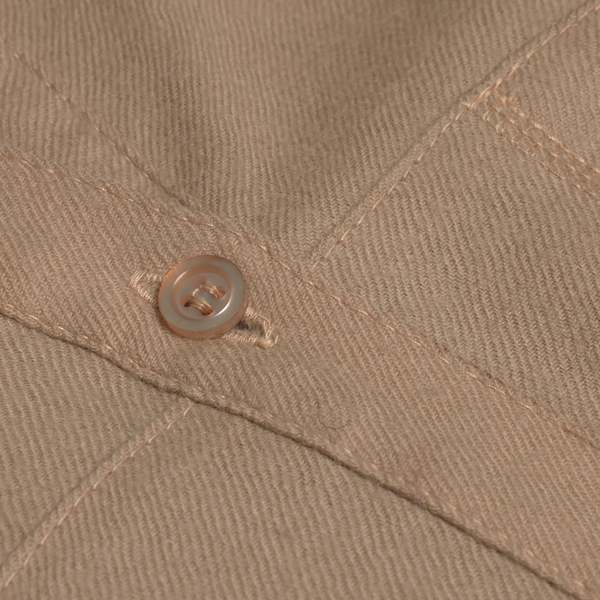
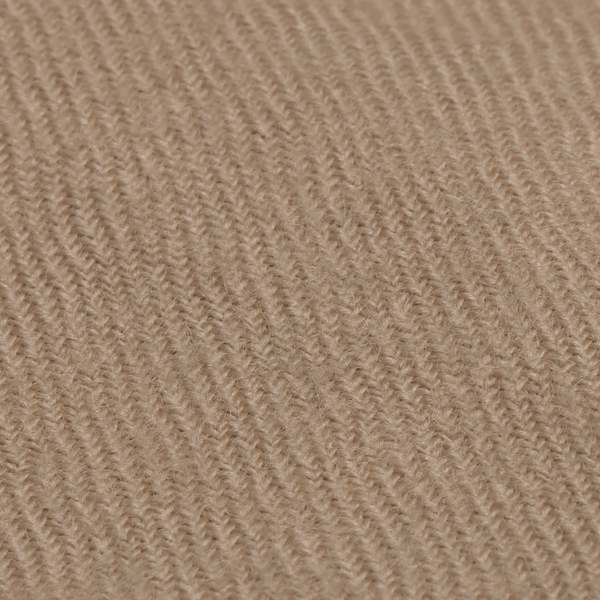
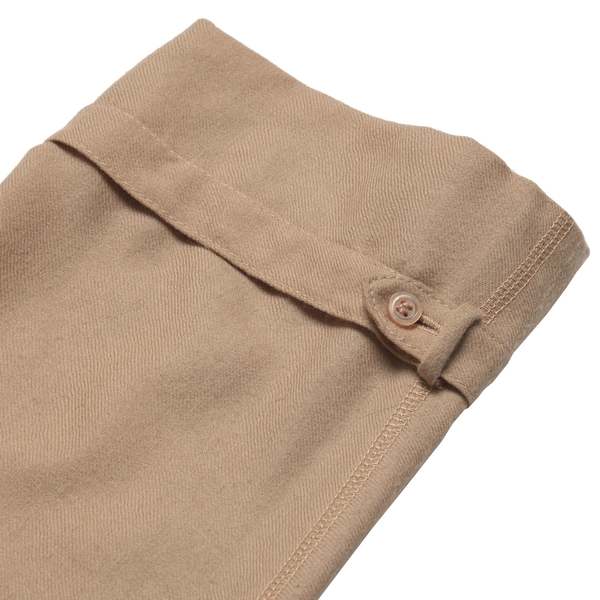
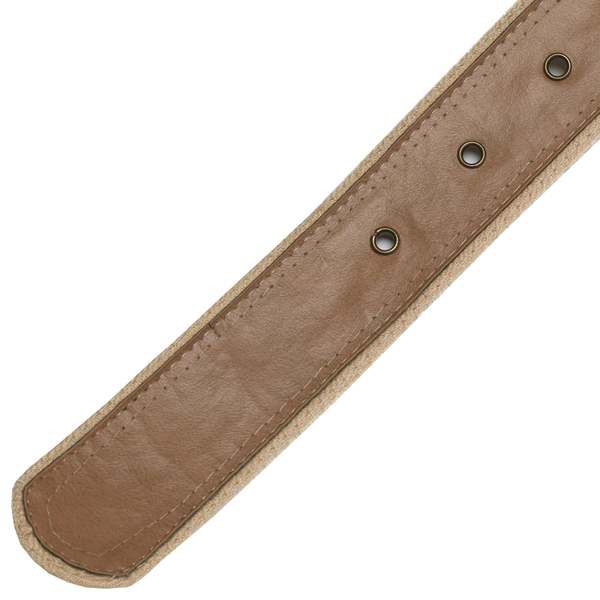
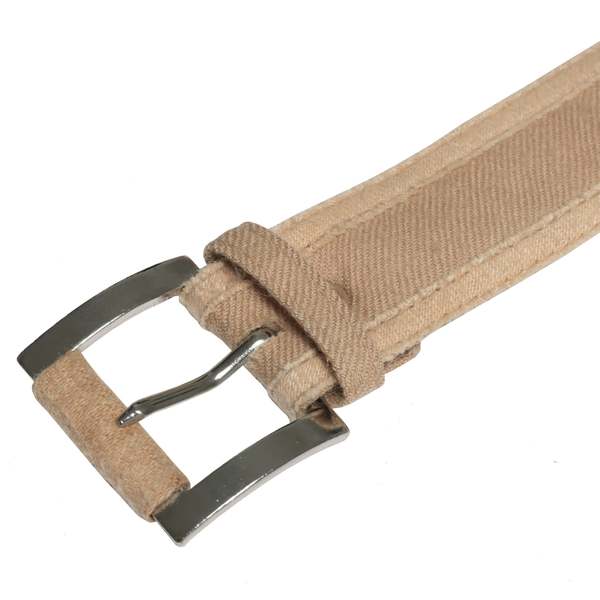
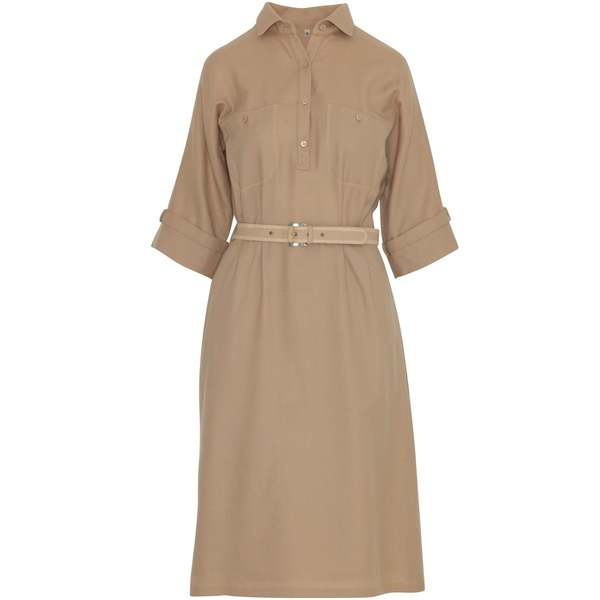
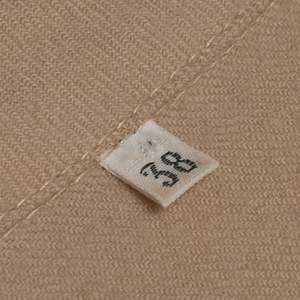
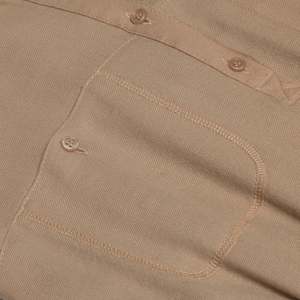
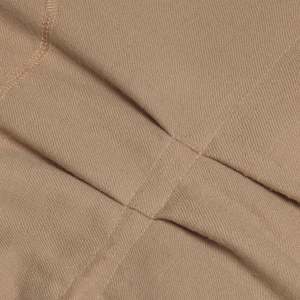
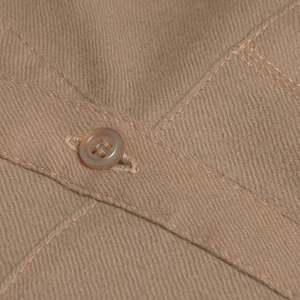
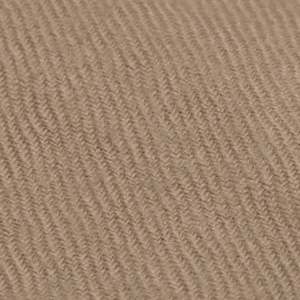
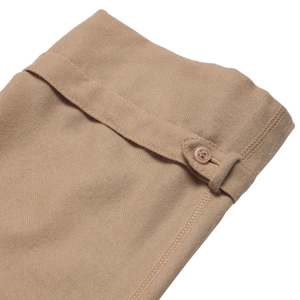
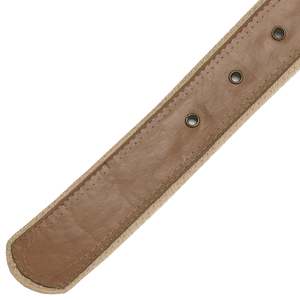
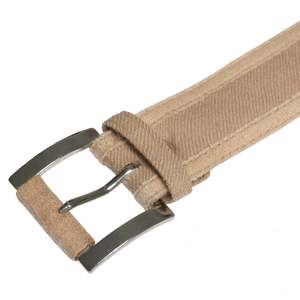
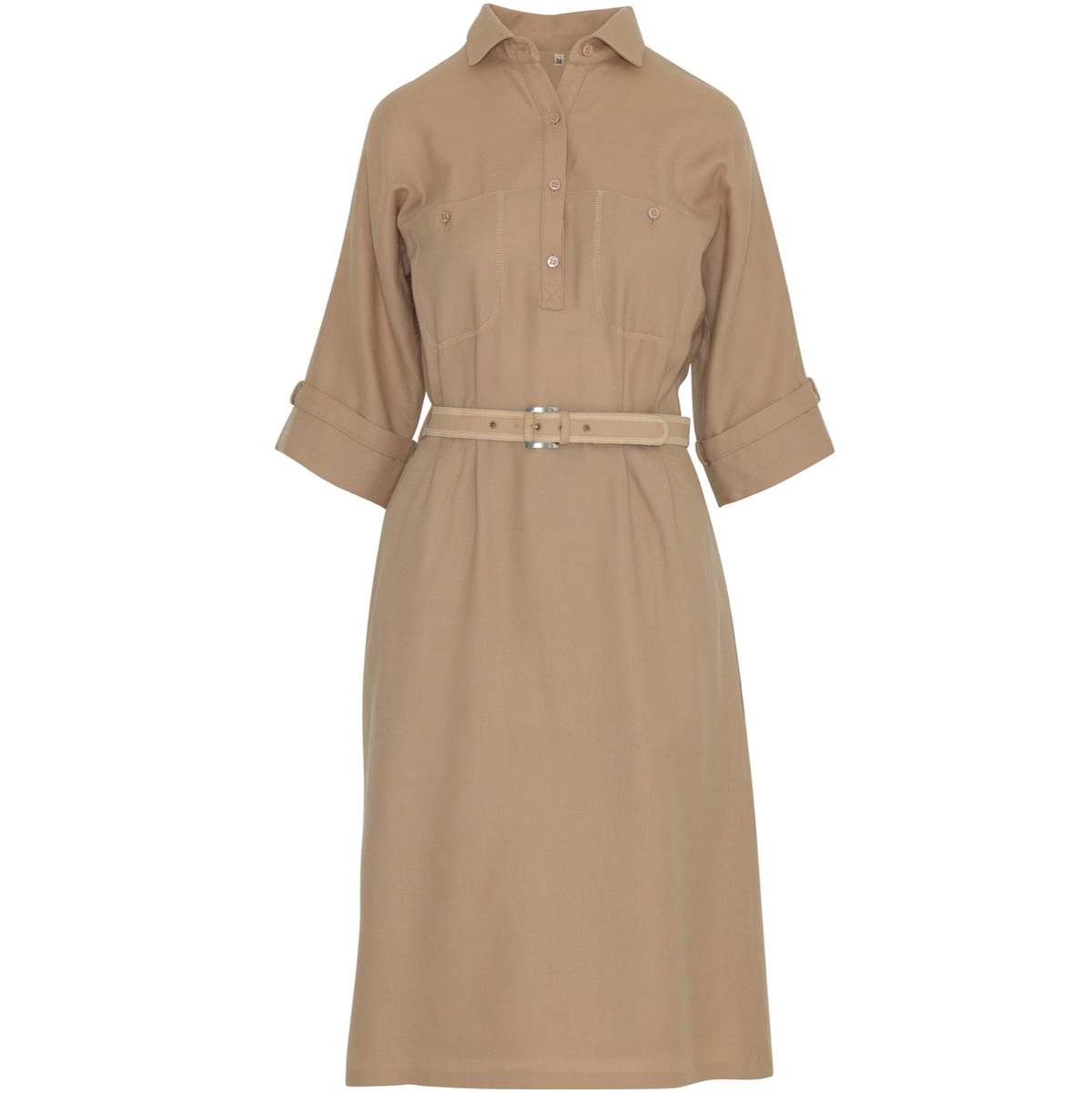
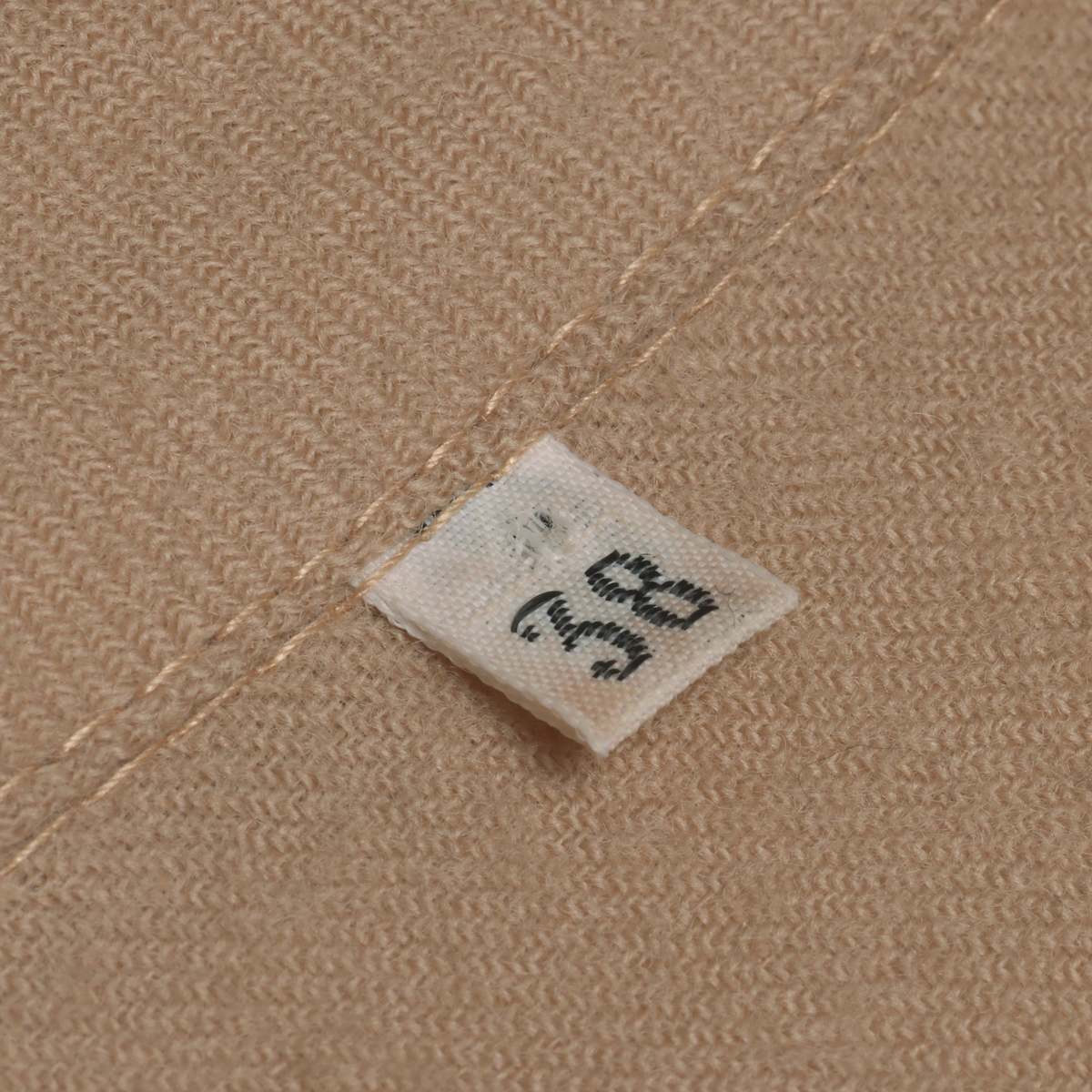
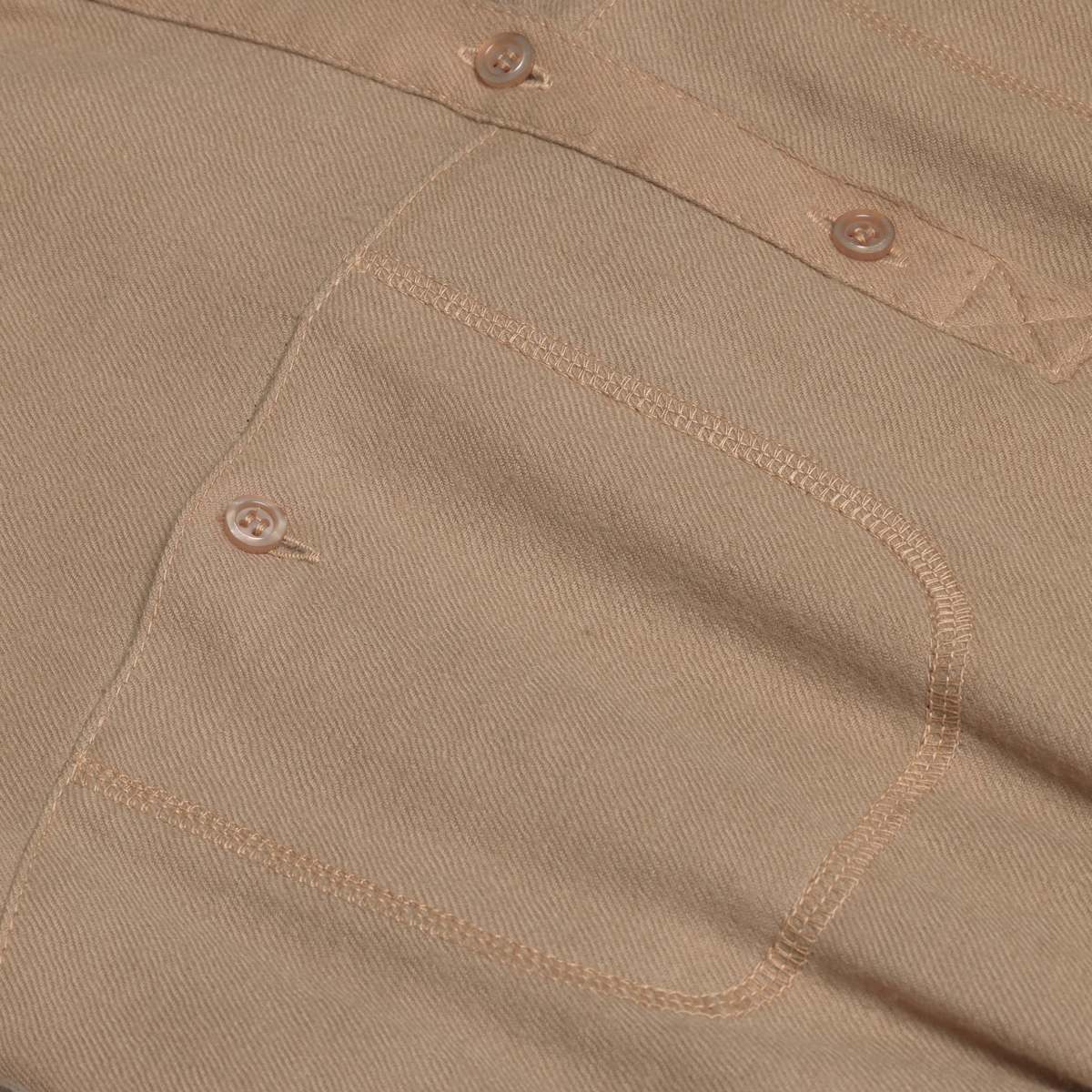
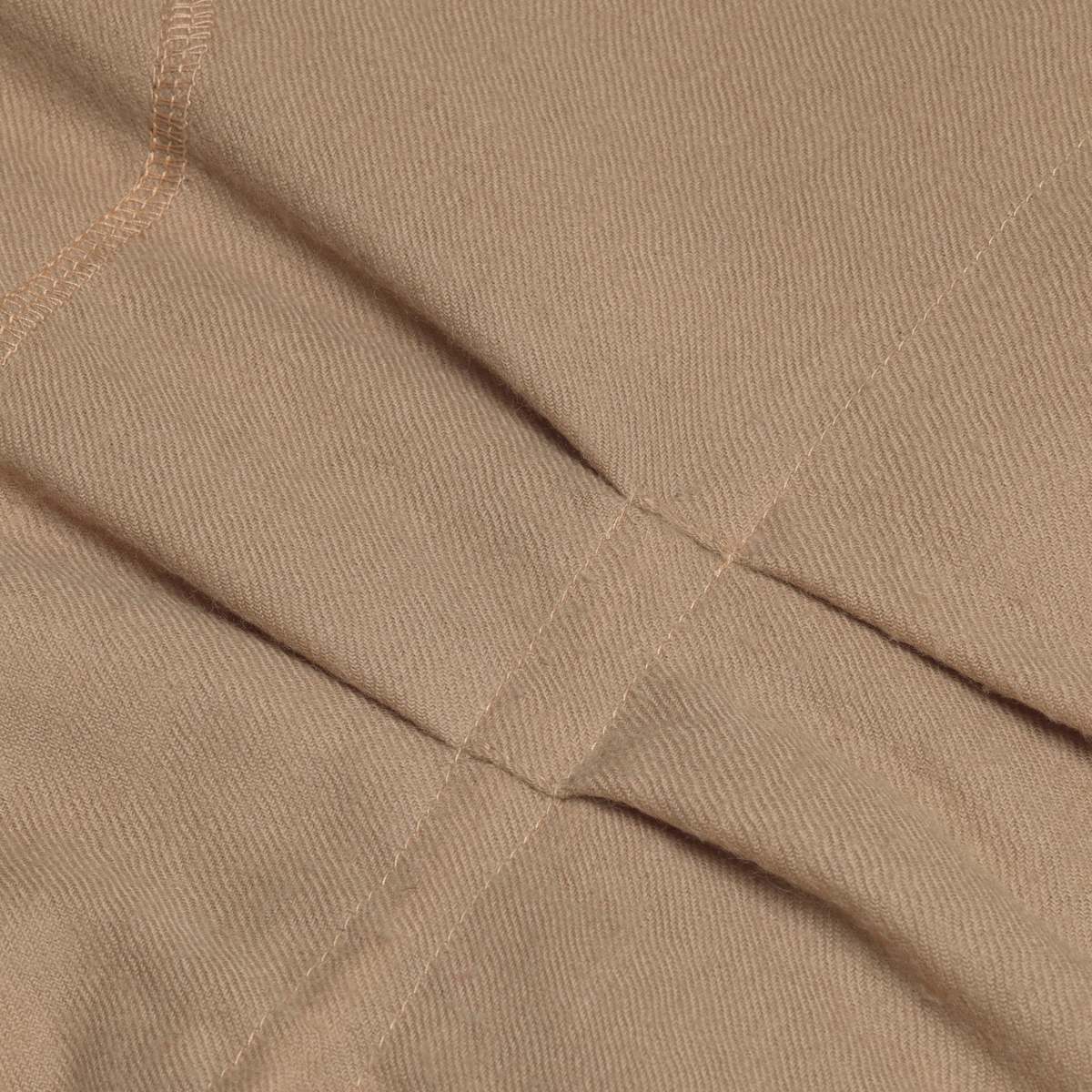
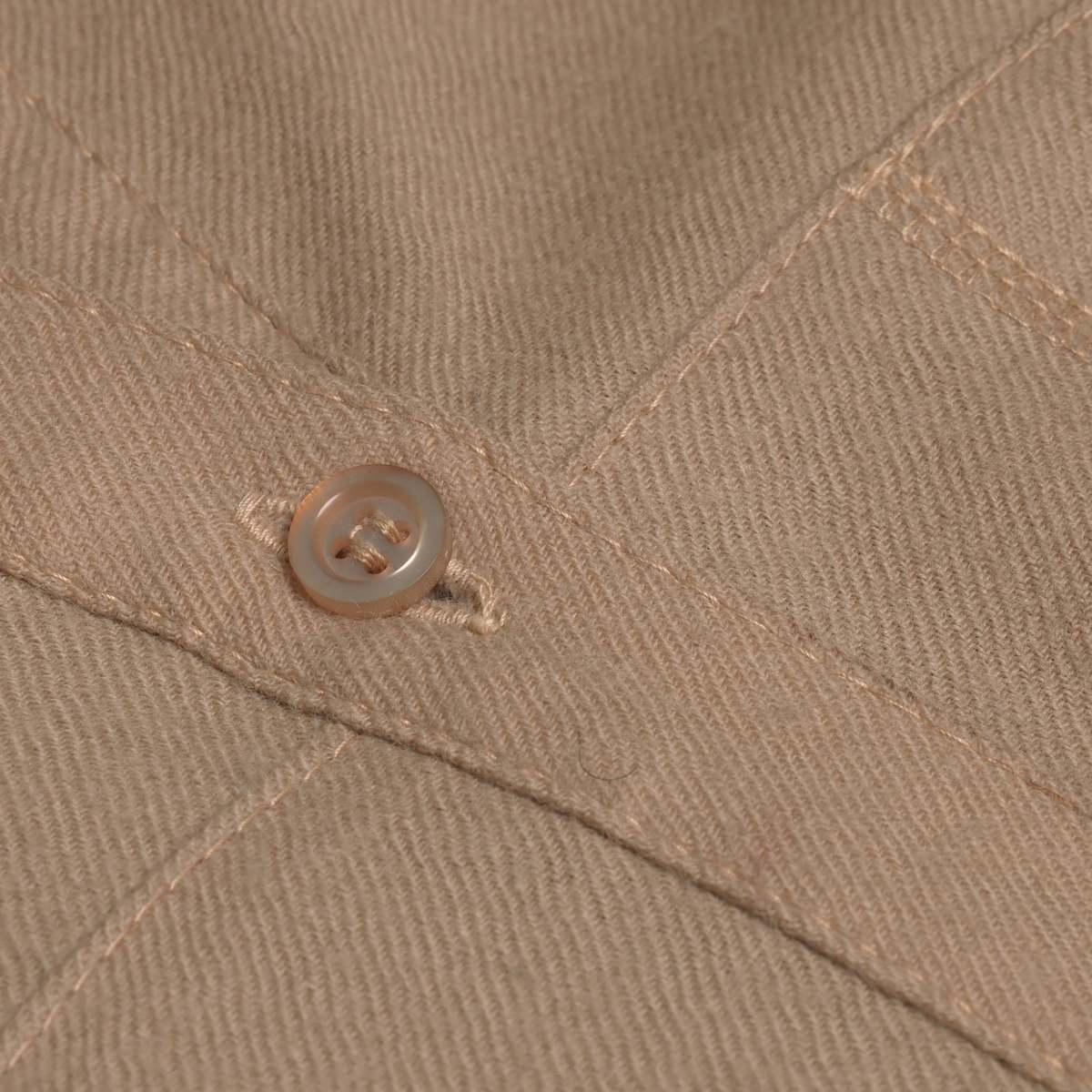
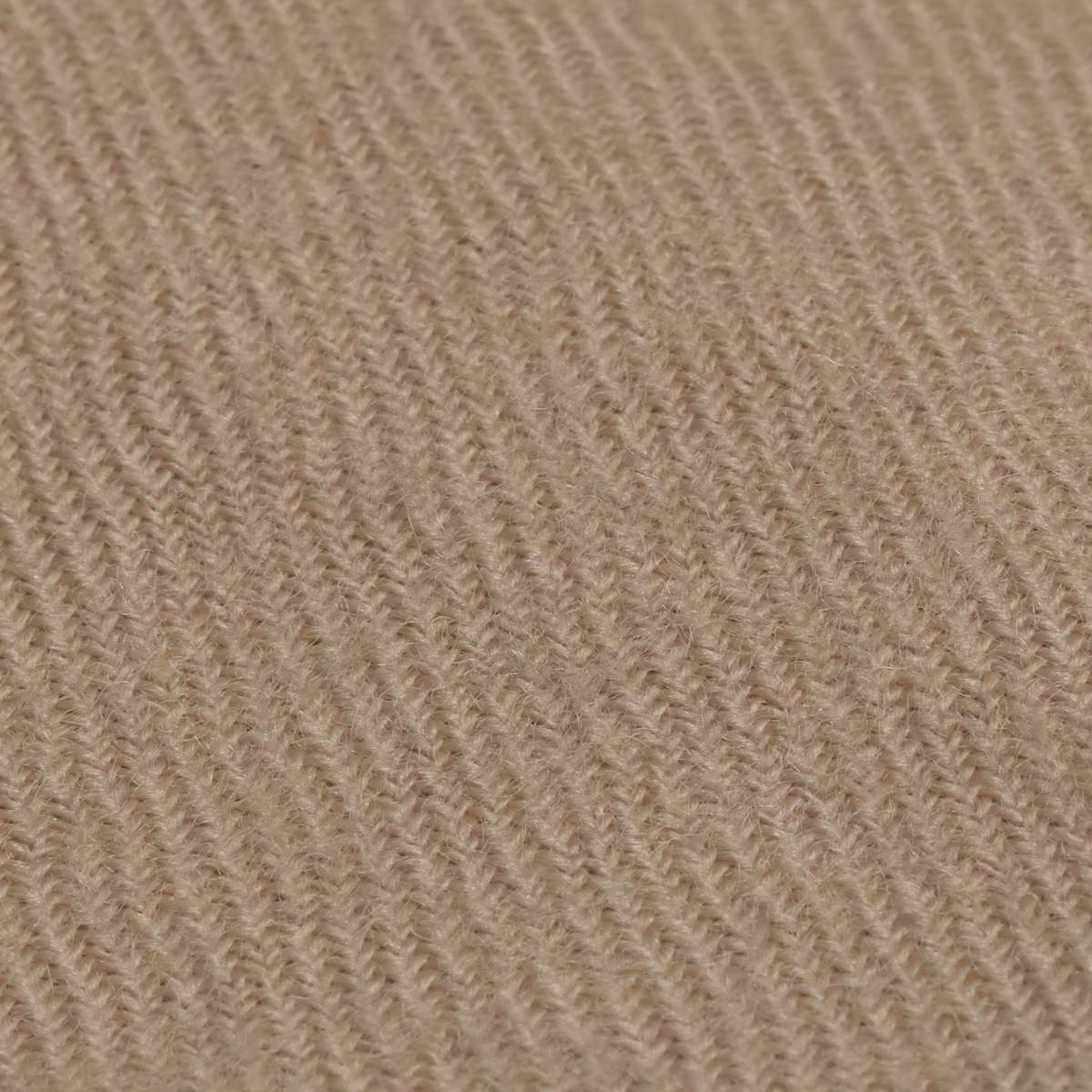
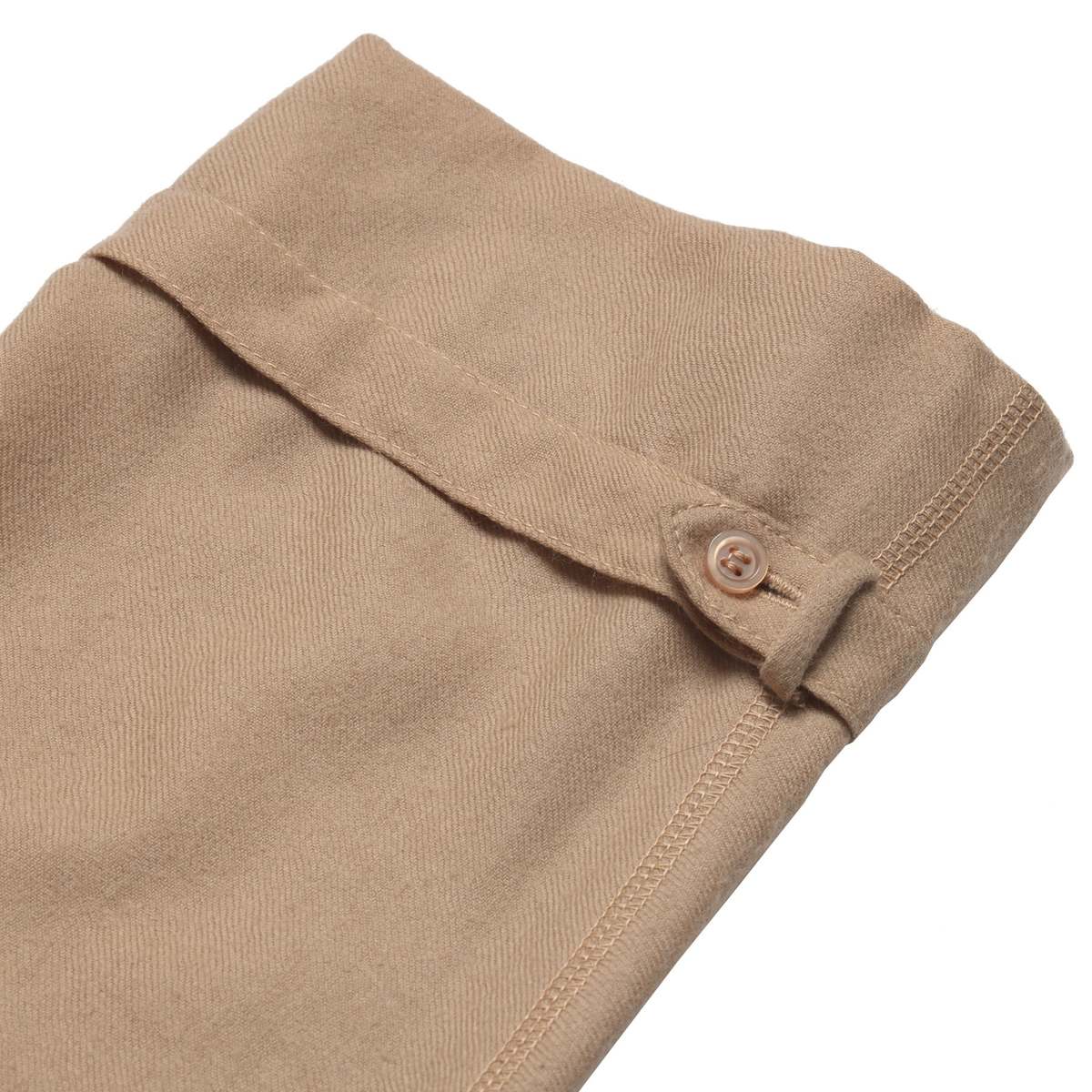
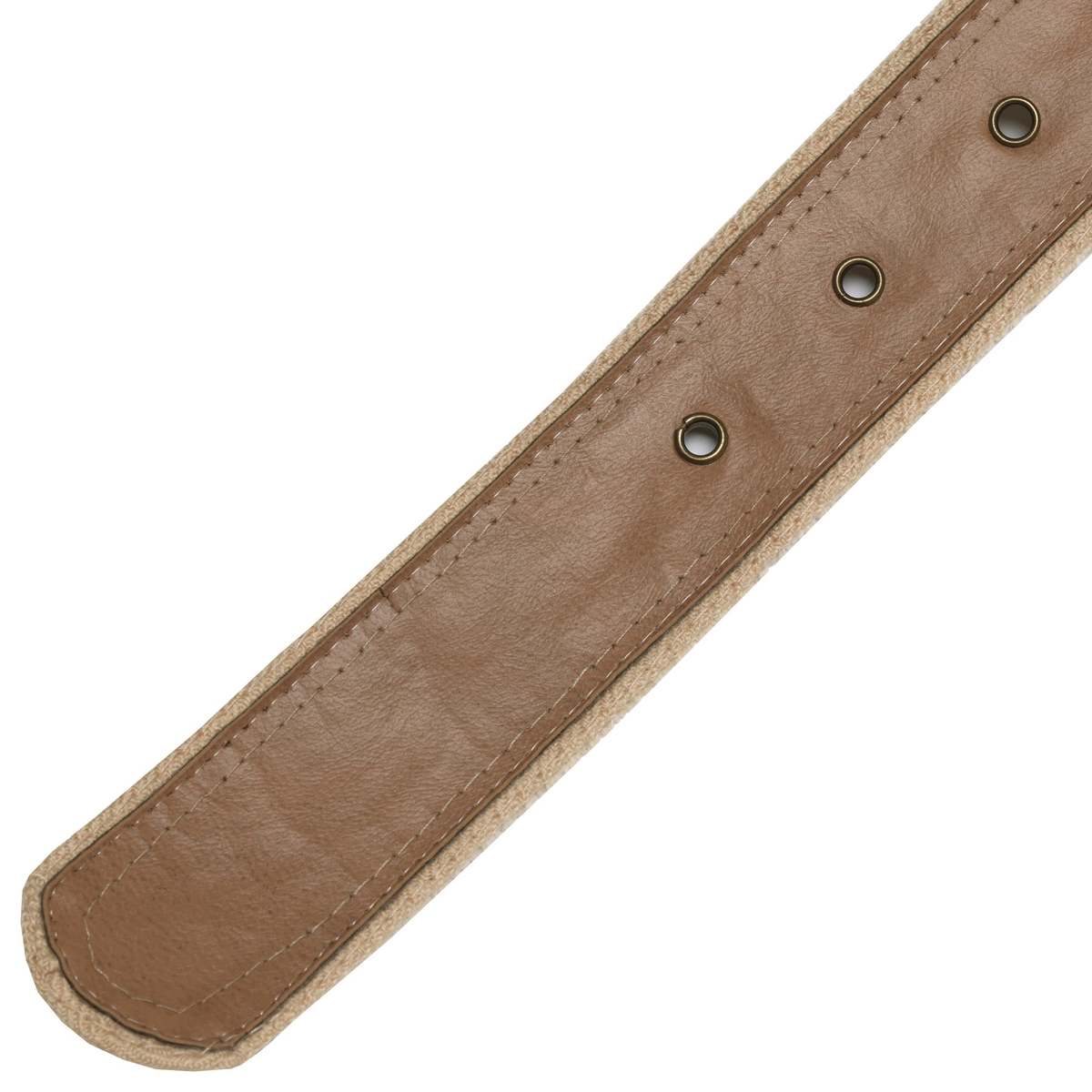
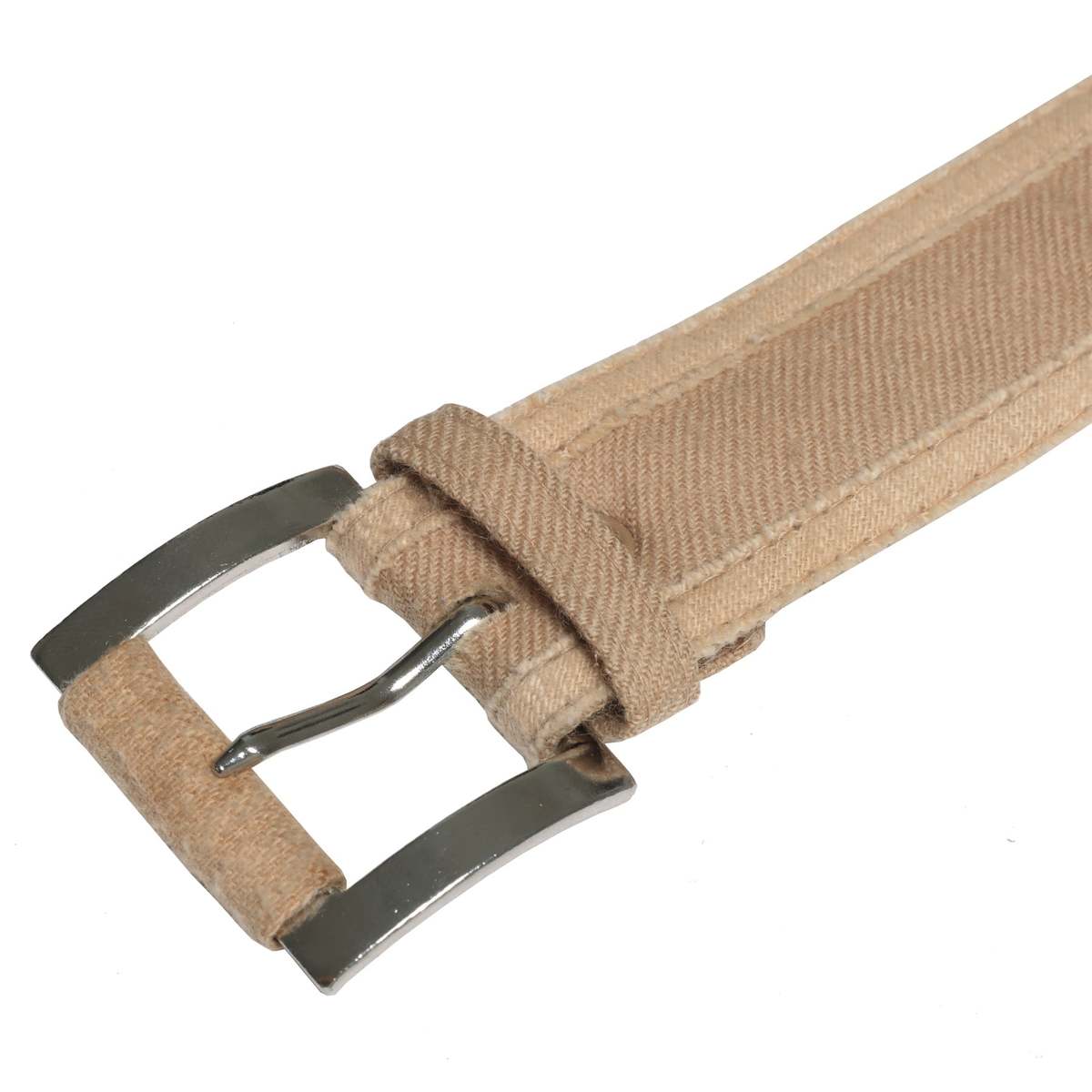
A 1970s East German utility dress designed for institutional wear, with military-adapted features and tailored shaping for daily professional use. The short-sleeve belted utility shirt dressmarked solely by a utilitarian size label printed 38 in sans-serif typebears all the hallmarks of late 20th-century Central European industrial garment production. Devoid of branding, logo2s, or design attribution, the garments structural and stylistic cues indicate provenance from a state-regulated, private-label, or department-store-affiliated manufacturer operating within the socialist or social-democratic fashion economies of the GDR during the late 1970s to mid-1980s. These sectors prioritized egalitarian uniformity, technical resilience, and durable construction in womens everyday formalwear, particularly for civic, clerical, and institutional occupations. Defined by its short sleeves with button-tab cuffs, a half placket and a self-fabric belt with a metal buckle, the garment fuses formal claritys with utilitarian sensibility. Its purpose was to deliver a structured, washable silhouette that bridged mobility and presentability, suitable for settings that demanded procedural decorum without sacrificing wearability. The military-coded featuresangled flap pockets, tab-adjusted sleeves, and buckled waistextend a lineage from 1940s field uniforms to 1970s uniform dressing, adapted here into civilian contexts through tailored refinement and gendered silhouette shaping. The visual vocabularymodulated tan colorway, reinforced closures, and structured panelsanchors the piece within a tradition of garments designed to serve both psychological and functional roles: conveying calm order, institutional neutrality, and professional readiness. The garments textile is a high-density 2/2 twill weave estimated between 240280 GSM, likely a cotton or cotton-polyester blend. Its pronounced diagonal rib structure runs left-to-right, offering abrasion resistance, dimensional stability, and structured drape with moderate softness. The yarns exhibit a slight nap or brushed surface, suggesting post-weave treatment for tactile comfort while preserving the structural claritys of the twill. The weaves integrity supports high-wear applications, making it ideal for garments requiring visual authority with long-term durability. Twill of this nature compares analogo2usly to lightweight versions of drill cloth and chino twill, with softened echoes of gabardine and cavalry twill when adapted for dress formats. Mills such as Brisbane Moss, Tessuti di Sondrio, Bottoli Tessuti, and Toki Sen-i are known for producing textiles with similar hand, density, and visual coherenceoffering fabrics that balance comfort with robust structural language. The garment follows a tailored multi-panel pattern architecture, featuring dual front bodice panels with bust-contouring darts, a back bodice likely shaped with vertical darts, straight-cut sleeves stabilized with turn-up cuffs and tab closures, and a skirt section constructed with minimal flare and pleat shaping. The waistband is defined by a horizontal seam that transitions dart volume into belt anchorage. The bust shaping is achieved via French darts extending from the side seam to the apex, minimizing surface disruption while retaining anatomical contouring. Inverted box pleats distribute volume at the skirt waist without compromising straight-grain alignment or creating unnecessary bulk. The half-placket front closure is constructed using a slit insertion technique with turned-under edges and topstitch reinforcement. At the plackets terminus, a horizontally oriented bar tack intersects with an X-box reinforcement stitchstandard in workwear for arresting tear propagation. Buttonholes are machine-programmed with consistent spacing and bartack density, while the buttonsfour-hole, flat plasticare applied with a cross-stitch and functional shank clearance. The collar is a point-style single-layer fold with precise edge stitching, its structure sustained by fusible interfacing selected to match the body fabrics weight and response. Neckline insertion shows controlled curvature with no puckering, indicative of calibrated feed control during sewing. The short sleeves are set in with eased caps, finished with hemmed, turned-up cuffs held by a buttoned fabric tab stitched into the upper sleeve seam. This detail allows for both volume management and minor stylistic adjustability. The belt is a rectangular-profile self-fabric construction, topstitched on all sides and internally reinforced with interfacing and a lining of faux leather or polyurethane at stress points. Grommet eyelets allow for size adjustment, and a self-fabric belt keeper maintains alignment. The belt loops are narrow self-fabric tubes, bar-tacked at load-bearing positions on the waistband seam. The chest pockets are angular patch constructions with pointed flaps and button closures. Their top edges are folded and edge-stitched with double topstitching along the perimeter. Corner tapering is controlled with skilled pressing and machine feed discipline, reinforced internally at stress points with bar tacks or triangle locks to prevent pulling under wear. No distortion is visible around pocket openings, underscoring the precision of pressing and internal stabilization. Seam architecture includes a mixture of overlocked and topstitched flat-fell equivalents. Shoulder and side seams are overlocked, then pressed and topstitched to reduce internal bulk and maintain external cleanliness. The waist seam is reinforced not only by its structural belt integration but likely with an internal stabilizing tape or interfaced band, inferred from the garments vertical rigidity. The hem is double-turned and machine stitched; careful seam grading and pressing were necessary given the twills density and edge behavior, particularly around curves and seam intersections. The dresss technical execution demonstrates experienced industrial sewing, evident in the uniformity of topstitching, accurate bar tack placements, and clean seam intersections. There is no evidence of collar bubbling, seam distortion, or buttonhole frayingindicating appropriate fusing conditions, material pairing, and post-sewing quality control. Pattern alignment across bodice, placket, and pocket edges is symmetrical and consistent, reflecting disciplined cutter protocols and repeatable block usage for batch production. Psychologically, the garment functions as a tool of composure and authority. Its tan coloration is neutral and dirt-masking, ideal for occupational environments. The combination of rigid symmetry, angular seaming, and functional hardware evokes procedural discipline, while dart shaping and the cinched waist preserve feminine structure within a non-sentimentalized silhouette. This is clothing that speaks the language of civic responsibilityprojecting steadiness, restraint, and professionalism without theatricality. Aesthetically, the dress belongs to the canon of mid-century civic formalwear influenced by Brutalist and Bauhaus principles. It reflects a garment logic driven by structural necessity rather than decorative impulseits beauty derived from proportion, material honesty, and assembly precision. Similarities can be drawn to postwar French and British womens uniforms, echoed decades later in the abstracted uniformity of 1980s Japanese designers such as Yamamoto and Kawakubo, and in the archival-reductive philosophies of contemporary brands like Lemaire, Toogood, and Studio Nicholson. Its production eralate 1970sis confirmed by the combination of minimalist detailing, polycotton or cotton twill textile, structural pragmatism, and numeric sizing conventions. The dress emerges from the height of socialist and post-socialist industrial garment production, when design logic served the needs of expanding middle-class professional women across East Germany. Such garments were mass-manufactured with the expectation of repeat use, easy maintenance, and cultural neutrality. In todays context, the garment aligns precisely with the revival of gender-neutral workwear, neo-utilitarian minimalism, and archive-based silhouette reinterpretation. Brands drawing from functionalist dress codesincluding Arpenteur Femme, Margaret Howell, and Evan Kinoriwould find direct historical lineage in this piece. Its belt-and-tab structure, pointed collar, monochrome colorway, and deliberate austerity embody a restrained charisma now revalorized within slow-fashion and contemporary pattern innovation. Technically sound and conceptually grounded, this garment bridges feminine tailoring and utilitarian durability in a way that remains wholly relevant. It is ideal for vintage collectsors focused on post-industrial womens workwear, patternmakers seeking mid-century reference blocks, and designers exploring the balance between aesthetic discretion and structural fluency. Its integrity as an artifact of civic-formal pragmatism is as intact as its seams. Measurements (cm): Chest: 47 Length: 112 Shoulder: 38 Sleeve: 43 Size Conversion (approximate) US Womens Size: M EU Womens Size: 38 SKU: 015097
Garmentory is a curated marketplace of independent boutiques and emerging designers from around the world.
Fashion With Intention
Aw yeah!
We love making new friends so while we're popping bottles, continue shopping to apply your $10 credit.
We've got a dedicated site "garmentory.co" just for our Indian customers! Shop with local currency, faster shipping, and exclusive products.
We cannot add this item to your bag because it’s already at max capacity. But don’t worry, we’ve saved it to your wish list.
Earn Replica Belts credits when you shop, wishlist, and inspire others.

Have a question about the size or something else? We're here to help!