Spring fever is here 🌡️☀️ Prep early for those not too hot and not too cold days by finding something you love ON SALE. SHOP THE SALE


Spring fever is here 🌡️☀️ Prep early for those not too hot and not too cold days by finding something you love ON SALE. SHOP THE SALE
| To | Service | Estimated Delivery | Fee |
|---|---|---|---|
| 🌎 | Intl. Air | 6-20 business days | $29.95 |
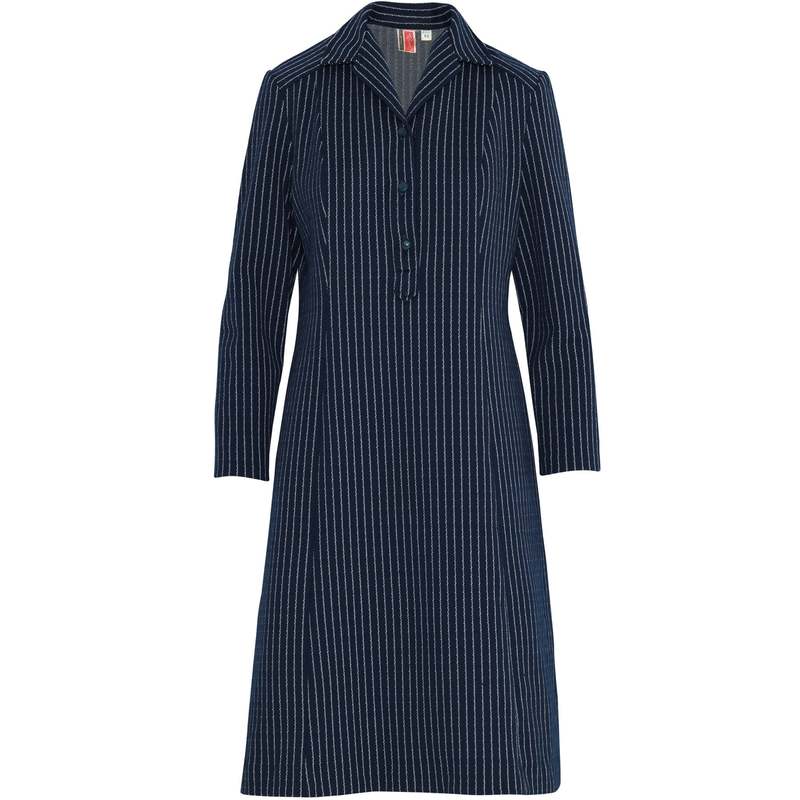
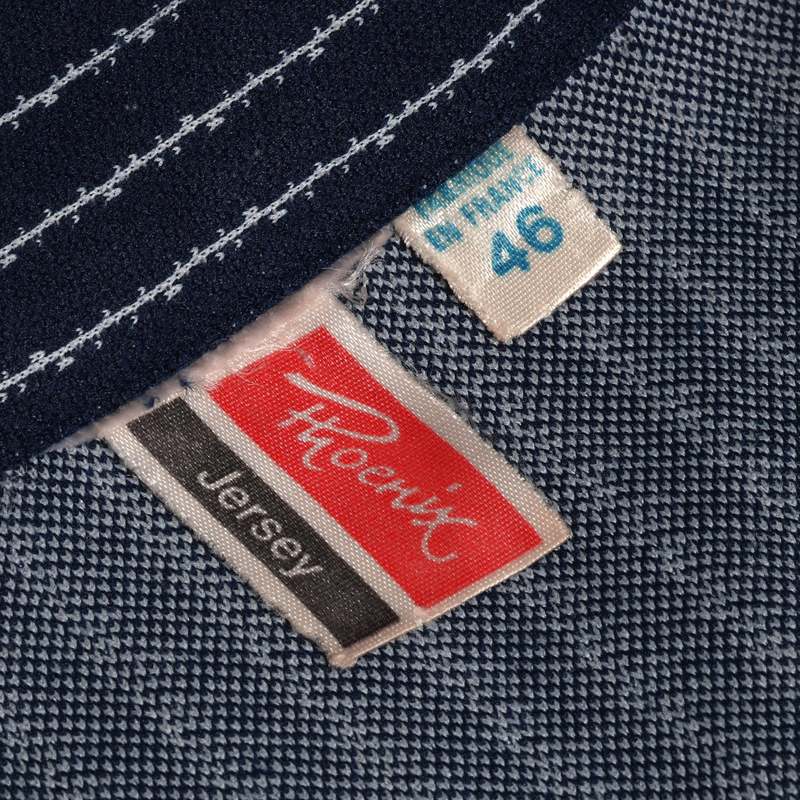
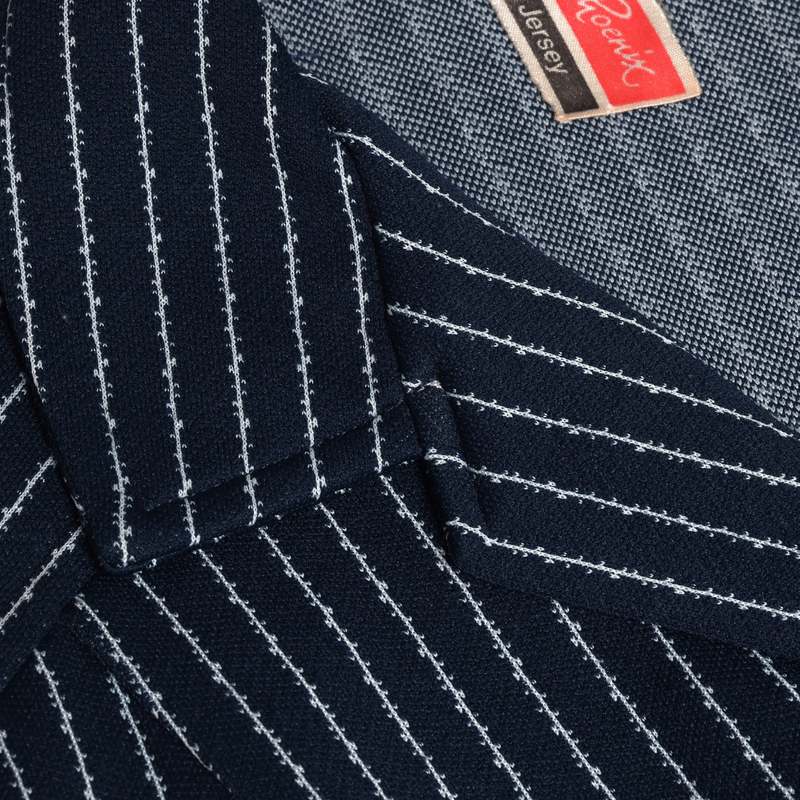
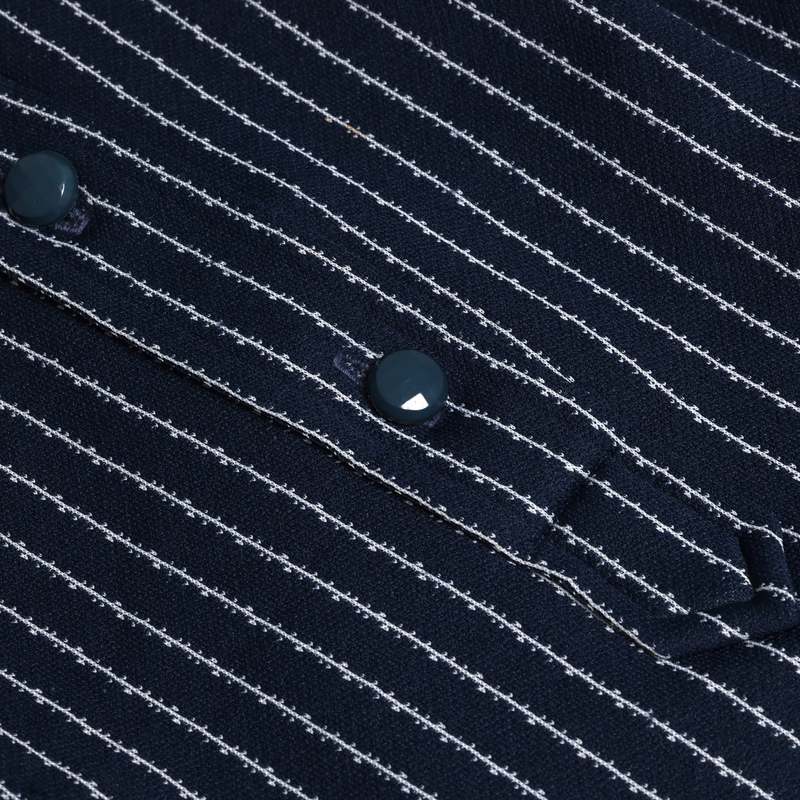
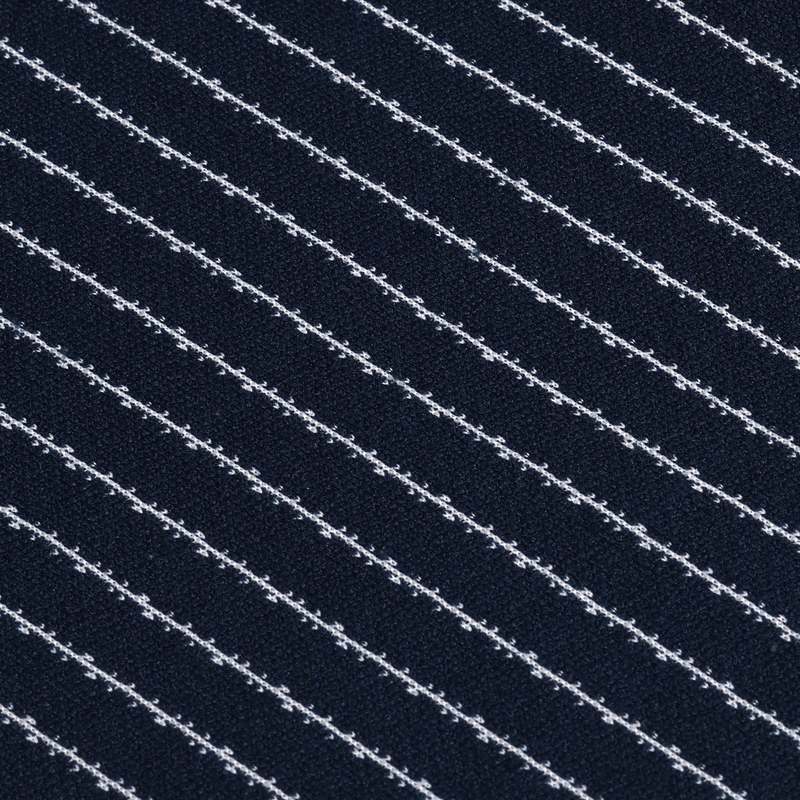
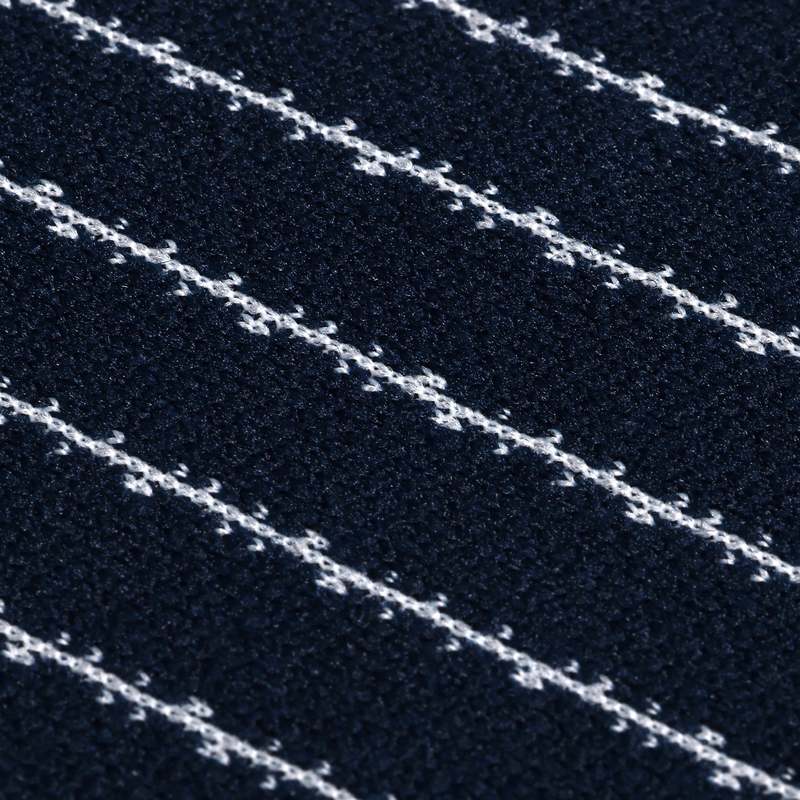
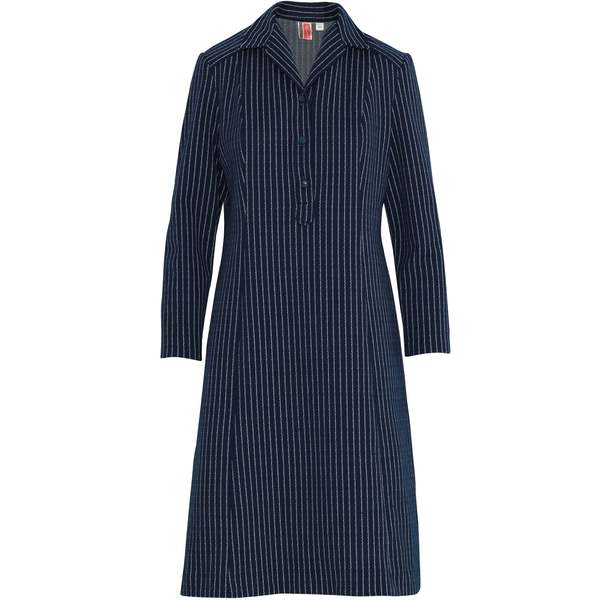
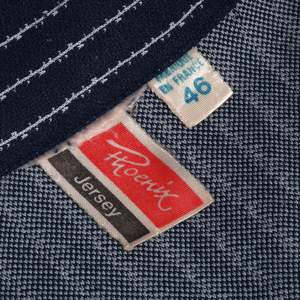
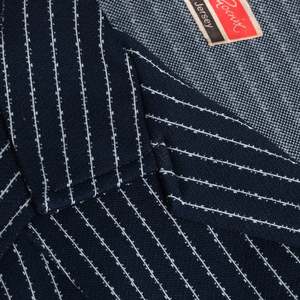
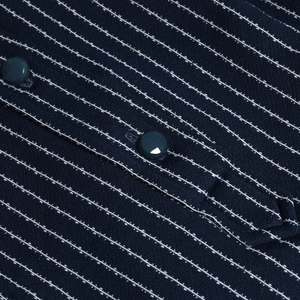
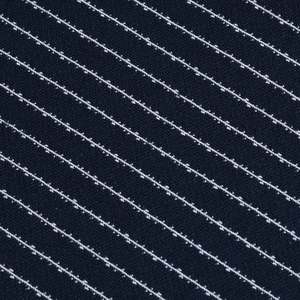
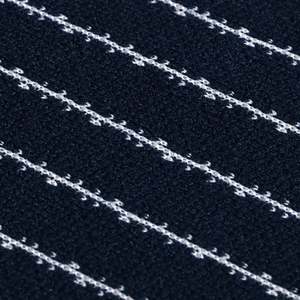
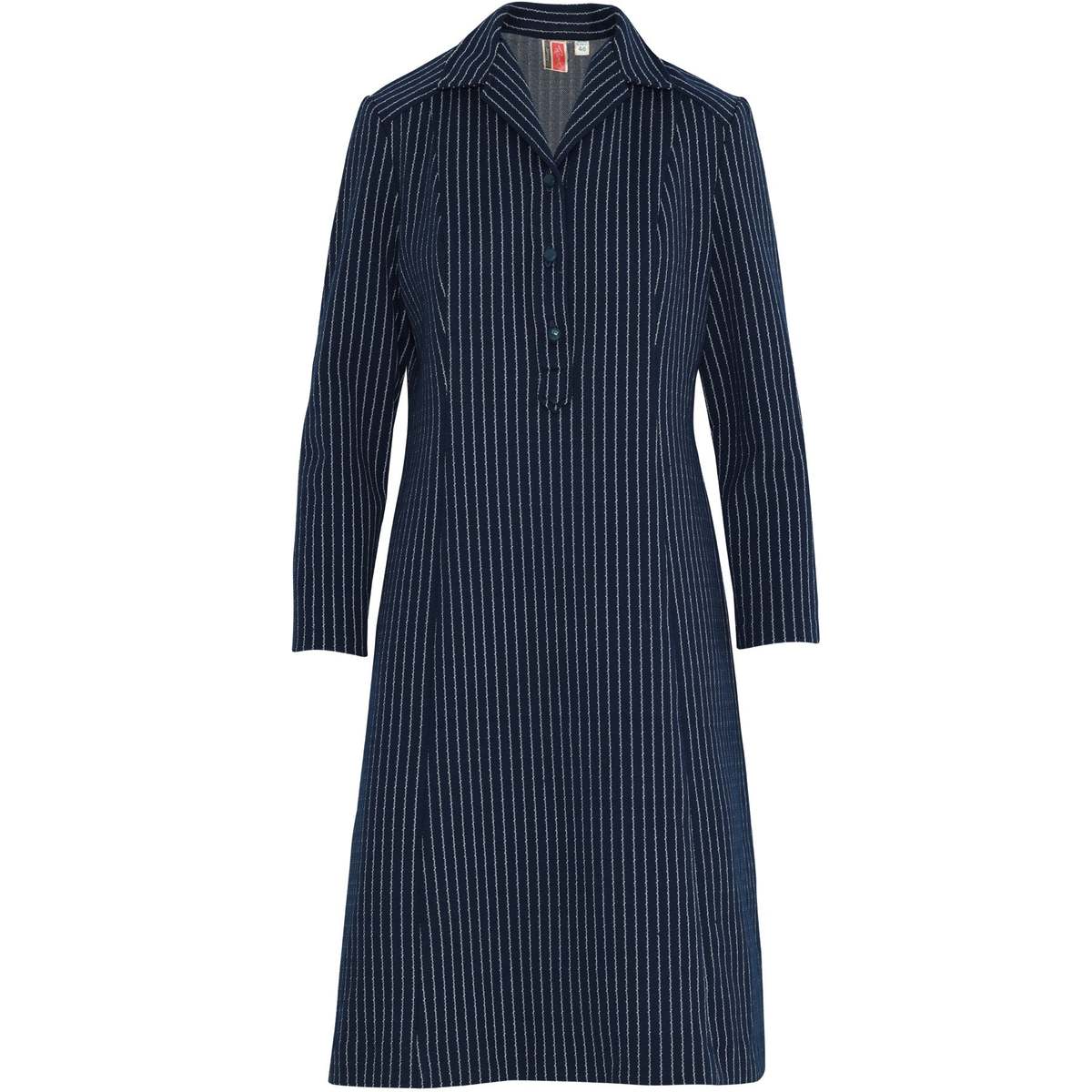
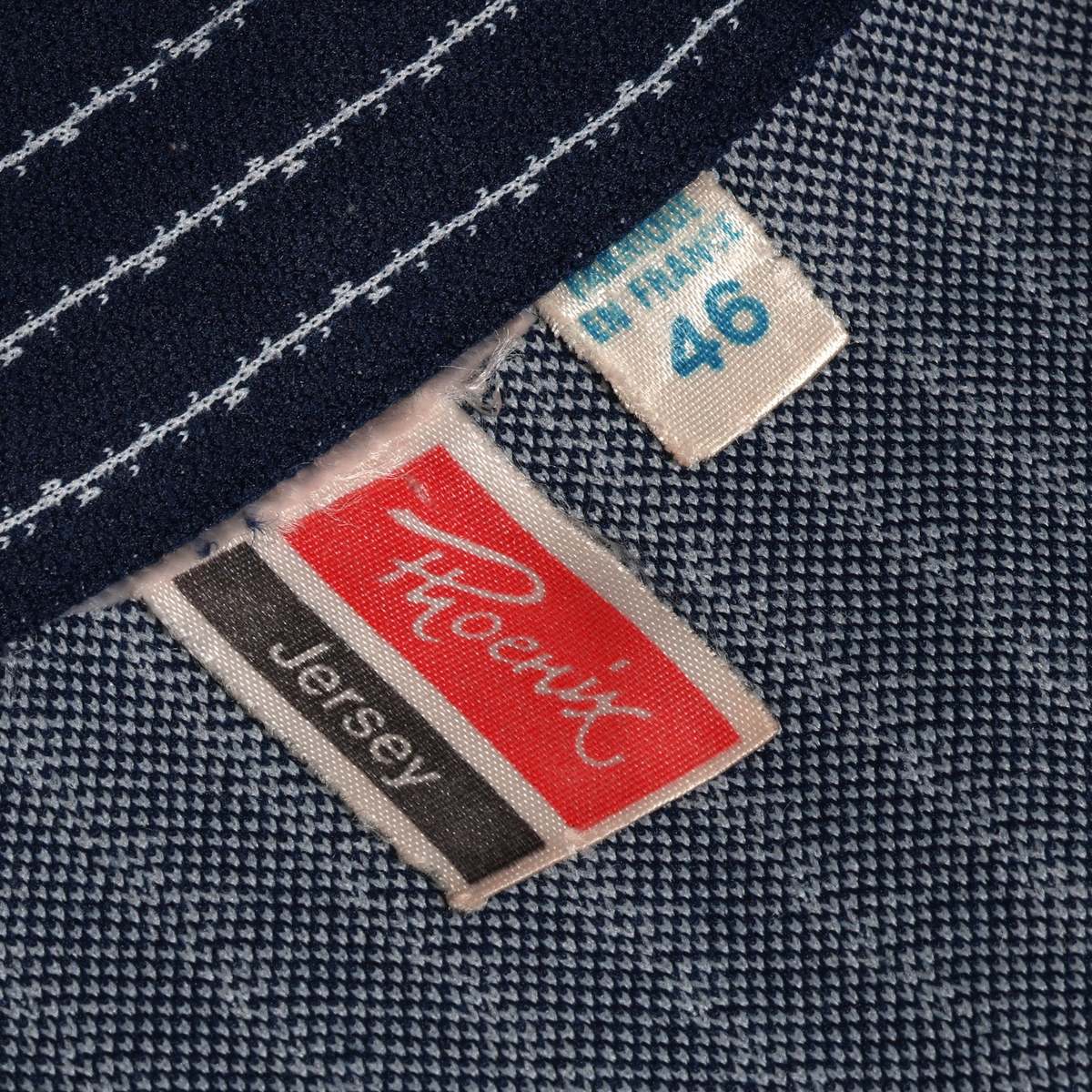
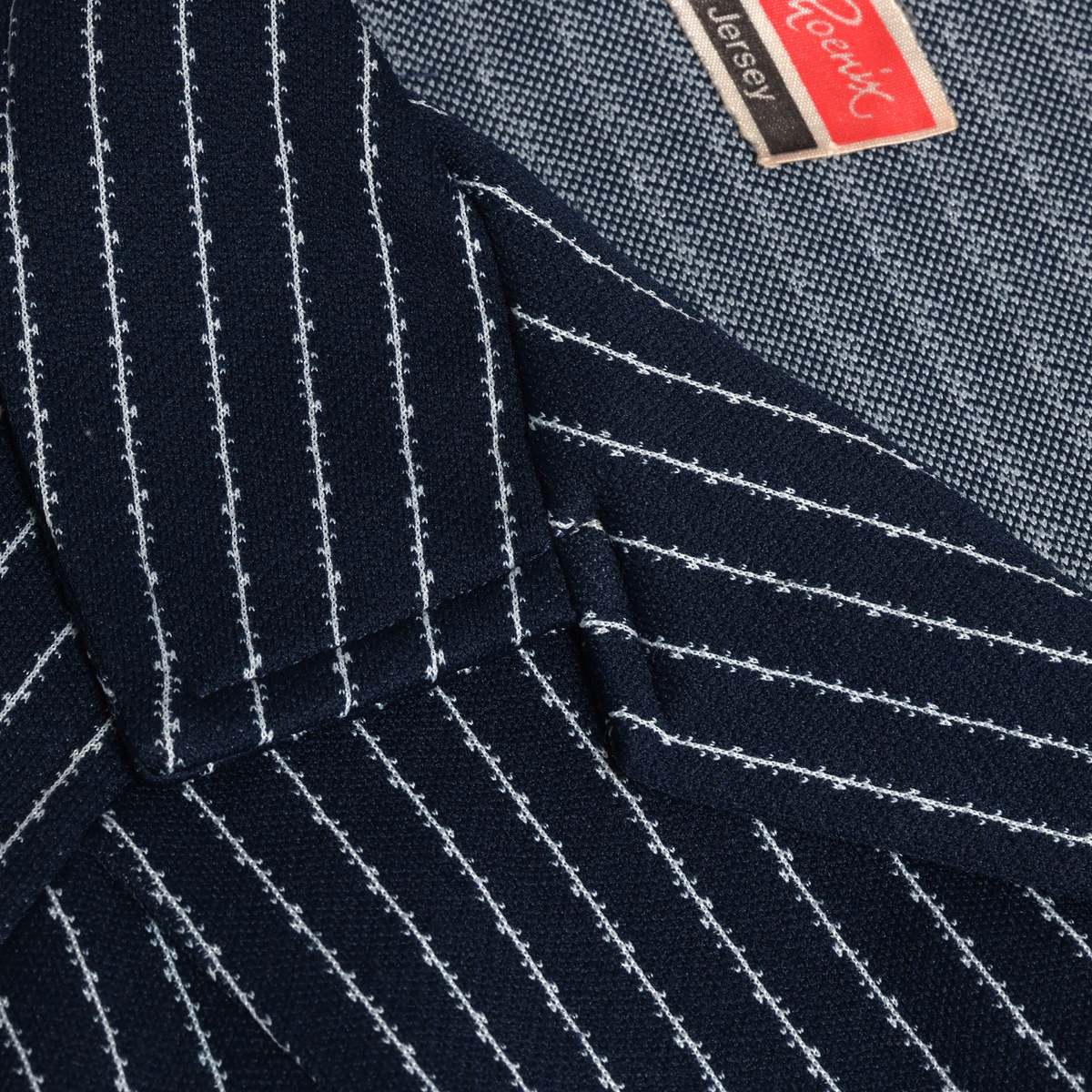
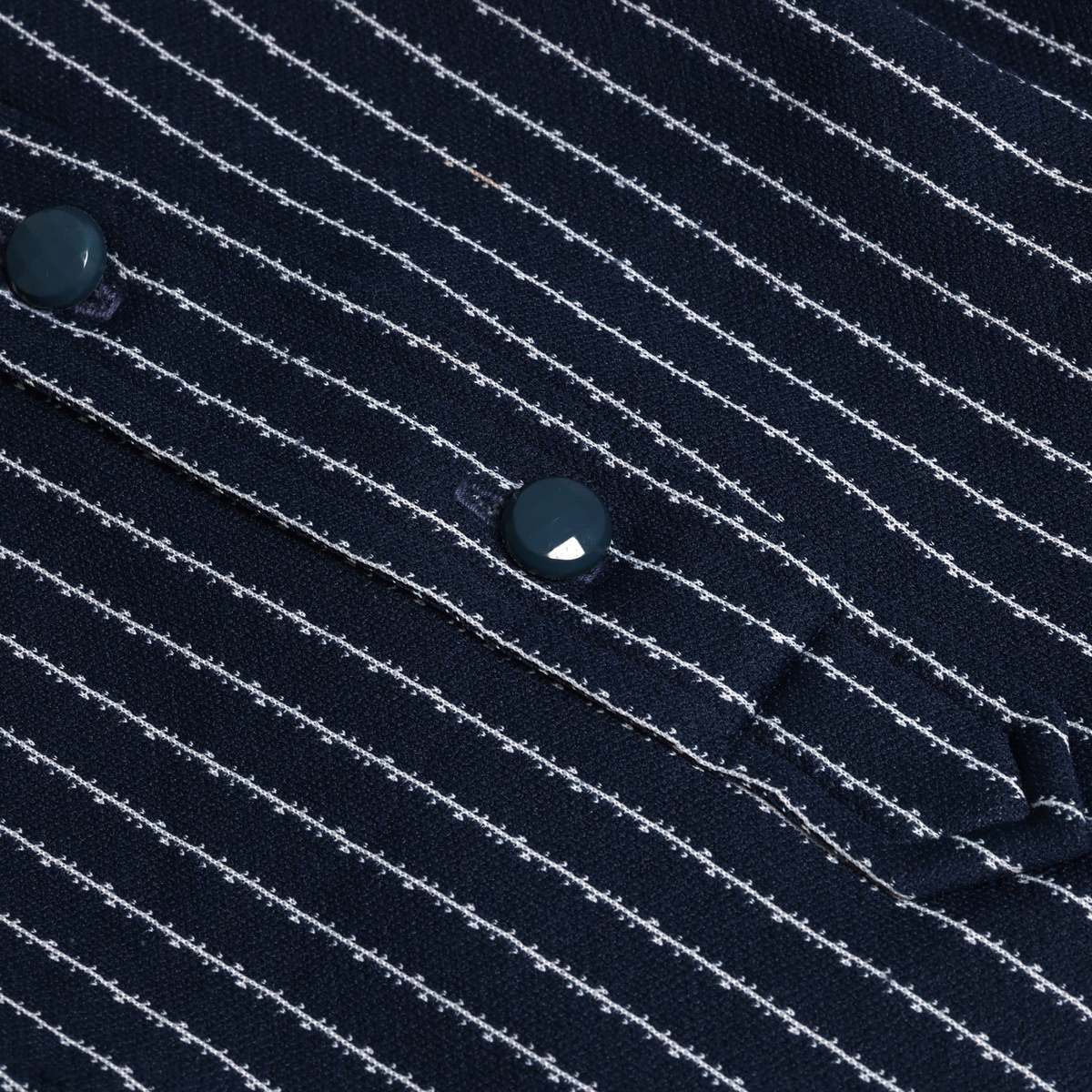
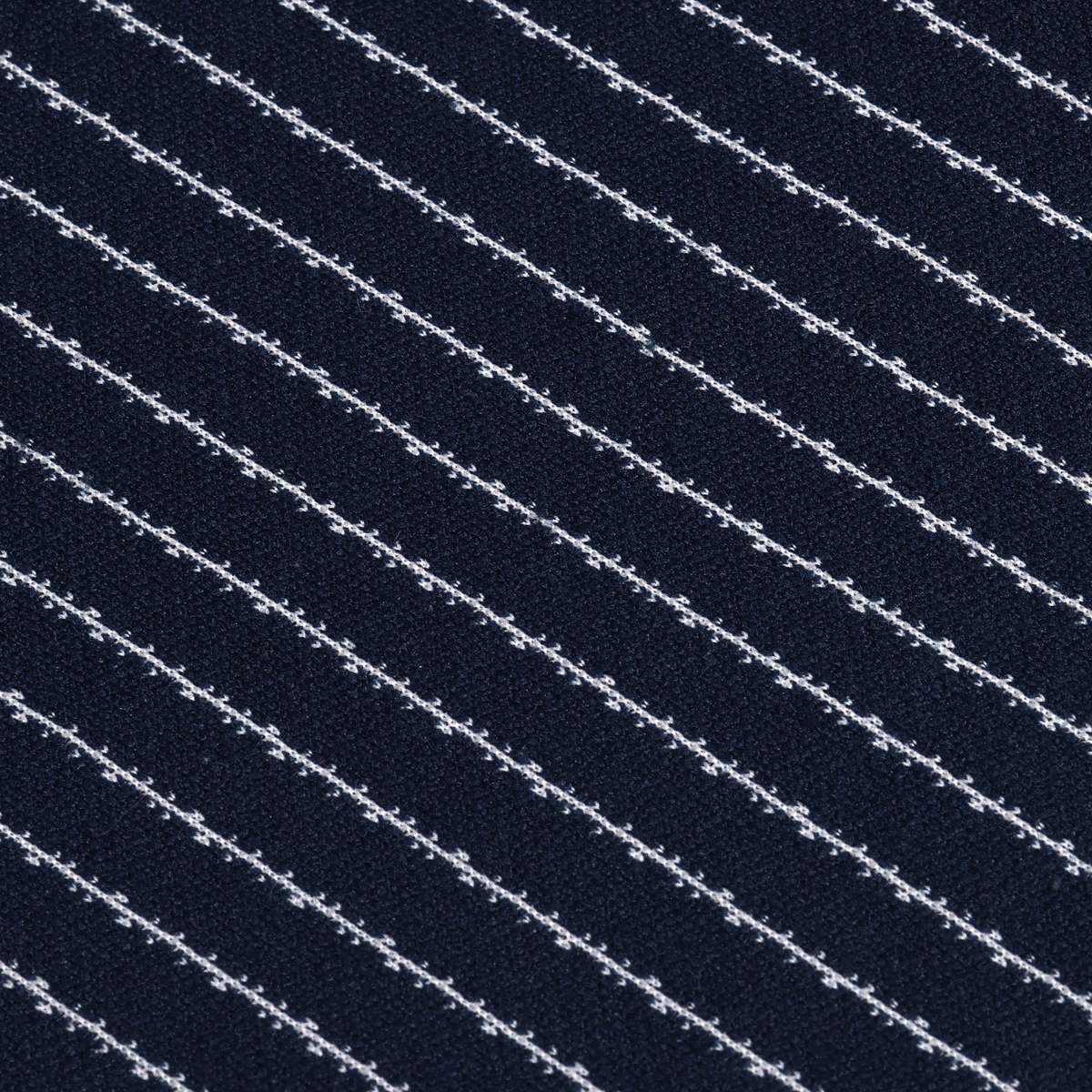
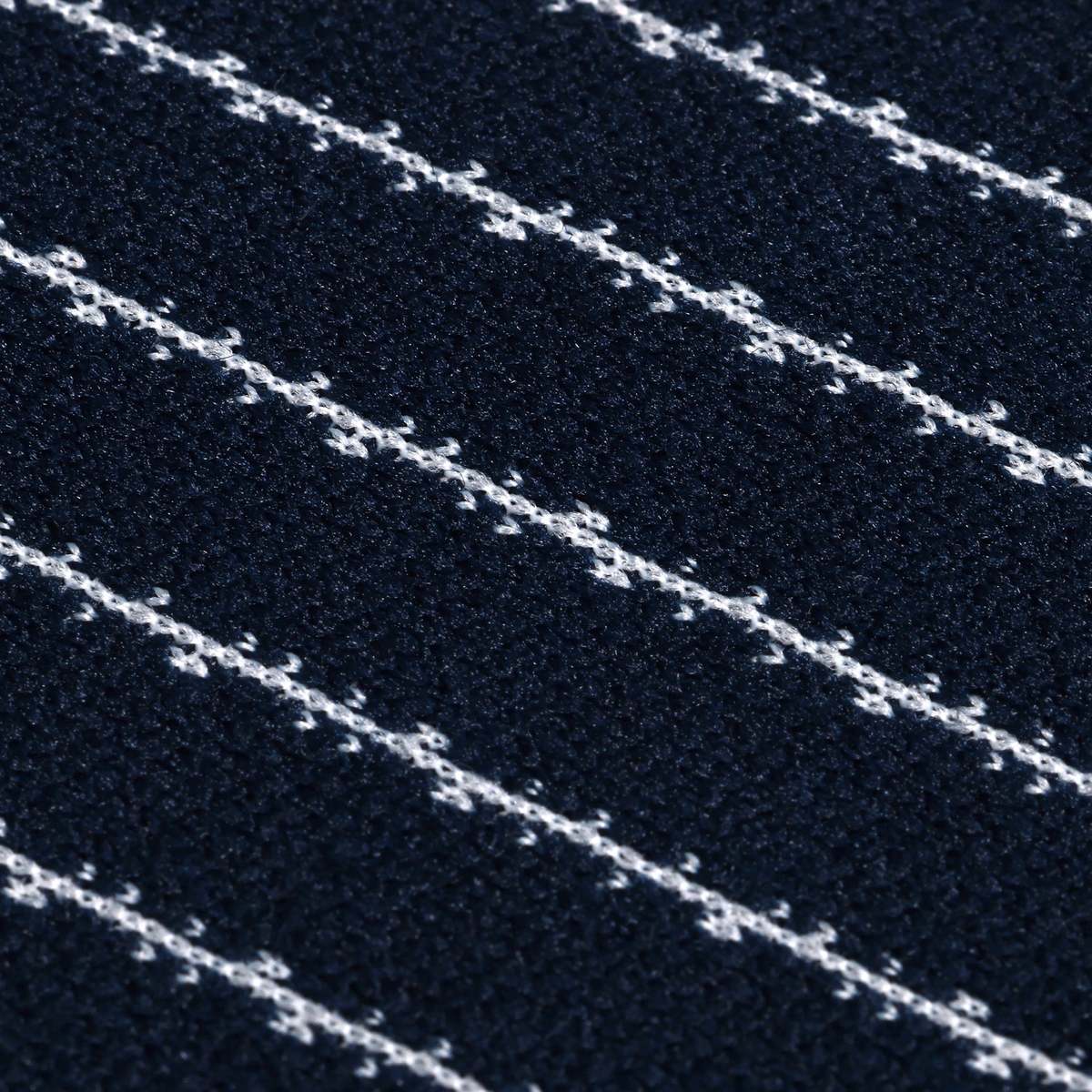
Jacquard-knit vertical laddering delivers optical rhythm and shape retention, made possible by circular knitting advances in postwar France. The Phoenix jersey dress stands as a quintessential artifact of 1970s French industrial knitwear, exemplifying the postwar European tradition of structured machine-knit garments engineered for daywear functionality and aesthetic discipline. The dress channels a design philosophy that merged the elasticity and washability of synthetic knits with the composure and alignment of tailored forms. The brand, based in France, operated within the same milieu as Rodier, Maillefaud, and other mid-tier knitwear houses that helped redefine postwar womenswear by offering accessible garments that navigated the visual territory between suiting and casualwear. Phoenixs identity was rooted in jersey-based constructions that foregrounded form retention, optical claritys, and manufacturing consistencycontributing meaningfully to the French textile-industrial landscape of the era. This garment, a long-sleeved pinstripe jersey dress with a half-placket closure, is conceptually tailored for fall-winter office or semi-formal use, reflecting the design imperative of accommodating urban womens sartorial needs during a period of expanding professional participation. While it bears the outward codes of a shirt dresscomplete with a pointed collar, sharp front placket, and vertical stripe rhythmits knit base fabric radically repositions it in terms of comfort, stretch, and movement. Constructed using a cut-and-sew methodology, the dress is assembled through lockstitch primary seams and overlocked interiors, with the collar formed from a double-layered interfaced panel and topstitched to maintain visual sharpness. The placket houses three gloss-finished buttons, each inserted into machine-sewn buttonholes calibrated to prevent deformation in a material prone to horizontal give. The dresss defining visual language stems from its jacquard-integrated stripe patterna vertically oriented laddered pointelle motif executed using contrasting white yarns. These yarns are not printed or appliqud, but integrated directly into the weft-knit course through a Jacquard interlock structure, forming a precise, texturally elevated grid with minimal distortion. The base knit is a fine-gauge double jersey, producing a smooth interlock reverse while supporting the structural demands of pointelle striping on the face. This float-stitch jacquard system speaks to the capabilities of circular Jacquard knitting machines active in French production during the 1960s80s. The result is a midweight jersey with moderate lateral stretch, a dry hand, and a GSM of approximately 180220, offering dimensional recovery and wrinkle resistance consistent with the wash and wear ethos promoted throughout this market tier. Comparable heritage structures include Roma knit (noted for its recovery and smooth double-face), pointelle knit with linear laddering, and interlock jacquard jerseysall variants deeply rooted in the evolution of European knit tailoring for womens transitional garments. The dress follows a sheath-based structure with subtle A-line flare, minimal waist shaping, and vertical elongation emphasized by uninterrupted stripe direction. Side bust darts emerge from within the armscye, contouring the upper bodice without interrupting the visual field. The skirt component is integrated into the same panel, gently flaring through the side seams without the intervention of a horizontal waist seam. Sleeves are single-piece, set-in types with minimal cap easeinstalled in the round to ensure sculpted arm articulation in the absence of padding. The collar is a classic pointed spread, topstitched along the edge with turned-under corners and subtle interfacing, providing structural lift without visible bulk. The shoulder seams are slightly forward-angled in keeping with vintage French tailoring conventions, and all major seams are pressed flat and internally overlocked to preserve stretch integrity and visual neatness. The garments sewing logic is defined by precision and industrial fluency. The stripe alignment at the front placket and shoulders demonstrates accurate cutting and stable feed control. Topstitching is consistent across collar, placket, and hems, with stitch length finely tuned to the fabrics behavior. Button reinforcements are likely backed with shank thread or stay buttons, avoiding pull-through deformation. The hemline is wide-turned and finished with straight lockstitching, providing weight and clean drape at the skirts edge. The neckline and shoulder seams are likely stabilized internally with facing or lightweight stay tape to counteract long-term stretch fatiguea standard practice in higher-quality industrial knits of the period. Aesthetically, the dress is restrained, minimal, and graphically controlled. The vertical stripe motif constructs a visual cadence that reads simultaneously as professional and composed, while the subtle flare and soft knit soften the impact. The psychological design framework is rooted in approachability: the dress imparts tailored authority without rigidity, allowing wearers to maintain a sense of composure while benefiting from tactile comfort and ease of movement. Conceptually, it occupies the seam between postwar utilitarian dressmaking and Mod-inflected minimalism, eschewing embellishment in favor of visual texture, line, and textile engineering. The overall form channels the energy of transitional garmentsthose worn between work and home, between formal and informal spacesby women negotiating increasingly complex social and professional identities. Placed historically in the mid-to-late 1970s, the garment reflects the technological and sociocultural intersection that characterized this period in French ready-to-wear. It marks a shift from woven tailoring to engineered knits, from couture finishings to industrial polish, and from rigid formality to stretch-integrated elegance. It would have appealed to department store consumers seeking high-function garments with dignified presentationparallel to pieces from Tricobel, Rodier, or even early Sonia Rykiel knit tailoring. Its industrial lineage connects to mills like Malhia Kent (France), known for creative jacquards with float complexity; Eurojersey (Italy), whose synthetic double knits align with the Phoenix fabric logic; Manteco (Italy), with archival blends resembling this dresss density and hand; and Schoeller (Switzerland), renowned for high-end jacquard jerseys. In a contemporary fashion context, the Phoenix dress holds immediate relevance for collectsors and designers interested in archival jersey engineering, Mod revivalism, and textile-based minimalism. It aligns with brands like Wales Bonner (in its tailoring-meets-knit dialectic), APC (for its clean French aesthetic), and MaisonClo (in heritage fabric revivalism). Its visual logic, industrial construction, and graphic restraint make it a compelling addition to curated vintage wardrobes, editorial styling, and pattern archives alike. It speaks to a moment when textile innovation served as a vehicle for democratic elegancewhere industrial knitwear could replicate the dignity of tailoring without its burden, and where a dress like this could support womens evolving public presence with both style and utility. Measurements (cm): Chest: 48 Length: 105 Shoulder: 40 Sleeve: 57 Size Conversion (approximate) US Womens Size: M-L EU Womens Size: 38-40 SKU: 015132
Garmentory is a curated marketplace of independent boutiques and emerging designers from around the world.
Fashion With Intention
Aw yeah!
We love making new friends so while we're popping bottles, continue shopping to apply your $10 credit.
We've got a dedicated site "garmentory.co" just for our Indian customers! Shop with local currency, faster shipping, and exclusive products.
We cannot add this item to your bag because it’s already at max capacity. But don’t worry, we’ve saved it to your wish list.
Earn Replica Belts credits when you shop, wishlist, and inspire others.

Have a question about the size or something else? We're here to help!