Spring fever is here 🌡️☀️ Prep early for those not too hot and not too cold days by finding something you love ON SALE. SHOP THE SALE


Spring fever is here 🌡️☀️ Prep early for those not too hot and not too cold days by finding something you love ON SALE. SHOP THE SALE
| To | Service | Estimated Delivery | Fee |
|---|---|---|---|
| 🌎 | Intl. Air | 6-20 business days | $29.95 |
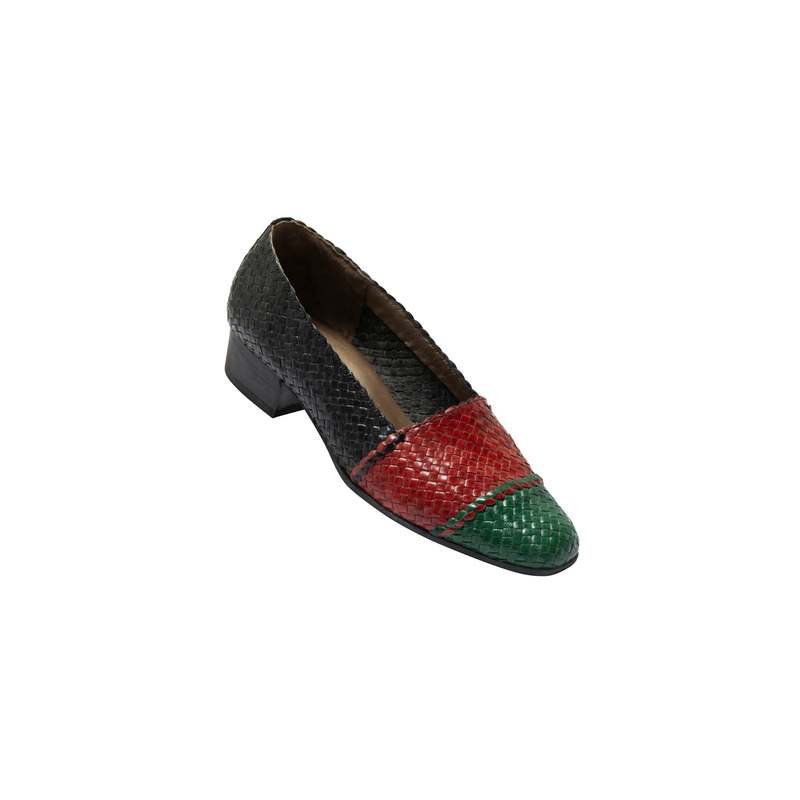
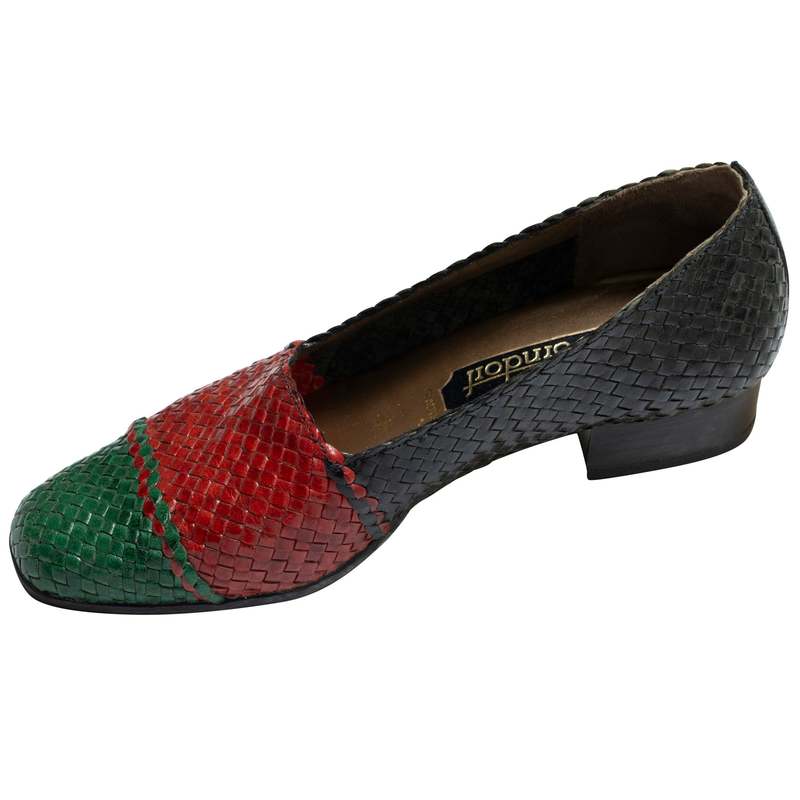
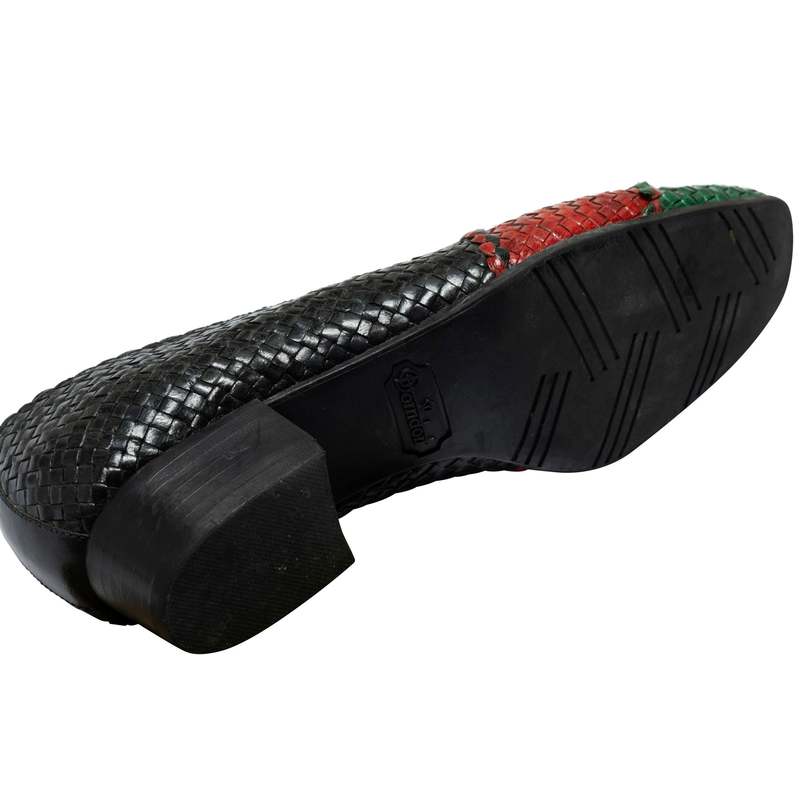
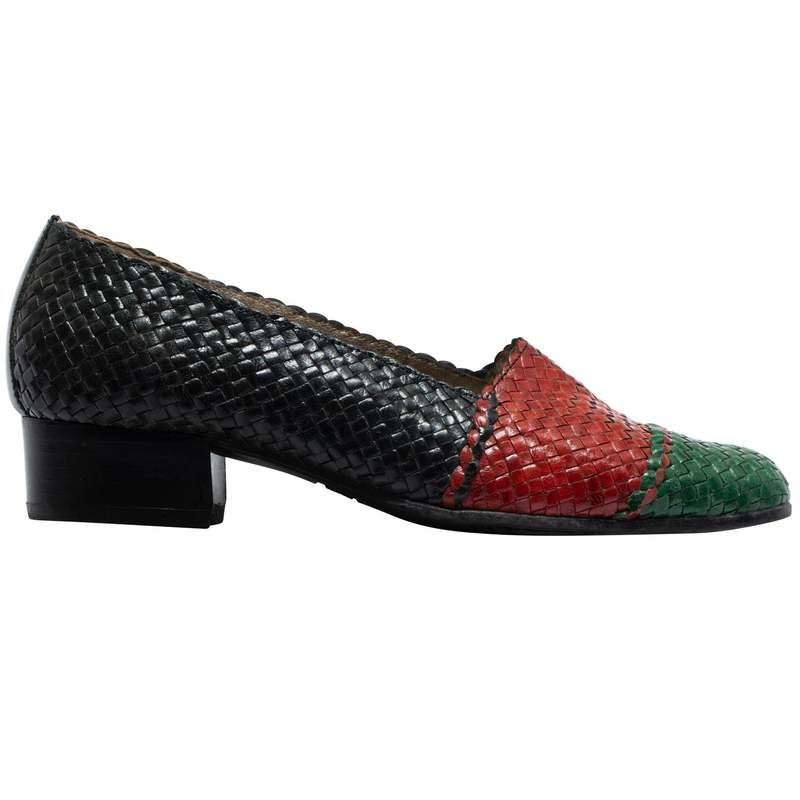
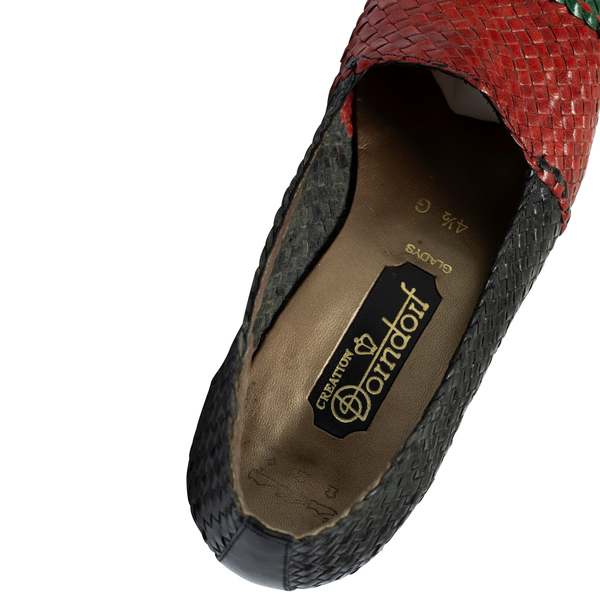
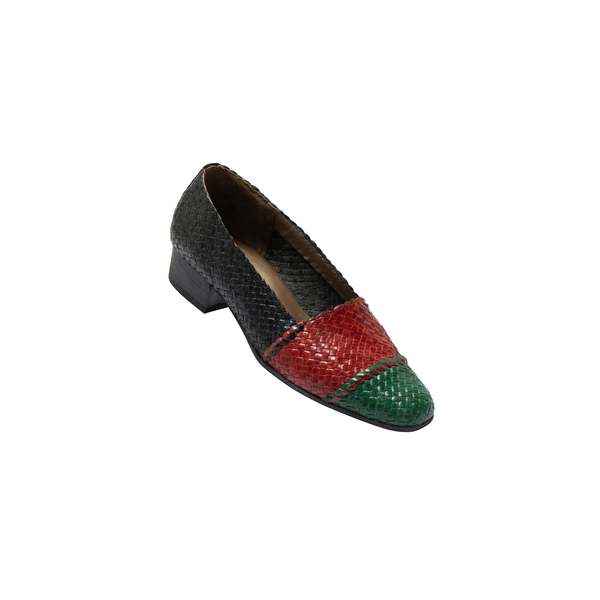
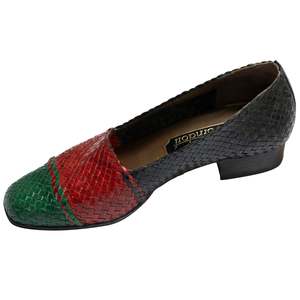
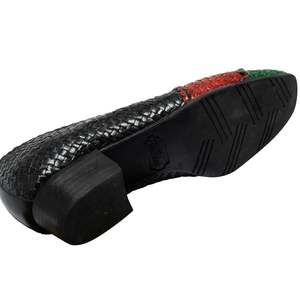
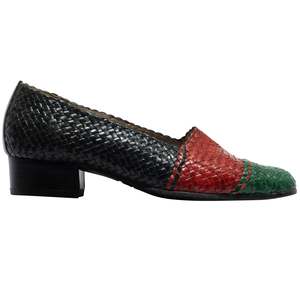
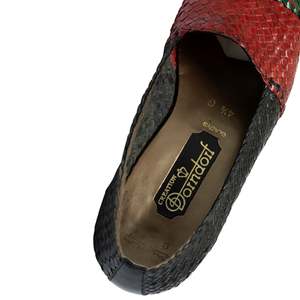
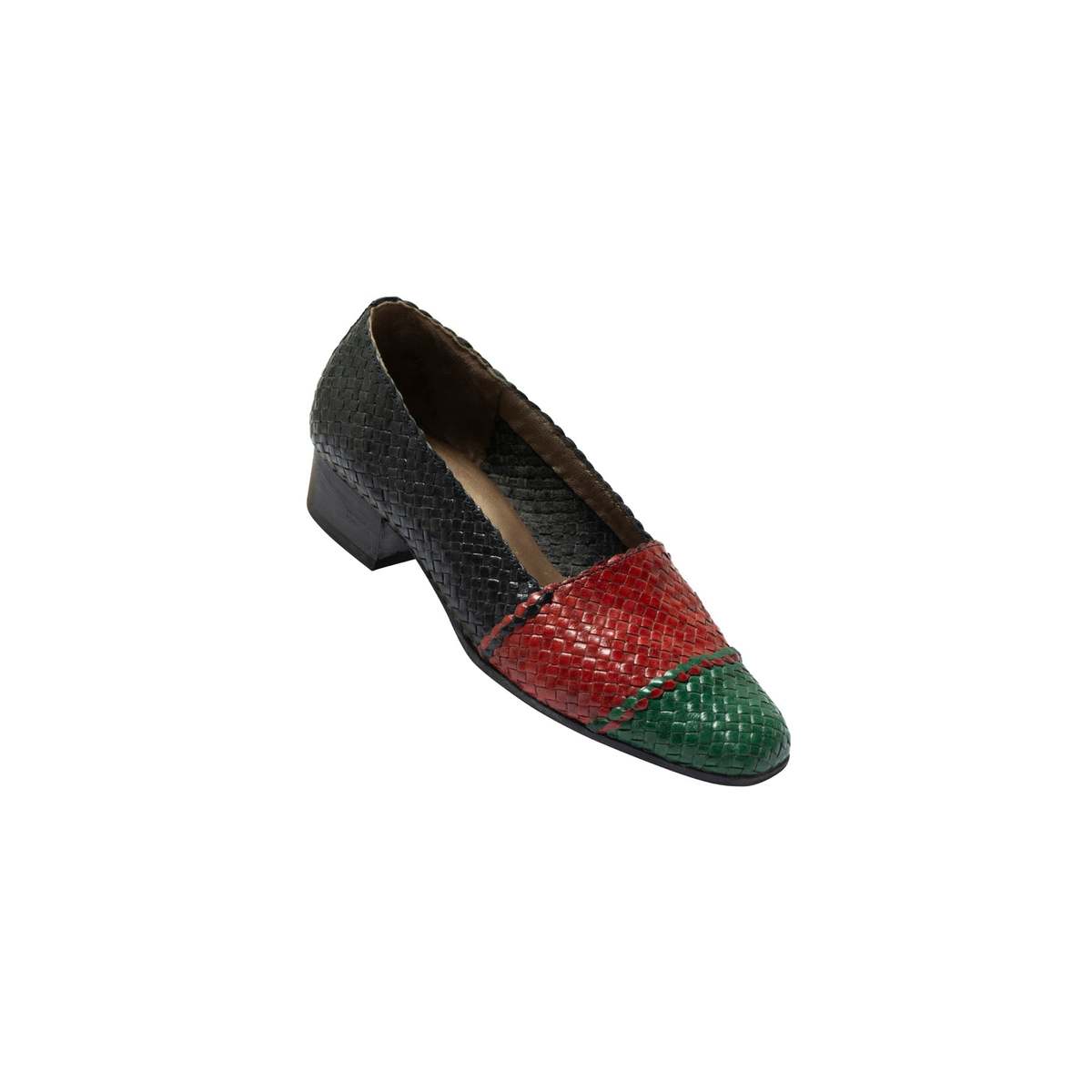
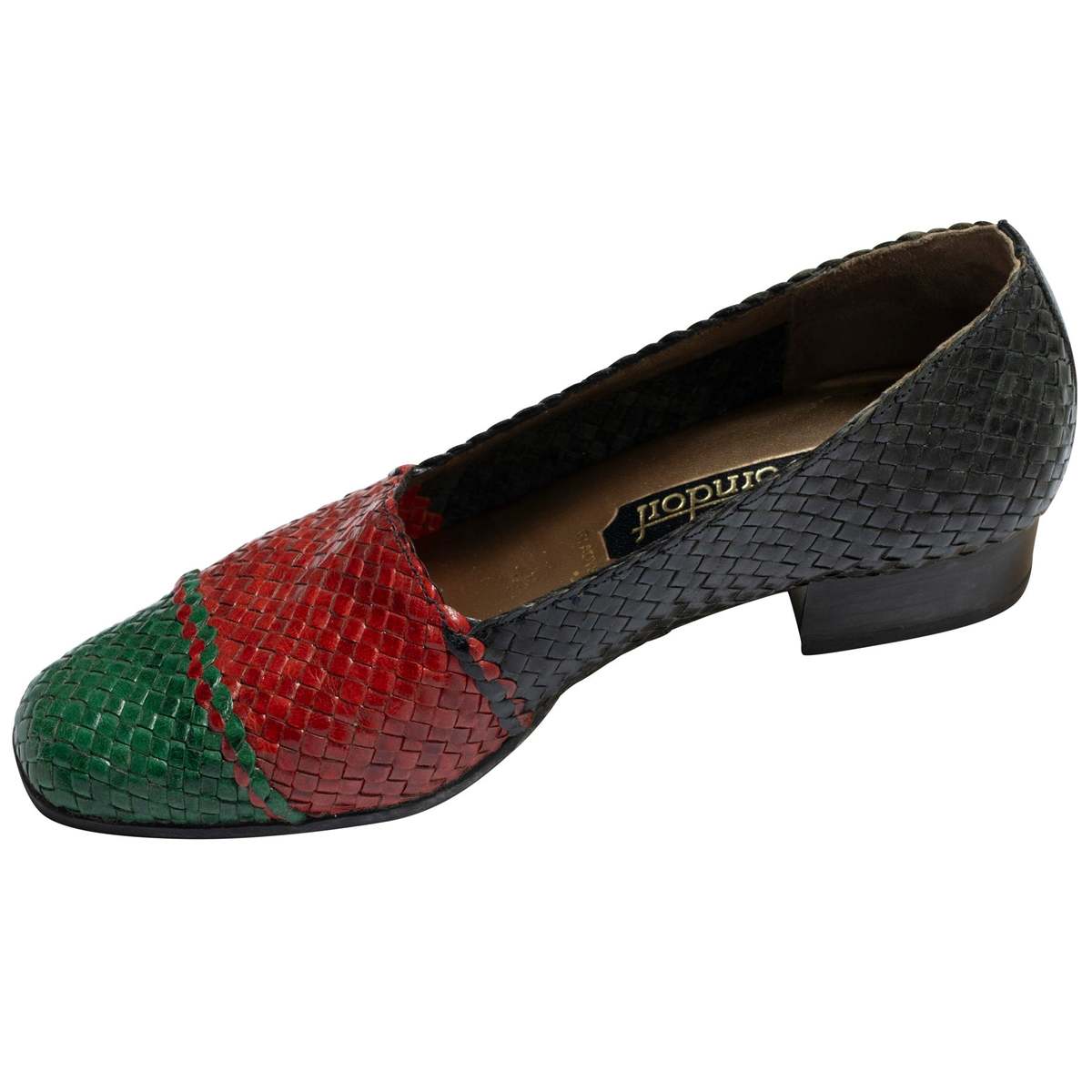
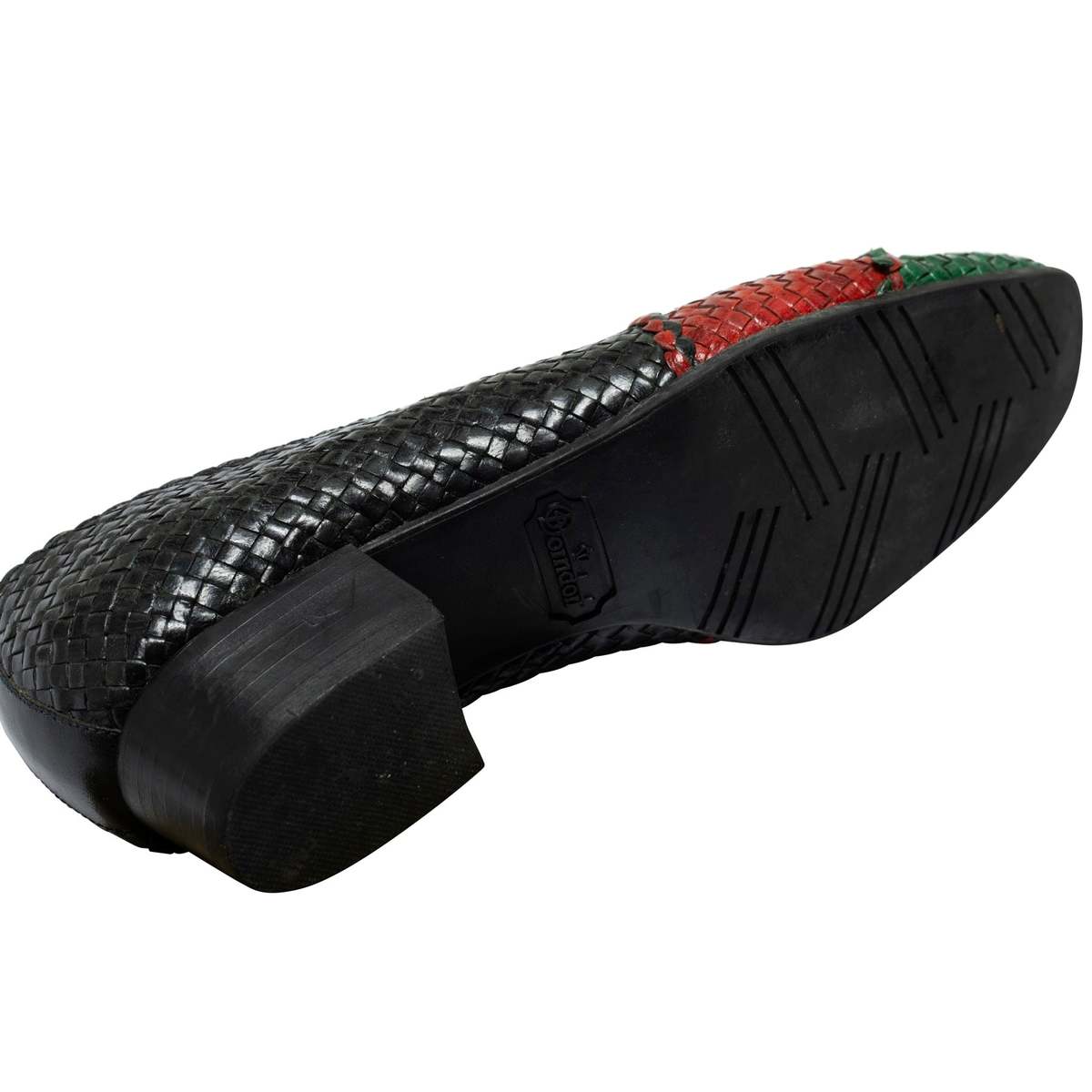
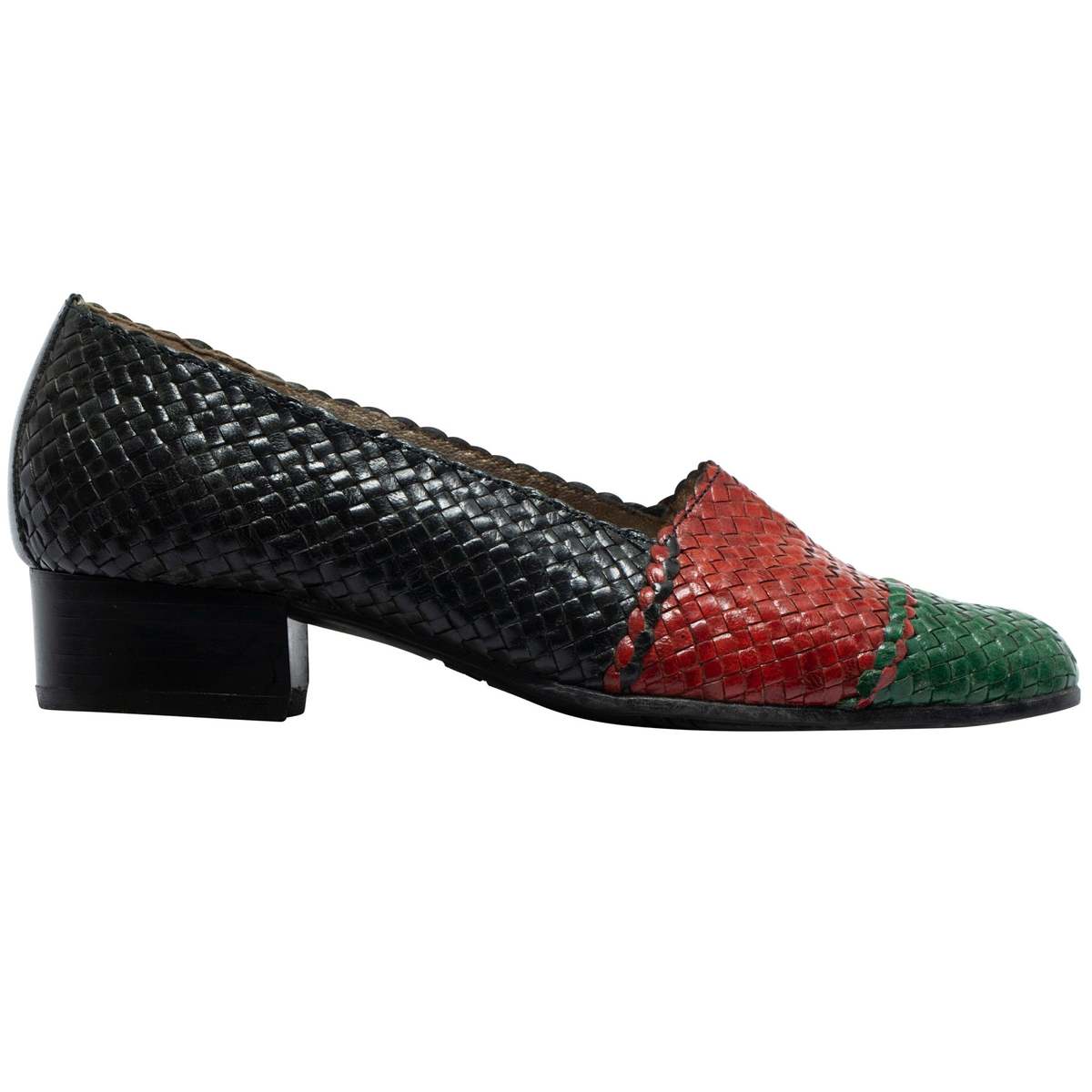
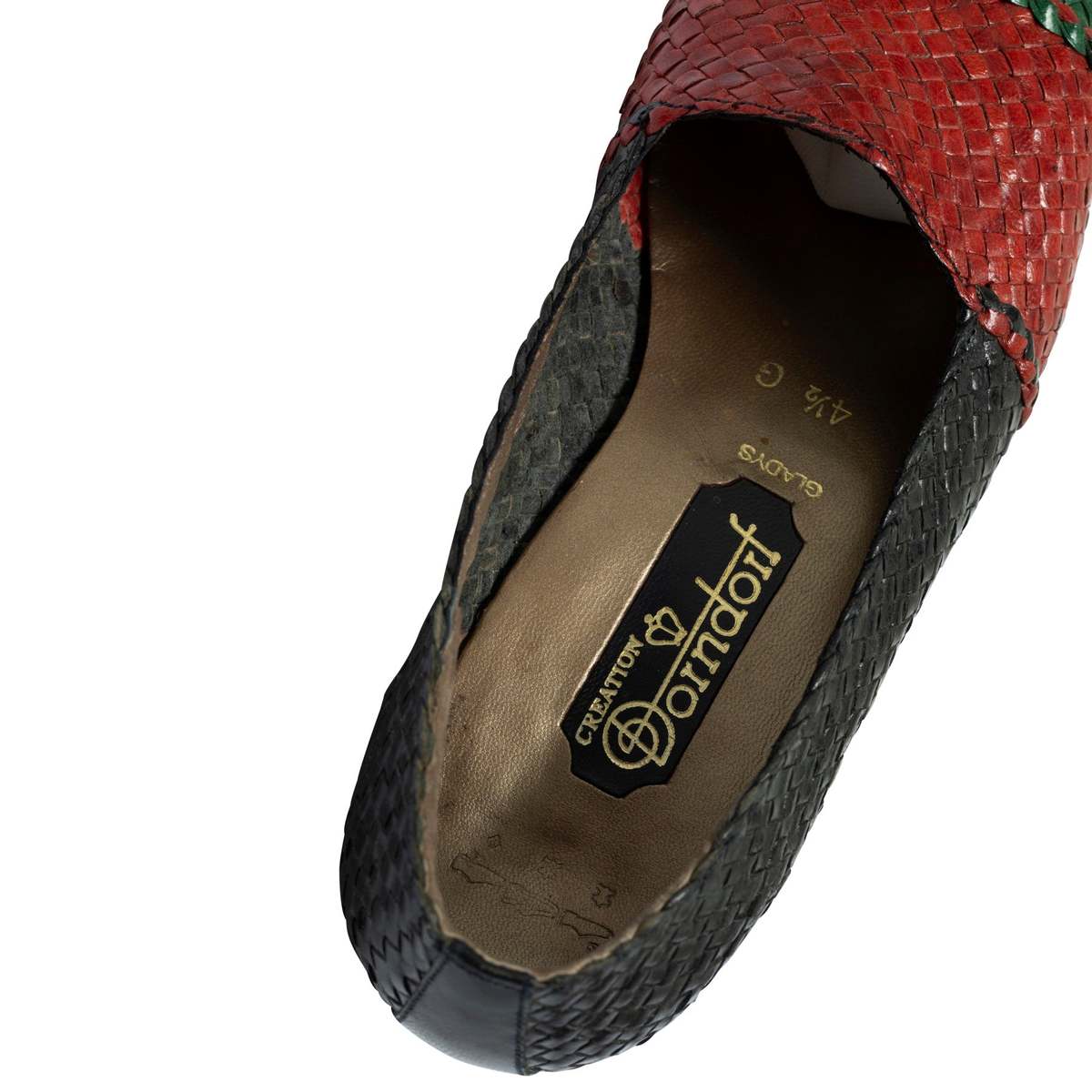
Forest green, burgundy, and black calf leathers are woven into chromatic zones, balancing visual rhythm with forefoot flexibility. The Cration Dorndorf woven leather pump represents a singular convergence of orthopedic rationale and craft-oriented materialityepitomizing a late-20th-century German design language centered on functional elegance. Produced during a period of heightened innovation in womens comfort footwear, this model reflects Dorndorfs core identity: a West German label that specialized in anatomically conscious dress shoes for professional women. The Cration designation denotes a more refined offering within Dorndorfs rangepreserving the brands podiatric ethos while introducing an elevated visual sensibility. Manufactured domestically during the 1960s through the 1980s and distributed throughout Western Europe, Dorndorf shoes were known for their engineered lasts, low heels, and durable leatherworktechnical foundations clearly visible in this tricolor slip-on. Structurally situated between a loafer and a pump, the shoe deploys a slip-on configuration grounded in pragmatic utility, but softened through its feminine shaping and low-heeled silhouette. The distinctive use of tricolor woven leatherforest green at the toe, burgundy across the vamp, and black through the quartersintroduces chromatic nuance without flamboyance, aligning the model with women seeking visual refinement grounded in anatomical comfort. Woven texture substitutes for decorative hardware or stitching, enabling visual interest through tactile complexity and modular segmentation. The overall silhouette remains decorous and conservative, ideal for professional daywear or modest social occasions. Materially, the shoe is composed entirely of top-grain woven leather, likely chrome-tanned calf or goat skin dyed prior to assembly. The finish appears semi-aniline, providing depth and richness of tone without obscuring the leathers natural variation. There is no surface paint, and the leather displays a subtle patina suggestive of high oil content and long-term resilience. The weave pattern itselfprecisely executed with clean edges and uniform tensionserves both an aesthetic and functional purpose, enhancing flexibility across the forefoot while maintaining tensile strength throughout the upper. There is no sign of delamination or structural fatigue across the weave, attesting to the quality of tanning and craftsmanship. The last design reflects a distinctly orthopedic influence, with a rounded-square toe box that accommodates forefoot splay, a medium-depth vamp, and a broad heel base. A slight arch contour is perceptible, though not aggressively sculpted, aligning with the needs of users requiring structural accommodation without medical-grade correction. The heel cup is open enough for easy entry yet sufficiently structured to prevent heel slippage, while the topline is high enough to offer security without exerting pressure across the metatarsals. The shoe appears particularly well-suited for individuals with wider feet, aging feet, or mild hallux valgusa demographic frequently underserved in fashion-forward footwear. The construction follows a cemented methodology typical of comfort-focused European footwear of this era. The upper is adhesively bonded to a molded rubber sole without welt stitching or channeling. While this eliminates resoling potential, it allows for weight reduction, streamlined production, and flexibilityall necessary in a shoe designed for extended wear. The outsole features anatomically segmented flex grooves, enabling smoother gait transition and minimizing impact stress. The adhesive bond is clean, with no edge lifting or degradation, indicating robust execution. Beneath the foot, the outsole is molded from solid black rubber, complete with directional flex grooves and a shallow arch rise. The heel is integrated into the sole unit, composed of a slightly elevated block form with a beveled edge and a discrete lift insertlikely molded from high-density rubber or fiber composite. The 2.53 cm heel height achieves an optimal ergonomic pitch, reducing strain on the Achilles tendon and lower lumbar region while maintaining postural balance. The Ganter branding on the outsole suggests either a licensing or shared component lineage, linking the shoe to another well-regarded orthopedic brand known for its podiatric engineering. The insole is leather-lined and embossed with branding, likely built over a foam or latex foundation. The footbed appears sculpted, particularly in the heel and medial arch zones, offering subtle but effective support without interfering with neutral gait mechanics. The lining is genuine leatherpossibly pigmented sheepskinensuring breathability, moisture regulation, and low bacterial retention. Internal components such as the heel counter and toe puff are well-integrated, with no abrasive seams or friction-prone zones, further supporting the shoes all-day wear credentials. While traditional stitch-per-inch metrics do not apply to the woven upper, the areas of visible stitchingmost notably at the heel seam and along the toplineare machine-executed with uniform spacing and clean tension. The woven strips are well-calibrated, with no signs of fraying or overextension. Around the collar, a scalloped edging strip has been sewn over the weave, reinforcing the topline structurally while adding a subtle visual accent. This edge treatment prevents unraveling and defines the silhouette without undermining the lightness of the woven aesthetic. The shoes structure is defined by three chromatically distinct woven zonesgreen at the toe, burgundy at mid-vamp, and black through the quarters and heelinterwoven rather than overlaid. These color panels are not stitched together as separate pieces but integrated into the weave matrix, producing clean visual transitions and eliminating unnecessary seam bulk. The vamp remains unreinforced for forefoot flexibility, while the quarters and heel are internally structured with a lightweight counter to preserve shape and alignment. Despite the inherent softness of the woven toe box, there is light reinforcementlikely a thin celastic or laminated fabric insertensuring shape retention without compromising flexibility. The weave supports natural foot articulation while resisting collapse, a balance critical for maintaining form in a low-profile, comfort-oriented silhouette. There is no closure mechanism; the shoe relies entirely on its structural geometry and topline contour for foot containment. The gentle elasticity of the woven leather aids fit adaptability across varying foot volumes. There are no goring inserts or internal elastic gussets, reinforcing the shoes material-driven design philosophy. The finishing is understated but refined. Each leather strip appears to have been dyed prior to weaving, with no surface lacquering or coating visible. The resulting sheen is soft and organic, likely achieved through hand-buffing with oil or wax rather than synthetic treatments. This finishing method preserves breathability and tactile depth while accentuating the natural color gradations of the leather. No burnishing or patina modulation is evidentconsistency and honesty of material are prioritized over theatrical surface effects. Decorative elements are minimal. There is no hardware, no medallion, and no broguing; instead, ornamentation is achieved through structural techniquespecifically, the tricolor weave and scalloped topline. This design restraint reflects the broader conceptual ethos of the shoe: form and function are interlocked, and visual interest is generated through technique rather than additive embellishment. The heel cup is shallow but padded, offering gentle rearfoot containment. The collar curves anatomically, avoiding contact with the lateral ankle and reducing friction. The scalloped trim adds both structural resilience and design rhythm, enhancing perimeter durability without introducing visual weight. The fit is secure but forgiving, appropriate for users prioritizing ease of entry and prolonged wear comfort. Midfoot support is subtle but effective. The insole likely incorporates a mildly contoured fiberboard or foam base, while the outsole maintains rigidity through the shank region. Though there is no defined waist narrowing, the overall stability is excellentwell-suited for users requiring support across the midfoot without aggressive corrective elements. The shoe excels in providing a stable gait platform while maintaining softness underfoot. Historically, this pump sits within the comfort footwear evolution of the 1970s1980s, when German and Austrian brands responded to the practical needs of professional women with footwear that emphasized anatomical correctness without aesthetic compromise. The woven leather construction nods to the artisanal traditions popularized by Bottega Veneta, while the block color segmentation offers a modernist rhythm rooted in Bauhaus-adjacent claritys. Philosophically, this shoe exemplifies functional modernism: every decisionmaterial, color, structureis made in service to both comfort and coherence. It bypasses superficial trendiness in favor of a design language that privileges ergonomic intelligence and textural richness. The absence of extraneous detailing reveals a disciplined understanding of how fashion and function may coexistparticularly in service of demographics frequently underserved by mainstream footwear. In todays market, the Dorndorf woven pump occupies a niche yet meaningful space. Among vintage enthusiasts, archival researchers, and designers interested in the intersections of orthopedic utility and textural craft, the shoe offers compelling precedent. Its contemporaries are found not in mainstream luxury but in forward-thinking slow fashion brandslike Loints of Holland, Chie Mihara, or Neousthat reimagine orthopedic heritage within progressive formalwear. While resale may be limited to specialist markets, its conceptual relevance remains pronounced. In final evaluation, the Cration Dorndorf pump is an enduring artifact of mid-century German shoemakinga shoe that fuses material intelligence, ergonomic foresight, and understated visual language. Its craftsmanship, structural integrity, and commitment to comfort articulate a design philosophy both deeply rooted and forward-facing. As a historical object, it holds archival value; as a reference, it offers a blueprint for merging orthopedic logic with aesthetic clarityswithout compromise. Measurements (cm): Insole: 24.5 cm Size Conversion (approximate) EU Womens Size: 38.5 39 US Womens Size: 8 8.5
Garmentory is a curated marketplace of independent boutiques and emerging designers from around the world.
Fashion With Intention
Aw yeah!
We love making new friends so while we're popping bottles, continue shopping to apply your $10 credit.
We've got a dedicated site "garmentory.co" just for our Indian customers! Shop with local currency, faster shipping, and exclusive products.
We cannot add this item to your bag because it’s already at max capacity. But don’t worry, we’ve saved it to your wish list.
Earn Replica Belts credits when you shop, wishlist, and inspire others.

Have a question about the size or something else? We're here to help!