Spring fever is here 🌡️☀️ Prep early for those not too hot and not too cold days by finding something you love ON SALE. SHOP THE SALE


Spring fever is here 🌡️☀️ Prep early for those not too hot and not too cold days by finding something you love ON SALE. SHOP THE SALE
| To | Service | Estimated Delivery | Fee |
|---|---|---|---|
| 🌎 | Intl. Air | 6-20 business days | $29.95 |
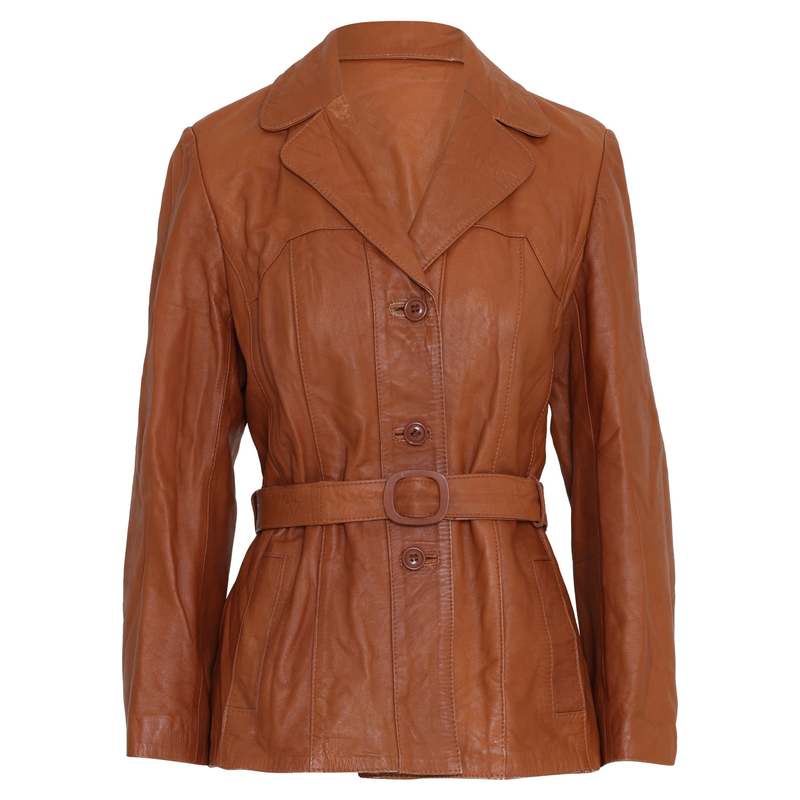
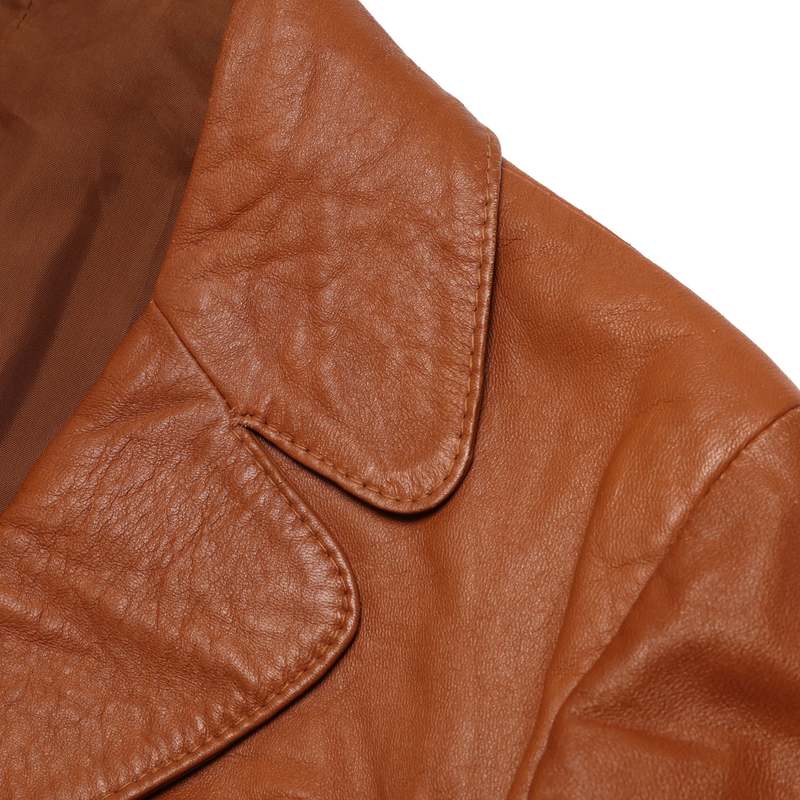
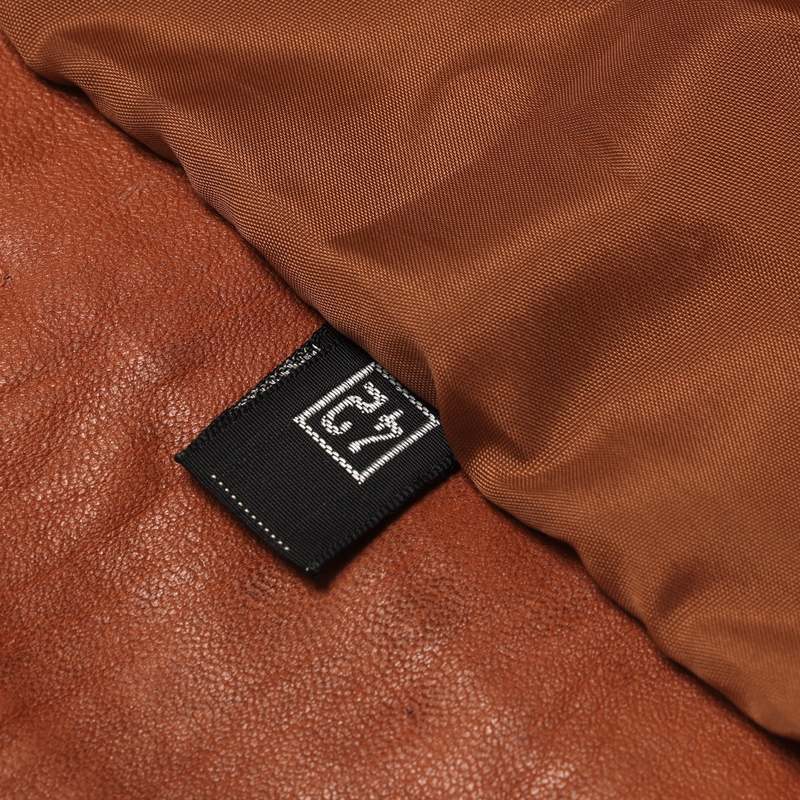
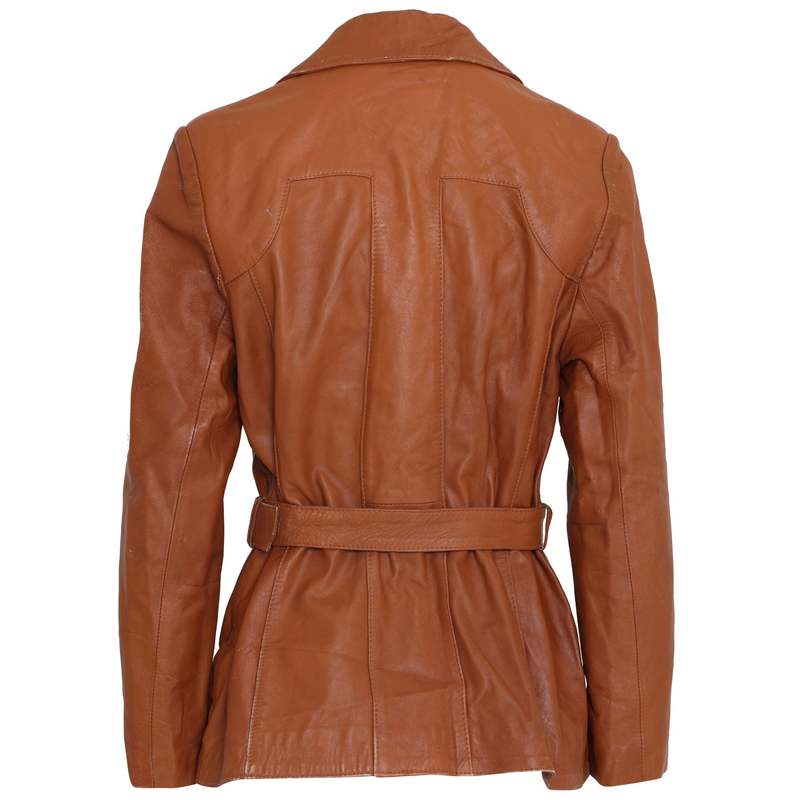
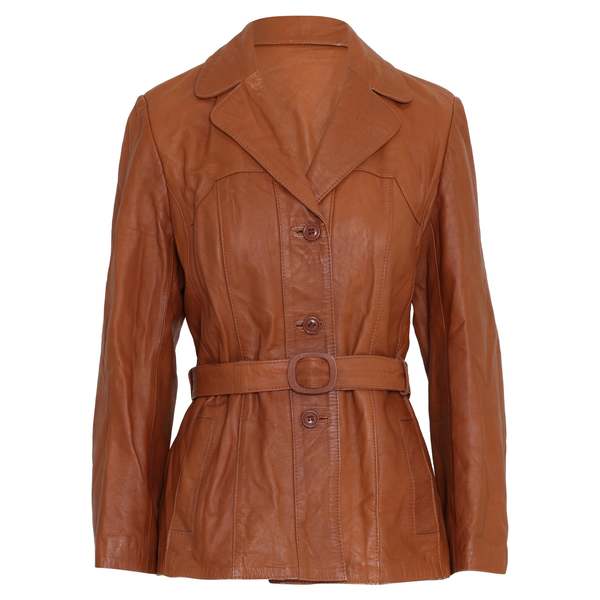
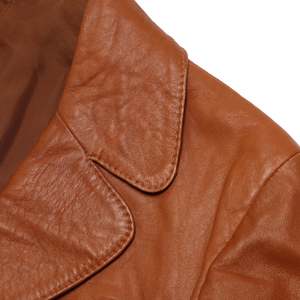
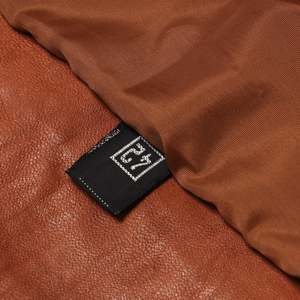
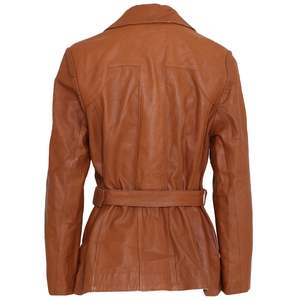
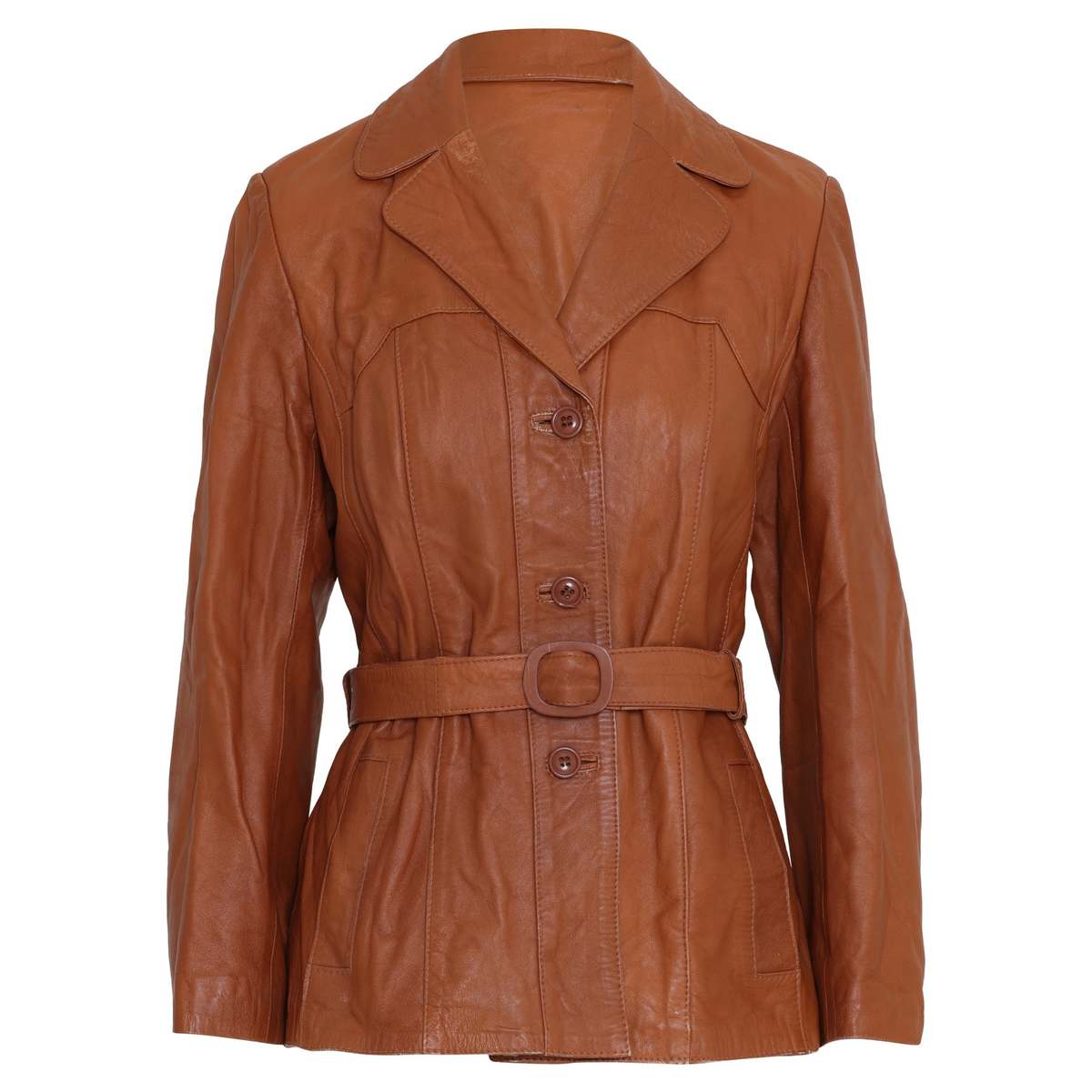
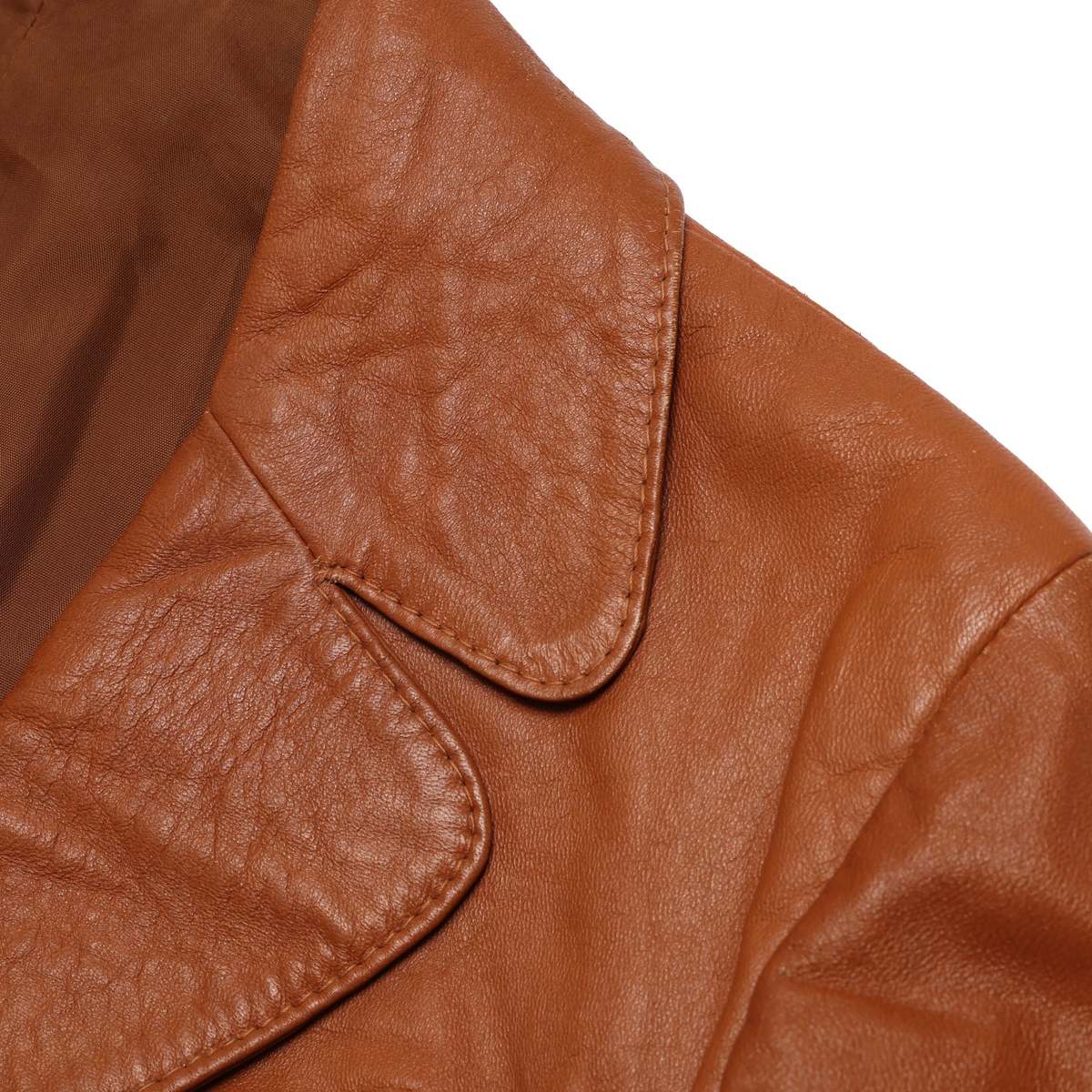
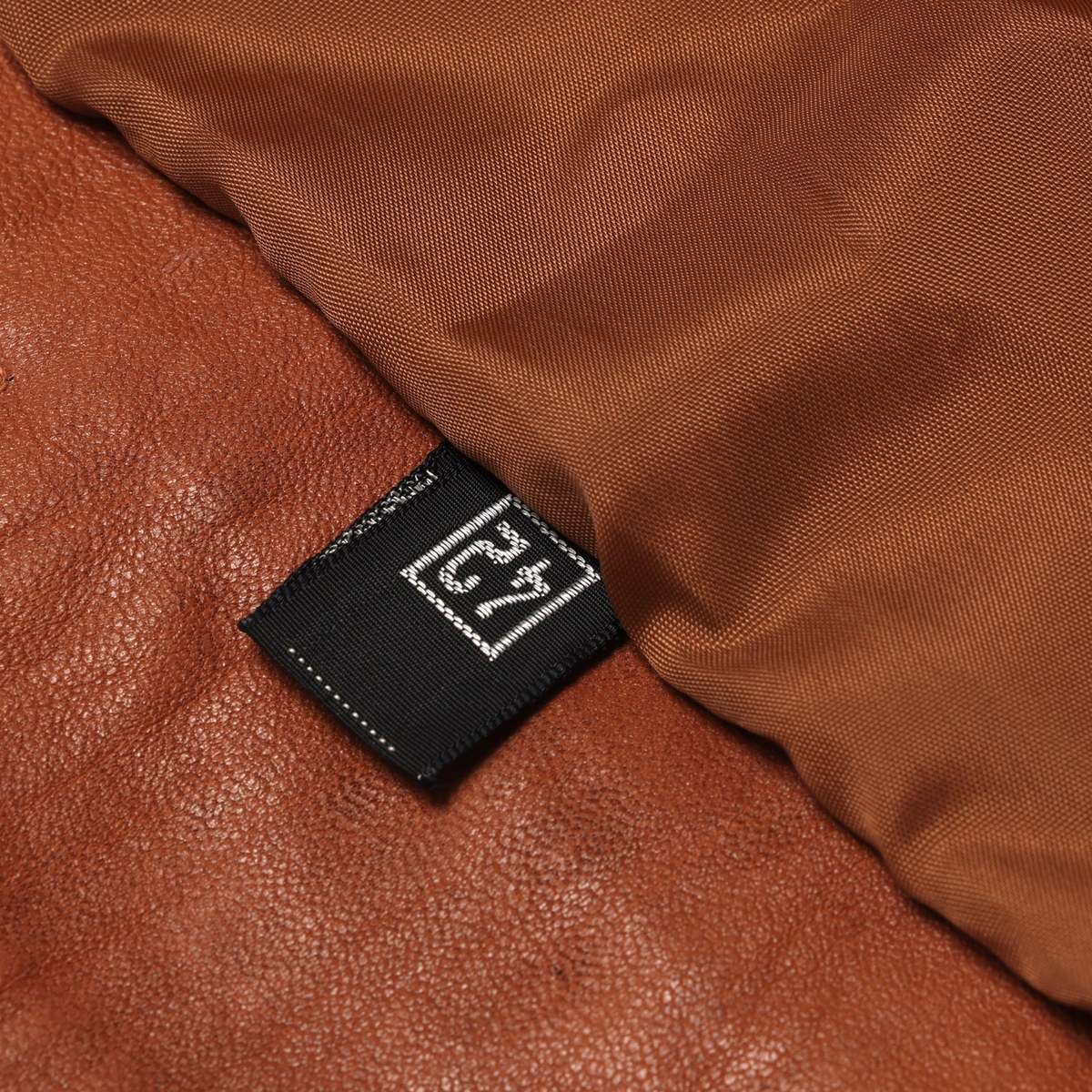
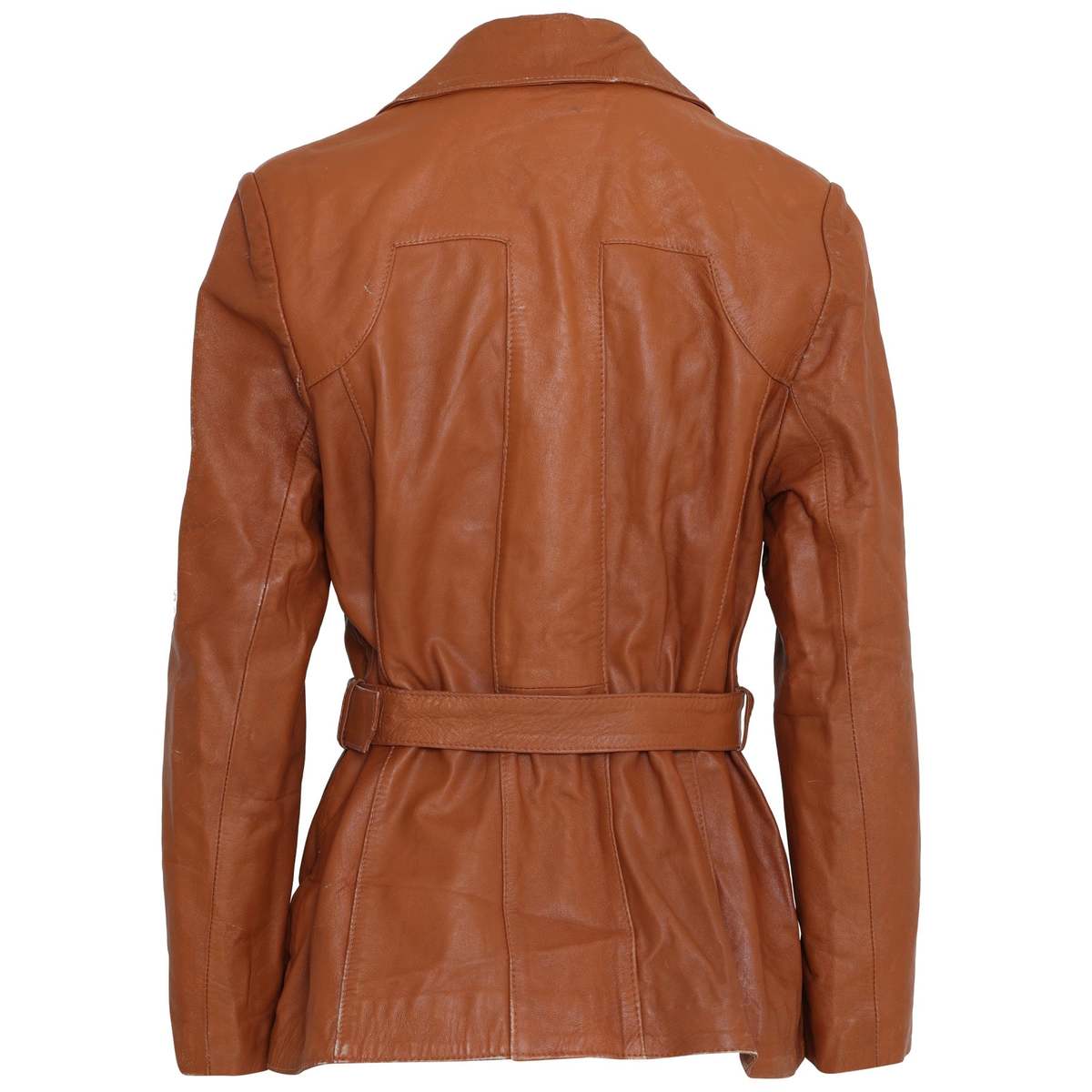
Wide lapels reinforced with block-pressed interfacing and a leather-wrapped buckle signal mid-century tailoring precision at an atelier or high-tier level. The jacket in questiona womens leather belted safari-style piece from the early-to-mid 1970sembodies a confluence of regional European craftsmanship, mid-century tailoring logic, and tactile design sophistication. The garment lacks overt branding, suggesting it emerged from a boutique-scale or department store production system typical of the period in countries like Finland, Germany, or France. In such contexts, especially during the postwar decades, emphasis was placed less on logo2-centric marketing and more on construction integrity, material durability, and wearable elegancevalues that shaped a generation of utilitarian yet feminine leather outerwear. Constructed from top-grain or full-grain chrome-tanned leather, likely cowhide or sheepskin, the jackets surface displays hallmark characteristics of a semi-aniline finish: a natural pebble grain, soft drape, slight sheen modulation, and visible follicle patterns. The leathers moderate thicknessestimated between 0.9 and 1.3 mmindicates a mid-weight hide that offers thermal utility without overwhelming rigidity, rendering the piece ideal for transitional climates ranging between 1218C. This soft, breathable structure is complemented by a satin-weave polyester lining, typical of 1970s outerwear, bagged at the hem and cuffs and hand-closed at an invisible seamensuring low-friction wear, extended garment longevity, and concealed internal glue lines. The jackets silhouettea belted safari cut with wide lapels and princess seam shapingrecalls the tailoring tropes reintroduced in womens fashion during the 1960s and 1970s by designers like Yves Saint Laurent. The notched lapel collar is reinforced with interfacing (likely haircloth or canvas), carefully shaped via block pressing rather than iron flattening, resulting in a soft lapel roll that preserves the garments three-dimensional structure. The self-fabric belt, constructed from edge-skived leather folded over a stabilizer and topstitched along both sides, is anchored by a rectangular leather-wrapped bucklerequiring meticulous hand-finishing and tension calibration. This detail speaks to a level of craftsmanship consistent with either small-run atelier work or disciplined industrial production operating at a high artisanal threshold. Patternwise, the garment showcases complex drafting and thoughtful contouring through its princess-seamed front panels and three-piece back constructioncenter back panel flanked by curving seams that control shaping without darts. The two-piece sleeve block features an outer curvature at the elbow, optimizing ergonomic movement and natural drapea consideration particularly vital in non-stretch leathers. Vertical paneling across both the front and back allows for anatomical sculpting while maintaining structural integrity, reinforcing the pieces tailored identity without reliance on synthetic stretch or excess padding. Assembly techniques reflect leather-specific constraints and skillful mitigation. Seams are butt-joined, turned inward, and topstitched with bonded nylon thread using a leather machinelikely equipped with Teflon or roller feet to prevent hide bruising. Stitch spacing remains consistent across seam junctions, lapels, and the armhole, underscoring tension control and seam integrity. Unlike woven garments, leather cannot be unpicked without permanent damage, and the absence of overshoot or puckeringparticularly at complex intersections such as princess seams meeting the armscyemarks a high degree of operator precision. Seams are likely pre-glued or taped prior to stitching, and topstitching serves both as structural consolidation and aesthetic edge control. Additional construction details reinforce the jackets mid-century tailoring pedigree. The sleeve cap contains minimal but deliberate shaping, probably via a lightweight sleeve head or roll rather than padded lifts, while edge finishing is uniformly cleanlapels, hem, cuffs, and placket edges are all turned and topstitched rather than left raw. Buttonholespresumably machine-punched keyholeswould have required roller-foot precision, while the four-hole leather-covered buttons further amplify the garments commitment to tactile uniformity and surface continuity. From a technical perspective, the jacket maintains structural sophistication without over-engineering. Waist shaping is achieved through integrated seam manipulation and belt tension, with no reliance on bulky darts or elastic mechanisms. The set-in sleeves are topstitched at the armhole to stabilize roll and preserve shape during wear. Lining attachment is executed through bagging techniques, likely hand-closed through the hem or underarm lining, minimizing friction zones and maintaining the garments soft drape across the shoulderline and waist. Conceptually, the piece encapsulates the psychological and sartorial tension of 1970s womens outerwearreconciling the military precision of safari and utility garments with the sensual softness of premium leather. The belt signifies both constraint and empowerment; the silhouette frames the body with intentional curvature while resisting overt ornamentation. The subdued caramel hue and matte-to-gloss tonal shifts further root the design within bourgeois fashion codes of the eraevocative of cinematic minimalism and post-Gainsbourg Parisian restraint. Worn by icons like Catherine Deneuve or Jane Birkin, such garments occupied a liminal space between elegance and rebellion, between status and subversion. Historical context confirms the 1970s origin. The numeric sizing system, interior label placement, and lining materials align with European outerwear production norms from the period before standardized global branding. The use of full panel construction, anatomical shaping without stretch fabrics, and the emphasis on leather-covered hardware are consistent with regional output from countries like Germany, Austria, Finland, or Franceespecially those producing department store-level leatherwear that balanced cost with enduring craftsmanship. The jackets leather quality and construction logic invite comparison to materials produced by heritage tanneries such as Badalassi Carlo (Italy), known for vegetable-tanned hides with tonal modulation and softness; Trnsj Garveri (Sweden), a staple for Scandinavian military-grade cowhides; and Horween (USA), whose semi-aniline finishes and pull-up effects mirror this pieces patina potential. Likewise, the paneling and shaping reflect methodologies common to Swedish military leathers, British utility sheepskins, and mid-century French caf racer tailoring. In todays fashion landscape, the garment remains highly relevant. Its structural claritys, clean design, and material tactility align with contemporary design narratives centered on quiet luxury, archival reissue, and post-trend sustainability. Designers like Phoebe Philo (Celine), Daniel Lee (Bottega Veneta), and brands like Khaite and Nanushka have revisited the safari-leather silhouette repeatedly, reaffirming its timeless capacity to express restraint, strength, and intimacy through form. This jacket, whether preserved or refurbished, would thrive within editorial styling, high-end vintage resale, and capsule wardrobe collectsionsserving as a case study in how tailoring, material intelligence, and era-defining aesthetic codes can be woven into a garment that endures across generations. Ultimately, this piece represents a masterclass in leather construction from a time when craftsmanship was not performative but embeddedwhen each stitch and seam was dictated by both the materials demands and the bodys form. It is not merely a product of its time, but a vestige of a design logic that remains profoundly instructive today. Measurements (cm): Chest: 48 Length: 68 Shoulder: 41 Sleeve: 61 Size Conversion (approximate) US Womens Size: M EU Womens Size: 38 SKU: 006081
Garmentory is a curated marketplace of independent boutiques and emerging designers from around the world.
Fashion With Intention
Aw yeah!
We love making new friends so while we're popping bottles, continue shopping to apply your $10 credit.
We've got a dedicated site "garmentory.co" just for our Indian customers! Shop with local currency, faster shipping, and exclusive products.
We cannot add this item to your bag because it’s already at max capacity. But don’t worry, we’ve saved it to your wish list.
Earn Replica Belts credits when you shop, wishlist, and inspire others.

Have a question about the size or something else? We're here to help!