Spring fever is here 🌡️☀️ Prep early for those not too hot and not too cold days by finding something you love ON SALE. SHOP THE SALE


Spring fever is here 🌡️☀️ Prep early for those not too hot and not too cold days by finding something you love ON SALE. SHOP THE SALE
| To | Service | Estimated Delivery | Fee |
|---|---|---|---|
| 🌎 | Intl. Air | 6-20 business days | $29.95 |
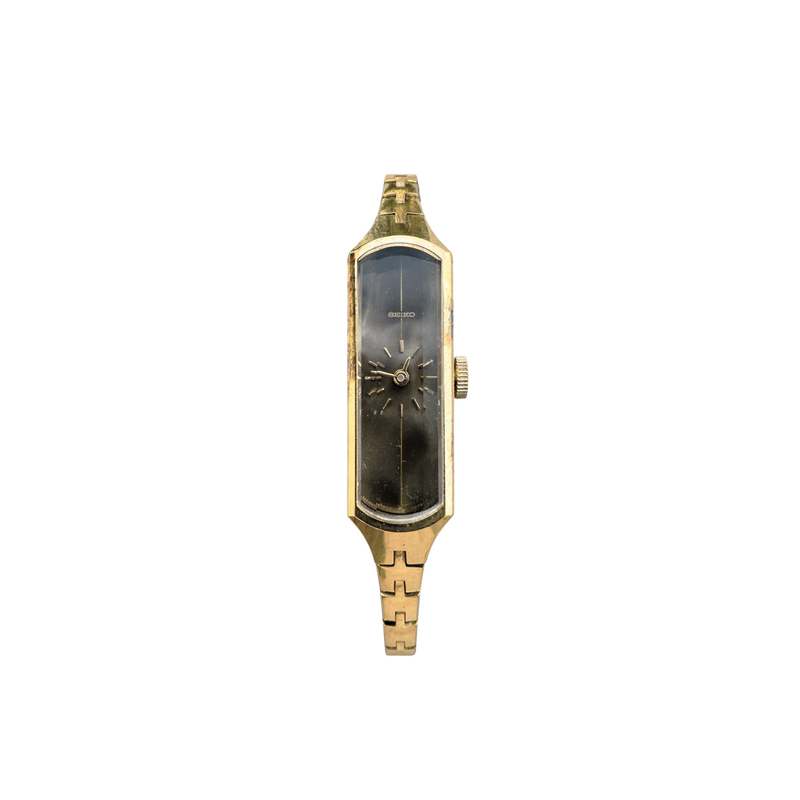
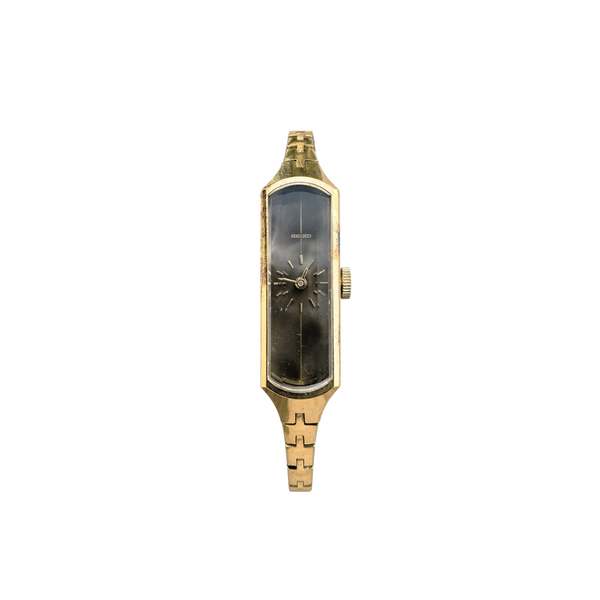
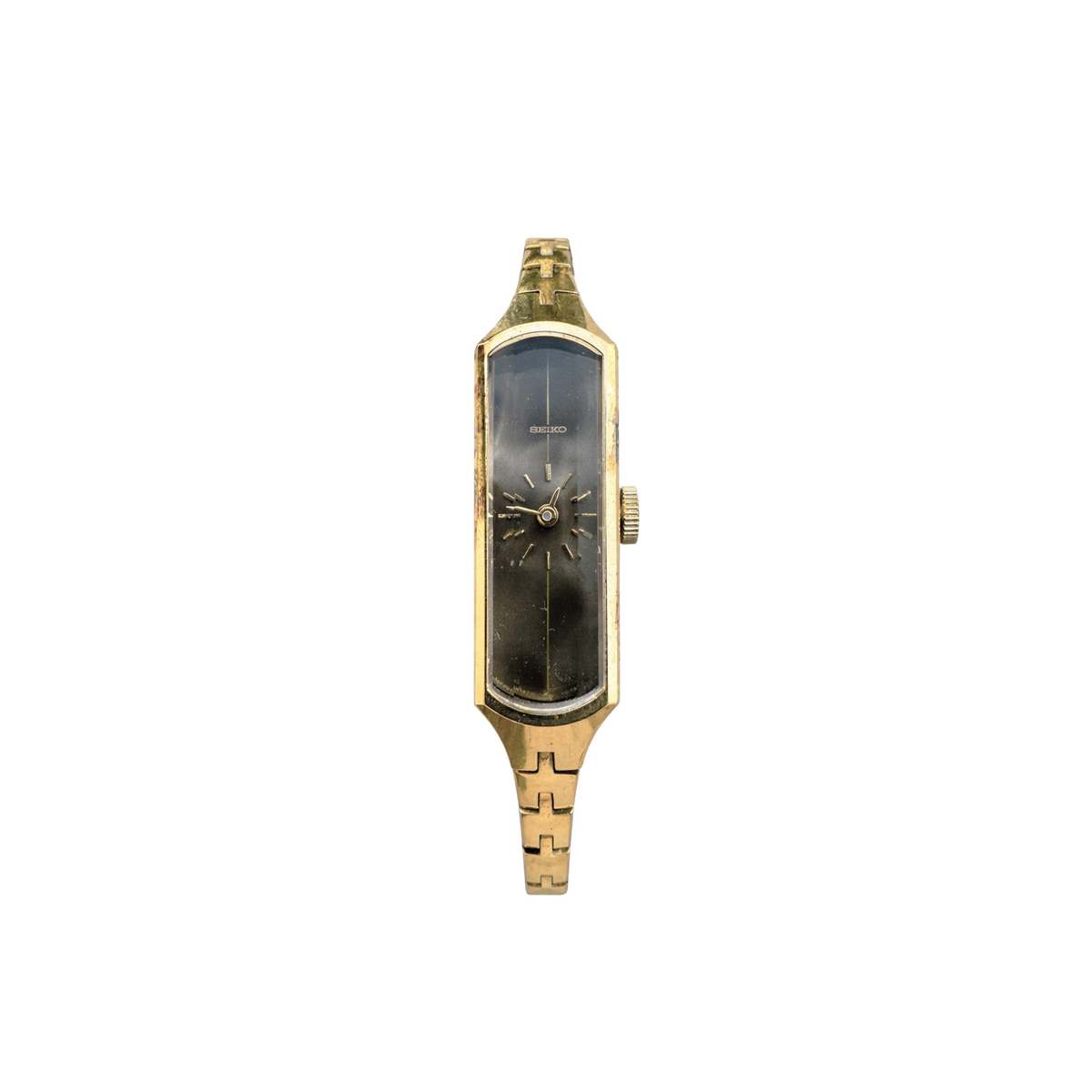
We are currently operating in a pre-scaling phase, during which the scope of our vintage archive has expanded beyond what can be listed at human speed. Only a token fraction of the inventory is visible online, not for lack of supply, but because an inconvenient commitment to perfectionism. The practical solution is to request access to our Google Drive. There is, incidentally, an upside to this arrangement: direct access, special attention, preferred pricing, and quantity-based considerations. New drops are added to the Drive on a daily basis, ensuring ample selection. All that is required is a reference to the image IDs. From there, we provide an elevated level of service: photos edited to approximate reality, additional images, and, where applicable, preferred pricing with quantity-based concessions. Bundles are where the value appears; the more pieces, the more flexible the pricing. After a half-decade sabbatical from fashion, I'm cautiously resurfacing & I felt it was time to reconnect. I moved to Europe a few years ago & began collectsing vintage with the field discipline of an anthropologist & the denial of a high-functioning hoarder. I currently have over 100,000 pieces sitting in a warehouse, because moderation has never been my strong suit. What began as compulsion is now a side project. I'm firmly in the pre-revenue chapter of the memoir - 1,000 sales, & high morale. The broader archive skews larger, stranger, & more historically pointed-East & West German rarities, bureaucratic glamour, Soviet institutional wear, industrial archaeology-rich in Trevira, Diolen, Terylene & mid-century state textile programs, & an elegy in garments from the DACH region & beyond. The collectsion is mostly a Cold War capsule wardrobe, institutional tailoring, state-issued, regional cooperatives & rural ateliers, white labels from the department store era, exceptional knitwear, socialist leathers, the zenith of Parisian fur craft, selectively preserved tweed skirts, rare 1960s mod, exaggerated '70s collars, German-cut blouses, unusually constructed denim, essentially the entirety of the 1970s, when even institutional garments had the decency to be well made. If integrity were woven, you'd find more of it in a 1978 poly-wool blend than in most of today's designer runways. Eventually, this evolves into a full-scale operation-complete with the token NYC storefront for aesthetic credibility. Given that about 70% of you are ordering from New York, it seems reasonable to ship our 50 pallets there & open a labyrinth of "true vintage" to get lost in. Scaling, of course, requires capital. I'm well aware that most of you don't have any, but statistically speaking, out of the millions who drift through here, it is statistically probable that one of you possesses both interest & solvency. Type us into Google. Everything is there, including a contact form. SUNDAZED & OUTSIDE SOCIETY This is a Seiko manual-wind dress watch in elongated tank form, reference 631318, produced during the late 1960s to early 1970s. The case is gold tone over a stainless steel base, with a stainless steel caseback bearing the Seiko signature and serial identifiers. The dial is vertically oriented with a smoked black gradient field and central linear accent, reflecting late mid-century Japanese modernist design. The movement is a compact hand-wound caliber typical of Seikos slim dress offerings of the period, engineered for reliability within small case architecture. This configuration represents Seikos export-facing formal line, positioned as refined but accessible. I. Case Architecture & Metal Integrity The case presents a narrow elongated tank profile with faceted upper shoulders and integrated end links that flow directly into the bracelet. Gold-tone plating shows visible edge wear and surface thinning along high-contact zones, consistent with long-term use rather than recent abrasion. The caseback is stainless steel, secured in a manner typical of slim Seiko dress references of the era, and engraved with model and serial identifiers. The crown is proportionally small and fluted for manual winding. Overall construction reflects plated economy paired with durable structural backing. II. Dial Construction & Surface Aging The dial is vertically structured with a dark smoked gradient and a thin central line dividing the field, creating axial symmetry. Applied baton indices radiate from a small central chapter ring, scaled to preserve legibility within the elongated format. The Seiko signature is printed in restrained gold tone without additional script or decorative flourishes. Minor surface particulates and spotting are present beneath the crystal, consistent with age and micro-seal fatigue. No symbolic, fraternal, occult, or institutional markings are present. The design language is secular, geometric, and modernist rather than emblematic. III. Movement Architecture & Mechanical Intent The reference number sequence indicates a Seiko hand-wound caliber from the 6313 family, engineered for thin dress applications. These movements were designed for durability within compact case tolerances and for straightforward servicing. Finishing is functional, with emphasis on production efficiency rather than decorative bridge work. Mechanical intent centers on slim profile, stable amplitude, and low maintenance frequency rather than chronometer-grade precision. This aligns with Seikos late 1960s objective of offering refined dress watches that competed globally on price-to-quality ratio. IV. Proportion, Wear Profile & Ergonomics The elongated case form extends vertically along the wrist, creating a jewelry-adjacent silhouette rather than a traditional round watch presence. Thickness appears modest, allowing the watch to sit close to the wrist and slide easily beneath a cuff. Integrated bracelet links continue the linear geometry, reinforcing visual continuity. Ergonomically, the watch favors aesthetic slimness over tool functionality. It is oriented toward formal or occasional wear rather than daily mechanical utility. V. Production Context & Industrial Position During the late 1960s and early 1970s, Seiko was expanding aggressively into global markets, offering a spectrum from entry mechanical to high-grade chronometer pieces. Slim tank-style dress watches such as this occupied the lower to mid-tier formal segment, positioned beneath Grand Seiko but above purely utilitarian references. Gold-tone plating was common for export markets seeking visual refinement without solid gold pricing. Industrially, this piece represents Japanese precision manufacturing applied to contemporary Western dress aesthetics. VI. Originality Audit Dial typography, index style, and handset proportions are consistent with late 1960s Seiko dress references. The bracelet appears integrated and period appropriate, though plating wear suggests long-term use. Caseback engraving aligns with Seiko serial format conventions. The crystal may have been replaced at some point, though its curvature and fit appear correct for the model. No evidence of redial or non-period customization is apparent. Configuration coherence is high. VII. Temporal Standing Vintage Seiko dress watches from this era occupy a stable niche within the broader collectsing field. They are not speculative assets but are respected for engineering reliability and transitional design language bridging mid-century and early 1970s aesthetics. Elongated tank forms attract collectsors interested in design diversity beyond conventional round cases. Legitimacy derives from Seikos industrial credibility rather than rarity. VIII. Market Standing & Value Estimation Comparable Seiko manual-wind gold-tone tank references typically transact between 250 and 450 USD depending on plating condition, movement performance, and originality. Liquidity is moderate, with strongest demand among design-oriented collectsors rather than brand-status buyers. Plating wear materially affects valuation. Replacement cost of a comparable modern Seiko dress watch would exceed secondary resale value, but intrinsic value remains tied to mechanical integrity and brand heritage rather than material content. One minor clarification seems necessary: "Vintage" tends to imply garments that have endured a meaningful span of wear and tear. To eliminate any potential ambiguity, I'm adding an explicit disclaimer that the majority of these items are, in fact, new, unworn deadstock. This contextual cue should help orient users who are accustomed to encountering authentically fatigued clothes. One additional clarification seems necessary, given the ongoing confusion around U.S. orders from Europe under Trump's tariffs: it's the Europeans taking the hit here, not the Americans. So, to answer the recurring question about U.S. import fees: we've already covered the tariffs through our postal carrier. Your parcel arrives fully cleared; any bureaucratic bloodletting has already been performed on our side of the Atlantic.
Garmentory is a curated marketplace of independent boutiques and emerging designers from around the world.
Fashion With Intention
Aw yeah!
We love making new friends so while we're popping bottles, continue shopping to apply your $10 credit.
We've got a dedicated site "garmentory.co" just for our Indian customers! Shop with local currency, faster shipping, and exclusive products.
We cannot add this item to your bag because it’s already at max capacity. But don’t worry, we’ve saved it to your wish list.
Earn Replica Belts credits when you shop, wishlist, and inspire others.

Have a question about the size or something else? We're here to help!