Spring fever is here 🌡️☀️ Prep early for those not too hot and not too cold days by finding something you love ON SALE. SHOP THE SALE


Spring fever is here 🌡️☀️ Prep early for those not too hot and not too cold days by finding something you love ON SALE. SHOP THE SALE
| To | Service | Estimated Delivery | Fee |
|---|---|---|---|
| 🌎 | Intl. Air | 6-20 business days | $29.95 |
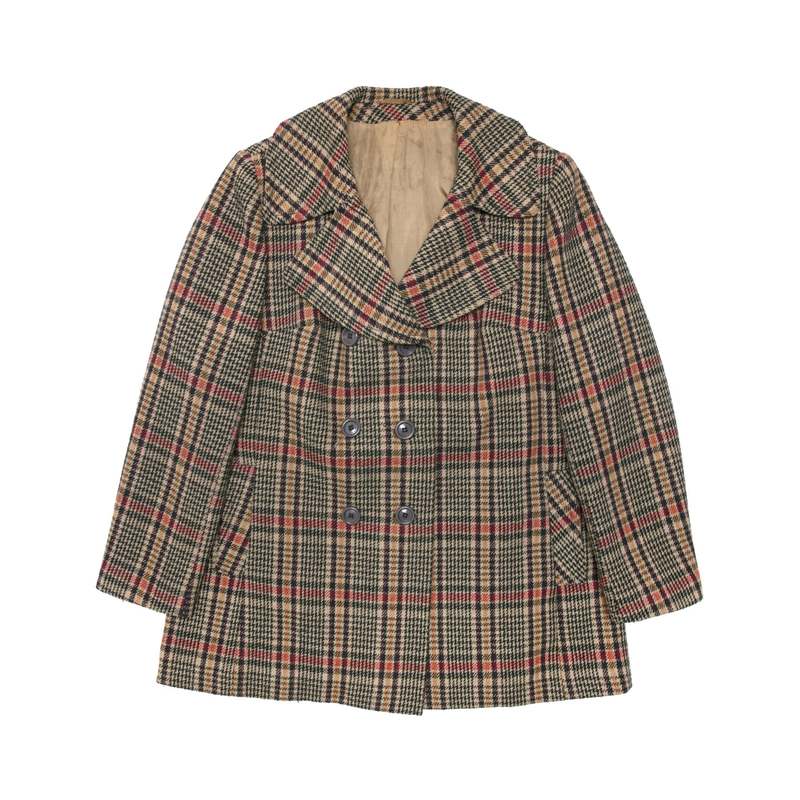
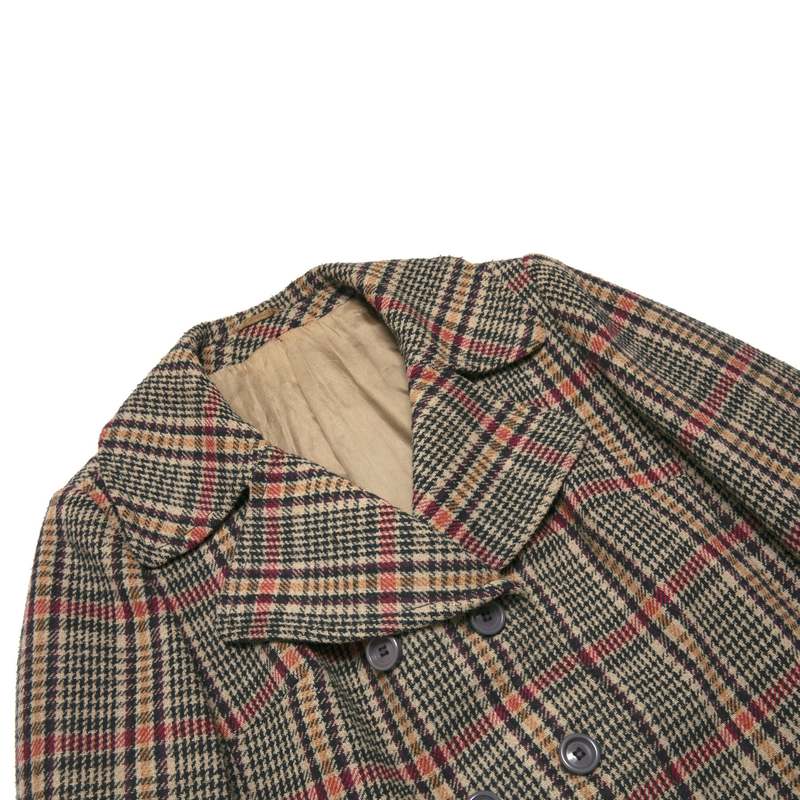
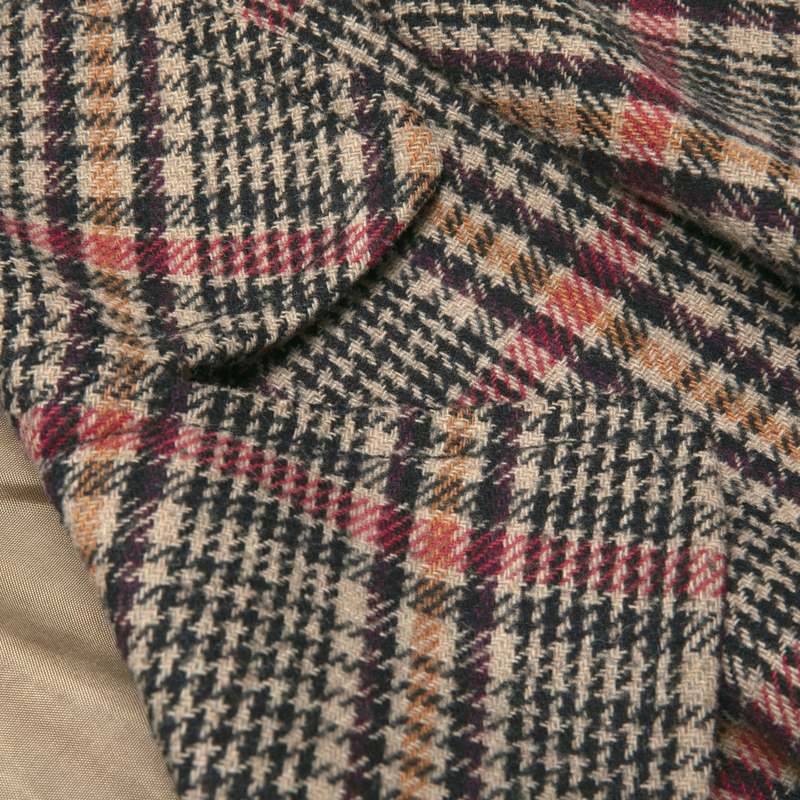
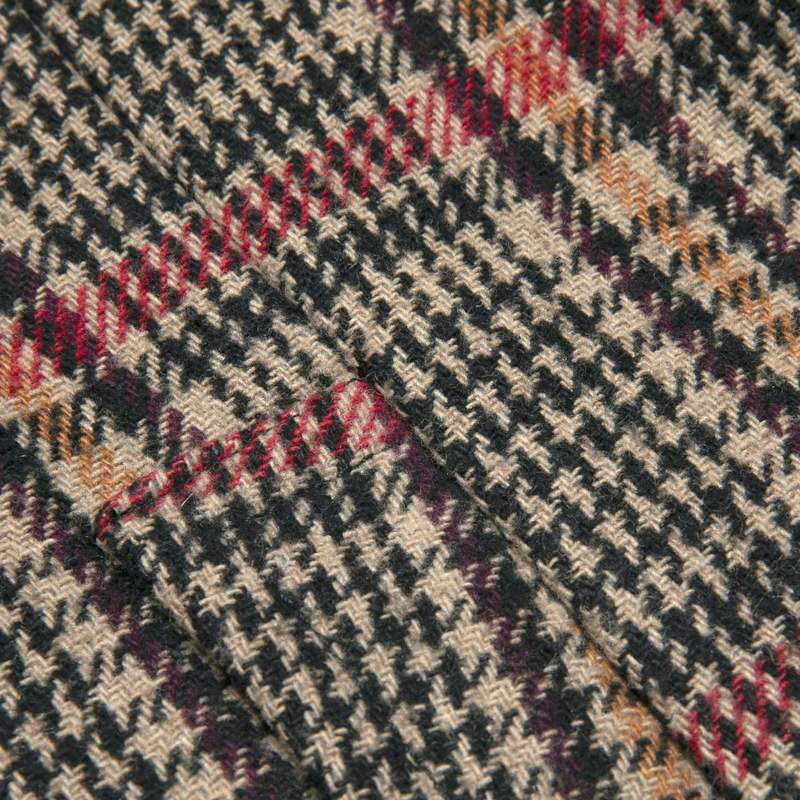
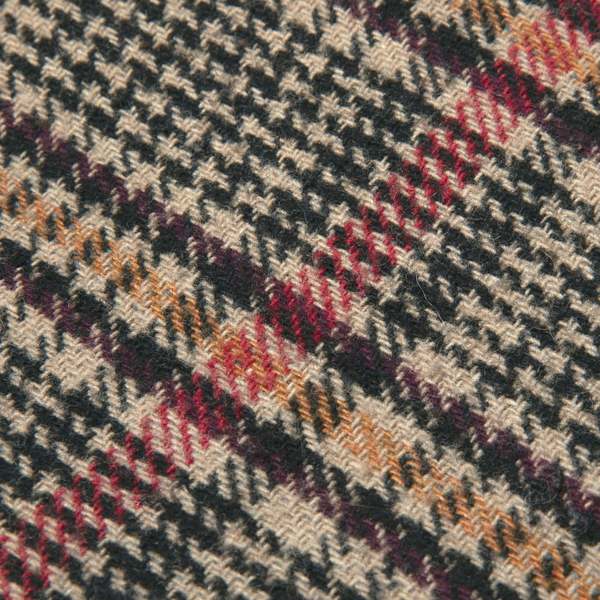
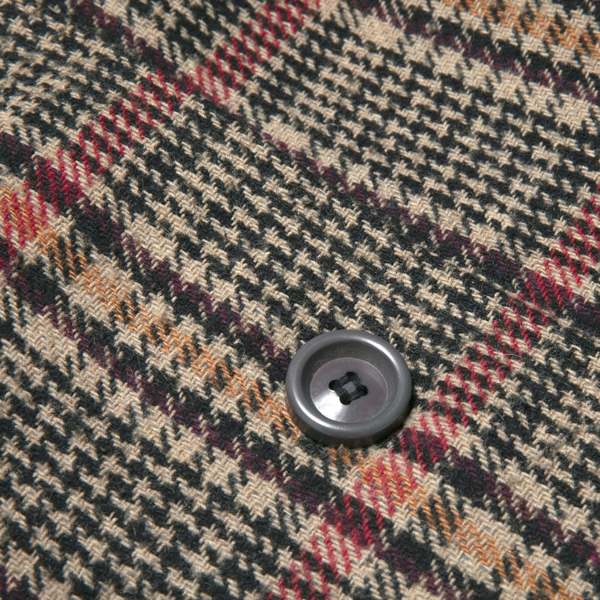
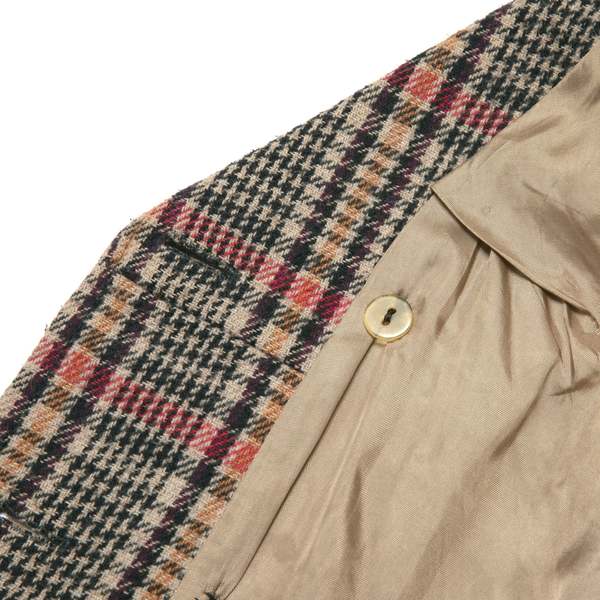
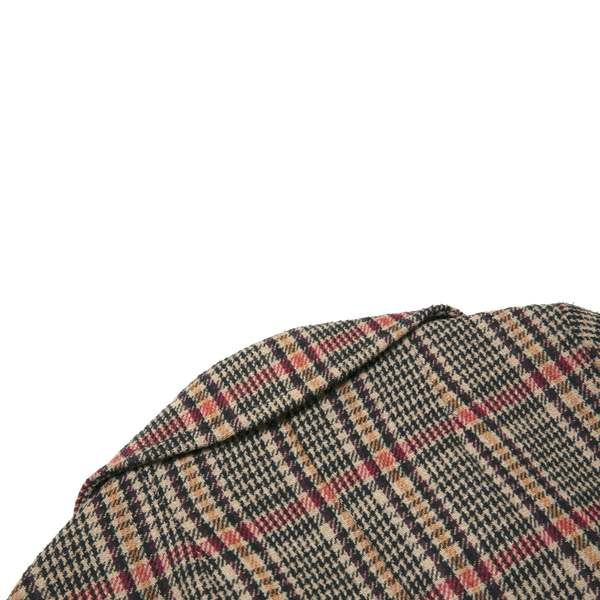
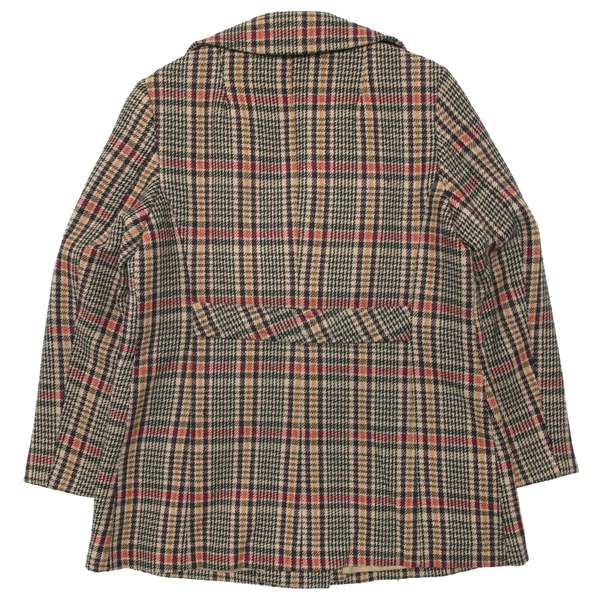
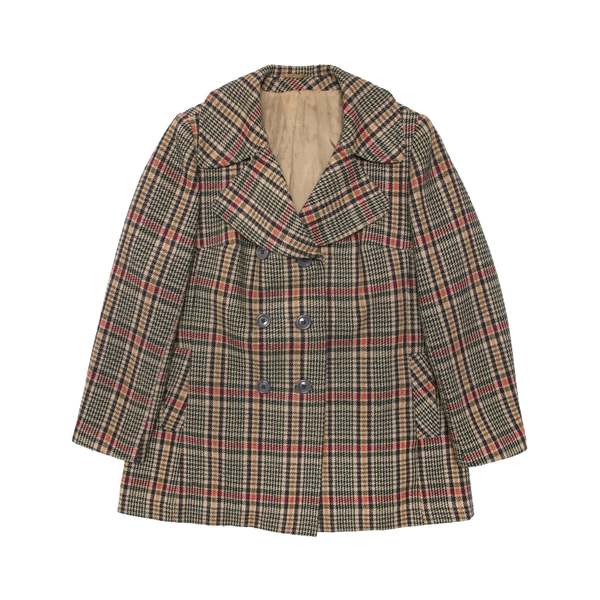
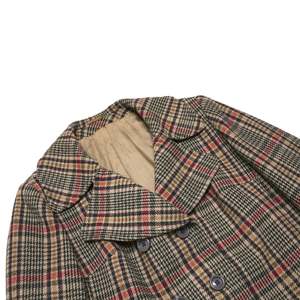
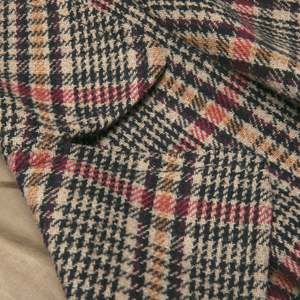
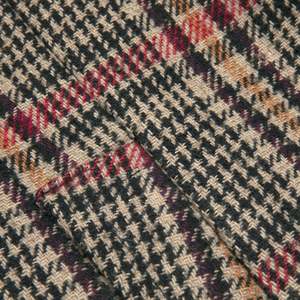
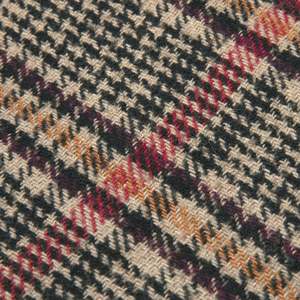
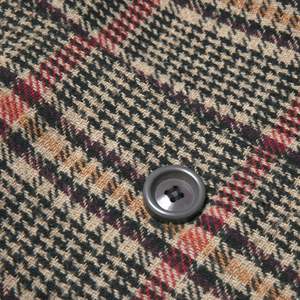
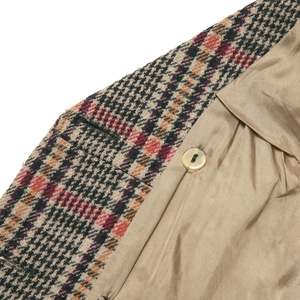
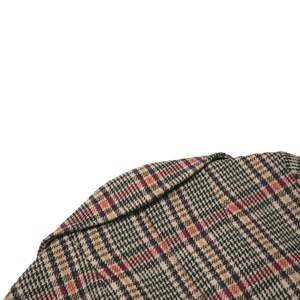
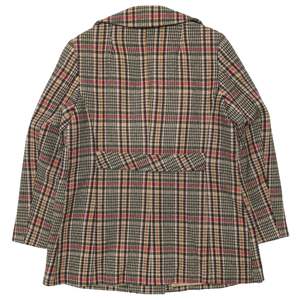
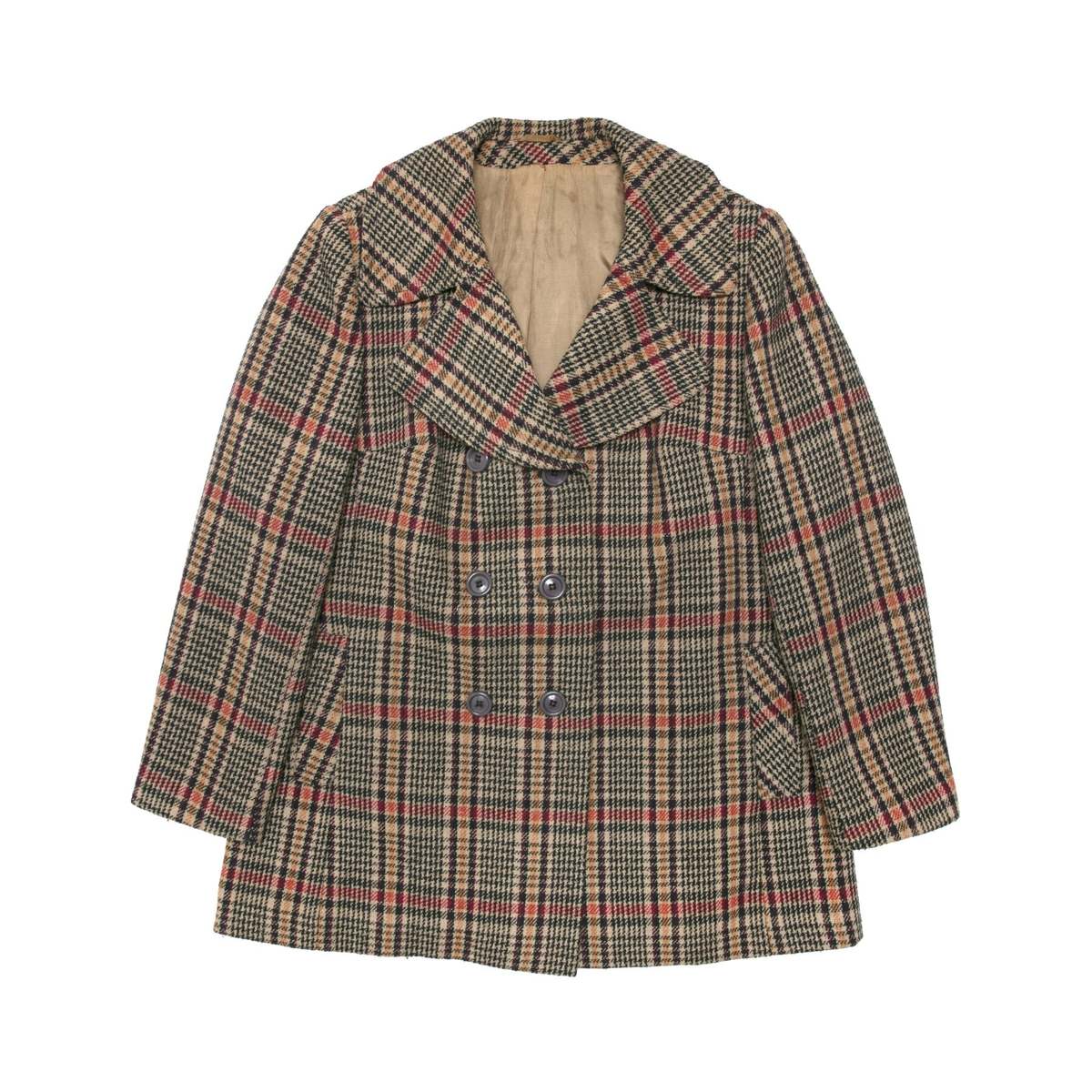
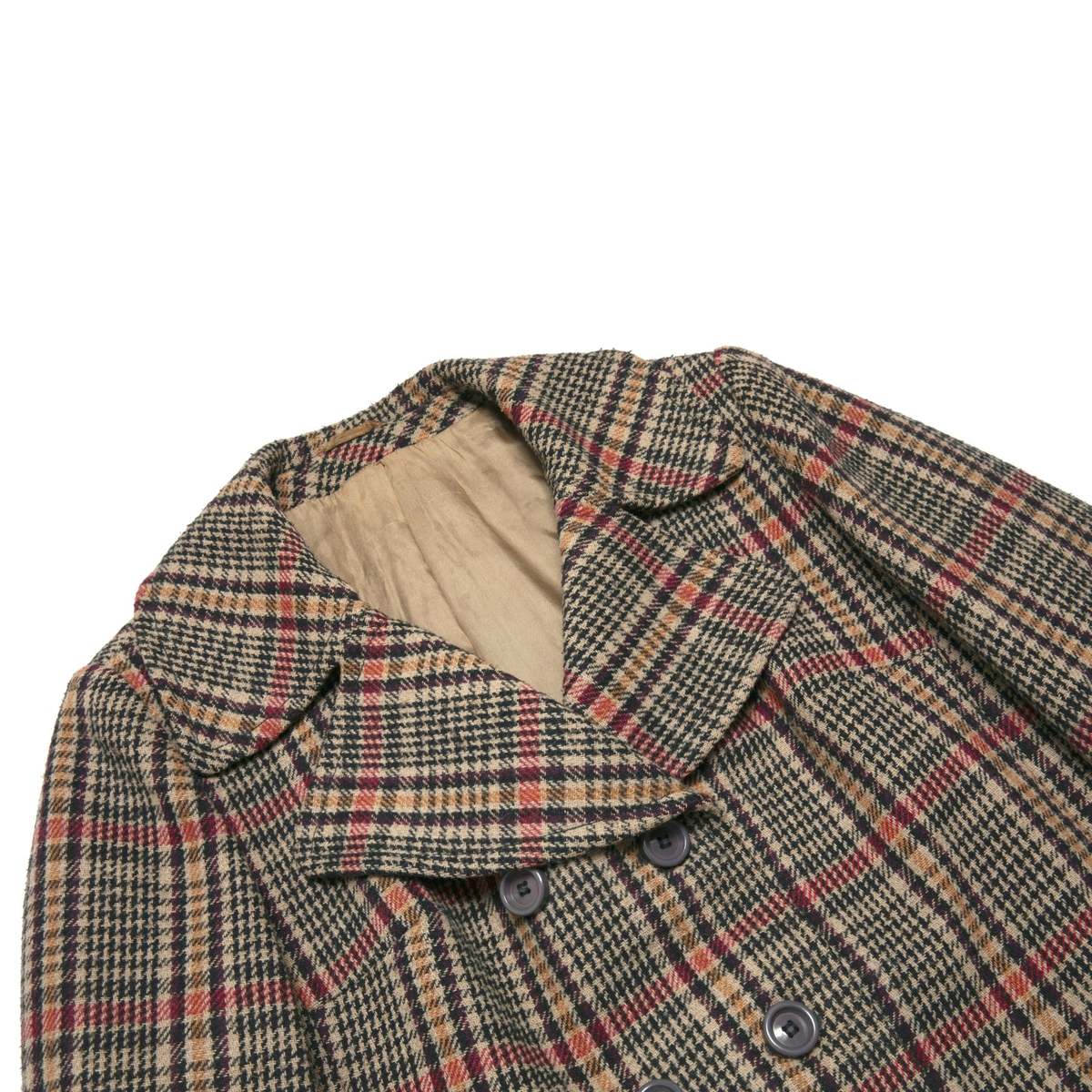
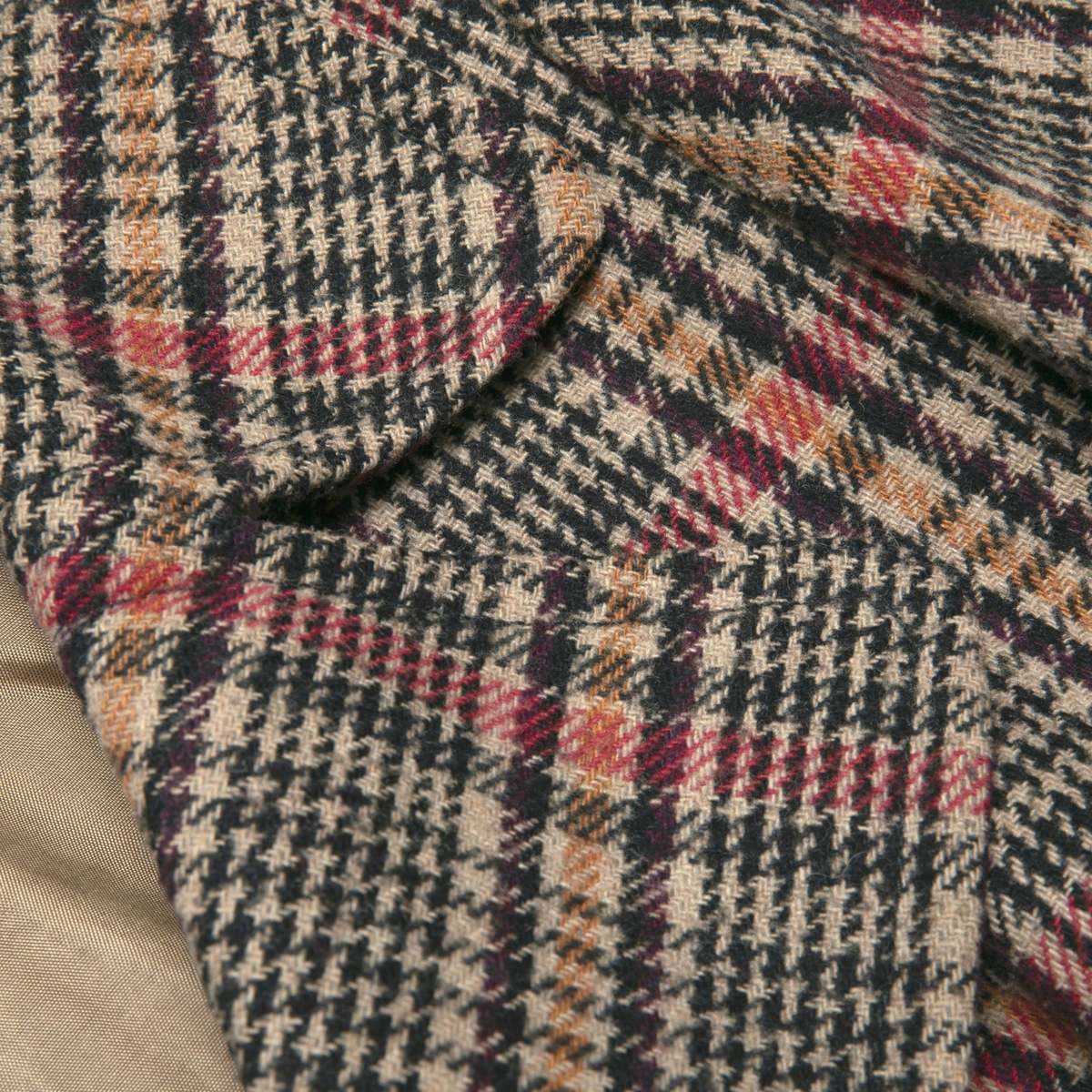
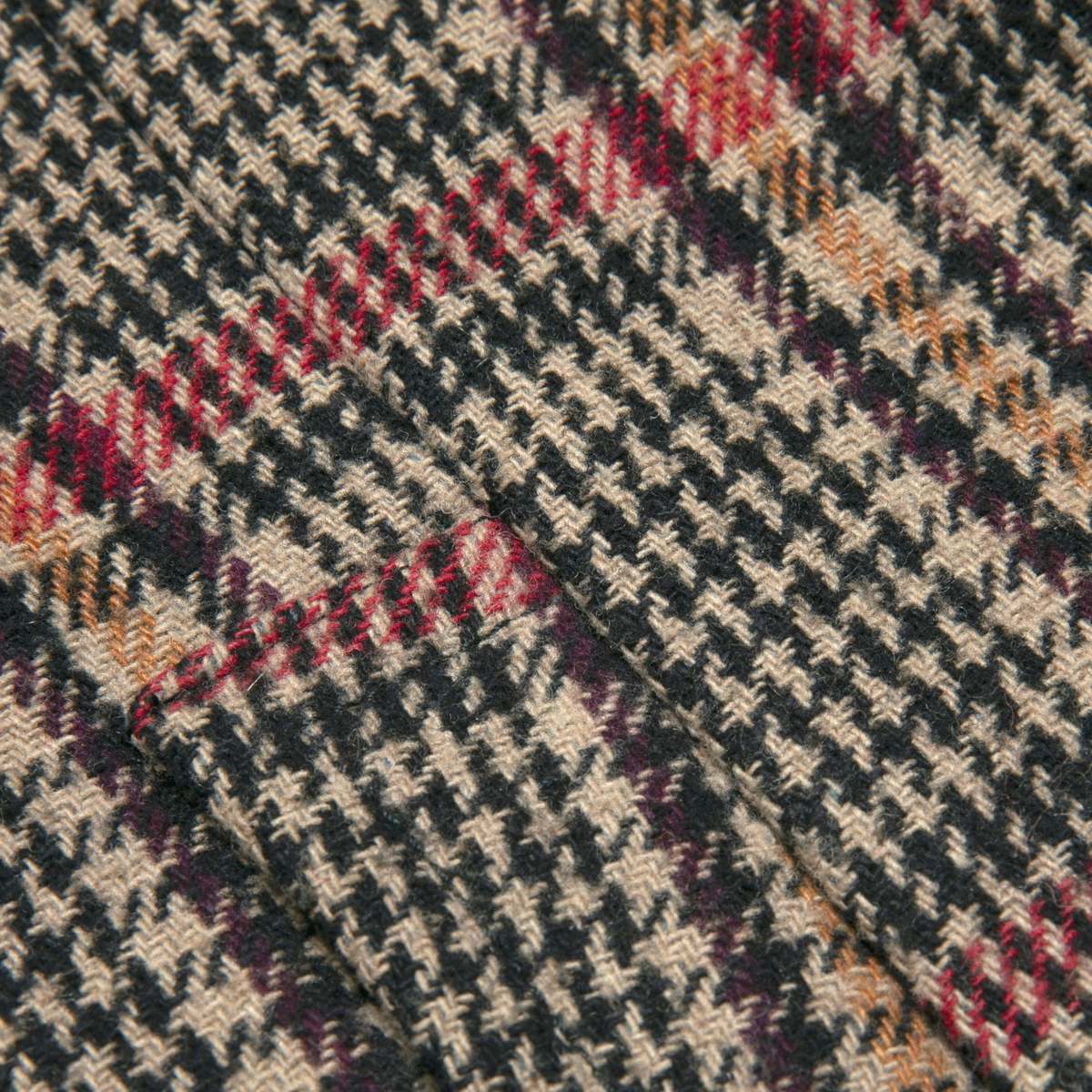
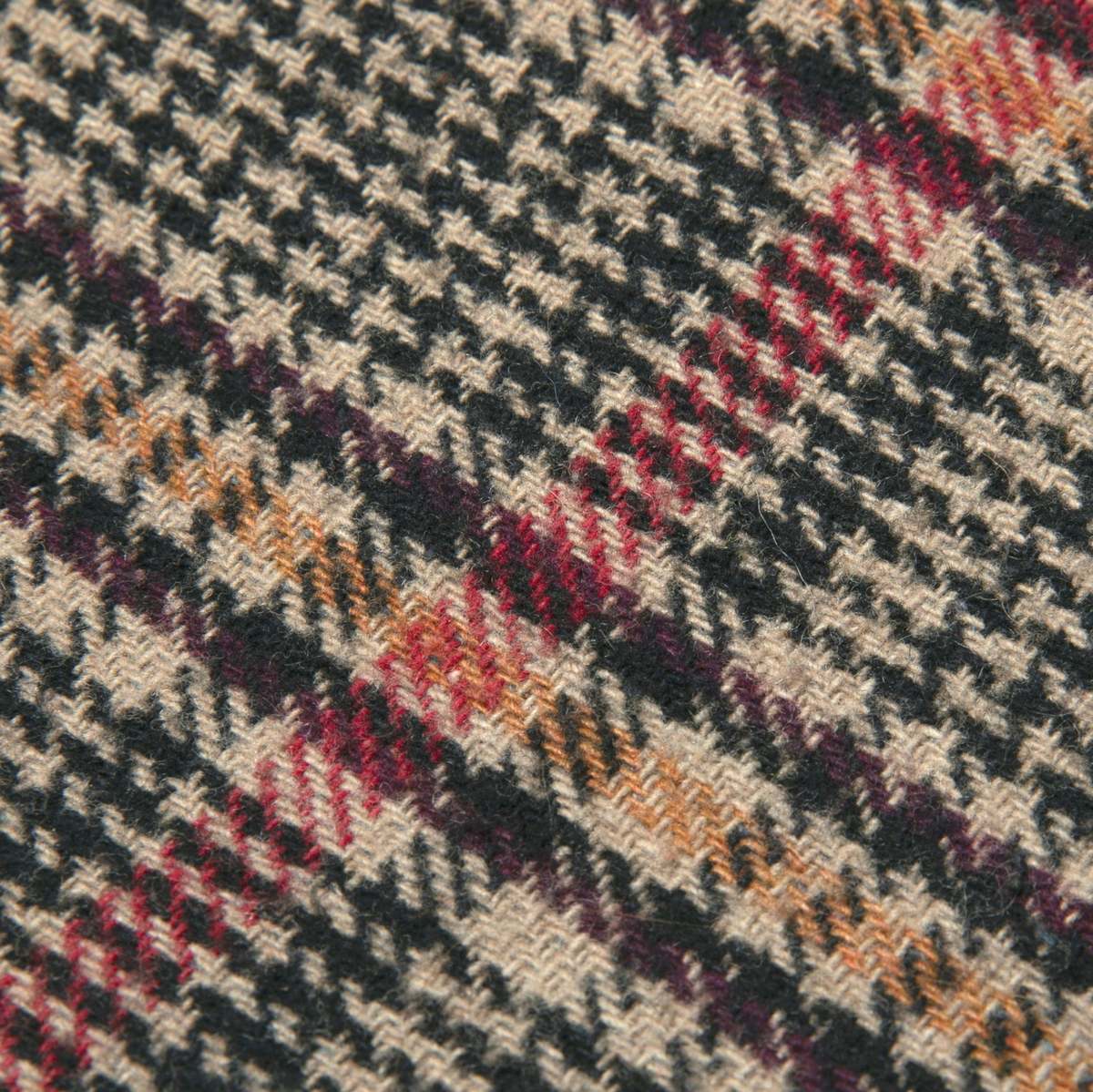
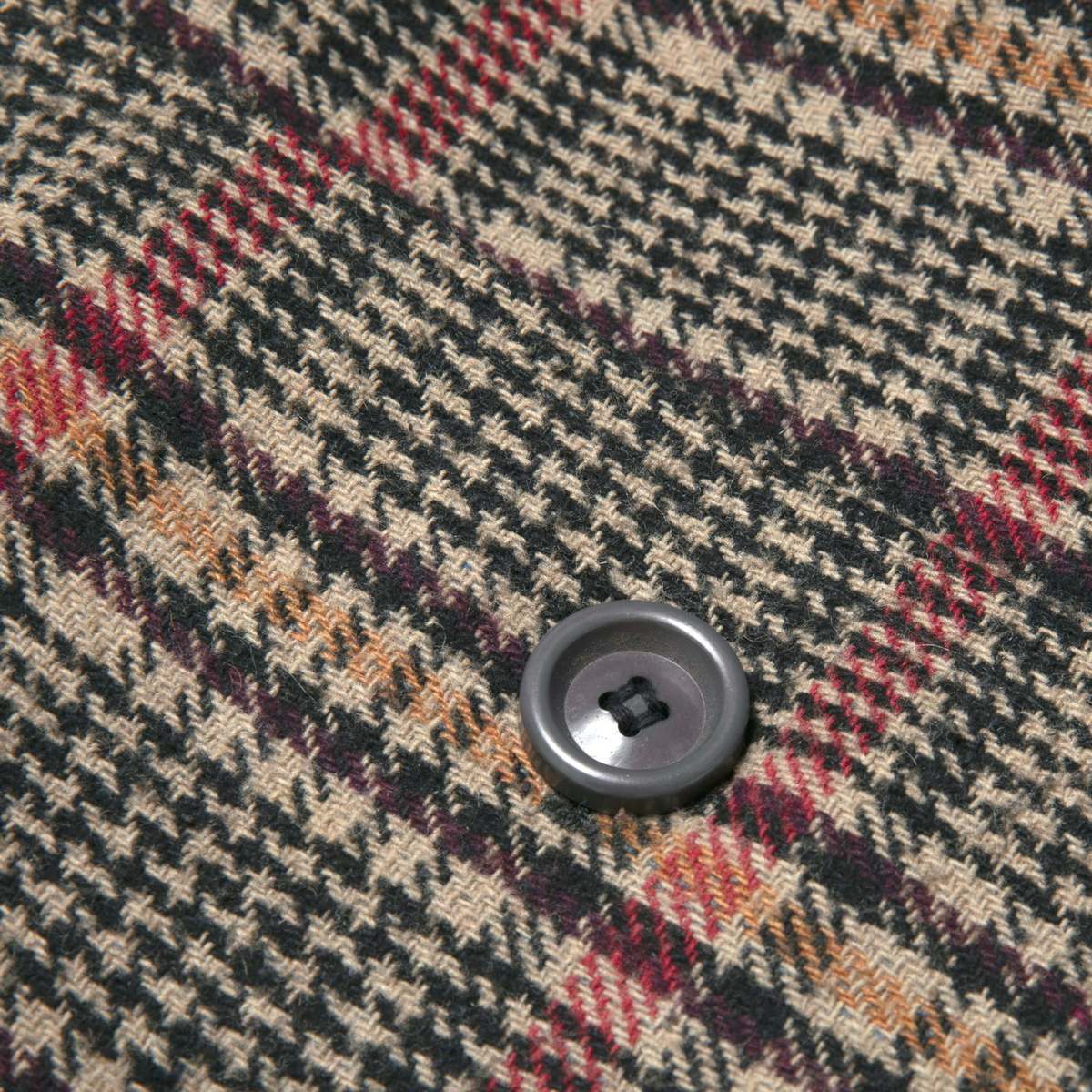
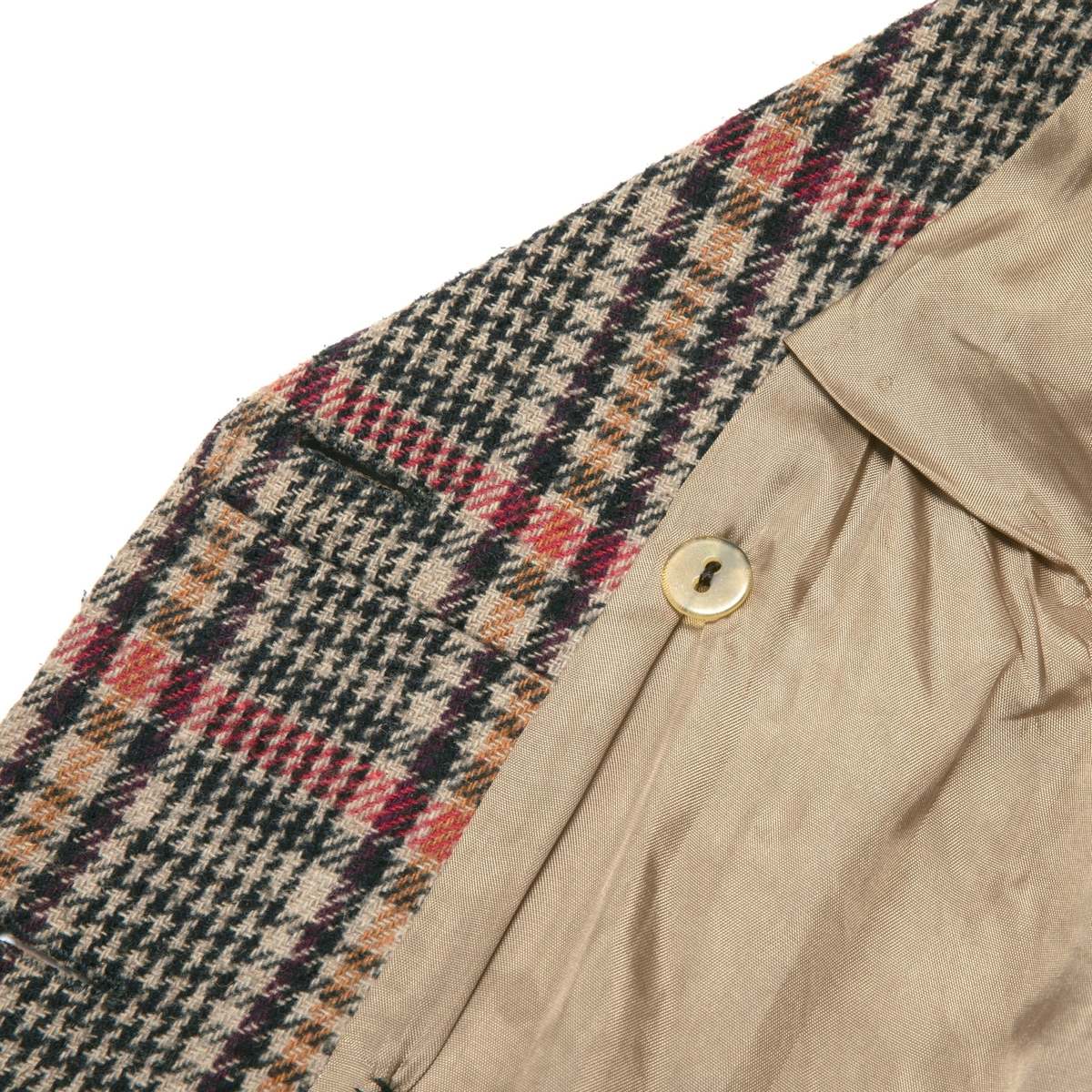
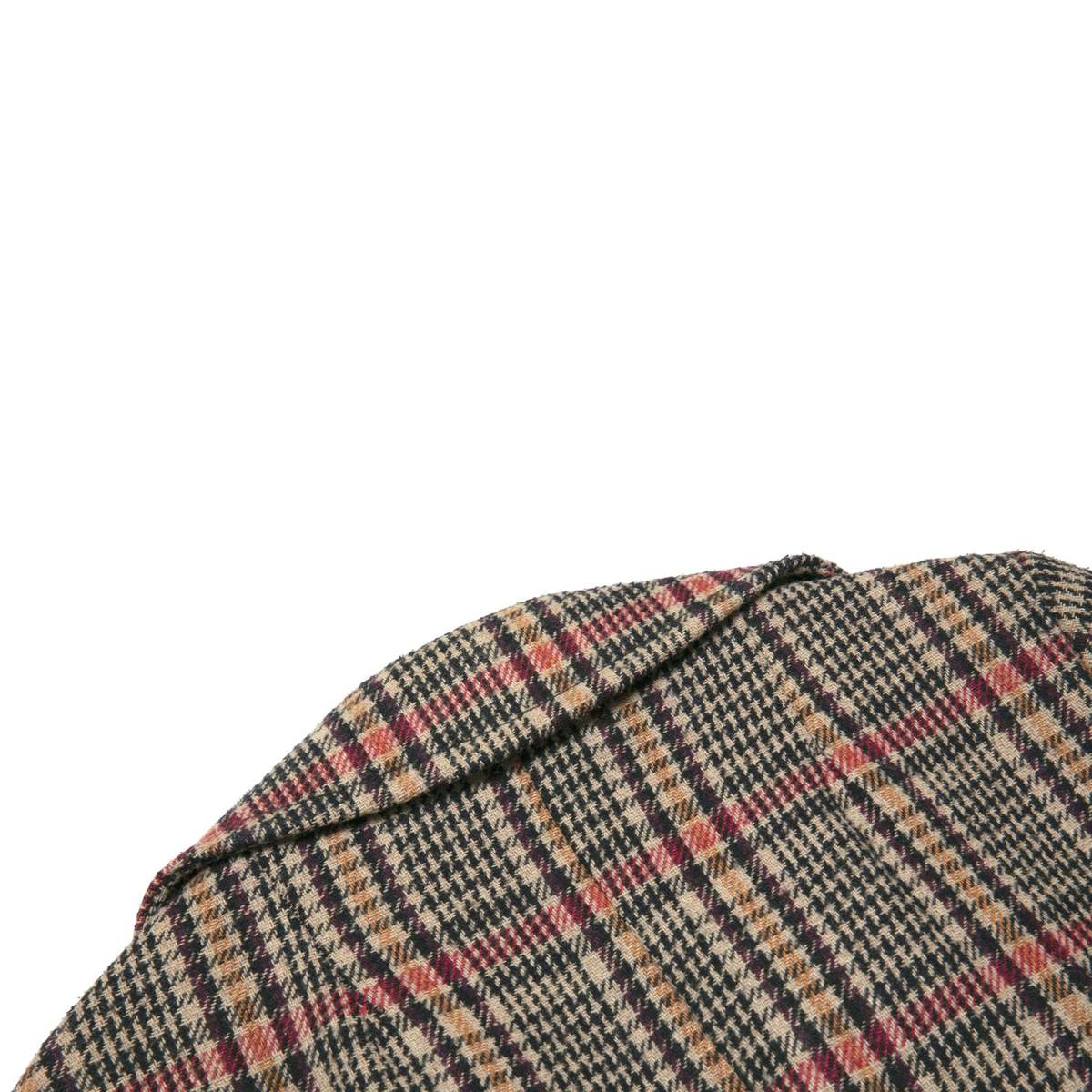
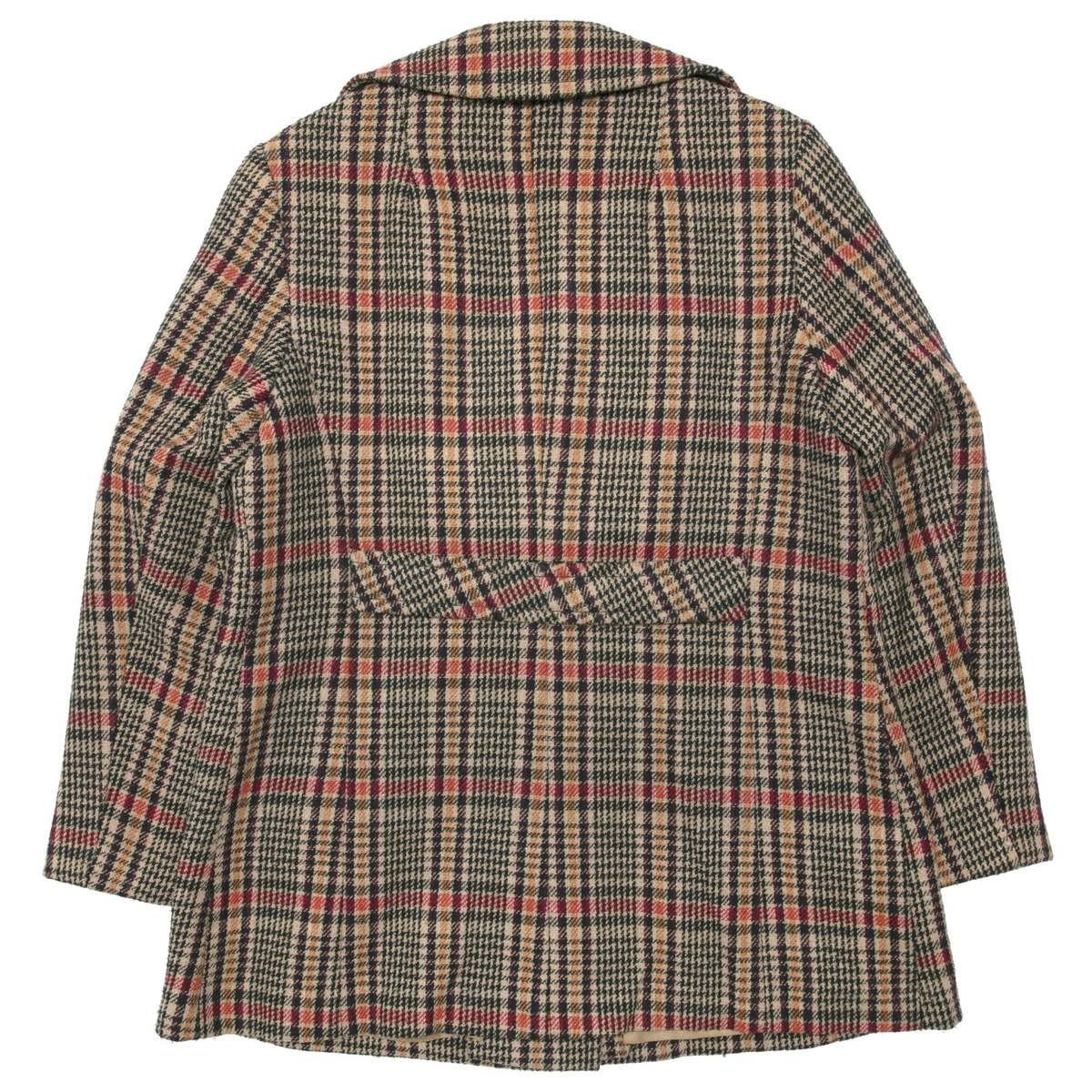
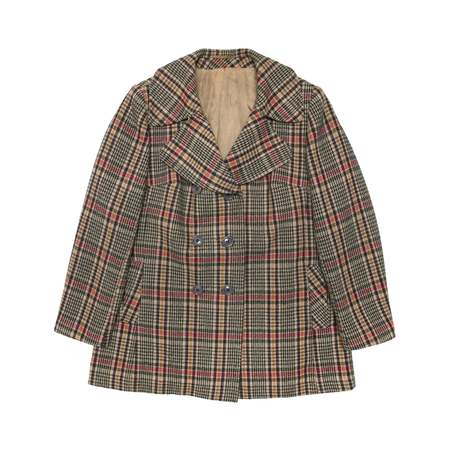
The 195863 Glen check overcoat fuses postwar tailoring discipline with mid-century femininitystructured, darted, and exquisitely matched across all panels. Synthesizing heritage textile fluency with precise mid-century womens tailoring, the double-breasted Glen check overcoat exemplifies a critical moment in the evolution of European ready-to-wearwhen practical outerwear absorbed the visual language of couture while remaining resolutely accessible. Though unsigned, the coats construction, silhouette, and textile composition locate it firmly within the postwar continental atelier or department store atelier system that flourished across France and West Germany between the late 1950s and early 1960s. Its tailored articulation, from the princess-seamed torso to the darted back belt panel, signals the hand of an accomplished regional tailor or houseone steeped in the logic of form-enhancing garments, translating the vocabulary of femininity into structured citywear. Brands such as Lener Cordier or early Etienne Aigner provide contextual parallels, representing a wave of mid-market tailoring that reconciled refinement with utilitarian discipline. Patterned with bold Glenurquhart plaid woven in a 2/2 wool twill, the cloth itself is an eloquent articulation of British textile heritage, reinterpreted through the lens of continental taste. This Glen check variant incorporates black, cream, camel, oxblood, and aubergine tones, composed of woollen-spun yarns that yield warmth, breathability, and textural softness. The nap is subtly raised, and the GSM is substantialestimated between 420480 g/mensuring seasonal insulation without excessive stiffness. Structurally, the fabrics visual rhythm is driven by the interplay of micro-houndstooth tessellations and overcheck bands, demanding meticulous plaid matching across all seams and panels. Execution in this garment is exemplary: lapels, shoulder seams, sleeve caps, and princess seams all maintain uninterrupted line continuation, evidencing exacting marker planning and skilled assembly. The coats silhouette fuses naval structure with romantic modulation. A reinterpretation of the peacoat archetype, it applies the formal codes of double-breasted front closure, oversized notched lapels, and broad shoulder articulation to a softly flared, A-line body. Set-in two-piece sleevesgathered subtly at the cap and finished with rounded shouldersprovide the sculptural gesture that animates mid-century womens tailoring. Darts are expertly manipulated through the princess seam system and converging into a back martingale panel that serves both as an optical cinch and structural reinforcement. This back tab is not an applied belt, but rather a shaped, inset component eased into the vertical seam matrixshowcasing advanced tailoring fluency in shaping, dart control, and pattern cohesion. Construction adheres to semi-industrial methods refined for high-volume production without compromising integrity. The lapels are built on soft canvas, roll gently from a padded break point, and maintain sharp form through pad stitching and internal stay-taping. The undercollar, cut on bias, is reinforced for shape retention and sewn with internal bias tape for neckline crispness. Buttonholes are machine-made with tight gimp threadwork and slightly elongated keyholes for durability under strain. The front closure features matte resin or imitation horn buttons, shank-attached and internally anchored with jiggers to secure the overlapping panel. Inset welt pockets are diagonally installed into the princess seams, both functionally ergonomic and visually integrated, with bar-tack reinforcements at stress points. Internally, the coat is partially lined with a khaki-beige satin twillbagged out at the hem and cuffsusing facings rather than full interlining, allowing greater drape and garment breathability. The lining is pleated at the front armscye to accommodate shoulder rotation, while the back panel remains flat, maintaining clean verticality. Seam finishes are a combination of clean overlocking and topstitching, consistent with high-end mid-century RTW standards. Hem and cuff edges are blind-hemmed, double-folded, and stabilized by internal tape, enabling the heavy plaid to fall cleanly and retain structural edge alignment. The wool itself speaks volumes. Loosely spun yet densely woven, it maintains a robust hand with directional stretch along the bias, facilitating garment shaping without compromising pattern fidelity. Its structure aligns with heritage offerings from Marling & Evans, Abraham Moon & Sons, Johnstons of Elgin, Lovat Mill, and Magee Weavingall mills known for estate tweeds, overcoating twills, and Glen plaids with heathered color variation and thermal resilience. While the color logic evokes Scottish tartans, the cloth remains grounded in Glen check tradition, offering a vibrant reinterpretation of British fieldwear adapted for urban sophistication. The garments psychological and conceptual dimension hinges on its dual nature: a coat designed for daily function yet embedded with quiet theatricality. The oversized lapel and vivid check confer presence, while the internal structuringdarted shaping, shoulder definition, and strategic volume distributionassert a feminine power anchored in mid-century ideals of discipline and elegance. This coat, therefore, communicates control without austerity, allowing professional authority to coexist with visual expressiona synthesis reflective of shifting gender roles and fashions response to them in the postwar decades. Aesthetically, the garment oscillates between bourgeois formality and subcultural reappropriation. Its silhouette and plaid align with the visual lexicon of 1960s officewear, but the scale of its pattern and the sharpness of its tailoring allow it to traverse stylistic boundariesequally at home in the wardrobe of a city professional or a woman of artistic temperament. Artistically, it reads as mid-century continental realism with a nod to British classicisma garment that asserts its presence through proportion, pattern logic, and structural discipline rather than decorative flourish. Historically, this overcoat belongs to the apex of post-Dior tailoring in womens RTW, produced between 1958 and 1963a period when silhouettes retained waist emphasis, shoulder structure, and flared hems, yet were increasingly informed by modular pragmatism. The presence of shoulder pads and the particular lapel-to-hem ratio mark it as pre-mini skirt revolution, situated firmly within the last decade of formal postwar tailoring. Its production provenance likely involves a regional atelier or department store atelierperhaps KaDeWe, Printemps, or Breuningercommissioning limited-run outerwear informed by high fashion but built to industrial metrics. In contemporary fashion contexts, this coat is fully aligned with the ongoing revival of gendered tailoring, heritage fabrics, and structured silhouettes. It anticipates the design language of brands such as Margaret Howell, Miu Mius archive collectsions, or Gabriela Hearstwhere traditional menswear motifs are rendered with feminine precision and material fluency. Its technical rigor and vintage textile make it viable for contemporary reissue or editorial deployment. Structurally intact, with clean lining, flawless pattern matching, and enduring aesthetic claritys, it holds market viability across collectsible, archival, and commercial categories. This garment is not simply a vintage overcoatit is a paradigm of tailored femininity in the mid-century idiom, an object lesson in how silhouette, structure, and textile can synthesize functionality with elegance. It remains a definitive artifact of 20th-century womens outerwear engineering, executed with a level of precision and contextual awareness that transcends its era. The coat occupies a deliberate interstice between postwar tailoring traditions and contemporary subversion, executing a familiar silhouette with just enough deflection to render it uncanny. Cut from a dense wool tweed that layers houndstooth with Glencoe in ochre, deep burgundy, and charcoal, the textile itself serves as a kind of built-in ornamentationeschewing applied embellishment in favor of compositional density. The weave performs visual, historical, and tactile labor simultaneously, aligning the garment with designers such as Self-Portrait and Silvia Tcherassi, whose practices rely on material complexity rather than decorative supplementation. But where their work might shimmer, this coat muttersdrawing instead from the tactile opacity and intellectual stoicism of Marion Donaldson, where avant-garde intention is camouflaged within utilitarian form. The silhouette resists nostalgia, even as it nods to mid-century lineage. The broad collar, boxy torso, and truncated hem summon the early structural experiments of Ben Zuckerman and Walter Albini, whose commitment to architectural silhouette over surface drama transformed outerwear into a sculptural exercise in negative space. The narrow-set, six-button double-breast reads as postwar pragmatism refined into visual codea detail favored by Ceil Chapman and Bonnie Cashin, whose coats embodied both containment and mobility. Yet this coats center of gravity is deliberately shifted: the dropped shoulder, soft interfacing, and sparse lining work against rigidity, producing a downward drift that deactivates formal expectations and reframes the garment as a study in kinetic mass rather than static shape. This transition from scaffolding to softness aligns closely with Faye Toogood, Frank & Eileen, and Loup Charmant, whose tailoring eschews strict formality in favor of fabric-led silhouettes. The collar roll and lapel break are assertive in geometry but tempered in scalea signature that resonates with the graphic restraint of Dirk Van Saene and the sculptural playfulness of Roksanda. These are designers who understand that proportion itself can be a subversive act, and this coat adopts that ethos with calibrated claritys. The absence of overt branding or interior detailing further anchors the garment in a philosophy of anti-spectacleheritage without homage, construction without noise. Its historical vocabulary draws from the tension between British equestrian utility and Parisian silhouette manipulation. The strong shoulder nods to a military-masculine precedent, while the tapering waist and modest flare echo the post-WWII re-feminization of outerweargestures present in the work of Adele Simpson, Jacques Heim, and Emma Domb. And yet the garment sidesteps reproduction; it metabolizes these influences without freezing them into reenactment. The coat becomes not a revival but a reconfigurationan architectural thesis written in cloth, a restrained recalibration of lineage. This is the same equation mastered by Chanel in her later decades, by Edward Achour in his modular compositions, and by Vionnet in her subversions of classical order. Where the coat most fully declares its voice is in its capacity for ironyquiet, pointed, and historically literate. Replica Shoes wearers fluent in fashion semiotics will recognize it not as retro but as referential: a statement made through restraint, where the volume of the silhouette contradicts the muted weave. Its elegance is engineered, not emoted. Like the work of John Galliano and James Galanos, it suggests a deep fluency in form and textile, but its spirit leans more toward pastoral oddity than urban polish. It carries the rural intellectualism of Natalie Martin, the aristocratic whimsy of Bill Gibb, and the folkloric detachment of Figuedesigners who understand how to dress character without veering into caricature. Positioned within the Anglo-French postwar tradition of de-dramatized elegance, this coat offers a study in structured humilitywhere textile supersedes trim, and silhouette delivers content. It negotiates space between the Paris atelier and the English country road, situated as much in the archives of Donaldson and Zuckerman as in the contemporary wardrobes of those who dress with memory, skepticism, and wit. In a market saturated with logo2mania and maximalism masquerading as innovation, this coat speaks to those who read rather than scancollectsors of quiet codes, students of silhouette, and wearers for whom fashion is both artifact and commentary. Measurements (cm) Chest: 52 Length: 77 Shoulder: 40 Sleeve: 59 Size Conversion (approximate) US Womens Size: L EU Womens Size: 40 SKU: 005211
Garmentory is a curated marketplace of independent boutiques and emerging designers from around the world.
Fashion With Intention
Aw yeah!
We love making new friends so while we're popping bottles, continue shopping to apply your $10 credit.
We've got a dedicated site "garmentory.co" just for our Indian customers! Shop with local currency, faster shipping, and exclusive products.
We cannot add this item to your bag because it’s already at max capacity. But don’t worry, we’ve saved it to your wish list.
Earn Replica Belts credits when you shop, wishlist, and inspire others.

Have a question about the size or something else? We're here to help!